Are you ready to stand out in your next interview? Understanding and preparing for Dockside Equipment Operation interview questions is a game-changer. In this blog, we’ve compiled key questions and expert advice to help you showcase your skills with confidence and precision. Let’s get started on your journey to acing the interview.
Questions Asked in Dockside Equipment Operation Interview
Q 1. Describe your experience operating a forklift.
I have extensive experience operating forklifts, holding a valid certification and having accumulated over 8 years of hands-on experience in various warehouse and dockside environments. My experience encompasses a wide range of forklift types, including counterbalance, reach trucks, and order pickers. I’m proficient in loading and unloading containers, stacking pallets to optimized heights, and maneuvering in tight spaces while maintaining strict adherence to safety protocols. For example, I once had to navigate a particularly congested dock area during peak shipping hours, requiring precise maneuvering to avoid collisions and ensure the timely loading of a shipment of perishable goods. My ability to swiftly and safely handle this situation demonstrated my competence and adaptability.
I’m well-versed in pre-operational checks – ensuring fluid levels, tire pressure, and overall machine functionality are optimal before starting any operation. This proactive approach minimizes the risk of equipment malfunction and ensures safe operation.
Q 2. What safety procedures do you follow when operating dockside cranes?
Safety is paramount when operating dockside cranes. My routine begins with a thorough pre-operational inspection of the crane, including checking all cables, hooks, and load limits. I always ensure I have a clear communication system in place with the ground crew, using hand signals and/or radios to coordinate lifting operations. I strictly adhere to the crane’s load capacity, never exceeding it. Before initiating any lift, I carefully assess the weight and dimensions of the cargo, and ensure a stable and level lifting point. A crucial element is proper rigging techniques – selecting the appropriate slings and ensuring they are properly secured. I never work under a suspended load, and I always maintain a safe distance from the moving crane and cargo. Lastly, I always ensure the area is free of obstacles and personnel before initiating a lift.
Imagine a scenario where a container needs to be moved from the ship’s hold to the dock. Before I start the lift, I communicate with my team, confirming the weight, and making sure everyone is clear from the crane’s swing radius. A misstep could be extremely dangerous. This careful methodology minimizes risk and keeps everyone safe.
Q 3. Explain the different types of mooring lines and their applications.
Mooring lines are essential for securing vessels to the dock. Different lines serve different purposes.
- Nylon lines: These are strong, elastic, and relatively lightweight, making them suitable for general mooring and springing (absorbing shock). They are however, susceptible to UV degradation.
- Polyester lines: Stronger and less stretchy than nylon, these lines are excellent for heavy-duty mooring where less give is desired. They also hold up better to UV exposure than nylon.
- Wire ropes: These are the strongest and most durable, used for high-tension mooring and heavy loads. However, they are more prone to corrosion and require regular inspection and maintenance.
- Polypropylene lines: These are lightweight, buoyant, and resistant to rotting and mildew, making them ideal for fendering or less critical mooring needs.
The choice of mooring line depends on factors like vessel size, environmental conditions, and the type of cargo being handled. For example, in a harsh marine environment, I would favor a polyester or wire rope for its superior strength and durability.
Q 4. How do you ensure the safe loading and unloading of cargo?
Safe loading and unloading hinges on meticulous planning and execution. It begins with confirming the cargo details – its weight, dimensions, and fragility – to select appropriate handling equipment and techniques. I always verify the stability of the vessel and the dock, ensuring level surfaces and adequate support. Properly securing the cargo during transport is vital. For example, using appropriate straps, dunnage, and lashing techniques prevents shifting and damage. Throughout the process, clear communication with the crane operator, stevedores, and other personnel ensures that everyone is aware of the procedures. Regular inspection for damage is vital for cargo, as well as the handling equipment.
In a scenario involving fragile items, like electronics, I would ensure proper padding and bracing to protect them from damage. Slow, deliberate movements are essential for fragile cargo. This methodical approach prevents accidents and ensures cargo integrity.
Q 5. What are the common causes of equipment malfunctions and how do you troubleshoot them?
Equipment malfunctions can stem from various causes, including worn parts, improper maintenance, operator error, or environmental factors.
- Hydraulic Leaks: These can lead to reduced lifting capacity or complete failure. Troubleshooting involves inspecting hoses and seals for damage and promptly repairing or replacing them.
- Electrical Faults: These can manifest as erratic operation or complete power loss. Troubleshooting may necessitate checking wiring, fuses, and electrical components, potentially requiring the assistance of a qualified electrician.
- Mechanical Issues: Worn gears, bearings, or other mechanical parts can cause reduced efficiency or complete equipment failure. Regular lubrication and preventative maintenance are key to mitigating this.
My approach to troubleshooting involves a systematic approach – starting with a visual inspection, checking for obvious damage, and then moving on to more detailed diagnostic steps. Safety is always the priority – if unsure about a repair, I always consult with a qualified mechanic before attempting any further operation.
Q 6. Describe your experience with different types of cargo handling equipment.
My experience encompasses a broad range of cargo handling equipment including forklifts (as previously mentioned), reach stackers, container cranes, gantry cranes, and various types of conveyors. I am proficient in operating these machines safely and efficiently, understanding their specific capabilities and limitations. I’m also familiar with specialized equipment for handling specific cargo types, such as refrigerated containers or oversized items. This diverse experience allows me to adapt quickly to different situations and ensure efficient cargo handling operations.
For example, using a reach stacker, I can quickly and safely move stacked containers within a container yard, whereas a gantry crane is necessary for lifting and placing heavier cargo onto vessels. Understanding the nuances of each machine allows for optimization of the process.
Q 7. How do you maintain a safe working environment on the dock?
Maintaining a safe working environment on the dock is a continuous process. It involves implementing and enforcing safety protocols, including the proper use of Personal Protective Equipment (PPE) – like safety boots, high-visibility vests, and hard hats. Regular inspections of the dock area for potential hazards – like uneven surfaces, debris, or damaged equipment – are essential. Clear signage, well-lit areas, and the implementation of traffic management systems are important for reducing the risk of accidents. Good communication among all workers is key. This encompasses regular safety briefings and training sessions to ensure everyone is aware of the procedures and potential risks.
Imagine a situation where rain has made the dock surface slippery. My responsibility is to identify the hazard, implement control measures, like warning signs and potentially halting operations until the conditions improve. This proactive approach protects workers from potential injury.
Q 8. What is your experience with load securing techniques?
Load securing is paramount in dockside operations to prevent cargo shifting, damage, and accidents. It involves using appropriate equipment and techniques to firmly hold cargo in place during transport. My experience encompasses securing various cargo types, from containers and pallets to oversized and heavy-lift items. This involves understanding the characteristics of the cargo (weight, size, fragility), the environmental conditions (sea state, temperature), and selecting the right securing devices.
- Methods: I’m proficient in using lashing systems (chains, straps, wire ropes), dunnage (wood blocks, airbags), and container securing hardware. I meticulously ensure proper tension and distribution of securing forces.
- Documentation: I meticulously document the securing process, including diagrams, equipment used, and securing points, adhering to all relevant international maritime regulations like the IMO/SOLAS code.
- Example: When securing a shipment of delicate machinery, I would use soft-lashing straps to prevent damage, and carefully distribute the weight to ensure no point experiences excessive stress. For heavier containers, I’d utilize heavy-duty chains and ensure they’re properly tensioned using load indicators.
Q 9. Explain your understanding of weight distribution and its importance in cargo handling.
Weight distribution is crucial for stability and safety in cargo handling. Uneven weight distribution can lead to structural damage to the vessel or equipment, instability during lifting, and accidents. My understanding involves calculating the center of gravity and distributing weight evenly across the lifting points or support structures. This ensures that stresses are evenly distributed and within safe limits.
- Techniques: This often involves careful planning before lifting, using proper lifting equipment, and understanding the weight limits of the equipment. I use load charts and software to simulate weight distribution during planning phases.
- Practical Application: For instance, when loading a heavy container onto a vessel, the weight should be distributed evenly across the vessel’s deck to avoid overloading certain sections. If the weight is heavily concentrated in one area, it could cause the deck to sag or even collapse.
Q 10. How do you communicate effectively with other crew members during operations?
Effective communication is critical for safety and efficiency in dockside operations. I utilize clear and concise communication methods, adapting to the situation and the audience. This includes using hand signals, two-way radios, and face-to-face communication.
- Hand Signals: Proficient in standardized hand signals to direct crane operations, ensuring everyone is on the same page and there’s no miscommunication. (I’ll elaborate on this in a later answer).
- Radio Communication: I utilize clear and concise radio communication, following established protocols and using appropriate terminology, keeping everyone informed on the status of operations and any potential hazards.
- Face-to-Face Communication: Before commencing an operation, I conduct pre-operational briefings to clarify roles, responsibilities and to identify and mitigate any potential risks.
- Example: If an unexpected obstacle appears during a lift, I’ll immediately use the radio to inform the crane operator and ground crew, giving specific instructions and coordinating actions to ensure the safety of personnel and equipment.
Q 11. What is your experience with pre-operational checks on dockside equipment?
Pre-operational checks are essential for safe and efficient operation of dockside equipment. These checks help prevent equipment failure and ensure the safety of personnel and cargo. My experience includes comprehensive checks of all equipment before each operation.
- Checks: I meticulously inspect the crane, including the structure, hydraulics, electrical systems, brakes, safety devices, load indicators, and rigging equipment for any defects or damage. I also check the surrounding area for obstacles and ensure adequate space for operations.
- Documentation: I meticulously document all pre-operational checks, noting any issues or required maintenance. This documentation serves as a record for traceability and liability.
- Example: A pre-operational check might reveal a worn brake pad, which would be immediately reported and rectified before any lifting operation begins.
Q 12. Describe your knowledge of different types of dockside cranes (e.g., gantry, mobile harbor).
I have experience with various types of dockside cranes, each suited to different tasks and cargo types:
- Gantry Cranes: These are fixed structures that run along rails, excellent for handling large container volumes efficiently in container terminals. They offer high lifting capacity and reach.
- Mobile Harbor Cranes: These are self-propelled cranes, offering flexibility in movement and versatility for various cargo types. They are ideal for terminals with less structured layouts.
- Floating Cranes: Large cranes mounted on barges used for heavy-lift operations and projects requiring mobility on water.
- Ship-to-Shore (STS) Cranes: Massive cranes used in container terminals for transferring containers between ships and the landside.
My knowledge extends to their operational features, safety mechanisms, and limitations. I understand the importance of selecting the right type of crane for the job, considering factors like cargo weight, size, and the terminal layout.
Q 13. How do you handle unexpected situations or emergencies during operations?
Handling unexpected situations requires a calm, decisive approach and adherence to established emergency procedures. My experience includes dealing with equipment malfunctions, cargo damage, and inclement weather conditions.
- Problem-Solving: My approach involves quickly assessing the situation, prioritizing safety, and implementing appropriate corrective actions. I communicate clearly and effectively with the crew to coordinate responses.
- Emergency Procedures: I’m well-versed in emergency protocols, including evacuation procedures, communication channels, and reporting procedures. I know when and how to contact emergency services.
- Example: If a crane malfunction occurs, I’ll immediately halt the operation, ensure the safety of personnel, and communicate with maintenance personnel to address the issue. The priority is to prevent further damage and ensure the safety of everyone involved.
Q 14. What are your skills in using hand signals for crane operation?
Hand signals are a crucial aspect of safe and efficient crane operations. They ensure clear communication between the crane operator and the ground crew, especially in noisy environments. I’m proficient in using the standard hand signals used in the industry.
- Standard Signals: I know the signals for hoisting, lowering, swinging, stopping, emergency stops, and various other commands. These signals are consistent and universally understood in the maritime industry.
- Clarity and Consistency: I emphasize clear and consistent hand signals, ensuring the operator understands the intended actions without ambiguity.
- Example: I’ll demonstrate a clear, distinct upward hand signal followed by a slow lowering signal, giving sufficient time for the crane operator to respond safely and correctly.
Q 15. What are your experience with different types of cargo (e.g., containers, bulk goods)?
My experience encompasses a wide range of cargo types, primarily focusing on containers and bulk goods. With containers, I’m proficient in handling various sizes, from standard 20-foot and 40-foot units to specialized reefer containers requiring temperature control and oversized or heavy-lift containers demanding specialized equipment and procedures. This includes experience with stacking, lashing, securing, and transferring containers using various dockside equipment like cranes, forklifts, and reach stackers. For bulk goods, my experience includes handling grains, ores, and other commodities, requiring knowledge of different loading and unloading techniques, ensuring proper segregation to prevent contamination and managing the flow of material to avoid bottlenecks. I’ve worked with both pneumatic systems and conveyor belts for efficient bulk cargo handling. I am familiar with the intricacies of different cargo types, their handling requirements, and the necessary safety precautions.
For example, during a recent project involving the loading of a vessel with iron ore, I effectively coordinated the use of a conveyor belt system and a series of hoppers to maintain a consistent flow rate, minimizing downtime and ensuring the vessel was loaded within the scheduled timeframe. Similarly, while working with refrigerated containers, I successfully identified and rectified a malfunctioning cooling unit, preventing spoilage and potential financial losses.
Career Expert Tips:
- Ace those interviews! Prepare effectively by reviewing the Top 50 Most Common Interview Questions on ResumeGemini.
- Navigate your job search with confidence! Explore a wide range of Career Tips on ResumeGemini. Learn about common challenges and recommendations to overcome them.
- Craft the perfect resume! Master the Art of Resume Writing with ResumeGemini’s guide. Showcase your unique qualifications and achievements effectively.
- Don’t miss out on holiday savings! Build your dream resume with ResumeGemini’s ATS optimized templates.
Q 16. Explain your understanding of maritime regulations and safety standards.
My understanding of maritime regulations and safety standards is comprehensive and up-to-date. I am familiar with the International Maritime Organization (IMO) codes, including the International Code of Safety for Ships and Port Facility Security (ISPS) code. I understand the importance of following these regulations to prevent accidents and ensure the safety of personnel, cargo, and the environment. This involves adhering to strict protocols related to cargo handling, crane operations, equipment maintenance, and personal protective equipment (PPE) use. I am also well-versed in local port regulations and any specific requirements pertaining to the handling of hazardous materials.
For instance, I ensure that all equipment undergoes regular inspections and maintenance to meet safety standards. Before any operation, I conduct thorough risk assessments, identifying potential hazards and implementing mitigation strategies. I am also trained in emergency response procedures, including fire safety and spill management. Compliance with regulations is not just a matter of following rules; it’s about fostering a culture of safety and preventing accidents before they happen.
Q 17. How do you manage your time effectively during busy periods?
Effective time management during peak periods is crucial in dockside operations. My approach involves a combination of meticulous planning, prioritization, and efficient communication. Before a busy period, I review the vessel schedule, cargo manifests, and equipment availability to develop a realistic operational plan. I then break down the plan into smaller, manageable tasks, assigning responsibilities to team members based on their skills and experience. Throughout the operation, I continuously monitor progress, adjusting the plan as needed to address any unforeseen delays or challenges. Clear communication with all stakeholders, including vessel crew, terminal staff, and transportation providers, is crucial for maintaining efficiency and coordinating efforts.
For example, during a particularly busy week with multiple vessel arrivals, I implemented a color-coded system for prioritizing tasks, ensuring that critical operations such as loading hazardous materials received immediate attention. Regular communication updates with the team kept everyone informed and coordinated, avoiding confusion and minimizing delays.
Q 18. How do you prioritize tasks during a complex operation?
Prioritizing tasks during a complex operation requires a structured approach. I typically use a combination of factors to determine priority, including urgency, impact, and dependencies. Tasks with immediate deadlines and significant consequences are prioritized first. Tasks that are dependent on other tasks are sequenced appropriately to avoid bottlenecks. I utilize tools like Gantt charts or Kanban boards to visualize task dependencies and track progress, which significantly improves the efficiency of complex operations. Clear communication with the team is critical to ensure everyone understands the priorities and their individual roles in achieving them.
For instance, during the simultaneous handling of containerized and bulk cargo, I would prioritize the unloading of perishable goods in refrigerated containers before addressing other less time-sensitive cargo types. This ensures the timely delivery of sensitive goods and prevents potential losses.
Q 19. What is your experience with maintaining accurate records and documentation?
Maintaining accurate records and documentation is critical for ensuring accountability and efficient operations. I am meticulous in documenting all aspects of each operation, including cargo manifests, equipment logs, safety inspections, and incident reports. I use both digital and paper-based systems, depending on the specific requirements of the operation. Digital systems, such as terminal operating systems (TOS), allow for efficient data management and tracking. Paper-based records are often maintained as backups or for situations where digital access is limited. All records are clearly labeled, dated, and stored securely according to company policy and regulatory requirements. Accuracy and completeness are paramount to prevent errors and ensure regulatory compliance.
I have experience using various software for record keeping, including specialized terminal operating systems. My experience ensures records are accurate, readily accessible, and audit-ready. This ensures efficient tracking of all operations and facilitates efficient reporting to regulatory bodies.
Q 20. Describe your proficiency in using relevant software or technologies.
My proficiency in relevant software and technologies includes experience with various Terminal Operating Systems (TOS), cargo management systems, and communication platforms. I am comfortable using TOS software to track cargo movement, manage vessel schedules, and optimize resource allocation. I’m also proficient in using specialized crane control systems, ensuring safe and efficient crane operation. Furthermore, I am familiar with various communication tools, including radio systems and handheld devices, to facilitate efficient communication within the team and with other stakeholders. I am also comfortable with basic data analysis to identify trends, monitor performance, and improve operational efficiency.
For instance, I am proficient in using a specific TOS software to manage the real-time tracking of containers, from arrival to departure, thereby ensuring operational efficiency and preventing delays.
Q 21. How do you adapt to changing work conditions and demands?
Adaptability is key in dockside operations, where conditions and demands can change rapidly. My approach to adapting to changing work conditions involves maintaining a flexible mindset, proactively seeking information, and actively collaborating with colleagues. When faced with unforeseen challenges, I assess the situation, identify potential solutions, and promptly communicate the changes to the team. I value continuous learning and actively seek opportunities to enhance my skills and knowledge, keeping myself updated on industry best practices and technological advancements. I believe that a proactive and adaptable approach is essential for navigating the dynamic nature of the dockside environment.
For example, during an unexpected storm, I quickly reorganized operations, prioritizing the securing of cargo and equipment to prevent damage, and ensuring the safety of personnel. The ability to adapt and respond effectively minimized losses and ensured the continuity of operations as quickly as possible.
Q 22. What are your problem-solving skills in a high-pressure environment?
In dockside operations, high-pressure situations are commonplace – think a vessel arriving late, a sudden storm, or equipment malfunction during peak loading. My approach is systematic. First, I assess the situation calmly, identifying the core problem and its immediate consequences. Then, I prioritize tasks, focusing on the most critical issues first. This might involve delegating tasks to reliable team members, while I personally address the most urgent problem. For instance, if a crane malfunctions during unloading, I’d first ensure the safety of personnel and the cargo, then coordinate with maintenance to get the crane fixed as quickly as possible, perhaps temporarily diverting cargo to a secondary unloading point. Finally, I document everything – the problem, the solution, and any lessons learned – to improve future responses.
For example, during a heavy storm, we had a container ship delayed. We had to rearrange the unloading schedule while ensuring the safety of everyone on the docks. I focused on securing the already unloaded containers, deploying additional personnel for security, and communicating with the ship’s captain and our supervisors. Clear and timely communication was crucial in mitigating the situation efficiently and safely.
Q 23. Explain your understanding of the importance of teamwork in dockside operations.
Teamwork is the backbone of successful dockside operations. It’s not just about cooperation; it’s about seamless coordination and mutual trust. Dockside operations involve numerous moving parts – cranes, forklifts, trucks, personnel – and any breakdown in communication or coordination can lead to delays, accidents, or even damage to cargo. We rely heavily on effective communication, whether it’s using radios, hand signals, or pre-planned procedures. For instance, the crane operator, the forklift driver, the stevedores, and the supervisors all need to be on the same page. Everyone has a specific role and understanding each role’s importance fosters a collaborative environment.
Consider a scenario where we’re unloading a vessel with sensitive electronics. A strong team, where every individual understands their role and the overall goal, ensures that the unloading process is quick, efficient, and most importantly, damage-free. The stevedores handle the cargo gently, the crane operator positions the load precisely, and the forklift drivers transport it safely to its designated storage location. Every individual’s contribution contributes to a positive outcome.
Q 24. How do you ensure compliance with environmental regulations?
Environmental compliance is paramount in dockside operations. We adhere to strict regulations regarding waste disposal, air emissions, and water pollution. This involves proper handling of hazardous materials, ensuring that spills are cleaned up immediately, and utilizing environmentally friendly equipment wherever possible. We regularly undergo environmental audits and training to stay updated on the latest regulations and best practices. Our procedures include meticulous record-keeping of all waste generated, its disposal method, and adherence to permitted discharge limits.
For instance, we have a strict protocol for handling oil spills. This includes immediately containing the spill, using absorbent materials to remove the oil, and contacting the appropriate environmental agencies to report the incident. We also maintain detailed logs of all our waste disposal activities, which are audited regularly to ensure full compliance with local and national environmental regulations.
Q 25. What are your experience with different types of conveyor systems?
My experience encompasses a variety of conveyor systems commonly used in dockside operations. I’m familiar with belt conveyors, roller conveyors, and chain conveyors, each suited to different cargo types and handling needs. Belt conveyors are excellent for high-volume, bulk cargo, while roller conveyors are more suitable for palletized or individual units. Chain conveyors are often used for heavy or oversized items. I understand their maintenance requirements – lubrication schedules, component inspections, and emergency shut-off procedures.
In a recent project, we integrated a new automated belt conveyor system to improve the efficiency of our grain handling operations. This involved thorough planning and coordination with the suppliers, installation teams, and operational staff to ensure a seamless transition and minimal disruption to our workflow. Understanding the technical aspects of different conveyor types, including capacity, speed, and safety features, is critical to optimize the overall loading and unloading processes.
Q 26. Describe your experience with securing cargo against theft and damage.
Securing cargo is critical to prevent theft and damage. We utilize a multi-layered approach, including proper stacking techniques, appropriate packaging, and robust securing mechanisms. This can include using straps, chains, or specialized locking devices to prevent shifting during transit. We also implement security measures such as surveillance systems (CCTV) and access control to deter theft. Regular inspections of cargo and the security systems are crucial to identify and address potential vulnerabilities.
For valuable or sensitive cargo, we might implement additional security protocols, such as using tamper-evident seals or employing security personnel to monitor the cargo during loading and unloading. Careful documentation, including photographic evidence of secured cargo, is essential to maintain a verifiable record and to facilitate insurance claims if necessary. We also conduct regular training sessions with our team on the best practices for cargo securing and theft prevention.
Q 27. What steps do you take to ensure the safety of pedestrians and vehicles on the dock?
Pedestrian and vehicle safety on the dock is paramount. We maintain clearly marked pedestrian walkways, separate from vehicle traffic areas. Speed limits are strictly enforced for all vehicles, and regular safety inspections are conducted on all equipment to ensure it is in good working order and meets safety standards. We also utilize warning signs, lights, and barriers to alert pedestrians to potential hazards. Regular safety training and refresher courses are conducted for all personnel, emphasizing safe working practices and emergency procedures.
For example, we have designated zones for loading and unloading, with clear signage and barriers. We also use traffic control personnel during peak hours to guide vehicles and prevent congestion, reducing the risk of accidents. Clear communication between personnel is crucial in coordinating movements and preventing collisions.
Q 28. How do you deal with conflicts or disagreements among crew members?
Conflicts or disagreements among crew members are addressed promptly and professionally. My approach is to create an open and communicative environment where individuals feel comfortable voicing their concerns. I encourage direct communication between the individuals involved, facilitating a discussion aimed at understanding each perspective. If a resolution cannot be reached directly, I mediate the discussion, focusing on finding a solution that is mutually acceptable and respects the needs of all parties involved.
For example, if there’s a disagreement between a crane operator and a stevedore regarding the placement of a container, I would facilitate a conversation where they can openly discuss the issue. I’d emphasize the importance of safety and efficiency, encouraging a compromise that ensures both safety and productivity are maintained. Following the resolution, I’d reinforce the importance of communication and teamwork to prevent future conflicts.
Key Topics to Learn for Dockside Equipment Operation Interview
- Safety Procedures and Regulations: Understanding and applying all relevant safety protocols, including emergency procedures and hazard identification for various dockside equipment.
- Equipment Operation and Maintenance: Practical knowledge of operating different types of dockside equipment (e.g., cranes, forklifts, gantry cranes), including pre-operational checks, routine maintenance, and troubleshooting minor issues. This includes understanding load limits and capacity restrictions.
- Cargo Handling Techniques: Safe and efficient methods for loading, unloading, and securing various types of cargo, considering different sizes, weights, and fragility.
- Communication and Teamwork: Effective communication with colleagues, supervisors, and other stakeholders involved in dockside operations, emphasizing clear and concise instructions and responses.
- Problem-Solving and Decision-Making: Analyzing and resolving unexpected issues or challenges that may arise during dockside operations, prioritizing safety and efficiency.
- Logistics and Inventory Management: Understanding the flow of goods and materials within the dockside environment, including inventory tracking and optimization strategies.
- Regulations and Compliance: Familiarity with relevant industry regulations, including those pertaining to safety, environmental protection, and cargo handling.
Next Steps
Mastering Dockside Equipment Operation opens doors to exciting career advancements, offering opportunities for specialization, increased responsibility, and higher earning potential. A strong resume is crucial for showcasing your skills and experience to potential employers. Creating an ATS-friendly resume significantly increases your chances of getting your application noticed. We strongly recommend using ResumeGemini to build a professional and impactful resume. ResumeGemini provides the tools and resources to craft a compelling narrative that highlights your abilities, and we offer examples of resumes tailored to Dockside Equipment Operation to help you get started.
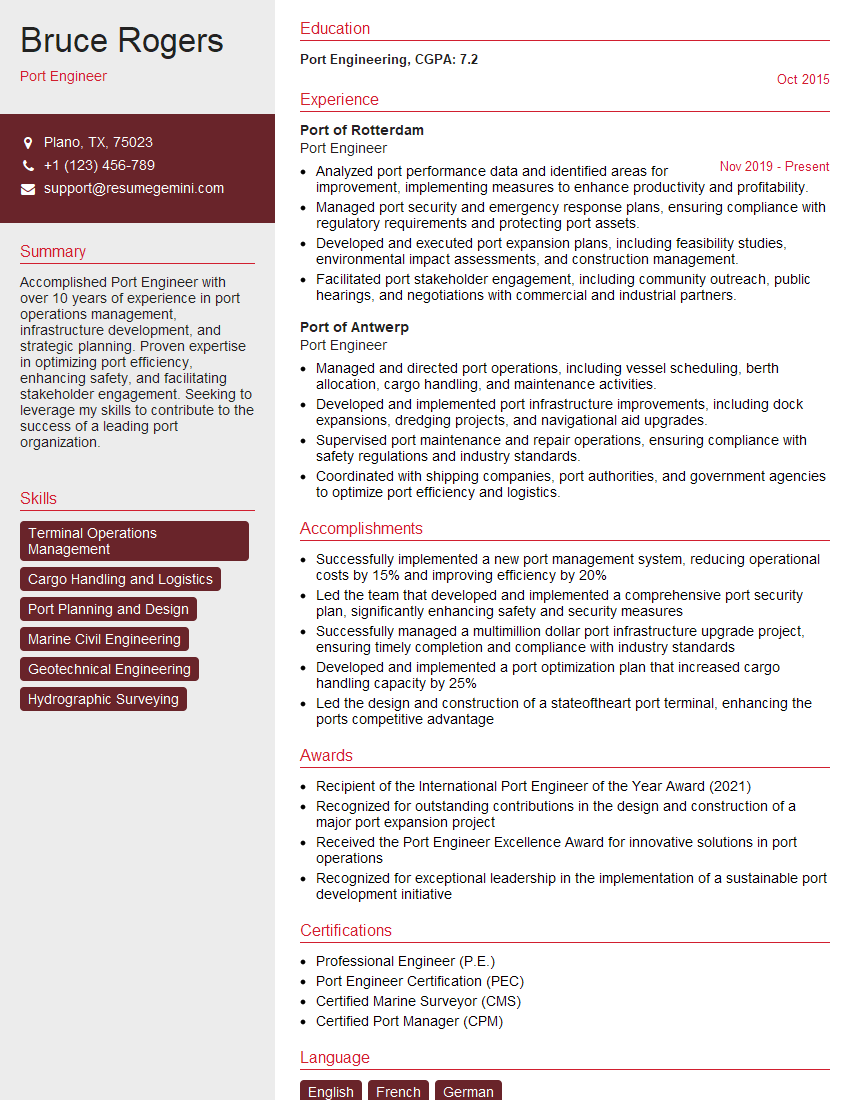
Port Engineer Resume Sample

Crane Operator Resume Sample
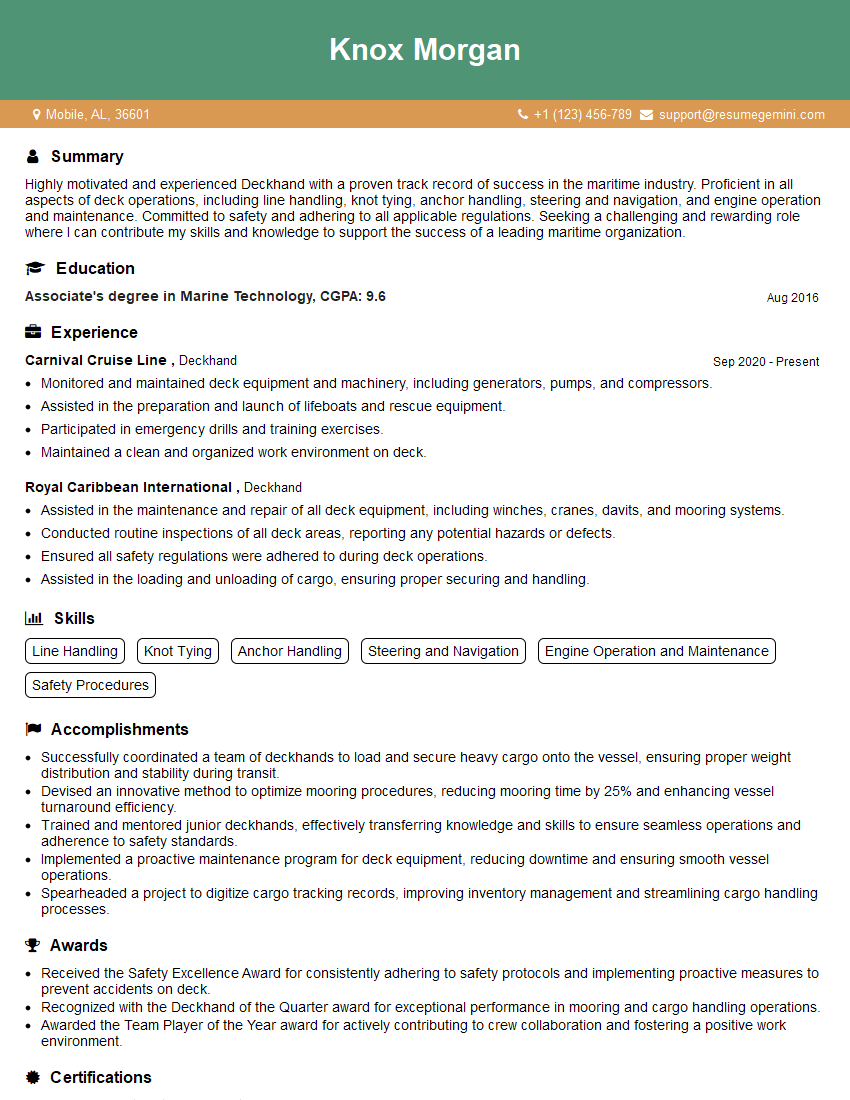
Deckhand Resume Sample
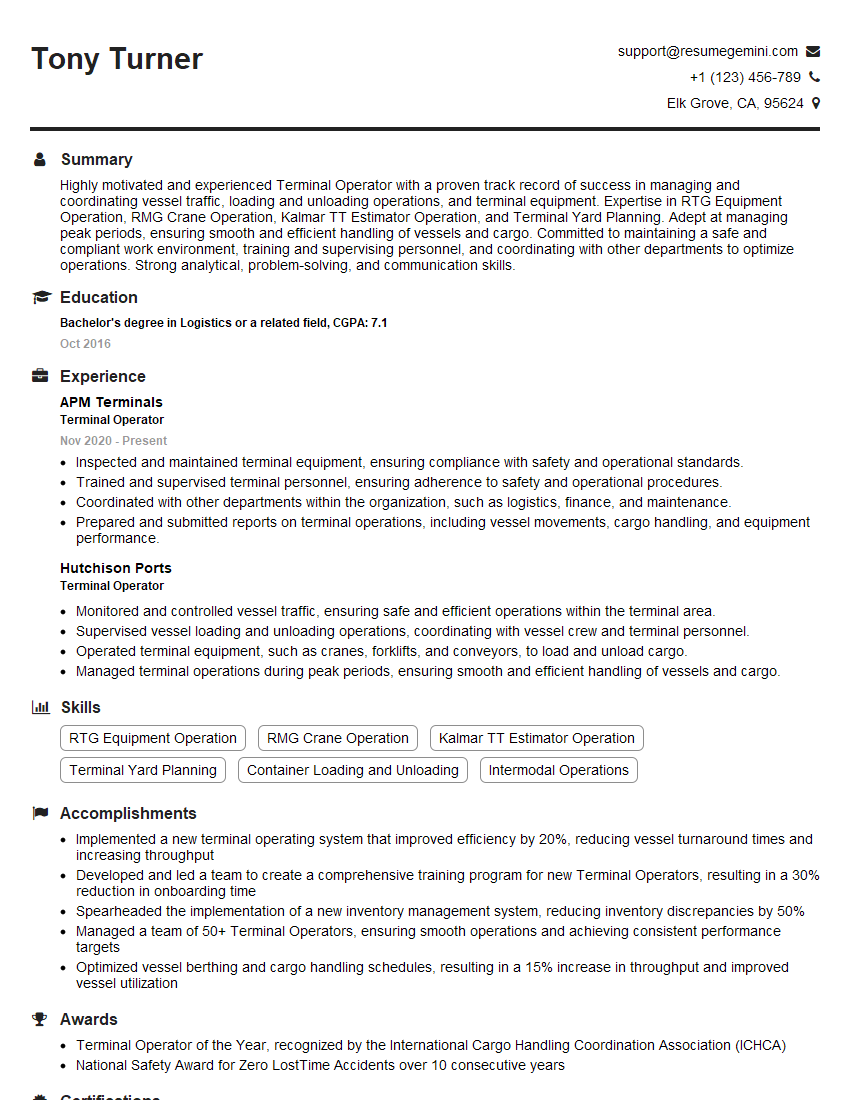
Terminal Operator Resume Sample
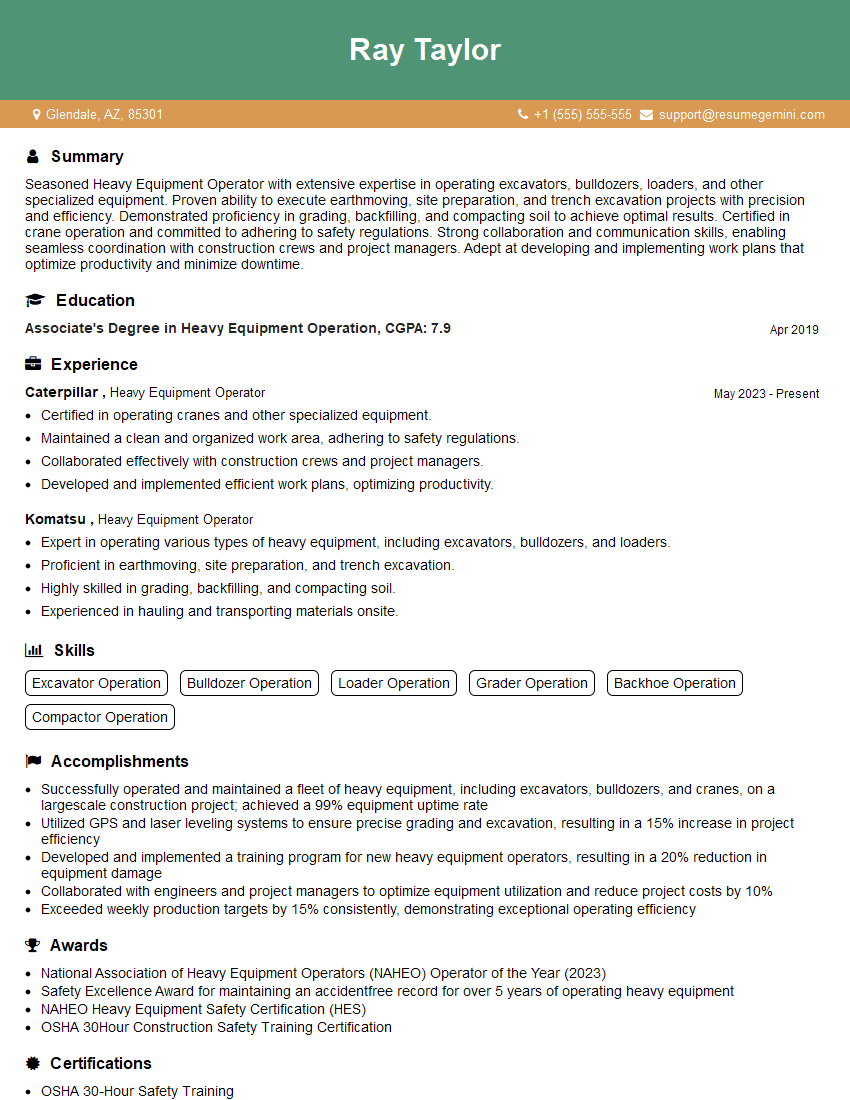
Heavy Equipment Operator Resume Sample
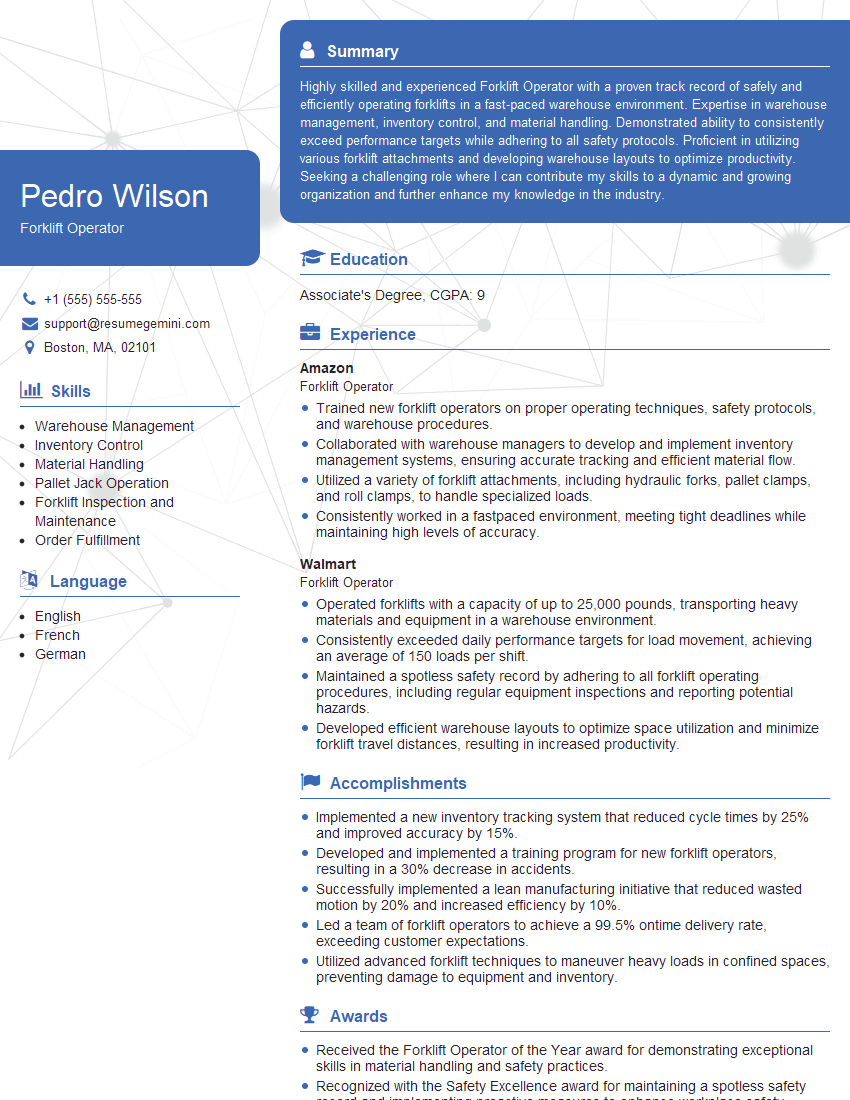
Forklift Operator Resume Sample
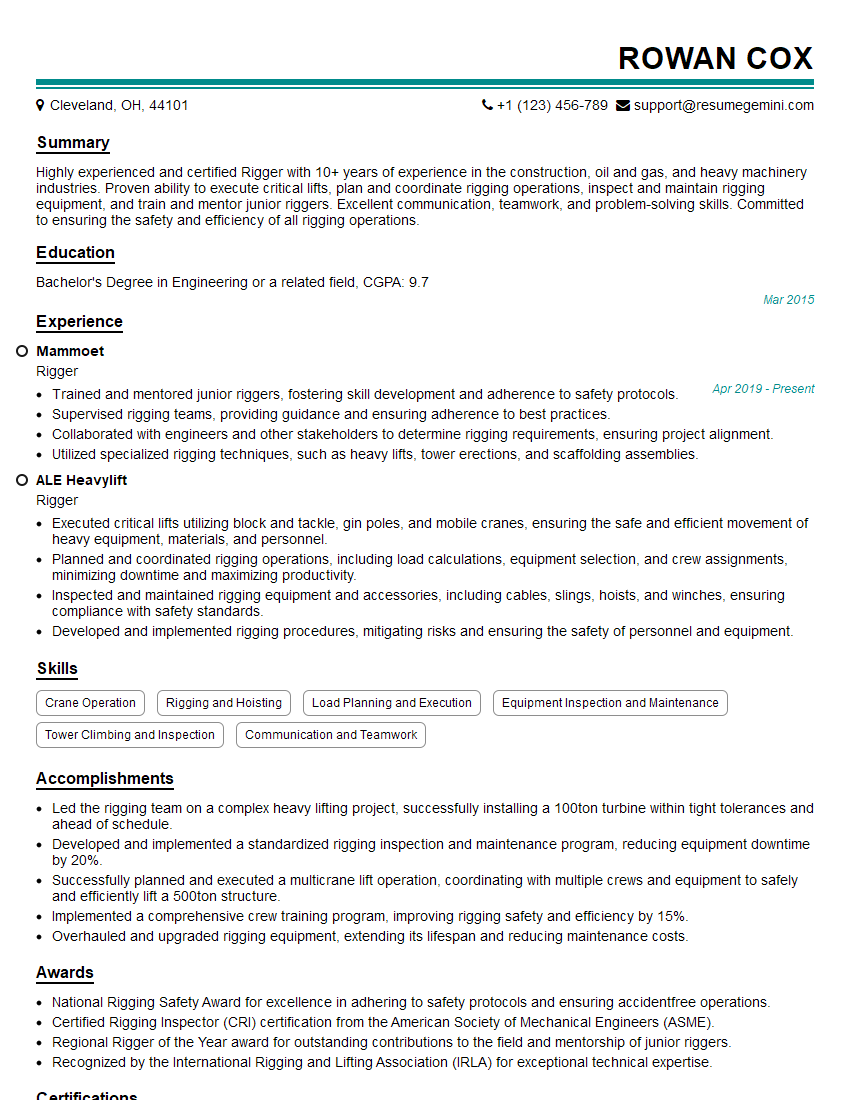
Rigger Resume Sample
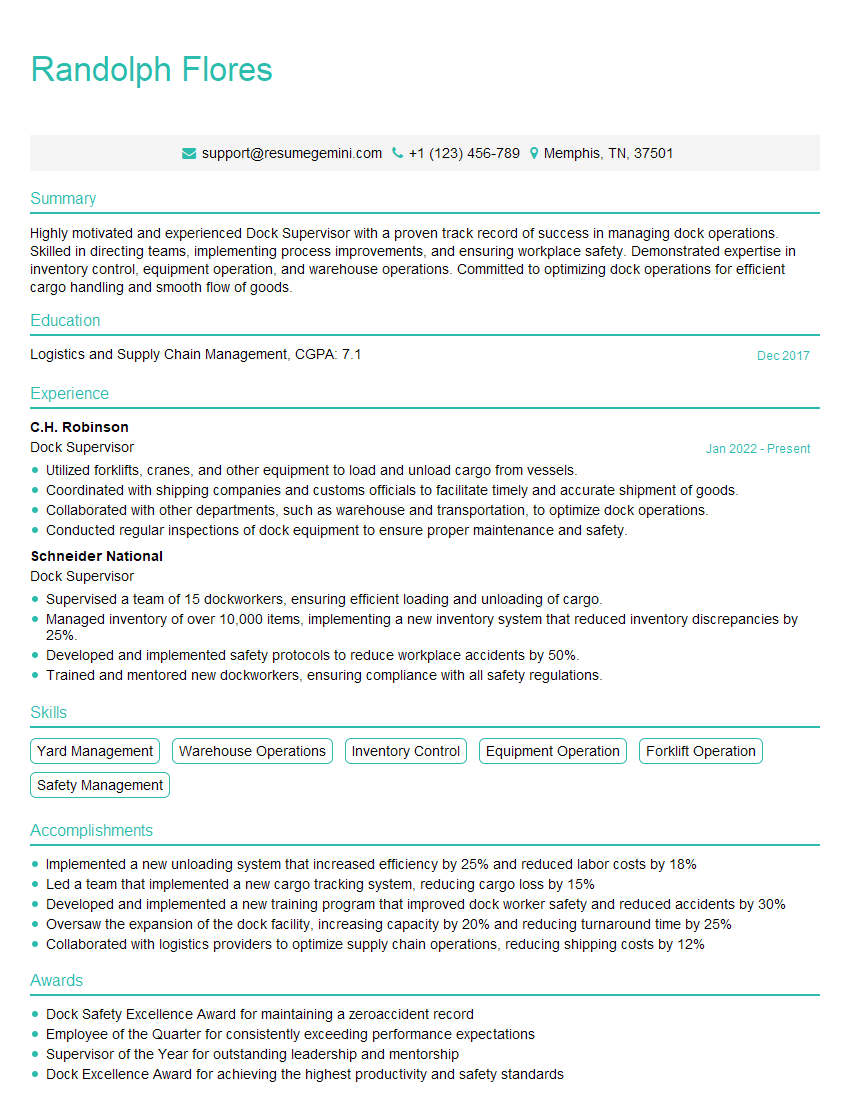
Dock Supervisor Resume Sample
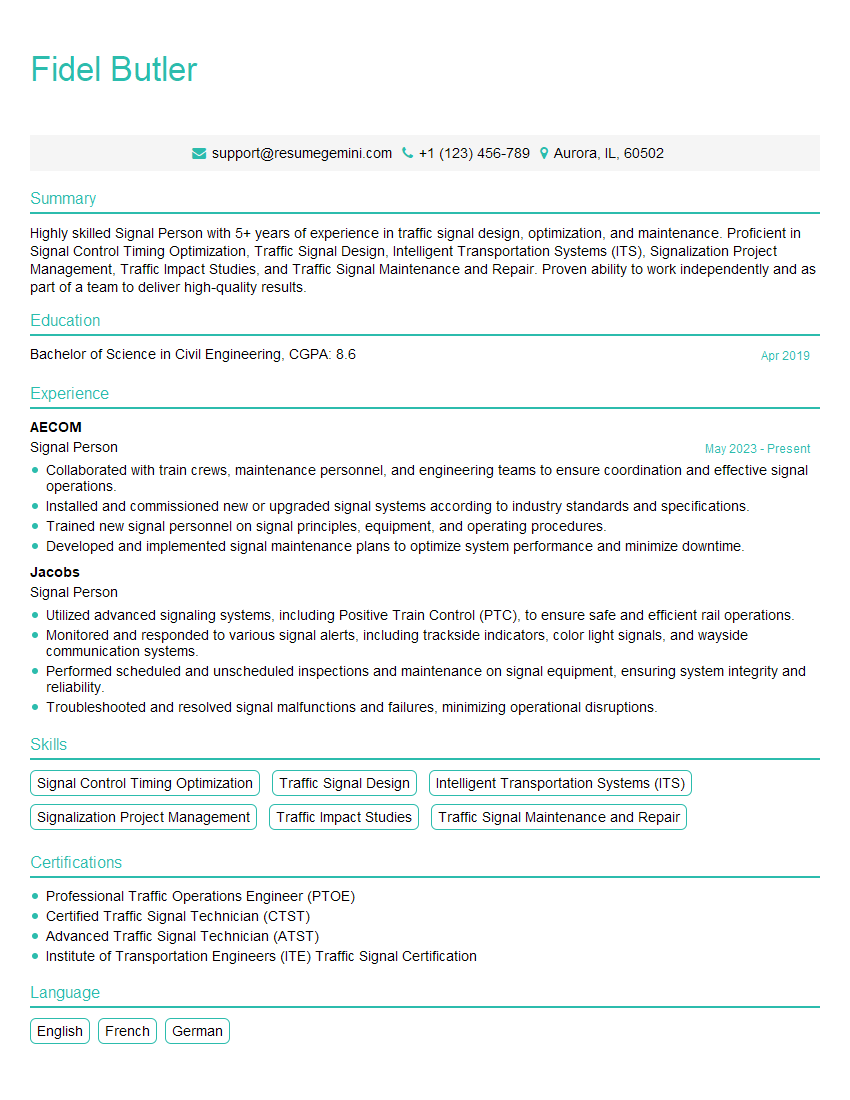
Signal Person Resume Sample

Tugboat Operator Resume Sample
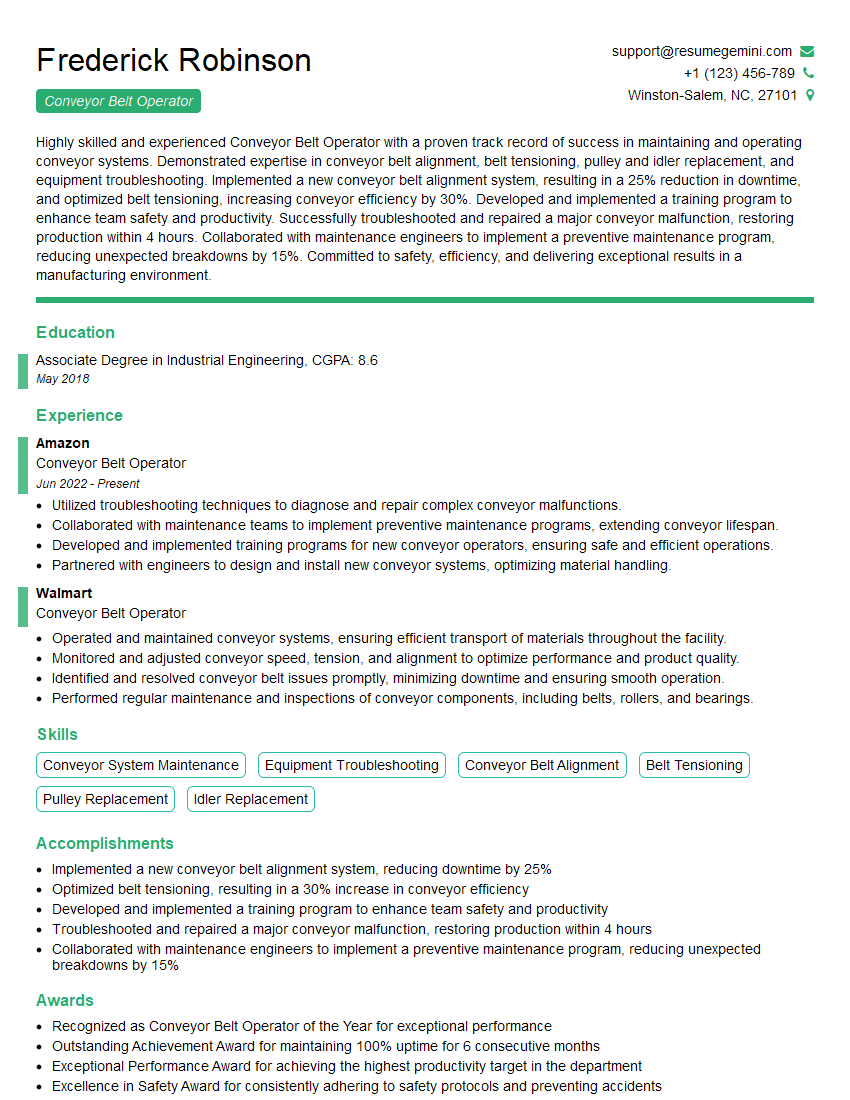
Conveyor Belt Operator Resume Sample
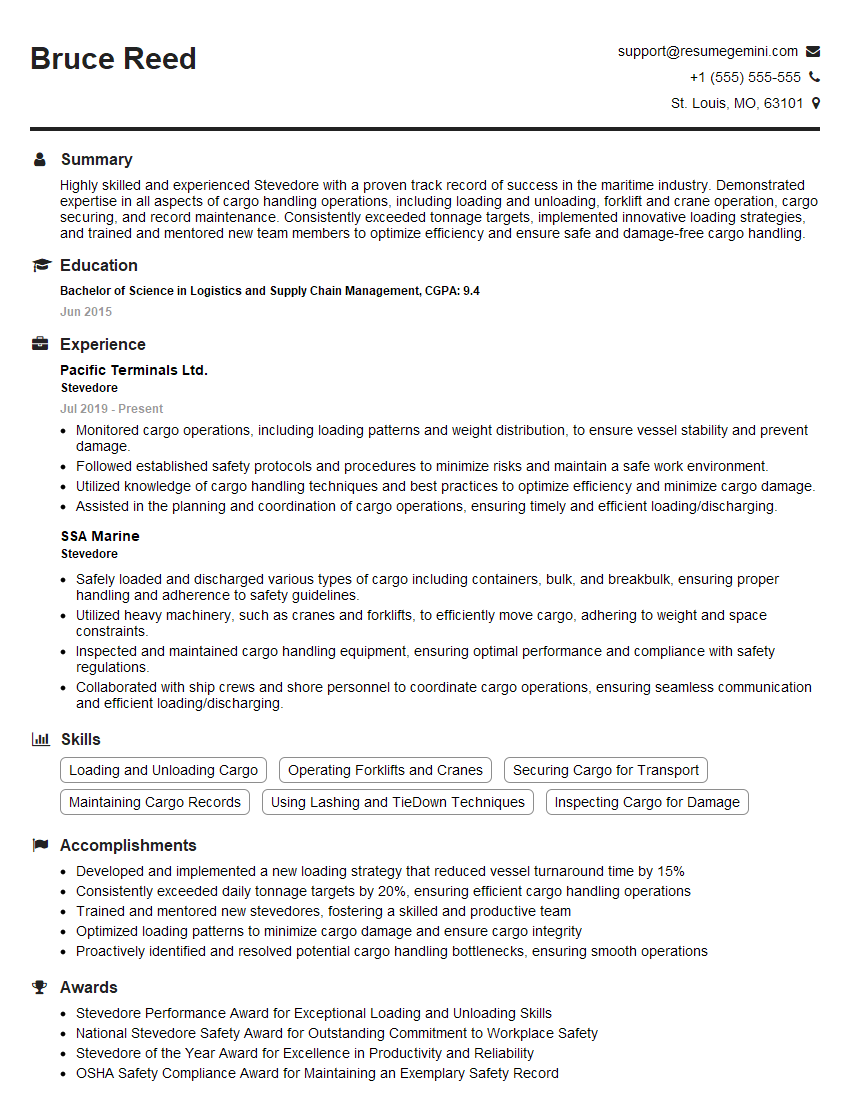
Stevedore Resume Sample
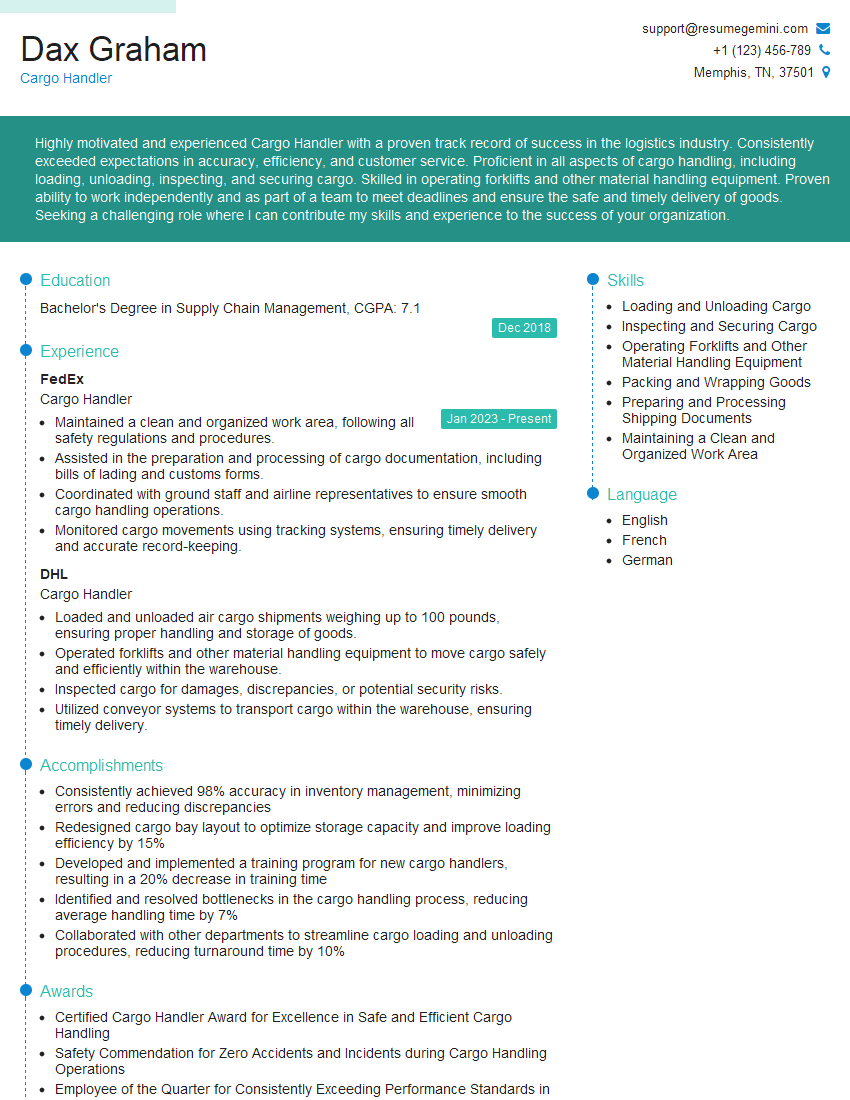
Cargo Handler Resume Sample
Explore more articles
Users Rating of Our Blogs
Share Your Experience
We value your feedback! Please rate our content and share your thoughts (optional).
What Readers Say About Our Blog
Really detailed insights and content, thank you for writing this detailed article.
IT gave me an insight and words to use and be able to think of examples