Preparation is the key to success in any interview. In this post, we’ll explore crucial Emergency Situations interview questions and equip you with strategies to craft impactful answers. Whether you’re a beginner or a pro, these tips will elevate your preparation.
Questions Asked in Emergency Situations Interview
Q 1. Describe your experience handling multiple simultaneous emergencies.
Handling multiple simultaneous emergencies requires a systematic approach built on experience, training, and clear communication. It’s not about doing everything yourself, but about effectively delegating and coordinating resources.
In my previous role at the County Emergency Medical Services, we experienced a major freeway pile-up alongside a simultaneous multi-building fire. My approach involved immediately activating our emergency response protocol. This involved:
- Initial Assessment & Resource Allocation: Quickly assessing the scale and nature of both incidents, determining immediate needs (personnel, equipment, ambulances), and assigning teams to each based on their expertise and availability.
- Communication Hub: Establishing a central communication point using a dedicated radio frequency and a digital communication system to maintain constant updates between all teams and command.
- Prioritization of Life-Saving Actions: Focusing on immediate life threats, this meant ensuring the fire department had immediate access to the fire scene, while simultaneously dispatching multiple ambulance crews to triage and transport patients from the freeway accident based on the severity of their injuries.
- Ongoing Monitoring and Adjustment: Continuously monitoring the situation, adapting to new information and changing needs, and re-allocating resources as required. This involved regular briefings and communication with all team leaders.
Successfully managing this situation required decisive action, excellent communication, and the ability to trust and delegate to a highly capable team.
Q 2. Explain your approach to prioritizing tasks during a crisis.
Prioritizing tasks in a crisis relies on a well-defined framework based on the principles of triage – the process of prioritizing patients based on their need for immediate treatment. This concept expands beyond medical emergencies to encompass all crisis management. My approach follows a structured methodology:
- Life-Threatening Situations First: Actions that directly prevent loss of life or severe injury take precedence. This is the absolute top priority.
- Immediate Threats: Addressing situations that could escalate into life-threatening scenarios. For example, securing a hazardous materials spill before it contaminates a wider area.
- Long-term Impacts: Addressing issues that might not be immediately life-threatening but will have significant longer-term consequences. This could include controlling the spread of a disease outbreak or preventing major infrastructure damage.
- Resource Management: Constant reassessment of available resources (personnel, equipment, supplies) and efficient allocation based on priorities. This might involve requesting additional support or redirecting teams from lower-priority tasks.
Using the START triage system (Simple Triage And Rapid Treatment) as a mental model helps ensure a systematic approach to prioritization. Even in non-medical contexts, this framework provides a clear structure for rapid decision-making under intense pressure.
Q 3. How do you maintain composure and effective communication under pressure?
Maintaining composure and effective communication under pressure is crucial for effective emergency response. It’s about managing both your internal state and your interaction with others. This involves several key strategies:
- Self-Regulation: Employing techniques like deep breathing, mindfulness, or other stress reduction strategies to maintain a calm demeanor despite the chaos. This allows for clearer thinking and decision-making.
- Clear and Concise Communication: Using simple, direct language devoid of jargon to ensure everyone understands instructions immediately. Repetition and confirmation are key to ensure no critical information is lost.
- Active Listening: Paying close attention to what others are saying, asking clarifying questions, and acknowledging their input to build trust and foster teamwork. This also helps identify potential problems or overlooked issues.
- Positive Reinforcement: Providing encouragement and positive feedback to team members, acknowledging their efforts, and maintaining morale in high-pressure environments.
Practicing these techniques regularly during training exercises builds resilience and preparedness for high-stress situations. In my experience, a calm and confident leader significantly influences the team’s ability to function effectively.
Q 4. Describe a time you had to make a critical decision under time constraints.
During a severe thunderstorm, a large tree fell across a major power line, trapping several people in their vehicles. Limited visibility and heavy rain hampered rescue efforts. I had to decide quickly whether to attempt immediate rescue or wait for specialized equipment and daylight.
The decision-making process involved:
- Risk Assessment: Evaluating the immediate danger to those trapped, considering the risk of electrocution and further tree falls.
- Resource Evaluation: Assessing the capabilities of the team on-site and the availability of specialized equipment (e.g., power line technicians).
- Time Sensitivity: Recognizing the potential for worsening weather conditions and the risk of hypothermia for trapped individuals.
I opted for a cautious approach, prioritizing the safety of the rescue team. We secured the area, contacted power line technicians and emergency response, and started deploying first aid to visible injuries. While it delayed the immediate rescue, the strategy prevented further casualties. The successful rescue later proved the decision’s wisdom.
Q 5. What is your experience with triage procedures?
Triage procedures are essential for prioritizing patients in mass casualty incidents or situations with limited resources. My experience encompasses various triage systems, including START (Simple Triage And Rapid Treatment) and SALT (Simple Assessment and Lifesaving Treatment).
START, for example, categorizes patients into four groups based on respiration, perfusion, and mental status. This rapid assessment allows for efficient allocation of resources to those most in need. SALT focuses on rapid assessment and immediate lifesaving interventions, particularly crucial in chaotic environments.
Beyond medical settings, triage principles apply to resource allocation in other emergencies: deciding which building to evacuate first during a fire, assigning emergency services to the most critical incidents, and allocating funding for post-disaster relief efforts all benefit from a structured triage approach.
Q 6. How do you ensure effective teamwork during an emergency response?
Effective teamwork is paramount in emergency response. Building strong teams involves:
- Clear Roles and Responsibilities: Establishing clear roles, responsibilities, and communication channels before an incident occurs. This eliminates confusion and ensures efficient coordination during the crisis.
- Pre-Incident Training: Regularly conducting drills and simulations to practice teamwork, communication, and problem-solving under pressure. This fosters familiarity and trust between team members.
- Open Communication: Encouraging open communication, active listening, and feedback among team members. This allows for quick identification and resolution of potential problems.
- Mutual Respect and Support: Fostering an environment of mutual respect and support, acknowledging individual contributions, and valuing diverse skills and perspectives.
By building a strong foundation of trust and clear communication through consistent training and respectful interaction, the team is far better equipped to handle the pressures of emergency response. A strong team acts as a multiplier of effectiveness.
Q 7. What are the key elements of a successful emergency response plan?
A successful emergency response plan is more than a document; it’s a living framework adapted to specific needs and regularly updated. Key elements include:
- Risk Assessment: Identifying potential hazards and vulnerabilities specific to the organization or community. This involves analyzing historical data, geographic factors, and potential threats.
- Mitigation Strategies: Developing strategies to reduce the likelihood or impact of potential emergencies. This could involve installing fire suppression systems, developing evacuation plans, or implementing security measures.
- Preparedness and Training: Equipping responders with the necessary training, equipment, and resources. This includes regular drills, simulations, and continuing education.
- Communication Plan: Establishing clear communication channels and procedures for disseminating information during an emergency. This involves utilizing multiple communication platforms and designating communication leaders.
- Response Procedures: Defining roles, responsibilities, and action plans for different types of emergencies. This includes establishing clear chains of command and decision-making processes.
- Recovery and Post-Incident Analysis: Establishing procedures for recovery, post-incident analysis, and plan improvement. Learning from experiences is crucial for continuous improvement.
A well-structured plan, coupled with regular practice and adaptation, is essential for mitigating the impact of emergencies and saving lives.
Q 8. Explain your understanding of incident command systems.
Incident Command Systems (ICS) are standardized, on-scene, all-hazards incident management approach that enables effective and efficient domestic incident management by integrating facilities, equipment, personnel, procedures, and communications operating within a common organizational structure.
Imagine a large-scale wildfire. ICS provides a framework to coordinate firefighters, paramedics, law enforcement, and other agencies. Each team, from the fire suppression unit to the public information officer, has a clearly defined role and reporting structure, preventing chaos and ensuring efficient resource allocation. Key components include the Incident Commander (overall authority), Operations Section (tactical field operations), Planning Section (information gathering and strategic planning), Logistics Section (resource management), and Finance/Administration Section (budgeting and record keeping).
- Unified Command: Multiple agencies can work together under a single ICS structure, sharing responsibility and resources.
- Modular Organization: The system adapts to the size and complexity of the incident. A small incident may only need a few positions, while a large one would have a fully staffed ICS structure.
- Common Terminology: Standard terminology ensures clear communication across all agencies involved, removing confusion and ambiguity.
Q 9. How do you assess and mitigate risks in an emergency situation?
Risk assessment and mitigation in emergency situations is a continuous process that begins before the event and extends throughout the response and recovery phases. It involves identifying potential hazards, analyzing their likelihood and consequences, and implementing strategies to reduce their impact.
For example, during a hurricane, we assess the risks based on the storm’s projected path, intensity, and potential for flooding, wind damage, and power outages. Mitigation might include pre-evacuation of vulnerable populations, securing buildings, and stockpiling emergency supplies. During the emergency, we continue to assess changing conditions, adapting our strategies as needed. Post-incident, we analyze what worked well, what didn’t, and how to improve our preparedness for future events.
A systematic approach includes:
- Hazard Identification: Identifying all potential hazards, such as structural collapse, hazardous materials spills, or mass casualty incidents.
- Risk Analysis: Evaluating the likelihood and potential consequences of each hazard.
- Risk Evaluation: Determining the overall risk level based on the analysis.
- Risk Control: Implementing measures to reduce or eliminate the risk. This might involve engineering controls, administrative controls, or personal protective equipment.
- Monitoring and Review: Continuously monitoring the situation and reviewing the effectiveness of the mitigation strategies.
Q 10. Describe your experience with emergency communication systems.
Emergency communication systems are critical for coordinating response efforts, disseminating warnings, and keeping the public informed. My experience encompasses a variety of systems, from simple two-way radios to sophisticated satellite communication networks.
I’ve worked with systems using:
- Two-way radios: Essential for short-range communication among teams on the ground.
- Mobile data terminals (MDTs): In vehicles, providing access to real-time information and mapping.
- Satellite phones: For communication in remote areas or during widespread network outages.
- Public address systems: To disseminate warnings and instructions to the public.
- Social media: To provide updates and reach a wide audience.
Effective communication requires clear protocols, regular testing, and redundancy to ensure reliable communication even in challenging circumstances. I’ve participated in numerous exercises designed to test and improve the efficiency of our communication systems.
Q 11. How do you handle conflicting information during an emergency?
Conflicting information is a common challenge during emergencies. My approach involves a systematic process to verify the information’s accuracy and reliability. I prioritize information from trusted sources, cross-referencing information from multiple sources to identify discrepancies. In case of significant inconsistencies, I would defer to the most reliable source.
For example, during a search and rescue operation, conflicting reports might arise about the location of a missing person. I would verify each report, assessing the credibility of each source (e.g., eyewitness testimony versus sensor data), and then use the most reliable information to direct resources efficiently.
Key steps include:
- Identify the conflicting information: Pinpoint the discrepancies and sources.
- Assess the reliability of sources: Consider expertise, track record, and potential biases.
- Gather additional information: Seek corroboration from multiple sources.
- Analyze the information: Identify patterns and inconsistencies.
- Make a decision: Based on the analysis, prioritize the most reliable information.
- Communicate the decision: Clearly inform all relevant parties of the decision and the reasoning behind it.
Q 12. What are your strengths and weaknesses in handling emergencies?
Strengths: My strengths lie in my ability to remain calm under pressure, think critically and strategically, and make quick, informed decisions. I excel at coordinating teams and fostering effective communication, even in high-stress environments. My experience in diverse emergency situations has given me a broad skillset and adaptable approach.
Weaknesses: One area I’m continuously working on is delegating tasks effectively, ensuring I don’t become overwhelmed by trying to handle everything myself. While my experience provides valuable insights, I acknowledge that technology evolves rapidly, requiring continuous professional development to keep my knowledge current. I actively seek opportunities for training and education to stay at the forefront of emergency management practices.
Q 13. How do you manage stress and fatigue during prolonged emergency events?
Managing stress and fatigue during prolonged emergency events is crucial for maintaining effectiveness and preventing burnout. My strategies include:
- Prioritizing self-care: Adequate sleep, nutrition, and hydration are essential. I also incorporate short breaks for rest and relaxation throughout the operation, even if it’s just a few minutes to clear my head.
- Teamwork and support: Relying on colleagues for support and assistance, and sharing the workload effectively. Open communication within the team is crucial for managing stress collaboratively.
- Stress management techniques: I utilize techniques like mindfulness and deep breathing exercises to manage stress in real-time.
- Post-incident debriefing: Participating in debriefings to process the experience and learn from challenges, helping prevent future burnout.
It’s important to recognize the signs of fatigue and stress in myself and my team and to address them promptly to prevent errors and maintain operational effectiveness.
Q 14. Explain your experience with post-incident analysis and debriefing.
Post-incident analysis and debriefing are critical for learning from past experiences and improving future responses. My experience includes participating in numerous post-incident reviews, both formal and informal.
These sessions involve a structured review of the event, including:
- What went well: Identifying successful strategies and best practices.
- What could have been improved: Analyzing shortcomings and areas for improvement.
- Lessons learned: Drawing conclusions from the analysis to enhance future preparedness and response efforts.
- Recommendations: Formulating recommendations for changes to policies, procedures, training, and resource allocation.
I find that a collaborative approach, involving all relevant stakeholders, leads to the most comprehensive and insightful analysis. These debriefings are not just about assigning blame, but about understanding systemic issues and improving overall effectiveness.
Q 15. Describe your familiarity with different types of emergency situations.
My familiarity with emergency situations encompasses a broad spectrum, ranging from natural disasters like earthquakes and floods to man-made crises such as industrial accidents and terrorist attacks. I’ve also worked extensively with medical emergencies, including mass casualty incidents and single-patient traumas. Understanding the unique challenges of each type is crucial. For instance, an earthquake requires a focus on immediate search and rescue, while a chemical spill necessitates a different approach prioritizing containment and decontamination. Each scenario demands a tailored response based on the specific hazards and available resources.
- Natural Disasters: Earthquakes, hurricanes, floods, wildfires – these events often involve widespread damage, requiring coordinated responses involving multiple agencies and resources.
- Man-made Disasters: Industrial accidents (chemical spills, explosions), terrorist attacks, active shooter situations – these demand rapid, decisive action focused on immediate threat neutralization and casualty management.
- Medical Emergencies: Mass casualty incidents (MCIs) demand efficient triage and resource allocation, while single-patient traumas require immediate stabilization and transport.
Career Expert Tips:
- Ace those interviews! Prepare effectively by reviewing the Top 50 Most Common Interview Questions on ResumeGemini.
- Navigate your job search with confidence! Explore a wide range of Career Tips on ResumeGemini. Learn about common challenges and recommendations to overcome them.
- Craft the perfect resume! Master the Art of Resume Writing with ResumeGemini’s guide. Showcase your unique qualifications and achievements effectively.
- Don’t miss out on holiday savings! Build your dream resume with ResumeGemini’s ATS optimized templates.
Q 16. How do you ensure the safety of yourself and others during an emergency?
Ensuring safety in emergencies is paramount and hinges on a proactive, multi-layered approach. It begins with risk assessment—identifying potential hazards and developing mitigation strategies before an event occurs. During an emergency, situational awareness is key. This means constantly assessing the environment, identifying immediate threats, and adapting strategies as the situation evolves. For example, during a building fire, I would prioritize evacuating the building according to established procedures, then assess the need for additional rescue operations. Personal safety measures, such as wearing appropriate PPE and following established safety protocols, are non-negotiable. Communication is also critical; maintaining contact with team members and emergency services ensures a coordinated response.
Furthermore, I use the mnemonic RACE (Rescue, Alarm, Confine, Extinguish/Evacuate) as a framework to guide actions in a fire. This methodically prioritizes actions to keep the situation under control.
Q 17. What is your experience with utilizing personal protective equipment (PPE)?
My experience with PPE is extensive and spans various emergency contexts. I’m proficient in selecting, donning, doffing, and maintaining a wide range of PPE, including but not limited to: N95 respirators, hazmat suits, gloves (nitrile, latex), eye protection (goggles, face shields), and protective clothing (coveralls, aprons). Proper PPE use is critical for preventing exposure to hazardous materials and infectious diseases. Training and practice are vital to ensure correct use and minimize risk. For example, during a chemical spill, I would select a level-A hazmat suit, providing full body protection, whereas in a medical emergency involving bodily fluids, I’d utilize standard precautions, including gloves, gowns, and eye protection. I also understand the importance of proper disposal and decontamination procedures to prevent cross-contamination.
Q 18. Describe a time you had to adapt to unexpected challenges during an emergency.
During a major flood event, our pre-planned evacuation routes were rendered impassable due to unexpected road closures. We had to quickly adapt by identifying alternative routes and using high-water vehicles. Communication systems also failed due to power outages, forcing us to revert to using satellite phones and hand-held radios. Our team had to rapidly assess the situation and improvise solutions, effectively re-routing our rescue efforts to reach stranded individuals. This experience highlighted the need for flexibility and adaptability in emergency planning, encompassing backup communication strategies and alternative routes.
Q 19. How do you effectively delegate tasks during a crisis?
Effective delegation during a crisis demands clear communication, trust, and a solid understanding of each team member’s skills. I prioritize tasks based on urgency and the individuals’ expertise. For example, in a mass casualty incident, I would assign experienced medical personnel to triage and treat patients, while others would manage logistics, transport, and communication with external agencies. Clear instructions, defined roles, and regular updates are crucial for maintaining situational awareness and ensuring a coordinated response. I would also actively monitor team members and reassess tasks as needed, adapting to the changing circumstances.
Q 20. Explain your experience with resource allocation during emergencies.
Resource allocation in emergencies is a critical function, demanding strategic decision-making under pressure. This involves assessing the available resources (personnel, equipment, supplies) and prioritizing their allocation based on the immediate needs and projected impact. It often requires making difficult choices—balancing the needs of many versus the critical needs of a few. For instance, during a hurricane, we might prioritize the allocation of rescue vehicles and personnel to areas with the highest concentration of trapped individuals or immediate life-threatening situations. This often involves collaboration with multiple agencies, including local governments and non-governmental organizations (NGOs), to leverage all available resources effectively.
Q 21. What is your experience with different types of emergency equipment?
My experience with emergency equipment is extensive. I am familiar with a wide array of equipment, including:
- Medical Equipment: AEDs (Automated External Defibrillators), stretchers, airway management devices, IV solutions, trauma kits.
- Rescue Equipment: Jaws of Life, hydraulic rescue tools, ropes, harnesses, and other specialized equipment for confined space rescue.
- Communication Equipment: Two-way radios, satellite phones, and other communication tools vital for maintaining contact during emergencies.
- Hazardous Materials Equipment: Decontamination equipment, hazmat suits, and detection instruments used in chemical spills and other hazardous materials incidents.
Regular training and maintenance are crucial to ensure proficiency and the readiness of this equipment.
Q 22. How do you ensure accurate documentation of emergency procedures?
Accurate documentation in emergency situations is paramount for several reasons: it ensures accountability, aids in post-incident analysis, facilitates continuous improvement, and provides crucial legal protection. We achieve this through a multi-faceted approach.
Standardized Forms and Templates: Pre-designed forms with clearly defined fields for date, time, location, personnel involved, actions taken, and outcomes are crucial. This consistency ensures all information is captured uniformly across various incidents.
Real-Time Documentation: During the emergency, we utilize digital tools and mobile devices to capture information as it unfolds. This could include using tablets to record initial assessments, or voice recorders for capturing crucial information amidst the chaos.
Regular Audits and Reviews: Our documentation system undergoes periodic review to ensure it remains relevant, efficient, and compliant with all applicable regulations and standards. This may involve examining past incident reports to identify areas for improvement in the documentation process itself.
Training and Proficiency: All personnel are thoroughly trained on the correct procedures for documentation, emphasizing accuracy and completeness. Regular refresher courses ensure everyone remains proficient.
Secure Storage and Access Control: All documents are stored securely, with access controls to ensure confidentiality and prevent unauthorized modification. This also includes backing up data regularly to prevent loss.
For instance, imagine a large-scale evacuation. Accurate documentation might show the number of people evacuated, the routes taken, the time it took, and any challenges encountered. This data is invaluable for future planning and improvement of evacuation protocols.
Q 23. Describe your understanding of ethical considerations in emergency response.
Ethical considerations are central to emergency response. They guide our actions, ensuring we prioritize the well-being of individuals while upholding professional standards. Key principles include:
Beneficence: Acting in the best interests of those affected, prioritizing their safety and well-being above all else.
Non-maleficence: Avoiding actions that could cause harm, both intentional and unintentional. This includes careful assessment and planning to minimize risks.
Justice: Ensuring fairness and equity in the distribution of resources and assistance. We aim to provide the same level of care and support to everyone, regardless of background or circumstance.
Respect for autonomy: Respecting individuals’ rights to make their own decisions about their care, whenever possible. This includes informed consent and providing accurate information.
Confidentiality: Protecting the privacy of individuals’ personal information and medical records. This is especially critical in situations involving sensitive information such as injuries or health conditions.
For example, during a mass casualty incident, ethical dilemmas might arise regarding resource allocation. We must make difficult decisions about which patients receive priority care, ensuring fairness and transparency in our approach.
Q 24. How do you stay updated on current best practices in emergency management?
Staying updated is crucial in this ever-evolving field. We employ a multi-pronged approach:
Professional Development Courses: I regularly attend workshops, seminars, and conferences to learn about the latest techniques, technologies, and best practices in emergency management. This often involves specialized training in areas like disaster response, triage, or crisis communication.
Professional Organizations: Membership in relevant professional organizations provides access to journals, publications, and networking opportunities that keep me abreast of current trends and research.
Online Resources and Databases: I actively monitor reputable online resources, databases, and government websites dedicated to emergency management and public health. This allows me to find up-to-date guidelines, reports, and policy changes.
For example, the rapid development of new communication technologies demands ongoing learning. Staying current on these advancements ensures that we are best equipped to handle information dissemination during emergencies.
Q 25. What is your experience with coordinating with other agencies during emergencies?
Coordination with other agencies is critical. My experience involves:
Pre-Incident Planning and Exercises: We actively participate in joint training exercises and develop protocols for seamless collaboration with organizations like police, fire departments, hospitals, and public health authorities.
Common Communication Channels: Establish and maintain effective communication channels, including dedicated radio frequencies, shared databases, and online collaboration platforms.
Incident Command System (ICS): Utilizing the ICS framework ensures a clear chain of command and efficient communication during large-scale events. ICS provides a standardized structure for managing resources and coordinating efforts.
Roles and Responsibilities: Clearly define roles, responsibilities, and communication protocols for each agency involved. This avoids duplication of efforts and ensures efficient response.
During a large-scale wildfire, for example, coordination between fire crews, emergency medical services, and evacuation support agencies is paramount. Effective collaboration ensures that resources are used optimally and that citizens receive the needed support efficiently.
Q 26. Explain your understanding of legal and regulatory frameworks related to emergency response.
Understanding the legal and regulatory framework is essential for compliance and accountability. This includes:
Federal, State, and Local Laws: Familiarity with all applicable laws related to emergency response, disaster relief, and public safety.
Health Insurance Portability and Accountability Act (HIPAA): Adherence to HIPAA regulations regarding the handling and protection of sensitive medical information.
Americans with Disabilities Act (ADA): Compliance with ADA requirements to ensure accessibility and equal opportunities for individuals with disabilities during emergencies.
Emergency Management Plans: Thorough knowledge of our agency’s emergency management plans and their alignment with state and federal guidelines.
Data Privacy Regulations: Understanding and complying with data privacy regulations regarding the collection, storage, and usage of personal data collected during emergencies.
For example, proper documentation and adherence to HIPAA are crucial for ensuring the legal protection of both the agency and those who received emergency services. Failure to comply can lead to significant legal consequences.
Q 27. How do you contribute to a positive and supportive team environment during emergencies?
A positive and supportive team environment is essential for effective emergency response. My contributions include:
Open Communication: Encouraging open communication and active listening among team members to ensure everyone feels heard and valued. This creates an environment where concerns can be openly addressed.
Clear Roles and Responsibilities: Ensuring clear assignment of roles and responsibilities to avoid confusion and overlap, maximizing efficiency.
Mutual Support and Respect: Promoting mutual respect and support among team members, recognizing that stressful situations can challenge even the most experienced professionals.
Debriefing and Feedback: Facilitating post-incident debriefings to provide constructive feedback, identify areas for improvement, and offer support to team members who may have experienced stress or trauma.
Celebrating Successes: Acknowledging and celebrating the team’s successes to boost morale and reinforce positive teamwork.
During a hurricane response, for example, maintaining a positive team dynamic is crucial to ensuring effective collaboration and preventing burnout amidst the high-pressure situation.
Q 28. Describe a time you failed in an emergency situation and what you learned from it.
During a large-scale flooding event, I misjudged the rate of water rise in a particular area, leading to a delayed evacuation order for a small community. This resulted in several homes sustaining significant water damage and some minor injuries during the rushed evacuation.
The learning experience was profound. I realized that even with extensive training and experience, unforeseen factors can significantly impact emergency situations. I immediately implemented the following changes:
Improved Data Gathering: I established a system for more robust real-time data collection on water levels and weather patterns during floods.
More Frequent Communication: We implemented more frequent communication updates with residents in at-risk areas, increasing responsiveness to changing conditions.
Enhanced Collaboration: I strengthened collaboration with local meteorological agencies to obtain more frequent and accurate weather forecasts.
This experience underscored the importance of continuous learning, adaptability, and the need for open communication, and data-driven decision-making to minimize risks in emergency response.
Key Topics to Learn for Emergency Situations Interview
- Incident Command System (ICS): Understanding ICS principles, roles, and responsibilities. Practical application: Describe your experience working within an ICS framework, highlighting your role and contributions to a successful outcome.
- Risk Assessment and Mitigation: Identifying potential hazards, assessing risks, and developing mitigation strategies. Practical application: Explain how you’ve applied risk assessment in a past emergency response, focusing on your decision-making process and the results.
- Emergency Response Planning: Developing and implementing emergency response plans, including pre-incident planning, resource allocation, and communication protocols. Practical application: Outline the steps you would take to develop an emergency response plan for a specific scenario (e.g., a natural disaster).
- Communication and Coordination: Effective communication techniques during emergencies, including clear and concise reporting, collaboration with multiple agencies, and managing information flow. Practical application: Describe a situation where effective communication was crucial in managing an emergency response.
- Trauma Management and First Aid: Basic life support, wound care, and stabilization techniques. Practical application: Explain your experience providing immediate care in a high-pressure emergency situation, emphasizing patient safety and appropriate procedures.
- Post-Incident Analysis and Debriefing: Evaluating the effectiveness of the response, identifying areas for improvement, and conducting critical incident stress management. Practical application: Describe your role in a post-incident analysis, highlighting lessons learned and improvements implemented.
- Legal and Ethical Considerations: Understanding relevant laws, regulations, and ethical guidelines related to emergency response. Practical application: Discuss a challenging ethical dilemma you faced during an emergency and explain how you resolved it.
Next Steps
Mastering emergency situations knowledge is crucial for career advancement in this demanding field. A strong understanding of these key areas will significantly improve your interview performance and open doors to exciting opportunities. To enhance your job prospects, focus on building an ATS-friendly resume that highlights your skills and experience effectively. ResumeGemini is a trusted resource that can help you create a professional and impactful resume tailored to your specific experience. Examples of resumes tailored to Emergency Situations are available to guide you. Invest time in crafting a compelling resume; it’s your first impression on potential employers.
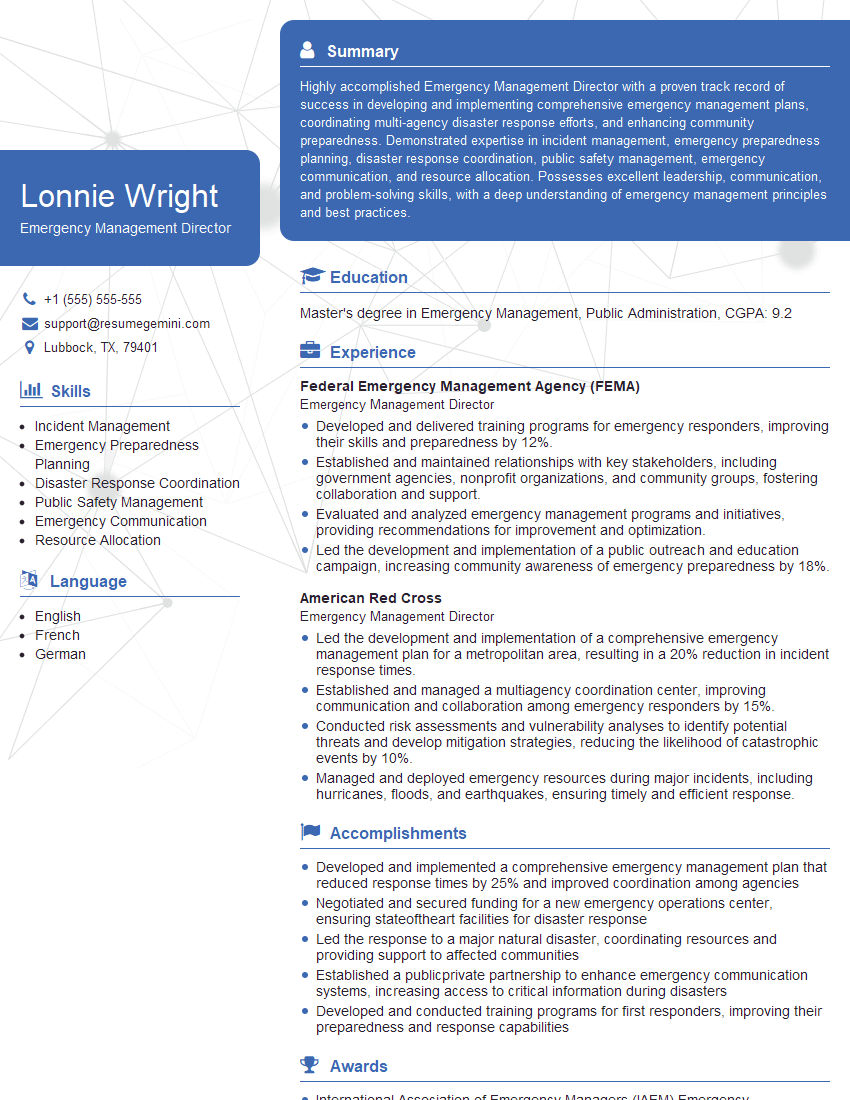
Emergency Management Director Resume Sample
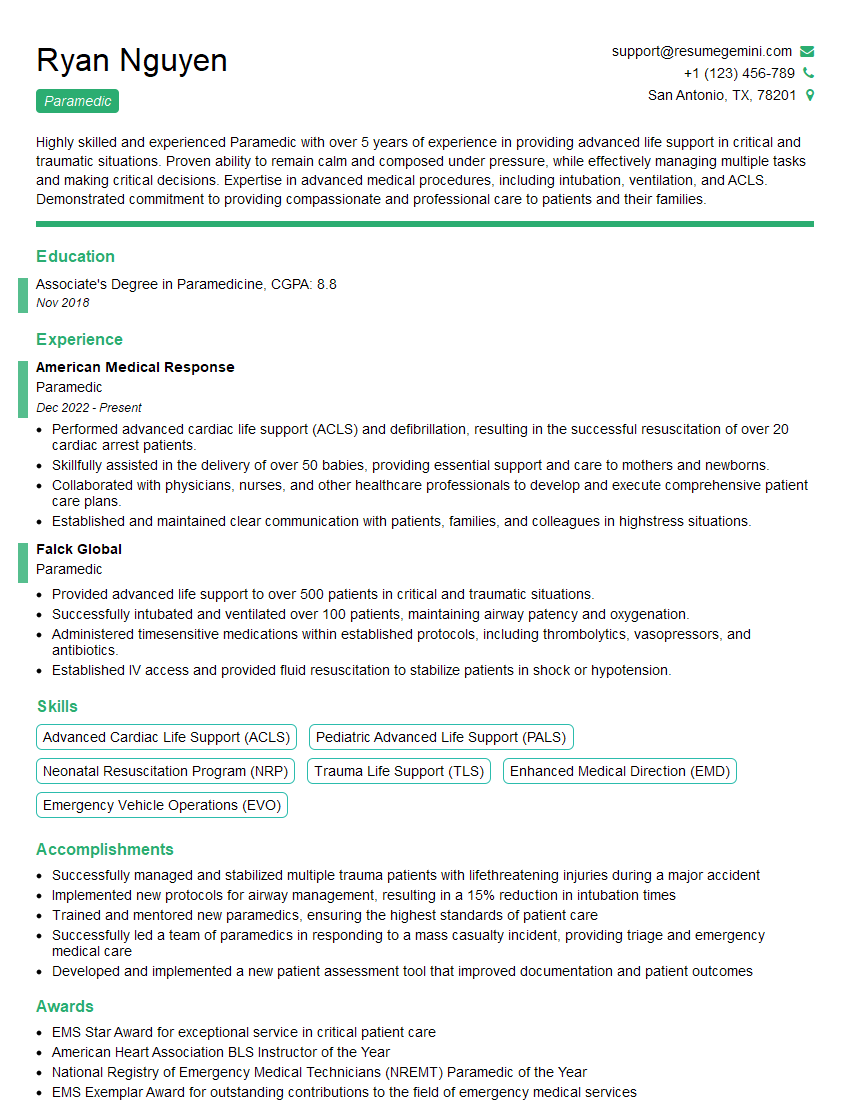
Paramedic Resume Sample
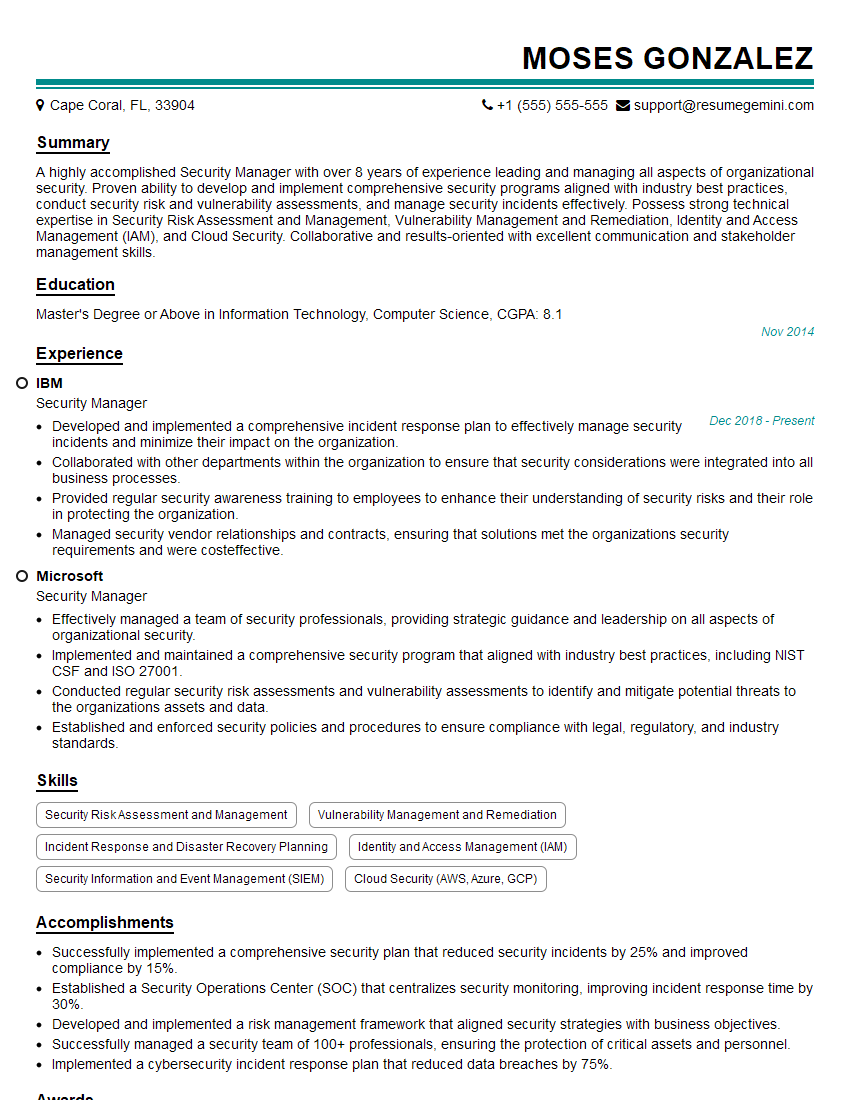
Security Manager Resume Sample
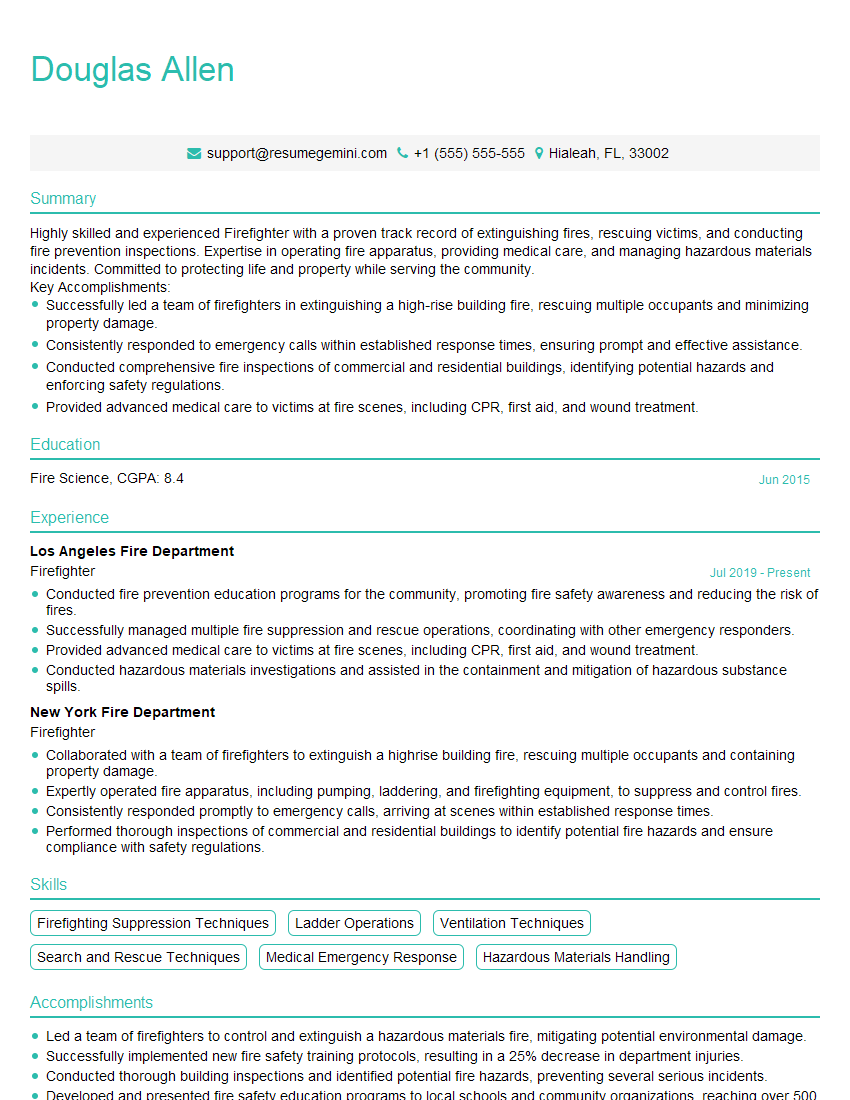
Firefighter Resume Sample
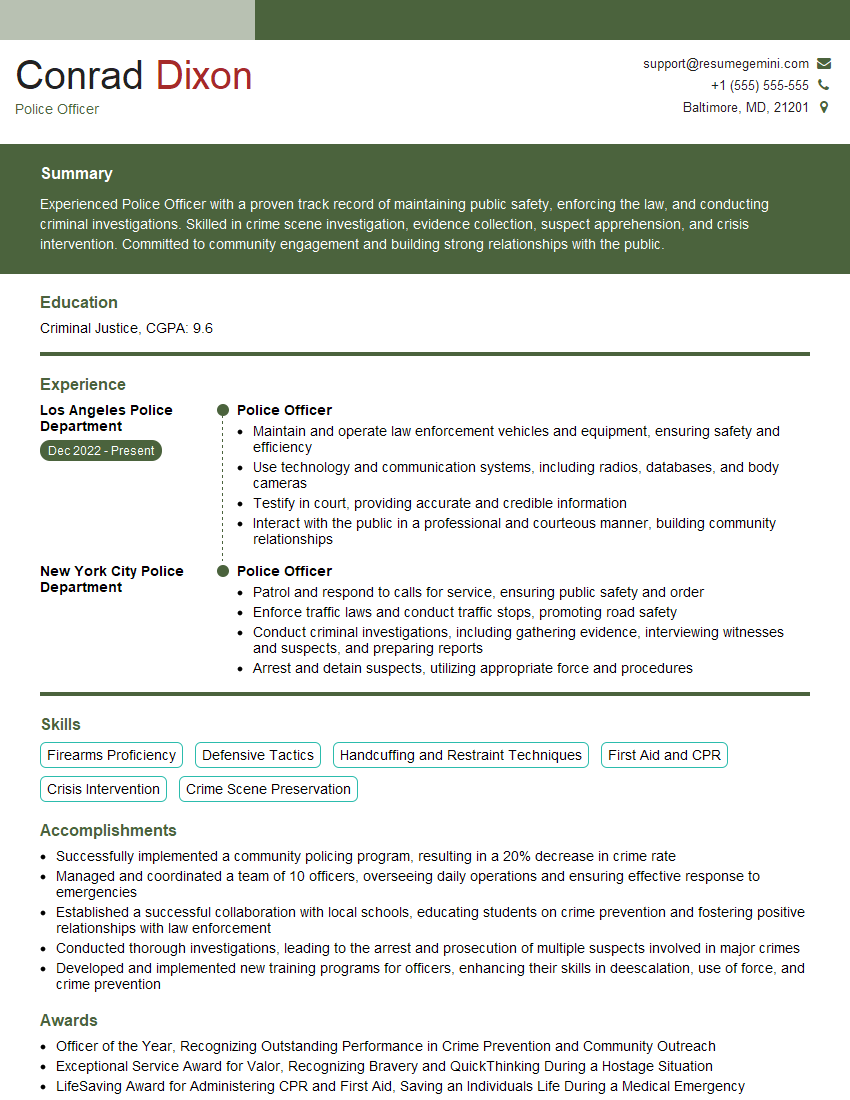
Police Officer Resume Sample
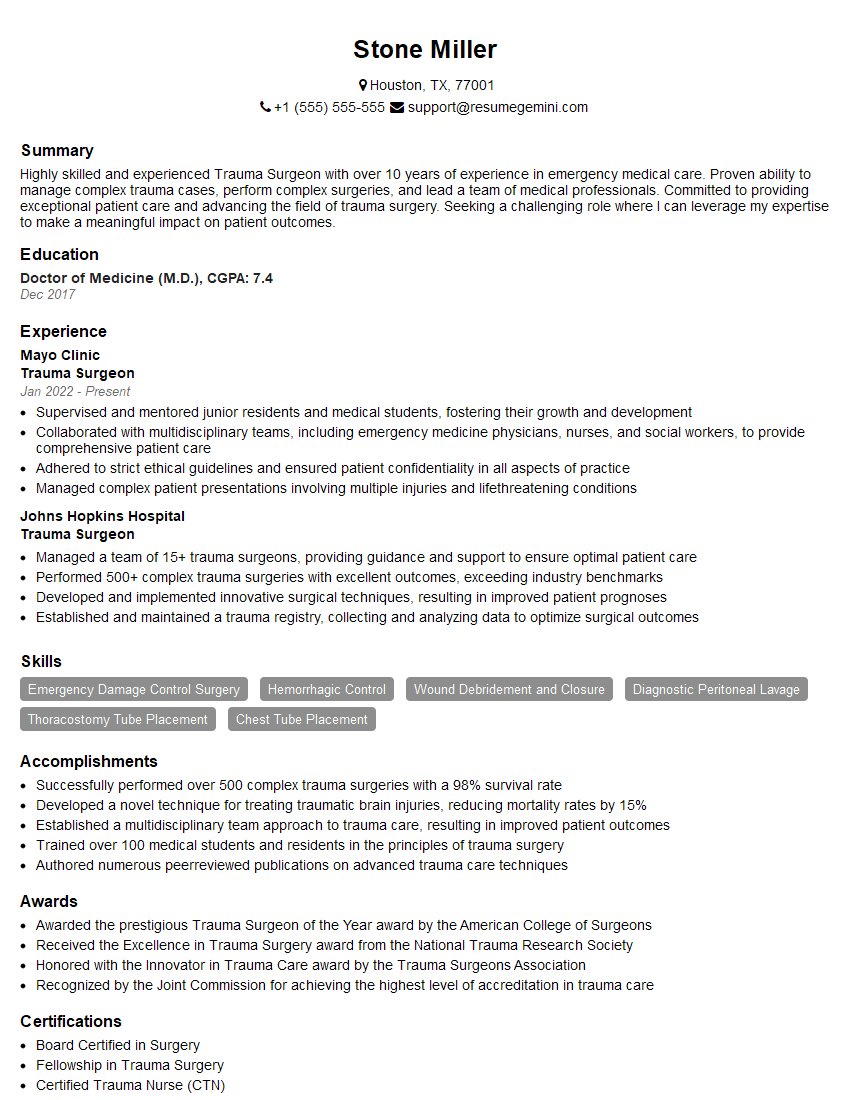
Trauma Surgeon Resume Sample
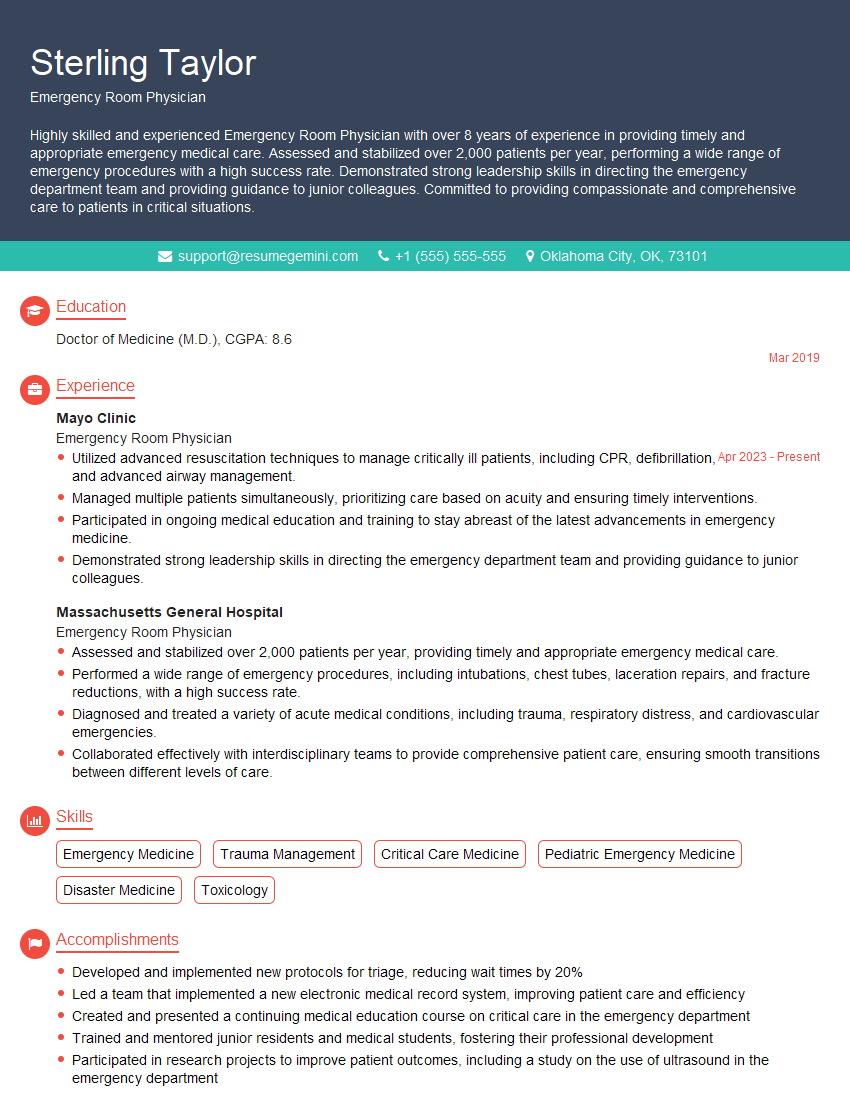
Emergency Room Physician Resume Sample
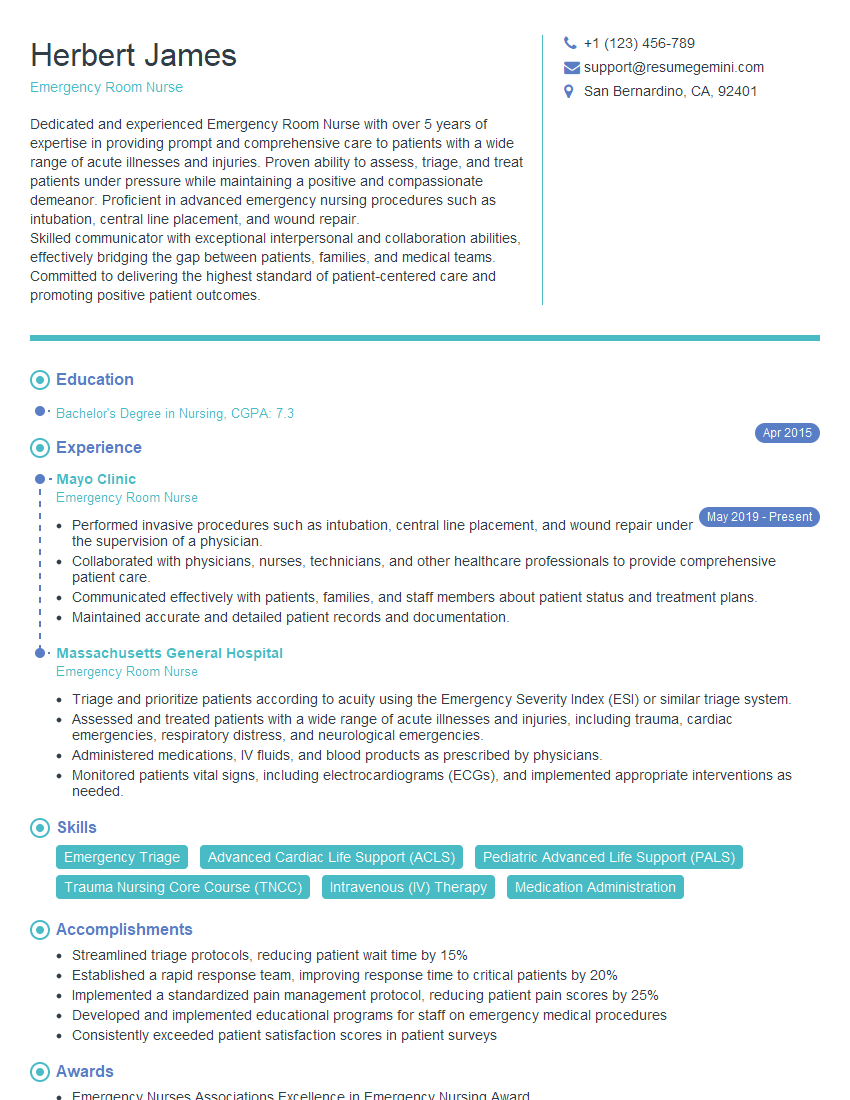
Emergency Room Nurse Resume Sample
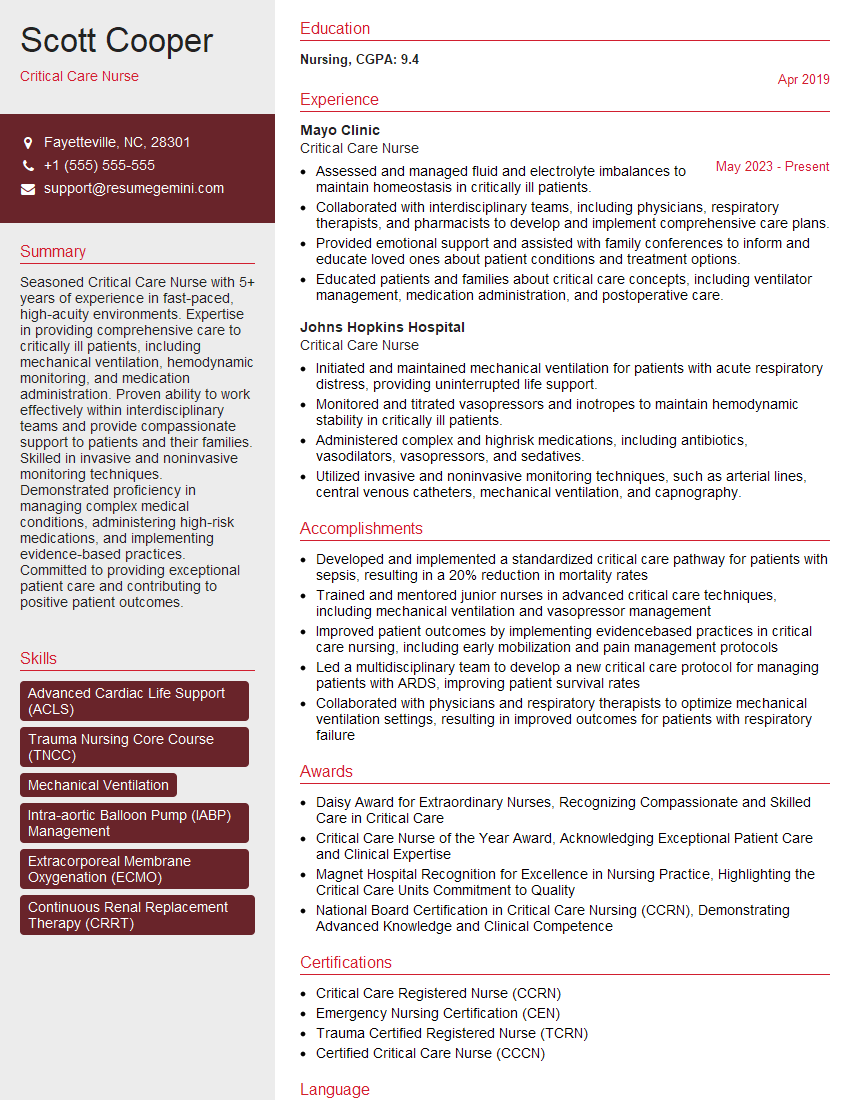
Critical Care Nurse Resume Sample
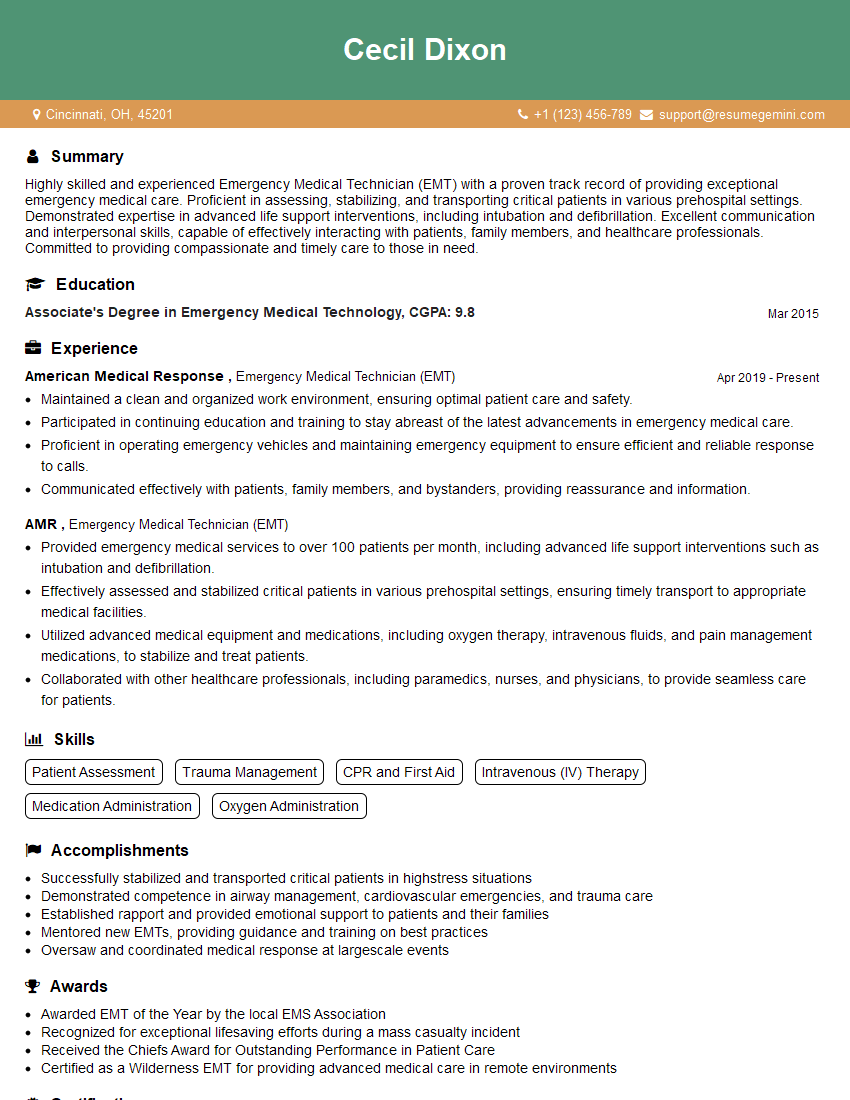
Emergency Medical Technician (EMT) Resume Sample
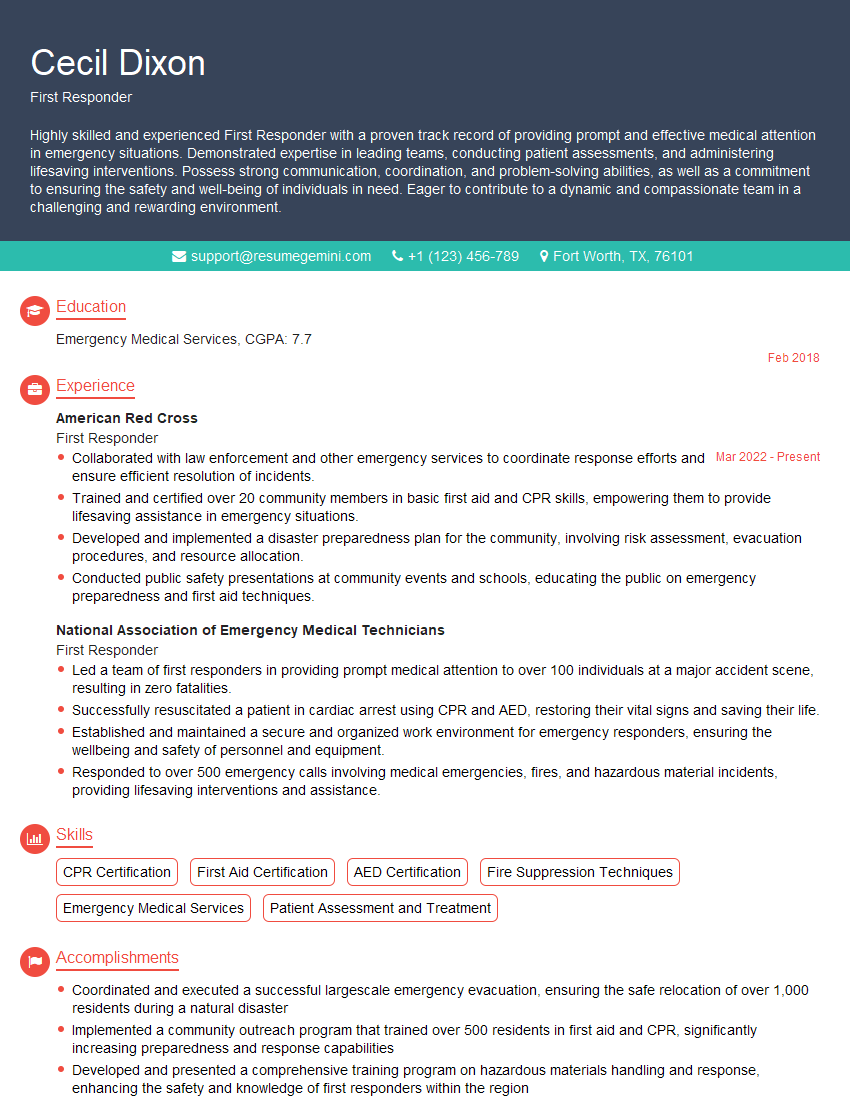
First Responder Resume Sample
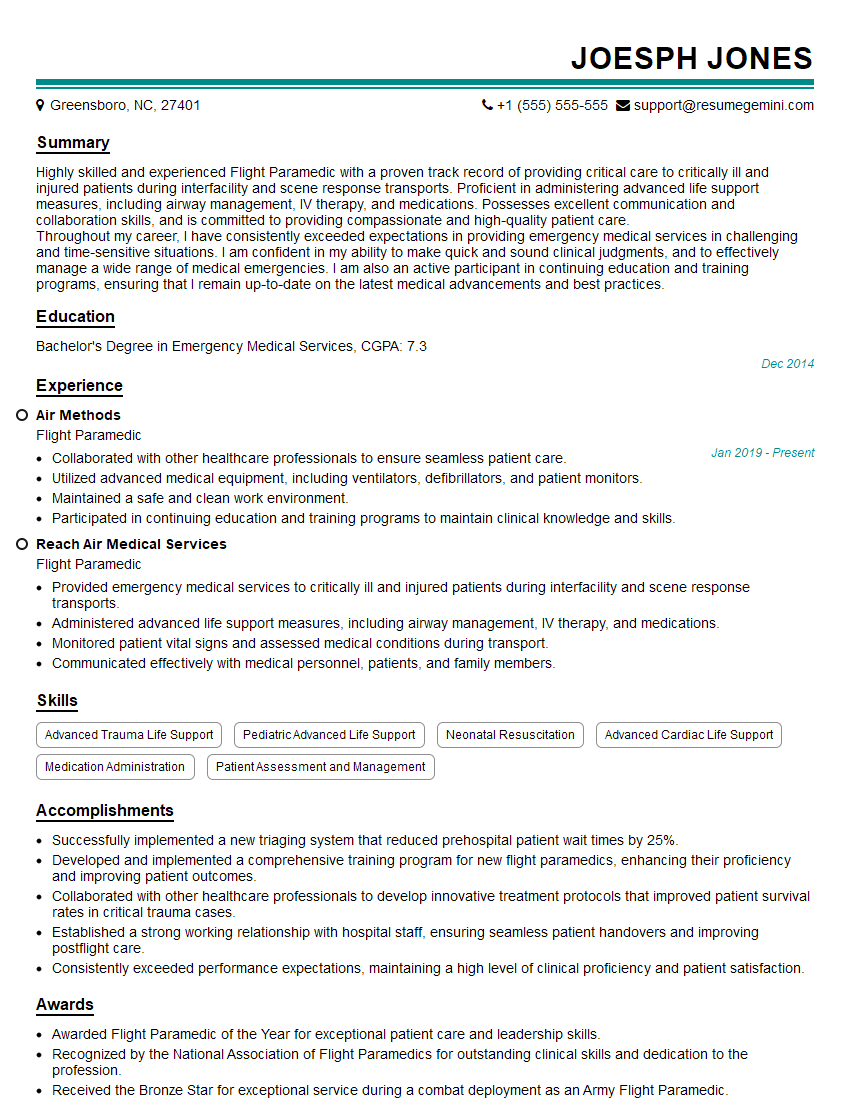
Flight Paramedic Resume Sample
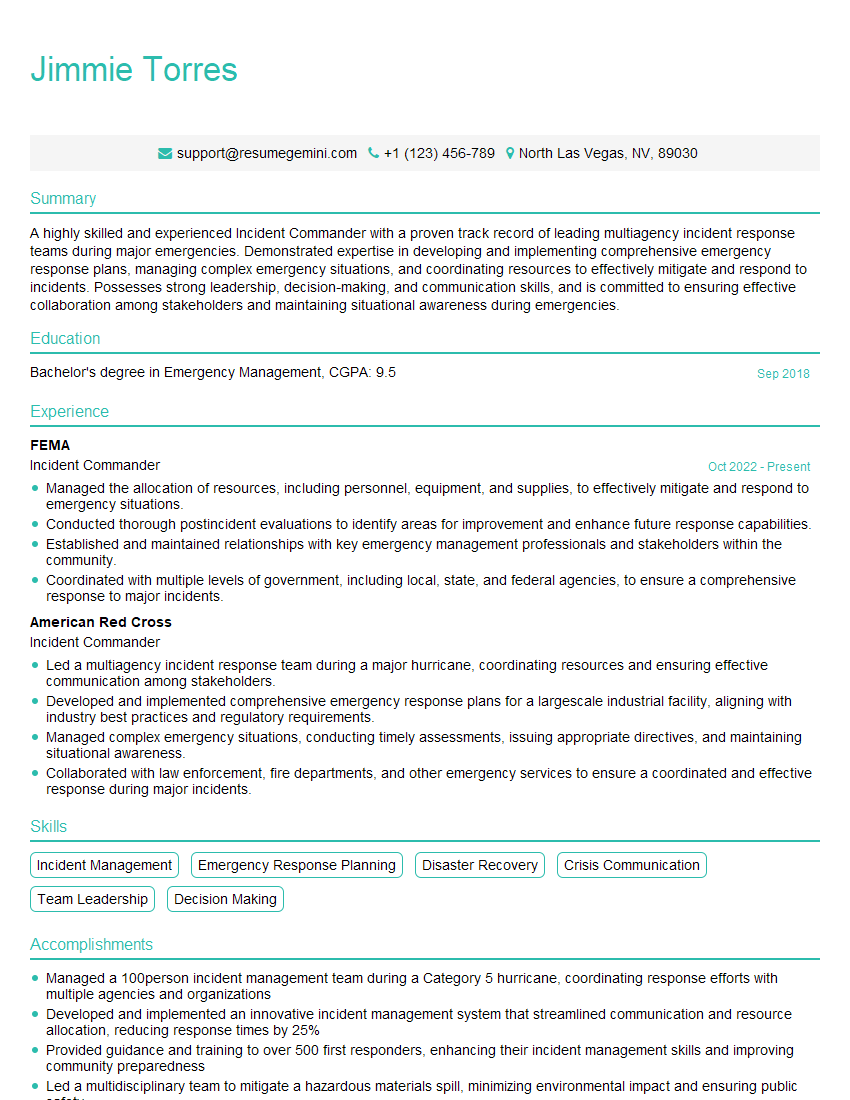
Incident Commander Resume Sample
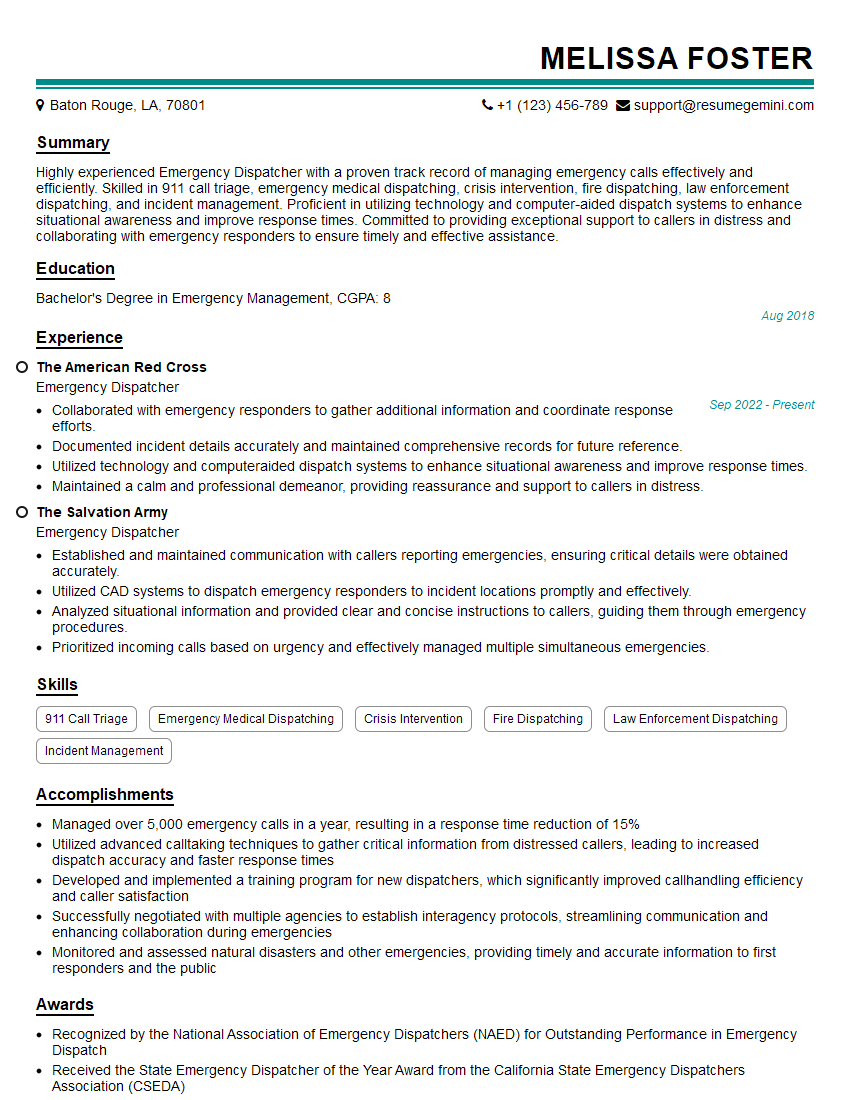
Emergency Dispatcher Resume Sample
Explore more articles
Users Rating of Our Blogs
Share Your Experience
We value your feedback! Please rate our content and share your thoughts (optional).
What Readers Say About Our Blog
Really detailed insights and content, thank you for writing this detailed article.
IT gave me an insight and words to use and be able to think of examples