Unlock your full potential by mastering the most common Livestock Inspection Techniques interview questions. This blog offers a deep dive into the critical topics, ensuring you’re not only prepared to answer but to excel. With these insights, you’ll approach your interview with clarity and confidence.
Questions Asked in Livestock Inspection Techniques Interview
Q 1. Describe the process of conducting a pre-slaughter inspection.
Pre-slaughter inspection is a crucial step in ensuring food safety and animal welfare. It’s a visual assessment of live animals before they enter the slaughterhouse, aiming to identify any potential health risks or issues that could compromise meat quality or public health. Think of it as a preliminary health check before surgery for a human patient.
Visual Examination: Inspectors carefully observe each animal for signs of illness, injury, or abnormality. This includes checking for lameness, respiratory distress, diarrhea, fever, unusual discharges, and any visible lesions or swellings.
Palpation: In some cases, gentle palpation (feeling) of lymph nodes or other areas might be necessary to detect any abnormalities not readily visible.
Temperature Check: Rectal temperature is often taken to screen for fever, a common indicator of disease.
Documentation: All findings, including any concerns, are meticulously recorded. Animals exhibiting symptoms of disease or deemed unfit for slaughter are separated and dealt with according to established protocols.
For example, an animal with severe lameness might indicate a systemic infection making the meat unsafe. Similarly, animals showing signs of respiratory distress could harbor pathogens that pose risks to consumers. The pre-slaughter inspection aims to catch these problems early, preventing the entry of diseased animals into the food chain.
Q 2. Explain the signs of common livestock diseases.
Recognizing signs of common livestock diseases requires a keen eye and understanding of animal behavior. The symptoms can vary depending on the species and the specific disease, but some general indicators include:
Respiratory Issues: Coughing, sneezing, nasal discharge, difficulty breathing (dyspnea) can suggest pneumonia, influenza, or other respiratory infections.
Digestive Problems: Diarrhea, constipation, loss of appetite, weight loss might signal infections, parasites, or digestive disorders.
Skin Lesions: Abscesses, sores, rashes, and unusual skin discolorations can point towards bacterial or fungal infections, or parasitic infestations.
Lameness: Difficulty walking or limping can be a sign of foot rot, joint infections, or other musculoskeletal problems.
Neurological Signs: Head tilt, incoordination, tremors, paralysis indicate potential neurological diseases.
Fever: Elevated body temperature is a common sign of many infectious diseases.
For instance, a cow with severe diarrhea and dehydration could indicate Salmonella infection, a serious foodborne illness. A pig with numerous skin lesions may suffer from mange, caused by parasitic mites. Early detection is crucial in implementing appropriate treatment or preventing the spread of disease.
Q 3. How do you identify and handle a suspected case of a reportable disease?
Handling a suspected case of a reportable disease (a disease that must be reported to authorities due to its potential impact on public health or animal populations) demands prompt and decisive action. Reportable diseases vary by region and may include highly contagious diseases like Foot and Mouth Disease or Avian Influenza.
Immediate Isolation: Isolate the suspected animal(s) immediately to prevent the spread of infection.
Contact Authorities: Report the suspected case immediately to the relevant veterinary authority or animal health agency. This is a critical step; delays can have significant consequences.
Sample Collection: Collect appropriate samples (blood, tissue, feces, etc.) under strict aseptic conditions for laboratory testing to confirm the diagnosis.
Quarantine: Implement a quarantine of potentially exposed animals to prevent further spread.
Follow Instructions: Cooperate fully with the authorities on any further instructions, which may include culling, treatment, or movement restrictions.
Imagine a farmer finding chickens with unusually high mortality and respiratory distress. This could be a potential outbreak of Avian Influenza. Prompt reporting and isolation are vital to contain the outbreak and prevent massive economic losses and public health risks. Failure to do so can result in severe penalties.
Q 4. What are the key components of a post-mortem inspection?
Post-mortem inspection, conducted after slaughter, is a critical step to further assess the health status of the animal and the safety of the meat. It complements the pre-slaughter inspection, offering a more in-depth evaluation of potential issues.
External Examination: A detailed visual examination of the carcass, including the skin, muscles, lymph nodes, and viscera (internal organs), is performed, looking for lesions, discolorations, or any abnormalities.
Internal Examination: The carcass is opened, and the internal organs are carefully examined for any signs of disease, including abnormal size, texture, or color.
Lymph Node Examination: Lymph nodes are carefully palpated and examined for enlargement or other abnormalities, as they often reflect the presence of infection.
Organoleptic Examination: Inspectors assess the odor, color, and texture of the organs and tissues. Unusual odors or changes in color or texture may indicate spoilage or disease.
Sampling and Testing: In cases of suspected disease, samples may be taken for laboratory testing to confirm the diagnosis.
For example, the presence of abscesses on the liver or lungs would indicate an infection needing careful consideration regarding meat condemnation. Post-mortem inspection is the last line of defense in protecting consumers from contaminated meat.
Q 5. Explain the regulations surrounding the use of antibiotics in livestock.
Regulations surrounding antibiotic use in livestock are incredibly strict due to the growing concerns about antibiotic resistance. The overarching goal is to minimize the use of antibiotics to prevent the development of resistant bacteria that can then affect human health.
Veterinary Prescription: The use of antibiotics in livestock usually requires a prescription from a licensed veterinarian. This ensures that antibiotics are used only when medically necessary.
Withdrawal Periods: There are strict withdrawal periods between the last antibiotic dose and when the animal can be slaughtered. This period is essential to allow sufficient time for the antibiotic to clear the animal’s system, preventing residues in the meat.
Record Keeping: Farmers are required to maintain detailed records of antibiotic use, including the type of antibiotic, dose, and dates of administration. These records are crucial for traceability and compliance.
Residue Monitoring: Meat and other animal products are subject to regular testing for antibiotic residues to ensure compliance with regulatory limits.
Prohibited Substances: Many antibiotics are prohibited in livestock production, ensuring consumer safety and hindering the development of antibiotic-resistant bacteria.
Non-compliance can lead to significant penalties, including fines, seizure of products, and damage to reputation. This stringent regulation is crucial for protecting public health and the responsible use of antibiotics.
Q 6. What are the different methods for assessing livestock carcass quality?
Assessing livestock carcass quality involves several methods to determine its suitability for human consumption and its overall market value. A combination of visual and instrumental methods provides a comprehensive assessment.
Visual Inspection: Assessing factors like conformation (shape and structure), fat cover, muscle development, and the presence of any defects or blemishes. This gives an initial idea of the overall quality.
Grading Systems: Many countries have established grading systems that classify carcasses based on factors like conformation, fat cover, and marbling (fat distribution within the muscle). These systems provide a standardized assessment of quality.
Instrumental Methods: Technology plays a vital role in providing objective measurements. For example, ultrasound can be used to measure fat thickness and muscle area, providing a precise assessment of the carcass composition.
Meat Quality Measurements: Measurements like pH, water-holding capacity, and color are indicative of the meat’s tenderness, juiciness, and overall palatability.
For example, a well-muscled carcass with adequate fat cover and good marbling would generally score higher than a lean carcass with poor conformation. These assessments help determine the price and market value of the meat.
Q 7. How do you ensure the traceability of livestock throughout the production chain?
Traceability in livestock production is essential for ensuring food safety and building consumer confidence. It involves tracking an animal from its birth or origin throughout the entire production chain, all the way to the consumer’s plate.
Individual Identification: Animals are typically identified using ear tags, electronic implants (RFID), or other methods. This ensures each animal has a unique identifier.
Record Keeping: Detailed records are maintained at each stage of production, documenting the animal’s movements, treatments, and any other relevant information. This creates a complete history of the animal.
Integrated Systems: Modern systems often use integrated databases and software to efficiently manage traceability data. These systems allow for quick and easy access to information.
Blockchain Technology: Emerging technologies like blockchain are being explored to enhance transparency and security in traceability systems.
Imagine a situation where a foodborne illness outbreak is traced back to a specific batch of meat. Traceability systems are crucial for quickly identifying the source of the contamination and removing affected products from the market. This rapid response is vital for preventing wider outbreaks and protecting public health.
Q 8. Describe your experience with handling livestock during inspections.
Handling livestock during inspections requires a calm and confident approach, prioritizing both animal welfare and safety. My experience spans over ten years, working with a wide variety of species, from dairy cattle and swine to poultry and sheep. I’ve developed techniques to minimize stress on the animals. For example, when inspecting cattle, I approach them slowly from the side, avoiding sudden movements or loud noises that could startle them. With smaller animals like poultry, gentle handling and appropriate restraint methods are crucial to prevent injury. I always ensure the animals’ comfort and avoid any unnecessary force. In situations involving aggressive or distressed animals, I utilize appropriate safety equipment and may seek assistance from colleagues to safely complete the inspection. Safety is paramount; I always wear appropriate personal protective equipment (PPE), including sturdy boots, gloves, and protective clothing, to prevent injury from kicks, bites, or scratches.
For example, during a recent inspection of a large dairy farm, a particularly skittish cow was exhibiting aggressive behavior. Instead of forcing the inspection, I calmly backed away, waited for a calmer moment, and then approached with a slow, deliberate movement. This patience allowed me to complete the inspection without incident, ensuring both my safety and the well-being of the animal.
Q 9. Explain your understanding of food safety regulations related to livestock.
My understanding of food safety regulations related to livestock is comprehensive and covers various aspects, including animal health, hygiene, and traceability. These regulations are crucial to preventing foodborne illnesses and ensuring the safety of consumers. I am familiar with regulations regarding the use of antibiotics and other veterinary drugs, ensuring their proper administration and withdrawal periods are adhered to. This prevents drug residues from contaminating meat and other animal products. I also have thorough knowledge of regulations concerning the prevention and control of diseases, such as brucellosis and tuberculosis. Proper sanitation practices on farms, including waste disposal and hygiene protocols, are vital and fall under my area of expertise. Traceability is another key element; understanding how animals are tracked throughout their lifecycle helps ensure that any problems can be quickly identified and resolved. I’m conversant with relevant legislation such as the Food Safety Modernization Act (FSMA) and other specific state and federal guidelines.
For instance, during an inspection, I would look for evidence of proper record-keeping regarding the administration of antibiotics. Improper record-keeping could indicate a violation and pose a serious threat to public health.
Q 10. How do you maintain accurate records during livestock inspections?
Maintaining accurate records during livestock inspections is paramount. I use a combination of digital and paper-based methods to ensure thorough and reliable documentation. Digital tools like tablets and specialized livestock inspection software allow for efficient data entry and storage. Information recorded includes the date and time of the inspection, the farm identification, animal identification (e.g., ear tags, tattoos), health observations (e.g., signs of illness, injuries), and any non-compliances identified. I always use clear and concise language, avoiding ambiguity. Paper-based records, including checklists and forms, provide backup documentation and are useful in areas with limited internet connectivity. Photographs and videos can be used as supplementary evidence to support findings. All records are carefully reviewed for accuracy before submission to ensure complete and reliable information.
For example, a digital record might include GPS coordinates of the farm location, allowing for quick retrieval and mapping of inspected locations. Detailed animal health records are stored electronically, allowing for trend analysis of animal health within a farm or region.
Q 11. Describe your proficiency with using inspection tools and equipment.
My proficiency with inspection tools and equipment is extensive. I’m adept at using various diagnostic tools, including thermometers for temperature checks, stethoscopes for auscultation (listening to heart and lung sounds), and specialized instruments for assessing animal body condition. I’m also trained in using equipment for collecting samples for laboratory testing, such as blood samples for disease diagnosis. I have experience with using weighing scales to assess animal weight and growth rate and am knowledgeable about the use of various restraint equipment, ensuring animal safety during examinations. I regularly participate in training and professional development courses to stay updated with the latest advancements in inspection technology. For instance, I’m familiar with technologies that help identify certain pathogens or diseases quickly and efficiently.
For example, the use of handheld digital thermometers allows for quick and accurate temperature readings, minimizing stress on the animal and improving the efficiency of the inspection process.
Q 12. What are the ethical considerations in livestock inspection?
Ethical considerations are central to livestock inspection. Animal welfare is paramount; inspections should be conducted in a way that minimizes stress and pain to animals. Transparency and objectivity are vital; inspections should be fair and impartial, avoiding bias towards specific producers or farming practices. Confidentiality is critical; information gained during inspections should be handled with discretion, respecting the producer’s privacy. Maintaining professional conduct and ethical behavior throughout the inspection process builds trust and promotes positive relationships with livestock producers. It is crucial to uphold the integrity of the inspection process and report findings accurately and honestly.
For example, if I observe signs of animal cruelty or neglect, I am obligated to report this to the appropriate authorities, even if it means causing conflict with the producer. It’s a delicate balance between enforcing regulations and ensuring fair treatment.
Q 13. How would you handle a conflict with a livestock producer?
Handling conflicts with livestock producers requires a diplomatic and professional approach. I start by actively listening to the producer’s concerns, seeking to understand their perspective. I clearly explain the regulations and the reasons for my findings, using factual evidence and avoiding accusatory language. Collaboration is key; I work with the producer to develop a plan for addressing any non-compliances. This might involve offering technical assistance or guidance to help the producer meet the required standards. Documentation is vital; I maintain detailed records of the conflict, including the producer’s responses and the actions taken. If the conflict cannot be resolved amicably, I follow established procedures within my organization to escalate the issue to the appropriate authorities.
For instance, if a producer disputes a finding regarding animal health, I may offer to revisit the inspection with a senior colleague or provide additional clarification on the applicable regulations. This approach often de-escalates tension and leads to a more constructive resolution.
Q 14. How do you stay updated on changes in livestock inspection regulations?
Staying updated on changes in livestock inspection regulations is an ongoing process. I actively participate in professional development workshops and training courses offered by relevant organizations. I subscribe to industry publications and newsletters to stay informed about the latest developments in livestock health, food safety, and regulatory changes. I also engage with colleagues and other professionals in the field to share information and best practices. Monitoring relevant government websites and databases provides direct access to updates on regulations and policy changes. It’s essential to stay informed to ensure that my inspections are conducted according to the most current standards and guidelines.
For example, I regularly check the websites of the USDA and FDA for updates on food safety regulations and disease outbreaks. This proactive approach helps me remain compliant and maintain a high standard of expertise in my field.
Q 15. Explain your knowledge of different livestock breeds and their characteristics.
Understanding livestock breeds is fundamental to effective inspection. Different breeds have unique characteristics influencing their susceptibility to diseases, their production capabilities, and their overall welfare needs. For example, a Holstein Friesian cow, known for high milk production, is prone to metabolic disorders like milk fever, requiring specific attention during inspections. Conversely, a hardy breed like the Angus cattle is more resilient to harsh weather conditions but might have different concerns regarding muscular dystrophy.
- Dairy Breeds: Holstein Friesian (high milk yield, prone to mastitis), Jersey (high butterfat content, smaller size), Guernsey (golden-colored milk).
- Beef Breeds: Angus (high-quality meat, hardy), Hereford (red and white markings, adaptable), Charolais (large frame, fast-growing).
- Sheep Breeds: Merino (fine wool production), Suffolk (meat production, fast-growing), Dorset (prolific, known for lambing out of season).
- Swine Breeds: Yorkshire (lean meat production), Duroc (fast growth, high feed efficiency), Hampshire (black body, white belt).
Understanding these breed-specific traits allows for targeted inspections and proactive management strategies to improve animal health and welfare.
Career Expert Tips:
- Ace those interviews! Prepare effectively by reviewing the Top 50 Most Common Interview Questions on ResumeGemini.
- Navigate your job search with confidence! Explore a wide range of Career Tips on ResumeGemini. Learn about common challenges and recommendations to overcome them.
- Craft the perfect resume! Master the Art of Resume Writing with ResumeGemini’s guide. Showcase your unique qualifications and achievements effectively.
- Don’t miss out on holiday savings! Build your dream resume with ResumeGemini’s ATS optimized templates.
Q 16. Describe your experience with sampling and laboratory testing procedures.
Sampling and laboratory testing are crucial for disease diagnosis and ensuring food safety. My experience involves collecting various samples, including blood, fecal matter, milk, and tissue samples, adhering to strict protocols to maintain sample integrity. I’m proficient in different collection techniques, such as venipuncture for blood samples and rectal palpation for fecal samples.
Following collection, samples are meticulously labeled, packaged, and transported to accredited laboratories using appropriate temperature control to prevent degradation. I’m familiar with a range of laboratory tests, including microbiological tests (culturing for bacteria, fungi), serological tests (detecting antibodies), and parasitological tests (identifying parasites). For example, a milk sample might be tested for somatic cell count to detect mastitis, while fecal samples might be tested for parasite eggs to assess internal parasite burden. I am also experienced in interpreting laboratory results and translating them into actionable insights for disease control and management.
Q 17. What are the potential biosecurity risks associated with livestock movements?
Livestock movements pose significant biosecurity risks, potentially spreading infectious diseases rapidly across regions and countries. The risk is heightened when animals are transported long distances in crowded conditions or without proper quarantine.
- Introduction of new pathogens: Moving animals from one location to another can introduce new diseases into previously unaffected herds. A classic example is the foot-and-mouth disease virus which can easily spread via livestock movement.
- Disease outbreaks: Even if animals appear healthy, they can be carriers of latent infections. A seemingly minor outbreak in a local farm can become a major epidemic if affected animals are moved.
- Spread of antibiotic-resistant bacteria: The overuse of antibiotics in livestock production can contribute to the development and spread of antibiotic-resistant bacteria that pose a threat to both animal and human health.
Effective biosecurity measures, such as proper disinfection protocols, quarantine periods, and stringent health certification, are essential to mitigate these risks.
Q 18. How would you address a situation involving animal cruelty or neglect?
Addressing animal cruelty or neglect requires a systematic approach combining immediate action with long-term preventative measures. Upon encountering a situation involving animal cruelty or neglect, my first step would be to assess the immediate welfare needs of the animals.
- Immediate Action: If animals are in immediate danger, I would contact the appropriate authorities (e.g., animal welfare organizations, law enforcement) immediately. This might involve securing the scene to prevent further harm and providing immediate veterinary care if necessary.
- Documentation: I would meticulously document the situation, including photographs and written observations detailing the condition of the animals, the environment, and any evidence of neglect or abuse.
- Investigation: I would work with the authorities to conduct a thorough investigation, gathering evidence and identifying potential violations of animal welfare regulations.
- Long-term Prevention: Once the immediate crisis is resolved, I would assist in developing strategies to prevent future incidents, potentially involving educational programs for owners or stricter enforcement of animal welfare regulations.
In essence, the approach blends urgent intervention with a commitment to long-term solutions and prevention.
Q 19. Explain your understanding of the HACCP system in livestock production.
The Hazard Analysis and Critical Control Points (HACCP) system is a preventative approach to food safety, applied throughout the livestock production chain to minimize biological, chemical, and physical hazards. It focuses on identifying critical control points (CCPs) where hazards can be controlled or eliminated.
In livestock production, CCPs might include things like:
- Feed safety: Preventing contamination of animal feed with pathogens or toxins.
- Animal health: Implementing disease prevention and control programs.
- Slaughter and processing: Maintaining hygiene and preventing cross-contamination during the slaughtering process.
- Transportation and storage: Ensuring appropriate temperatures and hygienic conditions during transportation and storage of livestock and meat products.
A well-implemented HACCP plan requires detailed hazard analysis, establishing CCPs, setting critical limits for each CCP, and developing monitoring procedures to ensure that those limits are met. It also involves record-keeping and verification processes to demonstrate ongoing compliance.
Q 20. What are the key indicators of healthy livestock?
Several key indicators point towards healthy livestock. A holistic assessment considers multiple factors for a comprehensive evaluation:
- Alertness and behavior: Healthy animals are typically alert, responsive, and exhibit normal behavior for their species and breed. Signs of lethargy, depression, or unusual aggression could indicate illness.
- Body condition score: This assesses the amount of fat cover on an animal, providing an indication of its nutritional status. Underweight or overweight animals may have underlying health issues.
- Coat condition: A healthy animal generally has a clean, shiny coat. Dull, matted, or patchy coats could indicate parasitism, nutritional deficiencies, or illness.
- Respiratory rate and rhythm: Observe the animal’s breathing pattern for any abnormalities like rapid breathing, labored breathing, or unusual sounds.
- Fecal consistency: Healthy animals typically produce firm, well-formed feces. Diarrhea or constipation could signify a digestive issue.
- Temperature: Using a rectal thermometer to check body temperature can provide vital insights, with deviations from the normal range usually indicating a health problem.
Regular observation of these indicators allows for early detection of potential health problems, facilitating timely intervention.
Q 21. How do you differentiate between normal and abnormal findings in a post-mortem examination?
Differentiating normal from abnormal findings during a post-mortem examination requires a detailed understanding of animal anatomy and pathology.
Normal findings include:
- Organs of normal size, shape, and color.
- Absence of lesions or inflammation.
- Normal muscle tone and texture.
- Absence of unusual odors.
Abnormal findings might include:
- Organ enlargement or shrinkage.
- Presence of lesions, such as abscesses, tumors, or ulcers.
- Inflammation or discoloration of tissues.
- Abnormal fluid accumulation in body cavities.
- Unusual odors indicating bacterial infection or putrefaction.
For example, a pale liver might indicate anemia, while the presence of nodules on the lungs could suggest a parasitic infection. Proper documentation, including photographic evidence and detailed descriptions, is crucial for accurate diagnosis. The findings must be interpreted in light of the animal’s clinical history and other information obtained during the investigation.
Q 22. What is your experience with various livestock restraint techniques?
Safe and effective livestock restraint is crucial for both animal welfare and the safety of the handler. My experience encompasses a wide range of techniques tailored to different species and situations. For cattle, I’m proficient in using headgates, chutes, and squeeze chutes, always ensuring the animal is properly positioned to minimize stress and risk of injury. With sheep and goats, I utilize techniques like ‘tail-twisting’ (only minimally and for very brief periods, and only as a last resort) and flanking, always prioritizing gentle handling. For pigs, I’m skilled in using panels and boards to guide and restrain them safely. In all cases, I emphasize calm, confident movements and avoid any actions that could frighten or injure the animal. For example, I recall a situation where a particularly anxious heifer needed to be examined. Instead of forcing her, I spent a few minutes quietly talking to her and offering gentle strokes before moving her to the chute. This approach calmed her considerably, allowing for a safe and efficient examination.
- Cattle: Headgates, chutes, squeeze chutes
- Sheep/Goats: Tail-twisting (minimal and as a last resort), flanking
- Swine: Panels, boards
Q 23. Describe your knowledge of various livestock parasites and their control.
My understanding of livestock parasites is comprehensive, covering internal and external parasites across various species. Internal parasites like lungworms, liver flukes, and various nematodes can significantly impact animal productivity and health. External parasites include lice, mites, and ticks, which cause discomfort, skin lesions, and can transmit diseases. Control strategies depend on the specific parasite and include preventative measures like pasture management (rotating grazing areas to break parasitic life cycles), regular fecal egg counts for internal parasites to monitor efficacy of treatment, and strategic deworming programs based on species, age, and parasite load. For external parasites, topical treatments, such as pour-ons and sprays, are commonly used, along with proper hygiene practices to minimize infestation. I often advise producers on integrated pest management strategies, combining biological, cultural, and chemical controls for a sustainable and effective approach. For example, I helped a dairy farmer reduce his herd’s wormburden by implementing a strategic rotational grazing system and targeted deworming based on fecal egg count results. This reduced treatment costs and minimized the risk of anthelmintic resistance.
Q 24. What are the legal requirements for livestock transportation?
Legal requirements for livestock transportation vary depending on the jurisdiction, but generally focus on animal welfare and biosecurity. Key aspects include appropriate vehicle design to ensure adequate space, ventilation, and protection from extreme weather. Animals must be fit for transport and free from injury or disease. Documentation, such as health certificates and transportation permits, is usually mandatory. Loading and unloading procedures must be humane and minimize stress. Drivers need appropriate training to ensure animal welfare during transport. Overloading is strictly prohibited, and regular rest stops with access to water and feed might be required for long journeys. Non-compliance can lead to serious penalties, including fines and confiscation of animals. I’m familiar with these regulations across multiple jurisdictions and can always ensure my advice and inspections adhere to the current legal standards.
Q 25. Explain your understanding of the different types of livestock identification systems.
Livestock identification systems are essential for traceability and disease control. Common methods include:
- Ear tags: These are widely used, offering visual identification with unique numbers or codes. They are relatively inexpensive but can be lost or damaged.
- Branding: A more permanent method, branding involves applying a hot iron to create a unique mark. It can cause stress to the animal, but the mark is durable.
- Microchipping: A small microchip is injected under the skin, containing a unique identification number that can be read with a scanner. This is a very permanent identification method, suitable for situations that require high reliability and is becoming increasingly common.
- Tattooing: Numbers or letters are applied to the skin using a special tattooing tool. This is a relatively permanent method, but can fade over time.
Q 26. How do you assess the overall health and welfare of a livestock herd?
Assessing the overall health and welfare of a livestock herd requires a holistic approach. I start with a visual inspection, observing animals for signs of disease, injury, or stress. This includes checking for lameness, coat condition, body condition score (BCS), and any abnormal behavior. I look for signs of malnutrition, dehydration, or parasites. I take into account environmental factors such as housing, pasture quality, and access to water and feed. Where necessary, I may collect samples for laboratory analysis, such as fecal samples for parasite detection or blood samples for disease testing. I also interact with the producer to gather information on their management practices, including feeding, vaccination, and parasite control programs. A comprehensive assessment considers both the individual animal and the herd as a whole, using standardized scoring systems and relevant data collection to accurately evaluate overall health and welfare, helping me create customized recommendations to support the producers.
Q 27. Describe your experience with conducting farm audits related to livestock production.
I’ve conducted numerous farm audits assessing livestock production practices against industry best practices, legal requirements, and sustainability criteria. My approach is systematic, covering areas such as animal health and welfare, biosecurity, feed management, record-keeping, and environmental stewardship. I use checklists and standardized protocols to ensure thoroughness and consistency. During an audit, I review records, observe farm operations, interview personnel, and assess infrastructure. I identify areas of compliance and non-compliance, documenting findings with detailed reports and photos. I provide producers with constructive feedback and recommendations for improvement, helping them address any identified gaps. For example, I audited a pig farm and identified some husbandry practices that could improve welfare. I provided a detailed report, including recommendations on better ventilation and enrichment strategies for the animals, which the producer implemented successfully. The farm showed a considerable improvement after that, achieving better production efficiency.
Q 28. How do you effectively communicate inspection findings to producers?
Effective communication of inspection findings to producers is crucial for improving animal welfare and farm practices. I approach this with a collaborative and educational mindset, focusing on providing constructive feedback rather than criticism. I use clear and concise language, avoiding technical jargon whenever possible. I present findings in a well-structured report with photos and supporting data. I hold a face-to-face meeting with the producer to explain the findings in detail, answer their questions, and discuss potential solutions. I highlight both areas of strength and areas for improvement, framing recommendations as opportunities for enhancement rather than deficiencies. I aim to foster a partnership between myself and the producer, working together to achieve better animal welfare and production efficiency. For example, I recently communicated to a dairy farmer the findings of my inspection, pointing out areas where improved hygiene protocols would benefit the health of their animals. The conversation was focused on collaboration, making the farmer more receptive and willing to implement the suggestions.
Key Topics to Learn for Livestock Inspection Techniques Interview
- Animal Husbandry and Welfare: Understanding animal behavior, common diseases, and ethical handling practices. This includes recognizing signs of stress, illness, and injury.
- Livestock Identification and Traceability: Practical application of various identification methods (ear tags, microchips, branding) and their importance in disease control and food safety tracing. Understanding regulations and record-keeping related to traceability systems.
- Disease Recognition and Prevention: Identifying common livestock diseases through visual inspection, recognizing symptoms, and understanding preventative measures like vaccination and biosecurity protocols. This includes understanding the transmission pathways of various diseases.
- Meat Inspection Procedures: Knowledge of post-mortem inspection techniques, including organ examination, carcass evaluation, and identifying abnormalities indicative of disease or contamination. Understanding relevant regulations and standards.
- Biosecurity and Hygiene: Understanding and applying biosecurity measures to prevent the spread of disease. This includes proper sanitation procedures, disinfection protocols, and personal protective equipment (PPE) usage.
- Regulatory Compliance: Familiarity with relevant regulations, guidelines, and standards related to livestock inspection in your region. Understanding reporting procedures and documentation requirements.
- Problem-Solving and Decision-Making: Developing critical thinking skills to assess situations, identify potential risks, and make informed decisions based on observed findings. Being prepared to explain your reasoning and justify your actions.
Next Steps
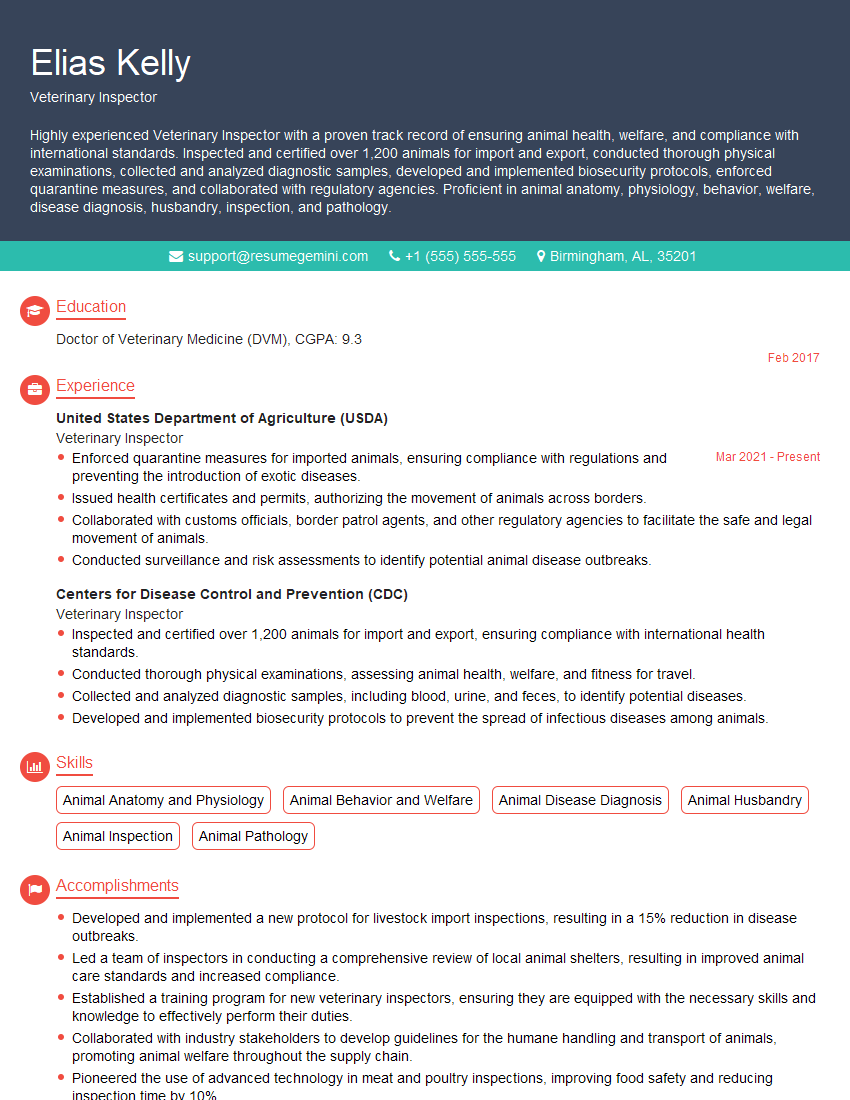
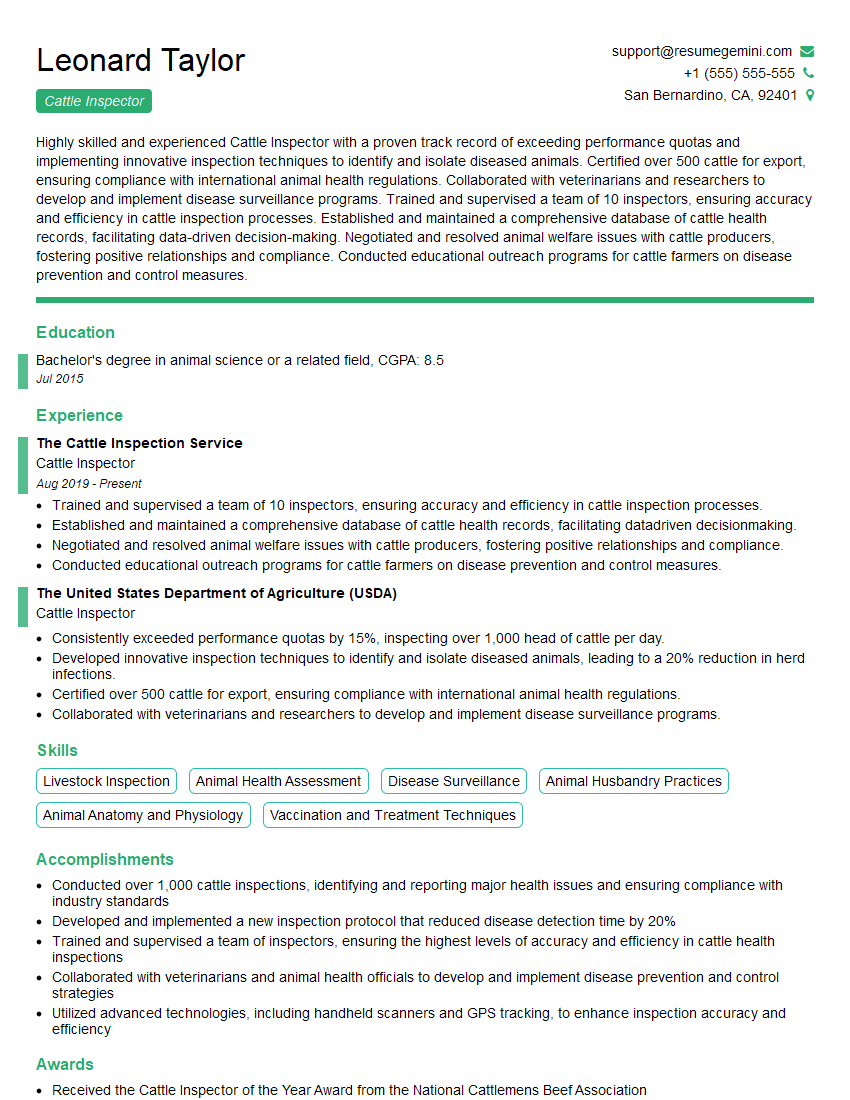
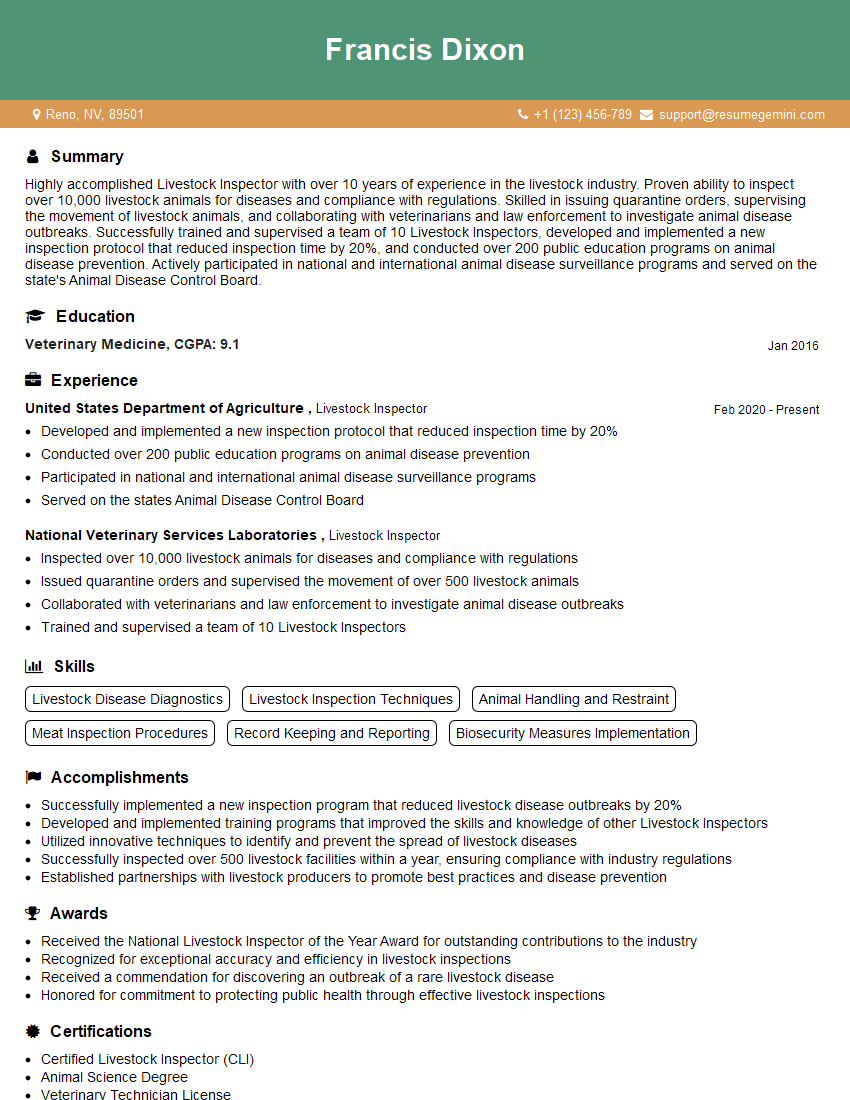
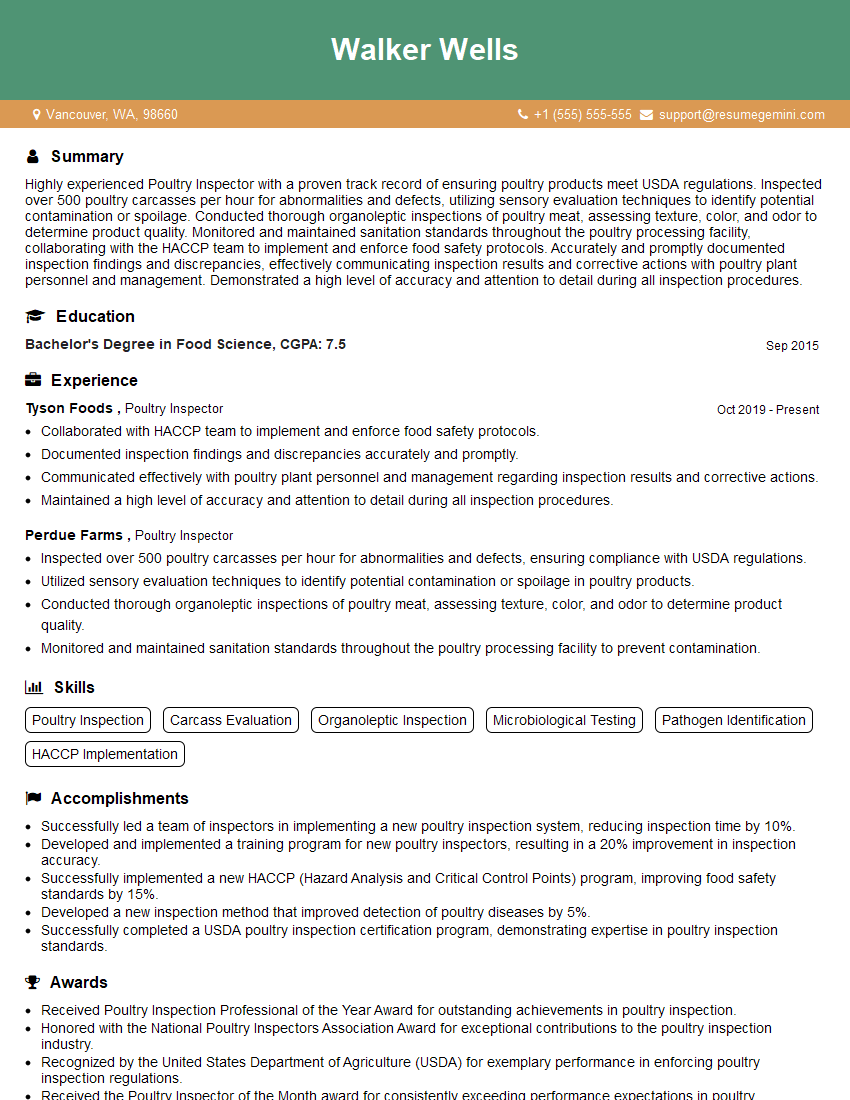
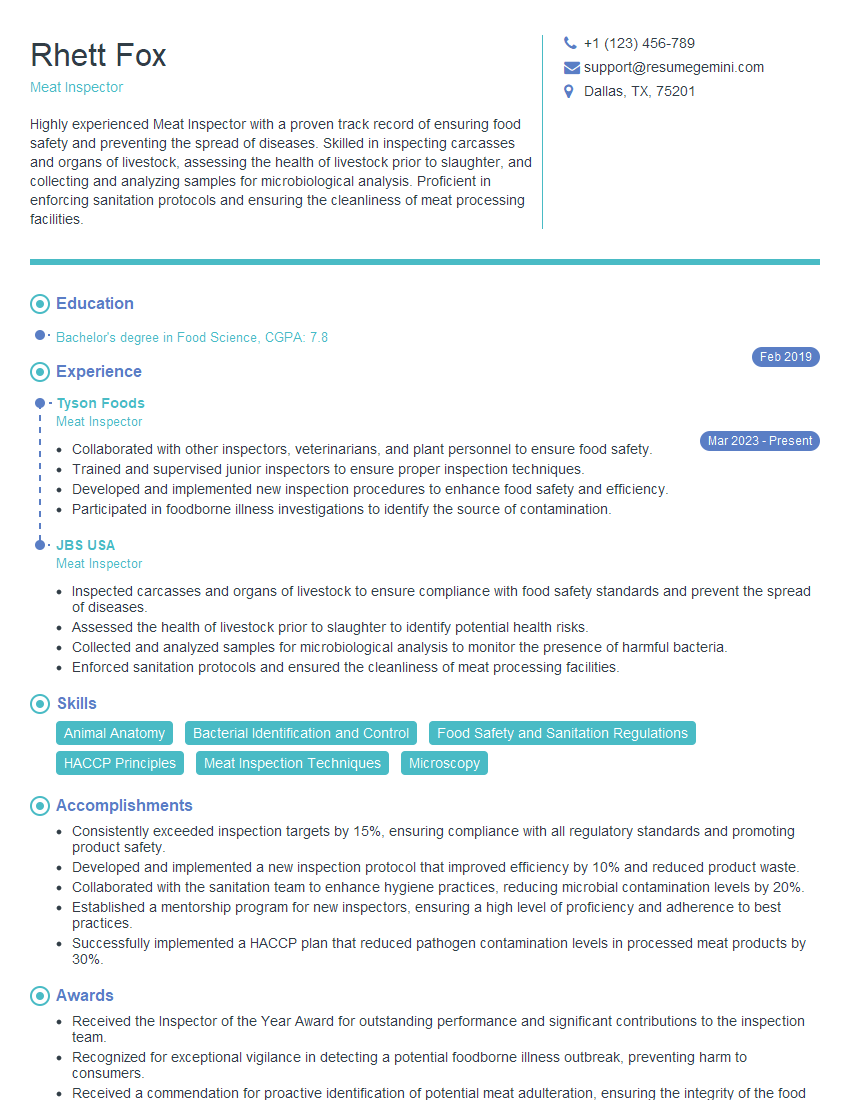
Mastering Livestock Inspection Techniques is crucial for a successful and rewarding career in the agricultural sector, opening doors to diverse opportunities and contributing to the safety and quality of our food supply. A strong resume is your key to unlocking these opportunities. Creating an ATS-friendly resume is essential for getting noticed by potential employers. ResumeGemini can help you build a professional and impactful resume that highlights your skills and experience effectively. Examples of resumes tailored to Livestock Inspection Techniques are available, showcasing how to best present your qualifications for maximum impact. Invest in your future – invest in your resume.
Explore more articles
Users Rating of Our Blogs
Share Your Experience
We value your feedback! Please rate our content and share your thoughts (optional).
What Readers Say About Our Blog
Really detailed insights and content, thank you for writing this detailed article.
IT gave me an insight and words to use and be able to think of examples