The thought of an interview can be nerve-wracking, but the right preparation can make all the difference. Explore this comprehensive guide to Environmental Assessment and Monitoring interview questions and gain the confidence you need to showcase your abilities and secure the role.
Questions Asked in Environmental Assessment and Monitoring Interview
Q 1. Explain the process of conducting an environmental impact assessment (EIA).
An Environmental Impact Assessment (EIA) is a process used to identify, predict, evaluate, and mitigate the biophysical, social, and other relevant effects of development proposals prior to major decisions being taken and commitments made. It’s like a pre-flight checklist for a large-scale project, ensuring we understand the potential environmental consequences before we take off.
- Screening: Determining if an EIA is required based on the project’s size, location, and potential impacts. For example, a small-scale residential development might not require a full EIA, while a large dam project certainly would.
- Scoping: Identifying the key environmental issues and impacts that need to be assessed. This involves consultations with stakeholders and experts to determine the scope of the study.
- Impact Analysis: This is the core of the EIA, where potential impacts on various environmental components (air, water, soil, biodiversity, socio-economic aspects) are identified and evaluated. This often involves using specialized models and software to predict the effects.
- Mitigation and Management: Developing plans to avoid, minimize, or compensate for significant negative impacts. This could include implementing pollution control technologies, restoring habitats, or providing compensation to affected communities.
- Reporting and Review: Preparing a comprehensive EIA report that summarizes the findings and recommendations. This report is subject to public review and approval by regulatory authorities.
- Monitoring: Post-project monitoring is crucial to track the effectiveness of the mitigation measures and identify any unforeseen impacts. This data is used to adapt the management plan as needed.
For example, in a proposed highway construction project, an EIA would assess the impact on air quality from increased traffic, water quality from potential runoff, and habitat loss due to land clearing. The EIA would then propose mitigation measures such as installing noise barriers, implementing erosion control measures, and creating wildlife corridors.
Q 2. Describe different environmental monitoring techniques for air quality.
Environmental monitoring for air quality utilizes a range of techniques to measure the concentration of various pollutants in the atmosphere. These methods can be broadly classified into in-situ and remote sensing techniques.
- In-situ monitoring: This involves placing instruments directly in the environment to measure pollutants. Examples include:
- Air quality monitoring stations: These stations continuously measure pollutants like ozone, particulate matter (PM2.5, PM10), nitrogen oxides, and sulfur dioxide using instruments such as gas analyzers and particle counters. Data is often transmitted in real-time for public access and regulatory compliance.
- Passive samplers: These devices collect pollutants over a specific time period. They are useful for assessing long-term exposure levels and are relatively low-cost and easy to deploy, making them suitable for large-scale surveys.
- Remote sensing: This involves using instruments located at a distance to monitor air quality. This includes:
- Satellite-based monitoring: Satellites equipped with spectrometers can measure pollutant concentrations over large areas. This is particularly useful for monitoring regional or global air quality patterns. However, the resolution might be lower compared to in-situ methods.
- LIDAR (Light Detection and Ranging): LIDAR systems use laser light to measure the concentration of aerosols and other pollutants in the atmosphere, providing detailed vertical profiles of pollutants.
The choice of technique depends on the specific pollutants being monitored, the spatial and temporal resolution required, the budget available, and the accessibility of the monitoring location. Often a combination of techniques is employed for a comprehensive assessment.
Q 3. What are the key components of an environmental management system (EMS)?
An Environmental Management System (EMS) is a set of processes and practices that enable an organization to manage its environmental responsibilities. Think of it as a structured approach to being environmentally responsible—a detailed roadmap to minimize your environmental footprint.
- Environmental Policy: A formal statement of the organization’s commitment to environmental protection. This sets the overall tone and direction.
- Planning: Identifying environmental aspects (elements of the organization’s activities, products, or services that interact with the environment) and impacts, setting environmental objectives and targets, and developing programs to meet them.
- Implementation and Operation: Putting the EMS plan into action, establishing roles and responsibilities, providing training, and managing resources.
- Monitoring and Measurement: Tracking environmental performance against objectives and targets. This involves collecting data, analyzing results, and identifying areas for improvement.
- Review: Regularly evaluating the effectiveness of the EMS, identifying opportunities for improvement, and making necessary adjustments. This often involves management review meetings and audits.
- Continual Improvement: The cyclical nature of improvement; using data from monitoring and review to constantly enhance the EMS’s effectiveness.
For instance, a manufacturing company might include reducing waste generation, minimizing energy consumption, and managing wastewater discharges as its environmental objectives. The EMS would then detail the specific actions, targets, and responsibilities associated with each objective. The ISO 14001 standard provides a widely recognized framework for developing and implementing an EMS.
Q 4. How do you ensure data accuracy and reliability in environmental monitoring?
Ensuring data accuracy and reliability in environmental monitoring is paramount. It’s like building a house—you need a strong foundation for a sturdy structure. We achieve this through a multi-faceted approach:
- Calibration and Validation: Regularly calibrating monitoring equipment against traceable standards is essential. This ensures the instruments provide accurate measurements. Validation involves checking that the methods and procedures used are appropriate and produce reliable results.
- Quality Control/Quality Assurance (QC/QA): Implementing a robust QC/QA program includes procedures like blind samples (samples of known concentration analyzed to check accuracy), duplicate samples (analyzing the same sample twice to assess precision), and field blanks (samples processed to detect contamination). This helps to identify and correct errors.
- Data Management: Employing a well-organized data management system is crucial. This ensures data integrity, traceability, and security. This could involve using specialized software or databases that track data collection, processing, and analysis.
- Chain of Custody: Maintaining a clear chain of custody throughout the sampling and analysis process. This ensures the samples are properly identified, handled, and analyzed, minimizing the risk of contamination or sample mix-ups.
- Personnel Training: Properly trained and experienced personnel are vital. They need to understand the sampling and analytical methods, understand quality control procedures, and maintain accurate records.
- Data Validation and Verification: Independent review of data by another qualified individual ensures accuracy and identification of outliers or inconsistencies.
Neglecting these steps can lead to inaccurate conclusions and potentially flawed environmental management decisions. For example, inaccurate air quality data could lead to inappropriate regulatory actions or insufficient mitigation strategies.
Q 5. Explain the difference between baseline data and monitoring data in an environmental assessment.
Baseline data and monitoring data play distinct but complementary roles in environmental assessments. Baseline data provides the ‘before’ picture, while monitoring data tracks changes over time.
- Baseline Data: This represents the existing environmental conditions before a project commences. It’s like taking a photograph of a landscape before construction begins. It’s gathered through various surveys and studies, providing a benchmark against which future changes can be measured. Examples include pre-project water quality data, air quality measurements, biodiversity surveys, and socio-economic studies.
- Monitoring Data: This is collected periodically during and after a project to track changes in environmental conditions. It’s like taking a series of photographs after construction to see how the landscape has changed. This helps assess the effectiveness of mitigation measures and identify any unanticipated impacts. It often includes similar measurements as baseline data to permit comparison.
The difference is crucial because without baseline data, assessing the impact of a project is impossible. For example, if a mining project is suspected of polluting a nearby river, comparing the post-project water quality data to the baseline data helps to determine the extent of contamination caused by the project, rather than attributing it to natural variability.
Q 6. Describe your experience with different environmental regulations (e.g., Clean Water Act, NEPA).
My experience encompasses various environmental regulations, including the Clean Water Act (CWA) and the National Environmental Policy Act (NEPA) in the United States, as well as international standards such as ISO 14001.
- Clean Water Act (CWA): I have extensive experience in projects requiring CWA compliance, particularly concerning wastewater discharge permits, stormwater management, and water quality monitoring. This includes preparing permit applications, conducting water quality assessments, and developing and implementing pollution control plans. For example, I have worked on projects that involved designing and implementing wastewater treatment systems to meet CWA effluent limits.
- National Environmental Policy Act (NEPA): My work with NEPA has focused on preparing Environmental Assessments (EAs) and Environmental Impact Statements (EISs) for large-scale projects, including transportation infrastructure, energy development, and resource extraction. I am proficient in conducting environmental impact analyses, developing mitigation strategies, and interacting with regulatory agencies during the NEPA review process.
- ISO 14001: I have worked with organizations to implement ISO 14001-based Environmental Management Systems. This involves conducting audits, providing training, and assisting in developing and maintaining compliance programs. This ensures that organizations effectively manage their environmental performance and comply with relevant environmental regulations.
Understanding and applying these regulations ensures projects are conducted in an environmentally responsible manner, protecting human health and the environment. The experience gained working with multiple regulations builds a broad understanding of environmental compliance requirements across different sectors and jurisdictions.
Q 7. How do you handle conflicting stakeholder interests in an environmental project?
Handling conflicting stakeholder interests is a common challenge in environmental projects. It requires careful diplomacy, transparency, and a structured approach. It’s like being a mediator in a negotiation—all parties need to feel heard and understood.
- Stakeholder Identification and Engagement: The first step is to identify all stakeholders (communities, businesses, government agencies, environmental groups) and their concerns. This may involve public meetings, surveys, and interviews.
- Communication and Transparency: Open and transparent communication is crucial. Keeping stakeholders informed throughout the project lifecycle, explaining decisions, and addressing their concerns promptly helps build trust and understanding.
- Conflict Resolution Strategies: Employing conflict resolution techniques such as negotiation, mediation, or arbitration can help find mutually acceptable solutions. This might involve compromising, seeking creative solutions, and finding common ground.
- Multi-criteria Decision Analysis (MCDA): Using MCDA tools can help quantify and weight different stakeholder preferences, providing a structured approach to decision-making when facing trade-offs between different values and objectives.
- Documentation and Record Keeping: Maintaining comprehensive records of all stakeholder communications, decisions, and agreements ensures transparency and accountability.
For example, in a proposed wind farm project, local residents might be concerned about noise pollution and visual impacts, while the energy company seeks to maximize energy production. Through effective communication and compromise, solutions like strategically placing turbines and implementing noise mitigation measures can be found to address these competing concerns.
Q 8. What are the common challenges in environmental data analysis?
Environmental data analysis, while crucial for understanding and protecting our environment, faces several significant challenges. These challenges often stem from the complexity and variability of environmental systems.
- Data Scarcity and Inaccessibility: Comprehensive, reliable data can be difficult to obtain, especially for remote areas or historical periods. Data might be scattered across different sources, formats, and jurisdictions, hindering efficient analysis.
- Data Quality Issues: Inconsistent sampling methods, instrument errors, human error in data entry, and lack of metadata can severely impact data quality, leading to inaccurate conclusions. For example, a rain gauge that’s improperly calibrated could lead to skewed precipitation data, affecting hydrological models.
- Spatial and Temporal Variability: Environmental parameters vary significantly over space and time. Analyzing these variations requires sophisticated statistical techniques and careful consideration of scale. A pollutant concentration in a river might be high in one section but low in another, requiring fine-scale sampling and analysis.
- Data Integration and Interoperability: Integrating data from various sources (e.g., air quality sensors, water quality monitoring stations, remote sensing imagery) requires careful consideration of data formats and projection systems. Inconsistent units or measurement scales also pose a major hurdle.
- Uncertainty and Error Propagation: Uncertainty is inherent in environmental data due to measurement errors and natural variability. Proper quantification and propagation of uncertainty are crucial for robust decision-making. Ignoring uncertainty can lead to overly confident yet inaccurate conclusions.
Addressing these challenges requires a multi-pronged approach involving improved data collection methodologies, quality control measures, advanced statistical techniques, and the use of Geographic Information Systems (GIS) for spatial analysis and data visualization.
Q 9. Explain your experience with GIS software in environmental applications.
I have extensive experience utilizing GIS software, primarily ArcGIS and QGIS, in various environmental applications. My expertise spans data management, spatial analysis, and map creation. I’ve used GIS to:
- Develop environmental impact assessments: Mapping sensitive habitats, overlaying project footprints to identify potential impacts, and visualizing predicted pollution dispersion.
- Create and manage environmental databases: Integrating diverse datasets, such as water quality readings, soil samples, and land cover data, into a spatially referenced database for analysis.
- Perform spatial statistical analysis: Using geostatistical tools like kriging to interpolate environmental parameters and assess spatial patterns of pollution or habitat fragmentation.
- Model environmental processes: Utilizing GIS extensions for hydrological modeling, simulating the spread of pollutants in surface water, or predicting habitat suitability for endangered species.
- Communicate environmental information effectively: Creating clear and informative maps, charts, and reports to convey complex environmental data to stakeholders.
For instance, in a recent project assessing the impact of a proposed highway on wetland ecosystems, I used ArcGIS to overlay the highway design onto high-resolution satellite imagery and wetland maps. This allowed us to quantitatively estimate the direct and indirect impacts on wetland area and connectivity, informing mitigation strategies.
Q 10. How do you assess the cumulative impacts of multiple projects on the environment?
Assessing cumulative impacts requires a holistic approach that considers the combined effects of multiple projects on the environment, rather than analyzing each project in isolation. This often involves a combination of spatial analysis, quantitative modeling, and expert judgment.
My approach typically involves:
- Identifying potentially interacting projects: This includes projects located geographically close to each other or that share similar environmental stressors.
- Characterizing individual project impacts: Using environmental impact assessments and modeling to quantify the individual impacts of each project on various environmental components (e.g., water quality, air quality, biodiversity).
- Developing a cumulative impact assessment framework: This framework should integrate individual project impacts, considering spatial and temporal interactions. Overlapping impacts might be additive, synergistic (greater than the sum of parts), or antagonistic (less than the sum of parts).
- Utilizing GIS for spatial analysis: Mapping the spatial extent of individual and cumulative impacts, facilitating visualization and identification of areas experiencing significant environmental stress.
- Employing quantitative models: Using models to simulate cumulative impacts on environmental parameters like water flow, pollutant concentrations, or habitat fragmentation.
- Incorporating expert judgment and stakeholder input: Expert knowledge and stakeholder perspectives are crucial to account for uncertainties and potential non-linear interactions.
The result is a comprehensive assessment of cumulative impacts, identifying areas of high environmental risk and informing mitigation strategies that address the combined effects of multiple projects. For example, multiple agricultural run-off sources impacting a single river watershed would necessitate a cumulative impact assessment to properly assess the overall water quality degradation.
Q 11. Describe your experience with environmental remediation techniques.
My experience with environmental remediation techniques encompasses a range of approaches depending on the nature and extent of contamination. I’ve been involved in projects dealing with:
- Soil remediation: Techniques include excavation and disposal, bioremediation (using microorganisms to break down pollutants), phytoremediation (using plants to extract or stabilize pollutants), and soil washing.
- Groundwater remediation: Methods range from pump-and-treat systems (pumping contaminated groundwater to the surface for treatment) to in-situ bioremediation (stimulating microbial activity to break down pollutants in the subsurface).
- Air remediation: Techniques include filtration, absorption, thermal oxidation, and biofiltration to remove pollutants from air emissions.
In one project, we addressed groundwater contamination from a former industrial site using a combination of pump-and-treat and in-situ bioremediation. We first characterized the extent and nature of the contamination using groundwater monitoring wells. Then, we designed a pump-and-treat system to remove the most heavily contaminated water while simultaneously injecting nutrients and oxygen into the aquifer to stimulate the growth of microorganisms capable of degrading the target pollutants. Regular monitoring verified the effectiveness of the remediation strategy.
Q 12. What are the key indicators of soil and water contamination?
Key indicators of soil and water contamination vary depending on the suspected pollutants, but some common indicators include:
- Physical indicators: Changes in soil color, texture, or odor; presence of surface oil sheens or floating debris in water; increased turbidity (cloudiness) in water.
- Chemical indicators: Elevated concentrations of heavy metals (lead, mercury, cadmium, etc.), pesticides, herbicides, petroleum hydrocarbons, nutrients (nitrogen and phosphorus), or other organic and inorganic compounds beyond background levels. This often involves laboratory analysis of soil and water samples.
- Biological indicators: Changes in the composition and abundance of plant and animal communities; presence of indicator species that thrive in contaminated environments; reduced biodiversity; altered microbial communities.
For example, high levels of nitrates in groundwater can indicate agricultural runoff contamination. The presence of specific bacterial species can also indicate the presence of specific organic pollutants. A significant decline in the number and diversity of aquatic insects in a stream might point towards chemical pollution.
Q 13. How do you interpret environmental monitoring data to inform management decisions?
Interpreting environmental monitoring data to inform management decisions requires a systematic approach that combines data analysis, statistical inference, and risk assessment.
- Data Quality Control: First, the data’s quality should be rigorously assessed to identify and correct any errors or inconsistencies. This may involve outlier detection, data validation, and gap filling.
- Statistical Analysis: Statistical methods are used to identify trends, patterns, and anomalies in the data. This might include time series analysis to assess changes over time, spatial analysis to identify pollution hotspots, and correlation analysis to explore relationships between different environmental parameters.
- Trend Analysis: Examining long-term trends in environmental parameters helps determine whether pollution levels are increasing, decreasing, or remaining stable. This is crucial for evaluating the success of remediation efforts or the effectiveness of pollution control measures.
- Risk Assessment: This involves quantifying the potential risks posed by environmental contamination to human health and the ecosystem. This assessment informs the development of management strategies, including setting remediation targets and prioritizing actions.
- Communication of Results: Clearly communicating the findings to stakeholders (regulators, the public, and other interested parties) is essential. This often involves creating easily understandable reports, visualizations, and summaries of the data and its implications.
For instance, consistent exceedances of a water quality standard for a specific pollutant, backed by robust statistical analysis and risk assessment, might necessitate the implementation of stricter pollution control measures or remediation efforts.
Q 14. Explain the principles of sustainable development.
Sustainable development encompasses meeting the needs of the present generation without compromising the ability of future generations to meet their own needs. It rests on three interconnected pillars:
- Environmental Protection: Conserving natural resources, minimizing pollution, and protecting biodiversity are crucial for ensuring environmental sustainability. This involves transitioning to cleaner energy sources, reducing waste, and implementing sustainable land management practices.
- Economic Prosperity: Sustainable development requires a strong and inclusive economy that creates opportunities for all members of society while minimizing environmental damage. This can involve investing in green technologies, promoting sustainable businesses, and ensuring equitable resource distribution.
- Social Equity: Sustainable development is about ensuring social justice and equity, where all people have access to basic necessities like food, water, shelter, healthcare, and education. This involves promoting human rights, reducing poverty, and building strong and resilient communities.
These three pillars are interconnected and mutually reinforcing. For example, protecting forests (environmental protection) can provide sustainable livelihoods for local communities (economic prosperity) while also enhancing biodiversity and mitigating climate change (environmental protection). Failing to consider any of these pillars will result in unsustainable development.
Q 15. Describe your experience with environmental auditing.
Environmental auditing involves a systematic and objective evaluation of an organization’s environmental performance against established criteria. It’s like a health check-up for a company’s environmental practices. I’ve conducted numerous audits across various sectors, including manufacturing, energy, and agriculture. My process typically involves reviewing permits and licenses, conducting site inspections to assess compliance with regulations and best practices, examining operational records and data, and interviewing personnel. For instance, during an audit of a manufacturing plant, I identified inconsistencies in their waste management system, leading to recommendations for improved segregation, processing, and disposal procedures that ultimately reduced their environmental footprint and compliance risks.
One project involved auditing a large-scale solar farm for compliance with environmental regulations and best management practices concerning wildlife habitat. I assessed their impact on local ecosystems, reviewing their monitoring data and field surveys, and identified opportunities for biodiversity enhancements.
- Document Review: Scrutinizing environmental permits, licenses, internal policies, and operational records.
- Site Inspections: Visually assessing facilities, processes, and waste management systems to identify non-compliance or potential risks.
- Data Analysis: Reviewing environmental monitoring data (e.g., air and water quality) to evaluate compliance.
- Interviewing Personnel: Gathering insights into operational practices and identifying potential issues.
- Report Writing: Preparing a comprehensive report with findings, conclusions, and recommendations.
Career Expert Tips:
- Ace those interviews! Prepare effectively by reviewing the Top 50 Most Common Interview Questions on ResumeGemini.
- Navigate your job search with confidence! Explore a wide range of Career Tips on ResumeGemini. Learn about common challenges and recommendations to overcome them.
- Craft the perfect resume! Master the Art of Resume Writing with ResumeGemini’s guide. Showcase your unique qualifications and achievements effectively.
- Don’t miss out on holiday savings! Build your dream resume with ResumeGemini’s ATS optimized templates.
Q 16. What are the key elements of an environmental permit application?
A robust environmental permit application needs several key elements to secure approval. Think of it as a comprehensive business plan but for environmental impact. It’s crucial to demonstrate that the proposed activity will not cause unacceptable harm to the environment. Key elements include:
- Project Description: A clear and detailed description of the proposed activity, its location, and its potential environmental impacts.
- Environmental Impact Assessment (EIA): This is a crucial component, detailing the potential positive and negative effects of the project on the environment, including air, water, soil, and biodiversity. It often involves baseline data collection and modeling.
- Mitigation Measures: Strategies to reduce or eliminate any negative environmental impacts. This could involve using cleaner technologies, implementing pollution control measures, or restoring affected habitats.
- Monitoring Plan: A detailed plan for monitoring the environmental impacts of the project during and after its operation, including the parameters to be measured, the frequency of monitoring, and the methods to be used.
- Emergency Response Plan: A plan outlining how to respond to potential environmental emergencies, such as spills or accidents.
- Compliance with Regulations: Demonstration of adherence to all relevant environmental laws and regulations.
- Public Consultation: Documentation of any public consultation that took place.
Failing to include any of these elements could lead to permit denial or delays.
Q 17. How do you ensure compliance with environmental regulations?
Ensuring compliance with environmental regulations requires a proactive and multifaceted approach. It’s not simply a matter of reacting to violations; rather, it’s a commitment to continuous improvement. My strategy involves:
- Regular Monitoring: Implementing a robust environmental monitoring program to track key parameters and identify potential compliance issues early on. This includes air and water quality testing, waste audits, and energy consumption tracking.
- Record Keeping: Maintaining accurate and up-to-date records of all environmental activities, including monitoring data, training records, and corrective actions taken. This is essential for demonstrating compliance during audits.
- Employee Training: Providing comprehensive training to employees on environmental regulations and best practices to foster a culture of environmental responsibility.
- Internal Audits: Conducting regular internal audits to identify any compliance gaps and implement corrective actions.
- Staying Updated: Keeping abreast of changes in environmental regulations and best practices through professional development and networking. Environmental laws are constantly evolving.
- Communication and Reporting: Maintaining open communication with regulatory agencies and stakeholders, providing timely and accurate reporting.
For example, I worked with a manufacturing facility that was facing potential non-compliance regarding wastewater discharge. By implementing a new treatment system and improving their monitoring practices, we ensured they met regulatory limits and prevented penalties.
Q 18. Describe your experience with environmental risk assessment.
Environmental risk assessment is a systematic process for identifying and evaluating the potential risks posed by environmental hazards. It’s like predicting potential environmental problems before they occur. My experience encompasses a range of methodologies, from qualitative assessments (using expert judgment) to quantitative assessments (using statistical models). I have conducted numerous risk assessments for various projects, such as industrial facilities, infrastructure developments, and hazardous waste sites.
A recent project involved assessing the risk of groundwater contamination from a proposed landfill. This required gathering data on soil characteristics, waste composition, and hydrogeology, and using appropriate models to predict the potential for contaminant migration. The assessment identified potential risks and recommended mitigation measures to minimize the likelihood of contamination. This project showcased the need for detailed site-specific data and the use of validated modeling techniques.
The process generally involves these steps:
- Hazard Identification: Identifying potential environmental hazards associated with the project or activity.
- Risk Assessment: Evaluating the likelihood and severity of each hazard occurring.
- Risk Evaluation: Determining the overall risk level by considering the likelihood and severity of each hazard.
- Risk Management: Developing strategies to reduce or mitigate the identified risks.
Q 19. What are the ethical considerations in environmental assessment and monitoring?
Ethical considerations are paramount in environmental assessment and monitoring. It’s not just about following regulations; it’s about acting with integrity and responsibility. Key ethical considerations include:
- Objectivity and Impartiality: Maintaining objectivity and impartiality in assessments, avoiding bias and conflicts of interest. This means disclosing any potential conflicts and ensuring transparency in the assessment process.
- Transparency and Openness: Conducting assessments in a transparent and open manner, allowing for public scrutiny and input. All data and methodologies should be clearly documented and accessible.
- Accuracy and Rigor: Ensuring the accuracy and rigor of assessments by using validated methodologies and data. Data integrity is critical.
- Precautionary Principle: Applying the precautionary principle, particularly when dealing with uncertainties and potentially irreversible environmental damage. This means taking preventative action even when scientific evidence is incomplete.
- Environmental Justice: Considering the distributional impacts of environmental hazards and ensuring equitable access to environmental benefits and protection, especially for vulnerable populations.
- Confidentiality: Protecting the confidentiality of sensitive data and information.
Ethical breaches can lead to serious consequences, including legal action, reputational damage, and a loss of public trust. Therefore, maintaining the highest ethical standards is essential.
Q 20. How do you communicate complex environmental information to non-technical audiences?
Communicating complex environmental information to non-technical audiences requires clear, concise, and engaging communication. It’s about translating technical jargon into plain language that everyone can understand. I utilize several techniques:
- Plain Language: Avoiding technical jargon and using simple, everyday language.
- Visual Aids: Using charts, graphs, maps, and infographics to illustrate key findings.
- Analogies and Metaphors: Using analogies and metaphors to make complex concepts easier to grasp. For example, explaining carbon sequestration using the analogy of a sponge absorbing water.
- Storytelling: Using storytelling to make the information more engaging and memorable.
- Interactive Tools: Using interactive tools, such as simulations or games, to increase engagement.
- Targeted Messaging: Tailoring the message to the specific audience’s knowledge and interests.
I once had to explain the potential impacts of a proposed development on local water resources to a community group. Instead of using technical terms, I used relatable scenarios and visual aids to illustrate the potential consequences. This approach ensured the community understood the issue and actively participated in the decision-making process.
Q 21. Describe your experience with different sampling methods (e.g., grab samples, composite samples).
Different sampling methods are crucial for accurate environmental data collection, each with its strengths and limitations. The choice depends on the specific objective, the nature of the contaminant, and the environment being sampled.
- Grab Samples: These are single samples collected at a specific time and location. They’re useful for getting a snapshot of conditions at a particular moment but may not represent the overall average condition. Think of taking a single photograph – it captures a moment but not the whole story.
- Composite Samples: These are created by combining multiple grab samples collected over time or from different locations. They provide a more representative average but lose the spatial and temporal resolution of individual grab samples. Imagine averaging multiple photos to show a more general view.
- Integrated Samples: Passive samplers, used to collect samples over extended periods to integrate conditions over time. These are particularly useful for volatile or semi-volatile substances.
- Continuous Monitoring: Automated systems continuously record data, providing a detailed, real-time record. This can be more expensive but offers high-resolution data.
I’ve used various sampling methods in my work, including grab samples for assessing acute pollution events and composite samples for long-term monitoring of water quality. The selection of the appropriate method is vital to ensure the accuracy and reliability of the environmental data.
Q 22. Explain the importance of data quality control and quality assurance in environmental monitoring.
Data quality control (QC) and quality assurance (QA) are absolutely critical in environmental monitoring. Think of it like baking a cake – if your ingredients (data) are flawed, your final product (assessment) will be unreliable. QC focuses on the processes involved in data collection, analysis, and reporting, ensuring accuracy and consistency at each step. QA, on the other hand, is a broader, more strategic approach that encompasses the entire monitoring program, verifying that it meets predefined standards and objectives.
For example, in water quality monitoring, QC might involve regularly calibrating instruments, using blind samples to assess lab accuracy, and implementing data validation checks to identify outliers or inconsistencies. QA would involve establishing a comprehensive sampling plan, defining clear quality objectives, and regularly auditing the entire process to ensure adherence to established protocols. Without robust QC and QA, we risk making flawed environmental decisions based on unreliable data, potentially leading to ineffective mitigation or remediation strategies.
- Calibration and validation: Regular instrument checks and blind sample analysis ensure accuracy.
- Chain of custody: Meticulous record-keeping ensures sample integrity from collection to analysis.
- Data validation: Identifying and addressing outliers or inconsistencies to ensure data reliability.
Q 23. What are the limitations of different environmental assessment methodologies?
Different environmental assessment methodologies have inherent limitations. For instance, Environmental Impact Assessments (EIAs) can be overly simplistic, sometimes failing to fully capture the complexity of ecological interactions or the cumulative impacts of multiple projects. They also often rely on predictive modeling which can be uncertain, particularly when dealing with novel technologies or unforeseen circumstances.
Similarly, Life Cycle Assessments (LCAs) can struggle with data scarcity, especially for certain materials or processes. They may also oversimplify complex systems, potentially neglecting indirect or secondary impacts. Furthermore, the accuracy of an LCA depends heavily on the completeness and quality of the input data, which can be challenging to obtain for global supply chains.
Finally, risk assessments can be subjective, relying heavily on expert judgment and potentially being influenced by biases or incomplete data. Defining thresholds for acceptable risk can also be challenging and often depends on societal values and risk tolerances. Understanding these limitations is crucial for interpreting assessment results and making informed decisions. It’s important to acknowledge these uncertainties and use multiple methods to gain a more complete understanding.
Q 24. How do you address uncertainties and limitations in environmental data?
Addressing uncertainties and limitations in environmental data requires a multi-faceted approach. First, we must acknowledge the inherent uncertainties and quantify them wherever possible. This involves using appropriate statistical methods to estimate the range of potential values or outcomes. For instance, we might report data with confidence intervals to reflect the level of uncertainty.
Secondly, we use sensitivity analysis to determine how sensitive our conclusions are to variations in uncertain parameters. This allows us to identify which uncertainties have the greatest impact on our assessment and prioritize further investigation or data collection. For example, if a particular input parameter in a model has a significant impact on the predicted outcome, we might invest in collecting more precise data for that parameter.
Thirdly, we employ robust statistical techniques that can handle uncertainty and variability. Non-parametric methods, for example, are less sensitive to assumptions about data distribution and can be more appropriate when dealing with limited or uncertain data. Finally, transparently communicating uncertainties in our reports is essential to ensure that decision-makers are aware of the limitations of our findings and can make informed decisions considering these limitations.
Q 25. Describe your experience with environmental modeling software.
I have extensive experience using various environmental modeling software packages, including ArcGIS for spatial analysis and mapping, WaterGEM for hydrological modeling, and various R packages for statistical analysis and data visualization. I’m proficient in developing and calibrating models, interpreting model outputs, and communicating results effectively to both technical and non-technical audiences. For example, I recently used ArcGIS to map the potential impacts of a proposed development on nearby wetlands, integrating hydrological modeling outputs to predict changes in water flow and water quality. This allowed stakeholders to visualize the potential environmental consequences and make informed decisions about the project.
My experience also includes using specialized software for air quality modeling (e.g., AERMOD), and fate and transport modeling (e.g., using specialized R packages). I understand the strengths and limitations of different modeling approaches and always carefully select the most appropriate tool for the specific task at hand, considering the available data and the objectives of the study.
Q 26. How do you stay up-to-date with changes in environmental regulations and best practices?
Staying current in environmental regulations and best practices requires a proactive and multifaceted approach. I regularly subscribe to professional journals such as Environmental Science & Technology and Ecological Applications. I also actively participate in professional organizations like the Society of Environmental Toxicology and Chemistry (SETAC) and attend conferences and workshops to learn about the latest advancements in the field.
Furthermore, I maintain a network of colleagues and experts with whom I exchange information and discuss emerging issues. Monitoring government agency websites and regulatory updates is also essential, particularly at the state and federal levels, to ensure compliance with all relevant regulations. Finally, I regularly review and update my own professional development plan to ensure that I’m constantly expanding my knowledge and skills in areas relevant to my work. Continuous learning is crucial in this dynamic field.
Q 27. What is your experience with Life Cycle Assessment (LCA)?
My experience with Life Cycle Assessment (LCA) includes conducting several LCAs for a variety of products and processes. This has involved data collection, impact assessment, interpretation, and reporting. I am familiar with various LCA software packages, such as SimaPro and Gabi. I understand the different LCA methodologies, including the ISO 14040/44 standards, and the importance of selecting appropriate impact assessment methods based on the specific context of the study.
For instance, I recently conducted an LCA to compare the environmental impacts of different packaging materials for a food product. This involved analyzing the entire life cycle of each material, from raw material extraction to end-of-life disposal, considering impacts such as greenhouse gas emissions, water consumption, and resource depletion. The results provided valuable insights to inform the company’s decision-making regarding sustainable packaging choices. A key aspect of my approach is ensuring the transparency and traceability of all data used in the LCA, including any assumptions made and potential uncertainties.
Q 28. Describe your approach to problem-solving in complex environmental situations.
My approach to problem-solving in complex environmental situations involves a systematic and iterative process. First, I carefully define the problem, identifying the key issues and stakeholders involved. I then gather and analyze relevant data, identifying potential gaps or uncertainties. This often involves reviewing existing literature, conducting site visits, and collecting new data as needed.
Next, I develop and evaluate potential solutions, considering the technical feasibility, cost-effectiveness, and environmental consequences of each option. This often involves utilizing modeling tools and collaborating with other experts to ensure a comprehensive assessment. I then select the most promising solutions and develop an implementation plan. Throughout this process, I prioritize communication and collaboration with stakeholders to ensure that the chosen solution aligns with their needs and concerns. This ensures the process remains adaptable to new information and evolving circumstances. Finally, I monitor and evaluate the effectiveness of the implemented solution, making adjustments as needed to optimize outcomes. This cyclical approach ensures that solutions are both effective and adaptable to a constantly changing environment.
Key Topics to Learn for Environmental Assessment and Monitoring Interview
- Environmental Impact Assessment (EIA) Methodologies: Understanding different EIA methodologies (e.g., baseline studies, impact prediction, mitigation measures) and their application in various projects.
- Data Collection and Analysis Techniques: Mastering field sampling methods, data analysis using statistical software (e.g., R, SPSS), and interpreting results to inform decision-making.
- Environmental Monitoring Programs: Designing and implementing effective monitoring programs, including selecting appropriate indicators, setting targets, and reporting on progress.
- Regulatory Compliance and Permitting: Familiarity with relevant environmental regulations and permitting processes, ensuring projects adhere to legal requirements.
- Risk Assessment and Management: Identifying and evaluating environmental risks, developing strategies for risk mitigation and remediation.
- Environmental Modeling and Simulation: Utilizing various modeling techniques (e.g., GIS, hydrological models) to predict and assess environmental impacts.
- Communication and Reporting: Effectively communicating complex environmental data and findings to both technical and non-technical audiences through reports, presentations, and visualizations.
- Sustainability Principles and Practices: Integrating principles of sustainable development into assessment and monitoring practices, promoting environmentally responsible decision-making.
- Emerging Technologies in Environmental Monitoring: Understanding the application of remote sensing, drones, and other advanced technologies for efficient and effective environmental monitoring.
- Case Studies and Problem-Solving: Analyzing real-world case studies to develop critical thinking and problem-solving skills in environmental assessment and monitoring contexts.
Next Steps
Mastering Environmental Assessment and Monitoring opens doors to a rewarding career with significant impact. To maximize your job prospects, a strong, ATS-friendly resume is crucial. ResumeGemini is a trusted resource to help you craft a compelling and effective resume that highlights your skills and experience. We offer examples of resumes tailored to Environmental Assessment and Monitoring to guide you. Invest time in creating a polished resume – it’s your first impression with potential employers.
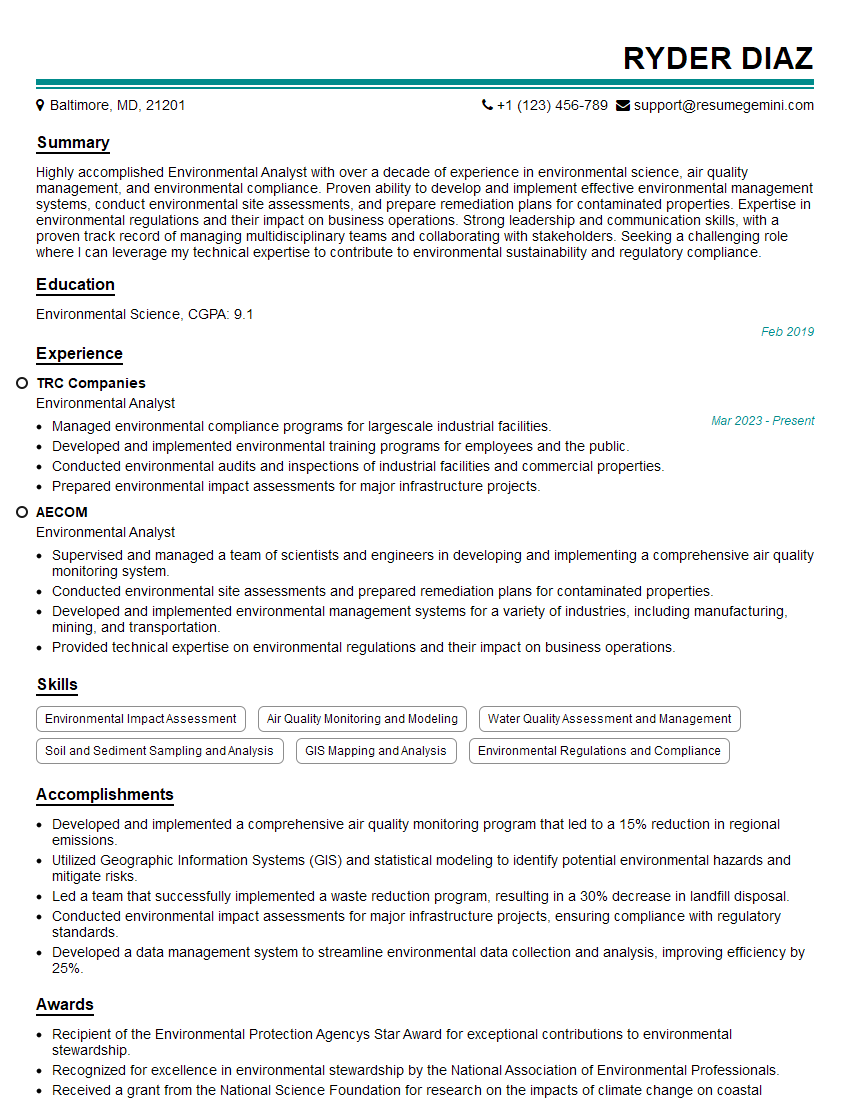
Environmental Analyst Resume Sample
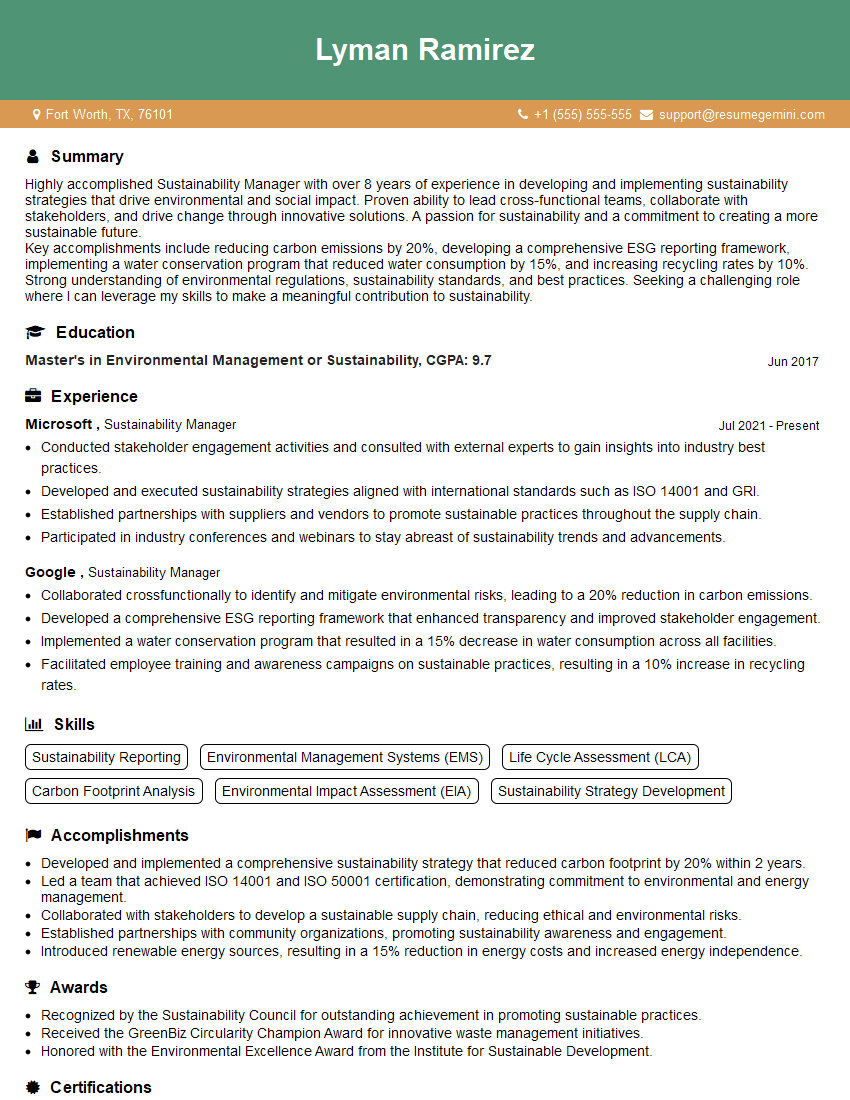
Sustainability Manager Resume Sample
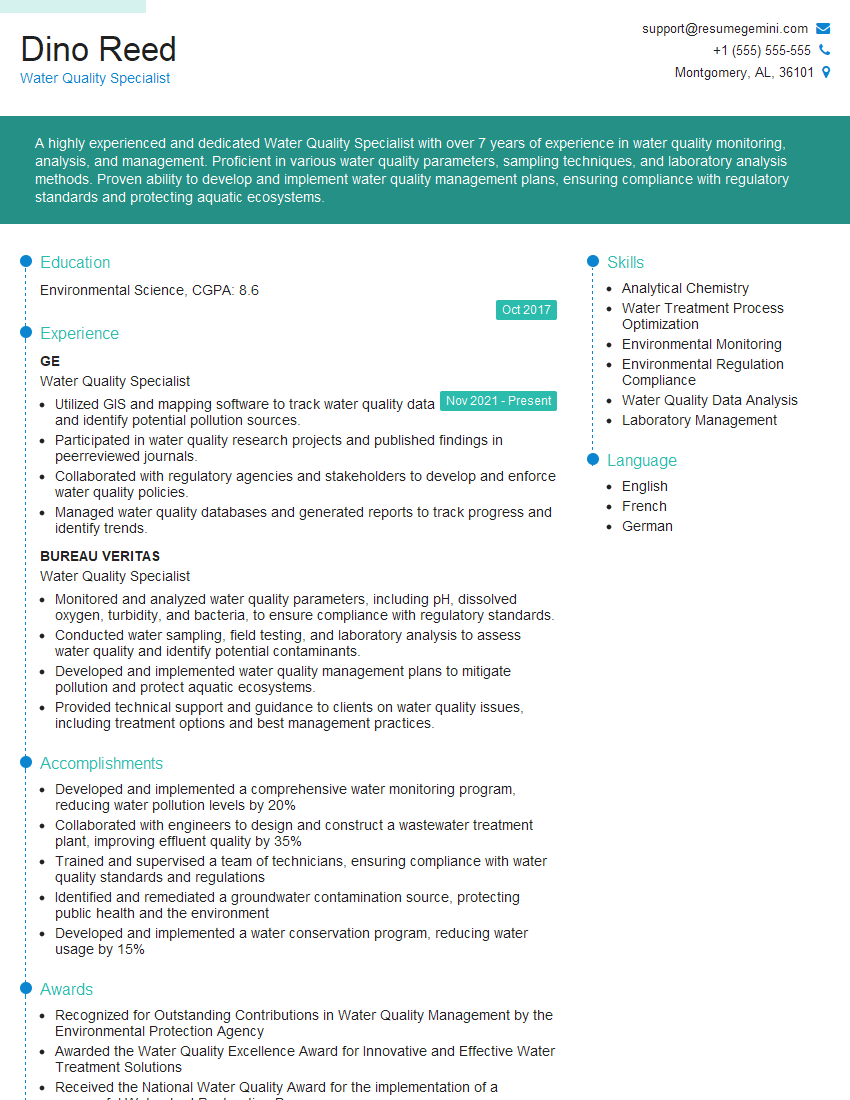
Water Quality Specialist Resume Sample
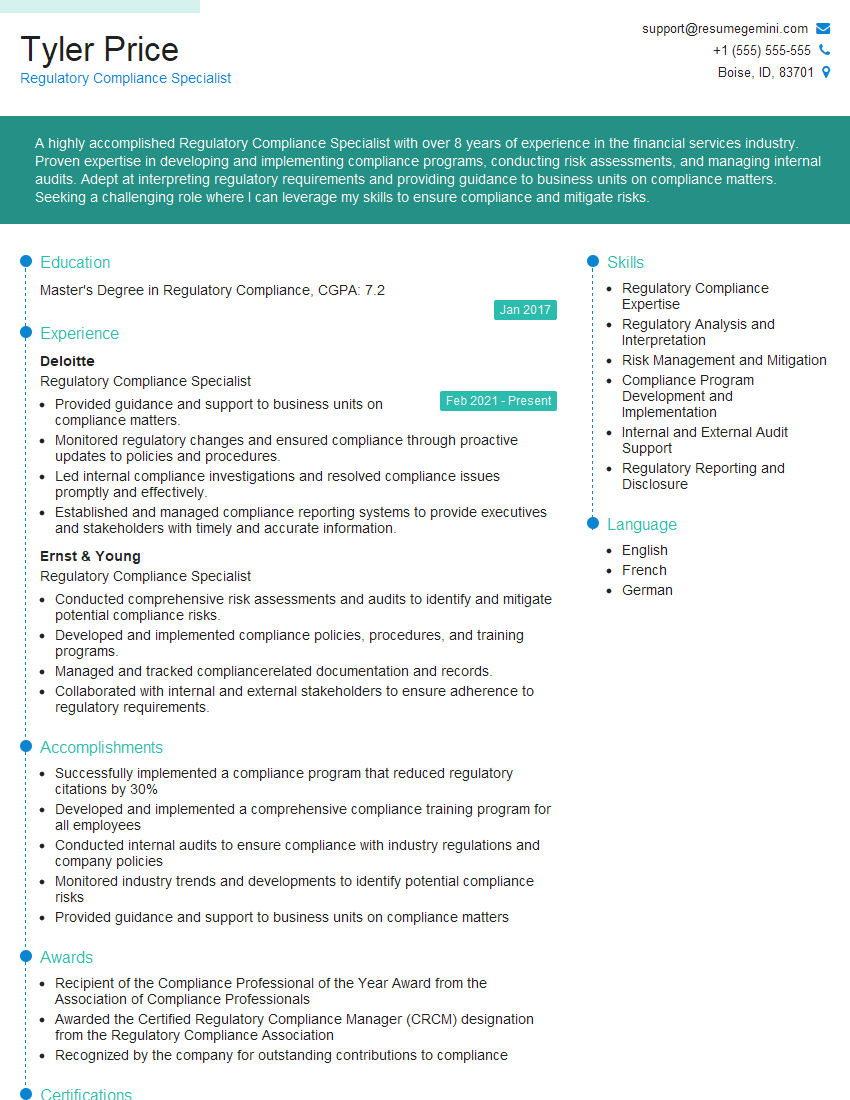
Regulatory Compliance Specialist Resume Sample
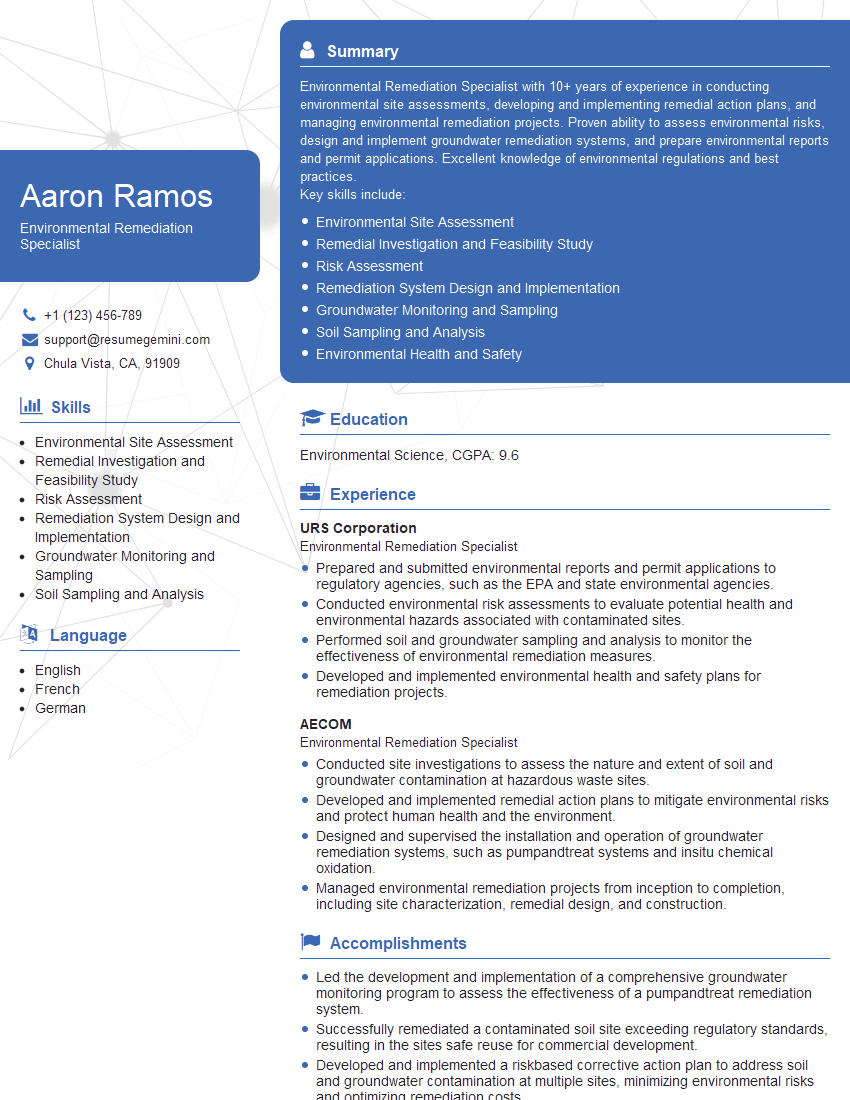
Environmental Remediation Specialist Resume Sample
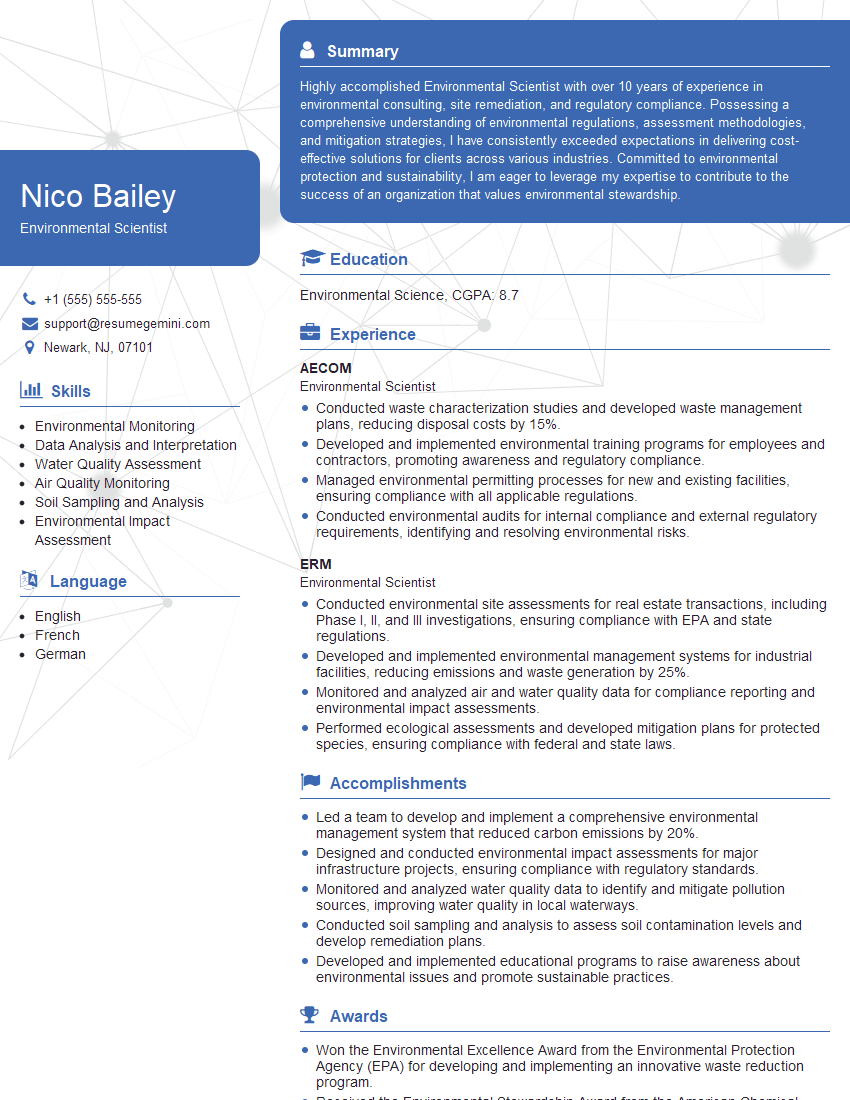
Environmental Scientist Resume Sample
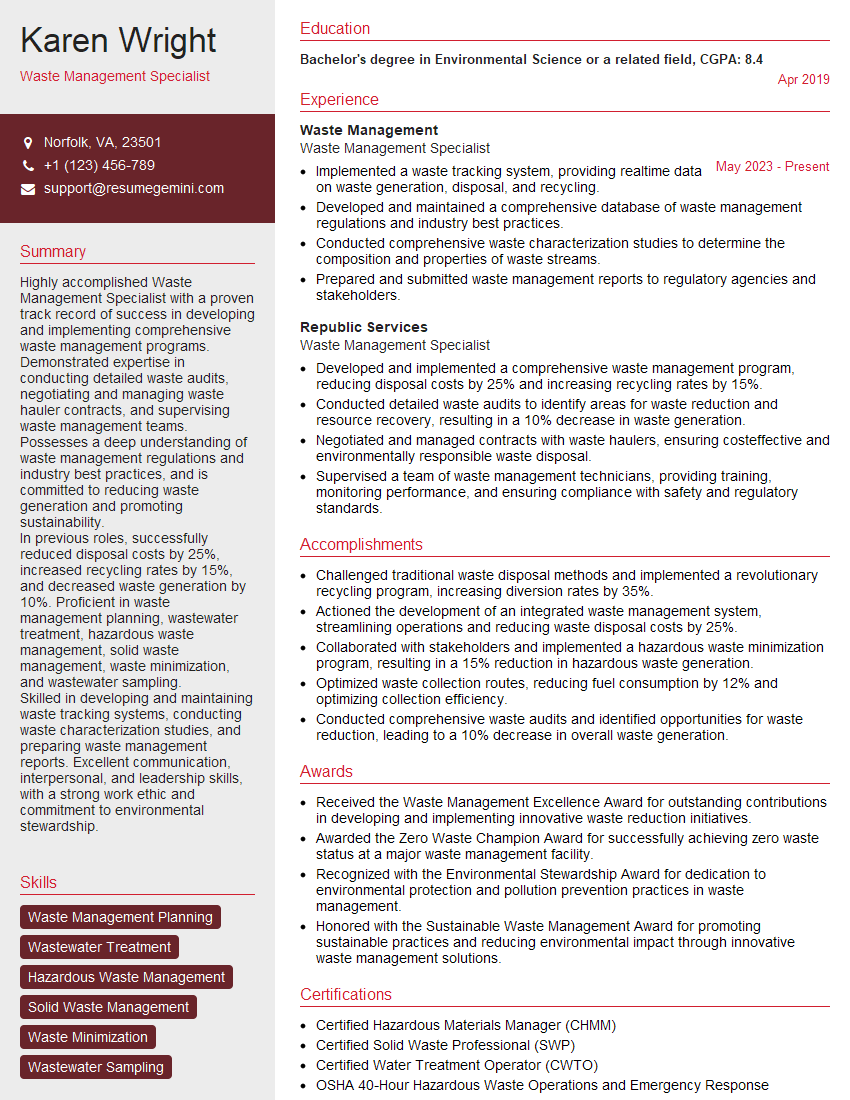
Waste Management Specialist Resume Sample

Sustainability Consultant Resume Sample
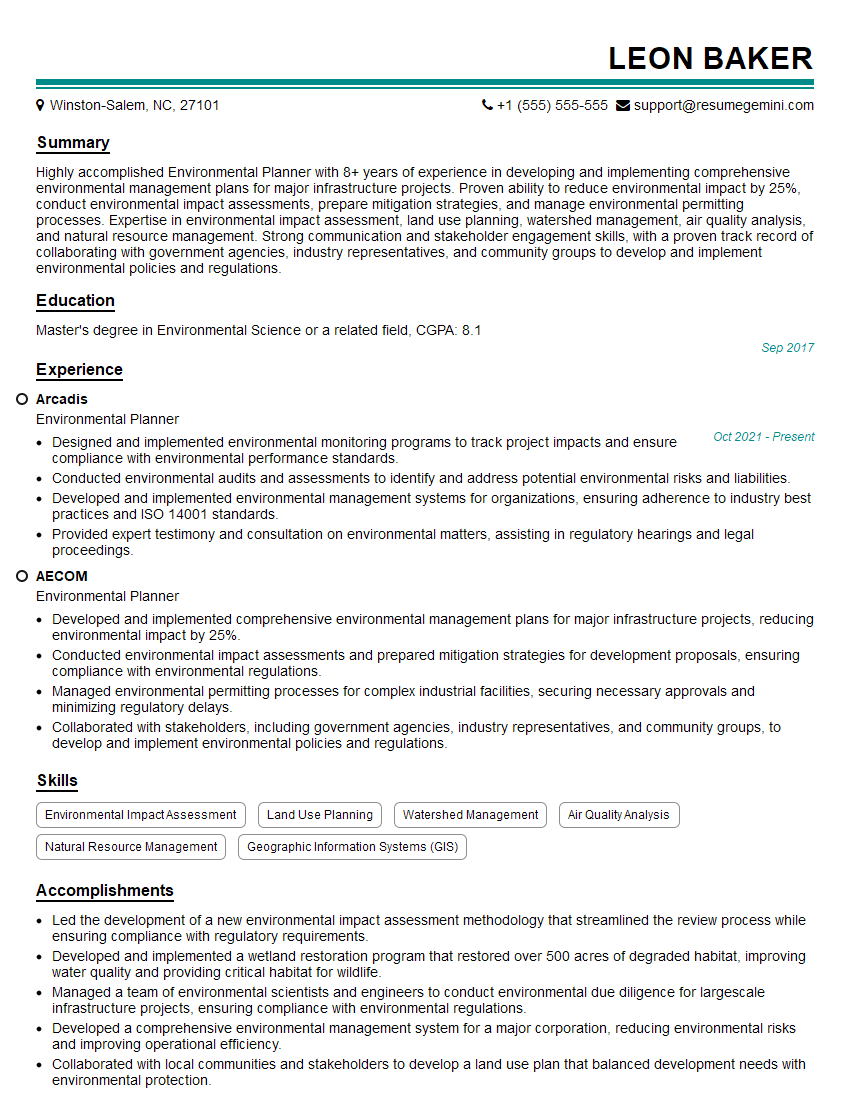
Environmental Planner Resume Sample
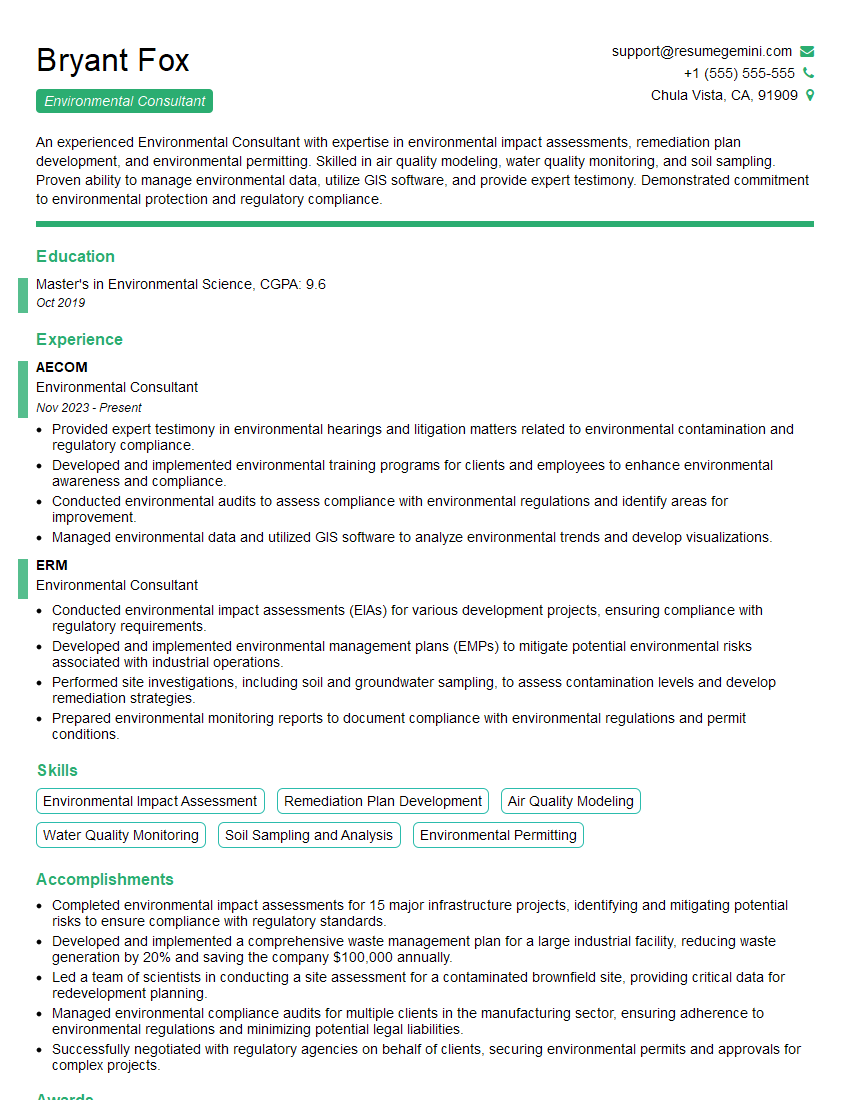
Environmental Consultant Resume Sample
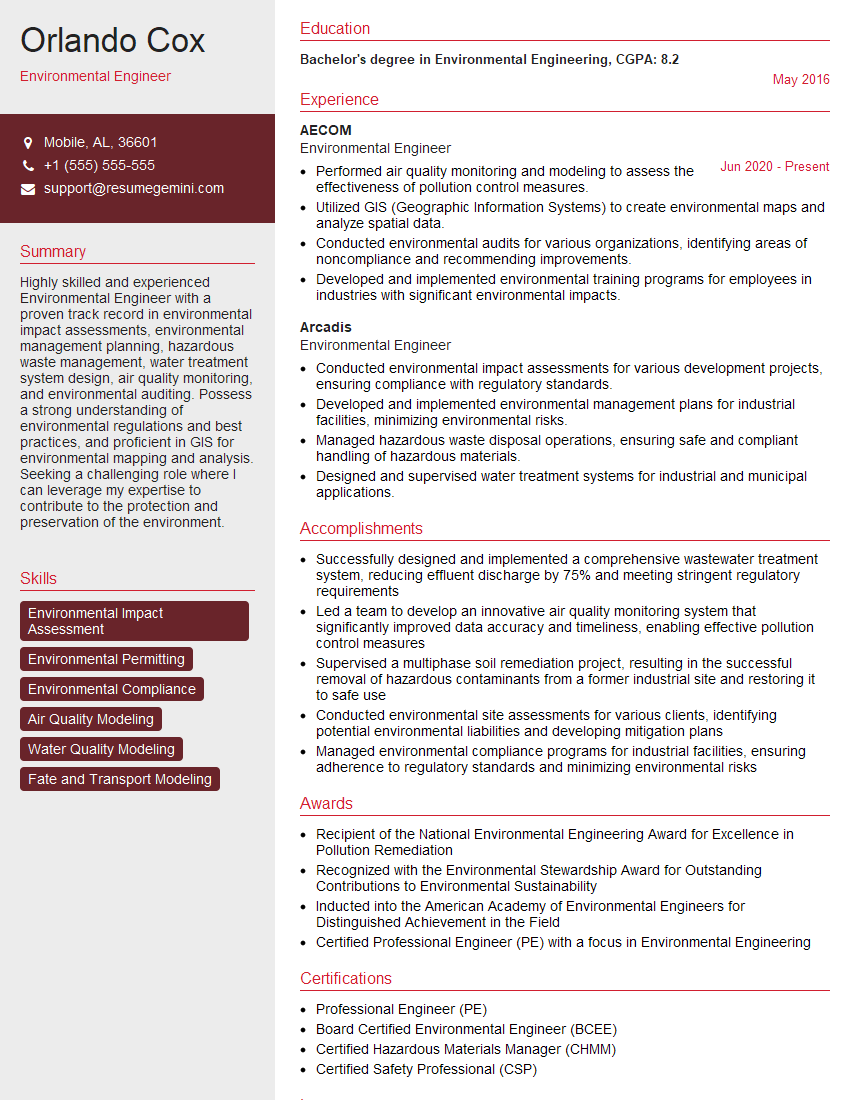
Environmental Engineer Resume Sample
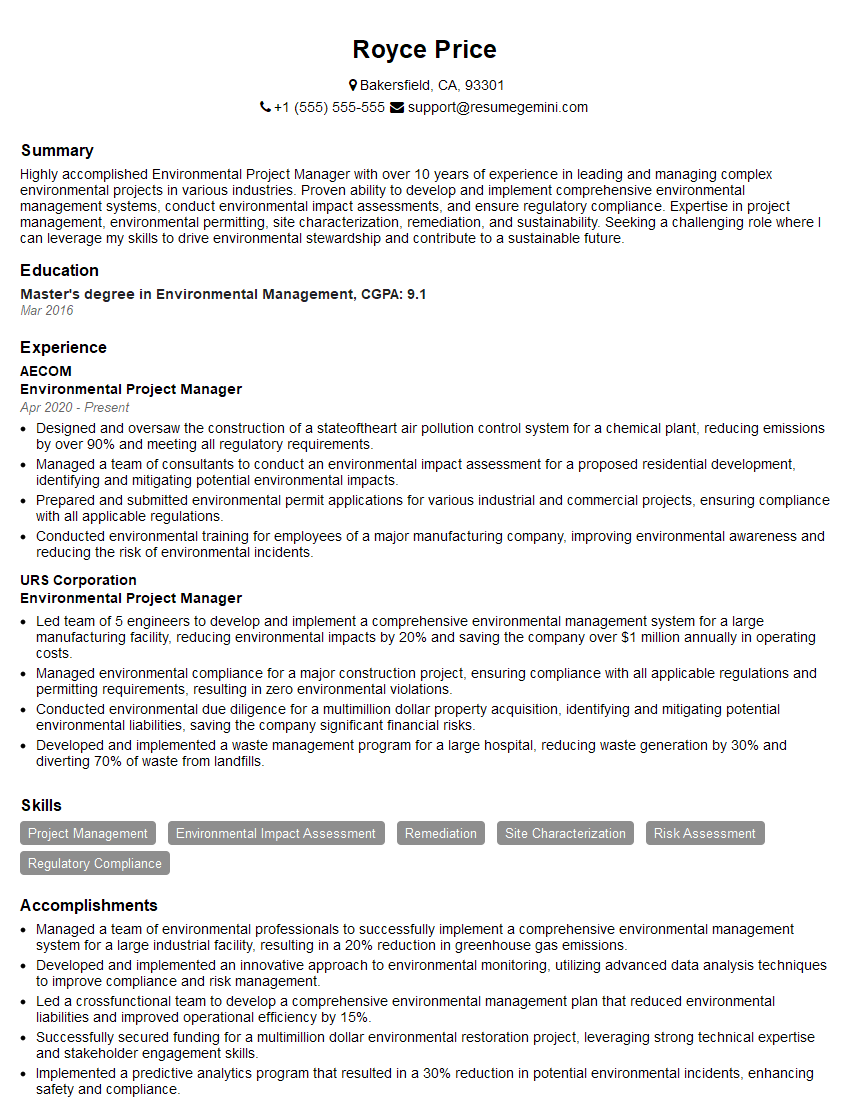
Environmental Project Manager Resume Sample

Soil Scientist Resume Sample
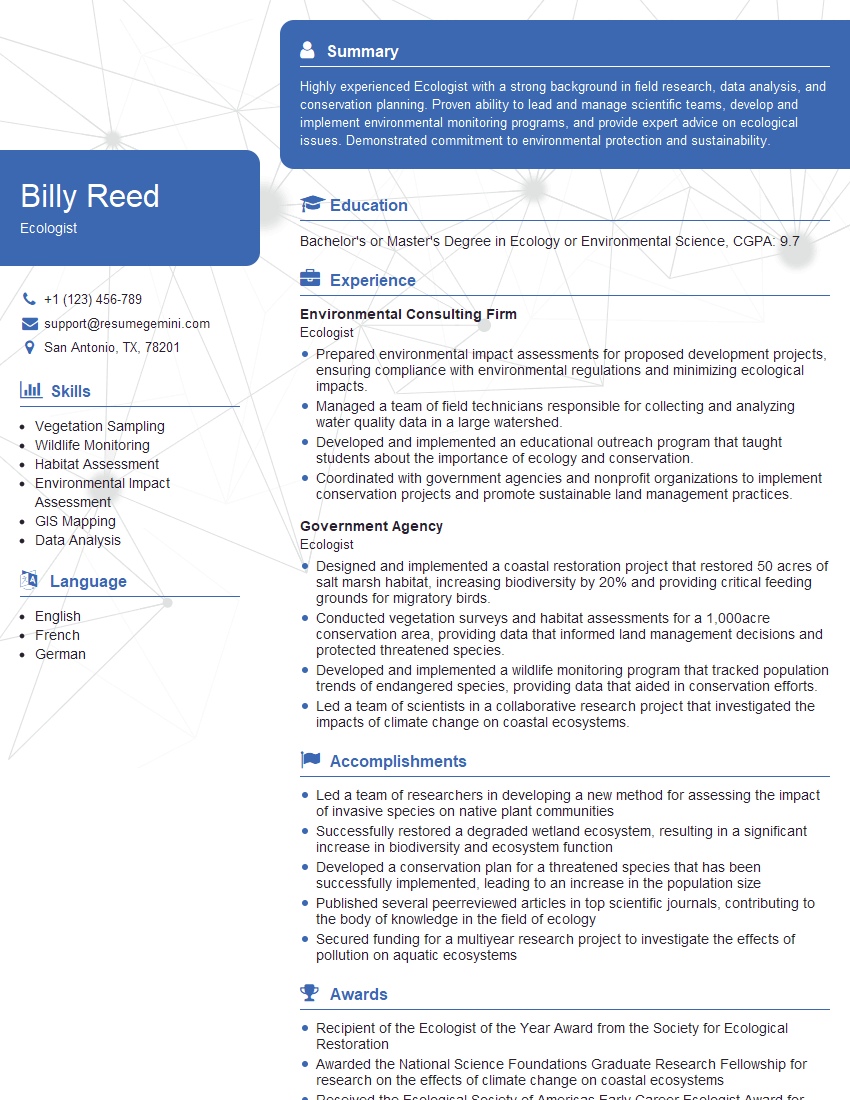
Ecologist Resume Sample
- Environmental Analyst
- Sustainability Manager
- Water Quality Specialist
- Regulatory Compliance Specialist
- Environmental Remediation Specialist
- Environmental Scientist
- Waste Management Specialist
- Sustainability Consultant
- Environmental Planner
- Environmental Consultant
- Environmental Engineer
- Environmental Project Manager
- Soil Scientist
- Ecologist
Explore more articles
Users Rating of Our Blogs
Share Your Experience
We value your feedback! Please rate our content and share your thoughts (optional).
What Readers Say About Our Blog
Really detailed insights and content, thank you for writing this detailed article.
IT gave me an insight and words to use and be able to think of examples