The right preparation can turn an interview into an opportunity to showcase your expertise. This guide to Equipment Disassembly and Assembly interview questions is your ultimate resource, providing key insights and tips to help you ace your responses and stand out as a top candidate.
Questions Asked in Equipment Disassembly and Assembly Interview
Q 1. Describe your experience with different types of fasteners.
My experience with fasteners spans a wide range, encompassing various types and sizes. I’m proficient in handling common fasteners like bolts, screws, nuts, rivets, and specialized fasteners such as cotter pins, self-tapping screws, and quick-release fasteners. Understanding the nuances of each is crucial. For instance, I know the difference between a standard hex bolt and a fine-thread bolt, and how that affects the application and required torque. I’ve worked extensively with metric and imperial systems, ensuring accurate selection and installation based on the equipment’s specifications. I also have experience identifying stripped or damaged fasteners, a critical aspect of assessing the overall condition of a machine during disassembly.
- Bolts: I’m skilled in identifying different bolt grades (e.g., 8.8, 10.9) based on markings, ensuring the correct strength for the application.
- Screws: I understand the differences between machine screws, self-tapping screws, and wood screws, and their appropriate use cases.
- Rivets: I have experience with solid and blind rivets, knowing the procedures for proper installation and removal.
Q 2. Explain your process for documenting disassembly steps.
Documenting disassembly is paramount for successful reassembly and future maintenance. My process involves a combination of detailed written procedures, photographic documentation, and sometimes even video recordings. I start by creating a numbered step-by-step guide, meticulously documenting the removal order of each component. This includes detailed descriptions of component location, fastener types, and any special tools required. Each step is supplemented with clear, high-resolution photos that show the component before removal, the method of removal, and the location of any relevant labels or markings. For complex assemblies, video recordings are invaluable, offering a visual aid that complements the written documentation. Crucially, I always include notes on any unusual findings or potential issues, including any signs of wear, damage, or modifications.
For instance, disassembling a hydraulic pump would require documenting the exact sequence of removing hydraulic lines, noting the orientation of fittings to prevent cross-connection during reassembly, and photographing the location of all seals and gaskets for accurate replacement.
Q 3. How do you handle unexpected issues during disassembly?
Unexpected issues during disassembly are common. My approach is systematic and prioritizes safety. First, I pause the disassembly and thoroughly assess the situation. I carefully examine the affected area, identifying the root cause of the problem. This might involve checking schematics, consulting manuals, or using specialized inspection tools. I often take additional photographs to document the issue. Then, I develop a plan to resolve the problem, ranging from simple adjustments to more complex repairs. This might involve using specialized tools or techniques to overcome obstructions or carefully removing a seized component to avoid damage. If the issue is beyond my expertise, I immediately escalate it to the appropriate personnel. Thorough documentation at every stage ensures a clear record of the issue, the solution, and lessons learned.
For example, if I encounter a seized bolt, I wouldn’t force it. Instead, I’d try penetrating oil, gentle heat application, and specialized bolt extractors. If these failed, I’d document everything and consult with a supervisor before proceeding.
Q 4. What safety precautions do you follow during disassembly and assembly?
Safety is my top priority. Before starting any disassembly, I ensure I have the appropriate personal protective equipment (PPE), including safety glasses, gloves, and steel-toe boots. Depending on the equipment and the task, additional PPE might be required, such as hearing protection, respirators, or specialized clothing. I meticulously inspect the equipment before starting to identify potential hazards like exposed wiring, sharp edges, or pressurized systems. I always disconnect power sources and secure any moving parts before beginning the disassembly. I follow lockout/tagout procedures to prevent accidental start-ups. I work in a well-lit, organized workspace and maintain a clear path around the equipment. I also regularly inspect my tools to ensure they are in good working order and appropriate for the task.
For example, when working on a machine with hydraulic systems, I’d ensure the system is properly depressurized before disconnection of any hydraulic lines. Similarly, when dealing with electrical components, I’d follow lock-out/tag-out procedures to guarantee the power remains completely off.
Q 5. Explain your experience with torque specifications and their importance.
Torque specifications are critical for ensuring proper fastening and preventing damage to components. I have extensive experience using torque wrenches, both manual and electronic, to apply the precise amount of force required for different fasteners. Understanding torque specifications helps prevent over-tightening, which can strip threads or damage components, and under-tightening, which can lead to leaks or loosening. I always consult the equipment’s technical documentation or manufacturer’s specifications to determine the correct torque values for each fastener. These values are usually expressed in Newton-meters (Nm) or foot-pounds (lb-ft). I also know the importance of using the correct size and type of torque wrench for the application.
For instance, incorrectly torquing a cylinder head bolt on an engine could lead to a head gasket failure, causing catastrophic damage.
Q 6. How do you identify and handle damaged components during disassembly?
Identifying and handling damaged components is a crucial part of the disassembly process. I carefully inspect each component for signs of wear, cracking, corrosion, or deformation. I pay close attention to critical components such as bearings, seals, and electrical connections. If I find a damaged component, I meticulously document its condition, including photographs and notes describing the type and extent of damage. I ensure that the damaged component is clearly marked and appropriately segregated from other parts to prevent accidental reuse. I also inform the appropriate personnel about the discovered damage, providing all necessary documentation to facilitate repairs or replacements.
For example, discovering a cracked bearing during disassembly of a gearbox would require careful documentation, removal of the bearing, and communication with the maintenance team to order a replacement.
Q 7. What tools and equipment are you proficient in using?
My tool proficiency encompasses a broad range of hand and power tools commonly used in equipment disassembly and assembly. I’m skilled in using various types of wrenches (socket, open-end, adjustable), screwdrivers, pliers, hammers, and chisels. I’m also proficient with power tools such as impact wrenches, drills, grinders, and saws. I’m experienced with specialized tools like torque wrenches, hydraulic presses, pullers, and various types of lifting equipment. Furthermore, I’m familiar with using measuring instruments such as calipers, micrometers, and dial indicators for accurate measurements and inspections. My expertise extends to the safe and efficient operation of all these tools, ensuring precision and preventing damage to components or myself.
For instance, using a hydraulic press is essential for removing bearings from housings, while a torque wrench is crucial for accurately tightening bolts to their specified torque values.
Q 8. Describe your experience with different types of machinery.
My experience spans a wide range of machinery, from intricate precision instruments like micro-assembly equipment used in medical device manufacturing to large-scale industrial machinery such as conveyor systems and automated packaging lines. I’ve worked extensively with hydraulic and pneumatic systems, internal combustion engines, robotics, and various types of material handling equipment. For instance, in my previous role, I was responsible for the complete disassembly and reassembly of a high-speed bottling machine, requiring a deep understanding of its various interconnected systems, from the bottle filling mechanisms to the labeling and capping units. This involved meticulous documentation and precise handling of numerous components.
Working with these diverse machines has given me a holistic perspective on the principles of disassembly and assembly, regardless of size or complexity. It also honed my ability to quickly adapt to new technologies and challenges.
Q 9. How do you ensure proper alignment during assembly?
Ensuring proper alignment during assembly is critical for functionality and longevity. My approach involves a multi-step process that begins with careful planning. I use technical drawings and schematics to identify key alignment points and critical dimensions. For example, when assembling a gearbox, aligning the input and output shafts precisely is paramount. To achieve this, I utilize precision measuring tools such as dial indicators and alignment lasers to verify the parallelism and concentricity of shafts.
I also employ shims and precision adjustments to fine-tune the alignment. Think of it like building a house – the foundation must be perfectly level before construction begins. In machine assembly, this ‘foundation’ is the alignment of key components. After the initial alignment, a functional test is performed to validate the correct operation, eliminating any need for further adjustments or corrections.
Q 10. Explain your process for verifying proper assembly and functionality.
Verifying proper assembly and functionality is a rigorous process that incorporates several checks and balances. First, I conduct a visual inspection to ensure all components are in place and properly secured. Then, I perform dimensional checks using measuring tools, making sure all tolerances are met and there are no visible flaws. This process is critical to ensuring quality and prevents future failures.
Once the visual and dimensional checks are complete, a series of functional tests are performed. These tests depend on the machinery itself. For example, for a pump, I’d check for proper flow rate and pressure; for a motor, I’d measure current draw and rotational speed. Finally, all findings and test results are thoroughly documented for traceability and future reference. Essentially, I treat the verification process like a quality control checkpoint, aimed at identifying and resolving any issues early on.
Q 11. How do you handle working with tight tolerances and precision parts?
Working with tight tolerances and precision parts requires meticulous care and specialized tools. I use calibrated measuring instruments like micrometers and calipers to ensure accuracy within the specified tolerances. In cases involving extremely tight tolerances, I utilize optical comparators and coordinate measuring machines (CMMs) for higher precision. Understanding the material properties and potential for deformation is critical; some materials are more prone to damage under stress than others.
For instance, when assembling a high-precision optical system, the alignment of lenses needs to be accurate to fractions of a millimeter. This requires specialized tools and techniques to prevent damage and ensure precise positioning. I treat each part with utmost care, taking the necessary precautions to avoid scratches, dents, or other forms of damage that can significantly impact the assembly’s overall performance.
Q 12. Describe your experience with troubleshooting mechanical problems.
Troubleshooting mechanical problems is a core competency. My approach involves a systematic investigation, starting with a thorough visual inspection to identify any obvious issues. Then, I gather information from available resources such as operational logs, technical documentation, and potentially, discussions with operators. This helps me narrow down the potential causes. A logical and methodical approach to problem-solving is crucial.
For example, if a machine is experiencing vibrations, I might check for bearing wear, imbalance in rotating components, or loose fasteners. I use a range of diagnostic tools such as vibration analyzers and thermal cameras to pinpoint the source of the problem. Once the root cause is identified, I develop a plan to resolve the issue, often involving parts replacement, adjustments, or even re-engineering of a specific part or system. Detailed documentation ensures efficient and accurate troubleshooting in the future.
Q 13. How do you interpret technical drawings and schematics?
Interpreting technical drawings and schematics is fundamental to my work. I’m proficient in reading various types of drawings, including orthographic projections, isometric views, and assembly drawings. I can understand the various symbols and annotations used to depict dimensions, tolerances, material specifications, and assembly instructions. This skill ensures I understand the design intent and correctly assemble components.
For example, I can readily identify the various components needed from an assembly drawing and understand their spatial relationship based on the provided views. My understanding extends to various CAD software, which enables me to collaborate effectively with engineering teams and utilize 3D models to visualize complex assemblies. I am able to interpret even complex drawings that use intricate notations, and quickly identify critical dimensions and tolerances needed to guarantee the success of the assembly process.
Q 14. Explain your experience with different assembly techniques (e.g., press fit, threaded fasteners).
My experience encompasses a variety of assembly techniques. Press fit assembly is commonly used for components that require a tight, interference fit. This involves careful sizing and potentially using a press to achieve the required fit. The risk of component damage is present, requiring precise calculations and control. I have extensive experience using threaded fasteners, selecting the appropriate type and size based on the application’s strength requirements and material properties. This involves understanding torque specifications to avoid over-tightening or stripping threads.
Other techniques I’m familiar with include riveting, welding, bonding (using adhesives), and snap-fit assemblies. Selecting the right technique depends heavily on the specific design and the desired level of strength and reusability. For example, a press fit might be appropriate for a bearing in a shaft, while threaded fasteners might be preferred for a removable cover. The chosen method is crucial for the structural integrity, durability, and overall efficiency of the equipment.
Q 15. What is your experience with using specialized assembly tools?
My experience with specialized assembly tools is extensive. I’m proficient with a wide range of tools, from simple hand tools like torque wrenches and screwdrivers to more complex equipment such as pneumatic riveters, hydraulic presses, and specialized alignment tools. Understanding the nuances of each tool is crucial; for example, knowing the proper torque settings for a specific bolt is paramount to prevent damage or failure. I’ve worked with tools from various manufacturers, requiring familiarity with different interfaces and safety protocols. In one instance, assembling a complex robotic arm, I needed to use a laser alignment tool to ensure precise positioning of the actuators – a tiny misalignment could significantly impact performance. This required careful calibration and an understanding of the tool’s limitations.
- Torque Wrenches: Ensuring proper tightening to prevent damage or loosening.
- Pneumatic Tools: Increasing efficiency in repetitive tasks like fastening.
- Specialized Alignment Tools: Achieving precise component positioning for optimal function.
Career Expert Tips:
- Ace those interviews! Prepare effectively by reviewing the Top 50 Most Common Interview Questions on ResumeGemini.
- Navigate your job search with confidence! Explore a wide range of Career Tips on ResumeGemini. Learn about common challenges and recommendations to overcome them.
- Craft the perfect resume! Master the Art of Resume Writing with ResumeGemini’s guide. Showcase your unique qualifications and achievements effectively.
- Don’t miss out on holiday savings! Build your dream resume with ResumeGemini’s ATS optimized templates.
Q 16. How do you manage inventory and parts during disassembly and assembly?
Managing inventory and parts during disassembly and assembly is critical for efficient and accurate work. My approach involves a three-step process: meticulous labeling, organized storage, and diligent tracking. Before disassembly, I create a detailed parts list with accompanying photos. Each component is carefully labeled with a unique identifier linked to its location in the assembly. I utilize clear, organized storage systems – bins, trays, or even custom-made racks – to prevent mixing or damage. I often employ a spreadsheet or database to maintain a running inventory, updating it at each stage. This system ensures easy retrieval of parts and allows for quick identification of any missing or damaged items. For example, during the disassembly of a large industrial machine, this system allowed us to quickly identify a missing screw – a seemingly small item that could have caused significant delays.
Q 17. Describe your experience with quality control procedures.
Quality control is ingrained in my approach to disassembly and assembly. I adhere to strict procedures at each step, beginning with visual inspection of components for defects before starting any work. I utilize various measuring tools – calipers, micrometers, and gauges – to ensure components are within specified tolerances. Functional testing after assembly is a crucial element. For example, when assembling a circuit board, I’d use a multimeter to check for continuity and correct voltage levels. Documentation is key; I meticulously record all findings, measurements, and any discrepancies. In one project, a seemingly minor scratch on a bearing was discovered through meticulous visual inspection during the disassembly phase, preventing it from causing significant damage later.
Q 18. How do you handle complex assemblies with multiple sub-assemblies?
Handling complex assemblies with multiple sub-assemblies requires a systematic and hierarchical approach. I treat each sub-assembly as an independent unit, disassembling and assembling it separately before integrating it into the main assembly. This modular approach simplifies the process and allows for easier troubleshooting. Clear and detailed diagrams and instructions are crucial. I often use a ‘build tree’ method – a visual representation of the assembly hierarchy – to track progress and ensure proper integration. This is like building with LEGOs; you build smaller sections first, then connect them to create the complete model. This approach significantly reduces errors and allows for parallel work if multiple technicians are involved.
Q 19. What is your experience working from technical manuals and specifications?
Working from technical manuals and specifications is an essential part of my work. I’m comfortable reading and interpreting various types of documentation, including exploded diagrams, schematics, and detailed assembly instructions. Understanding the terminology and symbols used in these documents is critical. I always verify the revision level of the documentation to ensure I’m using the most up-to-date version. When faced with ambiguous instructions, I don’t hesitate to consult with colleagues or supervisors to ensure accuracy. In one instance, the manual had a missing step, but through careful cross-referencing with diagrams and experience, I was able to solve it without causing any damage.
Q 20. How do you prioritize tasks when working on multiple projects?
Prioritizing tasks across multiple projects involves a strategic approach. I typically use a combination of methods: creating a prioritized task list based on deadlines, urgency, and dependency. I utilize project management tools to visualize tasks and track progress. Critical path analysis helps identify crucial tasks that directly affect project completion. Effective communication with stakeholders is essential to ensure alignment on priorities and expectations. If deadlines overlap, I may need to negotiate with stakeholders or seek additional resources to manage the workload effectively. Think of it like a conductor of an orchestra; ensuring each section plays its part at the right time to create a harmonious whole.
Q 21. Explain your experience with using Computer-Aided Design (CAD) software.
My experience with CAD software includes using industry-standard applications such as SolidWorks and AutoCAD. I’m proficient in interpreting 2D and 3D models, extracting information relevant to disassembly and assembly procedures. This includes identifying component part numbers, dimensions, and relationships. CAD software aids in creating detailed documentation and assisting in visualizing complex assemblies. I can use CAD software to create 3D models of assemblies from scratch or modify existing designs. I frequently use CAD software to create and maintain detailed drawings and assembly documentation. For example, during the assembly of a custom-designed fixture, I utilized SolidWorks to visualize the assembly process and identify potential interference issues before beginning physical assembly.
Q 22. How do you ensure the cleanliness and organization of your workspace?
A clean and organized workspace is paramount for efficiency and safety in equipment disassembly and assembly. My approach is multifaceted. First, I always start with a thorough cleanup of the area before beginning any work. This involves removing any debris, tools, or extraneous materials. Then, I establish designated zones for different tasks: a section for disassembled parts, a section for tools, and a clean area for assembly. I use clearly labeled containers and bins to store screws, bolts, and other small parts, preventing loss and ensuring efficient reassembly. Visual aids like diagrams or checklists help maintain order and prevent mistakes. Finally, I maintain a consistent cleaning process throughout the project, ensuring that tools are cleaned and put away after each use, and the workspace is tidied at the end of each day. Think of it like a surgeon preparing an operating room – precision and cleanliness are crucial.
Q 23. Describe your experience with preventative maintenance.
Preventative maintenance is key to extending the lifespan and ensuring the reliable performance of equipment. My experience encompasses a wide range of tasks, from routine inspections to more involved procedures. For example, I regularly check for signs of wear and tear, such as loose bolts, frayed wires, or excessive vibration. I lubricate moving parts according to manufacturer specifications, using the appropriate lubricants for different materials and operating conditions. I also perform scheduled cleaning and adjustments to ensure optimal functionality. During a previous role, I implemented a preventative maintenance schedule for a complex conveyor system, reducing downtime by 20% within six months. This involved creating a detailed checklist, training colleagues on the procedures, and tracking maintenance activities using a digital system. Early detection and intervention through preventative maintenance prevent costly repairs and production delays – it’s a cost-effective strategy in the long run.
Q 24. Explain your experience with different types of lubricants and their applications.
My experience encompasses a wide variety of lubricants, each with specific properties and applications. I’m proficient in selecting the right lubricant based on factors such as material compatibility, operating temperature, and load. For instance, I use grease for slow-moving, heavily loaded parts to provide a thick, protective barrier against wear and corrosion. For high-speed applications, I choose low-viscosity oils to minimize friction and heat generation. In working with delicate machinery, I might employ specialized synthetic lubricants that offer superior performance under extreme conditions. I understand the differences between mineral oils, synthetic oils, and greases, and I can identify the appropriate lubricant based on the equipment’s technical specifications and manufacturer recommendations. Improper lubrication can lead to premature wear, component failure, and even safety hazards, so selecting the right lubricant is paramount.
Q 25. How do you handle working in confined spaces or awkward positions?
Working in confined spaces or awkward positions requires careful planning and a focus on safety. Before starting any task, I assess the workspace for potential hazards, ensuring adequate ventilation and lighting. I use appropriate tools and equipment, such as extension handles or flexible shafts, to reach difficult areas without compromising my posture or safety. I employ ergonomic techniques, taking frequent breaks to avoid fatigue and strain. In one instance, I had to disassemble a component within a narrow duct. I carefully planned the disassembly sequence, using a combination of small hand tools and flexible mirrors to improve visibility. Prioritizing safety protocols, using appropriate personal protective equipment (PPE), and regularly checking for fatigue are essential to preventing accidents and injuries in such environments.
Q 26. What is your experience with hydraulic or pneumatic systems?
I have extensive experience working with both hydraulic and pneumatic systems. I’m familiar with the principles of fluid power and the components that comprise these systems, including pumps, valves, cylinders, and actuators. I can diagnose problems, such as leaks or pressure drops, and perform repairs or replacements as needed. My experience includes working on a wide range of equipment, from heavy machinery to smaller industrial robots. For example, I once diagnosed a leak in a hydraulic cylinder on a large press machine, tracing the problem to a faulty seal. I safely replaced the seal, restoring the system to full functionality, thus preventing significant production downtime. Understanding safety procedures around high-pressure systems is critical due to potential hazards.
Q 27. How do you stay updated on the latest advancements in equipment disassembly and assembly techniques?
Staying current in the field of equipment disassembly and assembly requires continuous learning. I actively participate in professional organizations, attending conferences and workshops to learn about the latest techniques and technologies. I regularly read industry publications and journals to keep abreast of new developments and best practices. Online courses and training programs provide additional opportunities for professional development. Furthermore, I actively engage in peer networking, discussing challenges and solutions with colleagues in the field. Staying updated helps me enhance my skills, adopt more efficient methods, and improve the quality of my work. The rapid advancement in automation and robotics necessitates consistent learning to stay competitive and effective.
Q 28. Describe a time you had to troubleshoot a complex assembly problem.
During an overhaul of a large industrial milling machine, we encountered a significant problem with the assembly of the spindle unit. The parts wouldn’t align correctly, no matter how carefully we followed the manual. Instead of resorting to force, I systematically reviewed the assembly process, comparing the physical components to the exploded diagrams and technical drawings. I discovered that a small spacer had been omitted during the disassembly process, which was not indicated in the initial documentation. The missing spacer was crucial for the proper alignment of the spindle. Once the correct spacer was found and installed, the assembly proceeded smoothly. This experience highlighted the importance of methodical troubleshooting, careful attention to detail, and the reliance on multiple resources to resolve complex mechanical issues.
Key Topics to Learn for Equipment Disassembly and Assembly Interview
- Safety Procedures and Protocols: Understanding and applying safety regulations, using appropriate PPE, and risk assessment methodologies for different equipment types.
- Tools and Equipment Identification & Usage: Familiarity with a wide range of hand tools, power tools, and specialized equipment used in disassembly and assembly processes. Practical experience demonstrating safe and efficient tool usage.
- Systematic Disassembly Techniques: Understanding the logical sequence of steps for taking equipment apart, including proper documentation, component labeling, and storage.
- Component Identification and Function: Ability to identify individual components, understand their function within the overall system, and diagnose potential issues.
- Troubleshooting and Problem-Solving: Experience in identifying and resolving common issues encountered during disassembly and assembly, such as damaged parts, missing components, or alignment problems.
- Assembly Procedures and Best Practices: Understanding the correct sequence of steps for reassembling equipment, ensuring proper alignment, and functionality.
- Quality Control and Inspection: Implementing quality control measures throughout the process to ensure the final assembly meets specifications and is free from defects.
- Blueprint Reading and Technical Drawings: Ability to interpret technical drawings, schematics, and diagrams to guide disassembly and assembly processes.
- Maintenance and Repair Procedures: Understanding preventative maintenance techniques and basic repair procedures related to the equipment.
- Documentation and Reporting: Maintaining accurate records of the disassembly and assembly process, including any issues encountered or repairs performed.
Next Steps
Mastering Equipment Disassembly and Assembly is crucial for career advancement in many technical fields, opening doors to specialized roles and higher earning potential. A strong, ATS-friendly resume is essential for showcasing your skills and experience to potential employers. To make a compelling impression, consider using ResumeGemini to build a professional resume that highlights your expertise. ResumeGemini offers valuable tools and resources, including examples of resumes tailored specifically to Equipment Disassembly and Assembly roles, to help you present your qualifications effectively and increase your chances of landing your dream job.
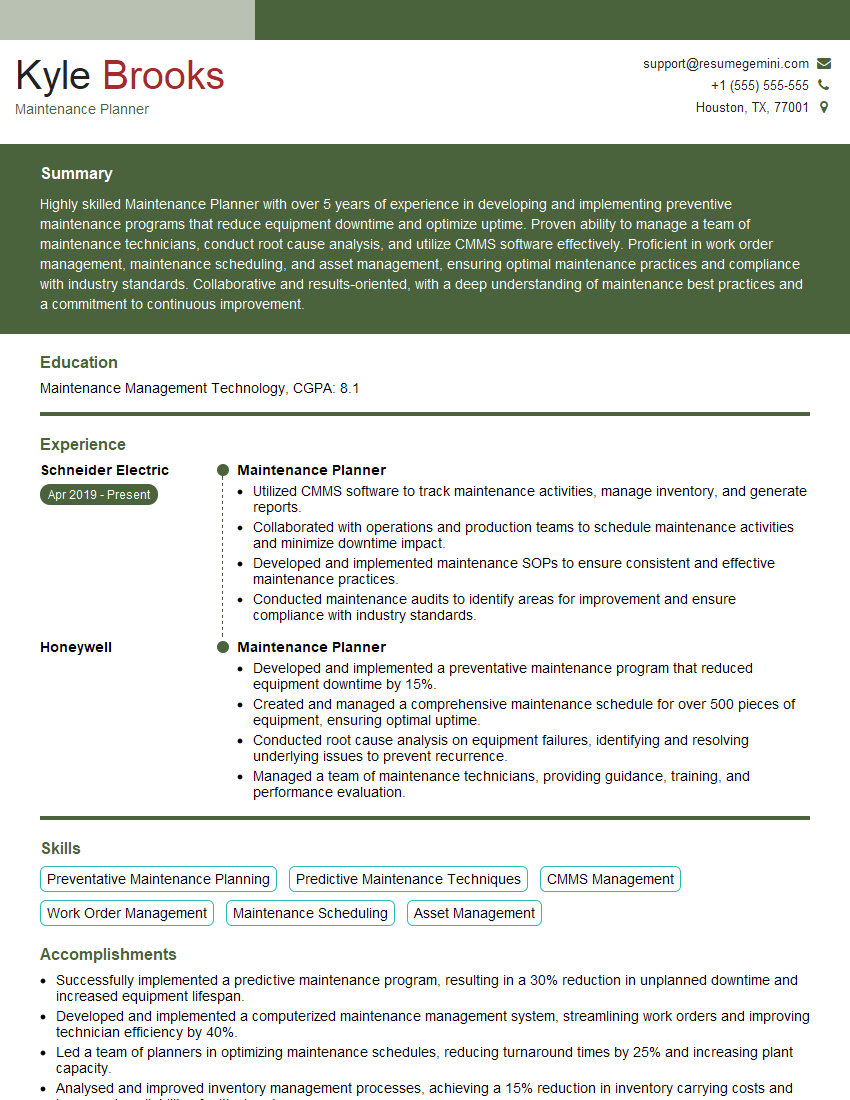
Maintenance Planner Resume Sample
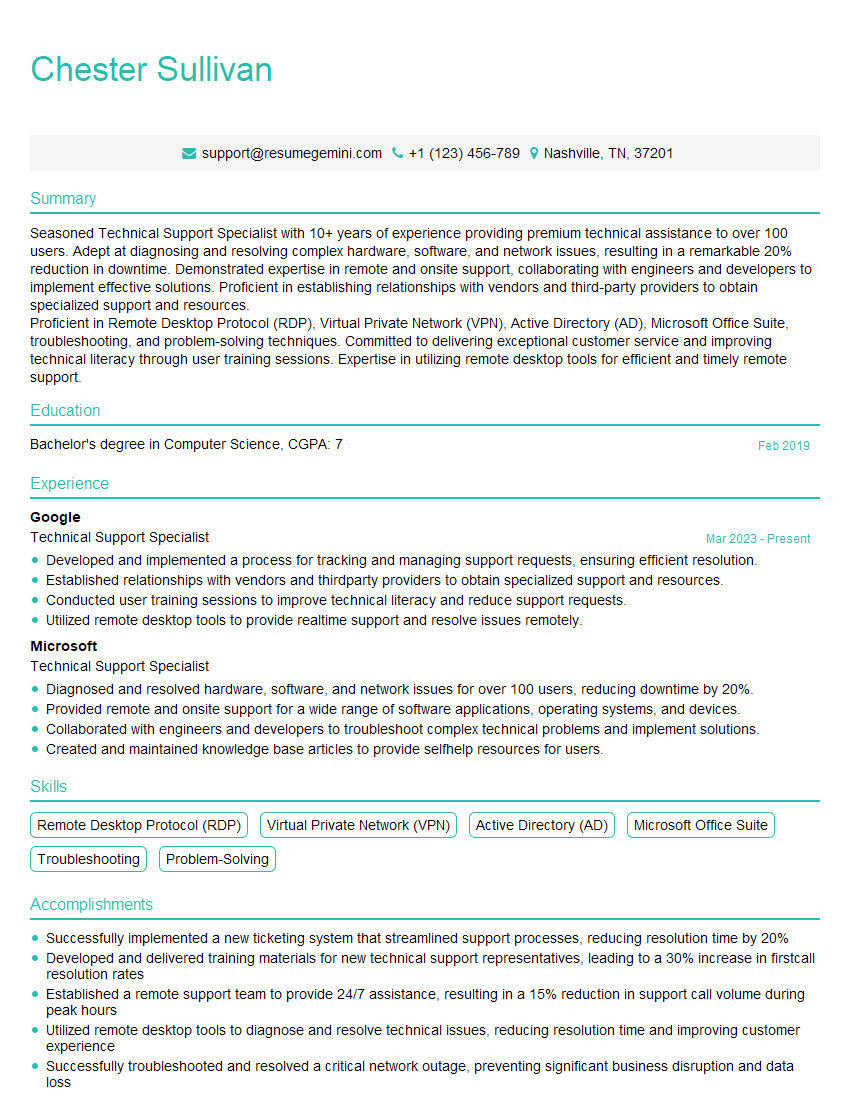
Technical Support Specialist Resume Sample
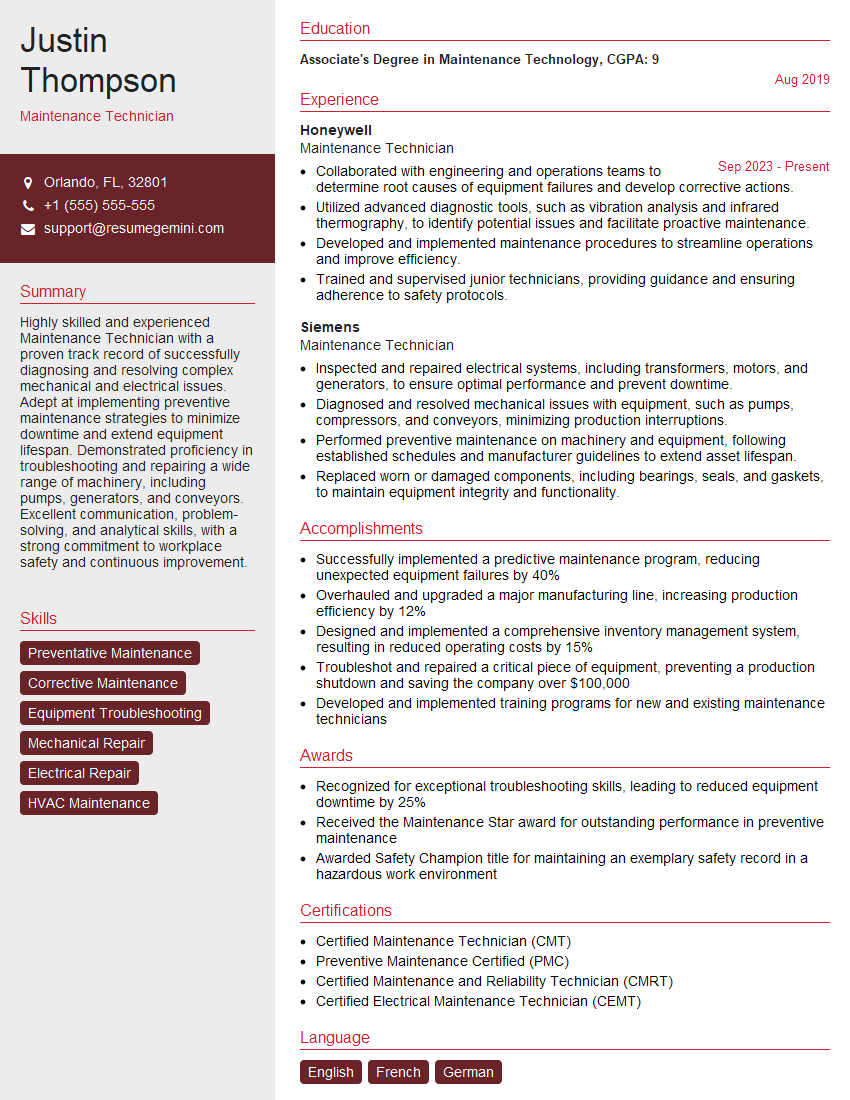
Maintenance Technician Resume Sample
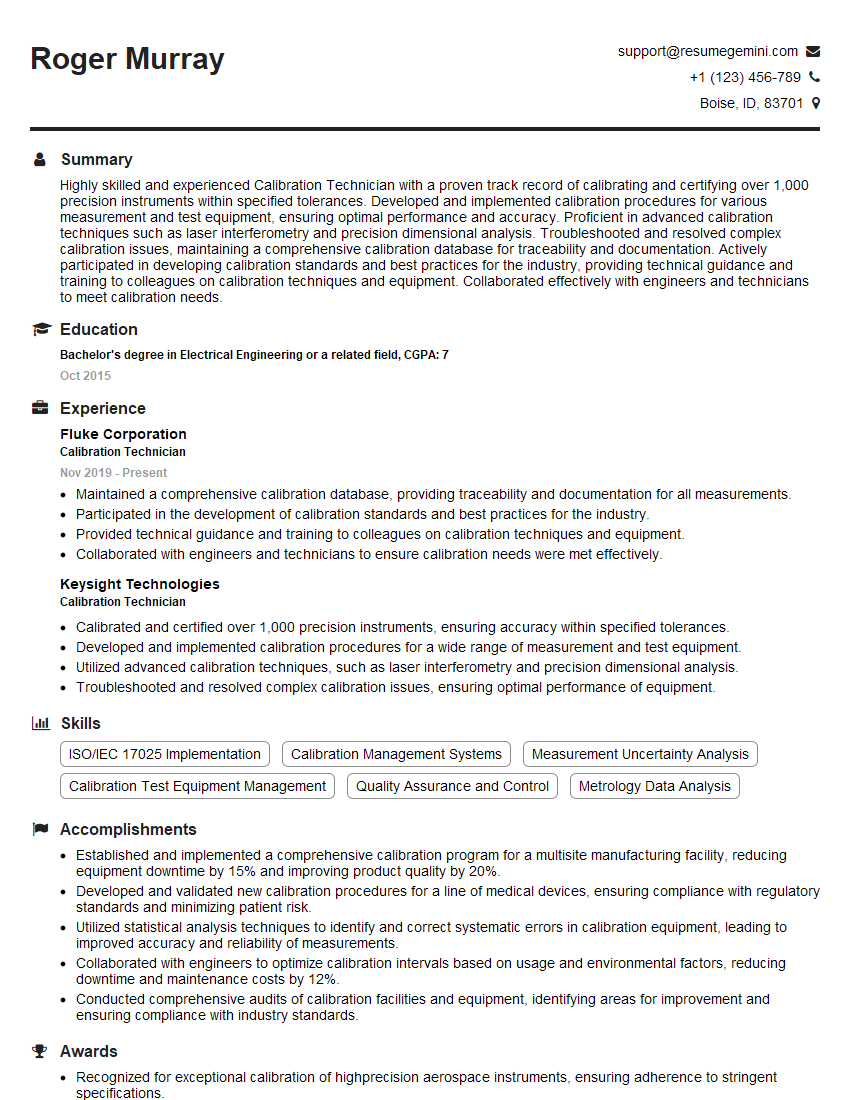
Calibration Technician Resume Sample
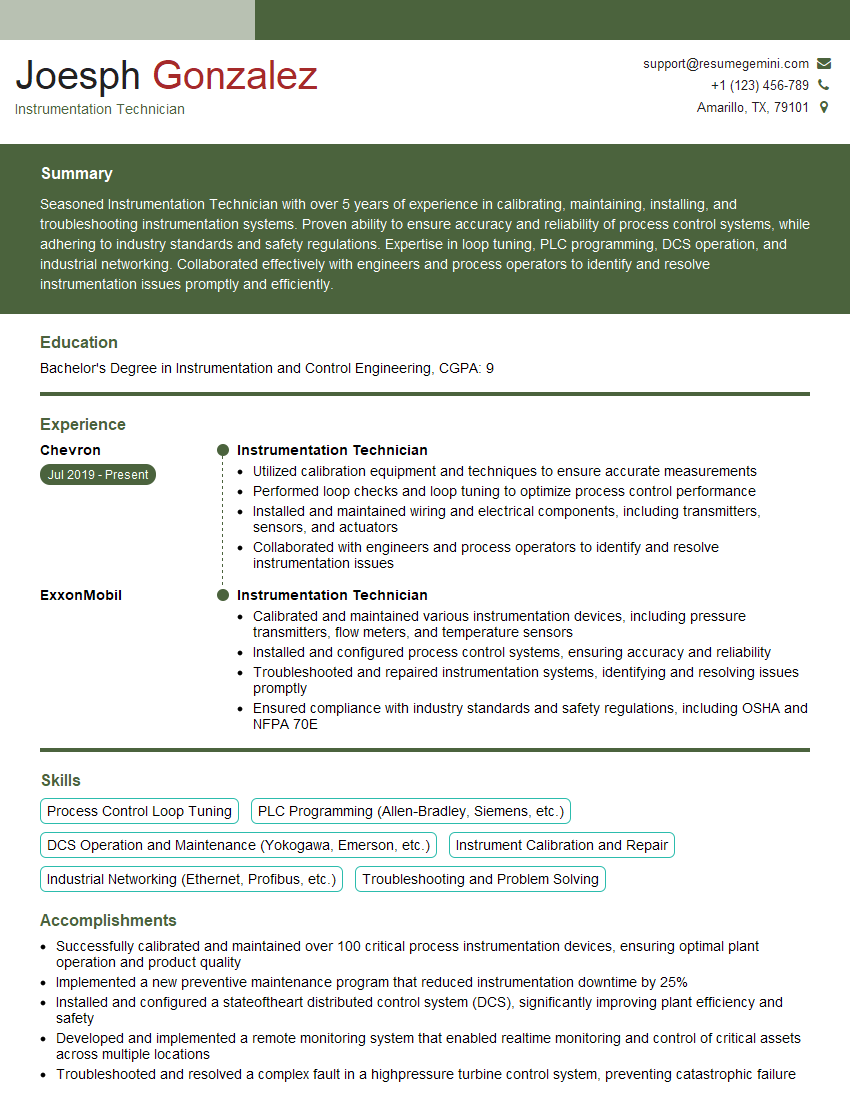
Instrumentation Technician Resume Sample
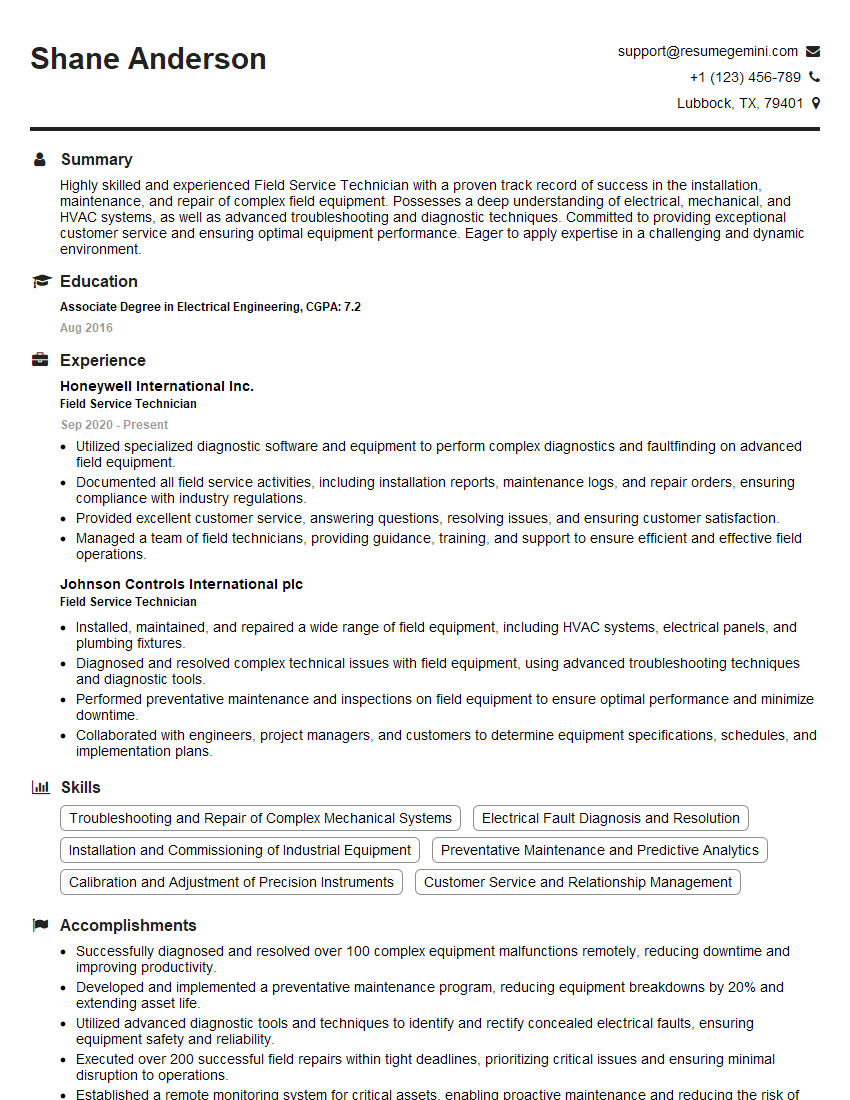
Field Service Technician Resume Sample
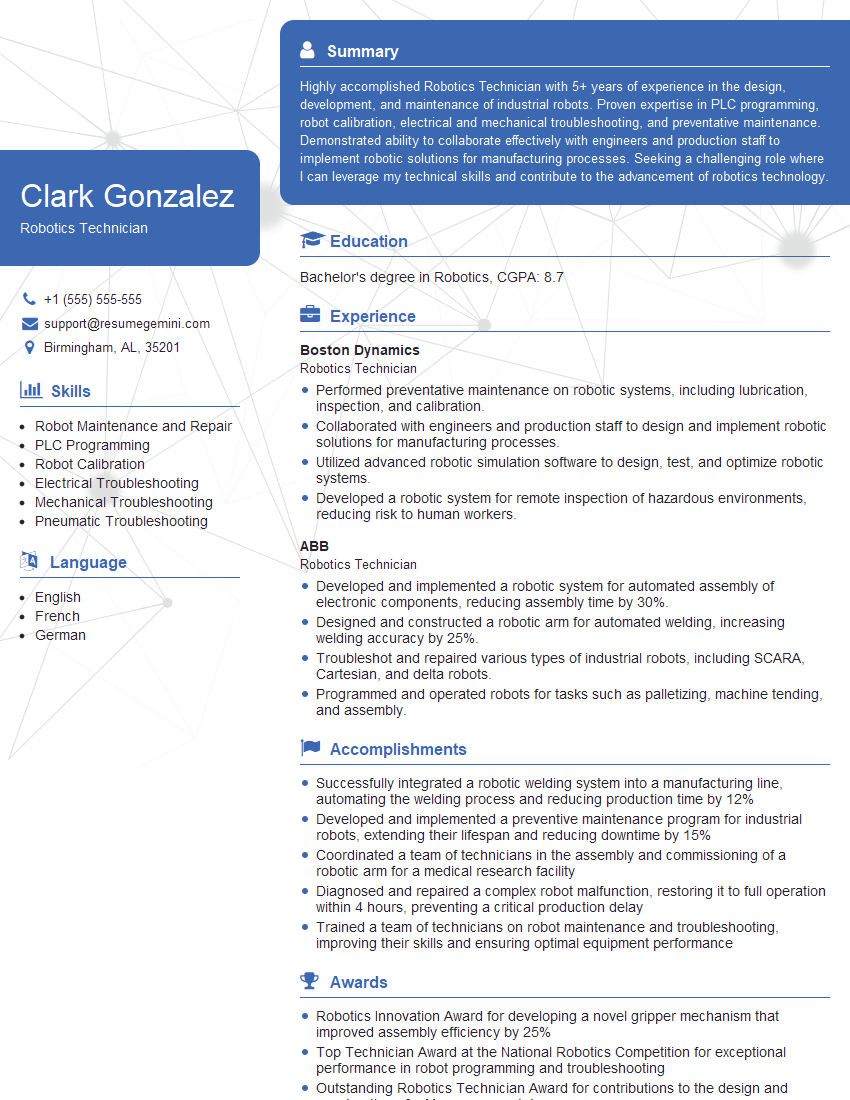
Robotics Technician Resume Sample
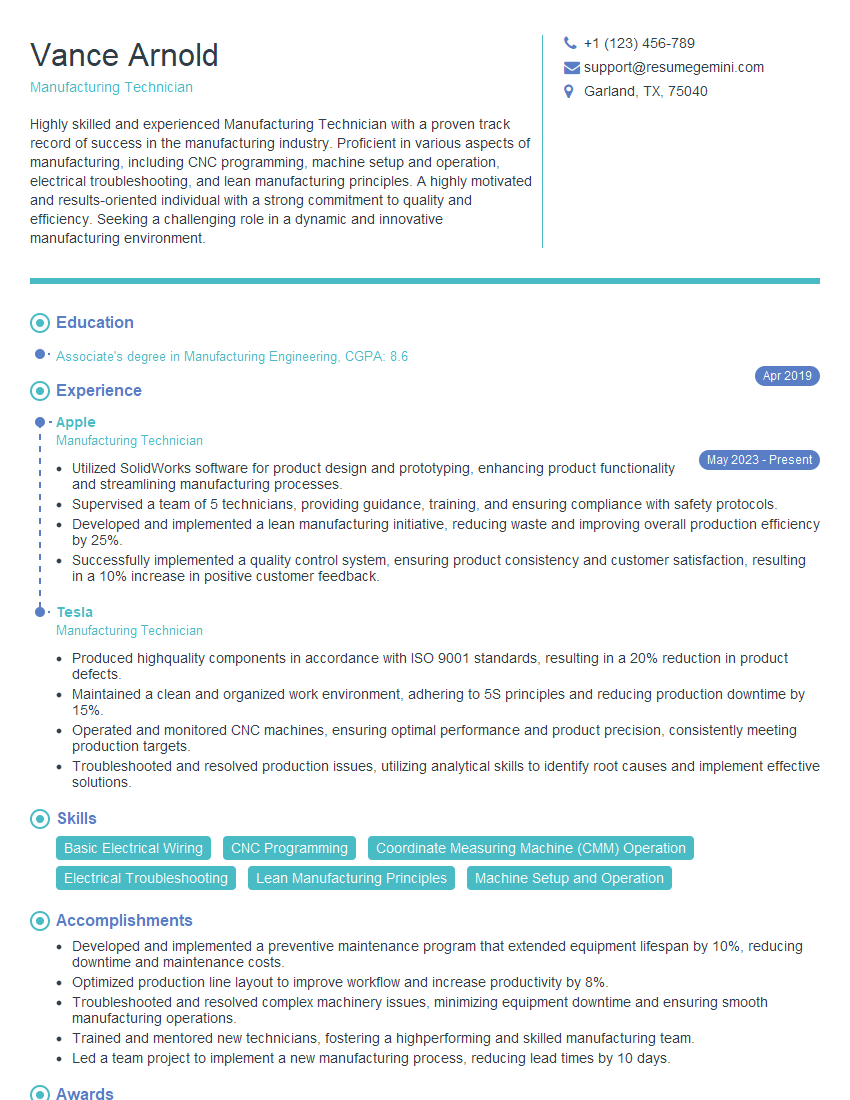
Manufacturing Technician Resume Sample
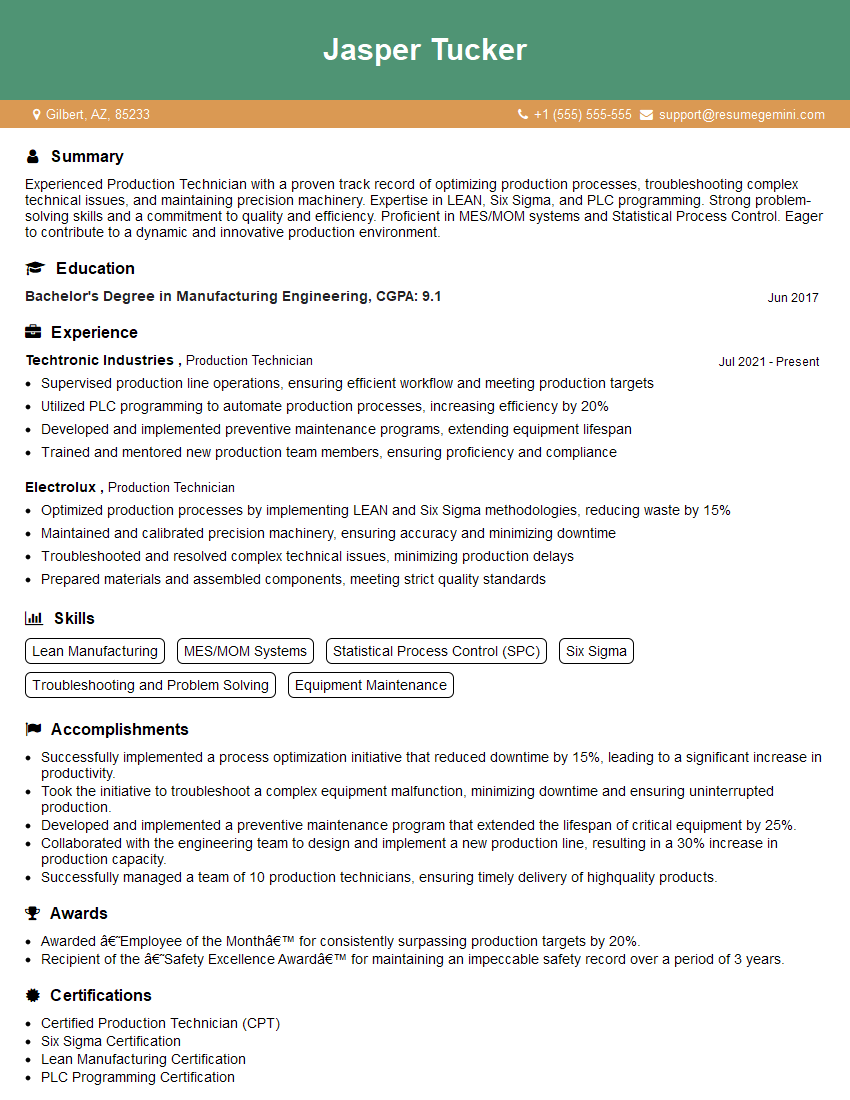
Production Technician Resume Sample
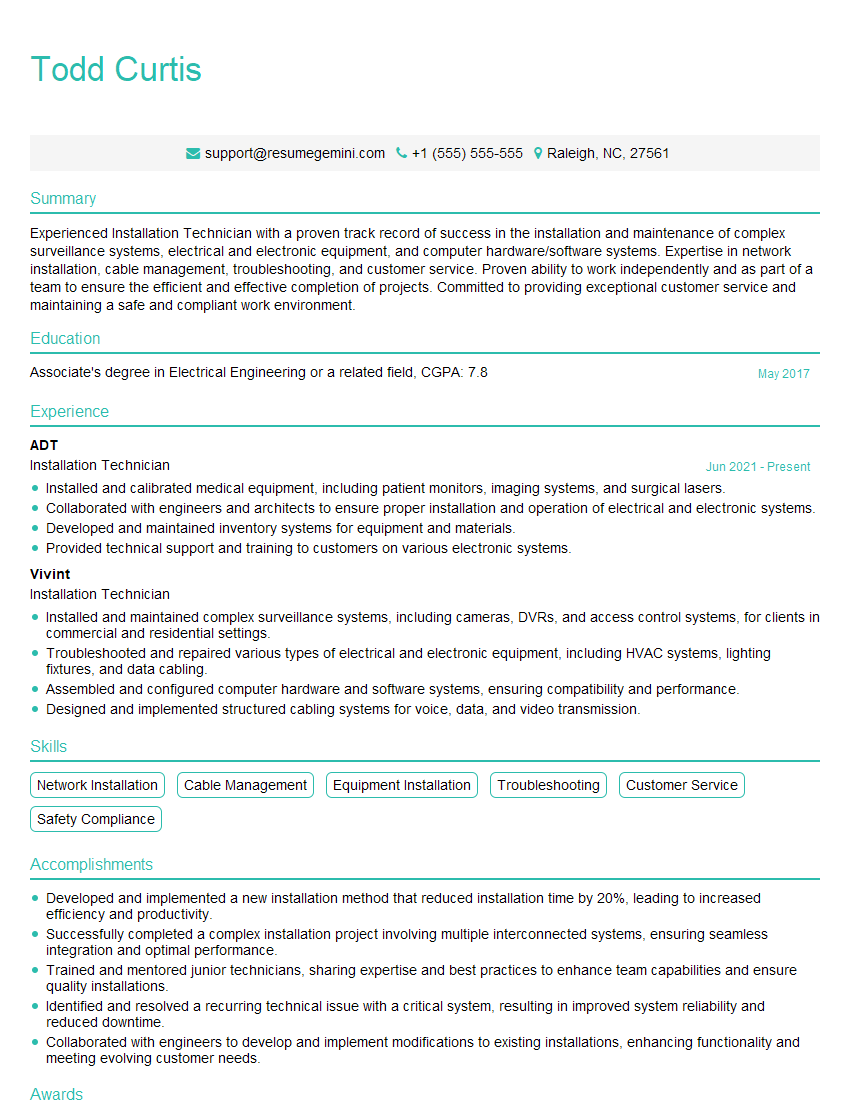
Installation Technician Resume Sample
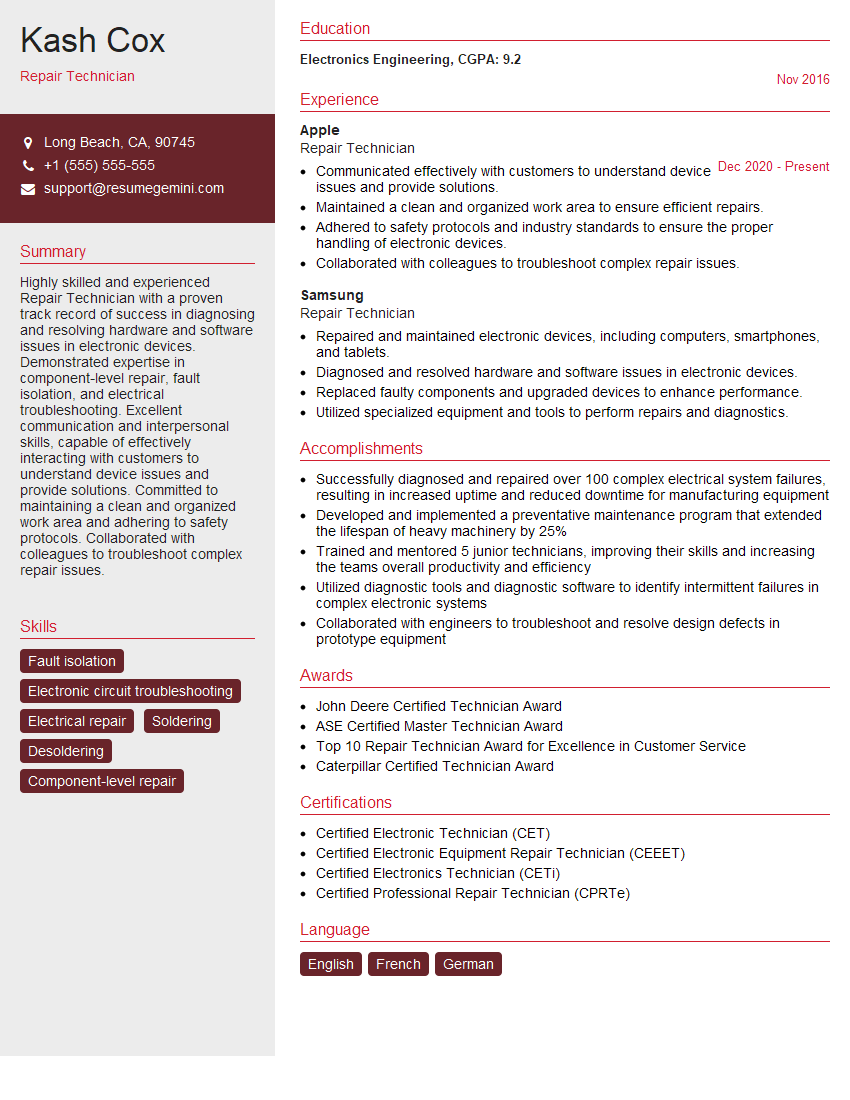
Repair Technician Resume Sample
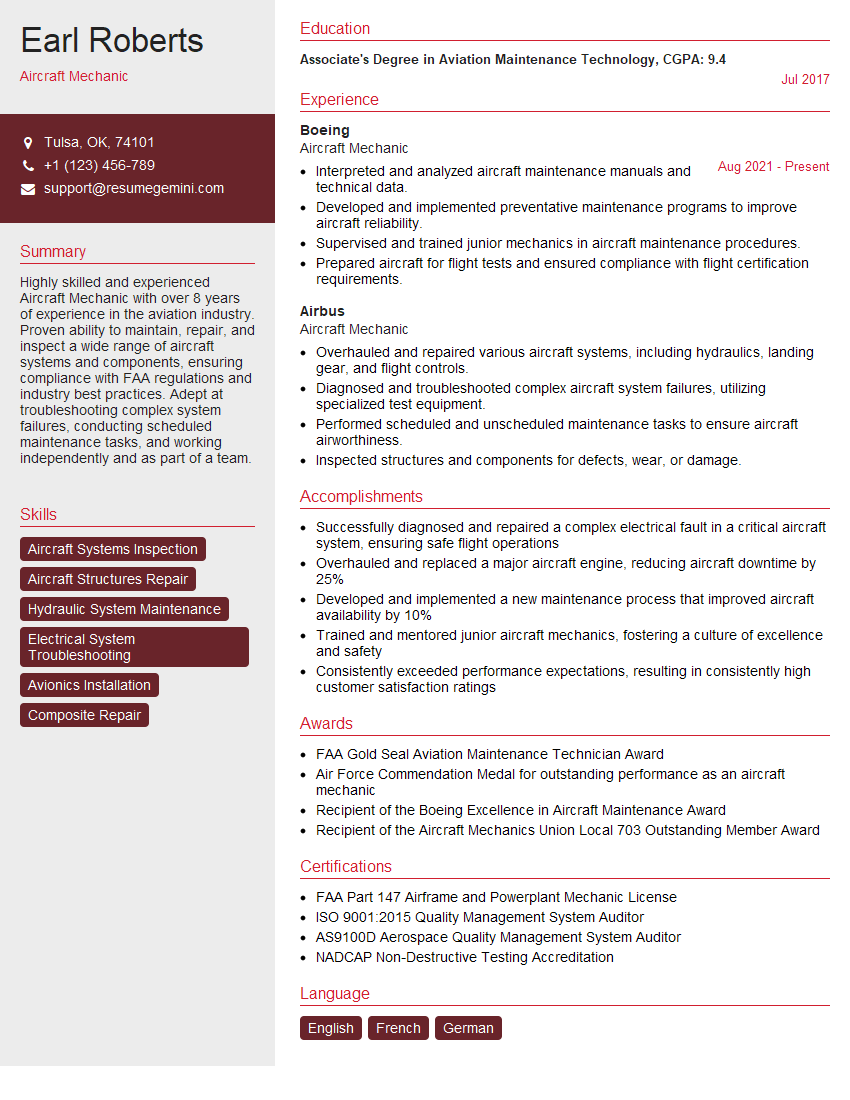
Aircraft Mechanic Resume Sample
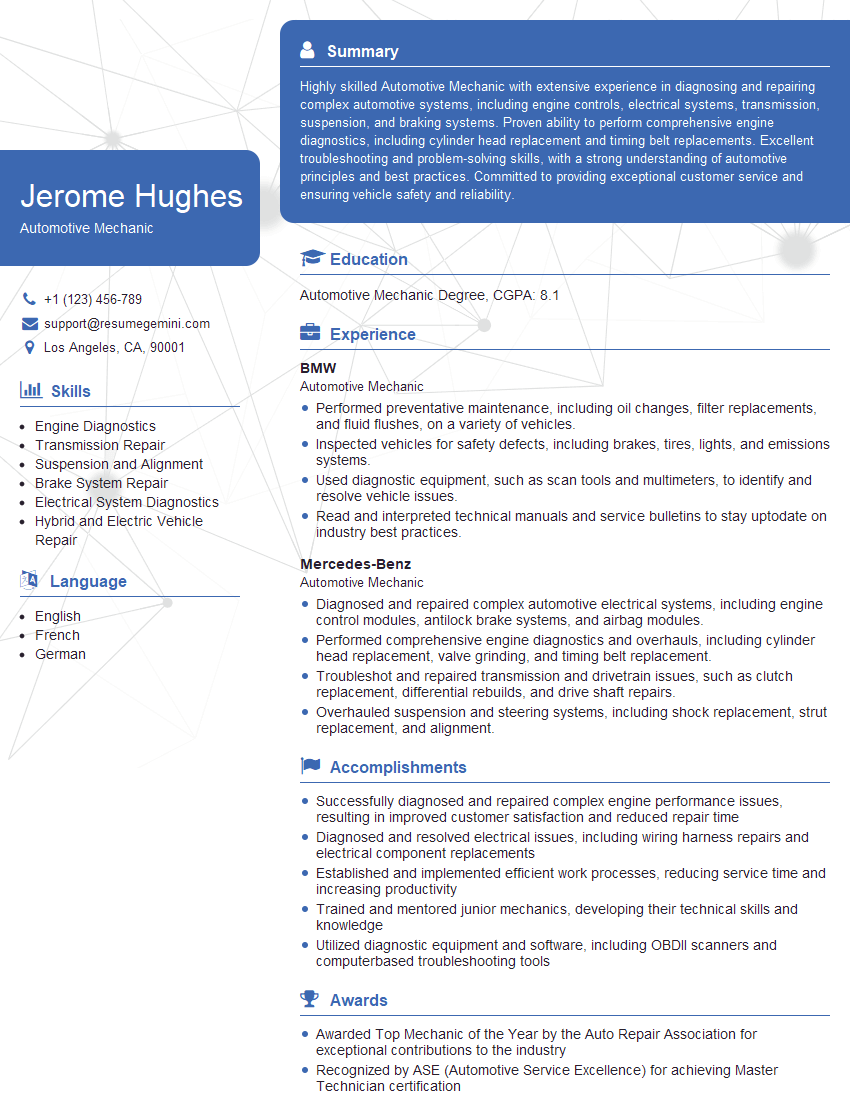
Automotive Mechanic Resume Sample
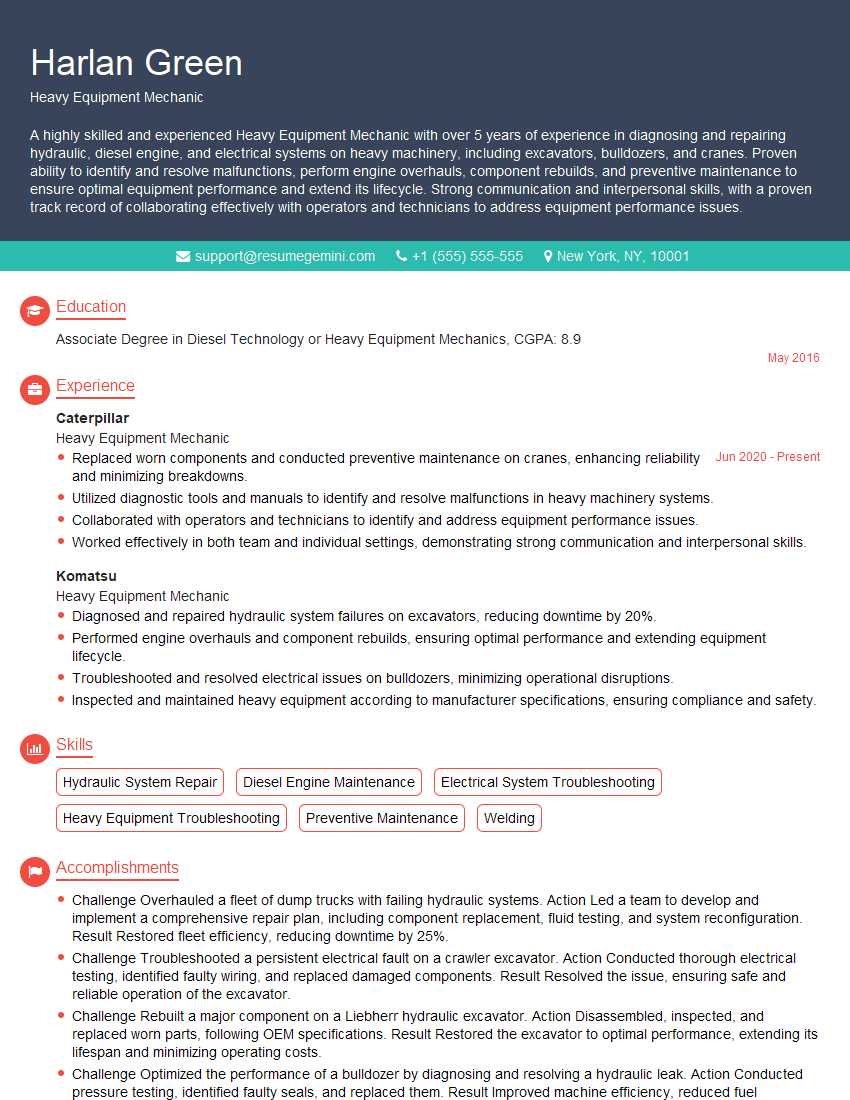
Heavy Equipment Mechanic Resume Sample
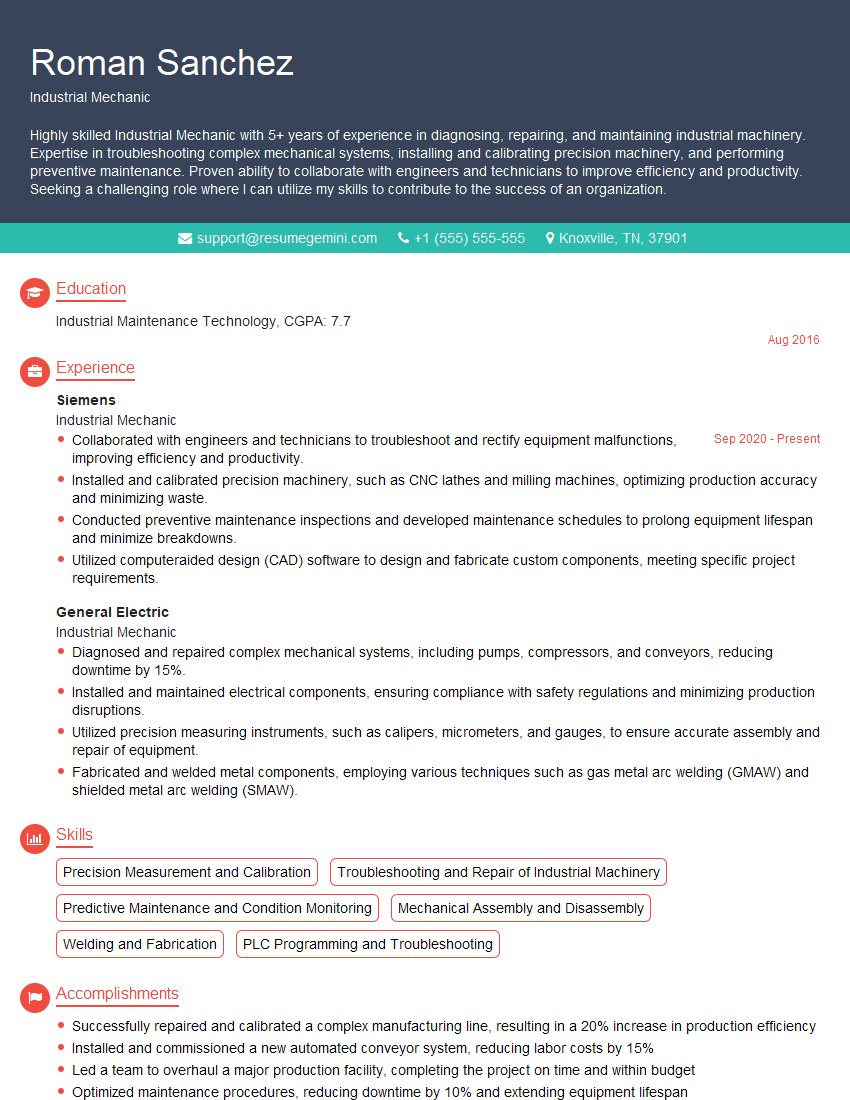
Industrial Mechanic Resume Sample
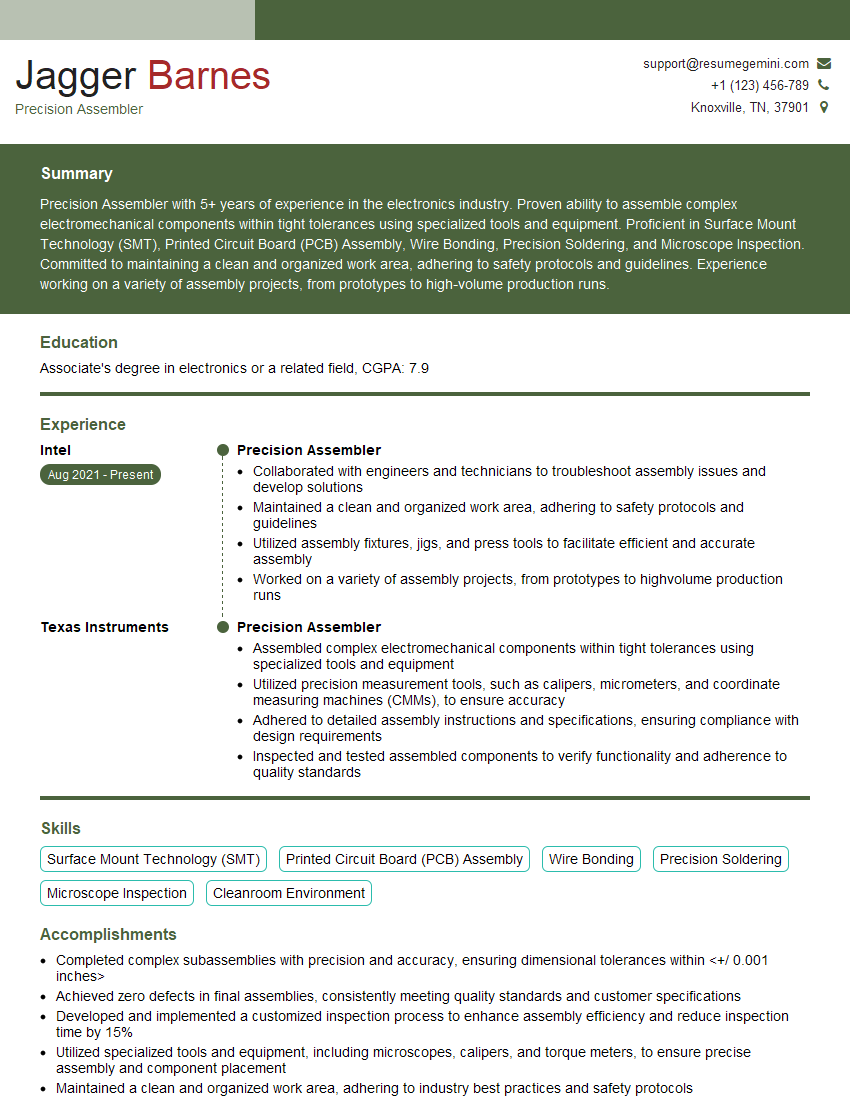
Precision Assembler Resume Sample
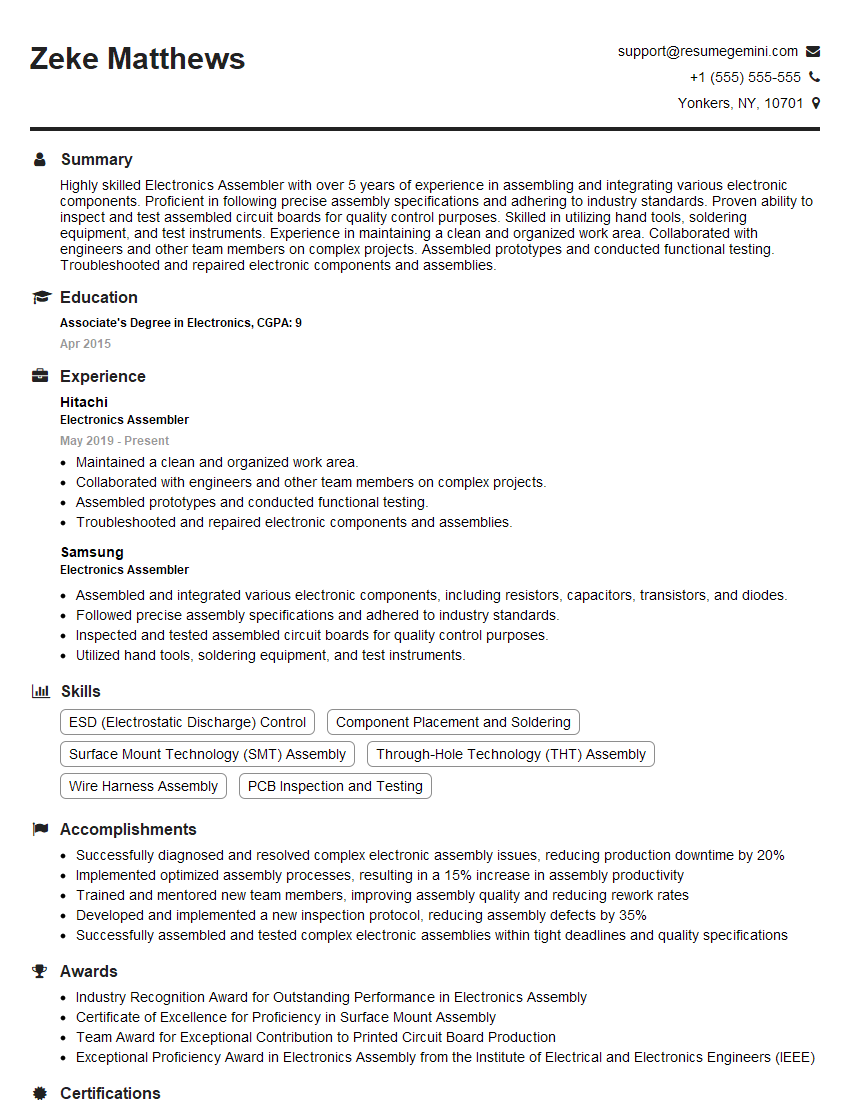
Electronics Assembler Resume Sample
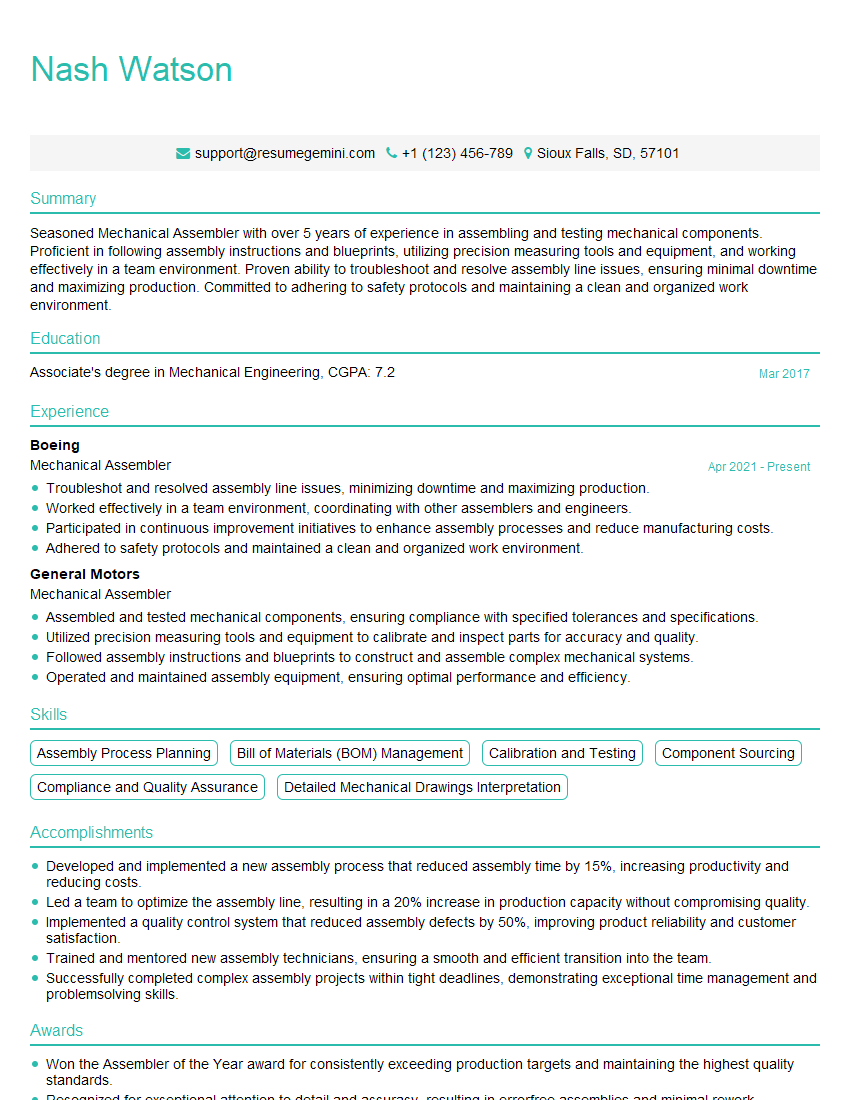
Mechanical Assembler Resume Sample
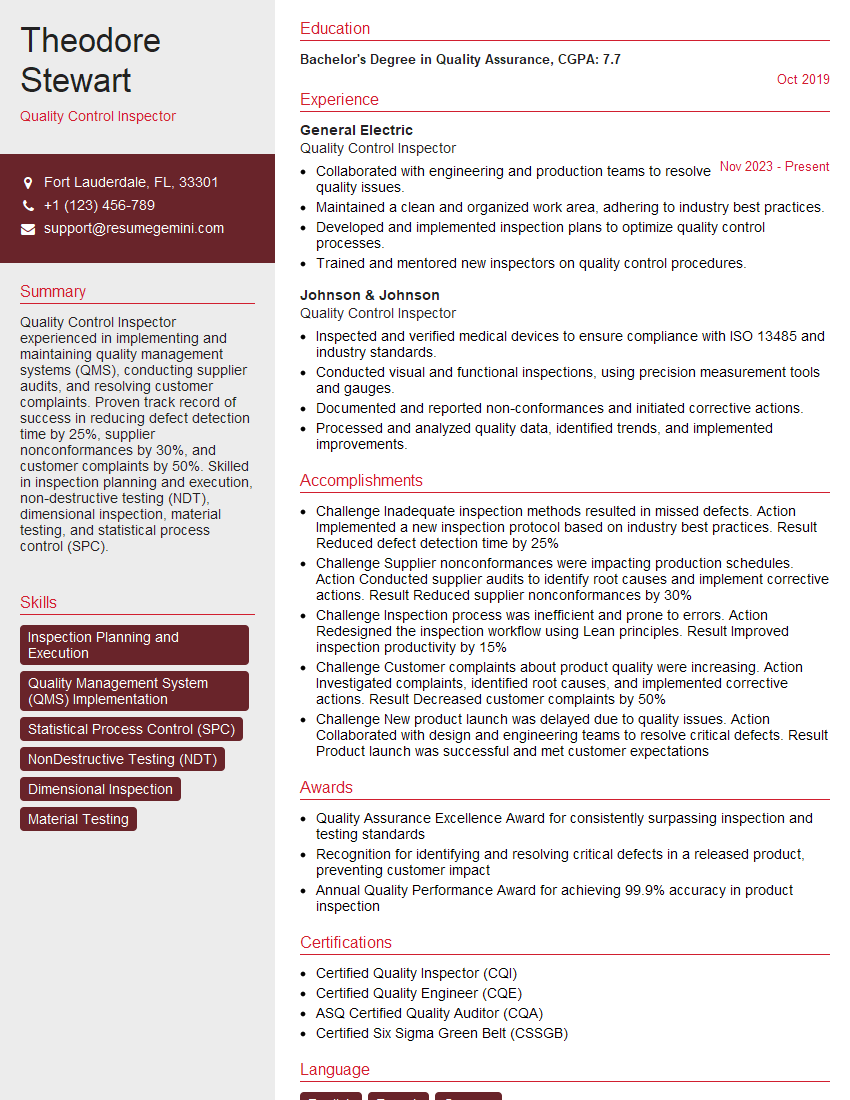
Quality Control Inspector Resume Sample
- Maintenance Planner
- Technical Support Specialist
- Maintenance Technician
- Calibration Technician
- Instrumentation Technician
- Field Service Technician
- Robotics Technician
- Manufacturing Technician
- Production Technician
- Installation Technician
- Repair Technician
- Aircraft Mechanic
- Automotive Mechanic
- Heavy Equipment Mechanic
- Industrial Mechanic
- Precision Assembler
- Electronics Assembler
- Mechanical Assembler
- Quality Control Inspector
Explore more articles
Users Rating of Our Blogs
Share Your Experience
We value your feedback! Please rate our content and share your thoughts (optional).
What Readers Say About Our Blog
Really detailed insights and content, thank you for writing this detailed article.
IT gave me an insight and words to use and be able to think of examples