The right preparation can turn an interview into an opportunity to showcase your expertise. This guide to Ethical Considerations and Survey Validity interview questions is your ultimate resource, providing key insights and tips to help you ace your responses and stand out as a top candidate.
Questions Asked in Ethical Considerations and Survey Validity Interview
Q 1. Explain the difference between internal and external validity in survey research.
Internal and external validity are crucial concepts in evaluating the quality of survey research. Internal validity refers to the confidence we can have that the observed effects are genuinely due to the independent variable (what we are manipulating or measuring) and not some other factor. Think of it as the accuracy of your findings within your study. External validity, on the other hand, concerns the generalizability of your findings to a larger population or other settings. It’s about how well your results can be extrapolated beyond your specific study.
Example: Imagine a study investigating the impact of a new teaching method on student test scores. High internal validity would mean that any improvement in scores is confidently attributed to the new method and not, say, differences in student motivation or prior knowledge. High external validity would mean that the observed improvement is likely to be seen in other schools or with different student populations using the same method.
Q 2. Describe three common threats to internal validity and how to mitigate them.
Threats to internal validity undermine our ability to draw accurate causal inferences. Three common threats are:
- Confounding variables: These are extraneous factors that influence both the independent and dependent variables, making it difficult to isolate the true effect of the independent variable. For instance, in our teaching method study, if the students in the experimental group also received extra tutoring, that tutoring could confound the results.
- Selection bias: This occurs when participants are not randomly assigned to groups, leading to systematic differences between groups that could influence the outcome. If students in the experimental group were already high-achievers, their better scores might not solely reflect the teaching method.
- History: Unforeseen events occurring during the study can influence the results. Suppose a major educational reform is introduced during the study; this external event could impact student scores regardless of the teaching method.
Mitigation strategies: To address these threats, researchers can employ random assignment (to reduce selection bias), control for confounding variables using statistical techniques (like regression analysis), and carefully document any relevant events that might affect the results.
Q 3. How do you ensure the reliability of a survey instrument?
Reliability refers to the consistency and stability of a survey instrument. A reliable survey yields similar results under consistent conditions. We ensure reliability through various methods:
- Test-retest reliability: Administering the same survey to the same participants at two different time points and correlating the scores. A high correlation indicates good test-retest reliability.
- Internal consistency reliability (Cronbach’s alpha): Assessing the extent to which items within a scale measure the same construct. Cronbach’s alpha coefficient, typically ranging from 0 to 1, quantifies this consistency; a value above 0.7 is generally considered acceptable.
- Inter-rater reliability: If the survey involves subjective judgments (e.g., open-ended questions), multiple raters independently score the responses, and the agreement between raters is assessed. High agreement suggests good inter-rater reliability.
Example: If a personality questionnaire yields significantly different scores for the same individual when taken a week apart, it lacks test-retest reliability. If items within a depression scale don’t correlate well with each other, it lacks internal consistency.
Q 4. What are the key ethical considerations when conducting research involving human participants?
Ethical considerations are paramount in research involving human participants. Key principles include:
- Respect for persons: Treating individuals as autonomous agents and protecting those with diminished autonomy. This includes obtaining informed consent and respecting participants’ right to withdraw.
- Beneficence: Maximizing benefits and minimizing harms to participants. This involves carefully weighing the potential risks and benefits of the research.
- Justice: Ensuring fair distribution of benefits and burdens of research. This means avoiding exploitation of vulnerable populations and ensuring that research benefits are shared equitably.
Example: A study involving vulnerable populations, like children, requires extra scrutiny and protection. The potential benefits of the study must clearly outweigh the risks, and parental consent must be obtained.
Q 5. Explain the concept of informed consent and its importance in research.
Informed consent is a crucial ethical principle. It signifies that participants voluntarily agree to participate in research after being fully informed about its purpose, procedures, risks, and benefits. It’s not just a signature on a form; it’s a process of ensuring participants understand what they’re getting into and can make an autonomous decision.
Importance: Informed consent respects participants’ autonomy and protects them from harm. It ensures that participation is voluntary and based on a comprehensive understanding of the research. Without informed consent, research can be considered unethical and potentially illegal.
Q 6. How do you handle missing data in a survey dataset?
Missing data is a common challenge in survey research. The best approach depends on the extent and pattern of missing data. Strategies include:
- Listwise deletion: Excluding participants with any missing data. This is simple but can lead to a significant loss of data and bias if data are not missing completely at random.
- Pairwise deletion: Using available data for each analysis. This method can introduce inconsistencies and biases if the missing data are not random.
- Imputation: Replacing missing values with estimated values. Methods include mean imputation, regression imputation, and multiple imputation, each with its strengths and weaknesses.
The choice of method depends on the nature of the missing data and the research question. Multiple imputation is often preferred as it accounts for uncertainty in the imputed values.
Q 7. What are the implications of non-response bias on survey results?
Non-response bias occurs when the characteristics of respondents differ systematically from those who did not respond. This can significantly skew survey results and lead to inaccurate conclusions. For example, if a survey on job satisfaction has a low response rate among lower-level employees, the findings might overestimate overall job satisfaction.
Implications: Non-response bias can invalidate the generalizability of findings and undermine the external validity of the study. It is essential to strive for a high response rate and to investigate potential non-response bias by comparing respondents and non-respondents on available characteristics (demographic data, etc.). Weighting techniques can sometimes be used to adjust for observed non-response bias but cannot correct for unobserved biases.
Q 8. Discuss different sampling techniques and their impact on survey validity.
Sampling techniques determine how we select participants for our survey, significantly impacting its validity – the extent to which our findings accurately reflect the population we’re studying. A flawed sampling method can lead to biased results, rendering the survey useless. Let’s explore some key techniques:
- Probability Sampling: Every member of the population has a known chance of being selected. This ensures a representative sample. Examples include:
- Simple Random Sampling: Each member has an equal chance (like drawing names from a hat).
- Stratified Random Sampling: The population is divided into subgroups (strata), and random samples are taken from each (e.g., surveying equal numbers of men and women).
- Cluster Sampling: The population is divided into clusters (e.g., geographic areas), and some clusters are randomly selected for study. All members within the chosen clusters are surveyed.
- Non-probability Sampling: The probability of selection is unknown, making generalization to the wider population risky. Examples include:
- Convenience Sampling: Selecting readily available participants (e.g., surveying students in a college cafeteria). This is prone to bias as it doesn’t represent the broader student population or beyond.
- Snowball Sampling: Participants refer other potential participants. Useful for hard-to-reach populations but risks bias towards similar individuals.
- Quota Sampling: Researchers select participants based on pre-defined characteristics (e.g., age, gender) to match population proportions. While it aims for representation, it lacks the randomness of probability sampling.
Impact on Validity: Probability sampling generally leads to higher survey validity due to its representative nature. Non-probability sampling can be useful in exploratory studies, but its results should be interpreted cautiously and not generalized to the larger population without significant caveats.
For instance, a survey on voting preferences using convenience sampling (surveying only friends and family) would likely have low validity, as it doesn’t represent the diversity of voter opinions in the whole electorate. Conversely, a nationally representative survey using stratified random sampling would likely have much higher validity.
Q 9. How do you ensure the confidentiality and anonymity of survey respondents?
Confidentiality and anonymity are crucial for ethical survey research. Confidentiality means the researcher knows the respondent’s identity but keeps it secret. Anonymity means the researcher doesn’t know the respondent’s identity at all. Here’s how to ensure both:
- Anonymity:
- Avoid collecting identifying information: Don’t ask for names, addresses, or email addresses unless absolutely necessary for follow-ups (and even then, consider alternatives like using unique identifiers).
- Use secure online platforms: Choose reputable survey platforms that offer robust data encryption and security features.
- Remove identifying information post-data collection: If identifiers are collected, remove them from the data set after analysis.
- Confidentiality:
- Secure data storage: Store survey data securely, using password protection and access control.
- Inform participants about data handling: Clearly state in the consent form how data will be stored, used, and protected.
- Aggregate data: Present results in aggregate form, avoiding individual responses.
- Comply with relevant data protection regulations: Adhere to regulations like GDPR or HIPAA, depending on your location and the type of data collected.
Consider a health survey: Anonymity would be ideal to encourage honest reporting about sensitive health issues. If confidentiality is maintained, the researcher might need to use unique IDs to track responses and follow up if needed, ensuring they don’t reveal personal details in their analysis or reports.
Q 10. What are some strategies for minimizing social desirability bias in survey responses?
Social desirability bias occurs when respondents answer in ways they believe are socially acceptable, rather than truthfully. This can significantly skew survey results. Here are strategies to mitigate it:
- Ensure anonymity and confidentiality: As discussed earlier, this creates a safer space for honest responses.
- Use neutral wording: Avoid leading questions or phrasing that suggests a preferred answer.
- Include items measuring socially undesirable behaviors: If people consistently report positive traits, including some “bad” ones can help identify those trying to appear perfect.
- Use indirect questions: Phrase questions in ways that indirectly assess the target behavior (e.g., instead of ‘Do you cheat on your taxes?’, ask about others’ tax behaviors).
- Employ implicit measures: These are less susceptible to bias as they are less under conscious control, e.g., using reaction time tasks.
- Include a lie scale: These are sets of questions to detect inconsistencies indicating dishonesty.
For example, instead of asking ‘Do you always recycle?’, a less biased approach might involve a series of questions on their waste disposal habits or asking them to rate their agreement with statements like, ‘I think recycling is important’ and ‘Recycling takes too much effort.’
Q 11. Explain the concept of construct validity and how it’s assessed.
Construct validity refers to how well a survey measures the underlying theoretical concept (construct) it aims to measure. For example, if you’re measuring ‘job satisfaction,’ does your survey truly capture the multifaceted nature of that concept? Assessing construct validity involves several methods:
- Convergent validity: Does the measure correlate with other measures of the same construct? If your job satisfaction scale correlates strongly with other established job satisfaction measures, this supports convergent validity.
- Discriminant validity: Does the measure distinguish between different constructs? Your job satisfaction scale shouldn’t correlate highly with measures of unrelated constructs like ‘physical health.’ A strong correlation here suggests poor discriminant validity.
- Content validity: Does the measure comprehensively cover all aspects of the construct? A job satisfaction survey should include items related to various facets like pay, workload, and relationships with colleagues.
- Factor analysis: A statistical technique to identify underlying factors or dimensions within a set of items. It helps determine if items are measuring the intended construct.
Imagine a survey claiming to measure ‘customer loyalty’. If it only asks about purchase frequency, it lacks content validity because it ignores other aspects like brand advocacy or emotional connection. If it shows a strong correlation with a well-established customer loyalty scale, it demonstrates convergent validity. If it shows weak correlation with, for example, customer satisfaction, it shows good discriminant validity as these are distinct but sometimes related constructs.
Q 12. Describe different types of survey questions and their strengths and weaknesses.
Survey questions come in various formats, each with strengths and weaknesses:
- Open-ended questions: Allow respondents to answer in their own words. Strengths: Rich qualitative data, allows for unexpected insights. Weaknesses: Difficult to analyze quantitatively, time-consuming to code and analyze.
- Closed-ended questions: Provide pre-defined response options. Strengths: Easy to analyze quantitatively, faster to complete. Weaknesses: May not capture the full range of responses, can be biased by response options.
- Multiple-choice questions: Respondents select one or more options from a list. Strengths: Easy to analyze, efficient data collection. Weaknesses: Can force respondents into choices they don’t fully agree with.
- Rating scales (Likert scales): Respondents rate their agreement or disagreement with statements on a scale (e.g., strongly agree to strongly disagree). Strengths: Easy to quantify, widely used and understood. Weaknesses: May not capture the nuances of opinions.
- Ranking questions: Respondents rank items in order of preference. Strengths: Useful for comparing preferences. Weaknesses: Can be cognitively demanding for respondents.
For instance, an open-ended question like “What are your thoughts on climate change?” provides rich qualitative data but is challenging to analyze. A multiple-choice question, “Do you believe climate change is caused by human activity?” is easy to analyze, but the response options might not encompass all perspectives.
Q 13. How do you determine the appropriate sample size for a survey?
Determining the appropriate sample size depends on several factors: the desired level of precision, the variability in the population, and the confidence level. There’s no one-size-fits-all answer, but several methods help determine an appropriate sample size:
- Power analysis: This statistical method determines the minimum sample size needed to detect a statistically significant effect. It considers factors like the effect size (how big a difference you expect to find), the significance level (alpha), and the power of the test (1-beta).
- Sample size calculators: Many online calculators can estimate the required sample size based on these input parameters. You’ll need to estimate the population size and the expected variability in your data.
- Rule of thumb: While less precise, some rules of thumb exist (e.g., a sample size of 30 for each subgroup in stratified sampling). However, these should be used with caution and complemented by other methods.
For a study on customer satisfaction, a power analysis might determine that 385 respondents are needed to detect a medium effect size with 80% power and a 5% significance level. A smaller sample size might fail to reveal significant differences, even if they truly exist, while a larger sample might be unnecessarily costly and time-consuming.
Q 14. What are the ethical considerations related to the use of incentives in surveys?
Incentives can increase survey response rates, but their ethical use is crucial. Consider these factors:
- Proportionality: The incentive should be proportional to the time and effort required to complete the survey. A small gift card might be appropriate for a short survey, while a larger incentive might be justified for a lengthy and demanding one.
- Avoid coercion: The incentive shouldn’t be so large that it pressures individuals to participate against their will. It’s unethical to ‘buy’ participation if it compromises genuine responses.
- Transparency: Clearly communicate the incentive upfront. Don’t mislead or make promises that you can’t keep.
- Equity: Consider ways to ensure equity of access. For instance, if offering a gift card as an incentive, choose options that are accessible to all participants.
- Avoid targeting vulnerable populations: Offering large incentives to vulnerable individuals might exploit their situation.
For instance, offering a $20 gift card for a 30-minute survey might be considered proportionate. Conversely, offering a $100 gift card for a short survey, or making participation mandatory for a bonus, could be seen as coercive and unethical.
Q 15. Explain the difference between probability and non-probability sampling.
The core difference between probability and non-probability sampling lies in the likelihood of each member of the population being selected. In probability sampling, every member of the population has a known, non-zero chance of being included in the sample. This allows for generalizations to the larger population. Think of it like a fair lottery – each ticket has an equal (or at least known) chance of winning. Examples include simple random sampling, stratified sampling, and cluster sampling.
Conversely, in non-probability sampling, the probability of selection is unknown. This makes it difficult to generalize findings to the broader population, but it’s often more practical or cost-effective. Imagine choosing lottery winners based on who shows up at a particular location – you’re only sampling from a limited pool. Examples include convenience sampling, purposive sampling, and snowball sampling. The choice between these methods depends on the research goals, resources, and the need for generalizability.
- Probability Sampling (Generalizable): Ideal for large-scale studies where generalizing results to a population is crucial.
- Non-Probability Sampling (Non-Generalizable): Suitable for exploratory research, pilot studies, or situations where accessing the entire population is impossible or impractical.
Career Expert Tips:
- Ace those interviews! Prepare effectively by reviewing the Top 50 Most Common Interview Questions on ResumeGemini.
- Navigate your job search with confidence! Explore a wide range of Career Tips on ResumeGemini. Learn about common challenges and recommendations to overcome them.
- Craft the perfect resume! Master the Art of Resume Writing with ResumeGemini’s guide. Showcase your unique qualifications and achievements effectively.
- Don’t miss out on holiday savings! Build your dream resume with ResumeGemini’s ATS optimized templates.
Q 16. How do you assess the validity of a survey instrument using factor analysis?
Factor analysis is a statistical method used to assess the underlying structure of a survey instrument. It helps determine if the items in your survey actually measure the constructs they’re intended to measure. For example, if you’re measuring ‘job satisfaction,’ factor analysis can reveal if your questions actually group together to form a single, cohesive factor representing that construct, or if they inadvertently measure other things.
To assess validity using factor analysis, you perform the analysis on your data. The output will show factors (latent variables) and the factor loadings (correlations) for each item with each factor. A high factor loading (typically above 0.5) indicates that the item strongly contributes to the factor. If items designed to measure the same construct load highly onto the same factor, it provides evidence of construct validity. You might also examine the explained variance (eigenvalues) of each factor to determine how much of the overall variance in the data is accounted for by each factor.
For instance, if your items designed to measure ‘customer satisfaction’ load strongly onto a single factor and that factor accounts for a significant portion of the total variance, you have evidence that your survey instrument effectively measures customer satisfaction.
Q 17. What are some common biases in survey data and how can they be addressed?
Several biases can creep into survey data, compromising its validity. Some common ones include:
- Sampling Bias: Occurs when the sample doesn’t accurately represent the population. For instance, a survey conducted solely online would exclude individuals without internet access.
- Response Bias: Systematic errors introduced by respondents. Acquiescence bias is the tendency to agree with statements regardless of content; social desirability bias is answering in a way perceived as socially acceptable, even if untrue.
- Question Bias: The wording of questions can influence answers. Leading questions or those using emotionally charged language can skew responses.
- Nonresponse Bias: Occurs when a significant portion of the invited respondents do not participate, leading to potential differences between respondents and non-respondents.
Addressing these biases involves careful planning and execution: use appropriate sampling techniques (to avoid sampling bias), use neutral language in your questions (to avoid question bias), assure respondents of anonymity and confidentiality (to mitigate social desirability bias), and consider techniques like response rate incentives and follow-up communications (to address nonresponse bias). Pre-testing the survey with a pilot group can help detect and rectify potential biases before the main data collection.
Q 18. Describe different methods for testing the reliability of a survey instrument.
Reliability refers to the consistency and stability of a measurement instrument. Several methods assess survey reliability:
- Test-Retest Reliability: Administering the survey to the same group at two different times and correlating the scores. High correlation indicates high reliability.
- Internal Consistency Reliability: Measures how well the items within a scale correlate with each other. Cronbach’s alpha is a commonly used statistic; a value above 0.7 is generally considered acceptable.
- Inter-Rater Reliability: If multiple raters are scoring the responses, inter-rater reliability assesses the agreement between them. This is particularly relevant for open-ended questions.
- Parallel Forms Reliability: Comparing scores on two equivalent forms of the same survey. This method requires creating two similar but not identical versions of the survey.
For example, if a survey designed to measure stress consistently yields similar results over time (test-retest) and its items are highly correlated (internal consistency), it exhibits good reliability.
Q 19. How do you ensure the cultural sensitivity of a survey instrument?
Ensuring cultural sensitivity is crucial for obtaining valid and ethical data. This involves considering the cultural context of your target population and adapting the survey accordingly. Key steps include:
- Using appropriate language: Avoid jargon, idioms, or culturally specific terms that might not be understood by all participants. Translate the survey into relevant languages if necessary.
- Considering cultural norms: Be mindful of cultural norms related to topics like directness, self-disclosure, and social hierarchy. The way you frame questions and ask for sensitive information must be culturally appropriate.
- Employing culturally appropriate visuals: If the survey includes images or graphics, ensure these are culturally relevant and not offensive.
- Piloting the survey with members of the target culture: This allows for feedback on clarity, cultural appropriateness, and potential biases before the main data collection.
- Collaborating with cultural experts: Seek input from individuals with expertise in the cultural context of your target population.
For example, a survey on health behaviors might need to consider differences in health beliefs and practices across different cultural groups.
Q 20. What are the ethical considerations related to the dissemination of survey results?
Ethical dissemination of survey results involves responsible reporting and sharing of findings. Key considerations include:
- Confidentiality and anonymity: Ensure participant data is kept confidential and, where appropriate, anonymized. Avoid releasing data that could identify individuals.
- Data security: Protect survey data from unauthorized access or breaches. Use appropriate security measures during storage and transmission of data.
- Transparency and accuracy: Report results accurately and transparently, including any limitations or biases. Do not misrepresent findings or overgeneralize conclusions.
- Avoiding harmful interpretations: Be cautious in interpreting and reporting results, avoiding conclusions that could stigmatize or harm particular groups.
- Respecting participants’ rights: Provide participants with information about how the data will be used and disseminated, obtaining their informed consent.
- Avoiding plagiarism: Properly cite all sources of information, giving credit where it is due.
For instance, if your research focuses on a sensitive topic, you must ensure confidentiality and avoid unintentionally causing harm by the way you present findings.
Q 21. Explain the role of IRB review in ensuring ethical research practices.
The Institutional Review Board (IRB) is a crucial component of ethical research practices. Its primary role is to review research protocols involving human participants to ensure they meet ethical standards. This includes safeguarding the rights, welfare, and safety of participants. Before conducting any survey research involving human participants, the research proposal, including the survey instrument and data analysis plan, must be submitted to the IRB for review and approval.
The IRB assesses the research proposal based on established ethical principles such as:
- Respect for persons: Ensuring informed consent, protecting vulnerable populations, and respecting autonomy.
- Beneficence: Maximizing benefits and minimizing risks to participants.
- Justice: Ensuring fair selection of participants and equitable distribution of benefits and burdens.
The IRB’s review process helps to identify potential ethical concerns and ensures that the research is conducted responsibly and ethically. IRB approval is generally a prerequisite for conducting research involving human subjects, protecting both the participants and the researcher.
Q 22. How do you deal with situations where respondents provide inconsistent answers?
Inconsistent answers in surveys are a common challenge, often stemming from respondent fatigue, misunderstanding of questions, or simply random error. Addressing this requires a multi-pronged approach. Firstly, data cleaning is crucial. This involves identifying outliers or responses that deviate significantly from the pattern. For example, a respondent consistently selecting the ‘strongly agree’ option across all questions, even those with opposing statements, might warrant further investigation or removal. Secondly, I use statistical methods to detect inconsistencies. For example, I might examine response patterns using Cronbach’s alpha to assess internal consistency reliability. Low alpha values suggest inconsistencies within a scale. Thirdly, data imputation might be considered in cases of missing or inconsistent data, but only if it’s justifiable and won’t bias the results. For instance, if a single question has inconsistent responses, but the overall pattern of the respondent is consistent, I might consider omitting that particular question, or substituting it using mean imputation for numerical data or mode imputation for categorical data. Finally, careful questionnaire design in the first place, including clear and unambiguous questions and pilot testing, can dramatically reduce inconsistencies.
Q 23. What statistical methods do you use to analyze survey data?
The statistical methods I use depend heavily on the research question and the type of data collected (nominal, ordinal, interval, ratio). For descriptive statistics, I frequently utilize measures of central tendency (mean, median, mode) and dispersion (standard deviation, variance, range) to summarize the data. For inferential statistics, I employ a range of techniques. If I’m comparing means between groups, I might use t-tests (independent samples or paired samples) or ANOVA. For exploring relationships between variables, I would use correlation analysis (Pearson’s r, Spearman’s rho) or regression analysis (linear, logistic). Chi-square tests are invaluable for analyzing categorical data and assessing the association between categorical variables. Factor analysis can help reduce the dimensionality of the data by identifying underlying latent factors. Finally, I always consider the assumptions of each test to ensure the results are valid and reliable.
Q 24. How do you ensure the transparency and replicability of your research?
Transparency and replicability are paramount. I ensure transparency by meticulously documenting every step of the research process, from the initial conceptualization to the final analysis and interpretation. This includes clearly defining the research question, outlining the methodology, providing detailed descriptions of the sample, survey instrument, and data analysis techniques. I make all data and code readily accessible (while protecting respondent anonymity) through platforms such as repositories or cloud storage. I use well-documented scripts and codebooks to explain all data transformations and analysis steps. Using established software and statistical packages makes the analysis reproducible. My reports always include limitations and potential sources of bias, acknowledging any shortcomings in the research design or data analysis.
Q 25. Describe your experience with qualitative data analysis in surveys.
Qualitative data analysis in surveys, often involving open-ended questions, provides rich insights that complement quantitative findings. I typically employ thematic analysis, a method for identifying patterns and themes within the data. This involves systematically coding the responses, grouping similar codes into themes, and then interpreting those themes in relation to the research question. Software like NVivo or Atlas.ti can assist in this process by helping manage and organize the large amounts of textual data. For example, in a survey about customer satisfaction, open-ended questions might reveal unmet needs or unexpected sources of frustration not captured by rating scales. Thematic analysis would help identify key themes in the responses which can then be contextualized with the quantitative data from the same survey.
Q 26. How do you choose the appropriate statistical tests for analyzing survey data?
Choosing appropriate statistical tests is crucial for drawing valid conclusions. The selection depends on several factors: the type of data (nominal, ordinal, interval, ratio), the number of groups being compared, and the research question. For example, if comparing the means of two independent groups with interval or ratio data, an independent samples t-test is appropriate. If comparing means across multiple groups, ANOVA is used. For exploring relationships between two continuous variables, Pearson’s correlation is suitable. If the data is ordinal, Spearman’s correlation is more appropriate. For categorical data, Chi-square tests are used. I always check the assumptions underlying each statistical test (e.g., normality, homogeneity of variances) before proceeding with the analysis. If assumptions are violated, I consider alternative non-parametric tests or data transformations.
Q 27. What software or tools do you utilize for survey design and data analysis?
For survey design, I utilize Qualtrics, SurveyMonkey, or similar platforms that offer features for creating visually appealing and user-friendly surveys, including branching logic and data validation. For data analysis, I primarily use R and SPSS. R, with its extensive statistical libraries (like ggplot2 for visualization and dplyr for data manipulation), offers great flexibility and power. SPSS provides a user-friendly interface suitable for researchers with varying levels of statistical expertise. I also use Excel for basic data cleaning and organization.
Q 28. Discuss a time you had to address an ethical dilemma in research.
In a past research project examining the impact of a new educational program, I encountered an ethical dilemma concerning participant confidentiality. One participant’s responses revealed sensitive personal information that could potentially lead to their identification, despite using anonymization techniques. To address this, I consulted with the university’s ethics committee. Following their guidance, I removed the potentially identifying information from the dataset while ensuring that the essential information needed for analysis remained. I also modified the data analysis approach to ensure that the removal of that data point did not significantly alter the study’s outcomes. This experience underscored the importance of rigorous ethical review, proactive risk assessment, and ongoing vigilance in protecting participant confidentiality throughout all research phases.
Key Topics to Learn for Ethical Considerations and Survey Validity Interview
- Informed Consent: Understanding the principles of informed consent, including comprehension, voluntariness, and the right to withdraw. Practical application: Designing consent forms that meet ethical standards and legal requirements.
- Confidentiality and Anonymity: Exploring the differences and implications of maintaining participant confidentiality and anonymity in research. Practical application: Implementing appropriate data security measures and anonymization techniques.
- Bias and Fairness in Survey Design: Identifying and mitigating potential biases in survey questions, sampling methods, and data analysis. Practical application: Developing unbiased survey instruments and employing appropriate statistical techniques to control for confounding variables.
- Validity and Reliability: Deep dive into different types of validity (content, criterion, construct) and reliability (test-retest, internal consistency). Practical application: Selecting appropriate methods to assess the validity and reliability of your survey instrument.
- Ethical Data Handling and Storage: Understanding the ethical implications of data storage, access, and disposal. Practical application: Adhering to data protection regulations and best practices for secure data management.
- Sampling Techniques and their Ethical Implications: Evaluating the ethical considerations of various sampling methods (random, stratified, convenience). Practical application: Justifying the choice of sampling method based on ethical and methodological considerations.
- Data Interpretation and Reporting: Understanding the ethical implications of presenting and interpreting data. Practical application: Ensuring accurate and transparent reporting of findings, avoiding misleading conclusions.
Next Steps
Mastering Ethical Considerations and Survey Validity demonstrates a commitment to rigorous research practices and responsible data handling—essential skills highly valued in many fields. This expertise significantly boosts your career prospects and opens doors to impactful roles. To maximize your job search success, invest in creating a strong, ATS-friendly resume that highlights these crucial skills. ResumeGemini is a trusted resource that can help you build a professional resume tailored to showcase your abilities. Examples of resumes specifically tailored to highlight experience in Ethical Considerations and Survey Validity are available within ResumeGemini to inspire and guide you.
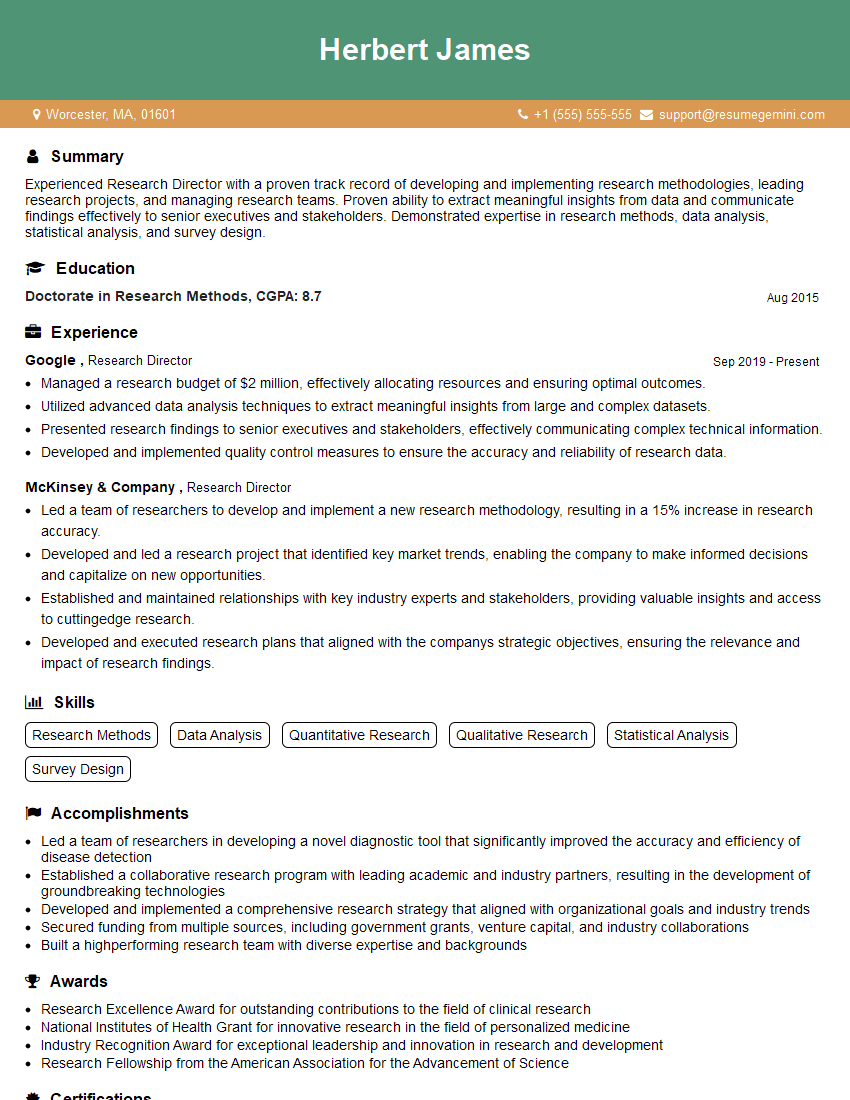
Research Director Resume Sample
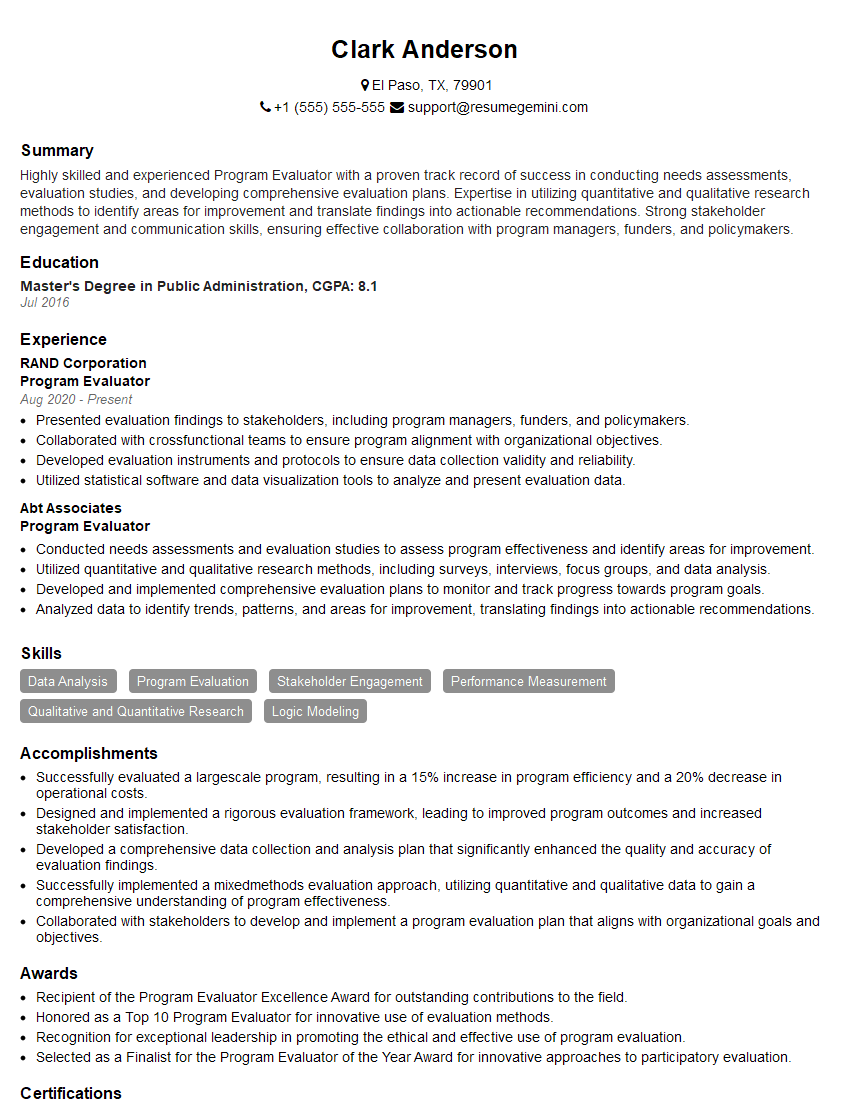
Program Evaluator Resume Sample
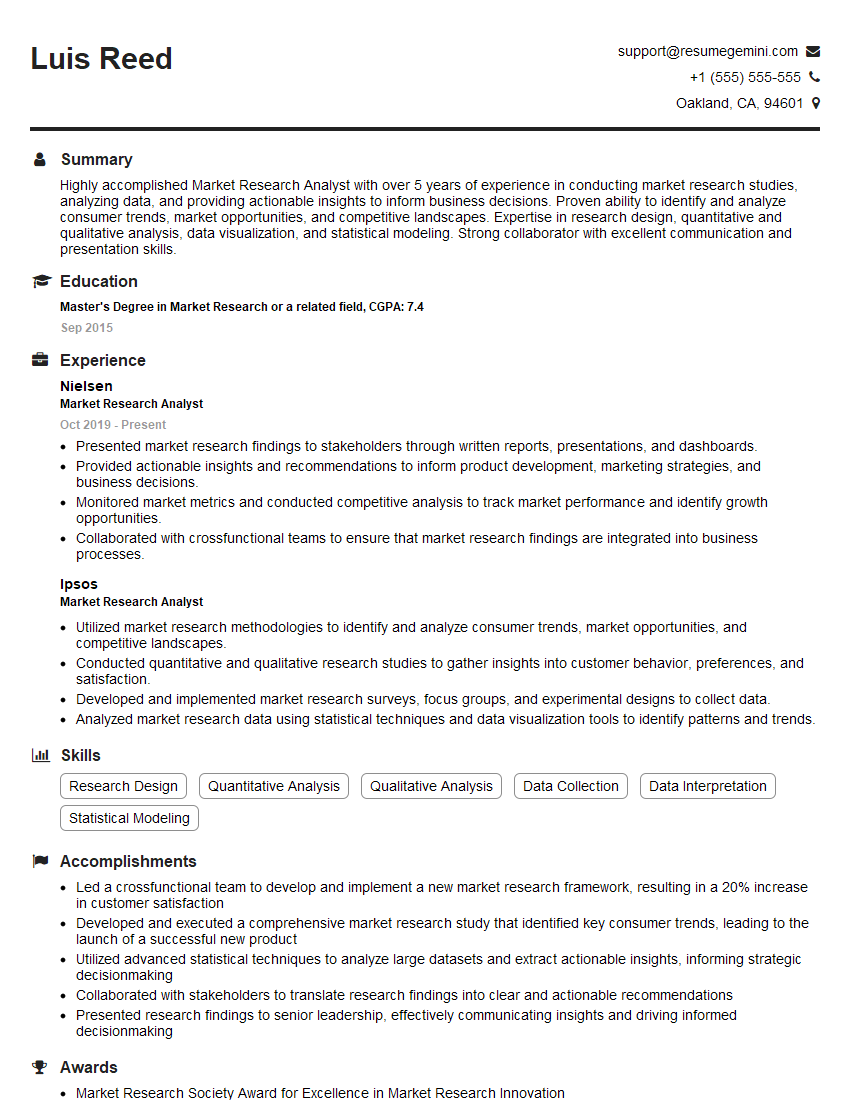
Market Research Analyst Resume Sample
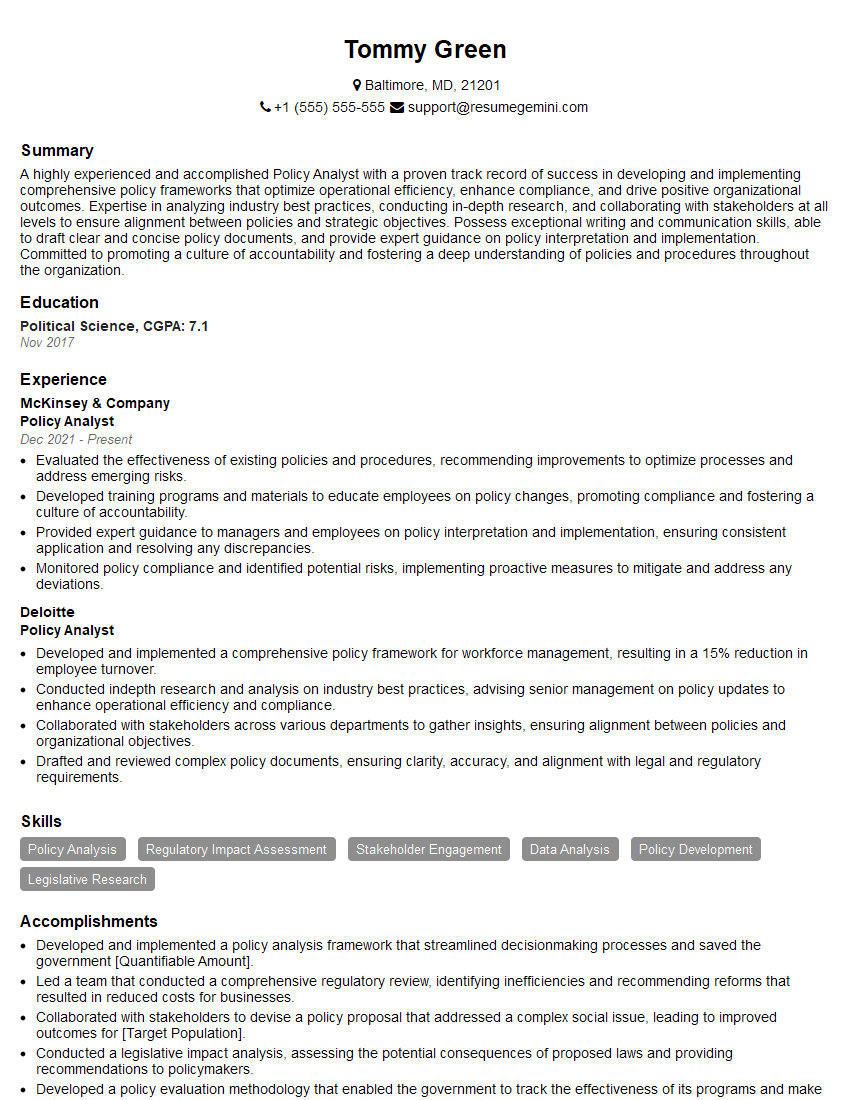
Policy Analyst Resume Sample
Data Analyst Resume Sample
Quantitative Analyst Resume Sample
Data Scientist Resume Sample
Research Scientist Resume Sample

Operations Research Analyst Resume Sample
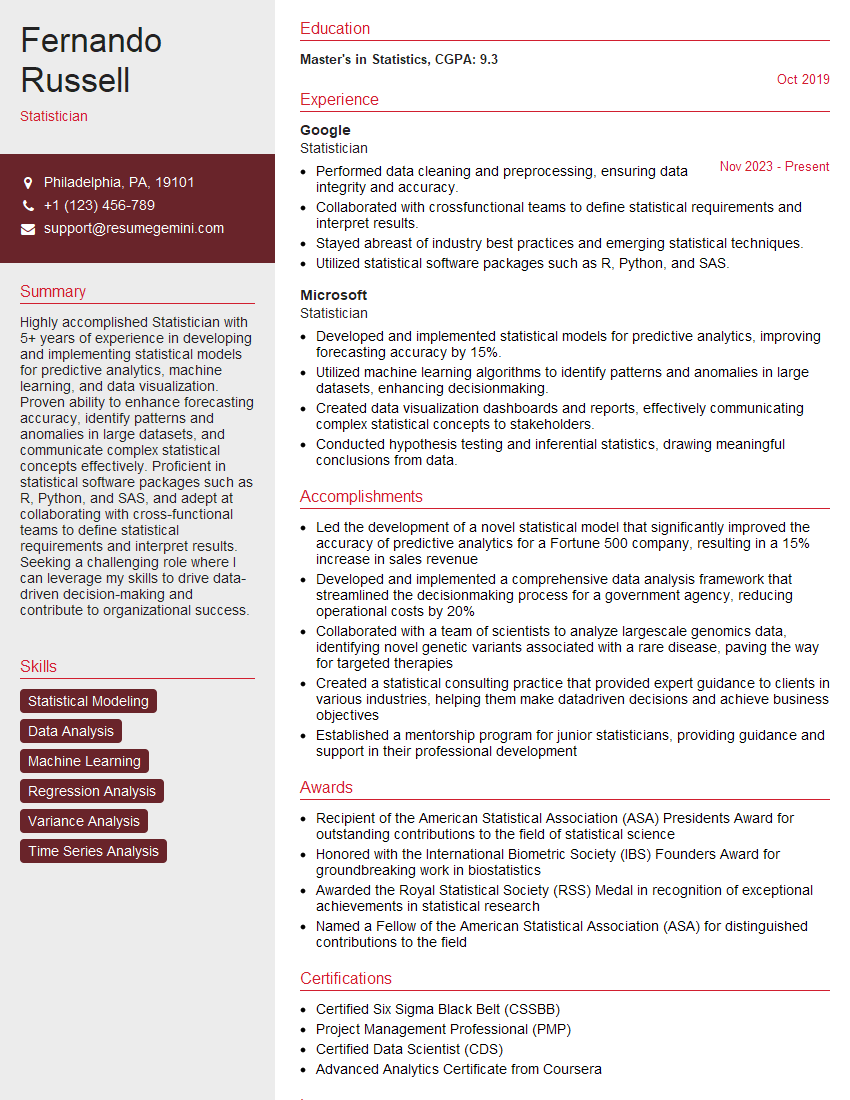
Statistician Resume Sample
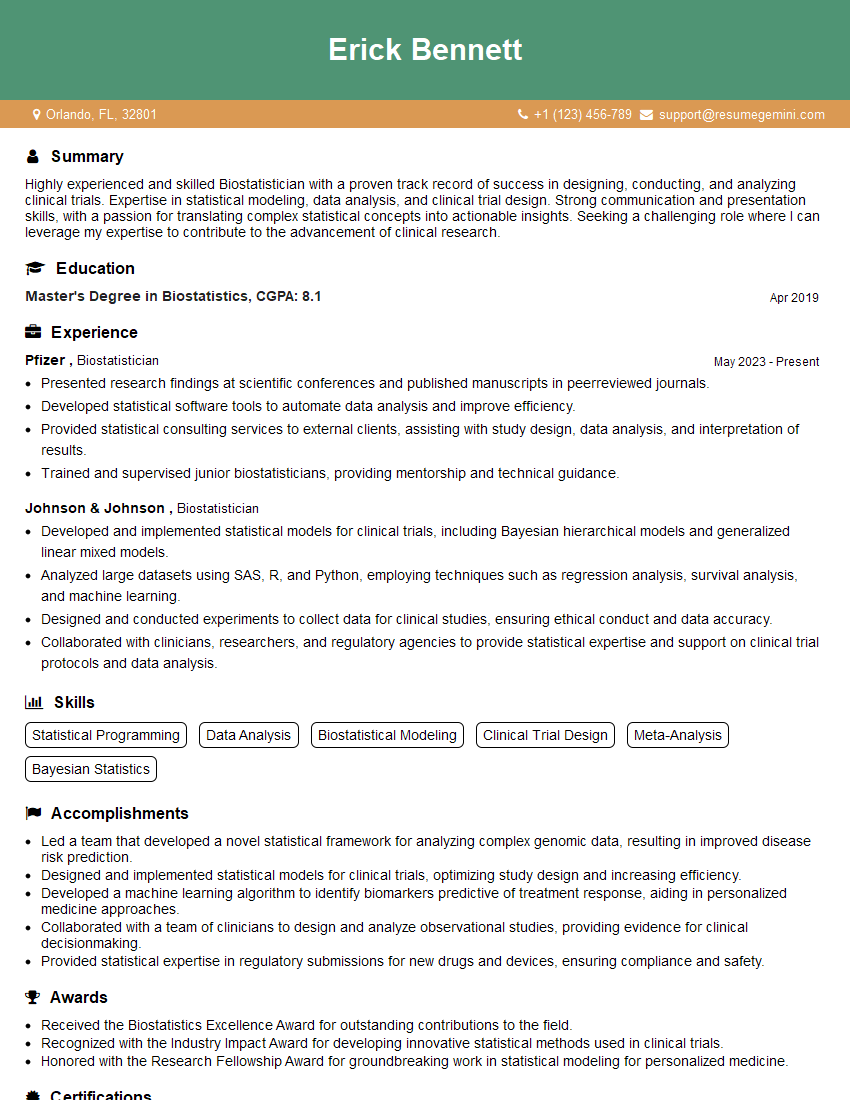
Biostatistician Resume Sample
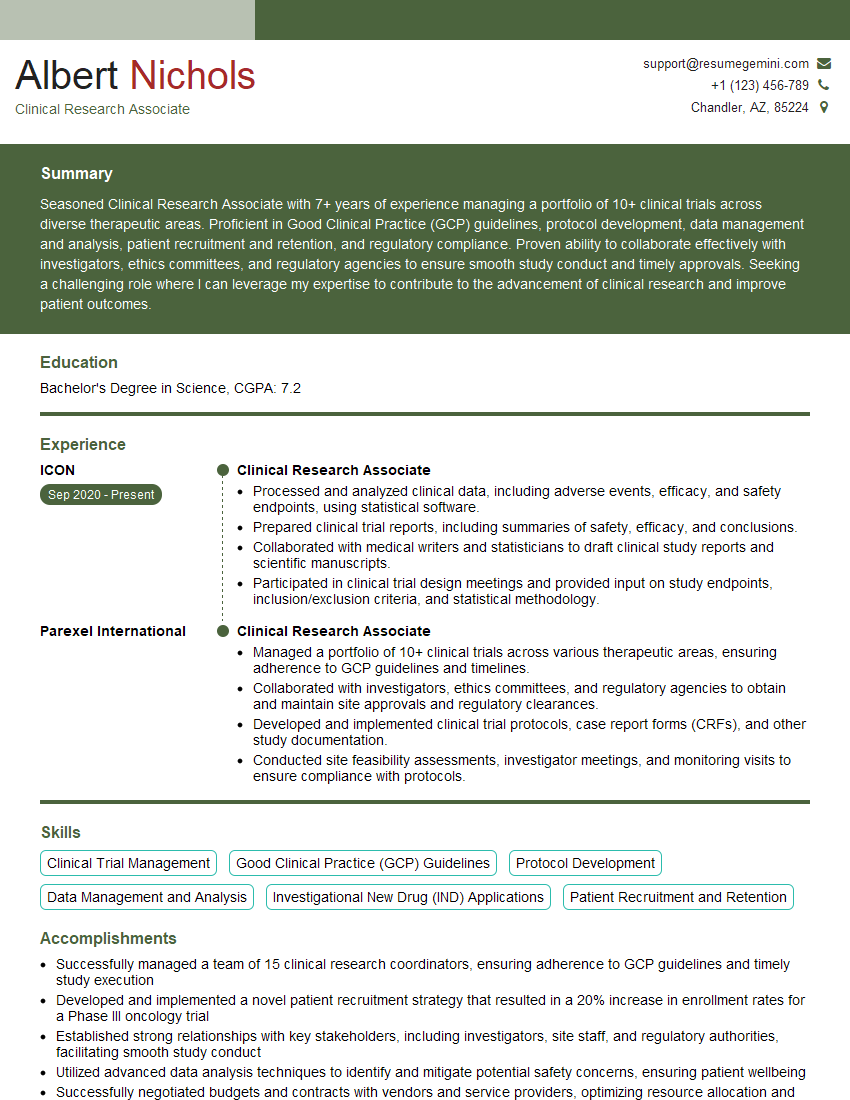
Clinical Research Associate Resume Sample
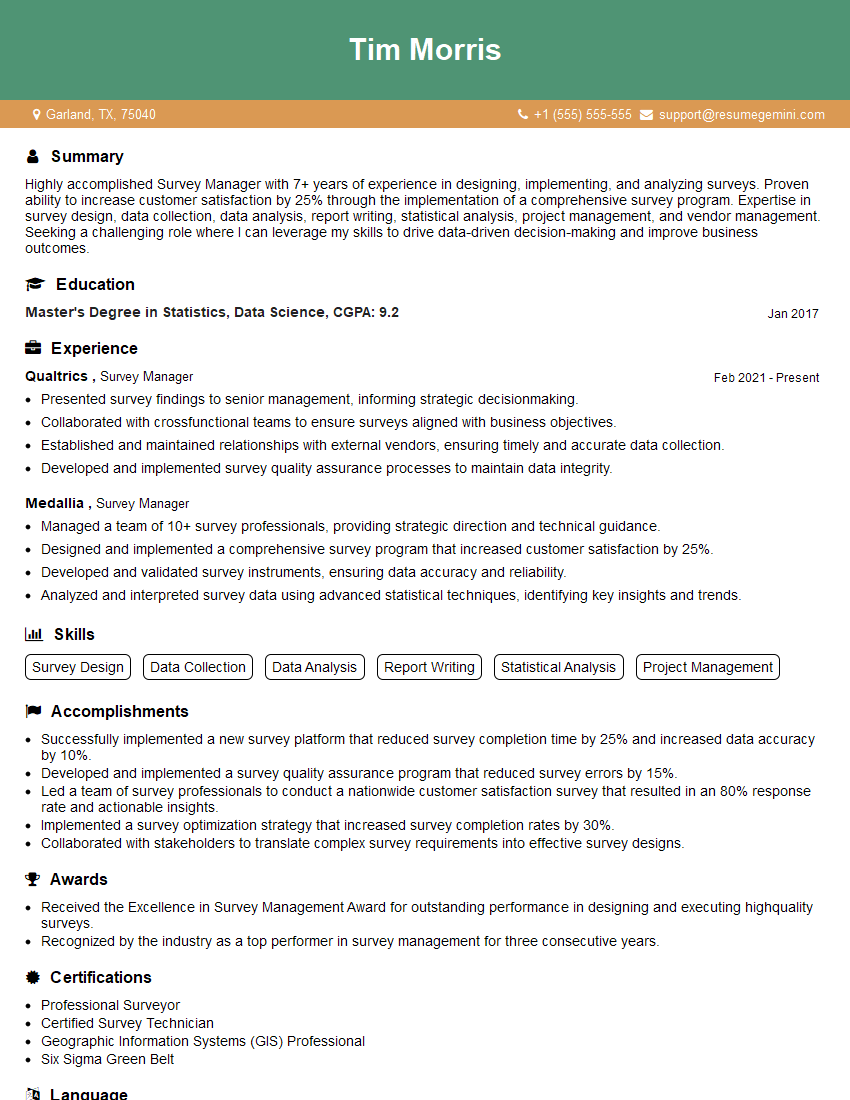
Survey Manager Resume Sample
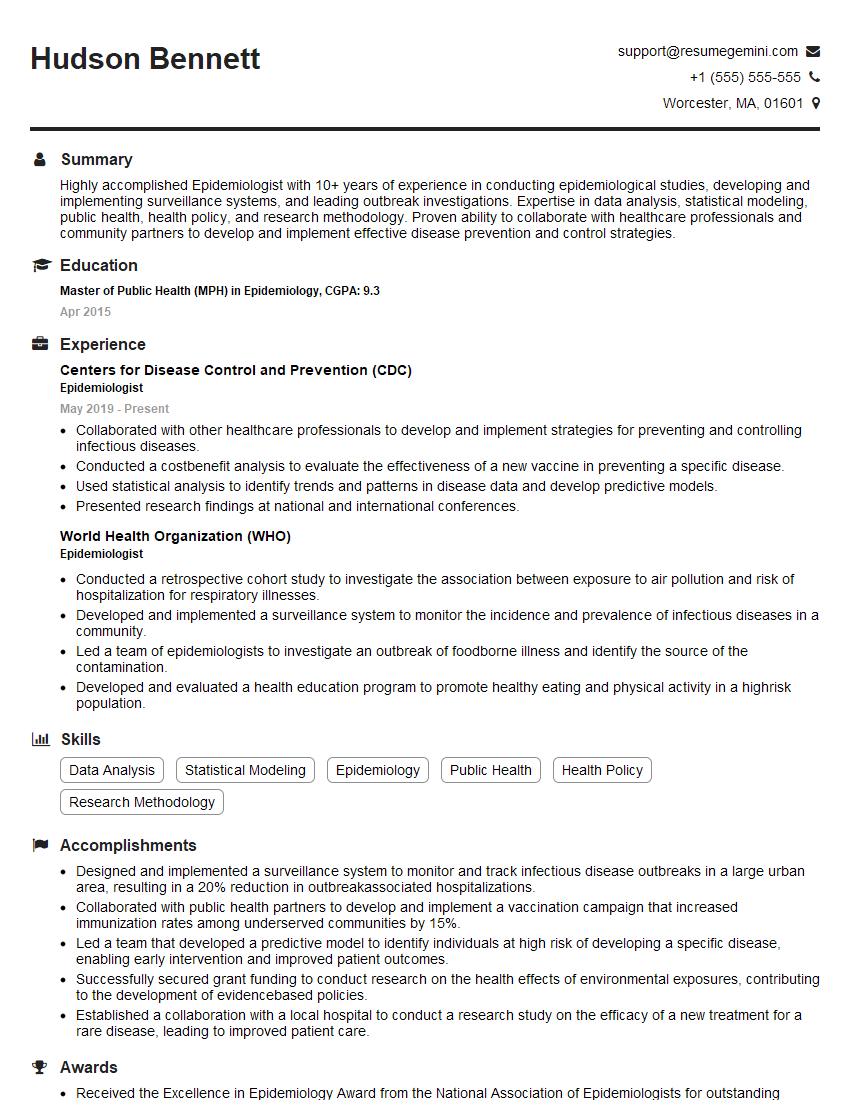
Epidemiologist Resume Sample
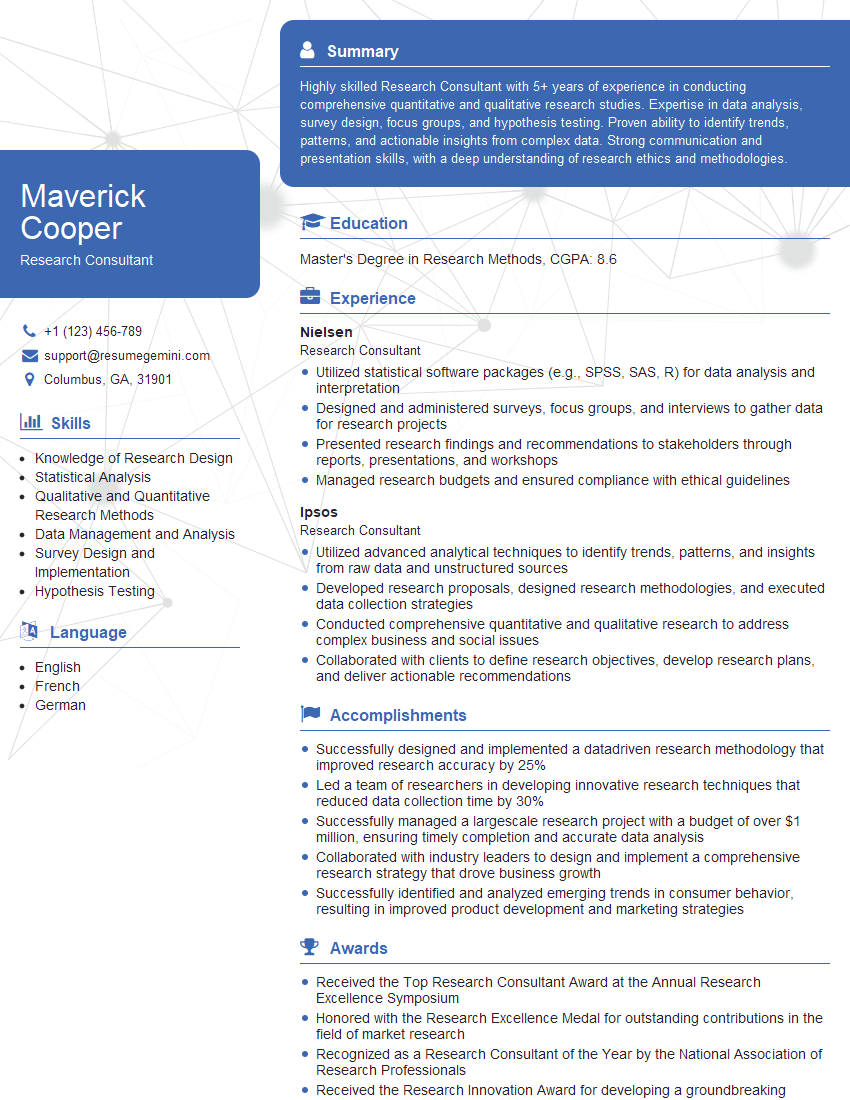
Research Consultant Resume Sample
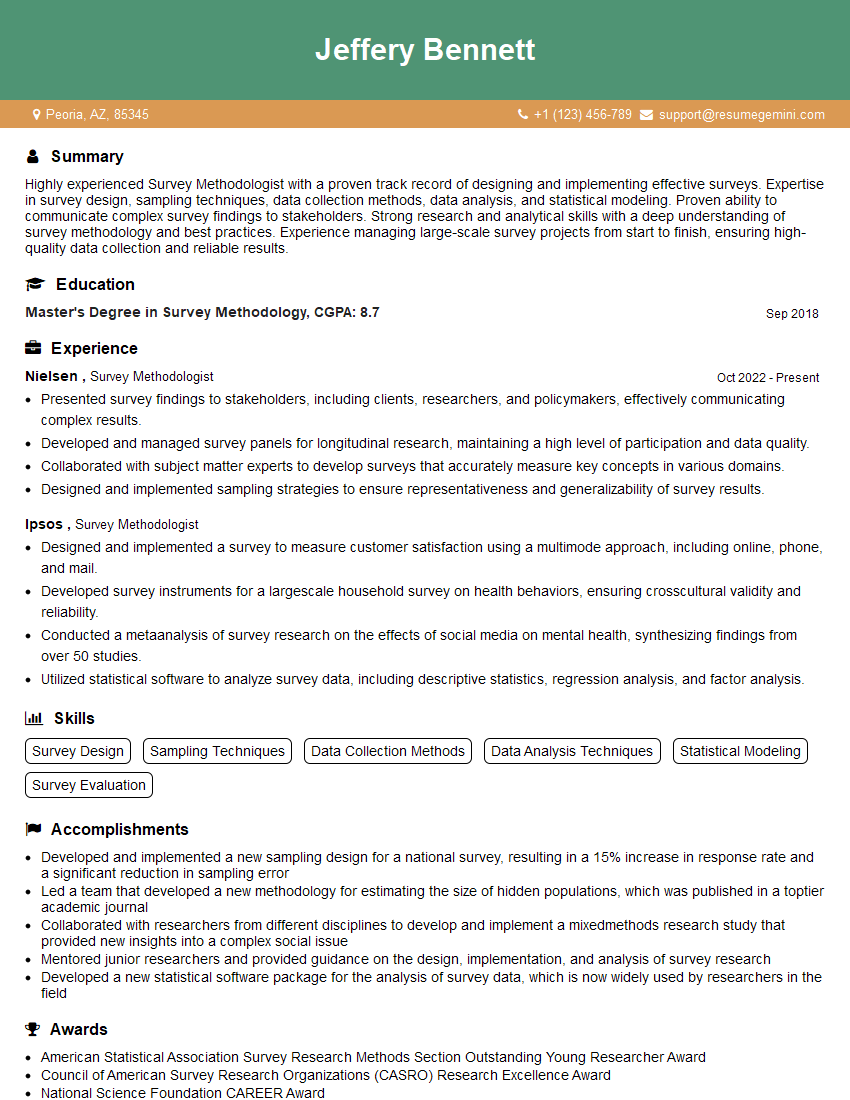
Survey Methodologist Resume Sample
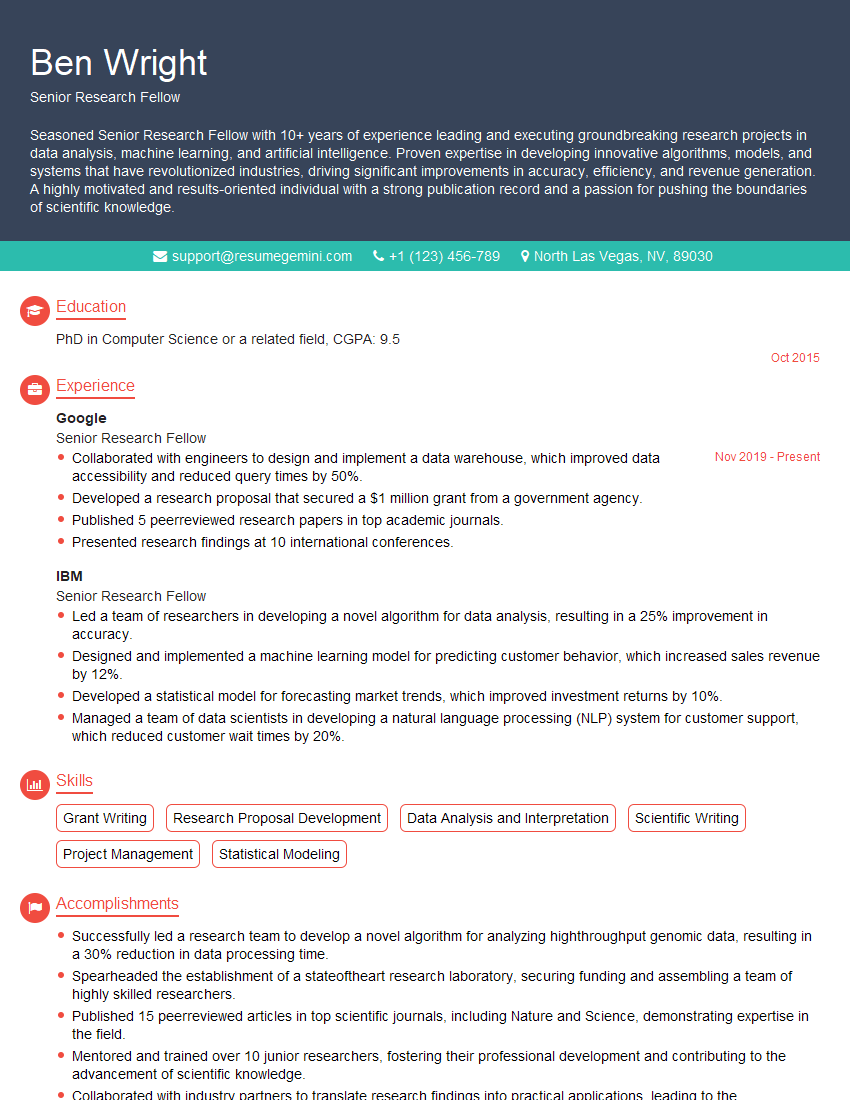
Senior Research Fellow Resume Sample

Behavioral Scientist Resume Sample
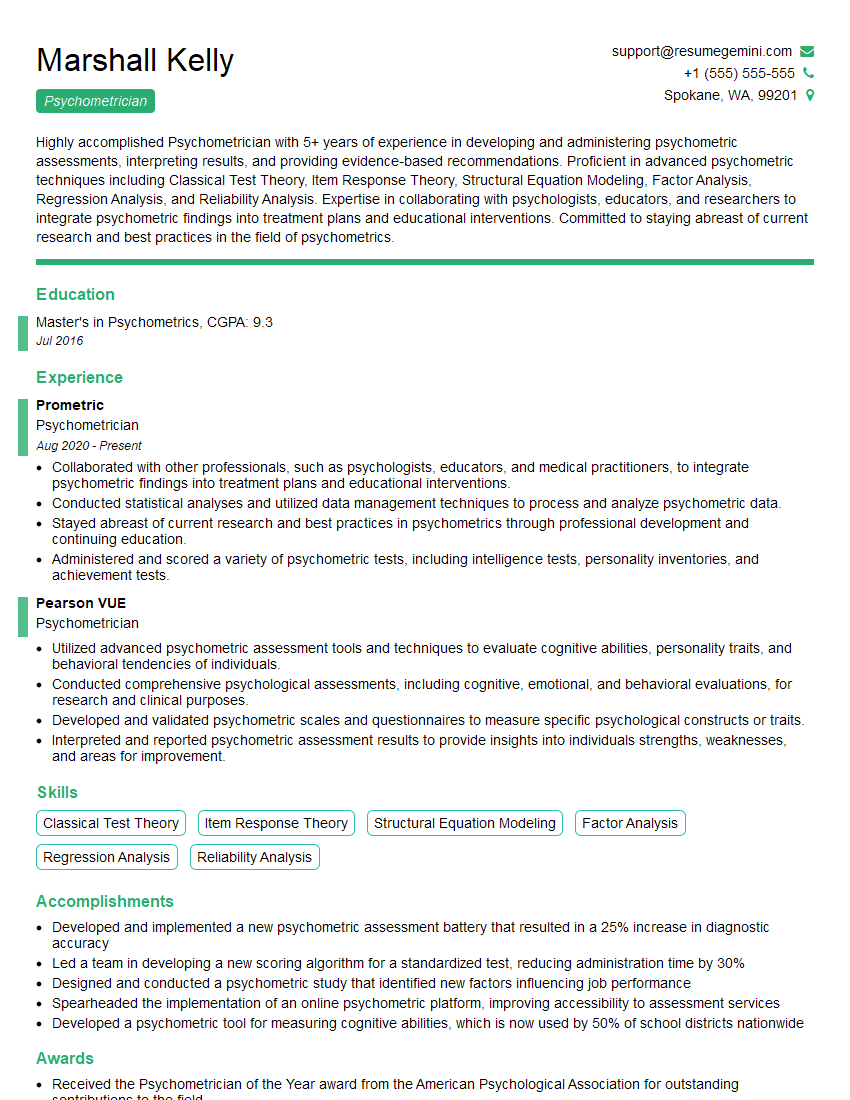
Psychometrician Resume Sample
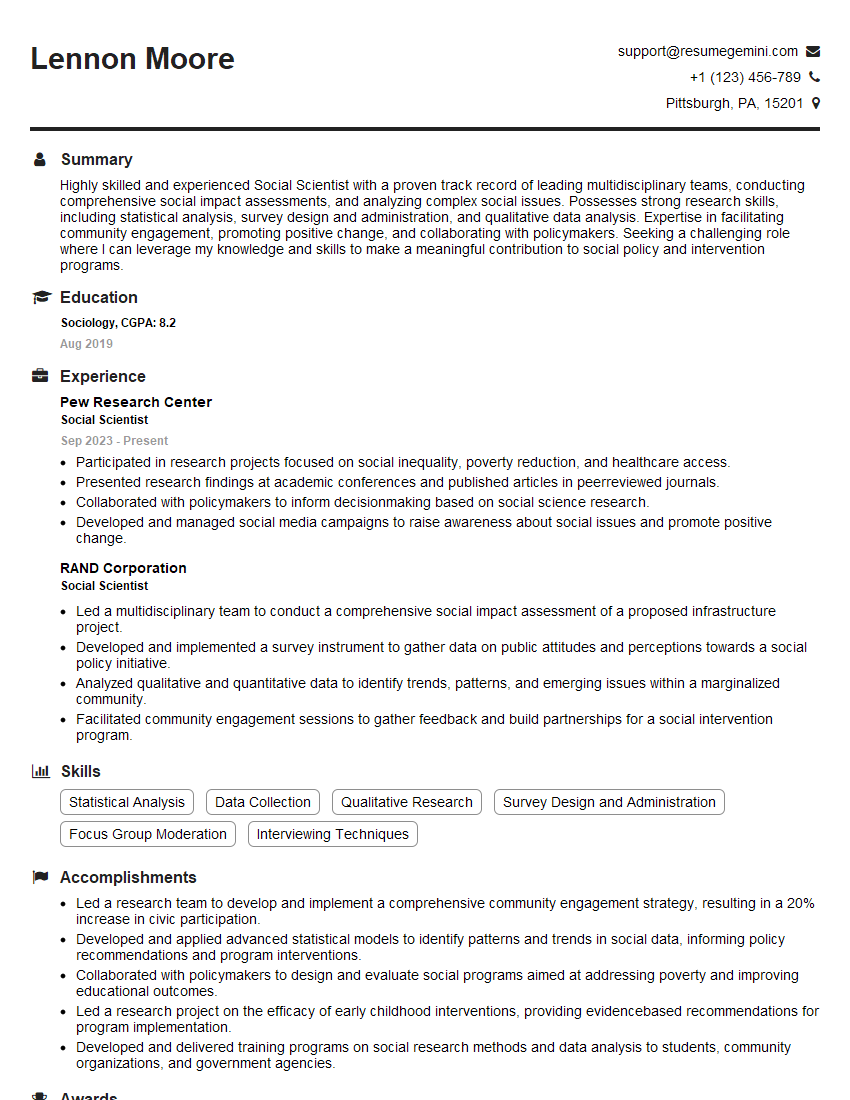
Social Scientist Resume Sample
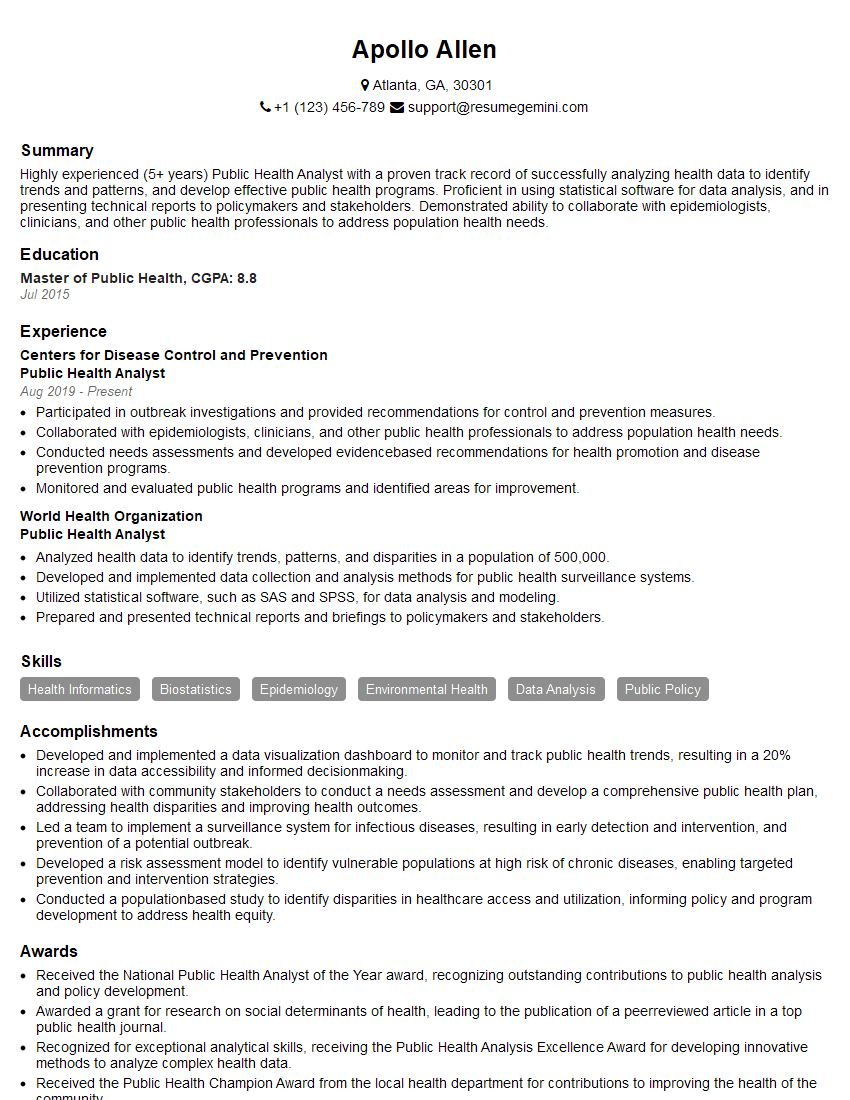
Public Health Analyst Resume Sample
- Research Director
- Program Evaluator
- Market Research Analyst
- Policy Analyst
- Data Analyst
- Quantitative Analyst
- Data Scientist
- Research Scientist
- Operations Research Analyst
- Statistician
- Biostatistician
- Clinical Research Associate
- Survey Manager
- Epidemiologist
- Research Consultant
- Survey Methodologist
- Senior Research Fellow
- Behavioral Scientist
- Psychometrician
- Social Scientist
- Public Health Analyst
Explore more articles
Users Rating of Our Blogs
Share Your Experience
We value your feedback! Please rate our content and share your thoughts (optional).
What Readers Say About Our Blog
Really detailed insights and content, thank you for writing this detailed article.
IT gave me an insight and words to use and be able to think of examples