The thought of an interview can be nerve-wracking, but the right preparation can make all the difference. Explore this comprehensive guide to Safety and Health Risk Assessments interview questions and gain the confidence you need to showcase your abilities and secure the role.
Questions Asked in Safety and Health Risk Assessments Interview
Q 1. Define the hierarchy of risk controls.
The Hierarchy of Risk Controls is a prioritized approach to managing workplace hazards, aiming to eliminate risks wherever possible. It prioritizes the most effective control measures, progressing from the most desirable to the least. Think of it as a ladder, with the safest options at the top.
- Elimination: The best option; removing the hazard entirely. Example: Replacing a hazardous chemical with a safer alternative.
- Substitution: Replacing a hazard with something less hazardous. Example: Using a less powerful, less dangerous machine.
- Engineering Controls: Modifying the workplace to reduce the risk. Example: Installing guarding on machinery, improving ventilation.
- Administrative Controls: Changing work practices or procedures. Example: Implementing safe work permits, providing training, reducing work hours.
- Personal Protective Equipment (PPE): The last resort, providing personal protection. Example: Wearing safety glasses, gloves, or a hard hat.
It’s crucial to remember that the hierarchy isn’t a rigid sequence; sometimes, a combination of controls is necessary. The goal is always to select the most effective and feasible controls to minimize risk.
Q 2. Explain the difference between hazard and risk.
While often used interchangeably, ‘hazard’ and ‘risk’ are distinct concepts. A hazard is something with the potential to cause harm. Think of it as the source of danger. A risk, on the other hand, is the likelihood and severity of harm occurring from that hazard. It’s the potential consequence.
Example: A sharp knife (hazard) poses a risk of cutting someone (risk). The risk is higher if the knife is being used by someone untrained (increased likelihood), and the risk is more severe if the person is using the knife to cut something hard and the cut is deep (increased severity).
Understanding the difference is vital for effective risk management. We need to identify hazards and then assess the associated risks to determine appropriate controls.
Q 3. Describe the process of conducting a risk assessment using a suitable methodology (e.g., ALARP).
A risk assessment using the ALARP (As Low As Reasonably Practicable) principle involves a systematic process to identify hazards, analyze risks, and implement control measures. ALARP doesn’t mean eliminating all risks; it means reducing them to a level where the cost and effort of further reduction become disproportionate to the benefit gained.
- Hazard Identification: Identify all potential hazards within the workplace through observation, checklists, job safety analysis, incident reports, etc.
- Risk Evaluation: Determine the likelihood (probability) and severity (consequences) of each hazard. This can involve using qualitative methods (e.g., assigning risk levels using a matrix), quantitative methods (e.g., calculating probabilities and severity scores), or a combination of both.
- Risk Control: Implement the hierarchy of controls to mitigate the identified risks. Start with elimination and substitution, followed by engineering, administrative, and finally PPE.
- Review and Monitoring: Regularly review and update the risk assessment to ensure its effectiveness. This includes monitoring the implemented controls and making adjustments as necessary. Any incidents or near misses should trigger a re-assessment.
Example using a risk matrix: A risk matrix plots likelihood (low, medium, high) against severity (low, medium, high). A high likelihood and high severity combination represents a high-risk situation requiring urgent attention and strong control measures. A low likelihood and low severity might require less immediate action.
Q 4. What are the key elements of a comprehensive safety policy?
A comprehensive safety policy provides a framework for managing health and safety in an organization. Key elements include:
- Statement of Intent: A clear commitment from senior management to provide and maintain a safe and healthy workplace.
- Responsibility and Accountability: Clearly defined roles and responsibilities for health and safety management at all levels.
- Risk Assessment and Control: A commitment to identifying, assessing, and controlling risks.
- Emergency Procedures: Clear procedures for dealing with emergencies, including accidents, fires, and evacuations.
- Training and Communication: Provision of appropriate training for all employees and effective communication of health and safety information.
- Consultation and Participation: Active consultation and participation with employees on health and safety matters.
- Monitoring and Review: Regular monitoring and review of the effectiveness of the safety policy and procedures.
- Compliance with Legislation: A commitment to complying with all relevant health and safety legislation.
A well-defined safety policy should be easily accessible to all employees and regularly reviewed and updated to reflect changes in the workplace or legislation.
Q 5. How do you identify hazards in a workplace?
Identifying hazards in a workplace is a proactive process that requires a multi-faceted approach. Methods include:
- Walkthrough Inspections: Physically inspecting the workplace to identify potential hazards.
- Checklists: Using pre-defined checklists tailored to specific work areas or tasks.
- Job Safety Analysis (JSA): Breaking down tasks into steps to identify potential hazards at each stage.
- Incident Investigation: Investigating accidents and near misses to identify root causes and prevent future occurrences.
- Employee Feedback: Encouraging employees to report hazards and near misses.
- Reviewing documentation: Examining existing documents such as safety data sheets (SDS) or maintenance records to identify potential hazards.
It’s essential to involve employees in the hazard identification process, as they often have valuable insights into the day-to-day risks of their jobs.
Q 6. Explain the importance of risk registers.
Risk registers are dynamic documents used to track identified risks, their associated likelihood and severity, planned control measures, and responsible parties. They are crucial for effective risk management because:
- Centralized Information: Provides a central repository for all identified risks, making it easy to monitor and manage them.
- Prioritization: Enables prioritization of risks based on their likelihood and severity.
- Progress Tracking: Allows tracking the progress of risk mitigation activities.
- Communication: Facilitates communication and collaboration among stakeholders involved in risk management.
- Continuous Improvement: Supports continuous improvement of risk management processes.
A well-maintained risk register ensures that risks are not overlooked and that appropriate control measures are implemented and monitored effectively. It’s a living document that should be regularly updated.
Q 7. How do you prioritize risks identified during a risk assessment?
Risk prioritization is essential to focus resources on the most critical risks. Several methods exist:
- Risk Matrix: Plotting likelihood against severity, assigning risk levels (low, medium, high) and prioritizing high-risk items first. The matrix allows for a visual representation to aid decision making.
- Risk Scoring: Assigning numerical scores to likelihood and severity, then multiplying them to obtain a risk score. Higher scores indicate higher priority risks.
- ALARP Principle: Prioritizing risks based on the feasibility and cost-effectiveness of mitigation measures, focusing on the risks that can be most reasonably reduced.
- Qualitative Assessment: Involving subject matter experts or teams to assess risks using subjective judgment, often used when data for quantitative assessments is scarce.
The chosen method depends on the context and available data. A combination of methods might be employed for a more comprehensive approach. Regardless of the method used, clear criteria should be established, and consistent application is essential for fair and effective prioritization.
Q 8. What are the legal requirements for risk assessments in your region/country?
Legal requirements for risk assessments vary by region and country, but generally stem from overarching legislation aimed at ensuring worker safety and health. For example, in many jurisdictions, legislation mandates employers to conduct thorough risk assessments for all work activities, identifying potential hazards and implementing control measures to minimize risk. These requirements often specify the types of hazards to be considered (physical, chemical, biological, ergonomic, psychosocial), the frequency of assessments (e.g., annually, or whenever significant changes occur), and the documentation needed to demonstrate compliance. Specific acts or regulations like the Occupational Safety and Health Act (OSH Act) in the US or equivalent legislation in other countries outline these obligations. Failure to comply can lead to hefty fines, legal action, and damage to an organization’s reputation.
The specifics of the legal framework—the required levels of detail in the assessments, the types of hazards that must be considered, and the record-keeping procedures—are crucial and must be carefully reviewed for each region or country. Consulting with legal professionals and regulatory bodies is often recommended to ensure full compliance.
Q 9. How do you communicate risk assessment findings to different stakeholders?
Communicating risk assessment findings effectively is crucial for ensuring that everyone understands the identified hazards and the control measures put in place. The communication strategy must be tailored to the audience.
- Management: Focus on the overall risks, potential financial implications (e.g., lost time, fines), and the effectiveness of implemented controls. Use concise reports with key metrics and recommendations.
- Workers: Use clear, concise language, avoiding technical jargon. Visual aids like diagrams and infographics can be very helpful. Workers should be involved in discussions about the findings and the implemented control measures. Active listening and addressing concerns is essential.
- Clients/External Stakeholders: A simplified version of the findings, focusing on the safety aspects relevant to them (e.g., emergency procedures, safety protocols), might be appropriate. A balance must be struck between transparency and confidentiality.
Effective communication utilizes various methods, including meetings, reports, training sessions, toolbox talks, posters, and electronic communication. Regular updates are needed, particularly after any significant incidents or changes in the workplace.
Q 10. Explain different risk assessment methodologies (e.g., qualitative, quantitative).
Risk assessment methodologies can be broadly categorized into qualitative and quantitative approaches. Both aim to identify and evaluate hazards, but they differ in how they express the level of risk.
- Qualitative Risk Assessment: This approach uses descriptive terms (e.g., low, medium, high) to rate the likelihood and severity of hazards. It’s simpler and faster than quantitative methods, making it suitable for situations where detailed data is unavailable or impractical to collect. A common technique is a risk matrix, plotting likelihood against severity to determine an overall risk level. For example:
Likelihood:  Low, Medium, High
Severity: Low, Medium, High
Risk Level: Low, Medium, High, Very High - Quantitative Risk Assessment: This involves assigning numerical values to the likelihood and severity of hazards. It requires more data and statistical analysis but provides a more precise measurement of risk. Techniques like fault tree analysis, event tree analysis, and bow-tie analysis are used to model potential scenarios and calculate probabilities and consequences. This method is better suited for complex systems or situations with higher risk tolerance thresholds.
Choosing the appropriate methodology depends on several factors including the complexity of the task, the availability of data, the resources available, and the acceptable level of uncertainty.
Q 11. How do you involve workers in the risk assessment process?
Worker involvement is crucial for effective risk assessments. Workers possess invaluable practical knowledge of the work environment and can identify hazards that might be overlooked by others. This fosters a collaborative safety culture, leading to more comprehensive and realistic assessments and a higher likelihood of successful control measure implementation.
Involving workers can be done through:
- Direct Participation: Workers can be part of the assessment team, actively identifying hazards and suggesting control measures.
- Consultations: Regular discussions with workers to solicit feedback on potential hazards and existing control measures.
- Surveys and Questionnaires: Gathering information anonymously through these means can encourage workers to share their concerns openly.
- Toolbox Talks: Discussing hazards and safety procedures in short, informal meetings.
Providing training to workers on hazard identification and risk assessment techniques further empowers them to play a more active role in workplace safety.
Q 12. What are your strategies for managing residual risks?
Even with the implementation of control measures, some residual risk will always remain. Managing residual risk involves implementing further controls or adjusting strategies to minimize the risk to an acceptable level. This usually involves a hierarchical approach:
- Elimination: The most effective way is to remove the hazard altogether. This is often the best solution but not always feasible.
- Substitution: Replacing the hazardous substance or process with a less hazardous alternative.
- Engineering Controls: Implementing physical changes to the workplace or equipment to minimize risk (e.g., guarding machinery, improved ventilation).
- Administrative Controls: Changes in work practices, procedures, or training (e.g., work rotation, job redesign, increased supervision).
- Personal Protective Equipment (PPE): The last line of defense, providing individual protection. PPE should only be used after other control measures have been implemented to minimize risk as far as reasonably practicable.
The acceptable level of residual risk should be determined based on the organization’s risk appetite and regulatory requirements. This level must be regularly reviewed and adjusted as needed.
Q 13. How do you validate and review the effectiveness of implemented control measures?
Validating and reviewing the effectiveness of control measures is an ongoing process, not a one-time event. This ensures the controls remain effective and that new hazards are identified promptly. This involves:
- Monitoring: Regularly checking the implemented controls to ensure they are working as intended. This may involve inspections, audits, or data analysis.
- Measurement: Collecting data to assess the effectiveness of the controls. This could include accident statistics, near-miss reports, worker feedback, and environmental monitoring data.
- Review and Update: Periodically reviewing the risk assessment and control measures, updating them if necessary based on the monitoring and measurement data. This should happen at least annually, or more frequently if significant changes occur in the workplace.
- Audits: Conducting regular audits to ensure compliance with regulations and the effectiveness of the safety management system.
By continuously monitoring and evaluating the controls, organizations can ensure that workplace risks are being managed effectively and that employees remain safe.
Q 14. Describe a time you conducted a risk assessment that identified a critical hazard. What actions did you take?
During a risk assessment for a construction site, I identified a critical hazard involving unprotected work at height. Workers were using ladders to access scaffolding without appropriate fall protection. The likelihood of a fall was high, and the severity—potentially fatal injuries—was extremely high. This constituted an unacceptable level of risk.
My immediate actions involved:
- Halting Work: I immediately stopped work at height until appropriate control measures were in place. This was a crucial step to prevent immediate accidents.
- Reporting: I immediately reported the hazard to site management and relevant regulatory authorities.
- Implementing Control Measures: We implemented a range of control measures, prioritizing engineering solutions first: ensuring proper scaffolding was in place and using appropriate fall protection systems (e.g., harnesses, safety nets). This included providing training to the workers on the correct usage of the equipment.
- Follow-up: I conducted regular follow-up inspections to ensure the control measures were being implemented effectively and to identify any additional hazards.
This experience highlighted the importance of proactive hazard identification and the need for immediate action when critical hazards are discovered. The focus was on eliminating the hazard as much as possible, using multiple layers of control measures, and ensuring workers were equipped with the proper safety knowledge and equipment.
Q 15. How familiar are you with relevant safety legislation and standards (mention specific standards relevant to the job description)?
I possess extensive familiarity with a wide range of safety legislation and standards. My knowledge encompasses both national and international regulations, and I regularly update my understanding to reflect changes in best practices. Specific standards relevant to many job descriptions include, but are not limited to:
- OSHA (Occupational Safety and Health Administration) standards: These are crucial in the US and cover a vast array of workplace hazards, from general industry standards (e.g., hazard communication, lockout/tagout) to specific regulations for construction, maritime, and agriculture. I’m familiar with relevant OSHA forms and record-keeping requirements.
- ISO 45001: This international standard provides a framework for occupational health and safety management systems. Understanding this standard is key to proactively managing risks and improving safety culture within an organization.
- Specific industry standards: Depending on the sector (e.g., manufacturing, healthcare, chemical processing), specialized standards exist. For example, in manufacturing, I’m knowledgeable about machinery safety standards (e.g., ANSI/ASSE B11 standards), and in healthcare, I understand infection control protocols and standards.
- National and regional regulations: I’m aware of the legislation pertinent to the geographical location of the workplace, ensuring compliance with all local and national safety regulations.
My understanding of these standards isn’t just theoretical; I’ve applied them practically in numerous risk assessments, audits, and training programs, ensuring compliance and the development of robust safety protocols.
Career Expert Tips:
- Ace those interviews! Prepare effectively by reviewing the Top 50 Most Common Interview Questions on ResumeGemini.
- Navigate your job search with confidence! Explore a wide range of Career Tips on ResumeGemini. Learn about common challenges and recommendations to overcome them.
- Craft the perfect resume! Master the Art of Resume Writing with ResumeGemini’s guide. Showcase your unique qualifications and achievements effectively.
- Don’t miss out on holiday savings! Build your dream resume with ResumeGemini’s ATS optimized templates.
Q 16. Explain the concept of ‘reasonably practicable’ in relation to risk control.
The concept of ‘reasonably practicable’ in risk control means taking measures to control risks so far as is reasonably possible. It’s not an absolute requirement to eliminate all risks, but rather a balance between the level of risk and the effort (cost, time, resources) required to control it. It’s a nuanced assessment that considers:
- The likelihood of harm: How probable is it that an incident will occur?
- The severity of harm: How serious would the consequences be if an incident did occur (minor injury, fatality)?
- The cost and feasibility of control measures: Are there practical and affordable ways to reduce the risk? This includes considering technological feasibility, available resources, and time constraints.
Imagine a small business with limited resources. While eliminating all risks would be ideal, it might not be reasonably practicable to install the most advanced safety equipment. Instead, they might prioritize control measures that address the highest-risk activities using readily available and affordable solutions, such as training and improved work procedures. This is a key aspect of determining what is reasonably practicable in a given situation.
Q 17. How do you handle disagreements about risk levels during a risk assessment?
Disagreements about risk levels are common and should be addressed constructively. My approach involves:
- Open communication: Facilitating a discussion where all parties can present their perspectives and supporting evidence is crucial. This often involves clarifying the basis of each person’s assessment.
- Data review: Examining the raw data used in the risk assessment—accident history, near misses, job observations, etc.—allows us to identify any inconsistencies or misunderstandings.
- Expert consultation: If necessary, I would consult with subject matter experts or specialists (e.g., ergonomists, industrial hygienists) to clarify ambiguities and provide an impartial opinion.
- Documented decision-making: Any disagreements and the resolution process should be meticulously recorded, including rationale and agreed-upon actions. This helps maintain transparency and accountability.
- Compromise and consensus: The goal is to reach a consensus on the risk level and appropriate control measures. This might involve prioritizing risks and focusing resources on those posing the greatest threat.
A collaborative approach fosters a safer work environment by promoting buy-in from all stakeholders, rather than imposing decisions unilaterally.
Q 18. What are the key elements of an effective emergency response plan?
A robust emergency response plan is crucial for mitigating the impact of unexpected events. Key elements include:
- Hazard identification and risk assessment: This identifies potential emergencies and evaluates their likelihood and severity.
- Emergency procedures: Detailed, step-by-step instructions for responding to specific emergencies (fire, chemical spill, medical emergency, etc.). These should be easily accessible to all employees.
- Communication protocols: Clear procedures for communication during an emergency, including alarm systems, evacuation routes, and contact information for emergency services and designated personnel.
- Emergency response team: Trained personnel responsible for coordinating the emergency response and implementing the plan. Roles and responsibilities should be clearly defined.
- Emergency equipment and supplies: Ensuring readily available and properly maintained emergency equipment (fire extinguishers, first-aid kits, etc.) is essential.
- Post-incident procedures: Steps to be taken after an emergency, such as assessing damages, investigating the cause, and implementing corrective actions to prevent recurrence.
- Training and drills: Regular training exercises and drills to ensure that employees are familiar with the emergency response plan and their roles.
Regular review and updates are essential to ensure the plan remains relevant and effective. The plan should be tailored to the specific hazards and circumstances of the workplace. For example, a hospital’s emergency response plan will differ greatly from that of a construction site.
Q 19. Describe your experience with different types of risk assessment software.
I have experience with several risk assessment software packages, both cloud-based and desktop applications. These include:
- [Software Name 1]: This software offers a comprehensive suite of features, including hazard identification tools, risk matrix calculations, and reporting capabilities. I’ve used it for large-scale risk assessments involving numerous hazards and stakeholders.
- [Software Name 2]: This user-friendly software is ideal for smaller organizations. It simplifies the risk assessment process and provides clear visualizations of potential hazards and risks.
- [Software Name 3]: This software specializes in ergonomic risk assessment, offering tools for analyzing workstation setups and identifying potential musculoskeletal disorders.
My proficiency extends beyond simple data entry; I understand how to configure software settings to align with specific industry standards and company policies. Choosing the right software depends on the project’s complexity, organizational needs, and budget constraints. I can readily adapt to new software packages as needed.
Q 20. How do you ensure the accuracy and reliability of risk assessment data?
Ensuring the accuracy and reliability of risk assessment data is paramount. My methods include:
- Using validated methodologies: Employing established risk assessment techniques (e.g., HAZOP, FMEA, bow-tie analysis) ensures consistency and reduces bias.
- Data triangulation: Collecting data from multiple sources (e.g., interviews, observations, incident reports) provides a more holistic view and helps to validate findings.
- Peer review: Having another qualified professional review the assessment helps identify errors and potential omissions.
- Data verification: Checking the accuracy and completeness of all data points is essential. This includes verifying the sources and ensuring the data is relevant and up-to-date.
- Transparent documentation: Maintaining a detailed audit trail of all data collection, analysis, and decision-making processes enhances transparency and accountability.
For example, in assessing the risk of slips and falls, relying solely on accident reports might underestimate the risk if many near misses go unreported. Therefore, I combine accident data with observations of workplace conditions (e.g., cleanliness, presence of spills) and employee feedback to gain a complete picture.
Q 21. How do you incorporate ergonomics into risk assessments?
Ergonomics is the science of designing workplaces and equipment to fit people. Incorporating ergonomics into risk assessments is vital for preventing musculoskeletal disorders (MSDs) and other work-related injuries. My approach involves:
- Identifying ergonomic hazards: This includes evaluating workstation design, manual handling tasks, repetitive movements, awkward postures, and environmental factors (e.g., lighting, temperature).
- Using ergonomic assessment tools: This could involve utilizing questionnaires, observation checklists, or specialized software to evaluate the ergonomic risk associated with specific tasks.
- Employing ergonomic principles: This involves applying principles of good posture, proper lifting techniques, and workstation adjustments to minimize risk.
- Recommending control measures: This might include workstation modifications, provision of ergonomic equipment (e.g., adjustable chairs, keyboards), or changes in work processes.
- Employee involvement: Involving workers in the assessment process ensures their needs and concerns are addressed, and the resulting recommendations are more readily accepted.
For instance, when assessing a warehouse, I would consider factors like the weight of items being lifted, the height of shelving, and the frequency of lifting. Based on these factors, I can recommend strategies like using mechanical lifting devices, providing appropriate training, and adjusting work procedures to reduce the risk of back injuries.
Q 22. Explain the importance of monitoring and reviewing risk assessments.
Monitoring and reviewing risk assessments aren’t just one-time activities; they’re crucial for ensuring ongoing safety. Think of a risk assessment as a living document, not a static report. The workplace changes – new equipment, new processes, new personnel – and so do the risks. Regular monitoring identifies emerging hazards and verifies that implemented control measures remain effective.
Importance:
- Identifying changes: Regular checks reveal changes in the workplace that could impact existing risks (e.g., new machinery, changes in work practices, near misses).
- Effectiveness of controls: Monitoring verifies that the control measures put in place are actually working as intended. Are they adequately mitigating the risks? Are they being followed consistently?
- Legal compliance: Many jurisdictions require regular reviews of risk assessments to demonstrate compliance with health and safety legislation.
- Proactive risk management: Early identification of issues prevents accidents and incidents, saving lives and reducing costs.
Methods: Reviews can involve regular site inspections, audits, incident investigations, and feedback from workers. Frequency depends on the level of risk – high-risk areas need more frequent reviews.
Example: A manufacturing plant that conducts monthly safety inspections finds a new welding process introduces sparks near flammable materials. This leads to an immediate reassessment of that specific risk and implementation of additional fire prevention measures.
Q 23. What is your experience with conducting site inspections and audits?
I have extensive experience conducting site inspections and audits across diverse industries, including manufacturing, construction, and healthcare. My approach is systematic and thorough, focusing on both compliance with regulations and identifying practical improvements. I utilize checklists tailored to the specific environment and industry standards, but I also rely heavily on observation and interaction with workers to uncover hidden hazards or unsafe practices.
My process typically involves:
- Planning: Defining the scope, objectives, and methodology of the inspection or audit, including relevant legal requirements and industry best practices.
- Data collection: Using a combination of checklists, observations, interviews with employees, and review of relevant documentation.
- Analysis: Identifying hazards, assessing risks, and evaluating the effectiveness of control measures.
- Reporting: Producing a comprehensive report detailing findings, recommendations for corrective actions, and prioritized improvements.
- Follow-up: Verifying that corrective actions are implemented and effective.
For instance, during a construction site audit, I identified a lack of proper fall protection near an open excavation. This resulted in immediate corrective action, including the implementation of guardrails and worker training.
Q 24. How do you maintain records for risk assessments and associated control measures?
Maintaining accurate and accessible records is critical for demonstrating due diligence and facilitating future risk management. I utilize a combination of digital and physical record-keeping systems, ensuring version control and easy retrieval of information.
My system typically includes:
- Centralized database: A digital system (e.g., a dedicated software or spreadsheet) stores all risk assessments, including details of the hazard, the risk level, control measures implemented, the responsible person, and the review date.
- Version control: Each revision of a risk assessment is clearly labeled and archived, providing a historical record of changes and justifications.
- Physical copies: Printed copies are kept in accessible locations on site, ensuring availability even in case of digital system failure.
- Regular backups: Regular backups of digital records safeguard against data loss.
- Secure access: Access to risk assessment data is controlled to ensure confidentiality and protect sensitive information.
Example: In a previous role, we used a specialized safety management software to store and manage all risk assessment documentation. This enabled easy searching, reporting, and version control, improving efficiency and transparency.
Q 25. Describe a situation where you had to justify a decision related to risk management.
In a previous role, a new piece of machinery was introduced that initially lacked the recommended safety guards. The manufacturer claimed they weren’t necessary, reducing production costs. However, a thorough risk assessment revealed a significant risk of injury from moving parts. I had to justify the cost of adding the safety guards, arguing that the potential cost of an accident (lost time, medical expenses, legal fees) far outweighed the initial investment. I presented a comprehensive cost-benefit analysis, including probability estimates based on similar machinery incidents in other facilities. This data convinced management to approve the purchase and installation of the safety guards, prioritizing worker safety over immediate cost savings.
Q 26. How do you ensure that risk assessments are easily understood and accessible by all workers?
Ensuring accessibility is paramount. Risk assessments shouldn’t be complex documents understood only by safety professionals. They need to be clear, concise, and easily understood by all workers, regardless of their literacy level or native language.
Methods I use:
- Plain language: Avoiding jargon and technical terms, using simple and direct language.
- Visual aids: Incorporating pictures, diagrams, and flowcharts to illustrate hazards and control measures.
- Multiple formats: Providing risk assessments in different formats (e.g., printed copies, digital versions, translated versions).
- Training and communication: Conducting training sessions to explain the risk assessments and answer any questions.
- Feedback mechanisms: Establishing a system for workers to provide feedback and raise concerns.
Example: In one project, we created a pictorial risk assessment for workers with limited literacy skills, using symbols and clear images to communicate potential hazards and safety procedures. This enhanced understanding and engagement among all staff.
Q 27. What are some common pitfalls to avoid when conducting a risk assessment?
Several common pitfalls can undermine the effectiveness of a risk assessment. Avoiding these is crucial for creating a truly protective system.
Common pitfalls to avoid:
- Insufficient worker involvement: Failure to involve workers in the assessment process limits the identification of hazards and acceptance of control measures.
- Ignoring human factors: Overlooking human error as a contributing factor to accidents, such as fatigue or lack of training.
- Generic assessments: Copying and pasting assessments without considering specific workplace conditions or tasks.
- Incomplete identification of hazards: Failing to identify all potential hazards, leading to gaps in control measures.
- Unrealistic control measures: Implementing control measures that are impractical, ineffective, or too expensive.
- Lack of review and updating: Failing to regularly review and update risk assessments to reflect changes in the workplace.
By being mindful of these common issues and utilizing a systematic and participatory approach, organizations can significantly enhance the quality and effectiveness of their risk assessments.
Key Topics to Learn for Safety and Health Risk Assessments Interview
- Hazard Identification and Risk Assessment Methodologies: Understand various methods like HAZOP, What-If analysis, fault tree analysis, and their practical application in different workplace settings. Consider the advantages and limitations of each approach.
- Legal and Regulatory Compliance: Familiarize yourself with relevant legislation and standards (e.g., OSHA, ISO 45001) and how they influence risk assessment practices. Be prepared to discuss how these regulations are implemented in real-world scenarios.
- Risk Control Hierarchy: Master the hierarchy of controls (elimination, substitution, engineering controls, administrative controls, PPE) and be able to justify the selection of appropriate controls based on risk levels and feasibility.
- Risk Evaluation and Prioritization: Learn how to quantitatively and qualitatively assess risks, prioritize hazards based on likelihood and severity, and communicate these findings effectively to stakeholders.
- Documentation and Reporting: Understand the importance of accurate and comprehensive documentation of risk assessments, including findings, control measures, and review schedules. Be prepared to discuss best practices for reporting and communicating risk information.
- Communication and Consultation: Discuss effective strategies for communicating risk assessment findings to workers and management, fostering a collaborative safety culture, and incorporating worker input into the risk assessment process.
- Case Studies and Practical Applications: Prepare examples from your experience (or hypothetical scenarios) demonstrating your ability to conduct a complete risk assessment, from hazard identification to implementation of control measures.
- Monitoring and Review: Explain the importance of regularly reviewing and updating risk assessments to reflect changes in the workplace and ensure ongoing effectiveness of control measures.
Next Steps
Mastering Safety and Health Risk Assessments is crucial for career advancement in any safety-conscious organization. Demonstrating a comprehensive understanding of these principles will significantly improve your interview performance and job prospects. To enhance your chances of landing your dream role, focus on creating an ATS-friendly resume that highlights your skills and experience effectively. ResumeGemini is a trusted resource that can help you build a professional and impactful resume, tailored to the specific requirements of Safety and Health Risk Assessment positions. Examples of resumes specifically designed for this field are available to help guide you.
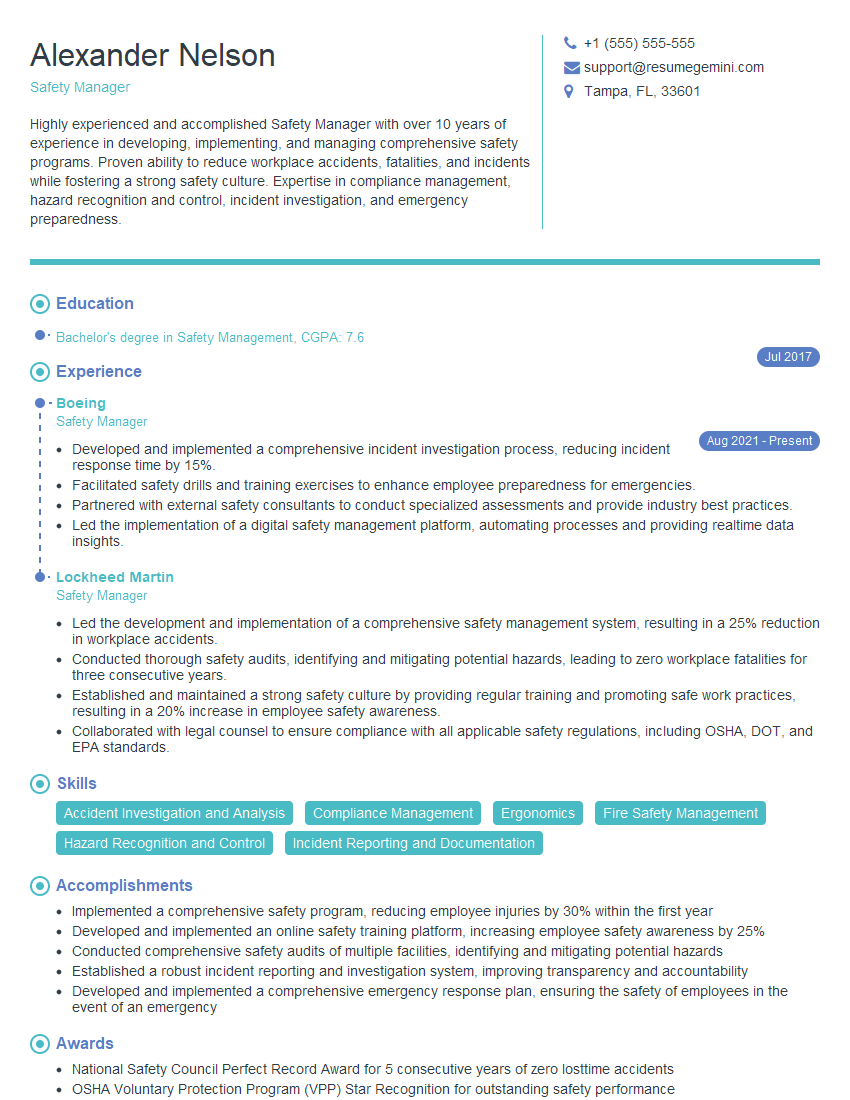
Safety Manager Resume Sample
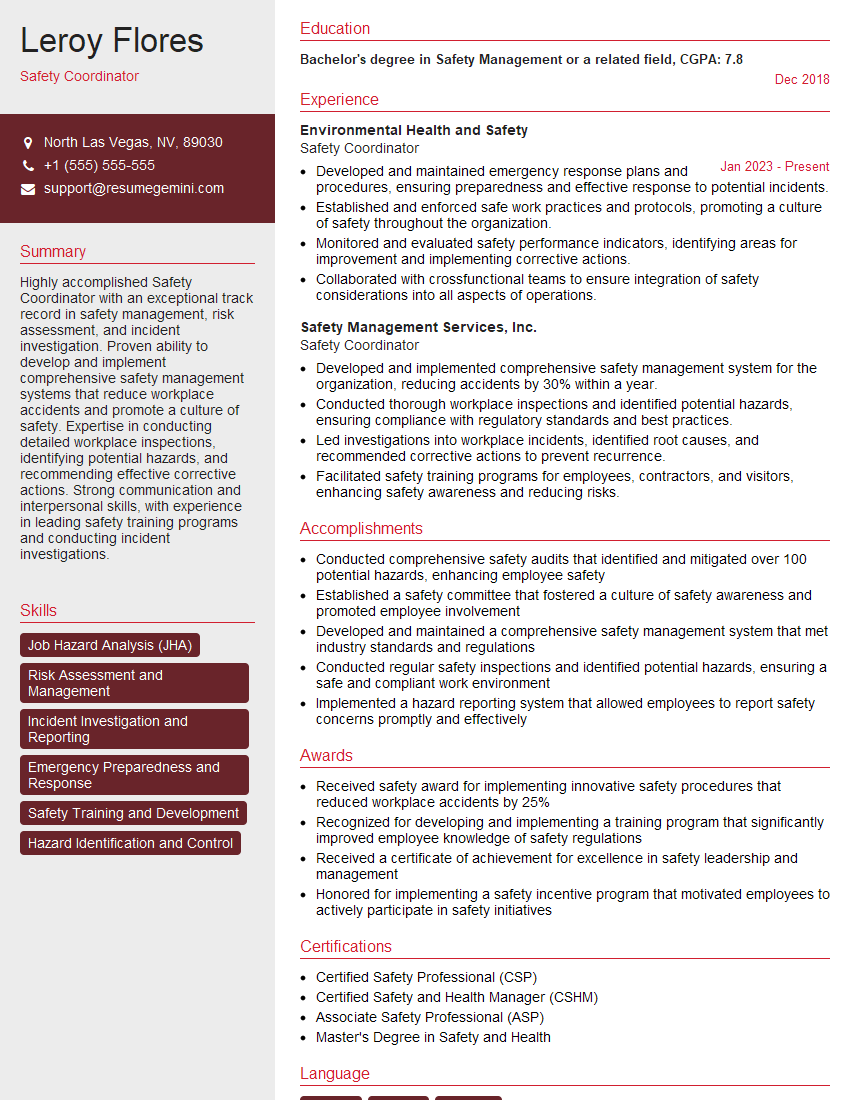
Safety Coordinator Resume Sample
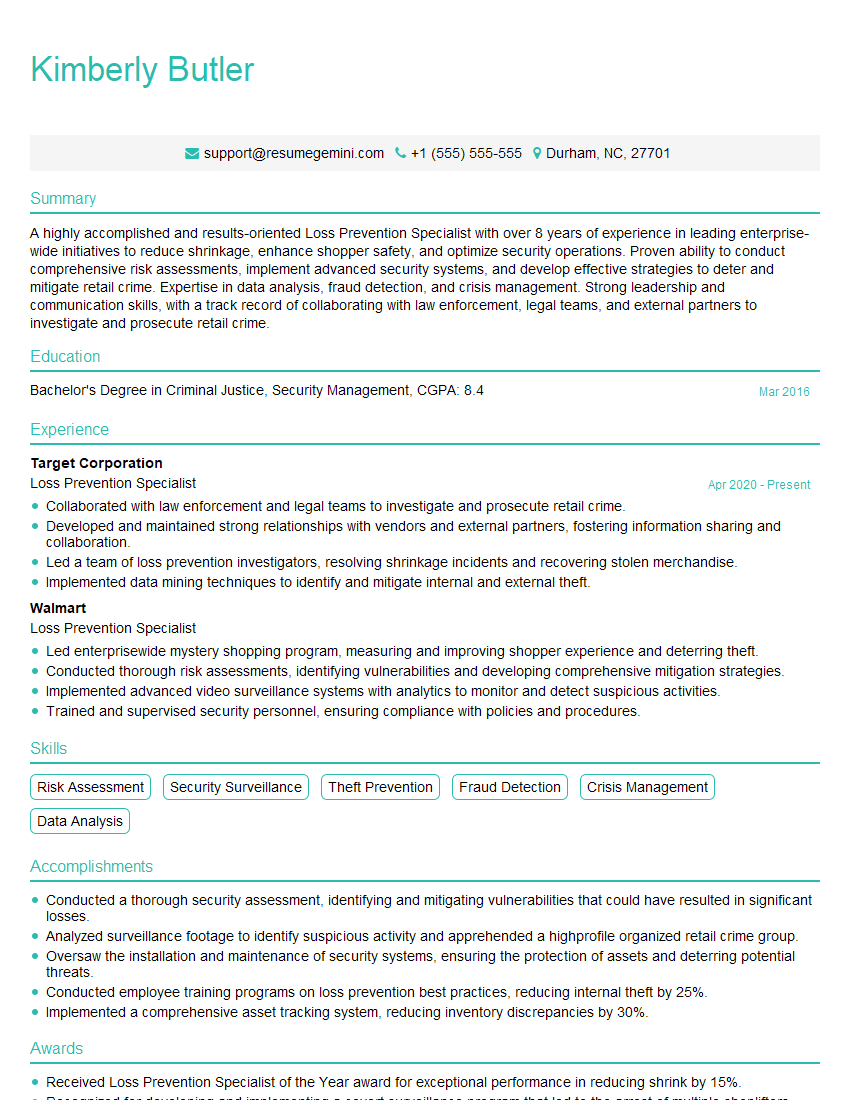
Loss Prevention Specialist Resume Sample
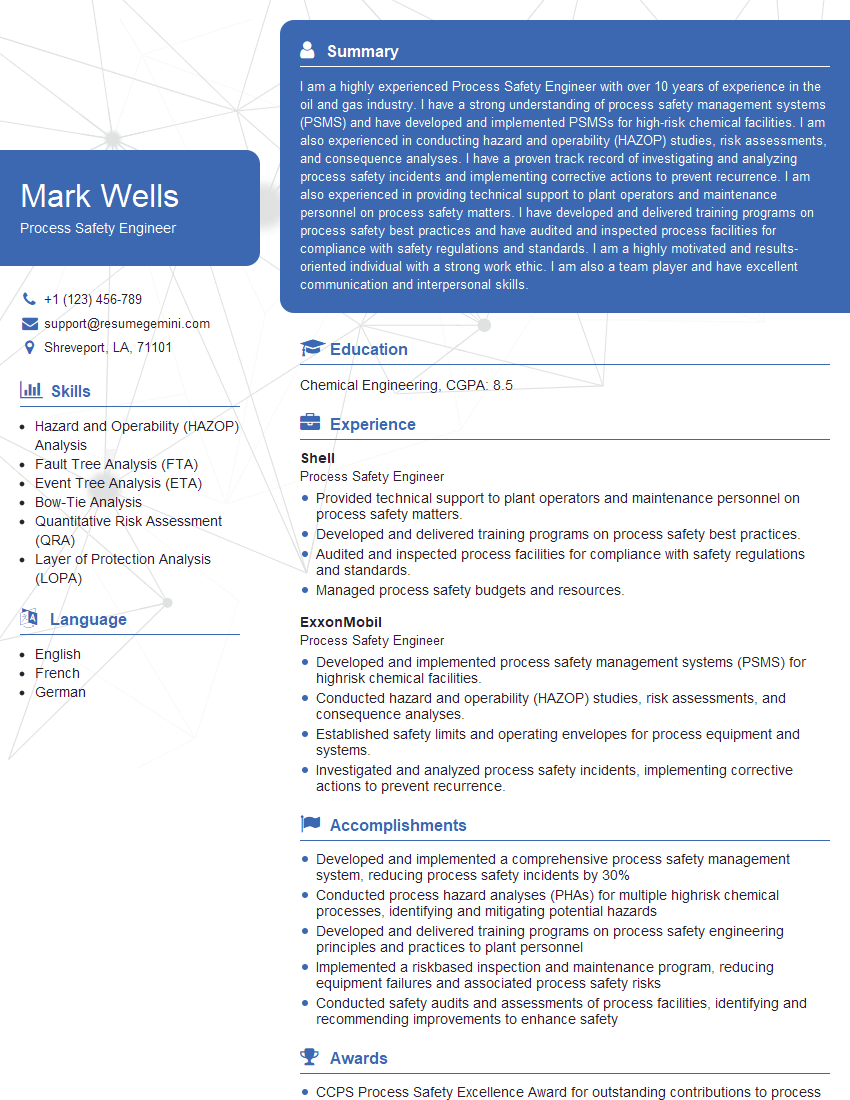
Process Safety Engineer Resume Sample
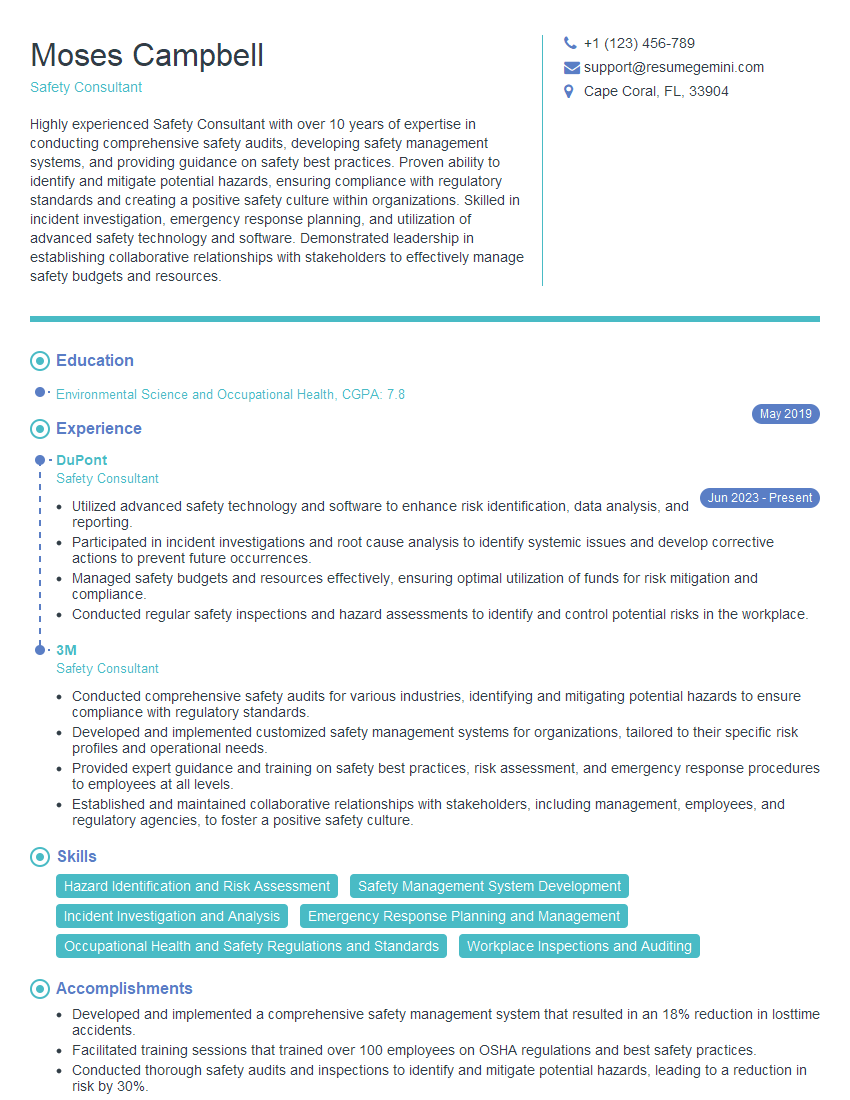
Safety Consultant Resume Sample
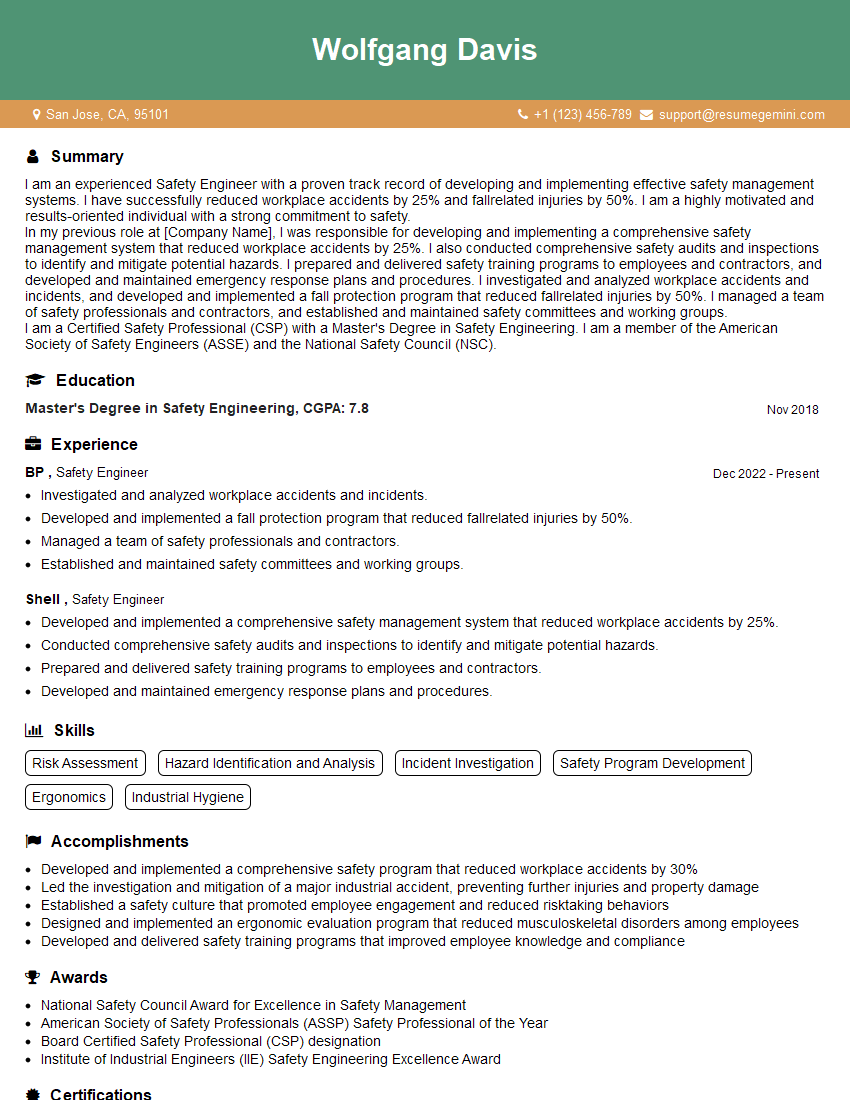
Safety Engineer Resume Sample
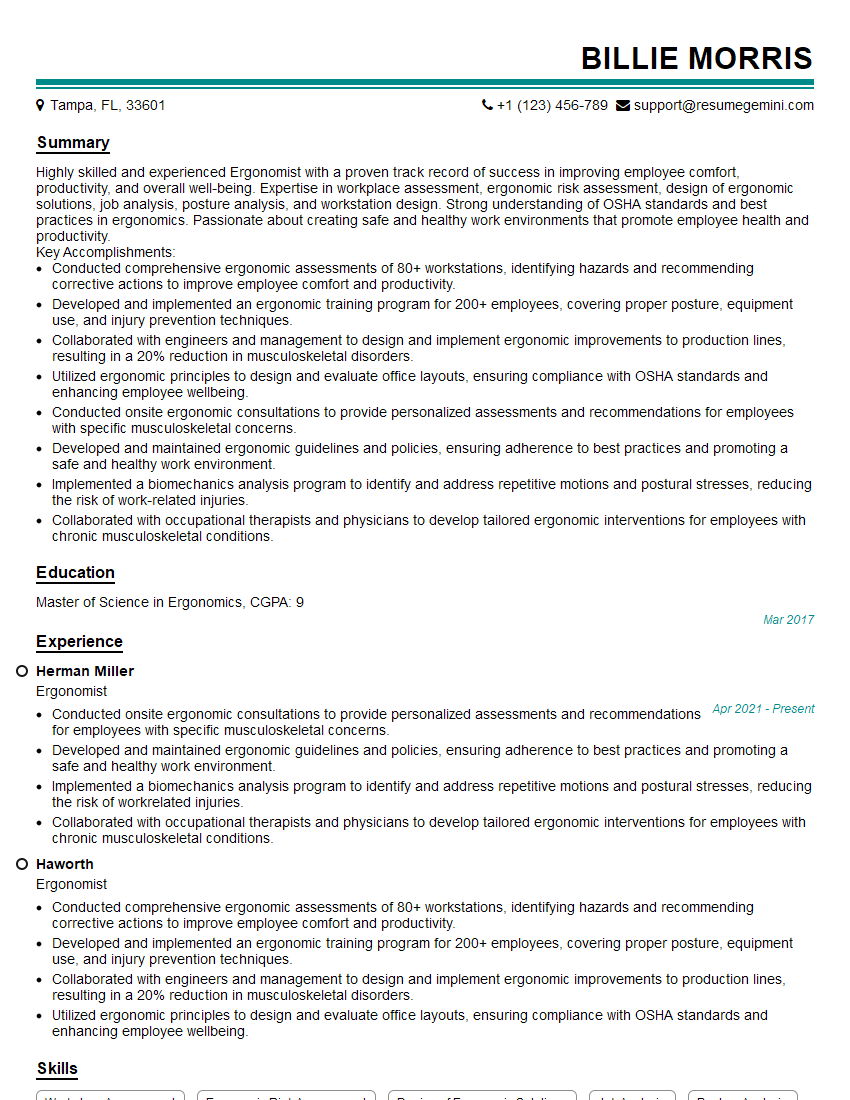
Ergonomist Resume Sample
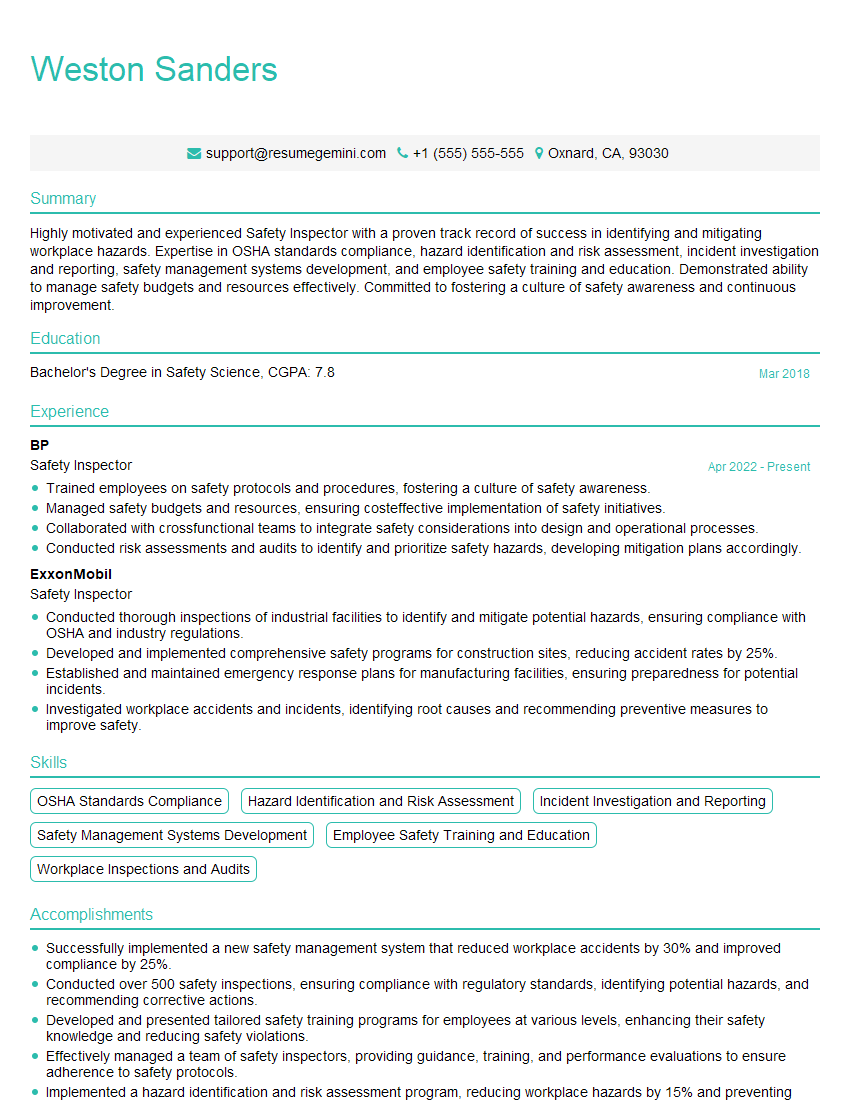
Safety Inspector Resume Sample
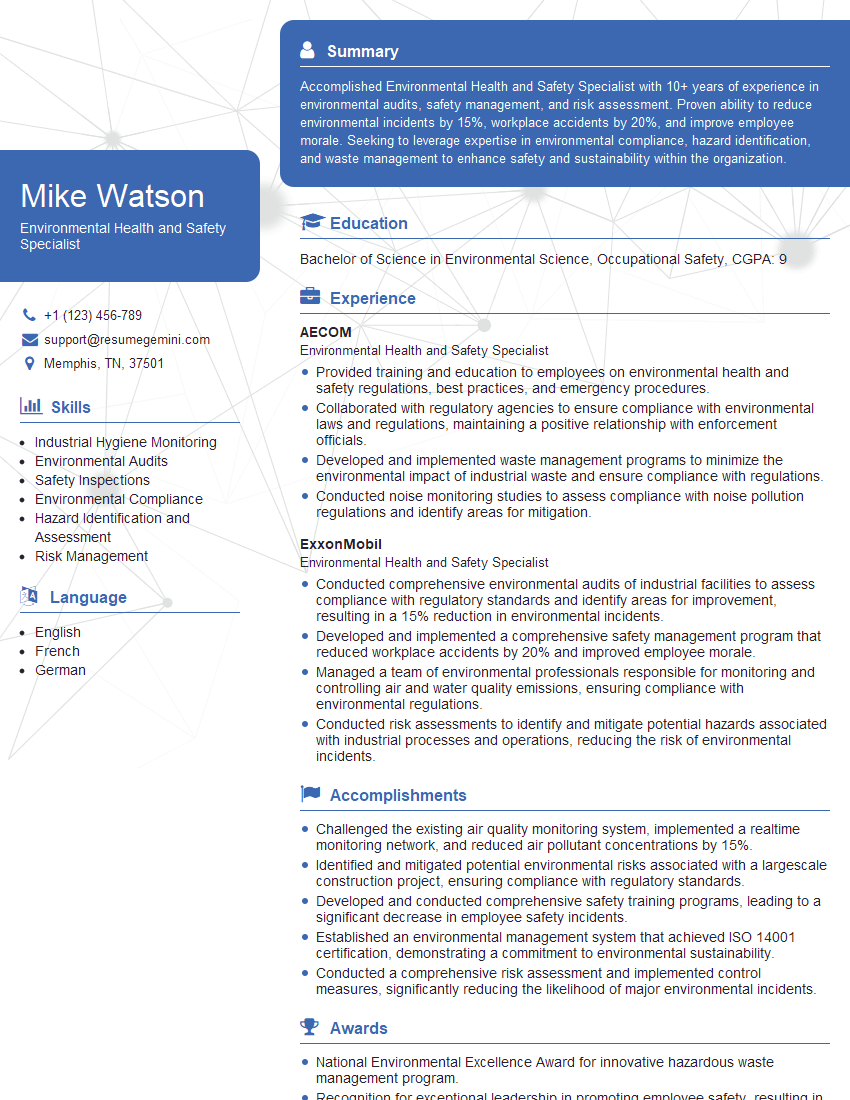
Environmental Health and Safety Specialist Resume Sample
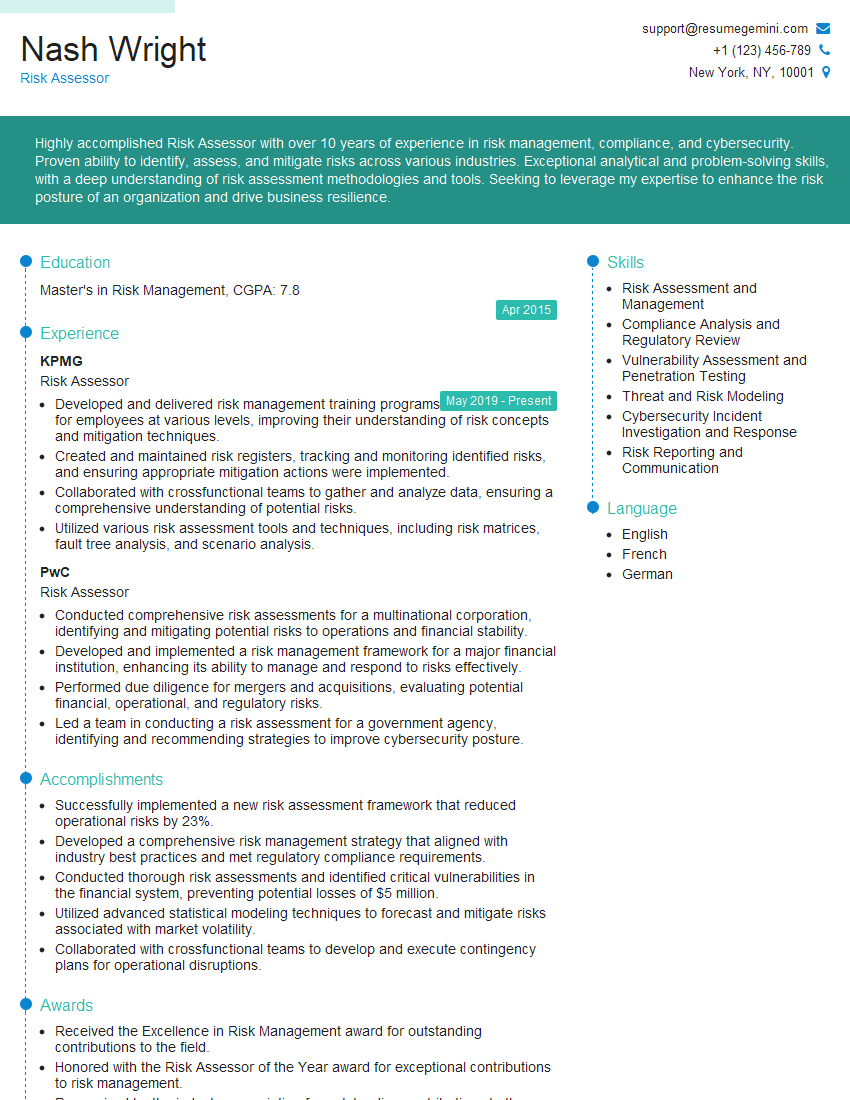
Risk Assessor Resume Sample
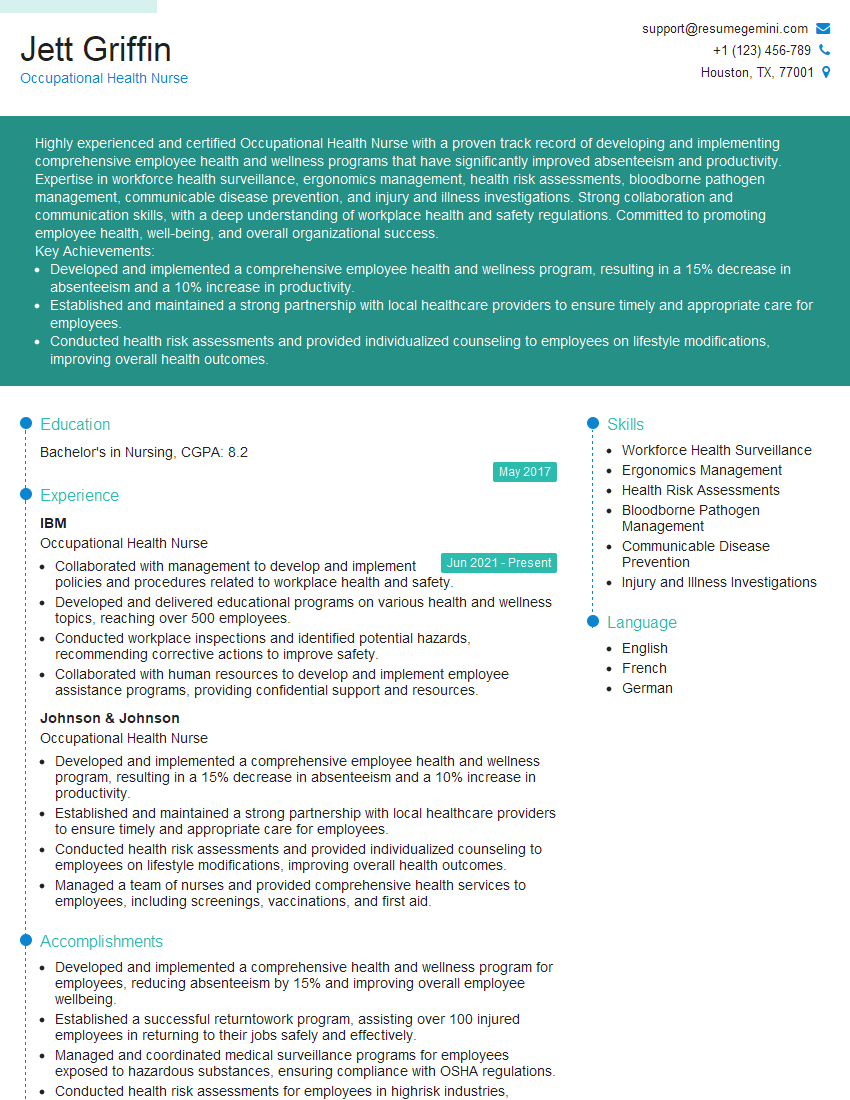
Occupational Health Nurse Resume Sample
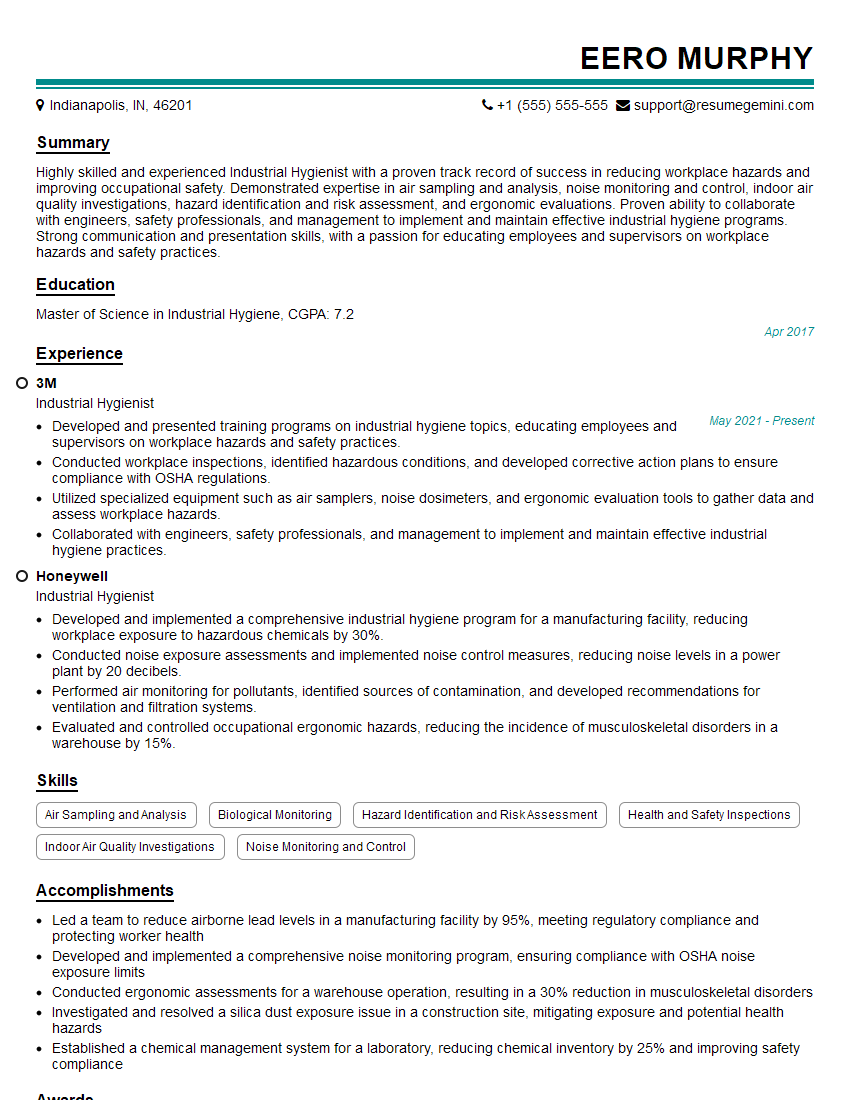
Industrial Hygienist Resume Sample
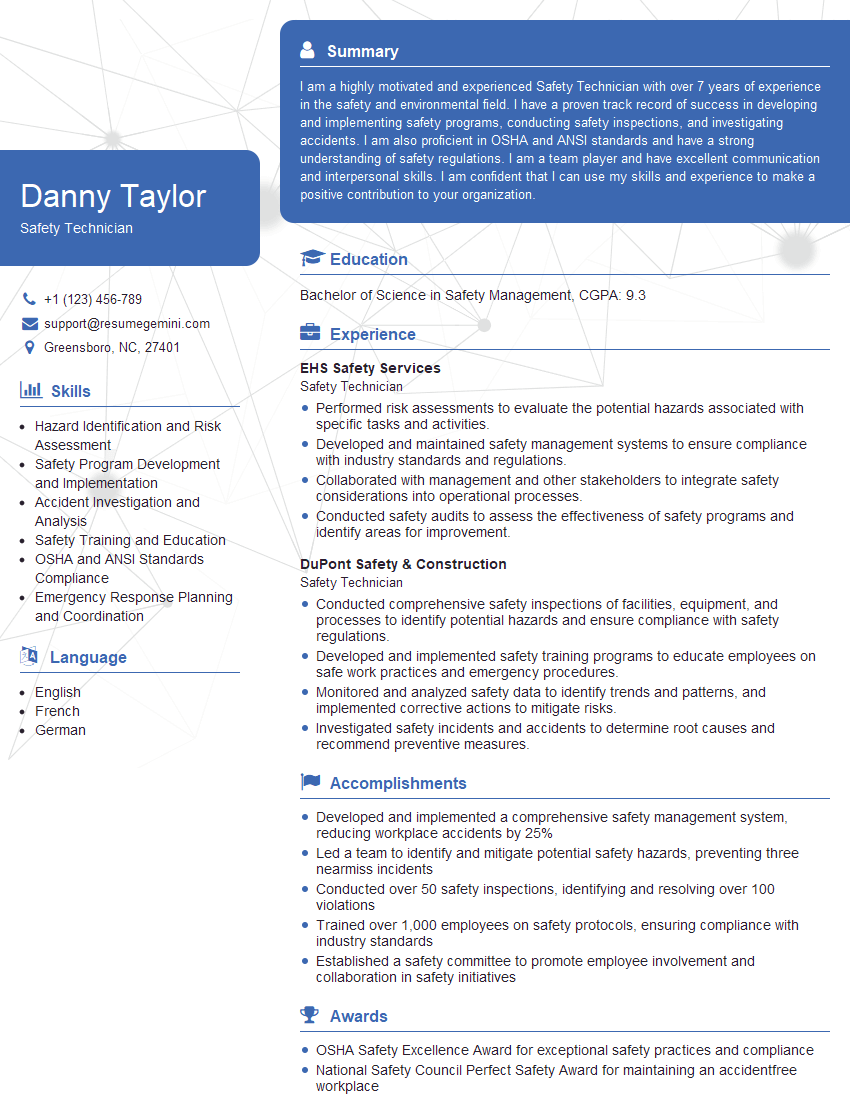
Safety Technician Resume Sample
Explore more articles
Users Rating of Our Blogs
Share Your Experience
We value your feedback! Please rate our content and share your thoughts (optional).
What Readers Say About Our Blog
Really detailed insights and content, thank you for writing this detailed article.
IT gave me an insight and words to use and be able to think of examples