Every successful interview starts with knowing what to expect. In this blog, we’ll take you through the top Experience in Building Maintenance and Upkeep interview questions, breaking them down with expert tips to help you deliver impactful answers. Step into your next interview fully prepared and ready to succeed.
Questions Asked in Experience in Building Maintenance and Upkeep Interview
Q 1. Describe your experience with preventative maintenance programs.
Preventative maintenance programs are the backbone of any successful building maintenance strategy. They focus on proactively identifying and addressing potential issues before they escalate into costly repairs or disruptions. Think of it like regular car maintenance – changing the oil and checking tire pressure prevents major engine problems down the line.
My experience includes developing and implementing comprehensive preventative maintenance schedules for various building types, including commercial office spaces, multi-family residential buildings, and industrial facilities. This involved analyzing building systems (HVAC, plumbing, electrical, elevators, etc.), identifying potential failure points, and creating a detailed schedule specifying the frequency and type of maintenance required for each system component. For example, I developed a schedule for a large office building that included monthly air filter changes, quarterly HVAC inspections, and annual boiler maintenance, all tracked using a computerized maintenance management system (CMMS).
These programs significantly reduced emergency repairs and extended the lifespan of building equipment. I’ve also incorporated predictive maintenance techniques, using data analysis to anticipate potential problems based on equipment performance trends. This allowed for more efficient scheduling and resource allocation, resulting in cost savings and improved building uptime.
Q 2. How do you prioritize maintenance tasks in a high-volume environment?
Prioritizing maintenance tasks in a high-volume environment requires a systematic approach. I utilize a combination of techniques, including:
- Urgency/Impact Matrix: This involves categorizing tasks based on their urgency (immediate, short-term, long-term) and their impact on building operations and occupant safety. High-urgency, high-impact tasks (e.g., a major plumbing leak) take precedence.
- CMMS Software: Using a CMMS allows for efficient tracking of work orders, scheduling, and prioritization based on pre-defined criteria. Work orders are automatically routed to the appropriate personnel, and progress can be monitored in real-time.
- Preventative Maintenance Schedules: Tasks scheduled as part of the preventative maintenance plan are prioritized to prevent larger issues down the line. This ensures that critical systems remain operational.
- Risk Assessment: Regularly assessing potential risks to the building and its occupants, allows for proactive measures and appropriate prioritization of tasks to mitigate those risks.
For instance, in a large apartment complex, a burst pipe (high urgency, high impact) would override a scheduled painting project (low urgency, low impact). The CMMS would then automatically adjust the schedule, notifying the team of the change and ensuring all relevant parties are informed.
Q 3. Explain your troubleshooting process for a malfunctioning HVAC system.
Troubleshooting a malfunctioning HVAC system requires a systematic and methodical approach. My process typically involves:
- Safety First: Always ensure the system is de-energized before beginning any troubleshooting. Proper lockout/tagout procedures are essential.
- Gather Information: Start by gathering information about the problem. What exactly is malfunctioning? When did it start? Are there any error codes displayed on the system’s control panel? Talking to building occupants to understand their experience is crucial.
- Visual Inspection: Conduct a thorough visual inspection of the entire system, checking for obvious problems such as loose connections, damaged components, or leaks.
- Check Controls: Verify that the system’s controls (thermostats, sensors, etc.) are functioning correctly.
- Test Components: Systematically test individual components (blower motor, compressor, condenser coils, etc.) to isolate the faulty part.
- Consult Documentation: Refer to the system’s technical manuals and schematics to diagnose more complex problems.
- Use Diagnostic Tools: Employ specialized tools such as multimeters, pressure gauges, and refrigerant detectors to accurately measure system parameters and identify malfunctions.
- Document Findings: Record all findings and actions taken throughout the troubleshooting process. This ensures accurate record-keeping and facilitates future repairs.
For example, if a unit isn’t cooling properly, I’d check the refrigerant levels, inspect the condenser coils for dirt buildup, and test the compressor’s operation using a multimeter. This systematic approach ensures a swift and efficient resolution.
Q 4. What safety protocols do you follow when performing maintenance?
Safety is paramount in building maintenance. I adhere to a strict set of safety protocols, including:
- Lockout/Tagout Procedures: Always de-energize equipment before performing any maintenance or repairs. This prevents accidental energization and protects against electrical shock.
- Personal Protective Equipment (PPE): Consistent use of appropriate PPE, such as safety glasses, gloves, hard hats, and safety shoes, depending on the task.
- Material Safety Data Sheets (MSDS): Familiarization with and adherence to the safety guidelines provided in MSDS for all chemicals and materials used.
- Fall Protection: Using harnesses and appropriate safety equipment when working at heights.
- Confined Space Entry Procedures: Following established protocols for entering and working in confined spaces, including proper ventilation and atmospheric monitoring.
- Emergency Procedures: Knowing and following established emergency procedures, including emergency contact information and evacuation plans.
- Regular Safety Training: Participating in regular safety training and refresher courses to stay up-to-date on best practices and regulations.
These protocols are not just guidelines; they’re fundamental to ensuring the safety of myself and my team, as well as building occupants.
Q 5. How do you manage a budget for building maintenance?
Managing a building maintenance budget requires careful planning and execution. My approach involves:
- Detailed Budgeting: Creating a detailed budget that outlines projected costs for all maintenance activities, including preventative maintenance, repairs, and capital improvements.
- Cost Estimation: Accurately estimating costs for materials, labor, and other expenses associated with each maintenance task. This includes considering potential contingencies and unexpected expenses.
- Prioritization: Prioritizing maintenance projects based on urgency, impact, and cost-effectiveness.
- Tracking Expenditures: Regularly tracking and monitoring actual expenditures against the budgeted amounts. This helps identify potential overspending and allows for timely adjustments.
- Regular Reviews: Conducting regular budget reviews to assess performance and make necessary adjustments.
- Vendor Management: Establishing relationships with reliable vendors to obtain competitive pricing and ensure quality workmanship.
- Energy Efficiency Measures: Implementing energy efficiency measures to reduce operating costs and extend the lifespan of equipment.
I leverage CMMS systems to track expenses, generate reports, and provide transparency to stakeholders. By continuously monitoring and analyzing data, we can optimize resource allocation and ensure the budget is utilized effectively.
Q 6. Describe your experience with managing a team of maintenance personnel.
Managing a team of maintenance personnel requires strong leadership, communication, and organizational skills. My approach centers on:
- Clear Communication: Maintaining open and effective communication with team members, ensuring everyone understands their roles, responsibilities, and expectations.
- Delegation: Effectively delegating tasks based on individual skills and expertise.
- Training and Development: Providing opportunities for professional development and training to enhance the skills and knowledge of team members.
- Performance Management: Regularly evaluating team members’ performance, providing constructive feedback, and identifying areas for improvement.
- Team Building: Fostering a positive and collaborative team environment where members feel valued and supported.
- Conflict Resolution: Addressing conflicts promptly and fairly, ensuring a productive work environment.
- Safety Emphasis: Prioritizing safety and ensuring that all team members adhere to safety protocols and regulations.
I’ve successfully led teams ranging in size from three to fifteen members, fostering a culture of collaboration and accountability, resulting in high-quality work and improved morale. For example, I implemented a peer-to-peer mentoring program to encourage knowledge sharing and skill development within the team, boosting overall team effectiveness.
Q 7. What software or tools do you use to track maintenance requests and progress?
To track maintenance requests and progress, I utilize computerized maintenance management systems (CMMS). These software applications provide a centralized platform for managing all aspects of building maintenance, from receiving work orders to scheduling tasks and tracking progress. Examples include:
- UpKeep: A cloud-based CMMS that offers features like work order management, preventative maintenance scheduling, inventory tracking, and reporting.
- Fiix: Another popular CMMS with a user-friendly interface and features for managing assets, tracking costs, and generating insightful reports.
- Limble CMMS: A comprehensive solution that integrates with other building management systems, providing a holistic view of building operations.
These tools allow for efficient workflow management, real-time tracking of progress, and data-driven decision-making. For instance, a CMMS can generate reports on the frequency of certain repairs, helping to identify potential problems with specific equipment or systems. This allows for proactive measures, preventing future failures and reducing costs.
Q 8. How do you handle emergency maintenance situations?
Handling emergency maintenance situations requires a swift, organized approach. My process begins with immediate assessment of the situation to ensure safety – prioritizing the well-being of occupants and preventing further damage. This involves quickly determining the nature of the emergency (e.g., fire, flood, power outage) and its severity. Next, I initiate our established emergency protocol, which includes contacting relevant authorities (fire department, police, etc.) if necessary, and securing the affected area. Simultaneously, I begin contacting qualified contractors or our in-house emergency team, depending on the situation’s complexity. Effective communication is key, keeping all stakeholders informed of progress and next steps. For example, during a burst pipe incident at a previous facility, I immediately isolated the water supply, contacted a plumber, and ensured the building’s safety by relocating affected tenants. Post-emergency, a thorough assessment is conducted to document damages, initiate repairs, and review our emergency response plan, identifying areas for improvement.
Q 9. What is your experience with various building systems (e.g., electrical, plumbing, HVAC)?
My experience encompasses a wide range of building systems. In my previous role, I managed the upkeep of a large commercial complex, which provided hands-on experience with electrical systems (troubleshooting power surges, managing lighting upgrades, and ensuring compliance with safety regulations), plumbing systems (managing routine maintenance, responding to leak repairs, and overseeing the replacement of outdated fixtures), and HVAC systems (scheduling routine maintenance, troubleshooting malfunctions, and coordinating repairs with specialized contractors). I’m proficient in identifying and addressing problems within these systems, ranging from minor repairs to major overhauls. For instance, I successfully diagnosed and resolved a recurring issue with the HVAC system’s cooling coils by implementing a preventative maintenance schedule which included regular cleaning and inspection, resulting in a significant reduction in energy consumption and repair costs. I also have a working knowledge of fire safety systems, security systems, and elevator maintenance.
Q 10. How do you ensure compliance with building codes and regulations?
Ensuring compliance with building codes and regulations is paramount. This involves staying updated on all relevant local, state, and national codes, utilizing resources such as the International Code Council (ICC) and regularly reviewing our building’s documentation against these codes. I conduct regular inspections, documenting findings and implementing corrective actions. We maintain detailed records of all inspections, repairs, and maintenance performed. These records are crucial for demonstrating compliance during audits and inspections by regulatory bodies. For example, we recently upgraded our fire alarm system to meet new code requirements, meticulously documenting every step of the process. Proactive compliance is more cost-effective than reacting to violations, as it prevents fines and potential safety hazards. I foster a culture of compliance within the maintenance team, ensuring that everyone understands their role in maintaining a safe and code-compliant building.
Q 11. Explain your experience with contract negotiations with vendors.
Negotiating contracts with vendors requires a strategic approach. My process begins with clearly defining our needs and establishing a budget. I then solicit bids from multiple vendors, ensuring that all proposals are comparable. I carefully review each proposal, paying close attention to pricing, scope of work, warranty terms, and vendor reputation. I use a standardized contract template to ensure consistency and clarity. During negotiations, I focus on achieving a fair price that offers value while maintaining a strong, collaborative relationship with the vendor. For instance, when negotiating a contract for HVAC maintenance, I successfully negotiated a lower price by highlighting our consistent maintenance practices and long-term commitment. Effective communication and building rapport are essential to successful contract negotiations.
Q 12. Describe your experience with CMMS (Computerized Maintenance Management System) software.
I have extensive experience using CMMS software, including [mention specific software, e.g., Fiix, UpKeep, or similar]. This software is essential for efficient building maintenance management. My proficiency includes utilizing the system for scheduling preventative maintenance, tracking work orders, managing inventory, generating reports, and analyzing maintenance data. For instance, I utilized CMMS to create a preventative maintenance schedule which predicted potential failures and reduced unplanned downtime. The data analysis capabilities of the CMMS allowed us to identify trends in equipment failures, enabling us to make informed decisions on repairs or replacements. I am comfortable training staff on CMMS utilization, ensuring that everyone effectively uses this tool to streamline our processes and improve overall efficiency.
Q 13. How do you identify and address potential building maintenance problems before they escalate?
Proactive identification of potential problems is crucial for preventing costly repairs and disruptions. My approach involves regular inspections, both visual and functional, of all building systems. I pay close attention to signs of wear and tear, unusual noises, and performance variations. We utilize preventative maintenance schedules guided by manufacturer recommendations and historical data from our CMMS. Regularly reviewing this data allows us to identify patterns and address potential issues before they escalate. For example, by noticing a slight decrease in the efficiency of our HVAC system during routine inspections, we were able to address minor issues before they resulted in a major breakdown. Furthermore, regular communication with building occupants allows for prompt identification and resolution of minor issues, preventing them from developing into larger, more complex problems. This proactive approach significantly reduces the likelihood of unforeseen emergencies and ensures the building remains in optimal condition.
Q 14. What is your experience with energy efficiency measures in buildings?
Energy efficiency is a key focus in modern building management. My experience includes implementing various energy-saving measures, including upgrading to energy-efficient lighting fixtures (LEDs), optimizing HVAC systems through regular maintenance and smart thermostats, sealing air leaks, and educating building occupants on energy conservation practices. For instance, we implemented a comprehensive energy audit which identified areas of energy waste. Based on the audit’s findings, we made targeted improvements, resulting in a substantial reduction in energy consumption and lower utility costs. I also have experience with renewable energy sources, having overseen the installation of solar panels in one of my previous projects. By integrating these measures, I significantly contribute to reducing the building’s environmental impact and improving its sustainability.
Q 15. How do you document maintenance activities and repairs?
Maintaining meticulous records is crucial for effective building maintenance. We utilize a comprehensive system, typically a computerized maintenance management system (CMMS), to document all activities. This ensures transparency, accountability, and facilitates efficient planning for future maintenance.
- Work Orders: Each maintenance task, from a simple lightbulb replacement to a major repair, begins with a detailed work order. This includes the date, time, location, description of the problem, assigned technician, materials used, labor hours, and the final resolution.
- Inspection Reports: Regular inspections, whether preventative or reactive, are documented with comprehensive reports, often including photos or videos. These reports detail the building’s condition, identify potential issues, and schedule necessary repairs.
- Preventative Maintenance Schedules: A preventative maintenance schedule is created and meticulously tracked within the CMMS. This ensures timely servicing of equipment and systems, preventing costly breakdowns and extending their lifespan. This schedule is regularly reviewed and updated based on the building’s needs and equipment performance.
- Repair and Replacement Records: A complete history of all repairs and replacements is kept, including the date, cost, and details of the work performed. This historical data is invaluable for budgeting, planning future maintenance, and identifying recurring issues.
For example, if a boiler requires a yearly inspection, the CMMS would generate a work order, track the completion of the inspection, and record any necessary repairs. This allows us to identify trends and predict potential future problems, thus minimizing downtime and costs.
Career Expert Tips:
- Ace those interviews! Prepare effectively by reviewing the Top 50 Most Common Interview Questions on ResumeGemini.
- Navigate your job search with confidence! Explore a wide range of Career Tips on ResumeGemini. Learn about common challenges and recommendations to overcome them.
- Craft the perfect resume! Master the Art of Resume Writing with ResumeGemini’s guide. Showcase your unique qualifications and achievements effectively.
- Don’t miss out on holiday savings! Build your dream resume with ResumeGemini’s ATS optimized templates.
Q 16. Describe a time you had to deal with a difficult or unexpected maintenance issue.
During a particularly severe winter storm, a major water pipe burst in the building’s basement, causing significant flooding. This was unexpected, as the pipes had recently undergone inspection. The initial challenge was the sheer volume of water and the immediate need to prevent further damage.
My immediate response was to:
- Secure the area: The affected area was immediately cordoned off for safety.
- Contact emergency services: A plumber specializing in burst pipes was called in immediately.
- Implement damage control: We used pumps and absorbent materials to remove the water, and took measures to prevent further water damage, such as covering valuable equipment.
- Assess the damage: Once the immediate crisis was over, a thorough assessment of the damage was conducted, focusing on both the structural integrity of the building and any damage to equipment or contents.
- Document everything: All actions taken, from the initial call to the final repairs, were meticulously documented, including photographs and repair costs. This documentation was crucial for insurance claims.
This experience highlighted the importance of having a well-defined emergency response plan and readily available contact information for specialized contractors. It also reinforced the need for regular preventative maintenance, even on seemingly sound systems. We later discovered a hidden section of the pipe that had been compromised by age, which was not detected during the previous inspection. This prompted a full reassessment of our inspection protocol.
Q 17. What is your experience with asbestos abatement or other hazardous materials?
I have extensive experience with identifying and managing hazardous materials, particularly asbestos. My training includes proper asbestos abatement procedures, adhering to all relevant regulations such as OSHA standards. This involves understanding different types of asbestos-containing materials (ACM) and knowing when to bring in qualified specialists for remediation.
My experience includes:
- Asbestos identification: Using visual inspection and, when necessary, laboratory testing to identify asbestos-containing materials.
- Asbestos management plans: Developing and implementing comprehensive asbestos management plans that detail procedures for managing, maintaining, and removing ACMs.
- Coordination with contractors: Working with licensed asbestos abatement contractors to ensure all work is done safely and in compliance with regulations.
- Air monitoring: Overseeing air quality monitoring during abatement projects to ensure worker and occupant safety.
- Documentation: Maintaining thorough documentation of all asbestos-related activities, including test results, abatement reports, and worker training records.
For instance, before any renovation project begins in an older building, we conduct a thorough asbestos survey. If asbestos is present, we follow a strict protocol involving licensed abatement contractors to safely remove or encapsulate the materials before proceeding with the project. This ensures the safety of both our workers and the building occupants.
Q 18. How do you ensure the cleanliness and hygiene of building spaces?
Maintaining a clean and hygienic environment is critical for occupant health and well-being. This requires a multi-pronged approach encompassing preventative measures and routine cleaning.
- Preventative Measures: This includes installing appropriate ventilation systems, providing hand sanitizing stations in high-traffic areas, and implementing strategies for waste disposal to minimize odors and bacteria growth. Proper pest control is also a crucial preventative measure.
- Regular Cleaning Schedule: A detailed cleaning schedule is established and followed, outlining tasks such as sweeping, mopping, vacuuming, dusting, and sanitizing frequently touched surfaces (like doorknobs and light switches). The frequency of cleaning varies depending on the area (e.g., restrooms require more frequent cleaning than hallways).
- Specialized Cleaning: Depending on the type of building, specialized cleaning may be necessary. This could include carpet cleaning, window washing, and deep cleaning of hard-to-reach areas.
- Waste Management: Efficient waste disposal systems and strategies are crucial for maintaining hygiene. This includes using appropriate bins for different types of waste and ensuring regular emptying of bins.
- Employee Training: Cleaning staff receives regular training on proper cleaning techniques, the use of cleaning chemicals, and safety procedures.
For example, we might implement a color-coded cleaning system, using different color-coded cloths and buckets for different areas to prevent cross-contamination. Regular inspections ensure cleaning standards are consistently maintained.
Q 19. How do you manage inventory of maintenance supplies and equipment?
Efficient inventory management is key to minimizing downtime and costs. We use a combination of methods to track our supplies and equipment:
- CMMS Integration: The CMMS we use integrates inventory tracking capabilities. This allows us to monitor stock levels, automatically generate reordering notifications when supplies run low, and track equipment usage and maintenance history.
- Physical Inventory: Regular physical inventory checks are conducted to verify stock levels and identify any discrepancies between the CMMS records and physical inventory. This process helps ensure accuracy and prevent stock shortages.
- Storage and Organization: Supplies and equipment are stored in a well-organized manner, clearly labeled and easily accessible. This efficient storage reduces waste and speeds up retrieval during maintenance tasks.
- Regular Audits: Periodic audits are performed to assess the efficiency of the inventory management system and identify areas for improvement. These audits help to reduce waste and improve cost-effectiveness.
- Vendor Relationships: We maintain strong relationships with reliable vendors to ensure timely delivery of supplies and to negotiate favorable pricing.
For example, if the CMMS indicates that we are running low on a particular type of sealant, a purchase order is automatically generated and sent to the vendor. This minimizes downtime caused by stockouts and ensures that we have the necessary supplies on hand for maintenance tasks.
Q 20. What is your familiarity with different types of building materials?
My familiarity with building materials is extensive, encompassing a wide range of materials used in various building components. This knowledge is crucial for making informed decisions about repairs, renovations, and preventative maintenance.
- Structural Materials: I am proficient in understanding the properties and applications of various structural materials, including concrete, steel, wood, and masonry. This includes different types of concrete mixes, steel grades, and wood treatments.
- Exterior Cladding: I’m knowledgeable about various exterior cladding materials such as brick, stone, vinyl siding, aluminum composite panels, and fiber cement siding. I understand their respective maintenance needs and vulnerabilities.
- Interior Finishes: My knowledge extends to interior finishes, including drywall, plaster, paint, flooring materials (such as tile, carpet, hardwood, and vinyl), and ceiling tiles. I understand the implications of moisture, impact, and age on these materials.
- Roofing Materials: I am familiar with different roofing materials, such as asphalt shingles, tile, slate, metal roofing, and built-up roofing systems. I understand the lifecycle and maintenance requirements of each.
- Insulation Materials: I have knowledge of different types of insulation materials, including fiberglass, cellulose, foam, and spray foam. I understand their R-values and their roles in energy efficiency.
This knowledge allows me to assess the condition of building materials, identify potential problems, and make appropriate recommendations for repairs or replacements. For example, understanding the properties of different types of wood allows me to choose the appropriate type for a specific repair, considering factors like durability, moisture resistance, and cost.
Q 21. Explain your experience with repairs to various building components (e.g., roofs, walls, floors).
My experience encompasses repairs to a variety of building components. I have a practical understanding of the techniques and best practices involved in each repair type.
- Roof Repairs: I have experience repairing leaks, replacing damaged shingles or tiles, and addressing issues with flashing and gutters. This includes assessing the extent of damage, selecting appropriate materials, and ensuring proper installation to prevent future problems.
- Wall Repairs: I can repair cracks and holes in walls, address water damage, and replace damaged sections of drywall or plaster. This includes understanding the underlying causes of damage, such as water intrusion or structural issues.
- Floor Repairs: I have experience repairing damaged flooring, including replacing tiles, repairing cracks in concrete, and addressing issues with subflooring. I understand the importance of proper leveling and ensuring a smooth, level surface.
- Window and Door Repairs: I can repair or replace damaged windows and doors, addressing issues such as leaks, drafts, and broken glass. This includes ensuring proper sealing and insulation.
- Other Repairs: My expertise also extends to other areas such as plumbing repairs, electrical repairs, and HVAC maintenance. I’m proficient in identifying the root cause of problems and selecting appropriate solutions.
For example, when repairing a leaking roof, I would first identify the source of the leak, then choose the appropriate materials to repair the damaged area, ensuring proper waterproofing and preventing future leaks. This involves careful consideration of weather conditions and the selection of materials that are compatible with the existing roof.
Q 22. Describe your experience with conducting inspections and identifying repair needs.
Conducting thorough building inspections is the cornerstone of effective maintenance. My approach involves a systematic process, starting with a pre-inspection checklist to ensure consistency. This checklist covers all major building systems – HVAC, plumbing, electrical, structural, fire safety, and exterior elements.
During the inspection, I use a combination of visual observation, testing equipment (e.g., multimeters for electrical checks, infrared cameras for thermal imaging), and documentation. For example, I might use a thermal camera to detect potential insulation issues in walls or identify leaks in pipes before they become major problems. Any identified issues are meticulously documented with photos and detailed descriptions, including their location, severity, and potential impact on building operations. This detailed documentation then forms the basis for prioritizing repairs and generating work orders.
Finally, after the inspection, I compile a comprehensive report summarizing my findings and providing recommendations for addressing the identified needs. This report includes cost estimates for repairs and potential preventative measures. I’ve found this systematic approach significantly reduces the risk of overlooking critical issues and ensures that maintenance is both proactive and efficient.
Q 23. How do you communicate effectively with building occupants regarding maintenance activities?
Effective communication with building occupants is crucial for maintaining a positive and productive environment. I believe in employing a multi-pronged approach. Firstly, clear and concise written notices are essential, providing advance notification of any scheduled maintenance, explaining the nature of the work, and the estimated timeframe. I always strive to use plain language, avoiding technical jargon.
Secondly, proactive verbal communication is equally important. Before commencing any disruptive maintenance, I personally inform affected occupants, answer their questions, and address any concerns. For example, if we are working on a noisy project, I would inform them in advance and suggest alternative workspaces during the loudest phases.
Thirdly, I find regular feedback mechanisms – such as suggestion boxes or brief surveys – invaluable for understanding occupant needs and addressing their concerns effectively. Building a rapport with occupants, showing respect for their time and space, and keeping them well-informed of our progress are key to fostering a positive and cooperative relationship.
Q 24. How do you prioritize tasks based on urgency and importance?
Prioritizing tasks requires a balanced approach, considering both urgency and importance. I use a matrix system – often called an Eisenhower Matrix or Urgent/Important Matrix – to categorize tasks. This matrix helps visualize the urgency and importance of each task, guiding prioritization decisions.
Urgent and Important: These are immediate, critical issues needing immediate attention, such as a burst pipe or a fire alarm malfunction. Important but Not Urgent: These are tasks that are essential for long-term building health but don’t require immediate action, such as preventative maintenance or planned replacements. Urgent but Not Important: These might be requests that need prompt attention but are not critical to building function, such as a minor lighting repair. Neither Urgent nor Important: These tasks can be delegated or postponed.
Using this system allows me to systematically address critical issues while also allocating time for essential preventative measures, maximizing the building’s longevity and minimizing unexpected disruptions. I regularly review and adjust my prioritized task list to adapt to changing circumstances.
Q 25. What is your experience with working with blueprints or technical drawings?
My experience working with blueprints and technical drawings is extensive. I’m proficient in interpreting architectural, mechanical, electrical, and plumbing (MEP) drawings, using them to understand building systems and locate specific equipment or components. This is crucial for effective maintenance planning and execution.
For example, when dealing with a plumbing issue, I utilize plumbing drawings to trace pipes, locate valves, and understand the system’s layout. Similarly, electrical drawings help me plan electrical maintenance tasks, identify circuit breakers, and understand wiring configurations. I also use software such as AutoCAD or similar programs to understand and interact with the drawings digitally. Proficiency in reading and understanding these drawings is fundamental to diagnosing and resolving building maintenance issues accurately and efficiently.
Q 26. How do you stay up-to-date with the latest advancements in building maintenance technology?
Staying current with advancements in building maintenance technology is critical. I utilize several strategies to keep my knowledge updated. Firstly, I actively participate in industry conferences and workshops, attending seminars and networking with other professionals to learn about new technologies and best practices.
Secondly, I subscribe to industry publications and online resources, keeping abreast of the latest developments in building management systems (BMS), energy-efficient technologies, and predictive maintenance software. I’ve found that online courses and webinars are also an excellent resource for focused learning on specific technologies.
Thirdly, I actively seek opportunities to explore and implement new technologies in my work. For example, I’ve recently implemented a computerized maintenance management system (CMMS) to streamline work order management, track maintenance history, and schedule preventative maintenance. Continuous learning ensures I can leverage the latest advancements to improve efficiency and building performance.
Q 27. Describe your experience with sustainable building practices.
Sustainable building practices are a key focus in my approach to building maintenance. I believe in integrating energy efficiency measures and environmentally conscious solutions whenever possible. This includes implementing energy-efficient lighting, optimizing HVAC systems, and promoting water conservation strategies.
For instance, I’ve been involved in projects that replaced older inefficient lighting fixtures with LED lighting, resulting in significant energy savings. We also implemented a smart irrigation system to reduce water usage in landscaping. Further, we’ve explored the use of recycled materials in minor repairs, minimizing waste and environmental impact. I also focus on proper waste management and recycling programs within the building to minimize our environmental footprint.
My commitment to sustainability extends beyond energy and water conservation. I actively seek opportunities to incorporate environmentally friendly cleaning products and materials into our maintenance operations, reducing exposure to harmful chemicals and protecting the health of occupants and the environment.
Q 28. How do you measure the effectiveness of your maintenance programs?
Measuring the effectiveness of maintenance programs is essential to ensure they are delivering their intended results. I employ several key performance indicators (KPIs) to track and evaluate program performance.
Cost per square foot: This metric helps assess the overall cost-effectiveness of maintenance activities. Downtime reduction: Monitoring equipment downtime helps measure the effectiveness of preventative maintenance in minimizing disruptions. Tenant satisfaction: Regular feedback from building occupants provides valuable insights into the quality and effectiveness of maintenance services. Energy and water consumption: Tracking energy and water usage helps assess the impact of efficiency measures. Preventative maintenance compliance: Monitoring adherence to scheduled maintenance tasks ensures preventative maintenance strategies are being implemented effectively.
By regularly tracking and analyzing these KPIs, I can identify areas for improvement, refine maintenance strategies, and demonstrate the value of our efforts in enhancing building efficiency, sustainability, and overall occupant satisfaction. Regular reporting and analysis allow for data-driven decision-making, ensuring continuous improvement of our maintenance programs.
Key Topics to Learn for Your Building Maintenance & Upkeep Interview
- Preventive Maintenance Strategies: Understanding and implementing preventative maintenance schedules to minimize costly repairs and downtime. This includes scheduling inspections, lubrication, and minor repairs before they become major issues.
- HVAC Systems: Demonstrate knowledge of HVAC system operation, maintenance, and troubleshooting. Be prepared to discuss common issues, preventative measures, and repair procedures.
- Electrical Systems: Familiarity with basic electrical systems, including safety protocols, troubleshooting simple electrical problems, and understanding preventative maintenance for electrical components.
- Plumbing Systems: Understanding plumbing systems, common issues (leaks, clogs), and basic repair techniques. Highlight experience with preventative measures like regular inspections and maintenance.
- Safety Regulations and Compliance: Demonstrate understanding of relevant safety regulations (OSHA, local codes) and best practices for maintaining a safe work environment. This includes proper use of PPE and emergency procedures.
- Budgeting and Resource Management: Discuss experience in managing budgets for maintenance projects, prioritizing repairs, and optimizing resource allocation for maximum efficiency.
- Communication and Teamwork: Highlight your ability to effectively communicate with colleagues, supervisors, and tenants. Emphasize your teamwork skills and ability to collaborate on projects.
- Problem-Solving and Troubleshooting: Be ready to discuss your approach to diagnosing and resolving complex maintenance issues. Provide examples of how you’ve successfully identified and solved problems in the past.
- Building Codes and Regulations: Show your familiarity with local building codes and regulations relevant to maintenance and upkeep. Knowing how to ensure compliance is crucial.
- Reporting and Documentation: Discuss your experience with maintaining accurate records of maintenance activities, repairs, and expenses. Explain the importance of clear and concise reporting.
Next Steps
Mastering building maintenance and upkeep is vital for career advancement in this field. Demonstrating a strong understanding of these principles and showcasing your practical experience will significantly increase your job prospects. Creating an ATS-friendly resume is crucial for getting your application noticed by recruiters. ResumeGemini is a trusted resource that can help you build a professional and impactful resume, ensuring your skills and experience are effectively communicated. We offer examples of resumes tailored to building maintenance and upkeep experience to help you get started.
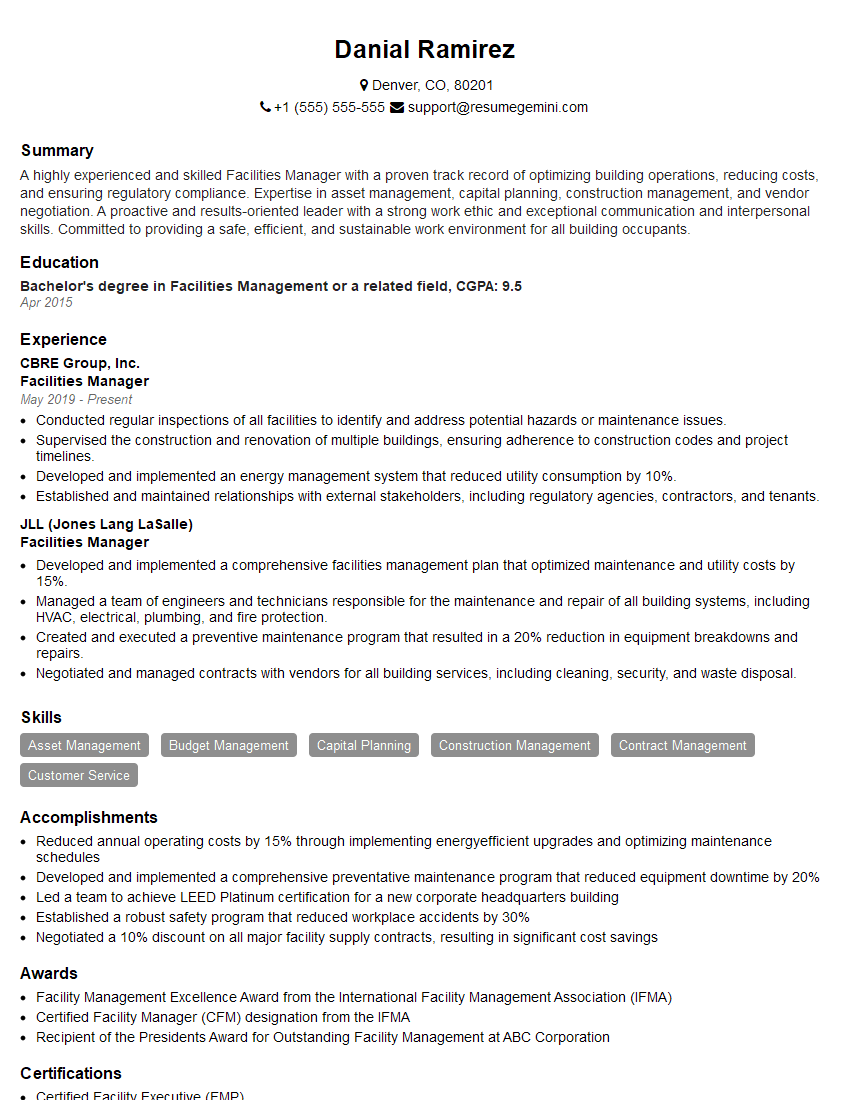
Facilities Manager Resume Sample
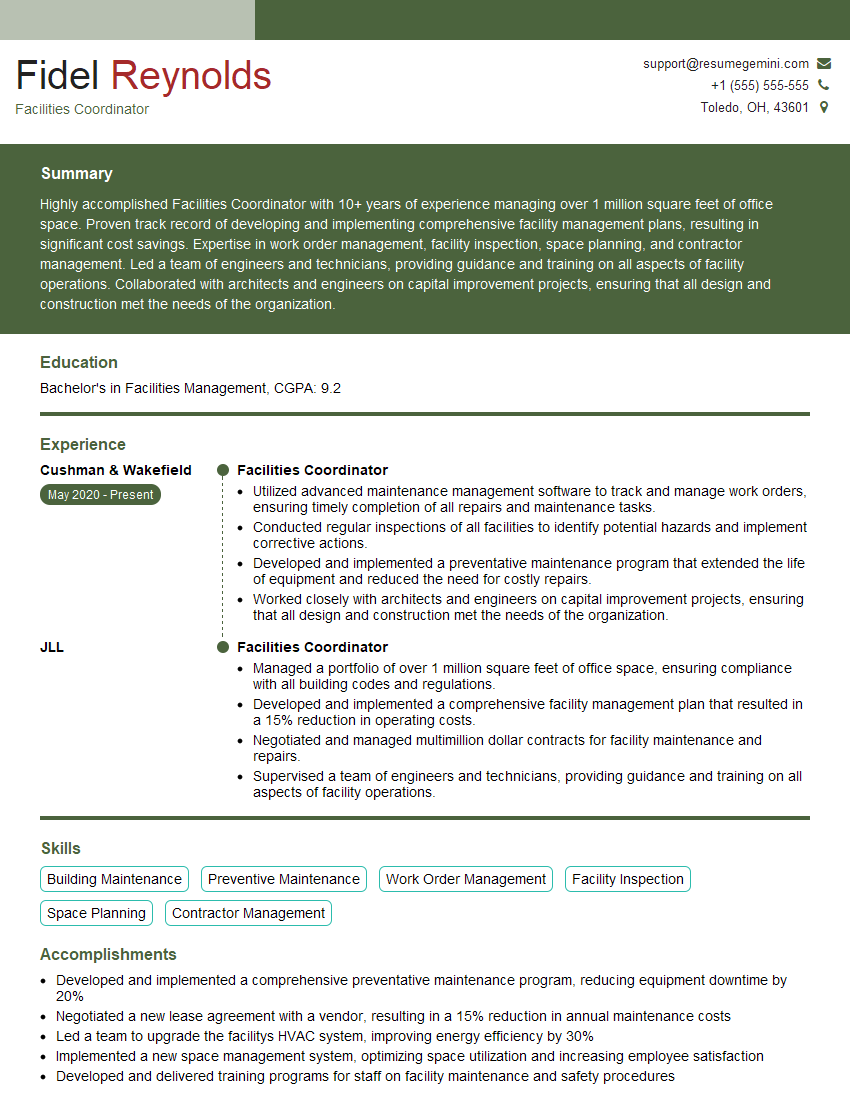
Facilities Coordinator Resume Sample
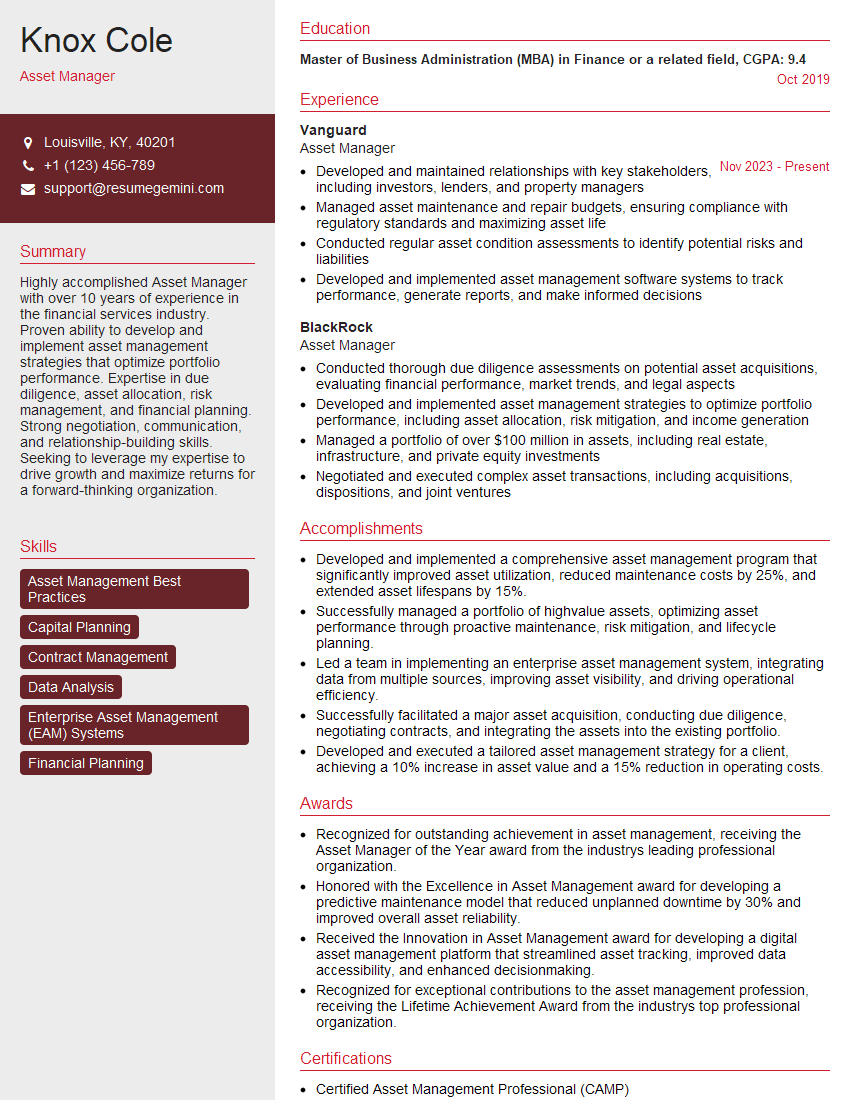
Asset Manager Resume Sample
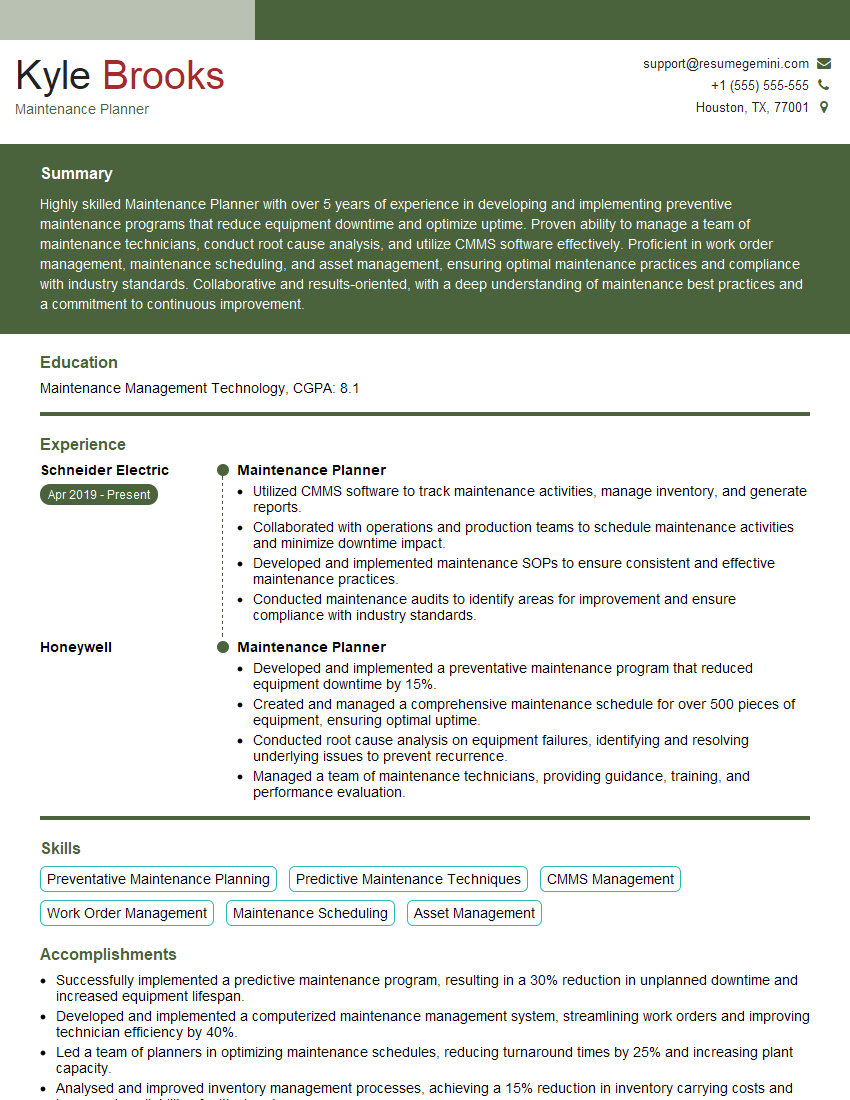
Maintenance Planner Resume Sample
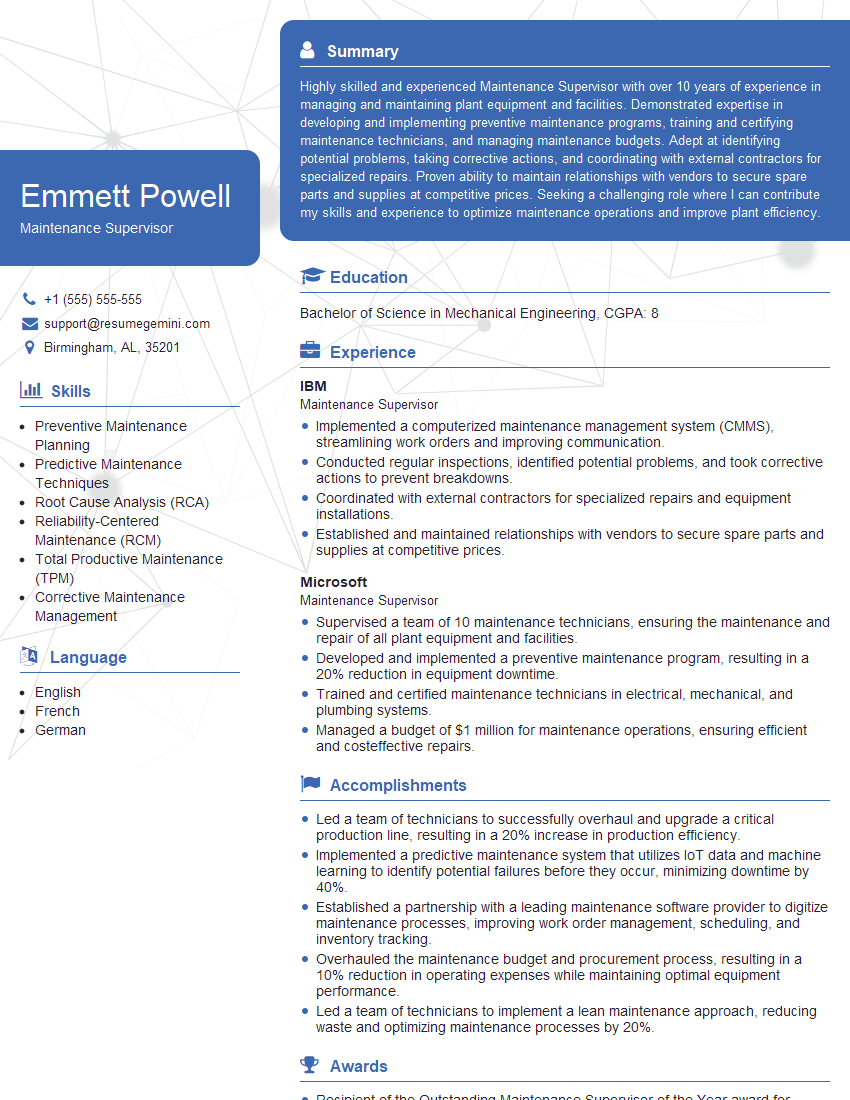
Maintenance Supervisor Resume Sample
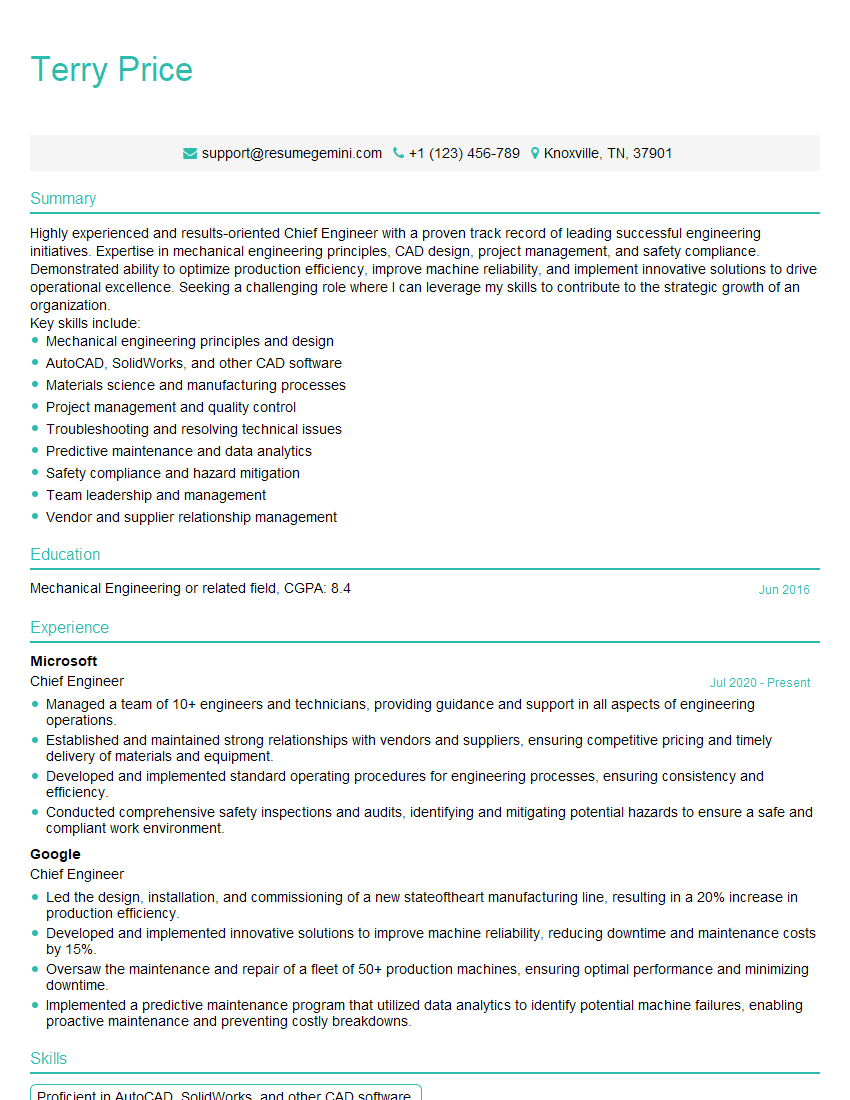
Chief Engineer Resume Sample
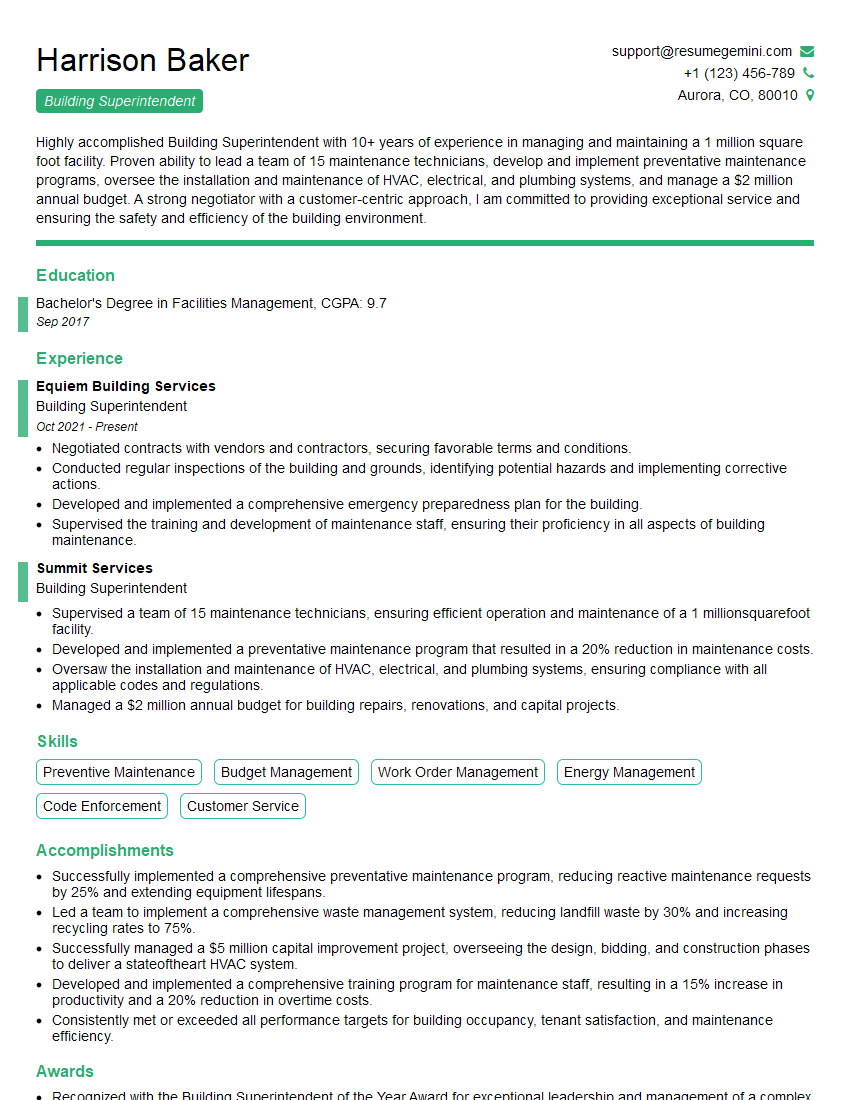
Building Superintendent Resume Sample
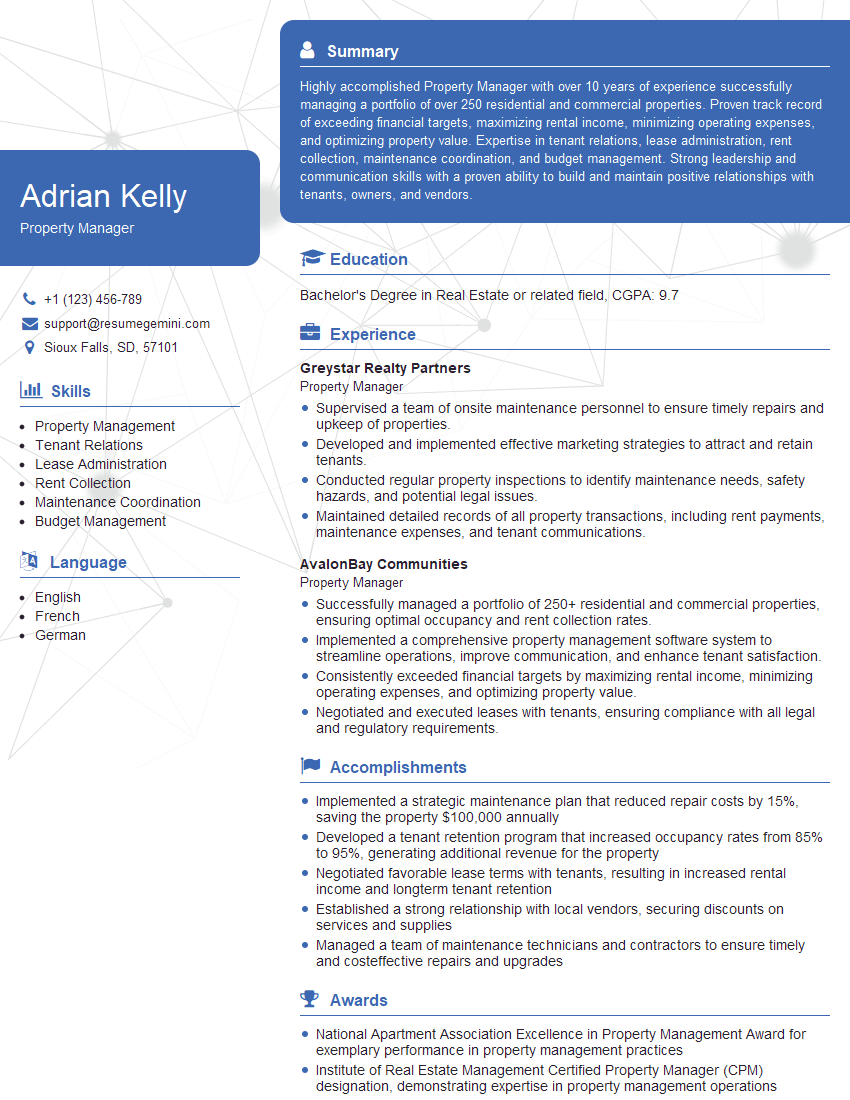
Property Manager Resume Sample
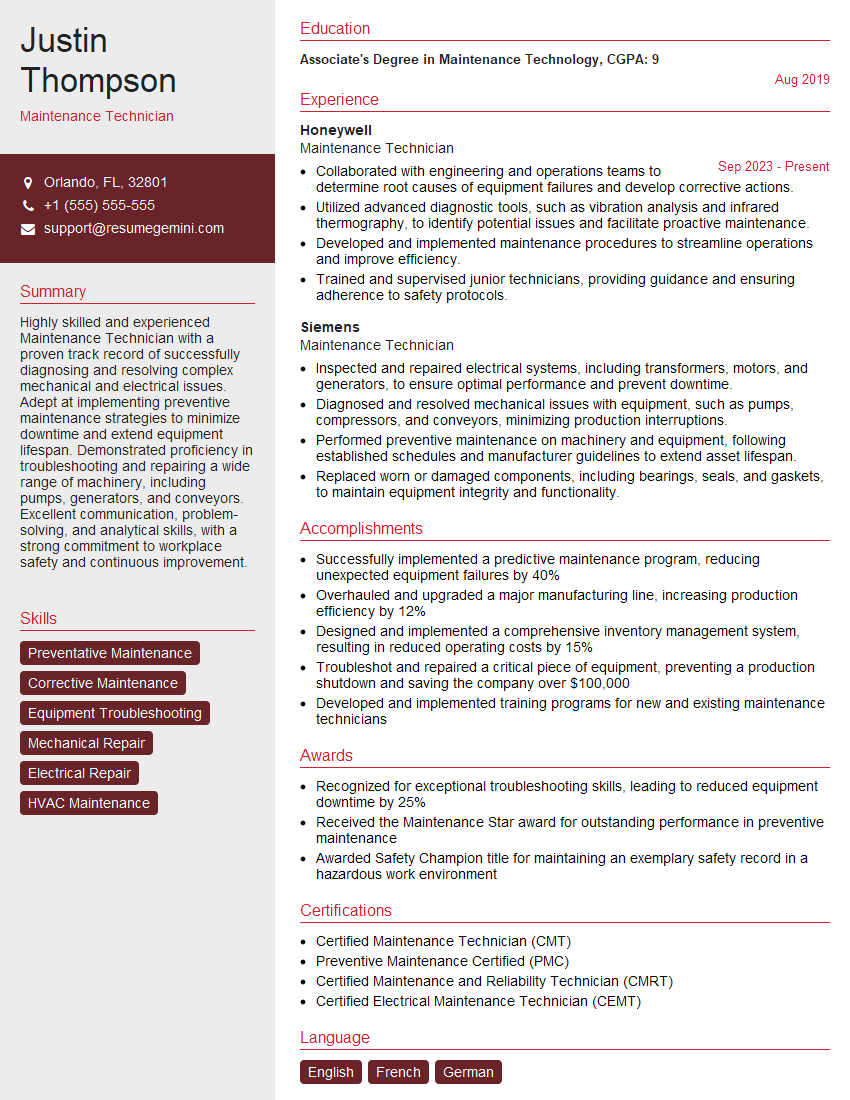
Maintenance Technician Resume Sample
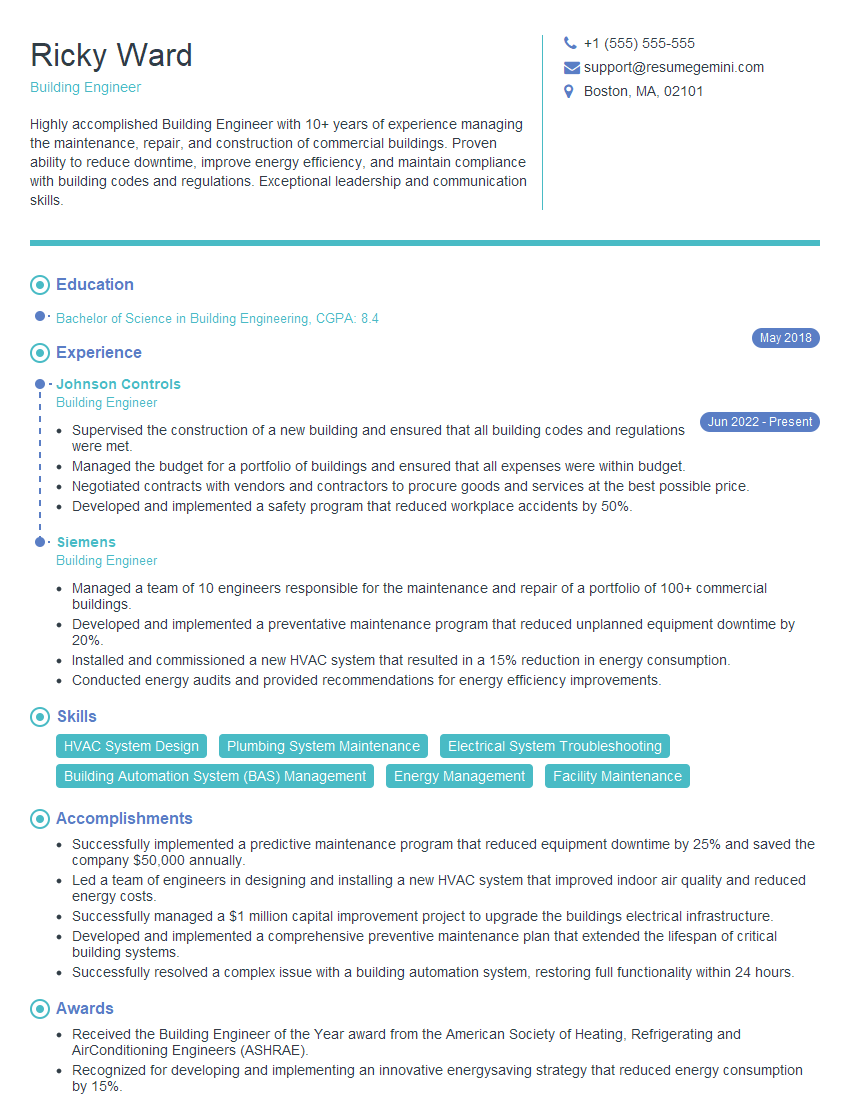
Building Engineer Resume Sample
Painter Resume Sample
Custodian Resume Sample
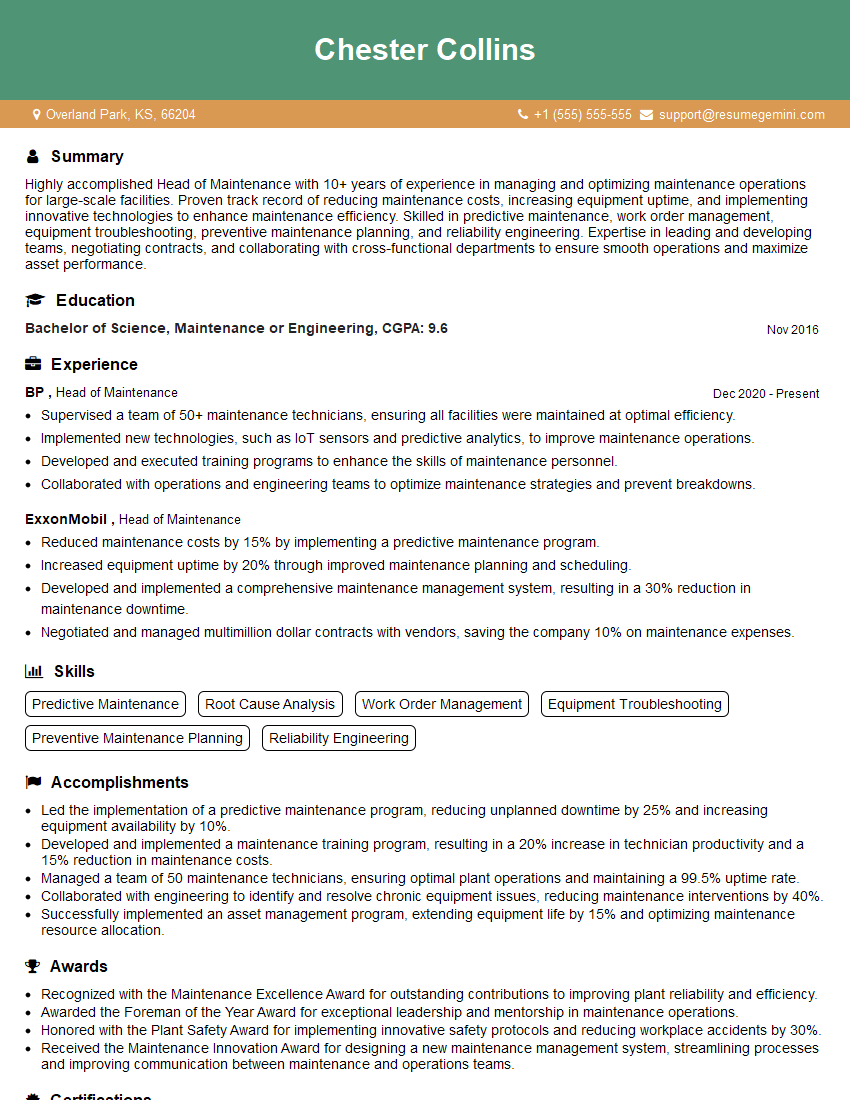
Head of Maintenance Resume Sample
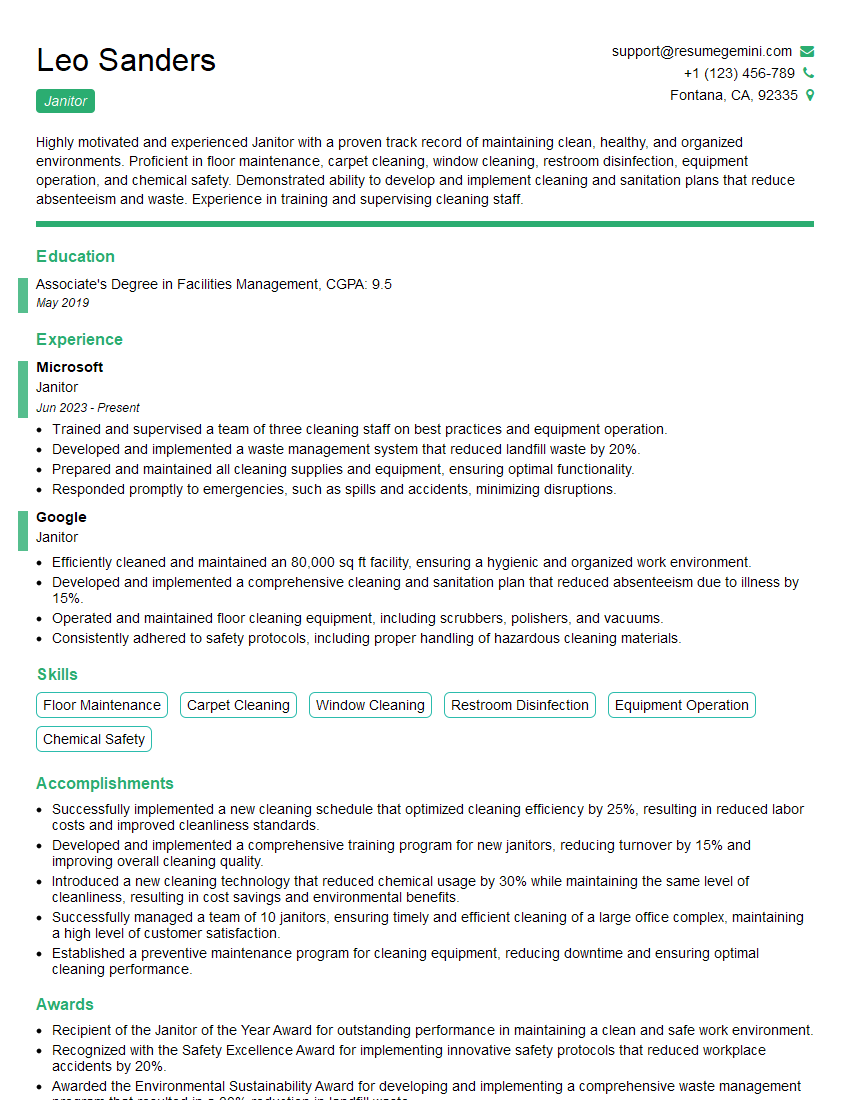
Janitor Resume Sample
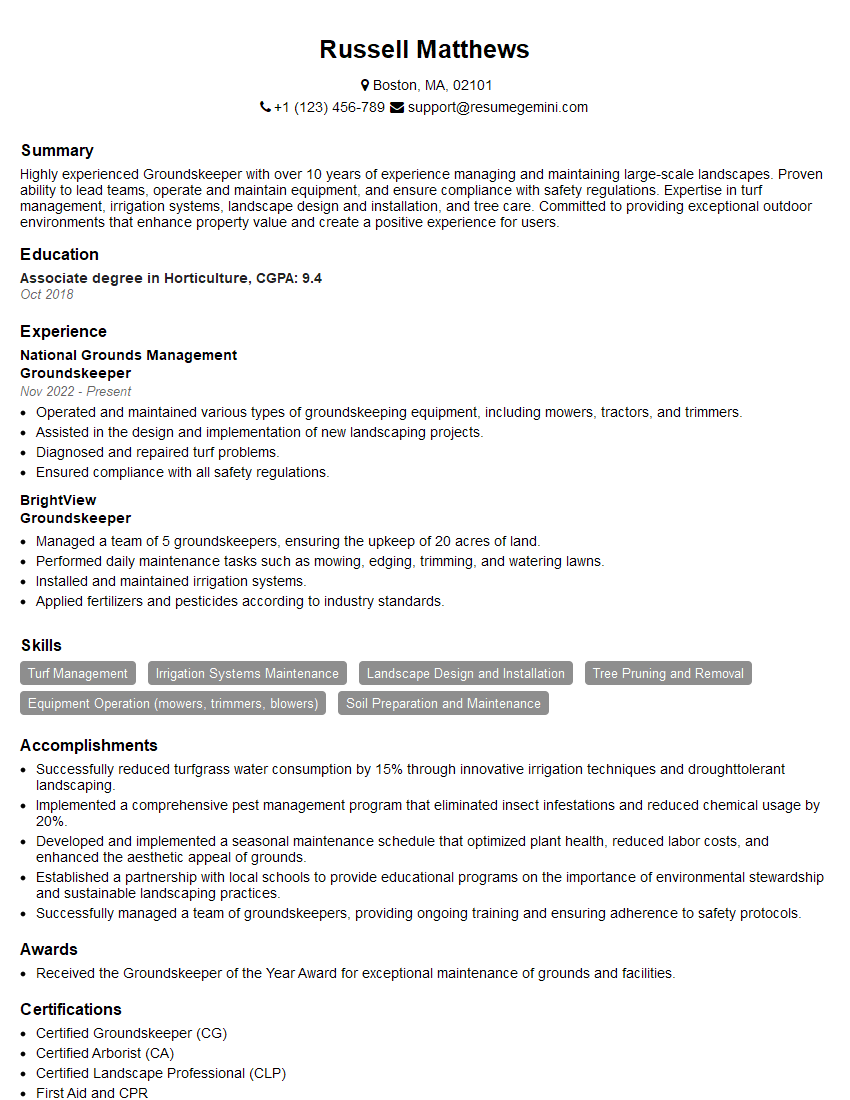
Groundskeeper Resume Sample
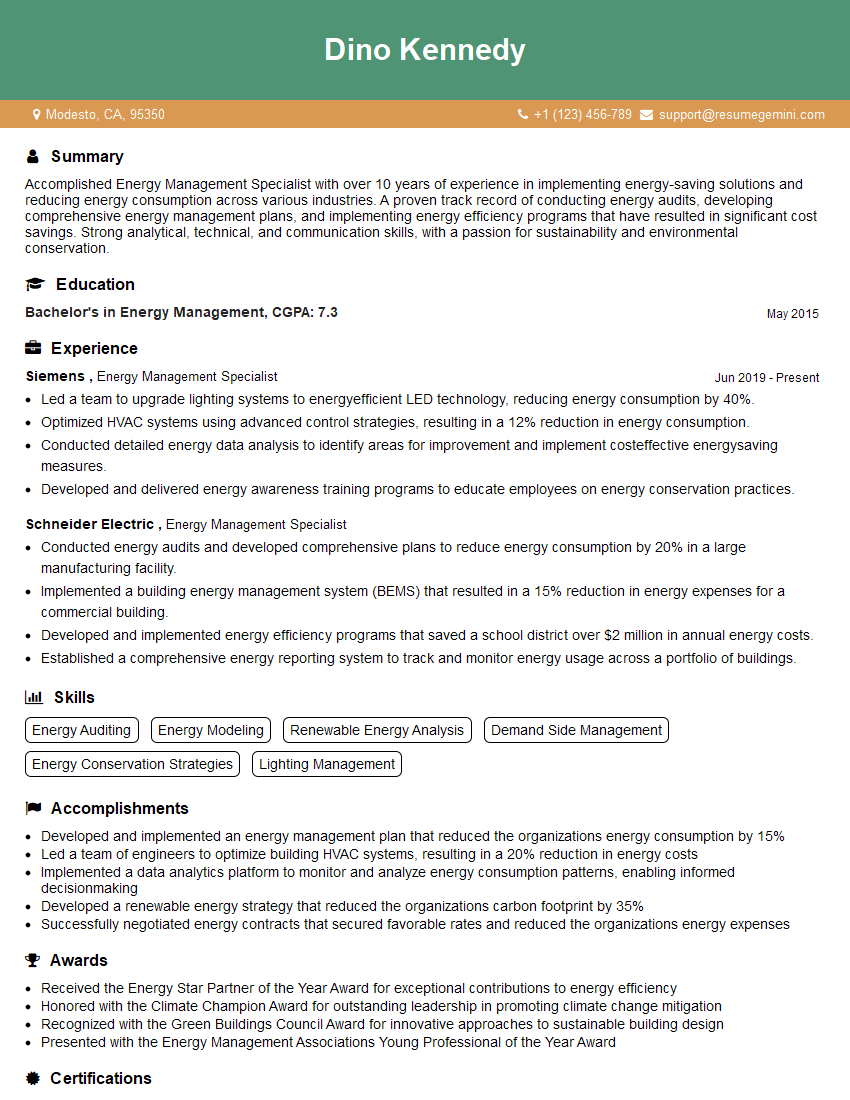
Energy Management Specialist Resume Sample
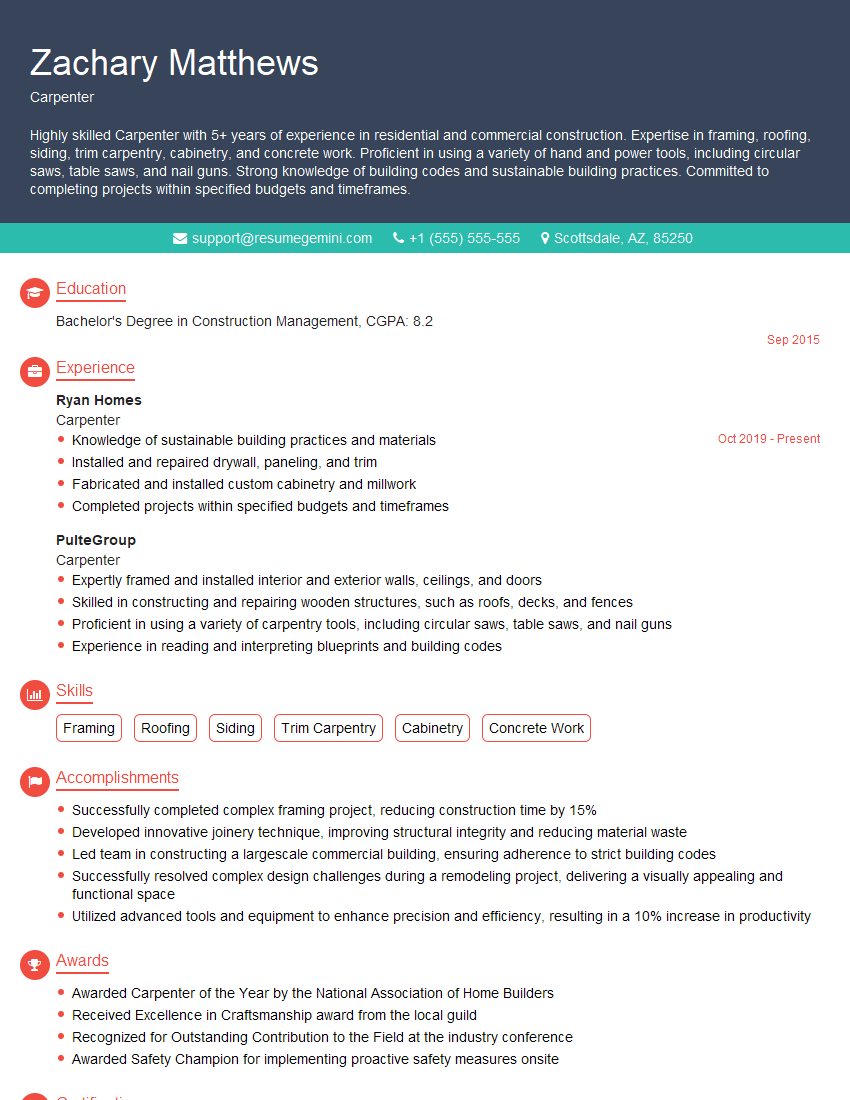
Carpenter Resume Sample
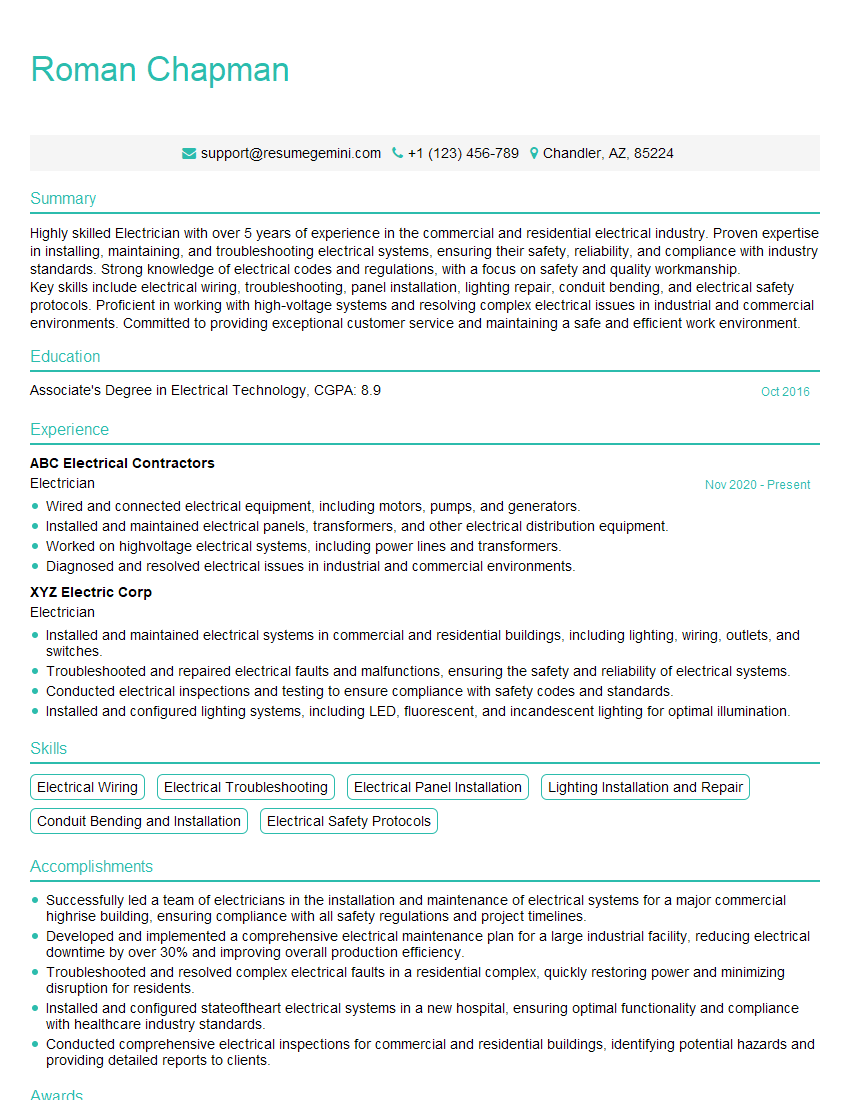
Electrician Resume Sample
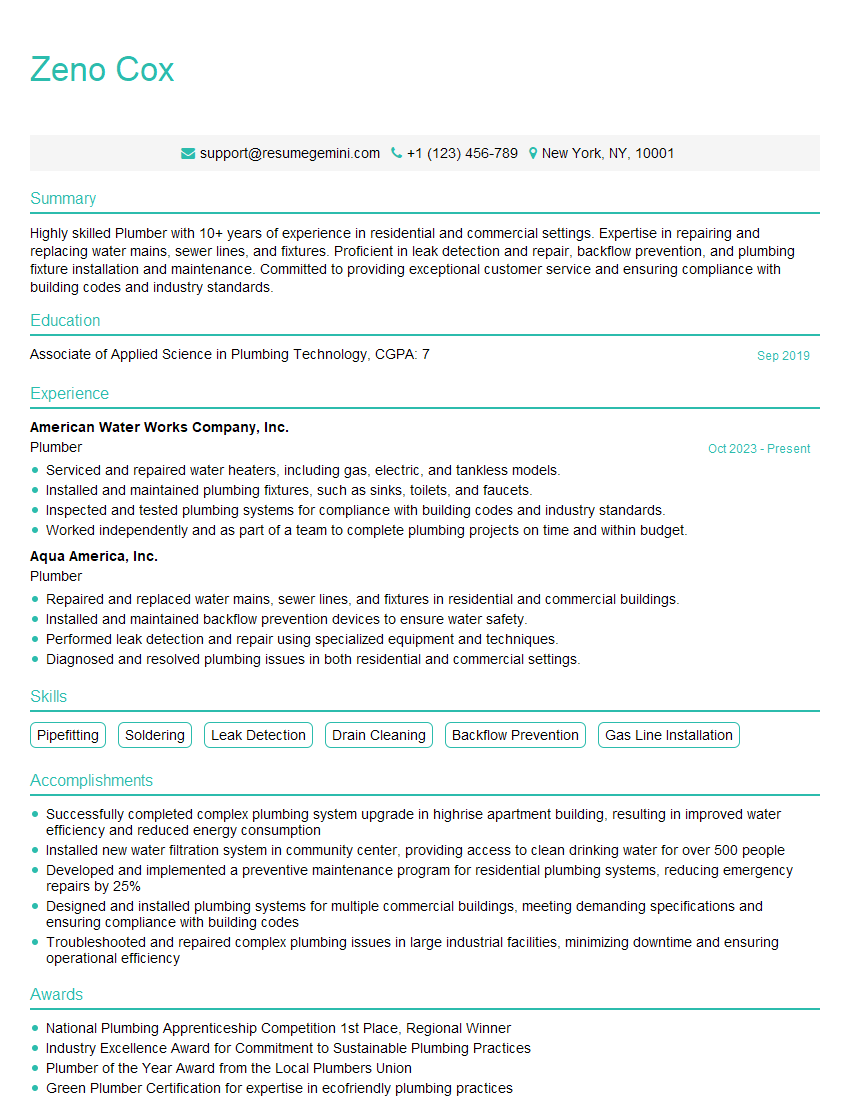
Plumber Resume Sample
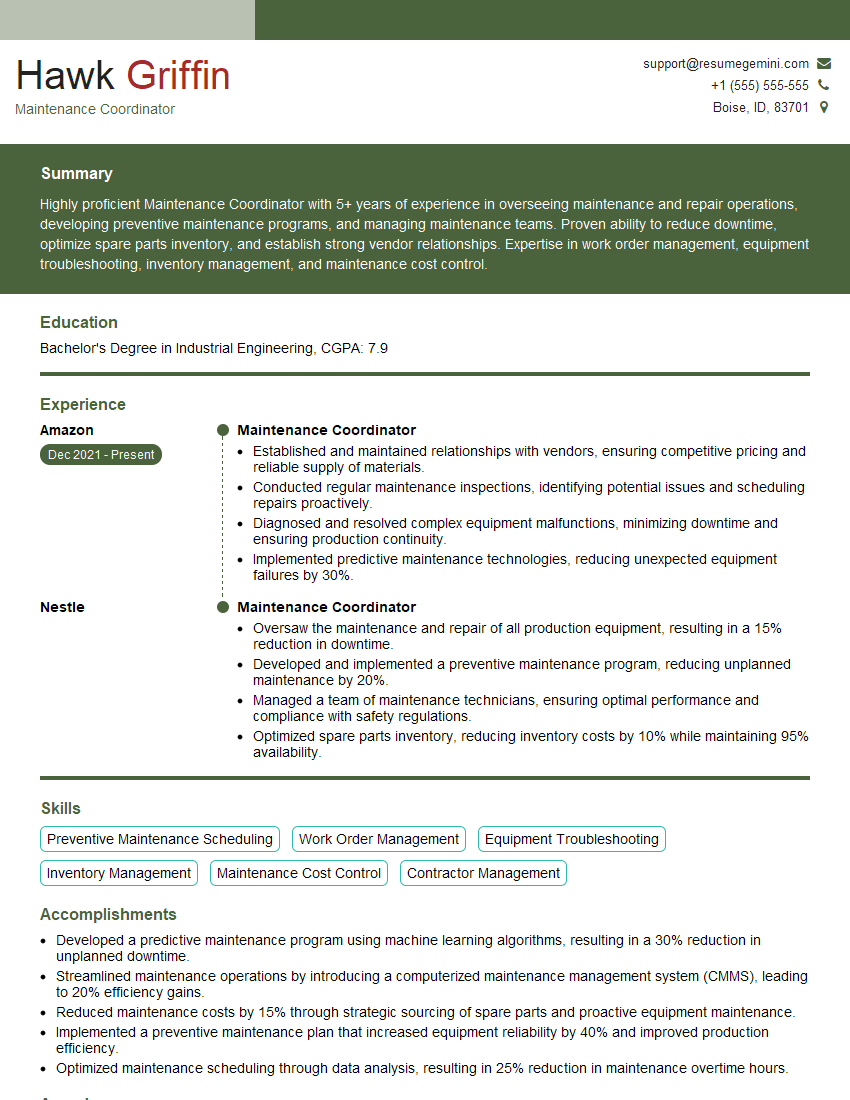
Maintenance Coordinator Resume Sample
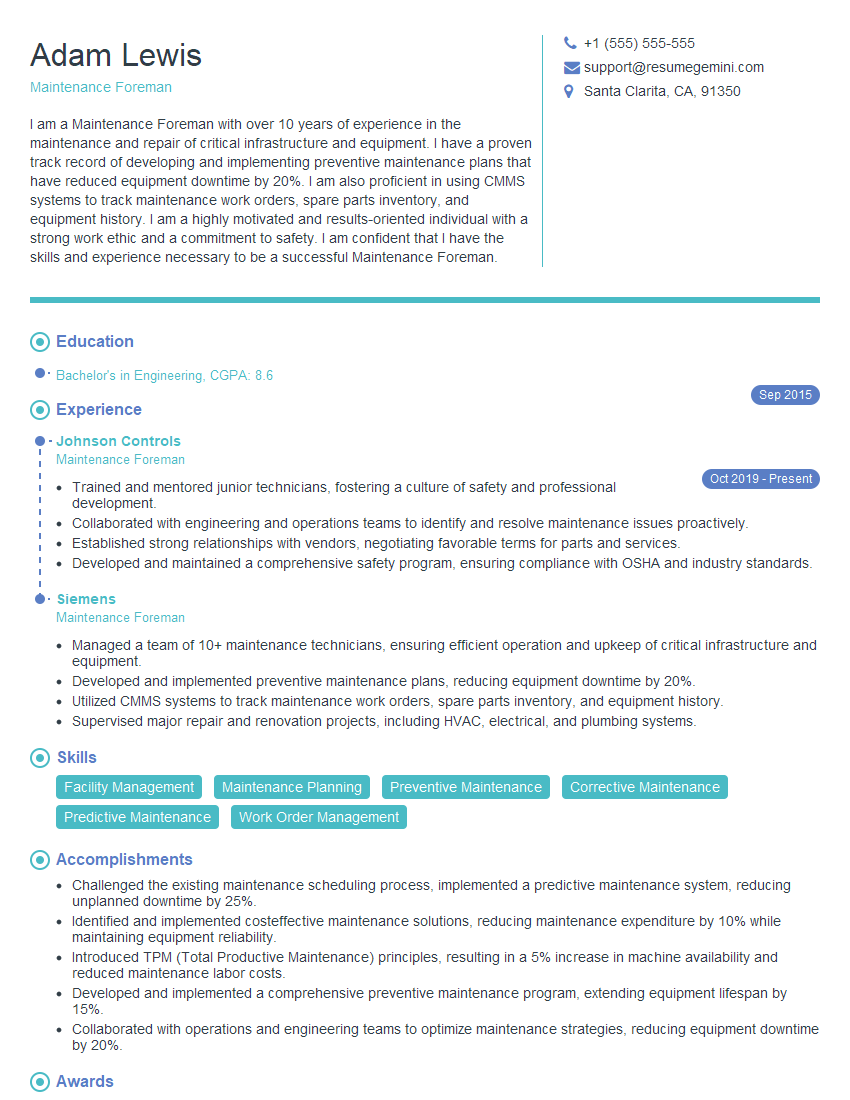
Maintenance Foreman Resume Sample
- Facilities Manager
- Facilities Coordinator
- Asset Manager
- Maintenance Planner
- Maintenance Supervisor
- Chief Engineer
- Building Superintendent
- Property Manager
- Maintenance Technician
- Building Engineer
- Painter
- Custodian
- Head of Maintenance
- Janitor
- Groundskeeper
- Energy Management Specialist
- Carpenter
- Electrician
- Plumber
- Maintenance Coordinator
- Maintenance Foreman
Explore more articles
Users Rating of Our Blogs
Share Your Experience
We value your feedback! Please rate our content and share your thoughts (optional).
What Readers Say About Our Blog
Really detailed insights and content, thank you for writing this detailed article.
IT gave me an insight and words to use and be able to think of examples