Feeling uncertain about what to expect in your upcoming interview? We’ve got you covered! This blog highlights the most important Experience in Emergency Response interview questions and provides actionable advice to help you stand out as the ideal candidate. Let’s pave the way for your success.
Questions Asked in Experience in Emergency Response Interview
Q 1. Describe your experience with incident command systems (ICS).
Incident Command Systems (ICS) are standardized organizational structures used to manage emergencies and disasters. They provide a common framework for coordinating resources and personnel, regardless of the agency or organization involved. My experience with ICS spans over ten years, encompassing various roles from Unit Leader to Operations Section Chief. I’ve utilized ICS in wildfire responses, flood evacuations, and even search and rescue operations. A key aspect of my proficiency lies in understanding the five functional areas: Command, Operations, Planning, Logistics, and Finance/Administration. Each plays a crucial role in effective incident management. For example, during a large-scale wildfire, I was responsible for coordinating the Operations Section, ensuring efficient resource allocation to fire suppression efforts and protecting civilian lives and property. This involved clear communication with the Planning Section for resource needs projections and the Logistics Section for securing equipment and supplies. My ability to effectively manage these interdependencies ensured a timely and efficient response.
Q 2. Explain your understanding of the National Incident Management System (NIMS).
The National Incident Management System (NIMS) is a comprehensive national framework that provides guidance and best practices for managing incidents across all levels of government and the private sector. It’s essentially a blueprint for effective emergency management. My understanding of NIMS is extensive, encompassing its core principles, including preparedness, communication, resource management, and command and control. NIMS utilizes ICS as its primary organizational structure, and I’m proficient in all its components, such as the use of common terminology, standard operating procedures, and resource tracking systems. For instance, during a multi-agency response to a hurricane, NIMS ensured seamless communication and coordination amongst FEMA, state agencies, local authorities, and volunteer organizations. Its framework prevents duplication of efforts and promotes efficient resource utilization, critical in large-scale emergencies. The use of standardized forms and reporting procedures, a key NIMS element, facilitated clear situational awareness and effective decision-making in this scenario.
Q 3. How would you prioritize multiple emergencies simultaneously?
Prioritizing multiple simultaneous emergencies requires a systematic approach. I use a triage-like system based on several factors: the number of people affected, the potential for loss of life, the potential for further damage or escalation, and the availability of resources. Imagine three scenarios: a building collapse, a hazardous materials spill, and a widespread power outage. The building collapse, with its immediate threat to life, would be the top priority. Next, I’d assess the hazardous materials spill; the potential for widespread contamination makes it a high priority. The power outage, while affecting many, poses less immediate threat to life compared to the other two, thus becoming the lower priority. This prioritization would be constantly reassessed and adjusted based on evolving circumstances and resource availability. Each incident would be assigned appropriate resources according to its priority, and I would ensure clear communication among response teams to coordinate their efforts and avoid resource conflicts.
Q 4. What are your key strategies for effective communication during an emergency?
Effective communication during emergencies is paramount. My strategies focus on clarity, consistency, and accessibility. This includes using clear and concise language, avoiding jargon, and ensuring that information reaches the right people at the right time. I utilize a multi-channel approach, including radio communication, mobile phones, and dedicated emergency communication systems. During a forest fire, for example, I used radio communication for immediate updates to field teams and established a dedicated phone line for communicating with the incident commander and higher authorities. Pre-established communication protocols, including regular updates and designated communication officers, are key to avoid information overload and ensure everyone is on the same page. For large-scale events, I may even establish a public information office to disseminate accurate information to the public, mitigating misinformation and panic. The key is redundancy; if one system fails, others are ready to take over.
Q 5. Describe your experience with risk assessment and mitigation.
Risk assessment and mitigation are integral parts of my emergency response approach. I begin by identifying potential hazards, analyzing their likelihood and severity, and then developing strategies to reduce or eliminate the risks. For instance, in preparing for a hurricane, I would assess potential flooding zones, evaluate the structural integrity of buildings, and create evacuation plans. Mitigation strategies include constructing flood barriers, strengthening infrastructure, and developing early warning systems. Regular drills and training exercises ensure preparedness. After an incident, I conduct a post-incident analysis, identifying areas where improvements can be made. For example, an analysis of a previous flood response might reveal a need for better coordination between different agencies or the necessity to improve community education programs on evacuation procedures. This continuous improvement cycle is crucial to strengthening emergency response capabilities.
Q 6. How do you handle stress and pressure in high-stakes situations?
High-stakes situations inevitably bring immense stress and pressure. My approach is multi-faceted. Firstly, I prioritize self-care – ensuring adequate rest, nutrition, and hydration before, during, and after the event. Secondly, I rely on established protocols and procedures; this familiar structure provides a sense of control and reduces decision-making stress. Thirdly, I actively practice mindfulness and stress-reduction techniques, including deep breathing exercises and meditation. Fourthly, I foster a supportive team environment where open communication and mutual support are encouraged. Finally, I debrief after every incident, processing the experience with my team to identify areas for improvement and ensure psychological well-being. This proactive approach to stress management allows me to maintain focus and efficiency even under immense pressure.
Q 7. What is your experience with mass casualty incidents (MCIs)?
Mass Casualty Incidents (MCIs) demand rapid and efficient response. My experience with MCIs includes participation in several large-scale exercises and real-world scenarios, such as a major train derailment. My role typically involves establishing triage areas, coordinating medical resources, and managing the flow of patients to various treatment facilities. The key in MCIs is rapid assessment, prioritization, and effective resource allocation using START (Simple Triage And Rapid Treatment) or other appropriate triage methods. This involves classifying victims based on their injuries and allocating resources according to their needs. Establishing clear communication channels and utilizing available technology for tracking victims and resources are also crucial. Following an MCI, detailed documentation and post-incident analysis are performed to identify areas for improvement and better preparedness for future events. Working within a well-coordinated team and adhering to established protocols are essential for effective MCI response.
Q 8. Explain your familiarity with emergency response protocols and procedures.
My familiarity with emergency response protocols and procedures is extensive, encompassing various scenarios from natural disasters to industrial accidents and terrorist events. I’m proficient in the Incident Command System (ICS), a standardized management system used worldwide to organize and coordinate emergency responses. This includes understanding the roles and responsibilities within the ICS structure – from the Incident Commander to Section Chiefs overseeing operations, logistics, planning, and finance. I’ve worked with protocols covering triage, evacuation, search and rescue, hazardous materials handling, and post-incident recovery. My experience spans both theoretical knowledge gained through extensive training and practical application in numerous real-world deployments.
For example, I’ve participated in numerous multi-agency exercises simulating large-scale events, which sharpened my understanding of inter-agency communication and coordinated response. These exercises provided valuable hands-on experience in applying ICS principles and adapting strategies based on real-time evolving situations.
Q 9. How do you ensure the safety of yourself and your team during an emergency?
Ensuring the safety of myself and my team is paramount in any emergency situation. This begins with comprehensive risk assessments prior to deployment, considering factors like the nature of the hazard, potential environmental challenges, and the capabilities of the team. We utilize Personal Protective Equipment (PPE) appropriate to the hazard, adhering strictly to safety regulations and manufacturer guidelines. Before entering a hazardous area, we conduct thorough site surveys and establish clear communication protocols, including designating safety officers and escape routes.
Buddy systems are crucial; team members never operate alone in potentially dangerous environments. Regular safety briefings and training ensure everyone is up to date on safe operating procedures and emergency protocols, such as using emergency signaling devices and evacuation strategies. Post-incident debriefings allow for critical review and identify areas for improvement in safety procedures.
For instance, during a chemical spill response, we meticulously followed safety protocols, donning specialized suits and respirators before entering the contaminated area. Constant communication ensured we were aware of each other’s location and any developing risks.
Q 10. Describe a time you had to make a critical decision under pressure.
During a large wildfire, we faced a critical decision regarding the evacuation of a remote mountain community. Initial reports indicated the fire was moving slowly, but a sudden shift in wind direction dramatically increased its speed and intensity. We had limited time to evacuate several hundred residents, many of whom were elderly or had mobility issues.
The pressure was immense, as a delayed evacuation could have resulted in significant loss of life. Weighing the available information, I decided to issue an immediate mandatory evacuation order, despite some initial resistance from residents who doubted the severity of the threat. We mobilized all available resources, including emergency vehicles, buses, and helicopters, and coordinated with neighboring communities to provide shelter and support. This prompt decision, though stressful, ultimately prevented any casualties, demonstrating the importance of decisive action even with incomplete information.
Q 11. What is your experience with resource allocation during an emergency?
My experience with resource allocation during emergencies involves a systematic approach that prioritizes needs based on urgency and impact. This involves identifying available resources – personnel, equipment, supplies – and matching them with immediate requirements. I’m familiar with various resource management tools and software systems used for tracking inventory and allocating resources effectively. Effective resource allocation requires constant communication and coordination with various agencies and stakeholders.
A key aspect is establishing clear priorities. For example, during a flood, immediate needs like rescuing stranded individuals and providing essential supplies (food, water, medical aid) would take precedence over long-term recovery efforts like rebuilding infrastructure. Efficient resource allocation involves optimizing available assets while anticipating future needs, ensuring a balanced response across immediate and long-term needs.
Q 12. How would you coordinate with different agencies during a large-scale event?
Coordinating with different agencies during a large-scale event hinges on clear communication and a collaborative approach. Effective inter-agency coordination is critical for a successful outcome, requiring a unified command structure, often established using the Incident Command System (ICS). This involves establishing clear lines of communication and responsibilities for each agency.
Before the event, we build relationships and establish protocols with key agencies such as police, fire departments, medical services, and utility companies. During the event, frequent updates and situational awareness are maintained through regular briefings and shared information systems. Effective communication, including the use of common terminology and standardized reporting formats, is paramount.
For example, during a hurricane response, I worked closely with the National Guard to coordinate transportation and logistics, with the Red Cross to manage shelters and aid distribution, and with local police to maintain public safety and manage traffic.
Q 13. What is your experience with post-incident analysis and reporting?
Post-incident analysis and reporting are crucial for continuous improvement in emergency response capabilities. This involves a thorough review of all aspects of the response, from initial assessment to final recovery. We use data gathered during the incident, including incident reports, communication logs, and performance evaluations, to identify areas of strength and weakness. This structured review process identifies gaps in our procedures, training deficiencies, and opportunities for better resource allocation. The outcome helps inform the development of improved response strategies and training programs.
The reports produced often include recommendations for changes in operational procedures, equipment upgrades, and improvements to inter-agency coordination protocols. These lessons learned are essential for enhancing future response effectiveness and ensuring better preparedness for similar incidents.
Q 14. Describe your experience using specific emergency response software or tools.
My experience includes using various emergency response software and tools. I’m proficient in geographic information systems (GIS) software for mapping, tracking resources, and visualizing incident areas. I have experience using radio communication systems for real-time updates and coordination with field teams. I’ve also used specialized software for managing personnel, resources, and incident data, assisting with creating comprehensive post-incident reports. Specific examples include experience with ArcGIS for mapping and situational awareness, CAD systems for dispatching and resource allocation, and various communication platforms such as radio systems and dedicated emergency communication networks.
Q 15. How do you maintain situational awareness during an unfolding emergency?
Maintaining situational awareness during an emergency is paramount. It’s about constantly assessing the evolving situation to make informed decisions. Think of it like a pilot constantly monitoring their instruments – speed, altitude, weather. In emergency response, we monitor multiple factors simultaneously.
- Information Gathering: I rely on multiple channels: direct observation, communication from first responders on the ground, radio traffic, social media monitoring (for crowdsourced information, though carefully vetted), and data feeds from sensors (e.g., traffic cameras, weather stations).
- Data Analysis: This raw information needs interpretation. I use various tools and techniques – from simple mental models to sophisticated mapping software – to visualize the situation, identify trends, and anticipate potential problems.
- Communication and Collaboration: Constant communication with team members, stakeholders (e.g., hospitals, local government), and other agencies is critical. Effective communication ensures everyone is on the same page and reduces confusion. This is often via dedicated radio channels, incident command systems, and real-time collaboration platforms.
- Adaptability: Emergencies are dynamic. The situation changes constantly. I prioritize flexibility and the ability to adjust plans as new information comes to light. This might involve reassessing resource allocation or changing response strategies on the fly.
For example, during a large-scale wildfire, I’d constantly track the fire’s spread using aerial imagery, weather forecasts, and reports from firefighters to anticipate its movement and adjust evacuation plans accordingly.
Career Expert Tips:
- Ace those interviews! Prepare effectively by reviewing the Top 50 Most Common Interview Questions on ResumeGemini.
- Navigate your job search with confidence! Explore a wide range of Career Tips on ResumeGemini. Learn about common challenges and recommendations to overcome them.
- Craft the perfect resume! Master the Art of Resume Writing with ResumeGemini’s guide. Showcase your unique qualifications and achievements effectively.
- Don’t miss out on holiday savings! Build your dream resume with ResumeGemini’s ATS optimized templates.
Q 16. Explain your experience with developing and implementing emergency response plans.
I have extensive experience in developing and implementing emergency response plans, covering various scenarios from natural disasters (hurricanes, earthquakes) to human-caused incidents (chemical spills, active shooter situations). My approach is multi-faceted and highly collaborative.
- Hazard Identification and Risk Assessment: The first step is identifying potential hazards specific to the area or organization. This involves analyzing historical data, conducting vulnerability assessments, and consulting with subject-matter experts.
- Plan Development: Based on the risk assessment, we develop detailed plans, including communication protocols, evacuation procedures, resource allocation strategies, and roles and responsibilities for each team member.
- Training and Exercises: Plans are useless without training. We conduct regular drills and simulations to ensure personnel are familiar with the plans and can execute them effectively. These exercises help identify weaknesses in the plan and provide opportunities for improvement.
- Plan Implementation and Review: After an incident, a thorough review of the plan is critical. We examine what worked well, what didn’t, and identify areas for improvement. This feedback loop is essential for continuous improvement.
For instance, while working for a large hospital, I led the development of a comprehensive plan for handling mass casualty incidents, including coordinating with local EMS, managing patient flow, and communicating with families.
Q 17. How do you evaluate the effectiveness of emergency response efforts?
Evaluating the effectiveness of emergency response efforts involves a multi-pronged approach, combining quantitative and qualitative data.
- Key Performance Indicators (KPIs): We use measurable metrics such as response times, casualty numbers, property damage, and the number of people successfully evacuated. These are tracked and analyzed to identify areas of strength and weakness.
- Post-Incident Analysis (PIA): A detailed review of the incident is crucial. This involves gathering data from various sources (e.g., incident reports, witness statements, after-action reports) to identify what worked well, areas needing improvement, and lessons learned.
- Stakeholder Feedback: Input from affected individuals, first responders, and other stakeholders provides valuable qualitative data. Surveys, interviews, and focus groups can shed light on perceptions and experiences.
- Data-Driven Improvement: The findings from the analysis guide improvements to plans, training, and resource allocation. This iterative process of continuous improvement is essential for optimizing emergency response capabilities.
For example, after a hurricane, we analyzed response times for various teams, comparing them against pre-defined targets, and reviewed communication protocols to identify bottlenecks and improve coordination.
Q 18. Describe your understanding of different types of hazards (natural, human-caused).
Hazards are broadly categorized into natural and human-caused. Understanding their characteristics is essential for effective response.
- Natural Hazards: These include events like earthquakes, floods, wildfires, hurricanes, and tornadoes. Their impact depends on factors such as magnitude, location, and preparedness level. For example, a hurricane’s impact can vary drastically based on the strength of the storm, the terrain, and the effectiveness of evacuation procedures.
- Human-Caused Hazards: These include incidents such as industrial accidents (chemical spills, explosions), terrorist attacks, active shooter events, and transportation accidents. Understanding the specific nature of the hazard (e.g., type of chemical, weapon used) is crucial for determining appropriate response strategies.
It’s important to note that the lines can blur. A natural hazard, like a flood, can trigger secondary human-caused hazards, such as a chemical spill from a damaged industrial facility. Emergency response plans must consider these cascading effects.
Q 19. What is your experience with training and educating others in emergency response?
Training and education are central to effective emergency response. My experience includes designing and delivering training programs for diverse audiences – from first responders to the general public.
- Needs Assessment: Before developing a training program, I assess the specific needs and knowledge gaps of the target audience. This often involves interviews, surveys, and observation.
- Curriculum Design: The curriculum should be engaging and relevant, utilizing a variety of methods such as classroom lectures, simulations, hands-on exercises, and online learning modules.
- Delivery and Evaluation: Training is delivered using appropriate methods, and its effectiveness is evaluated through tests, feedback, and observation during exercises.
- Tailored Programs: I tailor training based on the specific needs of each group – first responders might need advanced medical training, while the general public requires awareness of evacuation procedures and basic first aid.
I’ve developed and delivered training programs on CPR, hazardous materials handling, and incident command systems, adapting the content and delivery methods to the audience’s needs and context.
Q 20. How do you manage conflicting priorities during an emergency?
Managing conflicting priorities during an emergency requires a structured and decisive approach. It’s akin to being an air traffic controller, prioritizing aircraft based on urgency and safety.
- Prioritization Framework: I use a framework that prioritizes based on urgency, impact, and feasibility. For example, saving lives always takes precedence over property damage.
- Resource Allocation: This framework informs resource allocation. Resources are assigned to the highest priority tasks first. This often involves difficult decisions and trade-offs.
- Communication and Collaboration: Transparent communication with all stakeholders is crucial. Openly discussing priorities and constraints helps to build consensus and minimize conflict.
- Decision-Making Under Pressure: Experience is crucial. I rely on my experience and training to make quick, informed decisions under pressure. Sometimes, it’s about making the best possible decision with incomplete information.
During a multi-vehicle accident, I might prioritize rescuing the most critically injured patients first, even if it means delaying the extraction of others who are less severely hurt.
Q 21. What are your methods for ensuring compliance with relevant regulations and standards?
Compliance with relevant regulations and standards is non-negotiable. I ensure compliance through a multi-layered approach.
- Knowledge of Regulations: I maintain a deep understanding of applicable laws, regulations, and standards (e.g., OSHA, NFPA, local emergency management ordinances). This includes staying updated on any changes or amendments.
- Policy and Procedure Implementation: We develop and implement internal policies and procedures that align with these regulations, ensuring that our actions are compliant.
- Audits and Inspections: Regular internal audits and inspections help identify any gaps in compliance. This often involves reviewing documentation, observing practices, and conducting mock drills.
- Record Keeping: Meticulous record-keeping is essential. We maintain detailed records of training, equipment maintenance, and incident responses to demonstrate compliance to regulatory bodies if needed.
- Continuous Improvement: Compliance isn’t a one-time event. It requires a culture of continuous improvement and vigilance. We regularly review our processes and adapt them as needed to maintain compliance.
For instance, we meticulously document all hazardous materials handling procedures, ensuring they comply with OSHA regulations and are regularly reviewed and updated.
Q 22. Describe your experience with public relations and communication during an emergency.
Effective public relations and communication are paramount during emergencies. It’s about building trust, managing expectations, and providing accurate, timely information to the public, media, and internal teams. This involves several key strategies. First, establishing a central communication hub is crucial – a single point of contact for disseminating information prevents conflicting narratives. We utilize various channels: press releases, social media updates, public service announcements (PSAs), and community meetings to ensure widespread reach. Second, consistent messaging is vital. We develop key messages and talking points to maintain a unified narrative, regardless of the platform. Finally, active listening and responsiveness are essential. We monitor social media and news outlets for emerging concerns, addressing them promptly and transparently. During a recent wildfire, for instance, our team established a dedicated social media channel providing real-time updates on evacuation orders, resource availability, and fire containment progress. This proactive communication significantly reduced panic and confusion within the affected community.
Q 23. How do you ensure continuity of operations during an emergency?
Ensuring continuity of operations during an emergency hinges on robust preparedness and a well-defined plan. This involves several steps: First, we identify critical functions – services absolutely essential to maintaining essential operations. For example, in a hospital, this might include emergency room operations, critical care units, and power generation. Second, we develop alternate sites or procedures for carrying out these critical functions in case of primary site disruption. This could involve activating backup generators, relocating essential services to a secondary facility, or using mobile units. Third, we train staff on emergency protocols. Regular drills and simulations ensure teams are well-versed in response procedures. Fourth, we establish clear communication channels that remain functional even during disruption. This includes backup communication systems, and designated points of contact. Finally, we conduct regular risk assessments and update our plans as needed based on new threats or vulnerabilities. During a hurricane, for example, our team pre-positioned critical medical supplies at an alternate site, ensuring continued care even after the primary facility was damaged.
Q 24. Explain your understanding of logistical challenges in emergency response.
Logistical challenges in emergency response are multifaceted and often incredibly complex. They include resource allocation, transportation and distribution of supplies, personnel deployment, and coordination among various agencies. Resource scarcity is a significant problem; it’s not just about having enough supplies but getting them to the right place at the right time. Transportation can be severely hampered by damaged infrastructure or overcrowding. Effective coordination across different agencies, each with its own protocols and priorities, is equally challenging. Efficient communication systems are crucial to overcome these barriers. Geographic factors also come into play; reaching remote or isolated areas might require specialized equipment and personnel. For example, during an earthquake, the challenge of clearing debris to reach survivors, while simultaneously distributing food, water, and medical care to thousands of people, highlights the intricacy of logistics. We overcome these challenges using advanced mapping systems, real-time tracking of resources, and collaborative planning platforms.
Q 25. How do you handle ethical dilemmas in emergency response situations?
Ethical dilemmas are inevitable in emergency response. Prioritizing patients during mass casualty incidents, managing scarce resources fairly, and maintaining patient confidentiality amidst chaos are just some examples. Our approach is guided by a strict ethical framework, prioritizing fairness, transparency, and respect for human dignity. We use established ethical decision-making frameworks to guide choices, considering the potential consequences of each action. Transparency is key; we document decision-making processes to ensure accountability. In cases of conflict, we involve ethics committees or external review boards for impartial guidance. Consider the scenario of distributing limited ventilators during a pandemic. Tough decisions must be made, and our ethical framework helps ensure these decisions are made in a fair and equitable manner, with documented justifications.
Q 26. Describe your experience with working in a team environment during emergencies.
Teamwork is the bedrock of successful emergency response. My experience involves leading and participating in multidisciplinary teams comprising medical personnel, firefighters, law enforcement, and volunteers. Effective teamwork hinges on clear roles, efficient communication, and mutual respect. I’ve always emphasized open communication, encouraging team members to voice concerns and share ideas freely. We use regular briefings, debriefings, and incident action planning to coordinate efforts and ensure everyone is on the same page. During a flood rescue operation, for example, our team demonstrated this seamless collaboration. Firefighters located and secured victims, medical personnel provided on-site care, and law enforcement managed traffic and controlled the scene. Clear communication and pre-established protocols ensured a coordinated and effective response.
Q 27. What are your strategies for maintaining morale and team cohesion during a prolonged emergency?
Maintaining morale and team cohesion during prolonged emergencies is crucial to prevent burnout and maintain effectiveness. This involves several strategies. First, we emphasize regular breaks and opportunities for rest and recuperation. Second, we foster open communication and allow team members to express their feelings and concerns. Third, we celebrate successes, no matter how small. Acknowledging efforts and achievements boosts morale significantly. Fourth, we provide psychological support, including access to counseling services. And finally, ensuring fair workload distribution prevents individual burnout. During a prolonged search and rescue operation following a major earthquake, for instance, we employed rotating shifts, established designated rest areas, and organized team-building activities to prevent exhaustion and sustain high morale.
Q 28. How do you adapt your response strategies to different types of emergencies?
Adaptability is key in emergency response. Response strategies must be tailored to the specific nature of the emergency, considering factors like the type of hazard (natural disaster, industrial accident, terrorist attack), the affected population, and available resources. Our approach involves a flexible framework that allows us to rapidly adjust to changing circumstances. This framework includes detailed response plans for various scenarios and pre-established protocols that can be adapted and integrated as needed. For example, a response to a hurricane would emphasize evacuation planning and flood rescue, while a response to a chemical spill would prioritize containment and decontamination. Each scenario requires a specific approach, and our ability to adapt ensures an effective and timely response, regardless of the emergency type.
Key Topics to Learn for Experience in Emergency Response Interview
- Incident Command System (ICS): Understanding ICS principles, roles, and responsibilities. Practical application: Describe your experience working within an ICS structure during a real-world emergency.
- Emergency Triage and Treatment: Mastering rapid assessment techniques and prioritizing patient care in high-pressure situations. Practical application: Explain your approach to prioritizing patients with diverse injuries and needs.
- Communication and Coordination: Effective communication strategies during emergencies, including clear and concise reporting. Practical application: Describe a situation where effective communication was crucial to a successful outcome.
- Risk Assessment and Mitigation: Identifying potential hazards and implementing preventive measures. Practical application: Explain how you’ve assessed risks and developed mitigation strategies in past experiences.
- Disaster Preparedness and Planning: Understanding disaster response plans and procedures. Practical application: Discuss your familiarity with various emergency response plans and your role in their execution.
- Post-Incident Analysis and Debriefing: Learning from past experiences to improve future responses. Practical application: Describe your experience in participating in a post-incident analysis and the improvements implemented as a result.
- Ethical Considerations and Legal Aspects: Understanding legal frameworks and ethical guidelines related to emergency response. Practical application: Discuss a challenging ethical dilemma you faced and how you resolved it.
- Teamwork and Leadership: Collaborating effectively within a team and demonstrating leadership skills when necessary. Practical application: Give an example of how you demonstrated leadership or teamwork in an emergency situation.
Next Steps
Mastering the key concepts of emergency response significantly enhances your career prospects, opening doors to diverse and impactful roles within the field. A well-crafted, ATS-friendly resume is crucial for showcasing your skills and experience effectively to potential employers. To maximize your chances, leverage the power of ResumeGemini to build a professional and compelling resume that highlights your unique qualifications. ResumeGemini provides examples of resumes tailored to Experience in Emergency Response, helping you create a document that truly captures your expertise and experience.
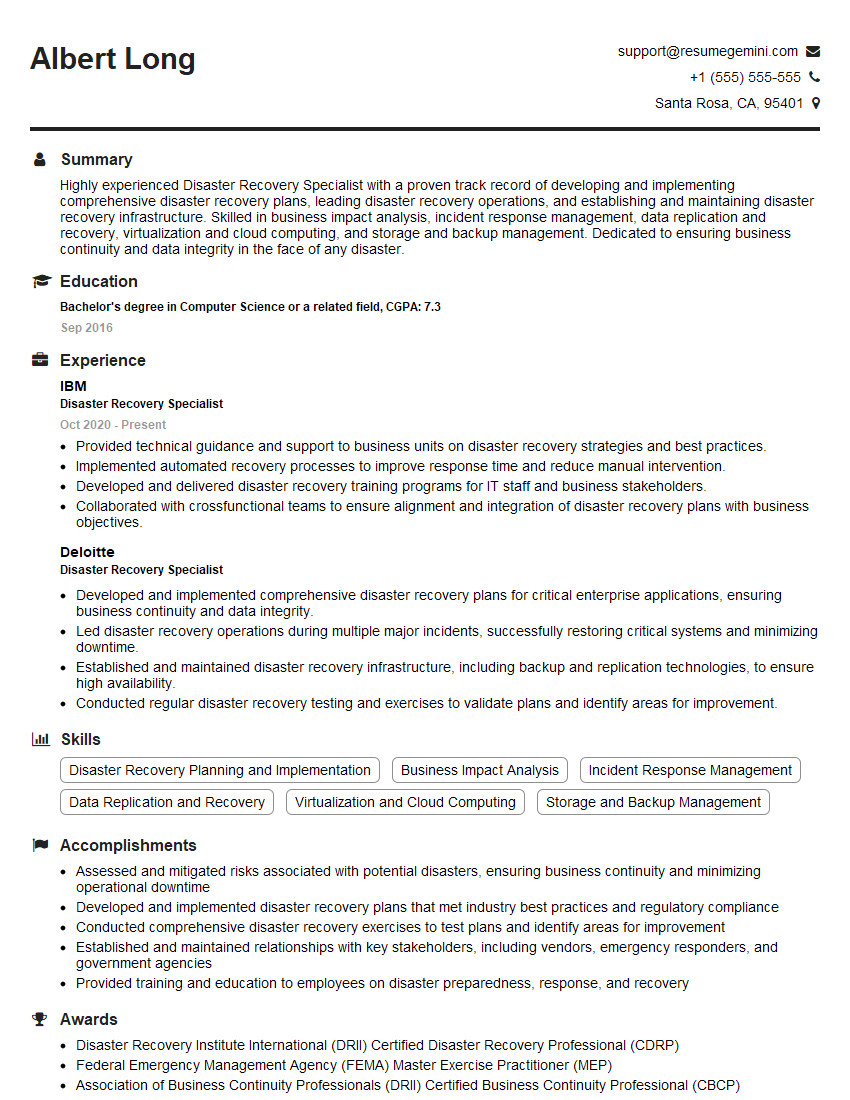
Disaster Recovery Specialist Resume Sample
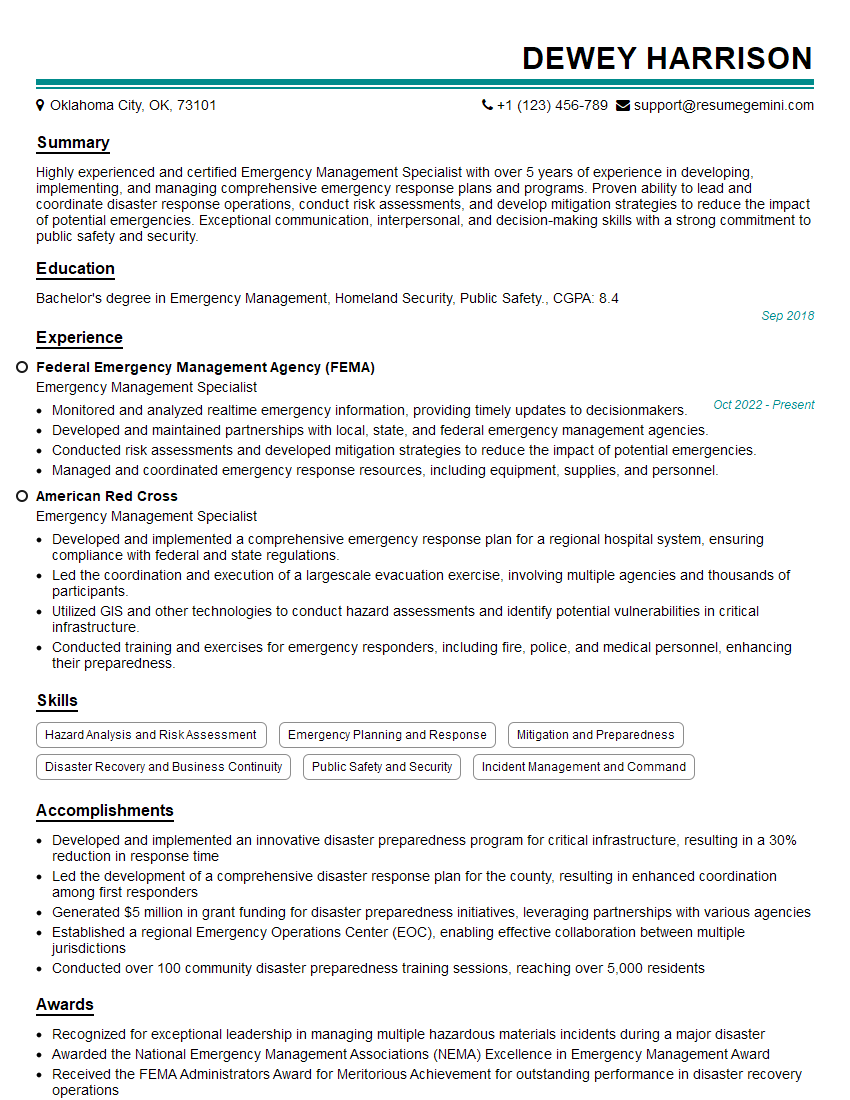
Emergency Management Specialist Resume Sample
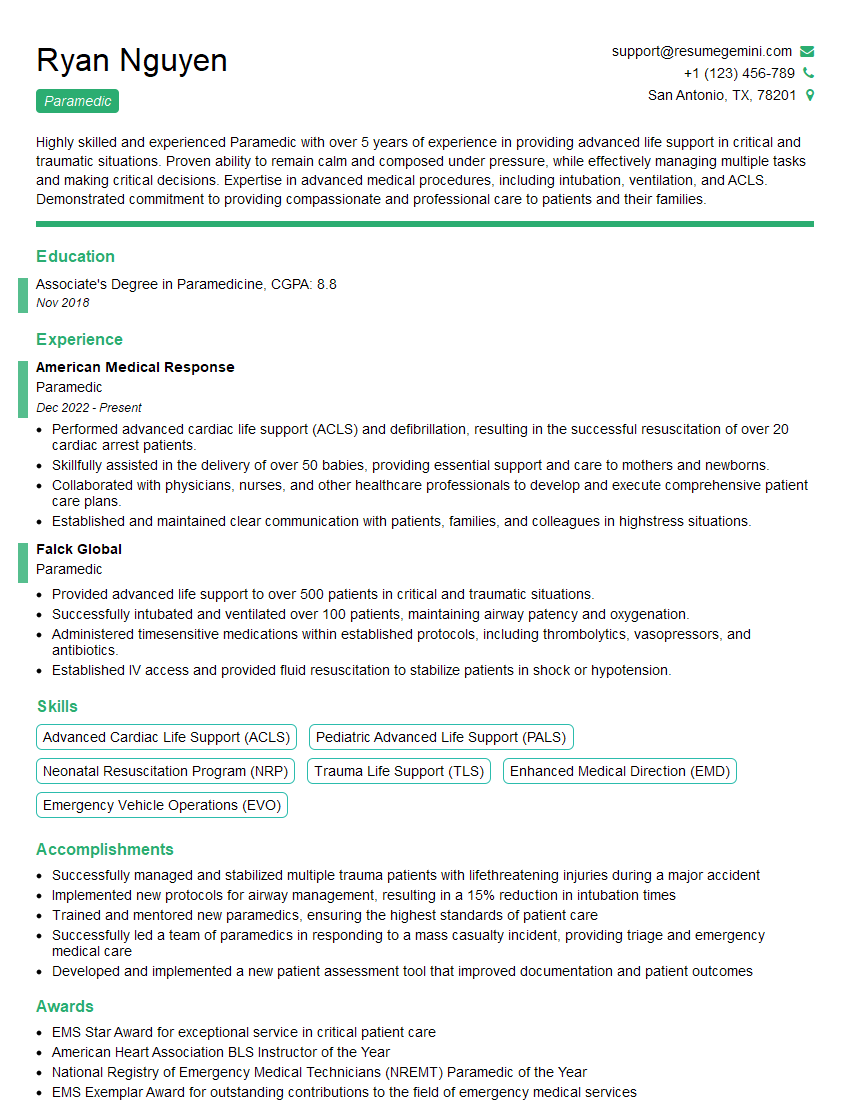
Paramedic Resume Sample
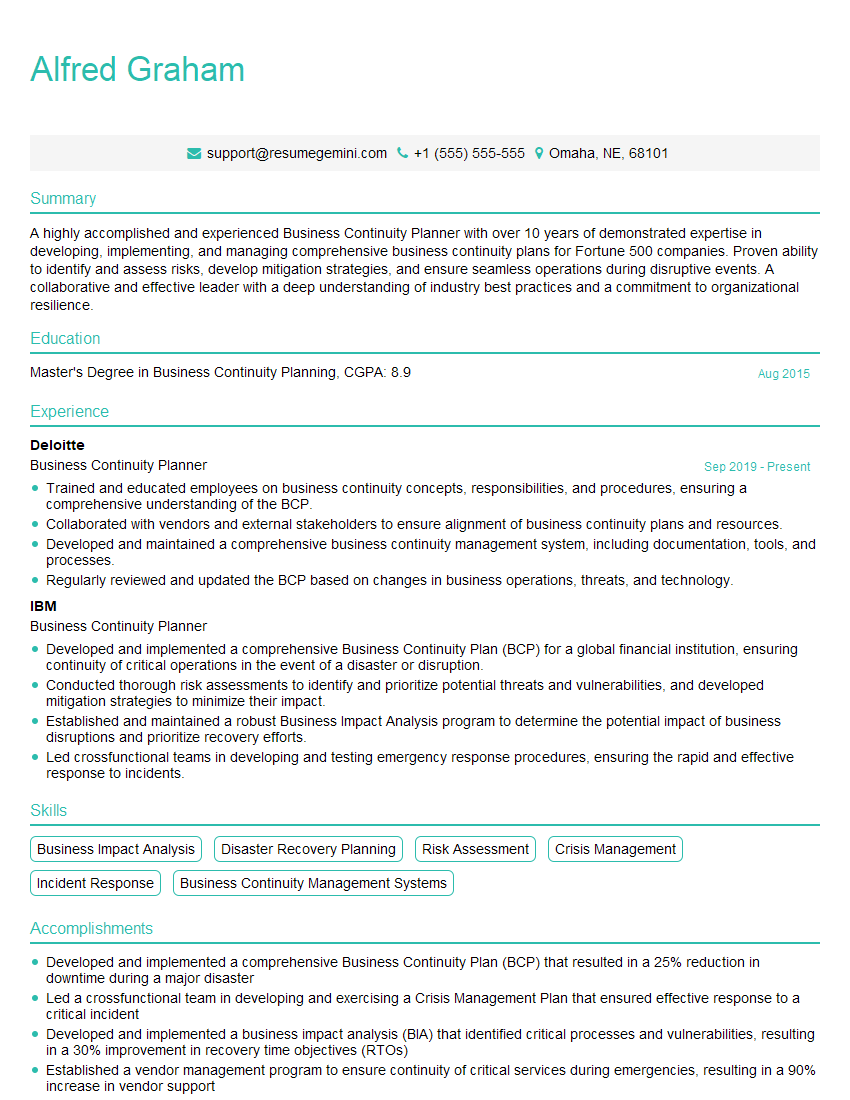
Business Continuity Planner Resume Sample
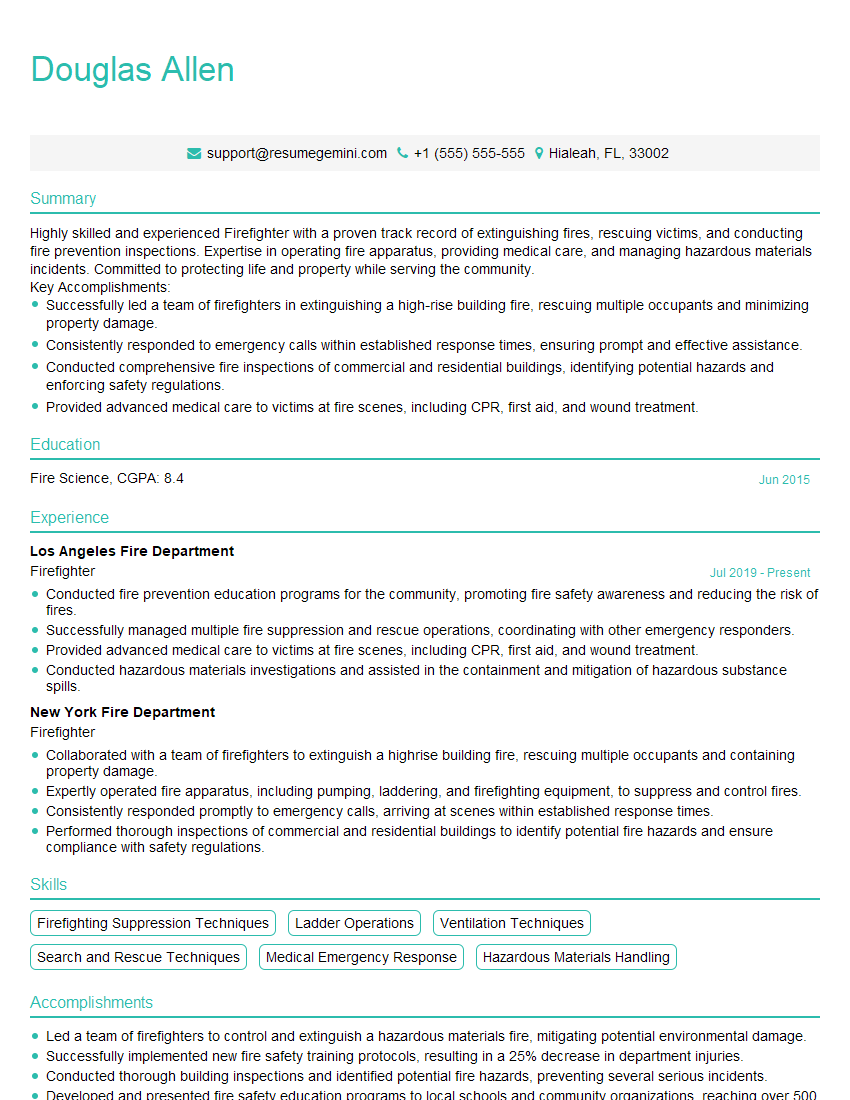
Firefighter Resume Sample
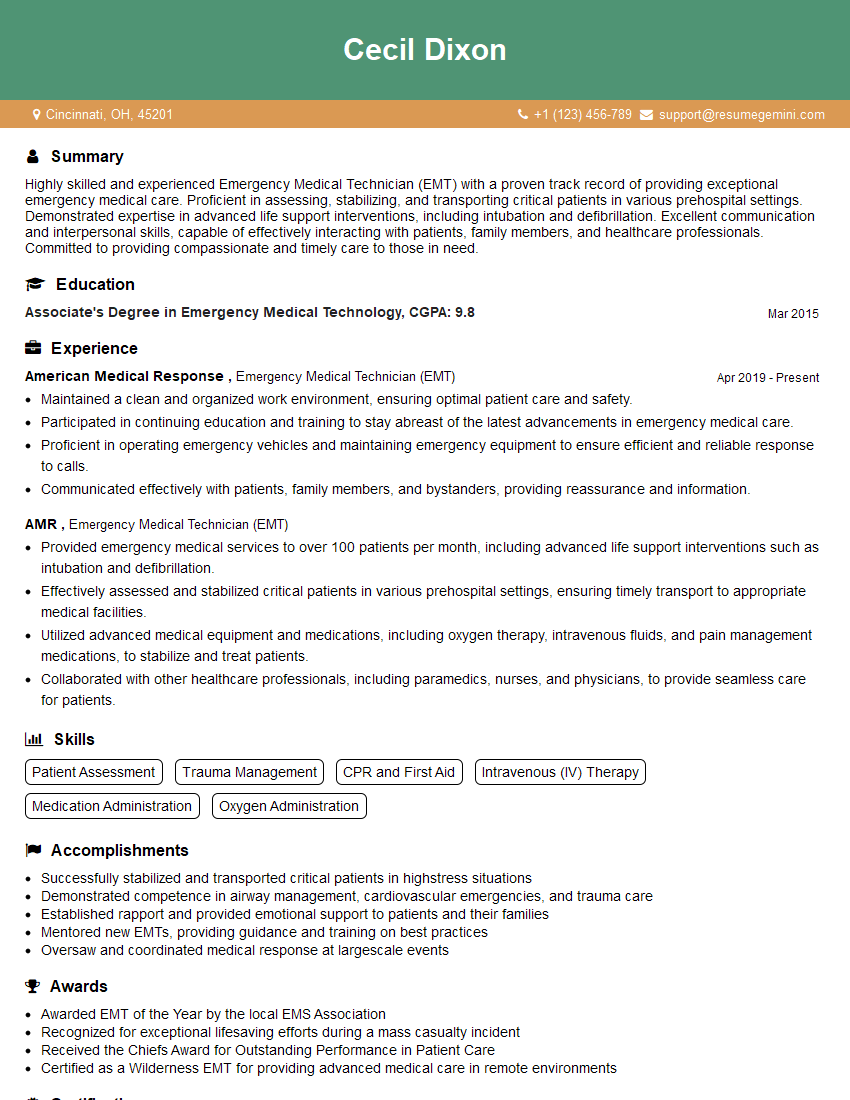
Emergency Medical Technician (EMT) Resume Sample
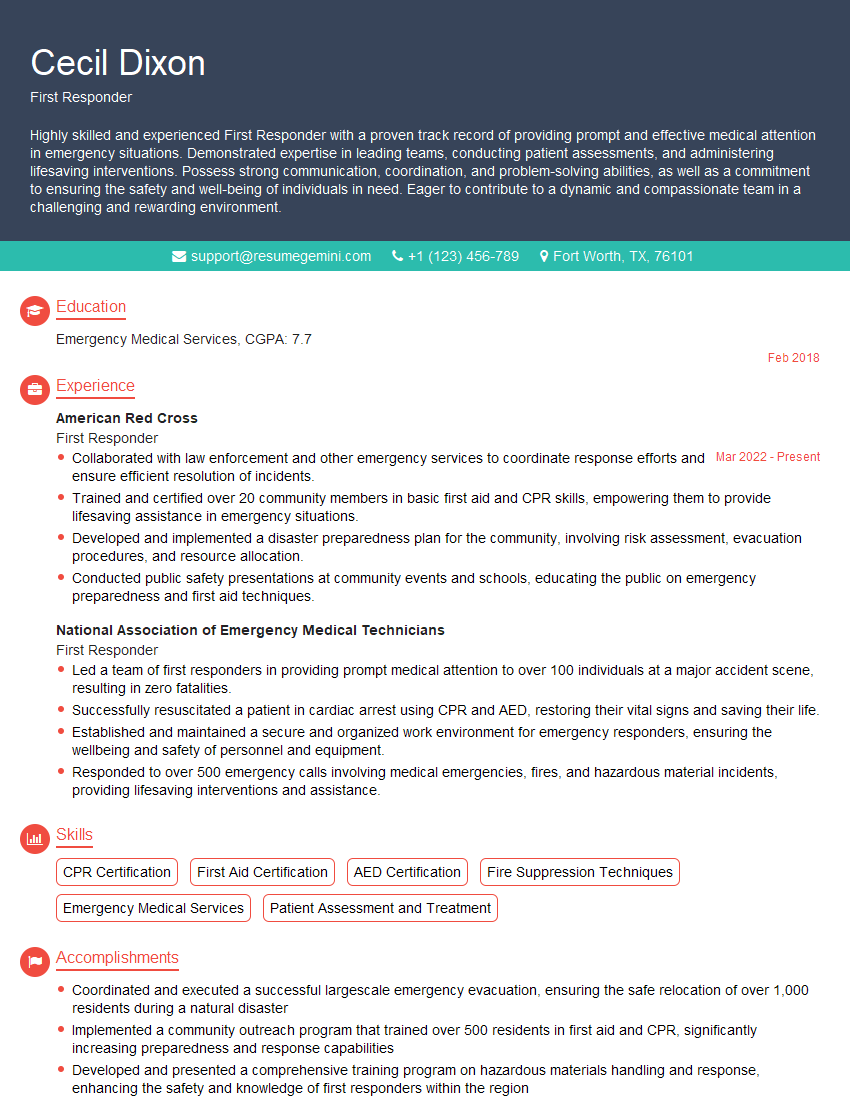
First Responder Resume Sample
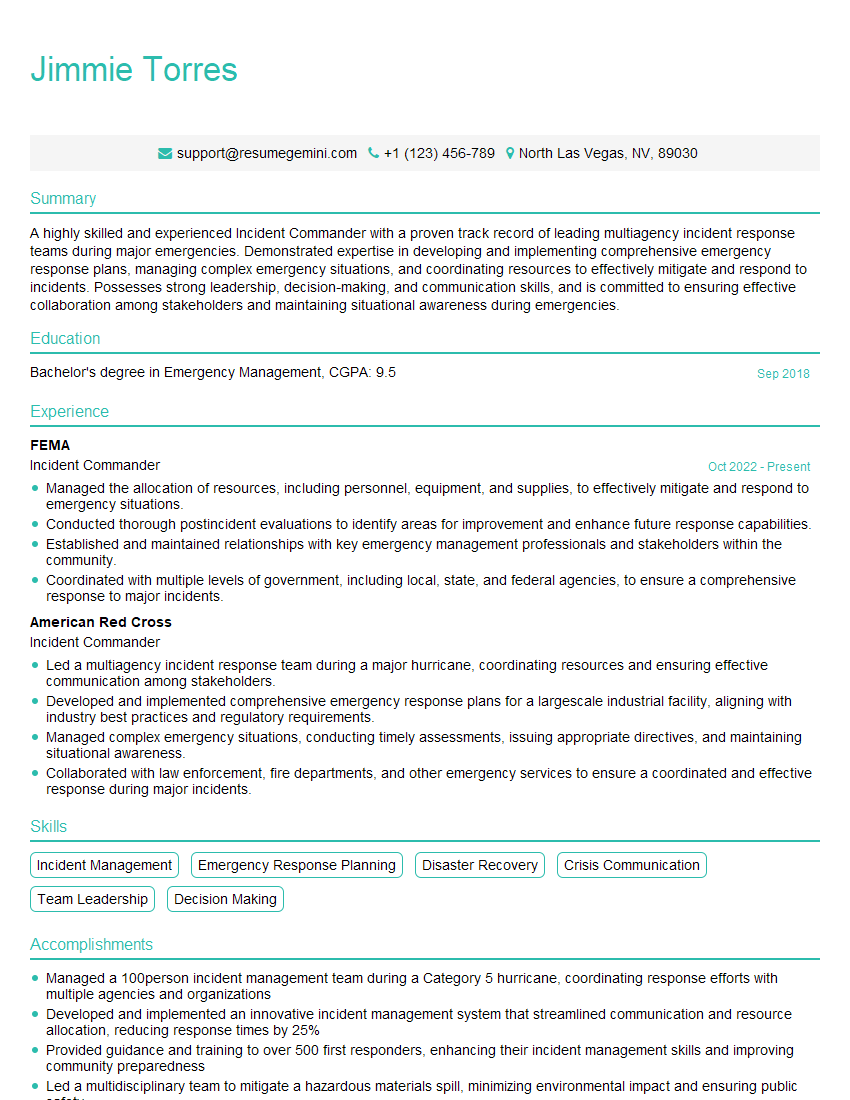
Incident Commander Resume Sample
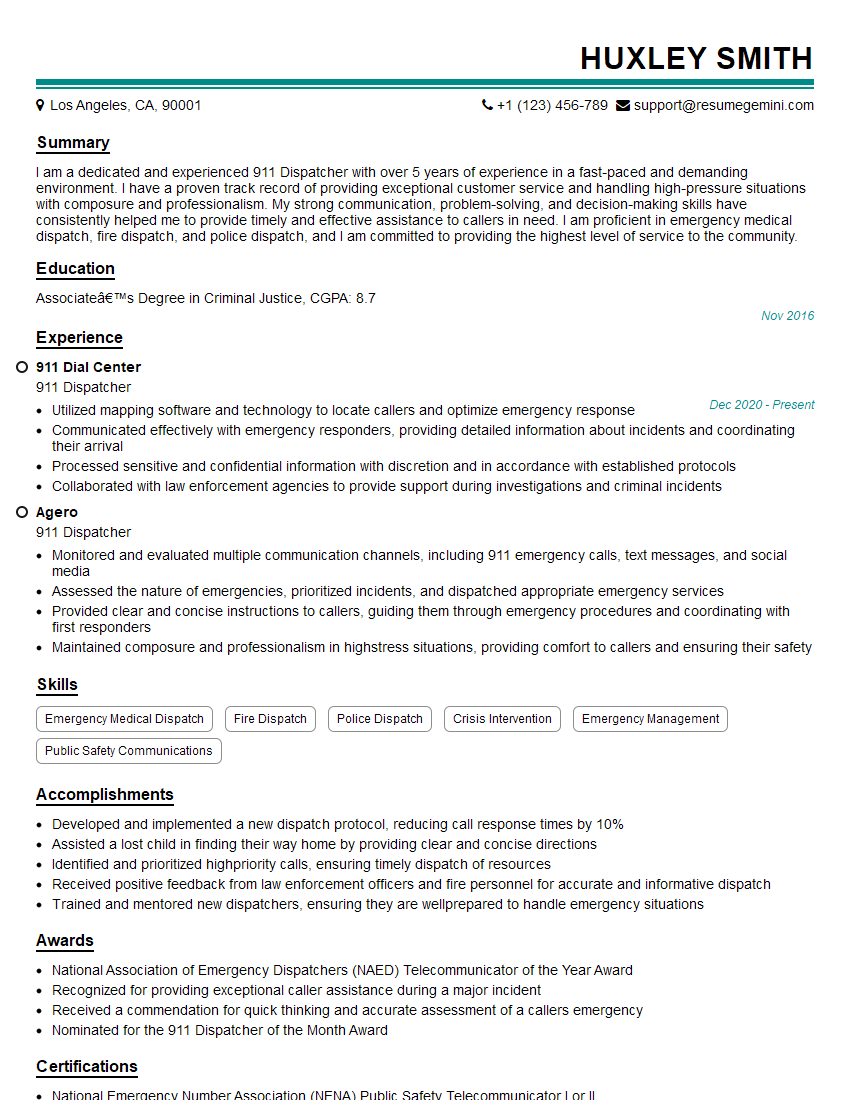
911 Dispatcher Resume Sample
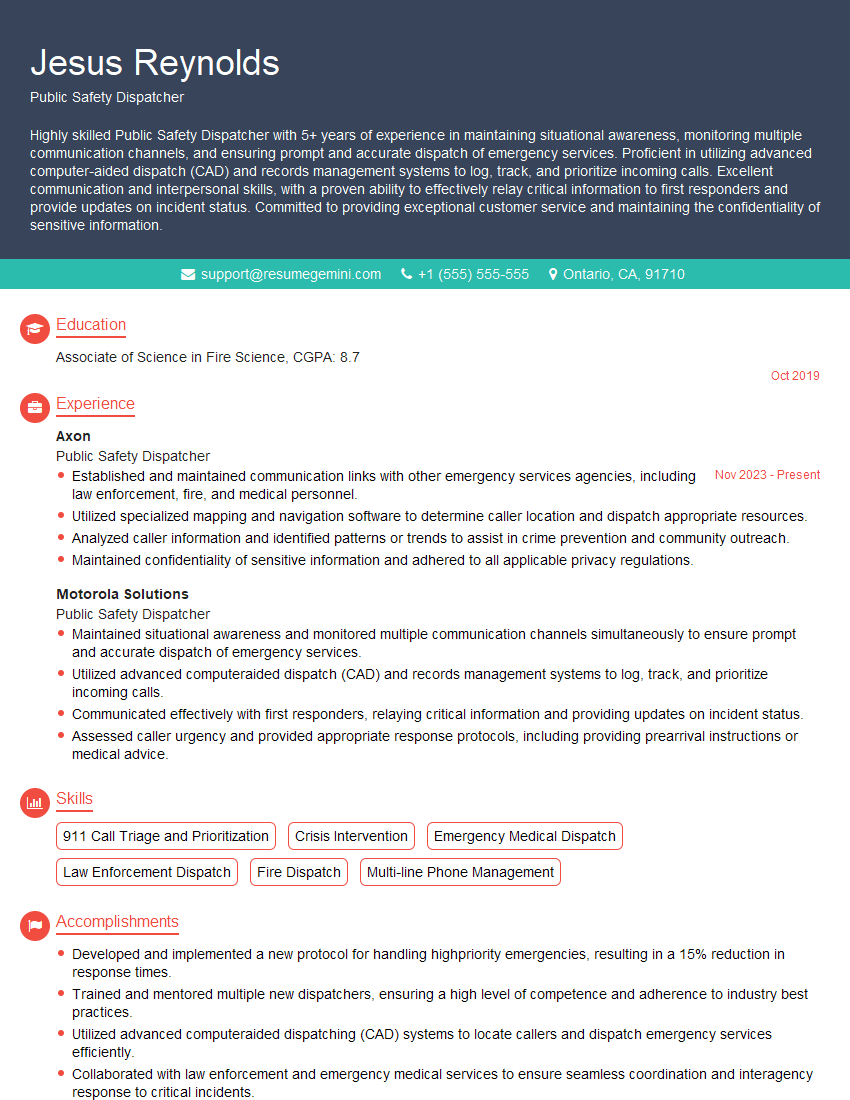
Public Safety Dispatcher Resume Sample
Explore more articles
Users Rating of Our Blogs
Share Your Experience
We value your feedback! Please rate our content and share your thoughts (optional).
What Readers Say About Our Blog
Really detailed insights and content, thank you for writing this detailed article.
IT gave me an insight and words to use and be able to think of examples