Interviews are more than just a Q&A session—they’re a chance to prove your worth. This blog dives into essential Experience in High Production Environments interview questions and expert tips to help you align your answers with what hiring managers are looking for. Start preparing to shine!
Questions Asked in Experience in High Production Environments Interview
Q 1. Describe your experience managing high-volume production lines.
Managing high-volume production lines requires a multifaceted approach focusing on efficiency, quality, and team coordination. My experience includes overseeing lines producing over 10,000 units daily, demanding meticulous planning and execution. This involved leading teams of up to 20 operators, technicians, and quality control inspectors. Key aspects included:
- Production Scheduling and Planning: Utilizing Lean manufacturing principles (like Kanban) to ensure a smooth workflow, minimizing downtime and maximizing output. This included forecasting demand, optimizing inventory levels, and creating detailed production schedules.
- Resource Allocation: Strategically assigning personnel and equipment based on workload and skill sets to ensure optimal utilization and minimize bottlenecks. For instance, I optimized the allocation of our automated packaging system to increase throughput by 15%.
- Process Monitoring and Control: Implementing real-time monitoring systems (like SCADA) to track key performance indicators (KPIs) and identify potential issues before they escalate. This allowed for proactive intervention and prevented significant production losses.
- Team Management and Communication: Fostering a collaborative environment, providing clear communication, and empowering team members to solve problems. Regular meetings and feedback sessions were crucial for maintaining morale and identifying areas for improvement.
Q 2. How have you optimized production processes to improve efficiency?
Optimizing production processes is a continuous improvement journey. I’ve employed several strategies to enhance efficiency, including:
- Lean Manufacturing Principles: Implementing 5S methodology (Sort, Set in Order, Shine, Standardize, Sustain) to streamline the workspace and eliminate waste. This resulted in a 10% reduction in material handling time in one project.
- Process Mapping and Value Stream Mapping: Identifying and eliminating non-value-added steps in the production process. By analyzing workflows, we identified and removed a redundant inspection step, saving approximately 2 hours of labor per day.
- Automation and Robotics: Integrating automated systems to improve speed, accuracy, and consistency. For example, implementing robotic arms for repetitive tasks increased production output by 20% while also reducing human error.
- Data Analysis and Process Improvement: Using statistical process control (SPC) and data analytics to identify areas for improvement and measure the effectiveness of implemented changes. We tracked cycle times, defect rates, and downtime to pinpoint inefficiencies and measure the success of improvement initiatives.
Q 3. Explain your approach to troubleshooting production issues.
My approach to troubleshooting follows a structured methodology. I believe in a systematic approach that prioritizes root cause analysis to prevent recurrence. My steps typically include:
- Identify the Problem: Clearly define the issue, gathering data from various sources (operators, machine logs, quality reports). This stage involves careful observation and data collection.
- Isolate the Source: Use a logical process of elimination to pinpoint the root cause. This might involve checking machine settings, raw materials, operator training, or even environmental factors.
- Implement a Solution: Develop and implement a corrective action. This could range from a simple adjustment to a major process overhaul. Depending on the complexity, this might involve coordinating with engineering, maintenance, and quality control.
- Verify the Solution: Monitor the production line after implementing the solution to ensure the problem is resolved and doesn’t recur. This might involve ongoing data monitoring and process adjustments.
- Document Findings: Carefully record the issue, root cause, and solution implemented to learn from past problems and prevent future incidents. Detailed documentation is essential for continuous improvement.
For instance, a recent issue with inconsistent product weight was traced to a faulty sensor on a weighing machine. After replacing the sensor, we verified the solution through continuous monitoring and statistical analysis of the product weight.
Q 4. What metrics do you use to track production performance?
Tracking production performance relies on a range of key performance indicators (KPIs). The specific metrics vary depending on the production environment, but commonly used metrics include:
- Overall Equipment Effectiveness (OEE): A comprehensive metric that considers availability, performance, and quality.
- Throughput: The total number of units produced within a specific timeframe.
- Cycle Time: The time it takes to complete one production cycle.
- Defect Rate: The percentage of defective units produced.
- Yield: The percentage of usable products produced relative to the total input.
- Downtime: The total time the production line is not operational.
- Labor Costs: The cost of labor per unit produced.
By regularly monitoring these metrics, we can identify trends, areas for improvement, and the overall health of the production process.
Q 5. How do you ensure quality control in a high-production environment?
Ensuring quality control in a high-production environment is paramount. My approach involves a multi-layered system, combining proactive measures with reactive adjustments:
- Incoming Material Inspection: Thorough inspection of raw materials to ensure they meet quality specifications. This prevents defective materials from entering the production process.
- In-Process Quality Control: Regular checks at various stages of production to identify and correct defects early. This involves visual inspections, statistical sampling, and automated quality control systems.
- Final Product Inspection: 100% inspection of the finished product to ensure it meets customer requirements and quality standards. This might include functional tests, dimensional checks, and visual assessments.
- Statistical Process Control (SPC): Utilizing control charts and other statistical tools to monitor the production process and identify potential sources of variation.
- Corrective and Preventive Actions (CAPA): Implementing a robust system for identifying root causes of defects, implementing corrective actions, and implementing preventive measures to prevent recurrence.
This multi-layered approach ensures high product quality and minimizes customer returns and complaints.
Q 6. Describe a time you had to meet a tight deadline in a production setting.
During a major product launch, we faced an incredibly tight deadline—just four weeks to ramp up production from zero to full capacity. This required a highly coordinated effort across all departments. We utilized a daily “war room” approach, tracking progress against the schedule meticulously. This included:
- Prioritization: We identified critical path activities and focused resources where they were most needed.
- Cross-functional Collaboration: We fostered close communication and collaboration between engineering, production, quality control, and logistics teams.
- Flexible Resource Allocation: We dynamically reallocated resources based on daily needs and challenges, sometimes moving personnel between different tasks to address urgent issues.
- Risk Management: We identified potential risks and developed contingency plans to address potential roadblocks.
Despite several challenges, including supplier delays and equipment malfunctions, we successfully met the deadline, launching the product on time and to specification. This experience highlighted the importance of proactive planning, flexible resource management, and effective communication in high-pressure situations.
Q 7. How do you handle production bottlenecks?
Production bottlenecks are inevitable in high-volume environments. My approach focuses on rapid identification and efficient resolution. The strategies I use include:
- Identify the Bottleneck: Accurately pinpoint the source of the bottleneck, using data analysis and visual inspections. Is it a machine malfunction, lack of raw materials, insufficient labor, or a process issue?
- Analyze the Root Cause: Investigate the underlying causes of the bottleneck. Is it a temporary issue or a systemic problem? This often requires investigation beyond simply observing the immediate issue.
- Implement Immediate Solutions: Take immediate actions to alleviate the bottleneck in the short term. This might include temporarily adjusting the production schedule, reallocating resources, or initiating expedited repairs.
- Develop Long-Term Solutions: Address the root cause of the bottleneck to prevent future occurrences. This could involve process improvements, equipment upgrades, or operator retraining.
- Monitor and Evaluate: Continuously monitor the production line to ensure the implemented solution is effective and to identify any new bottlenecks that might emerge.
For example, a recent bottleneck was identified as a slow packaging machine. While we initiated repairs, we temporarily reassigned some packaging tasks to manual labor to maintain output. The long-term solution involved upgrading the packaging machine to a more efficient model.
Q 8. What experience do you have with lean manufacturing principles?
Lean manufacturing principles focus on eliminating waste and maximizing value for the customer. My experience involves implementing several key lean methodologies, including 5S (Sort, Set in Order, Shine, Standardize, Sustain) to improve workplace organization and efficiency, and Kaizen, a continuous improvement process involving small, incremental changes. For example, in a previous role at a food processing plant, we implemented 5S in the packaging department, leading to a 15% reduction in waste and a 10% increase in packaging speed. We also used Kanban systems to manage workflow and reduce inventory, resulting in smoother production flow and significant cost savings. Another crucial aspect is Value Stream Mapping; I’ve utilized this extensively to identify and eliminate non-value-added steps in our production processes. This visualization technique allowed us to streamline operations and reduce lead times.
Q 9. Describe your experience with Six Sigma methodologies.
My experience with Six Sigma methodologies centers around DMAIC (Define, Measure, Analyze, Improve, Control) and DMADV (Define, Measure, Analyze, Design, Verify). I’ve led several projects using DMAIC to address specific production challenges. For instance, at a previous manufacturing facility, we used DMAIC to reduce the defect rate in a crucial component. We defined the problem (high defect rate), measured the current defect rate, analyzed the root causes (faulty equipment and operator error), implemented improvements (equipment calibration and operator training), and established control measures (regular monitoring and preventative maintenance). This resulted in a 70% reduction in defects and significant cost savings. DMADV has been crucial in designing new products and processes to meet stringent quality standards, ensuring they are robust and efficient from the outset. This proactive approach minimizes the need for costly corrective actions later in the production lifecycle.
Q 10. How do you manage inventory in a high-production environment?
Managing inventory in a high-production environment requires a strategic approach combining various techniques. We utilize Just-in-Time (JIT) inventory management to minimize storage costs and reduce waste by receiving materials only when needed. This necessitates close collaboration with suppliers and precise production scheduling. We also employ Material Requirements Planning (MRP) software to forecast demand and plan material procurement effectively. Regular inventory audits ensure accuracy and identify discrepancies. Furthermore, implementing robust quality control measures minimizes the risk of obsolete or damaged inventory. Effective forecasting, coupled with real-time tracking of inventory levels using ERP systems, is crucial for preventing stockouts and overstocking. A key aspect is maintaining a safety stock to buffer against unexpected disruptions in the supply chain.
Q 11. What is your experience with production scheduling software?
I have extensive experience using various production scheduling software, including SAP APO (Advanced Planning and Optimization) and Oracle Advanced Supply Chain Planning. These systems allow for optimized scheduling, considering factors like machine capacity, material availability, and production lead times. I am proficient in using these tools to create and manage detailed production schedules, balancing production capacity with customer demand. The software helps to identify potential bottlenecks and resource conflicts, allowing for proactive adjustments to maintain efficient production flow. We use the software’s reporting capabilities to monitor key performance indicators (KPIs) like on-time delivery and production efficiency. My experience includes customizing these systems to fit our specific business needs and integrating them with other enterprise systems for seamless data flow.
Q 12. How do you ensure the safety of your production team?
Ensuring the safety of the production team is paramount. This involves a multi-pronged approach starting with comprehensive safety training programs for all employees, covering topics such as hazard identification, risk assessment, and the proper use of safety equipment. Regular safety audits are conducted to identify potential hazards and ensure compliance with safety regulations. We implement strict safety protocols and enforce the use of appropriate Personal Protective Equipment (PPE). Furthermore, we encourage a strong safety culture by fostering open communication and empowering employees to report safety concerns without fear of retribution. Regular safety meetings and toolbox talks reinforce safety procedures and address any emerging concerns. Incident reporting and root cause analysis of any accidents or near misses are vital for continuous improvement and prevention of future incidents. We also actively involve the team in designing and implementing safety improvements.
Q 13. Explain your experience with root cause analysis in a production setting.
Root cause analysis is critical for identifying the underlying causes of production issues. I’ve utilized various techniques, including the 5 Whys, Fishbone diagrams, and Fault Tree Analysis. For example, in a situation where we experienced repeated machine breakdowns, we used the 5 Whys to drill down to the root cause: Why did the machine break down? (worn parts). Why were the parts worn? (lack of preventative maintenance). Why was there a lack of preventative maintenance? (inadequate training). Why was there inadequate training? (lack of resources). Why was there a lack of resources? (budgetary constraints). This allowed us to address the underlying budgetary issue, leading to improved training, preventative maintenance, and ultimately, fewer machine breakdowns. Fishbone diagrams help visualize potential causes, while Fault Tree Analysis offers a more structured approach to analyzing complex systems and identifying potential failure points. Effective root cause analysis is essential for implementing sustainable solutions and preventing recurrence.
Q 14. How do you motivate and manage a large production team?
Motivating and managing a large production team requires a leadership style that balances authority with collaboration. I believe in fostering a positive and supportive work environment where team members feel valued and respected. This includes clear communication of goals and expectations, regular performance feedback, and opportunities for professional development. I actively involve team members in decision-making processes and encourage their contributions to process improvements. Recognizing and rewarding achievements, both individually and as a team, is crucial for maintaining high morale. Addressing conflicts promptly and fairly is also critical for maintaining a productive work environment. Open communication channels help address any concerns and promote a sense of teamwork. Furthermore, I believe in empowering team members to take ownership of their work and utilize their skills and expertise effectively. A strong team leader needs to be able to inspire, motivate, and guide the team towards shared goals.
Q 15. Describe your experience with automation in a production environment.
Automation in high-production environments is crucial for efficiency and consistency. My experience encompasses implementing and managing various automated systems, from robotic process automation (RPA) for repetitive tasks like data entry to sophisticated programmable logic controllers (PLCs) governing entire production lines. In my previous role at Acme Manufacturing, we implemented a fully automated packaging line using robotic arms and vision systems. This reduced labor costs by 30% and increased output by 15%, significantly improving our bottom line. We also leveraged supervisory control and data acquisition (SCADA) systems to monitor and control the entire production process in real-time, enabling proactive issue detection and preventing major disruptions. For instance, the SCADA system alerted us to a potential pressure drop in a critical component, allowing us to address it before it caused a complete line shutdown.
Another significant automation project involved the integration of a Manufacturing Execution System (MES) that connected our shop floor data with our enterprise resource planning (ERP) system. This provided real-time visibility into production metrics, allowing us to make data-driven decisions to optimize production scheduling and resource allocation. Think of it as having a central nervous system for the entire factory.
Career Expert Tips:
- Ace those interviews! Prepare effectively by reviewing the Top 50 Most Common Interview Questions on ResumeGemini.
- Navigate your job search with confidence! Explore a wide range of Career Tips on ResumeGemini. Learn about common challenges and recommendations to overcome them.
- Craft the perfect resume! Master the Art of Resume Writing with ResumeGemini’s guide. Showcase your unique qualifications and achievements effectively.
- Don’t miss out on holiday savings! Build your dream resume with ResumeGemini’s ATS optimized templates.
Q 16. What is your experience with preventative maintenance?
Preventative maintenance is the cornerstone of reliable production. It involves proactively identifying and addressing potential equipment failures *before* they impact production. My approach centers on a well-defined schedule based on equipment specifications, historical data, and predictive analytics. At Beta Corporation, I implemented a Computerized Maintenance Management System (CMMS) which helped us track maintenance activities, generate work orders, and schedule preventative maintenance tasks. This significantly reduced downtime and extended the lifespan of our critical machinery. For example, we moved from reactive maintenance, where we fixed issues as they arose, to a preventative schedule that included regular lubrication, inspections, and part replacements. This resulted in a 20% reduction in unscheduled downtime.
Beyond scheduled maintenance, we also implemented a robust training program for our maintenance team. This focused on continuous improvement, root cause analysis (RCA) of past failures and advanced diagnostics, preventing similar issues from recurring. Regular equipment inspections, coupled with predictive maintenance using vibration analysis and oil condition monitoring, allows us to anticipate potential problems before they become major disruptions.
Q 17. How do you handle production line breakdowns?
Production line breakdowns are inevitable, but the speed and effectiveness of the response are critical. My approach is based on a structured, multi-stage process. First, we prioritize safety to ensure the well-being of personnel. Then, we engage in rapid problem diagnosis using a combination of on-site expertise, maintenance logs, and potentially remote diagnostics if applicable. We utilize a root cause analysis (RCA) methodology such as the 5 Whys to determine the underlying cause of the breakdown, not just the immediate symptom. This is crucial to preventing recurrence.
Simultaneously, we initiate a parallel process to minimize production losses. This might involve rerouting production to alternative lines if available, using pre-existing inventory to meet immediate demand, or expediting repairs by prioritizing critical parts and skilled technicians. Effective communication throughout the process – including updates to management, customers and potentially external support providers – is crucial. Post-breakdown, we conduct a thorough review to document lessons learned, update maintenance procedures, and ensure adequate spare parts are available to prevent similar issues in the future. Think of it as a fire drill – fast response, careful assessment, and meticulous follow-up are vital.
Q 18. What is your experience with capacity planning?
Capacity planning is about ensuring the production system can meet current and future demand efficiently and cost-effectively. It requires a holistic view of all aspects of the production process. My approach begins with a detailed forecast of future demand, incorporating historical data, market trends, and any known future projects. This forecast then informs the assessment of our current capacity, considering both equipment and personnel limitations. We use various techniques, including simulations, to model different scenarios and identify potential bottlenecks.
If the analysis reveals a capacity gap, we explore various options to bridge it. These might include investing in new equipment, optimizing existing processes, implementing lean manufacturing principles, or adjusting production schedules. For instance, at Gamma Industries, we utilized discrete event simulation to model the impact of adding a new robotic cell to our assembly line. This allowed us to accurately predict the resulting increase in throughput and ROI before making a significant capital investment. Regular capacity reviews and adjustments are crucial to adapt to changing market conditions and maintain optimal efficiency.
Q 19. How do you improve employee productivity in a high-production setting?
Improving employee productivity in a high-production setting requires a multi-pronged approach focusing on both efficiency and employee well-being. Firstly, proper training is essential. This goes beyond initial onboarding; it should include continuous skill development and opportunities for upskilling. This keeps employees engaged and allows them to master new technologies and processes. Secondly, providing a safe and ergonomic work environment is critical. Reducing workplace hazards and implementing ergonomic workstations minimize fatigue and injuries, enhancing productivity and morale.
Clear communication and effective feedback are crucial. Employees need to understand their roles, responsibilities, and performance expectations. Regular feedback sessions, both positive and constructive, keep them engaged and motivated. Empowering employees to contribute ideas and participate in improvement initiatives fosters ownership and commitment. Lastly, recognizing and rewarding exceptional performance boosts morale and encourages continued high output. Think of it like a sports team: good coaching, a supportive environment, and acknowledging good plays all contribute to a winning outcome.
Q 20. Describe your experience with implementing new technologies in production.
Implementing new technologies in a production environment requires careful planning and execution. It’s not simply about buying the latest equipment; it’s about integrating it seamlessly into the existing system. My experience involves a phased approach. Firstly, a thorough needs assessment identifies the specific problems the new technology aims to address, ensuring alignment with business objectives. Next, a detailed feasibility study evaluates the technical, financial, and operational aspects, including compatibility with existing systems, training requirements, and potential downtime during implementation.
The implementation itself is often a phased rollout, starting with a pilot project to test the technology in a controlled environment before full-scale deployment. This minimizes risks and allows for adjustments based on real-world feedback. Throughout the process, robust change management strategies are crucial to ensure buy-in from employees and minimize disruptions. Finally, comprehensive training programs prepare employees for the new technology and processes. After implementation, continuous monitoring and evaluation are critical to measure effectiveness, identify areas for improvement, and ensure the technology delivers the intended benefits. Think of it as building a house – careful planning, phased construction, and regular inspections are key to a successful outcome.
Q 21. How do you manage production costs effectively?
Managing production costs effectively is a continuous process that requires a holistic approach. It starts with a detailed understanding of all cost elements, from raw materials and labor to energy consumption and maintenance. Benchmarking against industry standards helps identify areas for potential improvement. One effective strategy is lean manufacturing, which focuses on eliminating waste in all aspects of production, from excess inventory to unnecessary movement of materials and people. Techniques like Kaizen (continuous improvement) and 5S (sort, set in order, shine, standardize, sustain) are instrumental in achieving this.
Technology also plays a critical role. Automated systems can reduce labor costs and improve efficiency, while predictive maintenance minimizes downtime and extends the life of equipment. Effective inventory management, including just-in-time (JIT) inventory strategies, helps reduce storage costs and minimize waste. Regular cost analysis, including variance analysis, identifies deviations from budget and helps take corrective action. It’s a continuous cycle of monitoring, analyzing, and optimizing to ensure the production process remains cost-effective and competitive.
Q 22. Explain your experience with supply chain management in a high-production environment.
In high-production environments, effective supply chain management is crucial for maintaining a smooth flow of materials and finished goods. My experience involves overseeing every stage, from raw material sourcing and procurement to inventory management, production scheduling, and distribution. This includes optimizing logistics, negotiating with suppliers to secure favorable pricing and delivery terms, and implementing robust inventory control systems to minimize waste and storage costs.
For example, at my previous role at Acme Manufacturing, we implemented a just-in-time (JIT) inventory system. This significantly reduced our warehousing costs and improved our responsiveness to fluctuating market demands. We also leveraged advanced analytics to predict demand spikes and proactively adjust our procurement strategies, preventing stockouts and minimizing production delays. The result was a 15% reduction in overall supply chain costs and a 10% increase in on-time delivery.
Q 23. How do you ensure compliance with industry regulations in production?
Ensuring compliance with industry regulations is paramount in a high-production environment. This involves understanding and adhering to a range of standards, including safety regulations (OSHA, for example), environmental regulations (like EPA compliance), and quality control standards (ISO 9001, for instance). My approach involves establishing a comprehensive compliance program that includes regular audits, employee training, and the implementation of robust documentation and tracking systems.
We create detailed Standard Operating Procedures (SOPs) for all processes and ensure all team members are thoroughly trained on these procedures. Furthermore, we use specialized software to track compliance metrics, identify potential risks, and generate reports for internal and external audits. For example, in one instance, we implemented a new waste management system which reduced our carbon footprint by 20% while ensuring full compliance with local environmental regulations.
Q 24. What is your experience with data analysis in a production context?
Data analysis is the backbone of decision-making in high-production settings. My experience encompasses collecting, cleaning, analyzing, and interpreting large datasets related to production efficiency, quality control, and supply chain performance. I’m proficient in using statistical software and tools to identify trends, patterns, and anomalies. This allows us to proactively identify and address potential problems before they impact production.
For instance, by analyzing historical production data, we identified a bottleneck in our assembly line. Using this data, we implemented process improvements, which resulted in a 12% increase in overall production output. We also use predictive analytics to forecast demand and optimize resource allocation, thereby minimizing production downtime and maximizing efficiency.
Q 25. Describe a time you had to make a difficult decision impacting production.
One challenging situation involved a critical machine malfunction during peak production season. The repair would require significant downtime, potentially leading to missed deadlines and significant financial losses. The decision was whether to attempt a quick, potentially risky, in-house repair or to order a replacement part, which would incur substantial cost but guarantee minimal downtime.
After carefully evaluating the risks and costs associated with both options, considering the potential impact on customer orders and production schedules, we decided to order the replacement part. While it was more expensive, the potential losses from missed deadlines and customer dissatisfaction far outweighed the cost of the new part. This decision ultimately proved correct; we minimized disruption and avoided significant reputational damage.
Q 26. How do you delegate tasks effectively within a large production team?
Effective delegation is essential for managing a large production team. My approach involves clearly defining roles and responsibilities, setting realistic expectations, and providing the necessary resources and support. I focus on empowering team members by giving them autonomy and ownership over their tasks.
I regularly provide constructive feedback and mentorship to help team members develop their skills and capabilities. I also ensure that communication channels are open and transparent, fostering a collaborative work environment where team members feel comfortable seeking guidance and support. I utilize project management tools to track progress and ensure deadlines are met.
Q 27. How do you prioritize tasks in a fast-paced production environment?
Prioritizing tasks in a fast-paced production environment requires a strategic approach. I use several methods, including the Eisenhower Matrix (urgent/important), prioritizing based on customer demand and deadlines, and utilizing project management software to track tasks and dependencies. I also regularly review and adjust priorities based on changing circumstances.
For example, I might prioritize tasks based on their impact on overall production output and customer satisfaction. A task with a high impact on both would take precedence over a task with a low impact on either. I regularly communicate these priorities to the team, ensuring everyone understands the importance of each task and the overall production goals.
Q 28. What are your strengths and weaknesses in a high-production environment?
My strengths in a high-production environment include my strong analytical skills, my ability to make timely and effective decisions under pressure, and my experience in leading and motivating large teams. I excel at problem-solving, identifying bottlenecks, and implementing process improvements to optimize efficiency and productivity.
One area for improvement is my delegation of tasks. While I’m effective at delegating, I sometimes tend to micromanage. I’m actively working on trusting my team more and focusing on providing guidance and support rather than getting involved in every detail. This involves actively practicing more mindful delegation and improving my feedback methods.
Key Topics to Learn for Experience in High Production Environments Interview
- Scalability and Performance Optimization: Understanding techniques like load balancing, horizontal scaling, and database optimization is crucial. Consider discussing your experience with performance monitoring tools and identifying bottlenecks.
- Monitoring and Alerting: Explain your experience with implementing and interpreting metrics, setting up alerts, and responding to incidents. Discuss specific tools used and the processes followed for incident management.
- High Availability and Disaster Recovery: Describe your experience with designing and implementing systems for high availability, including redundancy and failover mechanisms. Discuss your knowledge of disaster recovery planning and execution.
- Deployment Strategies: Showcase your familiarity with various deployment strategies like blue/green deployments, canary deployments, and rolling updates. Explain the trade-offs and best practices for each.
- Security in Production Environments: Discuss your experience with implementing security best practices in a production setting, including authentication, authorization, and data protection. Mention specific security tools or frameworks used.
- Troubleshooting and Problem Solving: Highlight your ability to diagnose and resolve complex issues in a high-pressure production environment. Use STAR method examples to illustrate your problem-solving skills.
- Automation and DevOps Practices: Discuss your experience with automating tasks related to deployment, monitoring, and infrastructure management. Mention specific tools and technologies used (e.g., CI/CD pipelines).
Next Steps
Mastering experience in high-production environments is paramount for career advancement in today’s competitive tech landscape. Demonstrating a strong understanding of these concepts significantly increases your chances of landing your dream role. To maximize your job prospects, creating a compelling and ATS-friendly resume is essential. ResumeGemini is a trusted resource to help you build a professional and impactful resume that highlights your key skills and achievements. We provide examples of resumes tailored to showcasing experience in high-production environments to guide you through the process. Take the next step towards your career success today!
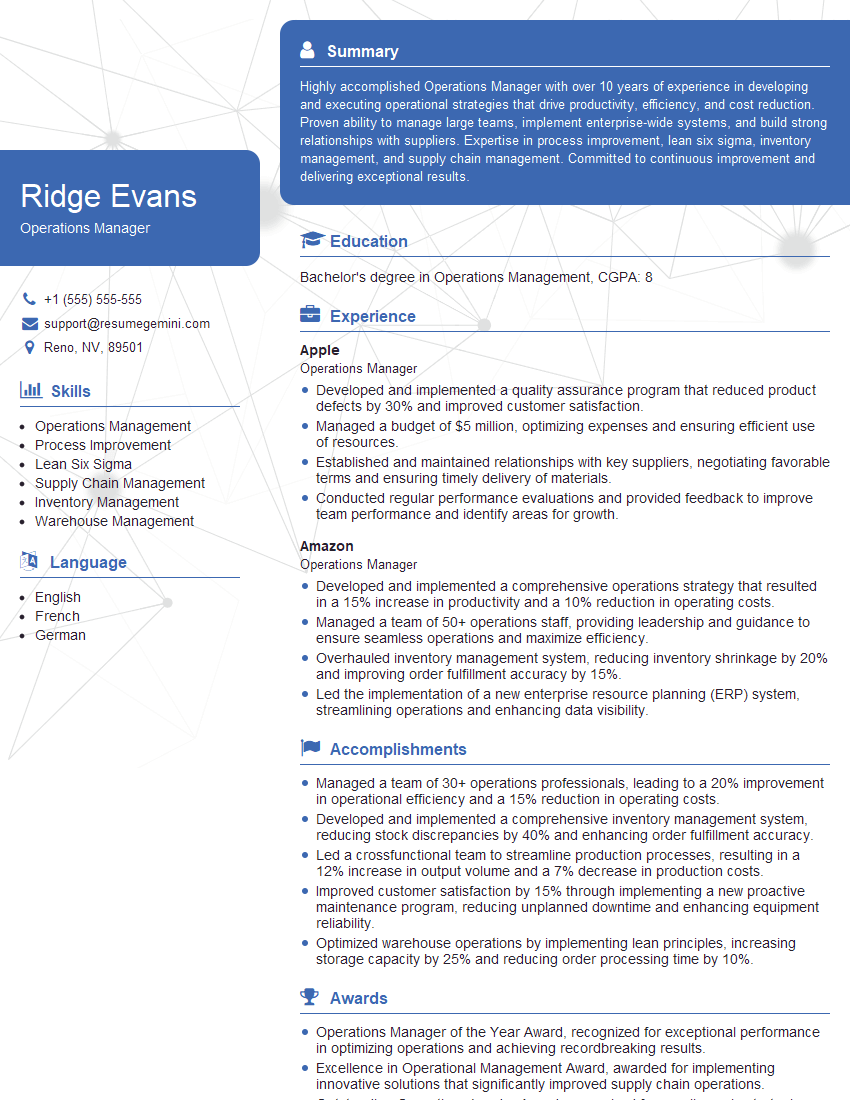
Operations Manager Resume Sample
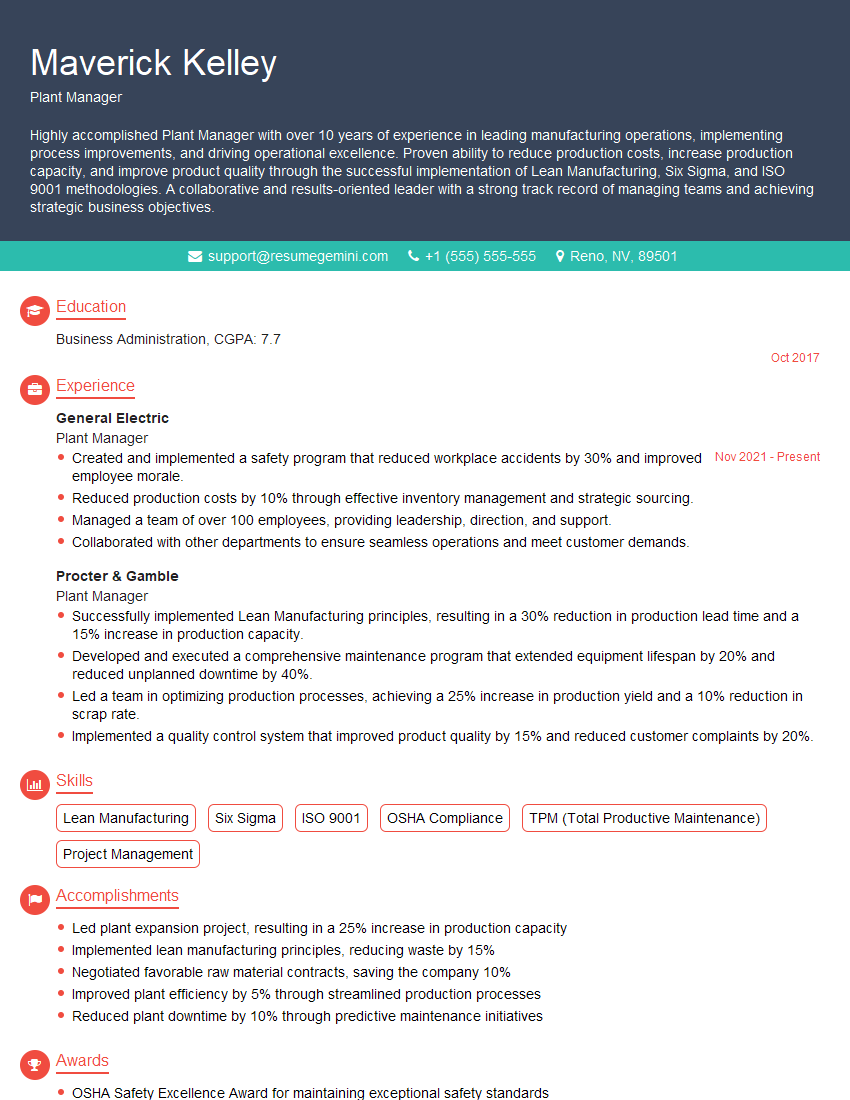
Plant Manager Resume Sample
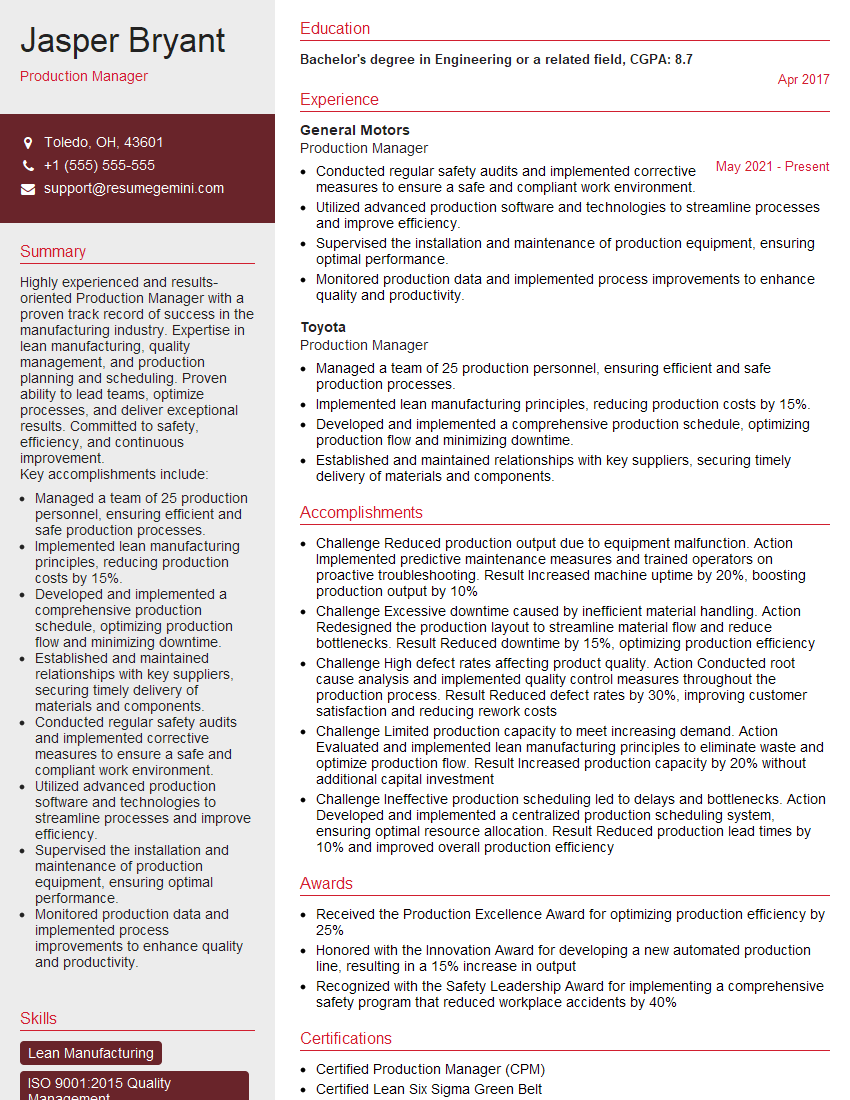
Production Manager Resume Sample
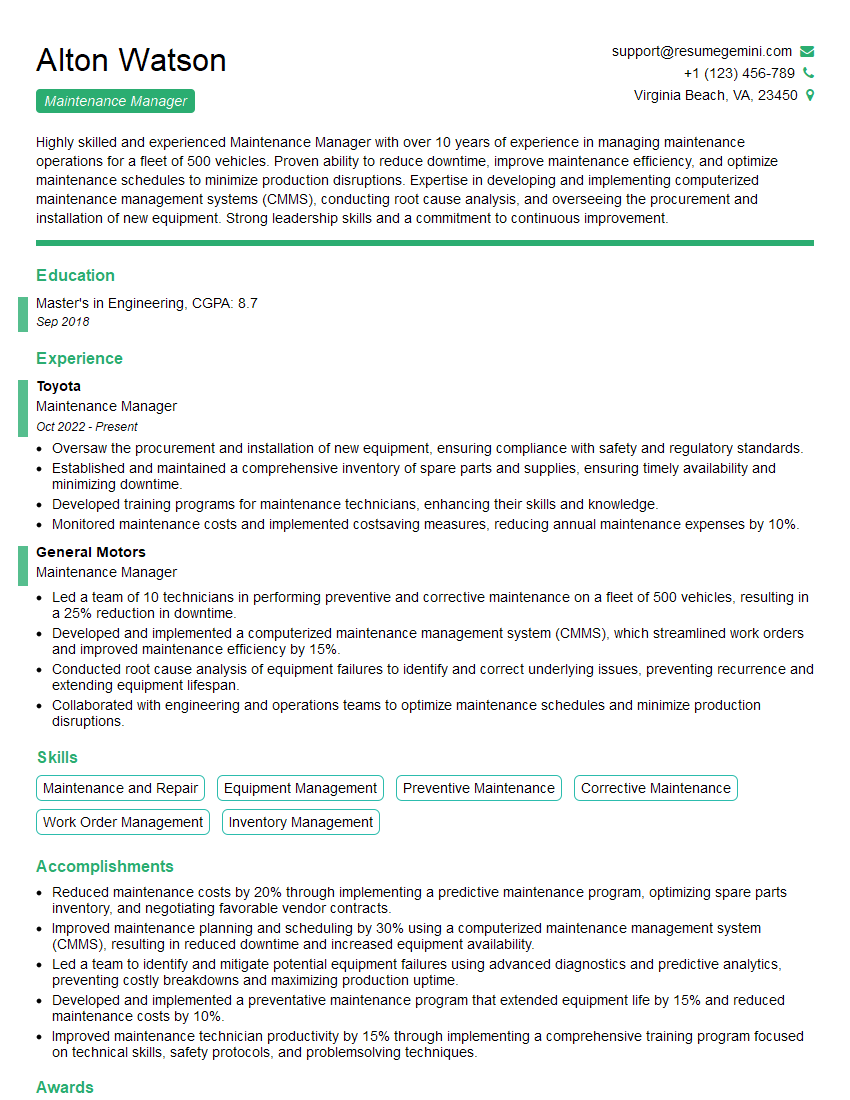
Maintenance Manager Resume Sample
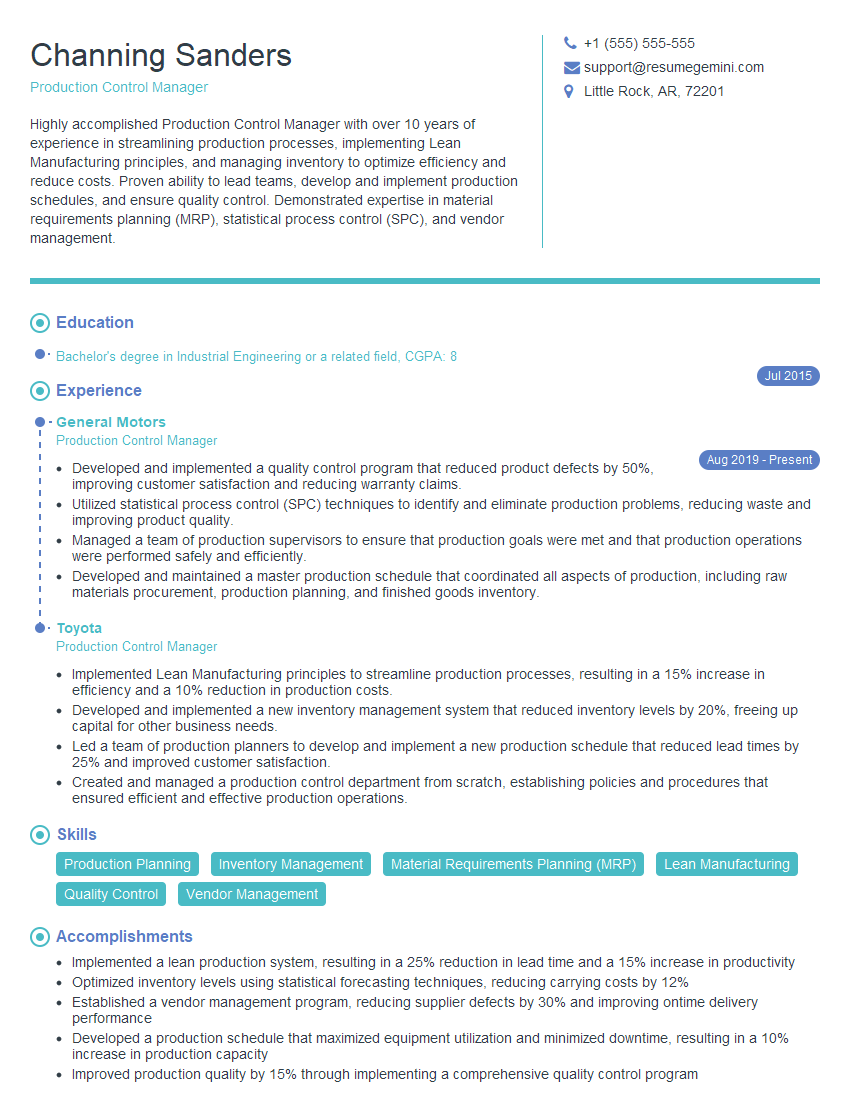
Production Control Manager Resume Sample
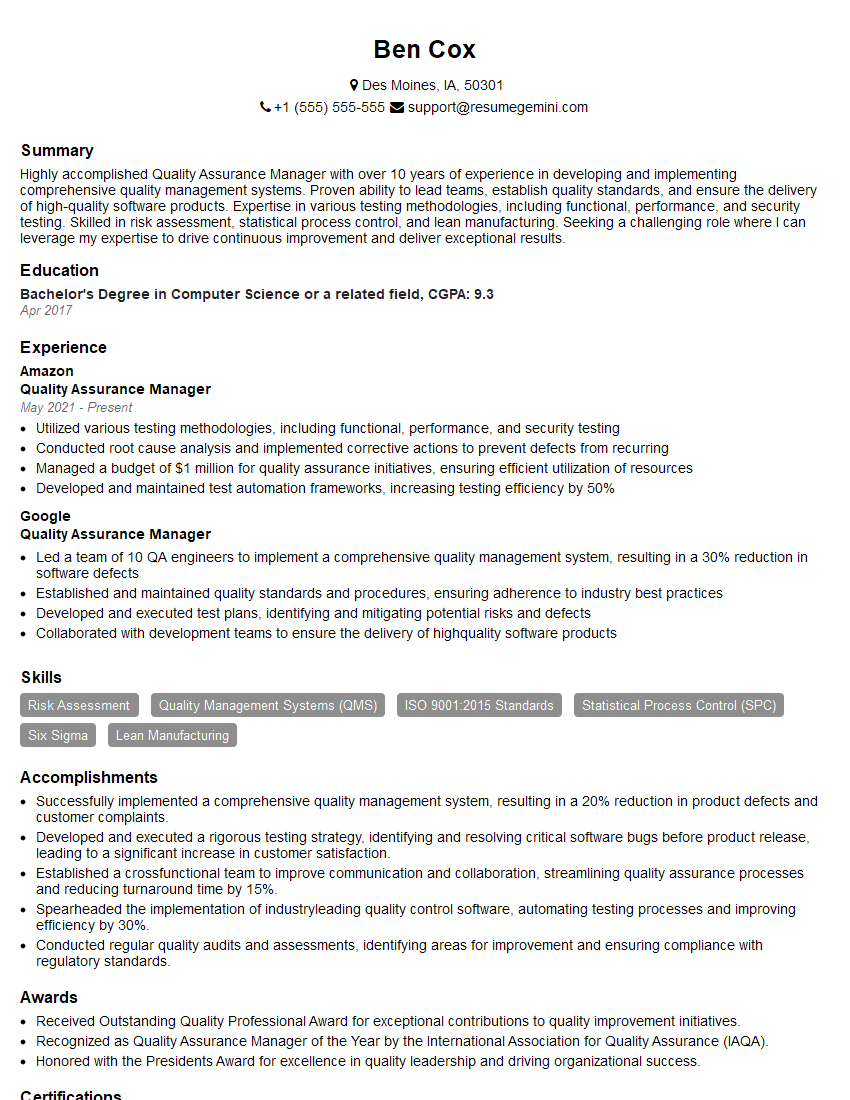
Quality Assurance Manager Resume Sample
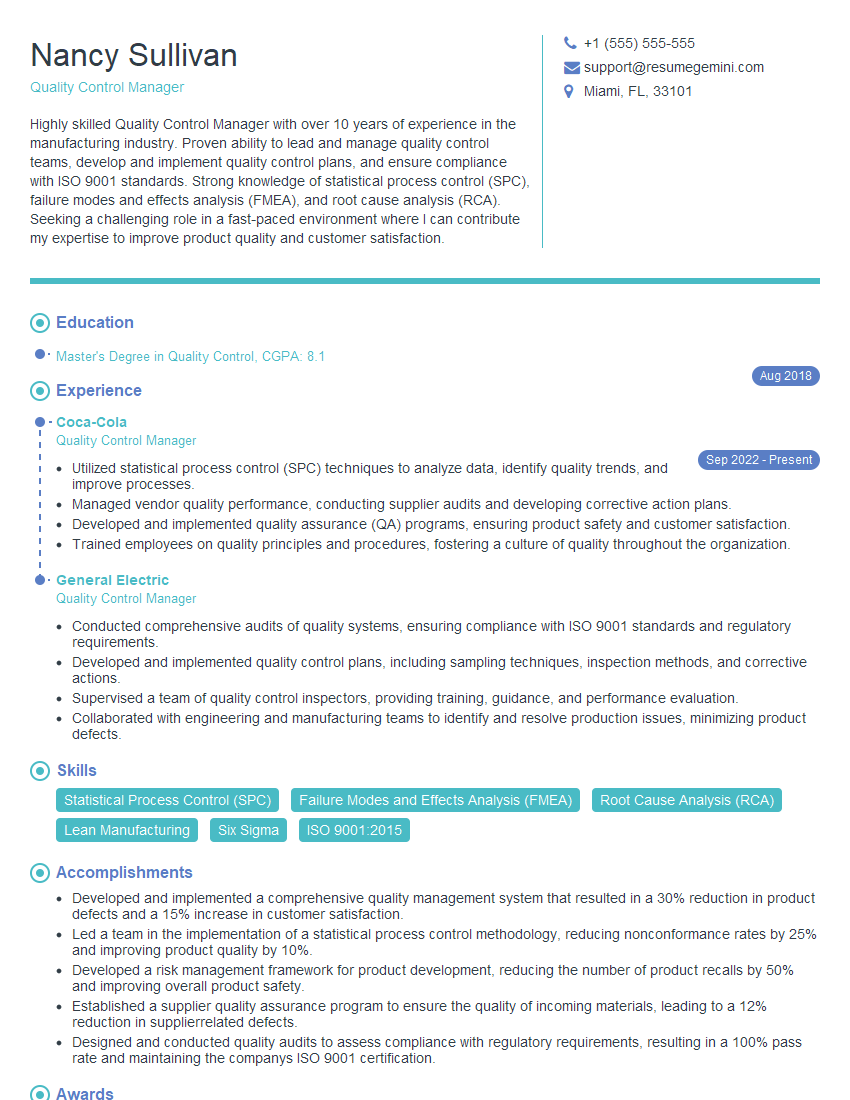
Quality Control Manager Resume Sample
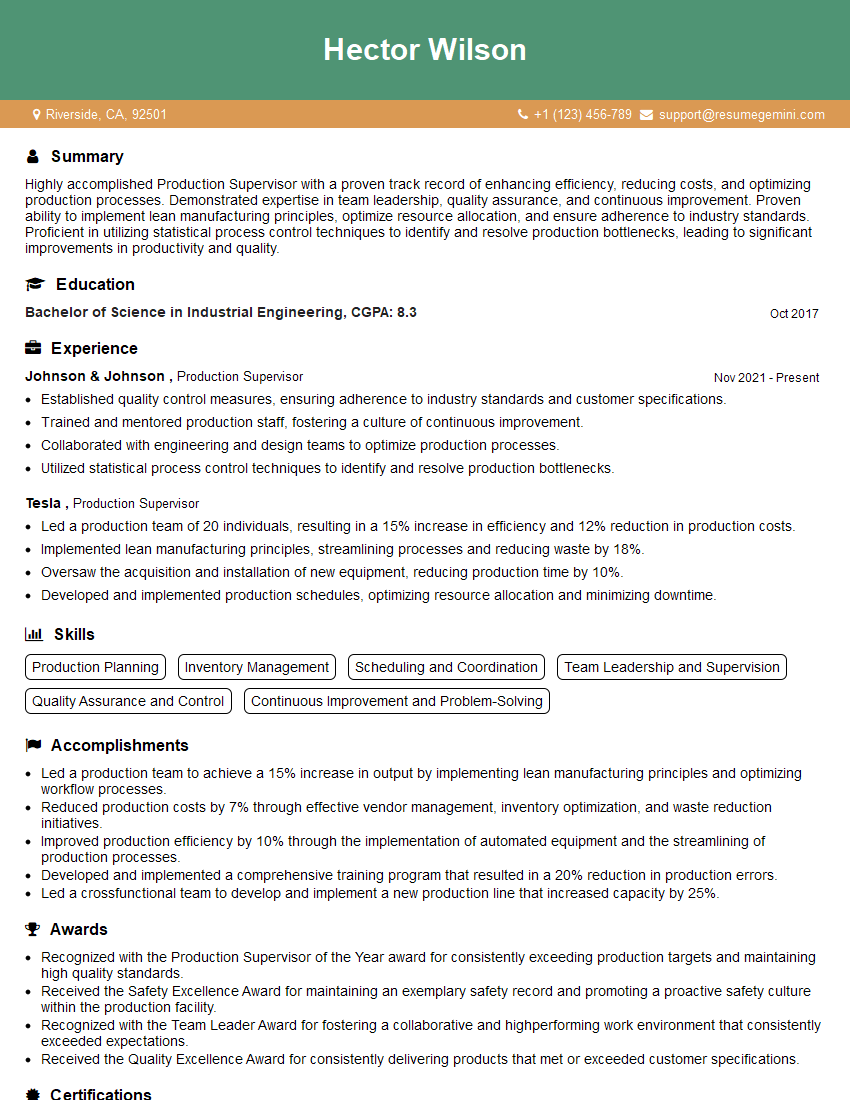
Production Supervisor Resume Sample
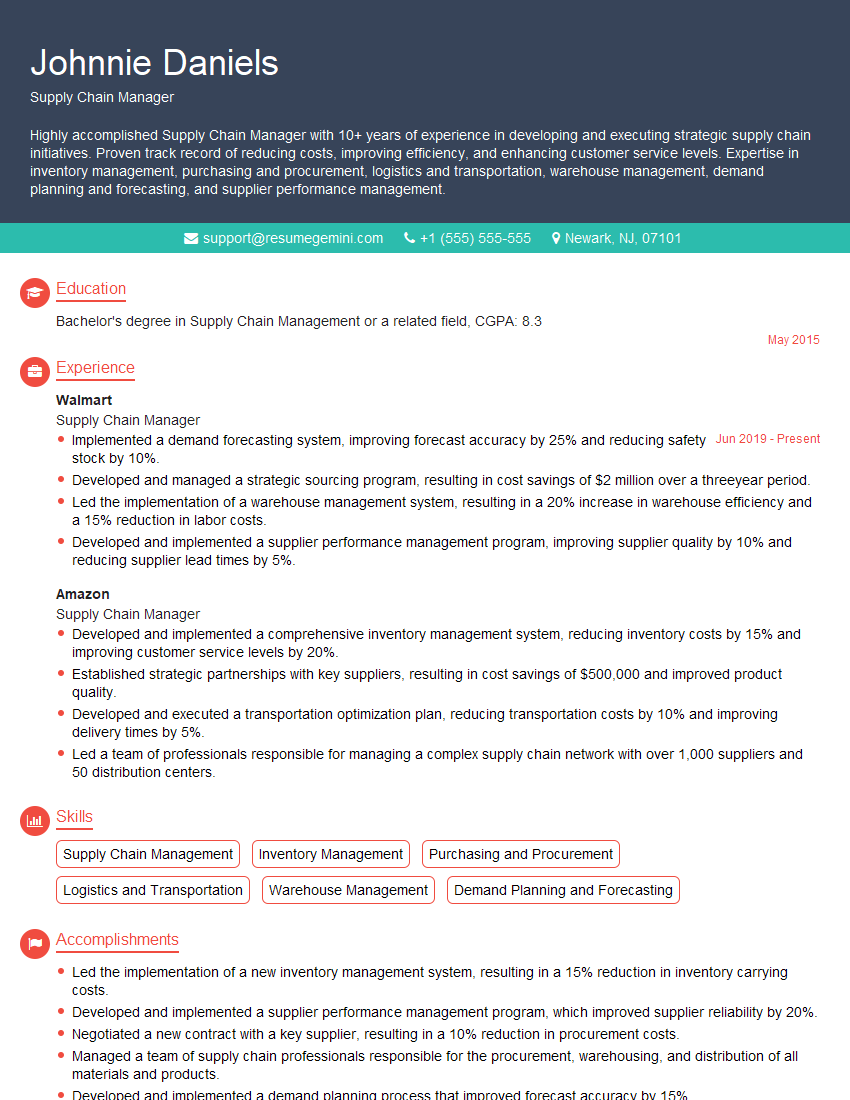
Supply Chain Manager Resume Sample
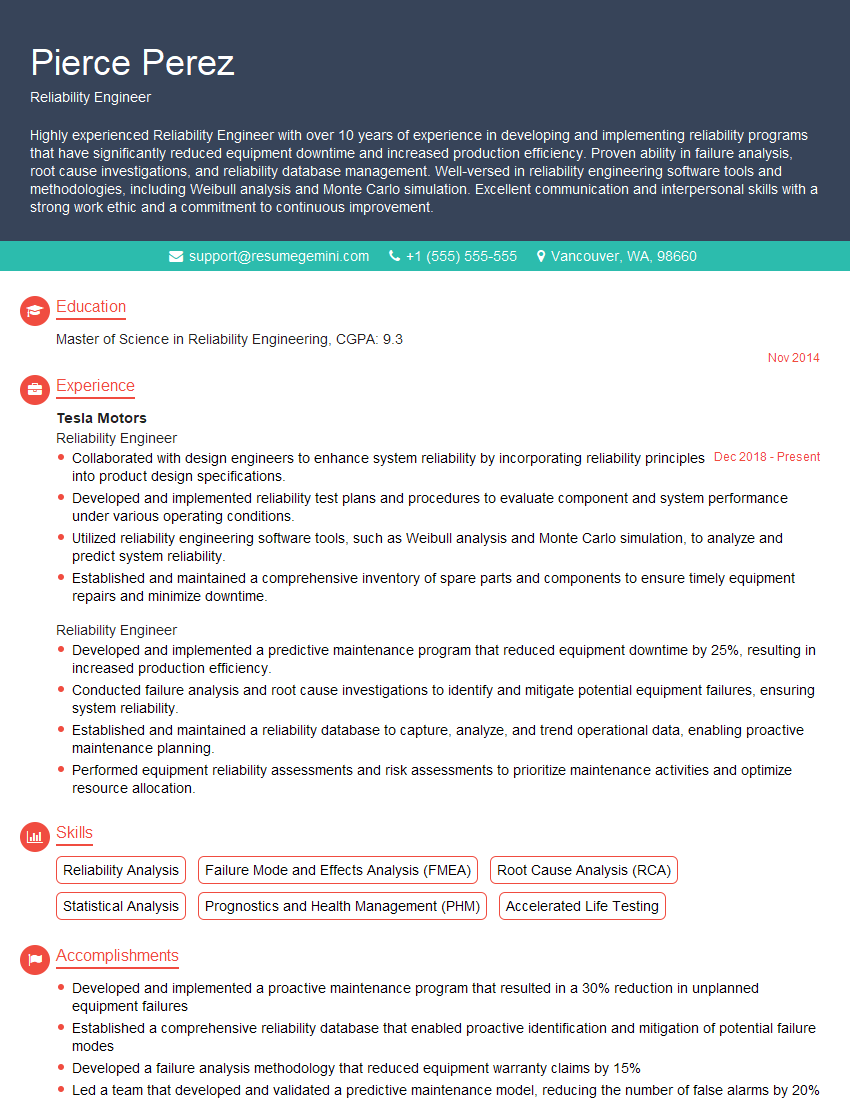
Reliability Engineer Resume Sample
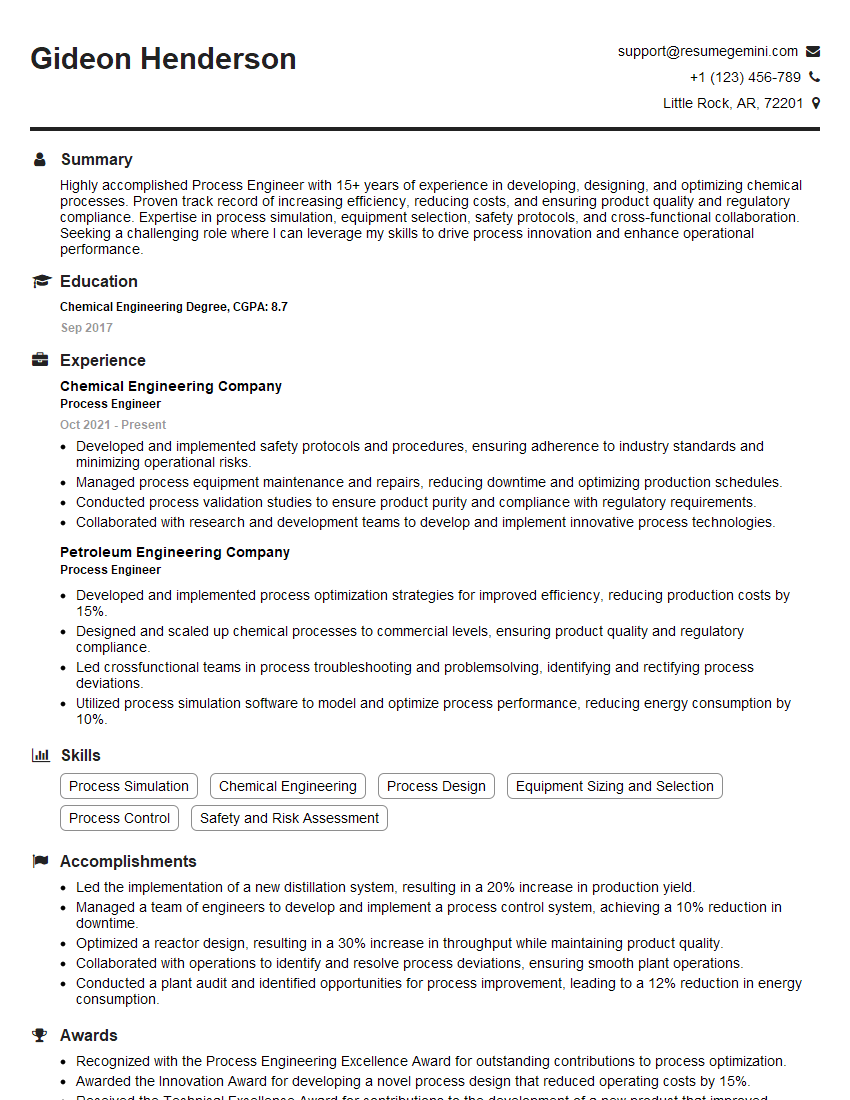
Process Engineer Resume Sample
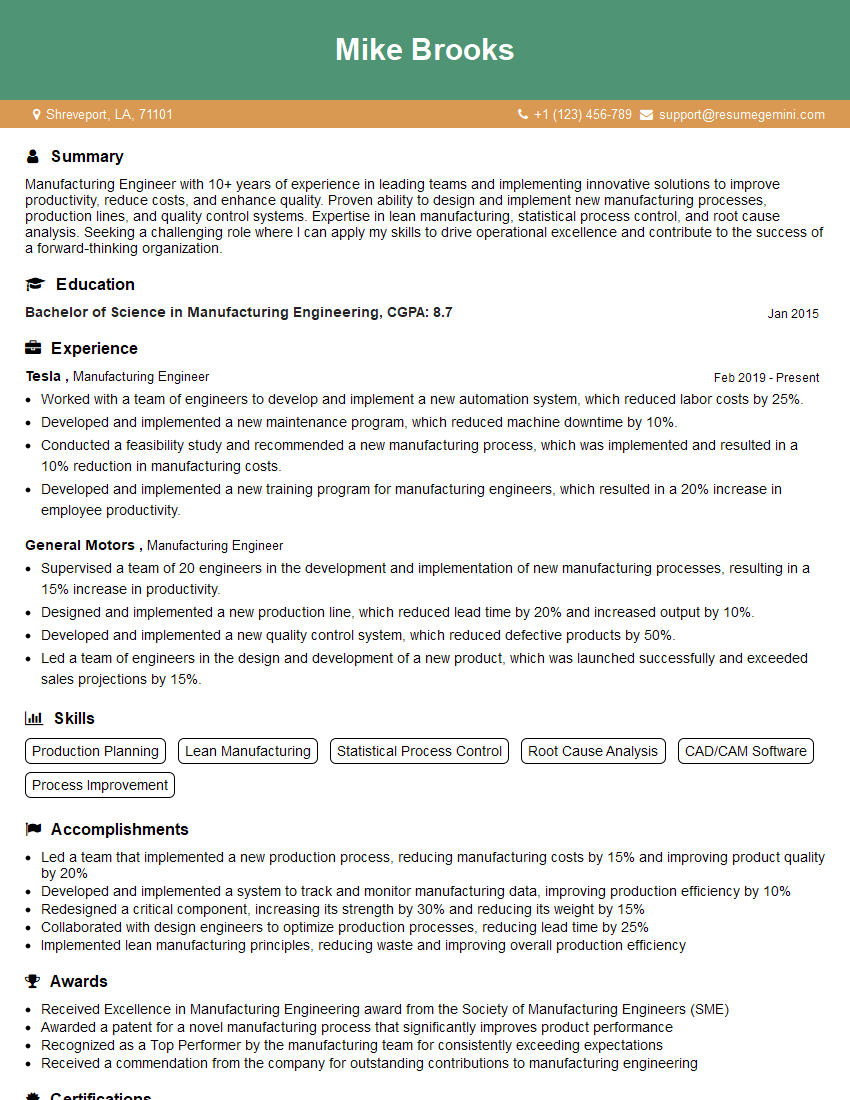
Manufacturing Engineer Resume Sample
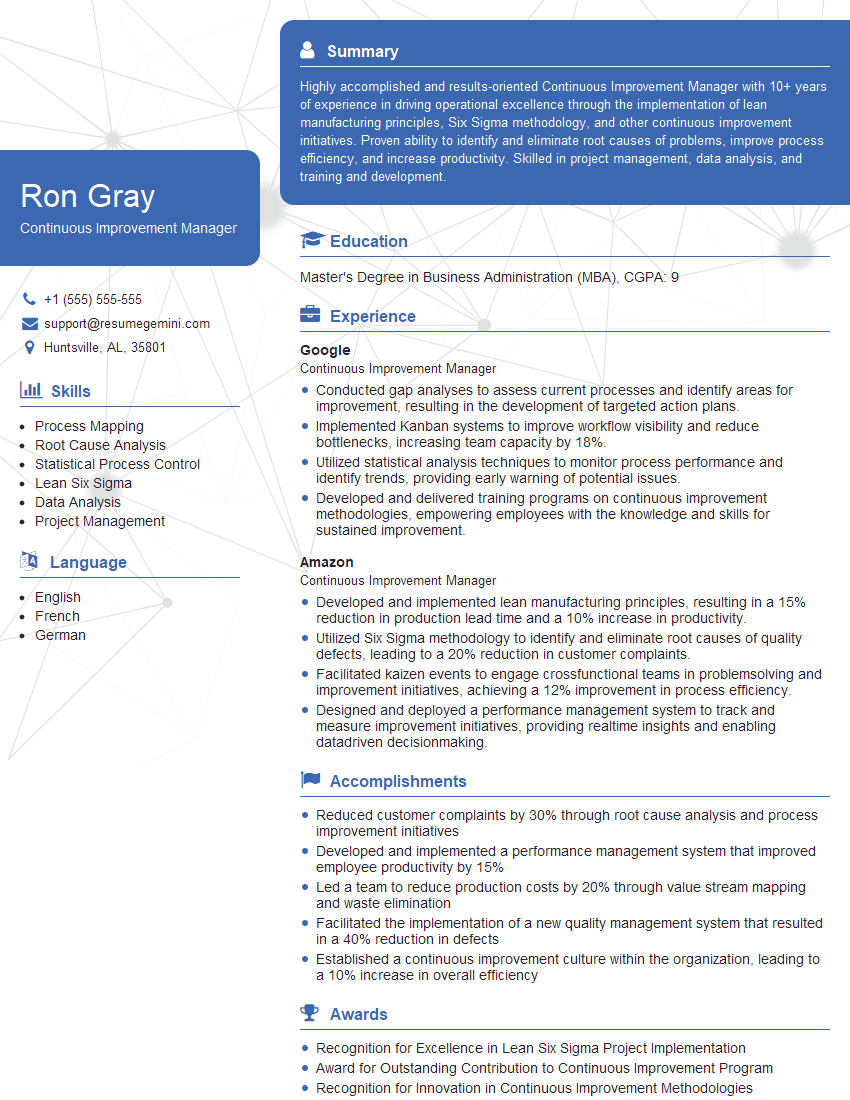
Continuous Improvement Manager Resume Sample
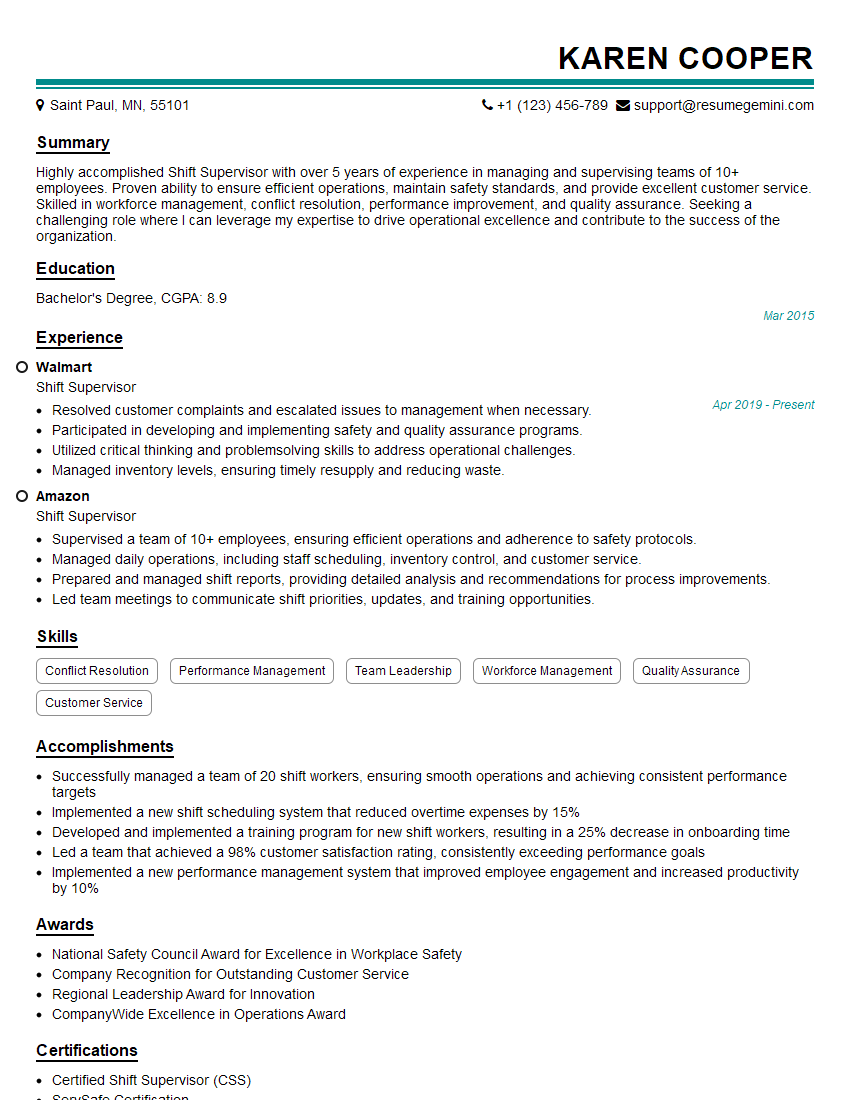
Shift Supervisor Resume Sample
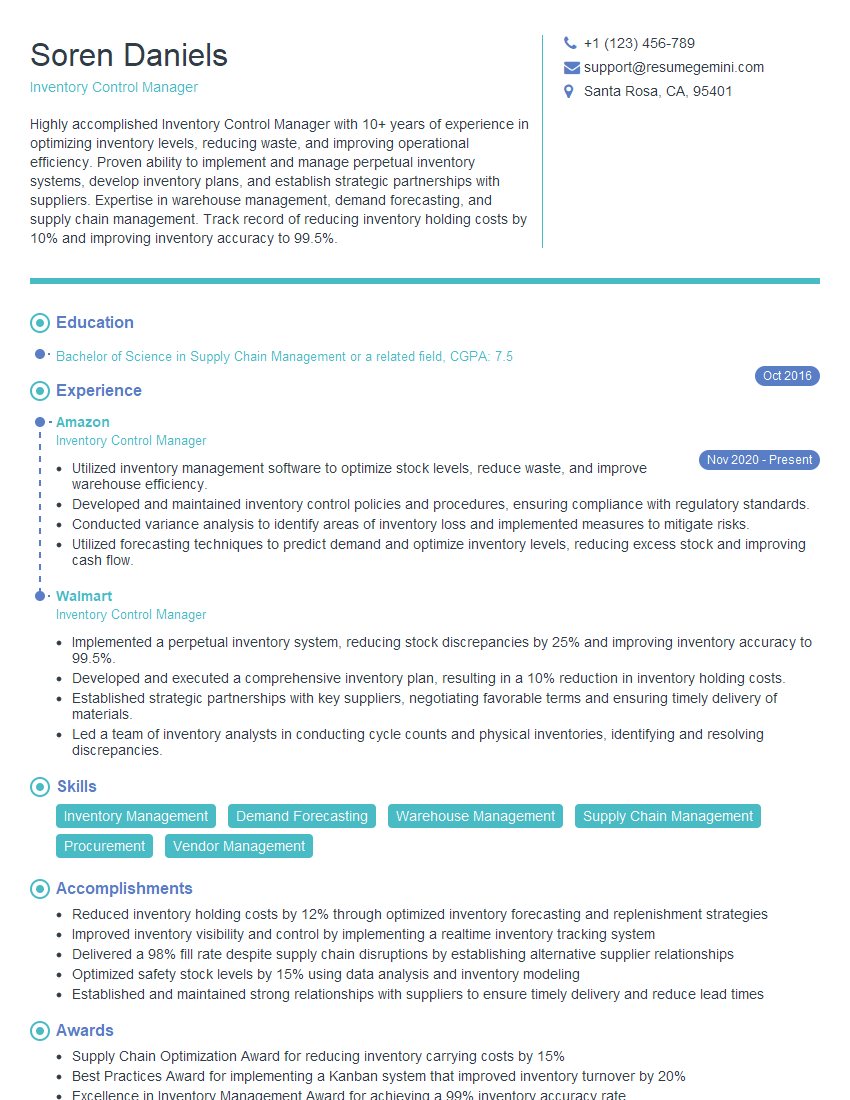
Inventory Control Manager Resume Sample
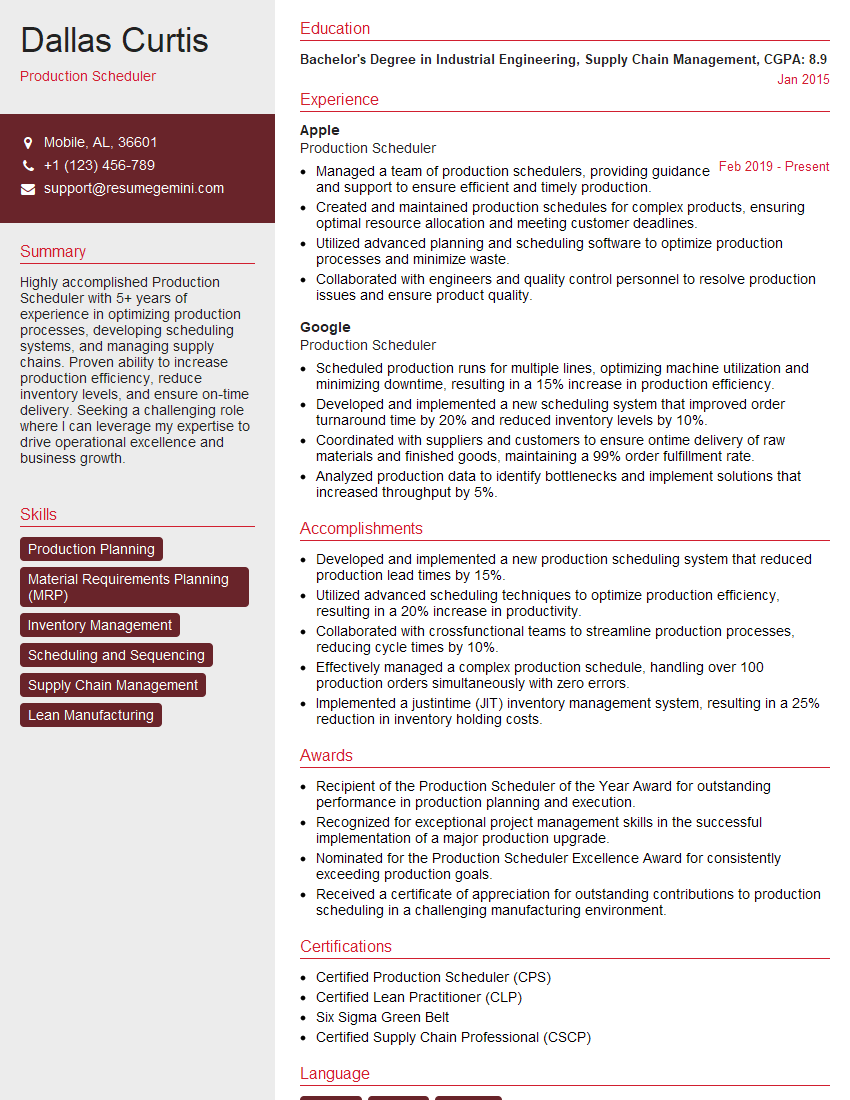
Production Scheduler Resume Sample
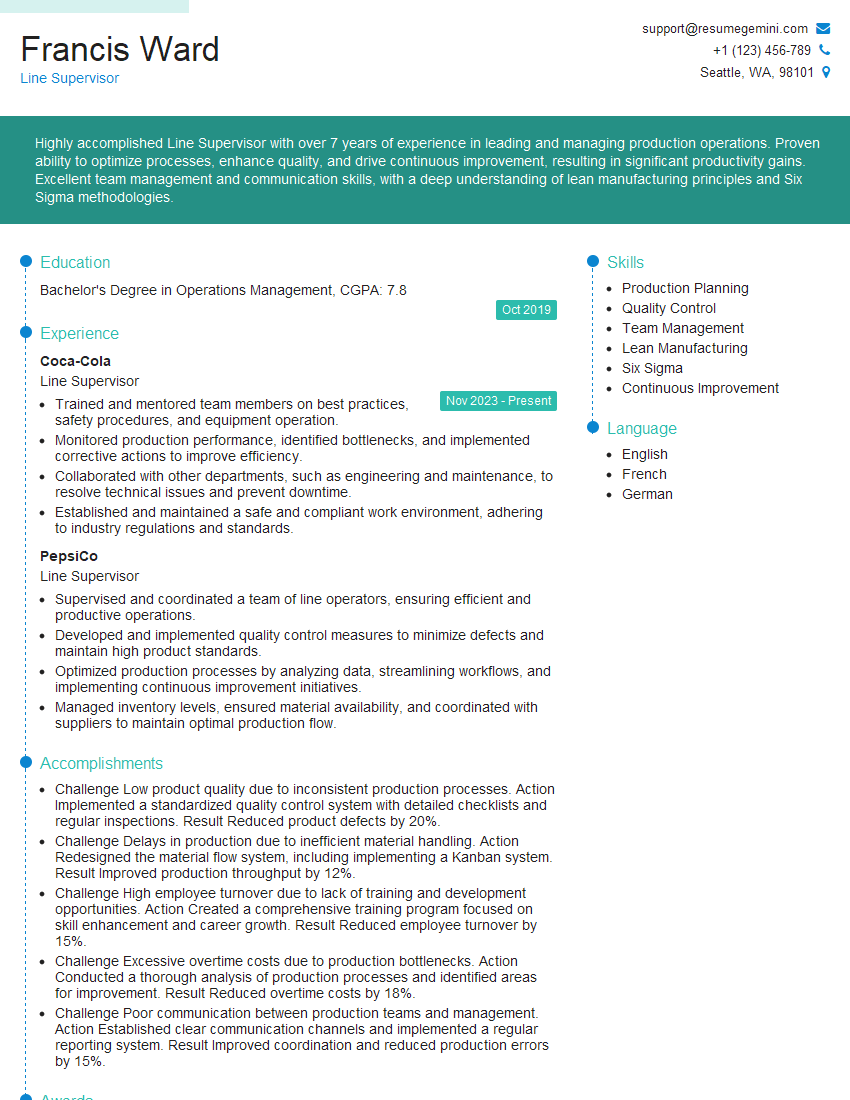
Line Supervisor Resume Sample
- Operations Manager
- Plant Manager
- Production Manager
- Maintenance Manager
- Production Control Manager
- Quality Assurance Manager
- Quality Control Manager
- Production Supervisor
- Supply Chain Manager
- Reliability Engineer
- Process Engineer
- Manufacturing Engineer
- Continuous Improvement Manager
- Shift Supervisor
- Inventory Control Manager
- Production Scheduler
- Line Supervisor
Explore more articles
Users Rating of Our Blogs
Share Your Experience
We value your feedback! Please rate our content and share your thoughts (optional).
What Readers Say About Our Blog
Really detailed insights and content, thank you for writing this detailed article.
IT gave me an insight and words to use and be able to think of examples