Are you ready to stand out in your next interview? Understanding and preparing for Balloon Loans interview questions is a game-changer. In this blog, we’ve compiled key questions and expert advice to help you showcase your skills with confidence and precision. Let’s get started on your journey to acing the interview.
Questions Asked in Balloon Loans Interview
Q 1. Explain the concept of a balloon payment in a loan.
A balloon loan is a type of loan where the borrower makes smaller, regular payments for a set period, followed by a significantly larger final payment, known as the ‘balloon payment’. Think of it like blowing up a balloon – you inflate it slowly with smaller payments, but then have to let out all the air at once with a big final payment.
For example, a 5-year balloon loan might have monthly payments calculated over a 30-year term, but the entire remaining loan principal is due after 5 years. This significantly reduces the monthly payments compared to a fully amortized loan (where payments pay off principal and interest over the entire loan term), but requires the borrower to have a plan in place to cover the substantial balloon payment at maturity.
Q 2. What are the advantages and disadvantages of a balloon loan for borrowers?
Advantages for Borrowers:
- Lower Monthly Payments: The most significant advantage is lower monthly payments compared to a traditional loan, freeing up cash flow for other purposes.
- Potential for Appreciation: In cases like real estate, the asset might appreciate in value, making it easier to refinance or sell to cover the balloon payment.
Disadvantages for Borrowers:
- Large Balloon Payment: The substantial final payment can be difficult to manage, particularly if the asset’s value decreases or if the borrower encounters financial hardship.
- Risk of Default: Failure to make the balloon payment can lead to foreclosure or repossession of the asset.
- Uncertainty: Borrowers face uncertainty about their future financial situation and ability to handle the balloon payment.
For instance, a small business owner might opt for a balloon loan to keep their monthly expenses low, but needs a robust plan to secure refinancing or ensure adequate savings by the loan’s maturity.
Q 3. What are the advantages and disadvantages of a balloon loan for lenders?
Advantages for Lenders:
- Higher Yield: Balloon loans often carry slightly higher interest rates than traditional loans, increasing the lender’s return on investment during the initial loan period.
- Lower Risk (potentially): If the loan is secured by an asset (like real estate), the lender has some security in case of default, though the value of the asset at maturity is crucial.
Disadvantages for Lenders:
- Higher Default Risk: There’s a greater risk of default if the borrower can’t secure financing or sell the asset to cover the balloon payment.
- Collection Costs: Handling defaults involves legal and administrative costs.
- Market Fluctuations: The value of the collateral securing the loan may fluctuate, impacting the lender’s recovery in case of default.
For example, a lender might prefer a balloon loan for a commercial property, as the high value of the property reduces the risk of loss if the borrower defaults. However, they also need to thoroughly assess the borrower’s ability to refinance or repay the balloon payment.
Q 4. How does the interest rate on a balloon loan compare to other loan types?
Interest rates on balloon loans are often slightly higher than those on fully amortized loans with similar terms. This is because of the increased risk for the lender. The higher interest rate compensates for the potential for the borrower to default on the balloon payment. The exact difference in interest rate varies based on several factors, including the borrower’s creditworthiness, the loan amount, the loan term, and the type of collateral.
It is important to remember that while the initial interest rate might seem appealingly low compared to other options, this should be viewed in the context of the final, larger payment.
Q 5. Describe the process of underwriting a balloon loan.
Underwriting a balloon loan involves a rigorous assessment of the borrower’s creditworthiness and the value of any collateral securing the loan. The process typically includes:
- Credit Score and History Review: Assessing the borrower’s credit history and score to determine their creditworthiness.
- Debt-to-Income Ratio Analysis: Evaluating the borrower’s ability to manage existing debt obligations.
- Income Verification: Confirming the borrower’s income to ensure their ability to make payments.
- Collateral Appraisal: If secured by collateral, an independent appraisal is typically conducted to determine its market value.
- Refinancing Plan Review (Crucial): A key part of the underwriting process is determining the borrower’s strategy for the balloon payment. This might involve plans for refinancing, selling the asset, or demonstrating sufficient savings.
Without a credible plan for managing the balloon payment, the loan is likely to be declined.
Q 6. What are the key risk factors associated with balloon loans?
Key risk factors associated with balloon loans include:
- Inability to Refinance: If interest rates rise, refinancing might be impossible or too costly, leaving the borrower unable to meet the balloon payment.
- Asset Value Decline: A decrease in the value of the collateral (e.g., real estate) reduces the lender’s security and may make it difficult for the borrower to sell to cover the balloon payment.
- Economic Downturn: A recession or financial crisis can significantly impact a borrower’s ability to make the balloon payment, particularly if their income is affected.
- Unexpected Expenses: Unforeseen major expenses like medical bills or job loss could derail the borrower’s financial planning and leave them unable to cover the balloon payment.
Effective risk management requires lenders and borrowers to carefully consider these factors.
Q 7. How do you assess the borrower’s ability to repay a balloon payment?
Assessing a borrower’s ability to repay a balloon payment is a critical aspect of loan underwriting and requires a multi-faceted approach.
- Detailed Financial Statement Analysis: Thoroughly reviewing the borrower’s financial statements to understand their income, expenses, and assets.
- Cash Flow Projections: Projecting the borrower’s future cash flow to see if they’ll have the funds available to repay the balloon payment.
- Refinancing Options Exploration: Investigating the feasibility of refinancing the loan at maturity, considering potential interest rate changes and credit conditions.
- Asset Valuation and Market Analysis: Analyzing the current market value of any assets used as collateral and evaluating their potential appreciation or depreciation leading up to the maturity date.
- Contingency Plan Review: Assessing the borrower’s plan B – what their strategy is if refinancing or selling the asset is not feasible.
A comprehensive assessment goes beyond simply checking credit scores; it involves a thorough understanding of the borrower’s overall financial health and their strategy for handling the balloon payment.
Q 8. What are the common reasons borrowers choose balloon loans?
Borrowers choose balloon loans primarily for their lower initial payments compared to traditional amortizing loans. This makes them attractive when cash flow is initially constrained but is expected to improve significantly in the future. Imagine a small business owner purchasing equipment; they might opt for a balloon loan because they anticipate strong revenue growth within the loan term that will easily cover the substantial final payment. Other reasons include:
- Lower monthly payments: This frees up cash flow for other business needs or personal expenses.
- Potential for refinancing: If the borrower’s financial situation strengthens, they can refinance the balloon payment at a more favorable rate before the balloon payment is due.
- Lower interest rates (sometimes): In some market conditions, balloon loans can offer lower initial interest rates than traditional loans.
However, it’s crucial to remember that balloon loans carry significant risk if the borrower can’t refinance or make the large final payment.
Q 9. What are some alternative financing options to balloon loans?
Several alternatives exist depending on the borrower’s needs and risk tolerance. These include:
- Traditional Amortizing Loans: These loans spread payments evenly over the loan term, eliminating the large balloon payment at the end. They are less risky but require higher monthly payments.
- Interest-Only Loans: For a specified period, only the interest is paid. The principal is repaid in a lump sum or amortized over a shorter period later. They offer low initial payments but higher total interest paid.
- Adjustable-Rate Mortgages (ARMs): These loans have an initial fixed interest rate that adjusts periodically based on market conditions. While not technically a balloon loan, changes in interest rates could significantly impact payments.
- Lines of Credit: These provide flexible access to funds, allowing borrowers to draw down as needed and repay over time. The interest is only paid on the outstanding balance.
The best option depends on the borrower’s specific financial situation and long-term goals.
Q 10. How do you calculate the balloon payment amount?
Calculating the balloon payment involves determining the remaining principal balance at the end of the loan’s shorter term. This is not simply the original loan amount less the payments made. It requires an amortization schedule that factors in the interest payments accrued during the initial period.
Here’s a simplified illustration:
Let’s say you have a $100,000 loan with a 5-year term and a 10% interest rate. The loan will have a 5-year amortization schedule. After 5 years, you will have made many payments toward principal and interest. The remaining principal balance after 5 years (found through an amortization schedule calculation or a financial calculator) is your balloon payment amount. Note that using simple subtraction of payments from the principal will not account for interest accrued and thus will be inaccurate.
Specialized financial calculators or spreadsheet software (like Excel) can easily calculate the balloon payment amount given the loan terms (principal, interest rate, and loan term).
Q 11. Explain the impact of prepayment penalties on balloon loans.
Prepayment penalties on balloon loans can significantly impact the borrower’s ability to refinance or pay off the loan early. These penalties are usually a percentage of the outstanding balance and can be substantial. For example, a 2% prepayment penalty on a $50,000 balloon payment would cost the borrower an additional $1,000. This makes refinancing riskier and less attractive, as the cost of refinancing might exceed the savings in interest.
Borrowers should carefully review the loan agreement for any prepayment penalties before signing. Understanding these penalties is crucial for effectively managing the risk of the loan.
Q 12. How do changes in interest rates affect balloon loans?
Changes in interest rates significantly affect balloon loans, primarily at refinancing time. If interest rates rise between the time the loan is originated and the balloon payment is due, refinancing the balloon payment becomes more expensive. This might make it impossible for the borrower to secure a new loan at a manageable rate, leading to default. Conversely, if interest rates fall, refinancing becomes easier and more affordable.
It’s important to understand the relationship between interest rates and refinancing costs and plan accordingly. For instance, if interest rate hikes are anticipated, the borrower may want to build up a significant cash reserve to cover potential increases in refinancing costs or the balloon payment itself.
Q 13. What are the regulatory considerations for balloon loans?
Regulatory considerations for balloon loans vary depending on the jurisdiction and the type of loan. For instance, consumer protection laws often require clear disclosure of the balloon payment amount and any prepayment penalties. Regulations also govern the calculation of the interest rate and the overall loan terms to prevent predatory lending practices. Lenders must comply with fair lending laws to avoid discrimination in lending practices.
In some cases, specific regulations limit the use of balloon loans for certain types of financing, especially when dealing with consumers. It is crucial to stay informed about local and national laws and regulations concerning balloon loan provisions.
Q 14. How do you manage the risk of default on a balloon loan?
Managing the risk of default on a balloon loan requires a proactive approach. Borrowers should:
- Develop a robust financial plan: This plan should include strategies to save money for the balloon payment and incorporate a contingency plan in case of unexpected financial difficulties.
- Monitor interest rates: Closely track interest rates to understand the potential cost of refinancing.
- Explore refinancing options: Proactively research refinancing opportunities well before the balloon payment is due.
- Maintain a good credit score: A high credit score improves the chances of securing favorable refinancing terms.
- Communicate with the lender: Discuss potential challenges early with the lender; they may offer options like loan modifications or extensions.
Lenders, on the other hand, can mitigate risk by carefully assessing the borrower’s financial capabilities and ensuring a thorough understanding of the loan terms. This includes clear disclosures and responsible lending practices.
Q 15. Describe different types of balloon loan structures.
Balloon loans are characterized by a large, lump-sum payment—the balloon payment—due at the end of the loan term. The types of balloon loan structures primarily differ in how the payments are structured before the balloon payment is due.
- Interest-Only Balloon Loan: This is the simplest type. Borrowers only pay interest during the loan term, with the principal (original loan amount) due at maturity. Imagine renting a property; your monthly payments are like interest, and the balloon payment is like buying the property outright at the end of the lease.
- Partial Amortization Balloon Loan: These loans involve regular payments that partially amortize (reduce) the principal. A smaller balloon payment is due at the end compared to an interest-only loan. It’s like renting with an option to buy, but with a smaller final purchase price due to your earlier payments.
- Graduated Payment Balloon Loan: Payments increase gradually over the loan term before the balloon payment. This can help borrowers with cash flow challenges initially but requires increasing financial capacity over time. Think of this as a gradual increase in rent payments before a final, substantial buy-out price.
The choice of structure depends heavily on the borrower’s cash flow projections and risk tolerance. A business might choose an interest-only balloon loan to conserve cash during its initial growth phase, while a homeowner might prefer a partial amortization structure for more manageable payments.
Career Expert Tips:
- Ace those interviews! Prepare effectively by reviewing the Top 50 Most Common Interview Questions on ResumeGemini.
- Navigate your job search with confidence! Explore a wide range of Career Tips on ResumeGemini. Learn about common challenges and recommendations to overcome them.
- Craft the perfect resume! Master the Art of Resume Writing with ResumeGemini’s guide. Showcase your unique qualifications and achievements effectively.
- Don’t miss out on holiday savings! Build your dream resume with ResumeGemini’s ATS optimized templates.
Q 16. What are the implications of a balloon payment default?
Defaulting on a balloon payment has severe consequences. The lender can immediately demand repayment of the entire outstanding balance (the balloon payment). Failure to meet this demand typically leads to foreclosure or repossession of the collateral securing the loan. This can result in:
- Loss of the asset: The property or equipment used as collateral is seized and sold by the lender.
- Significant financial losses: The borrower is responsible for the remaining balance, plus any late fees, penalties, and legal costs. This can severely damage their credit score and make it difficult to obtain future financing.
- Legal repercussions: Lenders may pursue legal action to recover their losses.
In short, balloon payment default is a catastrophic event for the borrower. It is crucial to develop a plan well in advance to ensure you have the funds to manage the balloon payment or secure refinancing.
Q 17. What are the considerations for refinancing a balloon loan?
Refinancing a balloon loan is often necessary to avoid the large balloon payment at maturity. Several factors need careful consideration:
- Current market interest rates: Lower interest rates make refinancing more attractive. Compare current rates to the original loan’s interest rate.
- Credit score: A strong credit score will secure better refinancing terms.
- Loan-to-value ratio (LTV): The ratio of the loan amount to the current market value of the collateral impacts the lender’s willingness to refinance and the terms offered. A lower LTV is more favorable.
- Equity in the collateral: Sufficient equity ensures the lender has enough security in case of default.
- Income and cash flow: Lenders assess your ability to repay the new loan.
The refinancing process involves shopping around for the best rates and terms from multiple lenders, providing supporting documentation (income verification, appraisal, etc.), and negotiating the loan agreement. Professional advice is strongly recommended.
Q 18. How do you assess the collateral value for a balloon loan?
Collateral value assessment for a balloon loan is crucial because it determines the lender’s security and the borrower’s risk. The process typically involves:
- Appraisal: An independent professional appraiser assesses the market value of the collateral using comparable properties or assets.
- Market analysis: The appraiser considers recent sales, market trends, and economic conditions that could affect the collateral’s value.
- Condition assessment: For physical assets like real estate or equipment, the condition and any necessary repairs are factored into the valuation.
- Depreciation: The lender accounts for potential depreciation of the asset over the loan term.
A well-conducted valuation helps mitigate the lender’s risk of loss in case of default, directly influencing the terms of the balloon loan, including the loan amount and interest rate. An inaccurate assessment can lead to significant financial problems for both the lender and the borrower.
Q 19. Explain the role of loan covenants in a balloon loan agreement.
Loan covenants are legally binding agreements in a balloon loan contract that protect the lender’s interests. These covenants typically include:
- Financial performance covenants: These require the borrower to maintain certain financial ratios (e.g., debt-to-equity ratio) to demonstrate their ability to repay the loan.
- Maintenance covenants: These stipulate that the borrower must maintain the collateral in good condition (e.g., regularly maintaining equipment or insuring a property).
- Insurance covenants: The borrower is required to carry adequate insurance coverage on the collateral.
- Prepayment penalties: These define the costs involved if the borrower prepays the loan before maturity.
Breaching a loan covenant can trigger default, allowing the lender to take action, including demanding immediate repayment. Understanding and adhering to loan covenants is vital for successful balloon loan management.
Q 20. How do you incorporate balloon loans into a broader portfolio strategy?
Balloon loans, due to their inherent risk, should be strategically incorporated into a broader portfolio. They shouldn’t represent a large portion of the portfolio unless the investor has a high risk tolerance. Here’s how to integrate them:
- Diversification: Spread investments across various asset classes and loan types to reduce overall portfolio risk.
- Risk assessment: Carefully assess the borrower’s creditworthiness, the collateral’s value, and the market conditions before granting a balloon loan.
- Hedging strategies: Consider using hedging instruments to mitigate potential losses due to interest rate fluctuations or market downturns.
- Exit strategy: Develop a clear plan for managing the balloon payment, such as refinancing or selling the collateral.
For example, a balanced portfolio might include some lower-risk investments (like government bonds) and a smaller allocation to higher-risk balloon loans. This approach reduces the potential impact of a default on a balloon loan.
Q 21. What are the accounting treatments for balloon loans?
The accounting treatment for balloon loans depends on the type and the reporting standards followed (e.g., GAAP or IFRS). Generally:
- Balance Sheet: The loan is recorded as a liability, reflecting the outstanding principal balance. The collateral is recorded as an asset.
- Income Statement: Interest expense is recognized over the loan’s life according to the accrual method. For interest-only loans, the interest expense is equal to the periodic payment. For partially amortizing loans, a portion of the payment is interest expense, and the remainder reduces the principal.
- Cash Flow Statement: Loan payments are reported in the operating activities section, while any proceeds from the sale of collateral after default are in investing activities.
Specific accounting rules need to be followed concerning the classification of the loan (e.g., short-term or long-term liability) and the treatment of any potential impairment losses due to the risk of default. Professional accounting advice is essential for accurate financial reporting.
Q 22. How do you use financial modeling to analyze balloon loans?
Financial modeling is crucial for analyzing balloon loans because it allows us to project cash flows and assess the borrower’s ability to repay the large balloon payment at maturity. We typically use discounted cash flow (DCF) analysis, which considers the time value of money. We also employ sensitivity analysis to understand how changes in key variables, such as interest rates or property values (in the case of real estate financing), could impact the borrower’s ability to meet their obligations.
For example, a model might project rental income from a commercial property financed with a balloon loan. It would then subtract operating expenses and debt service (including the balloon payment) to determine the borrower’s net cash flow. We can then use various scenarios, like a drop in rental rates or an increase in interest rates, to assess the loan’s risk.
Furthermore, we might build a model that incorporates different refinancing scenarios. This helps us determine the likelihood of the borrower successfully refinancing the balloon payment and the potential cost associated with that refinancing.
Q 23. What are some common mistakes to avoid when working with balloon loans?
Common mistakes with balloon loans often stem from underestimating the risks associated with the large lump-sum payment at maturity. Here are a few critical errors to avoid:
- Underestimating the balloon payment: Many borrowers fail to fully grasp the size of the balloon payment and its potential impact on their financial situation. It’s vital to have a clear plan in place for how this payment will be met, whether through refinancing, sale of the asset, or other means.
- Overestimating refinancing prospects: Assuming refinancing will be easy is dangerous. Interest rates and market conditions can change significantly, making it difficult to secure favorable terms or even secure financing at all. Contingency plans should be developed.
- Ignoring potential for negative equity: If the value of the underlying asset (e.g., property) declines, the borrower might find themselves owing more than the asset is worth, leading to negative equity and potentially default.
- Lack of proper due diligence: Thorough due diligence on both the loan terms and the underlying asset is crucial. This includes understanding all fees, prepayment penalties, and potential risks.
Q 24. How do you handle balloon loan modifications or workouts?
Balloon loan modifications or workouts are complex processes aimed at preventing foreclosure when a borrower faces difficulty in repaying the balloon payment. These involve negotiations between the lender and the borrower to restructure the loan terms.
Several strategies might be employed:
- Extension of the loan term: Extending the loan’s maturity date can reduce the size of the monthly payments and make the balloon payment more manageable.
- Reduction of the balloon payment: Negotiating a smaller balloon payment can lessen the financial burden on the borrower.
- Interest rate adjustment: Lowering the interest rate can reduce the overall cost of the loan and improve the borrower’s ability to make payments.
- Partial payment of the balloon: The borrower might be able to make a partial payment toward the balloon, reducing the remaining balance.
Success depends heavily on the borrower’s creditworthiness, the value of the underlying collateral, and the lender’s willingness to negotiate. It’s often advisable for borrowers to seek professional advice from financial advisors and legal counsel during this process.
Q 25. Discuss the use of balloon loans in commercial real estate.
Balloon loans are frequently used in commercial real estate (CRE) financing because they offer advantages for both borrowers and lenders. The lower initial payments can make a project more financially viable, particularly for developments with expected appreciation.
For Borrowers: Lower initial payments allow for more cash flow to be reinvested in the property or business. This can be particularly attractive for projects where income is expected to grow over time.
For Lenders: Lenders can earn a higher return over the life of the loan compared to a fully amortized loan because of the large balloon payment. This also allows them to mitigate risk, as the large repayment at the end forces a re-evaluation of the investment.
However, the risks associated with balloon loans are amplified in CRE due to the larger investment size and the cyclical nature of the real estate market. Careful risk assessment is essential for both parties.
Q 26. Compare and contrast balloon loans with amortized loans.
Balloon loans and amortized loans differ significantly in their repayment structures. In a balloon loan, only a portion of the principal is repaid during the loan term, with a significant lump-sum payment (the balloon payment) due at maturity. An amortized loan, on the other hand, has regular payments that cover both principal and interest over the loan’s entire term, resulting in a zero balance at maturity.
Here’s a table summarizing the key differences:
| Feature | Balloon Loan | Amortized Loan |
|---|---|---|
| Repayment | Partial principal repayment during the loan term; large balloon payment at maturity | Full principal and interest repayment over the loan term |
| Monthly Payment | Lower initial payments | Higher, consistent payments |
| Risk | Higher risk for borrowers due to the balloon payment | Lower risk for borrowers due to predictable payments |
| Interest Rate | May offer slightly lower interest rates initially | May offer slightly higher interest rates |
Q 27. Explain the role of credit scoring in the approval of balloon loans.
Credit scoring plays a vital role in the approval process for balloon loans. Lenders use credit scores to assess a borrower’s creditworthiness and repayment ability. A higher credit score generally indicates a lower risk of default, making it more likely the lender will approve the loan, potentially with more favorable terms.
While a good credit score is important, it’s not the sole determining factor. Lenders also consider other factors, such as:
- Debt-to-income ratio: This measures the borrower’s debt relative to their income. A lower ratio indicates a greater ability to manage debt.
- Liquid assets: The availability of readily accessible funds to cover potential shortfalls or the balloon payment.
- Collateral value: The value of the asset securing the loan (e.g., real estate). A higher value reduces the lender’s risk.
- Business history (for commercial loans): The track record of the business, demonstrating profitability and financial stability.
A strong credit score significantly increases the chances of loan approval and better interest rates, but it’s not a guarantee.
Q 28. How do you evaluate the financial health of a borrower considering a balloon loan?
Evaluating the financial health of a borrower considering a balloon loan requires a thorough analysis of their financial situation, going beyond just credit scores. We need a comprehensive picture of their ability to manage the loan and repay the balloon payment.
Key aspects of this evaluation include:
- Income and cash flow analysis: Assessing the stability and predictability of the borrower’s income stream. This is crucial to determine their ability to make both regular payments and the balloon payment.
- Debt-to-income ratio analysis: Understanding the borrower’s overall debt burden helps determine their capacity to take on additional debt.
- Asset valuation: Accurately determining the value of the assets securing the loan (e.g., real estate appraisal) is critical. This helps assess the collateral’s ability to cover the loan in case of default.
- Stress testing: Analyzing the borrower’s financial resilience under different economic scenarios (e.g., interest rate increases, property value declines) helps identify potential vulnerabilities.
- Refinancing plan review: A robust refinancing strategy is essential. This involves evaluating the potential for successful refinancing at maturity and identifying alternative repayment options.
A holistic approach, combining quantitative data with qualitative assessment of the borrower’s management skills and business acumen (if applicable), is vital for making an informed decision.
Key Topics to Learn for Balloon Loans Interview
- Balloon Loan Fundamentals: Understand the core structure of a balloon loan, including the principal repayment schedule, the balloon payment, and the interest calculation methods.
- Amortization Schedules: Be able to analyze and interpret amortization schedules for balloon loans, focusing on how the balloon payment impacts the overall cost of borrowing.
- Risk Assessment & Due Diligence: Explore the inherent risks associated with balloon loans for both borrowers and lenders, and understand the due diligence processes involved in underwriting these loans.
- Practical Applications: Discuss real-world scenarios where balloon loans are commonly used (e.g., commercial real estate, equipment financing) and the advantages/disadvantages in each context.
- Financial Modeling: Be prepared to demonstrate your ability to model balloon loan scenarios using spreadsheets or financial calculators to project cash flows and assess profitability.
- Regulatory Compliance: Understand relevant regulations and compliance requirements related to balloon loan origination and servicing.
- Interest Rate Risk Management: Discuss strategies for mitigating interest rate risk associated with balloon loans, including hedging techniques and interest rate sensitivity analysis.
- Default and Foreclosure: Analyze the implications of loan default and the foreclosure process for balloon loans, and discuss strategies for minimizing these risks.
Next Steps
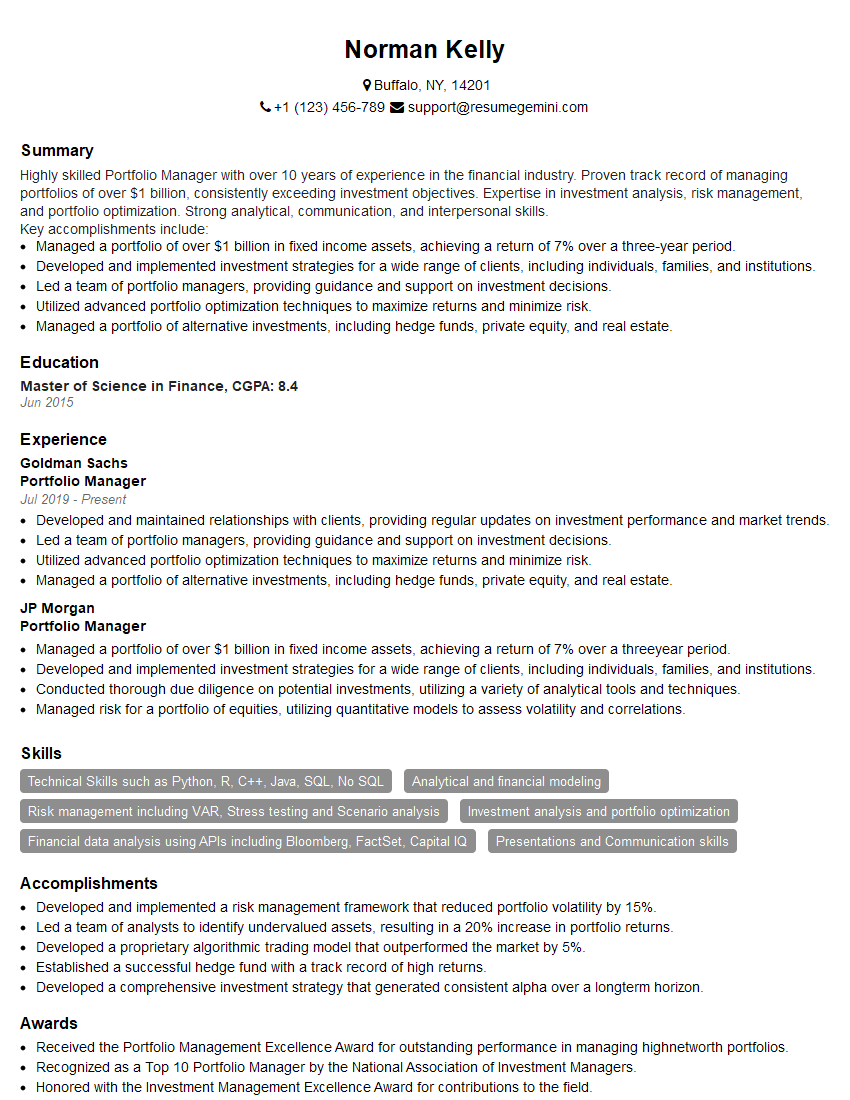
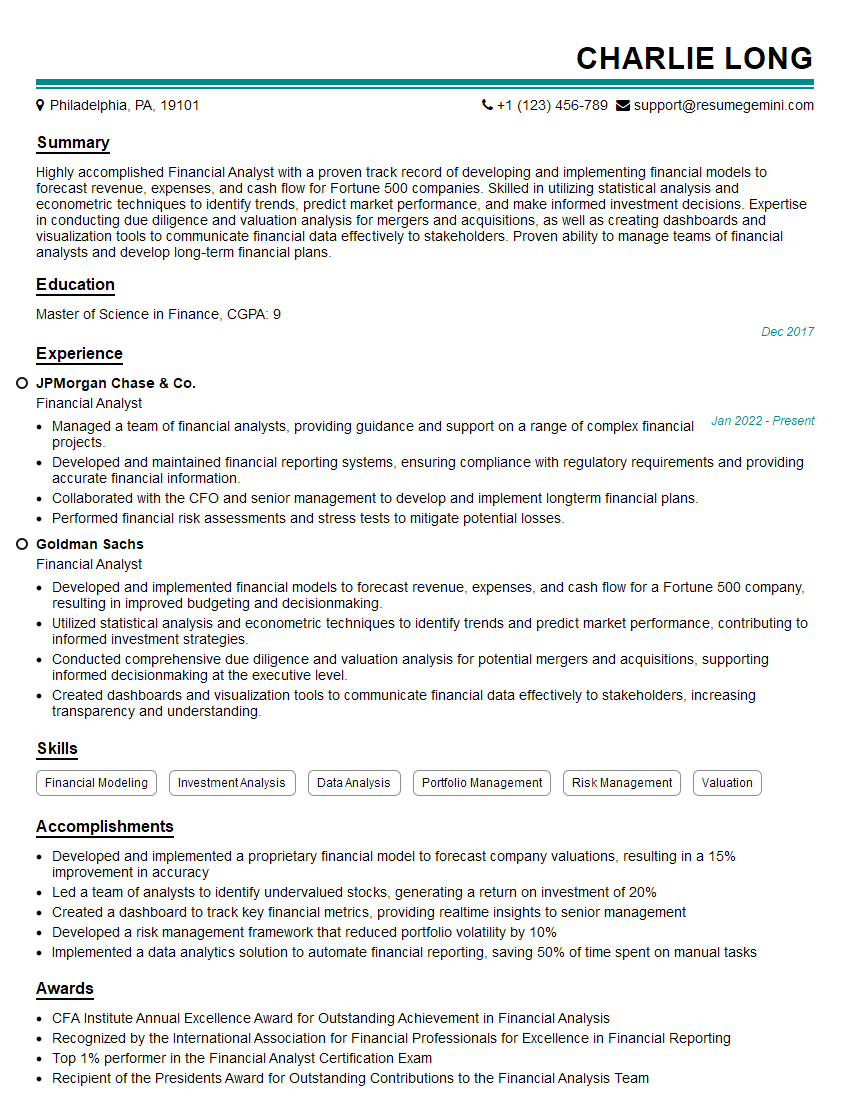
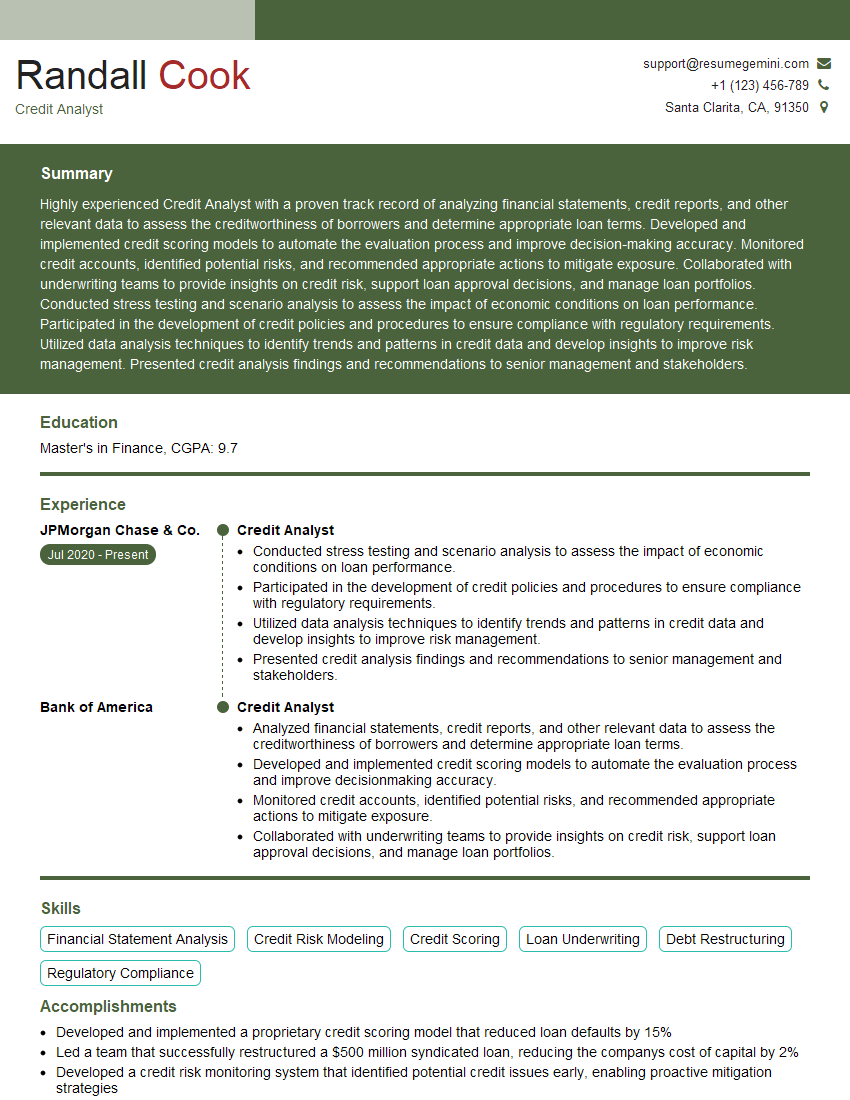
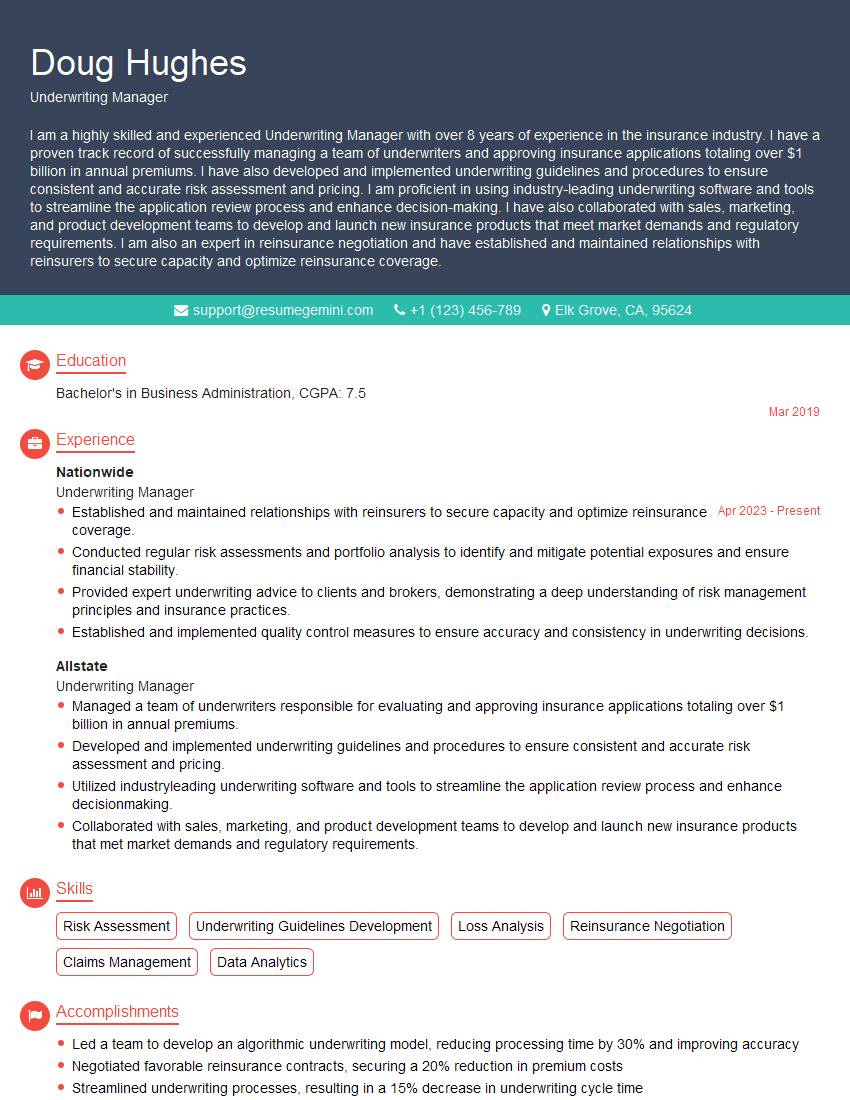
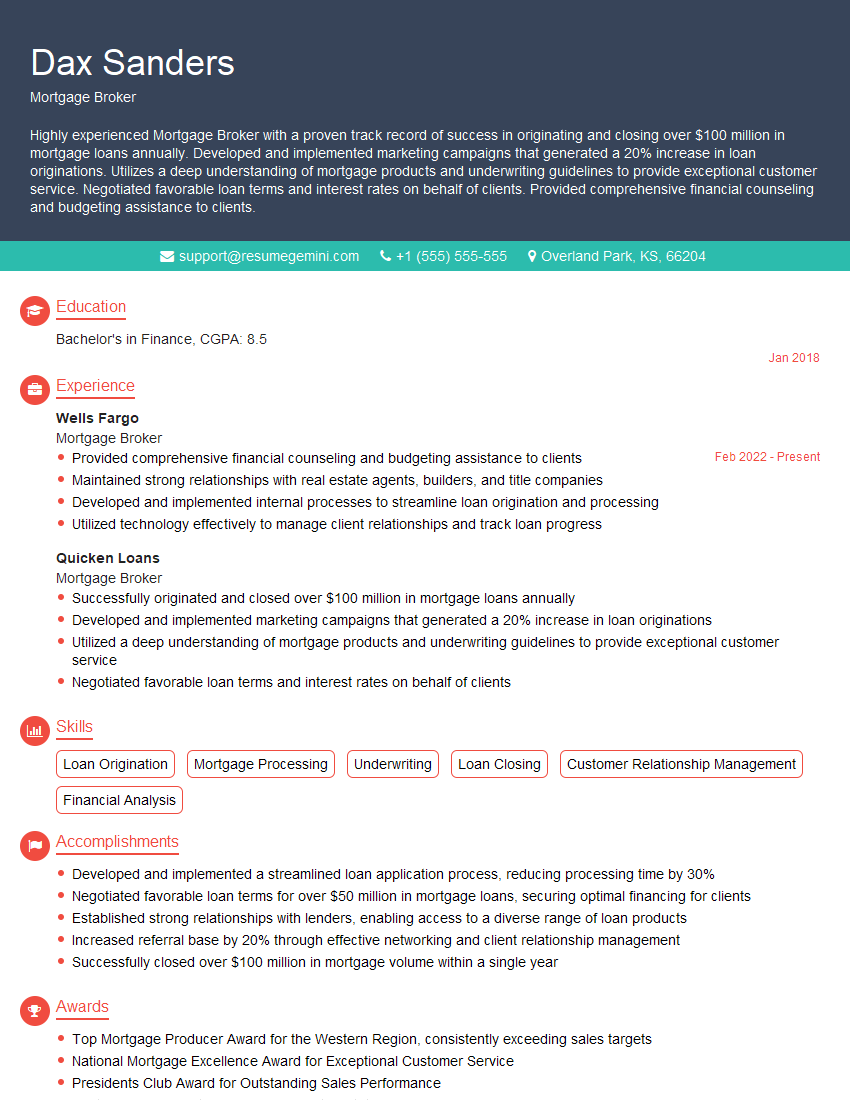
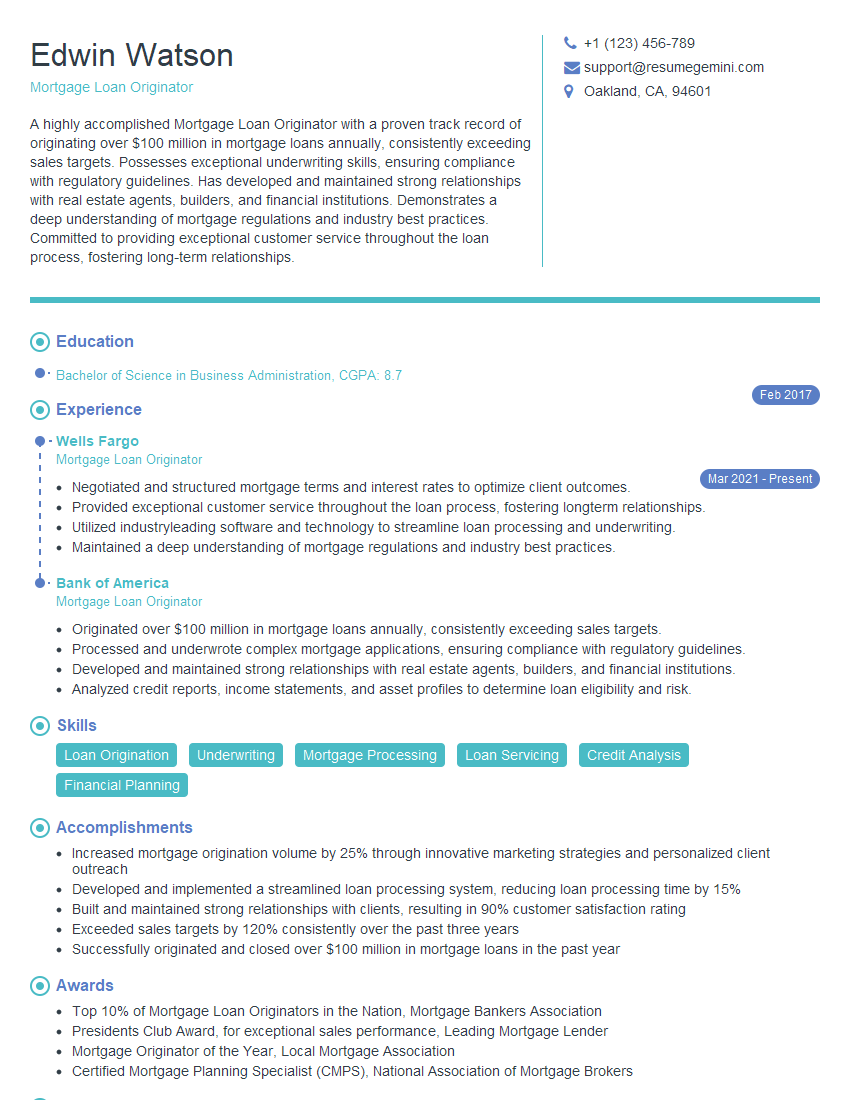
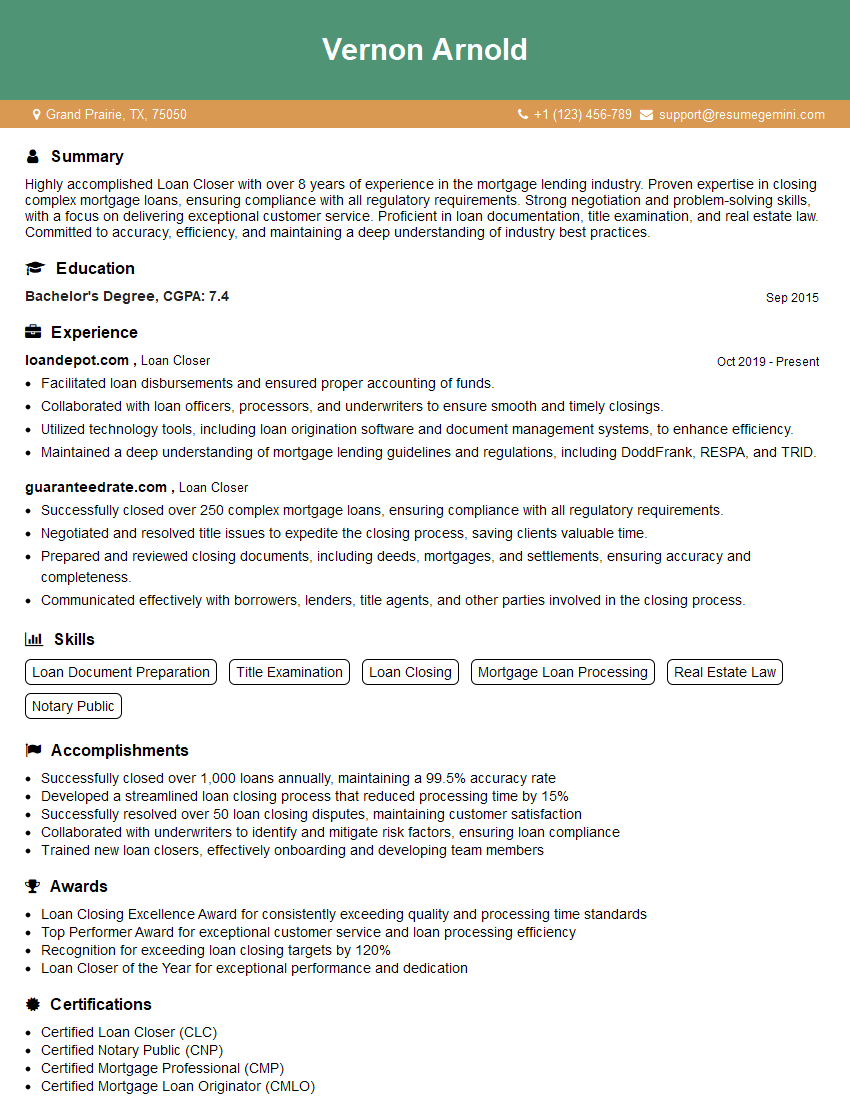
Mastering balloon loan concepts significantly enhances your marketability in finance and related fields, opening doors to rewarding career opportunities. A strong resume is crucial in showcasing your expertise to potential employers. Building an ATS-friendly resume increases your chances of getting noticed and landing an interview. ResumeGemini is a trusted resource that can help you craft a professional and impactful resume tailored to the specific demands of the balloon loan industry. Examples of resumes optimized for balloon loan roles are available to guide you.
Explore more articles
Users Rating of Our Blogs
Share Your Experience
We value your feedback! Please rate our content and share your thoughts (optional).
What Readers Say About Our Blog
Really detailed insights and content, thank you for writing this detailed article.
IT gave me an insight and words to use and be able to think of examples