Interviews are more than just a Q&A session—they’re a chance to prove your worth. This blog dives into essential Experience in Regulatory Inspections interview questions and expert tips to help you align your answers with what hiring managers are looking for. Start preparing to shine!
Questions Asked in Experience in Regulatory Inspections Interview
Q 1. Describe your experience conducting regulatory inspections.
My experience in conducting regulatory inspections spans over 10 years, encompassing various industries including pharmaceuticals, medical devices, and food processing. I’ve led and participated in numerous inspections by agencies such as the FDA, EMA, and other national regulatory bodies. This involved meticulous planning, on-site assessments of facilities and processes, review of documentation (including batch records, quality control data, and training records), and interviewing personnel at all levels. For instance, during an inspection of a pharmaceutical manufacturing facility, I identified a critical deviation in the cleaning validation process that could have led to cross-contamination. My detailed observations and subsequent report helped the facility implement corrective actions to prevent future incidents. Another experience involved auditing a medical device manufacturer’s quality management system, where I reviewed their design control process and identified gaps in their risk management procedures, leading to recommendations for significant improvements.
My approach always includes a combination of observation, document review, and interviews to build a holistic understanding of the facility’s compliance posture. I’m adept at identifying potential risks and vulnerabilities, and my reporting is always clear, concise, and objective, providing actionable recommendations for improvement.
Q 2. Explain your understanding of FDA guidelines for Good Manufacturing Practices (GMP).
My understanding of FDA Good Manufacturing Practices (GMP) is comprehensive and deeply rooted in practical application. GMPs are a set of regulations that ensure the consistent quality and safety of pharmaceutical and other products. These guidelines cover a broad range of aspects, including facility design, equipment qualification and validation, manufacturing processes, quality control testing, personnel training, documentation practices, and complaint handling. For example, current GMP regulations stress the importance of robust quality management systems (QMS) and emphasize a proactive approach to risk management, a concept often underpinned by the use of quality risk management tools like Failure Mode and Effects Analysis (FMEA).
Specific FDA GMP guidelines that I’m intimately familiar with include those related to: data integrity, ensuring accurate and reliable data throughout the product lifecycle; deviation management, detailing how to handle and investigate manufacturing errors; change control, establishing procedures to manage modifications to processes, equipment, and materials; and supply chain management, ensuring that materials used are appropriately sourced and qualified. Understanding these guidelines allows me to assess a facility’s adherence to the regulations effectively and efficiently.
Q 3. How do you handle non-compliance issues during an inspection?
Handling non-compliance issues during an inspection requires a structured and professional approach. My strategy involves documenting the observation clearly and objectively, using photographs and detailed descriptions where appropriate. I avoid making judgments or accusations and instead focus on factual findings. The next step involves discussing the non-compliance with the responsible personnel at the facility. This discussion focuses on understanding the root cause of the non-compliance and the facility’s plans for corrective actions. It’s crucial to maintain a collaborative tone, even while ensuring the seriousness of the issue is understood.
For instance, if a critical deviation is observed in a batch record, I would document it precisely, including the specific deviation, the impact it may have on the product, and the facility’s response. Then, I would engage in a discussion about the root cause analysis and the corrective actions they plan to implement, including preventative measures to avoid future occurrences. Ultimately, the goal is not to simply find fault but to help the facility improve its processes and ensure future compliance.
Q 4. What is your experience with CAPA (Corrective and Preventative Action) systems?
My experience with Corrective and Preventative Action (CAPA) systems is extensive. I’ve reviewed and audited CAPA systems across numerous facilities, ensuring their effectiveness in identifying, investigating, and correcting non-conformances and preventing their recurrence. I understand the critical role of a robust CAPA system in ensuring compliance and maintaining product quality. A well-designed CAPA system is proactive, not just reactive, employing risk assessment to prioritize investigations and identify systemic issues before they escalate into larger problems.
I have personally helped numerous organizations improve their CAPA systems. In one case, a facility was struggling with a high volume of minor deviations, many of which were similar in nature. By working with them, we identified a deficiency in their training program and implemented improved training materials and procedures, thus significantly reducing the number of deviations. I also frequently evaluate the effectiveness of CAPA systems by reviewing the implemented corrective actions, preventative actions, and verification activities.
Q 5. Describe your proficiency in interpreting and applying relevant regulations.
Interpreting and applying relevant regulations is fundamental to my role. My proficiency extends beyond simply reading the regulations; it involves understanding their intent and implications. This understanding allows me to assess the risk of non-compliance and the potential impact on product quality and patient safety. I am proficient in interpreting regulations from various agencies and applying them to diverse operational settings, even across different product types and manufacturing processes. For instance, I am familiar with the nuances of both US FDA and EU GMP requirements and can easily compare and contrast their stipulations.
My ability to interpret regulations is enhanced by my understanding of the underlying scientific principles and manufacturing processes. This allows me to efficiently evaluate the compliance status of a given operation and offer effective, practical solutions. I regularly stay updated on the evolving regulatory landscape through participation in industry events, continuous learning, and following regulatory agency updates. This ensures my expertise remains current and relevant.
Q 6. Explain your approach to preparing for a regulatory inspection.
Preparing for a regulatory inspection is a crucial step in ensuring a smooth and successful outcome. My approach involves a multi-faceted strategy beginning well in advance of the inspection date. Firstly, I review all relevant documentation, including manufacturing records, quality control data, and training records. I ensure the facility’s quality management system documentation is up-to-date and readily accessible. Mock inspections are a valuable tool in my preparation process, simulating the actual inspection environment to identify and address any weaknesses or areas needing improvement.
Secondly, I coordinate with the facility’s personnel to prepare for potential questions and document requests. This includes conducting thorough internal audits to identify potential non-compliance issues and ensuring that corrective and preventative actions are well documented and effective. Finally, I always review and familiarize myself with the specific regulations applicable to the facility and the products they manufacture. This multi-pronged approach helps ensure the facility is well-prepared for a successful inspection.
Q 7. How do you ensure compliance with data integrity regulations?
Ensuring compliance with data integrity regulations is paramount in maintaining the credibility and reliability of regulatory submissions. Data integrity encompasses the completeness, consistency, accuracy, trustworthiness, and reliability of data throughout its lifecycle. My approach involves a multifaceted assessment that begins with reviewing data generation and handling procedures, including electronic systems and paper-based documentation. I scrutinize the systems used to manage data, ensuring they are properly validated and protected against unauthorized access and alteration. This might include evaluating electronic data management systems (EDMS), laboratory information management systems (LIMS), or manufacturing execution systems (MES).
Specific aspects I scrutinize include audit trails, electronic signatures, and data backup procedures. I also assess the effectiveness of data governance policies and procedures to ensure data is handled correctly at each stage of its lifecycle. It’s crucial to understand the significance of raw data and its potential impact on product safety and efficacy. Addressing data integrity deficiencies not only improves compliance but also enhances overall operational efficiency and quality assurance.
Q 8. What is your experience with documentation reviews during inspections?
Documentation reviews are the cornerstone of any successful regulatory inspection. It’s essentially a deep dive into all the records that demonstrate compliance with regulations. My experience encompasses a wide range of document types, from batch records and standard operating procedures (SOPs) to training records and calibration logs. I’m proficient in identifying discrepancies, inconsistencies, or missing documentation, which is crucial for pinpointing areas of non-compliance. For example, during an inspection of a pharmaceutical manufacturing facility, I reviewed batch records to verify that critical process parameters were consistently met and documented. Any deviation from the established parameters would be flagged as a potential issue.
My approach is systematic. I start with a risk-based assessment, focusing on areas with the highest potential for non-compliance based on previous inspection findings or product criticality. I then utilize sampling techniques to efficiently review a representative subset of documents, ensuring coverage across different time periods and operational areas. This approach maximizes efficiency while still maintaining a high level of scrutiny. Finally, I meticulously document all findings, providing clear and concise descriptions and supporting evidence.
Q 9. How familiar are you with different regulatory agencies (e.g., FDA, EMA)?
I have extensive familiarity with various regulatory agencies, including the FDA (Food and Drug Administration) in the United States and the EMA (European Medicines Agency) in Europe. My understanding extends beyond simply knowing their existence; I possess in-depth knowledge of their specific regulations, guidelines, and inspection procedures. This includes a thorough grasp of the Good Manufacturing Practices (GMP) guidelines for pharmaceutical and medical device manufacturing, as well as the regulations governing data integrity and electronic records.
For example, I understand the nuances of FDA Form 483 observations and the EMA’s deficiency letter processes. This knowledge allows me to anticipate potential areas of regulatory scrutiny and proactively address them. I’m also well-versed in international regulatory harmonization initiatives and their impact on global compliance strategies.
Q 10. Describe a time you identified a critical regulatory risk.
During an inspection of a medical device company, I discovered a significant gap in their quality management system related to supplier management. While the company had a supplier approval process, it lacked a robust system for monitoring ongoing supplier performance and ensuring continued compliance with quality requirements. This was a critical risk because the company relied heavily on outsourced components for their products. A failure of a supplier component could lead to product defects, potentially causing harm to patients.
I immediately brought this to the attention of the management team. We worked collaboratively to develop a corrective action plan that included implementing a comprehensive supplier audit program, establishing key performance indicators (KPIs) to track supplier performance, and enhancing communication protocols between the company and its suppliers. The timely identification and remediation of this risk prevented potential product recalls and ensured patient safety.
Q 11. How do you prioritize tasks during a regulatory inspection?
Prioritization during a regulatory inspection is paramount. My approach is based on a combination of risk assessment and urgency. I utilize a matrix that considers the potential impact of a non-compliance finding and the time sensitivity in addressing it. High-impact, time-sensitive issues (e.g., deviations impacting product safety) are tackled immediately. Lower-impact, less time-sensitive issues (e.g., minor documentation errors) may be addressed later, but still documented and tracked.
Effective communication with the inspection team is also key. I clearly communicate our prioritization strategy to the inspectors and keep them updated on our progress. This transparency fosters a collaborative environment and ensures the inspection process is efficient and productive. Think of it like a triage system in a hospital—the most critical cases are handled first.
Q 12. What is your experience with audit trails and electronic records?
I have extensive experience with both paper-based and electronic records, including a strong understanding of audit trails and their importance in maintaining data integrity. I’m proficient in using various electronic record keeping systems and understand the critical role of audit trails in establishing the authenticity, integrity, and reliability of electronic records. This includes reviewing system configurations and access controls to ensure compliance with regulatory requirements.
For example, I’ve reviewed audit trails to verify user access permissions, track changes to electronic documents, and ensure that all data modifications are properly authorized and documented. I’m also experienced in reviewing electronic signatures to ensure compliance with 21 CFR Part 11. In short, I can effectively navigate and interpret complex electronic systems to confirm regulatory compliance.
Q 13. Explain your understanding of 21 CFR Part 11.
21 CFR Part 11 is a set of regulations from the FDA that establishes the criteria for the electronic records and electronic signatures. It sets forth the requirements for ensuring the integrity, reliability, and authenticity of electronic records and signatures used in regulated industries, such as pharmaceuticals and medical devices. Understanding 21 CFR Part 11 is critical for maintaining compliance in a regulated environment.
Key aspects include the establishment of robust validation procedures for electronic systems, ensuring data integrity through audit trails, employing secure electronic signature mechanisms, and implementing appropriate access controls. Non-compliance can lead to serious consequences, including warning letters, import alerts, and even product recalls. Therefore, meticulous adherence to these regulations is essential.
Q 14. How do you handle communication with regulatory inspectors?
Communication with regulatory inspectors is critical for a successful inspection. My approach is based on professionalism, transparency, and collaboration. I aim to establish a positive and respectful working relationship, answering questions accurately and thoroughly. If I don’t know the answer, I admit it and find the information quickly, keeping the inspectors updated on my progress.
Open communication helps to prevent misunderstandings and facilitates the efficient resolution of any issues. I always maintain a professional demeanor, even in challenging situations, focusing on finding solutions rather than assigning blame. This approach ensures a constructive dialogue and contributes to a smoother and more productive inspection.
Q 15. Describe your experience with root cause analysis in a regulatory context.
Root cause analysis (RCA) in a regulatory context is crucial for identifying the underlying reasons behind non-conformances or deviations observed during inspections. It’s not just about fixing the immediate problem; it’s about preventing recurrence. My approach involves using a structured methodology, often a combination of techniques like the ‘5 Whys,’ fault tree analysis, or fishbone diagrams.
For example, during an inspection of a pharmaceutical manufacturing facility, we discovered a batch of medication failed a purity test. Instead of simply discarding the batch, we used the 5 Whys to delve deeper:
- Why did the batch fail the purity test? Because impurities were detected.
- Why were impurities detected? Because the filtration system malfunctioned.
- Why did the filtration system malfunction? Because the filter was clogged.
- Why was the filter clogged? Because the preventative maintenance schedule wasn’t followed.
- Why wasn’t the preventative maintenance schedule followed? Due to a lack of staff training and unclear procedures.
This RCA revealed the root cause wasn’t a faulty filter, but inadequate training and unclear procedures. Corrective actions then focused on improving training and updating the maintenance schedule, thus preventing future failures.
Career Expert Tips:
- Ace those interviews! Prepare effectively by reviewing the Top 50 Most Common Interview Questions on ResumeGemini.
- Navigate your job search with confidence! Explore a wide range of Career Tips on ResumeGemini. Learn about common challenges and recommendations to overcome them.
- Craft the perfect resume! Master the Art of Resume Writing with ResumeGemini’s guide. Showcase your unique qualifications and achievements effectively.
- Don’t miss out on holiday savings! Build your dream resume with ResumeGemini’s ATS optimized templates.
Q 16. What is your experience with validation activities?
Validation activities are essential to demonstrate that systems, processes, and equipment consistently perform as intended. My experience encompasses various aspects of validation, including installation qualification (IQ), operational qualification (OQ), and performance qualification (PQ). I’ve worked on validating analytical equipment like HPLC and GC, manufacturing processes like sterile filling, and cleaning validation processes.
For instance, in validating a new HPLC system, we followed a rigorous protocol. IQ ensured the system was correctly installed and configured according to the manufacturer’s specifications. OQ verified its operational parameters (temperature, pressure, flow rate) met predetermined criteria. Finally, PQ confirmed the system’s performance in analyzing samples, achieving the required accuracy and precision through repeated testing. Detailed documentation, including protocols, raw data, and reports, is essential for demonstrating compliance.
Q 17. How do you ensure the accuracy and completeness of inspection reports?
Ensuring the accuracy and completeness of inspection reports is paramount. My approach involves a multi-step process. First, meticulous record-keeping during the inspection is crucial. I use standardized checklists, take detailed notes, and capture photographic or video evidence where appropriate. Second, I cross-reference findings with documented evidence, such as SOPs, training records, and quality data. Third, a peer review process is incorporated before finalization, ensuring accuracy and consistency.
For example, if a deviation from a standard operating procedure (SOP) is noted, I ensure the report clearly describes the deviation, the impact, any corrective actions taken, and the associated evidence. This helps avoid misinterpretations and ambiguities.
Q 18. Describe your familiarity with different inspection methodologies.
I’m familiar with various inspection methodologies, including:
- Targeted inspections: Focusing on specific areas or systems based on risk assessment or previous findings.
- Comprehensive inspections: Evaluating all aspects of the regulated activity.
- For-cause inspections: Triggered by specific events, like customer complaints or serious adverse events.
- Surveillance inspections: Routine checks to monitor ongoing compliance.
The choice of methodology depends on the context, the regulatory requirements, and the specific risks involved. My experience allows me to adapt my approach depending on the circumstances, ensuring a thorough yet efficient inspection.
Q 19. How do you manage conflicting priorities during an inspection?
Managing conflicting priorities during an inspection demands strong organizational and communication skills. I utilize a prioritization matrix, considering the regulatory impact, potential risks, and the urgency of each task. Clear communication with the inspection team and the inspected party is vital to ensure everyone understands the priorities and expectations.
For example, if a critical non-conformity is identified alongside several less significant issues, I would prioritize addressing the critical issue first, ensuring appropriate corrective actions are in place. Then, I would work through the remaining items, making sure that appropriate documentation is available and all concerns are addressed.
Q 20. What is your experience with quality management systems (QMS)?
My experience with Quality Management Systems (QMS) is extensive. I’ve worked with various QMS frameworks, including ISO 9001 and 21 CFR Part 11. I understand the importance of documented procedures, change control, deviation management, CAPA (Corrective and Preventative Action) systems, and internal audits. I’ve been involved in the implementation, maintenance, and improvement of QMS in various regulated environments.
For example, I’ve led internal audits to identify gaps in the QMS and ensure compliance with regulatory requirements. This involved reviewing documents, interviewing personnel, and observing processes. Based on the audit findings, a Corrective Action Plan was developed and implemented, improving the overall effectiveness of the QMS.
Q 21. Explain your understanding of risk management principles in regulatory compliance.
Risk management is fundamental to regulatory compliance. It involves identifying potential hazards, assessing their likelihood and severity, and implementing controls to mitigate those risks. This often follows a structured approach, such as a Failure Mode and Effects Analysis (FMEA) or a risk matrix.
In a regulatory setting, this might involve identifying potential risks related to data integrity, product quality, or personnel training. For instance, a risk assessment might identify the risk of data falsification as high due to pressures to meet deadlines. Mitigation strategies would then focus on improving data integrity controls, providing better training on data handling, and implementing robust oversight mechanisms.
Q 22. How do you identify and mitigate potential regulatory vulnerabilities?
Identifying and mitigating regulatory vulnerabilities requires a proactive and systematic approach. Think of it like a building inspection – you wouldn’t wait for the roof to collapse before checking for structural weaknesses. We start by conducting thorough gap analyses, comparing our internal processes and documentation against the relevant regulatory frameworks. This involves reviewing policies, procedures, training materials, and even physical infrastructure, depending on the industry.
For example, in the pharmaceutical industry, we’d scrutinize Good Manufacturing Practices (GMP) compliance meticulously. This might include verifying temperature logs in storage facilities, reviewing batch records for accuracy and completeness, and assessing employee training records related to safety and quality control. Any discrepancies or deviations identified are considered potential vulnerabilities.
Mitigating these vulnerabilities involves implementing corrective and preventive actions (CAPAs). This is where we devise solutions, such as updating procedures, improving training programs, or investing in new equipment. We then document these actions, and monitor their effectiveness to ensure the vulnerability is truly resolved. Regular internal audits and mock inspections further reinforce our efforts and help us identify vulnerabilities before they become critical issues during an actual inspection.
Q 23. How do you stay updated on changes in regulatory requirements?
Staying abreast of regulatory changes is crucial; it’s a continuous learning process. We rely on multiple strategies to stay informed. This includes subscribing to official government websites and regulatory bodies’ newsletters. For example, in the US, the FDA’s website is a primary source of information for updates on pharmaceutical regulations. Similarly, I regularly monitor publications from relevant professional organizations and industry associations – they often offer insightful interpretations of regulatory guidance.
Furthermore, I actively attend conferences, webinars, and workshops focused on regulatory compliance. These events provide opportunities for networking with other professionals and learning about emerging trends and best practices. Finally, I leverage specialized regulatory intelligence databases and subscription services that track changes in legislation and provide concise summaries and analyses of their impact. This layered approach ensures comprehensive coverage and allows for proactive adaptation to evolving regulatory landscapes.
Q 24. Describe your experience with working with external auditors.
My experience with external auditors has been consistently collaborative and constructive. I’ve worked with various audit firms across different regulatory environments, and the process typically involves providing them with access to necessary documentation, facilitating interviews with staff, and answering their questions comprehensively and transparently. Effective communication is key – I aim for a partnership where we work together to ensure a thorough and efficient audit.
For example, during a recent audit focused on data security, I proactively prepared a detailed response document addressing each of the auditor’s key questions, including providing supporting evidence like security protocols, employee training records, and incident response plans. Open and honest dialogue helped us to resolve any ambiguities quickly, leading to a positive audit outcome. It’s important to remember that auditors are there to help ensure compliance, not to find fault. A strong working relationship built on trust and transparency is essential.
Q 25. Explain your understanding of the differences between inspections and audits.
While both inspections and audits assess compliance, they differ significantly in their purpose, scope, and authority. An audit is generally more comprehensive and often internally driven or conducted by an external firm, aiming for a holistic assessment of an organization’s compliance system. The goal is to identify areas for improvement, often using a risk-based approach. Think of it as a comprehensive health checkup.
In contrast, a regulatory inspection is usually focused on a specific area or regulation and conducted by a government agency with the authority to enforce compliance. It’s more targeted, potentially triggered by a specific event or complaint, and the focus is primarily on verifying adherence to regulatory requirements. Think of it like a focused exam of a specific organ.
For example, an internal audit might review the entire quality management system, whereas a regulatory inspection from the FDA might only concentrate on the manufacturing process of a specific drug product. The outcomes also differ – audits lead to improvement recommendations, while inspections can result in findings, warning letters, or even legal actions.
Q 26. How do you ensure confidentiality during and after a regulatory inspection?
Confidentiality is paramount during and after a regulatory inspection. We adhere to strict protocols to protect sensitive information. This begins with limiting access to inspection-related documents and information to only authorized personnel. We utilize secure file-sharing systems and employ data encryption techniques where appropriate.
During inspections, we carefully manage the flow of information, ensuring that only necessary documents and data are provided to the inspectors. We clearly identify confidential information and request that it be handled appropriately. Post-inspection, we securely archive all inspection-related materials, complying with data retention policies and any confidentiality agreements with the regulatory agency. Furthermore, all staff involved are educated on confidentiality policies and their responsibilities in maintaining the integrity of sensitive information.
Q 27. How would you respond to an inspector’s unexpected question?
Responding to unexpected questions from an inspector requires composure and a systematic approach. My strategy involves first acknowledging the question and taking a moment to carefully consider the answer. If I don’t have the immediate answer, I would respectfully say something like, ‘That’s a good question; let me gather that information for you.’
I would then gather the necessary information from appropriate sources, potentially consulting colleagues if needed. It’s crucial to be truthful and transparent – avoiding speculation or guesswork. If I don’t know the answer, I’ll say so, committing to provide a detailed response within a reasonable timeframe. This approach demonstrates professionalism and a commitment to accuracy. It’s better to take a few minutes to find the correct answer than to provide a potentially misleading response.
Q 28. Describe your experience with preparing responses to inspection findings.
Preparing responses to inspection findings is a critical process that requires accuracy, detail, and a clear understanding of the issues raised. The first step involves carefully reviewing the inspection report, identifying each finding and its associated severity. We then gather all relevant evidence, including documents, data, and witness statements, that support our response.
We analyze each finding, determining the root cause and developing effective corrective and preventive actions (CAPAs) to prevent recurrence. Our responses are structured and well-documented, explaining the steps taken to address the issues, the timelines for completion, and any preventative measures implemented. We strive for a comprehensive and persuasive response that demonstrates our commitment to compliance and continuous improvement. Sometimes, this might involve demonstrating that the finding was a minor deviation with minimal impact, other times it’s about implementing significant process changes. Each response is tailored to the specific finding and the overall context of the inspection.
Key Topics to Learn for Experience in Regulatory Inspections Interview
- Regulatory Framework Understanding: Thoroughly grasp the relevant regulations and guidelines governing your industry. This includes knowing the specific legislation, interpretative guidance, and enforcement priorities.
- Inspection Processes & Procedures: Detail your experience with the full inspection lifecycle, from initial planning and notification to on-site observations, documentation review, and report writing. Be prepared to discuss different inspection methodologies and their applications.
- Compliance & Non-Compliance: Clearly articulate your understanding of compliance requirements and the processes for identifying and addressing non-compliance. Discuss your experience with root cause analysis and corrective action plans.
- Documentation & Record Keeping: Demonstrate your expertise in maintaining accurate and complete records, including inspection plans, observation logs, and findings reports. Highlight your proficiency in using various documentation systems.
- Communication & Collaboration: Explain your approach to communicating effectively with inspectors, management, and other stakeholders. Discuss how you build consensus and manage expectations during inspections.
- Risk Assessment & Management: Showcase your ability to identify and assess risks related to regulatory compliance. Explain your experience with implementing risk mitigation strategies and controls.
- Data Analysis & Interpretation: Describe your skills in analyzing inspection data to identify trends and patterns, and how this informs your recommendations for improvement. Be ready to discuss examples where you’ve used data to support findings.
- Continuous Improvement: Highlight your commitment to continuous improvement in regulatory compliance processes. Describe how you’ve contributed to improving efficiency, effectiveness, or overall compliance within your organization.
Next Steps
Mastering Experience in Regulatory Inspections is crucial for advancing your career in a highly regulated environment. A strong understanding of these concepts opens doors to leadership roles and higher earning potential. To maximize your job prospects, invest time in crafting an ATS-friendly resume that effectively showcases your skills and experience. ResumeGemini is a trusted resource that can help you build a professional, impactful resume. Examples of resumes tailored to Experience in Regulatory Inspections are available to guide you in this process.
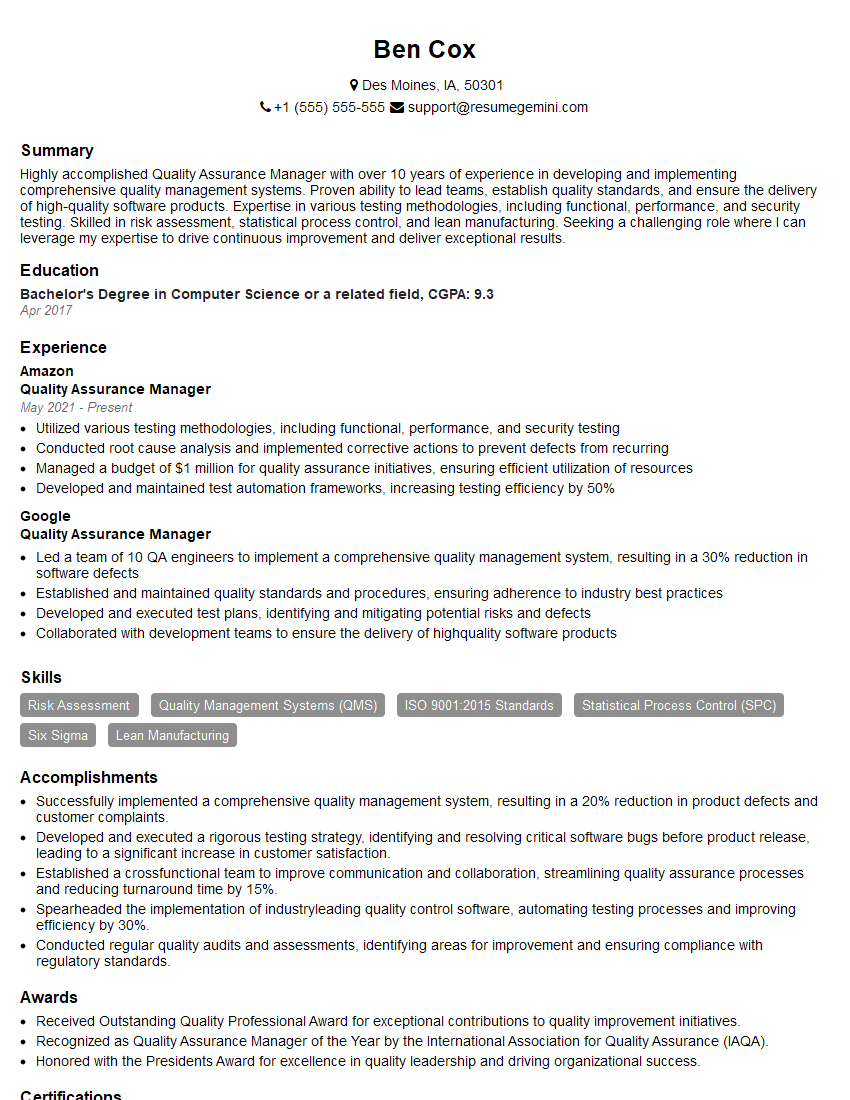
Quality Assurance Manager Resume Sample
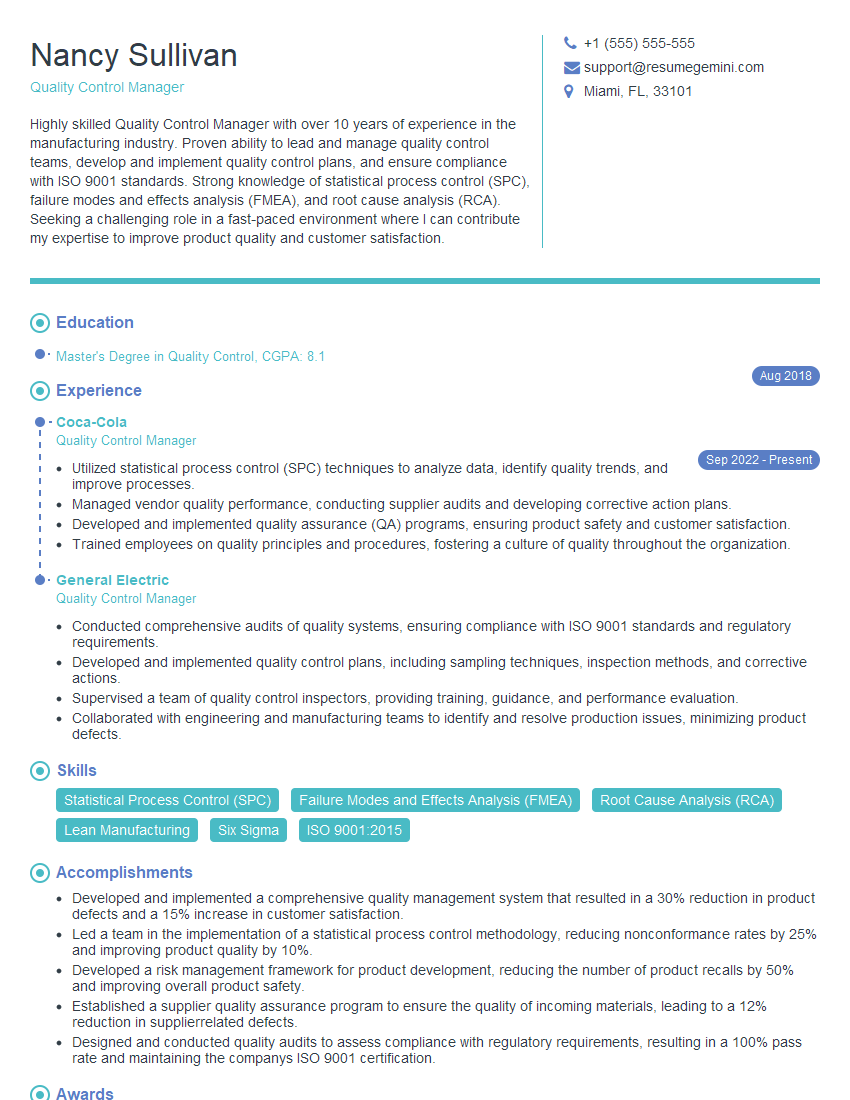
Quality Control Manager Resume Sample
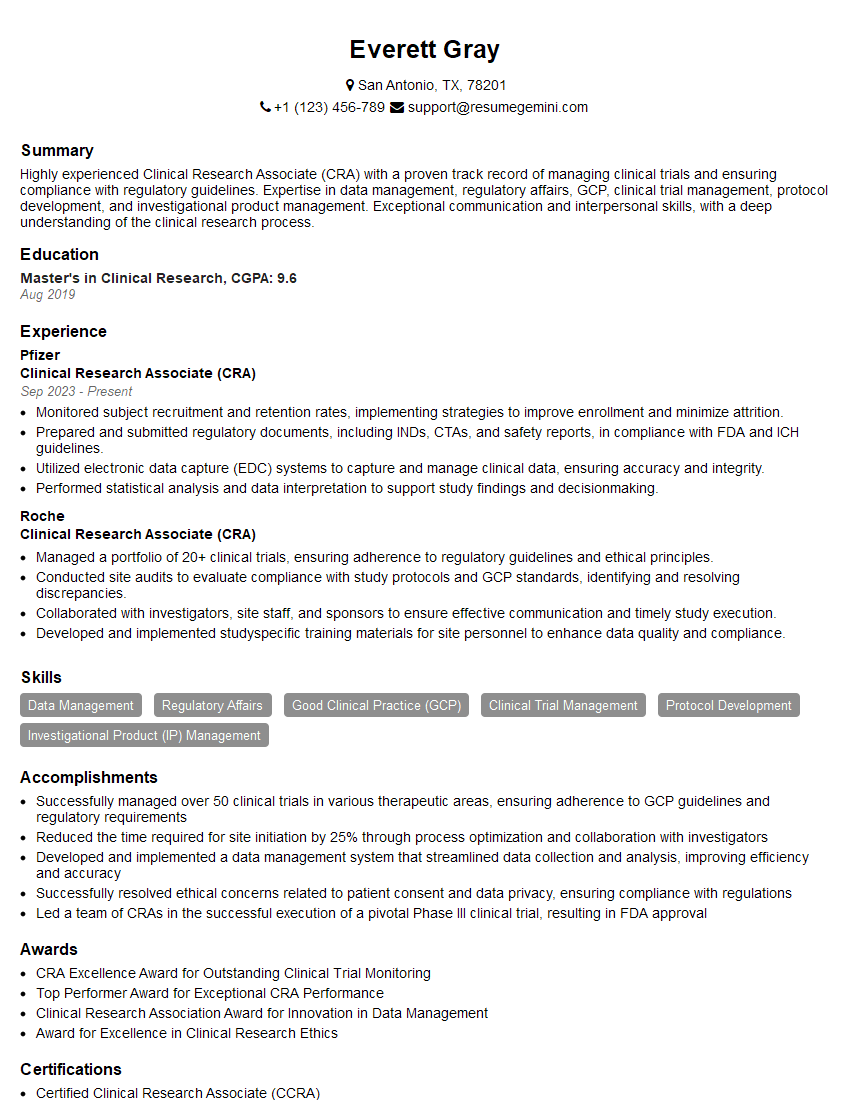
Clinical Research Associate (CRA) Resume Sample
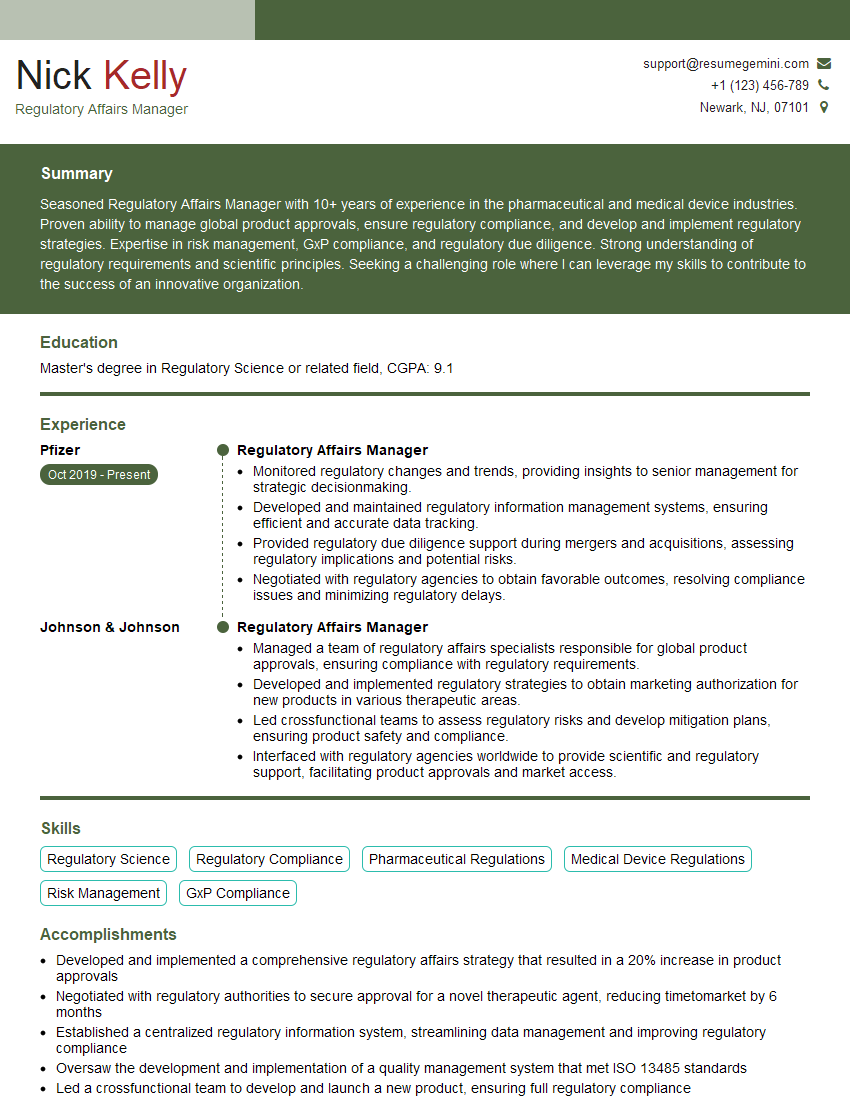
Regulatory Affairs Manager Resume Sample
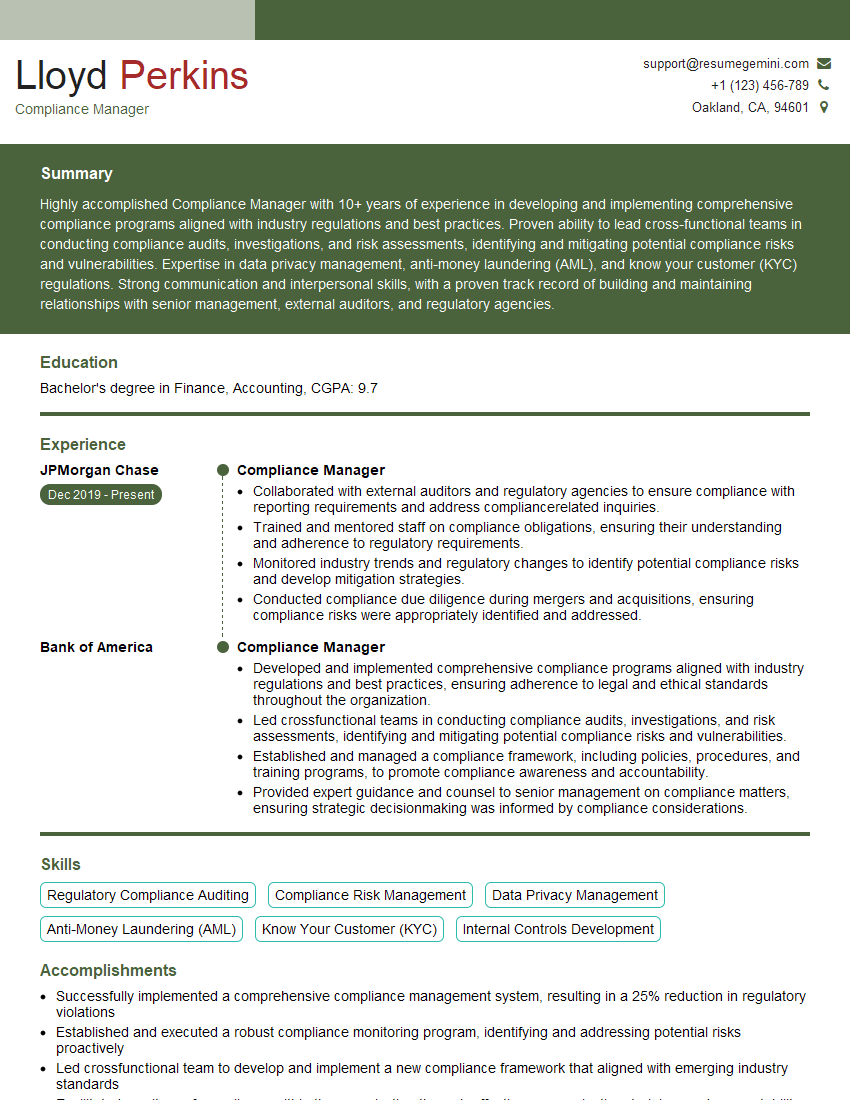
Compliance Manager Resume Sample
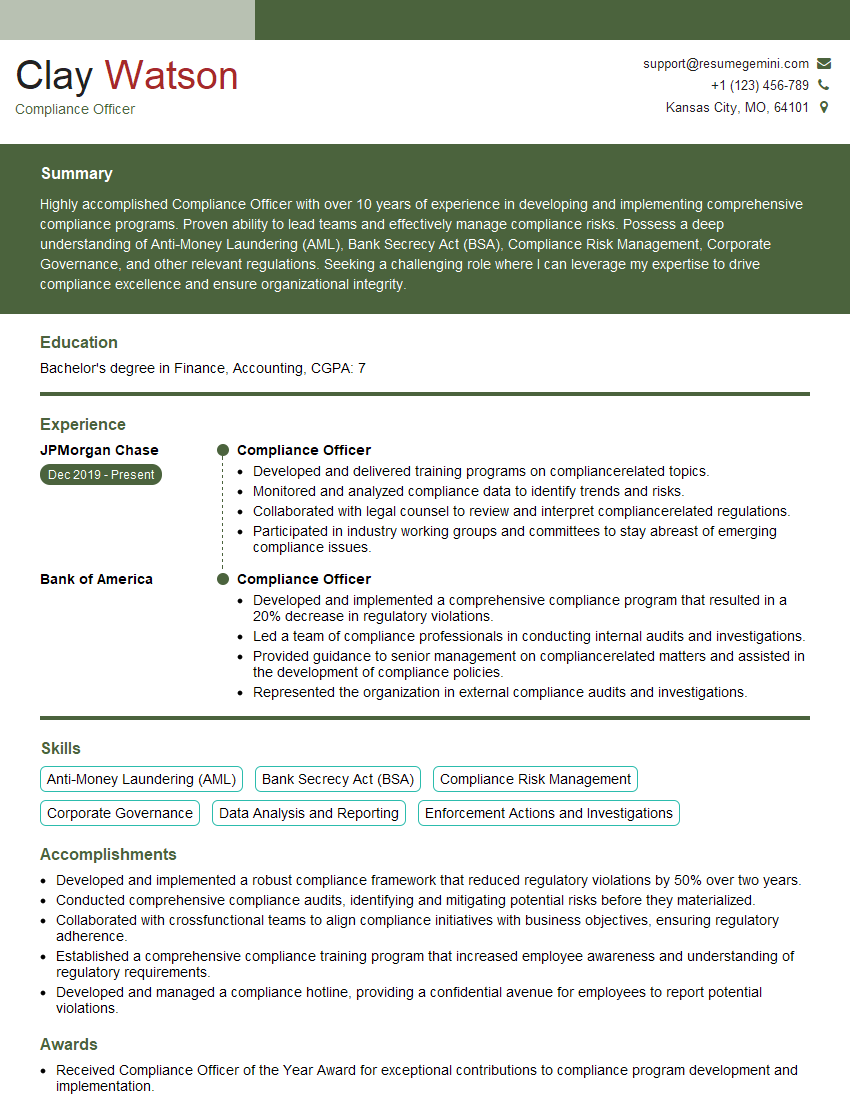
Compliance Officer Resume Sample
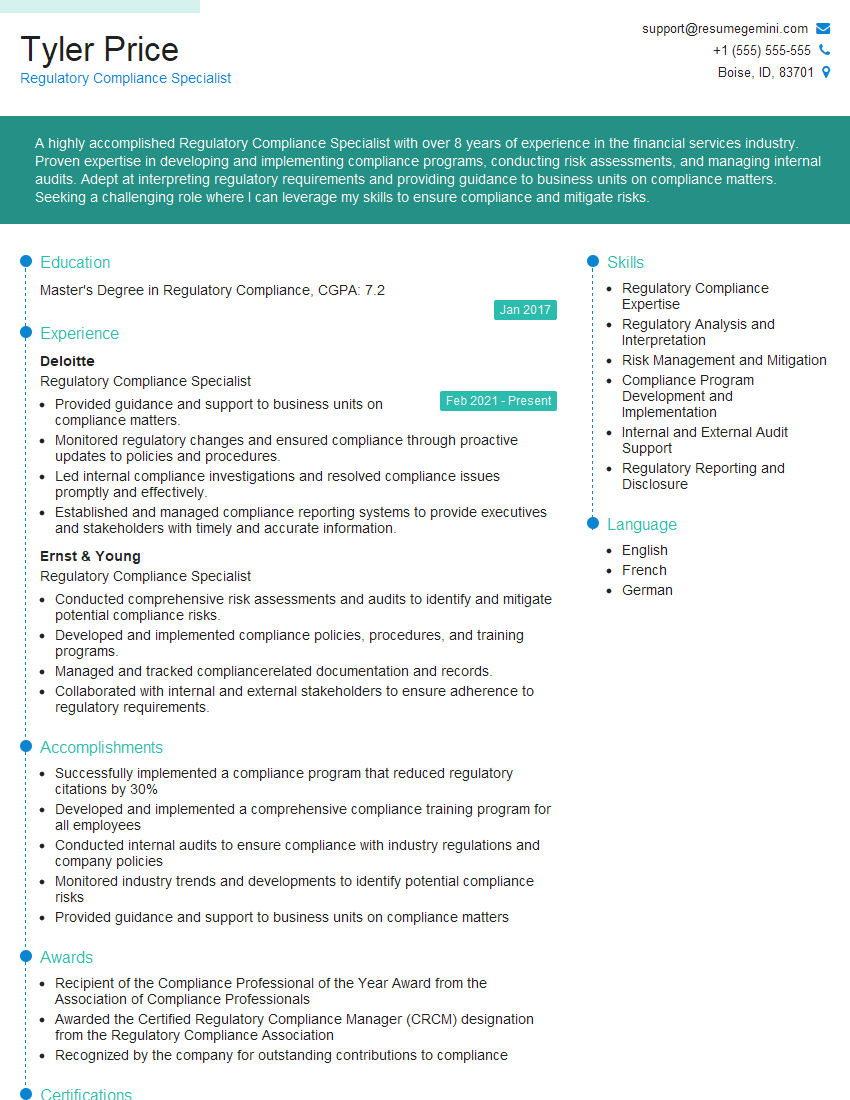
Regulatory Compliance Specialist Resume Sample

Regulatory Affairs Consultant Resume Sample
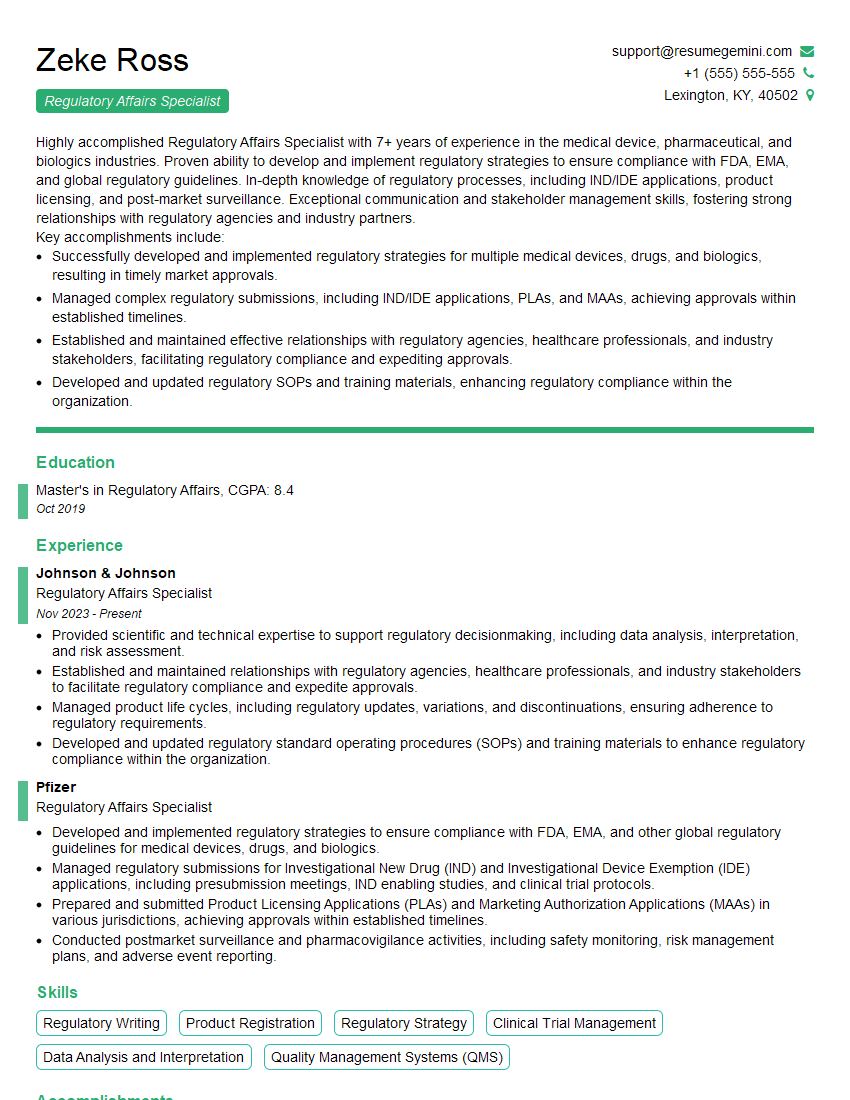
Regulatory Affairs Specialist Resume Sample
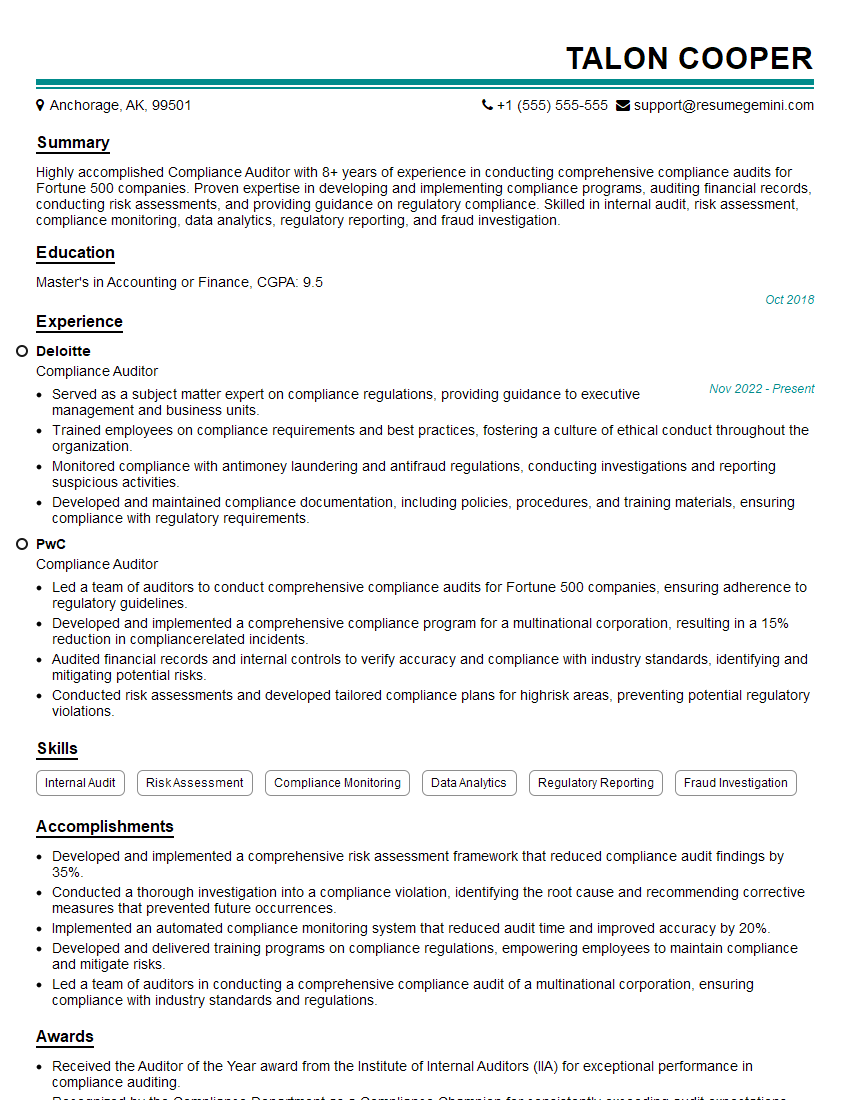
Compliance Auditor Resume Sample
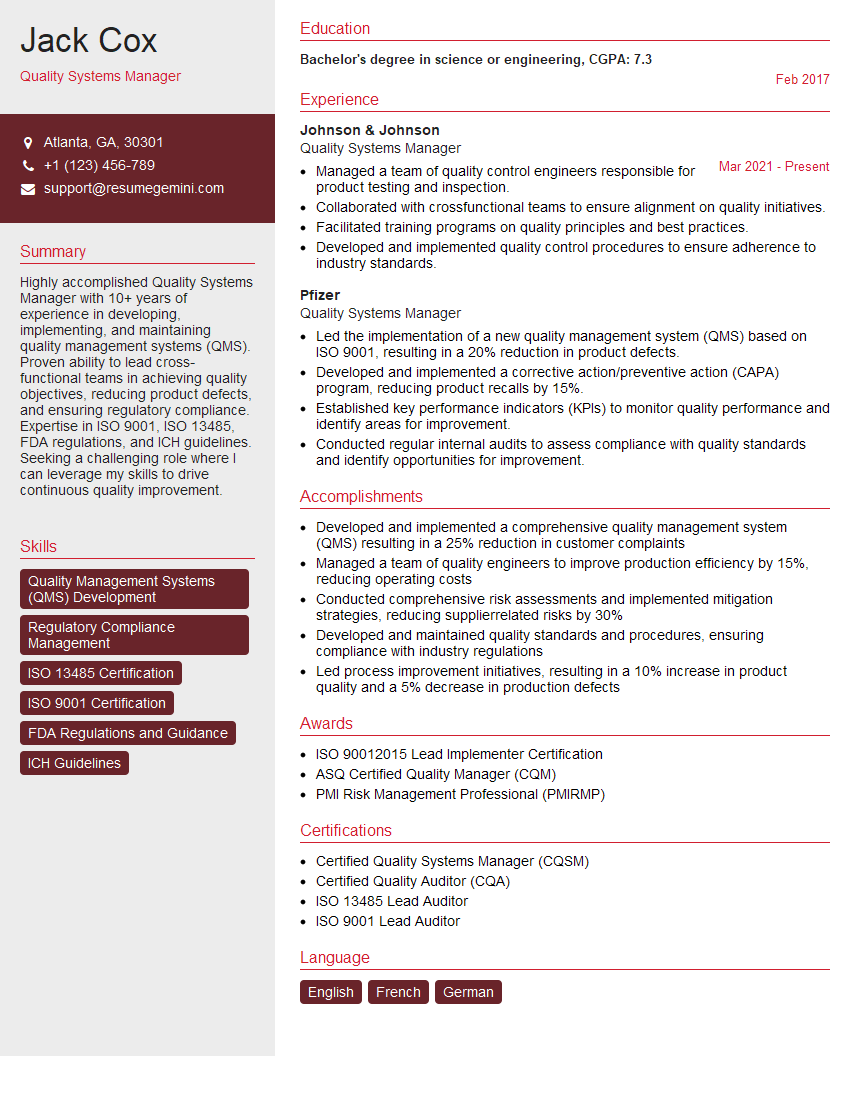
Quality Systems Manager Resume Sample
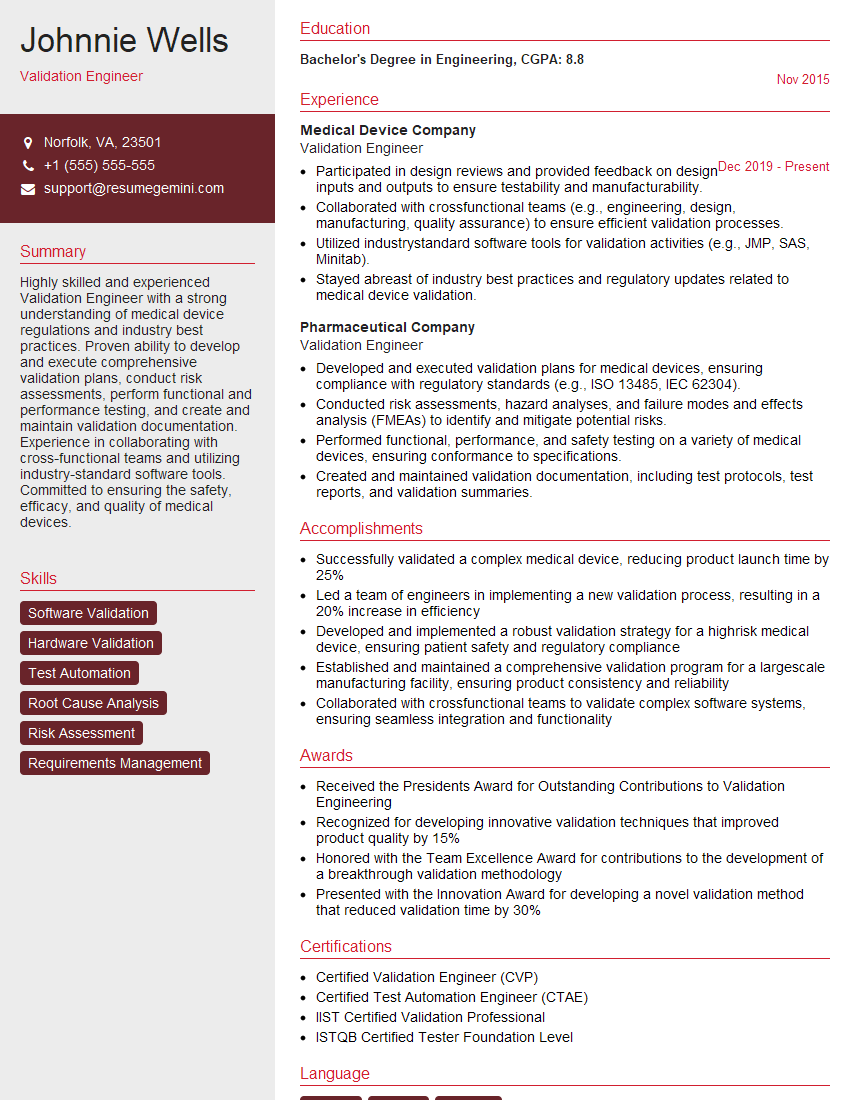
Validation Engineer Resume Sample
- Quality Assurance Manager
- Quality Control Manager
- Clinical Research Associate (CRA)
- Regulatory Affairs Manager
- Compliance Manager
- Compliance Officer
- Regulatory Compliance Specialist
- Regulatory Affairs Consultant
- Regulatory Affairs Specialist
- Compliance Auditor
- Quality Systems Manager
- Validation Engineer
Explore more articles
Users Rating of Our Blogs
Share Your Experience
We value your feedback! Please rate our content and share your thoughts (optional).
What Readers Say About Our Blog
Really detailed insights and content, thank you for writing this detailed article.
IT gave me an insight and words to use and be able to think of examples