Interviews are more than just a Q&A session—they’re a chance to prove your worth. This blog dives into essential Experience in training and mentoring new inspectors interview questions and expert tips to help you align your answers with what hiring managers are looking for. Start preparing to shine!
Questions Asked in Experience in training and mentoring new inspectors Interview
Q 1. Describe your experience developing training materials for new inspectors.
Developing effective training materials for new inspectors is a crucial aspect of ensuring consistent and high-quality inspections. My approach involves a multi-stage process, starting with a thorough needs analysis to identify the specific knowledge and skills gaps. I then design training materials that incorporate various methods, including interactive modules, case studies, and practical exercises. For example, I’ve developed a module on recognizing structural defects using both high-quality photographs and 3D models to cater to visual and kinesthetic learners. I also incorporate real-world scenarios and examples relevant to the specific industry or regulatory requirements to make the learning more relatable and impactful. The materials are carefully reviewed and piloted before finalization, ensuring they are clear, accurate, and engaging. Finally, I incorporate regular feedback mechanisms to ensure the materials remain current and effective.
Q 2. What methods do you utilize to assess trainee competency?
Assessing trainee competency involves a multi-faceted approach that combines practical assessments, written examinations, and observation during on-the-job training. Practical assessments involve simulating real-world inspection scenarios, allowing trainees to demonstrate their skills in a safe and controlled environment. Written examinations test their theoretical understanding of regulations, codes, and industry best practices. I also utilize observation checklists to objectively assess their performance during on-site inspections. For instance, I might observe their ability to correctly identify hazards, document findings, and communicate effectively with clients. A comprehensive scoring system allows for objective evaluation, identifying areas of strength and areas requiring further development. Regular feedback sessions provide opportunities for improvement and address any knowledge gaps.
Q 3. How do you address inconsistencies in inspector performance?
Inconsistencies in inspector performance are addressed through a systematic approach involving identifying the root cause, providing targeted training, and implementing quality control measures. First, I analyze the specific areas of inconsistency through a review of inspection reports, observations, and feedback from clients. This helps pinpoint whether the issue stems from a lack of knowledge, inadequate skills, or perhaps a misunderstanding of procedures. Once the root cause is identified, I tailor additional training to address the specific deficiency. This might involve individualized coaching, attending specific workshops, or reviewing relevant regulations. To prevent future inconsistencies, I implement regular quality control checks, including peer reviews of inspection reports and on-site observation of inspections. This ensures that inspectors are consistently applying the necessary standards and procedures.
Q 4. Explain your approach to providing constructive feedback to trainees.
Providing constructive feedback is a critical aspect of effective mentoring. My approach focuses on being specific, timely, and actionable. I always start by highlighting positive aspects of the trainee’s performance to create a positive and encouraging environment. Then, I address specific areas for improvement using the ‘Situation-Behavior-Impact’ framework. For example, I might say: ‘In the recent inspection at site X (situation), you failed to document the fire safety measures (behavior), which could have resulted in an incomplete report (impact). Let’s review the correct documentation procedure.’ I avoid personal criticism and focus on behaviors, emphasizing the importance of continuous improvement and providing suggestions for improvement. I encourage questions and create a safe space for open dialogue.
Q 5. How do you handle challenging trainees or those struggling with the material?
Handling challenging trainees or those struggling with the material requires patience, empathy, and a flexible approach. I begin by identifying the root cause of the challenges—is it a lack of understanding, learning disabilities, or perhaps a lack of motivation? I adjust my teaching methods accordingly. For example, for a trainee struggling with a complex concept, I might use simpler explanations, visual aids, or real-world examples. For a demotivated trainee, I aim to understand their concerns and address them accordingly. I might offer additional support, pairing them with a more experienced mentor, or adjusting the learning pace to match their progress. Open communication and building a strong rapport are crucial. In some cases, it may be necessary to seek further support from HR or specialized learning assistance professionals.
Q 6. Describe a time you had to adapt your training methodology to suit different learning styles.
During a training program on advanced inspection techniques, I noticed that some trainees responded well to visual learning, while others preferred hands-on practice. To cater to these diverse learning styles, I adapted my methodology. I augmented the traditional lecture format with interactive simulations and augmented reality tools for the visual learners. For the kinesthetic learners, I organized a series of workshops where they could practice inspection procedures on mock-up equipment. This blended approach ensured that all trainees had ample opportunities to grasp the complex concepts, leading to improved understanding and competence across the group. The final assessment demonstrated a significant improvement in overall performance compared to previous training sessions.
Q 7. What are some common challenges faced by new inspectors, and how do you address them?
New inspectors often face several challenges, including the sheer volume of information to absorb, the pressure of independent work, and the complexities of handling difficult clients. To address the information overload, I break down the training into manageable modules, incorporating regular quizzes and practical exercises. To build confidence for independent work, I gradually increase the level of autonomy, starting with supervised inspections and progressing to solo work with regular check-ins and feedback. I also conduct role-playing sessions to equip trainees with effective communication skills for handling challenging clients. By addressing these challenges proactively, I equip new inspectors with the necessary knowledge, skills, and confidence to succeed in their roles.
Q 8. How do you ensure consistent application of inspection procedures across your team?
Consistency in applying inspection procedures is paramount for maintaining quality and fairness. I achieve this through a multi-pronged approach. Firstly, I ensure all inspectors receive identical, comprehensive training using standardized materials, including detailed manuals, videos, and interactive modules. Secondly, we utilize a centralized, regularly updated quality assurance (QA) document repository accessible to all team members. This repository houses all relevant procedures, updated regulations, and best-practice guidelines. Thirdly, we conduct regular calibration exercises using standardized test cases to validate consistent application of inspection criteria. Finally, I implement robust feedback mechanisms, including peer reviews and supervisory audits, to identify and rectify discrepancies quickly. For example, if an audit reveals inconsistencies in interpretation of a specific regulation, we immediately address this through targeted refresher training or clarification in the QA document.
Q 9. What tools or technologies do you use to support inspector training?
To support inspector training, I leverage a blend of traditional and modern tools. This includes meticulously prepared training manuals and presentation slides, complemented by interactive online modules incorporating quizzes and simulations. We also utilize virtual reality (VR) technology for immersive training in complex inspection scenarios, allowing trainees to practice handling various situations in a safe environment without real-world consequences. Finally, we leverage a Learning Management System (LMS) to track progress, deliver assessments, and provide personalized feedback. The LMS allows us to easily track individual performance and identify areas requiring additional focus, which strengthens overall training effectiveness. For example, using VR, trainees can practice identifying defects on a simulated pipeline without the risk or expense of an actual on-site training exercise.
Q 10. How do you measure the effectiveness of your training programs?
Measuring training effectiveness involves a multi-faceted approach. We use pre- and post-training assessments to gauge the improvement in knowledge and skills. Furthermore, we monitor on-the-job performance through direct observation, peer reviews, and analysis of inspection reports to track accuracy and consistency. Key metrics include the number of errors found, the speed and efficiency of inspections, and the overall quality of inspection reports. Feedback surveys from trainees themselves also offer valuable insights into the program’s effectiveness and areas for improvement. For instance, a significant decrease in the number of inspection errors after training indicates a successful program. We also regularly review and update the training based on this feedback and performance data.
Q 11. Describe your experience with creating and delivering training programs.
My experience in creating and delivering training programs spans over [Number] years. I have designed and delivered training on various inspection methodologies, including [List relevant methodologies]. My approach emphasizes a blended learning model, combining theory, practical demonstrations, and hands-on exercises. For example, when training on visual inspection techniques, I start with theoretical lectures covering principles of light and shadow, material science, and defect identification. This is followed by practical sessions using sample materials and then real-world scenarios under supervision. I also incorporate interactive elements like group discussions and case studies to enhance engagement and knowledge retention. I am adept at tailoring training to accommodate diverse learning styles and experience levels.
Q 12. What is your process for identifying training needs?
Identifying training needs is an ongoing process. I utilize several methods. First, we regularly review inspection reports to identify recurring errors or inconsistencies, highlighting areas where additional training might be beneficial. Secondly, I conduct regular one-on-one meetings with inspectors to discuss their challenges and identify knowledge gaps. Thirdly, I analyze industry best practices and regulatory updates to ensure our training remains current and relevant. Finally, we also solicit feedback from clients and stakeholders to identify areas for improvement in our inspection processes and training. For example, if we observe a consistent pattern of misinterpreting a specific regulation in inspection reports, we tailor training to focus on that regulation’s nuances.
Q 13. How do you maintain up-to-date knowledge of inspection regulations and standards?
Staying current with inspection regulations and standards is crucial. I accomplish this by subscribing to relevant professional journals and newsletters, actively participating in industry conferences and workshops, and maintaining membership in professional organizations. I also regularly review and update our internal training materials to reflect the latest changes in regulations and best practices. We use online databases and official regulatory websites to ensure we are using the most up-to-date information. Furthermore, we engage with regulatory bodies directly to clarify any uncertainties or ambiguities. This proactive approach helps us prevent outdated practices and maintain compliance.
Q 14. How do you incorporate best practices into your training programs?
Incorporating best practices into training is a continuous effort. We achieve this by researching and benchmarking against industry leaders, attending relevant conferences and seminars, and actively engaging with professional networks. We also study incident reports and near-miss situations to learn from mistakes and incorporate these learnings into our training materials. For instance, if a competitor developed a superior training technique, we study and adapt that method, ensuring our training programs are consistently enhanced. This dedication to ongoing improvement ensures our training program delivers the highest quality of knowledge and skills.
Q 15. Explain your experience with performance management systems.
Performance management systems are crucial for ensuring inspectors consistently meet expectations and improve their skills. My experience involves using a multi-faceted approach. This includes setting clear, measurable, achievable, relevant, and time-bound (SMART) goals, regular performance feedback sessions (both formal and informal), and a robust system for documenting performance. I’ve utilized both qualitative and quantitative metrics to assess performance, combining observations of on-site inspections with analysis of reports and data. For instance, I’ve successfully implemented a system using a weighted scoring system based on accuracy, timeliness, and adherence to safety protocols. This allowed for objective evaluation and identification of areas for improvement, fostering a culture of accountability and continuous growth. Furthermore, I’ve used performance management systems to identify training needs, connecting individual performance gaps to targeted training interventions.
Career Expert Tips:
- Ace those interviews! Prepare effectively by reviewing the Top 50 Most Common Interview Questions on ResumeGemini.
- Navigate your job search with confidence! Explore a wide range of Career Tips on ResumeGemini. Learn about common challenges and recommendations to overcome them.
- Craft the perfect resume! Master the Art of Resume Writing with ResumeGemini’s guide. Showcase your unique qualifications and achievements effectively.
- Don’t miss out on holiday savings! Build your dream resume with ResumeGemini’s ATS optimized templates.
Q 16. How do you promote a culture of continuous learning and improvement among inspectors?
Promoting a culture of continuous learning and improvement among inspectors requires a proactive and multifaceted approach. It begins with fostering a psychologically safe environment where inspectors feel comfortable identifying areas for improvement without fear of judgment. I accomplish this by regularly sharing best practices, encouraging peer learning, and providing opportunities for constructive feedback. I utilize a variety of methods, including:
- Regular training sessions: These cover new regulations, updated procedures, and advanced inspection techniques.
- Mentorship programs: Pairing experienced inspectors with newer ones allows for knowledge transfer and skill development in a supportive environment.
- Access to resources: Providing inspectors with access to industry journals, online courses, and professional development opportunities.
- Incentivizing learning: Recognizing and rewarding inspectors who actively seek out and apply new knowledge and skills. For example, celebrating successes and highlighting best practices through team meetings or newsletters.
- Regular feedback mechanisms: Utilizing both formal performance reviews and informal check-ins to address areas for improvement and celebrate achievements.
I believe that continuous improvement is not a one-time event but rather an ongoing journey, and fostering this mindset is essential for ensuring a high level of quality and consistency in inspections.
Q 17. What is your experience with different training delivery methods (e.g., classroom, online, on-the-job)?
I have extensive experience utilizing various training delivery methods, tailoring my approach to the specific needs of the trainees and the subject matter. Classroom training provides a structured environment for theoretical knowledge and group discussions. Online learning platforms offer flexibility and accessibility, particularly for reviewing materials or completing modules at one’s own pace. On-the-job training, however, provides invaluable hands-on experience and allows for immediate feedback and adaptation. I often combine these methods. For example, a classroom session covering new regulations might be followed by online modules reinforcing the concepts, culminating in supervised on-the-job application with real-time feedback from experienced inspectors.
For example, when training new inspectors on a complex piece of equipment, I would begin with a classroom session covering the theoretical aspects of the equipment and safety procedures. This would be followed by online modules with interactive simulations allowing trainees to practice using the equipment in a virtual environment. Finally, on-the-job training under the supervision of an experienced mentor would allow them to gain hands-on experience in a safe and controlled environment.
Q 18. How do you handle conflict between trainees or between trainees and supervisors?
Conflict resolution is a critical skill for any trainer. When conflict arises, my approach is to address it promptly and fairly, aiming for a constructive outcome. I begin by listening to all parties involved without judgment, actively seeking to understand their perspectives. Once I have a complete picture, I facilitate a discussion aimed at identifying the root cause of the conflict.
If the conflict involves trainees, I might employ techniques such as mediation or conflict coaching, focusing on open communication and finding mutually acceptable solutions. If the conflict involves trainees and supervisors, I act as a neutral facilitator, ensuring that both sides have the opportunity to express their views and concerns. My goal is always to find a solution that respects everyone’s needs and maintains a positive learning environment. For instance, in a scenario where a trainee felt unfairly criticized by a supervisor, I would facilitate a conversation between the two, clarifying expectations, emphasizing constructive feedback, and reinforcing professional communication skills.
Q 19. Describe your experience with mentoring programs.
My experience with mentoring programs has been incredibly rewarding. I’ve served as a mentor for numerous inspectors, providing guidance and support throughout their career development. My approach to mentoring is personalized, adapting my style to each individual’s needs and learning preferences. I typically start by setting clear goals and expectations, establishing a regular meeting schedule, and creating a safe space for open communication. I provide feedback based on observation and discussion, offering constructive criticism while celebrating successes. I also act as a resource, connecting mentees with other professionals and opportunities for growth. For instance, I’ve helped mentees develop presentation skills by providing coaching, encouraging them to present at industry conferences, and providing feedback post-presentation.
Q 20. How do you build rapport and trust with trainees?
Building rapport and trust with trainees is essential for effective training. I achieve this through active listening, empathy, and consistent demonstration of respect. I create a safe and inclusive learning environment where trainees feel comfortable asking questions, sharing concerns, and expressing their ideas without fear of judgment. I demonstrate genuine interest in their learning and career goals, tailoring the training to their individual needs. I also model the behaviors I expect, promoting professionalism and ethical conduct. Small gestures, such as remembering details about their lives and showing appreciation for their effort, significantly contribute to building trust.
For example, at the beginning of each training session, I make it a point to have a brief, informal conversation with each trainee, asking about their day or any challenges they might be facing. This helps me connect with them on a personal level and show that I care about their well-being.
Q 21. What strategies do you use to motivate trainees?
Motivating trainees involves understanding their individual needs and aspirations. I use a variety of strategies, including:
- Setting clear goals: Ensuring trainees understand the purpose of the training and how it contributes to their professional development.
- Providing positive reinforcement: Recognizing and rewarding achievements, both big and small. Celebrating successes and highlighting progress builds confidence and encourages continued effort.
- Offering constructive feedback: Focusing on improvement areas while highlighting strengths. Providing actionable feedback helps trainees focus on their growth.
- Creating a supportive learning environment: Fostering a sense of camaraderie among trainees and encouraging collaboration. A supportive environment helps trainees learn from each other and stay motivated.
- Tailoring the training: Adapting the training to individual learning styles and preferences. This approach ensures each trainee gets the most out of the training program.
Ultimately, my goal is to inspire trainees to become self-motivated learners who continuously seek out opportunities for improvement and growth throughout their careers.
Q 22. How do you deal with resistance to training?
Resistance to training is a common challenge, but addressing it effectively is crucial for success. My approach is multifaceted and focuses on understanding the root cause of the resistance. Sometimes, it’s simply a lack of understanding of the training’s value. Other times, it could stem from fear of failure, scheduling conflicts, or prior negative training experiences.
- Identifying the Source: I begin by having open and honest conversations with the trainee, actively listening to their concerns and addressing them directly.
- Demonstrating Value: I highlight how the training directly improves their job performance, leading to greater efficiency, safety, and job satisfaction. I use real-world examples and case studies to illustrate the benefits.
- Building Rapport and Trust: A strong mentor-trainee relationship is essential. I foster a supportive environment where trainees feel comfortable asking questions and expressing concerns without judgment.
- Tailoring the Approach: I adapt my training methods to the individual’s learning style, incorporating different techniques like visual aids, hands-on practice, and group discussions.
- Positive Reinforcement: I consistently praise progress and achievements, celebrating milestones to build confidence and motivation. Focusing on strengths helps build a positive learning experience.
For example, I once worked with a trainee who was resistant to using new inspection software. After a conversation, I learned their apprehension stemmed from past negative experiences with technology training. By providing personalized support, offering frequent check-ins, and highlighting the software’s user-friendly features, I helped them overcome their resistance and become proficient in its use.
Q 23. Describe your experience using different assessment methods (e.g., tests, observations, practical exercises).
I employ a variety of assessment methods to ensure a comprehensive evaluation of trainee progress. This approach provides a holistic understanding of their capabilities, moving beyond simple memorization to assess practical application and critical thinking.
- Written Tests: These assess knowledge retention and understanding of key concepts. I design tests to be clear, concise, and reflective of the training material, avoiding ambiguous questions.
- Practical Exercises: These are crucial for evaluating skills in a hands-on setting, mirroring real-world inspection scenarios. This allows me to observe problem-solving approaches and identify areas needing further attention. For instance, trainees might practice identifying defects in simulated equipment.
- Observations: Direct observation during practical exercises or on-the-job training provides valuable insight into a trainee’s work ethic, attention to detail, and adherence to safety protocols. I use checklists and feedback forms to document observations systematically.
- Simulations: Creating simulated inspection environments allows trainees to practice in a safe, controlled setting, exposing them to a wider range of scenarios than might be possible in real-world settings. This is particularly useful for hazardous inspection types.
For instance, after completing a module on pipe welding inspection, trainees would undergo a practical assessment where they visually inspect sample welds, documenting findings using standardized reporting templates. Their performance is then evaluated based on accuracy, thoroughness, and report quality.
Q 24. How do you ensure the training provided is relevant to the current inspection requirements?
Ensuring training relevance is paramount. My strategy involves continuous monitoring of changes in industry standards, regulations, and best practices. This ensures that the training remains current and prepares inspectors for the challenges they face in the field.
- Regular Updates: I review and update training materials annually, incorporating the latest regulatory changes and technological advancements.
- Industry Publications: I subscribe to relevant industry journals and publications, attending workshops and conferences to stay abreast of emerging trends.
- Collaboration with Experts: I actively collaborate with experienced inspectors and industry professionals, incorporating their feedback and insights into the training curriculum.
- Feedback Mechanisms: I actively solicit feedback from trainees and supervisors to identify gaps and areas for improvement in the training program. This feedback loop helps refine the curriculum to meet evolving needs.
For example, when a new safety regulation was introduced, I immediately incorporated it into the training, emphasizing its importance and demonstrating how it affects inspection procedures. This proactive approach guarantees that our inspectors are always compliant.
Q 25. What is your experience with creating and maintaining training records?
Maintaining accurate and comprehensive training records is essential for compliance and for tracking trainee progress. I utilize a combination of digital and physical record-keeping methods.
- Digital Databases: I maintain a digital database containing trainee profiles, training completion records, assessment results, and any relevant certifications. This ensures easy access and efficient retrieval of information.
- Physical Files: I also maintain physical copies of key documents, ensuring redundancy and backup in case of digital system failures.
- Secure Storage: All records are stored securely, complying with relevant data privacy regulations.
- Regular Audits: I conduct regular audits to verify the accuracy and completeness of the training records.
Each trainee’s file includes their attendance records, test scores, performance evaluations from practical exercises, and copies of any certifications obtained. This detailed record allows for easy tracking of individual progress and provides a comprehensive overview of the entire training program’s effectiveness.
Q 26. How do you stay current with industry best practices in inspection training?
Staying current with industry best practices is crucial in the dynamic field of inspection. I proactively engage in several activities to maintain my expertise.
- Professional Organizations: I actively participate in professional organizations related to inspection, attending conferences, workshops, and webinars. These events provide valuable opportunities for networking and learning about the latest advancements.
- Industry Publications & Journals: I regularly read industry publications and journals to stay informed about emerging technologies, regulations, and best practices.
- Online Courses and Webinars: I utilize online resources such as webinars and online courses to supplement my knowledge and enhance my skills.
- Mentorship and Collaboration: I actively seek mentorship from experienced inspectors and collaborate with peers to share knowledge and best practices.
For instance, attending a recent conference on non-destructive testing provided valuable updates on new techniques and technologies, which I immediately integrated into our training programs.
Q 27. Describe a situation where you had to adapt your training plan due to unforeseen circumstances.
Adaptability is key in training. During a recent training session on pipeline inspection, a major storm caused a power outage, disrupting our scheduled hands-on training using specialized software. Instead of postponing, I quickly adapted the plan.
Adaptation Strategy:
- Shift to Alternative Methods: I shifted the focus to theoretical aspects of pipeline inspection, using alternative methods like interactive discussions, case studies, and review of relevant documentation.
- Virtual Training: I provided access to online resources and tutorials related to the software, allowing trainees to continue learning independently.
- Rescheduled Practical Session: We rescheduled the hands-on training for a later date, ensuring that all trainees had access to the necessary resources and support.
This demonstrated my ability to think on my feet and provide value even amidst unforeseen circumstances. The trainees appreciated the flexible approach and still acquired the necessary knowledge and skills.
Q 28. How do you ensure the safety of trainees during on-the-job training?
Ensuring trainee safety during on-the-job training is my utmost priority. This requires a multi-layered approach that integrates safety protocols into every aspect of the training.
- Thorough Risk Assessment: Before any on-the-job training begins, a comprehensive risk assessment is conducted to identify potential hazards and implement appropriate control measures.
- Safety Briefing: Trainees receive a thorough safety briefing outlining site-specific hazards, emergency procedures, and the use of personal protective equipment (PPE).
- Supervised Training: Trainees are always supervised by experienced inspectors who provide guidance and ensure adherence to safety protocols.
- PPE Provision: Trainees are provided with appropriate PPE, including safety helmets, high-visibility clothing, and safety footwear, ensuring their safety throughout the training.
- Regular Safety Checks: Regular safety checks are conducted to identify and address any emerging safety concerns.
- Incident Reporting: A clear procedure for reporting any incidents or near misses is established and communicated to all trainees.
For example, during on-site training involving confined space entry, trainees underwent detailed instruction on confined space entry procedures and safety precautions. They were monitored closely and were required to use specialized equipment and follow strict safety protocols. No trainee was allowed to work unsupervised until deemed fully competent and safe to do so.
Key Topics to Learn for Experience in training and mentoring new inspectors Interview
- Curriculum Development & Delivery: Designing and implementing effective training programs for new inspectors, including lesson plans, presentations, and practical exercises. Consider different learning styles and adapt your approach accordingly.
- On-the-Job Training & Mentorship: Describe your experience guiding new inspectors through real-world scenarios, providing feedback, and fostering their professional development. Highlight specific examples of successful mentorship leading to improved inspector performance.
- Performance Evaluation & Feedback: Explain your methods for assessing trainee progress, providing constructive criticism, and identifying areas for improvement. Discuss how you track and document performance metrics.
- Regulatory Compliance & Standards: Demonstrate your understanding of relevant regulations and industry standards, and how you ensure trainees adhere to them. Explain how you address non-compliance issues.
- Communication & Interpersonal Skills: Highlight your ability to communicate effectively with trainees, build rapport, and create a supportive learning environment. Discuss techniques for handling difficult conversations or addressing performance concerns.
- Problem-Solving & Troubleshooting: Showcase your ability to assist trainees in resolving complex issues and navigating challenges during inspections. Provide examples where you guided trainees through difficult situations.
- Technology & Tools: If applicable, discuss your experience training inspectors on relevant software, equipment, or technologies used in the inspection process.
- Professional Development & Continued Learning: Describe your strategies for encouraging ongoing professional development among your trainees, such as access to further training opportunities or professional certifications.
Next Steps
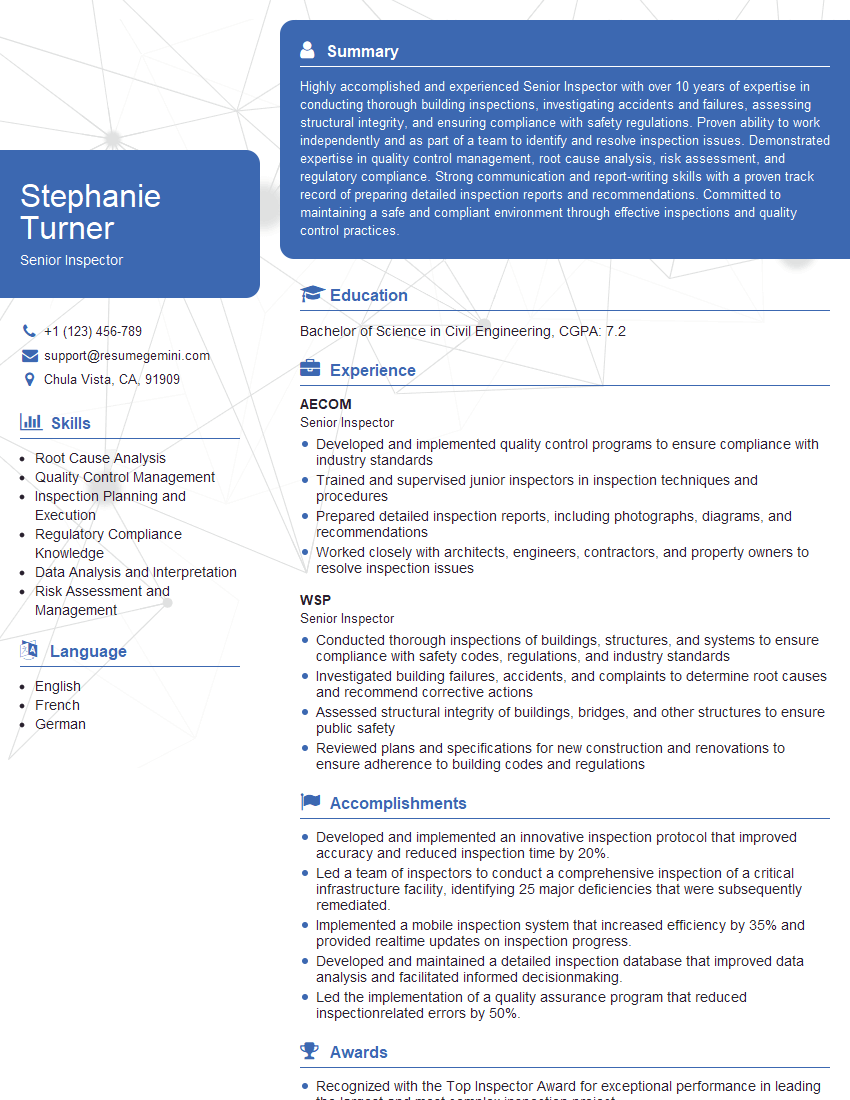
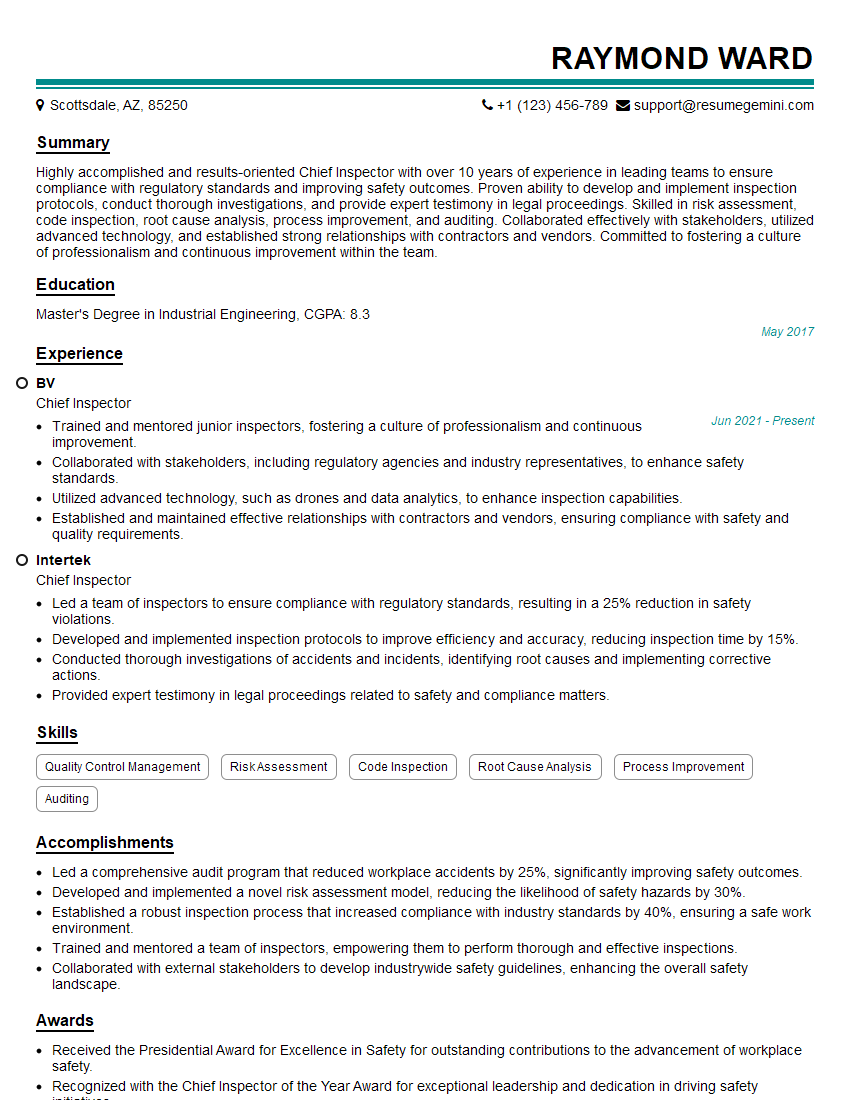
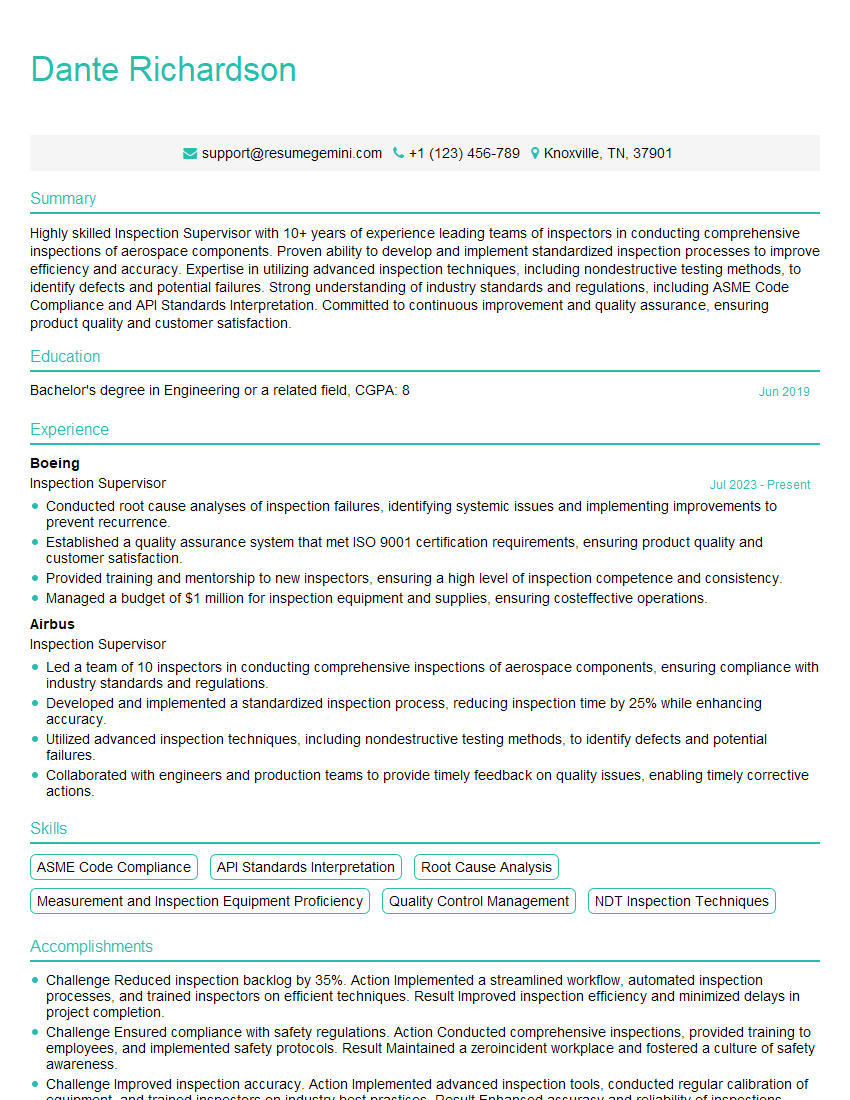
Mastering the art of training and mentoring new inspectors is crucial for career advancement in this field. It showcases leadership abilities, teaching skills, and a commitment to fostering a high-performing team. To significantly boost your job prospects, create a compelling and ATS-friendly resume that highlights these key skills and experiences. We highly recommend using ResumeGemini to craft a professional resume that effectively showcases your qualifications. ResumeGemini provides a streamlined process and offers examples of resumes tailored to roles focusing on experience in training and mentoring new inspectors, helping you present your skills and achievements in the best possible light.
Explore more articles
Users Rating of Our Blogs
Share Your Experience
We value your feedback! Please rate our content and share your thoughts (optional).
What Readers Say About Our Blog
Really detailed insights and content, thank you for writing this detailed article.
IT gave me an insight and words to use and be able to think of examples