Cracking a skill-specific interview, like one for Experience with Different Bale Types, requires understanding the nuances of the role. In this blog, we present the questions you’re most likely to encounter, along with insights into how to answer them effectively. Let’s ensure you’re ready to make a strong impression.
Questions Asked in Experience with Different Bale Types Interview
Q 1. Describe the different types of bales (e.g., square, round, rectangular).
Bales are compressed packages of materials, primarily agricultural products like hay, straw, or cotton. They come in various shapes and sizes, each suited to different needs. The most common types include:
- Square Bales: These are rectangular bales, typically small to medium-sized, ideal for smaller farms or operations with limited storage space. They are easy to handle manually but require more space per unit of material compared to round bales.
- Round Bales: These are cylindrical bales, usually larger than square bales, offering efficient storage and transport due to their shape. They’re common in large-scale operations but require specialized equipment for handling.
- Rectangular Large Square Bales (Large Rectangular Bales): These are significantly larger than standard square bales and are most efficient for large-scale operations with appropriate handling equipment. They offer high density and reduced storage space per unit of material.
- Small Rectangular Bales: These are smaller than large square bales, offering a compromise between the manageability of square bales and the efficiency of large bales.
The choice of bale type depends heavily on factors like the farm size, equipment available, storage capacity, and the type of material being baled.
Q 2. What are the common materials used in bale production?
The materials used in bale production vary depending on the intended use. The most prevalent materials include:
- Hay: Various grasses, alfalfa, clover, and other forages are commonly baled for animal feed.
- Straw: The stalks remaining after harvesting grains like wheat, barley, or oats are baled for bedding, mulch, or other uses.
- Cotton: Cotton is baled after harvesting for processing into textiles. These bales are significantly denser and heavier than hay or straw bales.
- Other Agricultural Products: Other crops, like silage (fermented feed) or various waste materials from agricultural processing, can also be baled.
The material significantly influences the bale’s density, weight, and handling requirements. For instance, cotton bales are much denser and heavier than hay bales of the same size.
Q 3. Explain the differences in density and weight between various bale types.
Bale density and weight are crucial factors influencing storage and transportation efficiency. Density is expressed as weight per unit volume.
- Round bales generally have lower density compared to large square bales due to their shape and less efficient compaction during baling.
- Square and large square bales, due to their shape and the baling process, typically achieve higher densities. Large square bales often achieve the highest densities.
- Cotton bales are exceptionally dense, significantly heavier than comparable-sized bales of hay or straw.
The weight variation is directly proportional to the density and the bale’s size. A large square bale of hay will weigh considerably more than a small square bale of straw.
Q 4. What are the typical dimensions and weights of different bale types?
Dimensions and weights vary considerably across bale types and the material being baled. However, here’s a general overview:
- Small Square Bales: Typically around 14-16 inches wide, 18-24 inches long, and 4-6 inches high, weighing anywhere from 40-80 lbs.
- Large Square Bales: These can range from 4x4x8 feet to much larger sizes, with weights from 1000-2500 lbs or more.
- Round Bales: Diameters range from 4-6 feet, with lengths ranging from 4-6 feet. Weights can vary from 600 lbs to 2000+ lbs depending on size and density.
These are approximate values; the actual dimensions and weights can fluctuate greatly depending on the baling equipment, the material being baled, and the desired density.
Q 5. How does bale size and type affect storage and transportation?
Bale size and type significantly impact storage and transportation.
- Smaller bales (square bales) require more space for storage and necessitate more individual handling units for transport. This increases labor and transportation costs.
- Larger bales (round and large square bales) offer superior space efficiency for storage and transportation. Fewer individual units mean reduced handling, leading to cost savings in labor and logistics. However, they require specialized equipment for handling and transport.
Consider a farmer with limited storage: small square bales might be preferable despite increased handling, while a large-scale operation might opt for larger bales to minimize transport costs and storage space requirements.
Q 6. Describe different bale tying methods and their advantages/disadvantages.
Several methods exist for tying bales, each with advantages and disadvantages:
- Twine: This is a common and relatively inexpensive method. However, twine can break, leading to bale loss, and requires more knots, increasing the risk of loose material.
- Net Wrap: Net wrap provides a more secure bale, minimizing material loss. It’s generally faster and easier to apply than twine. However, it’s often more expensive than twine.
- Plastic Wrap: Plastic wrap is excellent for preserving bale quality, particularly for silage. It’s impermeable to air and water, but it adds to waste and can be less sustainable than other tying methods.
The choice of tying method often depends on the type of material being baled, budget constraints, and the available equipment. For instance, net wrap is commonly used for hay, while plastic wrap is often preferred for silage.
Q 7. What are the safety precautions when handling different bale types?
Safety is paramount when handling bales. Here are some crucial precautions:
- Proper Equipment: Use appropriate equipment (baler, loaders, forks, etc.) for handling different bale sizes and weights. Never attempt to manually handle excessively heavy bales.
- Stable Ground: Ensure the ground is level and stable before handling or stacking bales to prevent accidents. Uneven ground can cause bales to roll or tip.
- Secure Stacking: Stack bales securely to prevent collapse, particularly when storing multiple bales. Overloading stacks or improperly stacking can lead to injury or damage.
- Protective Gear: Wear appropriate protective gear, including gloves, safety glasses, and steel-toed boots, when handling bales to prevent injuries from sharp objects or falling bales.
- Awareness of surroundings: Be aware of your surroundings and ensure that the area is clear of obstacles before moving or stacking bales to prevent accidents.
Ignoring these precautions can lead to serious injuries or fatalities. Always prioritize safety when working with bales, regardless of their size or type.
Q 8. How do you identify damaged or compromised bales?
Identifying damaged or compromised bales requires a keen eye and understanding of the material. Look for obvious signs like punctures, tears, or significant water damage. For hay bales, discoloration (especially mold growth), musty odors, and visible signs of insect infestation are major red flags. With other materials like cotton or paper, check for uneven density, suggesting inconsistent compression. A bale that’s unusually soft or loose might indicate internal degradation. Sometimes, a simple visual inspection isn’t enough; you might need to take a small sample to assess the internal condition, particularly for moisture content. Inconsistent bale shape or significant warping can also signal compromised integrity, potentially resulting from improper baling or handling.
For example, imagine a stack of hay bales where one is significantly darker than the others and has a noticeably unpleasant smell. This is a strong indication of mold growth, rendering the bale unsuitable for animal feed or many other purposes. Regular inspection during storage is crucial to quickly identify and address any damage before it affects other bales.
Q 9. What are the common problems encountered with various bale types during storage?
Storage problems vary depending on the bale type and the environment. Hay bales are prone to spontaneous combustion if improperly cured or stored in damp conditions. This is due to the continued respiration of the plant material, generating heat. Moisture is a pervasive problem; it can lead to mold growth in hay, rot in cotton bales, and degradation of paper bales. Rodent and insect infestation is another significant concern, causing contamination and structural damage. Improper stacking can lead to crushing and damage to the bales in the lower layers. In contrast, tightly compressed bales of recyclable materials might experience compaction issues leading to difficulty in handling and processing. Finally, excessive exposure to sunlight and UV radiation can degrade certain materials.
- Hay: Spontaneous combustion, mold, rodent damage.
- Cotton: Rot, moisture damage, insect infestation.
- Paper: Moisture damage, degradation, rodent damage.
- Plastic: UV degradation, cracking.
Q 10. How do you determine the appropriate baling equipment for different materials?
Choosing the right baling equipment depends heavily on the material’s characteristics and the desired bale size and density. For example, hay baling often utilizes round balers for large, loosely packed bales or square balers for smaller, denser bales that are easier to stack and handle. These machines are designed to handle flexible and somewhat compressible materials. In contrast, baling cotton or recyclable materials often requires higher pressure and different chamber designs to achieve the necessary density for efficient storage and transportation. Machines used for paper or plastic recycling will differ again, needing to manage diverse shapes and sizes. Consider factors like material flow, bale dimensions, and the desired bale weight when making the selection. The volume of material being processed will also dictate the size and capacity of the baler. A small farm might use a smaller baler, while a large-scale recycling operation would require much larger industrial equipment.
Q 11. Describe your experience with different types of baling equipment.
My experience encompasses a wide range of baling equipment, including both small-scale agricultural balers and large industrial balers used in recycling facilities. I’ve worked with round balers for hay, which are efficient for high-volume production but require appropriate handling due to their size and weight. I’m also familiar with the operation and maintenance of square balers, which offer better density control and easier stacking. In industrial settings, I have extensive experience operating and maintaining high-density balers used for processing paper, plastic, and textile waste. These often incorporate advanced technologies for automatic tying and bale ejection. I have also been involved in the commissioning and modification of existing baling systems to optimize bale density, production rate and reduce downtime. Each type of baler has its strengths and weaknesses, requiring a specific skill set for operation and maintenance.
Q 12. How do you maintain and troubleshoot baling equipment?
Maintaining and troubleshooting baling equipment is critical for efficient operation and preventing costly downtime. Regular preventative maintenance involves inspecting belts, chains, and bearings for wear and tear. Checking hydraulic fluid levels and condition is also essential, as is lubrication of moving parts. Regular cleaning of the baling chamber prevents material buildup and ensures smooth operation. Troubleshooting often involves identifying the source of the problem: a jammed chamber, a malfunctioning knotter, or hydraulic issues. Diagnostics might involve checking pressure gauges, electrical connections, and sensor readings. Addressing issues promptly and thoroughly will extend the equipment’s lifespan and prevents costly repairs. For example, a timely belt replacement will prevent significant damage to the baler compared to operating with a worn belt until failure.
Q 13. Explain the process of bale handling and stacking.
Bale handling and stacking are crucial steps in the process. Proper techniques ensure bale integrity, efficient storage, and safety. Bales should be handled using appropriate equipment, such as forklifts or bale handlers, depending on the size and weight of the bale. Avoid dropping or throwing bales, which can damage them. When stacking, it’s essential to create a stable structure to prevent collapse. The stacking pattern should take into account the weight of the bales and potential environmental factors, such as wind. Careful stacking ensures air circulation within the stack, which is particularly important for hay bales to avoid overheating. Proper bale handling also includes the use of appropriate protective equipment like gloves and safety shoes to prevent injuries.
For example, stacking hay bales in an overlapping pattern with some space between them allows for ventilation and reduces the risk of spontaneous combustion. In contrast, heavier, denser bales of recyclable materials might require a more compact stacking pattern with proper support to prevent collapse.
Q 14. What are the environmental considerations related to bale handling and disposal?
Environmental considerations are paramount in bale handling and disposal. Improper disposal of bales can lead to environmental pollution. For instance, decomposing hay bales can contribute to methane emissions. Plastic or other non-biodegradable bales create waste management challenges and can pollute soil and waterways if improperly discarded. Recycling of materials from bales should be prioritized whenever possible. Landfills can be strained by large volumes of bales, and the decomposition process may create environmental risks. Sustainable practices include using biodegradable baling materials wherever feasible and opting for bale designs that facilitate recycling and recovery of materials. Moreover, the transportation of bales should be planned to minimize fuel consumption and air pollution.
Q 15. What are the common quality control checks performed on bales?
Quality control checks on bales vary depending on the material, but common practices include assessing bale dimensions (length, width, height, and weight), density, moisture content, and the presence of contaminants or damage. For hay bales, we look for signs of mold, spoilage, or weed infestation, while for cotton bales, we check for fiber quality, cleanliness, and foreign matter. Paper bales are inspected for density, proper compaction, and the absence of unsuitable materials. These checks are often done visually and sometimes with specialized tools like moisture meters or density testers. For example, in a hay operation, we might use a probe to assess moisture levels in several spots within a bale to ensure it’s within the acceptable range for safe storage and animal feed. Failing to do so could lead to spoilage, significant financial losses, and even fire hazards.
- Visual Inspection: Checking for obvious defects like damage, contamination, or unusual color.
- Dimensional Measurement: Ensuring consistency in bale size for efficient handling and storage.
- Weight Measurement: Verifying the bale meets the specified weight range.
- Moisture Content Testing: Using a moisture meter to determine the percentage of moisture to prevent spoilage.
- Density Testing: Measuring the bale’s density to ensure it is properly compressed.
Career Expert Tips:
- Ace those interviews! Prepare effectively by reviewing the Top 50 Most Common Interview Questions on ResumeGemini.
- Navigate your job search with confidence! Explore a wide range of Career Tips on ResumeGemini. Learn about common challenges and recommendations to overcome them.
- Craft the perfect resume! Master the Art of Resume Writing with ResumeGemini’s guide. Showcase your unique qualifications and achievements effectively.
- Don’t miss out on holiday savings! Build your dream resume with ResumeGemini’s ATS optimized templates.
Q 16. Describe the impact of bale type on the final product or process.
The bale type significantly impacts the downstream process. For instance, tightly compressed, high-density bales of cotton are ideal for efficient transportation and processing in textile mills. Loose, large square bales of hay, on the other hand, are easier to handle for livestock farmers but might be less efficient to transport over long distances. The bale’s size, shape, and density dictate the type of equipment needed for handling, storage, and processing. A paper recycling plant, for example, requires high-density bales to maximize transportation efficiency and minimize storage space. If bales are too loose, they occupy unnecessary space and can lead to inefficient loading and unloading. In contrast, overly dense bales can be harder to break apart during the recycling process.
Consider the differences between small, round hay bales perfect for individual animal feeding and large rectangular bales ideal for mechanized feeding systems. The choice of bale type directly impacts the entire workflow, from harvesting and transportation to storage and ultimately, utilization.
Q 17. How do you optimize bale production for efficiency and cost-effectiveness?
Optimizing bale production for efficiency and cost-effectiveness requires a holistic approach. This includes selecting the right baling equipment for the material and volume, optimizing the baling process itself, and implementing effective material handling strategies. For example, utilizing a higher-capacity baler can significantly reduce the time needed to process a given amount of material. Efficient equipment maintenance prevents costly breakdowns. Strategic bale placement minimizes wasted space in storage and transportation. Precisely calibrated balers create consistent bale size and density, improving storage efficiency and minimizing waste. Furthermore, adopting a preventive maintenance schedule for the equipment can significantly reduce downtime and repair costs.
- Equipment Selection: Choosing the right baler for the material and volume.
- Process Optimization: Fine-tuning baler settings to achieve optimal density and bale size.
- Material Handling: Implementing efficient methods for moving and stacking bales.
- Preventive Maintenance: Regularly maintaining equipment to prevent breakdowns.
Q 18. What are the differences in bale handling techniques for different materials (e.g., hay, cotton, paper)?
Bale handling techniques vary significantly based on the material. Hay bales, often larger and less dense, require specialized equipment like bale spears and forklifts for efficient handling. Cotton bales, due to their high density and value, are handled with care, often using specialized clamps and conveyors to prevent damage. Paper bales, typically heavier and more compact, are moved using heavy-duty forklifts and often require specialized handling to avoid tearing or damage. For example, delicate paper bales might require gentler handling than heavy hay bales, which can withstand more robust handling. Improper handling can lead to significant losses in terms of material damage, costly repairs, and safety incidents.
- Hay: Forklifts, bale spears, and specialized trailers.
- Cotton: Specialized clamps, conveyors, and careful handling to prevent fiber damage.
- Paper: Heavy-duty forklifts and specialized handling to avoid tearing.
Q 19. How do you manage inventory of different bale types in a warehouse?
Managing inventory of different bale types requires a well-organized warehouse system. This includes clearly defined storage areas for each bale type, a robust inventory management system (either manual or software-based) to track bale quantities, quality, and date of arrival, and a system for managing first-in, first-out (FIFO) inventory to minimize spoilage or obsolescence. Barcoding or RFID tagging bales can improve tracking accuracy and efficiency. Proper ventilation and pest control are crucial to maintain bale quality. For example, a dedicated area for storing sensitive cotton bales separate from potentially dusty paper bales minimizes cross-contamination and maintains product quality. Effective inventory management saves space, reduces the risk of damage, and improves efficiency in fulfilling orders.
- Designated Storage Areas: Separate areas for each bale type.
- Inventory Management System: Tracking bale quantities and quality.
- FIFO System: Managing inventory to minimize spoilage.
- Barcoding/RFID: Improving tracking accuracy and efficiency.
- Environmental Controls: Maintaining appropriate temperature and humidity.
Q 20. Explain your experience with bale transportation and logistics.
My experience in bale transportation and logistics encompasses planning efficient routes, selecting appropriate transportation modes (trucks, rail, or ships depending on distance and bale type), ensuring proper securing of bales during transit to prevent damage or shifting, and managing documentation required for shipment, such as bills of lading and manifests. I’ve managed logistics for both domestic and international shipments of various bale types, optimizing routes to reduce transit time and costs. For example, in shipping a large order of hay bales across country, we would use dedicated trailers with secure straps and tarps to prevent damage and loss during transport. Careful planning, efficient vehicle utilization, and adherence to safety regulations are crucial to successful bale transportation.
- Route Planning: Optimizing routes for efficient transportation.
- Mode Selection: Choosing the appropriate transportation mode (truck, rail, ship).
- Securement: Properly securing bales during transport.
- Documentation: Managing shipment documentation.
Q 21. What are the regulatory requirements related to bale handling and transportation?
Regulatory requirements for bale handling and transportation vary by location and material type. Common regulations focus on safety, environmental protection, and transportation laws. These may include weight and dimension limits for vehicles transporting bales, specific requirements for securing bales to prevent shifting or spills during transit, environmental regulations concerning dust control during handling, and labeling requirements for hazardous materials. For example, regulations might specify the maximum weight allowed for a truck carrying cotton bales to ensure road safety. Failure to comply can lead to hefty fines and legal consequences. Staying abreast of local, state, and national regulations is critical for compliance and responsible bale handling practices.
- Weight and Dimension Limits: Adhering to vehicle weight and size restrictions.
- Securement Requirements: Properly securing bales to prevent shifting during transport.
- Environmental Regulations: Following environmental protection guidelines (e.g., dust control).
- Hazardous Material Regulations: Adhering to specific regulations for hazardous materials.
Q 22. Describe a situation where you had to solve a problem related to bale handling.
One time, we experienced significant downtime due to a jammed baler. We were processing a particularly high volume of a newly sourced, slightly wetter hay than usual. This resulted in bales that were too tightly packed and caused the baler’s tying mechanism to malfunction repeatedly.
To solve this, we first analyzed the moisture content of the incoming hay. We found it exceeded the baler’s optimal range. We then implemented a three-pronged approach: temporarily slowing the baler’s intake speed, adjusting the baler’s chamber pressure to optimize compression, and finally, pre-drying the hay slightly by spreading it out for a few hours before baling. This systematic approach resolved the jamming issues and improved bale quality and consistency.
Q 23. How do you ensure the safety of personnel during bale handling operations?
Ensuring personnel safety during bale handling is paramount. We implement a multi-layered approach starting with comprehensive training. This covers safe operating procedures for machinery, proper lifting techniques, understanding bale instability, and emergency procedures. We use clear signage to delineate hazardous areas and establish strict rules around working near moving machinery.
Furthermore, we provide personal protective equipment (PPE) including safety glasses, gloves, steel-toed boots, and high-visibility clothing. Regular safety inspections of all equipment and the work area are mandatory. We also conduct routine safety briefings emphasizing situational awareness and the importance of teamwork to avoid accidents. Think of it like a layered defense system – each measure complements the others to build a robust safety net.
Q 24. What are the best practices for reducing bale damage during transportation?
Minimizing bale damage during transport hinges on proper securing and vehicle selection. Bales should be tightly stacked and secured with appropriate straps or netting. Overloading trucks is a major cause of damage, leading to shifting and potentially accidents. Therefore, we always calculate the maximum safe load based on the truck’s capacity and the weight of the bales.
The type of transport also matters. For long distances, specialized bale trailers are often preferred for their stability and cushioning. Regular maintenance of the transport vehicles and careful driving, especially on uneven terrain, are critical factors in preventing damage. Think of it like packing a fragile item – the more care you take in wrapping and handling, the less likely it is to break.
Q 25. How do you stay updated on advancements in baling technology and techniques?
Staying current with advancements in baling technology is an ongoing process. I actively participate in industry conferences and trade shows, such as the Farm Progress Show or regional agricultural events. These events offer hands-on demonstrations and presentations from leading manufacturers. I also subscribe to industry publications, both print and online journals, that provide in-depth articles on new baling technologies and best practices.
Furthermore, I frequently consult with equipment manufacturers directly and attend webinars on topics such as bale density optimization and innovative tying systems. Professional development opportunities, including online courses focused on agricultural technology, are also valuable resources for staying up to date.
Q 26. Describe your experience working with automated baling systems.
My experience with automated baling systems is extensive. I’ve worked with various systems ranging from automated bale wrapping machines to fully integrated automated baling lines. These systems significantly increase efficiency and reduce labor costs compared to manual processes. I’m familiar with their programming and troubleshooting, particularly in diagnosing issues like sensor malfunctions or incorrect bale density settings.
For instance, I worked on a project implementing a new automated bale-wrapping system. The initial setup had some inconsistencies in wrap tension. By carefully calibrating the system’s sensors and adjusting the wrapping parameters, we achieved a significant improvement in wrap quality, leading to better bale protection and reduced material waste.
Q 27. Explain your understanding of bale density measurement and its importance.
Bale density, measured in kilograms per cubic meter (kg/m³), refers to the amount of material packed into a given bale volume. It’s crucial because it directly impacts storage efficiency, transportation costs, and product quality. Higher density means more material per bale, reducing storage space and transport costs. However, excessively high density can compromise the bale’s structural integrity and make it difficult to handle.
We regularly measure bale density using various methods, including specialized probes that measure the bale’s compression. The data gathered informs adjustments to baling parameters to maintain consistent density within an optimal range, ensuring both efficiency and bale quality. Think of it like packing a suitcase – you want it tight enough to fit everything but not so tight that it’s difficult to close or items get damaged.
Q 28. How do you address inconsistencies in bale size and weight during production?
Inconsistencies in bale size and weight are typically addressed by focusing on the upstream processes, including the consistency of the material fed into the baler and the fine-tuning of baler settings. If the raw material (hay, cotton, etc.) varies significantly in moisture content or density, that inconsistency will be reflected in the final bale.
We use a combination of methods to address this. We carefully monitor the raw material’s condition, using sensors to check moisture and density. We also regularly calibrate the baler’s parameters – adjusting factors such as the chamber pressure, pickup speed, and knotter settings to ensure consistent output. Regular preventative maintenance of the baling equipment is also vital in maintaining consistent performance. Addressing inconsistencies at the source is a far more efficient solution than trying to fix them after the bales are formed. It’s like baking a cake – if your ingredients aren’t measured correctly, the end product won’t be consistent.
Key Topics to Learn for Experience with Different Bale Types Interview
- Bale Types & Characteristics: Understanding the properties of various bale types (e.g., square bales, round bales, large rectangular bales), including size, density, weight, and material composition.
- Equipment Operation & Maintenance: Familiarity with machinery used for handling different bale types (balers, wrappers, loaders, and handling equipment), including operation, maintenance, and troubleshooting.
- Storage & Handling: Safe and efficient storage practices for different bale types, considering factors like weather protection, stacking techniques, and preventing damage.
- Quality Assessment: Methods for evaluating bale quality, including visual inspection, density checks, and moisture content measurement. Understanding the impact of bale quality on downstream processes.
- Material Specifics: Knowledge of the different materials baled (hay, straw, cotton, etc.) and how their properties influence bale type selection, handling, and storage.
- Safety Procedures: Understanding and adhering to all safety protocols related to handling and working with different bale types, including heavy machinery operation and workplace hazards.
- Problem-Solving Scenarios: Developing strategies for addressing common challenges encountered during bale handling and storage, such as damaged bales, equipment malfunctions, and inefficient workflows.
Next Steps
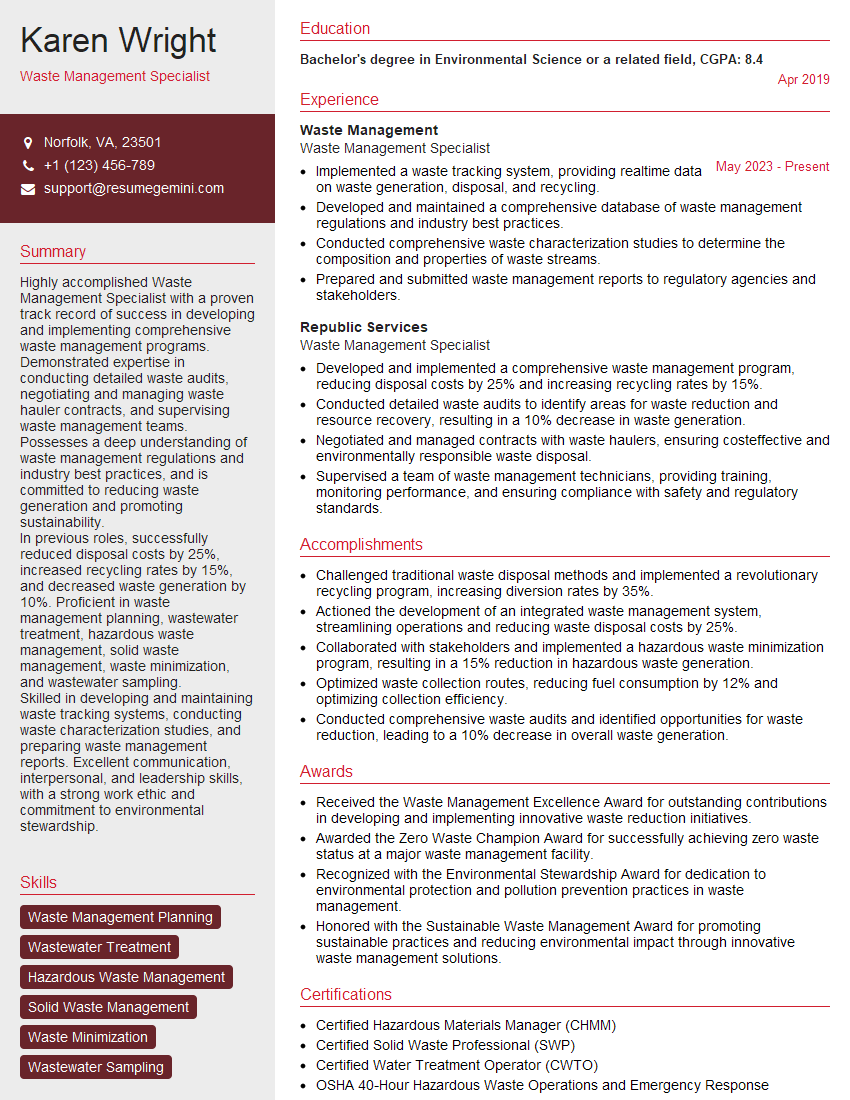
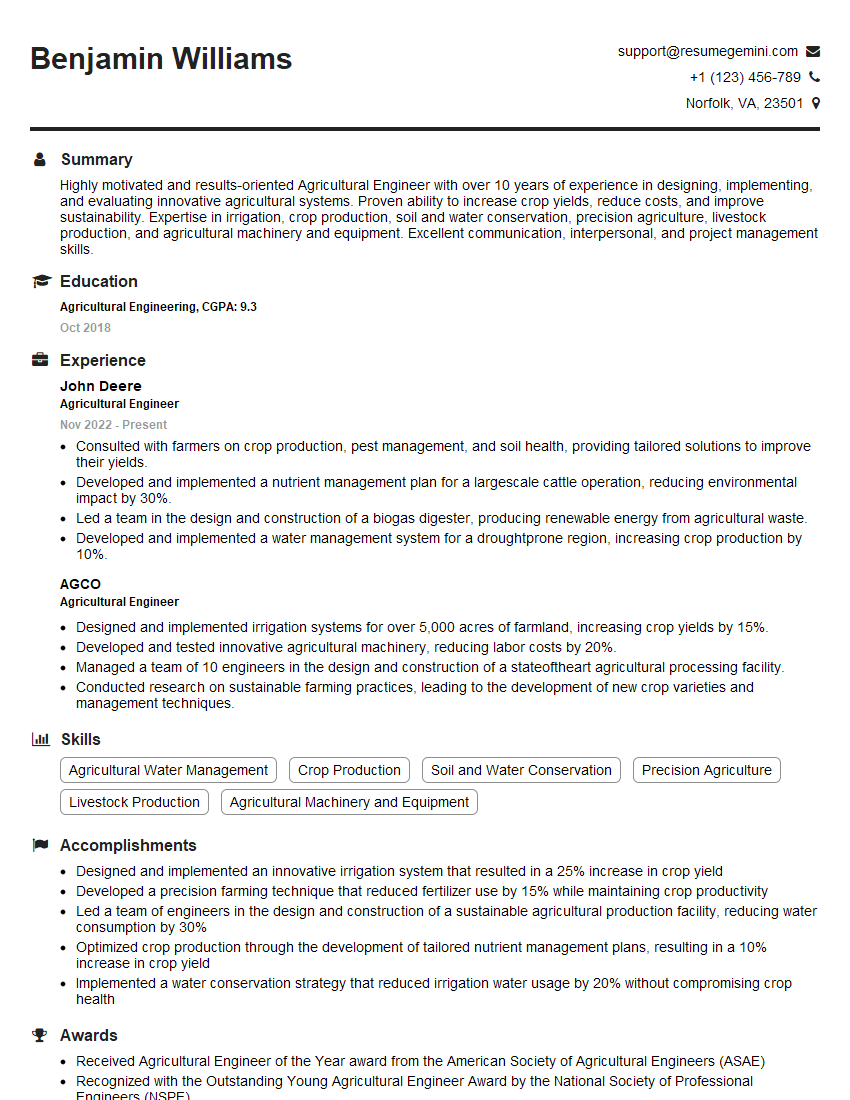
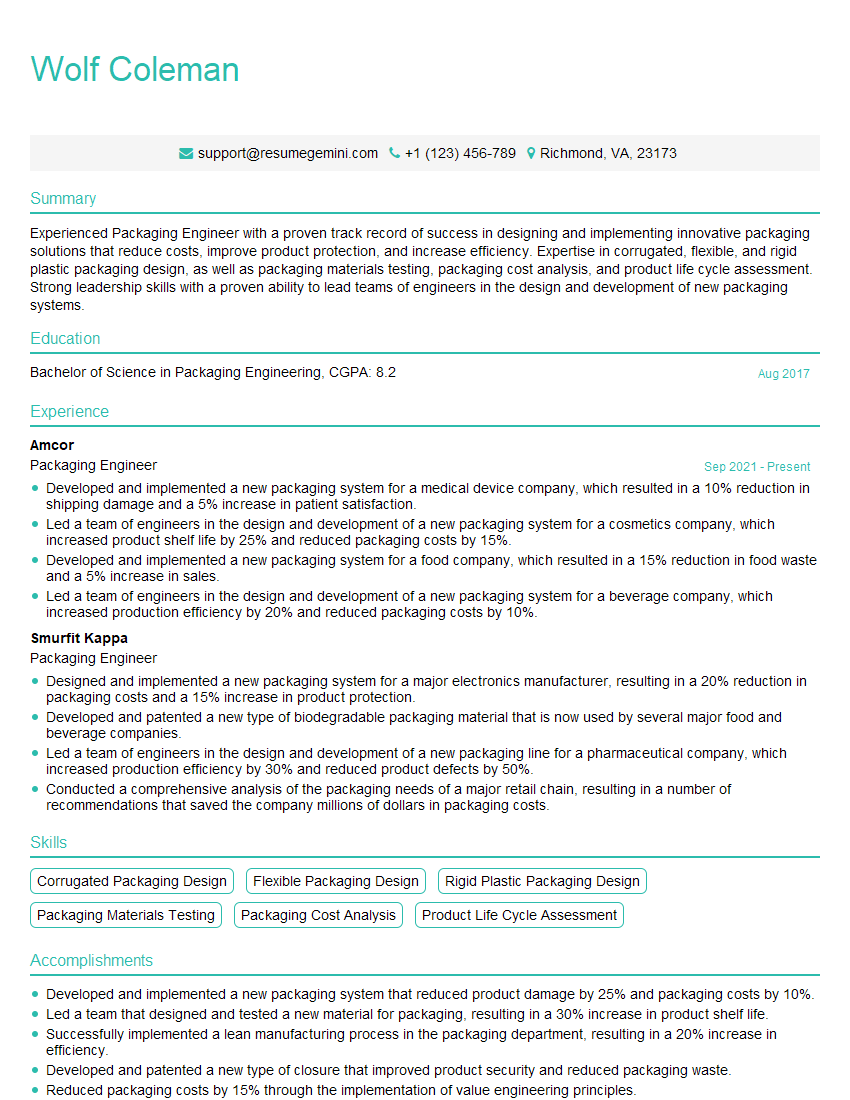
Mastering knowledge of different bale types is crucial for advancing your career in agriculture, logistics, or related fields. A strong understanding of these concepts demonstrates valuable practical skills and problem-solving abilities to potential employers. To maximize your job prospects, create an ATS-friendly resume that highlights your experience and skills effectively. ResumeGemini is a trusted resource that can help you build a professional and impactful resume. Examples of resumes tailored to highlight experience with different bale types are available to guide your preparation.
Explore more articles
Users Rating of Our Blogs
Share Your Experience
We value your feedback! Please rate our content and share your thoughts (optional).
What Readers Say About Our Blog
Really detailed insights and content, thank you for writing this detailed article.
IT gave me an insight and words to use and be able to think of examples