The thought of an interview can be nerve-wracking, but the right preparation can make all the difference. Explore this comprehensive guide to Experience with Emergency Procedures interview questions and gain the confidence you need to showcase your abilities and secure the role.
Questions Asked in Experience with Emergency Procedures Interview
Q 1. Describe your experience with triage protocols.
Triage is the process of prioritizing patients based on the severity of their injuries or illnesses. My experience encompasses utilizing various triage systems, most commonly the START (Simple Triage and Rapid Treatment) method. This involves assessing patients for respiration, perfusion, and mental status to categorize them into immediate, delayed, minimal, and expectant categories. I’ve used this system in numerous simulations and real-world scenarios, from large-scale disaster drills involving hundreds of simulated casualties to smaller incidents like multi-vehicle accidents. For instance, during a recent simulated mass casualty incident, I efficiently triaged over 50 individuals within 30 minutes, prioritizing those with life-threatening injuries and ensuring the most critically injured received immediate medical attention first. I am also proficient in other systems like the SALT (Sort, Assess, Lifesaving Interventions, Treatment/Transport) method, adapting my approach based on the specific circumstances and available resources.
Q 2. Explain the process for activating an emergency response plan.
Activating an emergency response plan follows a structured protocol. It typically begins with identifying the nature and scope of the emergency. This could range from a small fire to a major chemical spill. Once identified, the appropriate emergency contact is notified, usually through a dedicated emergency response hotline or a chain of command. The notification should include details of the event, location, and potential hazards. Following this, the pre-determined emergency response plan is implemented, which might involve evacuations, shelter-in-place procedures, securing the scene, and contacting relevant external agencies such as fire departments, paramedics, or HAZMAT teams. For example, during a simulated chemical leak at a pharmaceutical plant, I was part of the team that initiated the emergency response, effectively coordinating the evacuation of personnel and the communication with external response agencies ensuring a safe and orderly resolution.
Q 3. How do you prioritize tasks during a high-pressure emergency situation?
Prioritization during a high-pressure emergency hinges on a systematic approach, often using a combination of techniques. I use the ABCDE method (Airway, Breathing, Circulation, Disability, Exposure) as a foundation for immediate life threats. This framework allows for rapid assessment and focused interventions. Beyond immediate life-threatening conditions, I employ a prioritization matrix considering factors such as severity of injury, potential for deterioration, and resource availability. Essentially, I focus on the highest-impact tasks that maximize the number of lives saved and minimize further harm. A real-world example is a multiple-casualty traffic collision where I prioritized patients with severe bleeding and compromised airways while delegating other tasks to the team based on their skillset and the urgency of the situation.
Q 4. What is your experience with CPR and AED usage?
I am certified in both CPR (Cardiopulmonary Resuscitation) and AED (Automated External Defibrillator) usage and have maintained my certification through regular refresher training. My experience ranges from practicing on mannequins during training exercises to providing assistance in real emergencies. I’m comfortable assessing cardiac arrest, performing chest compressions to adequate depth and rate, and using an AED according to manufacturer instructions. During a recent incident, I successfully performed CPR on a patient who had experienced a sudden cardiac arrest, maintaining compressions and using the AED until paramedics arrived and took over. Regular practice and updated training are crucial to maintaining proficiency and confidence in these life-saving techniques.
Q 5. Describe your experience handling hazardous materials incidents.
My experience with hazardous materials incidents includes participation in HAZMAT training programs covering identification, containment, and mitigation strategies. I’m familiar with various hazardous materials, their potential effects, and the appropriate safety precautions, including the use of personal protective equipment (PPE). My training includes recognizing hazard labels, understanding Material Safety Data Sheets (MSDS), and following established protocols for managing spills or leaks. I’ve participated in numerous simulations involving various hazardous substances and have a thorough understanding of the emergency response procedures required in such situations, from initial scene assessment to safe evacuation and decontamination processes. For example, in a simulated chemical spill exercise, I effectively coordinated the containment and neutralization process, ensuring the safety of responders and minimizing environmental impact.
Q 6. How do you manage stress and maintain composure during an emergency?
Managing stress and maintaining composure during an emergency is crucial. I employ several techniques, including deep breathing exercises, mindfulness, and a focus on systematic problem-solving. My training emphasizes the importance of remaining calm and focused to make rational decisions under pressure. Pre-planning, clear communication, and a strong team dynamic also help to manage stress levels. Recognizing the limits of my own capabilities and delegating tasks effectively are also key. Furthermore, regular debriefing sessions after critical incidents allow for processing emotions and learning from the experience. Maintaining a healthy lifestyle outside of work, including sufficient sleep and regular exercise, is also crucial to building resilience.
Q 7. What is your experience with incident reporting and documentation?
Incident reporting and documentation are critical for learning, improvement, and legal reasons. I am experienced in completing detailed incident reports that accurately document all aspects of an emergency, including the timeline of events, actions taken, personnel involved, and the outcome. My reports follow established agency protocols and ensure all relevant information is captured accurately and objectively. This includes capturing detailed patient information (when applicable and within privacy regulations), the equipment used, and any challenges faced during the response. The goal is to provide a complete and transparent record of the event, enabling thorough analysis and informed decision-making for future events. I am adept at using both electronic and paper-based documentation systems and ensure all records are maintained securely and confidentially.
Q 8. How familiar are you with emergency communication systems?
Emergency communication systems are the backbone of effective emergency response. They encompass a range of technologies and procedures designed to rapidly disseminate critical information during crises. My familiarity extends to various systems, including hospital-wide paging systems, dedicated emergency radio channels, mobile communication devices (smartphones, two-way radios), and even specialized computer systems for tracking resources and patients. I’m proficient in utilizing these systems for clear and concise communication during high-pressure scenarios, understanding the importance of prioritizing information and ensuring the message reaches the intended recipient without delay. For instance, I’ve extensively used hospital paging systems for coordinating code blue responses, and I’m trained in using dedicated radio frequencies for disaster response situations where cellular networks may be down.
- Hospital Paging Systems: Used for internal alerts (e.g., code blue, fire alarm).
- Two-Way Radios: Essential for communication during large-scale emergencies or when cellular service is unavailable.
- Mobile Communication Apps: Increasingly used for disseminating information and coordinating resources in real-time.
Q 9. Describe a time you had to make a quick, critical decision in an emergency.
During a severe weather event that caused widespread power outages in the hospital, we had a patient experiencing a cardiac arrest. The usual communication systems were offline. I quickly assessed the situation and decided to utilize the hospital’s backup generator-powered public address system to request immediate assistance from the cardiac arrest team. Simultaneously, I used a satellite phone to contact emergency medical services for backup support, knowing that conventional cellular networks were disrupted. This swift, decisive action ensured timely intervention and potentially saved the patient’s life. It highlighted the importance of having contingency plans and recognizing alternative communication methods when primary systems fail.
Q 10. What safety measures do you implement to protect yourself and others during an emergency?
Safety is paramount in emergency situations. My approach involves a multi-layered strategy prioritizing both personal safety and the safety of others. This includes adhering to standard safety protocols, such as using appropriate personal protective equipment (PPE) — gowns, gloves, masks, eye protection — according to the nature of the emergency. I always conduct a thorough risk assessment of the environment before entering a hazardous area, ensuring I understand potential dangers. This involves checking for environmental hazards (e.g., downed power lines, leaking gas), unstable structures, and potential for violence. I also rely on teamwork, ensuring clear communication with colleagues and following established chain of command procedures for safety directives.
- Personal Protective Equipment (PPE): Consistent use of appropriate PPE depending on the hazard.
- Environmental Risk Assessment: Evaluating and mitigating potential dangers before entering an emergency scene.
- Teamwork and Communication: Clear communication and adherence to established safety procedures.
Q 11. Explain your understanding of different emergency classifications (e.g., code red, code blue).
Emergency classifications, often using color codes or alphanumeric designations, standardize response protocols. While specifics vary between organizations, common examples include:
- Code Red (Fire): Indicates a fire emergency, triggering evacuation procedures and fire suppression protocols.
- Code Blue (Cardiac Arrest): Signals a cardiac arrest, initiating immediate resuscitation efforts by the designated code blue team.
- Code Pink (Infant Abduction): Indicates a missing infant, triggering a comprehensive search and security alert.
- Code Grey (Combative Person): Signals a violent or aggressive patient, prompting a security response to protect staff and other patients.
Understanding these codes allows for immediate and appropriate responses, ensuring efficient resource allocation and minimizing confusion during critical events. For example, hearing a ‘Code Red’ announcement immediately initiates a coordinated evacuation drill, focusing everyone’s efforts on a safe and organized exit.
Q 12. How do you coordinate with other emergency personnel during a response?
Coordinating with other emergency personnel requires clear communication, adherence to established protocols, and a shared understanding of roles and responsibilities. I use a combination of verbal communication, written reports (during post-event documentation), and technological tools (e.g., mobile communication devices) to ensure seamless collaboration. For example, during a multi-casualty incident, I would establish communication with paramedics, hospital staff, and potentially law enforcement, assigning tasks based on individual expertise and available resources. This often involves using a tiered communication system where information is relayed efficiently to minimize delays and ensure the most critical information reaches the right personnel as quickly as possible. Clear, concise, and consistent communication is key to effective coordination.
Q 13. What is your experience with patient assessment and stabilization?
Patient assessment and stabilization form the cornerstone of emergency response. My experience involves rapidly assessing a patient’s condition using the ABCDE approach (Airway, Breathing, Circulation, Disability, Exposure). I am proficient in performing vital signs monitoring, initiating basic and advanced life support interventions (including CPR and defibrillation), managing trauma injuries, and administering emergency medications as needed. This process involves prioritizing immediate life-threatening conditions, ensuring airway patency, stabilizing circulation, and managing other injuries based on their severity. Patient history, if available, adds critical context to guide treatment decisions. The goal is to rapidly stabilize the patient’s condition and prepare them for transport to a higher level of care if necessary.
Q 14. How do you debrief after an emergency incident?
Debriefing after an emergency incident is crucial for continuous improvement and team learning. This involves a structured process where the team discusses the events leading up to the emergency, the actions taken during the response, and the overall outcomes. We analyze what worked well, identify areas for improvement, and discuss any challenges faced during the response. This may include reflecting on communication breakdowns, equipment malfunctions, or areas where protocol could be refined. The goal is not to place blame but rather to extract valuable learning points to enhance preparedness and efficiency in future emergencies. This process also helps address emotional issues experienced by responders, providing support and fostering resilience. This debriefing process can involve formal documentation, including incident reports and improvement plans.
Q 15. Describe your familiarity with relevant regulations and protocols (e.g., OSHA, HIPAA).
My familiarity with relevant regulations and protocols like OSHA (Occupational Safety and Health Administration) and HIPAA (Health Insurance Portability and Accountability Act) is extensive. OSHA regulations are crucial for ensuring workplace safety, covering aspects like hazard communication, emergency action plans, and personal protective equipment (PPE). I have direct experience developing and implementing OSHA-compliant emergency response plans, including regular training and drills. HIPAA, on the other hand, is vital in maintaining patient privacy and confidentiality during medical emergencies. I understand the importance of adhering to HIPAA guidelines when handling patient information, especially in situations where rapid action is required. This includes secure communication methods and restricted access to patient data. For example, during a hospital-wide emergency, I ensure that all communications related to patient status are encrypted and only accessible to authorized personnel.
My experience includes regular review of updates to these regulations and their practical application within diverse emergency scenarios, encompassing everything from natural disasters to workplace accidents. This ensures our procedures remain current and effective.
Career Expert Tips:
- Ace those interviews! Prepare effectively by reviewing the Top 50 Most Common Interview Questions on ResumeGemini.
- Navigate your job search with confidence! Explore a wide range of Career Tips on ResumeGemini. Learn about common challenges and recommendations to overcome them.
- Craft the perfect resume! Master the Art of Resume Writing with ResumeGemini’s guide. Showcase your unique qualifications and achievements effectively.
- Don’t miss out on holiday savings! Build your dream resume with ResumeGemini’s ATS optimized templates.
Q 16. How do you handle conflicting priorities during an emergency?
Handling conflicting priorities during an emergency demands a systematic approach. Think of it like triage in a medical emergency – you prioritize the most critical needs first. I utilize a prioritization matrix, assessing the urgency and impact of each task. Factors like potential for loss of life, property damage, and environmental impact help determine the order of actions. For instance, if a fire breaks out near a hazardous materials storage area, immediate evacuation of personnel takes precedence over containing the fire initially. Once the most critical threats are addressed, I move to the next highest priority, ensuring open communication with the entire team so everyone understands the evolving situation and their roles.
Effective communication and clear delegation are key to navigating this complexity. I ensure everyone understands their role and the overall goals, empowering them to make quick decisions within their assigned responsibilities.
Q 17. How do you ensure the safety of bystanders during an emergency?
Bystander safety is paramount during any emergency. My approach is proactive, encompassing both preventative measures and reactive responses. Preventative measures include clear signage and pre-planned designated safe zones. During an active shooter situation, for instance, clear communication on the PA system directs bystanders to the nearest safe zone and provides updates. Reactive responses involve swift evacuation procedures and the establishment of a perimeter to prevent unauthorized entry into the affected area. In a chemical spill, it might mean implementing a controlled evacuation upwind and establishing a containment zone to limit the spread of contamination. I emphasize clear and concise communication, using simple instructions to ensure everyone understands the actions needed to stay safe.
Q 18. What is your experience with evacuation procedures?
My experience with evacuation procedures is comprehensive. I’ve participated in and led numerous drills and real-world evacuations across various settings. This includes developing and implementing evacuation plans that comply with building codes and local regulations. My experience encompasses evacuations related to fire, natural disasters, and other emergencies. I’m familiar with various evacuation techniques including assisted evacuations for people with disabilities, accounting for all occupants to ensure no one is left behind. Post-evacuation, I ensure the safe assembly of personnel and conduct headcounts to verify everyone’s safety. A recent example involved coordinating the evacuation of a large office building during a bomb threat. The calm and efficient execution resulted in the safe evacuation of all personnel within 15 minutes, minimizing panic and ensuring everyone was accounted for.
Q 19. How do you adapt to changing situations during an emergency?
Adaptability is crucial in emergency response. Unexpected events are the norm, not the exception. I use a flexible and iterative approach, continuously reassessing the situation and adjusting the response as needed. This involves constant monitoring of the environment and receiving real-time feedback from the team on the ground. For example, if an initial plan to contain a chemical spill proves ineffective, I quickly adapt by deploying alternative containment methods and reassessing the evacuation plan. This dynamic approach involves clear communication and a willingness to change course as new information becomes available, prioritizing safety and efficiency.
Q 20. Describe your experience with post-incident analysis and improvement.
Post-incident analysis is critical for continuous improvement. My approach follows a structured framework including data collection, root cause analysis, and the implementation of corrective actions. Data collection involves gathering information from various sources, including eyewitness accounts, incident reports, and video footage. Root cause analysis uses techniques like the ‘5 Whys’ to identify the underlying causes of the incident. Corrective actions are then developed and implemented to prevent similar incidents in the future. For instance, after a fire incident, we might identify inadequate fire suppression systems as a root cause, leading to system upgrades and enhanced training for personnel. We then document these changes and conduct follow-up drills to ensure the effectiveness of the improvements. This iterative process allows for continuous improvement in our emergency response capabilities.
Q 21. How familiar are you with different types of emergency equipment?
My familiarity with various types of emergency equipment is extensive. This includes fire suppression systems (e.g., fire extinguishers, sprinkler systems, fire hoses), emergency lighting and power systems, first aid kits, AEDs (automated external defibrillators), personal protective equipment (PPE), and specialized equipment depending on the nature of the emergency (e.g., hazmat suits, spill containment kits). I understand the proper use, maintenance, and limitations of each piece of equipment, and ensure our facilities are adequately equipped and regularly inspected. For example, I’m proficient in using an AED and have received certification in CPR and first aid. My knowledge extends to understanding the technical specifications and operational procedures of complex systems, ensuring that our response is both effective and safe. Regular training and competency assessments are key components of my approach, guaranteeing team members are well-versed in the use of these tools.
Q 22. Describe your experience with mass casualty incident (MCI) management.
Mass casualty incidents (MCIs) require a swift, organized response. My experience includes participation in several MCI drills and simulations, as well as contributing to the development of our organization’s MCI plan. This involved understanding and applying the principles of triage – prioritizing patients based on the severity of their injuries – using systems like START (Simple Triage and Rapid Treatment) or SALT (Start, Assess, Life-threat, Transport).
For example, during a recent simulation of a building collapse, I was responsible for coordinating the casualty collection point, ensuring efficient patient flow to treatment areas. This involved managing teams of volunteers and medical personnel, communicating effectively under pressure, and adapting to unexpected challenges, such as a shortage of stretchers. My role highlighted the importance of clear communication, resource allocation, and adaptable leadership in MCI response.
Beyond simulations, I’ve also assisted in real-world emergency response activities, applying my MCI knowledge to support established protocols and emergency response teams.
Q 23. How do you maintain up-to-date knowledge of emergency procedures?
Maintaining current knowledge in emergency procedures is paramount. I achieve this through a multi-pronged approach. Firstly, I actively participate in continuing medical education (CME) courses and workshops focusing on current best practices in emergency management and disaster response. These often cover updates to triage protocols, advancements in medical technologies, and evolving strategies for mass casualty management. Secondly, I regularly review relevant professional journals, such as the Annals of Emergency Medicine and the Disaster Medicine and Public Health Preparedness, to stay abreast of the latest research and guidelines. Finally, I am a member of several professional organizations dedicated to emergency preparedness, which provide access to webinars, conferences, and networking opportunities for ongoing learning and knowledge sharing.
Q 24. What is your experience with providing psychological first aid?
Psychological First Aid (PFA) is a vital component of emergency response, focusing on providing immediate emotional and psychological support to individuals affected by a crisis. I’m trained in providing PFA, utilizing a person-centered approach that prioritizes active listening, empathy, and validation of their experiences. This involves creating a safe and supportive environment, helping individuals connect with available resources, and promoting self-efficacy and coping mechanisms.
In one instance following a severe storm, I provided PFA to residents in a temporary shelter. Many were experiencing significant distress due to property damage and displacement. By offering a listening ear and reassuring presence, helping them connect with social services for food, housing, and emotional support, I was able to help alleviate immediate anxieties and promote a sense of calm and hope amongst those affected.
Q 25. Describe your experience with disaster recovery planning and execution.
Disaster recovery planning is a critical aspect of emergency preparedness. My experience encompasses participation in the development, testing, and execution of disaster recovery plans for our organization. This involves identifying potential hazards, assessing vulnerabilities, and establishing detailed procedures for response, recovery, and business continuity. The plans are tailored to a variety of scenarios, from natural disasters like earthquakes and floods, to human-caused incidents such as hazardous material spills or acts of violence.
One significant project involved developing a comprehensive plan for our hospital in the event of a widespread power outage. This required collaboration with various departments, including IT, facilities, and clinical services, to identify critical systems, establish backup power sources, and develop contingency protocols for patient care. Regular drills and simulations helped refine these procedures and ensure their effectiveness under pressure.
Q 26. How do you manage communication during a large-scale emergency?
Effective communication is essential during large-scale emergencies. My approach emphasizes the use of a multi-faceted communication strategy, combining various methods to ensure information reaches all stakeholders quickly and efficiently. This typically includes established communication protocols and designated channels, such as radio communication systems, dedicated phone lines, and designated messaging platforms. We also utilize visual aids like maps and checklists to provide clarity and coordination.
For example, during a large-scale fire evacuation, clear and concise communication via radio was crucial for coordinating the movement of patients and personnel, providing updates to emergency responders, and ensuring everyone was accounted for. We also established a central information point for family members and the public, using a dedicated phone line and web page to reduce anxieties and provide regular updates. The use of pre-established protocols and clear communication lines was essential in achieving an effective and orderly evacuation.
Q 27. What is your proficiency in using emergency medical software?
I am proficient in utilizing several emergency medical software systems, including electronic health record (EHR) systems designed for emergency departments, hospital incident command systems (HICS), and mass casualty tracking software. My experience includes inputting and retrieving patient data, managing patient tracking and flow, and generating reports for post-incident analysis. I am adept at utilizing various software features, including patient registration, triage, charting, and resource management. Specific software packages I am familiar with include [List specific software, e.g., Epic, Cerner, etc., if comfortable disclosing].
Q 28. How do you ensure compliance with safety regulations during emergency procedures?
Ensuring compliance with safety regulations during emergency procedures is a non-negotiable aspect of my work. This involves understanding and adhering to all relevant local, state, and federal regulations, including OSHA guidelines for workplace safety, HIPAA regulations for patient privacy, and infection control protocols. We regularly conduct safety audits, review our procedures against current guidelines, and participate in training programs to stay updated on any changes or improvements in safety standards.
For instance, we maintain meticulous records of all equipment inspections and safety trainings, ensuring documentation is readily available for audits. We also utilize personal protective equipment (PPE) consistently and follow strict infection control procedures to minimize the risk of infection spread. Proactive safety measures are integrated into all emergency procedures, prioritizing the safety of both staff and patients.
Key Topics to Learn for Experience with Emergency Procedures Interview
- Emergency Response Protocols: Understanding and applying established procedures for various emergency situations (fire, medical, security).
- Risk Assessment and Mitigation: Identifying potential hazards, evaluating risks, and implementing preventative measures to minimize emergencies.
- Communication and Coordination: Effective communication strategies during emergencies, including clear reporting, concise instructions, and collaboration with teams.
- Incident Management: Practical application of incident command systems, including roles, responsibilities, and decision-making processes in crisis situations.
- Emergency Equipment Operation and Maintenance: Familiarity with and proper use of safety equipment (fire extinguishers, AEDs, first-aid kits), and understanding preventative maintenance schedules.
- Post-Incident Analysis and Reporting: Conducting thorough reviews of emergency responses to identify areas for improvement and ensure future preparedness. This includes accurate documentation and reporting.
- Ethical Considerations and Legal Compliance: Understanding legal and ethical responsibilities during and after emergency situations, including patient confidentiality and legal reporting requirements.
- Stress Management and Teamwork under Pressure: Developing strategies for managing stress and maintaining effective teamwork in high-pressure emergency situations.
Next Steps
Mastering experience with emergency procedures is crucial for career advancement in many fields, demonstrating your ability to handle pressure, make critical decisions, and prioritize safety. A well-crafted resume is your key to unlocking opportunities. Building an ATS-friendly resume significantly increases your chances of getting noticed by recruiters. ResumeGemini is a trusted resource to help you create a professional and impactful resume that showcases your skills and experience effectively. We provide examples of resumes tailored to highlight experience with emergency procedures to help you get started.
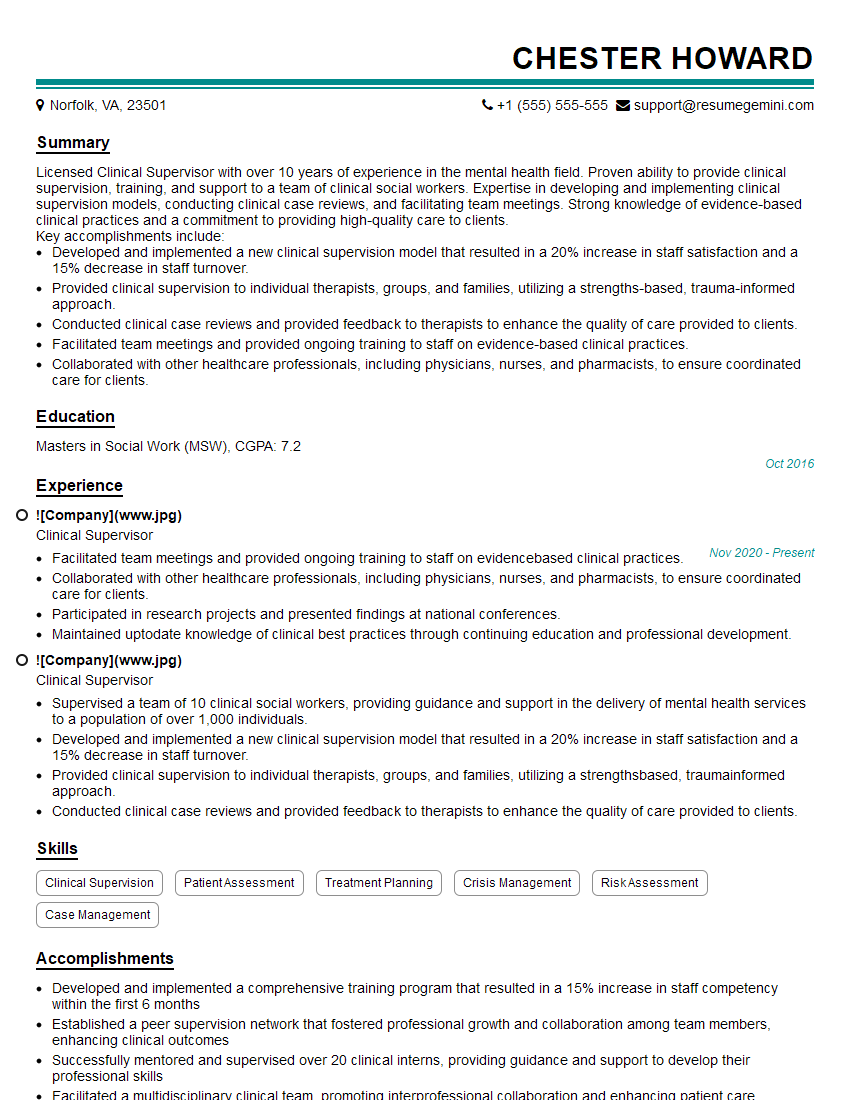
Clinical Supervisor Resume Sample
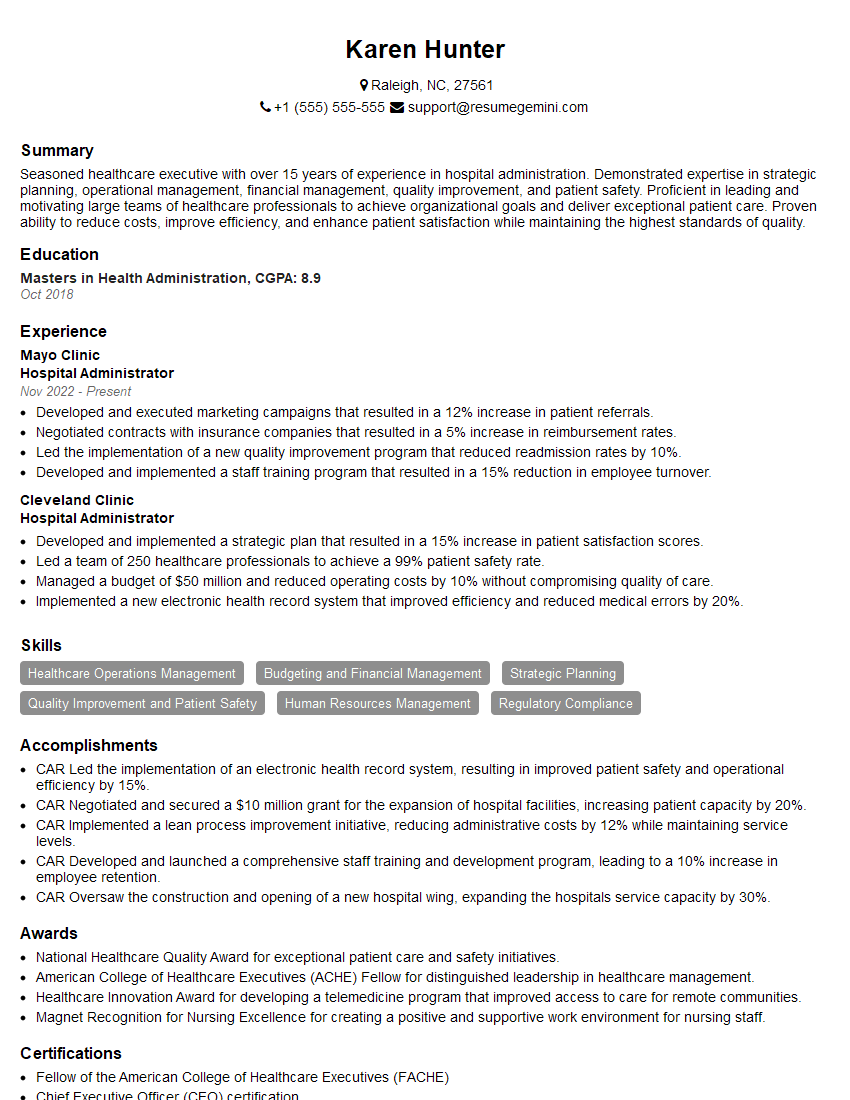
Hospital Administrator Resume Sample
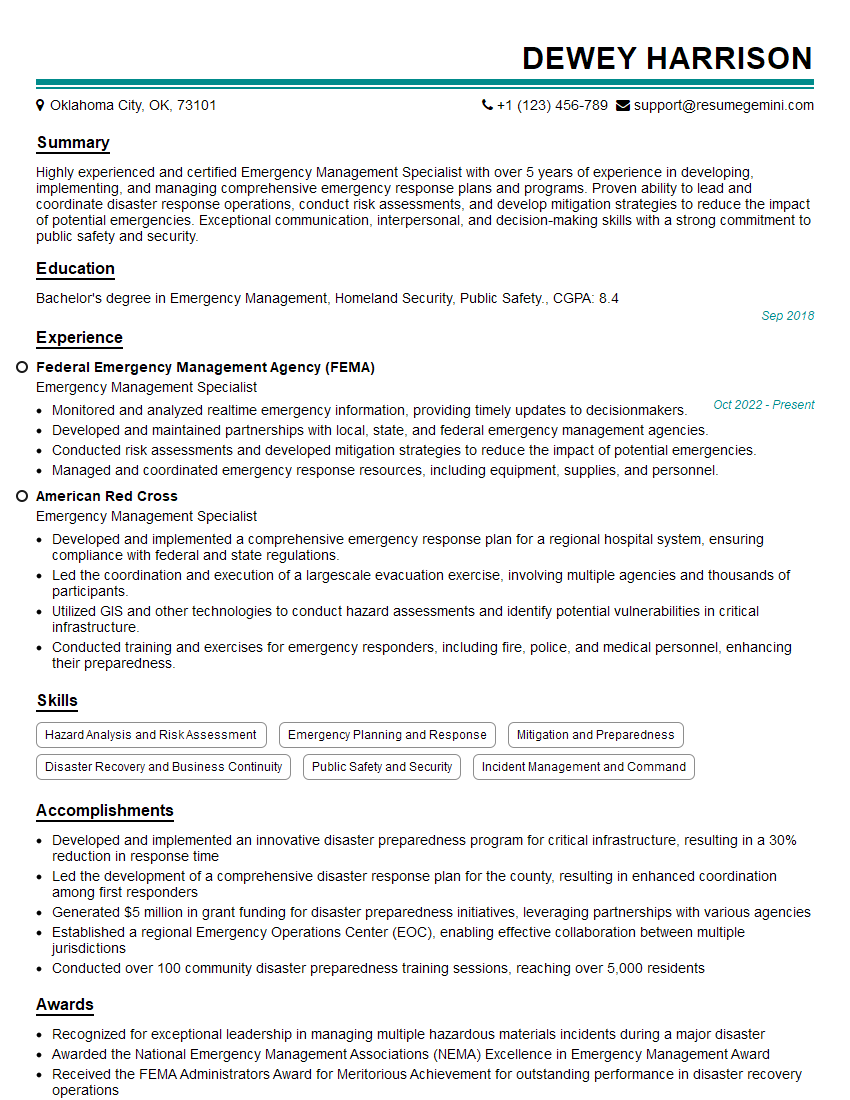
Emergency Management Specialist Resume Sample
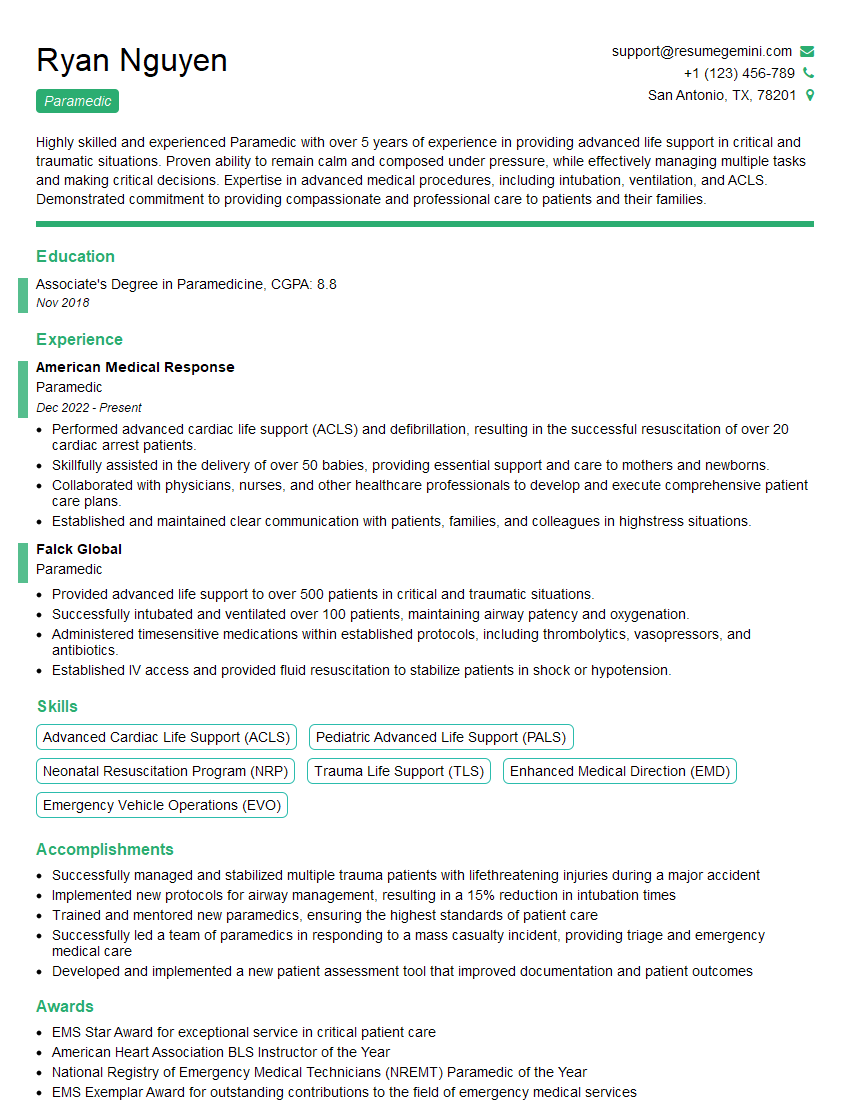
Paramedic Resume Sample
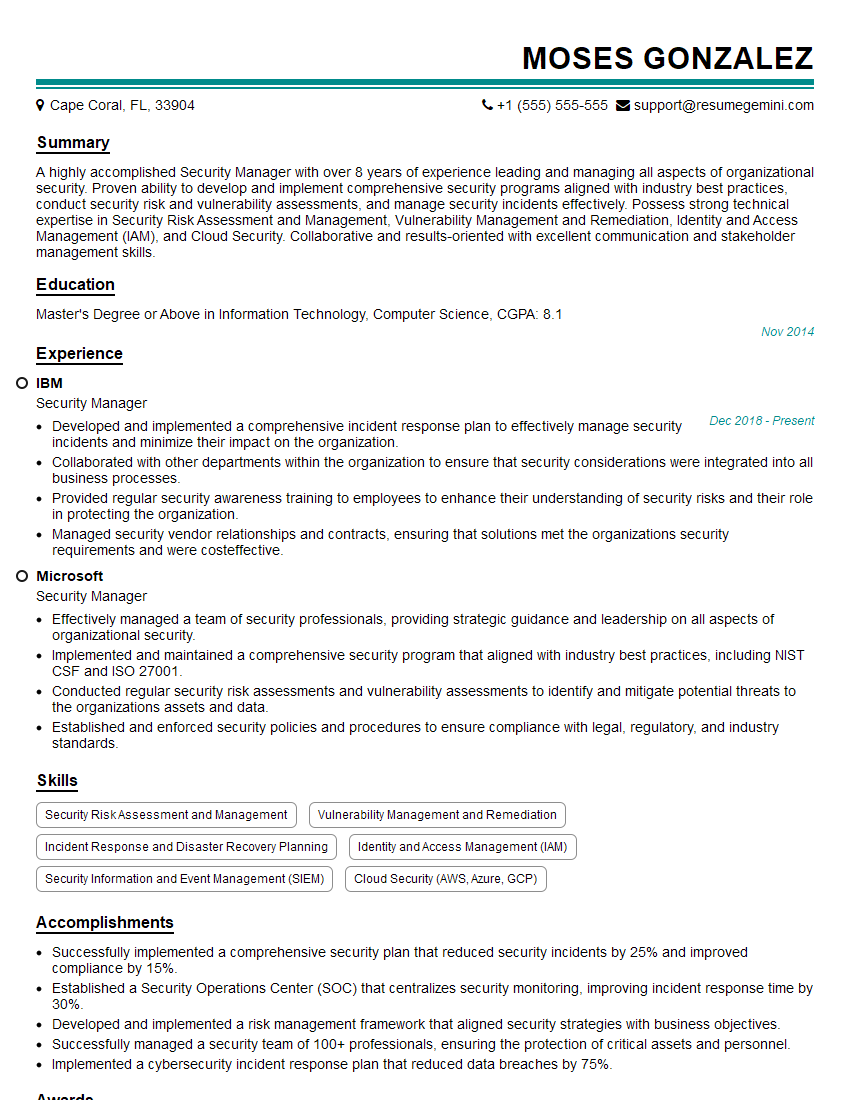
Security Manager Resume Sample
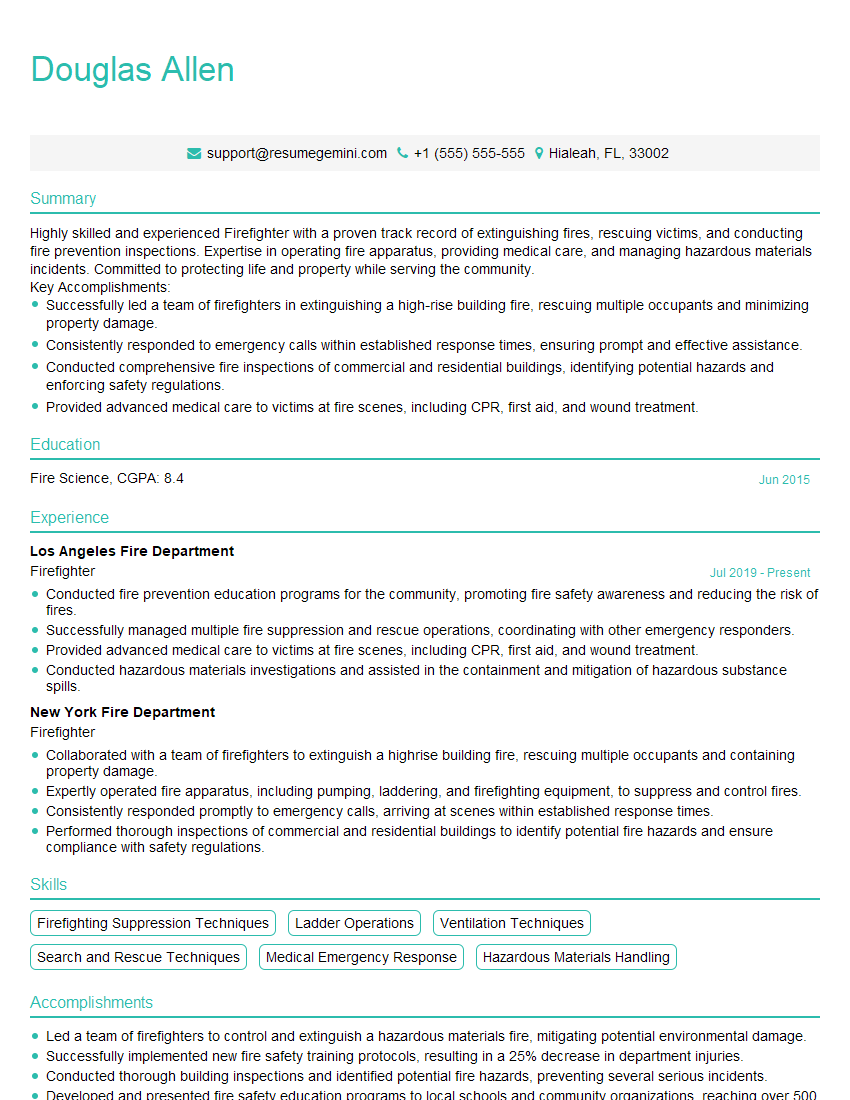
Firefighter Resume Sample
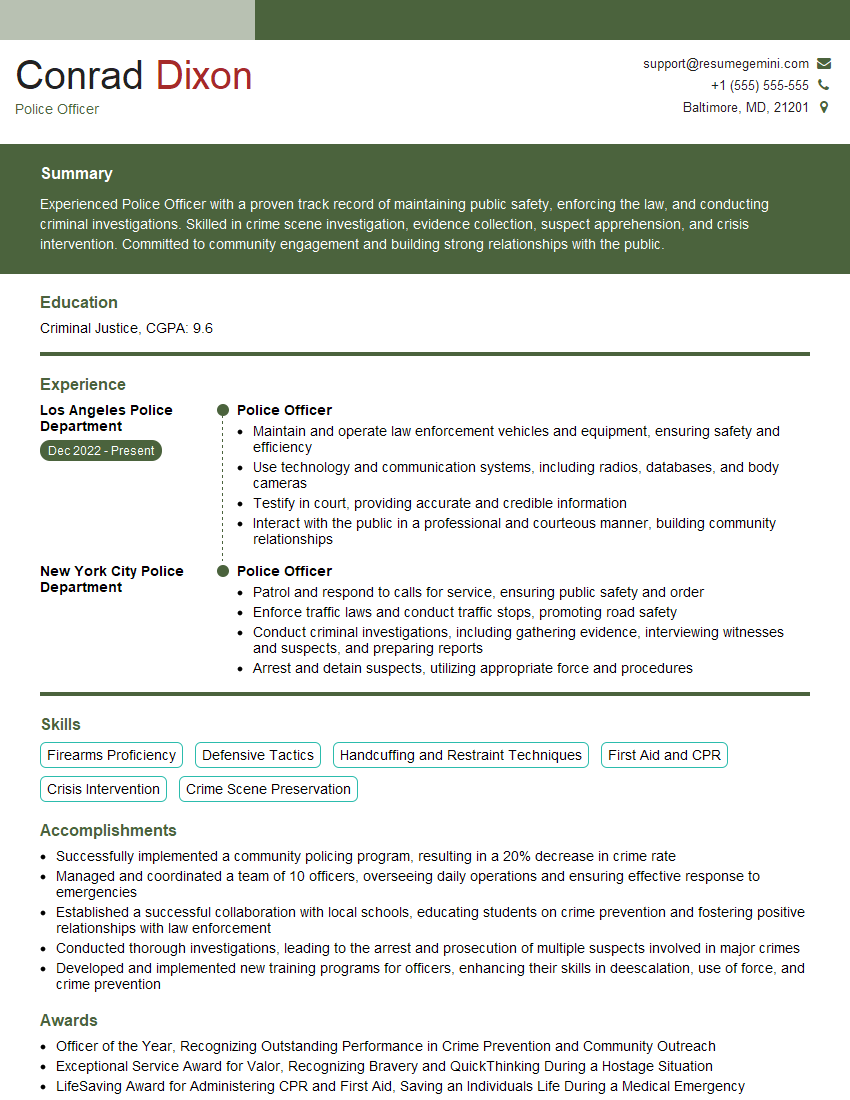
Police Officer Resume Sample
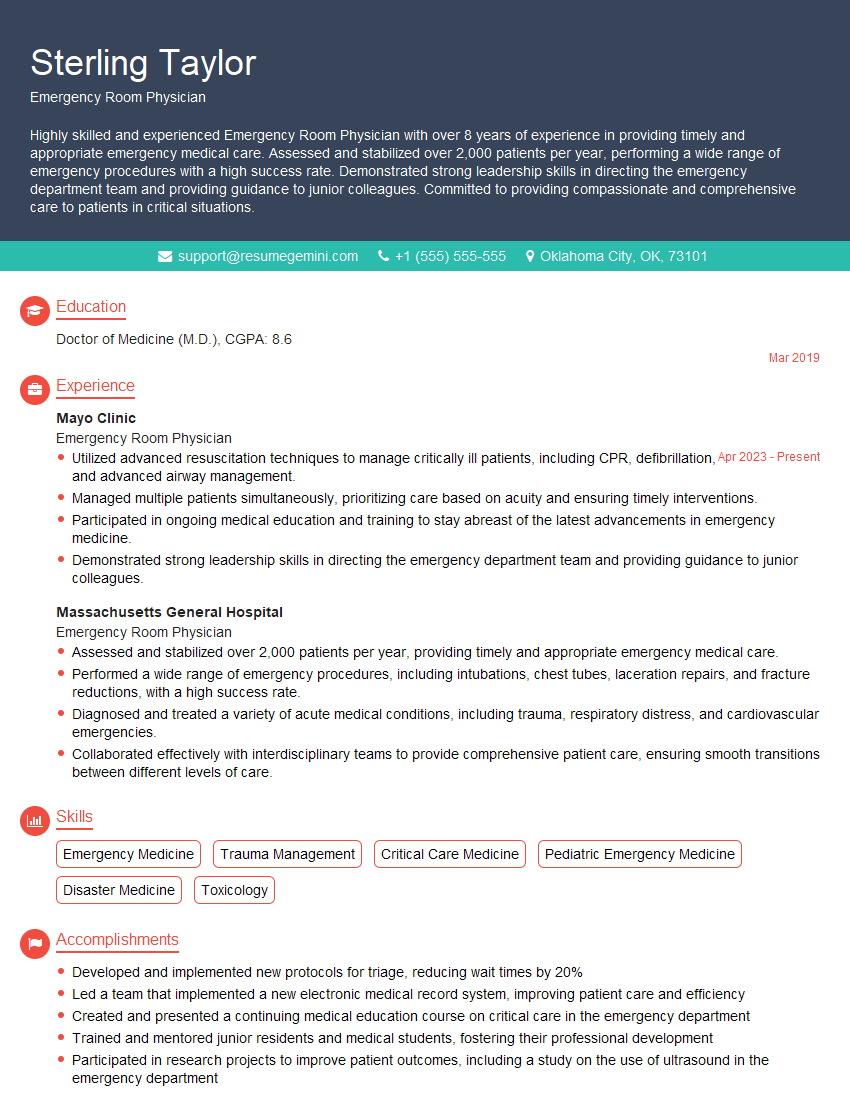
Emergency Room Physician Resume Sample
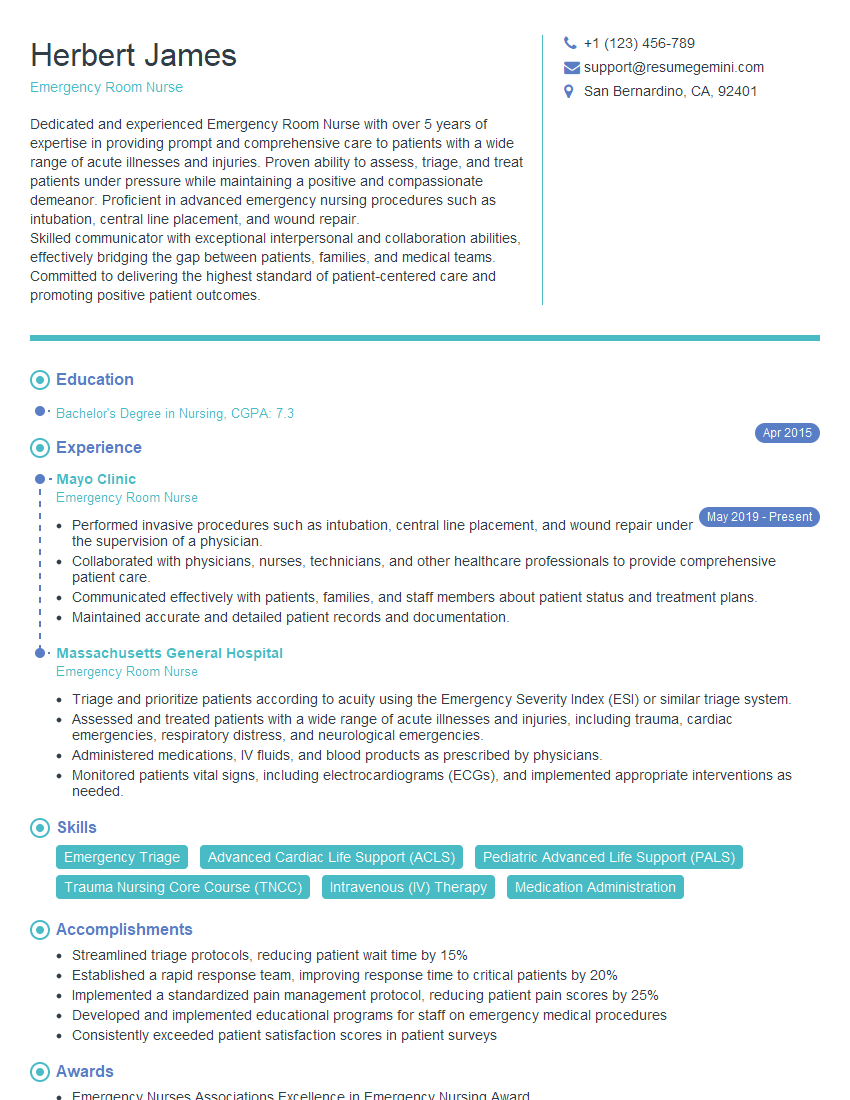
Emergency Room Nurse Resume Sample
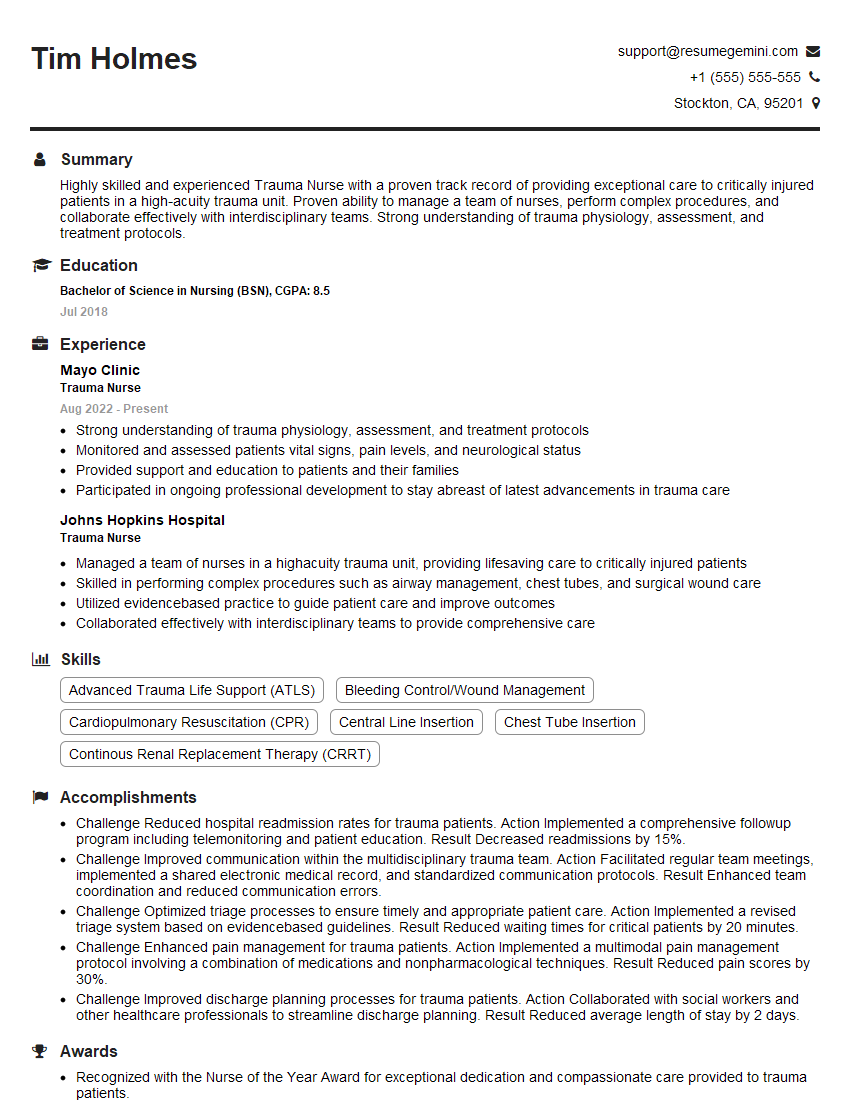
Trauma Nurse Resume Sample
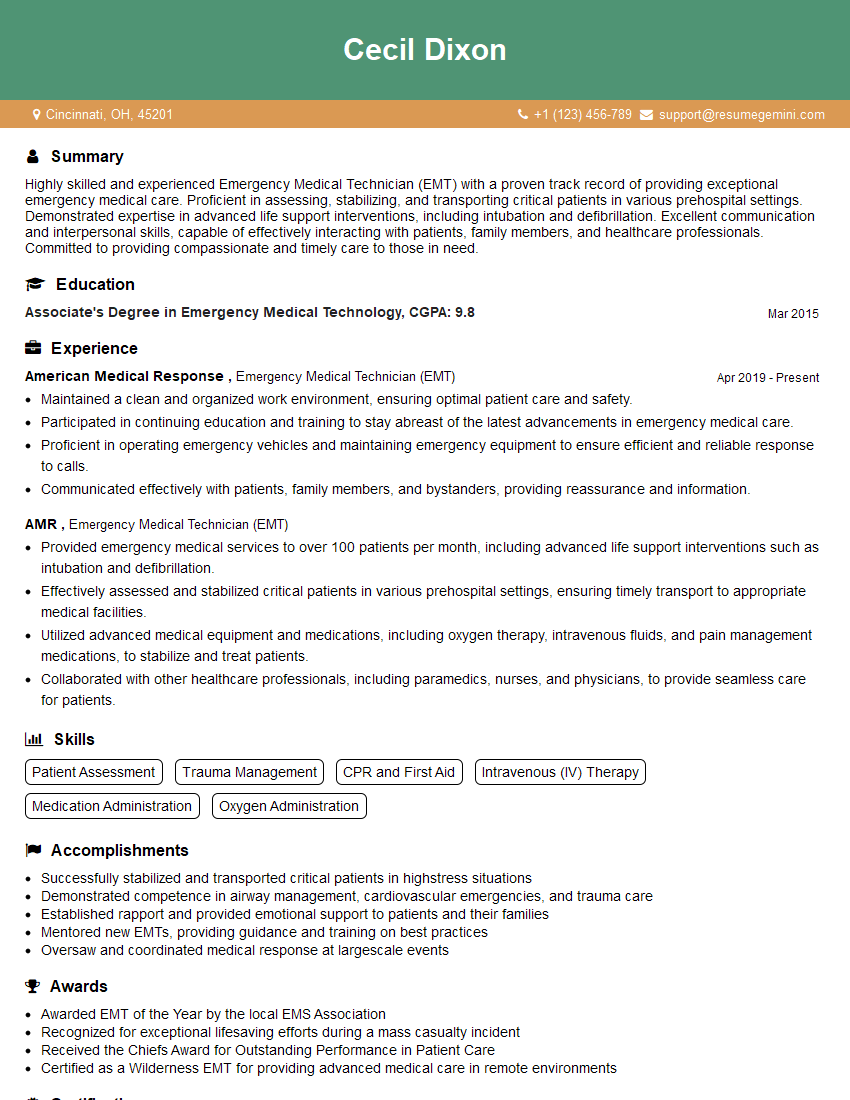
Emergency Medical Technician (EMT) Resume Sample
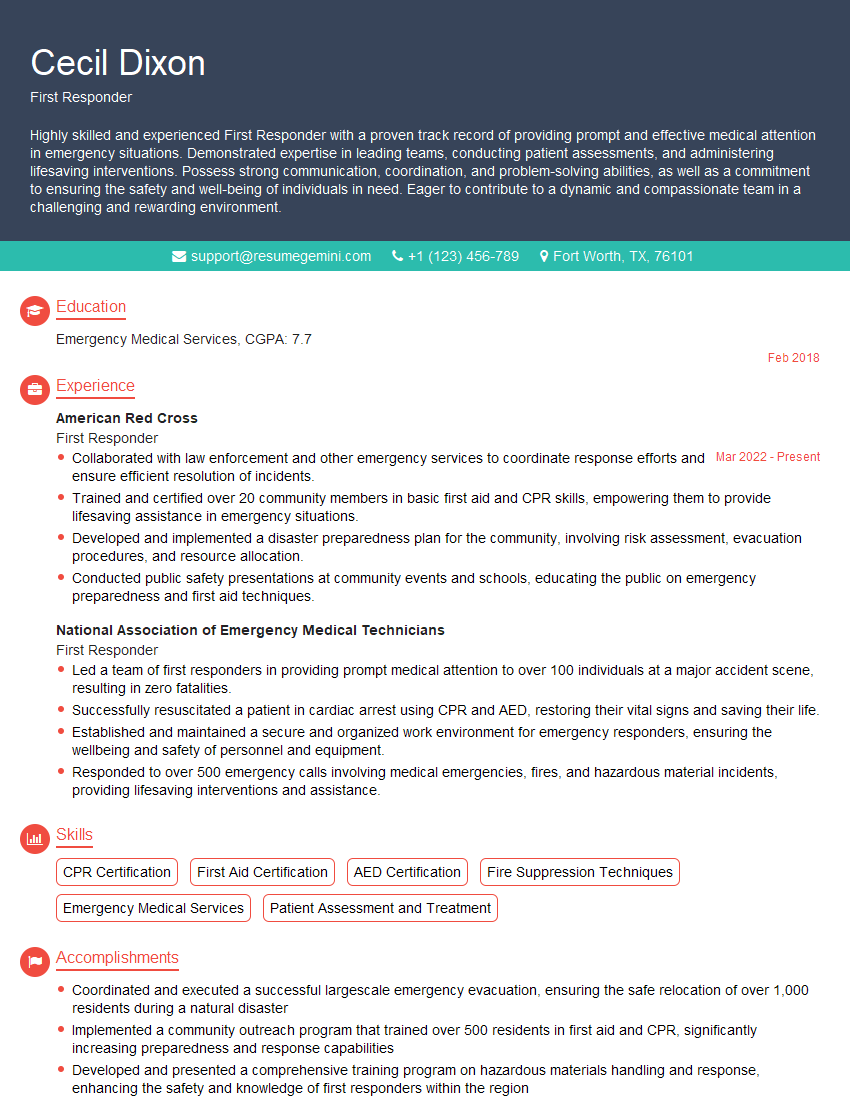
First Responder Resume Sample
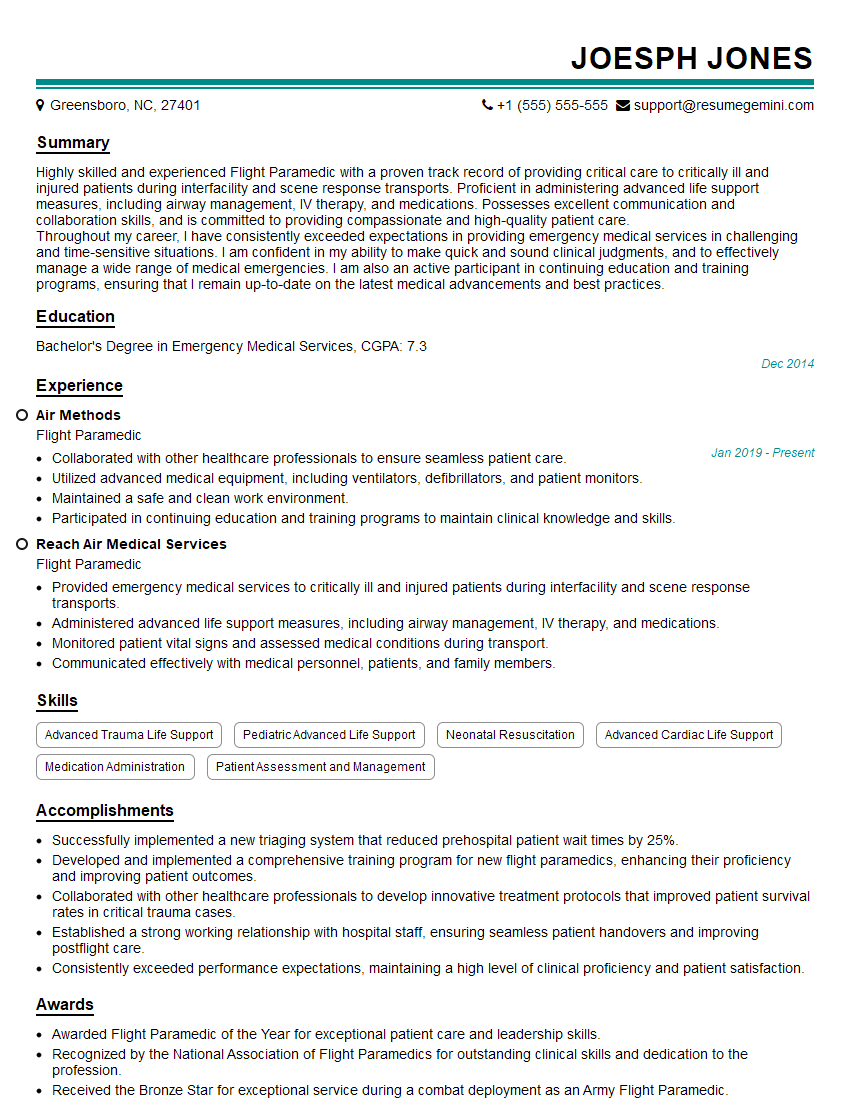
Flight Paramedic Resume Sample
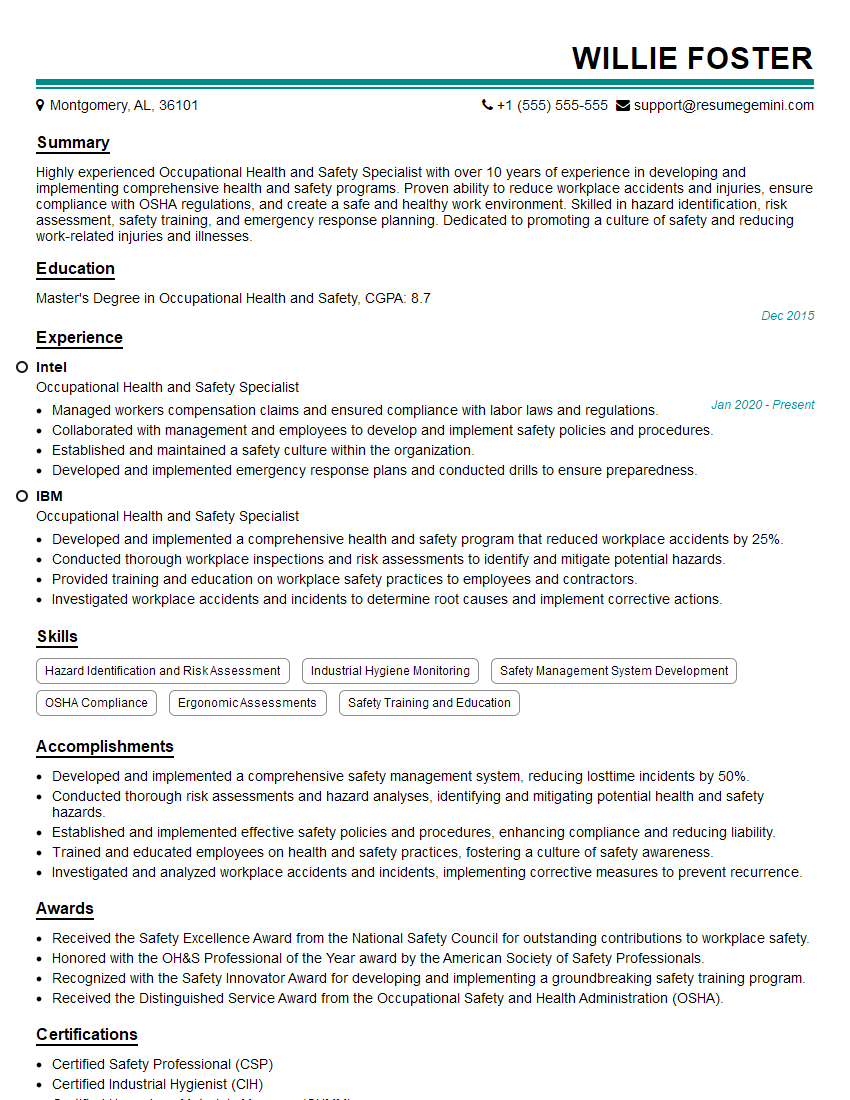
Occupational Health and Safety Specialist Resume Sample
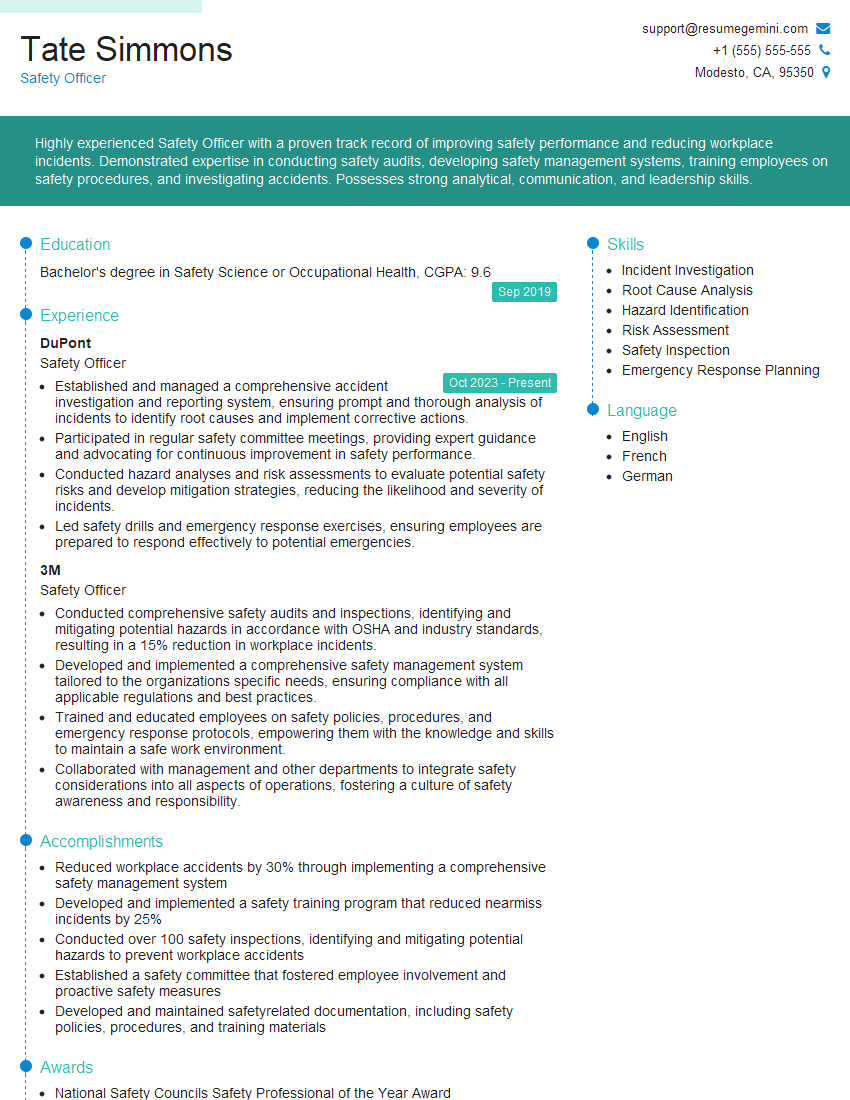
Safety Officer Resume Sample
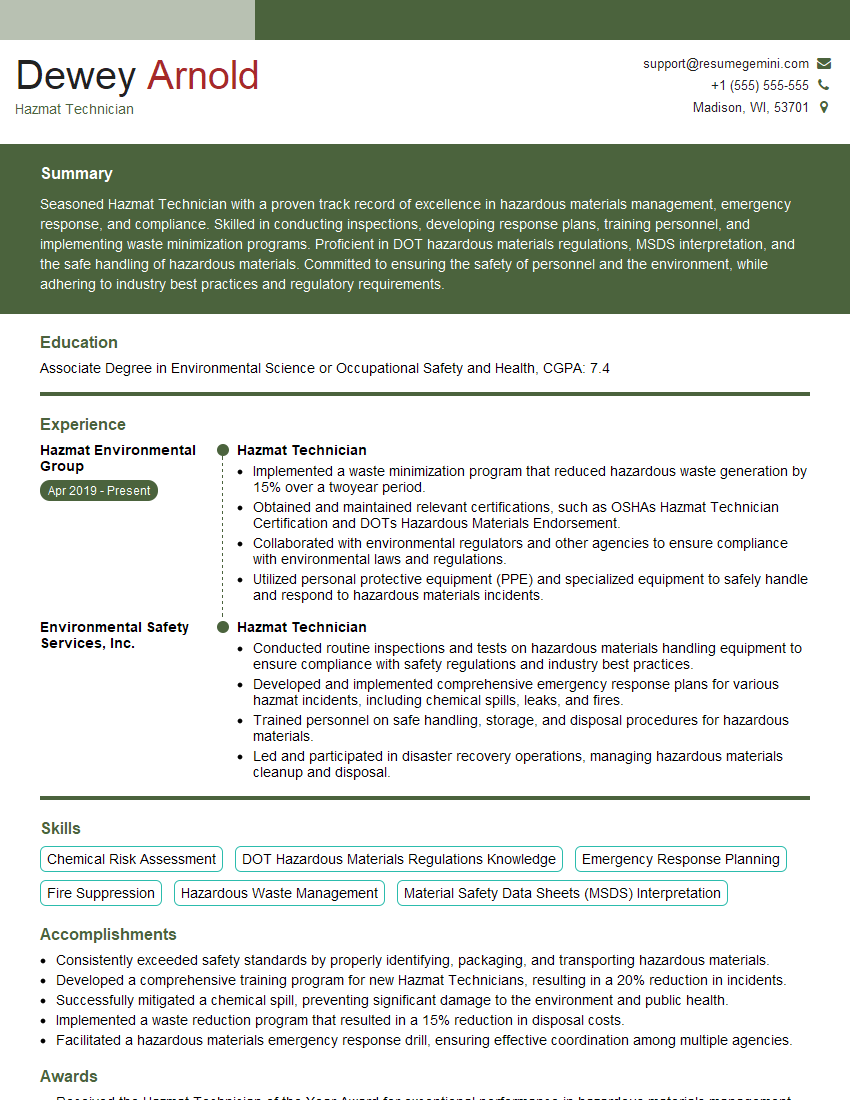
Hazmat Technician Resume Sample
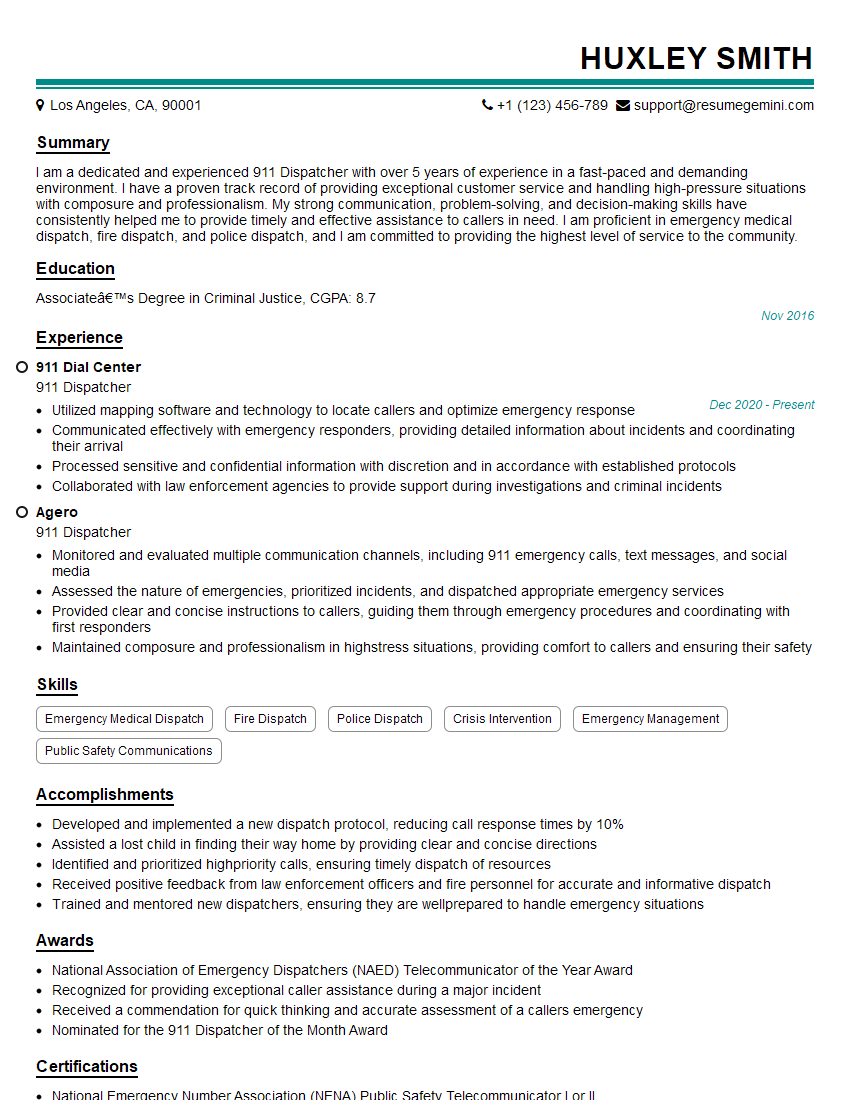
911 Dispatcher Resume Sample
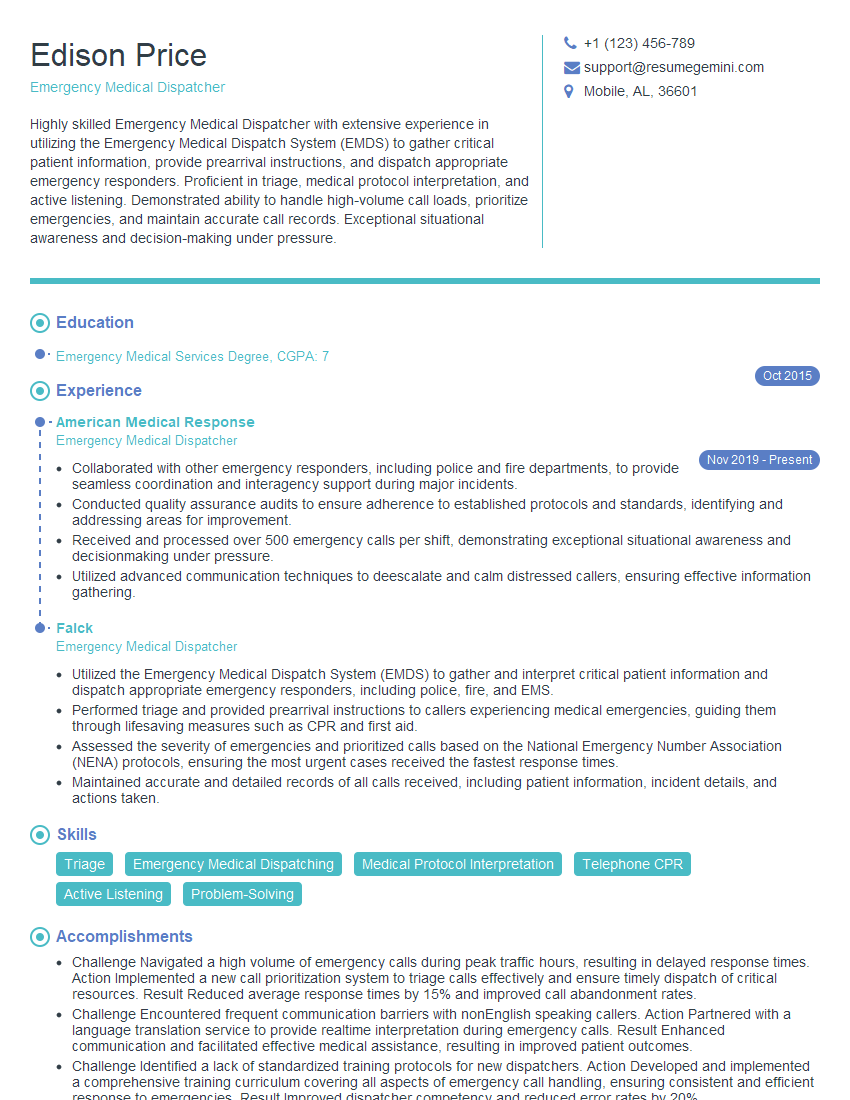
Emergency Medical Dispatcher Resume Sample
- Clinical Supervisor
- Hospital Administrator
- Emergency Management Specialist
- Paramedic
- Security Manager
- Firefighter
- Police Officer
- Emergency Room Physician
- Emergency Room Nurse
- Trauma Nurse
- Emergency Medical Technician (EMT)
- First Responder
- Flight Paramedic
- Occupational Health and Safety Specialist
- Safety Officer
- Hazmat Technician
- 911 Dispatcher
- Emergency Medical Dispatcher
Explore more articles
Users Rating of Our Blogs
Share Your Experience
We value your feedback! Please rate our content and share your thoughts (optional).
What Readers Say About Our Blog
Really detailed insights and content, thank you for writing this detailed article.
IT gave me an insight and words to use and be able to think of examples