Every successful interview starts with knowing what to expect. In this blog, we’ll take you through the top Professional Networking and Collaboration interview questions, breaking them down with expert tips to help you deliver impactful answers. Step into your next interview fully prepared and ready to succeed.
Questions Asked in Professional Networking and Collaboration Interview
Q 1. Describe your approach to building and maintaining professional networks.
Building and maintaining a strong professional network is an ongoing process that requires strategic effort and genuine connection. My approach is multifaceted, focusing on quality over quantity. It’s not about collecting the most contacts, but nurturing meaningful relationships with individuals who can offer mutual benefit and support.
- Strategic Networking: I actively attend industry events, conferences, and workshops, seeking opportunities to engage with professionals in my field and related areas. I prioritize networking events that cater to specific interests or career goals.
- Relationship Building: Networking isn’t just about exchanging business cards; it’s about forming authentic relationships. I follow up after meeting someone, sharing relevant articles or insights, and engaging in genuine conversation beyond just professional topics. I find common ground and build rapport.
- Online Engagement: I use platforms like LinkedIn strategically, sharing insightful content, engaging in relevant discussions, and connecting with individuals whose work I admire or whose expertise aligns with my professional goals. I customize my connection requests, demonstrating genuine interest.
- Mentorship and Sponsorship: I actively seek out mentors and sponsors who can guide my career trajectory and provide valuable insights. I also offer mentorship to others when possible, fostering reciprocal relationships.
- Giving Back: I believe in contributing to my professional community. This can involve volunteering for industry organizations, participating in panels, or presenting at conferences. This elevates my profile and creates more opportunities for connection.
For example, recently I connected with a software engineer at a conference. We discovered a shared passion for sustainable technology. This common interest led to further conversations, and I now regularly exchange information and ideas with him, strengthening our professional bond.
Q 2. How do you identify key stakeholders in a project or initiative?
Identifying key stakeholders is crucial for project success. My approach involves a thorough analysis of the project’s scope and impact. I start by defining the project’s objectives and the individuals or groups whose interests are directly affected by its success or failure.
- Project Scope Analysis: I meticulously examine the project’s goals, deliverables, and timeline. This clarifies who will be directly involved in the execution or impacted by the outcome.
- Impact Assessment: I consider who will benefit from the project and who might experience negative consequences. This helps me pinpoint individuals with significant influence or vested interests.
- Influence Mapping: I use influence mapping techniques to visualize the relationships between different stakeholders and identify those with the greatest power or authority to influence the project’s direction.
- Communication and Consultation: I actively engage with potential stakeholders through meetings, surveys, or focus groups to gain their perspectives and understand their priorities. This helps me avoid assumptions and ensure inclusivity.
For instance, in a recent website redesign project, I identified key stakeholders including the marketing team (for branding), the IT department (for technical implementation), and the end-users (customers) through a combination of project documentation, interviews, and stakeholder mapping. This allowed us to ensure alignment across departments and meet user needs.
Q 3. Explain your experience using collaboration tools like Slack, Microsoft Teams, or Google Workspace.
I have extensive experience using collaboration tools such as Slack, Microsoft Teams, and Google Workspace. My proficiency extends beyond simply using the features to effectively managing team communication, project organization, and workflow optimization.
- Communication: I leverage these platforms to facilitate real-time communication, quick updates, file sharing, and efficient brainstorming sessions. I use channels and threads appropriately to organize discussions and avoid information overload. I ensure clear communication protocols are established for quick response times.
- Project Management: I utilize project management features within these platforms (e.g., task assignments, progress tracking, deadlines) to maintain transparency and accountability. This ensures all team members are aware of their roles and responsibilities.
- File Sharing and Collaboration: I use cloud-based storage and collaborative document editing to facilitate efficient teamwork, version control, and easy access to project resources. I ensure proper file naming and organization for ease of access.
- Integration and Automation: Where possible, I integrate these tools with other applications to streamline workflows, automate repetitive tasks, and improve overall team efficiency (e.g., connecting project management tools with communication platforms for automatic updates).
For example, in a recent project using Microsoft Teams, I created separate channels for different aspects of the project (design, development, testing), facilitating focused discussions and avoiding clutter. We used shared workspaces for documents, ensuring everyone had access to the latest versions. This significantly streamlined the workflow and improved team communication.
Q 4. How do you resolve conflicts within a team environment?
Conflict resolution is a critical skill for effective teamwork. My approach focuses on early identification, open communication, and collaborative problem-solving. I strive to create a safe and respectful environment where team members feel comfortable expressing their concerns.
- Active Listening: I actively listen to understand each individual’s perspective, avoiding interrupting or becoming defensive. I aim to grasp the root cause of the conflict, not just the surface-level issues.
- Empathy and Understanding: I try to empathize with each party’s feelings and validate their concerns. This helps de-escalate tensions and build trust.
- Collaborative Problem-Solving: I facilitate a collaborative discussion, focusing on finding mutually acceptable solutions. I encourage brainstorming and compromise, focusing on the team’s shared goals.
- Mediation and Facilitation: If necessary, I act as a mediator, helping conflicting parties reach a consensus through neutral guidance and structured problem-solving techniques.
- Documentation and Follow-up: I document agreed-upon solutions and ensure follow-up actions are clearly defined and assigned. This helps prevent future conflicts from arising from the same issues.
In one instance, two team members had a disagreement over the best approach to a design element. By actively listening to their concerns and facilitating a discussion, we identified the underlying issue—a misunderstanding of project requirements. We clarified the requirements and collaboratively developed a solution that incorporated elements from both approaches.
Q 5. Describe a time you had to negotiate with a difficult stakeholder.
Negotiating with a difficult stakeholder requires patience, tact, and strategic planning. Successful negotiation involves understanding their motivations and finding common ground, even when their initial position seems unreasonable.
In one project, a senior executive was resistant to adopting a new project management methodology I proposed. He was concerned about the time investment and potential disruption to his team. To address his concerns, I first spent time understanding his perspective. I acknowledged his concerns, demonstrating that I valued his input. I then presented the benefits of the new methodology, highlighting the long-term efficiency gains and improvements in team collaboration that would outweigh the short-term investment. I also proposed a phased implementation, allowing for a gradual transition and minimizing disruption. We eventually agreed on a pilot project to test the methodology, allowing him to see the tangible benefits firsthand before full implementation. This approach allowed for a mutually beneficial outcome, earning his trust and cooperation.
Q 6. How do you facilitate effective communication within a team?
Facilitating effective communication within a team is paramount for achieving shared goals. My approach focuses on establishing clear communication channels, fostering open dialogue, and promoting active listening.
- Establish Clear Communication Channels: I define clear channels for different types of communication (e.g., email for formal updates, instant messaging for quick questions, project management tools for task assignments). This prevents information overload and confusion.
- Regular Team Meetings: I conduct regular team meetings to discuss project progress, address challenges, and share updates. These meetings are structured, ensuring efficient use of time and addressing key agenda points.
- Open and Honest Dialogue: I foster a culture of open and honest communication where team members feel comfortable sharing their ideas, concerns, and feedback without fear of judgment. I encourage active listening and respect for diverse viewpoints.
- Feedback Mechanisms: I implement formal and informal feedback mechanisms to regularly assess communication effectiveness and identify areas for improvement. This might include anonymous surveys or regular check-in meetings.
- Clear and Concise Communication: I emphasize clear and concise communication in all forms, ensuring messages are easy to understand and avoid jargon or ambiguity. I use visuals and other communication aids where appropriate.
For instance, I introduced daily stand-up meetings in a previous project to provide quick updates and identify potential roadblocks early. This daily check-in significantly improved coordination and minimized delays.
Q 7. What strategies do you employ to build consensus among team members?
Building consensus among team members requires skillful facilitation and a commitment to inclusivity. My approach involves active listening, collaborative problem-solving, and a focus on shared goals.
- Understand Individual Perspectives: Before attempting to build consensus, I actively listen to and understand each team member’s perspective, priorities, and potential concerns. This ensures everyone feels heard and valued.
- Collaborative Problem-Solving: I facilitate brainstorming sessions and collaborative problem-solving activities, encouraging team members to work together to develop solutions that address everyone’s concerns.
- Identify Common Ground: I actively seek common ground and areas of agreement, building on shared goals and values. Highlighing shared interests reduces conflict and fosters collaboration.
- Compromise and Negotiation: I guide the team through constructive negotiation and compromise, emphasizing the importance of finding solutions that satisfy the needs of the majority while addressing individual concerns.
- Transparency and Open Communication: I maintain transparency throughout the process, keeping the team informed of progress and any potential challenges. Open communication builds trust and promotes a sense of shared ownership.
In a recent project, we faced a disagreement on the best strategy for product launch. Through a structured discussion, we identified common goals (successful launch, positive customer response). By acknowledging everyone’s concerns and exploring different options, we ultimately reached a consensus on a hybrid approach that incorporated elements from each proposed strategy.
Q 8. How do you measure the success of your networking efforts?
Measuring the success of networking efforts isn’t about collecting business cards; it’s about building genuine relationships that yield tangible results. I assess success through a multi-faceted approach.
Relationship Depth: I track the quality of connections, not just quantity. This involves noting the frequency and depth of interactions – are we having meaningful conversations, collaborating on projects, or providing mutual support?
Opportunities Generated: Successful networking leads to opportunities. I monitor the number of collaborations, projects, partnerships, or job leads that arise from my network. I maintain a log to track the source of each opportunity.
Goal Achievement: I connect networking activities with specific professional goals. For example, if my goal is to increase visibility in a specific industry, I’d measure success by the number of speaking engagements, publications, or media mentions that result from my network.
Feedback and Referrals: Positive feedback from colleagues and referrals from my network are key indicators of success. These demonstrate trust and the value I bring to relationships.
For instance, I recently helped a colleague find a new role through my network. That’s a concrete measure of successful networking, far more valuable than simply attending a conference and handing out business cards.
Q 9. How do you manage competing priorities when collaborating on multiple projects?
Managing competing priorities in collaborative projects requires a structured approach. Think of it like conducting an orchestra; each instrument (project) needs attention, but the conductor (you) needs to ensure harmony.
Prioritization Matrix: I use a prioritization matrix (like Eisenhower’s Urgent/Important matrix) to classify tasks by urgency and importance. This helps me focus on high-impact activities first.
Time Blocking: I allocate specific time blocks for each project, ensuring sufficient time for each without overextending myself. This prevents burnout and enhances focus.
Clear Communication: Open and transparent communication with team members is essential. I proactively communicate my priorities and availability to avoid conflicts and manage expectations.
Delegation: When possible, I delegate tasks to team members who possess the necessary skills. This not only frees up my time but also empowers team members to develop their skills.
Regular Check-ins: Consistent progress reviews and team meetings ensure everyone is aligned and on track. This allows for quick adjustments if needed.
For example, if I’m working on a high-priority presentation and a lower-priority report simultaneously, I’d block out dedicated time for the presentation first, then allocate time for the report accordingly, ensuring I communicate the priorities to my team.
Q 10. Explain your experience with virtual collaboration tools and techniques.
I have extensive experience with various virtual collaboration tools and techniques. Proficiency in these tools is crucial for seamless remote teamwork.
Tools: I’m proficient in tools like Microsoft Teams, Slack, Zoom, Google Workspace (including Docs, Sheets, and Slides), and project management software such as Asana and Trello. I understand their strengths and limitations and can choose the most appropriate tool for the task.
Techniques: Beyond the tools, effective virtual collaboration relies on clear communication, active listening, and structured workflows. I use techniques like asynchronous communication (e.g., email, project management platforms) for tasks that don’t require immediate responses and synchronous communication (e.g., video conferencing) for discussions needing real-time interaction. I frequently use screen sharing for demonstrations and collaborative editing of documents.
Best Practices: I emphasize clear agendas for meetings, concise communication, and regular check-ins to ensure everyone stays informed and engaged. I also encourage the use of virtual whiteboards for brainstorming and visual collaboration.
For example, during a recent project, we used Asana to track tasks, Google Docs for collaborative writing, and Zoom for weekly team meetings. This combination allowed us to efficiently manage the project despite being geographically dispersed.
Q 11. Describe a time you had to adapt your communication style to different audiences.
Adapting communication style is paramount for effective collaboration. It’s about understanding your audience and tailoring your message to resonate with them.
In a previous role, I had to present complex technical information to both engineering teams (highly technical audience) and executive leadership (business-focused audience). For the engineering team, I used technical jargon and detailed explanations. For the executive team, I focused on the high-level impact and business implications, using simple language and visually compelling presentations.
Another example involved communicating with a client whose primary language wasn’t English. I adapted by using simpler sentence structures, visual aids, and incorporating a translator when necessary. It’s about being mindful of cultural differences and communication preferences to foster understanding and build rapport.
Q 12. How do you handle situations where team members have differing opinions or perspectives?
Differing opinions are inevitable in teamwork; they can even be beneficial if handled constructively. My approach focuses on fostering respectful dialogue and finding common ground.
Active Listening: I encourage each team member to fully articulate their perspective without interruption. I actively listen to understand their reasoning and concerns.
Empathy and Respect: I create a safe space where team members feel comfortable expressing their opinions without fear of judgment. I emphasize respect for diverse viewpoints.
Collaborative Problem-Solving: Instead of focusing on who is right or wrong, we collectively explore the problem, identifying potential solutions and evaluating their pros and cons.
Data-Driven Decisions: When possible, I rely on data and evidence to support decisions, reducing reliance on personal opinions.
Compromise and Negotiation: I guide the team toward finding a mutually acceptable solution that addresses the key concerns of each individual.
In a recent project, two team members had strongly opposing views on the project’s direction. By facilitating open communication and a structured discussion, we identified the underlying concerns and crafted a hybrid approach that satisfied both parties and successfully delivered the project.
Q 13. Describe your approach to mentoring or coaching junior colleagues.
Mentoring and coaching junior colleagues is a rewarding aspect of my work. My approach is focused on fostering their growth and development.
Personalized Approach: I tailor my mentoring approach to each individual’s needs, strengths, and weaknesses, recognizing that everyone learns differently.
Goal Setting: We collaboratively define clear goals and objectives for their development. This provides direction and motivation.
Feedback and Guidance: I provide regular, constructive feedback, highlighting both strengths and areas for improvement. I offer guidance and support to help them overcome challenges.
Skill Development: I identify opportunities for skill development, such as training courses, workshops, or challenging assignments. I also encourage them to seek out new learning opportunities.
Networking and Mentorship: I help them build their professional network and connect them with other mentors or experienced professionals.
For example, I’m currently mentoring a junior colleague who wants to improve her presentation skills. We’ve established a plan involving practice sessions, feedback, and participation in relevant workshops. This structured approach ensures her progress and development.
Q 14. How do you leverage your network to achieve organizational goals?
Leveraging my network to achieve organizational goals is a strategic approach that amplifies my impact. It’s not just about connections; it’s about strategically engaging them to achieve shared objectives.
Identifying Key Stakeholders: I identify individuals within my network who have the influence, expertise, or resources needed to contribute to organizational goals.
Strategic Engagement: I strategically engage these individuals, clearly articulating the organizational goal and how their expertise or resources can help achieve it.
Collaboration and Partnerships: I foster collaboration and partnerships by involving network members in projects or initiatives.
Knowledge Sharing: I leverage my network to access information, best practices, or insights relevant to the organizational goals.
Resource Mobilization: I utilize my network to secure necessary resources, such as funding, technology, or talent.
For instance, in a past project aimed at improving customer satisfaction, I leveraged my network to connect with industry experts who provided valuable insights and best practices, ultimately leading to a significant improvement in our customer satisfaction scores.
Q 15. What are some common obstacles to effective collaboration, and how do you overcome them?
Effective collaboration can be hampered by several obstacles. These often stem from communication breakdowns, differing work styles, personality clashes, unclear roles and responsibilities, and a lack of trust. Overcoming these requires a multi-pronged approach.
- Communication Breakdowns: Implement clear communication channels (e.g., project management software, regular meetings) and establish consistent communication protocols. Active listening and providing constructive feedback are crucial. For instance, in a previous project, we used a dedicated Slack channel for quick questions and a weekly meeting for progress updates, significantly improving clarity.
- Differing Work Styles: Understand different personality types and working preferences (e.g., introverts vs. extroverts, detail-oriented vs. big-picture thinkers). Encourage open dialogue about individual preferences and find ways to leverage each team member’s strengths. We used a personality assessment tool once to help team members understand each other better and adjust their communication styles accordingly.
- Personality Clashes: Promote a culture of respect and understanding. Mediate conflicts constructively, focusing on solutions rather than blame. Clearly defined roles and responsibilities help reduce friction by minimizing overlap and ambiguity.
- Unclear Roles & Responsibilities: Create a clear project charter outlining individual responsibilities and deliverables. Use a RACI matrix (Responsible, Accountable, Consulted, Informed) to ensure everyone understands their role and avoids duplication of effort.
- Lack of Trust: Build trust through transparency, consistent communication, and demonstrated reliability. Celebrate successes and acknowledge individual contributions to foster a sense of shared accomplishment.
Career Expert Tips:
- Ace those interviews! Prepare effectively by reviewing the Top 50 Most Common Interview Questions on ResumeGemini.
- Navigate your job search with confidence! Explore a wide range of Career Tips on ResumeGemini. Learn about common challenges and recommendations to overcome them.
- Craft the perfect resume! Master the Art of Resume Writing with ResumeGemini’s guide. Showcase your unique qualifications and achievements effectively.
- Don’t miss out on holiday savings! Build your dream resume with ResumeGemini’s ATS optimized templates.
Q 16. How do you contribute to a positive and inclusive team environment?
Contributing to a positive and inclusive team environment involves actively fostering a culture of respect, empathy, and psychological safety. This means creating a space where every team member feels valued, heard, and comfortable sharing their ideas, regardless of their background or perspective.
- Active Listening: Pay attention to what others say, both verbally and nonverbally. Ask clarifying questions and show genuine interest in their viewpoints.
- Inclusive Language: Use language that is respectful and avoids gendered or other biased terms. Be mindful of cultural differences and adapt your communication style accordingly.
- Fairness and Equity: Ensure that everyone has equal opportunities to contribute and share their ideas. Address any instances of bias or discrimination promptly and decisively.
- Celebrating Diversity: Acknowledge and appreciate the unique skills, experiences, and perspectives that each team member brings to the table. Highlight the benefits of diversity in problem-solving and innovation.
- Constructive Feedback: Provide regular, specific, and actionable feedback to help team members improve their performance. Focus on behavior and results rather than personal attacks.
For example, in a recent project, I made sure to actively solicit input from every team member during brainstorming sessions, ensuring quieter voices were heard and valued.
Q 17. Describe a situation where you had to influence a decision without direct authority.
In a previous role, our team was debating the best approach for a new marketing campaign. While I wasn’t the project manager, I had analyzed market data showing a strong preference for a digital-first strategy, which differed from the team’s initial inclination towards a more traditional print campaign. I didn’t have the authority to dictate the decision, but I leveraged my data analysis to influence the outcome.
My strategy involved:
- Data Visualization: I presented my findings in a clear and concise way, using charts and graphs to highlight the key trends and insights. This made the data easily understandable for everyone on the team, even those without a strong analytical background.
- Collaboration and Persuasion: I didn’t simply present my findings; I engaged in a collaborative discussion, listening to other perspectives and addressing their concerns. I showed how the digital-first approach aligned with the team’s overall objectives, while also highlighting the potential risks associated with the print-focused alternative.
- Building Consensus: I facilitated a discussion that allowed the team to reach a consensus on the best approach, based on the available data and evidence. The final decision incorporated elements of both strategies, but the core foundation was the digital-first approach I had advocated for.
Ultimately, the campaign was a success, largely due to the data-driven decision-making process. This experience reinforced the importance of using data to support your arguments, even when you lack direct authority.
Q 18. How do you ensure that all team members are actively engaged and contributing?
Ensuring active engagement and contribution from all team members requires creating a supportive and inclusive environment where everyone feels empowered to participate and share their ideas. It’s about understanding individual needs and providing tailored support.
- Regular Check-ins: Conduct regular one-on-one meetings with each team member to discuss their progress, address any challenges, and provide guidance. This allows for early identification and resolution of issues that could hinder their contribution.
- Delegation and Empowerment: Delegate tasks based on individual strengths and interests. Avoid micromanagement and provide team members with the autonomy they need to take ownership of their work.
- Open Communication: Maintain open and transparent communication channels to keep everyone informed about project progress and any changes in direction. This minimizes misunderstandings and fosters a sense of shared purpose.
- Recognition and Appreciation: Acknowledge and appreciate individual contributions, both big and small. Celebrate team successes to foster a sense of shared accomplishment and boost morale.
- Conflict Resolution: Address conflicts promptly and fairly, focusing on finding solutions that meet the needs of all parties involved. This promotes a collaborative and respectful work environment.
For example, I once noticed a team member struggling with a specific task. By providing targeted coaching and support, I helped them overcome the challenge and contribute effectively to the team’s overall success.
Q 19. How do you use data or analytics to inform your collaboration strategies?
Data and analytics are invaluable in informing collaboration strategies. They provide objective insights into team performance, communication patterns, and project progress, allowing for data-driven improvements in efficiency and effectiveness.
- Project Management Software: Tools like Jira, Asana, or Trello provide data on task completion rates, bottlenecks, and individual contributions. This data helps identify areas for improvement and optimize workflows.
- Communication Analytics: Analyzing communication patterns within the team – frequency, response times, channel usage – can reveal potential communication breakdowns or areas where improvements are needed.
- Collaboration Platforms: Platforms like Microsoft Teams or Slack provide data on activity levels, file sharing, and meeting attendance. This data can help identify engaged and disengaged team members and address any potential issues.
- Performance Metrics: Tracking key performance indicators (KPIs) related to project goals allows for objective measurement of team progress and identification of areas where adjustments are needed.
For example, by analyzing data from our project management software, we identified a recurring bottleneck in the design phase of a project. This insight led us to implement a new workflow that reduced the bottleneck and significantly improved overall project efficiency.
Q 20. Explain your understanding of different collaboration styles and how to adapt to them.
Collaboration styles vary widely, ranging from highly structured and formal to informal and spontaneous. Understanding these differences and adapting your approach is essential for effective teamwork.
- Structured Collaboration: This style relies on clearly defined roles, processes, and communication channels. It’s suitable for complex projects requiring high levels of coordination. Example: Agile methodologies.
- Informal Collaboration: This approach is more flexible and relies on trust and open communication. It works well for smaller teams or projects with less rigid requirements. Example: Brainstorming sessions.
- Remote Collaboration: Requires a strong emphasis on asynchronous communication, utilizing tools like project management software and video conferencing. Challenges include overcoming communication barriers and ensuring team cohesion.
- Hybrid Collaboration: A blend of in-person and remote collaboration, requiring flexible communication strategies and tools that bridge the physical distance.
Adapting to different collaboration styles requires flexibility, empathy, and strong communication skills. Being aware of individual preferences and tailoring your approach accordingly fosters inclusivity and enhances overall team effectiveness. For example, I adjust my communication style from detailed emails for structured projects to quick, informal messages for more informal brainstorming sessions.
Q 21. How do you maintain a balance between individual contributions and team efforts?
Balancing individual contributions with team efforts is a crucial aspect of effective collaboration. It’s about recognizing the importance of both individual expertise and collective synergy.
- Clear Roles & Responsibilities: Define clear roles and responsibilities to ensure that everyone understands their individual contribution to the overall team objective.
- Shared Goals & Objectives: Establish shared goals and objectives that align individual efforts with the team’s overarching vision.
- Open Communication & Feedback: Maintain open communication channels and provide constructive feedback to ensure that everyone is on the same page and working towards the same goals.
- Mutual Support & Collaboration: Foster a culture of mutual support and collaboration, where team members are willing to help each other and share their expertise.
- Recognition & Appreciation: Acknowledge and appreciate both individual and team accomplishments to foster a sense of shared success and motivate continued effort.
Think of a sports team: each player has a specific role, but they work together towards a common goal. Individual brilliance is important, but it’s the coordinated effort that leads to victory. Similarly, in a professional setting, individual contributions are essential, but they must be integrated into a cohesive team effort to achieve optimal results.
Q 22. Describe a time you had to navigate a complex organizational structure to achieve a collaborative goal.
Navigating complex organizational structures requires a strategic approach. Think of it like navigating a maze – you need a map and a clear understanding of your destination. In one project, we needed cross-departmental approval for a new software implementation. Our team (marketing) relied on IT, Legal, and Finance for sign-off. Instead of sending requests haphazardly, I mapped out the decision-making hierarchy within each department, identifying key stakeholders and their potential concerns. I then crafted tailored communication targeted at each group, highlighting the benefits relevant to *their* priorities. This involved preliminary meetings to address their concerns and build consensus before submitting formal requests. This systematic approach ensured a smooth, timely approval process, significantly improving collaboration across departments. We avoided the common pitfall of simply sending the request to one person and hoping it gets routed correctly, instead proactively engaging with each key player, showing them how the project benefited their domain, making it much easier to get buy-in.
Q 23. How do you prioritize tasks when working on multiple projects with various stakeholders?
Prioritizing tasks across multiple projects with diverse stakeholders necessitates a clear framework. I use a combination of methods. First, I employ a prioritization matrix, weighing urgency and importance. This helps visually represent tasks and their relative value. I consider factors like deadlines, stakeholder expectations (senior leadership takes precedence), and potential impact. Second, I utilize time-blocking and project management tools to schedule tasks effectively. This includes allocating specific time slots for focused work on high-priority tasks, reducing context-switching and boosting productivity. Lastly, regular communication with stakeholders is key, ensuring alignment and managing expectations. If unforeseen circumstances necessitate a shift in priorities, I proactively communicate this, ensuring transparency and maintaining a collaborative atmosphere.
Q 24. How do you ensure that communication is clear, concise, and effective in a collaborative environment?
Clear, concise, and effective communication is paramount in collaborative environments. It’s the glue that binds a team together. I prioritize active listening, ensuring I understand the perspectives of all involved. I use various communication channels appropriately: email for formal updates, instant messaging for quick questions, and regular team meetings for discussion and brainstorming. I keep messages succinct, using bullet points and clear language avoiding jargon. To enhance clarity, I always summarise key decisions and action items after meetings via email or through the project management system. Finally, I encourage open feedback and constructive criticism to ensure everyone’s voice is heard and understood. Think of it like building with LEGOs—every brick must be placed correctly for a strong structure. Miscommunication is like a missing brick, leading to instability and potential collapse of the project.
Q 25. Describe a time you identified a process improvement opportunity within a collaborative effort.
During a large-scale product launch, we noticed that our feedback collection process was inefficient. Teams were using different methods, leading to disorganized data and delayed responses. I identified this as a process improvement opportunity. My solution was to implement a centralized feedback management system using a project management tool. This allowed us to streamline feedback collection, analysis, and response, providing a single source of truth for all stakeholders. The result was a significant reduction in response times, improved data quality, and enhanced team collaboration. We moved from a chaotic system to a more efficient one, saving valuable time and resources. It was like moving from a messy toolbox to a well-organized one—finding the right tool for the job became much easier.
Q 26. How do you delegate tasks effectively while maintaining control and accountability?
Effective delegation involves selecting the right person for the task, providing clear instructions and expectations, and granting sufficient autonomy. I assess each team member’s skills and experience before delegating. I provide clear goals, deadlines, and resources, clarifying any uncertainties. Regular check-ins are essential to monitor progress, offer support, and ensure alignment with project objectives. Importantly, I empower team members to take ownership of their assigned tasks, fostering their development and building trust. Accountability is maintained through clear reporting mechanisms and collaborative progress tracking. Delegation isn’t about dumping tasks; it’s about leveraging team strengths to achieve shared goals, enabling collaborative success. Think of it like a well-orchestrated symphony—every instrument plays its part, and the conductor ensures the music flows harmoniously.
Q 27. How do you handle constructive criticism from colleagues or supervisors?
Constructive criticism is a valuable opportunity for growth. I approach it with an open mind, actively listening to understand the feedback’s intent and specifics. I ask clarifying questions to ensure I fully grasp the concerns. I avoid getting defensive; instead, I reflect on the feedback and identify areas for improvement. If the criticism involves specific actions, I create a plan for addressing them, setting realistic goals and timelines. I may even discuss the feedback with a mentor or colleague for additional perspective. I express my appreciation for the feedback, emphasizing that it helps me improve my performance. Handling constructive criticism effectively builds stronger working relationships and fosters a culture of continuous improvement. It’s like receiving a roadmap – it guides you towards a better version of yourself.
Q 28. How do you utilize technology to enhance collaboration and communication within your team?
Technology plays a pivotal role in enhancing collaboration and communication. We utilize project management software (e.g., Asana, Trello) for task assignment, progress tracking, and file sharing. Video conferencing (e.g., Zoom, Google Meet) facilitates real-time communication and interaction, even with geographically dispersed teams. Instant messaging platforms (e.g., Slack, Microsoft Teams) enable quick information exchange and informal communication. Cloud-based document sharing tools (e.g., Google Drive, Dropbox) ensure seamless collaboration on documents and presentations, eliminating version control issues. Finally, we use collaborative whiteboarding tools (e.g., Miro, Mural) for brainstorming and visual collaboration, allowing for real-time idea generation and organization. Technology is the backbone of our collaborative processes, enabling efficient communication and fostering teamwork.
Key Topics to Learn for Professional Networking and Collaboration Interview
- Building Professional Networks: Understanding the value of networking beyond just LinkedIn; cultivating authentic relationships; leveraging diverse networking strategies.
- Effective Communication Strategies: Mastering written and verbal communication in professional settings; tailoring communication to different audiences; active listening and feedback techniques.
- Collaboration Tools and Technologies: Proficiency with project management software (e.g., Asana, Trello); experience with communication platforms (e.g., Slack, Microsoft Teams); understanding of collaborative document editing tools (e.g., Google Docs, Microsoft Office 365).
- Conflict Resolution and Teamwork: Approaches to navigating disagreements; strategies for fostering productive team environments; understanding different team dynamics and communication styles.
- Virtual Collaboration Best Practices: Optimizing remote communication and collaboration; techniques for building rapport and trust in virtual teams; overcoming challenges of virtual communication.
- Professional Etiquette and Online Presence: Maintaining a positive online reputation; understanding professional email etiquette; navigating workplace social dynamics and professional boundaries.
- Strategic Partnerships and Stakeholder Management: Identifying and engaging key stakeholders; building and maintaining strong working relationships; managing expectations and delivering results.
Next Steps
Mastering professional networking and collaboration is crucial for career advancement. Strong networking skills open doors to new opportunities, while effective collaboration is essential for success in any team-oriented role. To significantly enhance your job prospects, create an ATS-friendly resume that highlights your relevant skills and experience. ResumeGemini is a trusted resource to help you build a compelling and effective resume tailored to your specific career goals. We offer examples of resumes tailored to Professional Networking and Collaboration roles to guide you. Take the next step toward your dream job by leveraging the power of a well-crafted resume.
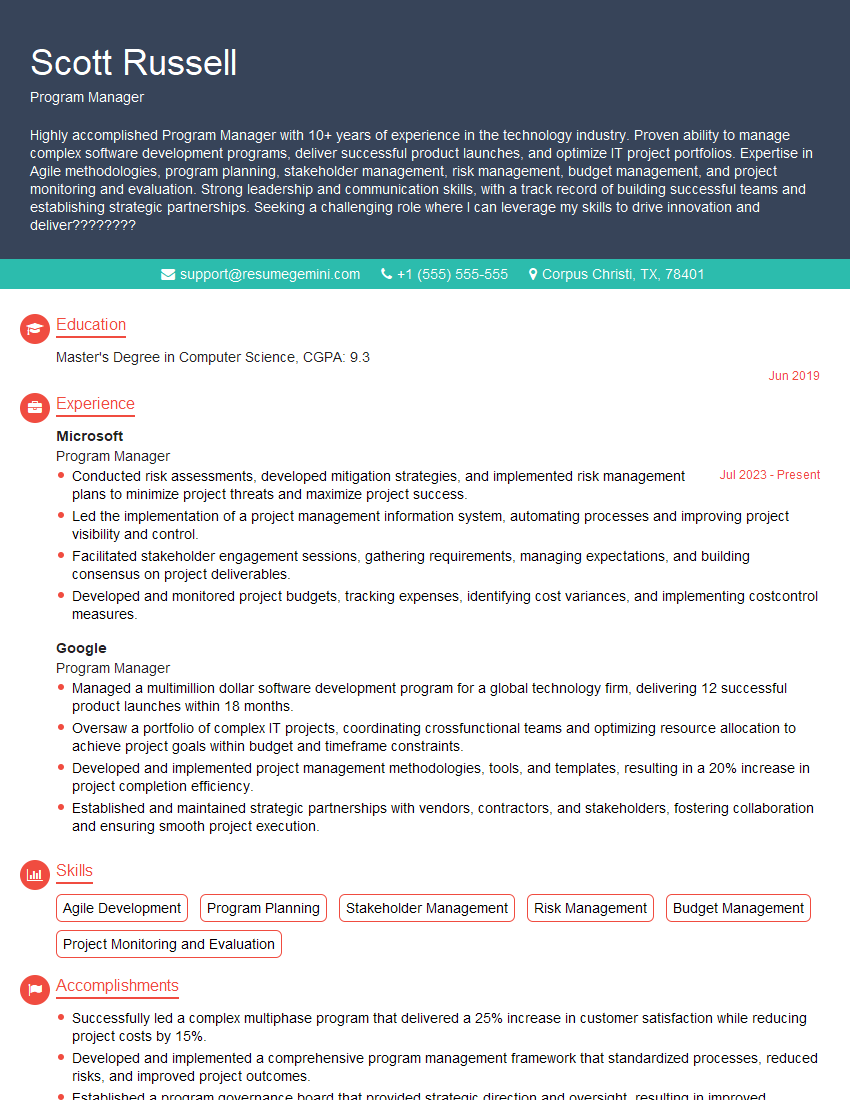
Program Manager Resume Sample
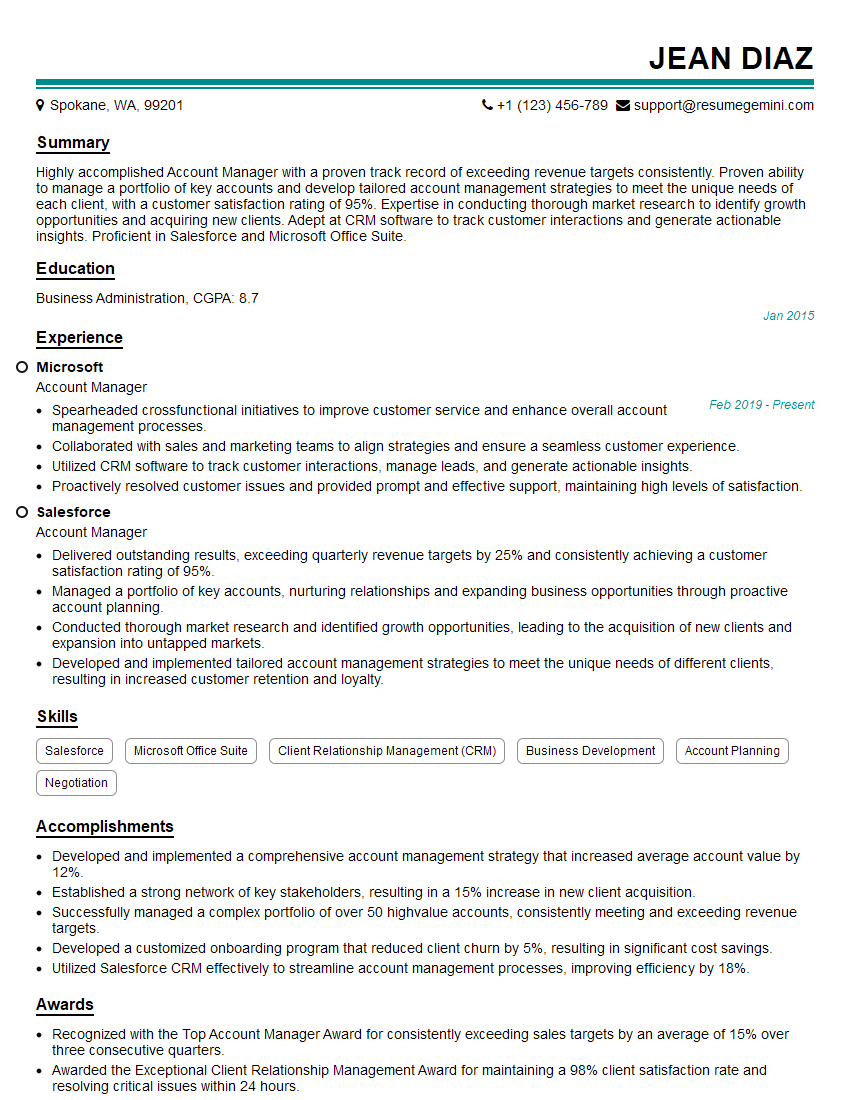
Account Manager Resume Sample
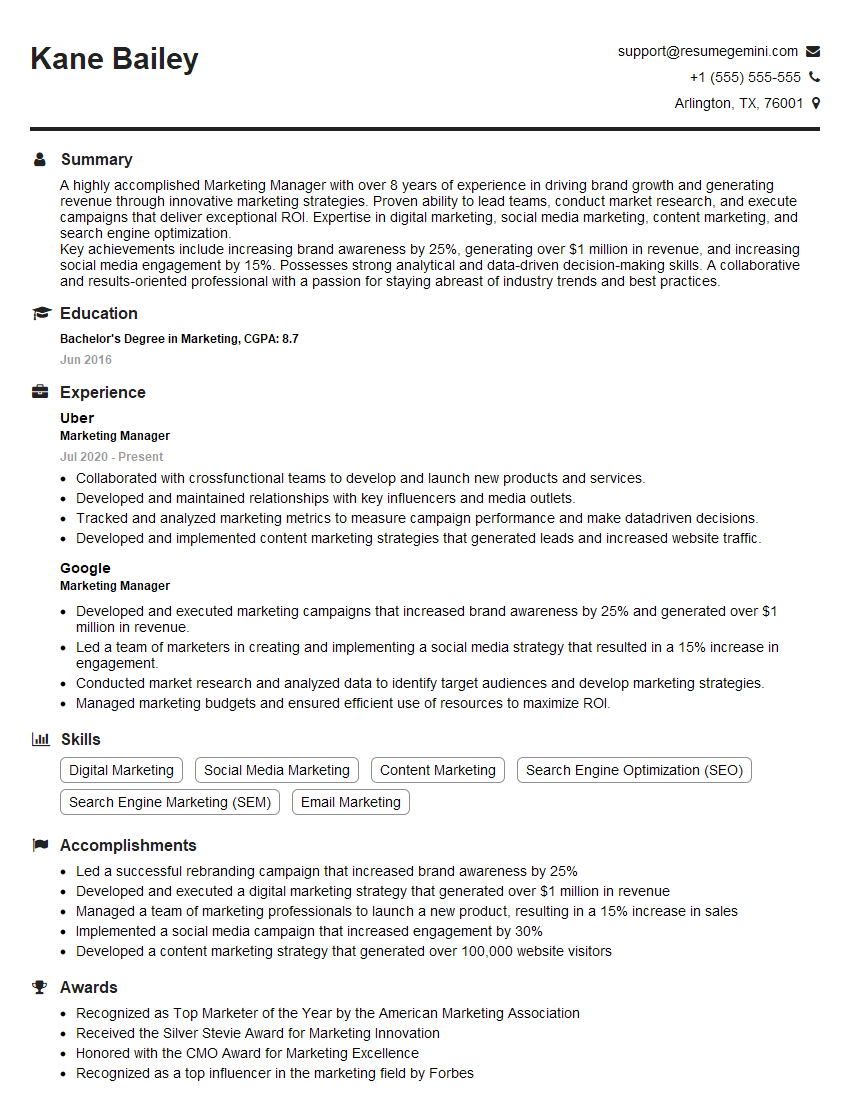
Marketing Manager Resume Sample
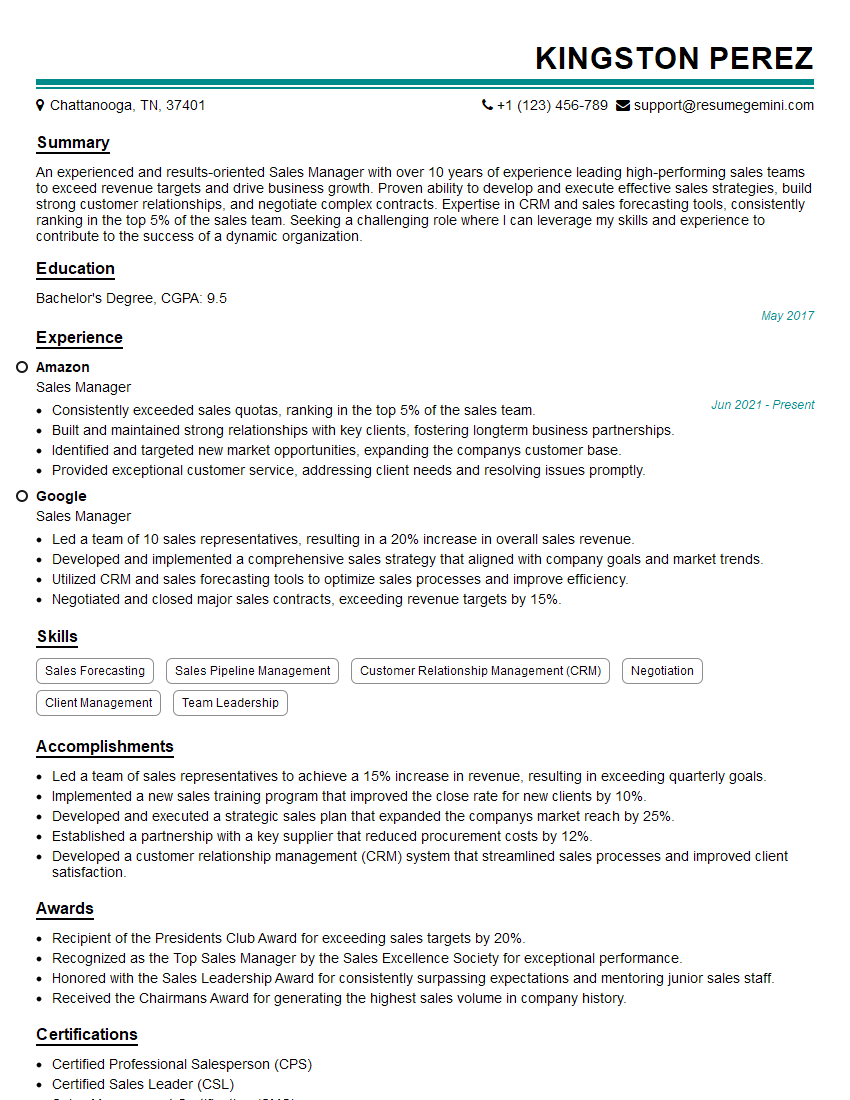
Sales Manager Resume Sample
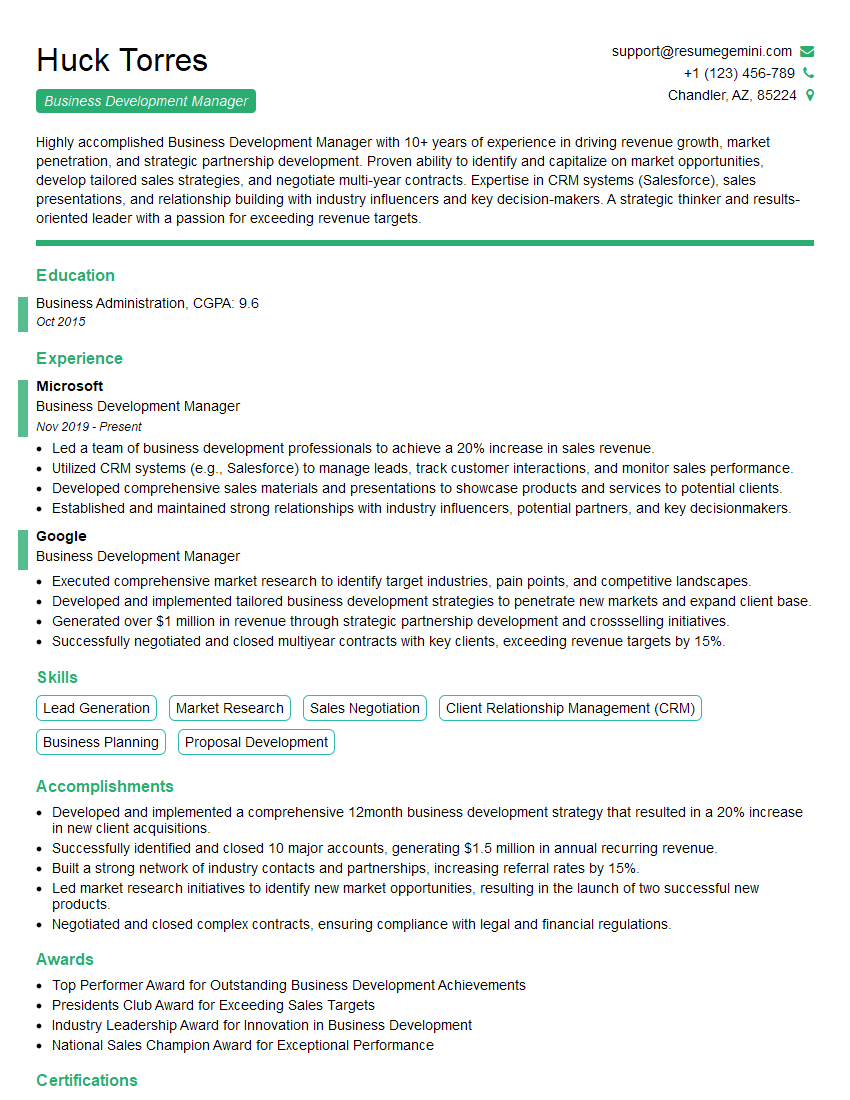
Business Development Manager Resume Sample
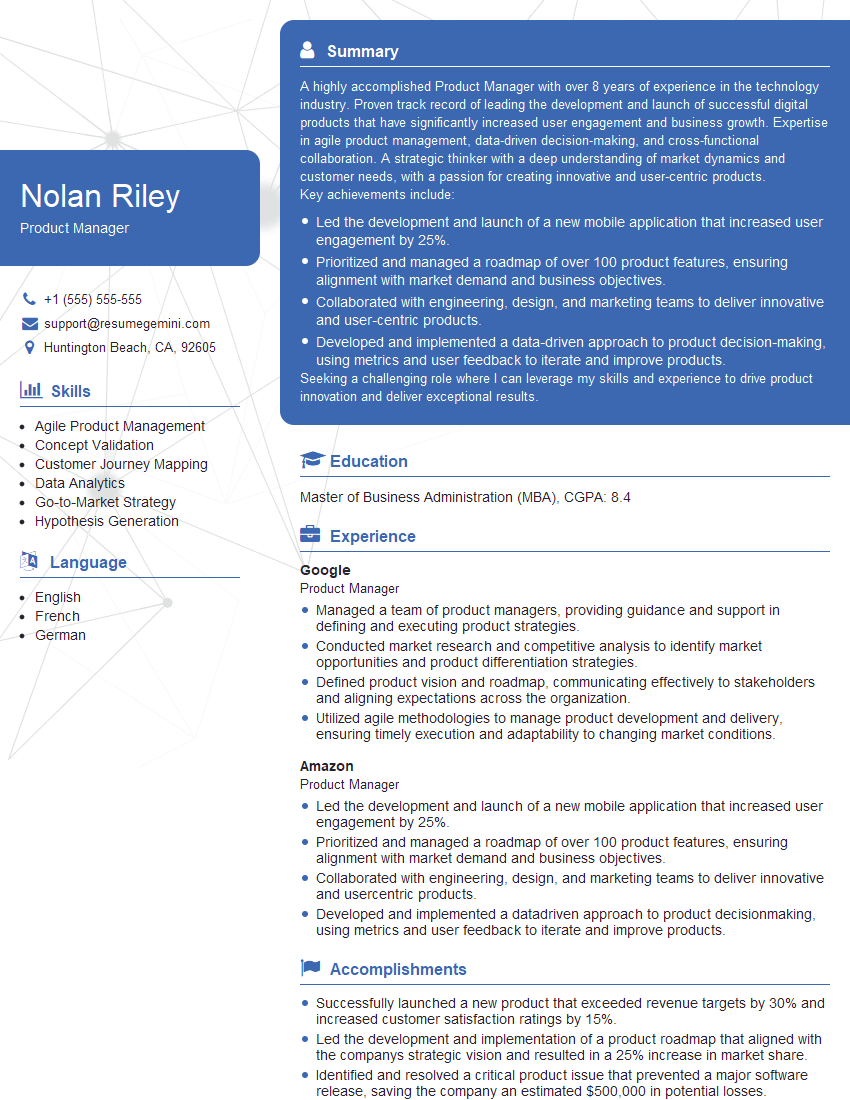
Product Manager Resume Sample
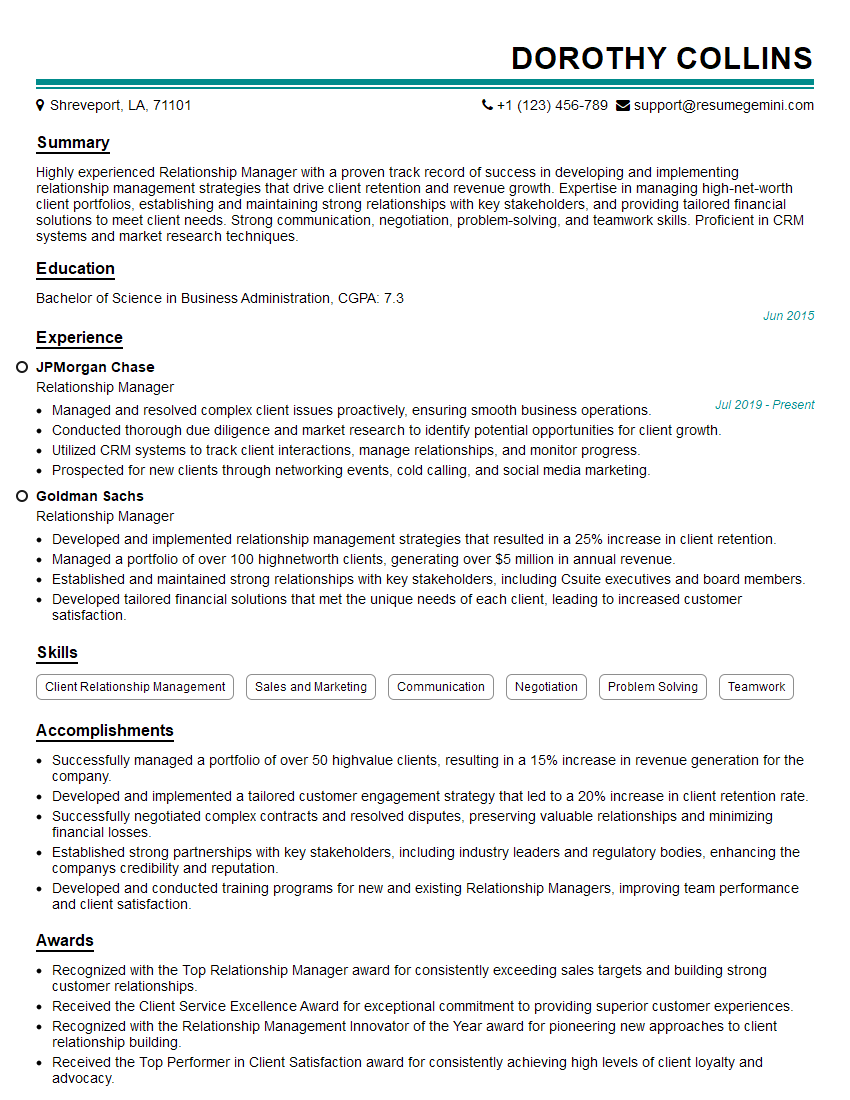
Relationship Manager Resume Sample
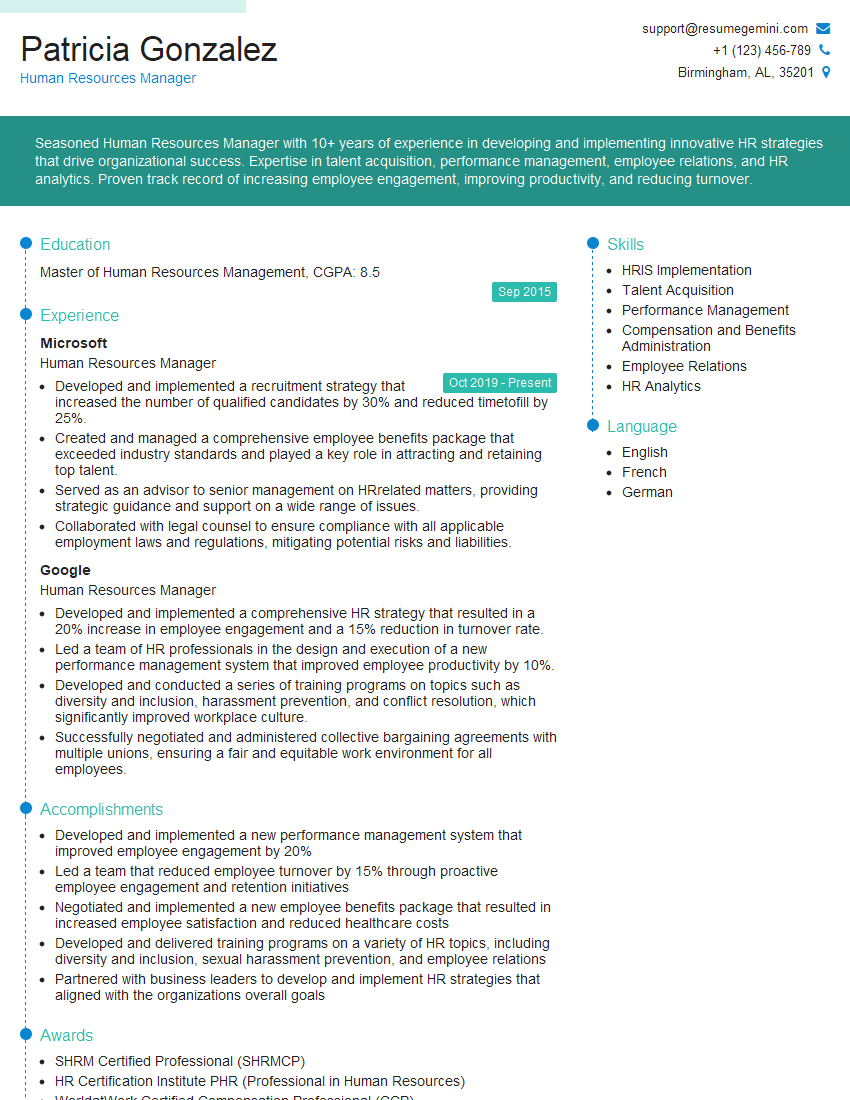
Human Resources Manager Resume Sample
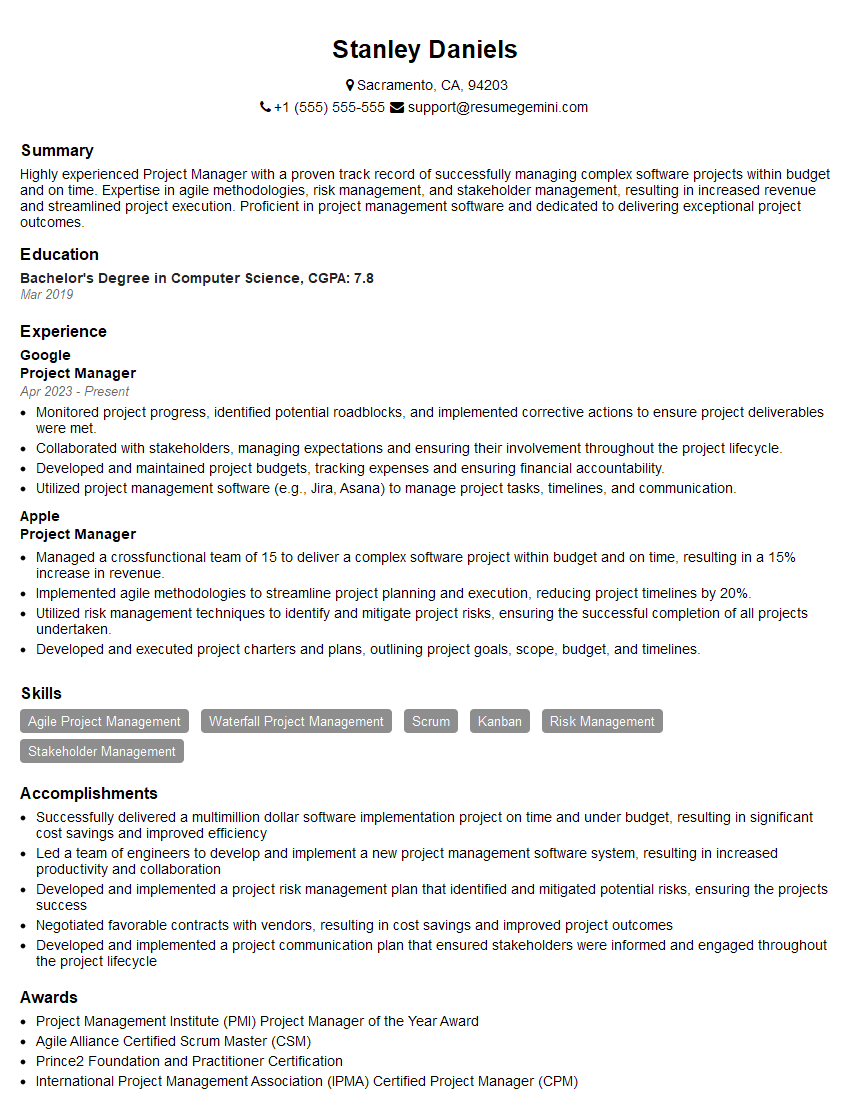
Project Manager Resume Sample
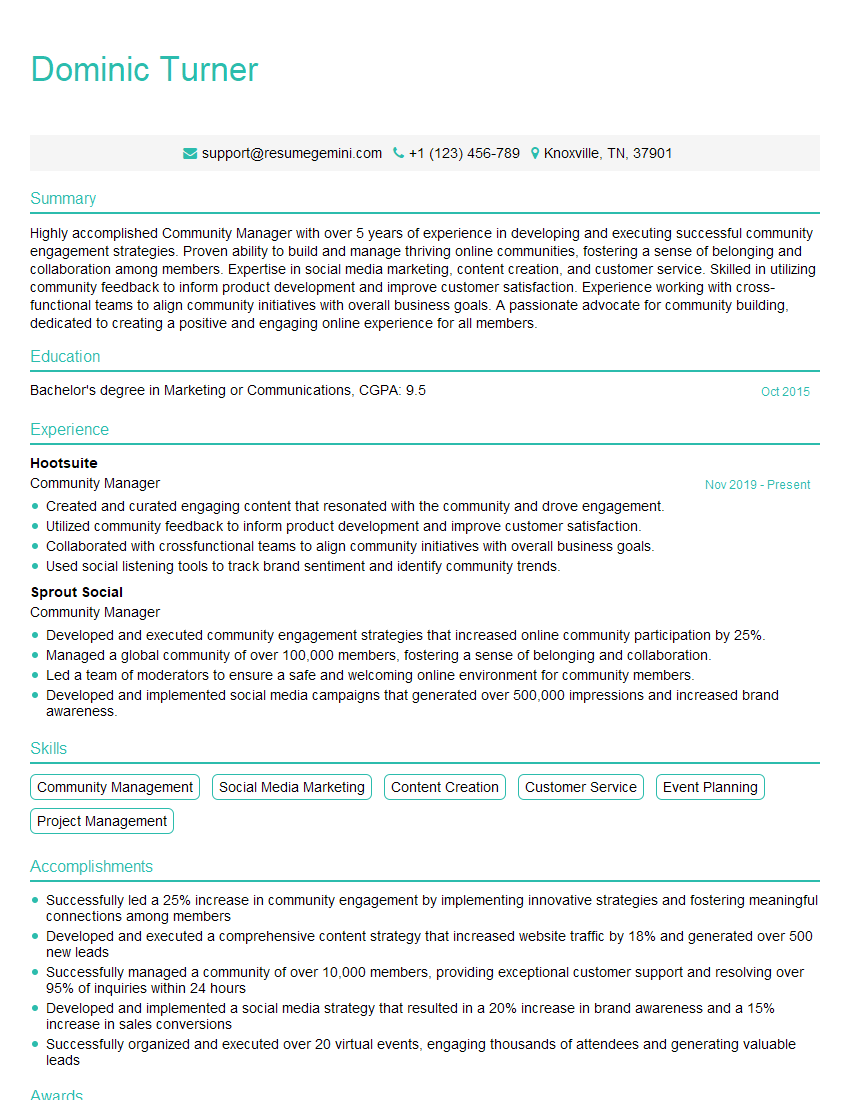
Community Manager Resume Sample
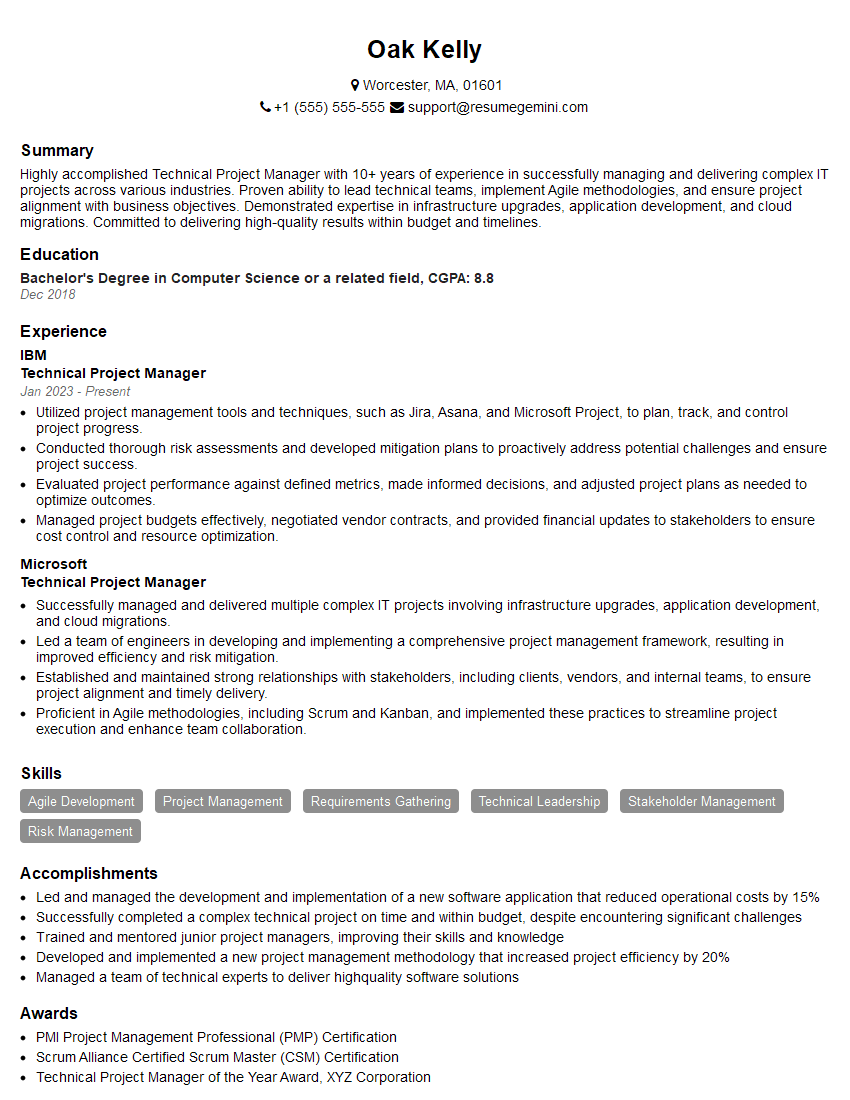
Technical Project Manager Resume Sample
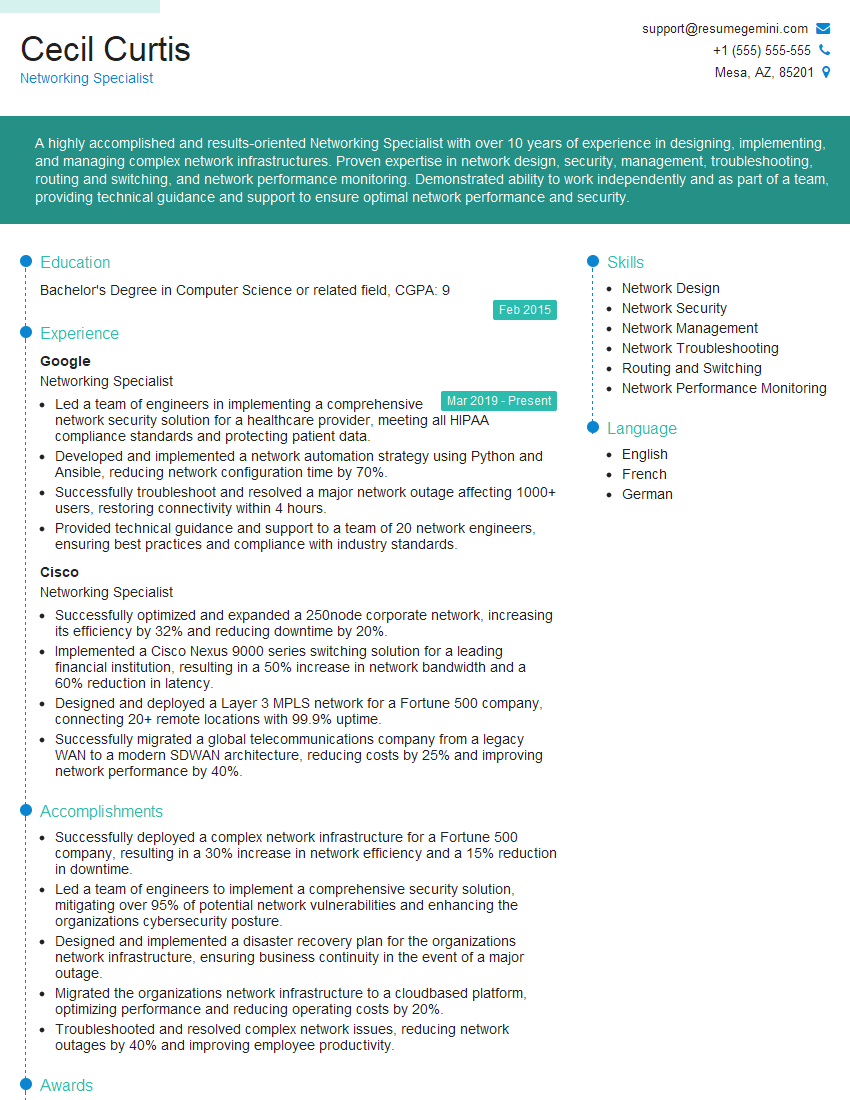
Networking Specialist Resume Sample
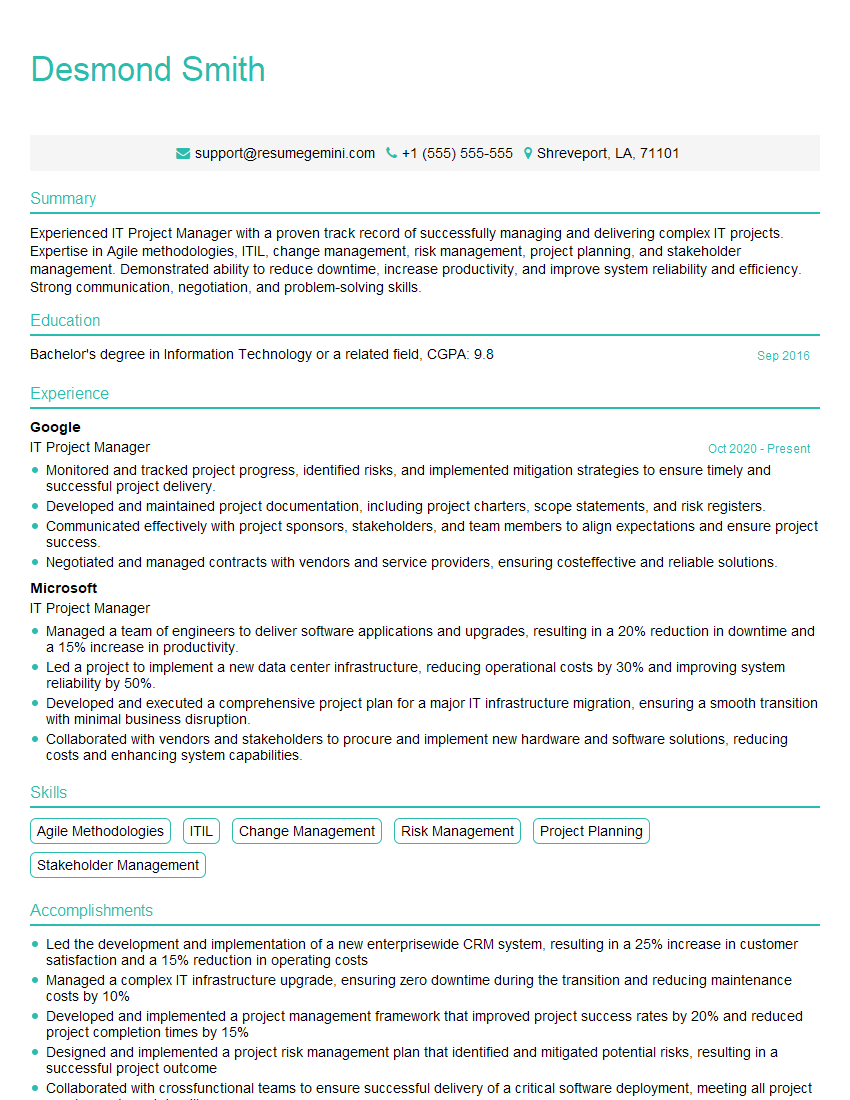
IT Project Manager Resume Sample
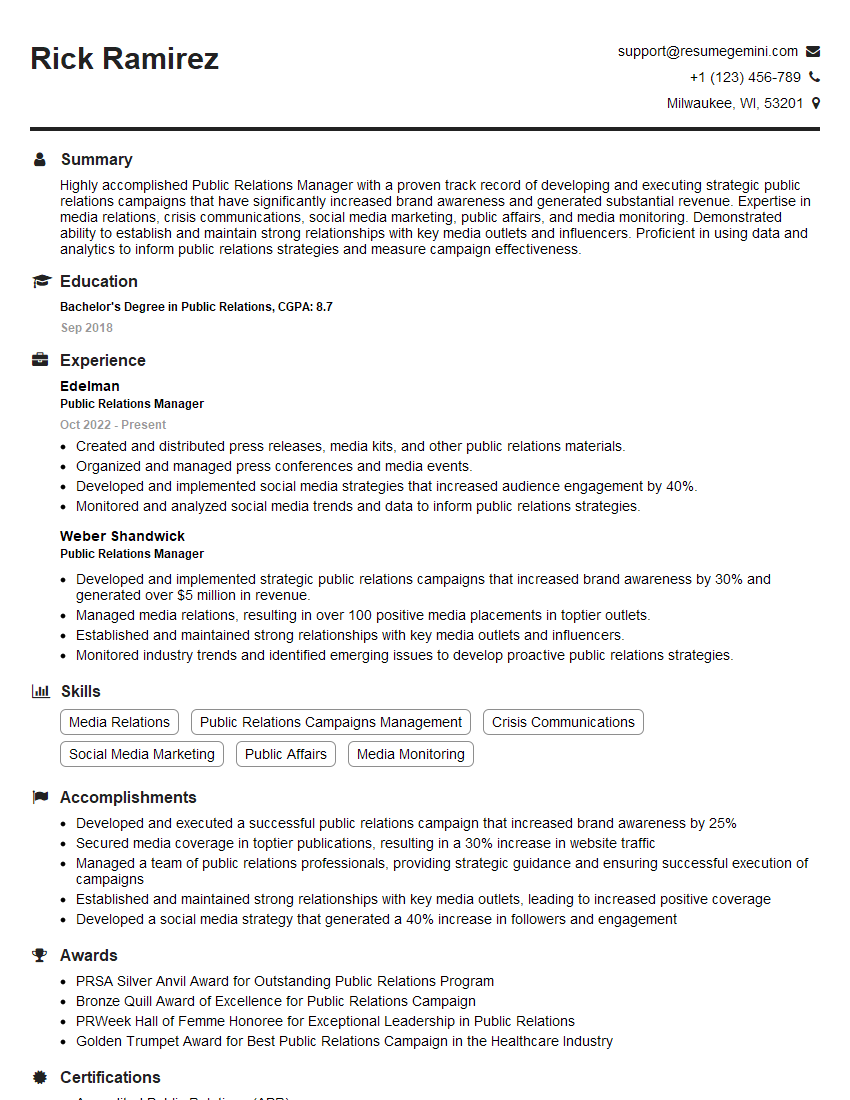
Public Relations Manager Resume Sample
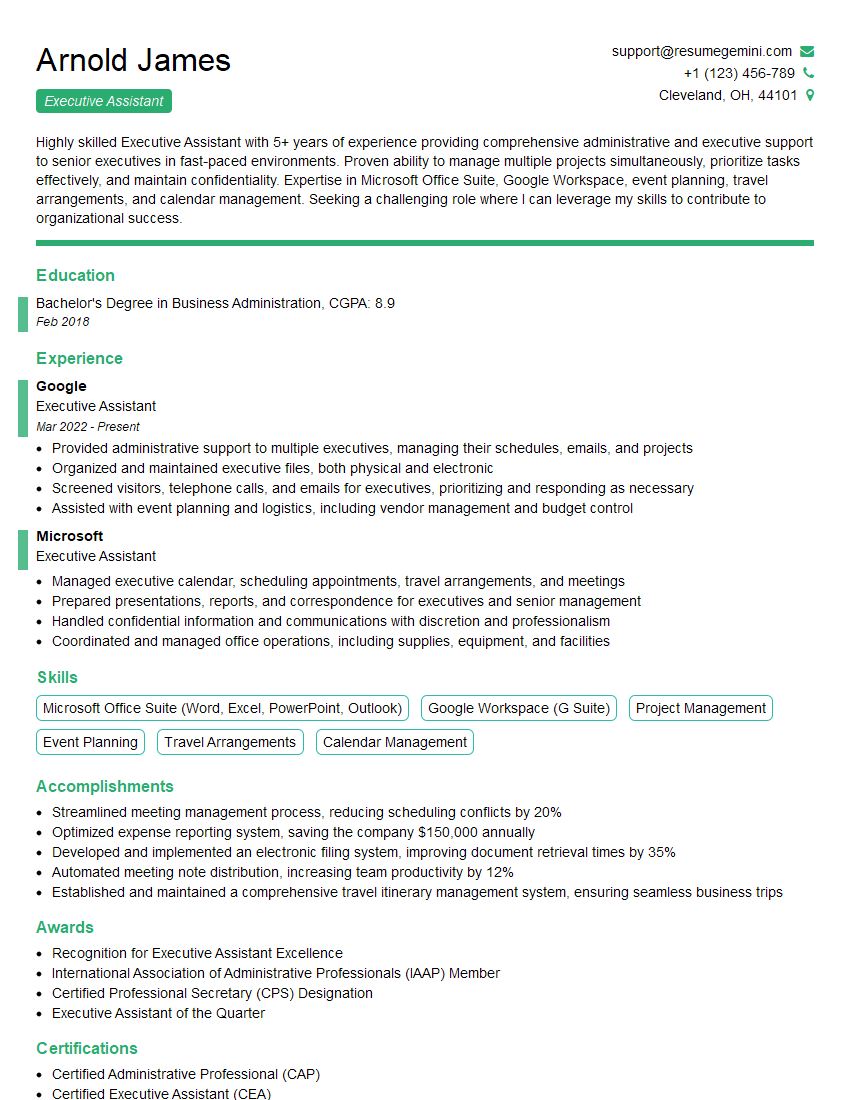
Executive Assistant Resume Sample
Explore more articles
Users Rating of Our Blogs
Share Your Experience
We value your feedback! Please rate our content and share your thoughts (optional).
What Readers Say About Our Blog
Really detailed insights and content, thank you for writing this detailed article.
IT gave me an insight and words to use and be able to think of examples