Interviews are more than just a Q&A session—they’re a chance to prove your worth. This blog dives into essential Experience with food safety and sanitation practices interview questions and expert tips to help you align your answers with what hiring managers are looking for. Start preparing to shine!
Questions Asked in Experience with food safety and sanitation practices Interview
Q 1. Describe your experience with HACCP principles.
HACCP, or Hazard Analysis and Critical Control Points, is a systematic, preventative approach to food safety. It focuses on identifying potential biological, chemical, and physical hazards in food production and implementing controls to prevent or eliminate them. Instead of reacting to problems, HACCP proactively addresses them.
My experience with HACCP includes developing and implementing HACCP plans for various food processing facilities. This involved conducting hazard analyses, identifying critical control points (CCPs), establishing critical limits for each CCP, establishing monitoring procedures, and defining corrective actions to take if a critical limit is not met. I’ve also been involved in training staff on HACCP principles, ensuring consistent application of the plan, and conducting regular audits and internal reviews to ensure its effectiveness. For example, in a bakery setting, a CCP might be the baking temperature to ensure pathogens are eliminated, and deviations would trigger corrective actions like re-baking or discarding the product.
I’m proficient in using HACCP software to document the process, manage data and ensure traceability. My expertise covers diverse food products, from baked goods to ready-to-eat meals, enabling me to tailor HACCP plans to specific industry standards and regulatory requirements.
Q 2. Explain the importance of proper handwashing in food safety.
Proper handwashing is paramount in food safety because hands are a primary vector for transmitting pathogens. Bacteria, viruses, and other harmful microorganisms can easily transfer from contaminated surfaces (like raw meat or restrooms) to food, causing illness. Think of your hands as tiny carriers. They can unknowingly transport a significant amount of bacteria if not washed correctly.
Effective handwashing involves using warm water and soap for at least 20 seconds, scrubbing all surfaces, including between fingers and under nails. Rinsing thoroughly and drying with a clean towel or air dryer completes the process. In food service settings, handwashing sinks should be readily accessible, properly stocked with soap and paper towels, and regularly sanitized.
Failing to follow proper handwashing protocols is a recipe for disaster, especially in high-volume food service environments. I’ve seen firsthand how a simple lapse in hand hygiene can lead to foodborne illness outbreaks, resulting in significant health implications and negative impacts on an establishment’s reputation.
Q 3. What are the critical control points (CCPs) in a food production process you’re familiar with?
Critical Control Points (CCPs) are steps in a food production process where control can be applied and is essential to prevent or eliminate a food safety hazard or reduce it to an acceptable level. The specific CCPs depend heavily on the food product and the processing method.
In a meat processing plant I worked at, key CCPs included:
- Temperature Control during chilling: Ensuring proper chilling temperatures immediately after slaughter to prevent the growth of harmful bacteria. Deviations would require immediate correction and potential product disposal.
- Cooking Temperature: Achieving the minimum internal temperature to eliminate pathogens such as Salmonella and E. coli. Monitoring with thermometers and following established protocols was crucial.
- Cooling Temperature of Finished Products: Rapid cooling to prevent bacterial growth before packaging and distribution.
- Metal Detection: Screening for metal contaminants before packaging.
Each CCP had predefined critical limits, monitoring procedures, and corrective actions documented in the HACCP plan. Regular monitoring and record-keeping are essential to maintain the integrity of the process and ensure product safety.
Q 4. How do you prevent cross-contamination in a food preparation area?
Preventing cross-contamination, the transfer of harmful substances or microorganisms from one food to another, is vital in food preparation. It’s a common cause of foodborne illnesses.
My strategies for preventing cross-contamination include:
- Dedicated Cutting Boards and Utensils: Using separate boards and utensils for raw meat, poultry, seafood, and ready-to-eat foods. Color-coded systems are often employed to make it easy to identify and prevent mistakes.
- Proper Temperature Control: Maintaining the cold chain for perishable items and cooking food to safe internal temperatures. Preventing the temperature abuse zone (40-140°F) is key to slow bacterial growth.
- Thorough Cleaning and Sanitizing: Regularly cleaning and sanitizing all surfaces, equipment, and utensils. Cleaning removes visible debris, while sanitizing eliminates harmful microorganisms.
- Handwashing: Frequent and proper handwashing, especially after handling raw foods.
- Storage Practices: Storing raw foods below cooked foods and away from ready-to-eat items to prevent drips or spills.
The use of appropriate cleaning and sanitizing solutions, following manufacturer’s instructions, is crucial for effectiveness. Regular staff training emphasizes these procedures to foster a strong food safety culture.
Q 5. What are the common foodborne illnesses and how can they be prevented?
Common foodborne illnesses are caused by consuming contaminated food or beverages containing harmful bacteria, viruses, or parasites. Some of the most prevalent include:
- Salmonella: Often found in poultry, eggs, and unpasteurized dairy products. Symptoms include diarrhea, fever, and abdominal cramps.
- E. coli: Typically associated with undercooked ground beef and contaminated produce. Can cause severe diarrhea, vomiting, and even kidney failure in serious cases.
- Listeria monocytogenes: Can grow even at refrigerator temperatures and is often found in ready-to-eat foods like deli meats and soft cheeses. It’s particularly dangerous for pregnant women and those with compromised immune systems.
- Norovirus: A highly contagious virus often spread through contaminated food or surfaces, causing vomiting and diarrhea.
Prevention involves following safe food handling practices, including proper cooking temperatures, thorough handwashing, avoiding cross-contamination, and practicing good personal hygiene. Safe food sourcing, proper storage and preparation, and careful attention to food spoilage indicators are crucial in mitigating the risks.
Q 6. Explain your understanding of temperature control in food storage and preparation.
Temperature control is crucial in preventing the growth of harmful microorganisms. The danger zone, between 40°F (4°C) and 140°F (60°C), is where bacteria multiply rapidly. Maintaining proper temperatures throughout the food handling process—from receiving to storage, preparation, and service—is essential for safety.
Storage: Perishable foods must be stored at or below 40°F (4°C) to inhibit bacterial growth. Using thermometers to verify temperatures in refrigerators and freezers is a crucial step. Proper stock rotation (FIFO – First In, First Out) minimizes the risk of food spoilage.
Preparation: Cooking foods to safe internal temperatures eliminates many pathogens. Using food thermometers to ensure the required temperatures are met is essential. Rapid cooling of cooked foods prevents the danger zone temperature range from being reached.
Service: Hot foods must be kept hot (above 140°F/60°C) and cold foods cold (below 40°F/4°C). Using appropriate equipment like chafing dishes or refrigerated displays is crucial during service.
Consistent temperature monitoring and record-keeping are critical to ensure compliance with food safety regulations. Deviations trigger immediate corrective actions to prevent foodborne illness risks.
Q 7. Describe your experience with pest control measures in a food facility.
Effective pest control is essential in a food facility to prevent contamination and protect the integrity of food products. Pests like rodents, insects, and birds can introduce pathogens, damage food, and compromise hygiene. My experience includes implementing and overseeing integrated pest management (IPM) programs.
IPM strategies involve a multi-pronged approach:
- Sanitation: Maintaining a clean and well-maintained facility. Regular cleaning eliminates food sources that attract pests.
- Exclusion: Preventing pests from entering the facility through sealing cracks and crevices, using screens on windows and doors, and installing pest-proof doors.
- Monitoring: Regularly monitoring for pest activity using traps and visual inspections to identify infestations early.
- Control: Using targeted pest control methods, such as traps or baits, only when necessary. This minimizes the use of pesticides and reduces the risk of contaminating food.
Collaboration with professional pest control services is often necessary to ensure effective and ongoing protection. Regular inspections and documentation of pest control activities are crucial for demonstrating compliance with food safety regulations.
Q 8. How do you conduct a sanitation audit?
A sanitation audit is a systematic and documented inspection of a food handling facility to evaluate its compliance with food safety regulations and best practices. It’s like a thorough health check for your kitchen, ensuring everything from equipment to employee practices is up to par.
My approach involves a multi-stage process:
- Pre-audit planning: Defining the scope, reviewing relevant regulations (FDA, USDA, etc.), and creating a checklist.
- On-site inspection: This includes visually inspecting facilities, equipment, and food handling procedures; reviewing documentation like cleaning logs and employee training records; and observing employee practices.
- Testing: This may involve swabbing surfaces to test for microbial contamination. We use ATP (adenosine triphosphate) bioluminescence testing which quickly detects organic residue, indicating the effectiveness of cleaning.
- Documentation: Thorough documentation is crucial, including photographs of any deficiencies, detailed notes on observations, and a final report summarizing findings and recommendations.
- Corrective Action: Following the audit, I work with the facility to develop a plan to address any identified deficiencies and ensure compliance.
For example, during an audit at a bakery, I might check for proper handwashing procedures, the temperature of the refrigeration units, and the cleanliness of baking equipment. I’d also review pest control measures and employee training documentation. Any non-conformities are noted and a corrective action plan is implemented.
Q 9. What are the key indicators of effective sanitation practices?
Key indicators of effective sanitation practices include:
- Absence of pests: No evidence of rodents, insects, or other pests. A robust Integrated Pest Management (IPM) program should be in place.
- Clean and sanitized surfaces: Equipment, floors, walls, and other surfaces should be free of visible debris, grease, and food residues. This is easily checked visually and confirmed with ATP testing.
- Proper temperature control: Refrigerated foods are kept at or below the required temperatures (typically 41°F or below), while hot foods are kept above 135°F. This is monitored using thermometers and temperature logs.
- Effective hand hygiene: Employees demonstrate proper handwashing techniques, with readily accessible handwashing stations equipped with soap, warm water, and sanitizing solutions.
- Clean and organized work environment: A tidy work area minimizes the risk of cross-contamination and makes cleaning easier. This includes proper storage of chemicals and food items.
- Good employee hygiene practices: Employees wear appropriate attire such as hairnets, gloves, and aprons, to prevent contamination of food.
- Proper waste disposal: Waste is disposed of efficiently to prevent attracting pests and contamination.
- Documented procedures: Standard operating procedures (SOPs) for sanitation are documented, followed, and regularly reviewed.
For example, if a facility consistently scores low on ATP testing, even after cleaning, it indicates a need for a revised cleaning and sanitizing procedure or more effective cleaning chemicals.
Q 10. How do you address a food safety violation or incident?
Addressing a food safety violation requires immediate action to mitigate risk and prevent further issues. My approach focuses on containment, investigation, and corrective actions.
- Immediate containment: Isolate the affected product or area to prevent further contamination. If a foodborne illness is suspected, notify relevant health authorities immediately.
- Thorough investigation: Identify the root cause of the violation. This may involve interviewing staff, reviewing records, and conducting environmental testing.
- Corrective action: Implement measures to correct the violation and prevent recurrence. This may include retraining staff, improving sanitation procedures, or replacing equipment.
- Documentation: Meticulously document all steps taken, including the investigation, corrective actions, and preventative measures.
- Reporting and follow-up: Report the violation to relevant regulatory agencies (FDA, USDA, etc.) as required. Implement a monitoring system to ensure corrective actions are effective and prevent future incidents.
For instance, if a case of cross-contamination is discovered, we’d identify the source (e.g., improperly cleaned equipment), discard affected products, thoroughly clean and sanitize the area, and retrain staff on proper sanitation procedures. A detailed report would be filed, and our team would perform regular follow-up inspections to ensure the problem doesn’t recur.
Q 11. What is your experience with food safety regulations (e.g., FDA, USDA)?
I have extensive experience with FDA and USDA regulations, including the Food Safety Modernization Act (FSMA). My knowledge encompasses Hazard Analysis and Critical Control Points (HACCP) principles, Good Manufacturing Practices (GMPs), and various other regulations specific to different types of food products and production environments. I understand the nuances of food labeling requirements, allergen control, and the preventive controls for human food rule.
For example, I’ve assisted numerous facilities in implementing HACCP plans, ensuring they meet the rigorous standards of the FDA. This includes conducting risk assessments, identifying critical control points, establishing monitoring procedures, and documenting everything meticulously.
I’m also proficient in interpreting and applying regulations related to food transportation, storage, and distribution, ensuring that products maintain their safety and quality throughout the supply chain.
Q 12. How do you ensure proper cleaning and sanitizing of equipment?
Ensuring proper cleaning and sanitizing of equipment is crucial to food safety. It’s a two-step process: cleaning removes food residues, while sanitizing kills or reduces harmful microorganisms.
The process typically involves:
- Pre-cleaning: Remove gross food debris from equipment surfaces manually (scraping, brushing). This reduces the workload for the cleaning and sanitizing steps.
- Washing: Wash equipment thoroughly with hot, soapy water using appropriate detergents. This step effectively removes visible soil and residues.
- Rinsing: Rinse equipment thoroughly with clean, hot water to remove all traces of detergent. Residual detergent can affect the effectiveness of the sanitizer.
- Sanitizing: Apply an approved sanitizer according to the manufacturer’s instructions. Contact time is crucial; the sanitizer must remain in contact with the surface for a specified period to be effective. Common sanitizers include chlorine, iodine, and quaternary ammonium compounds.
- Air drying: Allow the equipment to air dry to prevent recontamination.
- Documentation: Keep detailed records of cleaning and sanitizing procedures, including the date, time, cleaning agents used, and the person who performed the task.
The specific cleaning and sanitizing procedures vary depending on the type of equipment and the food product. For example, equipment used for dairy products requires more stringent procedures than equipment used for baked goods. Regular calibration of thermometers used for checking water temperature is essential.
Q 13. Describe your experience with food waste management.
Effective food waste management is essential not only for environmental reasons but also to maintain food safety and hygiene. My experience encompasses several strategies:
- Waste reduction: Implementing strategies to minimize food waste at source, such as accurate forecasting of food needs, proper storage to prevent spoilage, and efficient inventory management.
- Waste separation: Separating food waste from other types of waste to facilitate composting or other appropriate disposal methods.
- Composting: Where feasible, composting food waste reduces landfill waste and provides a valuable soil amendment.
- Donation: Donating edible surplus food to food banks or other organizations reduces waste and supports community needs.
- Proper disposal: Following regulatory guidelines for safe and sanitary disposal of food waste to prevent attracting pests and contamination. This often involves using appropriate waste bins and disposal schedules.
In one project, I helped a large-scale catering company reduce food waste by 25% through a combination of improved forecasting, inventory management, and employee training on portion control. This saved the company money and reduced its environmental footprint.
Q 14. What is your understanding of personal protective equipment (PPE) in food safety?
Personal Protective Equipment (PPE) is crucial in food safety to prevent contamination of food products and protect food handlers from hazards. Appropriate PPE can significantly reduce the risk of foodborne illnesses.
Common types of PPE used in food handling include:
- Gloves: Prevent contamination from hands to food and protect hands from chemicals and irritants.
- Hairnets or hats: Prevent hair from falling into food.
- Aprons: Protect clothing from spills and contamination.
- Protective eyewear: Protect eyes from splashes and chemicals.
- Cut-resistant gloves: Protect hands from cuts when handling sharp objects.
- Boots or closed-toe shoes: Protect feet from spills and potential hazards in the work environment.
Proper selection, use, and disposal of PPE are essential. Gloves, for example, must be changed frequently and discarded appropriately. Regular training for employees on the correct use and hygiene practices related to PPE is critical. Failing to use appropriate PPE can lead to contamination of food, injuries, and potential health hazards.
Q 15. How do you maintain proper documentation for food safety compliance?
Maintaining proper documentation for food safety compliance is crucial for traceability, accountability, and demonstrating adherence to regulations. It involves a multi-faceted approach, encompassing various records.
- Temperature Logs: Regularly recording temperatures of refrigerators, freezers, and during cooking processes. We use calibrated thermometers and maintain detailed logs, noting any deviations and corrective actions. For example, if a refrigerator temperature rises above 4°C (40°F), we’d investigate the cause (e.g., faulty door seal) and document the repair and subsequent temperature recovery.
- Supplier Documentation: Maintaining records of supplier certifications, ingredient specifications, and delivery information. This helps trace potential sources of contamination.
- Cleaning and Sanitization Logs: Documenting the cleaning and sanitizing procedures for equipment and surfaces, including the chemicals used, concentration, contact time, and personnel responsible. A checklist approach is very effective.
- Employee Training Records: Keeping records of all employee food safety training, including dates, topics covered, and assessments. This ensures everyone understands and complies with our procedures.
- Pest Control Records: Documenting any pest control measures undertaken, including inspections, treatments, and follow-up actions. This demonstrates proactive measures to prevent pest infestations.
- HACCP (Hazard Analysis and Critical Control Points) Plan: A detailed plan identifying potential hazards and control measures at every stage of food handling. This plan undergoes regular review and updates.
All documentation is stored securely, readily accessible for audits, and maintained according to legal requirements. Digital record-keeping systems are preferred for easy searchability and storage.
Career Expert Tips:
- Ace those interviews! Prepare effectively by reviewing the Top 50 Most Common Interview Questions on ResumeGemini.
- Navigate your job search with confidence! Explore a wide range of Career Tips on ResumeGemini. Learn about common challenges and recommendations to overcome them.
- Craft the perfect resume! Master the Art of Resume Writing with ResumeGemini’s guide. Showcase your unique qualifications and achievements effectively.
- Don’t miss out on holiday savings! Build your dream resume with ResumeGemini’s ATS optimized templates.
Q 16. What is your experience with allergen control measures?
Allergen control is paramount. My experience includes implementing and overseeing comprehensive allergen management programs. This involves several key steps:
- Ingredient Sourcing: Careful selection of suppliers who provide accurate allergen information and follow strict allergen control procedures. We thoroughly review certificates of analysis.
- Segregation: Strict separation of allergen-containing ingredients from non-allergen ingredients throughout the entire production process to prevent cross-contamination. Dedicated equipment and utensils are employed.
- Labeling: Accurate and clear labeling of all products, clearly identifying the presence of major allergens (e.g., milk, eggs, peanuts, soy, wheat, tree nuts, fish, shellfish) as required by regulations. We utilize standardized labeling procedures.
- Cleaning and Sanitization: Thorough cleaning and sanitizing of all equipment and surfaces between handling allergen-containing and non-allergen ingredients to minimize the risk of cross-contamination. We follow strict cleaning protocols including dedicated cleaning equipment and sanitizing solutions.
- Employee Training: Providing comprehensive training to all employees on allergen awareness, safe handling procedures, and the importance of preventing cross-contamination. Regular refresher courses are included in our training plan.
- Traceability: Implementing systems to trace ingredients and products through the entire supply chain to quickly identify and contain any allergen-related contamination.
I have personally managed investigations into potential allergen incidents, implementing corrective actions, and collaborating with regulatory bodies to ensure compliance.
Q 17. How do you train employees on food safety protocols?
Training employees on food safety protocols is an ongoing process. It’s not a one-time event but a continuous effort to reinforce best practices and stay updated with new regulations. My approach involves:
- Interactive Training Sessions: We conduct regular training sessions using a combination of presentations, hands-on demonstrations, and interactive exercises. This ensures active learning and better knowledge retention.
- On-the-Job Training: Experienced employees mentor new staff, providing guidance and supervision in a practical setting.
- Visual Aids: Using posters, diagrams, and videos to illustrate key concepts and procedures in an easy-to-understand manner.
- Written Materials: Providing clear and concise written materials, such as manuals and checklists, for easy reference. These manuals include step-by-step instructions with detailed pictures.
- Regular Assessments: Conducting regular assessments and quizzes to evaluate employee understanding and knowledge. This ensures the effectiveness of the training.
- Scenario-Based Training: Using realistic scenarios to demonstrate how food safety procedures should be applied in different situations. We practice what to do in case of a contamination or temperature issue.
The training program is tailored to the specific roles and responsibilities of each employee, ensuring they have the knowledge and skills necessary to perform their duties safely. Records of all training activities are maintained.
Q 18. Describe your experience with food recall procedures.
My experience with food recall procedures involves a structured, rapid response system designed to minimize risk to consumers. This includes:
- Immediate Action: Identifying the affected products immediately and initiating a thorough investigation to determine the extent and cause of the contamination.
- Notification: Promptly notifying relevant authorities, retailers, and consumers about the recall. We utilize multiple communication channels.
- Product Removal: Coordinating the rapid removal of affected products from the market through our distribution network and retail partners.
- Traceability: Using our traceability systems to identify and locate all potentially affected products.
- Documentation: Meticulously documenting all actions taken during the recall process, including communication with authorities, product removal logs, and customer complaints.
- Analysis: Conducting a post-recall analysis to identify the root cause of the contamination and implement preventive measures to avoid future incidents.
I’ve been involved in several recalls, each requiring a unique approach depending on the nature of the contamination. Effective communication, coordination, and clear documentation are essential to managing a recall efficiently and safely.
Q 19. How do you maintain a sanitary work environment?
Maintaining a sanitary work environment is fundamental to food safety. It’s a proactive approach requiring constant vigilance and attention to detail. Here are some key elements:
- Cleaning and Sanitizing: Regular cleaning and sanitizing of all surfaces, equipment, and utensils using appropriate chemicals and procedures. We schedule cleaning activities and utilize checklists to ensure thoroughness.
- Pest Control: Implementing a comprehensive pest control program, including regular inspections and preventative measures. This includes sealing potential entry points, installing traps, and working with professional pest control services.
- Waste Management: Proper disposal of waste, including food scraps and packaging materials, to prevent attracting pests and maintaining a clean environment. Waste bins are strategically placed and regularly emptied.
- Handwashing: Enforcing strict handwashing policies, including providing readily accessible handwashing stations with soap and sanitizer.
- Personal Hygiene: Establishing and enforcing personal hygiene standards for all employees, including proper attire and grooming practices. We provide training and guidelines on this.
- Equipment Maintenance: Regularly inspecting and maintaining equipment to ensure proper functioning and hygiene. This includes routine cleaning, repairs, and calibration of instruments.
A clean and organized workspace fosters a culture of food safety and promotes efficiency. Regular inspections and employee feedback contribute to continuous improvement.
Q 20. Explain your understanding of food spoilage and its prevention.
Food spoilage is the deterioration of food quality due to microbial growth, enzymatic activity, or chemical changes. Understanding the causes and implementing preventive measures is crucial.
- Microbial Growth: Bacteria, yeasts, and molds are the primary culprits. They thrive in specific conditions—temperature, moisture, and pH level. Spoilage can lead to unpleasant odors, flavors, and potentially, toxins.
- Enzymatic Activity: Enzymes present in food can cause changes in color, texture, and flavor, even in the absence of microbial growth. This is why freezing foods can slow down spoilage.
- Chemical Changes: Oxidation, reactions with air, and other chemical processes can contribute to food spoilage. This is evident in the browning of fruits and vegetables.
Prevention involves controlling these factors:
- Temperature Control: Maintaining proper refrigeration temperatures (below 4°C/40°F) and freezing temperatures (below -18°C/0°F) to inhibit microbial growth. First-in, first-out (FIFO) stock rotation also plays a vital role.
- Moisture Control: Reducing moisture levels in food can inhibit microbial growth. Proper packaging and storage methods are key.
- pH Control: Adjusting the pH level of food can prevent the growth of certain microorganisms. Acidification is a common technique.
- Packaging: Using appropriate packaging materials to prevent exposure to air, moisture, and contaminants.
- Proper Storage: Storing foods in a cool, dry, and clean environment away from contaminants.
Understanding these mechanisms and implementing these preventative measures significantly extends the shelf life of food and prevents spoilage.
Q 21. How do you identify and address potential food safety hazards?
Identifying and addressing potential food safety hazards involves a systematic approach using methods like HACCP (Hazard Analysis and Critical Control Points). This involves several steps:
- Hazard Analysis: Identifying potential biological, chemical, and physical hazards throughout the food production process. This requires a detailed understanding of each step involved.
- Critical Control Points (CCPs): Determining the critical control points (CCPs) where hazards can be prevented, eliminated, or reduced to safe levels. These are steps where control is essential.
- Critical Limits: Establishing critical limits for each CCP. These are measurable parameters (e.g., temperature, time, pH) that must be met to ensure safety.
- Monitoring: Regularly monitoring CCPs to ensure critical limits are met. This typically involves regular temperature checks, visual inspections, and record-keeping.
- Corrective Actions: Establishing corrective actions to take if critical limits are not met. This may involve discarding contaminated food, adjusting processes, or retraining staff.
- Verification: Regularly verifying the effectiveness of the HACCP plan through internal audits, testing, and review.
- Record-keeping: Maintaining detailed records of all aspects of the HACCP plan, including monitoring data, corrective actions, and verification activities.
For example, in a bakery, a CCP might be the oven temperature for baking. The critical limit might be a minimum temperature of 165°F (74°C) for a specified duration. Failure to meet this limit would necessitate corrective action, such as discarding the affected batches.
Q 22. What is your experience with microbial testing and analysis?
Microbial testing and analysis are crucial for ensuring food safety. My experience encompasses a wide range of techniques, from traditional methods like plate counts and MPN (Most Probable Number) estimations to more advanced molecular techniques such as PCR (Polymerase Chain Reaction) and ELISA (Enzyme-Linked Immunosorbent Assay). I’m proficient in identifying various pathogens like Salmonella, E. coli O157:H7, Listeria, and Staphylococcus aureus, as well as spoilage organisms. In my previous role at [Previous Company Name], I was responsible for developing and implementing a comprehensive microbial testing program, including sample collection protocols, laboratory analysis, and interpretation of results. This involved using various media, such as TSA (Tryptic Soy Agar) and EMB (Eosin Methylene Blue) agar, to cultivate and identify specific microorganisms. We regularly monitored critical control points within our production process, enabling us to promptly address any potential contamination issues. For example, a spike in coliform counts in our ice cream production prompted a thorough review of our sanitation procedures, leading to the identification and rectification of a leaky pipe as the source of the contamination.
Q 23. Explain your knowledge of food labeling regulations.
My knowledge of food labeling regulations is extensive, covering both federal and state requirements. I’m familiar with regulations pertaining to mandatory labeling information such as the statement of identity, net weight, ingredients list (including allergens), nutrition facts panel, and manufacturer’s information. I understand the nuances of different labeling requirements based on food type, packaging, and intended audience. For instance, I’m well-versed in the FDA’s Food Allergen Labeling and Consumer Protection Act of 2004 (FALCPA) and its implications for accurately declaring allergenic ingredients. I also have experience navigating the complexities of claims such as ‘organic,’ ‘gluten-free,’ and ‘low-sodium,’ ensuring that these claims meet the specific regulatory criteria. I’ve personally managed label design and approval processes, coordinating with regulatory agencies to ensure compliance and avoiding potential recalls or legal issues. In one instance, we had to revise our label due to a change in the FDA’s definition of ‘natural,’ demonstrating the importance of staying updated with ongoing regulatory changes.
Q 24. How do you manage a food safety crisis?
Managing a food safety crisis demands swift, decisive action. My approach follows a structured protocol: 1. Immediate Response: This involves swiftly isolating the potentially contaminated product, notifying relevant authorities (e.g., FDA), and initiating a thorough investigation to determine the root cause. 2. Containment: We implement measures to prevent further spread, including halting production, recalling affected products, and implementing enhanced sanitation protocols. 3. Communication: Open and honest communication with consumers, retailers, and regulatory agencies is paramount. Transparency builds trust and mitigates potential damage. 4. Root Cause Analysis: A thorough investigation to determine the underlying factors contributing to the crisis. This often involves reviewing Standard Operating Procedures (SOPs), conducting employee interviews, and analyzing environmental samples. 5. Corrective Actions: Based on the root cause analysis, we implement effective corrective actions to prevent recurrence. This might involve retraining employees, upgrading equipment, or modifying production processes. 6. Documentation: Meticulous record-keeping throughout the entire crisis management process is essential for future reference and potential legal proceedings. In a previous situation involving a customer complaint about foreign material in a product, our rapid response, thorough investigation, and transparent communication prevented a full-scale recall and maintained consumer confidence.
Q 25. Describe your experience with implementing a food safety management system (FSMS).
I have extensive experience implementing and maintaining Food Safety Management Systems (FSMS), primarily based on the principles of HACCP (Hazard Analysis and Critical Control Points) and ISO 22000. This involves conducting hazard analyses, identifying critical control points (CCPs), establishing critical limits, and developing monitoring procedures for each CCP. I am adept at developing and implementing Standard Operating Procedures (SOPs) for all aspects of food production, storage, and distribution, ensuring consistent adherence to food safety regulations. My experience includes training employees on proper food handling, sanitation, and safety practices. For example, at [Previous Company Name], I spearheaded the implementation of a new FSMS, resulting in a significant reduction in customer complaints and improved product quality and safety. This involved a comprehensive risk assessment, development of HACCP plans for all product lines, and regular audits to ensure ongoing compliance. The implementation process included intensive training for all staff members, emphasizing the importance of personal hygiene, proper cleaning and sanitation procedures, and adherence to defined SOPs.
Q 26. What are the common cleaning and sanitizing agents and their applications?
Numerous cleaning and sanitizing agents exist, each with specific applications. Common cleaning agents include detergents, which are used to remove soil and organic matter. Examples include alkaline detergents (effective against fats and proteins), acid detergents (effective against mineral deposits), and enzymatic detergents (effective against specific types of organic matter). Sanitizing agents, on the other hand, reduce the microbial load to a safe level. Common examples include chlorine-based solutions (bleach), iodophores, quaternary ammonium compounds (quats), and peracetic acid. The choice of agent depends on factors like the surface material, the type of soil, and the target microorganisms. For instance, chlorine solutions are effective against a broad spectrum of bacteria and viruses, but may be corrosive to certain metals. Quats are generally less corrosive but may be less effective against certain types of microorganisms. Always follow manufacturer instructions for proper dilution and application to ensure efficacy and safety.
Q 27. Explain your understanding of the difference between cleaning and sanitizing.
Cleaning and sanitizing are distinct but complementary steps in a comprehensive sanitation program. Cleaning involves the physical removal of visible soil, food residues, and other debris from surfaces. Think of it as preparing the surface for sanitization. This process uses detergents, water, and appropriate tools like brushes, cloths, and pressure washers. Sanitizing, on the other hand, is the reduction of the number of microorganisms to a safe level. It follows cleaning and uses chemical sanitizers to kill or inhibit the growth of pathogens. Imagine cleaning as scrubbing a countertop, and sanitizing as applying a disinfectant afterward. Failure to properly clean before sanitizing can create a protective film over pathogens, rendering the sanitizer ineffective.
Q 28. How do you ensure the effectiveness of your sanitation program?
Ensuring the effectiveness of a sanitation program involves a multi-pronged approach. 1. Monitoring and Verification: Regularly monitoring sanitation procedures includes visual inspections, ATP (adenosine triphosphate) bioluminescence testing, and microbial testing of environmental surfaces to identify potential contamination sources. 2. Employee Training: Proper training ensures staff understands and adheres to sanitation protocols, using appropriate cleaning and sanitizing agents, and following proper procedures for equipment cleaning and disinfection. 3. Validation and Calibration: Regular calibration of equipment used in sanitation, such as thermometers and pH meters, ensures accurate readings and consistent results. 4. Record Keeping: Maintaining detailed records of sanitation activities, including cleaning logs, chemical usage, and testing results, is crucial for auditing and identifying areas for improvement. 5. Regular Audits: Internal and external audits assess the effectiveness of the program, identifying gaps and areas for enhancement. A robust sanitation program utilizes all these components to prevent foodborne illnesses. For example, regularly checking sanitizer concentration with test strips and maintaining accurate cleaning and sanitation logs ensures consistent sanitation efficacy, protecting consumer health and upholding regulatory standards.
Key Topics to Learn for Food Safety and Sanitation Practices Interview
- Hazard Analysis and Critical Control Points (HACCP): Understanding the principles of HACCP, including identifying potential hazards, establishing critical control points, and implementing monitoring procedures. Practical application: Describing your experience in developing or implementing a HACCP plan within a food service environment.
- Personal Hygiene and Sanitation: Proper handwashing techniques, glove use, and preventing cross-contamination. Practical application: Explaining how you ensured hygiene standards were maintained in your previous role, including addressing instances of non-compliance.
- Food Storage and Temperature Control: Safe food storage practices, including FIFO (First-In, First-Out) methods, and maintaining proper temperature zones for different food types to prevent bacterial growth. Practical application: Detailing your experience with monitoring and managing food temperatures using thermometers and recording logs.
- Cleaning and Sanitizing Procedures: Understanding the difference between cleaning and sanitizing, proper use of cleaning agents and sanitizers, and ensuring effective cleaning of equipment and surfaces. Practical application: Describing your role in developing or implementing a cleaning and sanitizing schedule for a food preparation area.
- Pest Control: Implementing strategies to prevent pest infestations and maintain a clean and sanitary environment. Practical application: Explaining how you identified and addressed potential pest issues in a previous role.
- Food Allergen Awareness and Management: Understanding common food allergens and implementing procedures to prevent cross-contamination and ensure allergen information is accurately communicated to customers. Practical application: Detailing your experience in managing food allergens and ensuring accurate labeling.
- Regulatory Compliance: Familiarity with relevant food safety regulations and standards (e.g., FDA, USDA). Practical application: Discuss your understanding of these regulations and how you ensured compliance in a past role.
Next Steps
Mastering food safety and sanitation practices is crucial for career advancement in the food industry. It demonstrates your commitment to quality, safety, and regulatory compliance, making you a highly valuable asset to any employer. To significantly improve your job prospects, invest time in creating an ATS-friendly resume that highlights your skills and experience effectively. ResumeGemini is a trusted resource to help you build a professional and impactful resume that will capture the attention of recruiters. We provide examples of resumes tailored to food safety and sanitation practices to help guide you. Take the next step towards your dream career today!
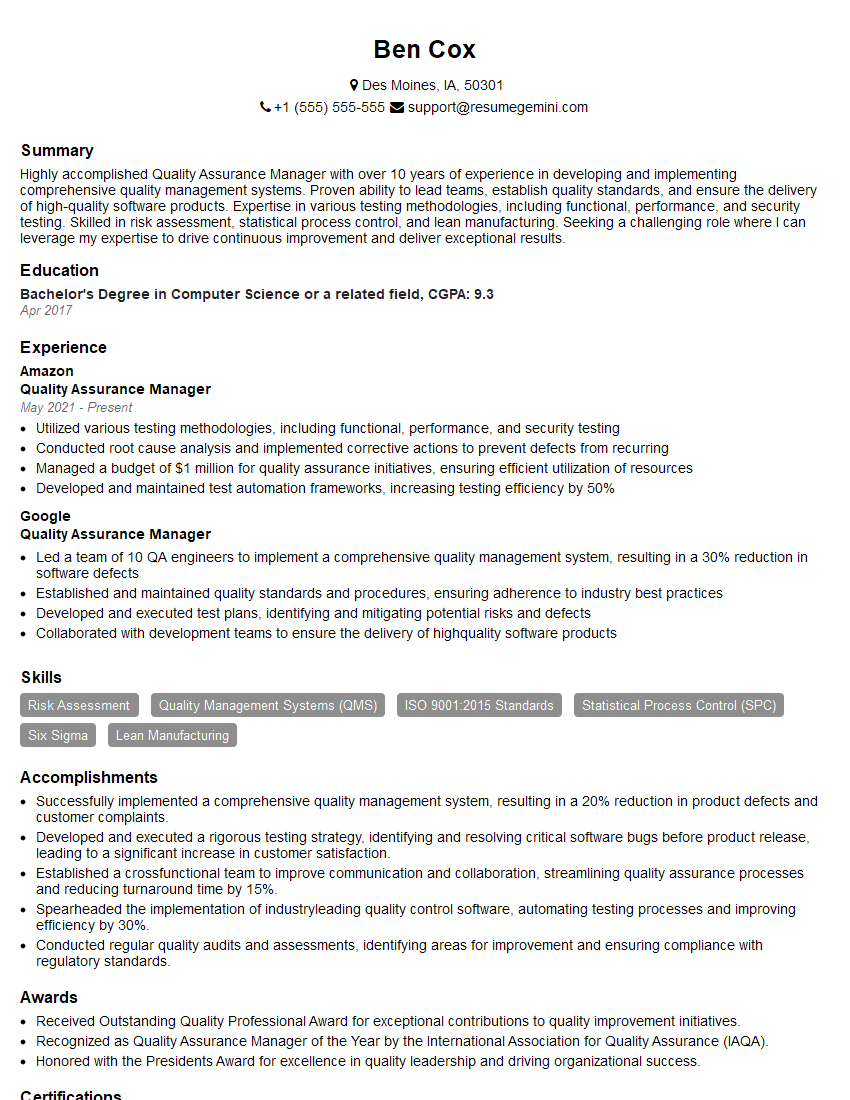
Quality Assurance Manager Resume Sample
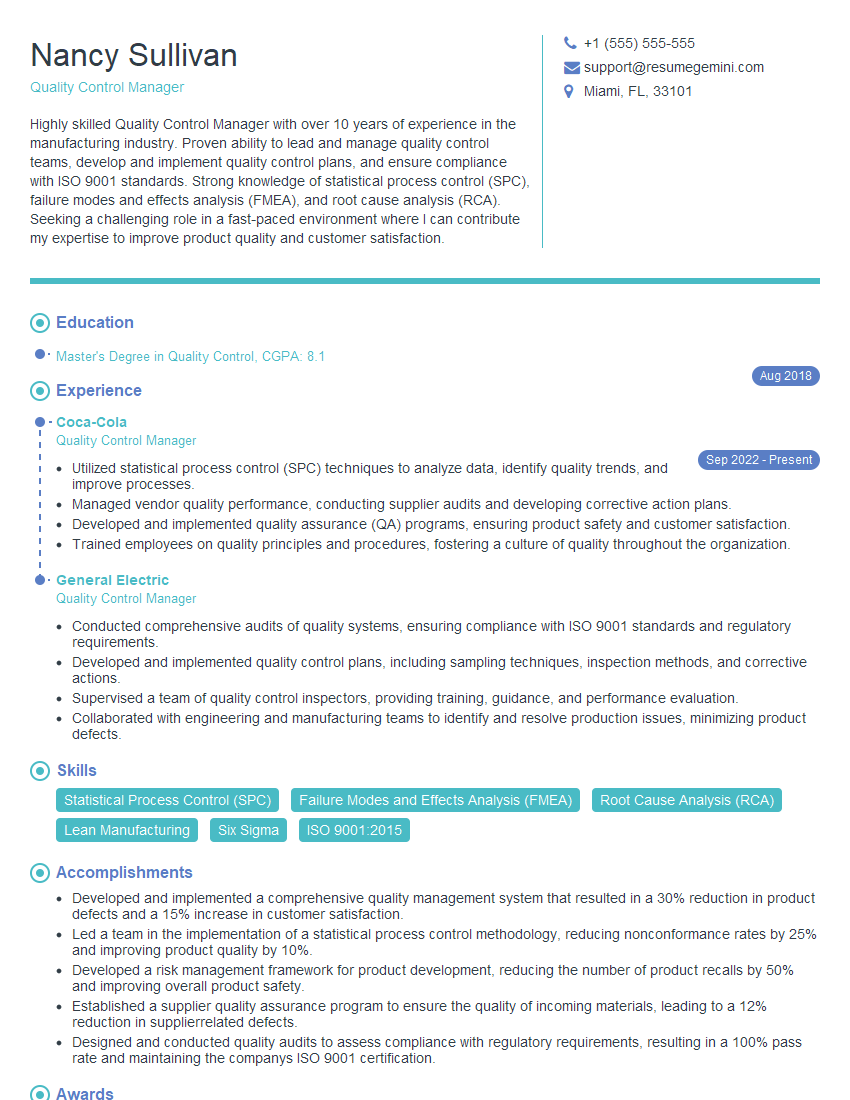
Quality Control Manager Resume Sample
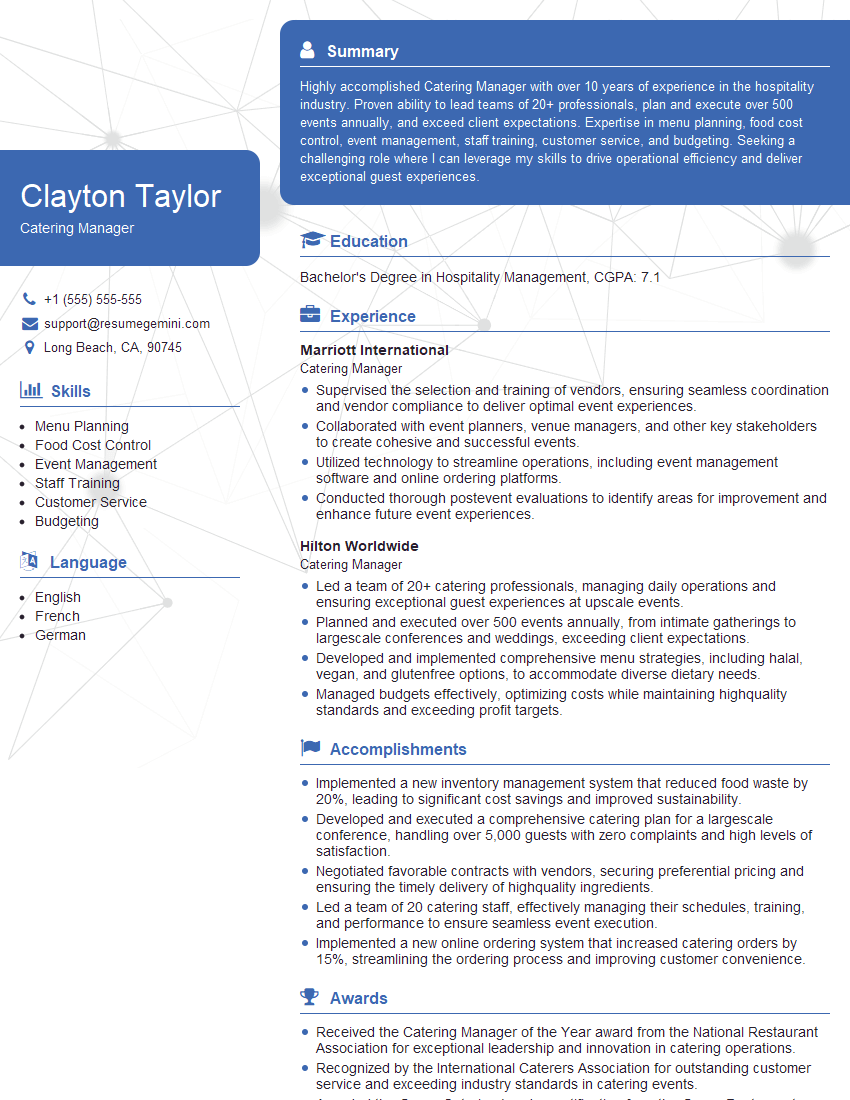
Catering Manager Resume Sample
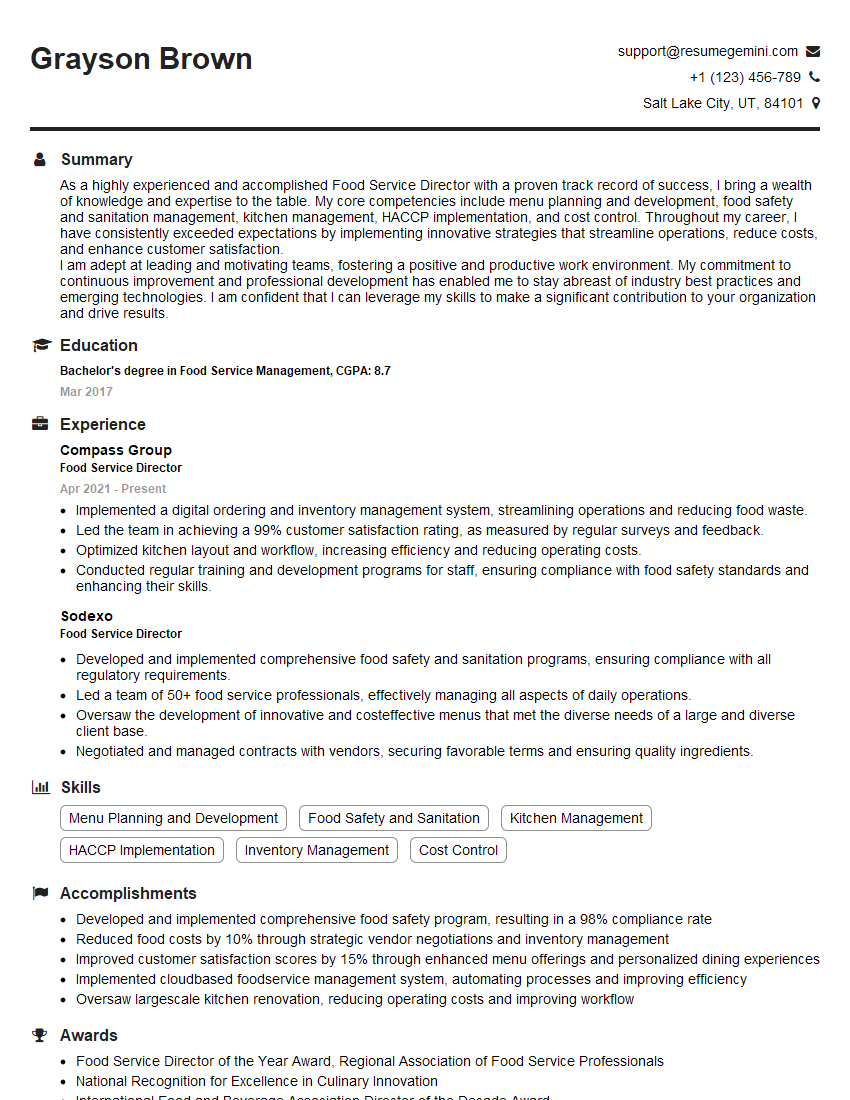
Food Service Director Resume Sample
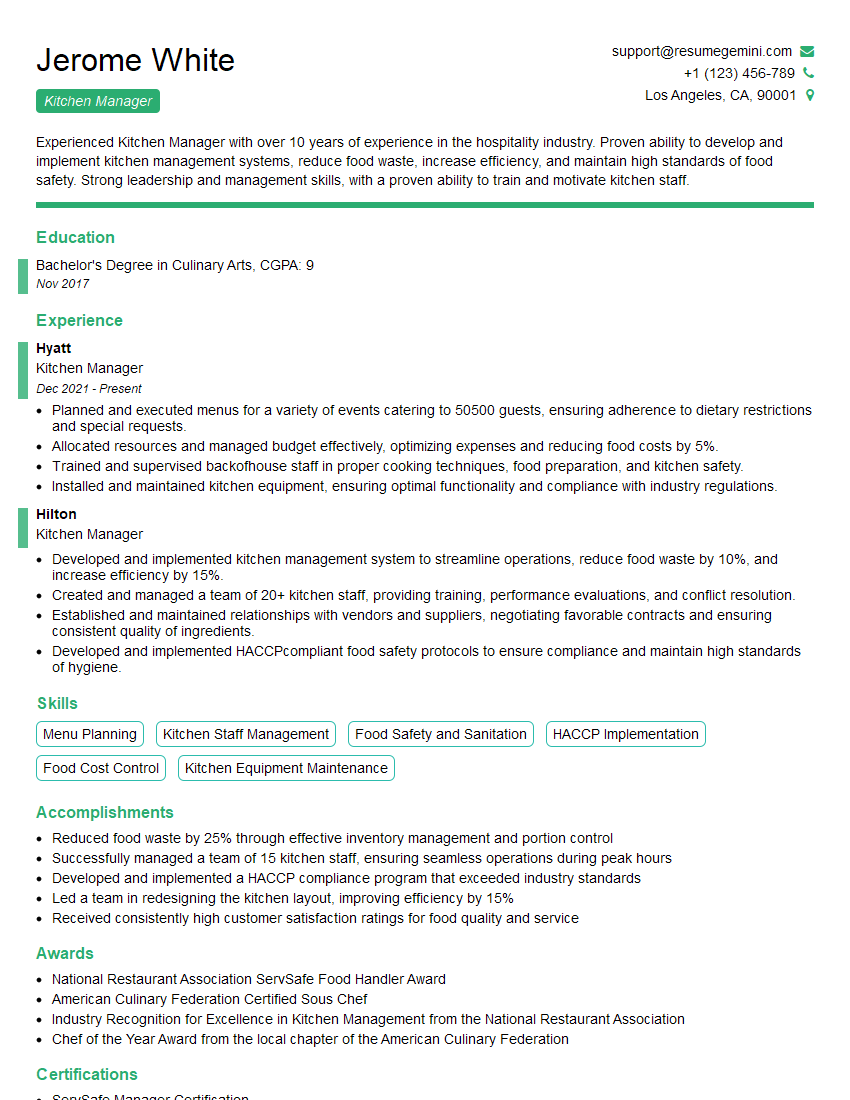
Kitchen Manager Resume Sample
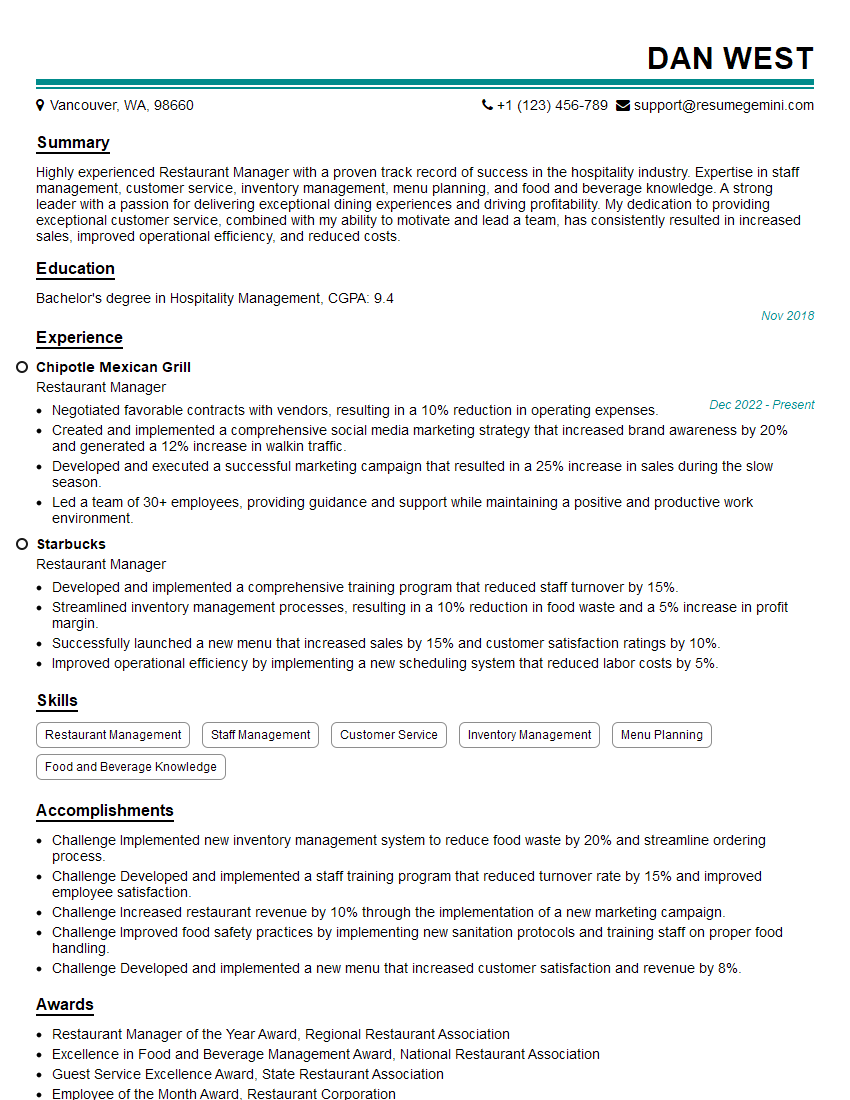
Restaurant Manager Resume Sample
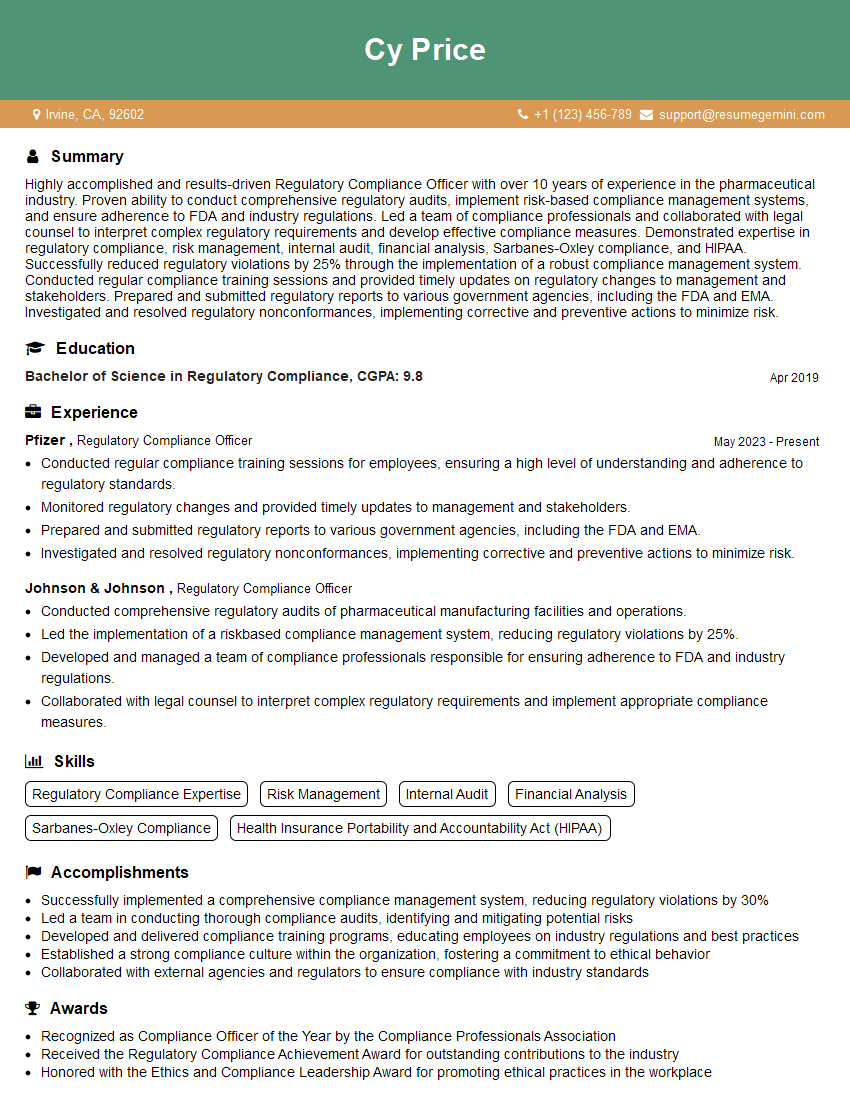
Regulatory Compliance Officer Resume Sample
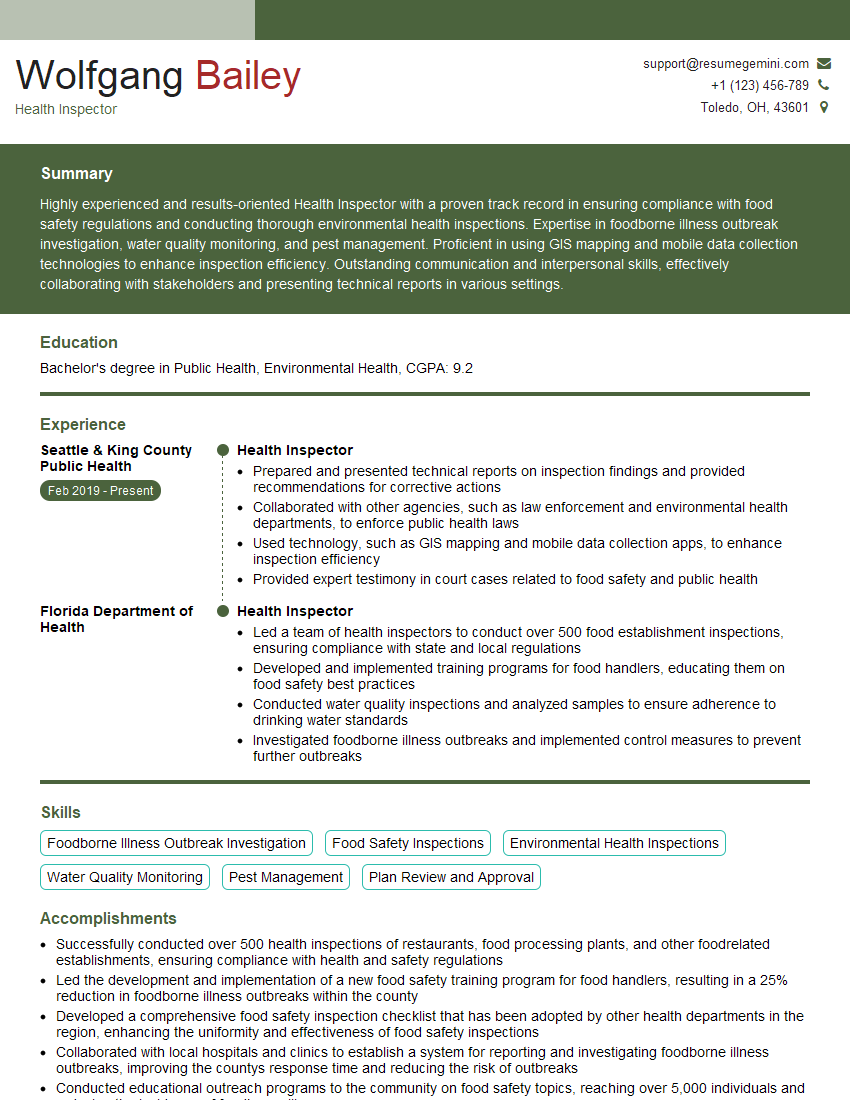
Health Inspector Resume Sample
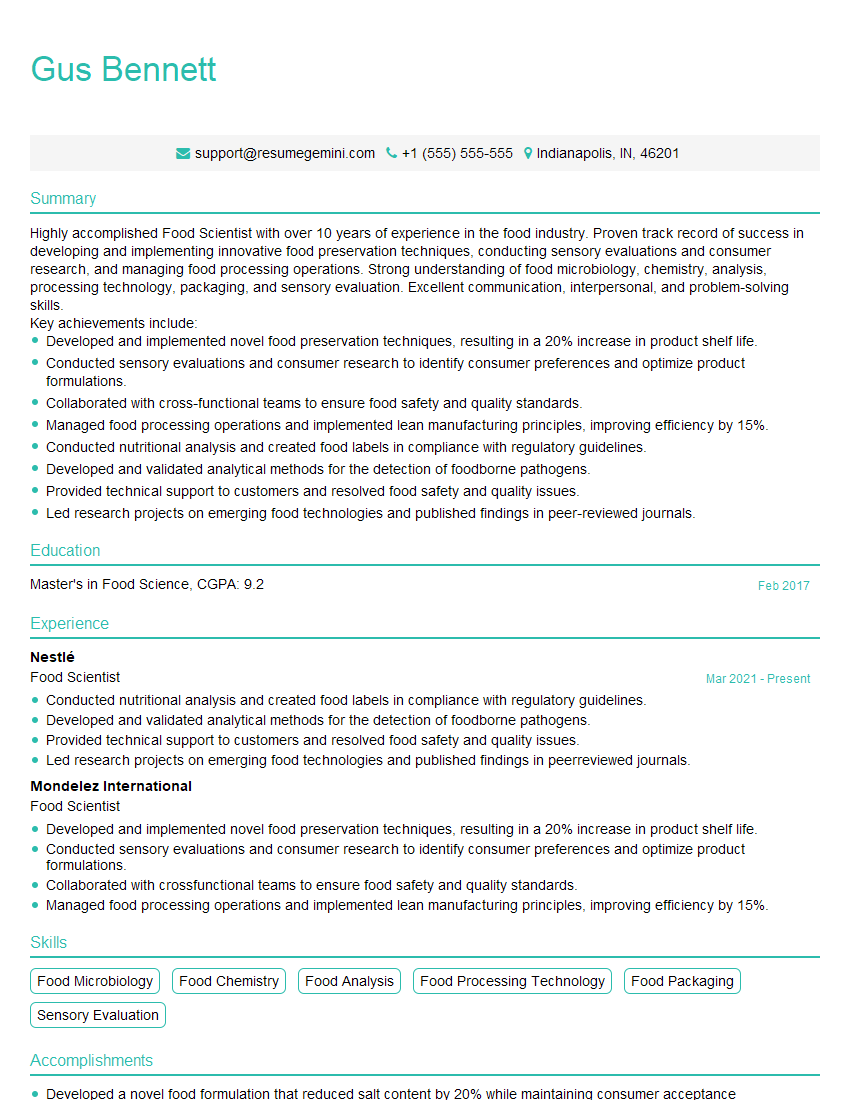
Food Scientist Resume Sample
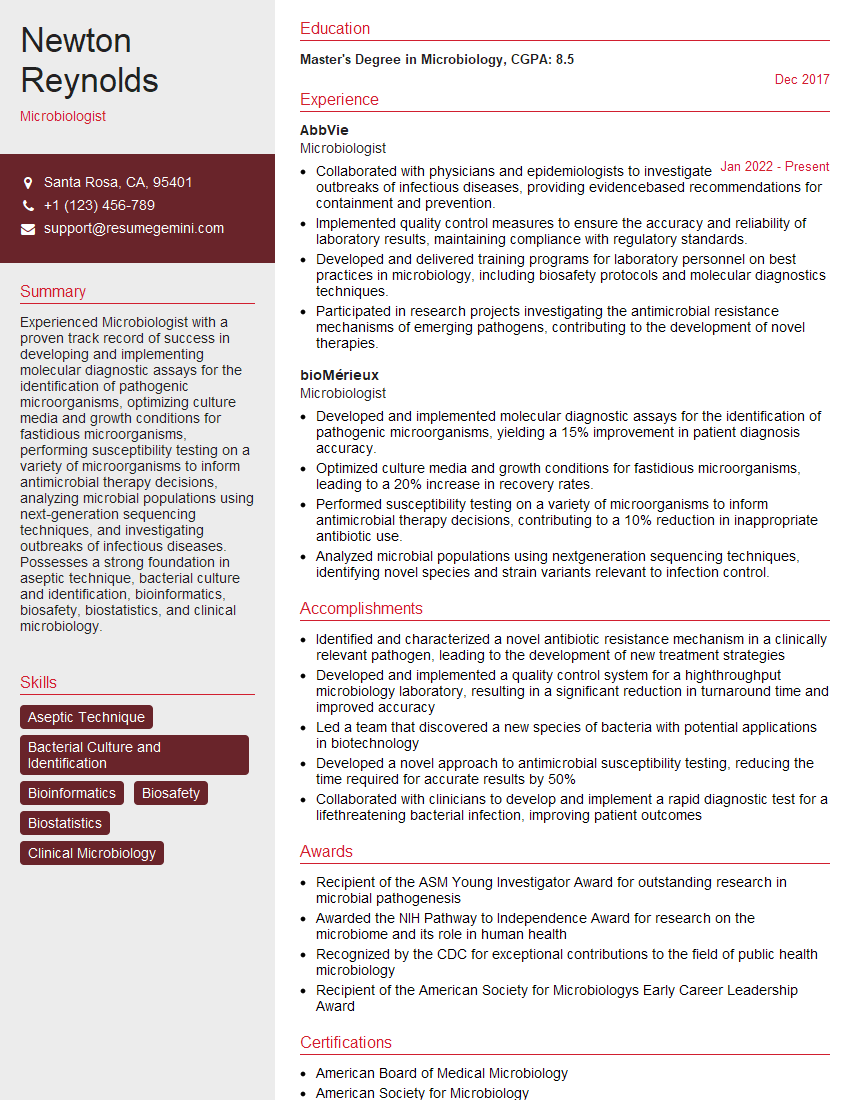
Microbiologist Resume Sample
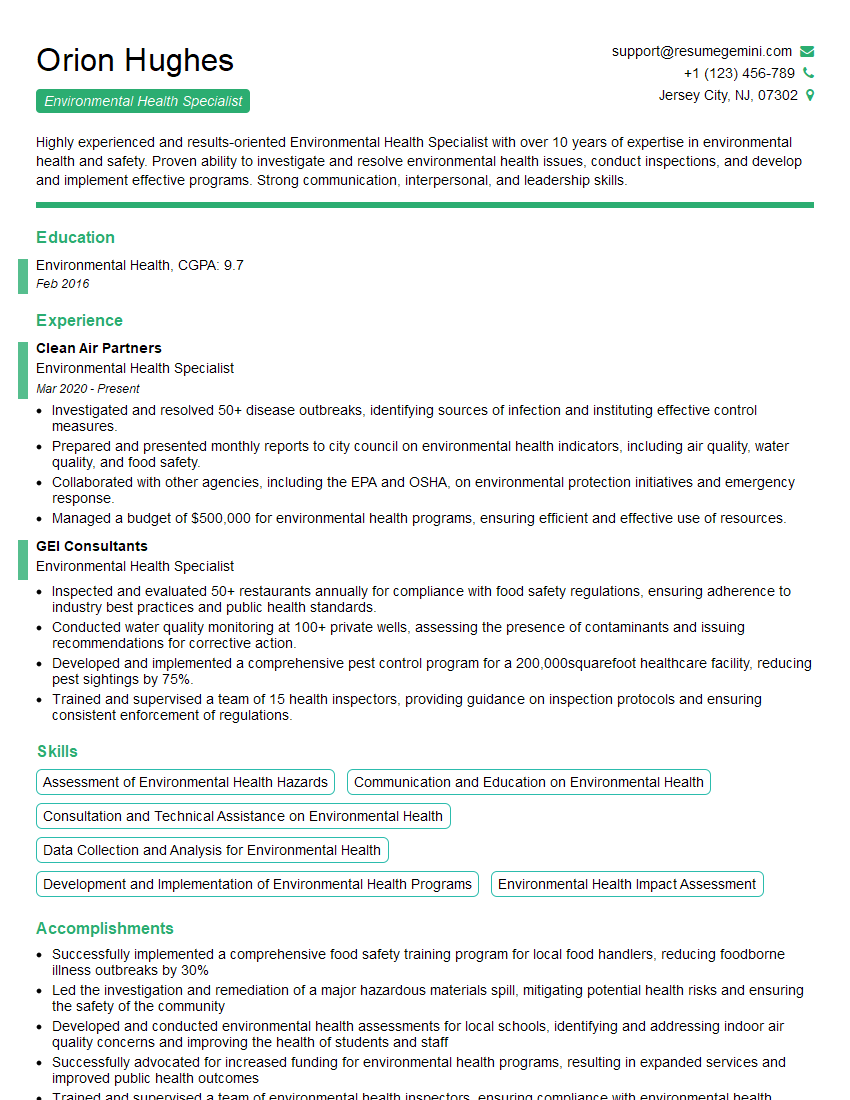
Environmental Health Specialist Resume Sample
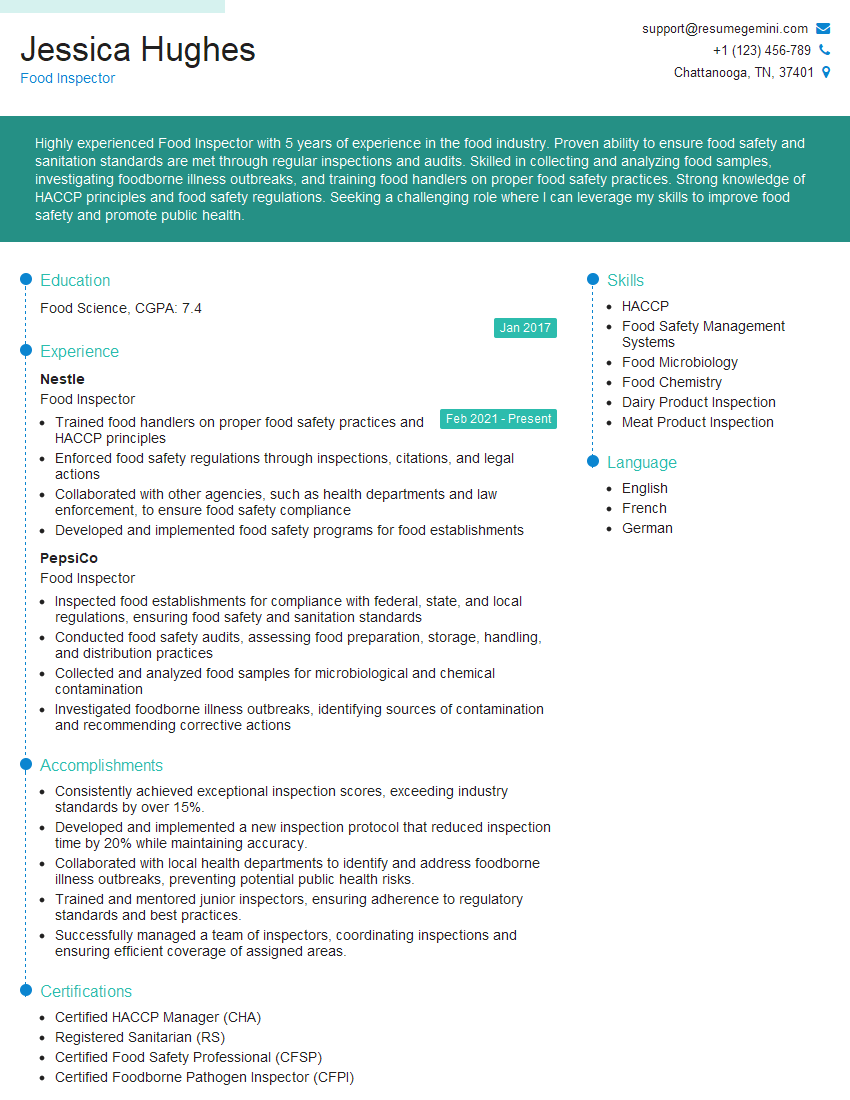
Food Inspector Resume Sample
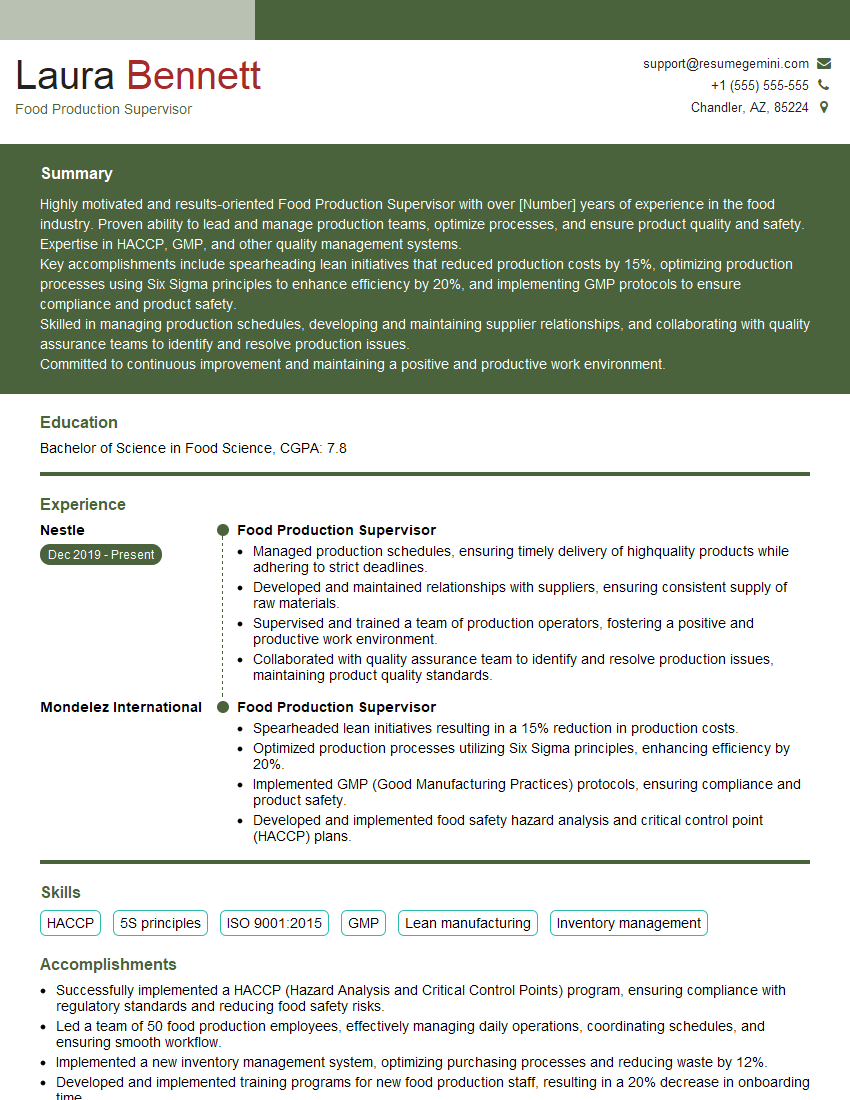
Food Production Supervisor Resume Sample
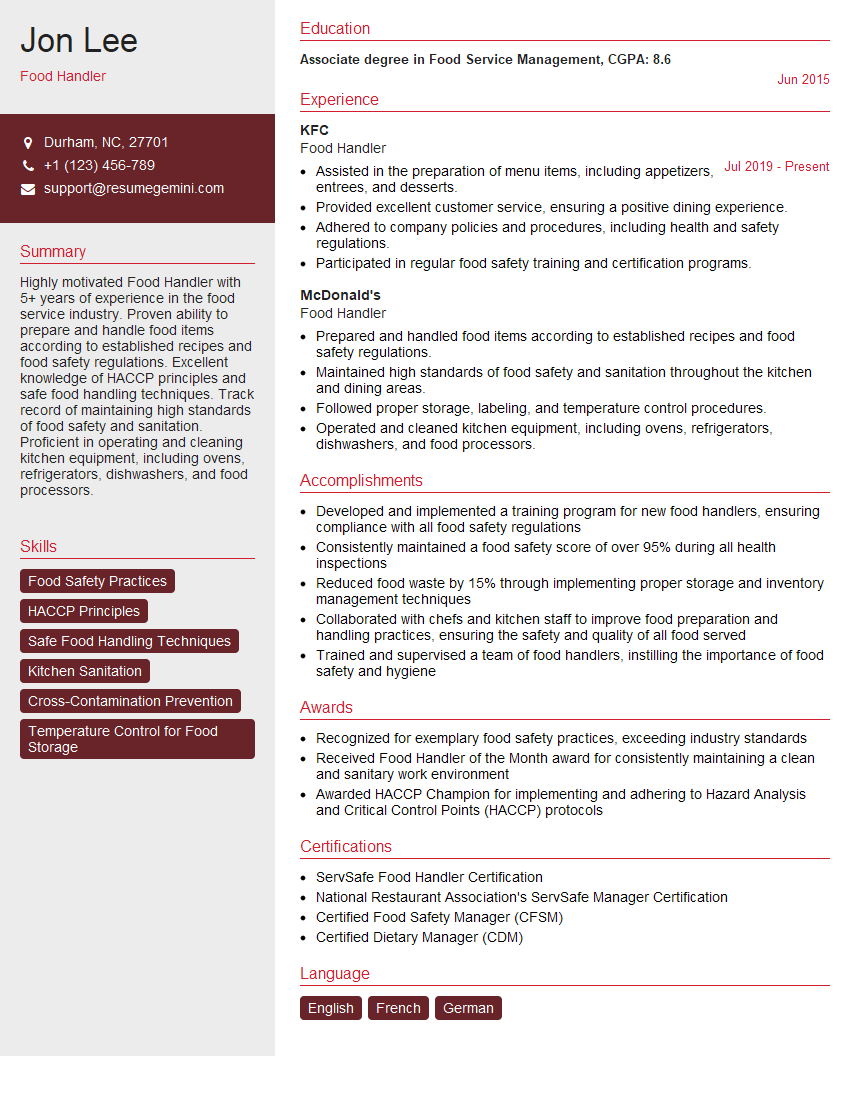
Food Handler Resume Sample
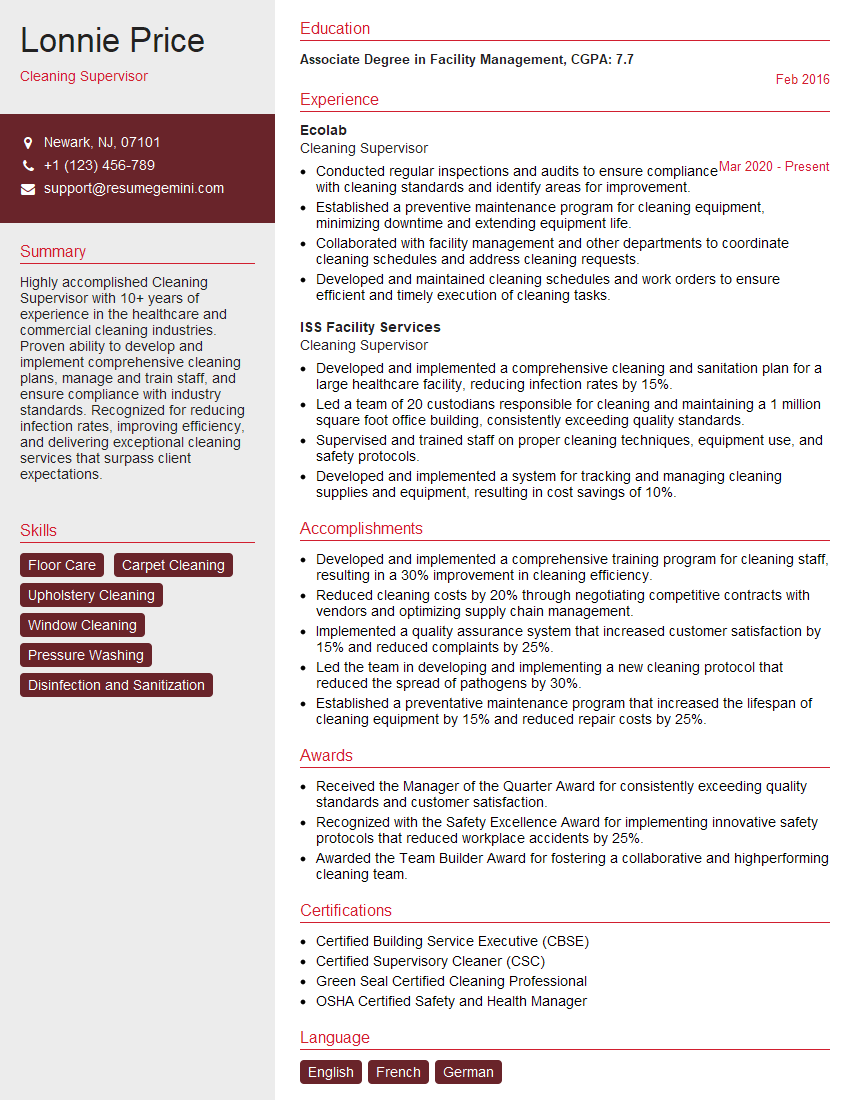
Cleaning Supervisor Resume Sample
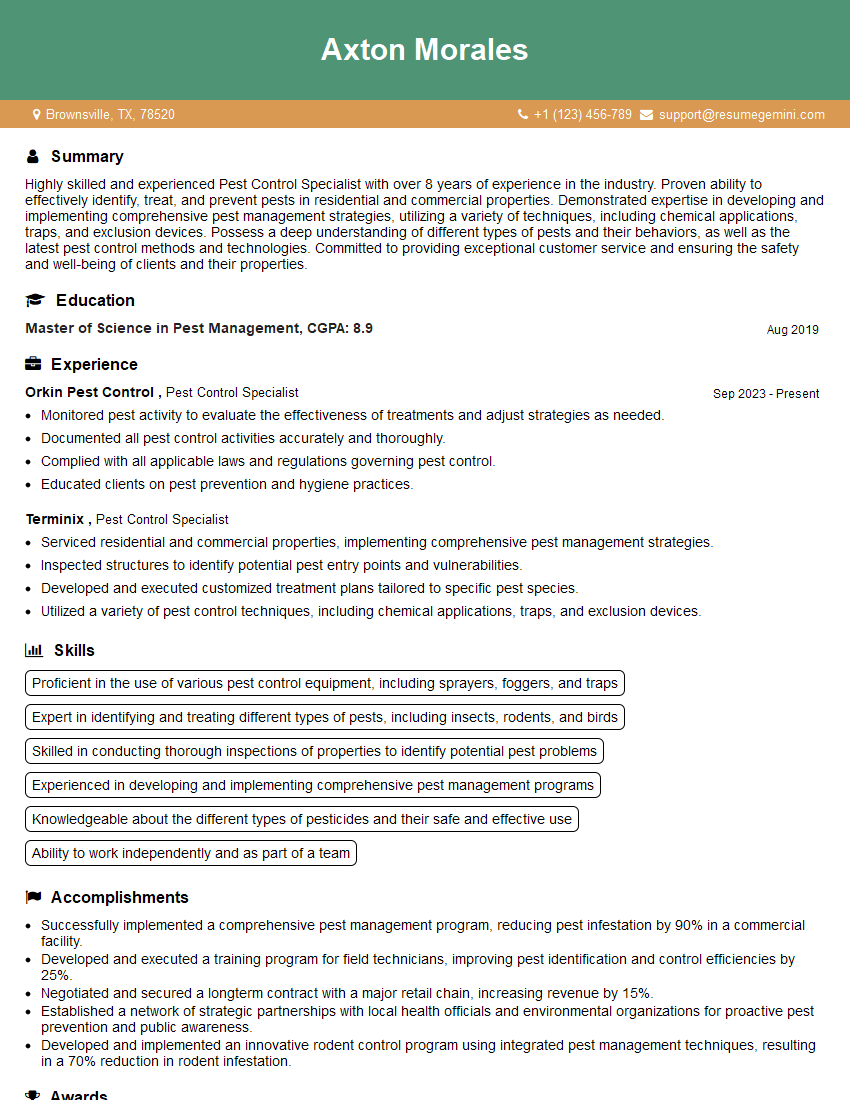
Pest Control Specialist Resume Sample
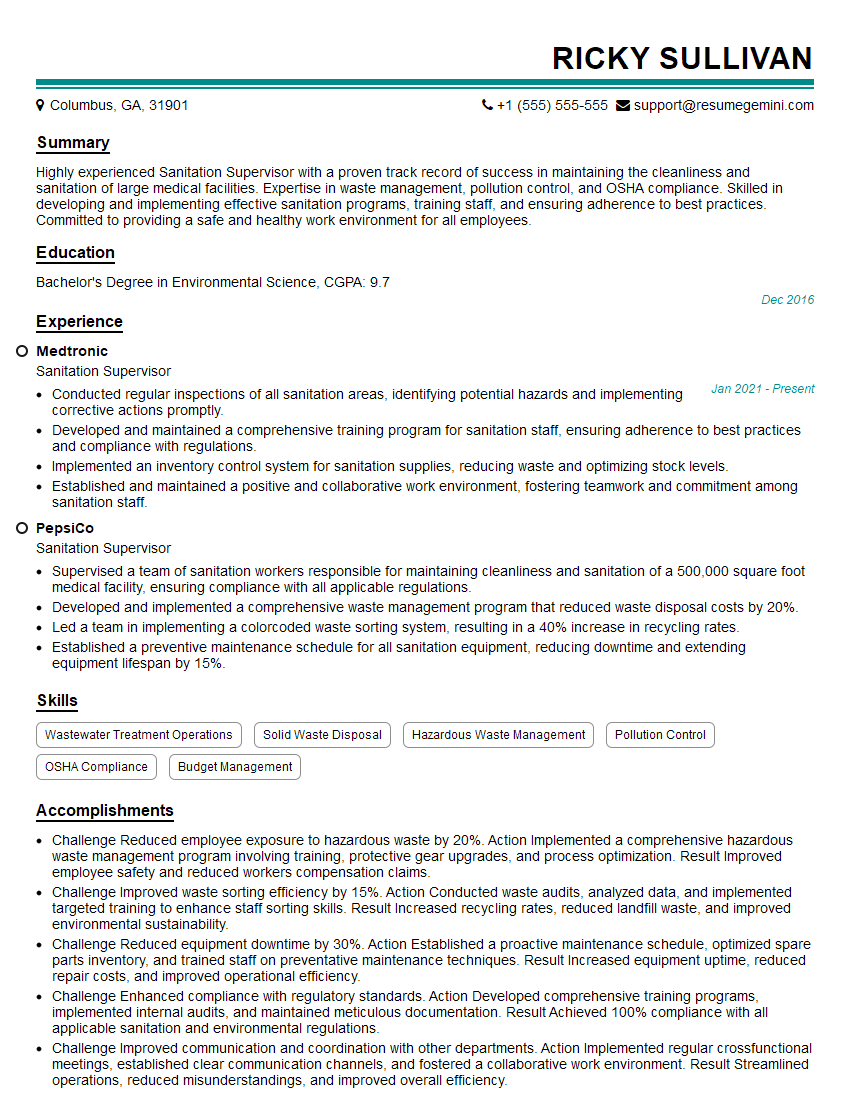
Sanitation Supervisor Resume Sample
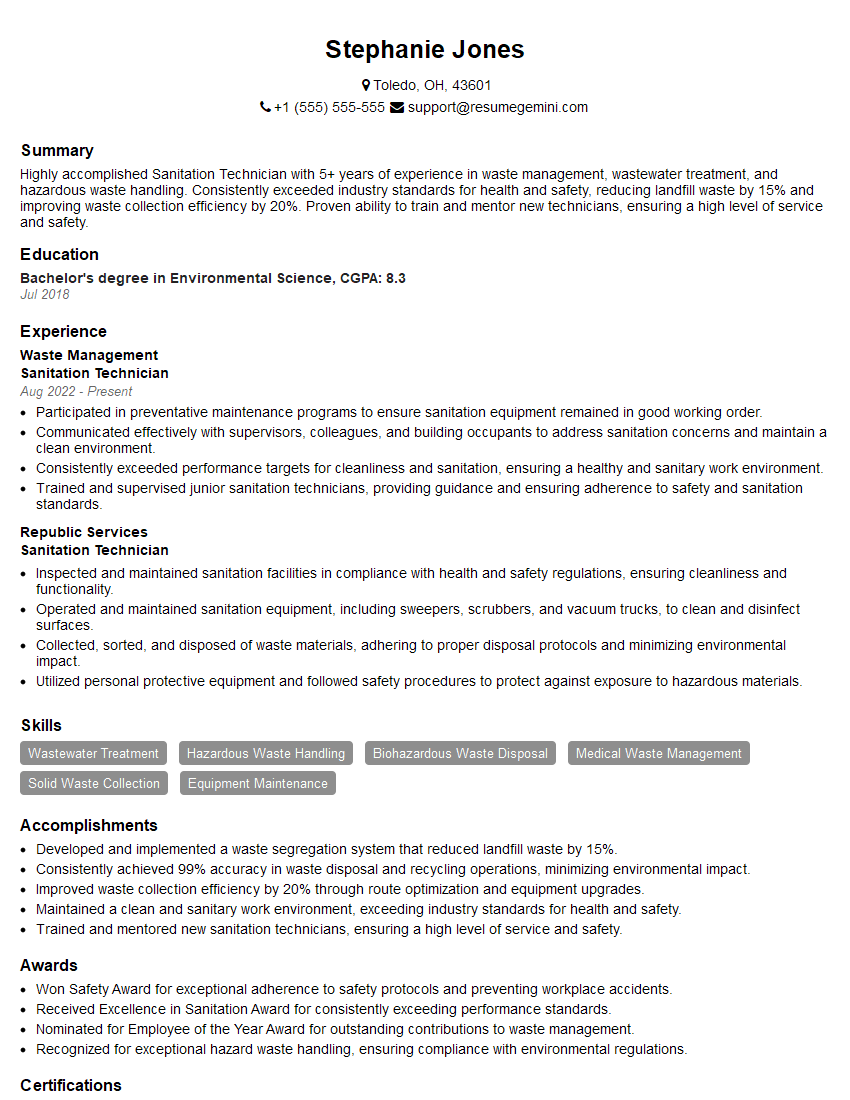
Sanitation Technician Resume Sample
- Quality Assurance Manager
- Quality Control Manager
- Catering Manager
- Food Service Director
- Kitchen Manager
- Restaurant Manager
- Regulatory Compliance Officer
- Health Inspector
- Food Scientist
- Microbiologist
- Environmental Health Specialist
- Food Inspector
- Food Production Supervisor
- Food Handler
- Cleaning Supervisor
- Pest Control Specialist
- Sanitation Supervisor
- Sanitation Technician
Explore more articles
Users Rating of Our Blogs
Share Your Experience
We value your feedback! Please rate our content and share your thoughts (optional).
What Readers Say About Our Blog
Really detailed insights and content, thank you for writing this detailed article.
IT gave me an insight and words to use and be able to think of examples