The right preparation can turn an interview into an opportunity to showcase your expertise. This guide to HAZ Prediction and Control interview questions is your ultimate resource, providing key insights and tips to help you ace your responses and stand out as a top candidate.
Questions Asked in HAZ Prediction and Control Interview
Q 1. Describe your experience conducting HAZOP studies.
HAZOP (Hazard and Operability) studies are a systematic and proactive technique used to identify potential hazards and operability problems within a process. My experience encompasses leading and participating in numerous HAZOP studies across various industries, including chemical processing, pharmaceuticals, and oil & gas. This involves facilitating multi-disciplinary teams, guiding the process through the defined methodology, and documenting findings and recommendations. A typical study would start with defining the process boundaries and then systematically reviewing each process step using a set of guidewords (e.g., ‘no flow,’ ‘high flow,’ ‘high pressure,’ ‘high temperature’) to brainstorm potential deviations from normal operation. Each deviation is then evaluated for its potential consequences and the effectiveness of existing safeguards. I’ve been involved in HAZOPs from the initial scoping phase to the final report generation and implementation of recommended actions, ensuring the process is comprehensively assessed and potential risks are mitigated.
For example, in a recent HAZOP study of a chemical reactor, we identified a potential for overpressure due to an exothermic reaction. By exploring various scenarios using guidewords, we identified weaknesses in the emergency relief system and developed recommendations for upgrading the system to prevent a catastrophic event. This resulted in specific design changes and improvements in the safety instrumented system. Another project involved a HAZOP of a new pharmaceutical manufacturing plant; the process involved identifying potential contamination risks, which led to the implementation of improved cleaning validation protocols and enhanced containment measures.
Q 2. Explain the difference between qualitative and quantitative risk assessment.
Qualitative and quantitative risk assessments both aim to identify and evaluate risks, but they differ significantly in their approach and the level of detail they provide. A qualitative risk assessment focuses on the nature of risks, typically expressed in terms of likelihood and severity, often using descriptive scales (e.g., low, medium, high). It’s a more subjective approach, relying on expert judgment and experience to characterize the risk. It’s often the first step in the risk assessment process, providing a broad overview of potential hazards. Think of it as a ‘big picture’ view.
On the other hand, a quantitative risk assessment uses numerical data and statistical methods to calculate the probability and potential consequences of identified hazards. This involves assigning numerical values to likelihood and severity, often using historical data, failure rate data, or simulation models. It offers a more precise and objective measure of risk, allowing for comparisons between different risks and the prioritization of mitigation efforts. Think of it as the detailed ‘close-up’ view. For instance, it might quantify the risk of a fire in a particular facility by calculating the probability of ignition, the potential for propagation, and the potential consequences in terms of financial loss and environmental damage.
In practice, a qualitative assessment might be used initially to screen a large number of hazards, then a quantitative analysis can be conducted on the highest-ranked hazards to provide a more precise risk evaluation.
Q 3. What are the key elements of a Bow-Tie analysis?
A Bow-Tie analysis is a visual risk assessment tool that presents a comprehensive view of a hazard’s causes, consequences, and preventative and mitigative measures. It resembles a bow tie, with the hazard in the center. The ‘left-hand side’ illustrates the potential causes or initiating events that could lead to the hazard, and the ‘right-hand side’ depicts the potential consequences. The ‘bow tie’ shape represents the preventative and mitigative measures put in place to prevent the initiating events or mitigate the consequences.
Key elements include:
- Hazard: The central event or condition that poses a risk.
- Causes/Initiating Events: The events or conditions that could trigger the hazard.
- Preventative Measures: Actions taken to prevent the initiating events from occurring (e.g., engineering controls, administrative controls, procedures).
- Consequences: The potential outcomes or impacts of the hazard if it occurs.
- Mitigative Measures: Actions taken to reduce the severity or likelihood of consequences (e.g., safety systems, emergency response plans).
A Bow-Tie analysis effectively communicates risk information, facilitating better understanding and collaboration among stakeholders involved in risk management.
Q 4. How do you identify and evaluate hazards in a process?
Identifying and evaluating hazards in a process requires a systematic and multi-disciplinary approach. It often begins with a thorough understanding of the process itself, including its design, operating procedures, and potential failure modes. This typically involves several key steps:
- Hazard Identification Techniques: This could include HAZOP studies, Failure Modes and Effects Analysis (FMEA), What-If analysis, checklists, and process safety audits. Each method has its own strengths and weaknesses and the choice depends on the complexity and context of the process.
- Process Flow Diagrams (PFDs) and Piping and Instrumentation Diagrams (P&IDs): These diagrams provide a visual representation of the process, enabling a more comprehensive understanding of the flow of materials, energy, and information. They’re critical for identifying potential points of failure.
- Data Collection: Gathering relevant data, including historical incident data, operating parameters, and equipment specifications, is essential for a comprehensive risk assessment.
- Hazard Categorization: Once identified, hazards are categorized based on severity and likelihood, often using a risk matrix. This helps in prioritizing the hazards for further investigation and mitigation.
- Risk Evaluation: This involves assessing the potential consequences of each hazard, including environmental damage, human injury, and economic loss. This often involves both qualitative and quantitative analysis, as mentioned previously.
For example, when evaluating a chemical storage facility, a HAZOP might identify potential leakage scenarios due to equipment failure. Then a quantitative analysis might assess the likelihood of leakage based on historical data and estimate the potential consequences based on the toxicity of the chemical and the surrounding environment. This allows for a well-informed decision on the required level of mitigation measures.
Q 5. What are the common causes of process safety incidents?
Process safety incidents are often rooted in a combination of factors, but some common causes stand out:
- Human Error: This encompasses a wide range of errors, from procedural deviations to equipment misoperation, and is a significant contributor to many incidents. It is crucial to design processes and systems that are robust to human error.
- Equipment Failure: Mechanical failure, corrosion, fatigue, and inadequate maintenance can all contribute to process safety incidents. A rigorous maintenance program and timely equipment upgrades are crucial.
- Design Deficiencies: Poorly designed processes or equipment, lacking appropriate safety features or lacking consideration for hazards, are major contributors to incidents. This highlights the importance of thorough hazard identification and risk assessment during the design phase.
- Management System Failures: Weak safety culture, inadequate training, insufficient communication, and a lack of commitment to safety from management can create conditions that increase the likelihood of incidents. This underlines the critical role of leadership in establishing a robust safety culture.
- External Events: Natural disasters, such as floods, earthquakes, or extreme weather conditions, can also contribute to process safety incidents. Resilient designs and robust emergency response plans are essential in such cases.
Understanding these common causes helps in implementing proactive measures to prevent incidents and improve overall process safety.
Q 6. Describe your experience with Layer of Protection Analysis (LOPA).
Layer of Protection Analysis (LOPA) is a quantitative risk assessment technique used to determine the required number of independent protection layers (safety instrumented systems, alarms, procedures) necessary to reduce the risk of a major process hazard to an acceptable level. My experience with LOPA includes conducting assessments for various process units, focusing on scenarios with serious consequences. I have used LOPA to analyze complex systems, integrating data from various sources to accurately determine the risk reduction achieved by each safety layer.
The process typically involves:
- Defining the hazard scenario and its consequences: Establishing the initiating event, potential failures, and the severity of the event.
- Identifying the protection layers: Determining the layers currently in place, such as high-level alarms, automatic shutdowns, and pressure relief valves.
- Assessing the failure probability of each layer: Utilizing failure rate data to calculate the probability of each layer failing to function properly. This data might come from industry standards or specific component data.
- Calculating the risk reduction achieved by each layer: Determining the reduction in risk achieved by combining the layers in a series.
- Determining the required number of protection layers: Comparing the calculated risk reduction to the target risk to determine whether additional safety layers are needed.
For example, in a refinery LOPA study, we assessed the risk associated with an overpressure scenario in a distillation column. The analysis identified the existing protection layers, such as pressure relief valves and high-level alarms. By evaluating their failure probabilities and combining the probabilities, we determined that additional layers were required to achieve the desired risk reduction. This led to the implementation of further safety instrumented systems (SIS) to enhance the safety level of the process.
Q 7. Explain the concept of Inherent Safety.
Inherent safety is a design philosophy focused on minimizing hazards at the source by fundamentally changing the process or substance to reduce or eliminate the potential for accidents. It’s about designing safety into the process from the very beginning, rather than relying solely on safety systems to mitigate risks after they have been identified. This approach is fundamentally different from adding layers of protection, because it tackles the hazard itself.
Strategies for achieving inherent safety include:
- Substitution: Replacing hazardous materials with less hazardous alternatives. For example, using water instead of a flammable solvent.
- Minimization: Reducing the amount of hazardous materials used or stored in the process. This can involve using smaller quantities or employing continuous processes.
- Moderation: Operating the process at less hazardous conditions, such as lower temperatures or pressures.
- Simplification: Reducing the complexity of the process to minimize potential failure points and reduce the number of hazardous operations.
- Intensification: Enhancing the process efficiency, to reduce the overall size and complexity of the unit.
Inherent safety is a proactive strategy that focuses on preventing accidents before they occur. It represents a more fundamental and robust approach to safety than simply adding layers of protection after hazards have been identified. Imagine a factory producing a chemical. Inherent safety would involve choosing a less toxic chemical to begin with, or reducing the amount of chemical needed in the process.
Q 8. How do you determine the risk acceptability criteria for a project?
Determining risk acceptability is a crucial step in any HAZOP (Hazard and Operability Study) or risk assessment process. It’s not about eliminating all risk—that’s often impossible—but about managing it to an acceptable level. This involves balancing the likelihood and consequences of hazards against the cost and feasibility of mitigation measures. We use a combination of quantitative and qualitative methods.
Quantitative methods might involve calculating risk using risk matrices (combining probability and severity scores), or more sophisticated techniques like fault tree analysis (FTA) and event tree analysis (ETA) to determine probabilities and consequences numerically.
Qualitative methods involve expert judgment, stakeholder input (consider community impact), and ALARP (As Low As Reasonably Practicable) principles. ALARP acknowledges that eliminating all risk is often impractical or economically infeasible; the goal is to reduce risk to a level where further reduction is disproportionately expensive or difficult.
In practice: Imagine a chemical plant. A quantitative risk assessment might show a small probability of a major release, but the consequences (environmental damage, human injury) are severe. Qualitative factors—public perception, regulatory requirements—would influence whether that level of risk is deemed acceptable. The company might invest in additional safety systems, even if the return on investment is marginal, to improve public trust and meet regulatory compliance.
- Establishing clear criteria: Defining acceptable risk levels often involves setting tolerance levels for different consequence categories (e.g., fatality, injury, environmental damage).
- Risk ranking: Prioritizing hazards based on their overall risk level (likelihood x severity).
- Stakeholder involvement: Consulting with various stakeholders, including employees, management, regulators, and the community, to ensure a balanced perspective on risk acceptability.
Q 9. What are your experiences with Failure Modes and Effects Analysis (FMEA)?
Failure Modes and Effects Analysis (FMEA) is a proactive risk assessment technique I’ve used extensively. It systematically examines potential failure modes in a system or process, evaluating the severity, occurrence, and detection of each failure. The result is a risk priority number (RPN), which helps prioritize mitigation efforts.
My experience encompasses FMEAs for diverse projects, from designing safety-critical systems in oil and gas facilities to evaluating processes in pharmaceutical manufacturing. I’ve led FMEA workshops, facilitating team discussions to identify potential failures and collaboratively assigning severity, occurrence, and detection ratings.
Practical application: In one project involving a new automated control system for a pipeline, we used FMEA to anticipate potential failures, such as sensor malfunctions or software glitches. This allowed us to design redundant systems, implement thorough testing procedures, and develop detailed emergency response plans—significantly reducing the risk of operational disruptions and potential incidents.
Beyond the standard FMEA, I’ve also worked with advanced techniques like Fault Tree Analysis (FTA) and Event Tree Analysis (ETA) which build upon the information gathered during FMEA to give a more quantitative evaluation of risk.
Q 10. Explain your understanding of consequence modeling.
Consequence modeling is the process of predicting and evaluating the potential impacts of a hazardous event. It goes beyond simply identifying hazards; it quantifies the effects, considering both the direct and indirect consequences.
This involves defining scenarios (e.g., a fire, an explosion, a toxic release), assessing the potential severity (e.g., fatalities, injuries, environmental damage, property damage, business disruption), and determining the spatial and temporal extent of these impacts. We often use specialized software, computational fluid dynamics (CFD) models, or dispersion models to simulate the spread of hazardous materials.
For example, in a consequence modeling exercise for a chemical plant, we might simulate a release of a toxic gas, predicting the concentration levels downwind and estimating the potential affected area. This information is then used to develop evacuation plans, emergency response strategies, and establish safety zones.
The output of consequence modelling informs the overall risk assessment, allowing for a more accurate determination of risk levels and the prioritization of safety measures. It is an integral part of regulatory submissions, demonstrating the effectiveness of safety systems and providing evidence-based decision-making.
Q 11. How do you handle conflicting priorities between safety and production?
Balancing safety and production is a constant challenge. My approach involves a collaborative and transparent process that prioritizes safety without unnecessarily hindering production. It’s about finding the optimal balance, not a compromise.
Strategies include:
- Clear communication: Openly communicating safety concerns to all stakeholders, ensuring that everyone understands the potential consequences of shortcuts or overlooking safety protocols.
- Risk-based decision-making: Prioritizing mitigation efforts based on a quantitative and qualitative risk assessment. Addressing the most significant risks first. This often involves cost-benefit analysis, incorporating safety considerations into the financial planning.
- Implementing robust safety systems: Investing in reliable and effective safety systems, such as process safety management (PSM) systems, that enhance safety without disrupting productivity.
- Continuous improvement: Regularly reviewing safety procedures, identifying areas for improvement, and adapting to evolving technologies and best practices. The use of leading indicators helps to predict and prevent incidents before they happen.
- Employee empowerment: Empowering employees to raise safety concerns without fear of reprisal. This fosters a culture of safety where everyone contributes to risk reduction.
Example: In a manufacturing setting, a production manager might want to increase output by running equipment at higher speeds. However, a thorough risk assessment might reveal that this increases the risk of equipment failure, potentially leading to injuries. Through collaborative discussions, the team could find an alternative solution— perhaps upgrading the equipment or implementing improved maintenance procedures—that would ensure both increased productivity and enhanced safety.
Q 12. Describe your experience with safety instrumented systems (SIS).
Safety Instrumented Systems (SIS) are crucial for preventing or mitigating hazardous events. My experience includes designing, implementing, and testing SIS across various industries. I am familiar with industry standards such as IEC 61508 and 61511.
My experience covers the entire lifecycle of SIS, from hazard identification and risk assessment to design, specification, procurement, installation, commissioning, and ongoing maintenance. I understand the importance of SIL (Safety Integrity Level) ratings and the selection of appropriate safety devices to achieve the required SIL levels. I’ve worked with various SIS architectures, including those based on Programmable Logic Controllers (PLCs) and other safety-related systems.
Example: In a refinery project, we implemented a SIS to shut down a process unit in case of a high-pressure alarm. This involved selecting appropriate pressure sensors, a safety PLC, and emergency shutdown valves, all designed and tested to meet the required SIL level. We also developed comprehensive testing and maintenance plans to ensure the ongoing reliability and effectiveness of the SIS.
I’m well-versed in using SIS diagnostic tools for regular maintenance and testing, and in performing safety lifecycle assessments for compliance with industry regulations and standards.
Q 13. What are the different types of safety relief devices and their applications?
Safety relief devices are critical components of process safety systems, designed to protect equipment and personnel from overpressure, overtemperature, or other hazardous conditions. Several types exist, each with specific applications:
- Pressure Relief Valves (PRVs): These are the most common type, automatically opening when the pressure in a vessel or system exceeds a predetermined setpoint. They’re used in numerous applications, including pressure vessels, reactors, and pipelines.
- Rupture Disks (RDs): These are pressure-relief devices that rupture at a specific pressure, providing a single-use pressure relief. They’re often preferred in situations where a very quick release is needed, or where contamination of the process fluid is a major concern.
- Safety Relief Valves (SRVs) (often interchangeable with PRVs): These valves are designed to relieve excess pressure from a system. The difference lies mainly in their design and applications; SRVs can operate at higher pressures and temperatures than PRVs and sometimes include more advanced features like reset mechanisms.
- Vacuum Relief Valves: These valves prevent the formation of a vacuum within a vessel or system, which could cause collapse. They operate similarly to pressure relief valves, but open when the pressure drops below a setpoint.
- Flame Arresters: These devices prevent the propagation of flames through vents, pipes, or other openings, protecting against fire and explosion hazards. They are often used in conjunction with other safety relief devices.
Applications vary based on the specific hazard: PRVs are widely used in chemical processing, oil and gas, and power generation. Rupture disks are particularly useful in situations where preventing contamination is critical or where there are significant pressure surges. Vacuum relief valves are often needed in vacuum systems to prevent implosion.
Q 14. Explain your experience with developing safety procedures and training materials.
Developing effective safety procedures and training materials is essential for fostering a strong safety culture. My approach is to create clear, concise, and practical documents and training programs that are tailored to the specific needs of the workforce.
My experience includes developing safety procedures for a range of operations, from routine maintenance tasks to emergency response scenarios. I’ve created various training materials, including manuals, presentations, videos, and interactive simulations. I always consider the literacy levels and technical skills of the trainees when designing the training materials.
Key aspects of my approach:
- Needs assessment: Identifying the specific knowledge, skills, and attitudes required for safe operation. This involves understanding the risks associated with the task and the potential consequences of errors.
- Clear and concise language: Writing procedures and training materials in plain language, avoiding technical jargon whenever possible. Using visuals (diagrams, illustrations, videos) to enhance understanding.
- Practical exercises and scenarios: Incorporating hands-on training and realistic scenarios to help trainees develop practical skills and decision-making capabilities. Using simulations allows for safe practice of complex procedures.
- Regular review and updates: Ensuring that safety procedures and training materials remain current and relevant. This often involves reviewing them after incidents or near misses and incorporating lessons learned.
- Testing and evaluation: Evaluating the effectiveness of training programs through quizzes, practical tests, and observation of trainees in the workplace. Ensuring that training has a significant impact on work practices and attitudes.
Example: When developing safety procedures for lockout/tagout procedures, I would create a step-by-step guide with clear diagrams and photographs. The training would involve practical demonstrations and hands-on exercises, ensuring that all employees can correctly perform the procedure and understand the potential hazards.
Q 15. How do you ensure effective communication of safety information to all stakeholders?
Effective communication of safety information is paramount in HAZ prediction and control. It’s not just about disseminating information; it’s about ensuring understanding and buy-in from all stakeholders – from frontline operators to senior management. My approach is multi-faceted and employs various communication channels tailored to the audience and the information’s complexity.
- Tailored Communication Strategies: I adapt my communication style to the audience. For example, complex technical details regarding a specific process hazard are presented differently to engineers than to plant operators. Operators need clear, concise instructions and visual aids; engineers require detailed technical reports and analyses.
- Multiple Communication Channels: I utilize a variety of channels to ensure broad reach. This includes toolbox talks, safety briefings, written procedures (SOPs), training manuals, digital dashboards displaying key safety metrics, and regular safety newsletters. We also leverage visual communication methods such as posters and videos to reinforce key safety messages.
- Interactive Communication and Feedback Loops: To ensure understanding and engagement, I incorporate interactive elements such as quizzes, simulations, and regular feedback sessions. This allows me to gauge comprehension and address any misunderstandings promptly. We also actively solicit feedback from employees to improve our communication strategies and address concerns.
- Language Accessibility: In multinational or diverse workforces, it’s critical to provide information in multiple languages to ensure everyone receives and understands the safety messages. Using clear, simple language devoid of technical jargon is also essential for clarity.
- Regular Audits and Reviews: We regularly audit our communication strategies to check their effectiveness. This involves reviewing communication logs, conducting employee surveys, and analyzing incident reports to identify any communication-related gaps or areas for improvement.
For example, in a previous role, we implemented a new safety training program using interactive modules and gamification, resulting in a significant increase in employee engagement and knowledge retention, subsequently leading to a reduction in near-miss incidents.
Career Expert Tips:
- Ace those interviews! Prepare effectively by reviewing the Top 50 Most Common Interview Questions on ResumeGemini.
- Navigate your job search with confidence! Explore a wide range of Career Tips on ResumeGemini. Learn about common challenges and recommendations to overcome them.
- Craft the perfect resume! Master the Art of Resume Writing with ResumeGemini’s guide. Showcase your unique qualifications and achievements effectively.
- Don’t miss out on holiday savings! Build your dream resume with ResumeGemini’s ATS optimized templates.
Q 16. How do you conduct a risk matrix and prioritize mitigation efforts?
A risk matrix is a crucial tool for prioritizing mitigation efforts. It visually represents the likelihood and severity of potential hazards. I typically use a qualitative matrix, although quantitative methods can be used when data is sufficient. The process involves:
- Hazard Identification: This step involves a thorough HAZOP (Hazard and Operability) study, checklists, and other risk assessment techniques to identify all potential hazards.
- Likelihood Assessment: We assign a likelihood rating to each hazard (e.g., infrequent, likely, very likely) based on historical data, expert judgment, and process knowledge. We often use a numbered scale (e.g., 1-5).
- Severity Assessment: Each hazard is assigned a severity rating (e.g., minor injury, major injury, fatality) based on the potential consequences. This also uses a numbered scale (e.g., 1-5).
- Risk Prioritization: The likelihood and severity ratings are plotted on a matrix to determine the overall risk level. Hazards falling into the high-risk quadrant are prioritized for mitigation efforts.
- Mitigation Planning: For high-risk hazards, we develop detailed mitigation plans, outlining specific control measures, responsibilities, timelines, and resource allocation.
- Monitoring and Review: The risk matrix is regularly reviewed and updated to reflect changes in the process, technology, or risk perception.
For example, imagine a scenario where a risk matrix reveals that a specific chemical spill has a high likelihood and a severe consequence (e.g., fatality). This would immediately be categorized as a high-risk hazard, requiring immediate implementation of mitigation strategies, such as installing improved containment systems, providing additional personal protective equipment (PPE), and implementing more rigorous spill response procedures.
Q 17. Describe your experience with incident investigation and root cause analysis.
Incident investigation and root cause analysis are critical for learning from past events and preventing future occurrences. My approach follows a structured methodology, typically involving the following steps:
- Incident Factual Data Collection: This includes gathering all relevant information, such as witness statements, process data logs, equipment records, and photographs. This phase is crucial for establishing a clear timeline and understanding the sequence of events.
- Timeline Reconstruction: A detailed timeline of the incident is created to understand the sequence of events leading to the accident. This helps determine the contributing factors.
- Root Cause Analysis Techniques: We utilize various root cause analysis techniques, such as the ‘5 Whys,’ fault tree analysis, fishbone diagrams (Ishikawa diagrams), and event tree analysis, to identify the underlying causes of the incident. The goal is to move beyond simply describing what happened to understanding *why* it happened.
- Contributing Factor Identification: Once the root cause is identified, we analyze contributing factors that exacerbated the situation or made the accident more likely. These often involve human error, equipment failure, or process deficiencies.
- Corrective Actions and Recommendations: Based on the findings, we recommend specific corrective actions to eliminate or mitigate the identified root causes and contributing factors. This might involve engineering controls, procedural changes, employee training, or improved equipment maintenance.
- Implementation and Follow-up: Corrective actions are implemented and their effectiveness is regularly monitored and reviewed to ensure lasting impact.
In a recent investigation of a near-miss incident, the 5 Whys technique revealed that a lack of proper training, coupled with unclear work instructions, was the underlying cause. This led to changes in the training program and the development of more user-friendly procedures, significantly reducing the risk of recurrence.
Q 18. How do you stay up-to-date with relevant safety standards and regulations?
Staying current with safety standards and regulations is an ongoing process that requires proactive engagement. My approach involves:
- Subscription to Regulatory Updates: I maintain subscriptions to relevant regulatory bodies (e.g., OSHA, EPA) and industry associations to receive timely updates on new regulations, standards, and best practices.
- Professional Development: I actively participate in professional development activities, such as attending conferences, workshops, and training courses, to stay abreast of the latest advancements in HAZ prediction and control.
- Industry Publications and Journals: I regularly read industry publications and peer-reviewed journals to stay informed about emerging hazards and effective mitigation strategies.
- Networking with Peers: I participate in professional networks and engage with colleagues in the field to exchange knowledge and learn from others’ experiences.
- Internal Knowledge Sharing: I facilitate internal knowledge-sharing sessions within our team to ensure that everyone is aware of the latest safety standards and practices.
For example, I recently attended a conference on process safety management which highlighted a significant update to a key industry standard. I subsequently briefed my team on these changes and implemented necessary updates to our company’s procedures.
Q 19. What is your experience with software used for risk assessment and HAZOP analysis?
My experience with software for risk assessment and HAZOP analysis is extensive. I’m proficient in several industry-leading packages, including:
- Aspen HYSYS: Used for process simulation and hazard identification.
- PAISA (Process Hazard Analysis Software): Supports HAZOP, What-If, and other risk assessment techniques.
- RiskSpectrum: Used for quantitative risk assessment.
- BowtieXP: For bowtie analysis to identify hazards and their consequences.
These software packages enable us to conduct more efficient and thorough risk assessments, leading to more effective mitigation strategies. For example, using Aspen HYSYS, we can simulate different process scenarios and identify potential hazards that might not be immediately apparent through manual assessments. The quantitative tools help to prioritize our mitigation efforts by providing numerical assessments of risk levels, allowing for data-driven decision making.
Q 20. Explain your understanding of human factors in process safety.
Human factors play a significant role in process safety. They encompass the physical and cognitive capabilities, limitations, and behaviors of individuals within the workplace that can affect safety outcomes. Understanding these factors is critical for effective HAZ prediction and control. Some key considerations include:
- Human Error: A significant cause of incidents. Analyzing human factors helps us understand the contributing factors behind errors such as slips, lapses, and mistakes.
- Workload and Fatigue: Excessive workload or fatigue can impair judgment and increase the likelihood of errors. Designing work schedules to minimize these factors is crucial.
- Training and Competency: Effective training programs are critical in ensuring that employees have the knowledge and skills to perform their tasks safely.
- Ergonomics: Designing workspaces and equipment to be ergonomically sound minimizes physical strain and the risk of musculoskeletal disorders.
- Teamwork and Communication: Effective teamwork and communication are essential for safe operations. Analyzing communication breakdowns and team dynamics can help prevent incidents.
- Organizational Culture: A strong safety culture emphasizes the importance of safety and encourages proactive reporting of hazards and near misses.
For instance, in a previous incident investigation, we discovered that the operator’s fatigue, combined with a poorly designed control panel, contributed to a near miss. This prompted changes in shift scheduling and a redesign of the control panel, resulting in a significant improvement in safety.
Q 21. Describe your experience with emergency preparedness and response planning.
Emergency preparedness and response planning are crucial for minimizing the impact of unforeseen events. My experience includes:
- Emergency Response Plan Development: Developing comprehensive emergency response plans that outline procedures for various scenarios, such as fires, spills, equipment failures, and medical emergencies.
- Emergency Drills and Exercises: Conducting regular drills and exercises to test the effectiveness of the emergency response plan and identify areas for improvement.
- Emergency Equipment and Supplies: Ensuring that adequate emergency equipment and supplies are available and in good working order.
- Training and Education: Providing regular training and education to employees on emergency procedures and the use of emergency equipment.
- Communication Protocols: Establishing clear communication protocols for alerting employees, emergency services, and other stakeholders in the event of an emergency.
- Post-Incident Analysis: Conducting thorough post-incident analyses to identify areas for improvement and ensure that lessons are learned from past events.
For instance, in a previous role, I developed a comprehensive emergency response plan for a chemical processing plant. This plan included detailed procedures for handling various types of emergencies, as well as regular drills to test its effectiveness. The implementation of this plan resulted in improved response times and a more effective overall emergency response system.
Q 22. How do you ensure compliance with relevant safety regulations and standards?
Ensuring compliance with safety regulations and standards is paramount in HAZ Prediction and Control. It’s not just about ticking boxes; it’s about embedding a safety-first culture. My approach is multifaceted and begins with a thorough understanding of all applicable regulations, such as OSHA (in the US), the COSHH regulations (in the UK), or equivalent international standards like ISO 45001.
This understanding informs the development of our safety management system (SMS). The SMS acts as a living document, regularly reviewed and updated to reflect changes in legislation, technology, and our operational processes. We conduct regular internal audits to ensure our practices align with the SMS and identify areas for improvement. External audits, by third-party safety professionals, provide an independent verification of our compliance and offer valuable insights we can leverage. Furthermore, we maintain detailed records of all safety training, inspections, incident investigations, and corrective actions. This comprehensive documentation serves as evidence of our commitment to compliance and allows us to continuously learn and improve. For example, following an incident, a thorough investigation, documented according to the SMS, would identify root causes and inform revised procedures or training to prevent recurrence.
Q 23. What are some common barriers to effective HAZOP studies?
Effective HAZOP (Hazard and Operability) studies require a collaborative, open, and well-prepared team. Several barriers can hinder their success. One common barrier is a lack of team expertise or diverse perspectives. A HAZOP team needs individuals with deep process knowledge, instrumentation experience, safety expertise, and potentially even operational experience. If the team is poorly constituted or lacks sufficient experience in the specific process being analyzed, the study’s effectiveness is compromised.
Another challenge is time constraints. Proper HAZOP studies require sufficient time for thorough analysis, discussion, and documentation. Rushing the process often leads to incomplete or superficial assessments. Similarly, organizational resistance to identifying hazards can stifle open discussion and the identification of critical safety issues. Individuals may feel pressure to downplay potential hazards to avoid delays or increased costs. A fear of blame culture may prevent individuals from openly suggesting alternative solutions or voicing safety concerns. Finally, inadequate preparation, such as insufficient process documentation or lack of clarity on the study’s scope, can significantly hamper the study’s quality. For instance, incomplete P&IDs (Piping and Instrumentation Diagrams) can result in overlooking critical process parameters.
Q 24. How do you handle situations where safety recommendations are resisted?
Resistance to safety recommendations is a significant challenge but must be addressed head-on. My approach starts with understanding the root cause of the resistance. Is it a cost issue? A lack of understanding of the risk? A concern about operational feasibility? Once the reason is understood, I can develop a tailored strategy.
For example, if the resistance is due to cost, I present a cost-benefit analysis that clearly demonstrates that the cost of implementing the recommendation is significantly less than the potential cost of an incident. If the resistance is due to a lack of understanding, I provide clear, concise explanations of the risks and the effectiveness of the recommended solution. I might use visual aids, simulations, or real-world examples to illustrate the potential consequences of not implementing the recommendation. In some cases, collaboration and negotiation are crucial. By involving the resistant parties in the solution-finding process, I can build consensus and foster a sense of ownership. Ultimately, I advocate for robust documentation of all recommendations and decisions, including reasons for resistance and the agreed-upon mitigation strategy. This ensures transparency and traceability. In instances where negotiation fails, escalation to higher management might be necessary to ensure that safety is not compromised.
Q 25. Describe your experience with process safety audits and inspections.
I have extensive experience conducting process safety audits and inspections across various industries. These audits go beyond simple compliance checks; they aim to identify vulnerabilities and improvement opportunities. My approach is systematic and follows a well-defined methodology, often incorporating established standards like the API Recommended Practices. This methodology involves reviewing documentation, conducting site walkthroughs, interviewing personnel, and analyzing operating procedures.
For instance, during a recent audit of a chemical processing plant, I reviewed their safety procedures, inspected equipment, and interviewed operators. This revealed a deficiency in their emergency shutdown system which would require specific interventions. This finding resulted in recommendations for system upgrades and enhanced operator training. The process also identified opportunities for improvements in the management of change procedures, preventing future issues resulting from changes in processes or equipment. The final report comprehensively documented my findings, recommended corrective actions, and included a timeline for implementation. Follow-up inspections are performed to validate the effectiveness of implemented changes.
Q 26. How do you manage risks associated with changing process conditions?
Managing risks associated with changing process conditions is critical for maintaining safety. It starts with a thorough hazard identification and risk assessment of the proposed change. This involves analyzing how the modification could affect existing hazards and introduce new ones. Tools like HAZOP, What-If analysis, or Failure Modes and Effects Analysis (FMEA) are commonly employed for this purpose.
For example, if a process temperature is being increased, we’d assess whether this change could lead to increased pressure, the potential for runaway reactions, or material degradation. Based on the risk assessment, appropriate safety measures are implemented. This could involve installing additional safety devices, revising operating procedures, or adding process controls. Prior to the implementation of the change, a thorough verification and validation process is carried out to ensure that the implemented controls are effective. Finally, it is important to document the changes thoroughly and include this documentation within the updated safety management system.
Q 27. Explain your understanding of the different types of process hazards.
Process hazards encompass a wide range of potential dangers inherent in industrial processes. They can be broadly categorized as physical, chemical, and biological hazards.
- Physical hazards involve the potential for energy release, such as explosions (resulting from flammable materials or rapid pressure increases), fires (related to ignition sources and flammable materials), and the release of hazardous energy (e.g., overpressure, extreme temperatures).
- Chemical hazards relate to the toxicity, flammability, reactivity, or corrosiveness of substances used or produced in the process. This may include exposures to toxic substances, potential for uncontrolled chemical reactions, or release of hazardous chemicals to the environment.
- Biological hazards concern the presence of pathogenic microorganisms, such as bacteria, viruses, or fungi, that could pose a health risk to workers or the community.
Understanding the specific types of process hazards present in a particular operation is fundamental to developing effective risk mitigation strategies. For instance, in a pharmaceutical manufacturing plant, the risks might primarily be chemical (toxic substances) and biological (microbial contamination), whereas in a refinery, physical hazards (explosions, fires) would dominate. The approach to hazard control will differ depending on the nature of these hazards.
Q 28. Describe your experience with developing and implementing safety management systems.
Developing and implementing Safety Management Systems (SMS) is a core aspect of my work. An effective SMS is not a static document; it’s a living system that integrates seamlessly into all aspects of an organization’s operations. My experience encompasses the entire lifecycle, from initial design and development to ongoing maintenance and improvement.
I typically begin by conducting a comprehensive gap analysis to assess the current state of the organization’s safety performance against recognized standards, such as ISO 45001. Based on this analysis, I develop a tailored SMS that aligns with the specific risks and operational context of the organization. This involves defining roles and responsibilities, establishing clear procedures for hazard identification and risk assessment, developing emergency response plans, and implementing robust training programs. The system also incorporates mechanisms for continuous improvement, including regular audits, incident investigation and reporting, and management review. Implementation includes training personnel on their roles within the SMS, communicating the importance of safety, and empowering employees to proactively identify and report hazards. Ongoing monitoring and evaluation of the SMS are vital to ensuring its effectiveness and allowing for necessary adjustments. A key aspect is ensuring that the SMS is regularly reviewed and updated to reflect changes in technology, operations, and regulatory requirements, keeping the system constantly relevant and effective.
Key Topics to Learn for HAZ Prediction and Control Interview
- Hazard Identification and Risk Assessment: Understanding various hazard identification techniques (HAZOP, What-If analysis, FMEA), risk assessment methodologies (qualitative and quantitative), and the development of risk matrices.
- Risk Mitigation Strategies: Exploring practical applications of control measures such as engineering controls (e.g., guarding, isolation), administrative controls (e.g., procedures, training), and personal protective equipment (PPE). Developing cost-benefit analyses for various mitigation options.
- Incident Investigation and Root Cause Analysis: Mastering techniques like 5 Whys, Fishbone diagrams, and fault tree analysis to effectively investigate incidents and identify root causes for improved hazard control.
- Safety Management Systems (SMS): Understanding the principles of SMS, including policy development, risk management processes, safety performance indicators, and continuous improvement methodologies.
- Legal and Regulatory Compliance: Familiarity with relevant safety regulations and standards applicable to your industry, ensuring compliance and understanding of legal responsibilities.
- Quantitative Risk Assessment Techniques: Understanding and applying probabilistic risk assessment methods, including fault tree analysis (FTA), event tree analysis (ETA), and Monte Carlo simulation, where applicable.
- Human Factors in Safety: Recognizing the role of human error in incidents and employing strategies to improve human performance and reduce human-related hazards.
- Data Analysis and Reporting: Proficiency in analyzing safety data, identifying trends, and preparing clear and concise safety reports to support decision-making.
Next Steps
Mastering HAZ Prediction and Control is crucial for career advancement in safety-critical industries. It demonstrates a commitment to safety, problem-solving skills, and a deep understanding of risk management. To significantly boost your job prospects, a well-crafted, ATS-friendly resume is essential. ResumeGemini is a trusted resource for building professional resumes that effectively highlight your skills and experience. Examples of resumes tailored to HAZ Prediction and Control are available to help you showcase your expertise. Take advantage of these resources to present yourself as the ideal candidate.
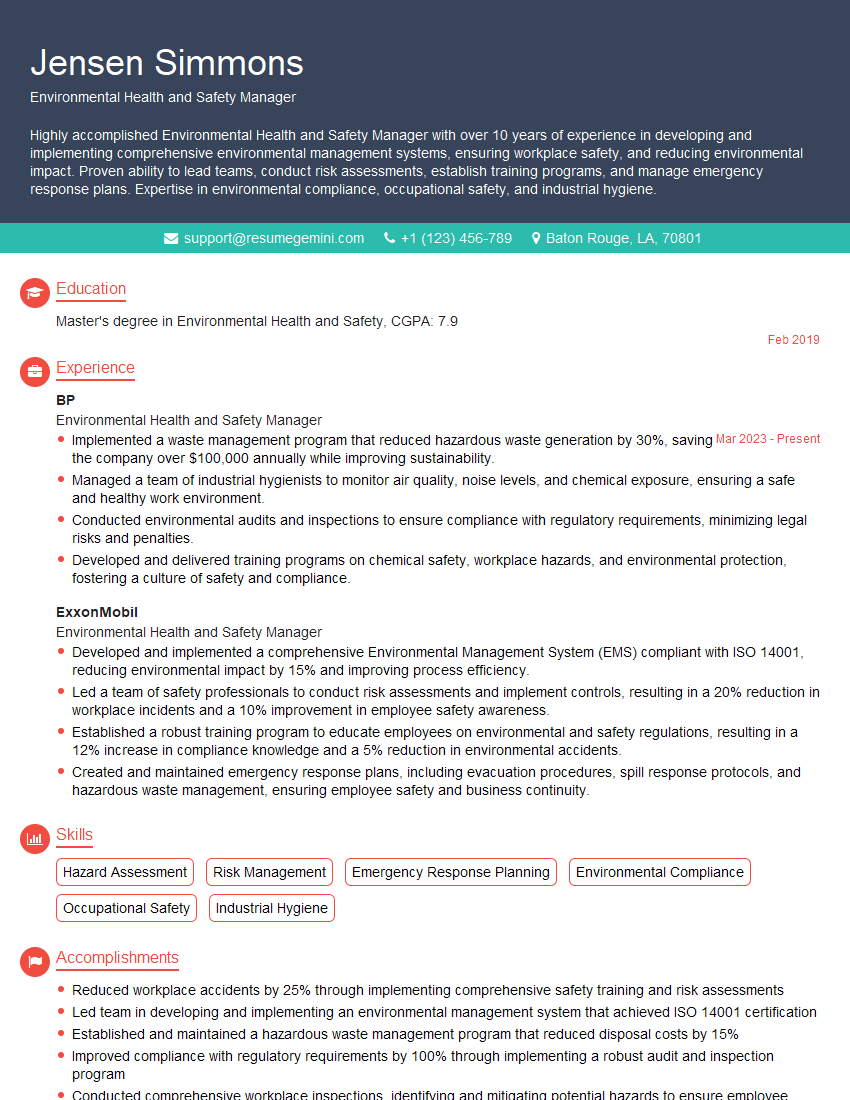
Environmental Health and Safety Manager Resume Sample

Compliance Officer Resume Sample
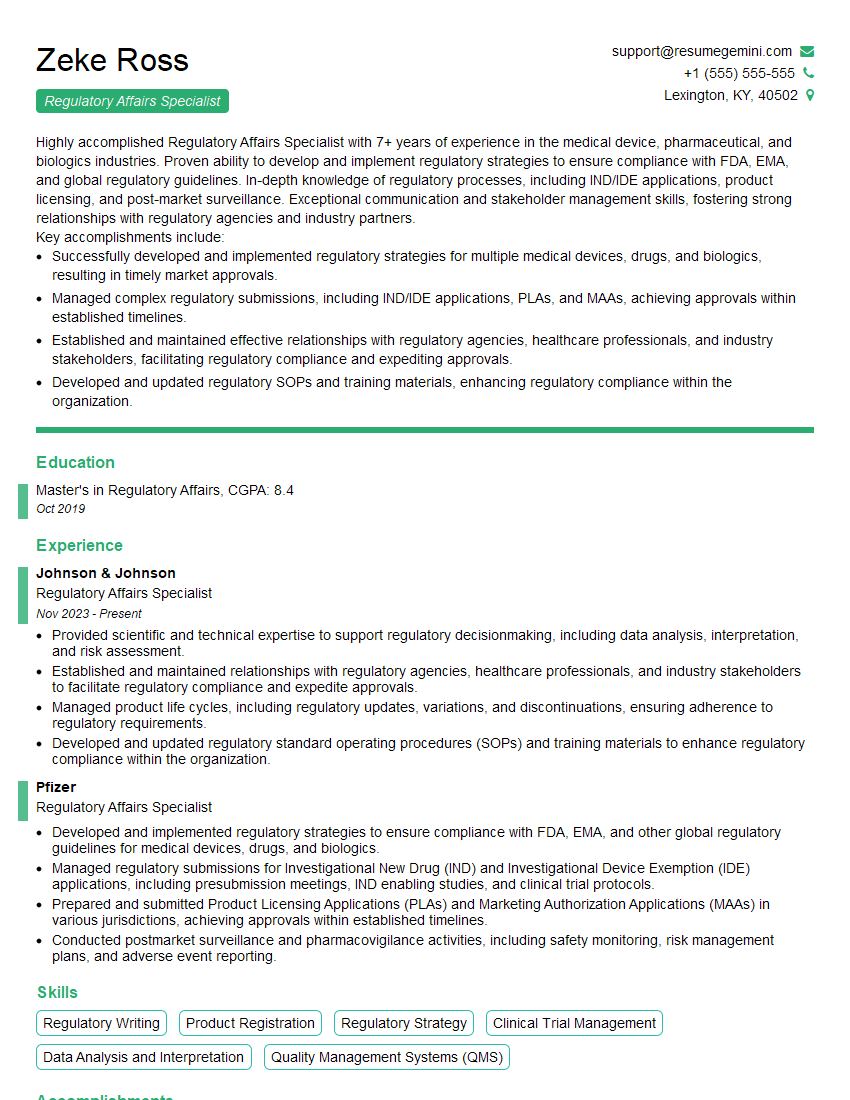
Regulatory Affairs Specialist Resume Sample
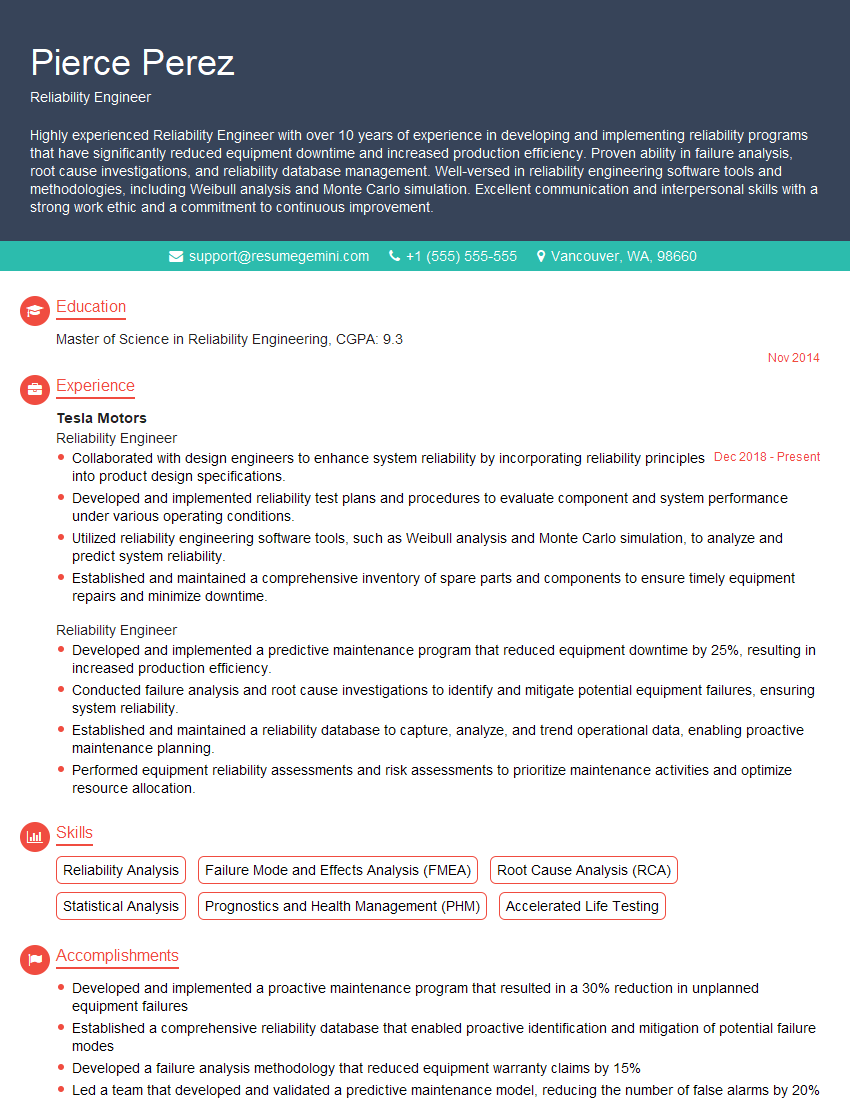
Reliability Engineer Resume Sample

Risk Management Specialist Resume Sample

Chemical Process Engineer Resume Sample
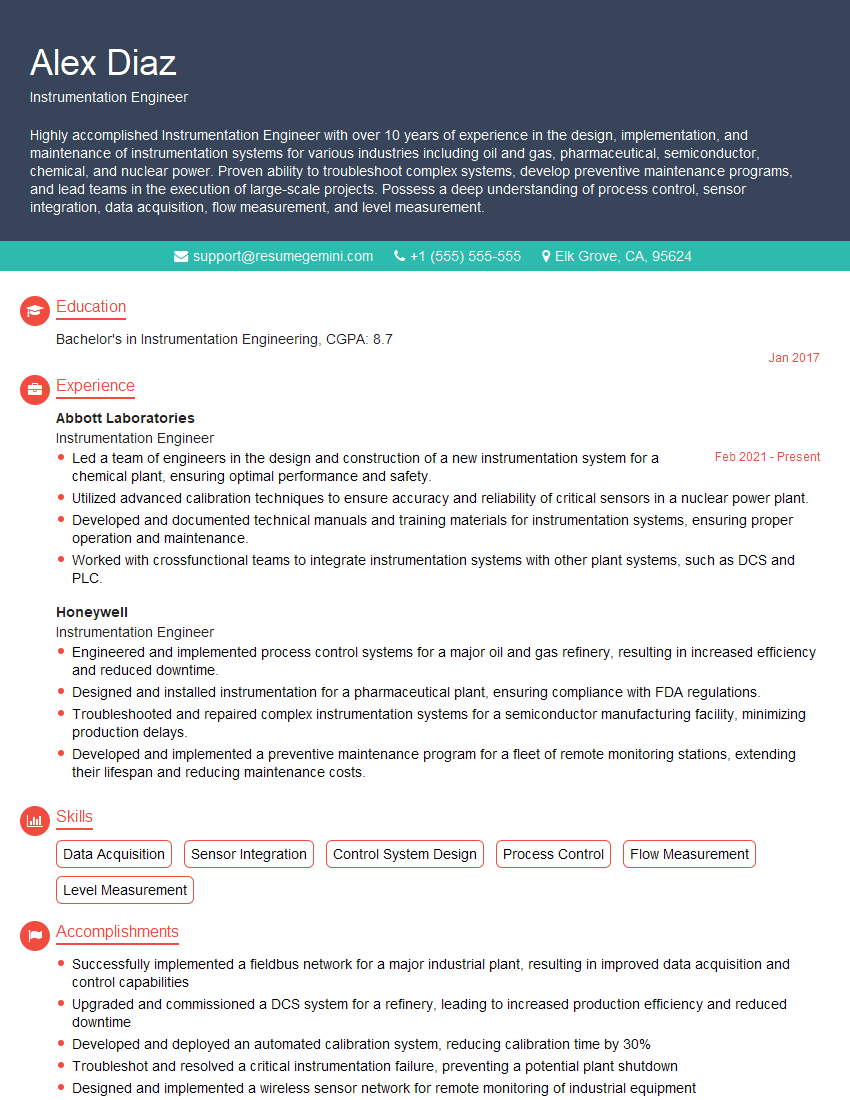
Instrumentation Engineer Resume Sample
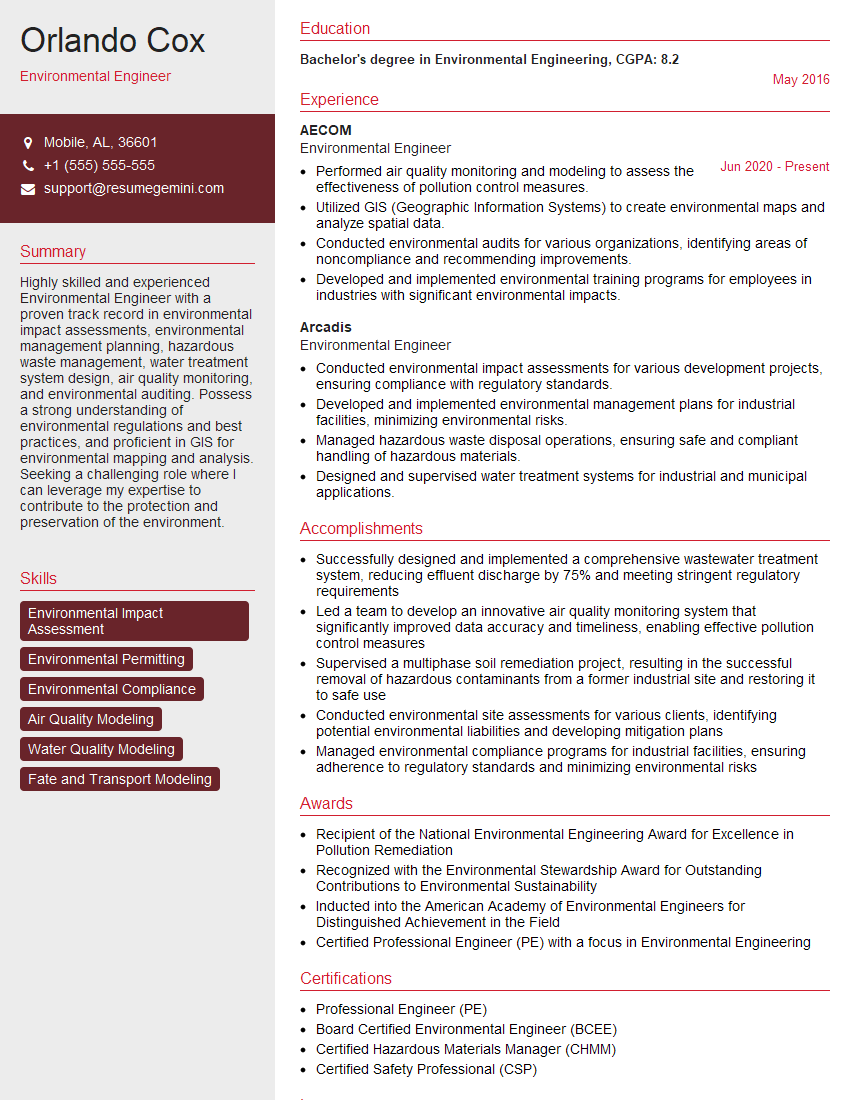
Environmental Engineer Resume Sample
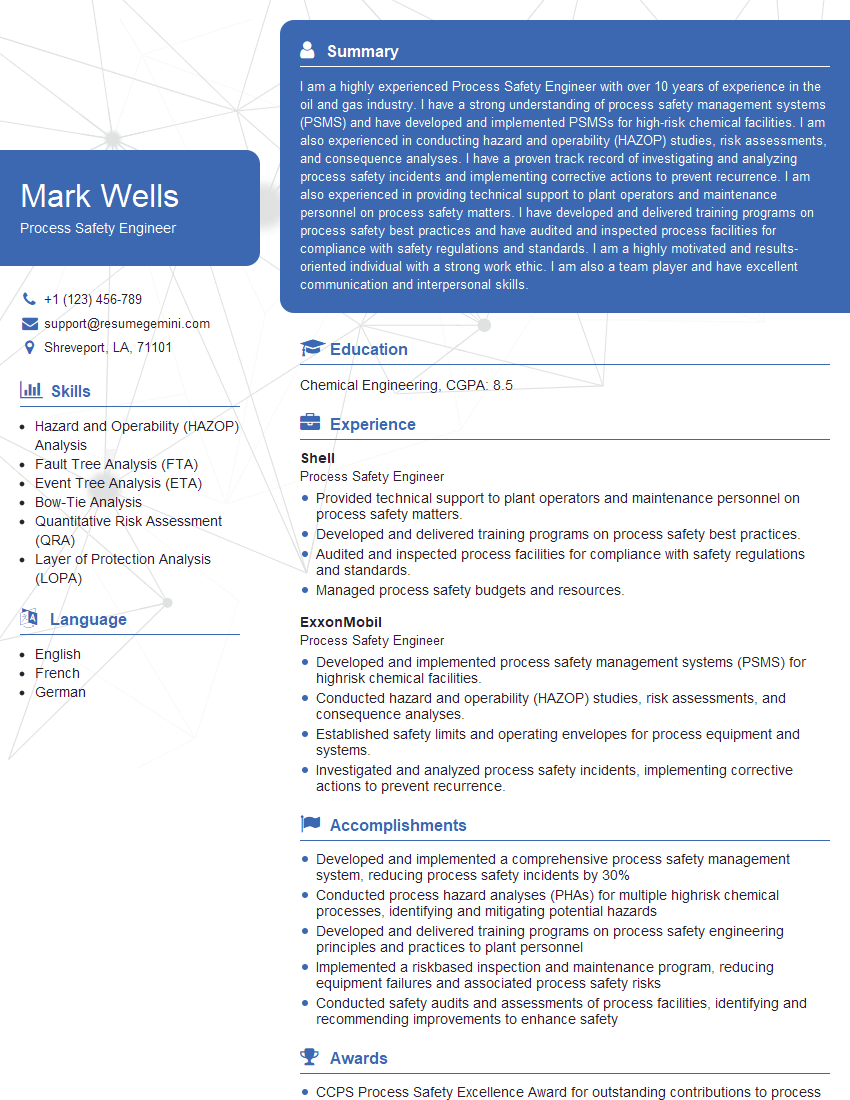
Process Safety Engineer Resume Sample
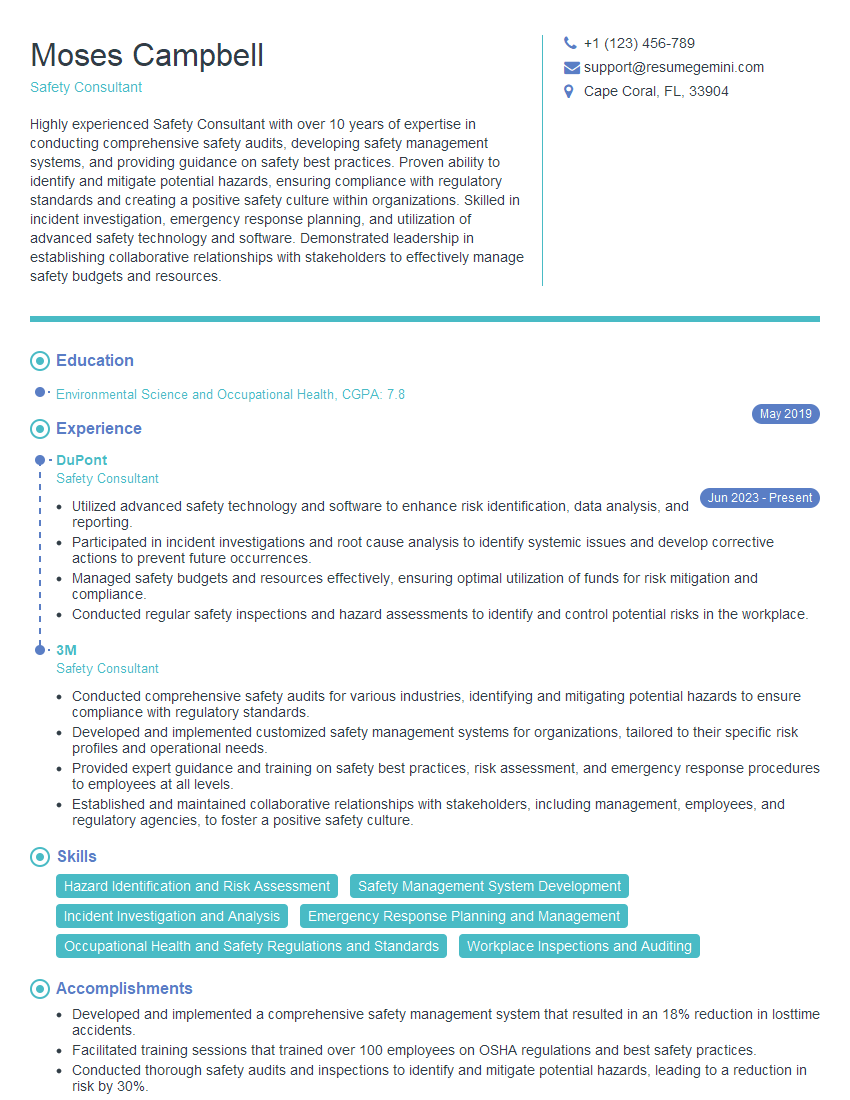
Safety Consultant Resume Sample
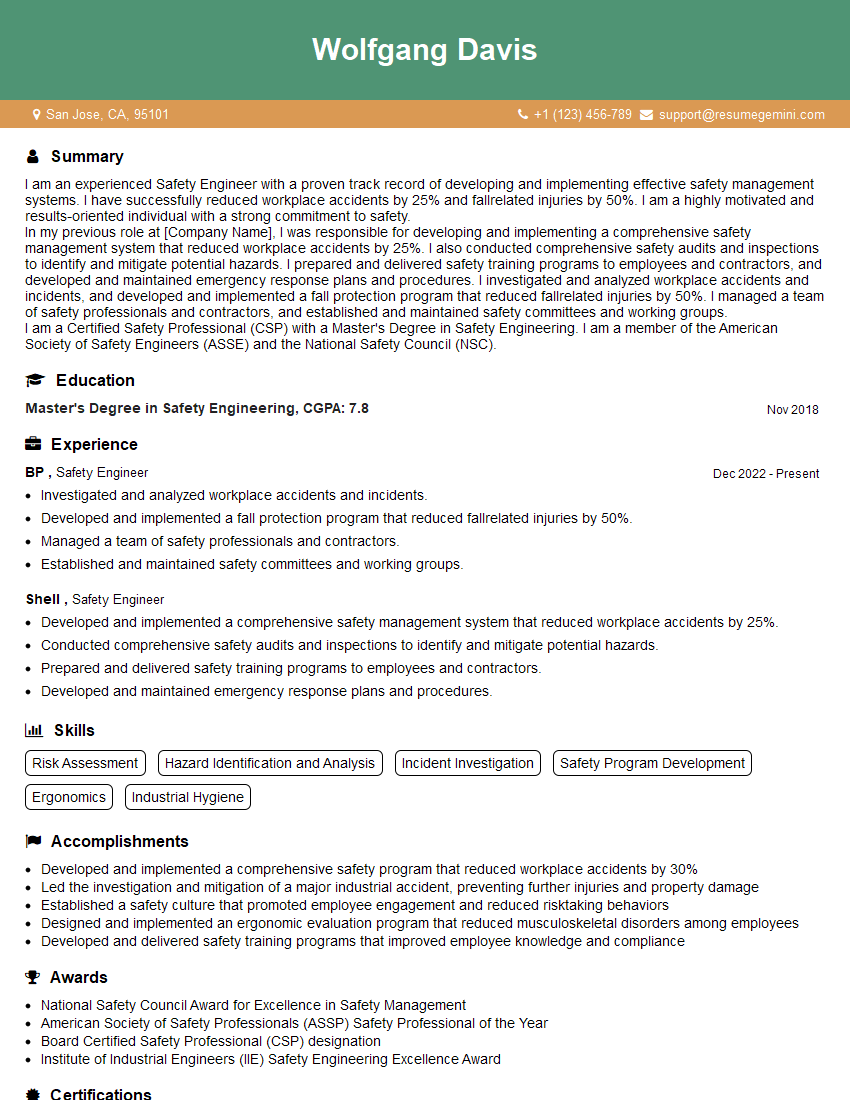
Safety Engineer Resume Sample

Control Systems Engineer Resume Sample
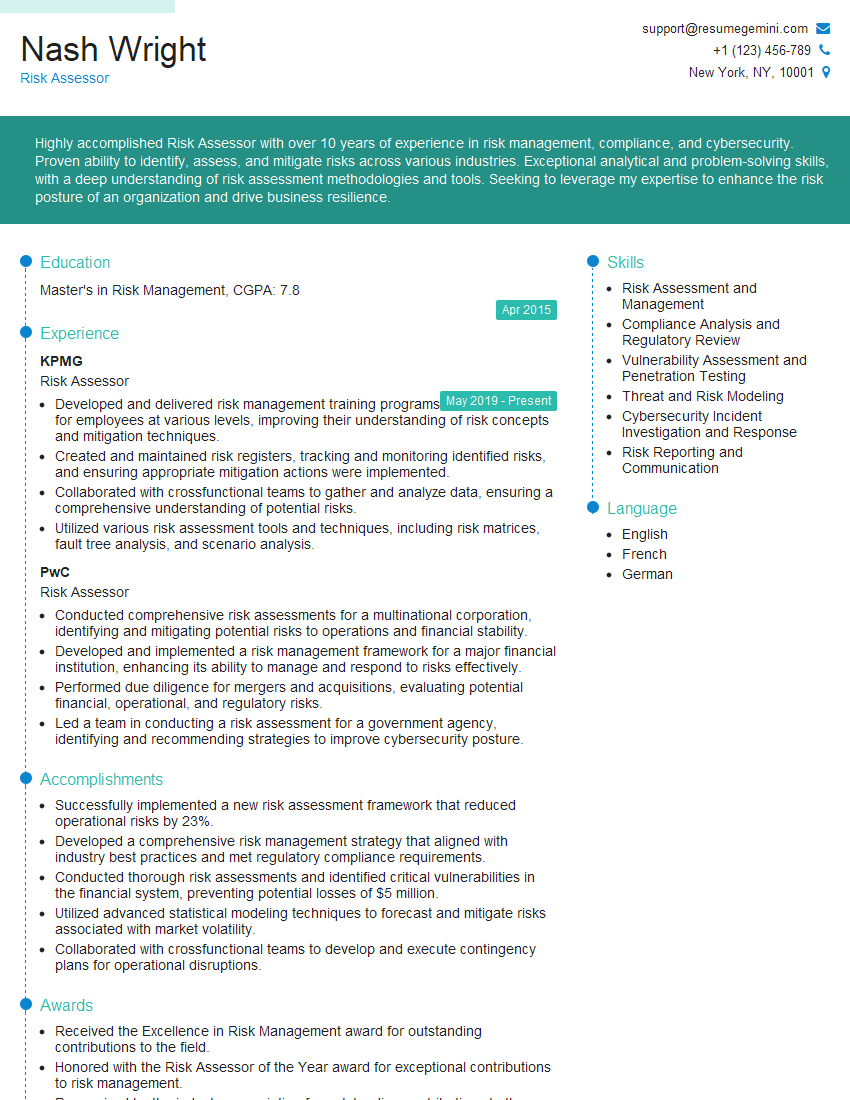
Risk Assessor Resume Sample
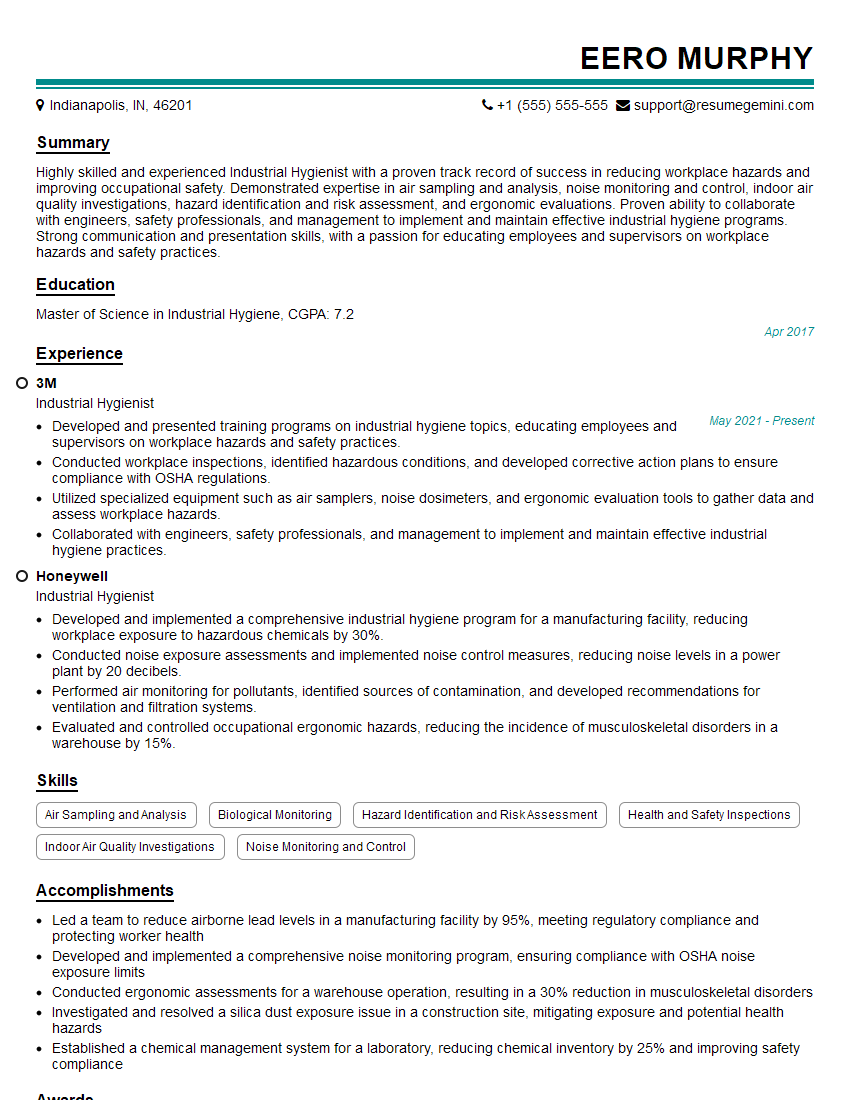
Industrial Hygienist Resume Sample
- Environmental Health and Safety Manager
- Compliance Officer
- Regulatory Affairs Specialist
- Reliability Engineer
- Risk Management Specialist
- Chemical Process Engineer
- Instrumentation Engineer
- Environmental Engineer
- Process Safety Engineer
- Safety Consultant
- Safety Engineer
- Control Systems Engineer
- Risk Assessor
- Industrial Hygienist
Explore more articles
Users Rating of Our Blogs
Share Your Experience
We value your feedback! Please rate our content and share your thoughts (optional).
What Readers Say About Our Blog
Really detailed insights and content, thank you for writing this detailed article.
IT gave me an insight and words to use and be able to think of examples