Every successful interview starts with knowing what to expect. In this blog, we’ll take you through the top Experience with Material Handling Equipment interview questions, breaking them down with expert tips to help you deliver impactful answers. Step into your next interview fully prepared and ready to succeed.
Questions Asked in Experience with Material Handling Equipment Interview
Q 1. Describe your experience operating forklifts.
I have extensive experience operating various forklift models, including sit-down counterbalanced forklifts, reach trucks, and order pickers. My experience spans over eight years across diverse warehouse environments, from small distribution centers to large-scale logistics operations. I’m proficient in handling a wide range of loads, from palletized goods to individual items, and adept at navigating tight spaces and busy warehouse floors. For instance, in my previous role at Acme Distribution, I consistently exceeded daily targets for order fulfillment while maintaining a perfect safety record. I’ve also had experience operating forklifts with specialized attachments like side-shifters and rotators, enhancing efficiency in specific tasks.
My proficiency extends to understanding load capacity limits and the appropriate operating procedures for each type of forklift. I’m comfortable working with different types of loads and am very aware of the importance of load stability and securing loads for safe transport.
Q 2. What safety procedures do you follow when operating material handling equipment?
Safety is my paramount concern when operating material handling equipment. My safety procedures are meticulous and follow all OSHA regulations and company-specific policies. Before each operation, I conduct a thorough pre-operational inspection, checking for fluid leaks, tire pressure, functionality of lights and horn, and overall structural integrity. This checklist ensures the equipment is in safe working condition.
- Pre-shift Inspection: A detailed checklist ensures all systems are functional and safe.
- Personal Protective Equipment (PPE): I always wear safety glasses, steel-toe boots, and a high-visibility vest.
- Safe Operating Practices: This includes maintaining a safe speed, using appropriate signaling, and avoiding distractions. Never operating a forklift under the influence of alcohol or drugs is critical.
- Load Capacity: I meticulously check and adhere to the weight capacity of the forklift and ensure loads are properly balanced and secured.
- Awareness of Surroundings: I am constantly aware of my surroundings, including pedestrians, other equipment, and obstacles. I use horns, lights, and hand signals appropriately.
- Emergency Procedures: I understand and can efficiently implement emergency procedures in case of equipment malfunction or accidents.
Q 3. Explain your understanding of different types of forklifts and their applications.
My understanding of forklifts encompasses various types and their specific applications. The choice of forklift depends heavily on the type of goods being handled, the warehouse layout, and the overall efficiency goals. Here are a few examples:
- Sit-down Counterbalanced Forklifts: These are the most common type, ideal for general material handling in open spaces. They are versatile and can handle a variety of loads.
- Reach Trucks: Excellent for narrow aisle warehouses, these forklifts have a mast that extends to reach pallets several feet away, maximizing space utilization. They are significantly more efficient for high-density storage.
- Order Pickers: Designed for picking individual items from shelves, order pickers are crucial in fulfillment centers. They enhance productivity in order picking scenarios.
- Stand-up Rider Forklifts: These are more compact and easier to maneuver than sit-down counterbalanced forklifts, ideal for applications needing tight turning circles and frequent stop-and-go actions.
- Electric Forklifts: Environmentally friendly and often quieter than their combustion counterparts, these are a popular choice in indoor settings.
- Rough Terrain Forklifts: Built for uneven surfaces, these machines are suited for outdoor applications and construction sites.
Selecting the correct forklift for a given application is paramount for both safety and efficiency. A reach truck in a wide-open space would be inefficient, while a counterbalanced forklift in a narrow aisle would be dangerous.
Q 4. How do you maintain and inspect material handling equipment?
Maintaining and inspecting material handling equipment is crucial for safety and preventing costly downtime. My maintenance practices follow a rigorous schedule, encompassing both preventative and reactive measures. This includes:
- Daily Pre-Operational Inspections: Checking fluid levels, tire pressure, lights, horn, and overall structural integrity. Any issues are reported immediately.
- Regular Scheduled Maintenance: Following manufacturer recommendations for oil changes, filter replacements, and other periodic services ensures peak performance and longevity.
- Functional Tests: Regularly testing the hydraulics, steering, braking, and other systems ensures everything functions correctly.
- Battery Maintenance (for electric forklifts): Proper charging, cleaning, and regular testing are crucial for optimal battery life and safety.
- Record Keeping: Maintaining detailed records of all inspections and maintenance tasks is vital for tracking equipment history and ensuring compliance.
Proactive maintenance reduces the likelihood of breakdowns and accidents, significantly increasing the lifespan of the equipment and preventing costly repairs.
Q 5. What are the common causes of forklift accidents and how can they be prevented?
Forklift accidents often stem from a combination of factors, many preventable with proper training and safety protocols. Common causes include:
- Improper Training: Inadequate training on safe operating procedures and load handling is a primary cause of accidents.
- Speeding and Reckless Operation: Operating at excessive speeds or performing unsafe maneuvers significantly increases the risk of accidents.
- Load Instability: Improperly loaded or secured loads can lead to tipping or dropping of goods.
- Poor Visibility: Obstructed views, inadequate lighting, or failure to use mirrors can result in collisions.
- Mechanical Malfunctions: Equipment failure due to lack of maintenance can result in unpredictable events and accidents.
- Negligence and Distractions: Operating a forklift while distracted or neglecting safety protocols dramatically increases risk.
Prevention strategies involve: comprehensive training programs, enforcing strict safety rules, regular equipment maintenance, promoting a strong safety culture, and implementing proactive measures like pedestrian walkways and visual warnings. Regular safety meetings and refresher training are key to maintaining safety standards.
Q 6. Describe your experience with inventory management systems within a warehouse setting.
I have considerable experience with various inventory management systems in warehouse settings. I’m proficient in using WMS (Warehouse Management Systems) software to track inventory levels, manage stock locations, and optimize storage space. My experience includes utilizing barcode scanners, RF (Radio Frequency) devices, and handheld scanners for accurate data entry and stock updates.
In my previous role, I utilized a WMS system to manage inventory for over 10,000 SKUs. This involved efficiently locating items, processing orders, and coordinating stock replenishment. The system integrated seamlessly with our ERP (Enterprise Resource Planning) software, providing a holistic view of inventory across the entire supply chain. My understanding extends to cycle counting procedures, inventory reconciliation, and implementing FIFO (First-In, First-Out) or LIFO (Last-In, First-Out) inventory methods to manage perishable or seasonal goods.
Q 7. How do you prioritize tasks when managing multiple material handling operations?
Prioritizing tasks in a multi-faceted material handling environment requires a structured approach. I use a combination of techniques to manage multiple operations efficiently and safely:
- Urgency and Importance Matrix: Categorizing tasks by urgency and importance helps identify what needs immediate attention and what can be scheduled.
- Workflow Optimization: Understanding the dependencies between different tasks allows for streamlined workflows and maximum efficiency.
- Communication: Effective communication with team members and supervisors keeps everyone informed about priorities and potential delays.
- Real-time Adjustment: Flexibility to adapt to unexpected events or changes in priorities is vital. This may involve re-prioritizing based on immediate needs.
- Technology Integration: Leveraging WMS and other systems for real-time tracking allows for informed decision-making and efficient task assignment.
A combination of careful planning, effective communication, and adaptability ensures efficient management of multiple material handling operations, minimizing delays and maximizing productivity.
Q 8. What is your experience with warehouse layout and optimization?
Warehouse layout and optimization is crucial for efficient material handling. It involves strategically planning the placement of storage areas, workstations, and equipment to minimize travel time, maximize space utilization, and improve overall workflow. My experience includes using various software tools like AutoCAD and specialized warehouse management system (WMS) software to design and model layouts. For instance, in a previous role, I redesigned a warehouse layout for a large e-commerce company, implementing a zone picking system which reduced order fulfillment time by 25% by strategically locating high-demand items closer to packing stations. I also consider factors like aisle width, racking systems, and the flow of goods to ensure optimal throughput. I assess the current layout, identify bottlenecks, and propose improvements using data analysis and simulation techniques to optimize the efficiency and safety of the operation.
Q 9. Explain your understanding of load capacity and weight distribution.
Load capacity refers to the maximum weight a piece of equipment, like a forklift or a pallet rack, can safely handle. Weight distribution involves evenly distributing the load across the equipment’s surface area to prevent overloading and instability. Uneven distribution can lead to equipment failure, damage to goods, and accidents. For example, a forklift with a 5,000 lb capacity must not exceed this limit. Furthermore, if loading a pallet, heavy items should be placed lower and centered to maintain stability. I use load capacity charts and diagrams provided by manufacturers as a critical part of my daily routine. Understanding these principles helps in choosing appropriate equipment for specific tasks, loading goods correctly, and adhering to safety regulations, ultimately minimizing risks and optimizing productivity.
Q 10. How do you ensure the safe loading and unloading of goods?
Safe loading and unloading are paramount. My approach begins with a thorough risk assessment which considers the type of goods, the equipment used, the environment, and the personnel involved. This includes utilizing appropriate Personal Protective Equipment (PPE) such as safety shoes, gloves, and high-visibility vests. We emphasize proper lifting techniques, the use of lifting aids where necessary (e.g., pallet jacks, cranes), and ensuring all equipment is functioning correctly and regularly inspected. Clear communication between loaders, unloaders, and forklift operators is key. For example, before commencing loading a truck, we perform a pre-trip inspection to check the truck’s structural integrity and make sure proper securing methods (e.g., straps, dunnage) are available. Furthermore, we always follow established safety protocols like using chocks when loading or unloading from vehicles to prevent accidental movement. This systematic approach reduces the risk of accidents and damages while improving the efficiency of the whole process.
Q 11. What experience do you have with different types of conveyors?
My experience encompasses a wide range of conveyor types including belt conveyors, roller conveyors, chain conveyors, and screw conveyors. Belt conveyors are ideal for moving large volumes of goods over long distances. Roller conveyors are suitable for lighter items and manual handling. Chain conveyors are often used for heavier loads and steeper inclines. Screw conveyors are specialized for bulk materials. I’ve worked with systems that incorporate different conveyor types for complex material flow. In one project, I designed a system utilizing a combination of belt conveyors for long-distance transport and roller conveyors for sorting and diverting items within a distribution center. Selecting the right conveyor depends on the nature of the goods, the required throughput, the layout of the facility and budget. The consideration of speed, capacity, and maintenance requirements are also important.
Q 12. Describe your experience with automated storage and retrieval systems (AS/RS).
Automated Storage and Retrieval Systems (AS/RS) significantly increase warehouse efficiency. My experience involves working with various AS/RS configurations including unit load AS/RS (for pallets or large containers) and mini-load AS/RS (for smaller items). I’m familiar with their control systems, including warehouse control system (WCS) and warehouse management system (WMS) integration. In a previous role, I oversaw the implementation of a new mini-load AS/RS, which resulted in a 40% increase in storage density and a 30% reduction in order fulfillment time. I understand the complexities of AS/RS maintenance, including preventative maintenance schedules and troubleshooting malfunctioning components. The integration and efficient operation of AS/RS require a holistic approach that considers inventory management, order picking strategies, and effective safety protocols.
Q 13. How do you handle equipment malfunctions or breakdowns?
Handling equipment malfunctions is crucial for maintaining operational efficiency. My approach involves a systematic process. First, we assess the situation to identify the problem’s root cause and ensure the safety of personnel and equipment. Then, if possible, a quick fix might be attempted; for example, resetting a control panel or replacing a simple component. However, more complex issues necessitate the involvement of maintenance personnel or contacting the equipment manufacturer for support. We maintain detailed logs documenting all malfunctions, repairs, and maintenance activities. I’ve also implemented a preventive maintenance program significantly reducing the number of unexpected breakdowns. In one instance, a sudden power surge caused a critical component failure in a conveyor system. By following our established protocol, we quickly isolated the faulty part, contacted the supplier for a replacement, and minimized the downtime to just a few hours, preventing considerable disruption to operations.
Q 14. What is your experience with preventive maintenance schedules for MHE?
Preventive maintenance schedules are crucial for extending the lifespan of material handling equipment and minimizing unexpected downtime. These schedules typically include regular inspections, lubrication, and component replacements based on the manufacturer’s recommendations and the specific equipment. My experience includes developing and implementing comprehensive preventive maintenance plans. This includes creating detailed checklists for routine inspections, tracking maintenance activities using CMMS (Computerized Maintenance Management System) software, and training personnel on proper maintenance procedures. A well-structured schedule considers factors like equipment usage intensity, operating conditions, and potential wear and tear. For example, we establish a preventative maintenance schedule for forklifts which includes daily pre-operational checks, weekly lubrication, and monthly inspections by certified technicians. This proactive approach significantly reduces maintenance costs and ensures the safety and reliability of our material handling operations.
Q 15. Explain your understanding of OSHA regulations related to material handling.
OSHA (Occupational Safety and Health Administration) regulations regarding material handling are extensive and crucial for workplace safety. They aim to prevent injuries and fatalities caused by improper handling of materials. Key areas covered include:
- Training: OSHA mandates comprehensive training for all employees operating material handling equipment (MHE), covering safe operating procedures, pre-operational checks, and hazard recognition.
- Equipment Maintenance: Regular inspections and maintenance of MHE are vital. OSHA requires employers to ensure equipment is in safe working condition, free from defects, and properly maintained according to manufacturer’s recommendations.
- Safe Operating Procedures: Clear procedures must be established and followed for all MHE operations, including load handling, speed limits, and traffic management within the warehouse.
- Personal Protective Equipment (PPE): Appropriate PPE, such as safety shoes, gloves, high-visibility vests, and hearing protection, must be provided and used by employees working with MHE.
- Load Stability: Regulations address safe load securing techniques to prevent loads from shifting or falling during transportation.
- Workplace Layout and Design: OSHA standards cover safe aisle widths, clear signage, adequate lighting, and proper stacking procedures to minimize risks.
Non-compliance can result in serious penalties, including fines and potential shutdowns. Understanding and adhering to these regulations is paramount for creating a safe and productive work environment.
Career Expert Tips:
- Ace those interviews! Prepare effectively by reviewing the Top 50 Most Common Interview Questions on ResumeGemini.
- Navigate your job search with confidence! Explore a wide range of Career Tips on ResumeGemini. Learn about common challenges and recommendations to overcome them.
- Craft the perfect resume! Master the Art of Resume Writing with ResumeGemini’s guide. Showcase your unique qualifications and achievements effectively.
- Don’t miss out on holiday savings! Build your dream resume with ResumeGemini’s ATS optimized templates.
Q 16. How do you ensure compliance with safety regulations while operating MHE?
Ensuring compliance with safety regulations while operating MHE is a multi-faceted process. It starts with thorough training and understanding of the specific regulations applicable to the equipment and environment. My approach involves:
- Pre-Operational Checks: Before operating any MHE, I conduct a comprehensive inspection, checking for any damage, leaks, or malfunctions. This includes verifying brakes, lights, and safety devices are functioning correctly. I document these checks meticulously.
- Adherence to Safety Procedures: I meticulously follow all established safety procedures, including speed limits, load capacity limits, and traffic rules within the warehouse. I always prioritize safety over speed or efficiency.
- Proper Load Handling: I ensure loads are properly secured and balanced to prevent accidents. I use appropriate lifting techniques and avoid overloading equipment.
- Using PPE: I consistently use all required PPE, such as safety glasses, gloves, and hearing protection, according to the task.
- Reporting Hazards: I promptly report any unsafe conditions, equipment malfunctions, or near misses to my supervisor. Proactive reporting prevents potential accidents.
- Staying Updated: I stay informed about any changes or updates in OSHA regulations and company safety policies. Continuous learning is crucial.
Think of it like piloting an airplane – pre-flight checks are essential before takeoff. Similarly, careful pre-operational checks and adherence to safety procedures are critical for safe MHE operation.
Q 17. What is your experience with different types of lifting devices (e.g., cranes, hoists)?
My experience with lifting devices encompasses a range of equipment, including:
- Overhead Cranes: I am proficient in operating various types of overhead cranes, including gantry cranes and bridge cranes. I understand the importance of load charts, proper rigging techniques, and safe crane operation procedures. I have experience with both manual and automated control systems.
- Hoists: I’m familiar with chain hoists, electric chain hoists, and pneumatic hoists. I understand the critical role of load capacity limits and proper hook attachment. I have experience with both manual and electric hoists.
- Forklifts: I am experienced in operating various types of forklifts, including sit-down, stand-up, and reach trucks. I’m well-versed in safe loading, unloading, and maneuvering procedures, along with understanding the importance of weight distribution and load stability.
- Other Lifting Devices: I have also worked with specialized lifting equipment such as vacuum lifters and pallet jacks. My experience extends to knowledge of different lifting mechanisms and their proper applications
In each case, my focus has always been on safe operation, adhering to manufacturer specifications and company safety policies. I always prioritize safety over speed.
Q 18. Describe a situation where you had to troubleshoot a material handling equipment problem.
During a night shift, our primary overhead crane experienced a sudden malfunction. The hoist motor stopped responding, leaving a large, partially loaded pallet suspended mid-air. Following established emergency protocols, I immediately secured the area, preventing any access to the crane and the load. Then:
- Assessment: I carefully assessed the situation, noting the load weight and position. I checked the crane’s control panel for error codes or obvious issues.
- Communication: I contacted my supervisor and the maintenance team, providing a detailed description of the problem and the potential safety risks.
- Emergency Procedures: While waiting for the maintenance crew, I ensured the crane’s emergency stop was engaged and the area remained secured, in accordance with the company’s established safety procedures.
- Troubleshooting Assistance: Once the maintenance team arrived, I assisted them with the diagnosis and repair of the crane, ensuring adherence to safe working practices.
- Post-Incident Review: Following the repair, I participated in the post-incident review, sharing my observations and contributing to recommendations for preventing future occurrences.
This incident highlighted the importance of thorough pre-operational checks, proactive reporting of any issues, and the significance of well-defined emergency procedures. The situation was resolved swiftly and safely thanks to efficient communication and well-trained personnel.
Q 19. How do you communicate effectively with colleagues and supervisors in a warehouse environment?
Effective communication is essential in a warehouse environment to ensure safety and efficiency. My approach involves:
- Clear and Concise Communication: I communicate in a clear, concise, and unambiguous manner, avoiding jargon. I ensure my messages are easily understood by everyone, regardless of their background.
- Active Listening: I actively listen to my colleagues and supervisors, paying close attention to their instructions and concerns. This allows for better understanding and collaboration.
- Respectful Interactions: I maintain respectful and professional interactions with everyone, creating a positive and collaborative work environment.
- Proactive Communication: I proactively communicate any potential issues or challenges, preventing escalation or misunderstandings.
- Use of Technology: I utilize company communication tools effectively to share updates and information, such as instant messaging, email, or dedicated warehouse management systems.
- Non-verbal Communication: I am mindful of my body language and non-verbal cues to ensure clarity and avoid misinterpretations.
In a fast-paced warehouse, clear communication is as important as the equipment itself. Miscommunication can lead to errors, delays, and even accidents.
Q 20. What is your experience with using warehouse management systems (WMS)?
My experience with Warehouse Management Systems (WMS) includes using them to track inventory, manage orders, and optimize warehouse operations. I have experience with [mention specific WMS software if applicable, e.g., Manhattan Associates WMS, Blue Yonder WMS]. My skills include:
- Order Fulfillment: Using the WMS to receive, locate, pick, pack, and ship orders efficiently.
- Inventory Management: Tracking inventory levels, managing stock rotations, and identifying potential stockouts using the WMS data.
- Reporting and Analytics: Generating reports on key performance indicators (KPIs), such as order fulfillment rates, picking accuracy, and inventory turnover. This data helps us optimize our processes.
- Integration with Other Systems: Working with WMS integration points with other systems like Enterprise Resource Planning (ERP) and transportation management systems (TMS) to ensure seamless data flow across the supply chain.
The WMS isn’t just software; it’s a crucial tool for enhancing efficiency and minimizing errors. Understanding its functionalities empowers better decision-making and streamlined operations.
Q 21. Describe your experience with different types of palletizers and depalletizers.
My experience with palletizers and depalletizers encompasses various types, including:
- Robotic Palletizers: I’ve worked with robotic systems capable of high-speed, automated palletizing and depalletizing. This significantly increases efficiency and reduces manual labor.
- Conventional Palletizers: I’m familiar with conventional palletizers using conveyors, rollers, and layer formation mechanisms. These require more manual intervention but offer flexibility for handling different product shapes and sizes.
- Depalletizers: I have experience with both robotic and manual depalletizers. These can vary greatly in complexity, from simple layer removal systems to complex systems with integrated conveyors and product sorting capabilities.
The choice of palletizer or depalletizer depends heavily on factors such as throughput requirements, product characteristics, and budget. Understanding these different types allows for selecting and utilizing the most efficient and safe system for a given application.
Q 22. How do you manage inventory levels to ensure efficient material handling?
Efficient material handling hinges on optimized inventory levels. Too much inventory ties up capital and increases storage costs, while too little leads to stockouts and lost sales. My approach involves a multi-pronged strategy incorporating demand forecasting, inventory tracking systems, and regular stock audits.
Demand Forecasting: I utilize historical sales data, seasonal trends, and market predictions to anticipate future demand. This allows for proactive ordering and prevents unnecessary stockpiling. For example, if we know sales of a particular product spike during the holiday season, we adjust our inventory levels accordingly months in advance.
Inventory Tracking Systems: Implementing robust inventory management software (like SAP or Oracle) is crucial. This provides real-time visibility into stock levels, enabling quick identification of low-stock items and triggering timely replenishment orders. This minimizes the risk of stockouts and ensures continuous production or fulfillment.
Regular Stock Audits: Periodic physical stock checks help reconcile discrepancies between the inventory system’s data and actual stock on hand. This process identifies potential issues like inaccuracies in data entry, theft, or damage, allowing for corrective actions.
By combining these methods, we ensure that inventory levels remain optimized, minimizing storage costs, preventing stockouts, and maximizing operational efficiency.
Q 23. Explain your experience with tracking and tracing material movement within a warehouse.
Tracking and tracing material movement is paramount for efficient warehouse management and order fulfillment. My experience involves using a combination of barcode scanning, RFID technology, and warehouse management systems (WMS).
Barcode Scanning: This is a fundamental method for tracking individual items throughout the warehouse. Each item is assigned a unique barcode that is scanned at every stage of its journey—receiving, put-away, picking, and shipping. This data is then logged into the WMS, providing a detailed history of each item’s location and movement.
RFID Technology: For high-volume or high-value items, RFID tags provide a more efficient and automated tracking solution. RFID readers can track multiple items simultaneously, eliminating the need for individual barcode scanning. This is particularly useful in situations where speed and accuracy are critical, such as tracking fast-moving consumer goods.
Warehouse Management Systems (WMS): The WMS integrates data from barcode scanners and RFID readers, providing a centralized view of material movement within the warehouse. The system can generate reports on item locations, movement history, and potential bottlenecks, enabling data-driven improvements in workflow. For instance, heatmaps generated from WMS data can reveal areas of high traffic, allowing for optimized layout adjustments.
Q 24. What are your strategies for optimizing warehouse space and workflow?
Optimizing warehouse space and workflow requires a strategic approach focusing on efficient layout, process improvement, and technology integration. My strategies involve implementing lean principles, utilizing vertical space, and employing automation where appropriate.
Lean Principles: Applying lean methodologies, such as 5S (Sort, Set in Order, Shine, Standardize, Sustain), helps eliminate waste and improve efficiency. This involves streamlining processes, reducing unnecessary movement, and optimizing the flow of goods within the warehouse. For example, organizing storage locations based on product frequency of use can significantly reduce picking time.
Vertical Space Utilization: Maximizing vertical space through the use of high-bay racking and multi-tiered shelving systems increases storage capacity without expanding the warehouse footprint. This is particularly valuable in high-density environments where floor space is limited and expensive.
Automation: Integrating automated material handling systems, such as conveyor belts, automated guided vehicles (AGVs), and robotic picking systems, can significantly improve efficiency and throughput. Automated systems reduce manual labor, minimize errors, and increase overall productivity.
Q 25. How do you handle different types of packaging and materials in a warehouse setting?
Handling diverse packaging and materials requires a systematized approach that prioritizes safety, efficiency, and damage prevention. My approach involves proper storage techniques, specialized equipment, and clear labeling systems.
Proper Storage Techniques: Different materials require specific storage conditions. For example, fragile items need to be stored carefully, perhaps in protective packaging or on dedicated shelving, while hazardous materials require special handling and designated storage areas compliant with relevant regulations.
Specialized Equipment: Utilizing equipment like forklifts, pallet jacks, and specialized handling devices (e.g., vacuum lifters for delicate items) ensures safe and efficient movement of various materials. Proper training for equipment operators is crucial for safety.
Clear Labeling Systems: A well-defined labeling system is essential. Clear labels indicating contents, weight, handling instructions, and hazardous material warnings ensure safe and efficient material handling throughout the warehouse. This minimizes the risk of errors and accidents.
Q 26. Explain your experience with receiving and shipping procedures.
Efficient receiving and shipping procedures are fundamental to smooth warehouse operations. My experience involves implementing standardized processes, using technology for data accuracy, and prioritizing quality control.
Standardized Processes: Establishing clear and consistent procedures for receiving, inspecting, and put-away of incoming goods is crucial. This includes verifying orders against delivery manifests, inspecting items for damage, and accurately recording inventory receipts in the WMS. Similarly, shipping procedures should follow a standardized workflow, ensuring accurate order picking, packaging, labeling, and dispatch.
Technology Integration: Employing barcode scanners, RFID technology, and WMS software ensures accurate and efficient data capture at each stage. This minimizes errors and provides real-time visibility into the status of shipments.
Quality Control: Implementing quality control checkpoints at both receiving and shipping stages helps identify and address potential problems early on. Regular inspections and audits ensure that goods are handled properly and meet quality standards.
Q 27. What software or systems are you proficient in using for managing material handling tasks?
My proficiency in material handling software spans various systems, including Warehouse Management Systems (WMS) like SAP EWM, Oracle Warehouse Management, and Manhattan Associates. I am also experienced with Transportation Management Systems (TMS) such as Blue Yonder and Oracle Transportation Management, enabling efficient order fulfillment and delivery tracking. Furthermore, I’m proficient in using inventory management software, such as NetSuite and Microsoft Dynamics 365, for managing stock levels and optimizing replenishment.
Beyond specific software, I have strong proficiency in using Microsoft Excel and other data analysis tools to extract insights from operational data, identify bottlenecks, and improve efficiency. For example, I’ve used Excel to analyze picking times to identify areas where process improvements could reduce cycle times.
Q 28. How do you adapt to changes in warehouse operations or technology?
Adaptability is key in the dynamic environment of warehouse operations. My approach focuses on continuous learning, proactive problem-solving, and embracing new technologies.
Continuous Learning: I actively seek out opportunities for professional development, attending industry conferences, webinars, and pursuing relevant certifications to stay abreast of the latest trends and best practices in material handling. This allows me to quickly adapt to new software, equipment, and operational processes.
Proactive Problem-Solving: When faced with changes in operations, I employ a structured approach to problem-solving. This involves identifying the root cause of the change, assessing its impact, developing and implementing solutions, and monitoring the results.
Embracing New Technologies: I readily embrace new technologies and automation solutions. This includes learning to use new software, operating new equipment, and exploring how emerging technologies like AI and robotics can be integrated to improve efficiency and reduce operational costs. For example, when our warehouse implemented a new automated guided vehicle system, I quickly learned the system’s operation and integrated it into existing workflows.
Key Topics to Learn for Experience with Material Handling Equipment Interview
- Safety Procedures and Regulations: Understanding OSHA regulations, lockout/tagout procedures, and safe operating practices for various equipment types. Practical application includes describing your experience implementing and adhering to these safety protocols.
- Equipment Operation and Maintenance: Demonstrate knowledge of operating principles for forklifts, cranes, conveyors, pallet jacks, etc. This includes pre-operational checks, troubleshooting minor malfunctions, and performing basic maintenance tasks. Practical application includes detailing your experience operating specific equipment and resolving common issues.
- Load Handling and Stability: Understanding weight distribution, center of gravity, and safe load capacities. Practical application includes describing your experience securing loads for transport and preventing accidents related to load instability.
- Inventory Management and Logistics: Knowledge of warehouse layout, inventory control systems, and efficient material flow processes. Practical application involves explaining your role in optimizing material flow and minimizing storage inefficiencies.
- Warehouse Management Systems (WMS): Familiarity with common WMS software and their applications in tracking inventory, managing orders, and optimizing warehouse operations. Practical application includes describing your experience using specific WMS software and the impact on efficiency.
- Problem-Solving and Troubleshooting: Ability to identify and resolve equipment malfunctions, optimize workflows, and improve overall efficiency. This includes describing your approach to problem-solving in high-pressure situations.
- Teamwork and Communication: Highlight your ability to collaborate effectively with colleagues and communicate clearly about safety concerns and operational issues.
Next Steps
Mastering material handling equipment expertise is crucial for career advancement in logistics, warehousing, and manufacturing. A strong understanding of these concepts significantly increases your marketability and opens doors to higher-paying roles with greater responsibility. To maximize your job prospects, create an ATS-friendly resume that highlights your skills and experience effectively. ResumeGemini is a trusted resource that can help you build a professional and impactful resume tailored to your specific experience. Examples of resumes tailored to Experience with Material Handling Equipment are provided to guide you.
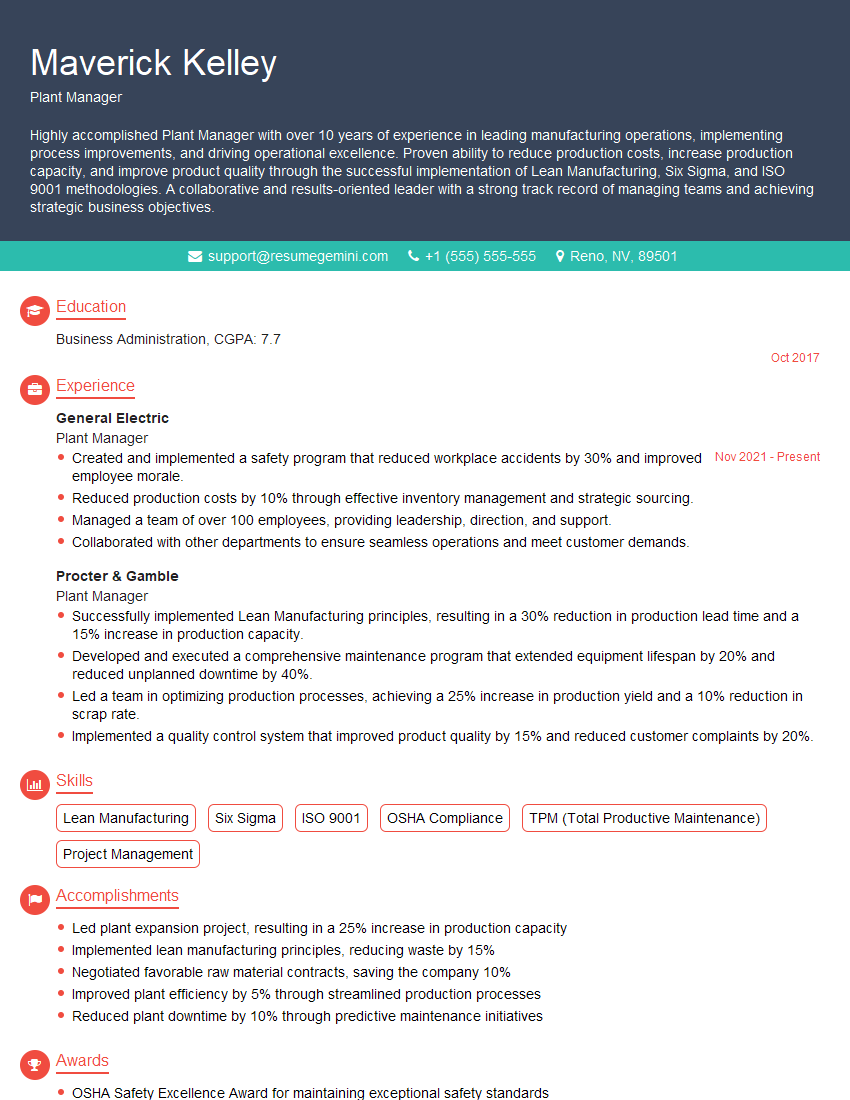
Plant Manager Resume Sample
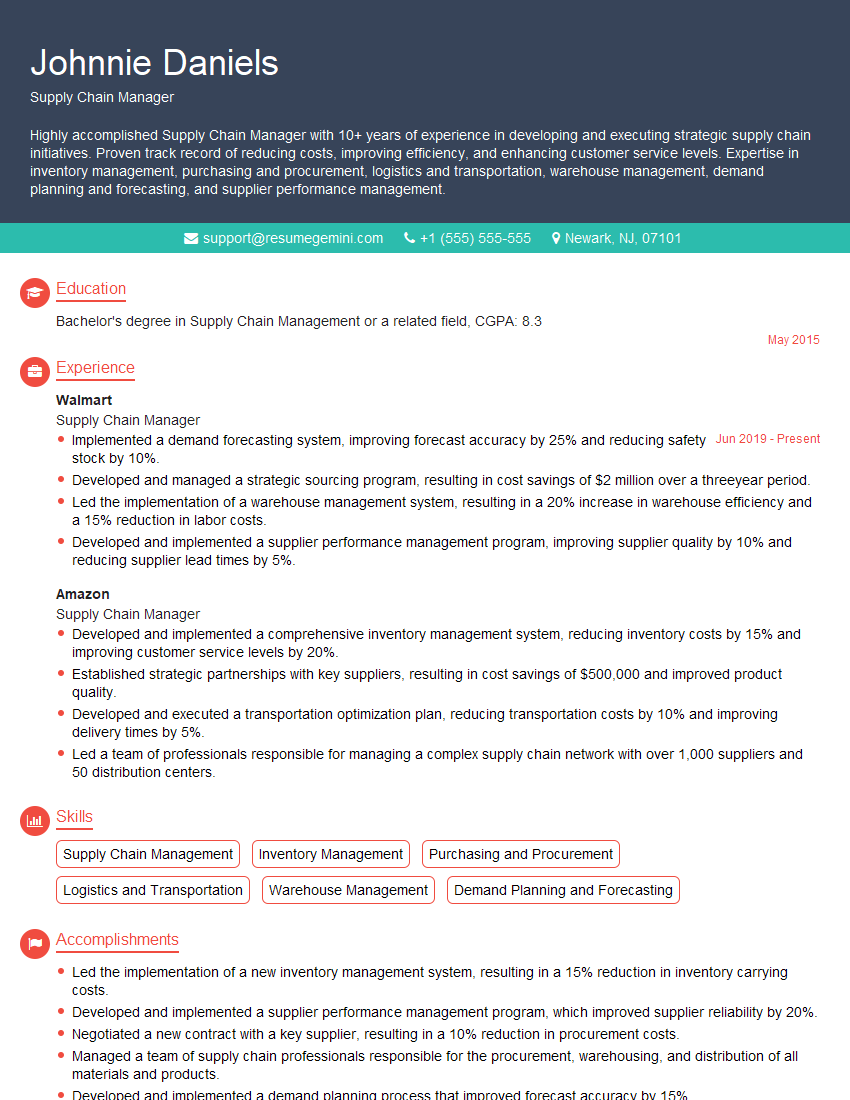
Supply Chain Manager Resume Sample
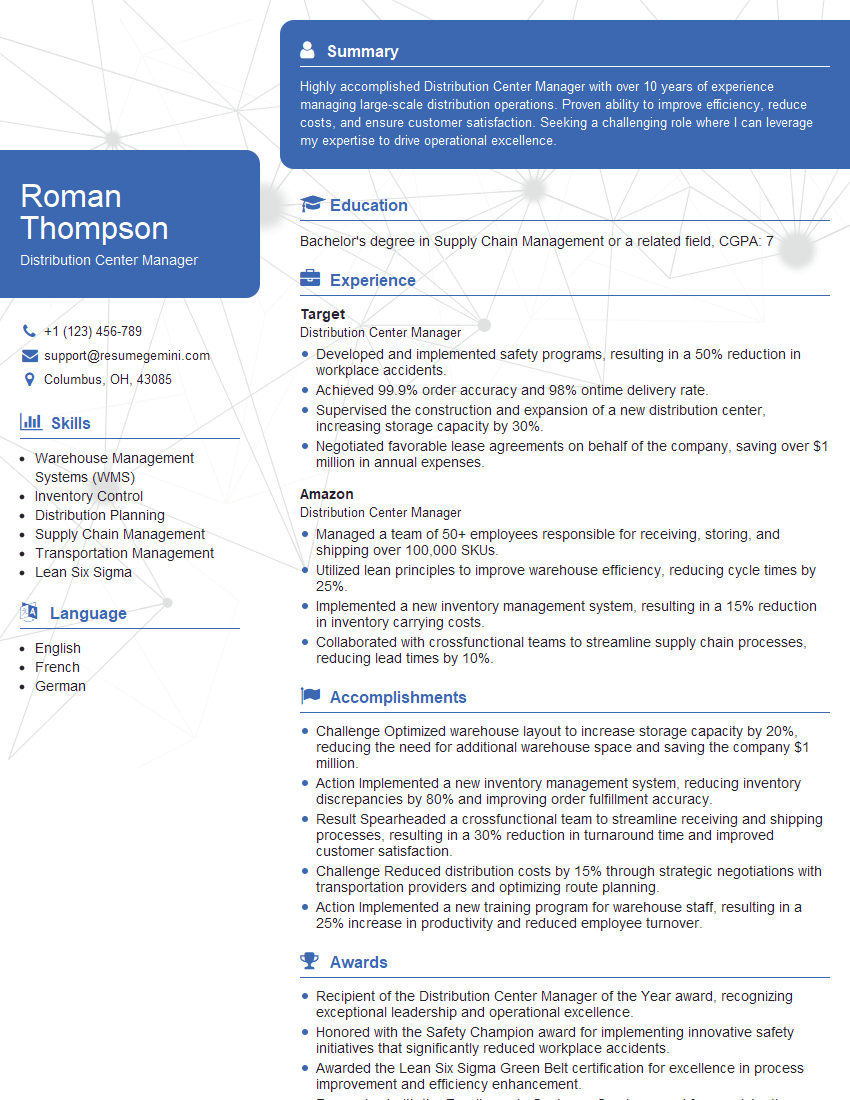
Distribution Center Manager Resume Sample
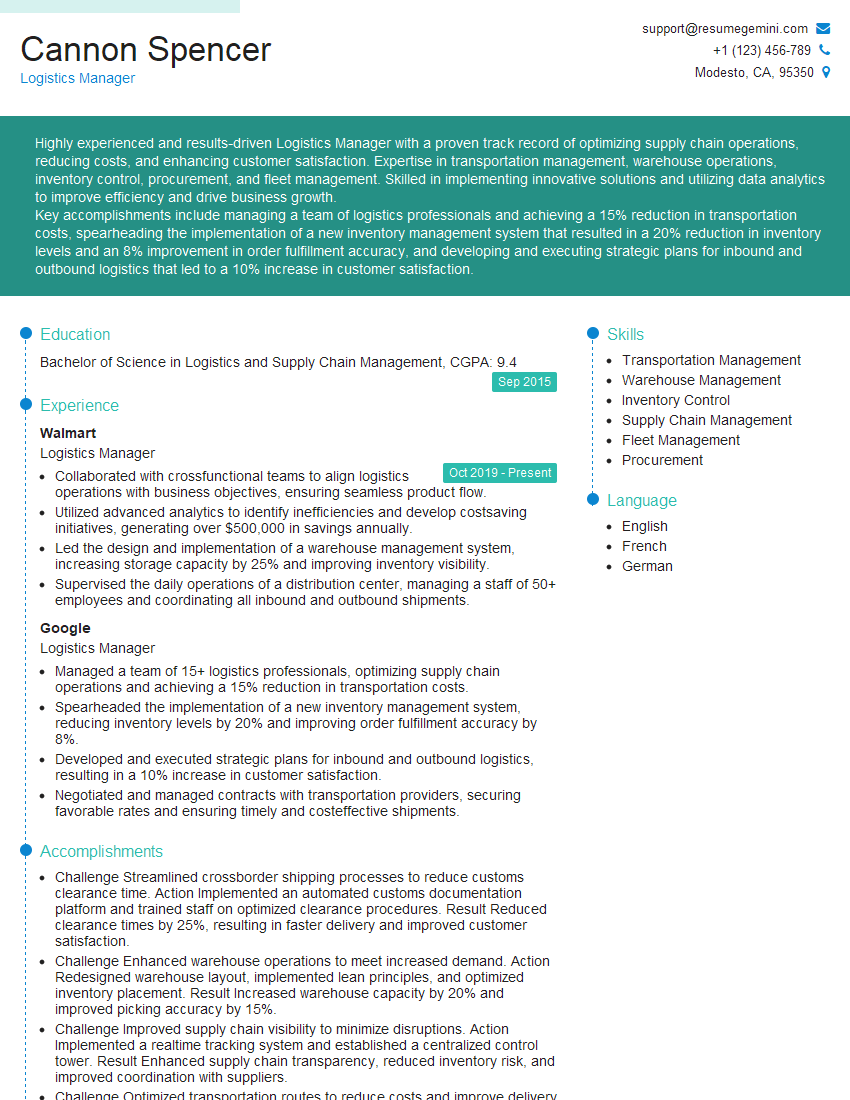
Logistics Manager Resume Sample
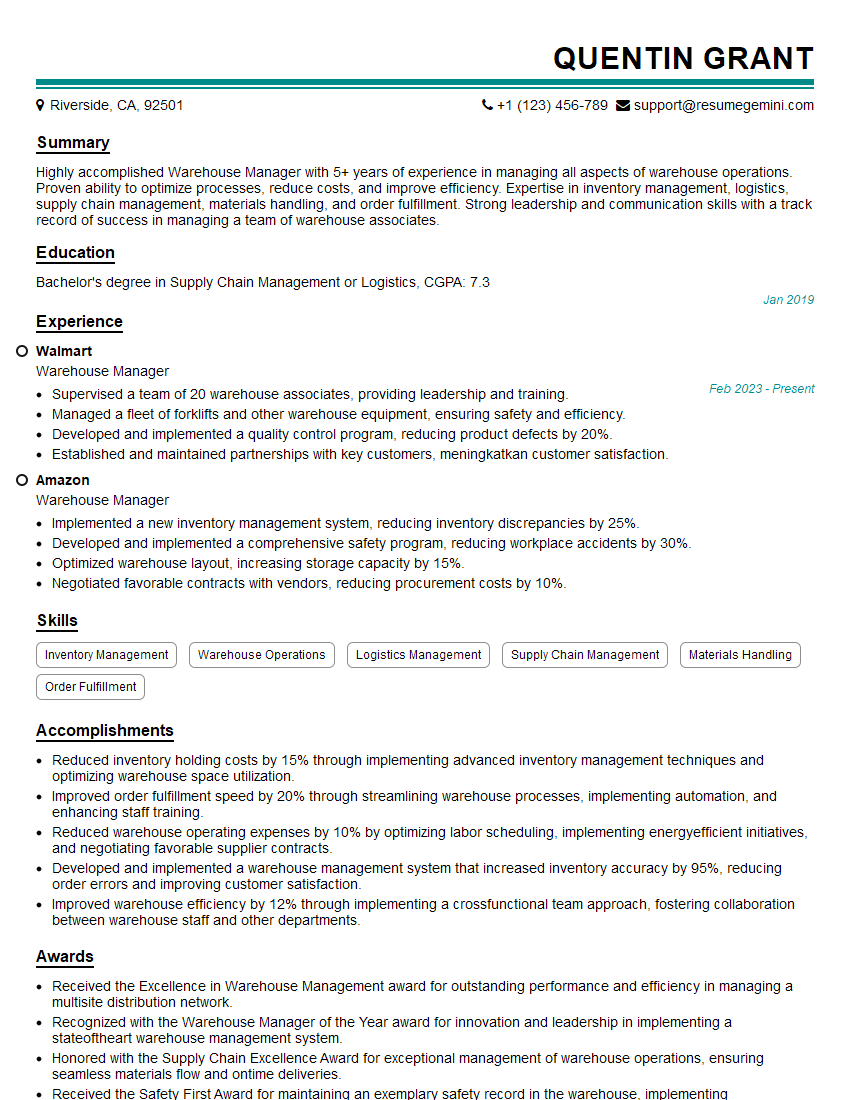
Warehouse Manager Resume Sample
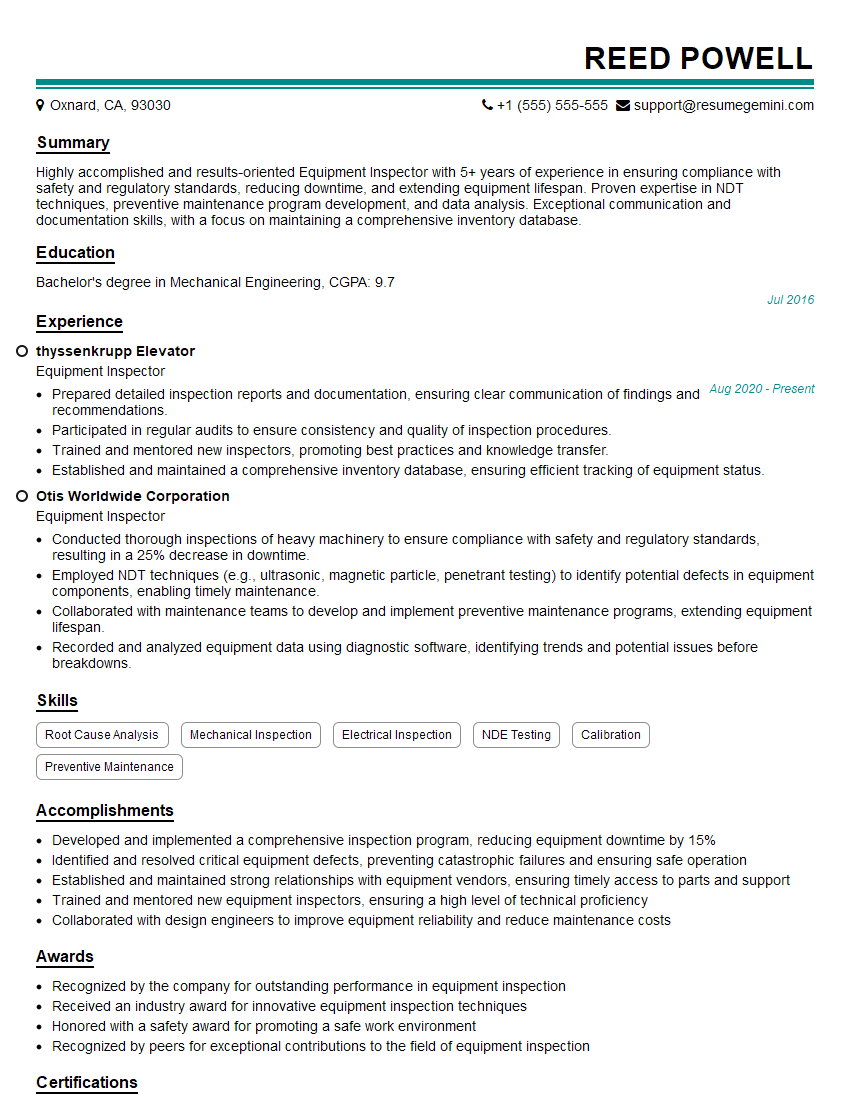
Equipment Inspector Resume Sample

Crane Operator Resume Sample
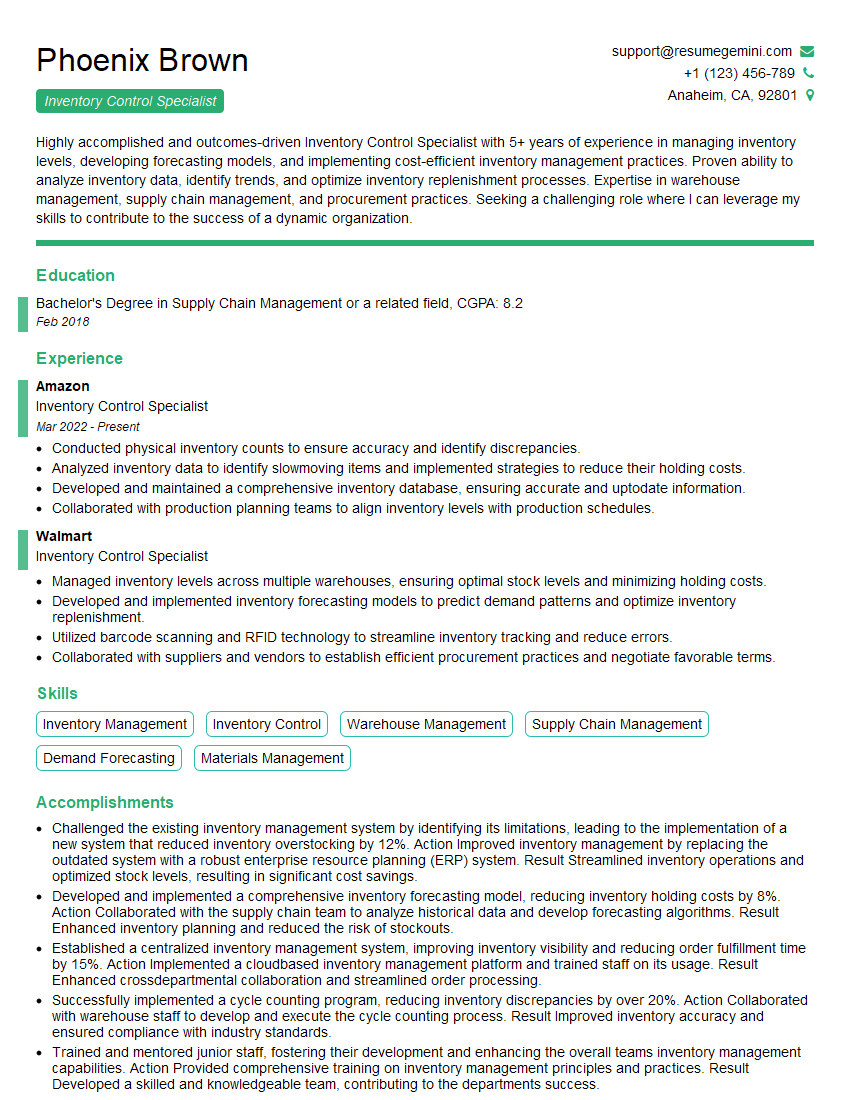
Inventory Control Specialist Resume Sample
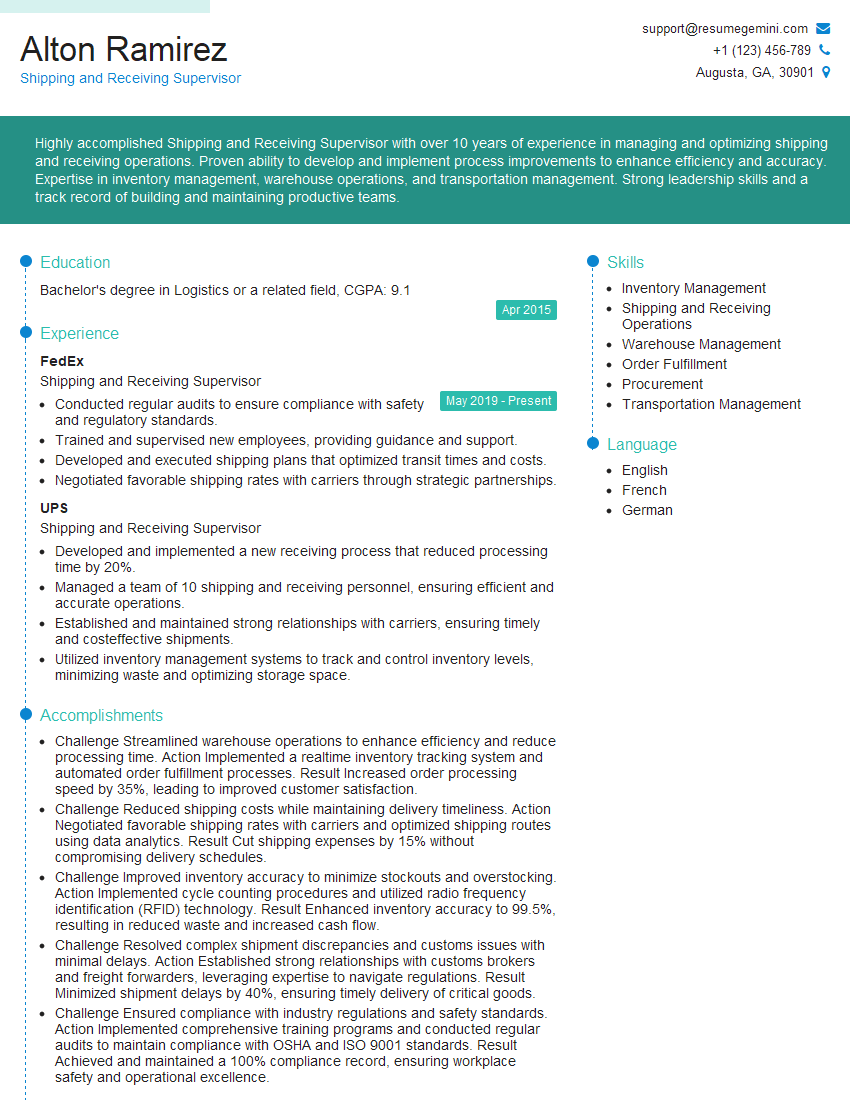
Shipping and Receiving Supervisor Resume Sample
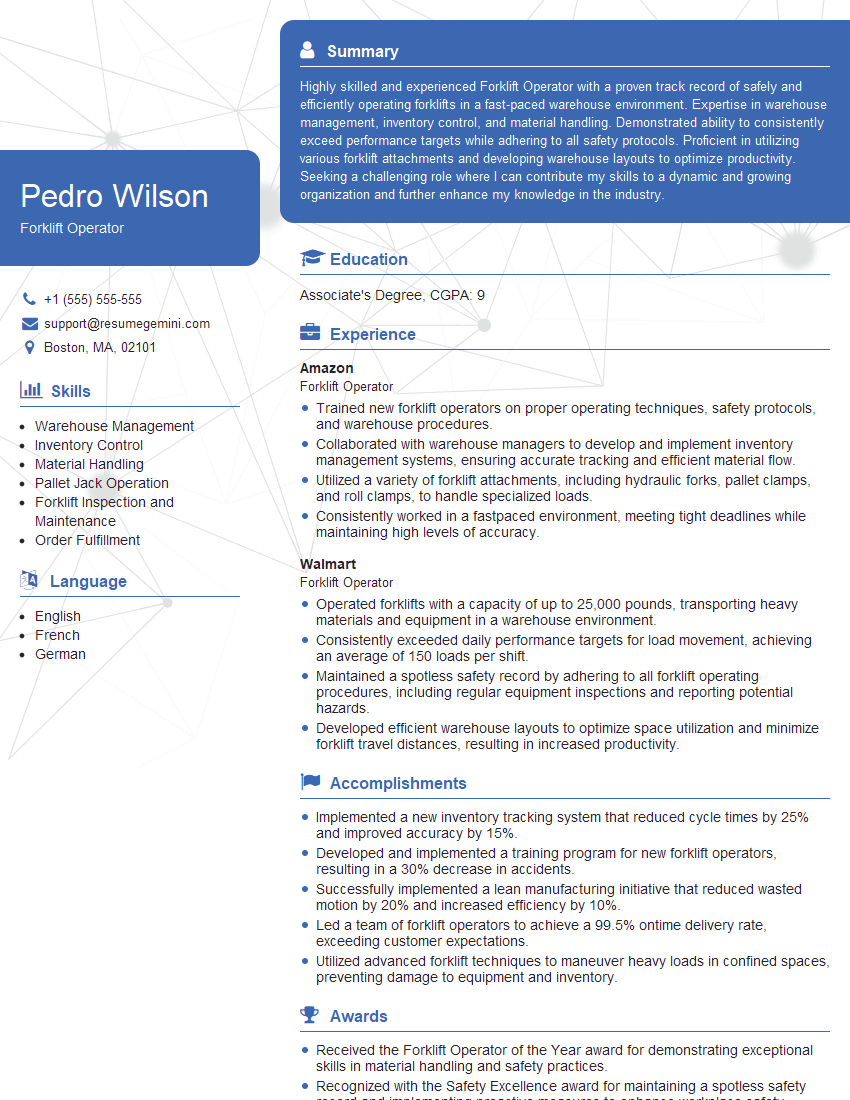
Forklift Operator Resume Sample
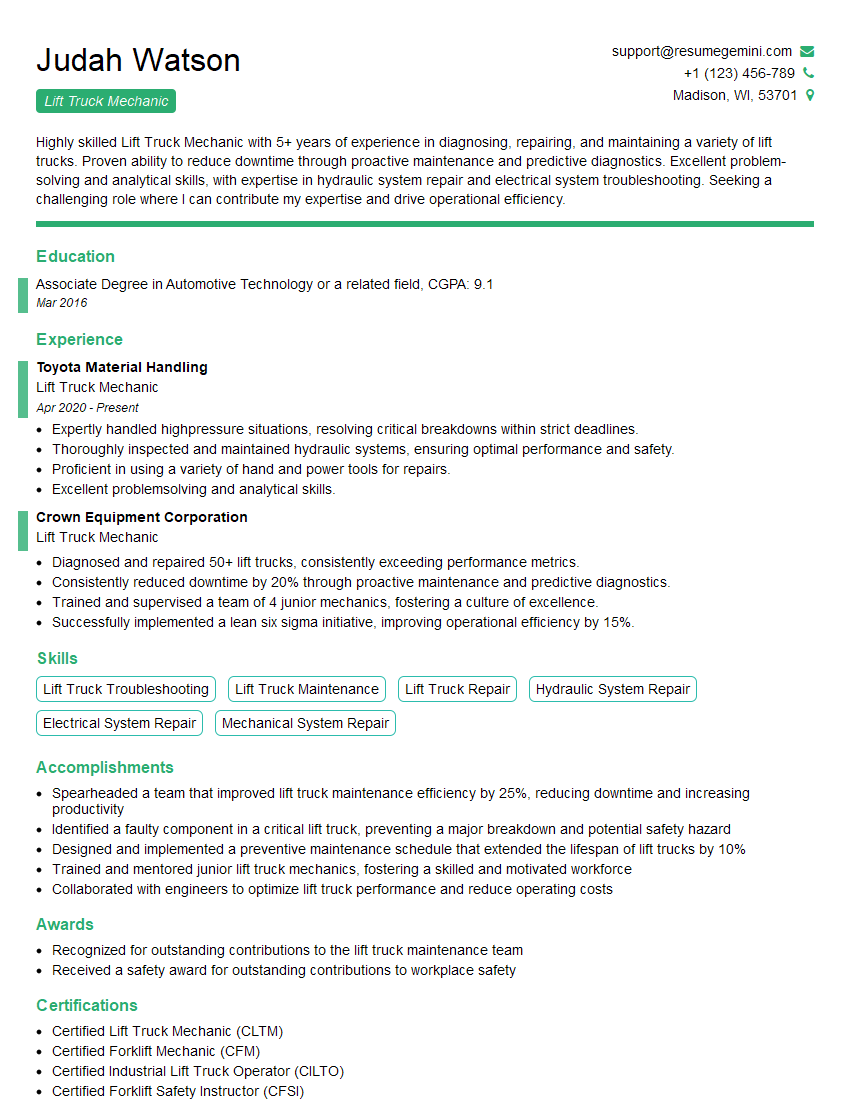
Lift Truck Mechanic Resume Sample
Explore more articles
Users Rating of Our Blogs
Share Your Experience
We value your feedback! Please rate our content and share your thoughts (optional).
What Readers Say About Our Blog
Really detailed insights and content, thank you for writing this detailed article.
IT gave me an insight and words to use and be able to think of examples