Interviews are more than just a Q&A session—they’re a chance to prove your worth. This blog dives into essential Livestock Business Management interview questions and expert tips to help you align your answers with what hiring managers are looking for. Start preparing to shine!
Questions Asked in Livestock Business Management Interview
Q 1. Describe your experience in developing and implementing livestock production plans.
Developing and implementing successful livestock production plans requires a meticulous, data-driven approach. It starts with a thorough understanding of your resources – land, capital, labor, and the specific livestock you’re working with. I begin by defining clear, measurable goals, such as increasing production by X% or improving feed conversion ratio by Y%. This is followed by a detailed assessment of the current state of the operation, including animal health, existing infrastructure, and market analysis.
Next, I develop a comprehensive plan encompassing breeding strategies, feeding regimens, health protocols, and marketing strategies. This plan is broken down into actionable steps with specific timelines and responsible parties. For example, a plan for increasing dairy cow milk production might include upgrading the milking system, implementing a precision feeding program based on individual cow needs, and a rigorous breeding program focused on selecting for high milk yield genetics. Regular monitoring and adjustments based on performance data are crucial for optimizing the plan’s effectiveness. Finally, I use key performance indicators (KPIs) to track progress and make necessary adjustments throughout the process, ensuring the plan remains aligned with the initial goals.
In one project, I helped a small farm transition from traditional grazing to a more intensive rotational grazing system, significantly improving pasture utilization and animal health while increasing their beef production by 20% within two years. This involved careful planning of pasture rotation, supplementation strategies, and training the farm staff on the new system.
Q 2. How do you manage feed costs to maximize profitability?
Managing feed costs is critical for profitability in livestock farming. My strategy focuses on a multi-pronged approach: optimizing feed formulations, sourcing feed efficiently, minimizing waste, and leveraging technology for precision feeding.
- Feed Formulation: I work with nutritionists to develop cost-effective feed rations that meet the specific nutritional needs of the livestock at each stage of production. This involves balancing the use of various feed ingredients to ensure optimal animal performance while minimizing expenses. For example, incorporating locally sourced ingredients or byproducts can significantly reduce costs.
- Efficient Sourcing: I establish strong relationships with reliable suppliers to negotiate favorable prices and ensure timely delivery of high-quality feed. Bulk purchasing and exploring alternative feed sources (e.g., crop residues) can lead to significant savings.
- Waste Reduction: Implementing proper storage techniques and monitoring feed intake closely helps prevent spoilage and minimize waste. Accurate record-keeping allows for adjustments in feed allocation, reducing the chance of overfeeding.
- Precision Feeding: Employing technology like automated feeders and feed sensors enables precise feed allocation based on individual animal needs, maximizing feed efficiency and minimizing waste. This is especially useful in dairy farms or intensive pig operations.
For example, in a poultry operation, I implemented a precision feeding system using sensors to track feed consumption and adjust rations according to bird age and growth rate, resulting in a 15% reduction in feed costs while maintaining high production levels.
Q 3. Explain your approach to animal health management and disease prevention.
Animal health management is paramount in livestock production. My approach is based on a proactive, biosecurity-focused strategy that combines preventative measures with prompt and effective treatment. This involves implementing rigorous biosecurity protocols to prevent the introduction and spread of diseases, along with regular health monitoring and vaccination programs.
- Biosecurity: This includes strict hygiene practices, quarantine procedures for new animals, rodent and pest control, and the proper disposal of waste. Limiting access to the livestock facilities by unauthorized personnel is also crucial.
- Health Monitoring: Regular inspections, weighing, and vital sign monitoring allow for early detection of diseases. This includes regular fecal examinations, blood tests, and the use of modern diagnostic tools.
- Vaccination Programs: Implementing appropriate vaccination schedules, tailored to the specific diseases prevalent in the region, is essential for protecting the herd.
- Veterinary Services: Maintaining close collaboration with a qualified veterinarian for advice, diagnosis, and treatment is crucial.
I always emphasize preventative care, as treating diseases is significantly more expensive than preventing them. In one instance, by implementing a robust biosecurity program, including improved sanitation and vaccination against a prevalent respiratory disease, I helped a swine farm drastically reduce their mortality rate, leading to significant improvements in profitability.
Q 4. What are your strategies for optimizing breeding programs for improved genetics?
Optimizing breeding programs involves a strategic approach to improve the genetic merit of the livestock herd. This combines careful selection of breeding animals with the use of reproductive technologies to accelerate genetic progress.
- Selection Criteria: I focus on selecting breeding animals with superior genetics based on traits relevant to the specific production goals. This might involve using performance records, pedigree information, and genetic evaluations. For example, in dairy cattle, selection might focus on milk yield, milk components, and disease resistance.
- Reproductive Technologies: Employing artificial insemination (AI), embryo transfer, and genomic selection can significantly improve the rate of genetic gain. AI allows for the use of superior sires, while embryo transfer facilitates the rapid multiplication of superior females.
- Genetic Evaluation: Using modern genetic evaluation tools, such as genomic selection, allows for more accurate prediction of an animal’s breeding value, leading to more efficient selection decisions.
- Data Management: Accurate record-keeping of animal performance, pedigree, and health data is critical for effective genetic evaluation and selection.
For instance, I helped a sheep farm implement a breeding program incorporating genomic selection to improve wool quality and lambing rate, leading to a 10% increase in profitability within three years.
Q 5. How do you monitor and analyze livestock performance data?
Monitoring and analyzing livestock performance data is crucial for making informed management decisions. I utilize a combination of manual data collection and technology to gather and analyze various performance metrics.
- Data Collection: This involves regularly collecting data on animal weight, feed intake, milk production, reproduction rates, mortality rates, and other relevant parameters. This can be done manually using spreadsheets or through automated systems using sensors and data loggers.
- Data Analysis: I use statistical software and data visualization tools to analyze the collected data, identify trends, and pinpoint areas for improvement. This includes calculating key performance indicators (KPIs) such as feed conversion ratio, daily weight gain, and reproductive efficiency.
- Benchmarking: Comparing performance data to industry benchmarks helps identify areas where the operation is underperforming and provides targets for improvement.
- Reporting: Regular reports are generated to communicate performance data to management and stakeholders, facilitating timely adjustments to the production plan.
In a dairy operation, I used data analysis to identify a correlation between mastitis incidence and a specific feeding regimen. By modifying the ration, we significantly reduced the prevalence of mastitis, improving milk production and reducing treatment costs.
Q 6. Describe your experience with livestock marketing and sales.
Successful livestock marketing involves understanding market trends, developing a strong brand, and establishing effective sales channels. My approach focuses on identifying target markets, ensuring high-quality products, and optimizing sales strategies.
- Market Research: Thorough market research helps identify target buyers, understand their preferences, and anticipate market trends. This includes analyzing price fluctuations, consumer demand, and competition.
- Product Quality: Ensuring high-quality livestock products through adherence to strict production standards and maintaining animal welfare is critical for building a strong brand reputation.
- Sales Channels: Exploring various sales channels, such as direct sales, auctions, contracts with processors, or online marketplaces, allows for diversification and maximization of returns.
- Branding and Marketing: Developing a strong brand identity and utilizing effective marketing strategies, including online platforms and industry networking, helps attract buyers and establish a premium price for high-quality products.
For example, I helped a poultry farm establish a direct-to-consumer sales channel through a farmers’ market and online ordering system, allowing them to bypass intermediaries and increase their profit margin significantly.
Q 7. How do you manage labor and personnel within a livestock operation?
Effective labor management in livestock operations requires a strategic approach that combines fair compensation, proper training, motivation, and efficient task allocation. This is crucial for maintaining productivity, ensuring animal welfare, and fostering a positive work environment.
- Recruitment and Selection: Employing qualified and motivated individuals with relevant skills and experience is fundamental. This involves defining clear job descriptions, conducting thorough interviews, and performing background checks.
- Training and Development: Providing regular training on animal handling techniques, safety procedures, and relevant technologies empowers employees to perform their tasks effectively and safely. This also reduces the risk of accidents and improves overall efficiency.
- Compensation and Benefits: Offering competitive wages and benefits packages attracts and retains skilled personnel. Fair compensation fosters motivation and loyalty among employees.
- Task Allocation and Supervision: Clearly defining roles and responsibilities, providing appropriate supervision, and ensuring clear communication channels facilitate efficient work flow.
- Employee Motivation: Fostering a positive work environment through recognition, appreciation, and providing opportunities for advancement increases employee satisfaction and commitment.
In one project, I helped a dairy farm implement a training program focused on improving milking efficiency and animal handling techniques, leading to a noticeable increase in milk production and a significant reduction in workplace accidents.
Q 8. Explain your understanding of biosecurity protocols for livestock.
Biosecurity in livestock farming is crucial for preventing the introduction and spread of diseases. Think of it as creating a fortress around your animals to protect them from harmful pathogens. It involves a multi-layered approach encompassing strict hygiene protocols, quarantine procedures, and careful management of animal movements.
- Hygiene: Regular cleaning and disinfection of facilities, equipment, and vehicles are paramount. This includes using appropriate disinfectants and ensuring proper disposal of waste. For example, I’ve implemented a strict footbath system at every entry point to a barn to prevent the introduction of pathogens.
- Quarantine: Newly acquired animals must be isolated for a specific period (often 30 days) before introduction to the main herd. This allows for observation for any signs of disease. I’ve seen firsthand how crucial this is – a seemingly healthy animal can carry a latent infection.
- Vector Control: Managing pests like rodents and insects which can carry diseases is essential. This involves using traps, insecticides (used responsibly and judiciously), and maintaining a clean environment. Rodent control is particularly critical in feed storage areas.
- Personnel Hygiene: Farm workers should change clothing and footwear before entering different areas of the farm and practice good hand hygiene. Regular training on biosecurity best practices is a must.
- Traffic Control: Limiting access to the farm and controlling the movement of vehicles and people is essential. Visitors should be discouraged unless absolutely necessary.
Effective biosecurity reduces disease outbreaks, minimizes treatment costs, and ultimately protects animal welfare and farm profitability.
Q 9. What is your experience with different livestock housing systems?
My experience encompasses a variety of livestock housing systems, each with its own advantages and disadvantages. The optimal system depends on factors like animal type, climate, available resources, and budget.
- Free-range systems: Offer animals greater freedom and natural behavior, improving animal welfare. However, they require more land, can lead to increased parasite risk, and pose challenges in managing the animals and providing supplementary feed.
- Pasture-based systems: Involve rotational grazing, allowing for optimal pasture use and minimizing overgrazing. I’ve utilized this successfully with beef cattle, optimizing pasture utilization through careful planning and monitoring.
- Intensive systems: Utilize confinement buildings (such as barns and sheds) with varying levels of control over environment and animal interactions. These systems are efficient in terms of space and resource utilization, but require greater investments in infrastructure and careful attention to animal welfare to avoid stress and disease.
- Mixed systems: Combine elements of different systems to optimize benefits. For example, a system combining pasture grazing during the day with nighttime confinement in a barn can provide animals with access to pasture while offering protection from predators and harsh weather.
Selecting the appropriate housing system requires careful consideration of all relevant factors, and optimizing this choice is key to efficient and ethical livestock production.
Q 10. How do you handle unexpected events, such as disease outbreaks or equipment malfunctions?
Unexpected events require a rapid and well-organized response. Having a pre-prepared plan is crucial. My approach involves a structured, multi-step process.
- Assessment: Quickly assess the situation, determining the extent of the problem and potential impact.
- Containment: Implement immediate control measures to prevent further spread or damage. For example, isolating sick animals to prevent a disease outbreak from spreading throughout the herd.
- Notification: Alert relevant authorities (veterinarians, regulatory agencies) as appropriate. Timely notification is vital for gaining assistance and compliance with regulations.
- Action: Implement corrective actions based on the assessment, utilizing available resources and expertise. This might involve treatment for sick animals, repairs to malfunctioning equipment, or implementing alternative feeding strategies.
- Post-event analysis: Conduct a thorough review of the event to identify the cause, implement preventative measures, and refine existing protocols to minimize the likelihood of similar events occurring in the future. This often involves record keeping and reporting.
For instance, during a recent power outage, our backup generator ensured continued ventilation and water supply, minimizing stress on the animals and preventing losses.
Q 11. Describe your knowledge of different livestock feeding strategies.
Livestock feeding strategies are critical for animal health, productivity, and profitability. The ideal strategy depends on the animal species, age, stage of production (e.g., growth, lactation), and the available resources.
- Balanced rations: Formulating diets that meet the animal’s nutritional requirements is key. This involves considering protein, energy, minerals, and vitamins. I use specialized software to calculate optimal rations based on feed composition and animal needs.
- Pasture management: Proper grazing management ensures sufficient forage quality and quantity. Rotational grazing is crucial for maintaining pasture health and minimizing overgrazing.
- Supplementary feeding: Providing additional feed to complement pasture grazing, especially during periods of low forage availability or high animal demand (like lactation). This might include concentrates, hay, or silage.
- Precision feeding: Utilizing technology like automated feeding systems to deliver precise amounts of feed tailored to individual animal needs. This approach optimizes feed utilization and reduces waste.
- Feed efficiency: Monitoring feed conversion ratios (FCR) to assess the efficiency of feed utilization. A lower FCR indicates greater efficiency.
Effective feeding strategies translate to better animal health, increased productivity, and reduced feed costs.
Q 12. How do you ensure compliance with environmental regulations and animal welfare standards?
Compliance with environmental regulations and animal welfare standards is non-negotiable. It’s not just about adhering to the law but also about ethical and sustainable farming practices.
- Waste management: Properly managing manure and other waste to minimize environmental impact. This might involve using anaerobic digesters to produce biogas or utilizing manure as fertilizer. I’ve implemented a composting system to reduce waste and create valuable fertilizer.
- Water management: Efficient water usage is crucial, considering water quality and conservation. Implementing water recycling systems, as well as monitoring water quality.
- Environmental impact assessments: Regularly assessing the environmental footprint of the operation to identify areas for improvement.
- Animal welfare audits: Conducting regular audits to ensure that animals are kept in humane conditions. This includes assessing housing, feeding, and handling practices. We utilize standardized welfare assessment protocols.
- Record keeping: Maintaining detailed records of all farm activities to demonstrate compliance with regulations and standards. Accurate record keeping is paramount for traceability and accountability.
Compliance protects the environment, upholds animal welfare, and enhances the farm’s reputation and sustainability.
Q 13. Explain your experience in managing livestock finances, including budgeting and forecasting.
Managing livestock finances requires a combination of accurate record-keeping, budgeting, and forecasting. It’s about understanding the costs and revenues involved in livestock production and making informed decisions to maximize profitability.
- Budgeting: Developing detailed budgets that account for all income and expenses. This involves forecasting feed costs, labor costs, veterinary expenses, and other inputs. I utilize spreadsheet software and financial planning tools for this purpose.
- Cost accounting: Tracking costs associated with different aspects of the operation, such as feed, labor, and veterinary care, to identify areas for cost reduction.
- Revenue forecasting: Predicting future income based on factors such as market prices, production levels, and sales contracts. This involves analyzing historical data and considering market trends.
- Financial analysis: Regularly analyzing financial data to assess profitability, liquidity, and solvency. Key performance indicators (KPIs) are tracked, such as return on investment (ROI) and net profit margin.
- Financial planning: Developing long-term financial plans to guide investment decisions and ensure the farm’s financial sustainability. This often involves seeking external financial advice.
Proactive financial management is essential for the long-term success and resilience of any livestock operation.
Q 14. What are your strategies for risk management in livestock production?
Risk management in livestock production involves proactively identifying and mitigating potential threats to the business. A multi-pronged approach is necessary.
- Disease prevention: Implementing robust biosecurity protocols, as discussed earlier, to minimize the risk of disease outbreaks.
- Market risk management: Hedging against market price fluctuations through strategies such as forward contracts or futures trading to lock in prices.
- Weather risk management: Mitigating the impact of adverse weather conditions through measures such as appropriate housing, drought-resistant feed sources, and crop insurance.
- Input cost management: Securing supplies of feed, veterinary medications, and other inputs at favorable prices through long-term contracts or strategic purchasing.
- Financial risk management: Maintaining adequate financial reserves to cover unexpected expenses and ensuring appropriate insurance coverage for potential losses (e.g., animal mortality, property damage).
- Production risk management: Optimizing breeding programs, animal health management, and feeding strategies to improve production efficiency and reduce losses.
A comprehensive risk management plan, regularly reviewed and updated, is crucial for the long-term success and stability of any livestock enterprise.
Q 15. Describe your experience with precision livestock farming technologies.
Precision livestock farming (PLF) leverages technology to enhance efficiency and animal welfare. My experience encompasses implementing various PLF technologies, including:
- Automated feeding systems: I’ve worked with systems that precisely control feed rations based on individual animal needs, optimizing growth and reducing waste. For example, I helped a dairy farm implement a system that reduced feed costs by 15% by tailoring rations to individual cow milk production.
- Wearable sensors: I’ve utilized sensors on animals to monitor activity, rumination, and body temperature, enabling early detection of health issues like mastitis or lameness. Early detection through sensors on a beef cattle herd allowed for prompt treatment, resulting in a significant reduction in mortality rates.
- Data analytics platforms: I’m proficient in using software that analyzes data from various sources to identify trends and make informed management decisions. This includes predicting heat cycles in breeding programs, optimizing herd management and improving profitability.
- Automated milking systems: I have extensive experience in managing and optimizing automated milking systems, improving milk yield and hygiene standards.
These technologies, when integrated effectively, contribute to significant improvements in farm productivity, animal health, and overall sustainability.
Career Expert Tips:
- Ace those interviews! Prepare effectively by reviewing the Top 50 Most Common Interview Questions on ResumeGemini.
- Navigate your job search with confidence! Explore a wide range of Career Tips on ResumeGemini. Learn about common challenges and recommendations to overcome them.
- Craft the perfect resume! Master the Art of Resume Writing with ResumeGemini’s guide. Showcase your unique qualifications and achievements effectively.
- Don’t miss out on holiday savings! Build your dream resume with ResumeGemini’s ATS optimized templates.
Q 16. How do you maintain accurate records and track key performance indicators (KPIs)?
Maintaining accurate records and tracking KPIs is paramount in livestock management. I utilize a combination of methods:
- Farm Management Software: I’m experienced with various software packages designed for livestock management. These platforms allow for streamlined data entry, automated calculations of KPIs, and generation of insightful reports. I can customize reports to track metrics relevant to specific farm goals – for instance, focusing on feed conversion ratios for a broiler operation or reproductive performance for a dairy operation.
- Spreadsheets & Databases: For specific record-keeping needs or when integrating data from multiple sources, I leverage spreadsheets and databases to create custom tracking systems. This allows for flexible data analysis and reporting, tailoring the system to the unique requirements of each farm.
- Regular Audits: Conducting regular audits ensures data accuracy and identifies areas needing improvement in record-keeping processes. This involves comparing physical inventory with recorded data, verifying weighings, and checking for inconsistencies.
- Visual Management Systems: To make key performance data easily accessible and understandable for everyone on the team, I frequently implement visual management systems – dashboards that clearly show key metrics in real time, facilitating quick identification and resolution of issues.
KPIs tracked typically include feed conversion ratio, mortality rate, daily weight gain, milk yield, reproductive efficiency, and overall profitability.
Q 17. How do you assess and select appropriate livestock breeds for a given environment?
Selecting appropriate livestock breeds involves careful consideration of several factors:
- Climate and Environment: Breeds adapted to specific climates are crucial. For instance, heat-tolerant breeds are preferred in tropical regions, while breeds with thicker coats are suitable for colder climates.
- Disease Resistance: Selecting breeds with inherent resistance to prevalent diseases in the region minimizes health issues and reduces treatment costs. For example, in areas with high parasite loads, choosing breeds with natural parasite resistance is paramount.
- Production Traits: The choice depends on the farming objective. For meat production, breeds with high growth rates and good carcass quality are preferred, while for dairy operations, breeds with high milk yield and good milk composition are selected. For example, selecting a breed known for its high meat-to-bone ratio maximizes profits in a beef operation.
- Market Demand: Understanding market preferences for specific breeds and products is crucial. Certain breeds may command higher prices, making them a more profitable choice.
- Management Capabilities: The chosen breed should match the farmer’s management capabilities and available resources. A breed requiring specialized management might not be suitable for a small-scale operation.
Thorough research and consultation with breed experts are vital in making informed decisions. Using breed selection tools and genetic evaluations can further assist in identifying breeds well-suited to the specific environment and production goals.
Q 18. Describe your knowledge of livestock reproduction and breeding techniques.
My knowledge of livestock reproduction and breeding techniques is extensive, covering various aspects including:
- Estrus Detection: Accurate detection of the estrus cycle (heat) is crucial for successful breeding. I’m proficient in various methods, including visual observation, using heat detection patches, and employing technological aids such as activity monitors.
- Artificial Insemination (AI): I have hands-on experience with AI techniques, including semen handling, insemination procedures, and record-keeping. AI offers advantages like improved genetic selection and disease control. I have experience with both conventional and sexed semen technologies.
- Embryo Transfer (ET): I understand the principles and practices of ET, a technique that allows for rapid genetic improvement and multiplication of superior animals. It’s especially useful in breeding valuable animals.
- Breeding Programs: I’m skilled in developing and implementing breeding programs that optimize genetic gain for specific traits, such as milk production, meat quality, or disease resistance. This often involves using genetic evaluation data and employing various breeding strategies, such as line breeding and crossbreeding.
- Reproductive Health Management: Maintaining optimal reproductive health in the herd is critical. This includes vaccination programs, nutrition management, and early detection and treatment of reproductive disorders.
Understanding the reproductive physiology of different species and applying appropriate breeding strategies are essential for maximizing reproductive efficiency and profitability.
Q 19. What is your experience with sustainable livestock farming practices?
Sustainable livestock farming aims to minimize environmental impact while maintaining economic viability and animal welfare. My experience incorporates:
- Improved Pasture Management: Implementing rotational grazing, using cover crops, and minimizing soil compaction to improve pasture health and reduce reliance on supplemental feed. This reduces greenhouse gas emissions and improves soil quality.
- Manure Management: Employing efficient manure management systems, including composting, anaerobic digestion, and liquid manure application to reduce nutrient runoff and minimize greenhouse gas emissions. I also have experience in utilizing manure as a fertilizer, reducing the need for synthetic fertilizers.
- Water Management: Optimizing water usage through efficient irrigation systems and water recycling techniques to conserve this precious resource. This includes installing water troughs that minimize water loss.
- Reduced Antibiotic Use: Implementing biosecurity measures, improving animal health through vaccination and nutrition, and utilizing alternative treatments to reduce reliance on antibiotics, promoting animal and environmental health.
- Precision Livestock Farming Technologies: Utilizing PLF technologies to monitor animal health and optimize resource use, leading to improved efficiency and reduced environmental impact. For example, using sensors to precisely monitor feed intake can drastically reduce feed waste and associated greenhouse emissions.
Sustainable practices are not merely an add-on; they are integral to long-term farm success and responsible stewardship of natural resources.
Q 20. How do you manage manure and waste disposal in a responsible manner?
Responsible manure and waste management is critical for environmental protection and public health. My approach involves:
- Manure Storage and Handling: Utilizing appropriate storage facilities, such as lagoons, solid manure storage, or covered manure piles, to prevent runoff and odor emissions. Appropriate selection of storage methods is dependent on climate, soil type, and farm size.
- Manure Treatment: Employing methods such as composting, anaerobic digestion, or liquid manure application to reduce pathogens and nutrient content. Composting, for instance, reduces volume and creates valuable soil amendment.
- Nutrient Management Planning: Developing nutrient management plans to optimize fertilizer application based on soil tests and crop needs, minimizing nutrient runoff into water bodies. This prevents water contamination from excess nutrients.
- Wastewater Treatment: Implementing wastewater treatment systems, where appropriate, to reduce pollutants before discharge. This could involve anaerobic digesters or constructed wetlands to treat wastewater from cleaning facilities.
- Compliance with Regulations: Adhering to all relevant environmental regulations and permitting requirements for manure and waste disposal. This includes adhering to local and national regulations regarding manure application rates and storage.
Proper manure management not only protects the environment but also creates valuable resources, such as biofertilizers and biogas. It’s a crucial element of sustainable livestock farming.
Q 21. Describe your experience with negotiating contracts and purchasing supplies for livestock operations.
Negotiating contracts and purchasing supplies are essential aspects of livestock management. My experience involves:
- Market Research: Conducting thorough market research to identify reliable suppliers, compare prices, and assess product quality before committing to purchases. This includes regularly comparing prices across different suppliers.
- Contract Negotiation: I’m skilled in negotiating favorable contracts with suppliers, ensuring competitive pricing, timely delivery, and acceptable payment terms. This involves understanding market dynamics and leveraging negotiation strategies.
- Supply Chain Management: Establishing and maintaining efficient supply chains, ensuring consistent availability of essential supplies like feed, veterinary medications, and breeding supplies. This requires building long-term relationships with trustworthy suppliers.
- Inventory Management: Effectively managing inventory levels to minimize storage costs and prevent shortages. This includes accurately tracking inventory levels and employing forecasting techniques to predict future needs.
- Cost Analysis: Conducting regular cost analyses to identify areas for cost savings and improve overall profitability. This involves identifying areas where purchasing practices could be optimized.
Strategic purchasing and effective contract negotiation are crucial for maintaining a healthy bottom line in the livestock business.
Q 22. Explain your approach to employee training and development within a livestock operation.
Employee training and development is the cornerstone of a successful livestock operation. My approach is multifaceted, focusing on both technical skills and soft skills crucial for animal handling and team collaboration.
- Onboarding: New hires undergo comprehensive training on animal husbandry practices specific to our operation (e.g., handling techniques for different species, disease recognition, record-keeping). We emphasize safe work practices from day one.
- Continuing Education: We invest in ongoing training through workshops, conferences, and online courses. This ensures our team stays updated on best practices in animal welfare, biosecurity, and emerging technologies in livestock management. For example, we recently sent our team to a workshop on precision livestock farming.
- Mentorship Program: Experienced staff mentor newer employees, fostering a culture of knowledge sharing and continuous improvement. This creates a supportive learning environment and improves team cohesion.
- Performance Evaluations: Regular performance reviews provide opportunities for feedback, identify training needs, and track employee progress. This ensures we are addressing individual skill gaps and promoting professional growth.
- Cross-training: We encourage cross-training to increase staff versatility and resilience. This ensures that if one team member is absent, others can seamlessly fill the gap, preventing disruptions to daily operations.
This structured approach ensures our team is highly skilled, motivated, and capable of adapting to the ever-evolving demands of livestock management. It also contributes to a safer and more efficient work environment.
Q 23. How do you ensure the safety and well-being of your employees while working with livestock?
Ensuring employee safety and well-being is paramount. Our safety protocols are comprehensive and integrated into all aspects of our operations.
- Hazard Identification and Risk Assessment: We regularly conduct thorough risk assessments to identify potential hazards associated with working with livestock (e.g., aggressive animals, heavy machinery, biosecurity risks). This allows us to implement preventative measures.
- Personal Protective Equipment (PPE): We provide and enforce the use of appropriate PPE, including steel-toed boots, gloves, safety glasses, and hearing protection, depending on the task.
- Safe Handling Procedures: Employees receive extensive training on safe livestock handling techniques, emphasizing the importance of calm and controlled movements. We utilize appropriate equipment like chutes and restraint systems to minimize risks.
- Emergency Response Plan: A well-defined emergency response plan is in place, including procedures for handling injuries, animal escapes, and disease outbreaks. Regular drills ensure staff preparedness.
- Regular Health and Safety Checks: We conduct regular safety inspections and audits to ensure compliance with regulations and identify any potential issues before they escalate. Employee feedback on safety concerns is actively solicited and addressed promptly.
Our commitment to safety isn’t just a policy; it’s a culture that permeates every aspect of our work. We believe that a safe work environment is a productive work environment.
Q 24. Describe your experience with using livestock management software and data analysis tools.
I have extensive experience using livestock management software and data analysis tools. These tools are indispensable for optimizing efficiency, improving animal welfare, and making informed business decisions.
- Software Usage: I’m proficient in various livestock management software packages, including those that track animal health records, breeding cycles, feed consumption, and production outputs. This allows for precise data collection and efficient record-keeping.
- Data Analysis: I utilize data analysis techniques to identify trends, predict potential problems, and optimize resource allocation. For instance, we used data analysis to identify a correlation between feed type and milk production in our dairy herd, leading to a change in feed strategy and a significant increase in milk yield.
- Reporting & Decision Making: The data collected and analyzed provides crucial insights that inform key management decisions, ranging from optimizing feeding strategies to forecasting future production and profitability.
- Integration of Systems: I have experience integrating different software systems to streamline data flow and enhance operational efficiency. This includes integrating herd management software with financial accounting software.
Data-driven decision making is critical in today’s competitive livestock industry. My expertise in leveraging software and data analysis ensures that our operation is running at peak efficiency and profitability while maintaining the highest standards of animal welfare.
Q 25. Explain your understanding of different livestock insurance options and their importance.
Understanding livestock insurance is crucial for mitigating financial risks associated with unforeseen events. There are various options, each with its own coverage and limitations.
- Mortality Insurance: This covers losses due to the death of livestock from various causes, including disease, accidents, and natural disasters. It’s a fundamental type of insurance for any livestock operation.
- Liability Insurance: Protects against claims arising from injuries or damages caused by your livestock to third parties or their property.
- Disease Insurance: Covers losses resulting from specific diseases or outbreaks. The coverage and terms vary based on the specific diseases covered.
- Production Insurance: This type of insurance can cover losses in production, such as milk yield or weight gain, due to various factors including weather conditions or disease.
The importance of livestock insurance cannot be overstated. It provides a financial safety net against unpredictable events that can severely impact the profitability and sustainability of a livestock operation. Selecting the appropriate coverage levels requires careful consideration of the specific risks faced by your operation and your risk tolerance.
Q 26. What is your experience with evaluating the financial viability of new livestock projects?
Evaluating the financial viability of new livestock projects requires a thorough and multi-faceted approach. It involves careful analysis of various financial factors to determine the project’s potential for profitability and sustainability.
- Market Research: A detailed analysis of the market demand for the intended livestock product is critical. This includes assessing current market prices, potential future demand, and the level of competition.
- Cost Analysis: A comprehensive assessment of all projected costs is essential. This includes land costs, animal acquisition costs, feed, labor, veterinary care, equipment, and marketing.
- Revenue Projections: Realistic revenue projections are developed based on market prices and anticipated production levels. Different scenarios should be considered, incorporating potential market fluctuations.
- Financial Modeling: Financial models, such as cash flow projections and break-even analysis, are created to evaluate the project’s financial performance under different scenarios. This allows for a comprehensive understanding of the potential risks and returns.
- Risk Assessment: Identifying potential risks, such as disease outbreaks, market downturns, and weather events, and developing strategies to mitigate these risks is crucial. This includes exploring insurance options.
By systematically analyzing these factors, a clear picture of the project’s financial viability emerges, allowing for informed decision-making and the development of a robust business plan.
Q 27. How do you build and maintain relationships with suppliers, clients, and other stakeholders?
Building and maintaining strong relationships with suppliers, clients, and other stakeholders is crucial for the long-term success of any livestock operation. My approach is built on trust, open communication, and mutual respect.
- Supplier Relationships: I prioritize developing strong relationships with reliable suppliers who provide high-quality feed, veterinary services, and other necessary inputs. Open communication and consistent order fulfillment are key to these relationships.
- Client Relationships: Building trust with clients through consistent product quality, reliable delivery, and excellent customer service is critical. Active listening and addressing client concerns promptly build loyalty.
- Stakeholder Engagement: I actively engage with other stakeholders, such as local communities, regulatory bodies, and industry associations. This includes attending industry events, participating in community initiatives, and maintaining open communication with regulatory agencies.
- Transparency and Communication: Open and transparent communication with all stakeholders is paramount. Regular updates, feedback mechanisms, and responsive communication foster trust and mutual understanding.
- Collaboration and Partnership: I seek opportunities for collaboration and partnership with other businesses and organizations to leverage expertise and resources. This can lead to cost savings, improved efficiencies, and access to new markets.
These relationships are not merely transactional; they are strategic partnerships built on mutual benefit and long-term collaboration. This approach ensures a sustainable and thriving livestock operation.
Q 28. Describe a time you had to make a difficult decision related to animal welfare in your livestock operation.
One particularly challenging situation involved a cow that developed a severe and untreatable illness. The animal was suffering significantly, and there was no prospect of recovery.
The decision to euthanize the animal was incredibly difficult. It weighed heavily on me and the team, as we are deeply committed to animal welfare. However, after consulting with our veterinarian and considering the animal’s suffering, we collectively decided that euthanasia was the most humane course of action.
This experience underscored the difficult ethical considerations involved in livestock management. It reinforced the importance of having a clear animal welfare policy, access to experienced veterinary advice, and the ability to make difficult decisions in the best interests of the animals under our care. We also took the opportunity to review our animal health monitoring procedures to see if there were any improvements we could make to prevent similar situations in the future.
Key Topics to Learn for Livestock Business Management Interview
- Animal Husbandry and Production: Understanding breeds, nutrition, health management, and reproductive strategies for various livestock species (cattle, swine, poultry, etc.). Practical application includes analyzing feed efficiency data to optimize profitability.
- Financial Management: Budgeting, cost analysis, pricing strategies, record-keeping, and understanding key financial ratios for livestock operations. Practical application involves creating a realistic budget for a small-scale poultry farm, factoring in variable costs and potential revenue.
- Marketing and Sales: Developing marketing strategies for livestock products, understanding consumer preferences, and navigating the supply chain. Practical application includes devising a plan for selling directly to consumers or negotiating contracts with wholesalers.
- Risk Management: Identifying and mitigating risks associated with disease outbreaks, market fluctuations, environmental factors, and regulatory changes. Practical application involves developing a contingency plan for a potential disease outbreak on a dairy farm.
- Sustainable Livestock Production: Implementing environmentally friendly practices, optimizing resource use, and adhering to animal welfare standards. Practical application includes exploring strategies to reduce greenhouse gas emissions from a cattle feedlot.
- Technology in Livestock Management: Utilizing data analytics, precision farming technologies, and livestock monitoring systems to improve efficiency and productivity. Practical application includes discussing the use of sensors for monitoring animal health and optimizing feeding regimes.
- Legal and Regulatory Compliance: Understanding and adhering to relevant regulations related to animal welfare, biosecurity, and environmental protection. Practical application includes outlining the necessary permits and licenses for operating a livestock farm.
Next Steps
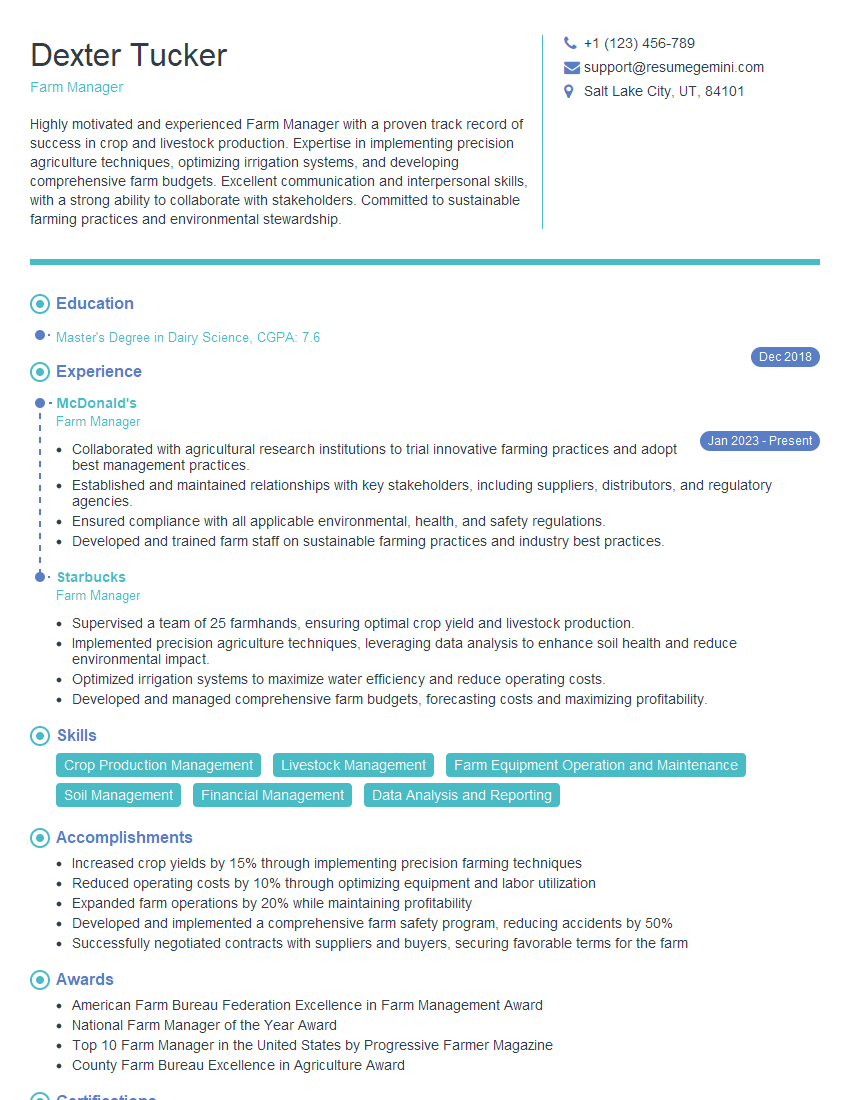
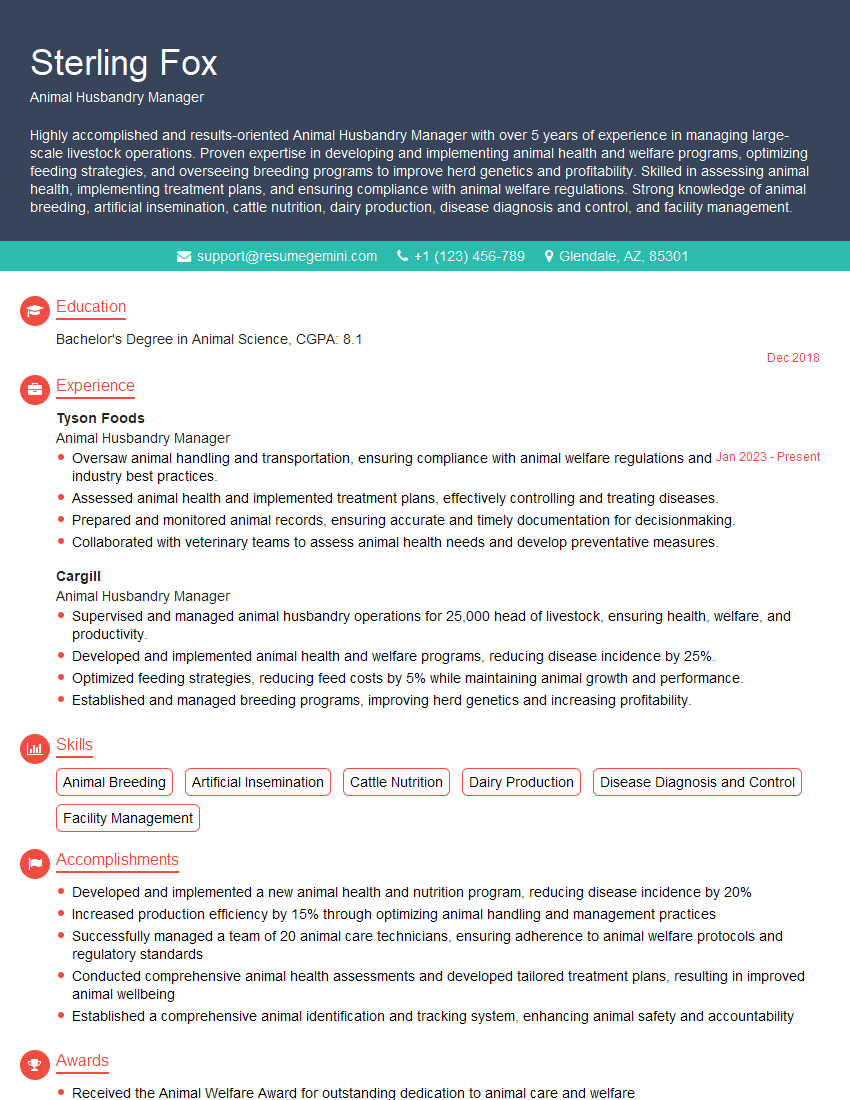
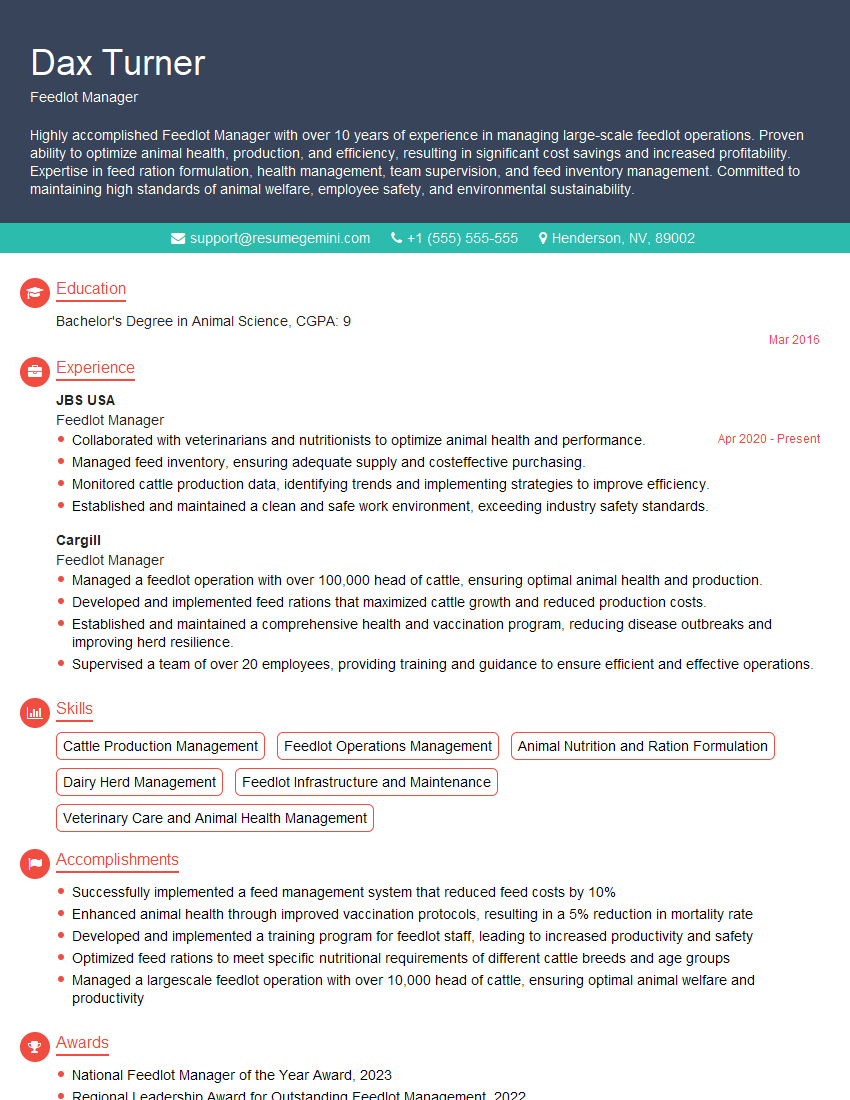
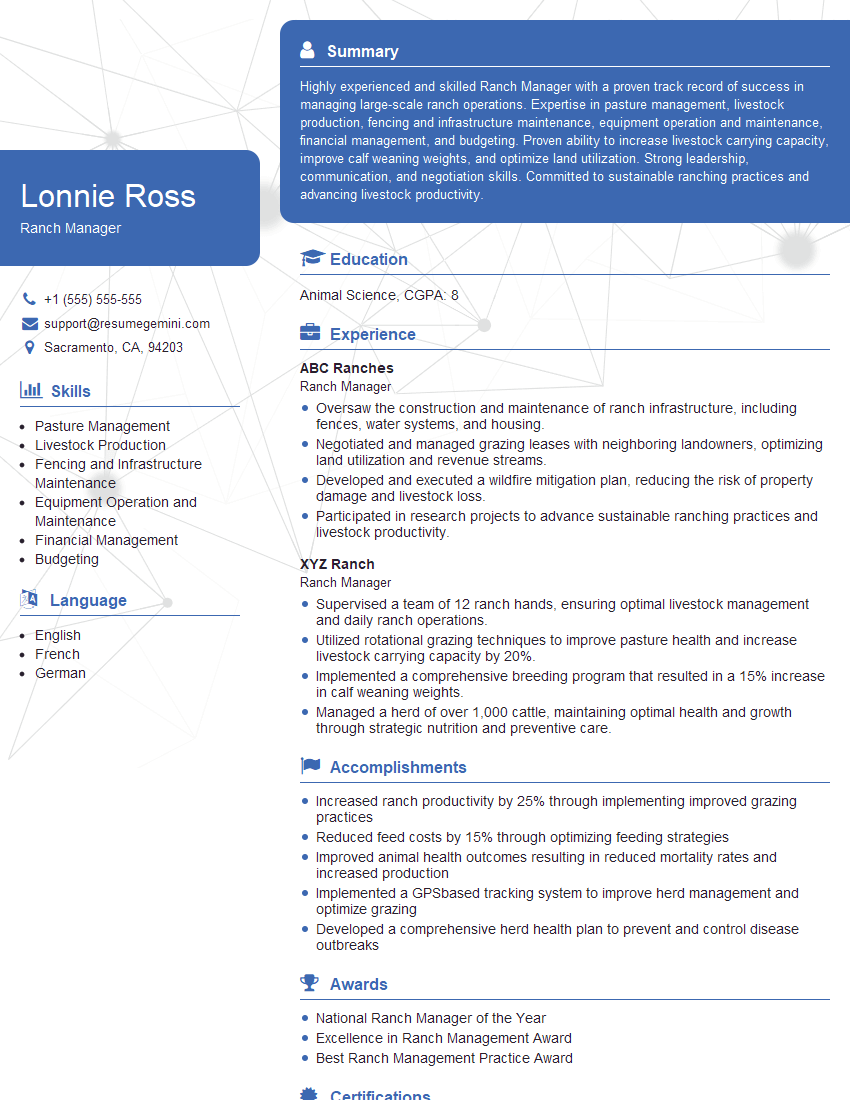
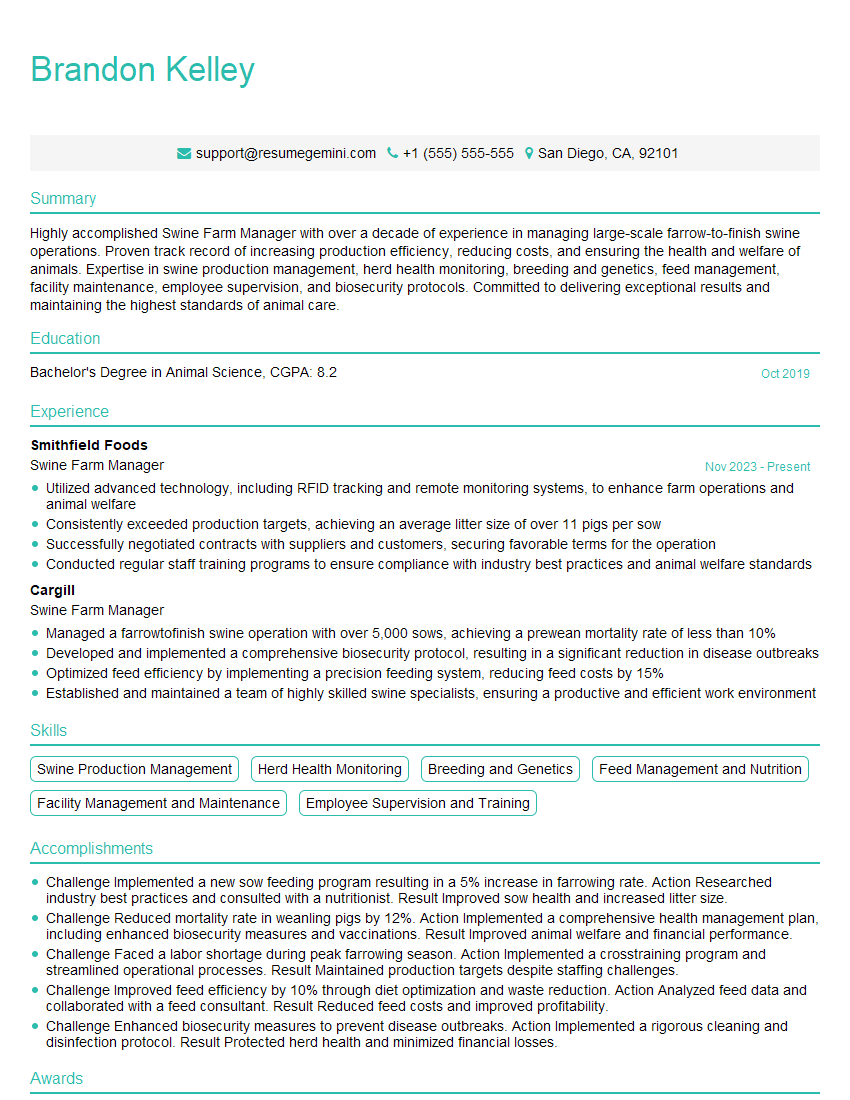
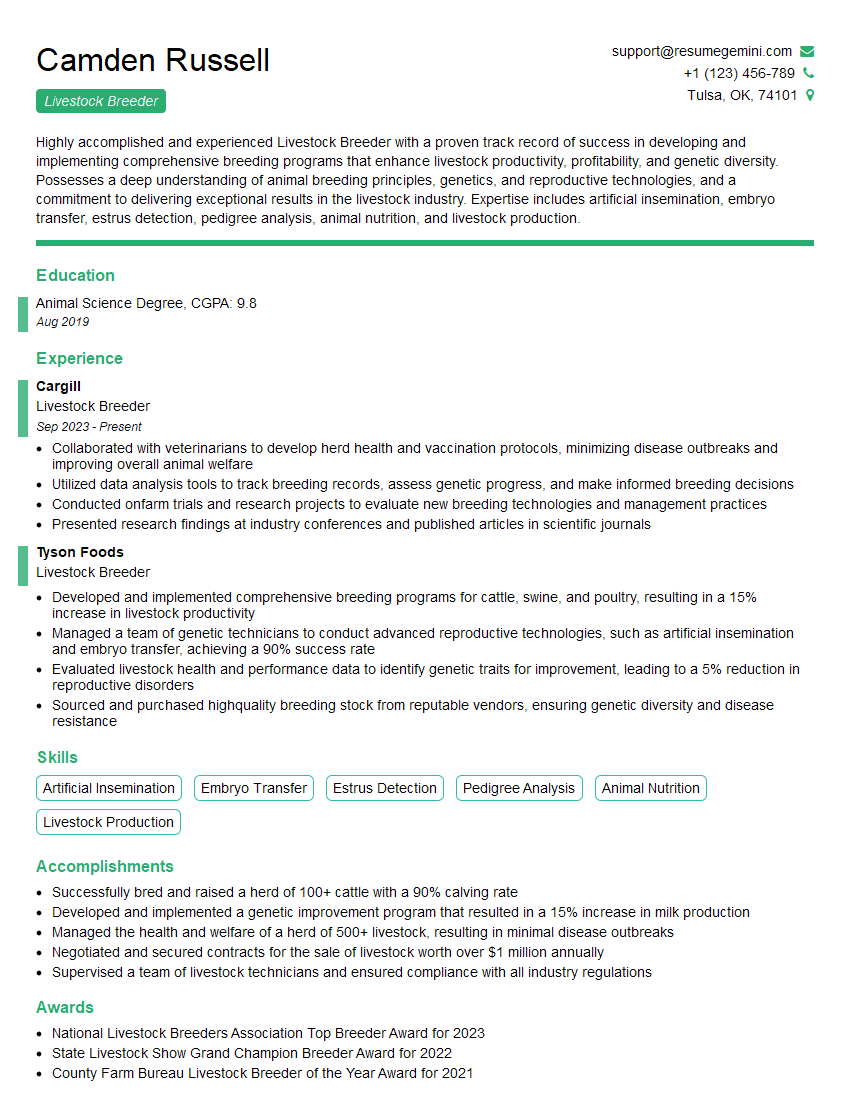
Mastering Livestock Business Management is crucial for career advancement in this dynamic and essential industry. A strong understanding of these concepts will significantly enhance your interview performance and open doors to exciting opportunities. To increase your job prospects, creating an ATS-friendly resume is paramount. ResumeGemini is a trusted resource that can help you build a professional and impactful resume, tailored to highlight your skills and experience in Livestock Business Management. Examples of resumes specifically designed for this field are available to guide you. Invest time in crafting a compelling resume – it’s your first impression on potential employers.
Explore more articles
Users Rating of Our Blogs
Share Your Experience
We value your feedback! Please rate our content and share your thoughts (optional).
What Readers Say About Our Blog
Really detailed insights and content, thank you for writing this detailed article.
IT gave me an insight and words to use and be able to think of examples