Feeling uncertain about what to expect in your upcoming interview? We’ve got you covered! This blog highlights the most important Experience with Ocean Cargo Handling interview questions and provides actionable advice to help you stand out as the ideal candidate. Let’s pave the way for your success.
Questions Asked in Experience with Ocean Cargo Handling Interview
Q 1. Explain the Incoterms rules and their impact on ocean cargo handling.
Incoterms rules, short for International Commercial Terms, are a set of standardized trade terms published by the International Chamber of Commerce (ICC). They define the responsibilities of buyers and sellers for the delivery of goods in international trade, specifically addressing who is responsible for costs and risks associated with transportation. These rules significantly impact ocean cargo handling because they clarify who manages the cargo at various stages, from the seller’s premises to the buyer’s destination. For example, under CIF (Cost, Insurance, and Freight), the seller is responsible for arranging and paying for the main carriage to the named port of destination, including insurance. However, the risk of loss or damage transfers to the buyer once the goods pass the ship’s rail. Conversely, under FOB (Free On Board), the seller’s responsibility ends once the goods are loaded onto the vessel at the named port of shipment; the buyer assumes responsibility from that point. Understanding Incoterms is crucial for smooth ocean cargo handling, as they prevent disputes regarding liability and costs between the buyer and seller.
Different Incoterms rules lead to varying levels of involvement in ocean cargo handling for both parties. For instance, a rule like EXW (Ex Works) puts almost all responsibility on the buyer, while DDP (Delivered Duty Paid) places the burden on the seller. Choosing the correct Incoterms rule is therefore critical for efficient and risk-mitigated ocean freight operations.
Q 2. Describe the process of container stuffing and securing.
Container stuffing and securing is a crucial step in ocean cargo handling, ensuring the safe and efficient transport of goods. It involves carefully loading cargo into a shipping container, arranging it for optimal space utilization and stability, and then securely fastening it to prevent movement during transit. The process usually begins with planning the layout of the goods inside the container, considering weight distribution and the fragility of items. Heavier items are typically placed at the bottom, and fragile items are protected with appropriate cushioning material. Then, the cargo is loaded carefully, avoiding overloading and ensuring that nothing is protruding that might damage other goods or the container itself. Securing involves using various methods such as lashing straps, dunnage, and blocking to firmly hold the cargo in place. This prevents shifting, which can cause damage during transit or even container collapse.
Proper stuffing and securing directly impacts cargo safety and reduces the risk of damage claims. A poorly secured load can lead to cargo damage, delays, and increased costs. It’s important to follow best practices and possibly use specialized equipment like forklift trucks to ensure safe and efficient loading.
Q 3. What are the different types of ocean cargo containers and their uses?
Ocean cargo containers come in various types, each designed for specific cargo needs. The most common is the Dry Van Container, a standard, enclosed container suitable for a wide range of goods. Then, there are Refrigerated Containers (Reefer Containers), equipped with refrigeration units to maintain a controlled temperature for perishable goods like fruits, vegetables, and pharmaceuticals. Open Top Containers have a removable roof, ideal for oversized or heavy cargo that needs to be loaded from the top. Flat Rack Containers lack sides and a top, offering maximum flexibility for exceptionally large or oddly shaped items. Tank Containers are specifically designed for liquid cargo, such as chemicals or petroleum products. Speciality containers exist for carrying specific items, for example, insulated containers that keep things cold, but without active cooling.
Choosing the right container type is essential to protect cargo integrity and ensure efficient transport. Using a Reefer container for non-perishable goods would be wasteful and inefficient, whereas using a Dry Van for bulk liquids would be impossible.
Q 4. How do you handle cargo damage claims?
Handling cargo damage claims involves a systematic process to determine liability and compensation. It begins with a thorough inspection of the damaged goods upon arrival, documenting the extent of the damage with photographs and detailed descriptions. This documentation is crucial evidence. Then, the claim is filed with the relevant party – the carrier, the terminal operator, or the insurer – depending on the Incoterms and the cause of damage. The claim should include supporting documents such as the bill of lading, commercial invoice, packing list, and photos. The claim process usually involves investigations to determine the cause of damage and the responsible party. This may include reviewing the handling procedures, considering external factors like weather, and inspecting the cargo’s packaging and condition.
Negotiation and mediation often follow, to determine the appropriate compensation, which may involve repair costs, replacement value, or other relevant expenses. If a resolution cannot be reached through negotiation, litigation might be necessary.
Q 5. Explain the process of customs clearance for ocean cargo.
Customs clearance for ocean cargo is a critical process that ensures compliance with import and export regulations. It involves submitting the necessary documentation to customs authorities, including the bill of lading, commercial invoice, packing list, certificate of origin, and any other relevant permits or licenses. The customs authorities then verify the documentation, inspect the cargo (sometimes randomly), and assess the applicable duties and taxes. Once the verification and assessment are complete, the customs authorities release the cargo for delivery. The process can vary depending on the country’s regulations, the type of goods, and the importer’s compliance record.
Efficient customs clearance requires meticulous attention to detail in documentation. Errors or missing documents can lead to delays and penalties. Working with a customs broker can significantly streamline the process.
Q 6. What are the key factors affecting ocean freight rates?
Ocean freight rates are influenced by several dynamic factors. Fuel costs are a major driver, as fuel represents a substantial portion of shipping costs. Fluctuations in oil prices directly impact freight rates. Demand and supply play a significant role; higher demand relative to available shipping capacity leads to increased rates, while the opposite results in lower rates. Global economic conditions affect the volume of goods traded, which influences demand for shipping services. Geopolitical factors, such as trade wars or political instability in key shipping regions, can also cause disruptions and rate increases. Seasonal variations in cargo volumes, like peak seasons around holidays, affect rates as well. Finally, shipping line alliances and competition impact pricing strategies.
Predicting freight rates accurately is challenging due to the interplay of these factors. Market analysis and forecasting tools are used to anticipate trends, but accurate prediction remains difficult because of these complex interactions.
Q 7. How do you manage and track ocean cargo shipments?
Managing and tracking ocean cargo shipments involves utilizing various technologies and strategies. The process usually begins with assigning a unique tracking number to each shipment for easy identification. This number is then used to monitor the shipment’s progress through various stages, from origin to destination, via online tracking portals. These portals often provide real-time updates on the location of the shipment, its status (e.g., loaded, at sea, arrived at port), and any potential delays. Additionally, electronic data interchange (EDI) systems enable seamless exchange of documentation between parties, simplifying communication and reducing administrative burdens. Utilizing a Transportation Management System (TMS) integrates various aspects of the shipping process, including documentation, communication, and tracking, streamlining operations and providing a holistic view of the shipment’s journey.
Regular communication with shipping agents, carriers, and other relevant parties is essential to ensure timely updates and proactive issue resolution. Proactive monitoring helps identify and address potential problems early on, minimizing disruptions and ensuring on-time delivery.
Q 8. What are the different types of shipping documents used in ocean cargo?
Ocean cargo shipping involves a complex array of documents ensuring smooth and legal transportation. Key documents include the Bill of Lading (discussed in detail below), the Commercial Invoice (detailing the goods and their value), the Packing List (specifying contents of each package), the Certificate of Origin (verifying the goods’ origin), and the Insurance Certificate (providing proof of cargo insurance). Other documents might include a Letter of Credit (for financing), a Mate’s Receipt (acknowledging cargo receipt on board), and various customs documents depending on the destination and origin countries. Each document plays a vital role in the shipping process, from facilitating customs clearance to protecting against financial loss.
- Bill of Lading (B/L): The most crucial document, acting as a contract of carriage, receipt of goods, and document of title.
- Commercial Invoice: Used by customs officials to assess duties and taxes.
- Packing List: Detailed inventory of the goods shipped, crucial for verification.
- Certificate of Origin: Verifies the country of origin of the goods, affecting tariffs and trade agreements.
- Insurance Certificate: Proof of insurance coverage for the cargo against loss or damage.
Q 9. Explain the concept of Bill of Lading (B/L).
The Bill of Lading (B/L) is the cornerstone document in ocean freight. It’s a legally binding contract between the shipper (exporter), the carrier (shipping line), and the consignee (importer). It serves three primary functions:
- Receipt for Goods: The carrier acknowledges receipt of the specified goods in apparent good order and condition. Any discrepancies should be noted.
- Contract of Carriage: It outlines the terms and conditions of the shipment, including the agreed-upon freight rate, the route, and the responsibilities of each party.
- Document of Title: The B/L represents ownership of the goods. The original B/L must be presented to claim the goods at the destination port. This ensures only the rightful owner can receive the shipment.
There are three main types of B/Ls: Negotiable, Non-Negotiable, and Seaway Bill. Negotiable B/Ls are transferable and can be sold or used as collateral. Non-Negotiable B/Ls are not transferable. A Seaway Bill acts like a receipt, simplifying the process but offering less legal protection to the shipper. Think of a B/L as a vital passport for your goods, ensuring their safe and legal passage across borders.
Q 10. Describe your experience with various types of cargo (e.g., dry bulk, liquid bulk, breakbulk).
My experience encompasses handling various cargo types, each presenting unique challenges and requiring specialized handling techniques.
- Dry Bulk Cargo: This includes grains, ores, and minerals transported in bulk without individual packaging. I’ve been involved in projects managing the loading and unloading of iron ore using specialized ships and ensuring proper ventilation to prevent spoilage. Efficient stowage planning and preventing segregation are key considerations.
- Liquid Bulk Cargo: This involves the transport of liquids like oil, chemicals, and gases in specialized tankers. I’ve worked on projects related to crude oil transport, focusing on safety protocols, including risk assessment for dangerous goods and compliance with international regulations like MARPOL (Marine Pollution).
- Breakbulk Cargo: This refers to goods packaged individually and loaded and unloaded piece by piece. I have experience with projects handling containers, pallets, and heavy lifts in general cargo vessels, emphasizing secure lashing and proper documentation to prevent damage or loss. This type requires meticulous planning and efficient organization.
Understanding the specific characteristics of each cargo type, including their weight, dimensions, stowage requirements, and potential hazards, is crucial for safe and efficient handling.
Q 11. How do you handle cargo delays and disruptions?
Cargo delays and disruptions are inevitable in international shipping. My approach involves proactive measures to mitigate potential problems and reactive strategies to address unexpected events.
- Proactive Measures: This includes careful route planning, selecting reliable carriers, and maintaining open communication with all stakeholders throughout the supply chain. Real-time tracking and monitoring are essential for early detection of potential delays.
- Reactive Strategies: When delays occur, I prioritize identifying the root cause (e.g., port congestion, bad weather, vessel breakdowns). Then, I implement contingency plans involving alternative routes, expedited shipping, or communicating proactively with customers to manage expectations and minimize disruptions.
In one instance, a port strike caused a significant delay. By immediately engaging with alternative ports and negotiating with the carrier, we managed to minimize the impact on our client’s delivery schedule, demonstrating flexibility and problem-solving skills under pressure.
Q 12. What are your strategies for optimizing cargo handling efficiency?
Optimizing cargo handling efficiency requires a multi-faceted strategy focusing on various aspects of the process.
- Technology Integration: Employing cargo management systems (CMS) and port community systems (PCS) for real-time tracking and information sharing. This reduces paperwork, improves communication, and streamlines operations.
- Process Optimization: Analyzing workflows to identify bottlenecks and inefficiencies. This could involve improvements in vessel scheduling, cargo allocation, and yard management.
- Collaboration and Communication: Maintaining effective communication with all stakeholders—shippers, carriers, freight forwarders, and port authorities—ensures seamless coordination and minimizes delays.
- Proper Equipment and Infrastructure: Investing in appropriate handling equipment and infrastructure (cranes, forklifts, automated systems) significantly improves speed and efficiency.
For example, implementing a just-in-time delivery system in conjunction with real-time tracking data can significantly reduce warehouse storage costs and improve overall efficiency. A streamlined approach ensures minimal handling and a faster transit time.
Q 13. Explain your experience with different types of vessel loading and unloading.
My experience includes various vessel loading and unloading methods, tailored to the specific cargo type and vessel characteristics.
- Conventional Loading/Unloading: This involves using cranes, forklifts, and other equipment for handling breakbulk cargo. I have overseen numerous projects using this method, focusing on safe and efficient cargo placement to prevent damage and ensure stability.
- Containerized Shipping: The most common method today, using standardized containers loaded onto vessels using gantry cranes. My experience encompasses managing container stacking, ensuring proper weight distribution, and coordinating the movement of containers between the vessel, the yard, and the transportation network.
- Specialized Vessels: I’ve worked with vessels designed for specific cargo types—tankers for liquids, bulk carriers for dry bulk, and Ro-Ro (roll-on/roll-off) vessels for wheeled cargo. Each requires unique loading and unloading techniques, demanding thorough knowledge of vessel capabilities and safety procedures.
Understanding the limitations of each vessel type and employing the appropriate loading/unloading strategy is key to preventing delays and ensuring cargo integrity. For instance, understanding the draft limitations of a vessel is crucial for preventing grounding during loading.
Q 14. How do you ensure cargo safety and security throughout the shipping process?
Ensuring cargo safety and security is paramount throughout the entire shipping process. This is achieved through a layered approach combining physical security measures, technological solutions, and adherence to international regulations.
- Physical Security: This involves secure storage facilities, proper container sealing, and the use of tamper-evident devices to prevent theft or damage. Regular inspections and surveillance are also critical.
- Technological Solutions: Using GPS tracking, RFID tags, and other technologies to monitor cargo location and condition in real-time enhances visibility and helps detect anomalies quickly.
- Regulatory Compliance: Adhering to international security standards like the International Ship and Port Facility Security (ISPS) Code is mandatory. This involves implementing security plans, conducting background checks, and employing trained personnel to identify and mitigate potential security threats.
- Insurance: Comprehensive cargo insurance protects against loss or damage during transit. Proper documentation and declarations are crucial for successful claims processing.
For example, implementing a container-tracking system and integrating it with a port community system allows for real-time visibility, which can help us quickly detect any unauthorized access attempts or diversion from the planned route.
Q 15. What is your experience with cargo insurance and risk management?
Cargo insurance is crucial for mitigating the financial risks associated with damage, loss, or delay of goods during ocean transport. My experience encompasses selecting appropriate insurance coverage (e.g., Institute Cargo Clauses A, B, or C), based on the cargo’s value, nature, and the inherent risks of the voyage. I’ve worked with various insurers to obtain quotes, negotiate terms, and file claims when necessary. Risk management involves proactive steps taken before, during, and after shipment. This includes thorough documentation (packing lists, bills of lading), proper packaging and stowage of goods, and regular communication with all stakeholders to monitor the shipment’s progress and address potential issues. For example, I once successfully mitigated a significant loss claim by providing detailed photographic evidence and a compelling case to the insurer, demonstrating the proactive steps taken to secure the goods.
A key aspect of my approach involves understanding Incoterms (International Commercial Terms) and their implications on insurance responsibilities. Knowing which party (shipper or receiver) bears the responsibility for insurance at various stages significantly impacts risk assessment and mitigation strategies. I regularly conduct risk assessments using methods like HAZOP (Hazard and Operability studies) or FMEA (Failure Mode and Effects Analysis) for particularly sensitive or high-value cargo, thereby identifying potential vulnerabilities and implementing preventive measures.
Career Expert Tips:
- Ace those interviews! Prepare effectively by reviewing the Top 50 Most Common Interview Questions on ResumeGemini.
- Navigate your job search with confidence! Explore a wide range of Career Tips on ResumeGemini. Learn about common challenges and recommendations to overcome them.
- Craft the perfect resume! Master the Art of Resume Writing with ResumeGemini’s guide. Showcase your unique qualifications and achievements effectively.
- Don’t miss out on holiday savings! Build your dream resume with ResumeGemini’s ATS optimized templates.
Q 16. Describe your experience with different types of cargo handling equipment.
My experience with cargo handling equipment is extensive, ranging from conventional to highly specialized gear. I’m proficient in the operation and safety procedures of various cranes (e.g., gantry cranes, ship-to-shore cranes, mobile harbor cranes), forklifts, reach stackers, and specialized equipment like heavy-lift gear for oversized cargo. I’ve overseen the loading and unloading of containers using container handling equipment, and I’m also familiar with the intricacies of using conveyors, trailers, and other ground support equipment. Understanding the limitations and operational capabilities of each piece of equipment is vital to ensure efficient and safe cargo handling. For instance, I once coordinated the unloading of a particularly delicate piece of machinery using a specialized crane and custom rigging, ensuring its safe transfer to the designated location without damage.
Further, I’m adept at managing equipment maintenance schedules and coordinating repairs when needed. This preventative approach minimizes downtime and avoids potential delays or damage to cargo. My experience extends to understanding equipment safety regulations, conducting inspections, and ensuring compliance with international safety standards.
Q 17. How do you stay updated on changes in maritime regulations and best practices?
Staying updated on maritime regulations and best practices is an ongoing process. I regularly consult resources such as the International Maritime Organization (IMO) website for updates on SOLAS (Safety of Life at Sea) conventions, MARPOL (International Convention for the Prevention of Pollution from Ships) regulations, and other relevant international standards. I also subscribe to industry publications and newsletters, attend conferences and webinars, and participate in professional development courses to enhance my knowledge. This commitment to continuous learning allows me to anticipate changes, adapt my strategies, and ensure compliance with evolving regulations.
Moreover, I actively network with other professionals in the field, exchanging information and best practices. This informal learning enhances my understanding of current challenges and industry trends. For example, recent discussions with colleagues have heightened my awareness of new technologies in vessel tracking and cargo monitoring, leading to the successful implementation of improved tracking systems in our operations.
Q 18. Explain the process of vessel scheduling and port planning.
Vessel scheduling and port planning are critical for efficient and cost-effective ocean freight operations. The process begins with forecasting demand and identifying available vessels that meet the required capacity and specifications. Next, I work with port authorities and terminal operators to secure berthing slots, considering factors such as vessel size, draft, and availability of port infrastructure. I then collaborate with shipping lines to determine optimal sailing schedules, accounting for weather conditions, transit times, and potential delays.
Port planning involves coordinating various activities within the port, including cargo handling, customs clearance, and transportation. I use specialized software to optimize the flow of cargo and minimize congestion. This includes coordinating the movement of trucks and other ground equipment, managing storage space, and ensuring that all relevant documentation is available in a timely manner. Effective communication and coordination between all stakeholders are vital to successful port planning. I once successfully navigated a complex port congestion situation by implementing a revised scheduling strategy, leveraging real-time data on vessel arrivals and cargo processing to minimize delays and maintain a steady workflow.
Q 19. How do you manage communication with various stakeholders (e.g., shippers, carriers, customs).
Effective communication is the backbone of successful ocean cargo handling. I utilize various communication channels, including email, phone, and video conferencing, to maintain transparent and consistent communication with all stakeholders. For shippers, this involves providing regular updates on shipment status, addressing their concerns, and coordinating necessary documentation. With carriers, communication centers around vessel scheduling, cargo handling instructions, and the resolution of potential issues during transit. Customs communication involves ensuring compliance with regulations, providing necessary documentation, and efficiently processing customs clearance.
I emphasize clear, concise, and timely communication to avoid misunderstandings and ensure everyone is on the same page. Building strong relationships with key stakeholders fosters trust and collaboration, making it easier to address challenges and find solutions collectively. For example, I’ve successfully resolved a dispute between a shipper and a carrier by facilitating open communication and mediating a mutually acceptable solution, preventing a potentially costly delay.
Q 20. What is your experience with using logistics software and TMS systems?
I’m proficient in using various logistics software and Transportation Management Systems (TMS). My experience includes using TMS software for tasks like shipment planning, route optimization, tracking, and documentation management. I’m also familiar with specialized software for cargo booking, vessel tracking, and port management. These systems help optimize workflows, automate processes, and improve visibility across the supply chain. I’m comfortable using data analytics within these platforms to identify areas for improvement and make data-driven decisions.
For example, I’ve successfully implemented a new TMS that integrated with our existing ERP system, resulting in improved efficiency in order processing, shipment tracking, and reporting. This resulted in significant cost savings and improved customer satisfaction.
Q 21. Describe your experience with handling hazardous materials in ocean cargo.
Handling hazardous materials in ocean cargo requires strict adherence to safety regulations and specialized procedures. My experience includes working with various classes of hazardous materials, understanding their properties, and ensuring they are properly classified, packaged, labeled, and documented according to the International Maritime Dangerous Goods (IMDG) Code. This includes ensuring compliance with specific stowage requirements, segregation protocols, and emergency response plans. I’m adept at handling documentation related to hazardous materials, including dangerous goods declarations, and I’ve developed expertise in working with specialized handling equipment and trained personnel to ensure safe transportation.
I’ve overseen numerous shipments of hazardous materials, employing rigorous safety protocols and risk mitigation strategies. For instance, I once managed the transport of a large shipment of chemicals, meticulously following all IMDG Code guidelines, securing the necessary permits and approvals, and conducting regular inspections to maintain compliance and safety. This involved close collaboration with relevant authorities, ensuring the safe and lawful transportation of potentially dangerous goods.
Q 22. How do you address discrepancies in cargo documentation?
Discrepancies in cargo documentation are a common headache in ocean cargo handling, leading to delays, disputes, and financial losses. Addressing them effectively requires a systematic approach. My strategy involves immediately acknowledging the discrepancy, meticulously documenting it with all relevant supporting evidence (e.g., Bills of Lading, packing lists, commercial invoices), and then systematically verifying the information against all available sources.
For example, if a discrepancy arises between the number of packages declared and the actual number received, I first check the original documentation. Then, I would cross-reference it with the stevedore’s count during discharge, and finally contact the shipper or consignee to clarify the difference. Is it a simple counting error, or are there genuinely missing packages? Depending on the severity, I may initiate a cargo survey to assess damage or loss and facilitate claims if necessary. Collaboration with the involved parties—shipping lines, freight forwarders, customs authorities—is crucial for resolving the issue swiftly and fairly.
Open communication is key. I always keep all parties informed of my progress and any potential solutions. In cases of serious discrepancies, a formal claim process will be initiated following established procedures.
Q 23. What are your strategies for improving supply chain visibility?
Improving supply chain visibility is paramount for efficiency and profitability in ocean cargo handling. My strategies focus on leveraging technology and fostering strong collaborative relationships. I advocate for the implementation of robust tracking systems, such as those that utilize GPS tracking on containers, RFID tags for individual packages, and real-time data updates through online platforms.
This allows for continuous monitoring of cargo movement, from origin to destination. This information allows proactive identification of potential delays or disruptions. For example, if a vessel experiences mechanical issues, I can immediately inform the relevant parties and explore alternative solutions to minimize delays. Beyond technology, open communication and information sharing among all stakeholders—shippers, carriers, freight forwarders, and customs—are essential.
Furthermore, I believe in adopting a data-driven approach. By analyzing historical data on transit times, common delays, and other relevant metrics, we can identify areas for improvement and develop more efficient processes. This enables better forecasting, risk mitigation, and overall optimization of the supply chain.
Q 24. Explain your experience with import and export procedures.
My experience with import and export procedures spans several years and numerous shipments. I am intimately familiar with all necessary documentation, including Bills of Lading, commercial invoices, packing lists, certificates of origin, and any other required permits or licenses depending on the commodity and destination country. I understand the nuances of customs regulations, including tariff classification, customs duties, and import taxes.
In the import process, I ensure all documentation is accurate and compliant with regulations to facilitate smooth customs clearance. This includes pre-arrival processing and collaboration with customs brokers to minimize delays. On the export side, I meticulously prepare the necessary documentation and ensure compliance with all export regulations, including export controls and licensing requirements if applicable. I understand the importance of accurate classification of goods to avoid penalties.
I have successfully managed numerous import and export shipments, including complex ones involving multiple transshipments and different modes of transport. I understand the different requirements of various countries and adapt my approach to ensure compliance and efficiency.
Q 25. What are the challenges you have faced in ocean cargo handling and how did you overcome them?
One of the biggest challenges I faced was managing a shipment during a severe port congestion event. A major port was experiencing significant delays due to a combination of factors including infrastructure limitations and increased vessel traffic. This led to significant delays and increased costs.
To overcome this, I immediately engaged with the shipping line and terminal operators to understand the extent of the congestion and potential alternative solutions. We explored rerouting the vessel to a nearby port to reduce delays. This required close coordination with all involved parties, including the shipper and consignee, to ensure a smooth transfer of the cargo. We also proactively communicated with the customers, keeping them informed about the situation and the mitigation strategies we were implementing. Open communication was crucial in maintaining trust and managing expectations. While the rerouting incurred additional costs, it significantly mitigated the potential delays and prevented further losses for the client.
Q 26. How do you handle complex shipping routes and logistics?
Handling complex shipping routes and logistics requires a methodical approach, leveraging technology and collaboration. I utilize route optimization software to identify the most efficient and cost-effective routes, considering factors like transit times, port congestion, and vessel availability. I meticulously plan each leg of the journey, identifying potential risks and developing contingency plans.
For example, when dealing with a shipment requiring multiple transshipments, I carefully select reliable connecting carriers and ensure seamless transfer of cargo between vessels. I collaborate closely with freight forwarders and agents at each port to ensure smooth handling and timely processing of documentation. Real-time tracking allows for proactive identification and mitigation of delays or disruptions. Regular updates to stakeholders keep them informed of the shipment’s progress and any potential issues.
Risk assessment is crucial. I identify potential risks and develop contingency plans to mitigate them. This may include exploring alternative routes or carriers, arranging for insurance coverage, or securing appropriate warehousing facilities.
Q 27. Describe your experience with different types of shipping lines and their services.
My experience encompasses working with a diverse range of shipping lines, each offering unique services and strengths. I have worked with major global carriers offering comprehensive services, including liner services, feeder services, and specialized container types (reefers, flat racks, etc.).
I also have experience with smaller, niche carriers specializing in specific trade lanes or cargo types. The selection of a shipping line depends on various factors including the specific needs of the shipment, the desired transit time, the cost, and the reputation and reliability of the carrier. I carefully assess each carrier’s track record, considering factors such as on-time performance, handling of claims, and overall customer service. For example, when shipping perishable goods, I prioritize carriers with a strong reputation for maintaining temperature control and ensuring swift delivery.
Understanding the strengths and limitations of different shipping lines is crucial for effective route planning and risk mitigation. I leverage this knowledge to select the most appropriate carrier for each specific shipment.
Key Topics to Learn for Experience with Ocean Cargo Handling Interview
- Understanding Incoterms: Grasp the implications of different Incoterms (e.g., FOB, CIF, DDP) on responsibilities, costs, and risk transfer throughout the shipping process. Be prepared to discuss real-world scenarios illustrating their practical application.
- Containerization and Logistics: Demonstrate knowledge of container types, sizes, and their efficient loading and unloading. Discuss your experience with container tracking, scheduling, and managing potential delays or disruptions.
- Cargo Documentation and Compliance: Explain your familiarity with essential shipping documents (Bill of Lading, Packing List, Commercial Invoice). Highlight your understanding of relevant regulations and compliance requirements (e.g., customs procedures, safety standards).
- Port Operations and Terminal Management: Discuss your experience with various port operations, including vessel scheduling, cargo handling equipment, and the overall flow of goods through a terminal. Be ready to discuss challenges and solutions related to efficiency and safety.
- Risk Management and Loss Prevention: Explain your approach to identifying and mitigating potential risks in ocean cargo handling, such as damage, theft, or delays. Discuss strategies for minimizing losses and ensuring cargo security.
- Supply Chain Optimization: Discuss strategies for optimizing the ocean cargo handling process to improve efficiency, reduce costs, and enhance overall supply chain performance. Showcase your problem-solving skills in addressing logistical challenges.
- Technology in Ocean Cargo Handling: Discuss your familiarity with relevant technologies used in modern ocean cargo handling, such as tracking systems, port management software, and digital documentation. Highlight your ability to adapt to technological advancements.
Next Steps
Mastering the intricacies of ocean cargo handling significantly enhances your career prospects within the maritime and logistics industries. It opens doors to higher-level positions with increased responsibility and compensation. To maximize your job search success, creating an ATS-friendly resume is crucial. This ensures your application gets noticed by recruiters and hiring managers. We strongly recommend using ResumeGemini, a trusted resource, to build a professional and impactful resume that highlights your expertise in ocean cargo handling. Examples of resumes tailored to this field are available to help you create a compelling application.
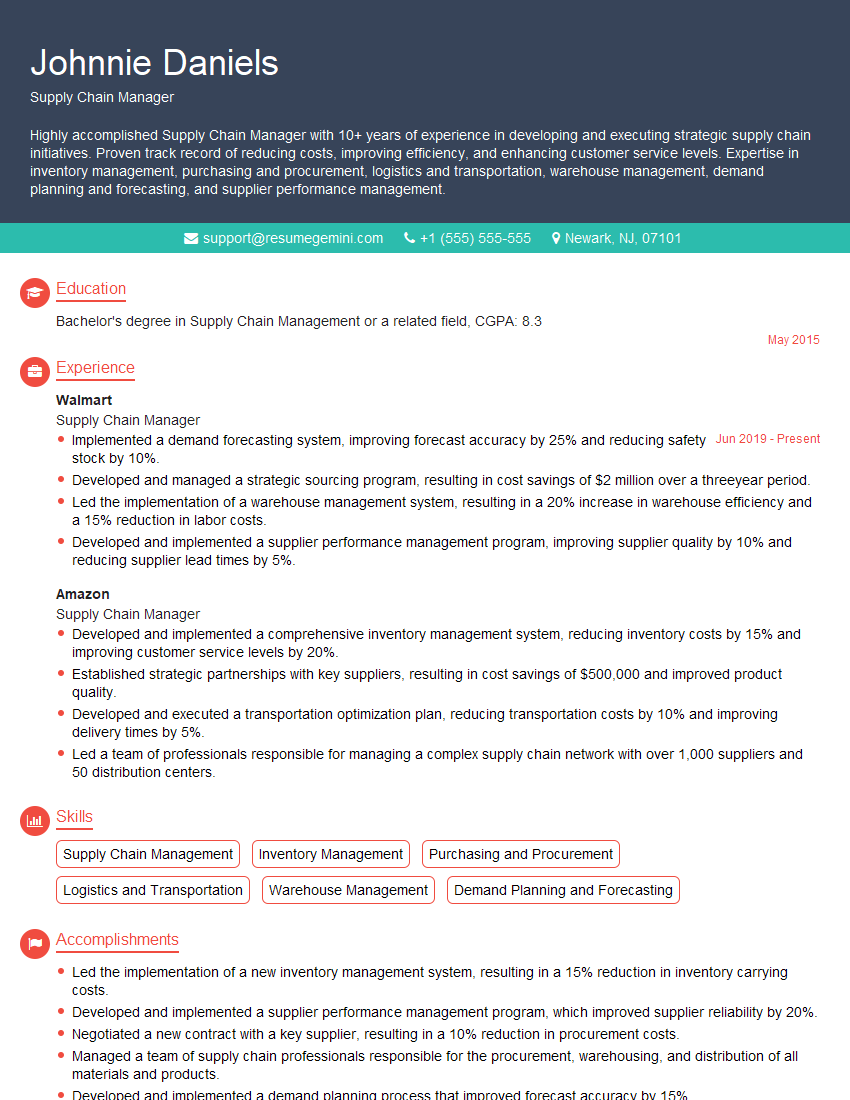
Supply Chain Manager Resume Sample
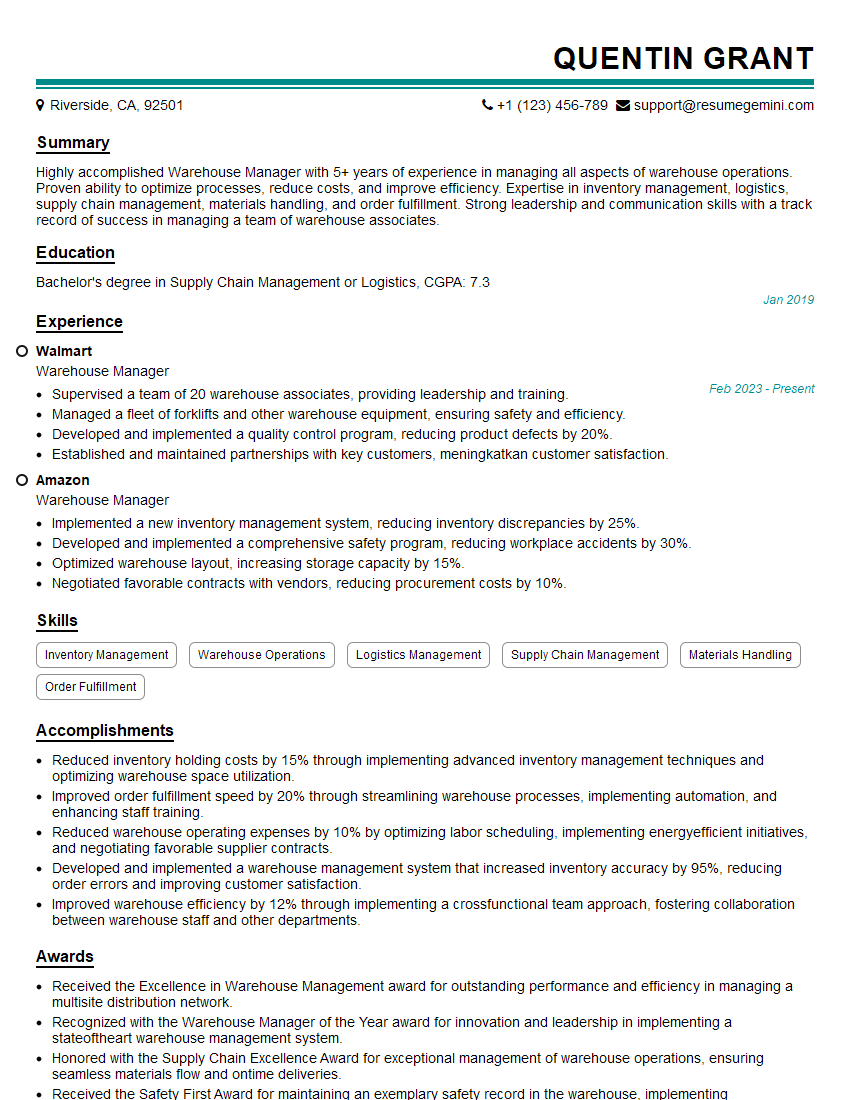
Warehouse Manager Resume Sample
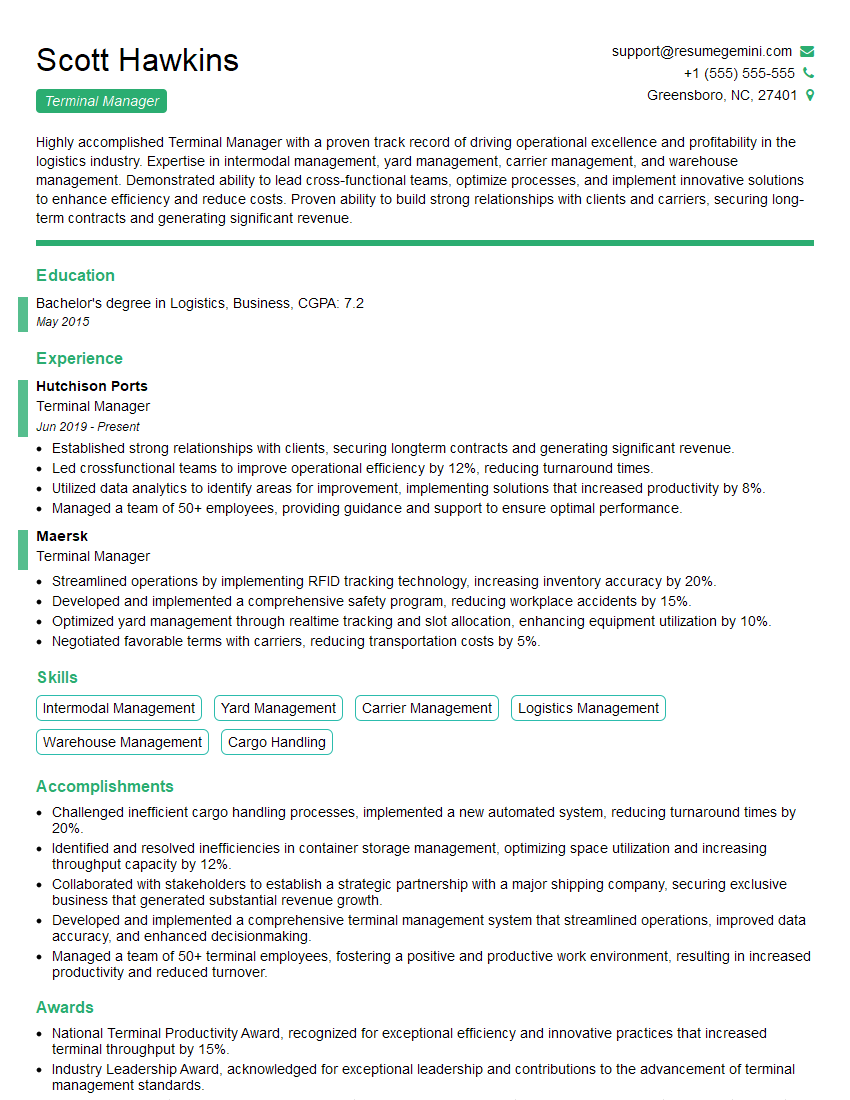
Terminal Manager Resume Sample
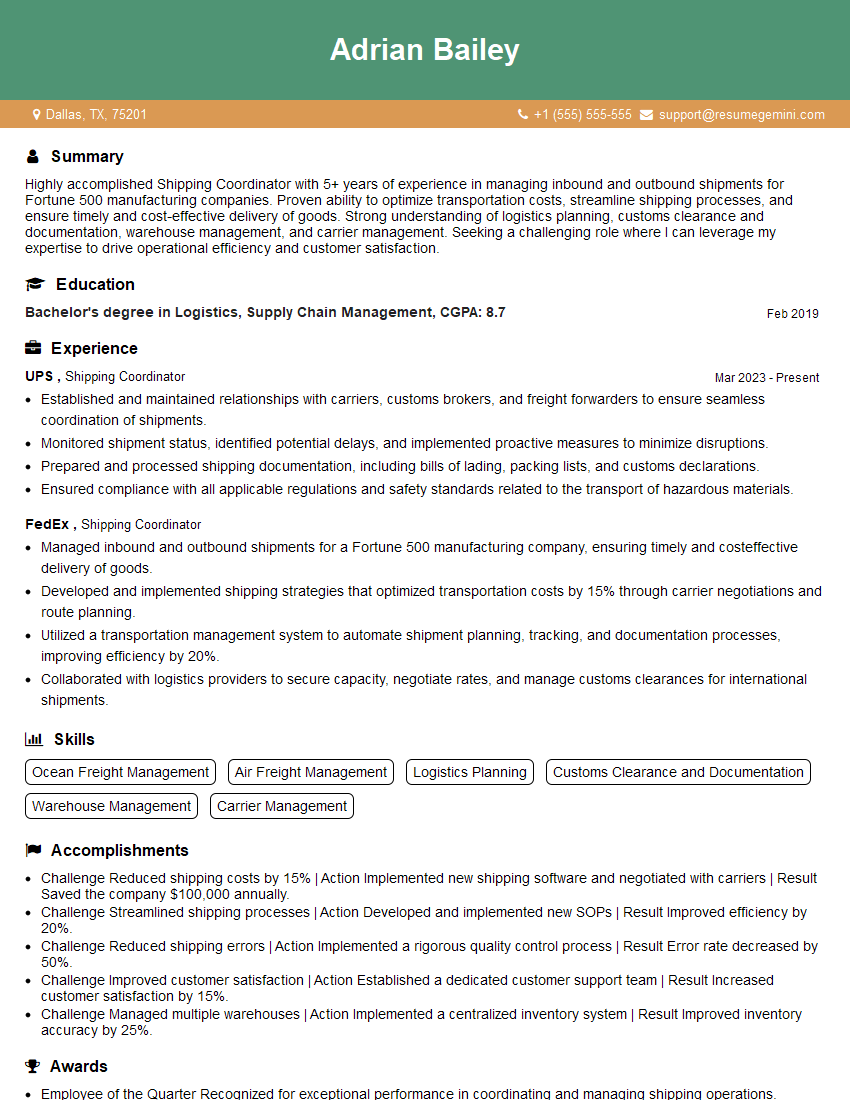
Shipping Coordinator Resume Sample
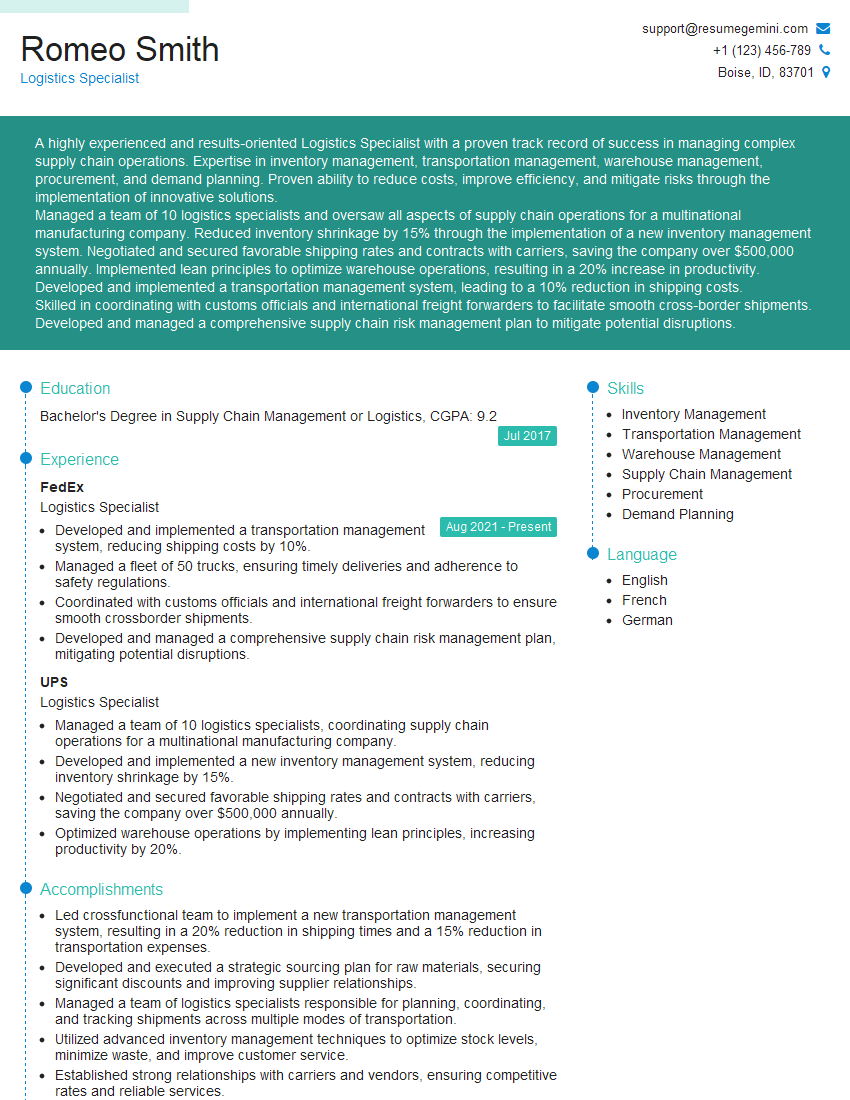
Logistics Specialist Resume Sample
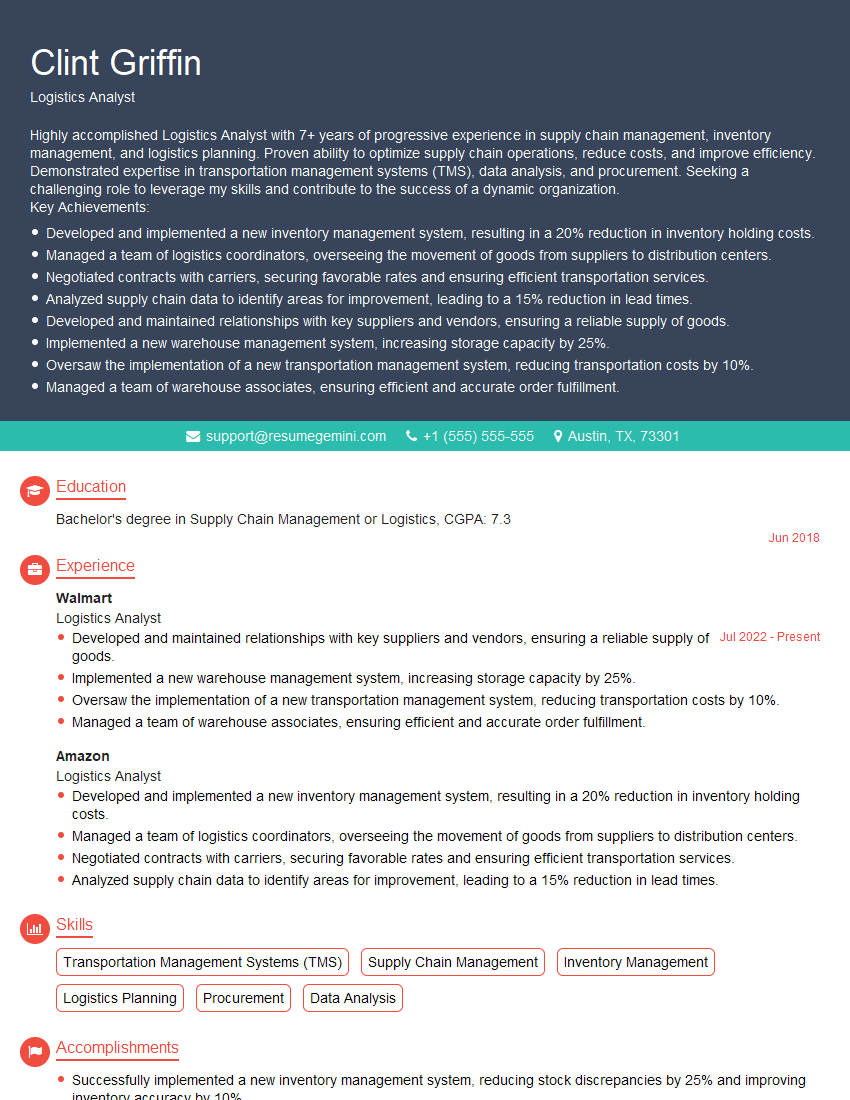
Logistics Analyst Resume Sample
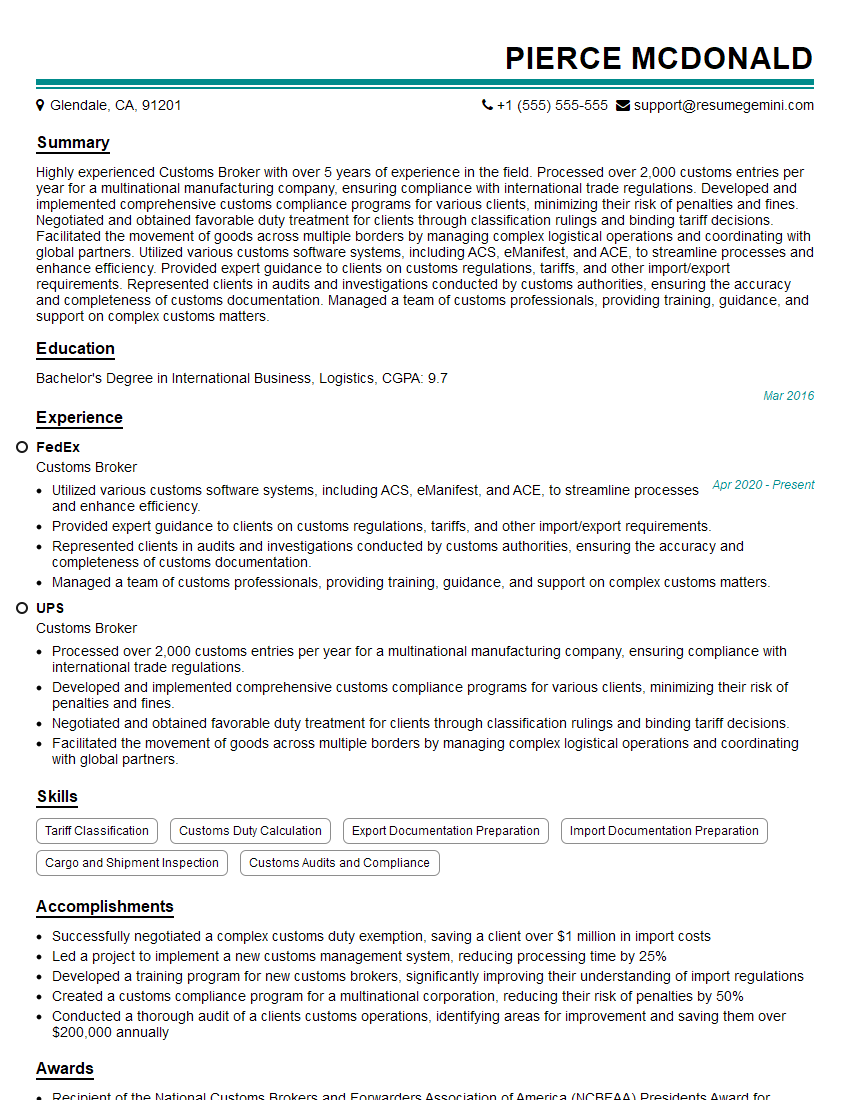
Customs Broker Resume Sample
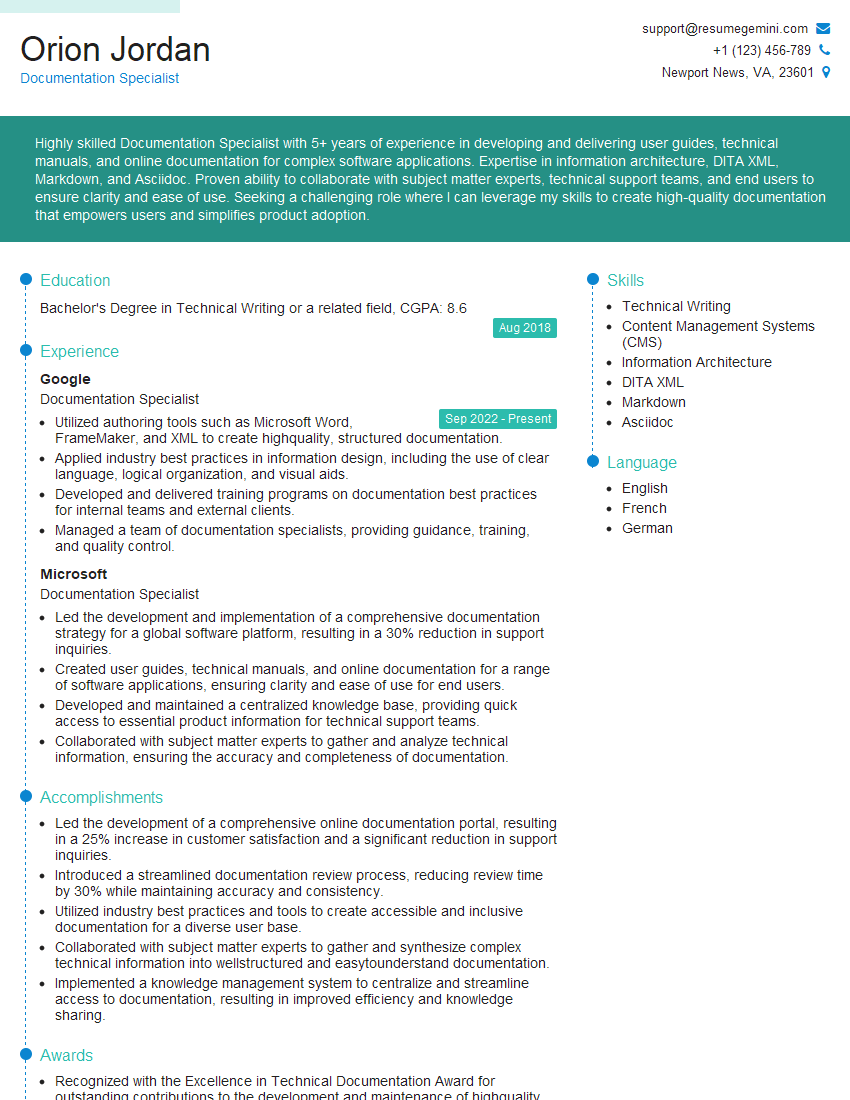
Documentation Specialist Resume Sample
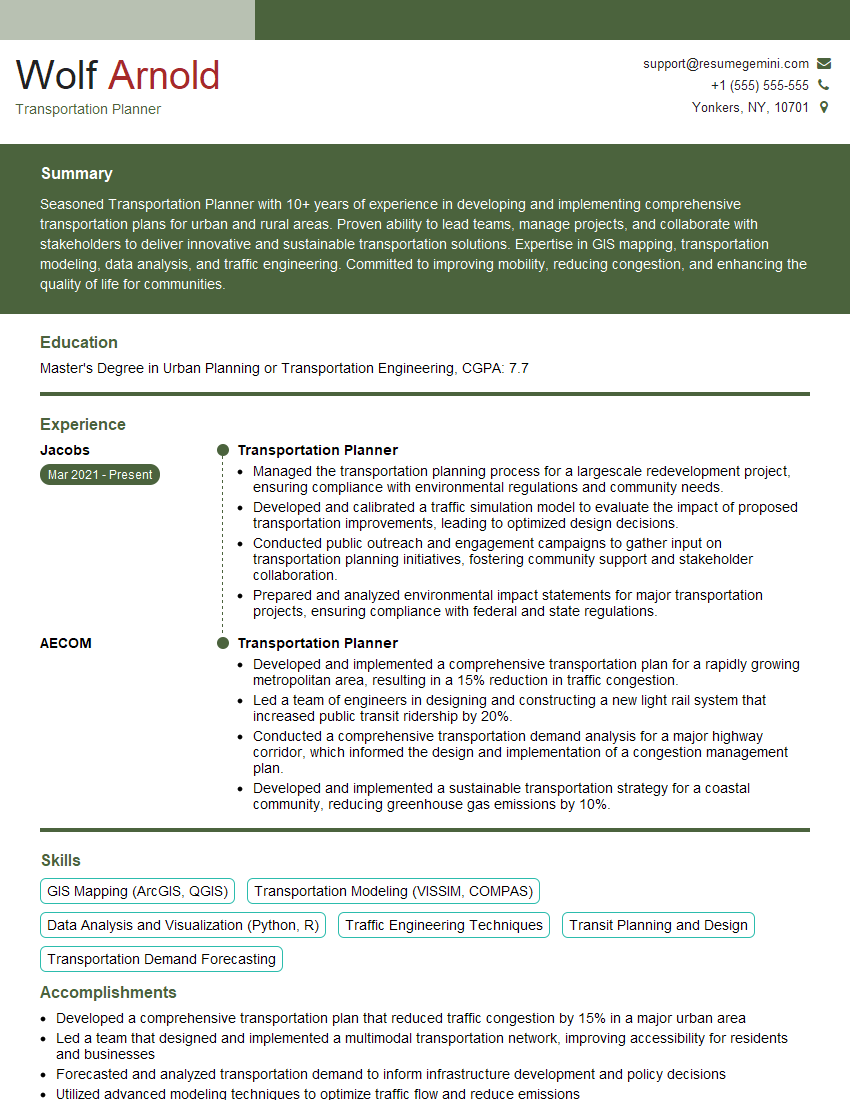
Transportation Planner Resume Sample
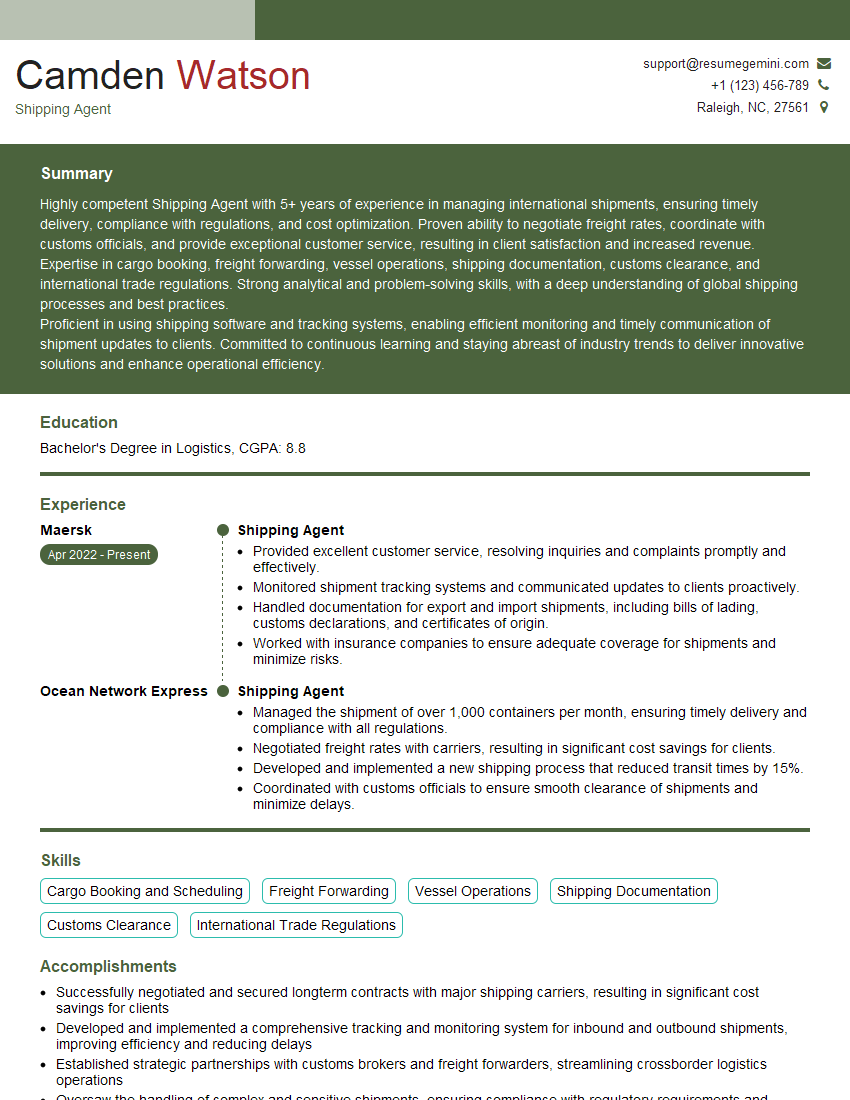
Shipping Agent Resume Sample
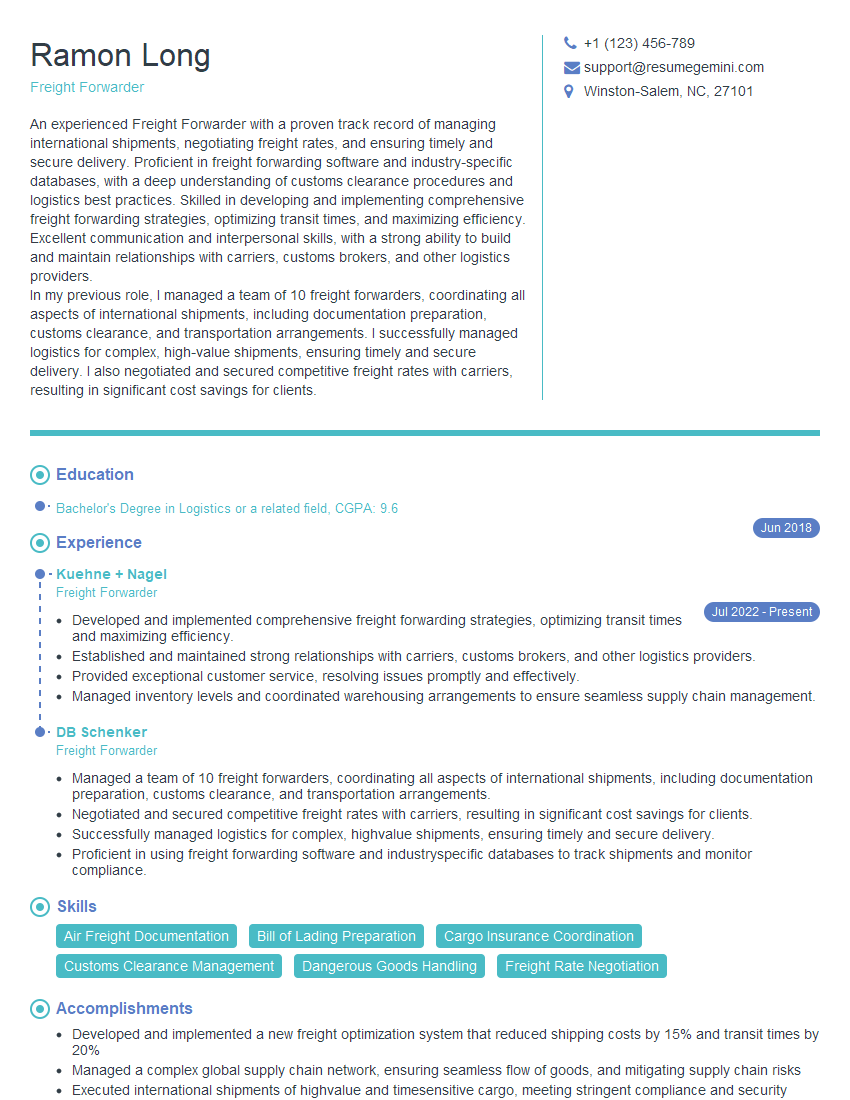
Freight Forwarder Resume Sample
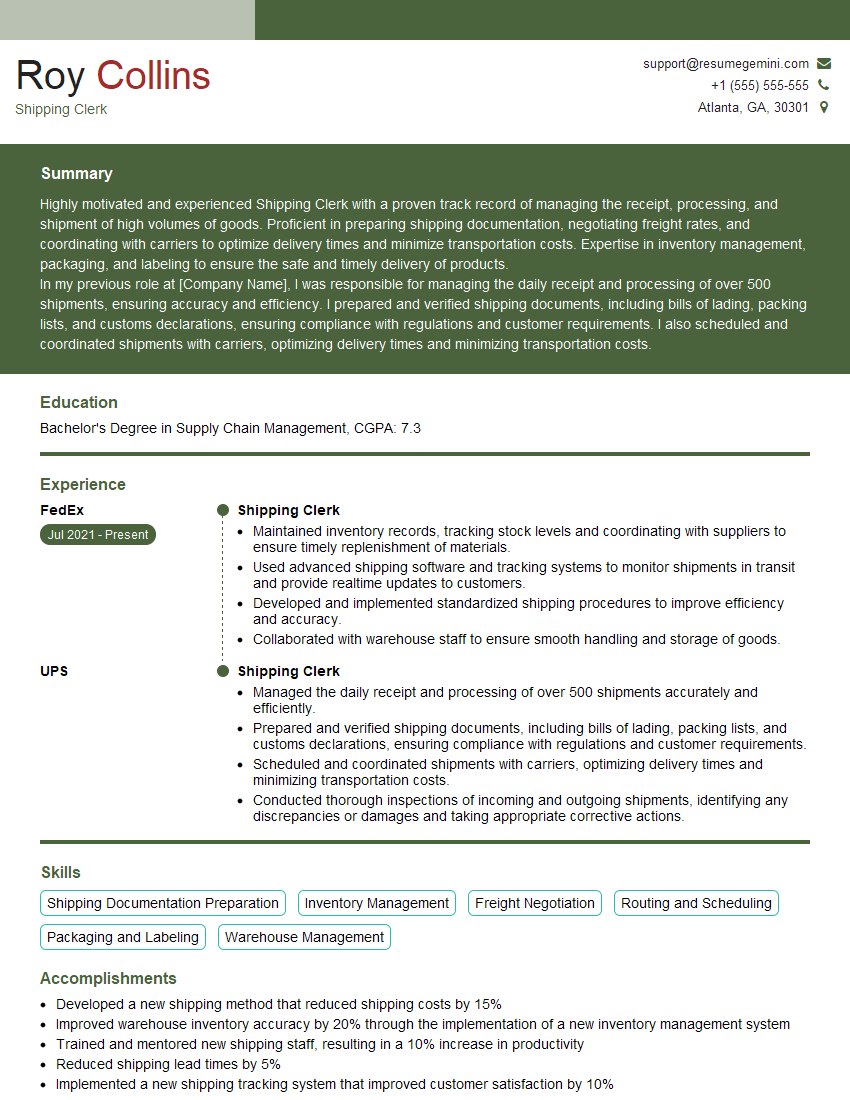
Shipping Clerk Resume Sample

Cargo Surveyor Resume Sample
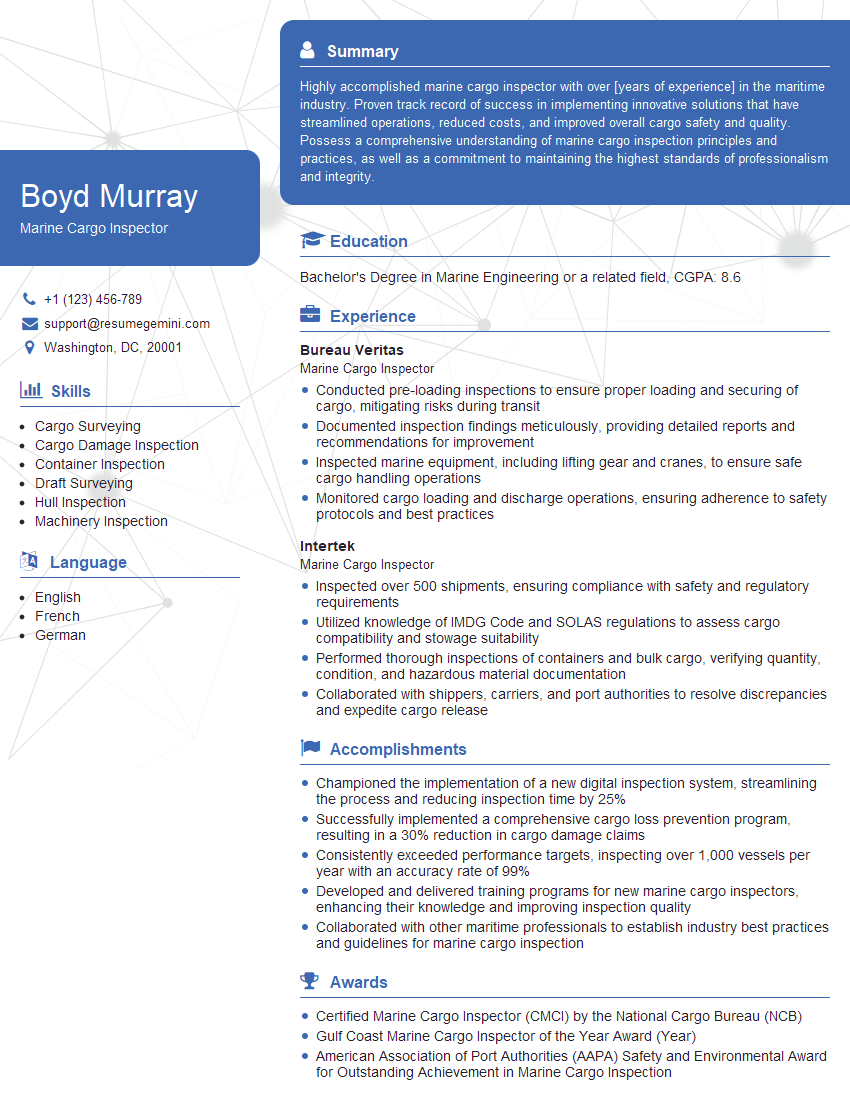
Marine Cargo Inspector Resume Sample
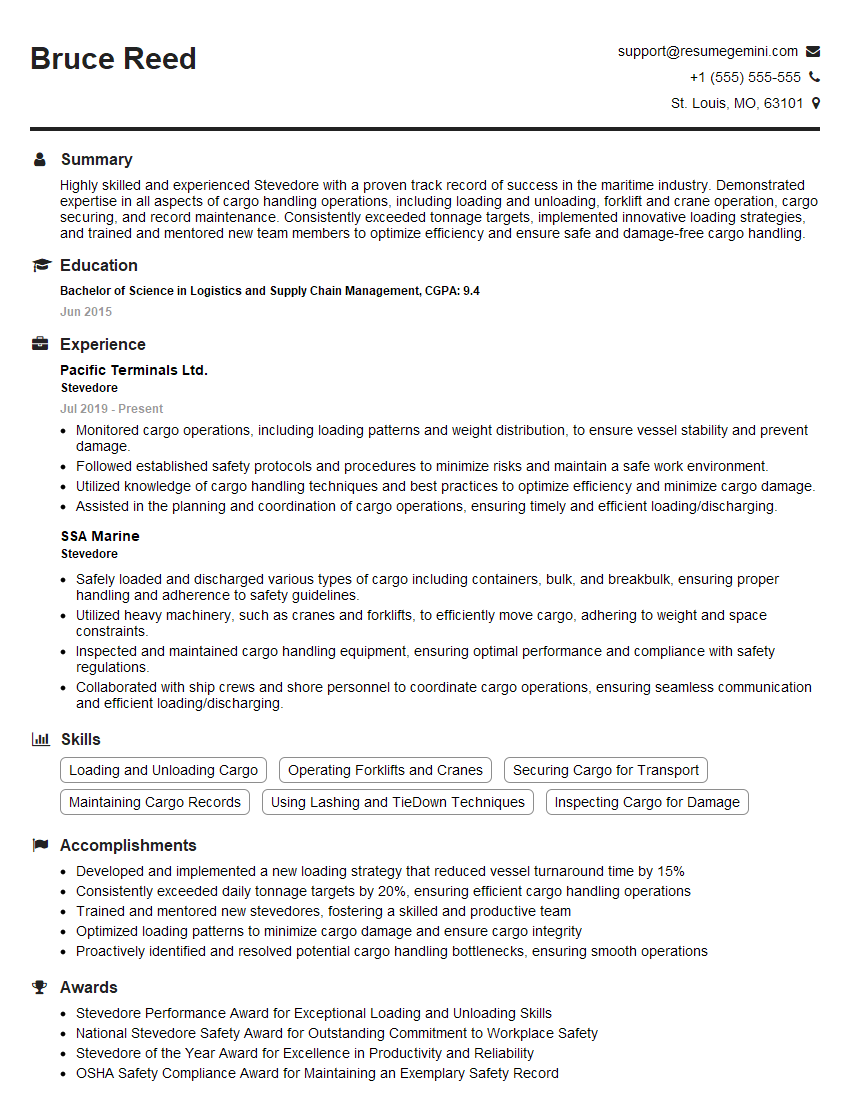
Stevedore Resume Sample
Explore more articles
Users Rating of Our Blogs
Share Your Experience
We value your feedback! Please rate our content and share your thoughts (optional).
What Readers Say About Our Blog
Really detailed insights and content, thank you for writing this detailed article.
IT gave me an insight and words to use and be able to think of examples