Unlock your full potential by mastering the most common Tree Disease and Insect Identification interview questions. This blog offers a deep dive into the critical topics, ensuring you’re not only prepared to answer but to excel. With these insights, you’ll approach your interview with clarity and confidence.
Questions Asked in Tree Disease and Insect Identification Interview
Q 1. Describe the life cycle of the emerald ash borer.
The emerald ash borer (Agrilus planipennis) has a fascinating, yet destructive, life cycle. It begins with the adult beetle emerging from infested ash trees in spring. These metallic green beetles then mate and the females lay eggs in crevices in the ash tree bark.
The eggs hatch into larvae (grubs) that bore into the tree’s phloem and cambium layers, feeding and creating distinctive S-shaped galleries under the bark. This feeding disrupts the tree’s nutrient and water transport, ultimately leading to its death. The larvae overwinter in the tree and pupate in the spring, emerging as adult beetles to repeat the cycle. This entire process, from egg to adult, typically takes one year, although it can sometimes be slightly longer depending on environmental conditions.
Understanding this life cycle is crucial for effective management strategies, as targeting different stages (e.g., using traps for adults or systemic insecticides targeting larvae) can be more effective than other approaches.
Q 2. What are the key symptoms of oak wilt?
Oak wilt, caused by the fungus Bretziella fagacearum, presents with a range of symptoms, depending on the stage of infection and tree species. One of the earliest indicators is a sudden wilting of leaves, starting at the crown and progressing downwards. The leaves initially turn yellow-brown, then eventually bronze or brown, becoming brittle and falling prematurely.
In red oaks, the disease progresses rapidly and can kill the tree within a few weeks. In white oaks, the progression is typically slower. You might also observe streaking discoloration of the sapwood when you examine a cross-section of infected branches, often appearing as a brownish stain. Accurate diagnosis often requires laboratory analysis of tissue samples to confirm the presence of the fungus.
Q 3. Explain the difference between biotic and abiotic tree diseases.
The distinction between biotic and abiotic tree diseases lies in their cause. Biotic diseases are caused by living organisms, such as fungi, bacteria, viruses, nematodes, or parasitic plants. Examples include oak wilt (fungal), Dutch elm disease (fungal), and chestnut blight (fungal).
Abiotic diseases, on the other hand, result from non-living factors. These can include environmental stresses such as drought, excessive moisture, nutrient deficiencies (e.g., lack of nitrogen), soil compaction, extreme temperatures, air pollution, herbicide damage, or physical injuries from equipment or weather events. For example, winter desiccation, where tree branches die due to extreme cold and drying winds, is an abiotic disease.
Identifying the root cause—biotic or abiotic—is critical for effective disease management. Treating a biotic disease with a fertilizer will be ineffective, just as addressing a nutrient deficiency with a fungicide would be fruitless.
Q 4. How do you diagnose Dutch elm disease?
Diagnosing Dutch elm disease (DED), caused by the fungus Ophiostoma ulmi (or the more aggressive Ophiostoma novo-ulmi), requires a multi-pronged approach. Visual symptoms such as wilting and yellowing of leaves in one or more branches, often asymmetrical, are initial indicators. However, these symptoms can mimic other diseases or stresses.
A key diagnostic step involves examining the vascular system of the tree. This usually requires cutting into branches or even the main trunk to reveal characteristic brown streaking in the sapwood, a tell-tale sign of DED. Laboratory testing, often using tissue cultures or ELISA (enzyme-linked immunosorbent assay), is the most reliable method for confirming the presence of the DED fungus.
Furthermore, considering the presence of elm bark beetles, the vector that transmits DED, can aid in diagnosis. However, be cautious, as the presence of beetles doesn’t confirm the diagnosis but indicates a higher likelihood of DED infection.
Q 5. What are the common control methods for aphids on trees?
Aphid control on trees employs a variety of methods, often in an integrated approach.
- Natural predators: Encouraging beneficial insects such as ladybugs, lacewings, and syrphid flies, which prey on aphids, can significantly reduce aphid populations. This often involves minimizing pesticide use to protect these beneficial insects.
- Horticultural oils: These oils disrupt the aphid’s life cycle and can be effective when applied appropriately. However, timing is crucial for optimal efficacy and you need to check the specific instructions for your tree species and oil type.
- Insecticidal soaps: These soaps work by disrupting the aphid’s cell membranes, leading to their death. They are generally less harmful to beneficial insects than traditional insecticides, but again proper timing and application are key.
- Systemic insecticides: As a last resort, systemic insecticides can be used, but careful consideration must be given to potential effects on non-target organisms and the environment. Always follow label instructions.
- Water sprays: Strong water sprays can dislodge aphids from plants, especially from young, smaller trees.
The best approach often involves a combination of these methods, tailored to the specific situation and the severity of the infestation.
Q 6. Describe the role of integrated pest management (IPM) in tree health.
Integrated Pest Management (IPM) is a holistic approach to tree health management that prioritizes prevention and minimizes reliance on chemical interventions. It’s a decision-making process rather than a specific set of techniques. Instead of immediately resorting to pesticides, IPM considers a range of factors, including:
- Monitoring: Regularly inspecting trees for signs of pests and diseases to detect problems early.
- Identification: Accurately identifying the pest or disease to select the most effective control method.
- Prevention: Employing cultural practices such as proper planting, fertilization, and watering to enhance tree vigor and resistance to pests and diseases.
- Biological control: Utilizing natural enemies of pests, as mentioned earlier.
- Chemical control: Only using pesticides as a last resort and only when they are absolutely necessary and applied selectively to minimize environmental impact.
IPM is environmentally sound, economically viable, and socially acceptable, leading to healthier, more sustainable urban and natural forests.
Q 7. How do you identify different types of bark beetles?
Identifying bark beetles requires careful observation and often the use of a hand lens. Key features to consider include:
- Size and shape: Bark beetles are typically small, cylindrical insects. Size varies greatly between species.
- Color and markings: The color and patterns on their bodies can be diagnostic; some are black, brown, or reddish, with distinct spots or stripes.
- Antennae: The shape and structure of the antennae can be useful for identification; some species have clubbed antennae while others have more serrated ones.
- Head and thorax: The size and shape of the head and thorax relative to the body can help distinguish species.
- Feeding patterns: Examining the damage caused by the beetle, including galleries (tunnels) under the bark, can help determine the species and the extent of infestation.
Often, a combination of these features, coupled with knowledge of the host tree and geographic location, is necessary for accurate identification. Reference guides and entomologists with expertise in bark beetles are valuable resources for proper identification.
Q 8. What are the environmental factors that influence tree disease development?
Environmental factors play a crucial role in the development and severity of tree diseases. Think of it like this: a tree’s health is like a delicate balance, and environmental stress can tip that balance, making it more susceptible to disease.
- Moisture: Excessive rainfall or poorly drained soil can lead to root rot and fungal infections. For example, Phytophthora root rot thrives in wet conditions, causing widespread damage to many tree species.
- Temperature: Extreme temperatures, both hot and cold, can weaken trees, making them vulnerable to disease. Sudden freezes can damage bark, creating entry points for pathogens.
- Sunlight: Insufficient sunlight can stress trees, reducing their vigor and resistance to diseases. This is particularly noticeable in overcrowded forests.
- Nutrient Deficiency: A lack of essential nutrients, such as nitrogen or phosphorus, weakens the tree’s immune system, making it more susceptible to attacks by pathogens.
- Air Pollution: Pollutants in the air can damage tree leaves and weaken the tree’s overall health, increasing its susceptibility to disease.
- Wind: Strong winds can cause physical damage to trees, creating wounds that serve as entry points for pathogens. They can also spread spores and insects that carry diseases.
Understanding these factors is critical for effective disease management. By monitoring environmental conditions and taking preventative measures, we can significantly reduce the risk of disease outbreaks.
Q 9. Explain the process of collecting and submitting tree samples for disease diagnosis.
Collecting and submitting tree samples for accurate disease diagnosis is a critical step. Proper sample collection ensures that the lab receives material suitable for analysis and avoids contamination.
- Identify the problem: Note symptoms like leaf discoloration, wilting, cankers, or insect damage before collecting any samples.
- Select representative samples: Choose samples exhibiting typical symptoms. For leaf diseases, collect several leaves showing symptoms from different parts of the tree. For root rot, sample roots showing discoloration or decay. For insect infestations, collect both the insects and affected plant tissue.
- Collect samples carefully: Use clean, sharp tools to prevent cross-contamination. Place samples in clean, labeled bags or containers, ensuring proper air circulation to prevent mold growth.
- Proper labeling and packaging: Each sample should be clearly labeled with location, date, tree species, and observed symptoms. Include contact information. Package securely to prevent damage during transport.
- Submit promptly: Send samples to a reputable diagnostic lab as soon as possible to prevent deterioration of the samples and reduce the chance of secondary infections obscuring the original problem.
Following these steps ensures a more reliable diagnosis, leading to more effective management strategies.
Q 10. What are the common signs of root rot in trees?
Root rot, caused by various soilborne pathogens, is a serious tree disease often difficult to detect in its early stages. The symptoms often mimic other stress factors, making diagnosis challenging.
- Wilting and decline: Trees suffering from root rot often exhibit progressive wilting, even with adequate watering. This is because the damaged roots can’t absorb sufficient water and nutrients.
- Yellowing or browning of foliage: Leaf discoloration is a common symptom, often starting from the lower branches and progressing upwards. This chlorosis is due to nutrient deficiencies stemming from root damage.
- Reduced growth: Affected trees exhibit stunted growth and reduced vigor compared to healthy trees.
- Dieback of branches: As the disease progresses, branches begin to die back, starting from the top or outer portions of the crown.
- Abnormal root systems: If you can examine the roots (often via excavation), you’ll likely find significant discoloration, decay, and reduced root mass. The roots may be mushy or brittle, depending on the pathogen.
- Mushroom formation: In some cases, the presence of mushrooms or fungal fruiting bodies at the base of the tree indicates a potential root rot problem.
Early detection is crucial. If you suspect root rot, consult with an arborist for professional diagnosis and management recommendations.
Q 11. Describe the impact of climate change on tree diseases and insect pests.
Climate change significantly impacts tree health by altering the distribution, abundance, and virulence of both diseases and insect pests. Think of it as shifting the playing field for these organisms.
- Range expansion: Warmer temperatures allow disease organisms and insects adapted to warmer climates to expand their geographic ranges, affecting previously unaffected areas. The southern pine beetle, for example, is expanding its range northward.
- Increased pest activity: Higher temperatures and altered precipitation patterns can increase insect reproductive rates and the duration of their active periods, leading to increased damage.
- Changes in disease severity: Some diseases will thrive under warmer, wetter conditions, while others may be suppressed. For instance, increased drought stress may make trees more susceptible to certain fungal diseases.
- Weakened tree defenses: Extreme weather events such as droughts, heat waves, and increased storm frequency can weaken trees, making them more vulnerable to both diseases and insect pests.
- Altered pathogen-host interactions: Climate change can alter the interactions between pathogens and their host trees, making some trees more resistant while others become more susceptible.
Understanding these changes is essential for developing adaptive forest management strategies that address the escalating threat of tree diseases and pests in a changing climate.
Q 12. How do you use diagnostic tools, such as microscopes, to identify tree diseases and insects?
Microscopes are invaluable tools in identifying tree diseases and insects. They allow for detailed examination of structures not visible to the naked eye, enabling precise diagnosis.
- Light Microscopy: Used for examining fungal structures (hyphae, spores), insect morphology (body parts, mouthparts), and plant tissue affected by diseases. Staining techniques help highlight specific structures.
- Stereo Microscopes (Dissecting Microscopes): Useful for examining larger specimens like insects, and for detailed examination of surface structures of plant tissues.
- Electron Microscopy (SEM and TEM): Provides high-resolution images of extremely small structures, crucial for identifying microscopic pathogens and ultra-structural details of insect anatomy. Used less frequently due to higher cost and complexity.
For example, a light microscope can reveal the characteristic spores of a particular fungal pathogen causing leaf blight, allowing accurate identification. Similarly, a stereo microscope helps identify insect species based on their unique morphology. The use of appropriate staining techniques with light microscopy can also help in the detection of bacterial pathogens in plant tissues.
Q 13. What are the best practices for preventing tree diseases?
Preventing tree diseases requires a proactive approach that combines several strategies. Think of it as building a tree’s immune system and reducing opportunities for disease to take hold.
- Proper tree selection: Choose tree species well-suited to the local climate and soil conditions. Planting trees adapted to the site minimizes stress and increases their resilience to diseases.
- Maintaining tree health: Proper watering, fertilization, and pruning practices are crucial to promoting vigorous growth and enhancing disease resistance. Regular pruning removes dead or diseased branches, reducing infection points.
- Sanitation: Removing and disposing of fallen leaves, branches, and other debris reduces the amount of inoculum (disease-causing organisms) in the environment.
- Mulching: Applying a layer of mulch around the base of trees helps to regulate soil moisture and temperature, reducing stress and improving tree health.
- Pest and disease monitoring: Regularly inspecting trees for signs of disease or insect infestations allows for early detection and treatment. This preventative approach is far more effective than dealing with advanced infections.
- Biological control: Using beneficial insects or fungi that naturally prey on or compete with disease-causing organisms can help to control disease outbreaks.
A comprehensive approach integrating these practices is the best way to safeguard tree health and prevent costly disease problems.
Q 14. What safety precautions should be taken when dealing with tree diseases and insect pests?
Safety is paramount when dealing with tree diseases and insect pests. Many pathogens and some insects can be hazardous to human health.
- Personal Protective Equipment (PPE): Always wear appropriate PPE, including gloves, eye protection, and respiratory protection when handling potentially harmful materials. This prevents direct contact with pathogens and irritating substances.
- Proper handling and disposal: Dispose of infected plant material properly to prevent the spread of disease. Do not compost infected material unless explicitly advised by a specialist. Bag it securely and dispose of it according to local regulations.
- Avoid skin contact: Wear long sleeves and pants to minimize skin exposure to potentially harmful substances.
- Pest control precautions: When using pesticides or insecticides, carefully follow label instructions. Wear appropriate PPE and ensure adequate ventilation. Store chemicals securely and away from children and pets.
- Be aware of potential hazards: Some insects can sting or bite, causing allergic reactions or other health issues. Be aware of the potential dangers associated with the specific pest or disease you’re dealing with.
Prioritizing safety ensures the health and well-being of both yourself and the environment.
Q 15. How do you differentiate between fungal and bacterial tree diseases?
Differentiating between fungal and bacterial tree diseases often requires laboratory analysis, but some field observations can provide clues. Fungal diseases typically exhibit fruiting bodies (mushrooms or conks), leaf spots with concentric rings, or powdery mildew. The damage is often localized and progresses slowly. Think of a ring spot on an apple leaf – that’s a classic sign of a fungal infection. Bacterial diseases, on the other hand, often cause wilting, oozing cankers (wet, discolored areas on the bark), or leaf scorch. The damage can spread systemically and rapidly. For example, fire blight in apple trees causes rapid branch dieback with a characteristic shepherd’s crook appearance. To be certain, samples need to be sent to a plant diagnostic lab for microscopic examination and pathogen isolation.
Career Expert Tips:
- Ace those interviews! Prepare effectively by reviewing the Top 50 Most Common Interview Questions on ResumeGemini.
- Navigate your job search with confidence! Explore a wide range of Career Tips on ResumeGemini. Learn about common challenges and recommendations to overcome them.
- Craft the perfect resume! Master the Art of Resume Writing with ResumeGemini’s guide. Showcase your unique qualifications and achievements effectively.
- Don’t miss out on holiday savings! Build your dream resume with ResumeGemini’s ATS optimized templates.
Q 16. What are some biocontrol methods for managing tree pests?
Biocontrol methods utilize natural enemies to suppress tree pests. This can involve introducing beneficial insects like ladybugs (to control aphids), parasitic wasps (to control caterpillars), or nematodes (to control soil-dwelling pests). Another approach involves employing microbial agents like Bacillus thuringiensis (Bt), a bacterium that produces toxins lethal to specific insect larvae, such as gypsy moth caterpillars. Finally, pheromone traps can disrupt mating patterns, thereby reducing pest populations. Success with biocontrol depends on factors such as proper species selection, environmental conditions, and careful monitoring. For instance, introducing a predator might accidentally disrupt the balance of other beneficial insects.
Q 17. Describe the symptoms of various canker diseases.
Canker diseases, caused by various fungi or bacteria, manifest as sunken, necrotic lesions (dead tissue) on branches or stems. Symptoms vary depending on the pathogen and tree species. For example, Cytospora canker on conifers often displays resinous oozing from infected areas. Nectria canker on hardwoods typically shows orange or pink spore masses within the canker. Fire blight, a bacterial canker, causes a distinctive blackening and wilting of blossoms and twigs, often resulting in a shepherd’s crook deformity of infected branches. Proper identification requires examining the size, shape, color, and texture of the canker, along with the overall tree health and symptoms.
Q 18. How do you assess the risk posed by diseased or infested trees?
Assessing risk from diseased or infested trees involves a multi-faceted approach. First, identify the specific pathogen or pest and understand its potential for spread and damage. Then, evaluate the tree’s health and vigor – a severely weakened tree poses a greater risk of failure. Consider the tree’s location – proximity to buildings, roads, or power lines increases the risk posed by falling limbs or the entire tree. Size and species of the tree are also important. Large, tall trees with shallow root systems or those already showing signs of decay or structural weakness present a significantly higher risk. This assessment often involves visual inspection, potentially supplemented by resistance testing, and often requires professional arboricultural expertise.
Q 19. Explain the importance of proper pruning techniques in disease prevention.
Proper pruning techniques are crucial for disease prevention. Firstly, use sterilized tools to avoid spreading pathogens. Secondly, prune during dry weather to minimize entry points for pathogens. Thirdly, avoid making flush cuts (cuts that are level with the branch collar) as these can hinder wound closure. Instead, make angled cuts just outside the branch collar. Fourthly, avoid wounding branches excessively. Large wounds take longer to heal and are more susceptible to infection. Lastly, remove infected branches well below the visible canker to ensure the removal of all infected tissue. Remember, pruning is a delicate procedure; improper techniques can worsen disease incidence and weaken the tree.
Q 20. What are the legal requirements for managing tree diseases and pests?
Legal requirements for managing tree diseases and pests vary significantly depending on location (federal, state, and local regulations). Many jurisdictions have regulations regarding the movement of potentially infected plants or plant material (e.g., firewood restrictions to prevent the spread of invasive pests). Some regulations mandate reporting of certain diseases, such as quarantine pests. Failure to comply can result in fines or other penalties. It’s essential to contact your local agricultural extension office or forestry agency to determine the specific regulations applicable to your area and the particular tree disease or pest in question. Ignoring regulations can have substantial consequences for both individual landowners and the broader environment.
Q 21. What are the different types of tree injections and their applications?
Tree injections are used to deliver systemic pesticides or fungicides. Common methods include using a pressurized injection system to place the treatment directly into the vascular system of the tree or through an injection port. Different formulations are available depending on the target pest or disease. For example, systemic insecticides can be injected to control insects that feed on the tree’s vascular system, such as certain borers. Similarly, fungicides can be injected to treat diseases that affect the tree’s internal tissues, such as certain cankers or wilts. The success of tree injections depends on factors such as tree species, health of the tree, injection technique, and the concentration and distribution of the injected material. Always follow the manufacturer’s instructions and, in many cases, professional application is recommended.
Q 22. How do you determine the appropriate treatment for a specific tree disease?
Determining the appropriate treatment for a tree disease requires a systematic approach. It begins with accurate diagnosis, which involves careful observation of symptoms (e.g., leaf discoloration, wilting, cankers, dieback), potentially microscopic examination of tissue samples, and sometimes even DNA analysis to confirm the pathogen. Once the disease is identified, I consider several factors to determine the best course of action. These include the severity of the infection, the tree species and its overall health, the environmental conditions, and the potential risks associated with different treatments.
For example, a minor fungal infection on a young tree might be managed with pruning of affected branches and application of a fungicide. However, a severe case of oak wilt, a vascular disease, often requires more drastic measures, such as trenching to prevent the spread, or even removal of the infected tree to protect surrounding healthy trees. The goal is always to find the most effective treatment that minimizes environmental impact while maximizing the chances of recovery or preventing further spread. In some cases, treatment might not be feasible or cost-effective, and removal might be the only responsible option.
Q 23. Describe your experience with tree disease mapping and GIS applications.
I have extensive experience using Geographic Information Systems (GIS) for tree disease mapping and analysis. This involves collecting data on tree health, disease occurrences, and environmental factors (e.g., soil type, elevation, proximity to water sources). This data is then georeferenced and entered into a GIS platform, allowing me to create maps visualizing the spatial distribution of diseases and pests. This visualization helps identify patterns, predict future outbreaks, and prioritize management efforts.
For instance, in one project, we used GIS to map the spread of sudden oak death in a coastal region. By analyzing the spatial distribution of infected trees and correlating it with environmental factors, we were able to identify high-risk areas and recommend targeted management strategies, such as removal of infected trees in those areas and public awareness campaigns to prevent further spread. The GIS platform also helps in tracking the effectiveness of interventions over time. We can use this data to evaluate our management strategies and inform future decision-making.
Q 24. What are the economic impacts of major tree diseases and insect infestations?
Major tree diseases and insect infestations have significant economic impacts, affecting various sectors. The most direct impact is on forestry, reducing timber production and market value. For example, the emerald ash borer infestation has led to widespread ash tree mortality, resulting in billions of dollars in losses for timber industries and municipalities responsible for managing urban forests.
Beyond forestry, these outbreaks also affect the tourism and recreation sectors. Infestations can decrease the aesthetic value of landscapes, making parks and forests less attractive to visitors, impacting local businesses that rely on tourism. Furthermore, diseases can harm agricultural crops, affecting food security and impacting economic productivity. Finally, managing these outbreaks requires substantial financial investment in research, monitoring, and control measures, adding to the overall economic burden.
Q 25. How do you communicate complex tree health issues to non-technical audiences?
Communicating complex tree health issues to non-technical audiences requires simplifying technical jargon and using clear, concise language. I typically use analogies and visual aids, like photographs and diagrams, to illustrate key concepts. For example, when explaining vascular wilt diseases, I often compare the tree’s vascular system to the human circulatory system, highlighting how the blockage of water and nutrient flow impacts the tree’s health.
In addition to visual aids, I use storytelling to connect with the audience. Sharing real-world examples of the impacts of tree diseases can help people understand the urgency of the issue. For example, I might share a story of a community impacted by the loss of large, iconic trees due to a pest infestation. Finally, I make sure to answer questions clearly and directly, addressing any concerns or misunderstandings. The goal is to empower non-technical audiences to understand the importance of tree health and take action to protect their trees.
Q 26. Describe your experience with different sampling methods for assessing pest populations.
Assessing pest populations requires a variety of sampling methods, chosen based on the target pest, its biology, and the available resources. Common methods include visual inspection, which involves physically counting pests on trees or traps, and pheromone traps, which use synthetic insect pheromones to lure and capture target insects. These provide data on population density and distribution.
For example, to assess the population of the gypsy moth, we might use pheromone traps placed strategically throughout a forest. The number of moths captured in each trap provides an estimate of the local population density. Another method is beating sheets, where we shake branches over a white sheet to collect dislodged insects. More sophisticated techniques include using light traps (attracting nocturnal insects) or sweep nets (for collecting insects from foliage). The choice of method depends heavily on the species and environment; each offers advantages and limitations in accuracy and feasibility.
Q 27. What are the current research trends in tree disease and insect management?
Current research trends in tree disease and insect management focus on several key areas. One significant trend is the development of more sustainable and environmentally friendly pest management strategies, including the use of biological control agents (e.g., introducing natural predators or pathogens of the target pest), and improved integrated pest management (IPM) strategies that combine various control methods.
Another crucial area of research is the use of advanced molecular techniques for early detection and rapid identification of pathogens and insects. This includes developing rapid diagnostic tools using PCR or next-generation sequencing. Furthermore, researchers are investigating the role of climate change in altering pest distributions and disease severity, developing predictive models to anticipate future outbreaks based on changing climate patterns. Finally, there’s a growing focus on enhancing tree resistance through genetic engineering and breeding programs.
Q 28. How do you stay current with the latest developments in tree health management?
Staying current with the latest developments in tree health management requires a multi-faceted approach. I regularly read peer-reviewed scientific journals and attend professional conferences and workshops to stay informed about new research findings and management techniques.
I also actively participate in professional organizations such as the International Society of Arboriculture (ISA) and other relevant societies. This provides access to updates, networking opportunities, and continuing education courses. I also subscribe to relevant newsletters and online resources, and follow leading researchers in the field. Maintaining a network of colleagues and collaborators also helps ensure that I’m aware of the latest advancements in the field and able to leverage the expertise of others.
Key Topics to Learn for Tree Disease and Insect Identification Interview
- Fungal Diseases: Understanding common fungal pathogens (e.g., Armillaria root rot, oak wilt), their symptoms, lifecycle, and management strategies. Practical application: Diagnosing fungal infections based on visual symptoms and laboratory techniques.
- Bacterial and Viral Diseases: Identifying key bacterial and viral diseases affecting trees (e.g., fire blight, Dutch elm disease), their transmission methods, and control measures. Practical application: Developing integrated pest management (IPM) strategies for disease control.
- Insect Pests: Recognizing common insect pests (e.g., emerald ash borer, gypsy moth), their life cycles, feeding habits, and the damage they cause to trees. Practical application: Implementing appropriate pest control methods, including biological, chemical, and cultural controls.
- Tree Physiology and Health: Understanding tree health indicators, stress factors (environmental, biotic), and the impact of disease and insects on tree physiology. Practical application: Assessing tree health and recommending appropriate treatments.
- Diagnostic Techniques: Mastering various diagnostic methods, including visual inspection, laboratory analysis (microscopy, molecular techniques), and sampling procedures. Practical application: Accurately identifying the causal agent of a tree disease or infestation.
- Integrated Pest Management (IPM): Understanding the principles of IPM and its application in managing tree diseases and insect pests. Practical application: Developing and implementing sustainable pest management strategies that minimize environmental impact.
- Safety Procedures: Familiarization with safe handling procedures for pesticides, tree climbing equipment, and other relevant safety protocols. Practical application: Prioritizing safety in fieldwork and ensuring compliance with regulations.
Next Steps
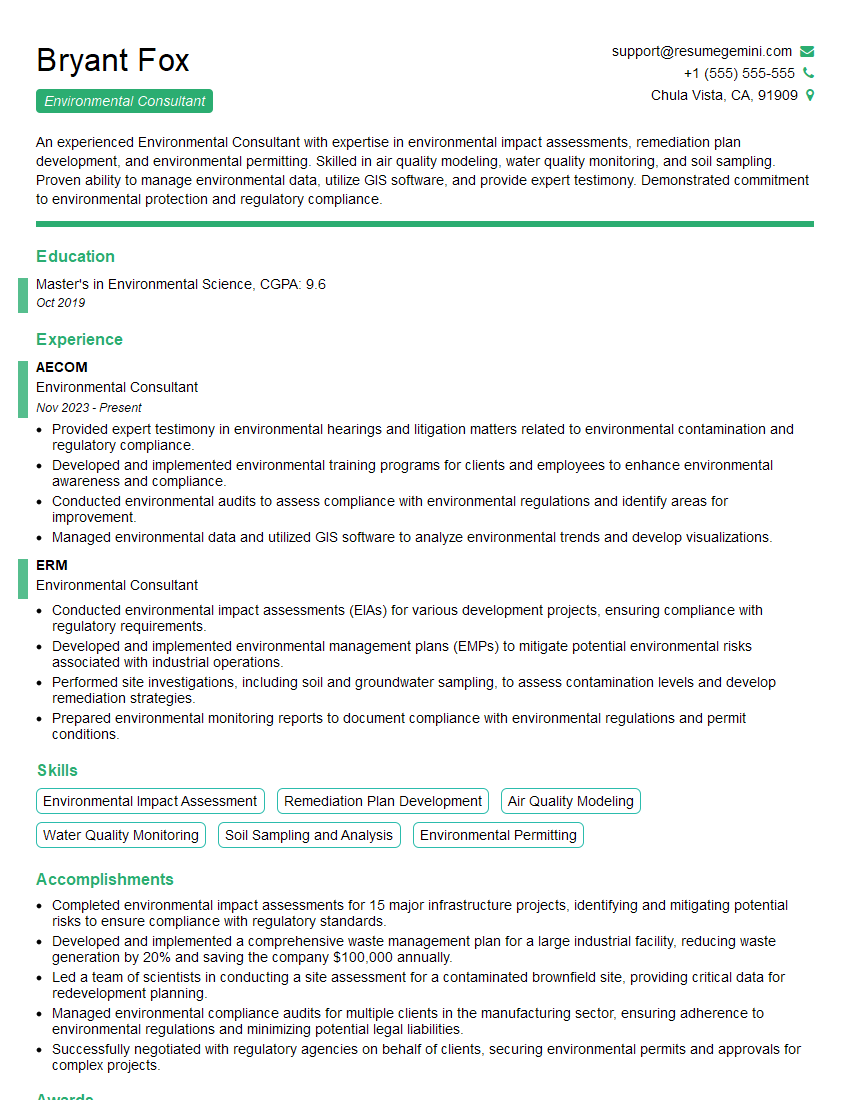
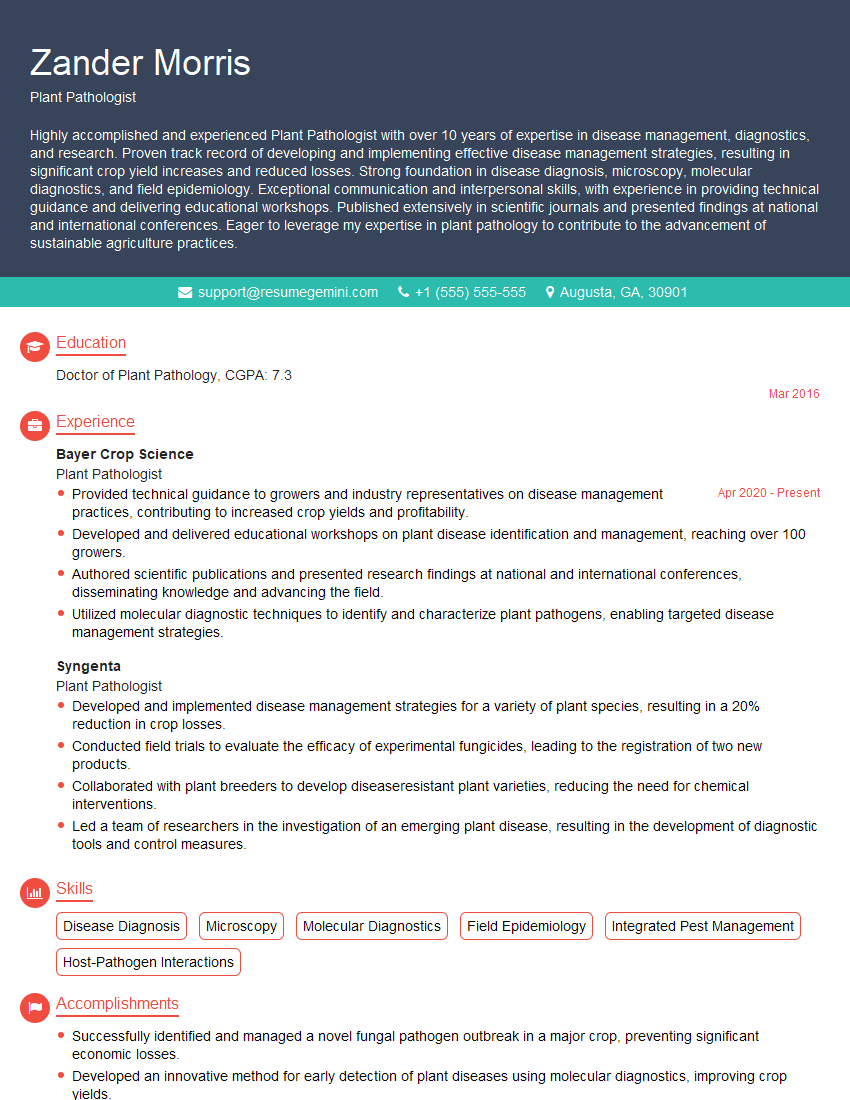
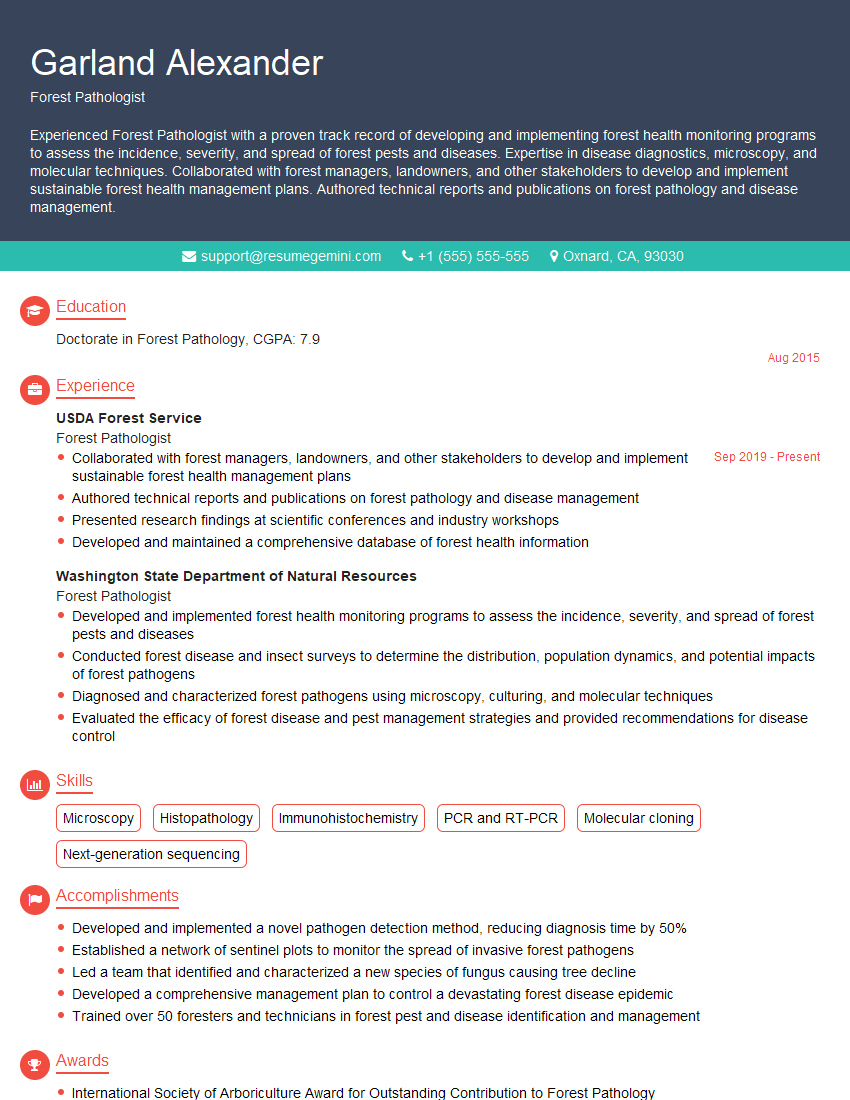
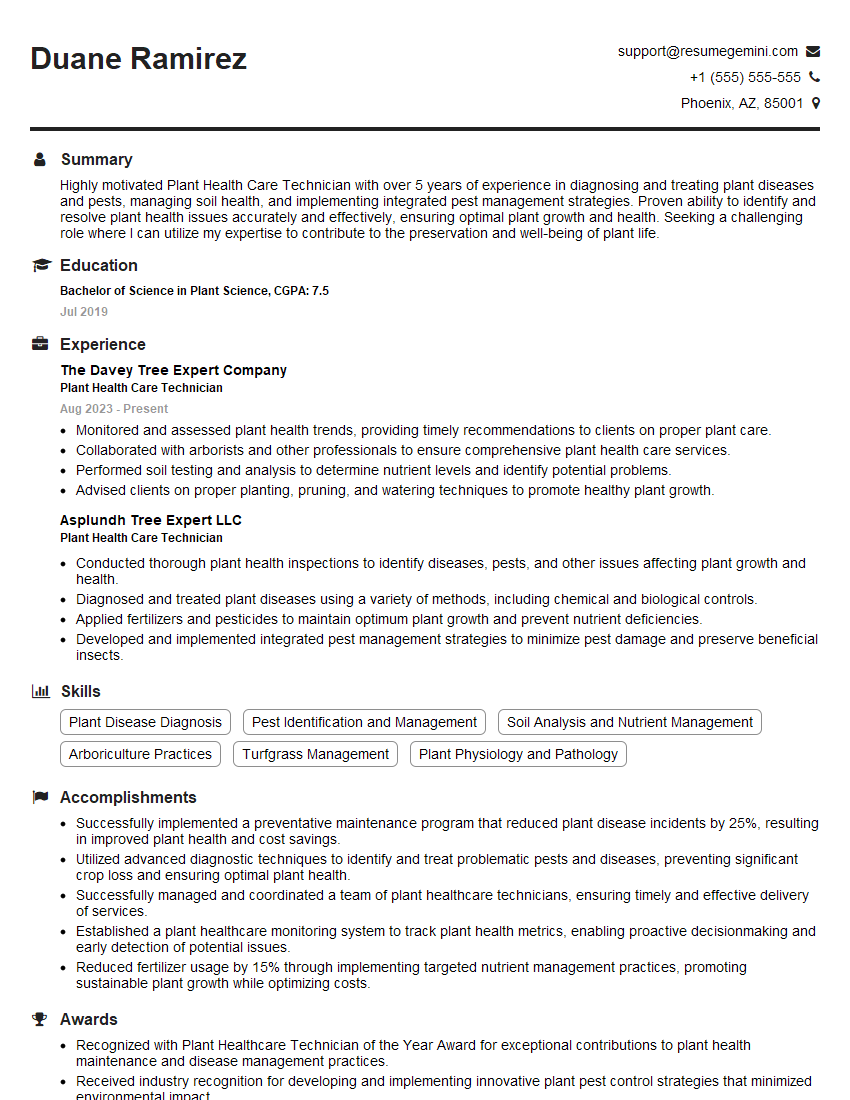
Mastering Tree Disease and Insect Identification is crucial for a successful career in arboriculture, forestry, or related fields. A strong understanding of these topics demonstrates expertise and problem-solving skills highly valued by employers. To significantly enhance your job prospects, create a compelling and ATS-friendly resume that highlights your skills and experience effectively. ResumeGemini is a trusted resource to help you build a professional and impactful resume. They provide examples of resumes tailored to the Tree Disease and Insect Identification field, giving you a head start in crafting a document that truly showcases your capabilities. Invest time in building a strong resume – it’s your first impression to potential employers.



Explore more articles
Users Rating of Our Blogs
Share Your Experience
We value your feedback! Please rate our content and share your thoughts (optional).
What Readers Say About Our Blog
Really detailed insights and content, thank you for writing this detailed article.
IT gave me an insight and words to use and be able to think of examples