Are you ready to stand out in your next interview? Understanding and preparing for Expertise in Information Literacy interview questions is a game-changer. In this blog, we’ve compiled key questions and expert advice to help you showcase your skills with confidence and precision. Let’s get started on your journey to acing the interview.
Questions Asked in Expertise in Information Literacy Interview
Q 1. Describe the five key elements of information literacy.
The five key elements of information literacy are interconnected and crucial for effectively navigating the information landscape. Think of them as five pillars supporting a strong understanding of information.
- Identify: Recognizing your information need. This involves clearly defining what information you’re looking for and why. For example, needing to understand the impact of climate change on coastal communities would be a clearly identified need.
- Find: Locating relevant information using appropriate search strategies and resources. This might involve using specific keywords in library databases or employing Boolean operators to refine online searches.
- Evaluate: Critically assessing the credibility, authority, and potential biases of information sources. This is crucial to avoid misinformation and to discern reliable data from unreliable claims.
- Apply: Using information ethically and legally to accomplish a specific purpose. This includes proper citation, avoiding plagiarism, and respecting copyright laws.
- Acknowledge: Understanding intellectual property rights and giving proper credit to sources. This involves accurately citing sources using a consistent citation style, such as APA or MLA.
Q 2. Explain the difference between evaluating sources for credibility and bias.
While both credibility and bias evaluation are crucial for assessing information sources, they address different aspects. Credibility focuses on the trustworthiness and reliability of the information itself, while bias examines the potential influence of the source’s perspective or agenda on the information presented.
For example, a study published in a reputable peer-reviewed journal is likely credible due to rigorous editorial processes. However, even credible sources can exhibit bias. If the study was funded by a company with a vested interest in the outcome, its findings might be biased towards supporting their position, even if the methodology is sound.
In short, credibility asks: “Is this information accurate and reliable?” while bias asks: “Is this information presented fairly and objectively, or is it influenced by a particular viewpoint?”
Q 3. How do you determine the authority and accuracy of an online source?
Determining the authority and accuracy of an online source requires a multi-faceted approach. Think of it like checking the credentials of a professional – you’d want to verify their expertise and experience before trusting their advice.
- Author Expertise: Look for author credentials, affiliations, and publications. Is the author an expert in the field? Does their background suggest a lack of bias?
- Website Authority: Evaluate the website’s reputation and purpose. Is it a reputable news organization, a government agency, an academic institution, or a personal blog? Websites from recognized organizations usually offer more authority.
- Publication Date: Consider when the information was published. Information quickly becomes outdated in certain fields, such as science and technology.
- Supporting Evidence: Check for citations, references, and data sources. Well-supported claims enhance the accuracy and trustworthiness of the information.
- Fact-Checking: Cross-reference information from multiple sources to verify its accuracy and consistency.
For instance, a study published on a university’s website with clear author credentials and peer review is much more authoritative and accurate than a blog post without attribution or supporting evidence.
Q 4. What strategies do you use to effectively search for information using Boolean operators?
Boolean operators—AND, OR, and NOT—are powerful tools for refining information searches. Think of them as precision instruments for targeting your search results.
- AND: Narrows your search by including only results containing all specified terms. For example,
climate change AND coastal erosionwill yield results discussing both topics. - OR: Broadens your search by including results containing at least one of the specified terms. For example,
global warming OR climate changewill retrieve results using either term. - NOT: Excludes results containing a specific term. For example,
climate change NOT mitigationwill exclude results focusing on mitigation strategies.
Effective strategies include using parentheses to group terms, ensuring correct spelling and capitalization, and experimenting with different combinations of operators to fine-tune your search. For example, (climate change OR global warming) AND adaptation AND coastal would provide highly focused results.
Q 5. Describe your experience using various library databases and online research tools.
My experience with library databases and online research tools is extensive. I’m proficient in using databases like JSTOR, EBSCOhost, PubMed, and Web of Science for academic research, alongside tools like Google Scholar for broader searches. I have a strong understanding of the different search functionalities, filtering options, and citation management features offered by these platforms.
For instance, I’ve used JSTOR extensively to locate peer-reviewed articles for research papers, leveraging its advanced search features and citation exporting capabilities. PubMed has been invaluable for finding medical research, allowing me to filter by publication date, study type, and other relevant criteria. My experience includes utilizing these databases across diverse disciplines, enabling me to tailor my searches effectively to each field’s unique information landscape.
Q 6. How do you manage information overload and prioritize relevant information?
Information overload is a common challenge, but effective strategies exist to manage it. The key is to prioritize relevant information and eliminate unnecessary noise.
- Define Clear Objectives: Before searching, establish a precise research question. This acts as a filter, helping focus your search on relevant sources.
- Strategic Searching: Utilize Boolean operators and filters within databases to refine searches and reduce the volume of results.
- Credibility Check: Prioritize sources based on credibility and authority, quickly discarding unreliable information.
- Skimming & Scanning: Efficiently review articles and web pages to identify core concepts and eliminate irrelevant content.
- Information Management Tools: Utilize tools like citation managers (e.g., Zotero) to organize and track sources systematically.
Think of it as building a house – you wouldn’t start with random materials; you need a blueprint (your research question) and the right materials (reliable sources) to build a solid structure (your research).
Q 7. Explain your process for synthesizing information from multiple sources.
Synthesizing information from multiple sources requires careful analysis and critical thinking. It’s not just about summarizing; it’s about integrating diverse perspectives to create a coherent and nuanced understanding.
- Comparative Analysis: Identify common themes, contrasting viewpoints, and gaps in knowledge across sources.
- Critical Evaluation: Assess the credibility and potential biases of each source, giving weight to the most trustworthy information.
- Note-Taking & Organization: Organize information logically using outlines, concept maps, or other methods.
- Identifying Synthesis Points: Focus on the core arguments and findings, comparing and contrasting them to form a more comprehensive understanding.
- Original Interpretation: Avoid simply paraphrasing; create a new interpretation that integrates the key findings from multiple sources.
Imagine you’re cooking a complex dish— you wouldn’t just combine ingredients randomly. You need to understand how they interact and adjust the recipe (your synthesis) to create a delicious and cohesive final product.
Q 8. How do you cite sources correctly using a specified style guide (e.g., APA, MLA)?
Correctly citing sources is crucial to avoid plagiarism and give credit to the original creators. Different style guides (like APA, MLA, Chicago) have specific formats for citations. The key is consistency. For example, in APA style, you’d cite a journal article in the text like this: (Author’s Last Name, Year) and provide a full reference at the end of your paper. Let’s say I’m citing an article by Smith published in 2023: In the text, I’d write (Smith, 2023). Then, in the references section, the full citation would look something like this:
Smith, J. (2023). Title of the article. Title of the Journal, Volume(Issue), Pages. DOI or URLMLA style is different; it uses author-page number in-text citations. For the same article, the in-text citation would be (Smith page number) and the Works Cited entry would have a slightly different format. Mastering these styles involves understanding the specific rules for various source types (books, websites, etc.) and practicing consistent application. Citation management tools like Zotero or Mendeley can greatly assist in this process, automatically formatting citations according to your chosen style.
Q 9. How would you teach someone to critically evaluate information?
Teaching critical evaluation involves empowering individuals to assess information objectively, rather than passively accepting it. I’d approach this using a multi-faceted strategy:
- Source Evaluation: We’d examine the credibility of sources – considering the author’s expertise, potential biases, publication date, and overall reputation of the website or publisher. Think of it like this: would you trust a news article from a known tabloid as much as one from a respected news agency?
- Information Verification: I’d emphasize the importance of corroborating information from multiple independent sources. If something appears only on one obscure site, it needs further investigation. Finding similar information across multiple reliable sources strengthens its credibility.
- Identifying Bias and Propaganda: We’d explore techniques used to manipulate information, including loaded language, emotional appeals, and omission of facts. Learning to recognize these tactics is vital for navigating biased or misleading content.
- Logical Reasoning and Fallacies: I’d introduce the concept of logical fallacies – flaws in reasoning that can weaken an argument. Recognizing these fallacies empowers individuals to identify weaknesses in the information presented.
- Fact-Checking and Verification: Practical exercises using fact-checking websites and techniques will reinforce these concepts. Students will learn to assess the evidence provided and to evaluate the strength of the claims made.
Through a combination of lectures, discussions, and practical exercises, I aim to equip individuals with the skills to navigate the complex information landscape critically and confidently.
Q 10. Describe a time you had to find information under tight deadlines. How did you prioritize?
During a project on developing an information literacy curriculum for a new online program, I faced an incredibly tight deadline. We needed to finalize the curriculum outline, learning objectives, and resource lists in just two weeks. My prioritization strategy involved:
- Breaking Down the Task: I first divided the project into smaller, manageable tasks – focusing on one section of the curriculum at a time.
- Time Allocation: I created a realistic schedule, allocating specific time slots to each task, considering potential delays.
- Resource Prioritization: I focused on readily accessible and reliable resources, avoiding time-consuming searches for obscure information.
- Collaboration and Delegation: I collaborated with team members, delegating certain tasks to those with relevant expertise, maximizing efficiency.
- Effective Search Strategies: Utilizing advanced search operators and focusing on peer-reviewed articles allowed me to source reliable information quickly.
Through focused effort and strategic planning, I managed to meet the tight deadline while maintaining the quality of the curriculum.
Q 11. Explain your understanding of intellectual property rights and copyright.
Intellectual property rights (IPR) protect creations of the mind, like inventions, literary and artistic works, designs, and symbols, names, and images used in commerce. Copyright is a specific type of IPR that protects original works of authorship, including literary, dramatic, musical, and certain other intellectual works. It grants the creator exclusive rights to reproduce, distribute, display, perform, and create derivative works.
Understanding copyright is crucial for ethical information use. It’s not simply about avoiding plagiarism; it’s about respecting the rights of creators. Using copyrighted material without permission is infringement, with potential legal and ethical repercussions. The concept of ‘fair use’ allows limited use of copyrighted material under specific circumstances (e.g., criticism, commentary, news reporting), but determining fair use requires careful evaluation of several factors.
Q 12. What are some ethical considerations when using and sharing information?
Ethical considerations surrounding information use and sharing are multifaceted. Key aspects include:
- Accuracy and Truthfulness: Sharing accurate and unbiased information is paramount. Spreading misinformation or disinformation has serious consequences.
- Privacy and Confidentiality: Respecting the privacy of individuals and protecting sensitive information is essential. This applies to both personal and professional contexts.
- Attribution and Citation: Giving proper credit to sources through accurate citation avoids plagiarism and respects intellectual property rights.
- Transparency and Disclosure: Being transparent about potential biases or conflicts of interest when sharing information builds trust.
- Digital Citizenship: Engaging in responsible online behavior, including avoiding cyberbullying and online harassment, is critical.
Ethical considerations are interwoven with information literacy. Responsible information practice requires a strong ethical compass.
Q 13. How do you ensure the privacy and security of sensitive information?
Ensuring privacy and security of sensitive information demands a multi-layered approach:
- Access Control: Restricting access to sensitive data to authorized personnel only through robust authentication and authorization mechanisms.
- Data Encryption: Using encryption to protect data both in transit and at rest. This renders the data unintelligible to unauthorized individuals.
- Secure Storage: Utilizing secure servers and storage solutions that protect against unauthorized access and data breaches.
- Regular Security Audits: Conducting regular security assessments to identify vulnerabilities and ensure compliance with security standards.
- Data Loss Prevention (DLP): Implementing DLP measures to prevent sensitive information from leaving the organization’s control.
- Employee Training: Educating employees on security best practices, including password management, phishing awareness, and safe data handling.
A layered approach is crucial. No single measure provides complete protection; it’s the combination that creates a strong security posture.
Q 14. Describe your experience with data analysis and visualization.
My experience with data analysis and visualization is extensive. I’ve used various tools like SPSS, R, and Tableau to analyze data sets ranging from academic research to market trend analysis. For instance, in a research project analyzing student engagement with online learning materials, I used R to perform statistical analyses on student activity logs, identifying patterns and correlations between various factors and student success. The results were then visualized using Tableau, creating interactive dashboards displaying key findings. These visualizations enabled clear communication of complex data to a wider audience. I’m proficient in cleaning and transforming data, performing statistical tests, identifying trends, and selecting appropriate visualization methods to convey insights effectively.
Q 15. How familiar are you with various information formats (text, images, videos, etc.)?
My familiarity with various information formats extends beyond basic comprehension; I possess a deep understanding of their strengths, weaknesses, and appropriate applications. This includes not only common formats like text (including various document types like PDFs, Word documents, and plain text), images (JPEGs, PNGs, GIFs, vector graphics), and videos (MP4, MOV, AVI), but also less common ones like audio files (MP3, WAV), interactive documents, databases, and even specialized formats used in scientific research or geographical information systems (GIS).
Understanding these formats goes beyond simply recognizing them. It involves knowing how to effectively analyze and interpret the information they contain, considering factors such as bias, source credibility, and potential manipulations. For example, a seemingly innocuous image could be digitally altered, and a carefully crafted video might omit crucial context. Therefore, my expertise involves critically evaluating the information presented regardless of its format.
Moreover, I am proficient in using various software and tools to work with these formats, allowing me to process, convert, and analyze data regardless of its original form. This proficiency is crucial for effective information literacy in today’s multimedia-rich environment.
Career Expert Tips:
- Ace those interviews! Prepare effectively by reviewing the Top 50 Most Common Interview Questions on ResumeGemini.
- Navigate your job search with confidence! Explore a wide range of Career Tips on ResumeGemini. Learn about common challenges and recommendations to overcome them.
- Craft the perfect resume! Master the Art of Resume Writing with ResumeGemini’s guide. Showcase your unique qualifications and achievements effectively.
- Don’t miss out on holiday savings! Build your dream resume with ResumeGemini’s ATS optimized templates.
Q 16. How would you design an information literacy workshop for a specific audience?
Designing an information literacy workshop begins with a thorough understanding of the target audience. Their existing knowledge, learning styles, and information needs are paramount. For instance, a workshop for high school students will differ significantly from one designed for researchers or professionals.
For a specific audience, say, undergraduate students, I’d structure a workshop around practical scenarios they might face. The agenda would likely involve modules on:
- Evaluating Sources: Identifying credible sources, understanding bias, and recognizing misinformation.
- Research Strategies: Effectively using databases, search engines, and library resources.
- Information Management: Organizing and citing research effectively using tools like Zotero or Mendeley.
- Copyright and Intellectual Property: Understanding fair use and ethical considerations in information use.
- Digital Literacy: Recognizing online scams, understanding privacy settings, and practicing safe online behavior.
The workshop would employ a variety of methods, including interactive exercises, group discussions, and real-world case studies to engage participants actively. Assessment methods could include quizzes, short assignments, or even group projects reflecting practical application of learned skills. Post-workshop support, perhaps through online forums or supplemental materials, is crucial to ensure ongoing learning and knowledge retention.
Q 17. What are some common misconceptions about information literacy?
Several misconceptions hinder effective information literacy. One common misconception is that all information found online is trustworthy. The sheer volume of information online, coupled with ease of access, masks the fact that a significant portion is unreliable, inaccurate, or deliberately misleading.
Another misconception is the belief that information literacy is solely about finding information. While finding information is a crucial component, information literacy also involves critically evaluating, analyzing, applying, and ethically using information. It’s not just about locating data; it’s about making sense of it.
Finally, some believe information literacy is a one-time skill to be acquired. The rapid evolution of information technologies and the constantly shifting information landscape necessitate ongoing learning and adaptation. Information literacy is a continuous process, not a destination.
Q 18. How do you stay up-to-date with changes in information technologies and best practices?
Staying abreast of changes in information technologies and best practices requires a multifaceted approach. I actively engage in several key strategies:
- Professional Development: Attending conferences, workshops, and webinars offered by organizations like the American Library Association (ALA) or similar professional bodies.
- Peer Networking: Participating in online forums and professional communities to discuss emerging trends and best practices with colleagues.
- Reading and Research: Regularly reading journals, articles, and books related to information science, library science, and digital literacy.
- Experimentation and Practice: Exploring and experimenting with new information technologies and tools to assess their functionality and effectiveness.
- Following Key Influencers: Following prominent figures and organizations in the field on social media and subscribing to their newsletters.
This combination of formal and informal learning ensures that my understanding of information literacy remains current and relevant.
Q 19. Describe your experience working with different types of information systems.
My experience with diverse information systems is extensive. This includes experience with library catalog systems (like OCLC WorldCat), database systems (such as academic research databases like JSTOR or Scopus), content management systems (CMS), knowledge management systems, and various online search engines. I understand the strengths and limitations of each, knowing when to utilize each effectively.
For example, I am familiar with using Boolean operators (AND, OR, NOT) within database search interfaces to refine search results, and with utilizing advanced search functionalities like wildcard characters or proximity operators to find specific information efficiently. Furthermore, I am experienced with navigating the complexities of different information architectures and understanding metadata schemas to locate relevant data effectively.
Beyond the technical aspects, I recognize the significance of understanding the organizational structures and user interfaces of these systems to maximize their usage for information retrieval and management.
Q 20. Explain your process for creating and maintaining an effective knowledge base.
Creating and maintaining an effective knowledge base involves a structured approach. First, it requires defining a clear scope and purpose. What information needs to be included? Who is the target audience? Once defined, I would employ a system for organizing information logically, perhaps using a hierarchical structure or a tagging system depending on the complexity of the knowledge base.
Content creation requires adherence to consistent quality standards; information should be accurate, up-to-date, and accessible. Regular reviews and updates are essential to ensure accuracy and relevance. This might include scheduled updates, user feedback mechanisms, and a process for identifying and addressing outdated or inaccurate information.
Accessibility is also key. This includes using clear and concise language, logical information architecture, and adherence to accessibility guidelines for users with disabilities. A user-friendly search function is also crucial to allow users to easily locate the information they need. Finally, a robust system for version control and content management is essential for maintaining the integrity and consistency of the knowledge base.
Q 21. How do you identify and address information gaps in a project?
Identifying and addressing information gaps is a critical aspect of successful project management. It begins with clearly defining the project’s information requirements. What information is needed to achieve the project goals? What are the key questions that need to be answered?
Once requirements are defined, a thorough gap analysis is conducted. This involves comparing the available information with the project’s needs, highlighting any discrepancies. This could involve reviewing existing literature, conducting interviews with stakeholders, or exploring different data sources.
Addressing these gaps involves developing a plan to acquire the missing information. This might include conducting primary research (surveys, interviews, experiments), secondary research (literature reviews, database searches), or accessing external data sources. The chosen method depends upon the nature of the missing information and the resources available.
Throughout this process, it is crucial to meticulously document the steps taken to address the gaps, ensuring the transparency and traceability of information acquisition. This enhances the reliability and integrity of the project’s findings.
Q 22. Describe a time you encountered misinformation. How did you handle it?
Recently, I encountered misinformation regarding the effectiveness of a new COVID-19 treatment circulating on social media. The post, shared by a seemingly reputable source, claimed a dramatic cure rate with minimal side effects. My immediate reaction wasn’t to dismiss it outright, but to critically evaluate the information.
My approach involved several steps: First, I checked the source’s credibility – looking for any bias or conflicts of interest. The source lacked transparency. Second, I cross-referenced the information with several reputable sources, including the CDC and WHO websites, and peer-reviewed medical journals. These sources presented a more nuanced, and significantly less optimistic, picture. Third, I looked at the methodology used in any studies cited. The original post lacked details on the research, raising further red flags. Finally, I reported the misleading post to the platform. Handling misinformation requires a systematic approach focusing on source evaluation, corroboration, and critical thinking, and responsible reporting.
Q 23. How do you incorporate information literacy skills into your daily work?
Information literacy is interwoven into my daily work in several ways. Every day, I evaluate the validity and reliability of countless sources – whether it’s news articles for background research, academic papers for a literature review, or data sets for analysis. My process involves several key steps: I always identify the author’s expertise and potential biases. I scrutinize the evidence and reasoning presented. I consider the context and publication date to ensure information is current and relevant. I also evaluate the information against other sources to ensure consistency and cross-reference claims. This rigorous approach minimizes errors and ensures I base my work on the most reliable information available. For example, recently I was fact-checking data on climate change and I employed this systematic evaluation to identify trustworthy sources and avoid misleading statistics.
Q 24. Explain the importance of information literacy in the context of [specific field, e.g., healthcare, law].
In healthcare, information literacy is paramount. Accurate, up-to-date information is crucial for providing safe and effective patient care. Healthcare professionals need to be adept at finding, evaluating, and applying information from a wide range of sources, including medical journals, clinical guidelines, patient records, and drug databases. Poor information literacy can lead to misdiagnosis, inappropriate treatment, and patient harm. For example, a doctor relying on outdated information about a particular medication could prescribe an ineffective or even dangerous treatment. Therefore, robust information literacy skills are a cornerstone of responsible and effective healthcare practice. Continuing education and professional development are crucial to maintaining competence in this rapidly evolving field.
Q 25. How do you adapt your information literacy strategies to different information needs?
My information literacy strategies are highly adaptable to different information needs. When conducting a literature review for an academic paper, my approach differs from when I’m researching a news story. For academic research, I prioritize peer-reviewed journals and scholarly databases. The search process is focused and requires detailed evaluation of methodologies and research design. For a news story, my focus shifts to speed and breadth. I rely on multiple reputable news sources to verify information and consider the potential bias of each outlet. In both scenarios, critical thinking remains paramount. I always evaluate the source, look for evidence of bias or conflict of interest, and ensure the information is current and relevant. Essentially, I tailor my approach to the context and desired outcome.
Q 26. How familiar are you with open access resources and repositories?
I am very familiar with open access resources and repositories. I regularly utilize them in my work. They are invaluable tools for accessing research, data, and other scholarly materials. Some of my frequently used open access resources include PubMed Central (for biomedical literature), arXiv (for physics, mathematics, and computer science preprints), and various institutional repositories. Understanding the nuances of open access licensing is also critical, as different licenses impose various restrictions on how these resources can be used and shared. My familiarity extends to navigating these licensing agreements to ensure ethical and compliant use of the materials. The use of open access resources significantly enhances research accessibility and promotes collaboration.
Q 27. What are some emerging trends in information literacy?
Several emerging trends are shaping the landscape of information literacy. One significant trend is the increasing prevalence of misinformation and disinformation, necessitating stronger skills in source evaluation and critical thinking. Another is the growing importance of data literacy, as more professionals work with complex data sets. We also see a rise in the need for digital literacy, as individuals increasingly rely on digital tools and platforms for information access. Furthermore, there’s a growing emphasis on information ethics, particularly concerning copyright, privacy, and responsible use of information. Finally, artificial intelligence is playing an increasingly important role in information retrieval and organization, requiring users to understand the limitations and biases of AI-driven tools. Adapting to these evolving trends is key for maintaining strong information literacy skills.
Key Topics to Learn for Expertise in Information Literacy Interview
- Information Evaluation & Credibility: Understanding how to critically assess information sources for bias, accuracy, authority, and currency. This includes analyzing different types of media and recognizing misinformation.
- Research Strategies & Methodologies: Developing and implementing effective research strategies using various databases, search engines, and online resources. This includes understanding Boolean operators and different search techniques.
- Information Organization & Management: Demonstrating proficiency in organizing, managing, and citing information using appropriate citation styles (e.g., APA, MLA). This includes understanding intellectual property rights and responsible information use.
- Digital Literacy & Online Safety: Understanding online privacy, security, and ethical considerations related to information access and sharing. This involves awareness of online threats and best practices for safe online behavior.
- Data Analysis & Interpretation: Demonstrating the ability to analyze and interpret data from various sources, drawing meaningful conclusions and presenting findings effectively. This could involve working with datasets and visualizing information.
- Information Literacy Frameworks & Models: Familiarity with established information literacy frameworks and models, and the ability to apply these frameworks to real-world scenarios.
- Problem-Solving & Critical Thinking: Applying information literacy skills to solve complex information-related problems, demonstrating critical thinking and analytical abilities.
Next Steps
Mastering Expertise in Information Literacy is crucial for career advancement in today’s data-driven world. It demonstrates your ability to navigate information effectively, making you a highly valuable asset in any field. To maximize your job prospects, creating an ATS-friendly resume that highlights these skills is essential. ResumeGemini is a trusted resource to help you build a professional and impactful resume that will get noticed. They provide examples of resumes tailored to Expertise in Information Literacy, giving you a head start in crafting your own winning application. Take the next step towards your dream job – build a powerful resume that showcases your expertise!

Knowledge Manager Resume Sample
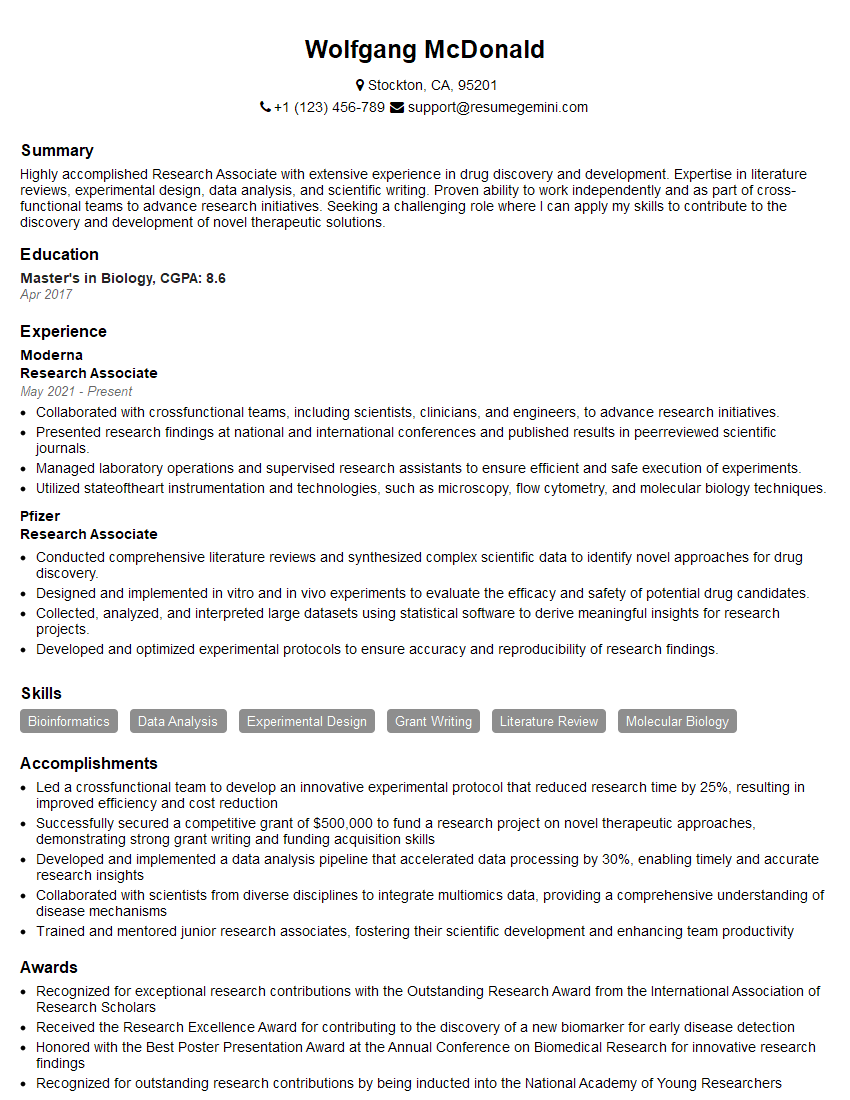
Research Associate Resume Sample

Curriculum Developer Resume Sample
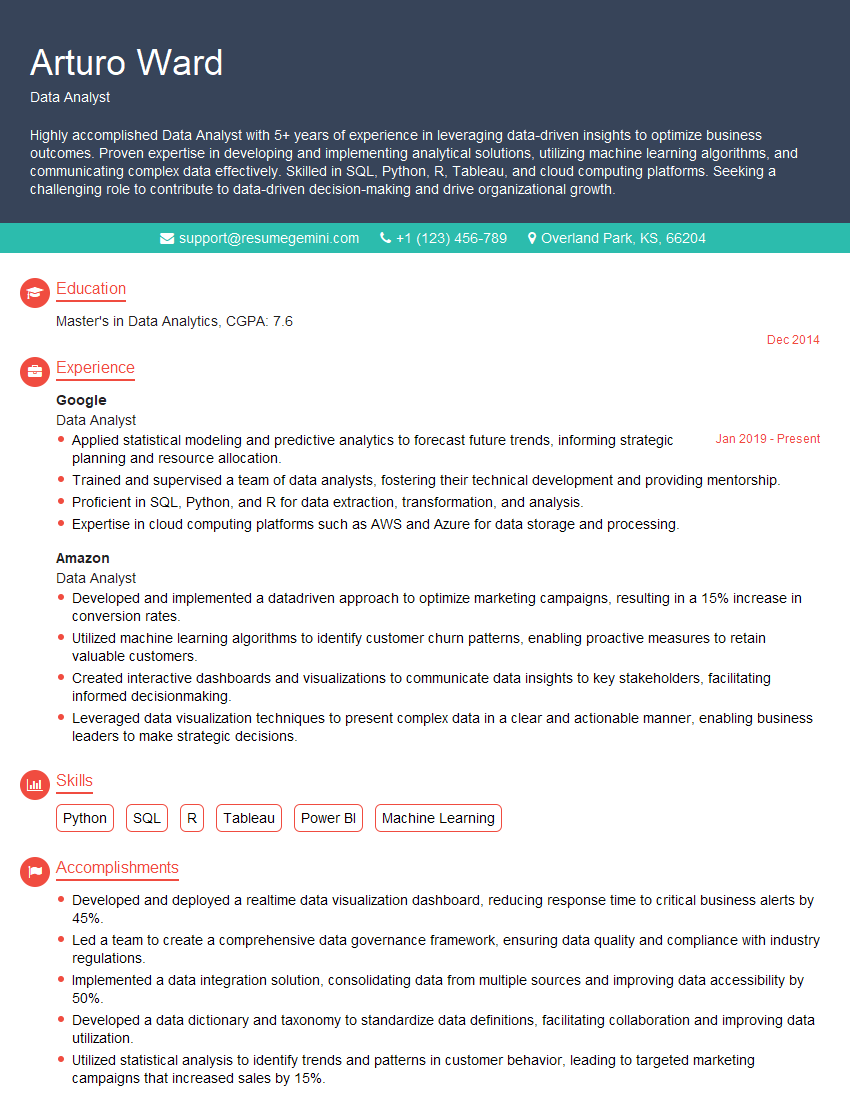
Data Analyst Resume Sample
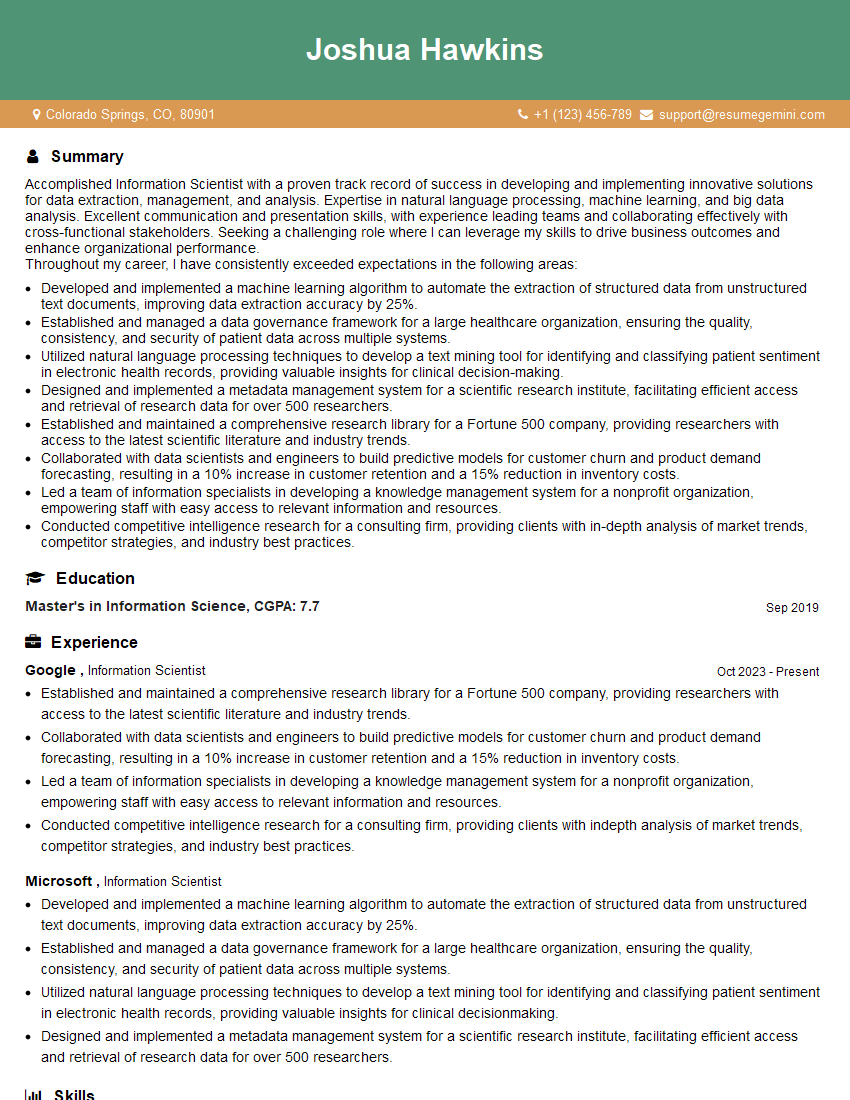
Information Scientist Resume Sample
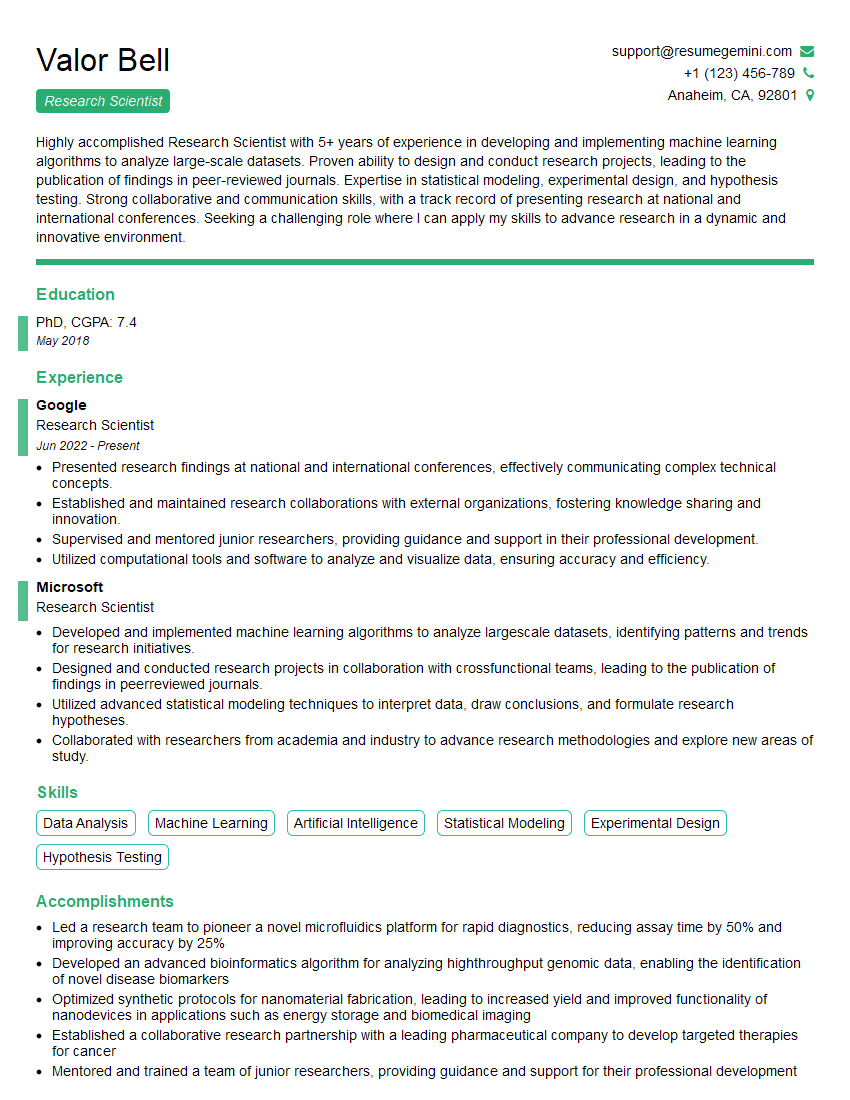
Research Scientist Resume Sample

Information Architect Resume Sample
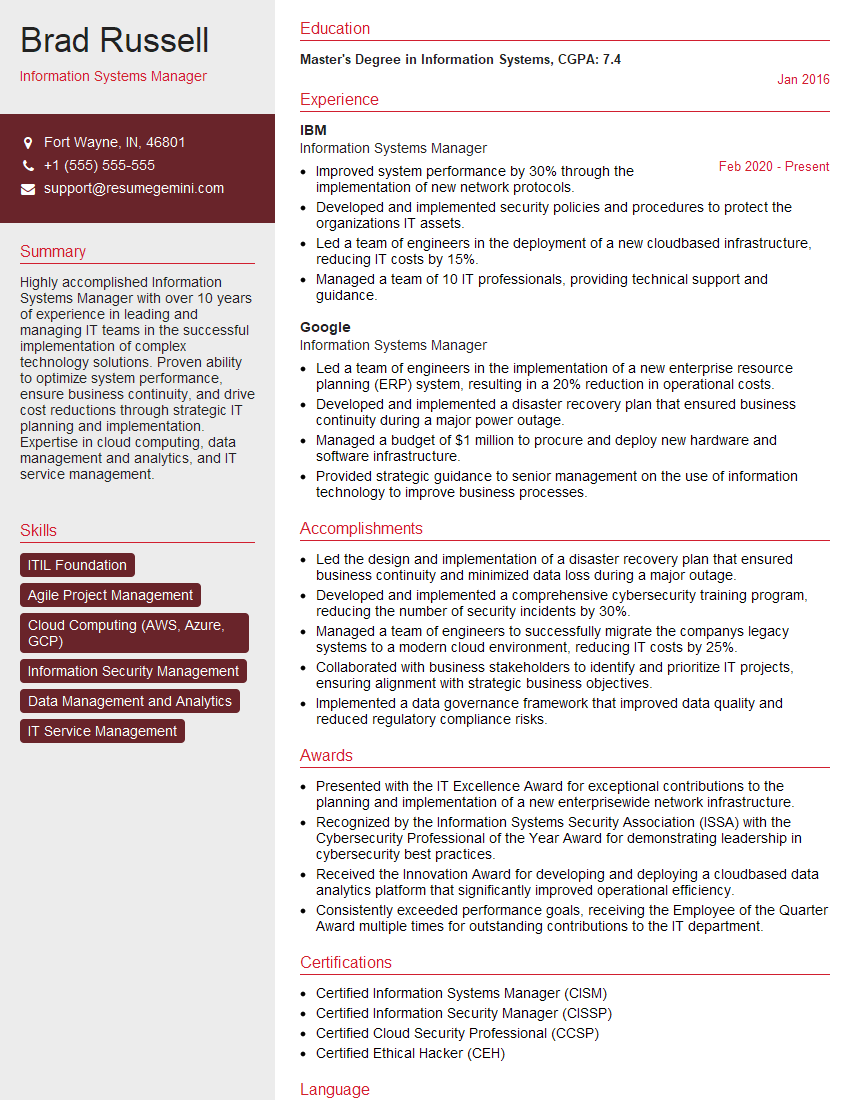
Information Systems Manager Resume Sample
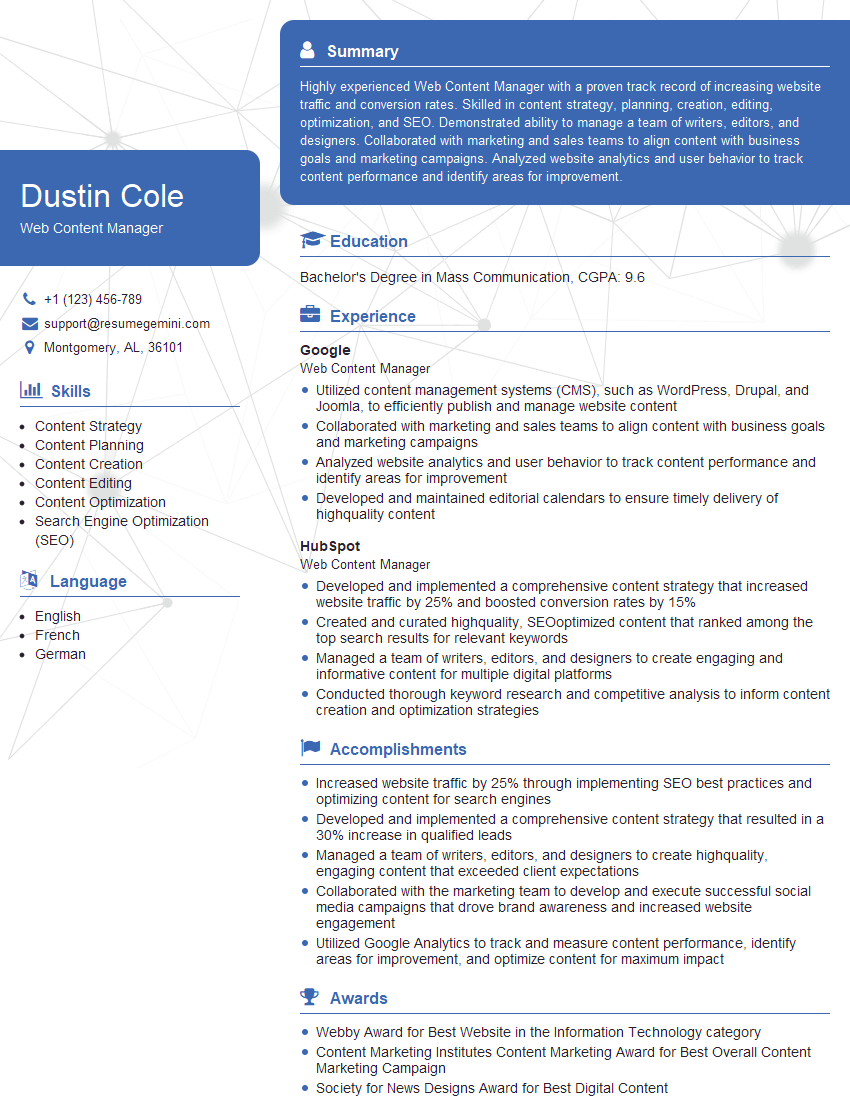
Web Content Manager Resume Sample
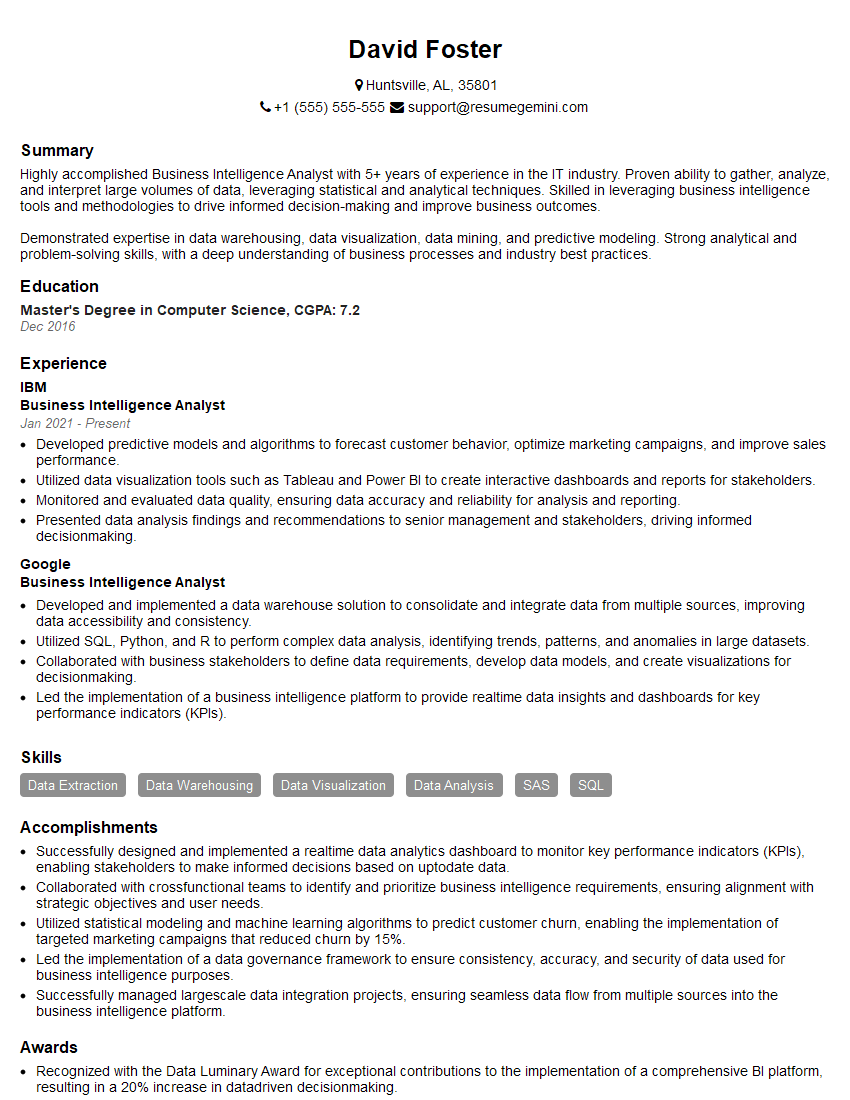
Business Intelligence Analyst Resume Sample
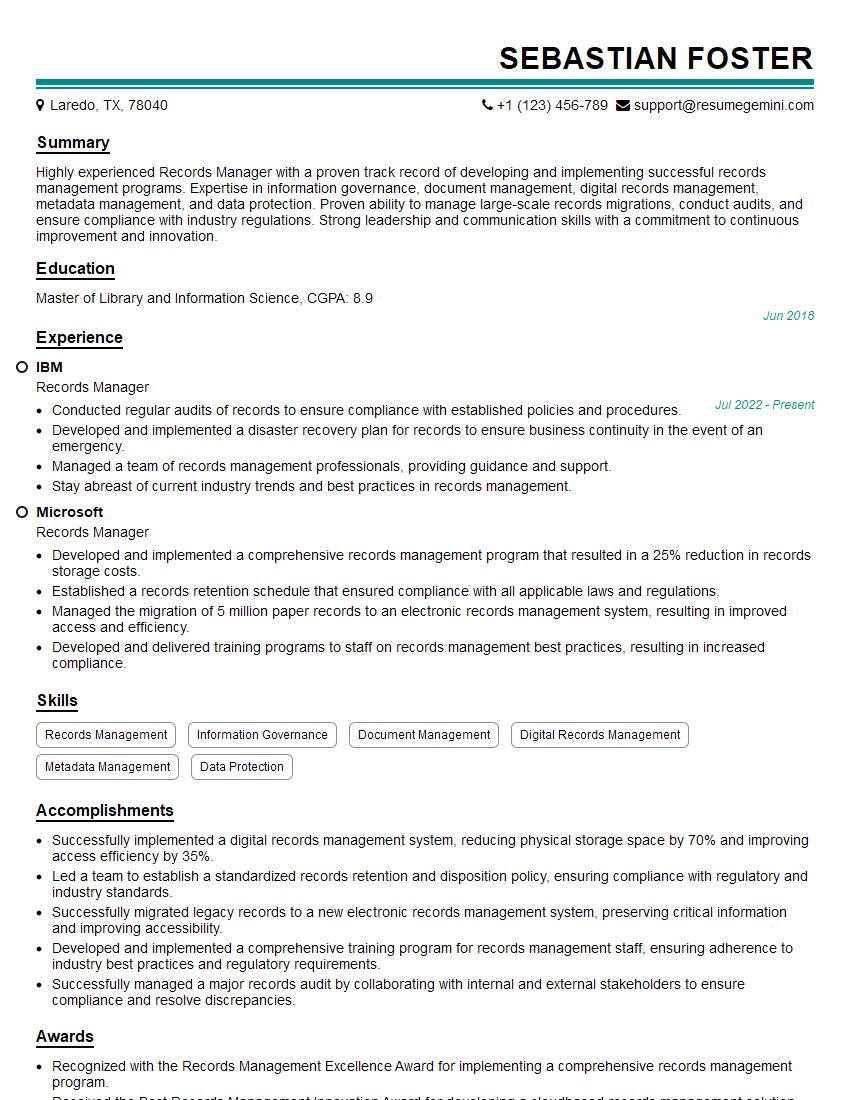
Records Manager Resume Sample
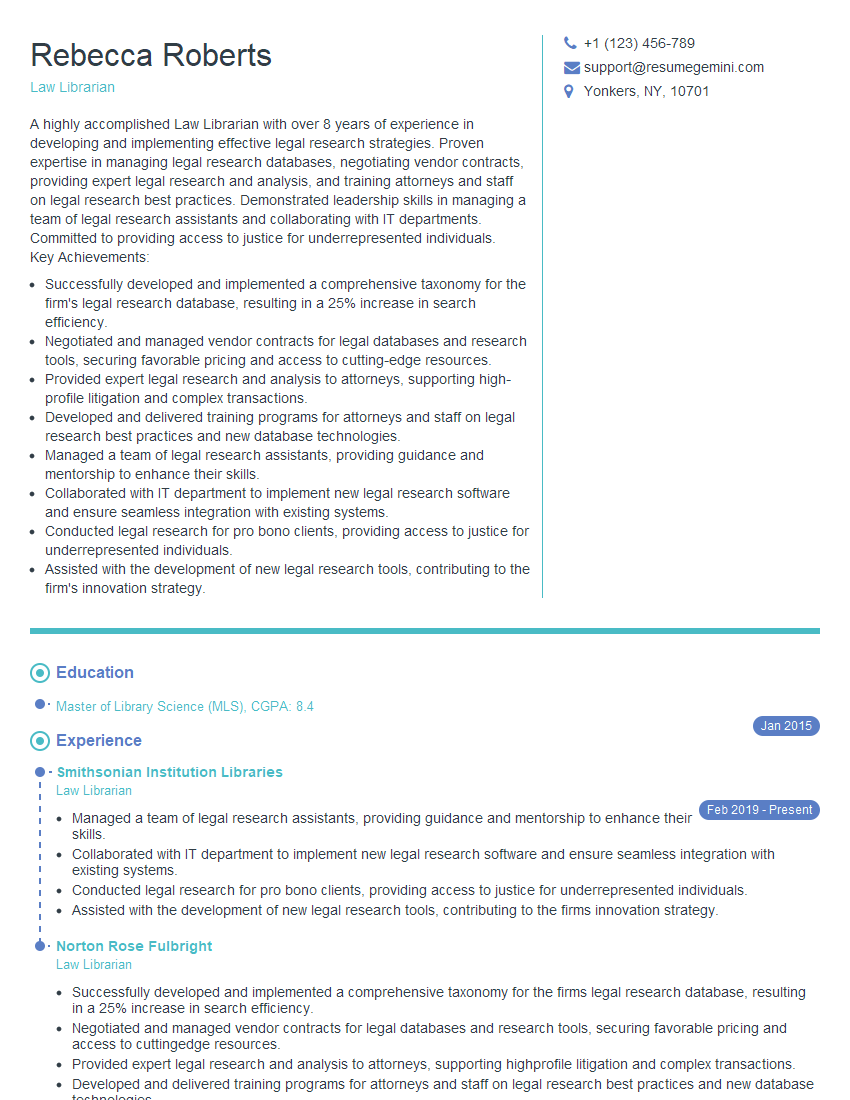
Law Librarian Resume Sample
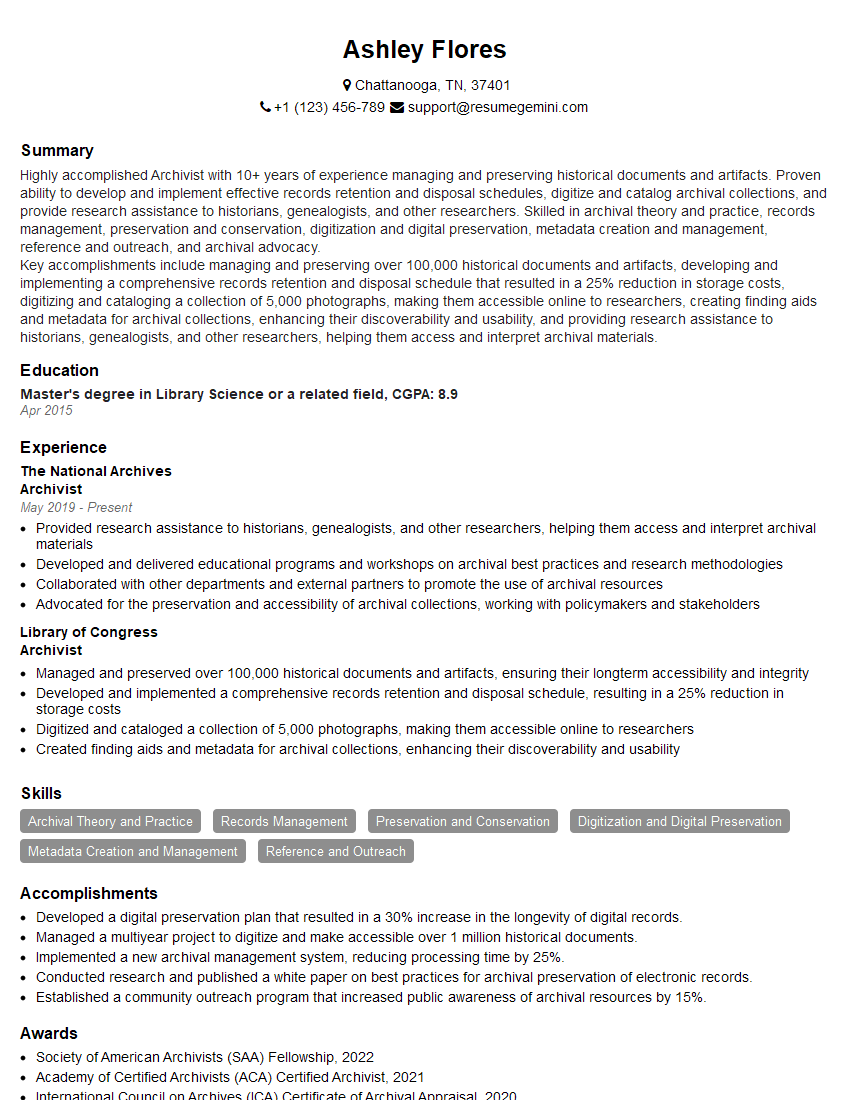
Archivist Resume Sample
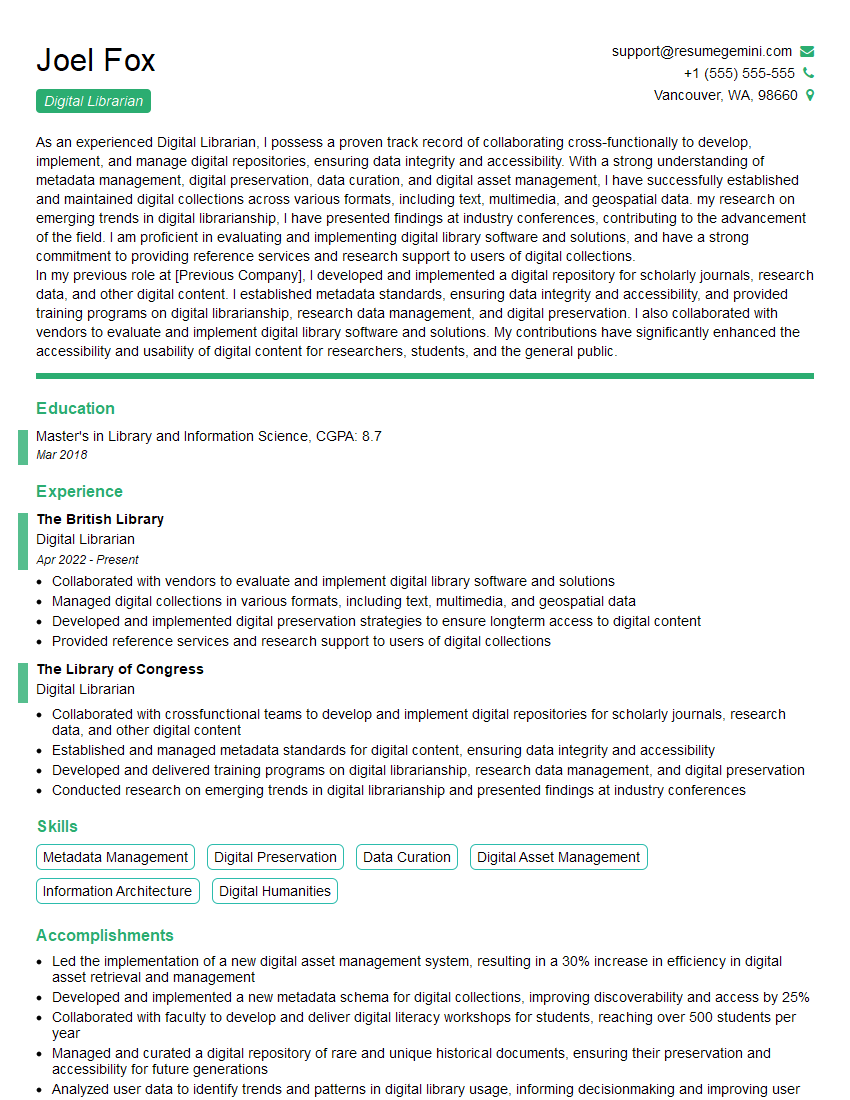
Digital Librarian Resume Sample
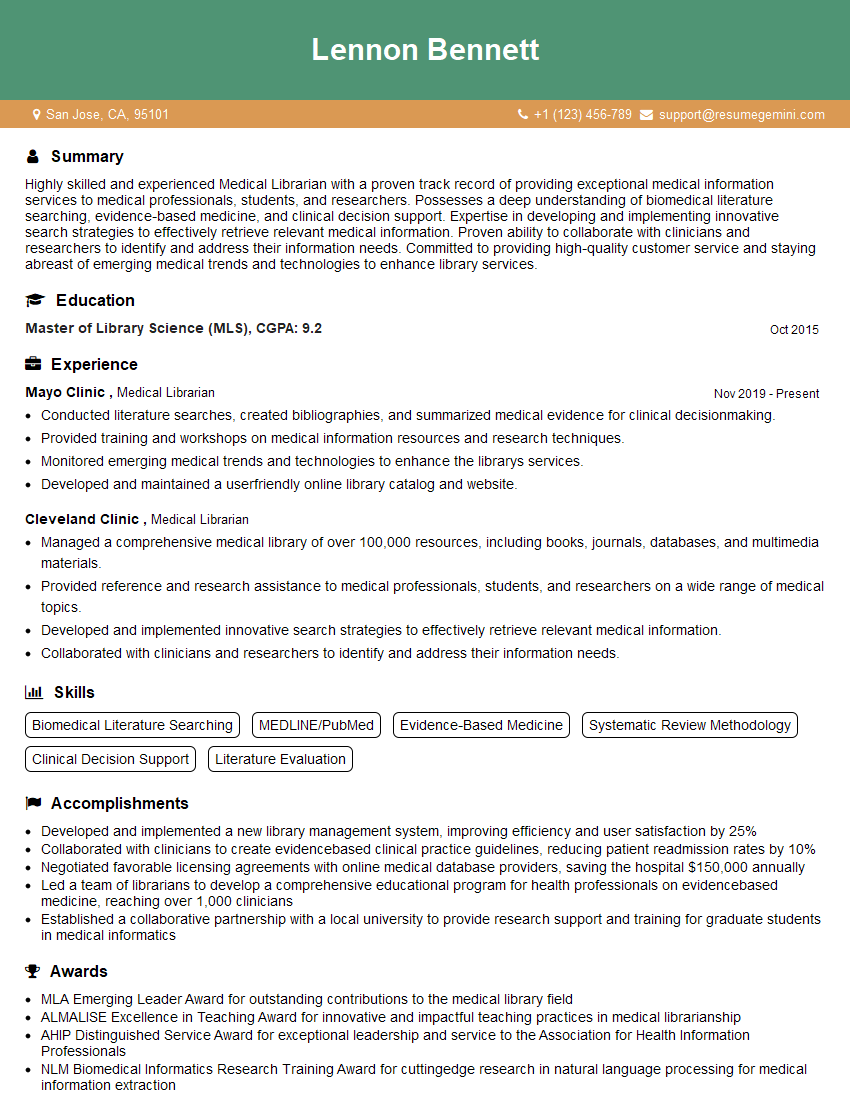
Medical Librarian Resume Sample
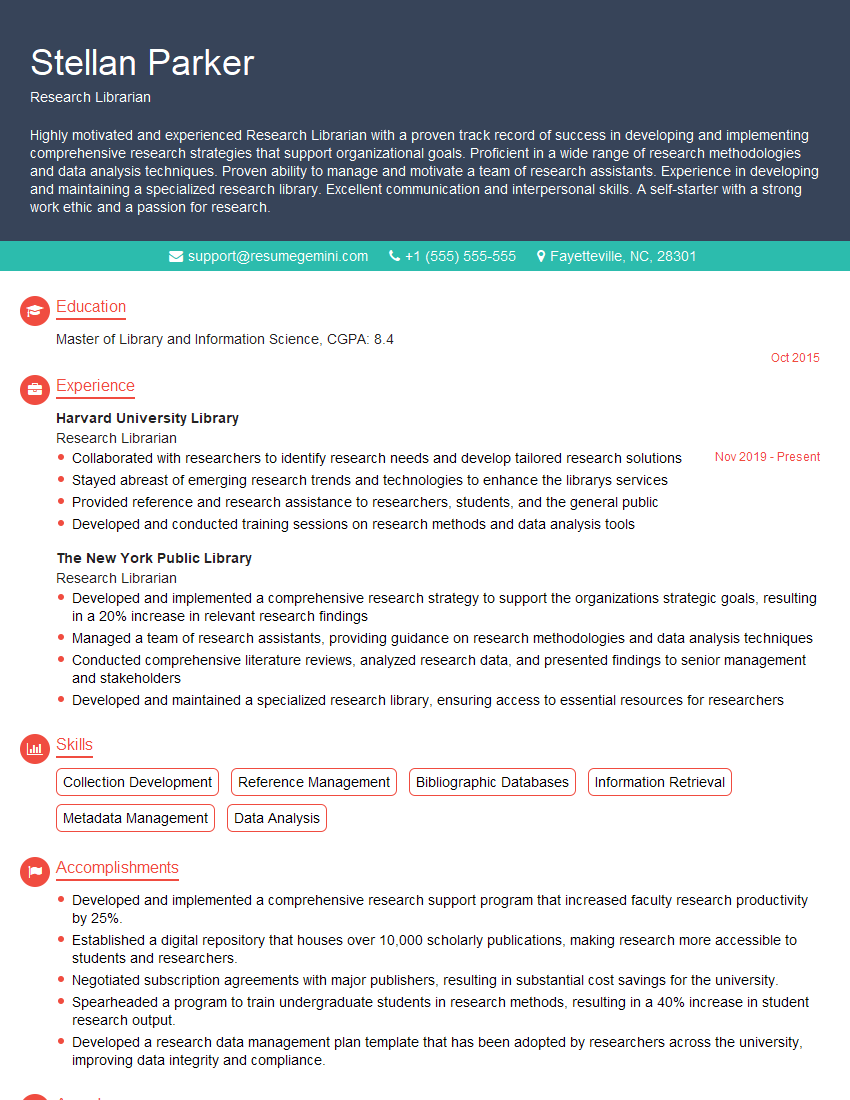
Research Librarian Resume Sample
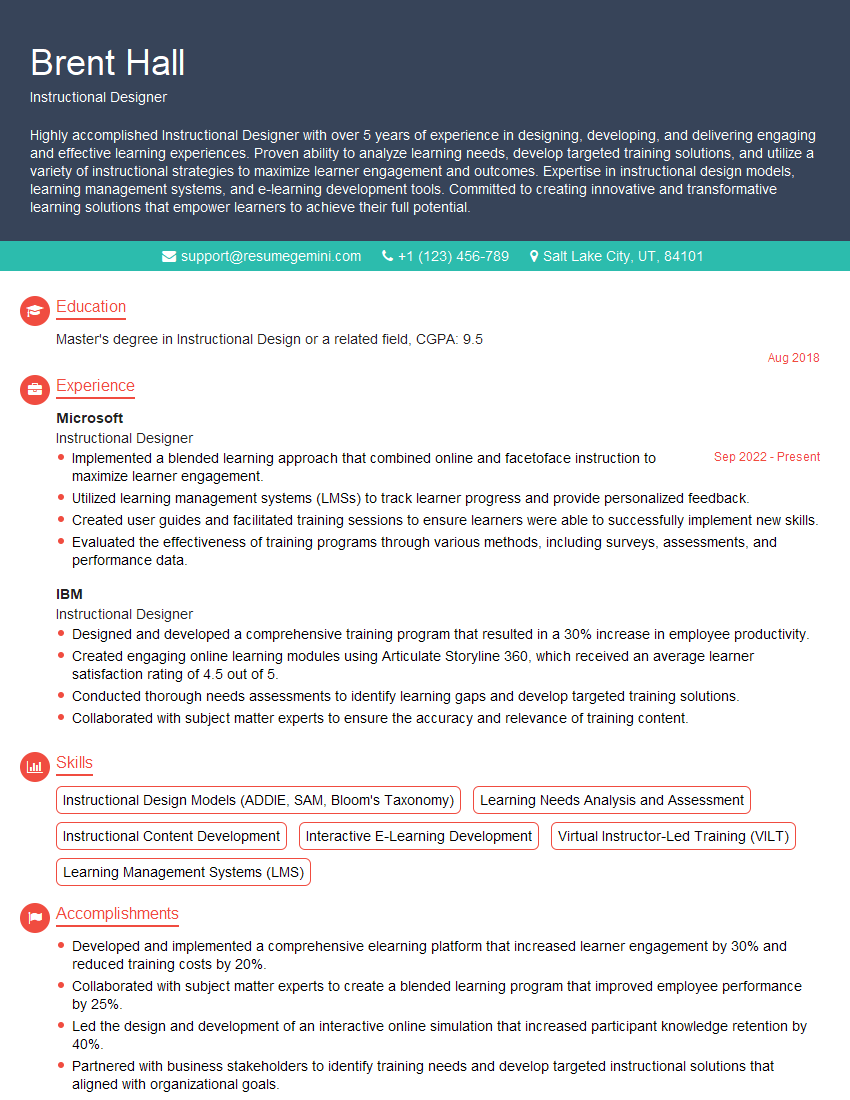
Instructional Designer Resume Sample

Technical Writer Resume Sample
- Knowledge Manager
- Research Associate
- Curriculum Developer
- Data Analyst
- Information Scientist
- Research Scientist
- Information Architect
- Information Systems Manager
- Web Content Manager
- Business Intelligence Analyst
- Records Manager
- Law Librarian
- Archivist
- Digital Librarian
- Medical Librarian
- Research Librarian
- Instructional Designer
- Technical Writer
Explore more articles
Users Rating of Our Blogs
Share Your Experience
We value your feedback! Please rate our content and share your thoughts (optional).
What Readers Say About Our Blog
Really detailed insights and content, thank you for writing this detailed article.
IT gave me an insight and words to use and be able to think of examples