The thought of an interview can be nerve-wracking, but the right preparation can make all the difference. Explore this comprehensive guide to Expertise in Plant Propagation interview questions and gain the confidence you need to showcase your abilities and secure the role.
Questions Asked in Expertise in Plant Propagation Interview
Q 1. Explain the process of vegetative propagation using cuttings.
Vegetative propagation using cuttings is a simple yet powerful method of asexual reproduction in plants. It involves taking a piece of a plant – a cutting – and encouraging it to develop roots and shoots, eventually growing into a new, independent plant. This new plant is genetically identical to the parent plant, a process called cloning.
The process typically involves these steps:
- Selection of Cuttings: Choose healthy, disease-free stems, preferably from non-flowering, actively growing parts of the plant. The ideal cutting length and the number of nodes (points where leaves or branches grow) will vary depending on the plant species. Some plants even require a ‘heel’ – a small piece of the parent stem – attached to the cutting for better success.
- Preparing the Cuttings: Make a clean, sharp cut at a 45-degree angle at the bottom to increase the surface area for root development. Remove any lower leaves that would be submerged in the growing medium to prevent rotting.
- Hormone Treatment (Optional): Applying rooting hormone powder to the cut end can stimulate root formation significantly, especially in harder-to-root species.
- Planting the Cuttings: Plant the cuttings in a suitable growing medium, like vermiculite, perlite, or a peat-moss-based mix, ensuring good drainage. Keep the medium moist, but not waterlogged.
- Providing Optimal Conditions: Maintain high humidity (using a plastic bag or humidity dome), adequate light (avoid direct sun), and suitable temperatures. These vary depending on the plant.
- Root Development and Transplanting: After several weeks, the cuttings should start developing roots. Once a healthy root system is established, the cuttings can be transplanted into individual pots.
Example: Propagating a rose bush from cuttings is a common practice. A 6-8 inch stem cutting with 2-3 nodes works well. You’d apply rooting hormone and plant it in a well-draining mixture under a plastic bag.
Q 2. Describe the different methods of seed germination.
Seed germination is the process by which a seed sprouts and grows into a seedling. Several methods can be used to achieve this, each with its own advantages and disadvantages. They primarily differ in the way they provide the necessary conditions for germination: moisture, oxygen, and temperature.
- Direct Sowing: Seeds are sown directly into the final growing location. This is simple and avoids transplanting stress, but requires precise timing and may lead to lower germination rates if conditions aren’t ideal.
- Seed Tray/Flat Germination: Seeds are sown in trays filled with a germination mix (usually seed-starting mix), providing better control over moisture and temperature. This method is ideal for smaller seeds and allows for easier handling of seedlings before transplanting.
- Paper Towel Germination: A simple method where seeds are placed between damp paper towels, providing optimal moisture and visibility. It’s useful for testing seed viability before sowing and for seeds that require specific conditions.
- Warm Stratification: Some seeds require a period of warm temperatures to break dormancy. This can be achieved by placing seeds in a warm, moist environment.
- Cold Stratification: Many seeds, especially those from temperate climates, require exposure to cold temperatures to break dormancy. This is typically done by placing seeds in a moist medium (such as vermiculite) and storing them in a refrigerator at temperatures near 4°C (39°F).
Example: Tomatoes can be directly sown in the garden after the last frost, while delicate flowers like petunias are better started in seed trays indoors for later transplantation.
Q 3. What are the advantages and disadvantages of grafting?
Grafting is a horticultural technique where tissues of two different plants are joined together to create a single plant. The plant providing the root system is called the rootstock, and the plant providing the scion (the shoot or bud) is called the scion. It’s like a plant surgery, allowing growers to combine desirable characteristics of different varieties.
Advantages:
- Improved Fruit Quality: Grafting can combine superior fruit quality from a scion onto a robust rootstock with desirable traits like disease resistance or cold hardiness.
- Disease Resistance: Rootstocks resistant to specific soilborne diseases can protect the scion from these pathogens.
- Faster Fruiting: Some rootstocks promote faster fruit production compared to growing the scion on its own root system.
- Dwarfing: Rootstocks can be used to control the size of the mature tree, making them easier to manage and harvest.
Disadvantages:
- Skill and Technique Required: Grafting requires careful technique and practice, as incompatible rootstocks and scions will fail to unite.
- Compatibility Issues: Not all plant species are compatible for grafting; successful grafting depends on a close genetic relationship.
- Labor Intensive: The process can be time-consuming and requires specialized tools.
- Potential for Disease Transmission: If the rootstock is infected with a disease, it can potentially spread to the scion.
Example: Apple trees are frequently grafted. A superior fruiting cultivar (scion) might be grafted onto a rootstock known for its resistance to root rot, resulting in a tree that produces high-quality apples and is less susceptible to diseases.
Q 4. How do you select mother plants for propagation?
Selecting mother plants for propagation is crucial for ensuring high-quality offspring. The ideal mother plant should possess several key characteristics:
- Health and Vigor: The plant should be free from diseases, pests, and any visible signs of stress. It should exhibit robust growth and overall health.
- Desired Traits: The plant should exhibit the desirable traits that you want to propagate – such as high fruit yield, specific flower color, or disease resistance.
- Uniformity: For clonal propagation (such as cuttings or tissue culture), consistency is vital. Select a mother plant that exhibits uniformity in its growth habit and other traits.
- Age and Maturity: The plant should be mature enough to have expressed its full genetic potential, but not so old that it’s declining in vigor.
- Genetic Purity: In seed propagation, ensure the genetic purity of the mother plant to maintain consistent characteristics in the offspring. This is important for seed-saving efforts.
Example: When selecting mother plants for potato propagation, you would choose tubers from healthy, high-yielding plants free from diseases like late blight. Similarly, when selecting strawberry runners for propagation, you will want plants with vigorous growth, abundant fruit production, and resistance to diseases like grey mold.
Q 5. Explain the importance of sterilization in plant tissue culture.
Sterilization is absolutely paramount in plant tissue culture. The goal is to create a sterile environment free of contaminating microorganisms (bacteria, fungi, etc.) that could overgrow the cultures and ruin the experiment. Contamination can quickly destroy the delicate plant tissues being cultivated.
Sterilization methods include:
- Autoclaving: Using high-pressure steam to sterilize media, instruments, and other materials. This is the most effective method for eliminating a wide range of microorganisms.
- Surface Sterilization: Treating plant materials with chemicals (like sodium hypochlorite or ethanol) to eliminate surface contaminants before they are introduced into the sterile culture medium.
- UV Sterilization: Using ultraviolet light to sterilize surfaces within the laminar flow hood.
- Laminar Flow Hood: A specialized hood that creates a sterile workspace by filtering the air. All work with plant tissue cultures should be done within a laminar flow hood to minimize the risk of contamination.
Consequences of Poor Sterilization: Contamination can lead to fungal or bacterial growth, which quickly overtakes the plant tissues, rendering the culture useless. This wastes time, resources, and effort.
Q 6. What are the common problems encountered during seed propagation?
Seed propagation, while seemingly simple, presents several common problems:
- Low Germination Rate: Several factors can affect germination, such as seed age, improper storage, disease, or poor environmental conditions (temperature, moisture).
- Seedborne Diseases: Seeds can harbor pathogens that can infect seedlings and young plants, leading to poor establishment and potentially complete crop failure.
- Pest Infestation: Seeds can be infested with insects or mites that damage seeds or seedlings.
- Improper Sowing Depth: Sowing seeds too deeply or too shallowly can prevent germination.
- Uneven Germination: This can result from uneven moisture levels or temperature variations in the seedbed.
- Damping-off: A fungal disease that can kill young seedlings, especially in overly wet conditions.
Mitigation Strategies: Use high-quality seeds, ensure proper storage, disinfect seeds if necessary, provide optimal germination conditions (temperature, moisture, light), use sterile growing media, and manage pests and diseases effectively.
Q 7. How do you control pests and diseases in a propagation nursery?
Pest and disease control in a propagation nursery is essential for maintaining plant health and ensuring successful propagation. A proactive, integrated pest management (IPM) approach is crucial.
Strategies include:
- Sanitation: Maintaining a clean nursery environment by removing plant debris and weeds, which can harbor pests and diseases. Regular cleaning and disinfection of tools and equipment is vital.
- Cultural Practices: Proper spacing of plants, good air circulation, and appropriate watering practices can reduce the incidence of diseases.
- Biological Control: Introducing natural enemies of pests, such as beneficial insects or nematodes, can help control pest populations.
- Chemical Control (as a last resort): Using pesticides and fungicides only when necessary and following label instructions carefully. Always select the least toxic option available and consider the environmental impact.
- Monitoring: Regularly inspect plants for signs of pests and diseases, allowing for early detection and intervention.
- Quarantine: Isolating newly arrived plants to prevent the introduction of pests and diseases into the nursery.
Example: Aphids can be a major pest in nurseries. IPM would involve using sticky traps to monitor aphid populations, introducing ladybugs (natural predators of aphids), and using insecticidal soap only if necessary and populations are high.
Q 8. Describe the different types of plant growth regulators and their uses.
Plant growth regulators (PGRs) are naturally occurring or synthetic compounds that influence various aspects of plant growth and development. They are crucial tools in plant propagation, allowing us to manipulate plant responses to our advantage. Different PGRs have different effects, and their use depends on the desired outcome.
- Auxins: These promote root development, inhibit lateral bud growth (leading to taller, less bushy plants), and influence fruit set. An example is Indole-3-acetic acid (IAA), a naturally occurring auxin. In propagation, auxins are often used in rooting powders to stimulate root formation in cuttings.
- Gibberellins (GAs): These stimulate stem elongation, seed germination, and flowering. They can be used to increase fruit size and improve seed production. For example, Gibberellic acid (GA3) is commonly applied to seedless grapes to increase fruit size.
- Cytokinins: These promote cell division and shoot development, delaying senescence (aging). They are often used in tissue culture to promote shoot multiplication. Benzyladenine (BA) is a common cytokinin used in micropropagation.
- Ethylene: This promotes fruit ripening, senescence, and abscission (leaf drop). It can also be used to induce flowering in some plant species, but it’s often an unwanted side-effect to control in plant propagation.
- Abscisic Acid (ABA): This hormone acts as a counterbalance to many other PGRs, often inhibiting growth and promoting dormancy. It plays a crucial role in seed dormancy, preventing premature germination.
Understanding the roles of these PGRs allows propagators to fine-tune plant development, leading to faster growth, improved rooting, increased yields, and enhanced quality.
Q 9. What are the factors affecting seed viability and longevity?
Seed viability, the ability of a seed to germinate and grow, and longevity, the length of time a seed remains viable, are influenced by a number of factors. These factors can be broadly categorized as intrinsic (related to the seed itself) and extrinsic (related to the environment).
- Intrinsic Factors: Seed maturity at harvest is critical; immature seeds have lower viability. Genetic factors within the plant species also play a significant role in determining inherent seed longevity. Seed size and the presence of physical damage or disease also affect viability.
- Extrinsic Factors: Storage conditions are paramount. High temperatures and humidity accelerate seed aging and reduce viability. Oxygen levels, light exposure, and the presence of pests or diseases also impact seed longevity. For example, storing seeds in a cool, dry, dark place significantly extends their viability.
Imagine storing apples – keeping them in a warm, humid environment will cause them to rot quickly, just as improper seed storage accelerates deterioration.
Q 10. Explain the concept of micropropagation.
Micropropagation, also known as tissue culture, is a technique for rapidly multiplying plants using small pieces of plant tissue, such as shoot tips, leaf segments, or even single cells. This technique provides a way to produce many clones of a superior plant, free of diseases, and allows for the propagation of plants that are difficult to propagate using traditional methods.
The process typically involves several steps: sterilization of the plant material, initiation of cultures on a nutrient medium (containing PGRs for growth and development), multiplication of shoots by subculturing, rooting of shoots, and finally, acclimatization of the plantlets to greenhouse conditions before planting outdoors.
Micropropagation is particularly useful for orchids, succulents, and other plants that are slow to propagate by conventional means. Its use ensures the preservation of valuable genetic material and provides a quick, efficient way to produce a large number of plants that are genetically identical to the parent plant.
Q 11. How do you identify and address nutrient deficiencies in plant propagation?
Identifying and addressing nutrient deficiencies in plant propagation involves careful observation, understanding of plant nutrition, and appropriate corrective actions.
Identifying Deficiencies: Visual symptoms are often the first clue. For example, nitrogen deficiency results in stunted growth and yellowing of older leaves; phosphorus deficiency leads to dark green or purplish leaves, especially on older leaves; potassium deficiency causes yellowing or browning of leaf margins. Leaf analysis, a laboratory test, provides a more precise assessment of nutrient levels within the plant tissue.
Addressing Deficiencies: Once a deficiency is identified, it can be addressed by applying the appropriate nutrients. This could involve adjusting the nutrient solution in a hydroponic system or applying fertilizers to the growing medium. The choice of fertilizer depends on the specific nutrient deficiency and the type of plant being grown. Always follow fertilizer instructions carefully to avoid causing further damage to the plants.
For instance, if a plant shows signs of nitrogen deficiency, applying a nitrogen-rich fertilizer, such as urea or ammonium nitrate, would help restore its health.
Q 12. Describe different methods for layering plants.
Layering is a propagation method where a stem of a plant is induced to root while still attached to the parent plant. Several techniques exist, each differing slightly in the method of inducing root formation.
- Simple Layering: A low-growing stem is bent to the ground, partially buried, and pinned down. Roots develop at the buried portion, and once rooted, the new plant can be separated from the parent.
- Air Layering: A section of stem is girdled (a ring of bark is removed), treated with rooting hormone, wrapped in moist sphagnum moss, and covered with plastic. Roots develop within the moss, and the layered section is then severed and planted.
- Compound Layering: Multiple stems are layered from a single parent plant, usually by bending several stems down and burying them simultaneously.
- Serpentine Layering: A long, flexible stem is buried at several points along its length, with each buried portion developing roots. This produces several new plants from a single stem.
Air layering is particularly useful for plants with thick, woody stems that are difficult to root using other methods. The choice of method depends on the plant species and its growth habit.
Q 13. What are the optimal environmental conditions for seed germination?
Optimal environmental conditions for seed germination are crucial for successful propagation. These conditions vary among plant species, but general guidelines exist.
- Temperature: A suitable temperature range is essential, typically within the species-specific optimum. Too high or too low temperatures can inhibit germination or damage the seed.
- Moisture: Adequate moisture is needed for the seed to imbibe water and initiate germination. However, excessive moisture can lead to rotting.
- Oxygen: Seeds require oxygen for respiration, and a well-aerated medium is necessary.
- Light: Some seeds require light for germination, while others are inhibited by it. This requirement varies greatly between species.
- pH: The optimal pH of the growing medium is species-specific. A slightly acidic to neutral pH is usually optimal for most plants.
Providing the correct balance of these factors significantly increases the success rate of seed germination. Imagine a seed as a sleeping baby – it needs the right temperature, a cozy blanket (moisture), and fresh air (oxygen) to wake up and grow.
Q 14. How do you select appropriate growing media for different plant species?
Selecting the appropriate growing medium is vital for successful plant propagation, as it provides support, moisture retention, and aeration. The ideal medium depends on the plant species and propagation method.
Factors influencing medium selection include:
- Water retention: The medium should retain enough moisture to keep the plant hydrated without becoming waterlogged.
- Aeration: Good aeration is essential for root development and oxygen uptake.
- Drainage: Excess water should drain away easily to prevent root rot.
- Nutrient content: The medium may need to provide some nutrients, particularly during initial stages of growth.
- pH: An appropriate pH range is crucial for nutrient availability.
- Sterility: For seed germination or cuttings, a sterile medium is essential to avoid pathogen infections.
For instance, seed starting mixes are typically lightweight and well-draining, while propagation of cuttings might benefit from a soilless mix containing perlite or vermiculite for improved aeration. Coco coir has gained popularity as a sustainable and versatile growing medium.
Understanding the needs of a particular plant species is key to selecting the best growing medium. It’s like choosing the right shoes—you wouldn’t wear hiking boots for a formal event, and you wouldn’t use heavy clay soil for starting delicate seedlings.
Q 15. Explain the process of hardening off seedlings.
Hardening off seedlings is a crucial step in plant propagation, preparing young plants for the stresses of the outdoor environment. It’s essentially a gradual transition from the pampered conditions of a greenhouse or indoor setup to the harsher realities outside, like fluctuating temperatures, wind, and stronger sunlight. Think of it as slowly acclimating a newborn baby to the outside world!
The process involves gradually exposing seedlings to increased light intensity, temperature fluctuations, and lower humidity. This is typically done over a period of 7-10 days, starting with a few hours of outdoor exposure and progressively increasing the duration each day. For instance, you might start by placing seedlings outside in the shade for 2 hours on the first day, then 4 hours the next, and so on, gradually moving them to sunnier spots as they tolerate it.
Key aspects of hardening off:
- Reduced Watering: Decrease watering frequency to encourage deeper root growth and drought tolerance.
- Temperature Adjustment: Begin with cool, shaded areas, gradually moving to full sun.
- Wind Protection: Initially shield plants from strong winds.
- Monitoring: Carefully observe plants for signs of stress (wilting, leaf burn).
Failure to harden off seedlings can result in transplant shock, where the plants struggle to adapt and may even die. Successfully hardened-off seedlings will be more vigorous, resilient, and better equipped to survive once transplanted.
Career Expert Tips:
- Ace those interviews! Prepare effectively by reviewing the Top 50 Most Common Interview Questions on ResumeGemini.
- Navigate your job search with confidence! Explore a wide range of Career Tips on ResumeGemini. Learn about common challenges and recommendations to overcome them.
- Craft the perfect resume! Master the Art of Resume Writing with ResumeGemini’s guide. Showcase your unique qualifications and achievements effectively.
- Don’t miss out on holiday savings! Build your dream resume with ResumeGemini’s ATS optimized templates.
Q 16. What are the different types of plant propagation techniques?
Plant propagation techniques are broadly categorized into sexual and asexual methods. Sexual propagation uses seeds, involving pollination and fertilization, resulting in genetically diverse offspring. Asexual propagation, on the other hand, creates clones, generating plants genetically identical to the parent plant.
Sexual Propagation:
- Seed Propagation: This is the most common method, involving sowing seeds in suitable media under appropriate conditions.
Asexual Propagation:
- Cuttings: Stem cuttings, leaf cuttings, and root cuttings are used to propagate plants from vegetative parts. Think of taking a piece of a plant and encouraging it to grow roots and become a new individual.
- Layering: A stem is bent to the ground, buried partially, and allowed to root before being separated from the parent plant.
- Grafting and Budding: These techniques involve joining two plant parts, a scion (desirable variety) and a rootstock (providing root system), so they grow as a single plant. This allows for the propagation of specific fruit varieties on a hardier rootstock.
- Division: Separating a plant into smaller pieces, each with roots and shoots. This is common with clump-forming plants like daylilies or hostas.
- Tissue Culture: A sophisticated method that uses small plant tissues under sterile conditions to generate large numbers of identical plants.
The choice of propagation method depends on various factors, including the plant species, the desired number of plants, and the available resources.
Q 17. Describe the importance of proper sanitation in plant propagation.
Proper sanitation is paramount in plant propagation to prevent the spread of diseases and pests. Contaminated tools, media, or plants can easily introduce pathogens that can wipe out entire batches of seedlings or destroy valuable mother plants. Imagine a single infected plant spreading a disease throughout your whole nursery!
Sanitation measures include:
- Sterilizing tools: Using a bleach solution (1 part bleach to 9 parts water) or flame sterilization for knives, scissors, and other equipment before and after each use.
- Pasteurizing or sterilizing growing media: This can be done by steaming or using chemical sterilization to kill any pathogens in the soil or potting mix.
- Maintaining a clean workspace: Regularly disinfecting benches and other surfaces to prevent contamination.
- Quarantine new plants: Isolating newly acquired plants to monitor for disease or pests before introducing them to the main propagation area.
- Proper disposal of infected plants and materials: Avoid contaminating healthy plants.
By following these procedures, propagators significantly reduce the risk of disease outbreaks and ensure the success of their propagation efforts.
Q 18. How do you manage water requirements for different propagation methods?
Water management is critical in plant propagation, as insufficient or excessive watering can significantly affect plant growth and survival. Different propagation methods have specific water requirements.
Seed Propagation: The soil or media should be consistently moist, but not waterlogged, to provide adequate hydration for germination and seedling growth. Overwatering can lead to damping-off disease. Bottom watering is often preferred for seedling trays to prevent fungal issues.
Cuttings: Cuttings need sufficient moisture to develop roots, but overwatering can lead to rot. The media should be consistently damp, not soggy. Misting can provide humidity while preventing waterlogging.
Grafting and Budding: Adequate moisture is necessary for the graft union to heal. Watering should be sufficient to prevent desiccation without overwatering, which can damage the union.
Tissue Culture: Precise control of moisture is critical in tissue culture, using a defined nutrient medium with specific humidity and watering protocols.
In general, monitoring the media moisture level by touch (checking if it’s dry or too wet) is a simple way to gauge water needs. Using appropriate containers that drain excess water, and having good air circulation to dry the surface and prevent fungal growth are also important.
Q 19. What are the common causes of transplant shock?
Transplant shock is a physiological stress response in plants after transplanting, characterized by wilting, leaf drop, and stunted growth. It arises from the disruption of the root system during transplanting, reducing the plant’s ability to absorb water and nutrients.
Common causes of transplant shock include:
- Root Damage: Damage during transplanting, especially to the fine feeder roots, reduces water and nutrient uptake.
- Desiccation: Loss of moisture from leaves during transplantation, particularly if roots are damaged and can’t replace lost water.
- Temperature Fluctuations: Sudden changes in temperature, such as moving plants from a warm greenhouse to a cold outdoor environment.
- Changes in Light Intensity: Abrupt exposure to strong sunlight after being grown in low light can cause leaf burn and stress.
- Soil Changes: A change in soil type or condition can also impact the plants’ ability to access nutrients and water.
- Pest or disease: Existing infections can make the plant more susceptible to stress, magnifying transplant shock effects.
Minimizing root disturbance during transplanting, providing adequate watering and shade after transplanting, and hardening off seedlings before transplanting are crucial to prevent or lessen transplant shock.
Q 20. Explain the role of light intensity and photoperiod in plant propagation.
Light intensity and photoperiod (day length) are crucial environmental factors influencing plant growth and development during propagation. They directly impact photosynthesis, the process by which plants produce energy, and control various developmental stages.
Light Intensity: Adequate light is essential for photosynthesis and influences stem elongation, leaf development, and overall plant vigor. Seedlings and cuttings often require higher light intensity than mature plants. Insufficient light leads to etiolation (thin, weak stems and pale leaves) while excessive light can cause leaf burn.
Photoperiod: The length of the light period significantly affects flowering and fruiting in many plants. Some plants are day-neutral (flowering regardless of day length), while others are short-day or long-day plants, flowering only when day lengths are below or above a critical threshold respectively. Understanding a plant’s photoperiod requirements is critical for controlling its flowering time during propagation.
In propagation settings, light intensity and photoperiod are often manipulated using grow lights, shade cloth, or by adjusting the greenhouse environment. For example, supplemental lighting can be used to increase light intensity in winter months and extend the day length for long-day plants.
Q 21. How do you assess the quality of plant propagation materials?
Assessing the quality of plant propagation materials is essential to ensure successful propagation and healthy plant development. The evaluation should encompass various aspects.
Seed Quality: Factors include germination rate, purity (percentage of viable seeds), seed size and uniformity, and freedom from diseases. Germination tests can be performed to determine the viability of the seeds.
Cutting Quality: Healthy cuttings should be free from diseases and pests, exhibiting vigorous growth and good water content. Appropriate cutting size and maturity level are essential. Consider factors like the time of year (taking cuttings from rapidly growing parts), and the stage of maturity (younger stems for easy rooting vs older stems for harder-to-root plants).
Other Propagation Materials: The quality of growing media, such as soil or soilless mixes, should be assessed for proper drainage, aeration, and freedom from pathogens. Tools and equipment should be clean and sterile.
Visual Inspection: A visual inspection is critical for detecting diseases, pest infestations, and physical damage in both plant materials and equipment.
Careful evaluation of propagation materials helps to minimize losses and ensures that the propagation process yields healthy and vigorous plants.
Q 22. Describe the use of different types of rooting hormones.
Rooting hormones, also known as auxins, are crucial for successful plant propagation. They stimulate the development of roots on cuttings, significantly increasing the success rate of propagation. Different types of rooting hormones offer varying strengths and formulations, catering to different plant species and propagation methods.
- Powdered Hormones: These are the most common and easiest to use. They are usually applied by dipping the cut end of the stem in the powder before planting. A popular example is a blend containing indole-3-butyric acid (IBA). IBA is known for its effectiveness and relatively low toxicity.
- Liquid Hormones: Liquid formulations offer precise control over the concentration applied. They are ideal for delicate cuttings or when a more even distribution of the hormone is desired. They are usually diluted according to the manufacturer’s instructions.
- Gel Hormones: These combine the ease of application of powder with the even distribution of liquid. They’re often preferred for larger cuttings or those with more exposed surfaces that need hormone.
The choice of hormone depends on the plant species being propagated and its inherent rooting ability. For instance, easy-to-root plants like willow might not even require rooting hormone, while others such as roses might benefit greatly from a stronger formulation. Overuse of rooting hormone can also be detrimental, so following the instructions on the product label is very important.
Q 23. Explain the importance of genetic diversity in plant propagation.
Genetic diversity is paramount in plant propagation. It ensures resilience against diseases, pests, and environmental changes. Imagine a nursery with only one clone of a particular plant; if a disease emerges that affects that specific clone, the entire stock is vulnerable. This is why we actively try to propagate diverse genotypes from multiple sources.
Maintaining genetic diversity also allows for the selection and propagation of superior individuals with desirable traits such as disease resistance, higher yields, or improved quality. In practical terms, this means propagating from multiple mother plants, collecting seeds from different locations, or utilizing techniques like grafting to combine the desirable characteristics of two different plants. Seed-saving and seed banks play a crucial role in safeguarding this genetic diversity for future generations.
In contrast, a lack of genetic diversity can lead to widespread crop failure and reduced adaptability to changing conditions. For instance, the Irish Potato Famine was exacerbated by the lack of genetic diversity in the potato varieties cultivated at the time.
Q 24. How do you manage weeds in a propagation setting?
Weed management in a propagation setting is crucial as weeds compete with the young plants for resources like water, nutrients, and light. This competition can stunt growth, reduce vigor, and ultimately lower the survival rate of the propagated plants.
Effective weed control involves a combination of strategies:
- Prevention: Sterilizing the growing media before use, and using weed-free soil or media, is the first line of defense. Regularly cleaning and inspecting propagation areas helps prevent weed introduction.
- Physical Removal: Hand weeding is the most effective and environmentally friendly method, especially for small areas. It’s crucial to remove weeds before they go to seed to prevent further spread.
- Mulching: Applying a layer of mulch, such as shredded bark or straw, can suppress weed growth by blocking sunlight and reducing soil temperature. This is often used in larger propagation areas.
- Chemical Control: Herbicides are a last resort in nurseries. Only use products registered for use in propagation settings and follow application instructions meticulously to prevent harming the propagated plants. Selective herbicides that target specific weeds without harming the propagated plants are preferred.
A well-planned integrated approach combining these methods is the most effective strategy for long-term weed management in a propagation setting.
Q 25. What are the different types of plant containers and their suitability?
Plant containers play a vital role in propagation. The choice of container depends on factors such as plant size, growth stage, and the type of propagation method employed. Several container types are commonly used:
- Seed Trays: Ideal for starting seeds. They offer many small cells, conserving space and promoting even watering.
- Jiffy Pellets/Plugs: Pre-formed peat moss or coconut coir plugs which provide a ready-made growing medium for seeds or cuttings.
- Plastic Pots: Widely used for their affordability, variety of sizes, and ease of use. Drainage holes are essential to prevent root rot.
- Paper Pots: Biodegradable and environmentally friendly, making them suitable for direct planting.
- Fabric Pots: Improve aeration and drainage and reduce transplant shock, as the roots can easily penetrate the pot walls.
The suitability of a container also depends on the plant’s specific requirements. For example, cacti and succulents require well-draining pots to prevent overwatering, whereas plants that prefer consistently moist soil might be better suited to pots with less drainage.
Q 26. Describe the process of air layering.
Air layering, also called air-layering or marcottage, is a propagation technique used to root a stem while it’s still attached to the parent plant. This is particularly useful for plants that are difficult to root from cuttings or when you want to propagate a specific branch with desirable traits.
The process involves:
- Selecting a stem: Choose a healthy, mature stem, ideally about 1/2 to 3/4 inch in diameter.
- Girdling: Carefully remove a ring of bark around the stem, about 1-2 inches wide. This interrupts the flow of nutrients, encouraging root formation.
- Applying rooting hormone: Apply a rooting hormone powder to the girdled area.
- Wrapping the stem: Wrap the girdled area with damp sphagnum moss. Enclose the moss within a plastic wrap or bag to retain moisture. Secure the wrapping with twist ties or string.
- Monitoring and watering: Keep the moss consistently moist, but not waterlogged. Roots will usually develop within several weeks to months.
- Severing and planting: Once roots have formed, cut the stem below the rooted area and plant it in a suitable pot or the ground.
Air layering is a relatively simple technique, yet it ensures the propagated plant maintains its vigor due to continuous support from the mother plant during root development. It’s frequently used for propagating fruit trees, shrubs, and other woody plants.
Q 27. How do you identify and address plant diseases in a nursery setting?
Identifying and addressing plant diseases in a nursery setting requires vigilance and a proactive approach. Early detection is key to preventing widespread outbreaks.
The process involves:
- Regular inspections: Carefully examine plants for any signs of disease, such as discoloration, wilting, spots, lesions, or unusual growths. Look for pests as well, as they can transmit diseases.
- Disease identification: Use diagnostic resources, including books, online databases, or plant pathology experts, to identify the specific disease. Consider submitting samples to a diagnostic laboratory for accurate identification.
- Implementing control measures: The control method depends on the identified disease. This may include:
- Cultural practices: Improving sanitation, soil drainage, air circulation, and ensuring appropriate watering and fertilization practices can prevent or reduce disease severity.
- Biological control: Introducing beneficial microorganisms or insects that prey on pathogens or disease vectors.
- Chemical control: Using registered fungicides or bactericides as a last resort and always following the manufacturer’s instructions.
- Quarantine: Isolate affected plants to prevent the disease from spreading to other healthy plants.
- Disposal: Remove and properly dispose of severely infected plants to prevent further spread.
Prevention through sanitation and good cultural practices is paramount. Regular training for nursery staff on disease identification and control is crucial for minimizing losses and maintaining healthy plants.
Q 28. Explain the importance of record-keeping in plant propagation.
Record-keeping is essential in plant propagation for tracking, analyzing, and improving propagation success. Detailed records allow for informed decision-making and efficient management of the nursery.
Key aspects of record-keeping include:
- Inventory Management: Tracking the number of plants, their species, propagation method used, and their growth stage.
- Source Information: Documenting the origin of seeds or cuttings, including the mother plant’s details if possible.
- Propagation Details: Recording dates of sowing, planting, transplanting, treatments applied (hormones, fungicides), and observations about growth rate and overall health.
- Disease and Pest Management: Maintaining records of any disease outbreaks or pest infestations, the control measures implemented, and their effectiveness.
- Environmental Data: Logging temperature, humidity, and light levels in the propagation area. This information helps understand how environmental factors affect plant growth and development.
Well-maintained records provide valuable insights into successful propagation techniques, helping optimize processes and reduce losses. They are also vital for tracing plant lineage, complying with regulations, and for troubleshooting issues.
Key Topics to Learn for Expertise in Plant Propagation Interview
- Vegetative Propagation: Understanding techniques like cuttings, layering, division, and grafting. Consider the physiological mechanisms involved and the practical application for different plant species.
- Seed Propagation: Mastering seed germination, dormancy breaking techniques, seed storage, and the impact of environmental factors on seed viability and germination rates. Be prepared to discuss practical applications in various contexts, including horticulture and agriculture.
- Tissue Culture: Familiarize yourself with micropropagation techniques, including sterilization, media preparation, and subculturing. Discuss the advantages and disadvantages of tissue culture in plant propagation and its role in conservation and commercial production.
- Environmental Factors: Understand the influence of light, temperature, humidity, and nutrients on plant growth and propagation success. Be ready to explain how to optimize environmental conditions for different propagation methods.
- Pathogen and Pest Management: Discuss common diseases and pests affecting plant propagation and the strategies for their prevention and control, including both preventative measures and treatment options. Be prepared to discuss integrated pest management techniques.
- Growth Regulators: Understand the role of plant growth regulators (auxins, cytokinins, gibberellins) in stimulating plant growth and influencing propagation success. Be able to discuss their practical applications in various propagation methods.
- Acclimatization and Transplanting: Explain the process of successfully transitioning plants from a propagation environment to their final growing location. Discuss strategies for minimizing transplant shock.
- Genetic Considerations: Understand the principles of inheritance and how they relate to plant propagation techniques. Discuss the implications of using different propagation methods on the genetic diversity of plant populations.
Next Steps
Mastering Expertise in Plant Propagation opens doors to exciting career opportunities in horticulture, agriculture, conservation, and research. A strong resume is crucial for showcasing your skills and experience to potential employers. Creating an ATS-friendly resume significantly increases your chances of getting noticed. We highly recommend using ResumeGemini, a trusted resource for building professional and effective resumes. ResumeGemini provides examples of resumes tailored to Expertise in Plant Propagation, helping you craft a compelling document that highlights your unique qualifications and experience. Take the next step towards your dream career today!

Greenhouse Manager Resume Sample

Nursery Manager Resume Sample

Viticulturist Resume Sample

Landscape Architect Resume Sample

Arborist Resume Sample
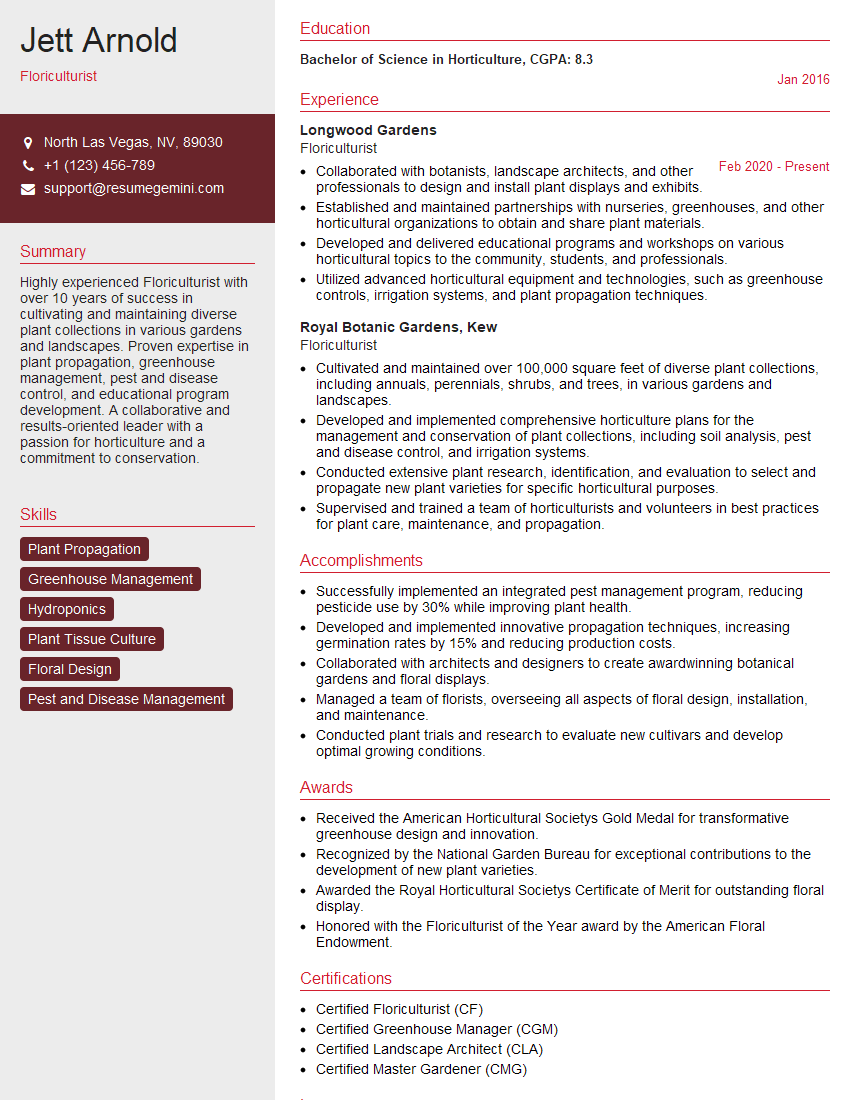
Floriculturist Resume Sample

Plant Breeder Resume Sample
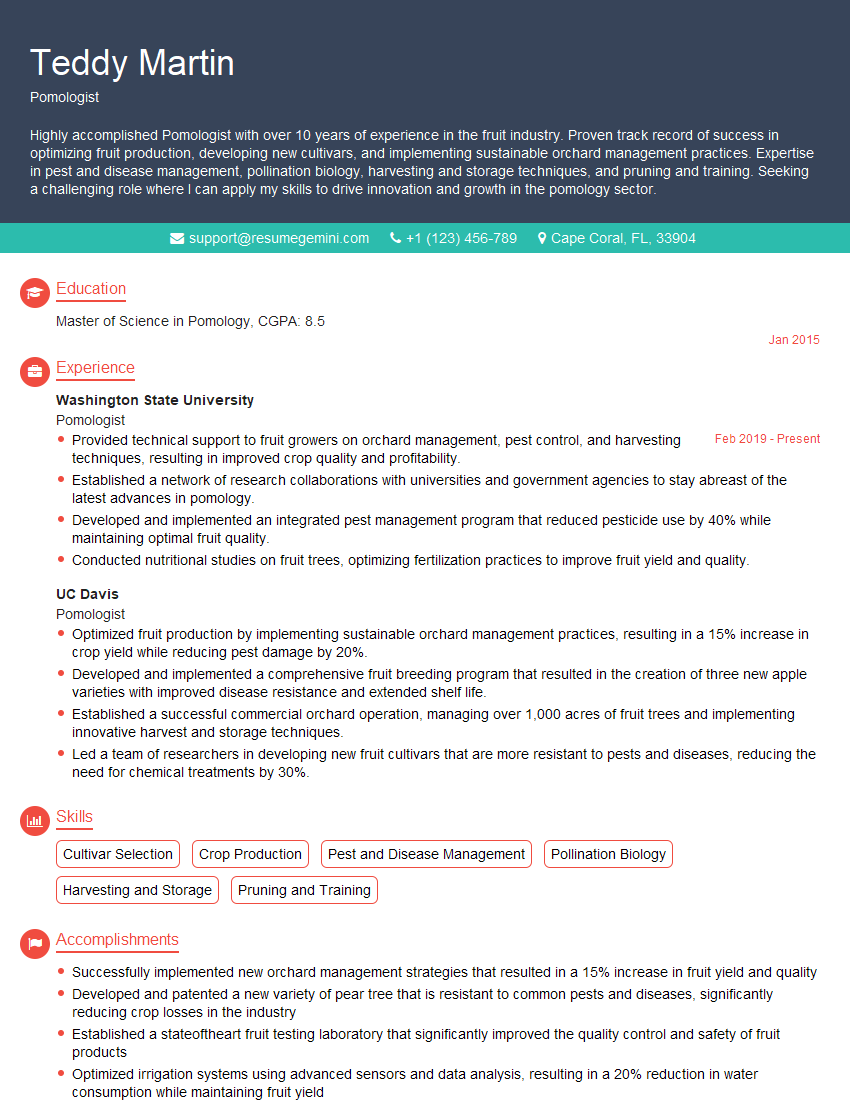
Pomologist Resume Sample
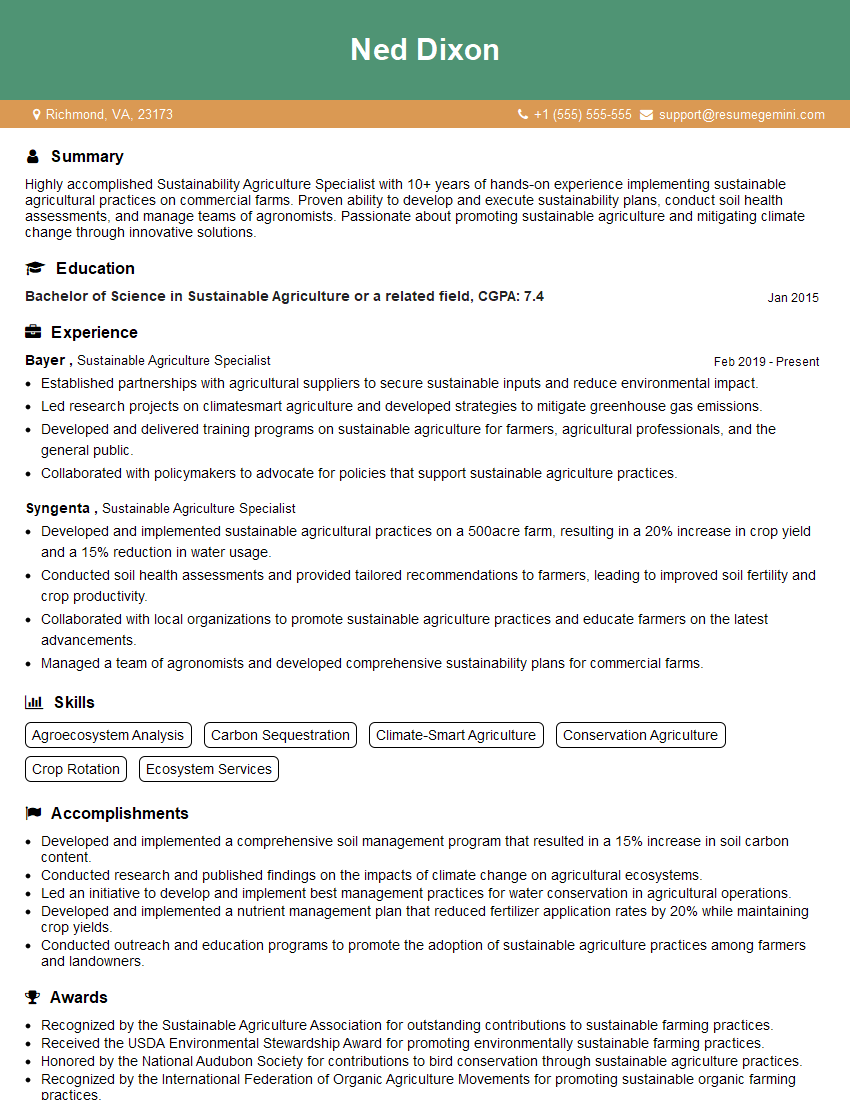
Sustainable Agriculture Specialist Resume Sample

Nursery Technician Resume Sample

Gardening Supervisor Resume Sample
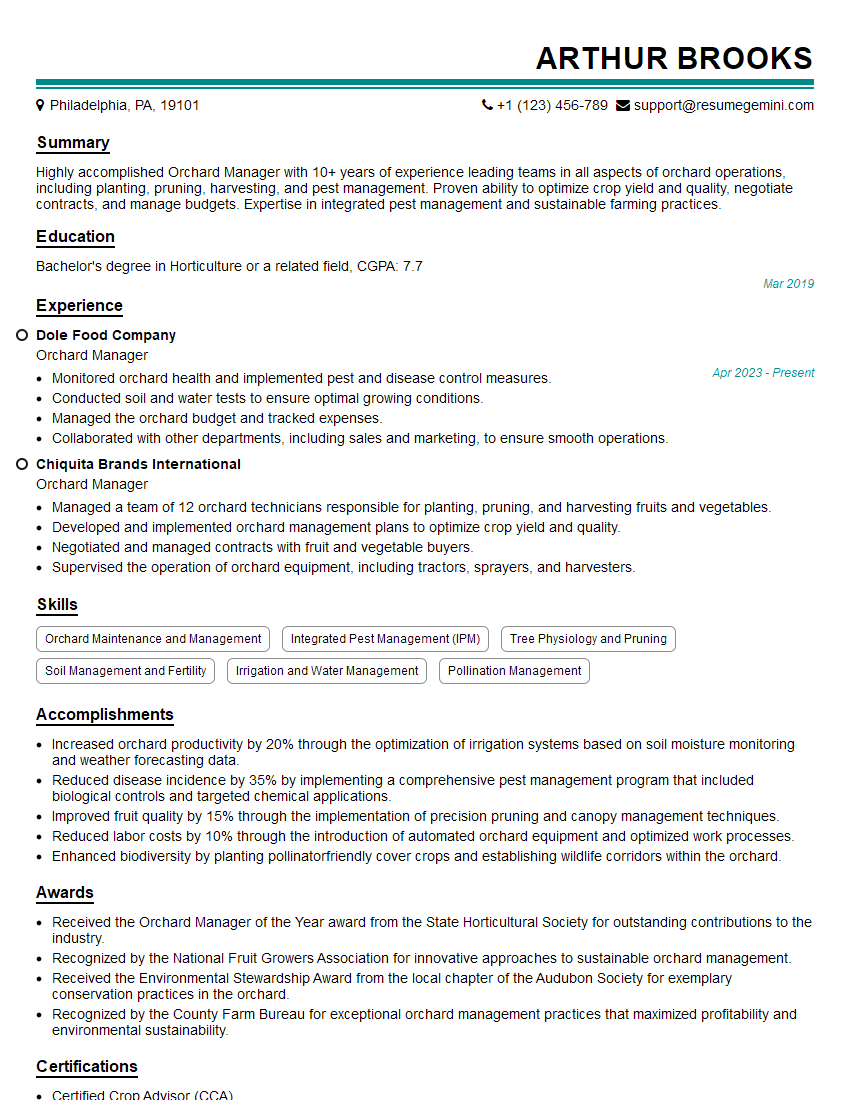
Orchard Manager Resume Sample

Plant Propagator Resume Sample
Explore more articles
Users Rating of Our Blogs
Share Your Experience
We value your feedback! Please rate our content and share your thoughts (optional).
What Readers Say About Our Blog
Really detailed insights and content, thank you for writing this detailed article.
IT gave me an insight and words to use and be able to think of examples