Every successful interview starts with knowing what to expect. In this blog, we’ll take you through the top Exterior washing and waxing interview questions, breaking them down with expert tips to help you deliver impactful answers. Step into your next interview fully prepared and ready to succeed.
Questions Asked in Exterior washing and waxing Interview
Q 1. What types of exterior cleaning solutions are you familiar with?
I’m familiar with a wide range of exterior cleaning solutions, categorized broadly into soap-based cleaners, pH-neutral washes, and specialized cleaners. Soap-based cleaners, like car wash soaps, are effective for general dirt and grime removal. They often contain surfactants to lift dirt from the surface. However, strong alkaline soaps can be harsh on certain finishes. pH-neutral cleaners are gentler and safer for more delicate surfaces like clear coats, minimizing the risk of damage. Specialized cleaners target specific contaminants like bug splatter, tar, or tree sap. These often contain solvents to dissolve these stubborn materials. For example, a dedicated iron remover can help eliminate brake dust which can etch the paint if left untreated. Choosing the right cleaner is crucial for optimal cleaning and surface protection.
Q 2. Describe your experience with pressure washing techniques.
My pressure washing experience spans various techniques, from low-pressure rinsing to high-pressure cleaning with adjustable nozzles. I understand the importance of selecting the appropriate pressure and nozzle based on the surface being cleaned. For delicate surfaces like aluminum or older paint, a low-pressure wash with a wide-angle nozzle is preferred to avoid damaging the surface. For tougher grime on concrete or exterior siding, a higher pressure with a more focused nozzle might be used, but always maintaining a safe distance to prevent gouging. I also employ different pressure washing techniques for various cleaning tasks. For example, I might use a fan-shaped nozzle for rinsing, and then a more concentrated nozzle to blast away stubborn dirt in a controlled manner. Proper technique and adjustable pressure are key to achieving effective cleaning without causing damage.
Q 3. How do you prepare a vehicle for washing to avoid scratching?
Preparing a vehicle for washing is crucial to avoid scratches. The first step is always a thorough pre-rinse to remove loose dirt and debris. This prevents these particles from acting as abrasives during the washing process. Next, I use a dedicated wash mitt or sponge—never a household sponge, as these can harbor abrasive particles. I work in sections, using the two-bucket method (one with soapy water, one for rinsing the mitt/sponge) to minimize contamination. I also ensure the wash mitts are always clean and soft, replacing them regularly to avoid scratching. Prior to washing, I thoroughly inspect the vehicle’s surface for any loose debris, paying extra attention to areas that are prone to accumulating dirt like wheel wells and rocker panels. I also make sure to wash the vehicle in a shaded area, or during cooler hours, to prevent the soap from drying too quickly, which can leave behind streaks and water spots.
Q 4. Explain your process for washing and waxing a vehicle.
My washing and waxing process is methodical and meticulous. After the pre-rinse and wash (as described above), I thoroughly rinse the vehicle again to remove all soap residue. I then carefully dry the vehicle using a high-quality microfiber drying towel, working in small sections to avoid water spots and streaks. The drying step is equally important to the washing. For waxing, I use a high-quality carnauba wax or a sealant. I apply the wax in thin, even coats, working in small sections, allowing the wax to haze before buffing it off with a clean microfiber towel. This process enhances the vehicle’s shine and provides protection against the elements. The entire process aims for a flawless finish, ensuring the vehicle is not only clean but also well-protected.
Q 5. What are the different types of waxes available, and their pros/cons?
Several types of waxes exist, each with its pros and cons. Carnauba wax, derived from the leaves of a Brazilian palm tree, is renowned for its deep shine and durability, but it can be more expensive and requires more frequent application. Synthetic waxes, on the other hand, are often more affordable and easier to apply, but might not offer the same level of shine or longevity. Sealants offer a longer-lasting protective layer than waxes, but might not provide the same depth of shine. Ceramic coatings are the most durable option, lasting for years, but involve a more complex application process and are significantly more expensive. The choice depends on budget, desired level of protection, and the frequency of maintenance.
Q 6. How do you handle different types of vehicle surfaces (e.g., paint, chrome, glass)?
Different vehicle surfaces require tailored cleaning and waxing approaches. For paint, gentle, pH-neutral cleaners and soft wash mitts are essential to prevent scratching. Chrome requires a different approach, focusing on removing water spots and fingerprints. I use dedicated chrome cleaners and avoid abrasive materials. Glass is best cleaned with specialized glass cleaners, ensuring streak-free results. For plastic trims and rubber seals, I use a dedicated plastic trim cleaner to prevent fading and cracking. Adapting cleaning methods to each specific surface is crucial to ensure thorough cleaning without causing damage. This involves utilizing surface-specific cleaning solutions and techniques.
Q 7. What safety precautions do you take when using cleaning chemicals?
Safety is paramount when handling cleaning chemicals. I always wear appropriate personal protective equipment (PPE), including gloves, eye protection, and sometimes a respirator, depending on the product’s toxicity. I work in well-ventilated areas, following product instructions meticulously. I store chemicals properly, away from children and pets. Spills are addressed immediately, with proper cleanup procedures to prevent environmental harm. I’m always aware of the safety data sheet (SDS) for each product and I follow the recommended usage and disposal procedures. Safety is not an option—it is a core element of my work ethic.
Q 8. How do you remove bird droppings and bug residue effectively?
Removing bird droppings and bug residue requires a gentle yet effective approach. Pre-soaking is key. I typically start by pre-soaking the affected areas with a pH-neutral detergent solution. This helps to loosen the dried material and makes it easier to remove without scratching the paint. For stubborn droppings, I might use a soft-bristled brush to gently agitate the area before rinsing. After rinsing thoroughly with a pressure washer (using a low-pressure setting to avoid damage), I’ll inspect for any remaining residue. If any remains, I might repeat the process or consider a specialized bug and tar remover, always testing it in an inconspicuous area first to ensure it doesn’t damage the paint.
For example, I once had a classic car with particularly stubborn bird droppings on its hood. Pre-soaking with a solution of mild dish soap and water, followed by gentle brushing and a final rinse, completely removed the mess without leaving any marks.
Q 9. How do you deal with stubborn stains or water spots?
Stubborn stains and water spots require a more targeted approach. The type of stain dictates the best cleaning method. For water spots, often caused by mineral deposits in hard water, a dedicated water spot remover is very effective. These usually contain chemicals designed to break down the mineral deposits. For rust stains, a specialized rust remover is necessary. Always test any product on a hidden area of the vehicle before applying it broadly. For particularly stubborn stains, a clay bar can be invaluable; it gently removes embedded contaminants from the paint’s surface. I always follow up with a thorough washing and waxing to protect the paint and prevent future staining.
One time, I encountered severe water spots on a dark-colored SUV. After pre-washing, I used a high-quality water spot remover, followed by a meticulous clay bar treatment. The results were astonishing; the paint regained its deep, lustrous shine.
Q 10. Describe your experience with using different types of brushes and applicators.
My experience with brushes and applicators is extensive. I use various tools depending on the job. For washing, I prefer a soft-bristled wash mitt or a quality microfiber wash pad – these are gentle on the paint and effective at lifting dirt. For cleaning crevices and intricate areas, I use detailing brushes with varying bristle stiffness. For applying wax or sealant, I find foam applicators provide even distribution. Microfiber towels are essential for drying and buffing, offering superior absorbency and scratch resistance. The choice of tool depends heavily on the vehicle’s surface, the type of cleaning solution, and the desired finish.
For instance, I use a stiffer brush for cleaning the wheel wells, whereas I’d use a very soft brush for delicate areas like the grill or headlights. The choice is crucial in avoiding scratches and ensuring the best results.
Q 11. What is your process for drying a vehicle to prevent water spots?
Drying a vehicle properly is crucial for preventing water spots. The first step is to thoroughly rinse the vehicle to remove all traces of soap and cleaning solutions. I then start drying with a high-quality, absorbent microfiber towel, working in sections from top to bottom. I use the blotting method, gently pressing the towel onto the surface rather than wiping it back and forth. For hard-to-reach areas or for faster drying, I might utilize a leaf blower on a low setting. This is especially helpful for removing water from panel gaps and recessed areas. Never let the vehicle air dry; this will leave water spots almost certainly.
I always keep several microfiber towels on hand to ensure I have dry towels for each section of the vehicle, preventing spreading dirt or streaking.
Q 12. How do you maintain your cleaning equipment?
Maintaining cleaning equipment is paramount for both the longevity of the tools and the quality of the cleaning results. After each use, I rinse all brushes and wash mitts thoroughly with soap and water, then allow them to air dry completely. Microfiber towels are washed separately in a mesh laundry bag to avoid damage and lint transfer. I regularly inspect my pressure washer for any clogs or damage and maintain its internal parts according to the manufacturer’s instructions. Keeping my equipment clean and well-maintained prevents the transfer of contaminants to other vehicles and ensures that my tools perform optimally.
Think of it like this: a dirty brush will likely scratch the paint. Regular maintenance prevents this and protects both the equipment and the vehicles I clean.
Q 13. How do you handle difficult or challenging cleaning situations?
Difficult cleaning situations require a problem-solving approach. This might involve identifying the type of contaminant (e.g., tree sap, paint overspray, bird droppings), selecting the appropriate cleaning products, and employing different techniques such as clay bar treatment, chemical removal, or a combination of both. I might also need to use specialized tools like detailing brushes or specialized cleaning solutions. Thorough pre-cleaning, careful assessment, and patience are crucial to handling these challenges effectively. Safety is also paramount; I always wear appropriate protective gear when handling harsh chemicals.
For example, once I had to deal with heavy tree sap on a new car. A combination of pre-soaking with a solvent-based cleaner, followed by careful removal with a plastic scraper, and finally a thorough washing and polishing, restored the car’s shine perfectly.
Q 14. What are your strategies for efficient time management during a busy day?
Efficient time management during a busy day is crucial for success in this field. I utilize a detailed scheduling system, prioritizing jobs based on urgency and complexity. I optimize my workflow by preparing all necessary tools and materials in advance, minimizing unnecessary downtime. I use a checklist to ensure that each step of the cleaning process is completed efficiently and effectively, avoiding unnecessary repetition. Communication with clients is crucial; setting clear expectations and timelines upfront prevents misunderstandings and delays. Breaking down large jobs into smaller, manageable tasks also makes the overall process much less daunting.
For example, if I have multiple vehicles to detail, I’ll group similar tasks (like washing or waxing) together to optimize my work process. Proper planning makes the difference between a stressful day and an efficiently managed one.
Q 15. Have you worked with different types of detailing equipment (e.g., buffer, polisher)?
Yes, I have extensive experience with various detailing equipment. My proficiency includes using different types of buffers, from rotary buffers for aggressive paint correction to dual-action polishers for safer, less aggressive polishing and waxing. I’m also comfortable using various attachments for specific tasks, like foam pads for polishing and waxing and wool pads for heavier cutting. I understand the importance of choosing the right tool for the job based on factors such as the paint’s condition and the desired outcome. For instance, a rotary buffer is powerful enough to remove deeper scratches, but requires more skill to prevent burn-through, whereas a dual-action polisher is safer for less experienced users and ideal for maintaining a high-gloss finish.
I’m also familiar with using various types of vacuum systems, both wet/dry and shop-vacs, to ensure a clean working environment and thorough removal of debris. This includes specialized detailing vacuums with attachments that allow for cleaning tight crevices and interior spaces of vehicles.
Career Expert Tips:
- Ace those interviews! Prepare effectively by reviewing the Top 50 Most Common Interview Questions on ResumeGemini.
- Navigate your job search with confidence! Explore a wide range of Career Tips on ResumeGemini. Learn about common challenges and recommendations to overcome them.
- Craft the perfect resume! Master the Art of Resume Writing with ResumeGemini’s guide. Showcase your unique qualifications and achievements effectively.
- Don’t miss out on holiday savings! Build your dream resume with ResumeGemini’s ATS optimized templates.
Q 16. How familiar are you with paint correction techniques?
I’m highly familiar with paint correction techniques. This involves identifying and correcting paint imperfections like scratches, swirl marks, and holograms. My approach is systematic, starting with assessing the paint’s condition, determining the severity of the defects, and then selecting the appropriate tools and compounds. I’m proficient in using various grades of polishing compounds and abrasives, from coarse to fine, working my way up to achieve a flawless finish. The process involves multiple steps, each using a progressively finer abrasive to remove defects without causing further damage.
For example, I might start with a heavy-cut compound on a rotary buffer to remove deep scratches, followed by a medium-cut compound on a dual-action polisher for less aggressive correction, and finally finishing with a fine polish to achieve a high-gloss shine. Proper technique is crucial here; it’s about using the right pressure, speed, and technique to avoid causing damage such as burn-through or uneven correction. I always test any product in an inconspicuous area first before applying it to the entire surface.
Q 17. Describe your experience with applying sealant or ceramic coatings.
I have significant experience applying sealants and ceramic coatings. I understand the differences between these products and their application techniques. Sealants offer a protective layer that lasts for several months, whereas ceramic coatings provide longer-lasting protection (up to several years), often with enhanced gloss and water beading properties. The application process for both is meticulous and requires a clean, well-prepared surface.
My process begins with a thorough wash and decontamination to remove all contaminants. Next, I carefully apply the sealant or ceramic coating in thin, even coats, ensuring full coverage and avoiding any missed spots. This often involves using specific application pads and techniques to ensure a uniform finish. After the application period, I follow the manufacturer’s recommendations for curing and removal of any excess product. I’ve worked with a variety of brands and types of sealants and coatings, allowing me to select the best option for the customer’s needs and budget.
Q 18. How do you identify and address paint defects before washing?
Identifying paint defects before washing is crucial to prevent further damage. I always perform a pre-wash inspection under various lighting conditions (direct sunlight is ideal). I look for scratches, swirl marks, water spots, etching from bird droppings, and other imperfections. I use a bright LED light to inspect the surface closely, catching even minor blemishes that might otherwise be overlooked.
This inspection helps me plan my detailing strategy and choose the appropriate products and techniques. For example, if I find deep scratches, I know I’ll need to use a more aggressive compound during the paint correction stage. If the paint is heavily contaminated, I’ll utilize a two-bucket wash method to avoid scratching the surface. Proper pre-inspection saves time and prevents accidental damage during the washing process.
Q 19. What are the signs of damaged paint, and how would you address them?
Signs of damaged paint include scratches (ranging from light surface scratches to deep gouges), swirl marks (fine scratches that create a hazy appearance), chips (missing paint caused by impacts), and fading (loss of color and gloss due to UV exposure). Severe damage may also involve cracking or peeling of the clear coat. I assess the severity of the damage to determine the best course of action.
For light scratches and swirl marks, paint correction with polishing compounds is typically sufficient. For deeper scratches, I might need to use more aggressive compounds or even consider professional paint repair if the damage is severe enough to penetrate the clear coat. Chips can be repaired with touch-up paint, or more extensively with professional repair if needed. Fading usually involves cleaning and then applying a sealant or ceramic coating to protect the paint and restore some gloss.
Q 20. What is your experience with wheel cleaning and detailing?
Wheel cleaning and detailing is a specialized area that requires specific techniques and products. I’m experienced in cleaning various types of wheels – from simple steel wheels to complex multi-piece alloy wheels. My process typically starts with rinsing the wheels to remove loose dirt and debris. I then use a dedicated wheel cleaner to break down brake dust and grime, often applying the cleaner with a dedicated wheel brush or detail brush to reach tight areas. It’s important to never mix wheel cleaner with other cleaning products, such as car wash soap.
I follow up with a thorough rinsing, and then I may use a dedicated wheel sealant or wax to help protect the wheels from future contamination. For particularly stubborn brake dust or ingrained dirt, I might use a clay bar to remove embedded contaminants before applying the sealant. I also have experience in cleaning and detailing wheel wells and calipers, paying attention to any corrosion or other damage that might be present.
Q 21. How do you maintain a clean and organized work environment?
Maintaining a clean and organized work environment is critical for efficiency and preventing cross-contamination. Before starting any job, I always organize my workspace, ensuring I have all the necessary tools and products within easy reach. I use designated buckets and containers for different cleaning solutions and products, and I always properly label everything to avoid any accidental mixing. I also use microfiber towels that are color-coded for different tasks to prevent cross-contamination (e.g., separate towels for washing, drying, and polishing).
During the detailing process, I regularly dispose of waste and clean up spills. After completing a job, I thoroughly clean all my equipment and store it appropriately. This organized approach is essential for producing high-quality work and maintaining a professional image.
Q 22. What types of cleaning chemicals are safe for different materials?
Selecting the right cleaning chemicals is crucial for safe and effective exterior washing and waxing. The choice depends heavily on the surface material. Using the wrong chemical can damage the finish, causing discoloration or etching.
- For painted surfaces: I typically use pH-neutral cleaners. These are gentle enough to remove dirt and grime without stripping the clear coat or damaging the paint. Strong alkaline or acidic cleaners should be avoided. I always test a small, inconspicuous area first to ensure compatibility.
- For vinyl siding: A mild detergent solution often suffices. Avoid harsh chemicals or pressure washers with excessive pressure, as these can damage the siding.
- For wood: Wood cleaners specifically formulated for exterior use are necessary. These often contain mildew inhibitors and are designed to clean without damaging the wood grain. Always follow the manufacturer’s instructions carefully.
- For glass: A simple glass cleaner is usually sufficient. Avoid using abrasive cleaners, which can scratch the glass.
- For aluminum or metal: A specialized metal cleaner that won’t corrode the material should be used. Always rinse thoroughly after cleaning.
Remember to always wear appropriate safety gear, including gloves and eye protection, when handling cleaning chemicals.
Q 23. How do you properly dispose of cleaning chemicals and waste?
Proper disposal of cleaning chemicals and waste is critical for environmental safety and regulatory compliance. Never pour chemicals down the drain or into the ground.
- Cleaning Chemicals: I always refer to the product’s Safety Data Sheet (SDS) for specific disposal instructions. Many chemicals require special hazardous waste disposal. Local waste management facilities or hazardous waste disposal companies are the appropriate channels for disposal.
- Wastewater: Wastewater from washing should be directed to a proper drainage system. Avoid directing it towards sensitive areas like gardens or waterways. If using a pressure washer, ensure it’s equipped with a water recycling system to reduce water usage and minimize environmental impact.
- Solid Waste: Any rags, wipes, or other solid waste contaminated with cleaning chemicals should be properly bagged and disposed of according to local regulations, often as hazardous waste.
Maintaining detailed records of chemical usage and disposal is important for compliance and traceability. It’s best practice to follow all local and state regulations regarding hazardous waste disposal.
Q 24. Describe your experience with detailing different vehicle sizes (e.g., cars, trucks, SUVs).
My experience encompasses detailing a wide range of vehicles, from compact cars to large trucks and SUVs. The process is similar in principle but requires adjustments based on size and access.
- Cars: Cars are relatively easy to detail, providing ample access to all areas. I focus on thorough cleaning and waxing of every panel and detail.
- Trucks and SUVs: These larger vehicles present more challenges, particularly in terms of reach and cleaning hard-to-access areas. I might need to utilize extension poles or specialized tools to reach high or hard-to-reach areas like the bed of a truck. The process often takes a bit longer, but I ensure the same level of thoroughness and detail.
Regardless of the vehicle size, the key is meticulous attention to detail. I follow a consistent process, adjusting tools and techniques as needed to ensure a high-quality finish on every vehicle. I’ve even tackled RVs and boats, which just required adaptation of my equipment and techniques.
Q 25. Are you familiar with detailing standards and best practices?
Yes, I am very familiar with detailing standards and best practices. My work is guided by the principles of safety, efficiency, and achieving a high-quality, professional finish.
- Pre-wash: Always begin with a pre-wash to loosen dirt and debris, preventing scratches during the wash.
- Two-bucket wash method: This method prevents cross-contamination and minimizes scratching. One bucket contains soapy water, the other clean rinse water.
- Proper drying techniques: Using high-quality microfiber drying towels helps prevent water spots and swirl marks.
- Waxing techniques: I use appropriate waxes for different paint types and finishes, applying them in thin, even coats to maximize protection and shine. I also ensure proper buffing to remove excess wax.
- Attention to detail: I pay close attention to cleaning and waxing all areas, including door jams, wheel wells, and undercarriage (where applicable).
Staying updated on the latest products and techniques is crucial for maintaining high standards. I frequently attend industry workshops and trade shows and keep up with industry publications.
Q 26. How do you ensure customer satisfaction with your work?
Customer satisfaction is my top priority. I achieve this through open communication, attention to detail, and exceeding expectations.
- Clear Communication: Before starting any job, I have a thorough discussion with the client to understand their needs and expectations. I provide a detailed quote and clearly explain the process.
- Exceptional Workmanship: My focus is always on delivering meticulous and high-quality work. I take pride in attention to detail and ensure every aspect of the job is done correctly.
- Professionalism: I maintain a professional demeanor throughout the entire process, treating the client’s property with respect and keeping the work area clean and organized.
- Post-job inspection: I conduct a thorough inspection of the finished work with the client to ensure their complete satisfaction.
Positive reviews and referrals are the best testament to my commitment to customer satisfaction.
Q 27. How do you handle customer complaints or concerns?
Handling customer complaints or concerns is a critical aspect of maintaining a positive reputation. I address complaints professionally and strive to find a resolution that satisfies the customer.
- Active Listening: I listen carefully to the customer’s concerns without interrupting. I strive to understand their perspective completely.
- Empathy and Apology: If a mistake has been made, I offer a sincere apology. Acknowledging the customer’s feelings goes a long way.
- Problem Solving: I work collaboratively with the customer to identify the root cause of the issue and develop a solution. This might involve redoing part of the work or offering a partial refund.
- Documentation: I keep detailed records of the complaint, the steps taken to resolve it, and the final outcome.
My goal is to turn a negative experience into a positive one by showing my commitment to resolving the issue and retaining the customer’s trust.
Q 28. Describe a time you had to troubleshoot a difficult cleaning problem.
I once encountered a difficult cleaning problem involving a classic car with significant bird dropping etching on the hood. The etching was deep and stubbornly ingrained. Simple cleaning wasn’t effective.
My troubleshooting involved a multi-step approach:
- Assessment: I carefully evaluated the extent and depth of the etching to determine the best course of action.
- Test Area: I tested several different techniques on a small, inconspicuous area to find the most effective and safest approach without causing more damage.
- Compounding and Polishing: I used a combination of progressively finer grades of rubbing compound and polishing compound to carefully remove the etching. This was a slow and meticulous process, requiring patience and precision to avoid causing further damage.
- Waxing: Once the etching was removed, I applied several coats of high-quality wax to protect the paint and restore shine.
The result was a significant improvement in the car’s appearance. The client was extremely satisfied, and the experience taught me the importance of patience, careful assessment, and testing different techniques before applying them to the entire surface.
Key Topics to Learn for Exterior Washing and Waxing Interview
- Understanding Cleaning Solutions: Learn about different types of soaps, detergents, and degreasers appropriate for various surfaces (e.g., paint, glass, chrome). Understand the importance of pH balance and environmental impact.
- Washing Techniques: Master the proper techniques for washing vehicles, including two-bucket washing, pre-soaking, and rinsing. Understand how to minimize scratching and swirl marks.
- Waxing Applications: Explore different types of waxes (e.g., carnauba, synthetic) and their properties. Learn proper application techniques for achieving a high-gloss, protective finish. Understand the importance of proper drying techniques.
- Equipment and Tools: Familiarize yourself with various washing tools (e.g., wash mitts, brushes, sponges) and their appropriate uses. Understand the function and maintenance of pressure washers.
- Safety Procedures: Learn about safety precautions, including the proper use of cleaning chemicals, personal protective equipment (PPE), and safe handling of equipment.
- Customer Service: Understand the importance of providing excellent customer service, including communication, professionalism, and addressing customer concerns.
- Problem-Solving: Practice identifying and resolving common issues encountered during exterior washing and waxing, such as stubborn stains, water spots, or damage to surfaces.
- Maintaining Quality Control: Learn how to consistently deliver high-quality results and identify methods for improving efficiency and minimizing waste.
Next Steps
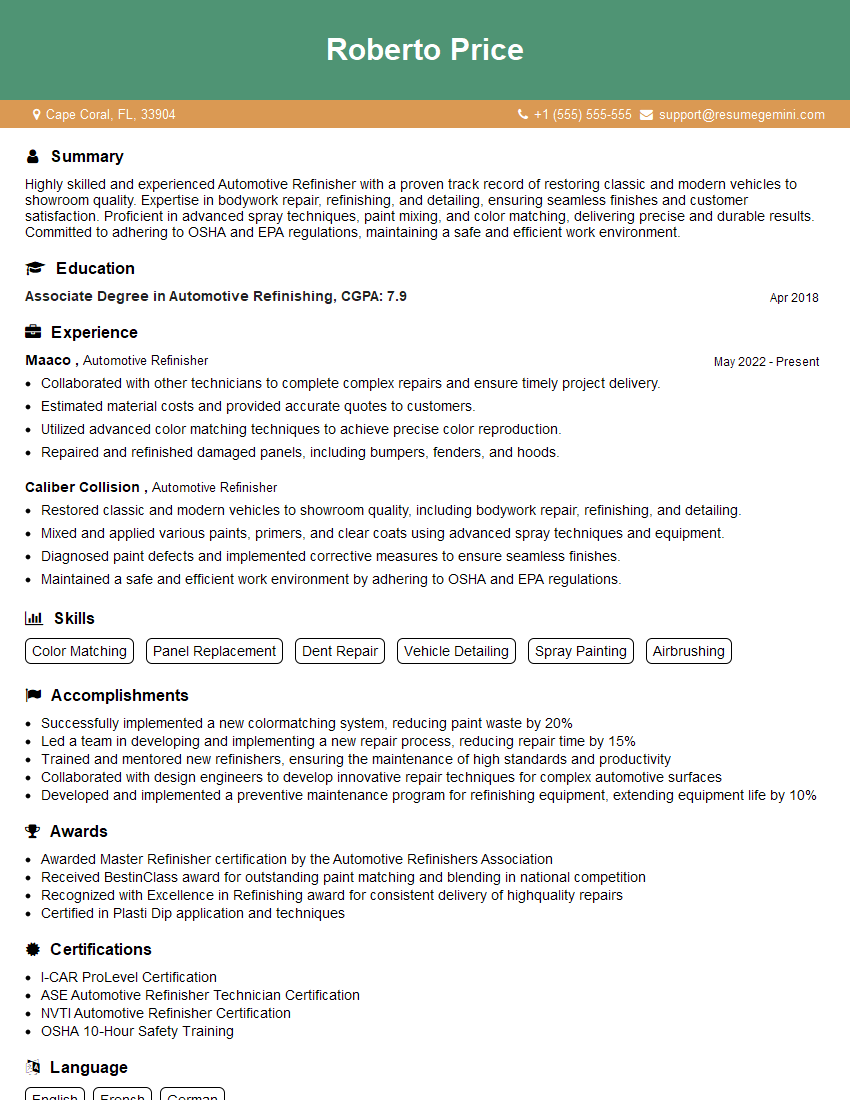
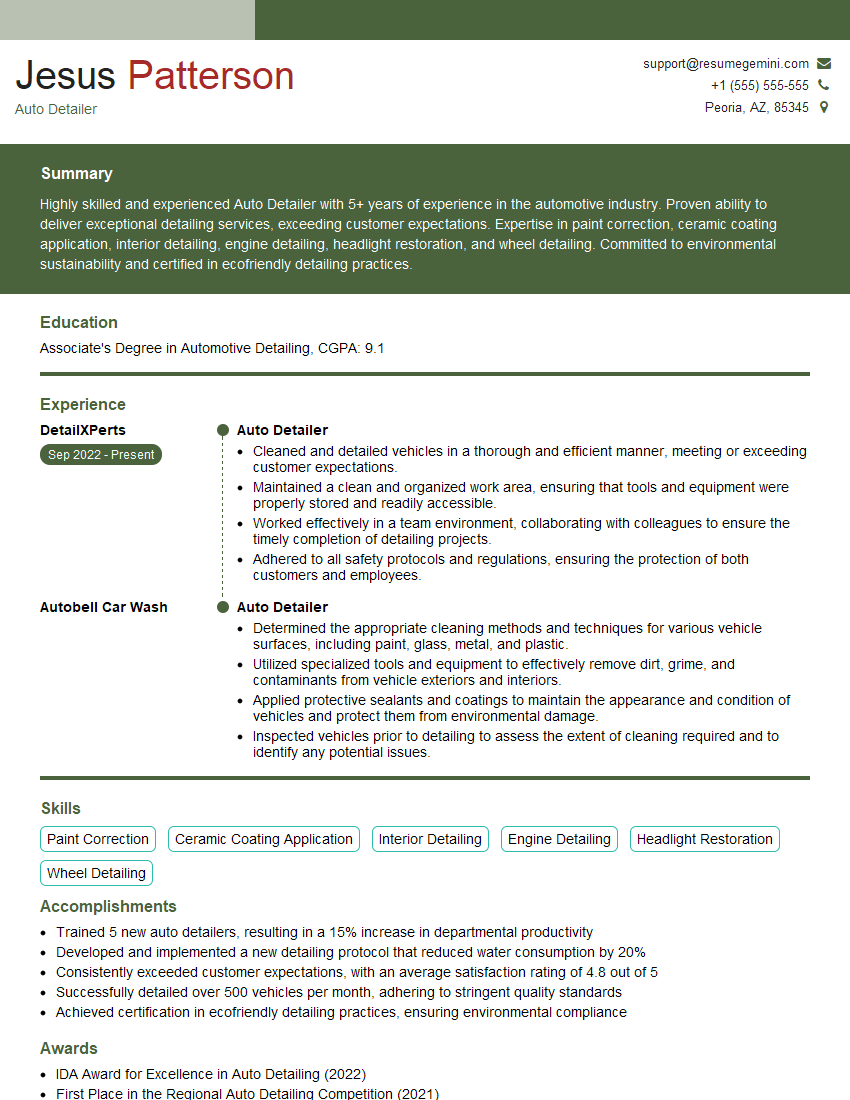
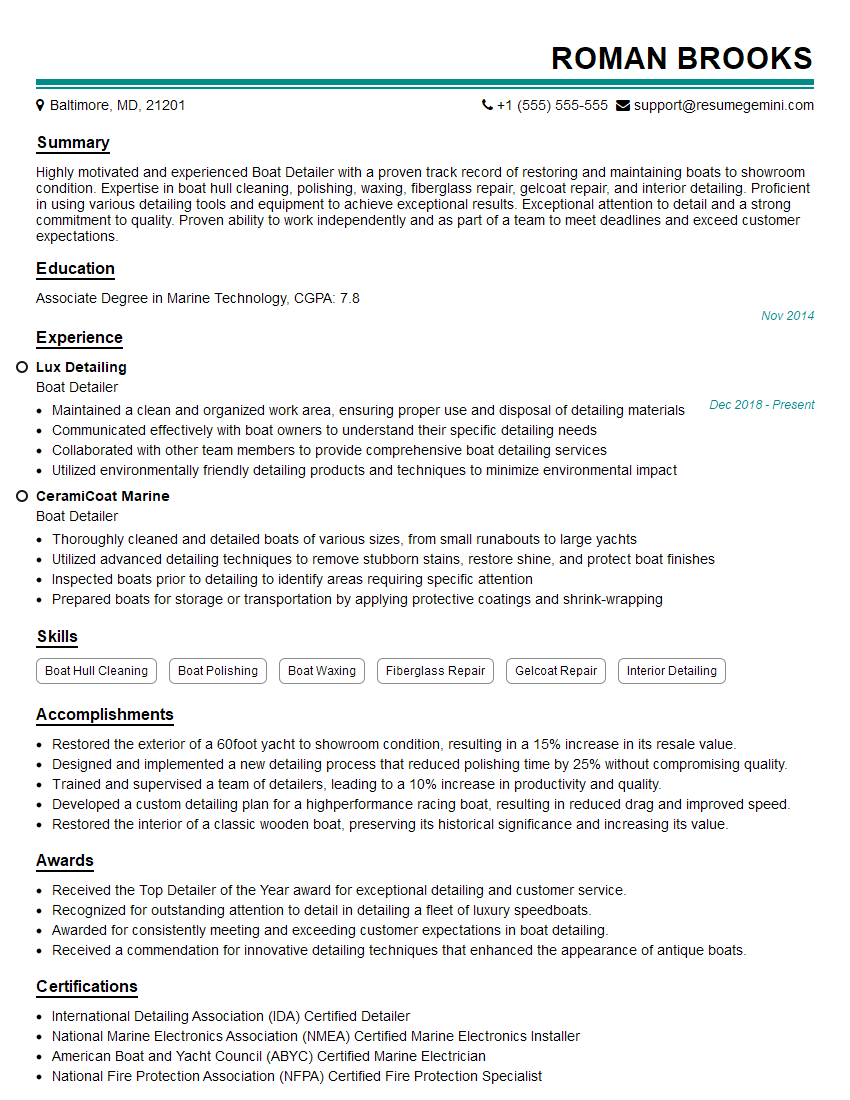
Mastering exterior washing and waxing techniques opens doors to diverse opportunities in the automotive detailing industry, offering potential for career advancement and higher earning potential. A strong resume is crucial for showcasing your skills and experience to potential employers. Creating an ATS-friendly resume significantly increases your chances of getting your application noticed. ResumeGemini is a trusted resource for building professional and effective resumes that highlight your key qualifications. Examples of resumes tailored to Exterior Washing and Waxing positions are available to help guide you in showcasing your skills effectively. Invest the time to create a compelling resume – it’s your first impression!
Explore more articles
Users Rating of Our Blogs
Share Your Experience
We value your feedback! Please rate our content and share your thoughts (optional).
What Readers Say About Our Blog
Really detailed insights and content, thank you for writing this detailed article.
IT gave me an insight and words to use and be able to think of examples