Preparation is the key to success in any interview. In this post, we’ll explore crucial Fabricate and assemble electrical components interview questions and equip you with strategies to craft impactful answers. Whether you’re a beginner or a pro, these tips will elevate your preparation.
Questions Asked in Fabricate and assemble electrical components Interview
Q 1. Describe your experience with surface mount technology (SMT) assembly.
Surface Mount Technology (SMT) assembly is a crucial process in modern electronics manufacturing. It involves placing small, surface-mounted components directly onto the surface of a printed circuit board (PCB) and soldering them in place. My experience encompasses the entire SMT process, from stencil printing solder paste to reflow soldering and subsequent inspection. I’m proficient in using automated SMT pick-and-place machines, as well as manual placement for smaller batches or specialized components. For instance, I’ve worked on projects involving high-density PCBs requiring precise placement of miniature components like 0201 resistors and QFN packages. I understand the importance of optimizing the reflow profile to avoid defects like solder bridging or tombstoning, and I’m adept at troubleshooting issues that arise during the SMT process.
A recent project involved assembling a high-frequency communication module. The small size and intricate placement of the components demanded meticulous attention. I successfully implemented a fine-pitch stencil and optimized the reflow profile to ensure reliable solder joints with minimal defects, resulting in a fully functional module.
Q 2. Explain the process of soldering through-hole components.
Soldering through-hole components involves inserting the component leads through corresponding holes in a PCB and then soldering the leads to the PCB pads on the other side. It’s a more straightforward process than SMT but still requires precision and skill. The process typically involves:
- Preparing the component and PCB: Cleaning the PCB pads and component leads to ensure a clean solder connection.
- Inserting the component: Carefully inserting the component leads through the holes, ensuring proper alignment.
- Soldering: Applying solder to the leads, using a soldering iron to melt the solder and create a strong, secure joint. It’s vital to ensure the solder flows evenly around the lead and forms a smooth, concave meniscus, avoiding cold joints or excessive solder.
- Inspection: Visually inspecting the solder joint for defects, ensuring a strong, reliable connection.
For example, when soldering a larger capacitor, I use a slightly larger soldering tip to distribute heat evenly. If the component has multiple leads, I solder each one individually to avoid overheating and damaging the component. A properly soldered through-hole component will have a smooth, shiny solder joint that firmly secures the lead to the pad.
Q 3. What are common soldering defects and how do you identify them?
Common soldering defects include cold solder joints (weak connections due to insufficient heat), solder bridges (excess solder connecting adjacent leads), tombstoning (one end of a component lifting off the board due to uneven heating), and insufficient solder (leads not fully covered by solder). I identify these defects through visual inspection under magnification using a stereo microscope, which allows me to examine the quality of each joint and detect even minor imperfections. Cold solder joints appear dull and lack the characteristic shiny, concave profile of a good joint; bridges create short circuits, often easily detectable visually; tombstoning is readily visible and indicates issues with heat distribution during soldering.
To address these, I might adjust the soldering iron temperature, use different soldering techniques, or re-apply solder as needed, always keeping in mind the sensitivity of different component types to heat.
Q 4. How do you ensure the quality of your work during electrical assembly?
Quality assurance is paramount in electrical assembly. I ensure quality through a multi-stage process. This starts with careful preparation, including double-checking component values and PCB markings. During assembly, I utilize magnifying aids and employ best soldering practices to minimize defects. Post-assembly, I conduct thorough visual inspection, and often use automated optical inspection (AOI) machines for high-volume production. Functional testing using specialized equipment is crucial to verify the assembled circuit’s performance according to specifications. Documentation of each step, including component tracking, is maintained to ensure traceability and facilitate troubleshooting.
For example, during a recent project, AOI identified a minor solder bridge that I would have missed during visual inspection alone. This highlights the importance of utilizing a multi-layered approach to quality control. Addressing such issues early in the process prevents larger problems down the line.
Q 5. What safety precautions do you take when working with electrical components?
Safety is my top priority. When working with electrical components, I always ensure the power is completely disconnected before handling any circuit. I use ESD (Electrostatic Discharge) mats and wrist straps to prevent damage from static electricity, especially critical when working with sensitive components like microprocessors. I wear appropriate personal protective equipment (PPE), including safety glasses to protect my eyes from soldering fumes and potential debris, and use proper ventilation to avoid inhaling fumes. I also follow safe handling practices for hazardous materials such as lead-free solder, correctly disposing of waste according to local regulations.
In the case of high-voltage circuits, extra precautions are taken, including the use of insulated tools and lockout/tagout procedures to prevent accidental energization.
Q 6. Describe your experience with different types of solder.
My experience encompasses various solder types, including lead-free solder (typically tin-silver-copper alloys) and leaded solder (containing lead, now less common due to environmental concerns). I understand that lead-free solder requires higher temperatures and different flux to achieve optimal soldering, and I’ve adapted my techniques accordingly. I also have experience with different solder forms, such as wire solder, preforms, and paste. The choice of solder depends on factors like the component type, PCB material, and environmental regulations. For high-reliability applications, specific solder alloys with enhanced properties may be needed. I am well-versed in the characteristics and applications of various solder types.
For example, when working with fine-pitch SMT components, I would choose a low-temperature, lead-free solder paste with a specialized flux to minimize the risk of damage.
Q 7. What tools and equipment are you proficient with in electrical assembly?
I’m proficient in using a wide range of tools and equipment for electrical assembly, including:
- Soldering irons (various tip sizes and temperature control)
- Solder suckers/braid
- Tweezers (various types for different component sizes)
- Magnifying glasses/microscopes
- SMT pick-and-place machines
- Reflow ovens
- Solder paste stencils
- Multimeters
- Oscilloscope
- Automated Optical Inspection (AOI) equipment
My experience extends to using specialized tools for specific tasks, such as hot air rework stations for removing components without damaging the PCB. The choice of equipment is heavily influenced by the type and scale of the project. I’m comfortable working with both manual and automated equipment and can adapt to different production environments.
Q 8. How do you interpret assembly drawings and schematics?
Interpreting assembly drawings and schematics is fundamental to successful electronics assembly. Assembly drawings provide a visual representation of the final product, showing the physical arrangement of components and their interconnections. Schematics, on the other hand, depict the electrical connections and signal flow within the circuit. I approach them systematically:
- First, I review the revision level to ensure I’m working with the most up-to-date documentation.
- Then, I examine the bill of materials (BOM) to cross-reference component values and specifications with the drawings and schematics.
- Next, I carefully study the assembly drawing, paying close attention to component placement, orientation (e.g., pin 1 markings), and any specific instructions regarding soldering or other assembly techniques.
- Simultaneously, I analyze the schematic diagram to understand the circuit’s functionality and trace signal paths. This helps anticipate potential assembly challenges or errors.
- Finally, I check for any discrepancies between the assembly drawing and the schematic, flagging any inconsistencies for clarification before proceeding with assembly.
For example, if the assembly drawing shows a resistor oriented one way, but the schematic implies a different orientation based on the circuit layout, I would raise this to the engineering team to ensure the drawings and schematic are truly consistent.
Q 9. Explain your understanding of IPC standards related to electronics assembly.
IPC standards are crucial for ensuring the quality and reliability of electronics assemblies. My understanding encompasses various standards, including IPC-A-610 (Acceptability of Electronic Assemblies), IPC-J-STD-001 (Requirements for Solder Joints), and IPC-7351 (Cleanliness Requirements). These standards cover a wide range of aspects, from component placement and soldering techniques to cleanliness and inspection procedures.
IPC-A-610, for example, defines acceptable and unacceptable criteria for various assembly aspects, such as solder joints, component placement, and overall appearance. I use these criteria as a benchmark to ensure my work meets the highest industry standards. Similarly, IPC-J-STD-001 guides the soldering process, specifying parameters such as solder profile and acceptable solder joint forms. IPC-7351 helps establish standards for maintaining a clean workspace and components, which minimizes the risk of contamination and improves product reliability.
I actively incorporate these standards into my daily work by visually inspecting each assembly against the criteria outlined in IPC-A-610 and ensuring my soldering practices adhere to IPC-J-STD-001 guidelines.
Q 10. How do you handle component placement errors during assembly?
Component placement errors can significantly impact the functionality of an electronic assembly. My approach to handling these errors involves a multi-step process:
- Immediate identification: During assembly, I carefully compare the placed components against the assembly drawing. Any misplacement is immediately flagged.
- Severity assessment: I determine the severity of the error. A minor error, such as a slightly off-center component, might be acceptable depending on the design constraints; however, a major error, such as a reversed component, would require immediate correction.
- Documentation and reporting: The error is documented, including its location, type, and any potential impact. This information is reported to the supervisor or lead technician for review and decision-making.
- Correction strategy: Based on the severity, I either carefully correct the placement (if feasible without damaging surrounding components) or desolder the component and re-place it correctly.
- Re-inspection: After correction, the area is re-inspected to ensure the component is correctly positioned and other components haven’t been damaged during the correction process.
For instance, if I inadvertently placed a capacitor backwards, I would carefully desolder it, ensuring I avoid damaging adjacent components with excessive heat or force. Then I’d clean the soldering points, correctly orient the capacitor, and re-solder, adhering to IPC-J-STD-001 guidelines.
Q 11. What is your experience with automated assembly equipment?
I have experience operating several types of automated assembly equipment, including pick-and-place machines, reflow ovens, and wave soldering machines. My experience includes programming and operating pick-and-place machines to accurately place surface mount components (SMDs) onto PCBs. I’m familiar with setting up parameters such as component feeders, placement speed, and nozzle type for optimal results. I’m also proficient in monitoring the reflow process parameters, including temperature profile and nitrogen levels. Wave soldering experience encompasses machine setup, solder bath maintenance, and ensuring consistent solder quality.
During my time at [Previous Company Name], I was responsible for optimizing the pick-and-place machine program to improve placement speed by 15% while maintaining high accuracy, minimizing production time and cost.
Q 12. Describe your troubleshooting skills in identifying electrical faults.
Troubleshooting electrical faults requires a systematic and methodical approach. I typically follow these steps:
- Visual inspection: Thorough examination of the assembly for any obvious defects such as damaged components, broken traces, cold solder joints, or incorrect component placement.
- Schematic review: Carefully reviewing the schematic diagram to trace signal paths and identify potential points of failure.
- Continuity testing: Using a multimeter to check for continuity in circuits and identify open or shorted connections.
- Voltage measurements: Measuring voltages at various points in the circuit to identify any voltage discrepancies or drops.
- Signal tracing: Using an oscilloscope or logic analyzer to trace signals and identify any anomalies.
- Component testing: Testing individual components with a multimeter or other specialized equipment to isolate faulty components.
For example, if a circuit isn’t powering on, I would first visually inspect all connections, then use a multimeter to check for voltage at the power supply and on the input side of the circuit. If the input voltage is present, I would then systematically trace the voltage to isolate the point of failure, narrowing down the potential causes until the fault is identified and rectified.
Q 13. How do you maintain a clean and organized workspace?
Maintaining a clean and organized workspace is essential for efficient and safe assembly. I strive to implement the following practices:
- 5S methodology: I consistently utilize the 5S methodology (Sort, Set in Order, Shine, Standardize, Sustain) to organize my workspace. This ensures all tools and materials are readily available, reducing wasted time and promoting efficiency.
- Regular cleaning: I regularly clean my work area, removing any debris, stray components, or soldering residue. This prevents contamination and potential short circuits.
- Tool organization: Tools are organized and stored neatly, preventing damage and ensuring easy accessibility. I label containers to clearly identify the contents.
- Component management: Components are organized and labeled according to the bill of materials, minimizing the risk of using incorrect parts.
- Waste disposal: Proper disposal of waste materials, such as solder scraps and packaging, adhering to environmental regulations.
By consistently applying these practices, I ensure that my work environment remains clean, safe, and conducive to efficient and accurate assembly.
Q 14. What is your experience with different types of connectors?
My experience encompasses a wide variety of connectors, including:
- Through-hole connectors: These include various types of terminal blocks, IDC connectors, and circular connectors. I understand the proper techniques for crimping and soldering these connectors, ensuring reliable connections.
- Surface mount connectors: I’m proficient in handling various surface mount connectors, including edge connectors, board-to-board connectors, and mezzanine connectors. I’m aware of the importance of proper reflow soldering techniques to ensure reliable connections.
- Specialized connectors: This includes experience with connectors used in high-frequency applications (such as RF connectors), high-voltage applications, and applications requiring specific environmental sealing.
- Cable assemblies: I have experience with assembling cable assemblies, including selecting appropriate connectors, stripping and terminating wires, and crimping pins to ensure proper electrical contact.
For example, when working with high-frequency RF connectors, I pay close attention to ensuring proper impedance matching to avoid signal loss. Understanding the specifics of each connector type, including its ratings and application, is paramount to a successful and reliable assembly.
Q 15. Explain your understanding of ESD (Electrostatic Discharge) protection.
ESD, or Electrostatic Discharge, is the sudden flow of electricity between two objects with different electrical potentials. In electronics assembly, this can be devastating, potentially damaging sensitive components irreparably. Think of it like a tiny lightning strike – a powerful, quick burst of energy that can fry delicate transistors or microchips.
Protection involves several strategies. First, we use anti-static mats and wrist straps to ground ourselves, preventing the buildup of static charge. These are connected to a properly grounded earth point. Second, we use ESD-safe containers and packaging for components, preventing charge accumulation during storage and transport. Finally, we maintain a clean, controlled environment, minimizing the presence of dust and other contaminants that can exacerbate static buildup.
For example, I once prevented a costly error by noticing a technician wasn’t properly grounded while working on a sensitive circuit board. A quick reminder saved the board and the project schedule.
Career Expert Tips:
- Ace those interviews! Prepare effectively by reviewing the Top 50 Most Common Interview Questions on ResumeGemini.
- Navigate your job search with confidence! Explore a wide range of Career Tips on ResumeGemini. Learn about common challenges and recommendations to overcome them.
- Craft the perfect resume! Master the Art of Resume Writing with ResumeGemini’s guide. Showcase your unique qualifications and achievements effectively.
- Don’t miss out on holiday savings! Build your dream resume with ResumeGemini’s ATS optimized templates.
Q 16. How do you ensure components are properly oriented during assembly?
Component orientation is crucial for proper functionality and solderability. Incorrect orientation can lead to shorts, malfunctions, or even irreparable damage. We use several methods to ensure accurate placement. Visual aids like component orientation diagrams and clear markings on the circuit board are fundamental. Furthermore, utilizing pick-and-place machines with vision systems greatly enhances precision. For manually placed components, we use specialized tweezers and magnifying aids to verify proper alignment before soldering or securing.
A clear example of this is when working with polarized components like capacitors or diodes – even a slight misalignment can be catastrophic. I’ve incorporated visual aids and checklists into our workflow, dramatically improving accuracy and reducing errors.
Q 17. Describe your experience with cable harness assembly.
I have extensive experience in cable harness assembly, from simple wiring to complex harnesses with numerous connectors and intricate routing. This involves meticulous attention to detail, ensuring proper wire stripping, crimping, and termination techniques. We also utilize wire routing diagrams, ensuring appropriate wire lengths and avoiding kinks or stress points. Proper strain relief is essential to prevent wire breakage or damage to connectors over time.
In one project, we assembled harnesses for a complex industrial control system. The harnesses had to meet stringent quality and safety standards, demanding precise crimping forces, ensuring correct connector orientation, and adhering to strict wire color codes. Successful completion of this project hinged on careful planning, organized workflow, and meticulous adherence to industry standards.
Q 18. What is your experience with rework and repair of assembled components?
Rework and repair are inevitable in any assembly process. My experience involves various techniques, from simple component replacement to complex PCB repair. This requires a steady hand, the right tools (soldering stations, desoldering tools, microscopes), and a deep understanding of electronics. Proper documentation is crucial; we carefully record every repair, including component type, location, and the reason for the repair.
I remember one instance where we had to rework several circuit boards due to a faulty component batch. By methodically identifying and replacing the defective components, using appropriate ESD precautions, and meticulously documenting each step, we were able to salvage the project without any further delays or issues.
Q 19. How do you manage your time effectively in a fast-paced assembly environment?
In a fast-paced environment, efficient time management is paramount. I prioritize tasks using techniques like Kanban or a similar visual workflow management system. This allows me to see progress clearly and identify potential bottlenecks. Furthermore, I practice lean manufacturing principles – minimizing waste and maximizing efficiency at each step. This includes organizing my workspace, keeping my tools readily available, and continually looking for opportunities to streamline our processes.
For instance, we once had a backlog of orders. By implementing a Kanban board to visualize the workflow, delegating tasks effectively, and streamlining our soldering process, we were able to significantly reduce the turnaround time and meet the increased demands successfully.
Q 20. Explain your experience with different types of adhesives used in electrical assembly.
Different adhesives play crucial roles in electrical assembly, each with its own strengths and weaknesses. Cyanoacrylate (super glue) is often used for quick bonding of small components, but its strength can sometimes be detrimental to delicate components. Epoxy adhesives offer robust bonding, suitable for heavier components or applications requiring high strength and temperature resistance. Hot melt adhesives are useful for quick assembly and are easily applied. UV-curable adhesives provide precise and rapid curing.
The choice of adhesive depends heavily on the application. For example, I’d use a UV-curable adhesive for a precise, controlled bond of optical components, but an epoxy for securely mounting a heavy heatsink. Understanding these characteristics is critical for choosing the right adhesive for the job.
Q 21. How do you handle different types of wire stripping and termination techniques?
Wire stripping and termination techniques vary based on the wire gauge and connector type. We use specialized tools like wire strippers and crimpers, ensuring precise and consistent results. For different wire gauges, we select the appropriate stripping tool to avoid damaging the wire strands. Crimping tools must also match the connector type to ensure a secure and reliable connection. Different termination methods, such as soldering or crimp connectors, are employed depending on the application and desired reliability. Improper stripping or crimping can lead to loose connections or shorts.
A crucial skill is selecting the correct tool and applying the appropriate force. I’ve developed a strong understanding of different wire types and connectors through practical experience and formal training. Accurate stripping and crimping are essential for electrical safety and reliable performance.
Q 22. What are your skills in using a multimeter and other testing equipment?
Multimeters are my bread and butter. I’m proficient in using them to measure voltage (AC and DC), current, resistance, and continuity. Beyond the multimeter, I’m experienced with various testing equipment, including oscilloscopes (for analyzing waveforms), signal generators (for testing circuit response), and logic analyzers (for debugging digital circuits). For example, when troubleshooting a faulty power supply, I’d first use a multimeter to check for correct voltage output. If that’s okay, I’d use an oscilloscope to inspect the waveform for any irregularities like noise or ripple. Similarly, testing the functionality of a microcontroller would involve using a logic analyzer to observe the signals on different pins. My experience extends to using specialized equipment like in-circuit emulators (ICEs) for more complex debugging.
Q 23. How do you ensure traceability of components during assembly?
Traceability is paramount in assembly. We use a combination of methods to ensure each component’s origin and placement are documented. This often starts with barcodes or QR codes on individual components, which are scanned into our system at each stage of the process. We also meticulously maintain build records, including detailed component lists with serial numbers and lot numbers. Think of it like a detailed recipe; every ingredient is tracked. This detailed documentation enables us to pinpoint the source of any defects, and allows for effective lot tracing if a faulty batch needs to be recalled. We also use specialized software to manage this process, allowing for real-time tracking and reporting.
Q 24. Describe your experience with conformal coating application.
Conformal coating protects assemblies from environmental hazards like moisture, dust, and vibration. I have experience applying various types, including acrylic, polyurethane, and silicone-based coatings using both spray and dip methods. The choice of coating depends on the specific application and required properties. For instance, a high-temperature application might require a silicone coating, while an application needing flexibility might use a polyurethane. Before application, I always ensure proper surface preparation – cleaning and degreasing is critical to guarantee good adhesion. After applying the coating, I verify the thickness and uniformity using a coating thickness gauge, ensuring complete coverage of the critical components and avoiding short circuits. Proper curing time is also meticulously followed.
Q 25. What is your experience with different types of wire and cable?
My experience encompasses a broad range of wires and cables, including solid core, stranded wire, shielded cables, and fiber optics. I’m familiar with different gauge sizes, insulation materials (PVC, Teflon, etc.), and connector types (crimp, solder, etc.). For example, I know that high-frequency applications often necessitate shielded cables to minimize signal interference, while power circuits require thicker gauge wires to handle higher currents. Selecting the appropriate wire and cable is crucial for both functionality and safety. Improper selection could lead to overheating, signal degradation, or even fire hazards. I’m also experienced in proper wire stripping and termination techniques to ensure reliable connections.
Q 26. How do you handle quality control checks during and after assembly?
Quality control is integrated throughout the assembly process. In-process checks are conducted at various stages – after component placement, soldering, and before and after conformal coating. These involve visual inspections, using magnification as needed, to check for solder bridges, shorts, or other defects. Functional tests are performed at different steps to ensure that each sub-assembly functions correctly. After final assembly, comprehensive testing is conducted to verify the device meets all specifications. This includes full functionality testing and environmental testing, such as temperature cycling and vibration testing. Any discrepancies are documented and addressed before the product moves to the next stage.
Q 27. Explain your understanding of lean manufacturing principles in assembly.
Lean manufacturing focuses on eliminating waste and maximizing efficiency. In assembly, this translates to optimizing workflow, minimizing inventory, and reducing lead times. We implement lean principles through various methods, including 5S (sort, set in order, shine, standardize, sustain) for a well-organized workspace, Kanban systems for managing material flow, and Kaizen events for continuous improvement. For example, by carefully analyzing the assembly process, we identified bottlenecks and rearranged workstations to streamline the flow of components and reduce assembly time. We also use visual management tools, such as shadow boards, to quickly identify missing parts and maintain inventory levels. These strategies are essential to keeping our production lean, efficient, and responsive to changing demands.
Q 28. Describe a challenging electrical assembly task you overcame.
One challenging task involved assembling a high-density PCB with extremely fine-pitch surface mount components. The small size of the components and their close proximity made manual soldering extremely difficult. We initially experienced a high failure rate due to bridging and cold solder joints. To overcome this, we implemented a combination of solutions. We upgraded to a more precise soldering station with a fine-tipped iron and a magnification system. We also adopted a more rigorous pre-soldering inspection process using a microscope to verify component placement. Finally, we trained the assembly team on advanced soldering techniques, emphasizing proper temperature control and solder paste application. By implementing these changes, we drastically reduced the failure rate and met the project deadlines successfully.
Key Topics to Learn for Fabricate and Assemble Electrical Components Interview
- Understanding Schematics and Diagrams: Interpreting electrical schematics to understand component placement, connections, and functionality. Practice reading various types of diagrams and identifying key symbols.
- Component Identification and Selection: Accurately identifying different electrical components (resistors, capacitors, transistors, integrated circuits, etc.) based on markings and specifications. Understand the importance of selecting the correct components for a given application.
- Soldering Techniques: Mastering various soldering techniques (e.g., through-hole, surface mount) to ensure strong, reliable connections. Understand the importance of proper heat control and avoiding damage to components.
- Testing and Troubleshooting: Using multimeters and other testing equipment to verify component functionality and identify potential issues within assembled circuits. Develop systematic troubleshooting strategies to diagnose and resolve problems efficiently.
- Safety Procedures: Understanding and adhering to all relevant safety regulations and procedures when working with electrical components and equipment. This includes proper handling of potentially hazardous materials.
- Quality Control and Inspection: Implementing quality control measures to ensure the consistent reliability and functionality of assembled components. Understanding visual inspection techniques and the use of testing equipment.
- Assembly Processes and Techniques: Familiarity with different assembly processes, including manual assembly, automated assembly, and the use of specialized tools and equipment.
- Understanding Basic Electrical Principles: A foundational understanding of Ohm’s Law, Kirchhoff’s Laws, and basic circuit analysis will significantly enhance your ability to troubleshoot and understand the functionality of the components you assemble.
Next Steps
Mastering the fabrication and assembly of electrical components is crucial for career advancement in numerous high-demand fields. A strong understanding of these skills demonstrates practical expertise and problem-solving abilities, making you a highly valuable asset to any team. To significantly improve your job prospects, focus on creating an ATS-friendly resume that highlights your skills and experience effectively. ResumeGemini is a trusted resource that can help you build a professional and impactful resume, tailored to showcase your expertise. Examples of resumes specifically designed for candidates with experience in fabricating and assembling electrical components are available to help you get started.
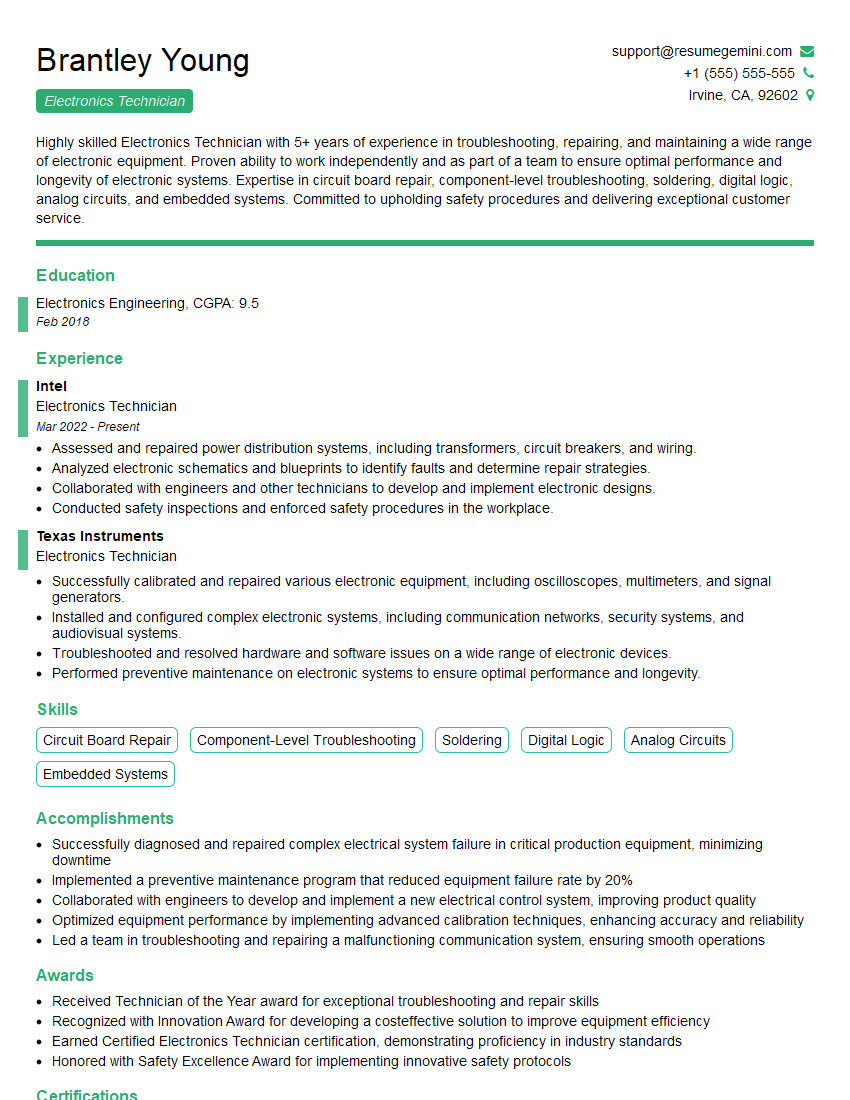
Electronics Technician Resume Sample
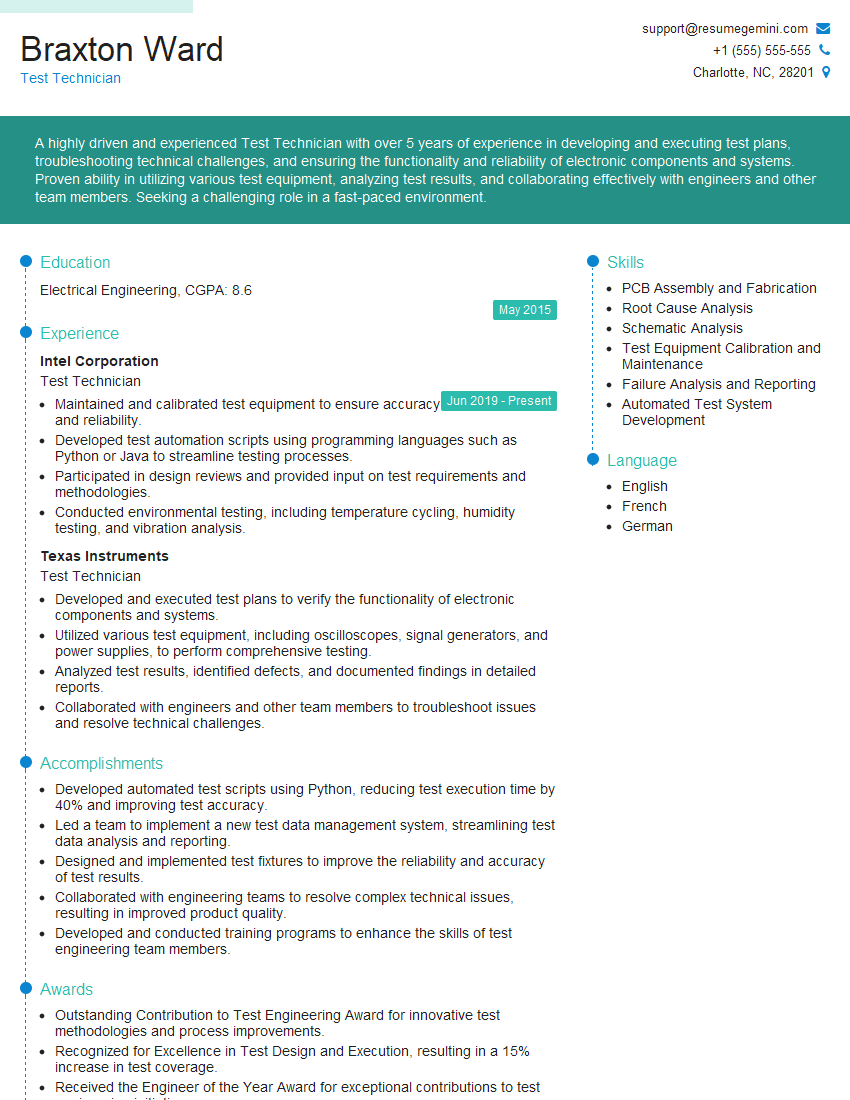
Test Technician Resume Sample
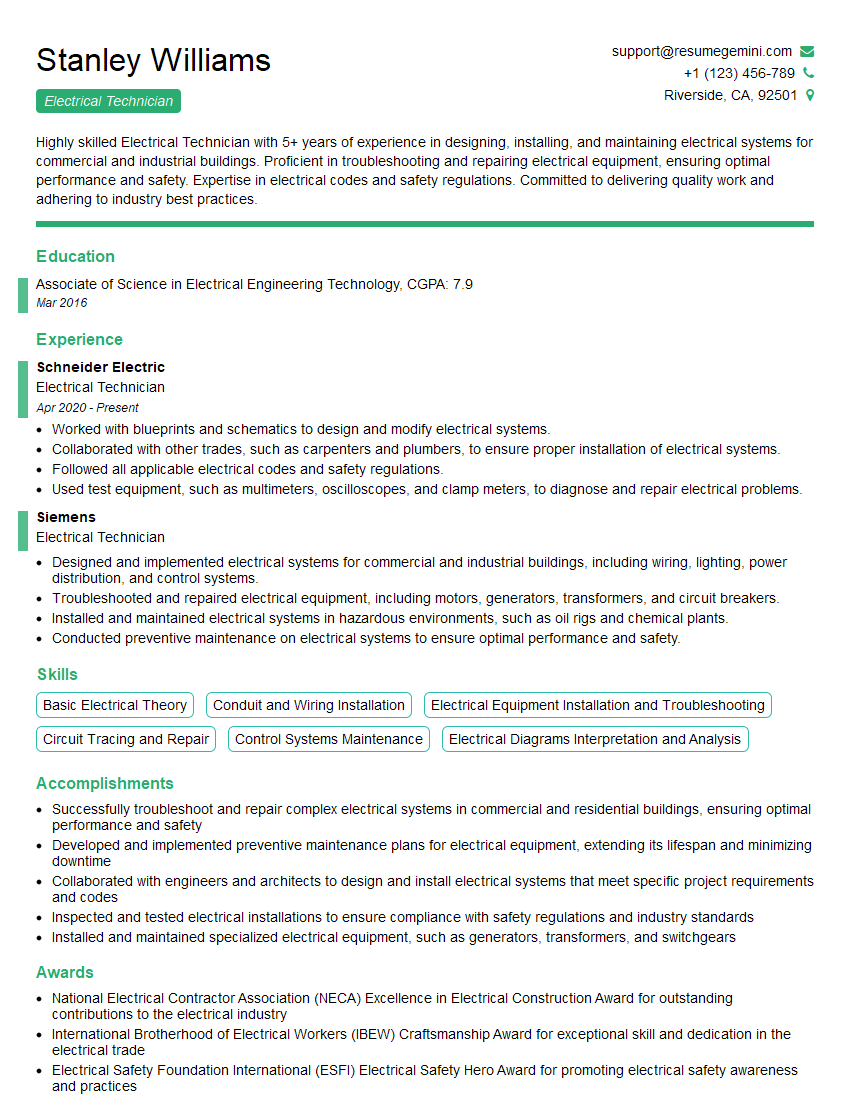
Electrical Technician Resume Sample
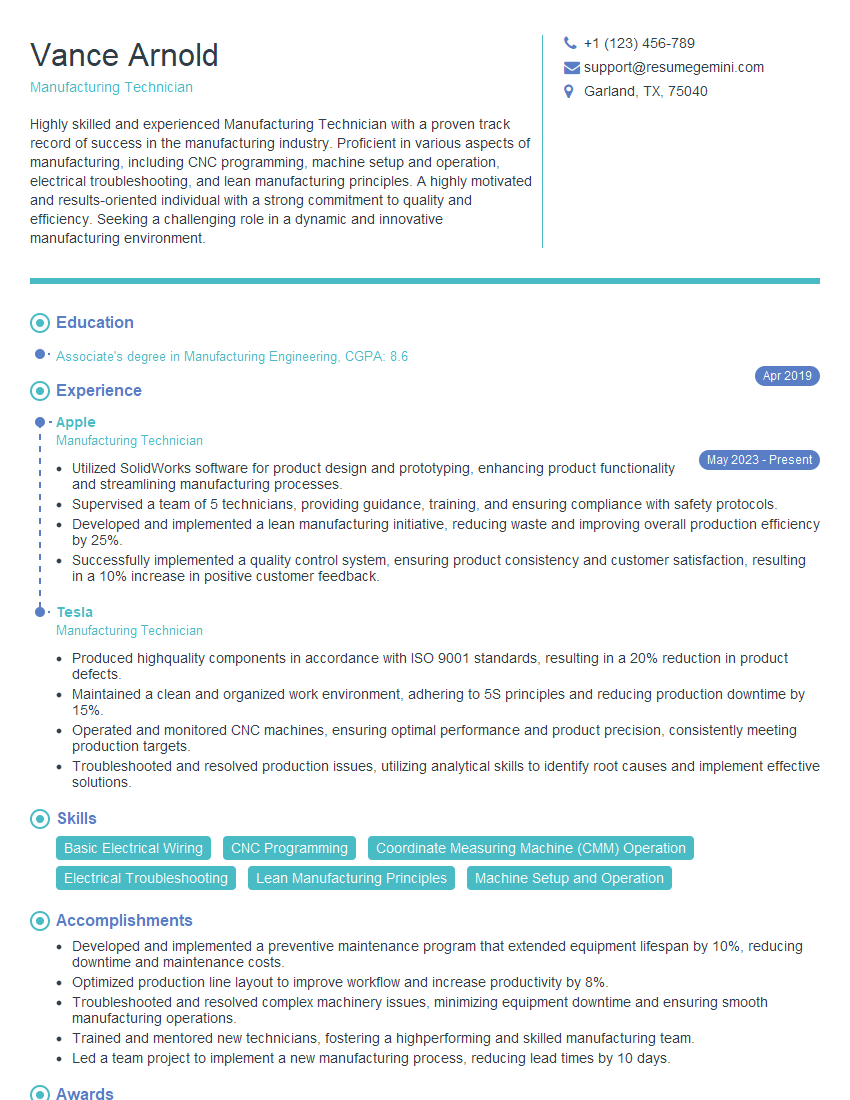
Manufacturing Technician Resume Sample
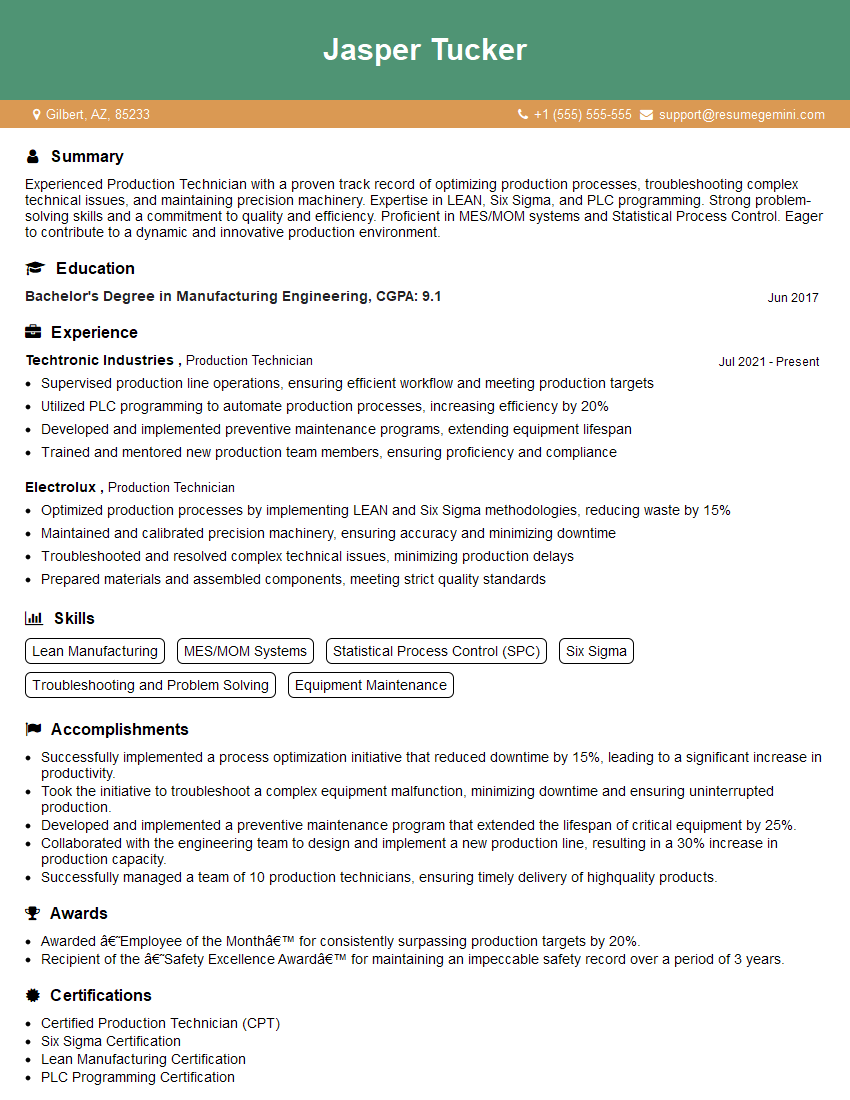
Production Technician Resume Sample
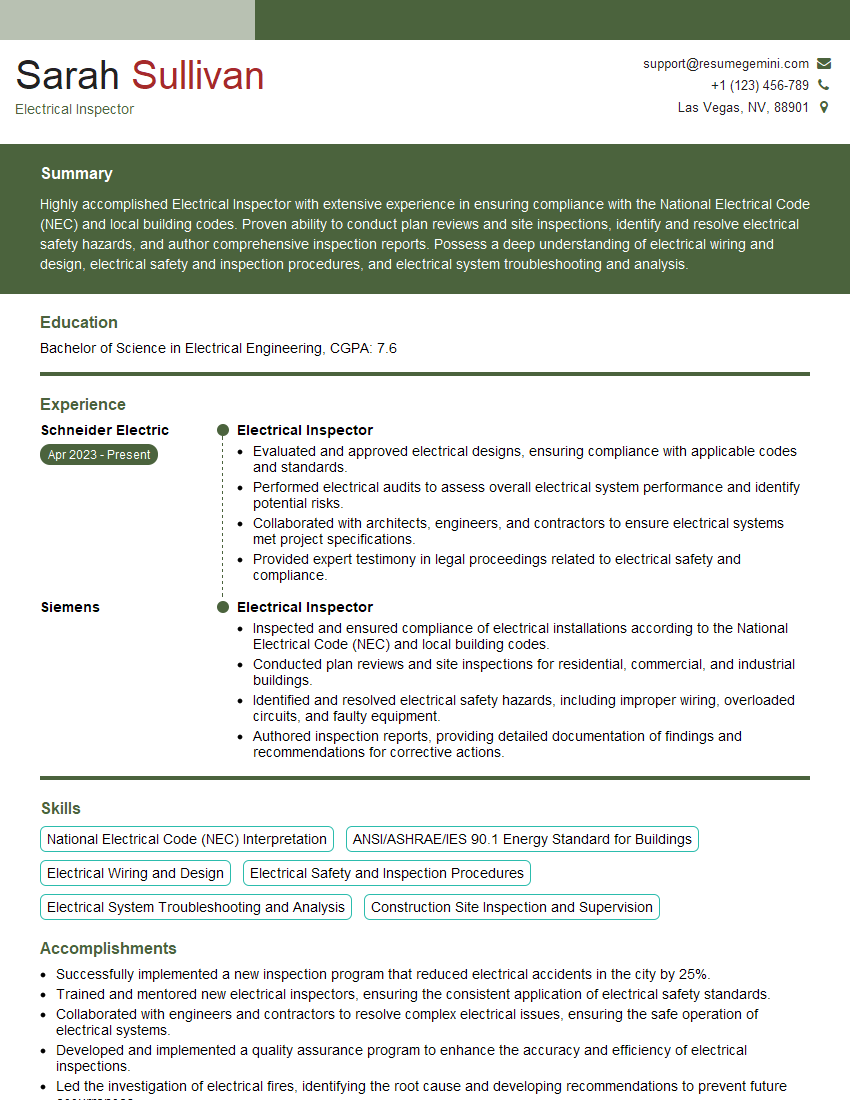
Electrical Inspector Resume Sample
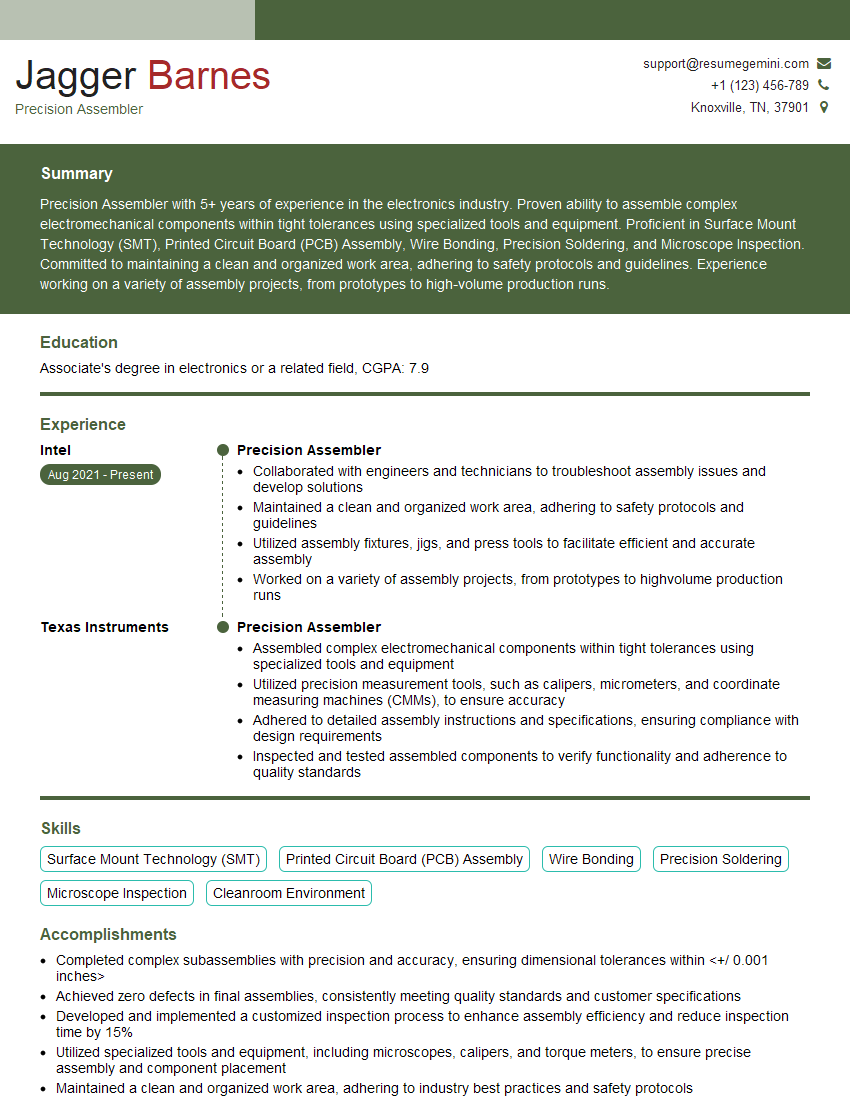
Precision Assembler Resume Sample
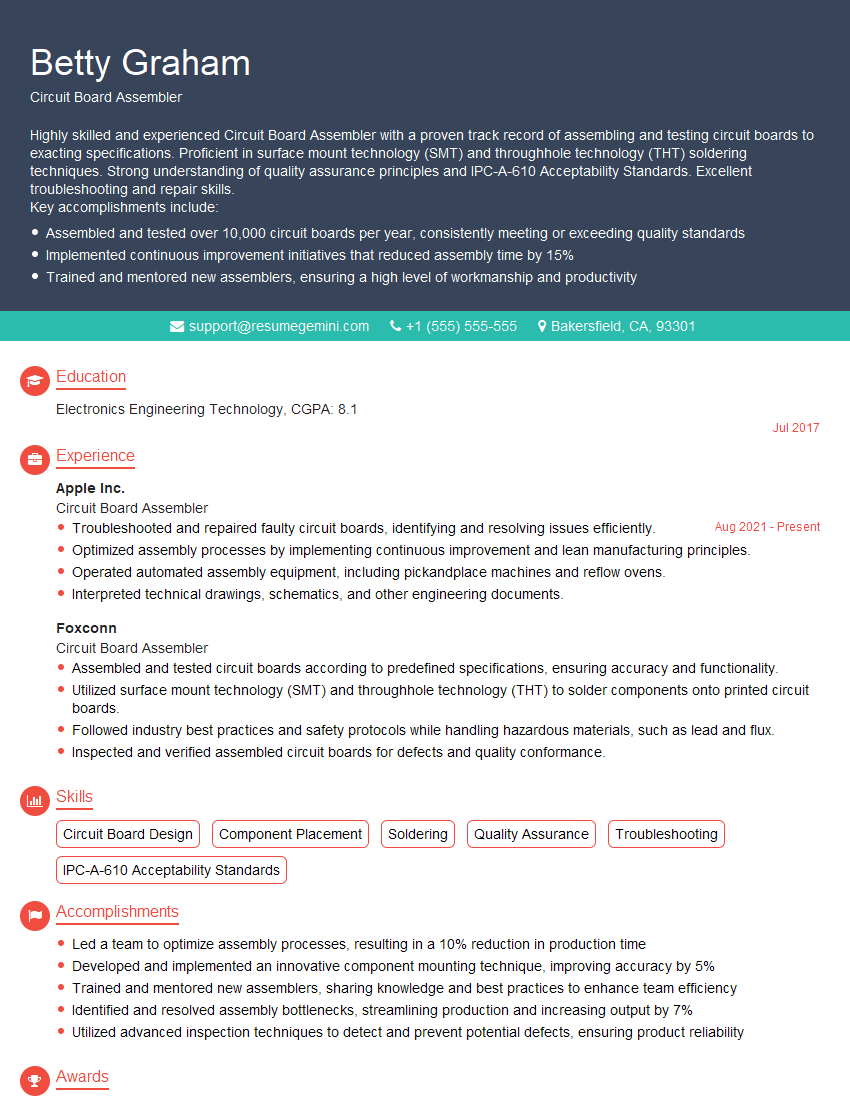
Circuit Board Assembler Resume Sample
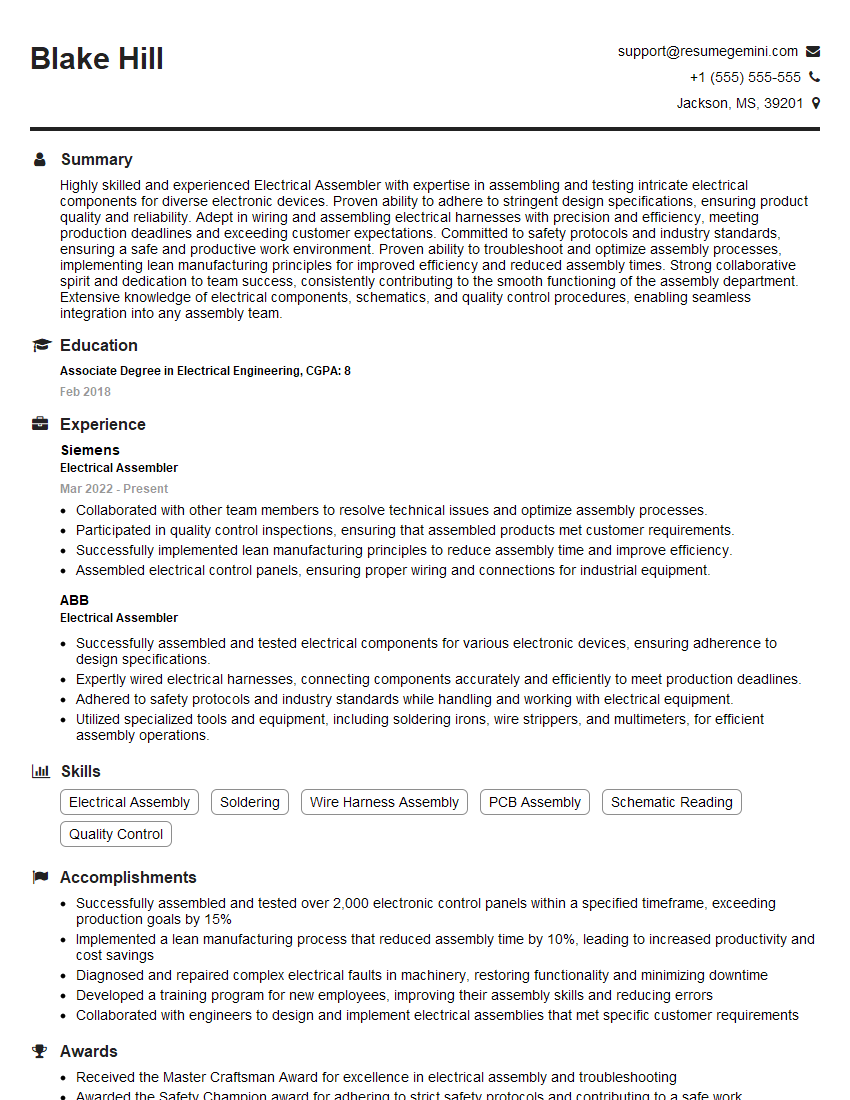
Electrical Assembler Resume Sample
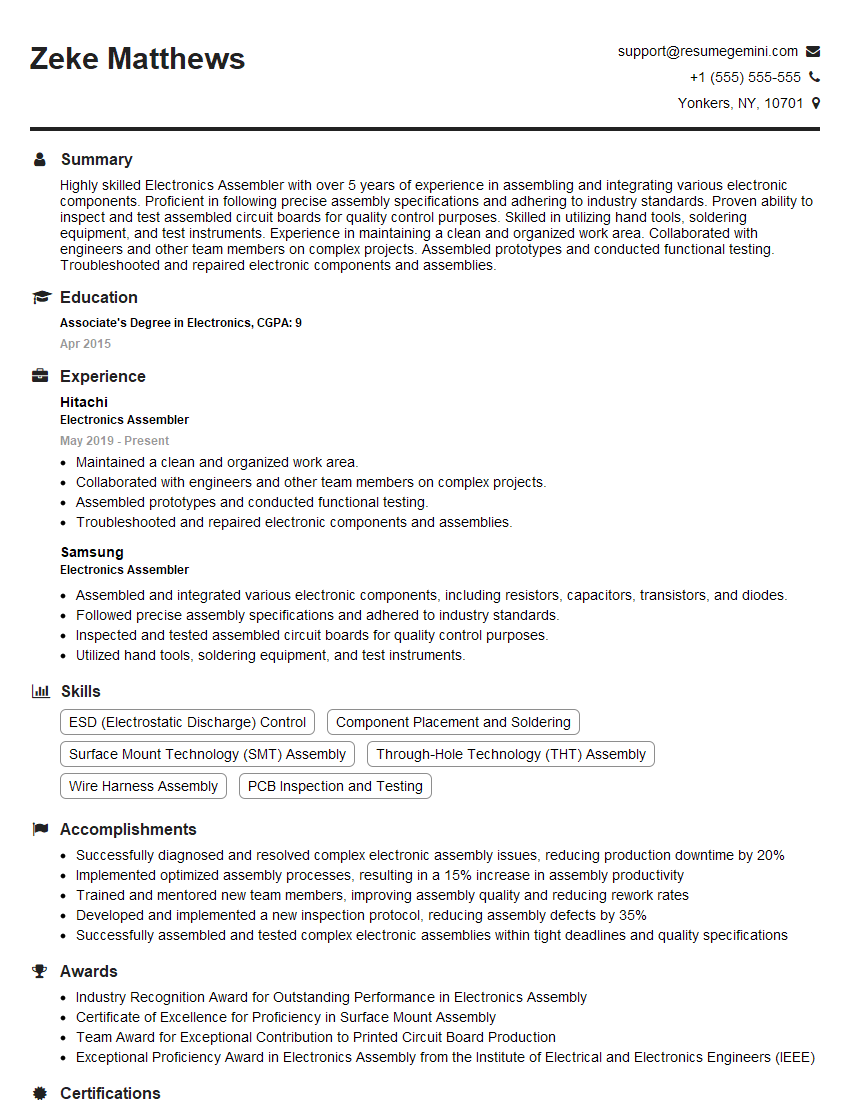
Electronics Assembler Resume Sample
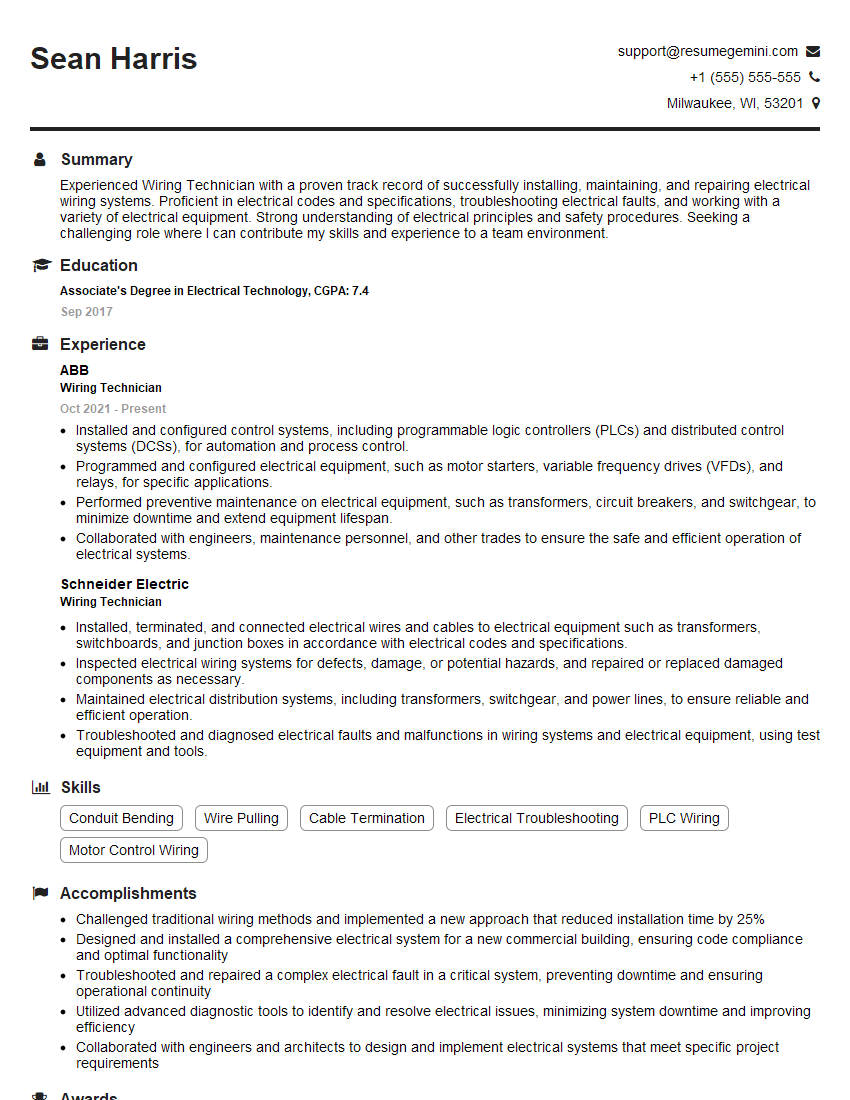
Wiring Technician Resume Sample
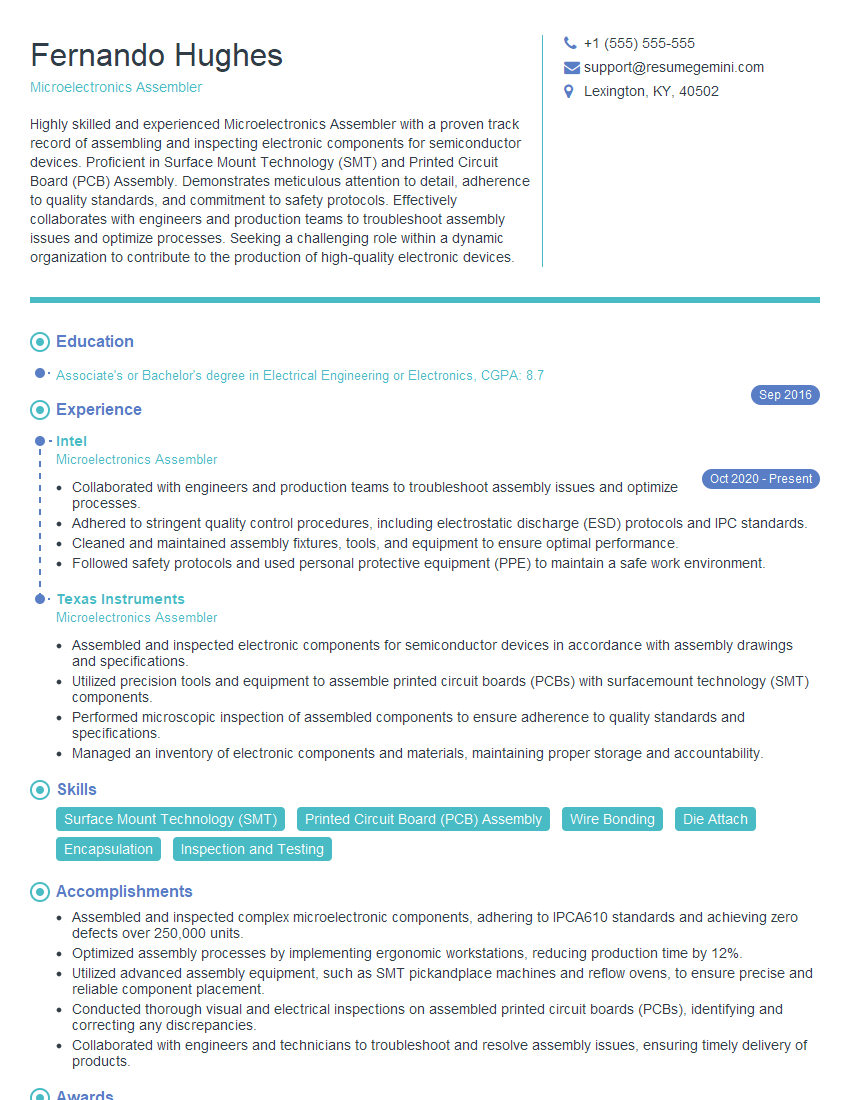
Microelectronics Assembler Resume Sample
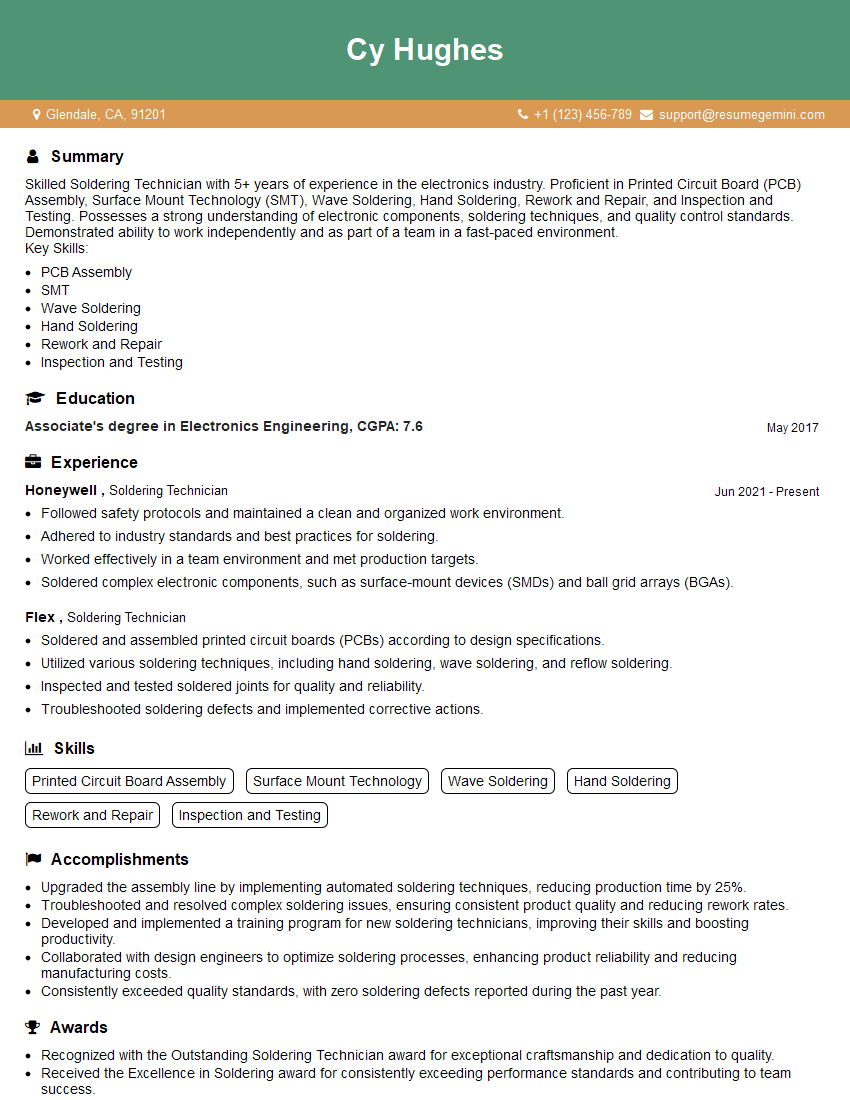
Soldering Technician Resume Sample
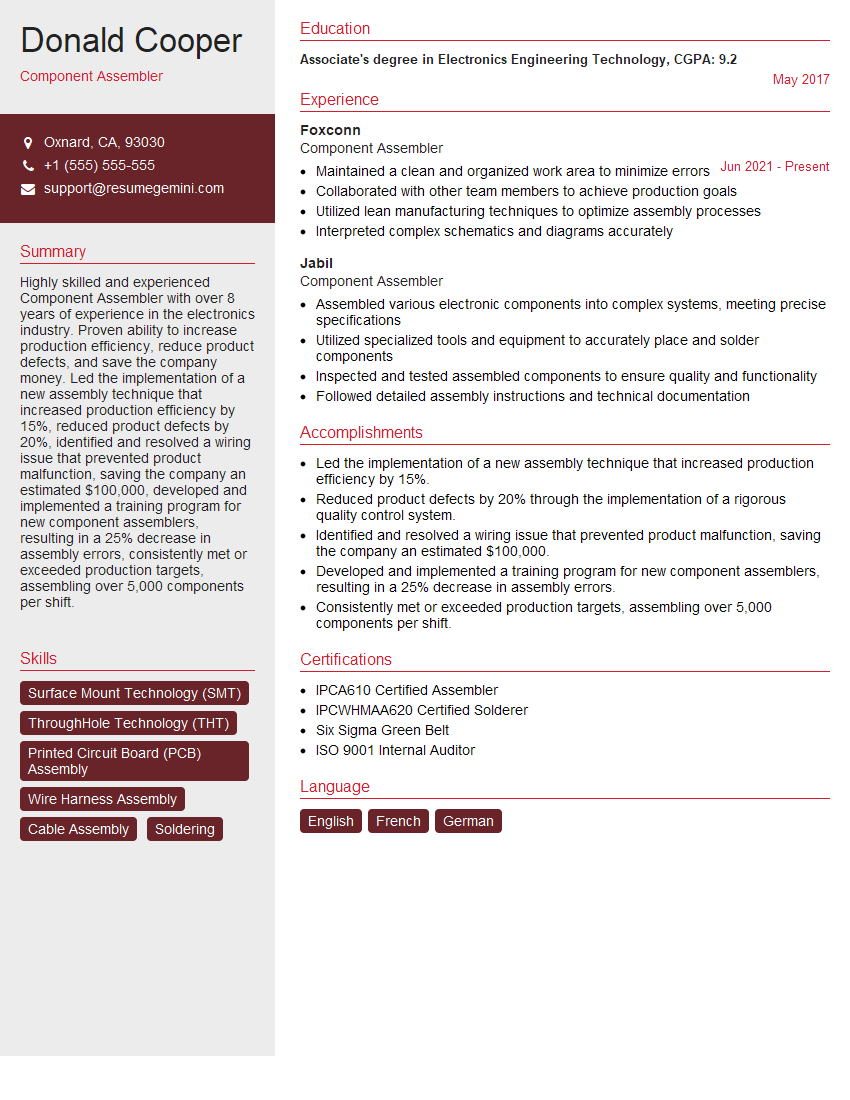
Component Assembler Resume Sample
- Electronics Technician
- Test Technician
- Electrical Technician
- Manufacturing Technician
- Production Technician
- Electrical Inspector
- Precision Assembler
- Circuit Board Assembler
- Electrical Assembler
- Electronics Assembler
- Wiring Technician
- Microelectronics Assembler
- Soldering Technician
- Component Assembler
Explore more articles
Users Rating of Our Blogs
Share Your Experience
We value your feedback! Please rate our content and share your thoughts (optional).
What Readers Say About Our Blog
Really detailed insights and content, thank you for writing this detailed article.
IT gave me an insight and words to use and be able to think of examples