Cracking a skill-specific interview, like one for Fannie Mae Desktop Underwriter (DU), requires understanding the nuances of the role. In this blog, we present the questions you’re most likely to encounter, along with insights into how to answer them effectively. Let’s ensure you’re ready to make a strong impression.
Questions Asked in Fannie Mae Desktop Underwriter (DU) Interview
Q 1. Explain the Automated Underwriting Systems (AUS) used in mortgage lending.
Automated Underwriting Systems (AUS) are sophisticated software programs used by mortgage lenders to assess the risk associated with a loan application. They analyze borrower data and property information to provide an automated risk assessment, significantly speeding up the loan origination process. Instead of relying solely on manual underwriting, which is time-consuming and prone to inconsistencies, lenders leverage AUS to gain a consistent and efficient evaluation. This helps lenders make quicker decisions while maintaining consistent risk management practices.
Examples of widely used AUS include Fannie Mae’s Desktop Underwriter (DU) and Freddie Mac’s Loan Product Advisor (LPA). These systems provide lenders with a comprehensive analysis, allowing them to make informed decisions about loan approval or denial. The output helps streamline the underwriting process and enhances the overall efficiency of the mortgage lending industry.
Q 2. What are the key inputs required for a DU submission?
A successful DU submission requires a comprehensive set of borrower and property data. Think of it as providing DU with a complete picture to analyze. Key inputs include:
- Borrower Information: This includes details like credit score, income, employment history, assets, liabilities (debts), and the requested loan amount. Accurate and complete information is critical for a reliable assessment.
- Property Information: This encompasses details about the property being purchased or refinanced, including the address, appraised value, property type, and occupancy status. The appraisal report itself might be required, depending on the lender’s policy and the results of the DU analysis.
- Loan Details: Essential loan characteristics need to be included, such as the loan type (e.g., fixed-rate, ARM), loan amount, interest rate, loan term, and the down payment amount. Specific features of the loan such as points or prepayment penalties should also be included.
- Employment Verification: Lenders typically require verification of employment and income through pay stubs, W-2s, or tax returns. This confirms the borrower’s income stability and ability to repay the loan.
Missing or inaccurate data can lead to a referral or an ineligible finding in DU, delaying the loan approval process. Therefore, accurate and complete data input is crucial for a smooth and efficient underwriting experience.
Q 3. Describe the different DU findings (Approve/Eligible, Approve/Ineligible, Referrals).
DU provides several findings, each signifying a different level of risk and the likelihood of loan approval:
- Approve/Eligible: This is the ideal outcome. DU indicates that the loan meets all its criteria and is deemed acceptable for purchase or delivery to Fannie Mae. This doesn’t automatically mean the loan is approved; the lender still needs to perform its due diligence. However, it substantially increases the likelihood of approval.
- Approve/Ineligible: While DU approves the loan, there are specific issues that make it ineligible for Fannie Mae’s purchase or securitization. These issues are often related to specific loan features or property characteristics that may not align with Fannie Mae’s guidelines.
- Referrals: This indicates that the loan application doesn’t meet all DU’s automated criteria and requires additional review by a human underwriter. Reasons for referrals can range from minor issues (requiring additional documentation) to more significant concerns that raise considerable risk. The underwriter will need to manually analyze the application and determine eligibility.
Understanding these findings is crucial for both lenders and borrowers. A referral may not be a death sentence; often, it simply requires clarification or additional documentation. An Approve/Ineligible finding means additional review is needed to determine if the loan can proceed. An Approve/Eligible finding is the best-case scenario, but it’s still vital to conduct a thorough review.
Q 4. How do you interpret a DU appraisal waiver?
A DU appraisal waiver allows lenders to bypass the requirement for a full appraisal under certain conditions. DU uses complex algorithms and data analysis to assess risk, and in some cases, it determines that the risk is sufficiently low to forego a full appraisal. This is often granted for loans with a low loan-to-value (LTV) ratio and other factors indicative of lower risk. Essentially, the DU system, based on its analysis, indicates the need for an appraisal is minimal. This can significantly speed up the closing process and reduce costs for both the borrower and the lender.
Interpreting a DU appraisal waiver requires careful consideration of the conditions under which it was granted. It’s not a blanket approval; certain criteria must be met. It’s crucial to confirm that all requirements are fulfilled before proceeding without a full appraisal, as failure to meet the conditions could create significant issues later.
Q 5. Explain the importance of loan-to-value (LTV) ratio in DU.
The Loan-to-Value (LTV) ratio is a critical factor in DU, representing the relationship between the loan amount and the property’s appraised value. It’s calculated as (Loan Amount / Appraised Value) * 100%. A lower LTV ratio indicates a lower risk for the lender, as the borrower has a larger equity stake in the property. DU uses the LTV ratio to assess the risk of default – a lower LTV suggests a lower likelihood of default, resulting in a more favorable risk assessment and a potentially higher chance of approval.
For instance, a loan with a 70% LTV is considered less risky than a loan with a 95% LTV. DU will adjust its risk assessment based on the LTV, influencing the final decision regarding the loan’s eligibility. Higher LTV ratios often lead to more stringent requirements or even referrals, necessitating further review by a human underwriter.
Q 6. How does DU handle scenarios involving co-borrowers?
DU handles co-borrowers by incorporating their financial information into the overall risk assessment. It analyzes the combined income, assets, liabilities, and credit scores of both borrowers to determine the overall capacity to repay the loan. In essence, it evaluates the combined financial strength of the co-borrowers.
The system will consider the credit history of each co-borrower individually and will also evaluate them jointly. This holistic approach helps determine the overall risk profile and ensure that both borrowers meet the minimum financial requirements to qualify for the loan. If one co-borrower has a weaker credit profile, DU might still approve the loan if the other co-borrower’s financial strength compensates for it.
Q 7. What are the key differences between DU and Freddie Mac Loan Product Advisor (LPA)?
While both DU and LPA are AUS used for mortgage underwriting, they have key differences:
- Sponsor: DU is Fannie Mae’s system, while LPA is Freddie Mac’s.
- Eligibility Requirements: Although both systems evaluate credit risk, their specific guidelines and eligibility criteria might vary slightly, leading to different outcomes for the same loan application.
- Data Inputs: While the core data inputs are similar, there might be subtle differences in the specific data points required or preferred by each system.
- Output and Findings: The format and details of the findings may differ between the two systems, requiring familiarity with each platform to accurately interpret the results.
- Risk Assessment Models: The underlying risk assessment models differ, reflecting the unique approaches of Fannie Mae and Freddie Mac to risk assessment. While similar in many ways, their algorithms and decision criteria may produce slightly different results for the same data inputs.
Lenders often use both DU and LPA to increase their chances of securing a loan sale to either Fannie Mae or Freddie Mac. Understanding these subtle differences is vital for loan officers to choose the most appropriate AUS for a given loan scenario.
Q 8. How does DU incorporate credit scores in its risk assessment?
Fannie Mae’s Desktop Underwriter (DU) uses credit scores as a crucial factor in its risk assessment. It doesn’t rely on a single score, but rather incorporates multiple credit scores from different bureaus (Equifax, Experian, and TransUnion). DU analyzes the scores, considering factors like payment history, amounts owed, length of credit history, and new credit. A higher credit score generally translates to a lower risk assessment because it indicates a history of responsible credit management. The scores aren’t simply a pass/fail metric; they contribute to a broader picture of the borrower’s creditworthiness, influencing the loan’s final risk assessment and the potential interest rate.
For example, a borrower with a VantageScore 3 of 760 from Experian, a FICO Score 8 of 780 from Equifax and a FICO Score 9 of 750 from TransUnion will generally receive a more favorable assessment than someone with scores consistently below 660. DU weighs these scores along with other factors, giving a more nuanced risk profile.
Q 9. Explain the role of debt-to-income ratio (DTI) in DU.
The debt-to-income ratio (DTI) is another cornerstone of DU’s risk assessment. It represents the percentage of a borrower’s gross monthly income that goes towards debt payments. DU uses both front-end DTI (housing expenses only: principal, interest, taxes, insurance (PITI)) and back-end DTI (housing expenses plus all other debt payments, such as credit cards, auto loans, student loans). Lower DTIs generally signal lower risk, as it indicates the borrower has more disposable income to handle unexpected expenses and mortgage payments. DU uses the DTI to determine the borrower’s capacity to repay the loan. A high DTI could trigger a higher risk rating or even a loan denial.
Imagine two borrowers applying for the same loan. Borrower A has a DTI of 35%, while Borrower B has a DTI of 50%. Even if both have excellent credit scores, Borrower A is likely to get a more favorable DU assessment due to the lower DTI, indicating greater capacity for handling the loan.
Q 10. How does DU handle self-employed borrowers?
DU handles self-employed borrowers differently than W-2 employees. Because income verification is more complex for the self-employed (requiring tax returns, bank statements, and sometimes profit and loss statements), DU requires more detailed documentation. The system scrutinizes the borrower’s income history, looking for consistency and stability. It might analyze two years’ worth of tax returns to establish a reliable income figure. DU’s requirements for self-employed borrowers are stricter than for those with traditional employment. This is because the variability of self-employment income can pose a higher risk to lenders.
For instance, a self-employed borrower might need to provide Schedule C and Schedule SE from their tax returns, along with bank statements to verify income and expenses. Inconsistencies or gaps in income could significantly impact the DU’s risk assessment and potentially lead to a lower score or even a rejection.
Q 11. What are the potential impacts of inaccurate data input on DU results?
Inaccurate data input can have significant consequences on DU results, potentially leading to a misrepresentation of the borrower’s risk profile. Even small errors, like a typo in the income amount or a missed debt payment, can alter the DTI calculation and credit risk score, resulting in an inaccurate DU recommendation. This could lead to a higher risk score than warranted, causing the lender to deny a qualified loan or to offer less favorable terms. Conversely, underreporting debt could lead to an artificially low-risk assessment, exposing the lender to unnecessary risk.
For example, incorrectly inputting a monthly income of $4,000 instead of $5,000 would inflate the DTI, potentially resulting in a loan denial or a higher interest rate. This underscores the importance of accuracy and double-checking all data before submitting it to DU.
Q 12. Explain the process of overriding a DU recommendation.
Overriding a DU recommendation is a serious step that should only be taken after careful consideration and thorough documentation. It involves the lender accepting a higher level of risk than suggested by DU. This usually involves reviewing the DU findings in detail, identifying the specific reason(s) for the negative recommendation, and justifying why the lender believes the loan is still viable despite the DU’s assessment. This justification typically requires a robust explanation of mitigating factors and is often subject to strict internal guidelines and potentially further review by secondary underwriting or quality control departments. This process isn’t about ignoring DU but rather about understanding its limitations and providing rationale for accepting the potential increased risk.
For example, a lender might override a DU ‘Do Not Issue’ recommendation if they have strong compensating factors, such as a significant down payment, exceptional credit history, and a stable employment history. The documentation for this override must clearly outline these factors and demonstrate that they outweigh the risks identified by DU.
Q 13. What is the significance of the DU ‘case number’?
The DU case number is a unique identifier assigned to each loan application processed through the DU system. It serves as a crucial tracking number, enabling lenders and Fannie Mae to trace the progress and status of the loan application throughout the underwriting process. This number is essential for record-keeping, audit trails, and communication regarding the loan’s progress and any updates or changes to its status. It provides a consistent and reliable method for referencing the specific loan application within the vast system of transactions.
Think of it like a tracking number for a package – it allows you to easily track its journey from origin to destination. Similarly, the DU case number provides a crucial link for tracking the loan application’s journey through the underwriting process.
Q 14. How do you manage exceptions and overlays in DU?
Managing exceptions and overlays in DU involves understanding and addressing situations where the standard DU guidelines need adjustment. Exceptions are situations that don’t meet the standard DU criteria but are still acceptable to the lender due to specific circumstances. Overlays are lender-specific guidelines that modify or add to the DU’s standard rules. Effective management involves documenting each exception and overlay, ensuring compliance with all relevant regulations, and maintaining consistent application of these adjustments. It’s critical to have clear procedures in place to review and approve both exceptions and overlays.
For instance, an exception might involve accepting a borrower with a slightly higher DTI than normally allowed if they have other compensating factors, like significant liquid assets. An overlay might be the lender’s policy to require a minimum credit score of 680, even if DU’s guidelines permit a lower score. Proper documentation is critical to ensure transparency and compliance.
Q 15. Describe your experience working with DU’s risk assessment models.
My experience with Fannie Mae’s Desktop Underwriter (DU) risk assessment models spans over [Number] years, encompassing a wide range of loan types and borrower profiles. DU uses a sophisticated algorithm incorporating numerous data points to assign a risk score, ultimately determining loan eligibility. I understand how the model weighs different factors, such as credit score, debt-to-income ratio (DTI), loan-to-value ratio (LTV), and property type, to arrive at its assessment. I’m proficient in interpreting the various outputs, including the risk score itself, the case identifier (Case ID), and the various flags and warnings generated by the system. This allows me to identify potential issues early on in the underwriting process and to proactively address them.
For example, I recently worked on a file where DU flagged a high DTI. By carefully analyzing the borrower’s income documentation and scrutinizing the debt calculations, I was able to justify the use of a more favorable debt calculation method which resulted in a lower DTI and a successful approval. This deep understanding allows me to navigate even complex scenarios effectively.
Career Expert Tips:
- Ace those interviews! Prepare effectively by reviewing the Top 50 Most Common Interview Questions on ResumeGemini.
- Navigate your job search with confidence! Explore a wide range of Career Tips on ResumeGemini. Learn about common challenges and recommendations to overcome them.
- Craft the perfect resume! Master the Art of Resume Writing with ResumeGemini’s guide. Showcase your unique qualifications and achievements effectively.
- Don’t miss out on holiday savings! Build your dream resume with ResumeGemini’s ATS optimized templates.
Q 16. How do you handle scenarios with complex income documentation?
Handling complex income documentation is a crucial aspect of my role. I’ve encountered numerous scenarios involving self-employed borrowers, commission-based income, or situations with multiple income sources. My approach is systematic. First, I meticulously verify all income documentation, including tax returns, pay stubs, bank statements, and any other supporting evidence. I’ll compare the provided information across multiple documents to ensure consistency. For self-employed borrowers, I focus on analyzing their profit and loss statements, ensuring the income figures align with tax filings and bank deposits.
If inconsistencies arise, I thoroughly investigate the discrepancies, contacting borrowers for clarifications or requesting additional documents as needed. I utilize income analysis tools, like [mention specific tools if comfortable], to further analyze the income, comparing it to industry standards and historical trends. This ensures a robust and well-supported income calculation for accurate DTI determination in DU.
For instance, I once encountered a borrower with income fluctuations due to seasonal work. By thoroughly analyzing their tax returns over a 2-year period, I could present a convincing case for averaging their income, supporting my rationale with clear documentation. This demonstrated a comprehensive understanding of the guidelines while ensuring a fair assessment of the borrower’s financial capacity.
Q 17. Explain your experience with DU’s collateral risk assessment.
DU’s collateral risk assessment is vital. I have extensive experience in reviewing appraisal reports, analyzing property characteristics, and evaluating the risk associated with the property itself. I understand the significance of factors like property location, condition, and market value in determining the LTV and overall loan risk. I know how DU incorporates appraisal data into its risk score and the nuances of different appraisal types and potential issues. I’m also knowledgeable about the use of automated valuation models (AVMs) and their integration within the DU process.
In my experience, I’ve encountered situations where the appraised value was lower than the purchase price, leading to a higher LTV. In these scenarios, I carefully review the appraisal report for any potential inconsistencies or areas for negotiation with the appraiser. If justified, I present additional support, such as comparable sales data, to justify the purchase price. This ensures a thorough and accurate assessment of the collateral risk before proceeding with the loan.
Q 18. What are the common reasons for DU referrals?
DU referrals are common. The most frequent reasons include:
- High Debt-to-Income Ratio (DTI): When the borrower’s DTI exceeds DU’s acceptable thresholds.
- Low Credit Score: Credit scores below the required minimums trigger referrals.
- Insufficient Income Documentation: Inadequate or unclear documentation of the borrower’s income.
- High Loan-to-Value Ratio (LTV): Loans with LTV exceeding the permitted limits.
- Complex or Non-Standard Transactions: Situations involving second homes, investment properties, or other unusual circumstances.
- Property Issues: Problems with the property’s appraisal, title, or condition.
Understanding these common causes allows for proactive mitigation through thorough preparation and documentation before submission to DU.
Q 19. How do you ensure compliance with Fannie Mae guidelines in DU?
Compliance with Fannie Mae guidelines is paramount. I meticulously follow all DU requirements, ensuring accuracy in data entry and thorough documentation of every aspect of the loan. I regularly consult the latest Fannie Mae Selling Guide and DU updates to stay current on all regulations and changes. I maintain a strong understanding of the various overlays and requirements implemented by our institution in conjunction with Fannie Mae’s guidelines.
For instance, I make sure that all income and asset documentation meets Fannie Mae’s standards for verification and that all required disclosures are provided to the borrower. I’m meticulous in following specific guidelines for specific loan products and borrower types. This adherence to best practices ensures that all loans submitted to Fannie Mae meet their rigorous criteria and minimizes the risk of rejection or repurchase.
Q 20. Describe your experience troubleshooting DU issues.
Troubleshooting DU issues is a routine part of my work. I’m adept at identifying the root cause of errors and resolving them efficiently. My approach involves a systematic review of the DU output, including the case identifier and any accompanying warnings or error messages. I examine the data entry carefully for any discrepancies or inconsistencies. If the issue isn’t immediately apparent, I systematically check the supporting documentation and compare it against the information inputted into DU.
For example, I once encountered a DU error related to an incorrect property address. By carefully reviewing the appraisal report and loan application, I quickly identified the error and corrected the address in the system, resolving the issue without delay. In more complex situations, I leverage Fannie Mae’s resources, such as their online helpdesk and support documentation, to resolve the issue, which might involve contacting support if necessary.
Q 21. How do you utilize DU reports to inform your underwriting decisions?
DU reports provide crucial insights into loan risk. I utilize the various outputs, such as the risk score, the case identifier, and the various warnings and flags, to inform my underwriting decisions. A high risk score necessitates a more thorough review of the file, while warnings indicate specific areas requiring additional attention or documentation. I use the report to identify potential issues early on and take appropriate actions to mitigate those risks.
For example, if the DU report flags a high DTI, I wouldn’t automatically deny the loan. Instead, I would carefully review the income documentation, exploring opportunities to adjust the debt calculations, and possibly request additional documentation. If the risk is still too high after careful analysis, I would then consider the option of denial. DU reports are not solely determinant factors, rather critical tools informing the overall underwriting process and decision.
Q 22. What is your experience with the DU online portal?
My experience with the DU online portal is extensive. I use it daily to analyze loan applications, ensuring compliance with Fannie Mae guidelines. I’m proficient in navigating the various sections, including data entry, case management, and report generation. I’m comfortable using all features, from inputting borrower and property details to interpreting the final risk assessment and generating required reports. I’ve used the portal for a wide range of loan types, including purchase, refinance, and construction loans, allowing me to understand its capabilities across various scenarios.
For example, I recently used the portal to successfully process a complex refinance application involving a non-owner-occupied property, demonstrating my ability to handle intricate data entry and navigate potential system challenges.
Q 23. How do you stay updated on changes and updates to DU?
Staying current with DU updates is crucial. I utilize several methods to ensure I’m always up-to-date. Fannie Mae’s official website is my primary source, where I regularly check for announcements, bulletins, and updated guidelines. I also subscribe to relevant industry newsletters and attend webinars presented by Fannie Mae and other reputable mortgage industry sources. This multi-pronged approach ensures that I am aware of any changes to the underwriting criteria, automated valuation models, or system updates that could impact my work.
Further, I actively participate in professional development opportunities, such as conferences and training sessions, specifically focused on DU updates and best practices. This approach allows me to integrate new information quickly and efficiently into my workflow.
Q 24. Explain your understanding of DU’s automated valuation models (AVMs).
DU’s Automated Valuation Models (AVMs) are crucial components of the underwriting process. They provide an automated estimate of a property’s market value based on various data points, such as location, size, features, and comparable sales. DU uses multiple AVMs simultaneously to compare results and minimize the potential for error. The system weighs these results along with other factors to determine a property’s value in the context of the loan application.
Understanding how these models operate is critical to interpreting DU findings. For instance, if an AVM differs significantly from the appraiser’s value, I would investigate the potential reasons for the discrepancy, examining the details of comparable properties used in each valuation. Differences could arise from differing data used, or from the appraiser considering unique features not reflected in the AVM data. This understanding is critical in making informed decisions and ensuring the accuracy of the overall valuation.
Q 25. How do you reconcile discrepancies between the appraisal and DU’s valuation?
Reconciling discrepancies between the appraisal and DU’s valuation requires a thorough and systematic approach. I begin by carefully comparing the appraisal report with the AVM details provided by DU. I look for differences in the data utilized, such as comparable properties, property characteristics, and market conditions. I then investigate possible explanations for the discrepancies. This may involve reviewing the appraisal report for justification of the appraiser’s valuation and examining the specific details of the AVMs used by DU, including data sources and methodology.
For example, if the appraisal is significantly higher than the DU valuation, I might investigate whether the appraiser considered unique features not captured in the AVM data. Conversely, a lower appraisal might indicate the appraiser identified issues like deferred maintenance not reflected in the AVM. If I cannot reconcile the difference through investigation, I may need to consult with the appraiser and/or Fannie Mae for clarification. Documentation of this process is vital for transparency and auditability.
Q 26. What are the implications of a DU ‘denied’ result?
A ‘denied’ result in DU signifies that the loan application does not meet Fannie Mae’s underwriting criteria. This has significant implications. The loan cannot be purchased by Fannie Mae, and therefore the lender cannot close the loan as initially structured. This can lead to a variety of consequences, including financial losses for the lender, disappointment for the borrower, and potentially, the need for significant changes to the loan terms to meet DU requirements.
The reason for the denial needs careful review. It could be due to issues with the borrower’s credit, income, debt-to-income ratio, the property appraisal, or other factors. This process necessitates careful analysis and potentially adjustments to the loan application, like increased down payment, or securing additional income documentation.
Q 27. Describe a challenging situation you faced while using DU and how you resolved it.
A challenging situation involved a loan application flagged by DU due to an unusual appraisal methodology used by a third-party appraiser. The appraisal was technically sound but didn’t follow the standard formats expected by DU, causing the system to flag the case. Initially, the system rejected the application. To resolve this, I first thoroughly reviewed the appraisal report to verify its accuracy and soundness. I then contacted the appraiser to request a revised report using a more standard format. I also contacted Fannie Mae directly to discuss the situation and present the supporting documentation from the appraiser, ensuring complete transparency.
Simultaneously, I maintained clear communication with the borrower and the lender, managing expectations and keeping them informed throughout the process. Through this detailed approach, the revised appraisal was successfully accepted by DU, avoiding a delay or potential denial of the loan. This experience reinforced the importance of thorough due diligence, proactive communication, and a thorough understanding of both DU and Fannie Mae’s guidelines.
Q 28. How do you explain complex DU findings to clients or colleagues?
Explaining complex DU findings requires clear and concise communication. I avoid using jargon and instead use plain language, explaining concepts in a relatable way. I start by providing a summary of the overall DU findings, highlighting key aspects like the loan’s eligibility status (approved, conditionally approved, or denied). Then, I break down the specific reasons for the findings, providing concrete examples relevant to the borrower’s situation. For instance, instead of saying ‘DTI ratio exceeds the threshold,’ I would say, ‘Your debt compared to your income is higher than the limit Fannie Mae allows.’
Visual aids, such as charts or summaries of key data points, can significantly improve understanding. I also actively encourage questions from my client or colleagues, clarifying any doubts or concerns they might have. This ensures a transparent and comprehensive understanding of the process, helping to manage expectations and build trust.
Key Topics to Learn for Fannie Mae Desktop Underwriter (DU) Interview
- Understanding DU Findings: Learn to interpret and analyze DU output, including case numbers, recommendations, and risk assessment. Focus on understanding the reasoning behind each finding.
- Loan Product Eligibility: Master the eligibility criteria for various loan types within DU, including conforming and non-conforming loans, and the impact of different loan features on DU results.
- Data Input and Validation: Practice accurate data entry and understand the critical role of data integrity in obtaining reliable DU results. Explore how errors in data input can affect the underwriting decision.
- Credit Underwriting Principles within DU: Go beyond simply understanding DU; grasp the fundamental credit underwriting principles that DU employs. This demonstrates a deeper understanding of the process.
- Automated Underwriting Systems (AUS) Comparison: While focusing on DU, briefly explore how DU compares to other AUS systems to showcase broader knowledge of the industry landscape.
- Scenario Planning and Problem Solving: Develop your ability to troubleshoot potential issues and propose solutions based on different DU outputs and scenarios. This demonstrates practical application of your knowledge.
- Adverse Actions and Mitigation Strategies: Understand how to interpret adverse actions from DU and explore strategies for mitigating identified risks to improve loan approval chances.
- DU’s Role in the Mortgage Process: Gain a holistic perspective of DU’s place within the overall mortgage process, from application to closing. This showcases a broader understanding of the mortgage industry.
Next Steps
Mastering Fannie Mae Desktop Underwriter (DU) is crucial for career advancement in the mortgage industry, opening doors to higher-paying roles and increased responsibilities. A strong understanding of DU demonstrates expertise and reliability to potential employers. To significantly improve your job prospects, create a compelling, ATS-friendly resume that highlights your DU skills effectively. Use ResumeGemini, a trusted resource, to build a professional resume tailored to your experience. Examples of resumes specifically tailored to Fannie Mae Desktop Underwriter (DU) roles are available to help you craft a winning application.
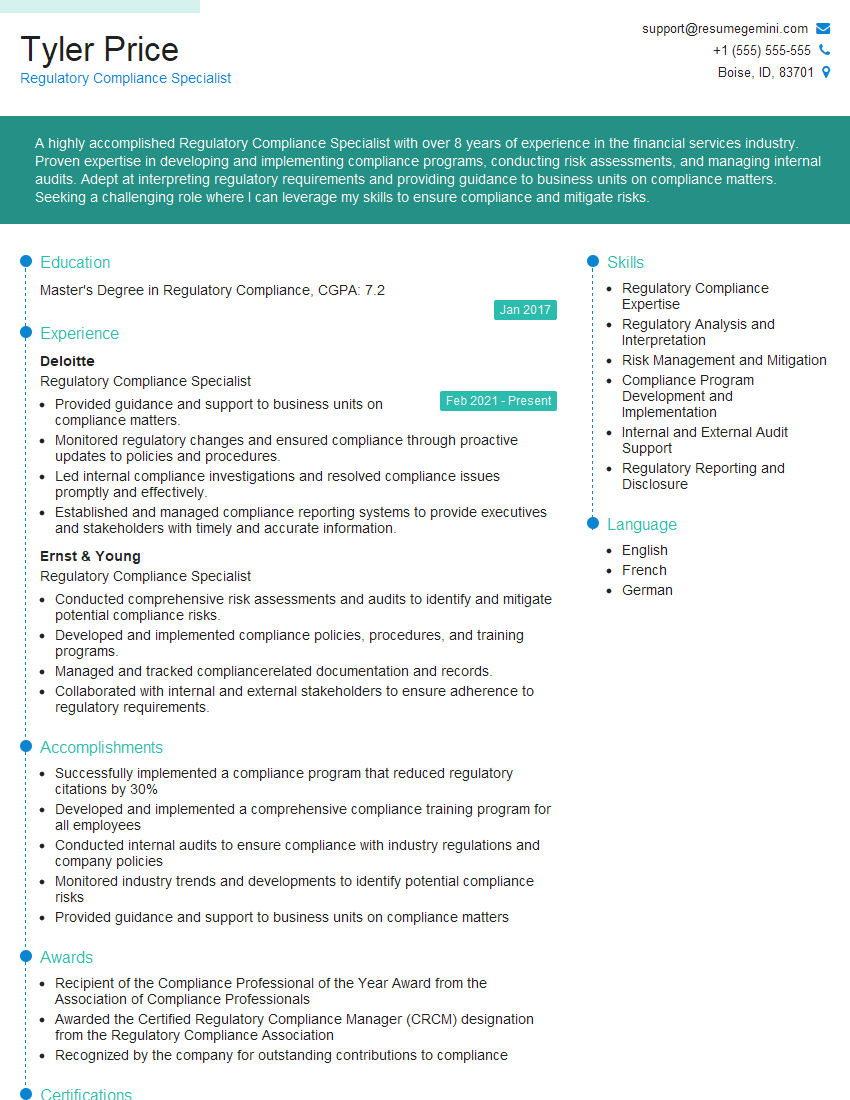
Regulatory Compliance Specialist Resume Sample
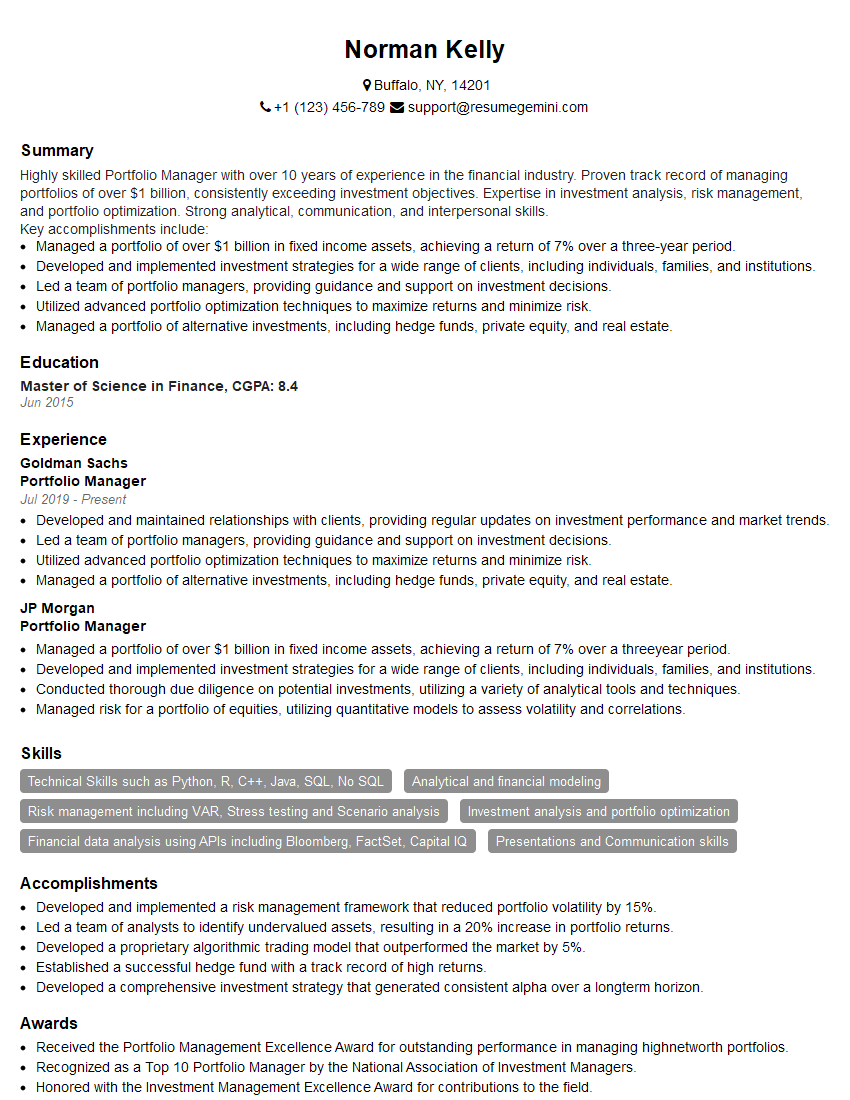
Portfolio Manager Resume Sample
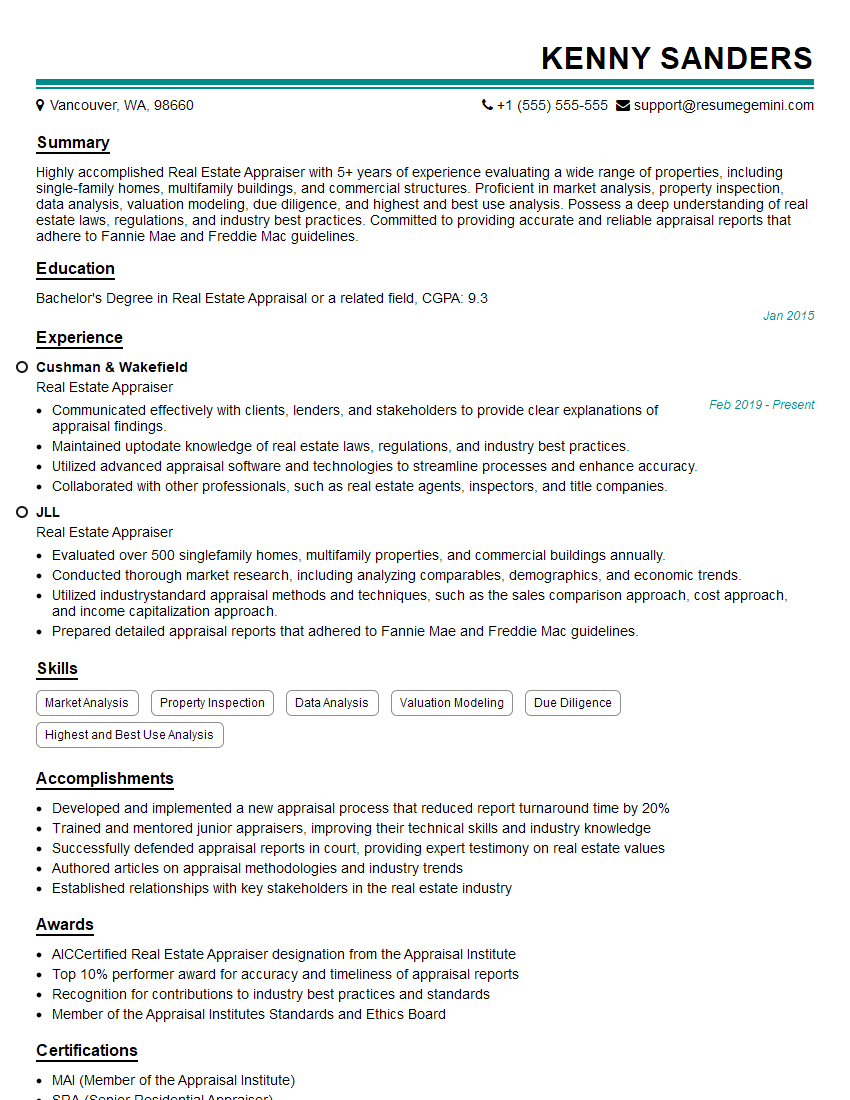
Real Estate Appraiser Resume Sample
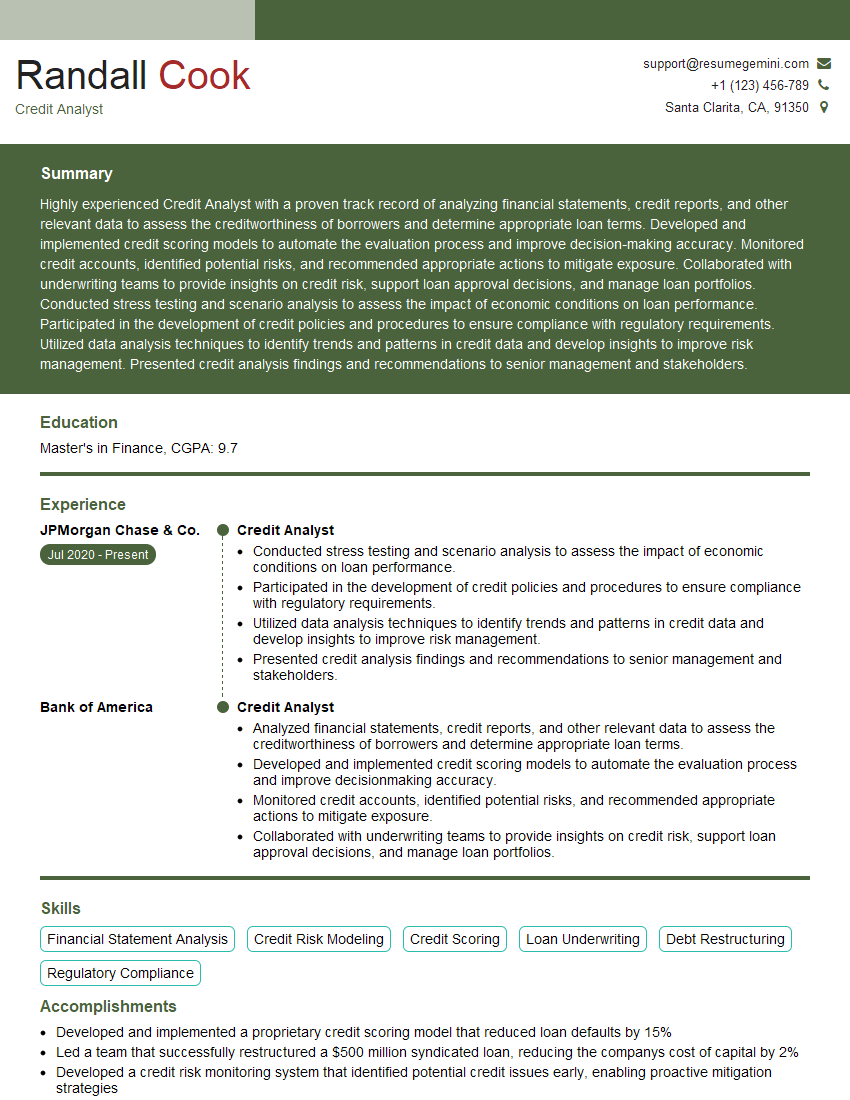
Credit Analyst Resume Sample
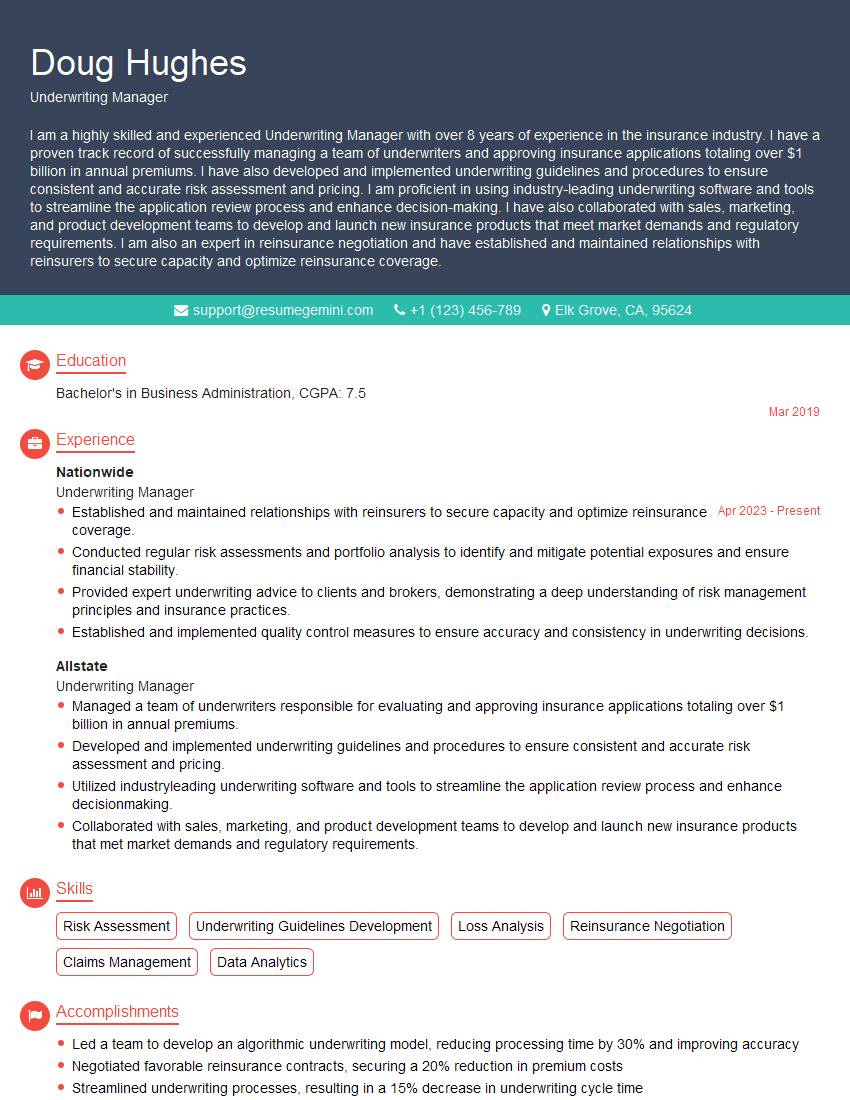
Underwriting Manager Resume Sample
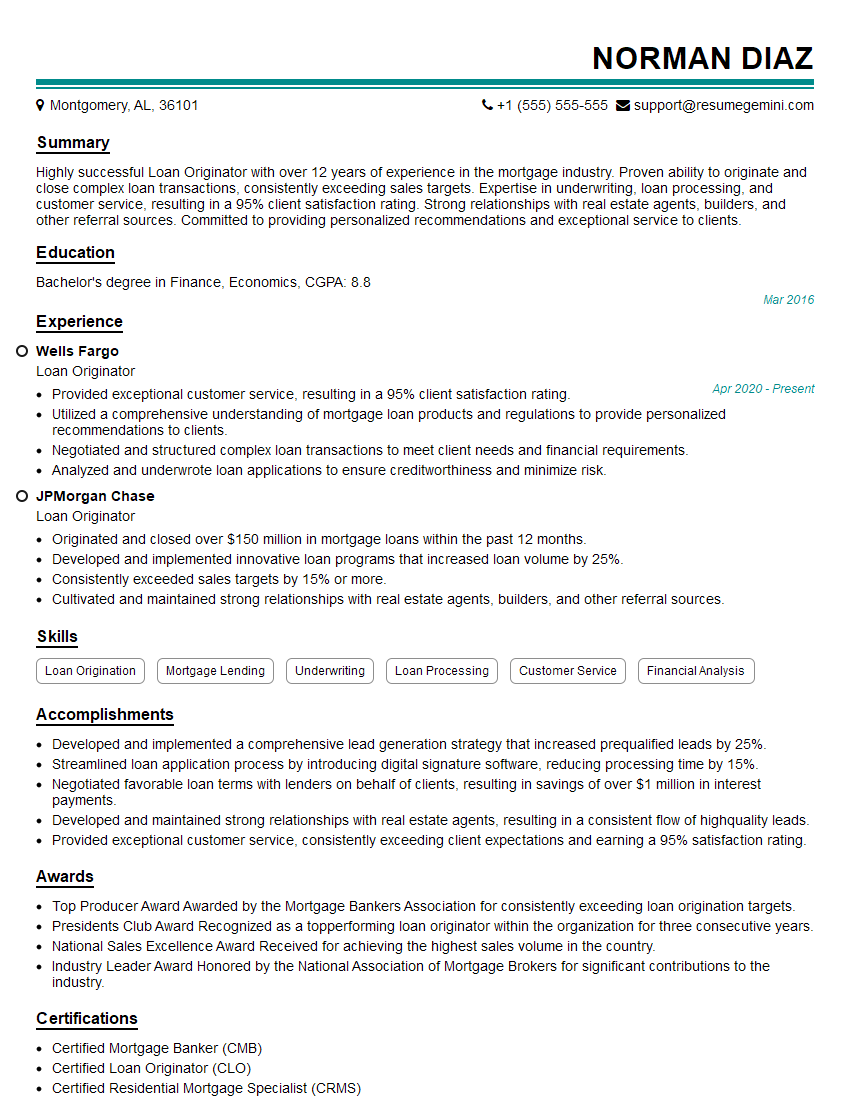
Loan Originator Resume Sample
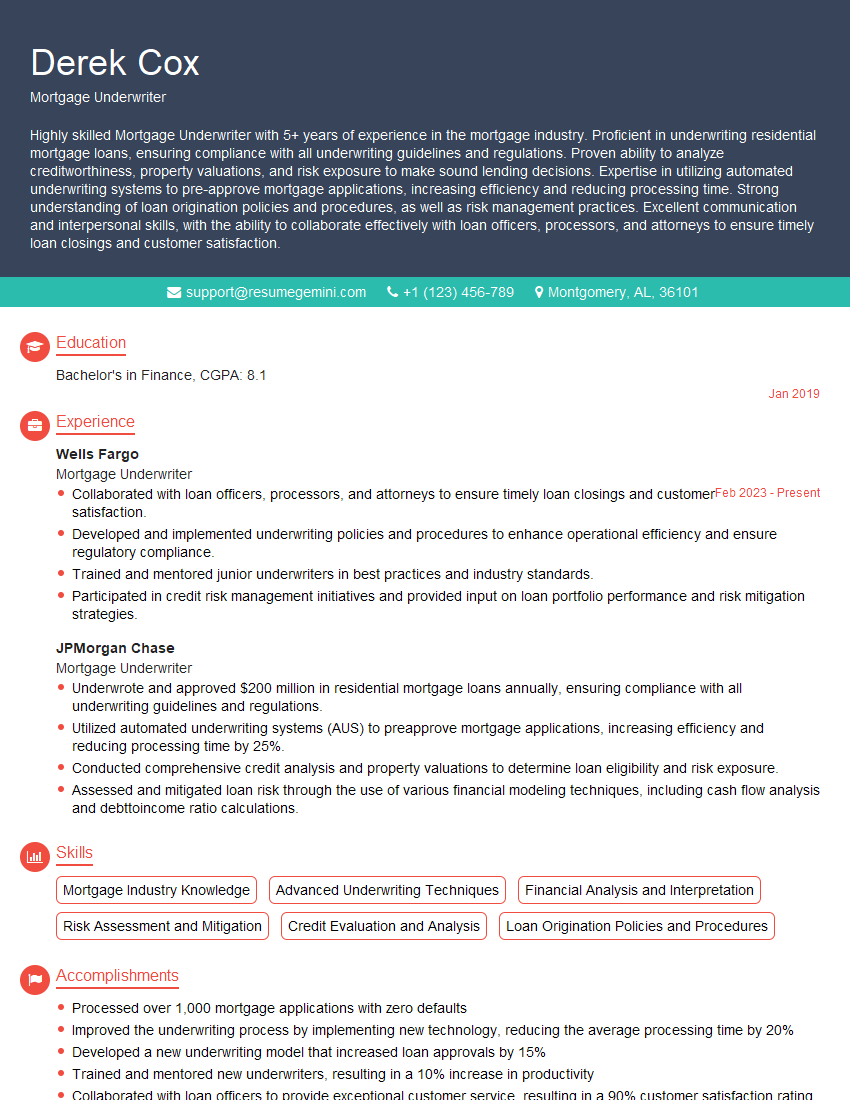
Mortgage Underwriter Resume Sample
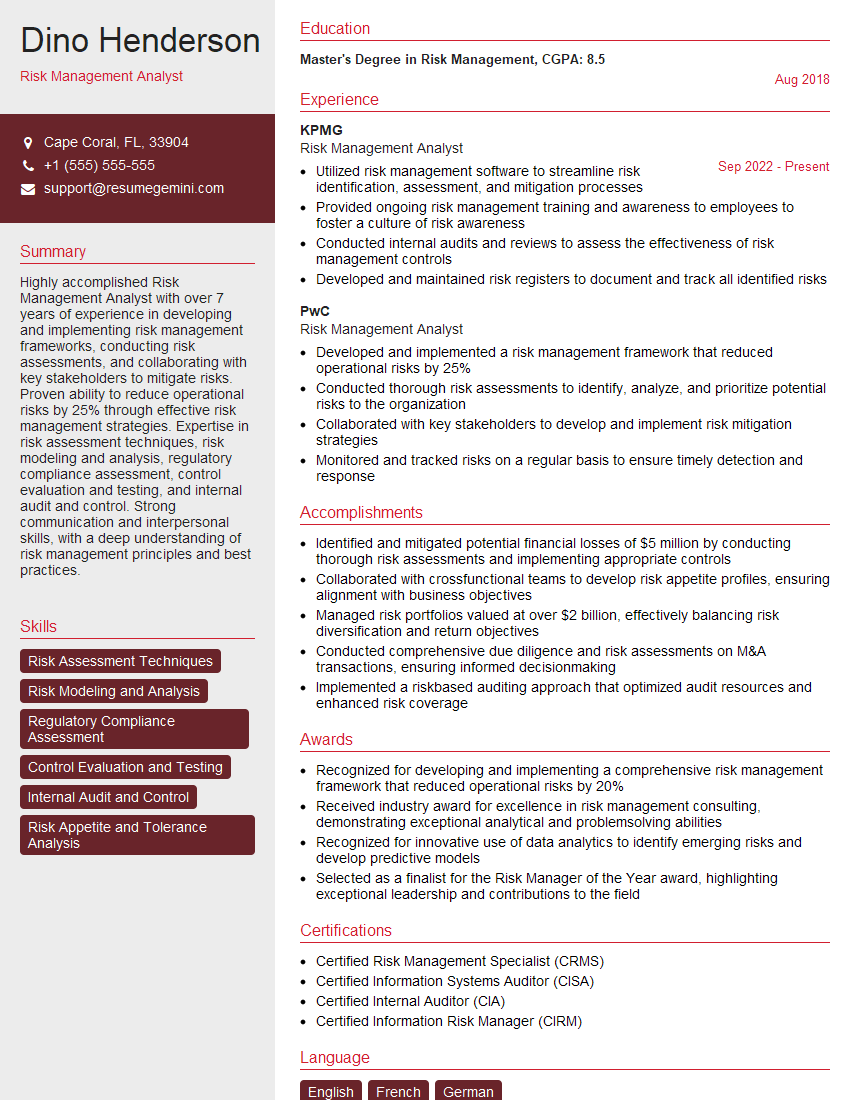
Risk Management Analyst Resume Sample
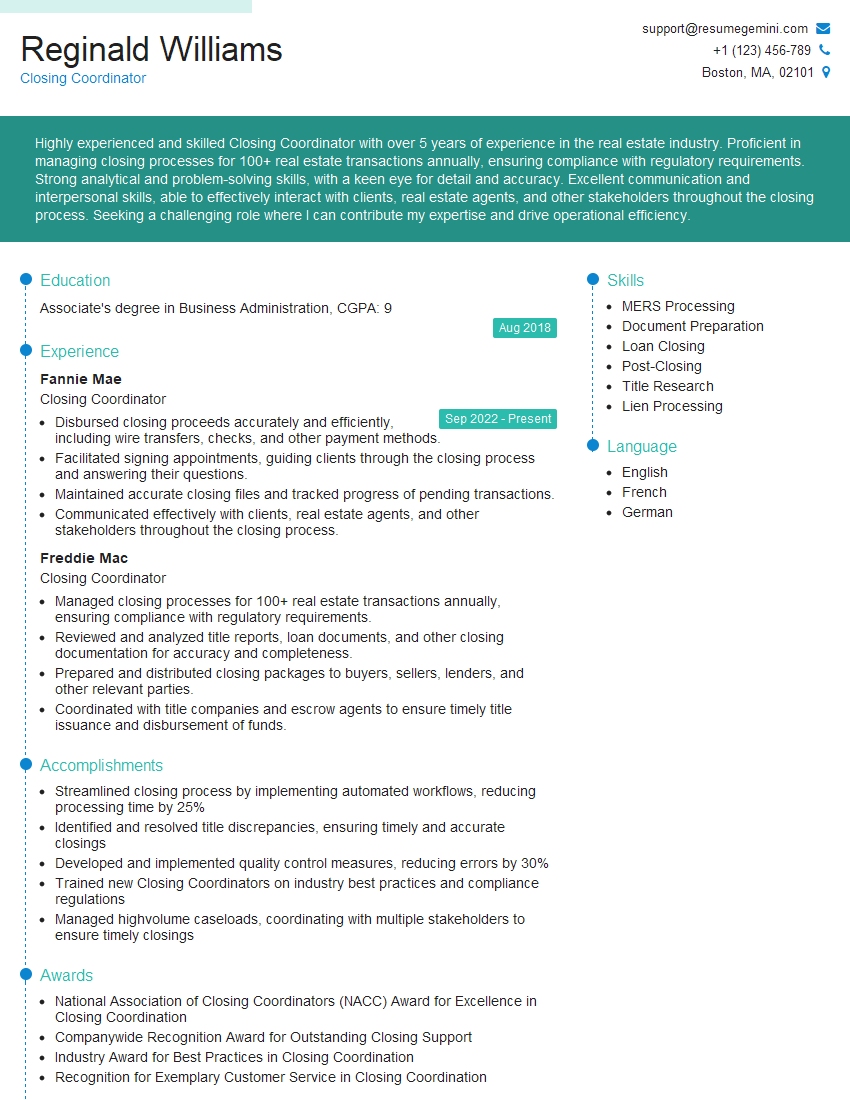
Closing Coordinator Resume Sample
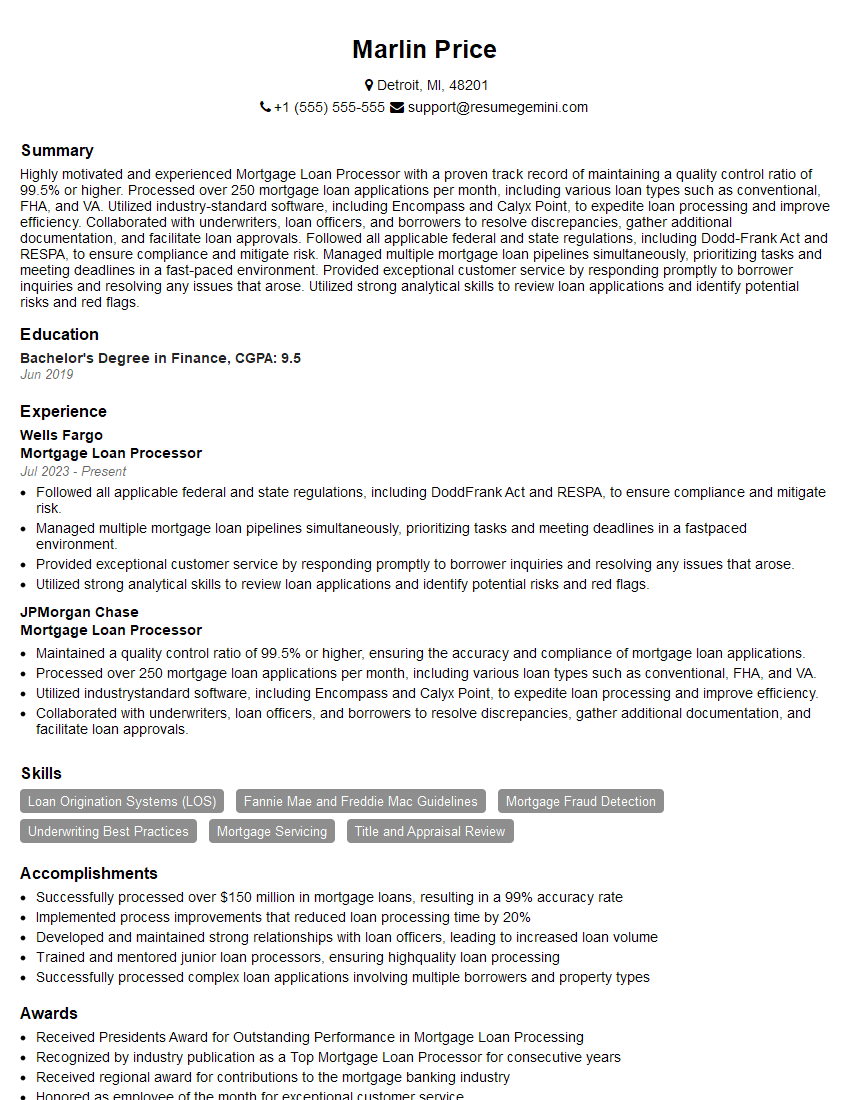
Mortgage Loan Processor Resume Sample
Explore more articles
Users Rating of Our Blogs
Share Your Experience
We value your feedback! Please rate our content and share your thoughts (optional).
What Readers Say About Our Blog
Really detailed insights and content, thank you for writing this detailed article.
IT gave me an insight and words to use and be able to think of examples