Are you ready to stand out in your next interview? Understanding and preparing for Faux Painting interview questions is a game-changer. In this blog, we’ve compiled key questions and expert advice to help you showcase your skills with confidence and precision. Let’s get started on your journey to acing the interview.
Questions Asked in Faux Painting Interview
Q 1. Describe your experience with different faux painting techniques (e.g., sponging, rag rolling, combing).
My experience with faux painting techniques is extensive, encompassing a wide range of methods. Sponging, for instance, involves dabbing a sea sponge into paint to create a textured, mottled effect, perfect for adding depth to walls or furniture. I often use this technique to mimic the look of aged stone or stucco. Rag rolling, achieved by rolling a crumpled cloth across a base coat of paint, produces a more organic, irregular pattern – ideal for creating a rustic or distressed look. I’ve used this successfully to achieve a charming, slightly worn appearance on kitchen cabinets. Combing, on the other hand, involves dragging a comb or similar tool through wet paint, creating linear patterns resembling wood grain or fabric. I’ve found combing particularly effective in creating elegant, sophisticated designs on accent walls.
Beyond these core techniques, I’m proficient in many others, including stippling (using a stiff brush to create small dots), color washing (applying diluted paint for a translucent effect), and dragging (applying paint with a textured tool to create swirling patterns). Each technique requires a different level of skill and provides unique aesthetic outcomes.
Q 2. What types of paint and materials are best suited for various faux finishes?
The choice of paint and materials significantly impacts the final faux finish. For most techniques, high-quality acrylic paints are preferred due to their versatility, ease of cleaning, and durability. Water-based acrylics are environmentally friendly and offer excellent adhesion to various surfaces. For specific finishes, however, other options might be better suited. For example, when aiming for a highly realistic marble effect, I often incorporate specialty paints designed to provide the necessary depth and translucency. These might include metallic paints for highlighting or glazing mediums to create subtle variations in color and sheen.
Beyond paint, the tools are equally crucial. Natural sea sponges offer a softer, more irregular texture compared to synthetic sponges. Different types of rags, from cheesecloth to old t-shirts, each yield distinct results. For combing, various tools can be utilized, from actual combs to specialized texturing tools, which allow for greater control over pattern and texture. The right brushes, rollers, and palette knives are also essential, and their choice depends on the desired effect and the scale of the project.
Q 3. How do you prepare a surface for faux painting?
Surface preparation is paramount for a successful faux finish. Think of it as laying a strong foundation for a beautiful house. A poorly prepared surface will compromise the adhesion and longevity of the paint, leading to chipping, peeling, or an uneven finish. My process always begins with cleaning the surface thoroughly to remove dust, dirt, grease, and any loose particles. This often involves washing with a suitable detergent, rinsing, and allowing it to dry completely.
Next, I assess the surface’s condition. If there are any imperfections like holes or cracks, I fill them with appropriate spackle or filler and sand them smooth once dry. This ensures a flawless base for the faux painting. For glossy surfaces, I lightly sand them to create a better bonding surface for the paint. Finally, I prime the surface with a high-quality primer to ensure even paint absorption and enhance the adhesion of the faux finish. The choice of primer depends on the existing surface, be it wood, drywall, or metal.
Q 4. Explain your process for creating a specific faux finish, such as marble or wood grain.
Let’s take creating a marble finish as an example. This involves a multi-step process requiring precision and patience. First, I apply a base coat of a light-colored paint, such as a soft cream or light grey. Once this dries, I begin applying several layers of darker veining colors – typically using shades of grey, brown, or green. I use a thin brush or a palette knife to create the characteristic swirling and veining patterns, working quickly to avoid hard edges. These layers are applied in a translucent manner, allowing the underlying base coat to peek through, creating depth and realism.
After the veining dries, I glaze the entire surface with a translucent glaze. This enhances the depth and creates subtle variations in tone. To enhance the realism, I might use a dry brushing technique with a very light color to highlight the raised areas of the veining and create a sense of light reflection. The final step often involves applying a protective sealant to ensure the durability of the marble finish and prevent yellowing over time. Creating a wood grain effect follows a similar approach, albeit with different coloring and texturing techniques, often incorporating combing or dragging to simulate wood grain patterns.
Q 5. How do you match existing faux finishes for repairs or touch-ups?
Matching existing faux finishes for repairs or touch-ups can be challenging, but with careful observation and a systematic approach, it’s achievable. I start by meticulously examining the existing finish to identify the colors and techniques used. This often involves taking high-resolution photos and samples if possible. Next, I try to recreate the colors as accurately as possible, employing color matching tools and my expertise in paint mixing. I might have to mix several shades to achieve a close replica.
Once the color is matched, I replicate the original painting technique as faithfully as possible. This might involve practicing on a sample board before working on the actual repair area. Blending the new paint seamlessly into the existing finish is crucial. I often use feathering techniques or glazing to create a soft transition between the old and the new, ensuring the repair isn’t obvious. The final step involves applying a clear sealant to ensure the longevity and consistency of the finish.
Q 6. What are the common challenges you encounter when applying faux finishes, and how do you overcome them?
Common challenges in applying faux finishes include achieving consistent color and texture across large areas, maintaining a smooth, even application, and preventing brush strokes or other imperfections from showing. Inconsistent application often occurs due to varying levels of paint absorption on the surface or uneven brush pressure. To address this, I always ensure proper surface preparation, and use appropriate techniques and tools to apply the paint evenly.
Another common problem is achieving realistic textures. This requires patience and practice. To overcome this, I start by practicing the technique on a sample board before applying it to the main surface. I also use various tools and techniques to create different textures and experiment until I achieve the desired effect. Finally, blending can be tricky, particularly with different colors. To create a seamless transition, I use feathering, glazing, or dry-brushing to gradually blend the colors, preventing harsh lines or noticeable patches.
Q 7. What safety precautions do you take when working with paints and other materials?
Safety is my top priority. When working with paints and other materials, I always ensure adequate ventilation to avoid inhaling fumes. I wear appropriate personal protective equipment (PPE), including gloves, eye protection, and a respirator, especially when working with solvent-based products or when spraying. I also work in a well-lit area to avoid accidents and ensure the safety of my workspace.
I always follow the manufacturer’s instructions for handling and disposal of paints and other materials. This includes proper storage of materials in a well-ventilated area, away from sources of ignition. All waste is disposed of according to local regulations and environmental guidelines. I take extra care in handling sharp tools such as palette knives, and ensure that the workspace is clean and tidy to minimize tripping hazards. Furthermore, I regularly review safety procedures to maintain best practice and prevent accidents.
Q 8. How do you determine the appropriate pricing for your faux painting services?
Pricing faux painting services requires a multifaceted approach. It’s not just about the square footage; it’s about the complexity of the design, the materials needed, and my experience level. I start by assessing the project. This includes a site visit to understand the surface area, the condition of the existing walls or surfaces, and most importantly, the client’s chosen design.
For simpler techniques like sponging or rag rolling, I might charge a per-square-foot rate. However, for more intricate designs like Venetian plaster or marbling, which demand more time, skill, and specialized materials, I’ll often provide a project-based quote. This quote considers factors such as the number of coats needed, the intricacy of the pattern, and the time required for preparation and cleanup. I always include a detailed breakdown of these costs in my proposal for total transparency with the client. For example, a simple sponging technique on a small room might cost around $X per square foot, while a full Venetian plaster application on a large space could be quoted at $Y per hour, based on the estimated labor time. I always factor in my overhead, including paint, tools, and travel expenses, ensuring profitability while maintaining competitive rates.
Q 9. Describe your experience with different paint application tools and techniques.
My toolbox is quite extensive! I’m proficient with a wide array of tools, each suited for different techniques. For example, for creating a subtle stippling effect, I might use a sea sponge or a specialized stippling brush. For achieving a more textured look, I rely on various types of rags, from cheesecloth to burlap, depending on the desired pattern. For creating precise lines or fine details, I utilize high-quality brushes with varying bristle thicknesses. I also use specialized tools like trowels and palette knives for techniques like Venetian plaster. Mastering these tools is as crucial as mastering the techniques themselves. I’ve found that the quality of the tool greatly impacts the final result. For instance, using a cheap brush can lead to uneven application and a less professional finish. Over the years, I’ve experimented extensively with different tools, always striving to find the perfect match for each technique and desired outcome. Recently I’ve been experimenting with some new foam rollers that have given me exceptional results on large areas.
Q 10. How do you handle customer requests or modifications during a project?
Open communication is key. I encourage my clients to share any modifications or requests at any point during the project. My process involves regular check-ins, allowing for adjustments based on client feedback. I believe in collaboration and view modifications not as disruptions, but as opportunities to refine the design and ensure client satisfaction. I’ll carefully assess the impact of any changes on the timeline and budget and will transparently discuss these implications with the client before proceeding. For example, if a client decides to add a significant design element halfway through, I’ll revisit the quote, adjusting the price and timeline accordingly. I document all changes and ensure mutual agreement before implementing them to avoid any misunderstandings later.
Q 11. How do you manage your time and resources effectively on a faux painting project?
Effective time and resource management is vital for successful faux painting projects. I utilize project management software to schedule tasks, track my progress, and manage materials. Before commencing a project, I create a detailed plan that outlines each step, from surface preparation to final finishing. This plan includes estimated timeframes for each phase, allowing for accurate project scheduling and efficient resource allocation. I’ve learned that meticulously prepping the surface saves considerable time and prevents rework later on. I also carefully measure and order paints to avoid delays caused by running out of materials. I constantly reassess the schedule and resources during the project, making adjustments as needed to ensure the project stays on track and within budget. Using a project management system allows for clear communication with my team and the client, which is crucial for a smooth workflow.
Q 12. How do you handle unexpected issues or problems that arise during a project?
Unexpected issues are inevitable. My approach involves proactive problem-solving and contingency planning. I always perform a thorough site assessment before starting any work to identify potential problems early on. For instance, I’ll check for wall imperfections or moisture issues that might affect the paint adhesion. If unexpected problems do arise, I maintain open communication with the client, providing them with realistic solutions and options to address the issue. I might need to adjust the timeline or budget, but transparency is crucial. For instance, if I discover significant damage to the wall behind the existing paint, I’ll immediately discuss the necessary repairs with the client before proceeding. I’ve found that a calm and professional approach, coupled with problem-solving expertise, helps overcome unexpected challenges and build strong client relationships.
Q 13. Describe your experience with color mixing and matching for faux finishes.
Color mixing is an art in itself! My experience spans a wide range of color palettes and techniques. I understand the principles of color theory – how different colors interact and create various effects – and I’m adept at achieving specific hues and shades using both pre-mixed paints and custom color formulations. I use a systematic approach, starting with understanding the client’s vision and translating that into a feasible color scheme. This often involves creating sample boards to test different combinations and ensure the final colors harmonize with the overall room décor. I might use a combination of base colors and glazes to achieve subtle variations in tone and texture. For example, I can use a darker base coat with a lighter glaze to create a beautiful distressed look, or I might layer different colors to create a marbleized effect. Digital color tools have also become very helpful to visualizing the end result before commiting to specific colors.
Q 14. What are your preferred methods for cleaning and maintaining faux finishes?
The cleaning and maintenance methods depend on the specific faux finish. For most finishes, regular dusting with a soft cloth or microfiber duster is sufficient. For more delicate finishes, I advise against harsh cleaning agents. A damp cloth can be used for gentle cleaning, but it’s crucial to avoid excessive moisture which can damage the finish. For tougher stains, I recommend using a mild soap solution and a soft sponge, always testing it on a small, inconspicuous area first. I always provide clients with post-project care instructions tailored to their specific finish, emphasizing the importance of gentle cleaning and avoiding abrasive cleaners. Preventive maintenance is also important, such as using protective coatings where appropriate to enhance the durability and longevity of the faux finish.
Q 15. How do you ensure the durability and longevity of your faux finishes?
Ensuring the durability and longevity of faux finishes relies heavily on proper surface preparation and the selection of high-quality materials. Think of it like building a house – a strong foundation is crucial. First, the surface must be clean, smooth, and properly primed. This prevents peeling and cracking later on. I always use a high-grade primer specifically designed for adhesion, depending on the substrate. For instance, oil-based primers offer superior adhesion on glossy surfaces. Then, I use multiple layers of high-quality paints and glazes, allowing each layer to dry completely before applying the next. This creates a robust, protective layer. Finally, a topcoat of a high-quality sealer, like a polyurethane varnish or a satin finish acrylic sealer is essential. This acts as a protective barrier against moisture, scratches, and general wear and tear. I often recommend semi-gloss or satin finishes for durability in high-traffic areas, while matte finishes might be more suitable for creating specific visual effects but might require more care.
For example, on a project involving a faux marble finish on a kitchen island, I used an oil-based primer to ensure optimal adhesion to the existing glossy surface, then applied three layers of color, each lightly sanded before the next application. This was followed by a final coat of high-quality polyurethane varnish for exceptional protection against the daily wear and tear of kitchen use.
Career Expert Tips:
- Ace those interviews! Prepare effectively by reviewing the Top 50 Most Common Interview Questions on ResumeGemini.
- Navigate your job search with confidence! Explore a wide range of Career Tips on ResumeGemini. Learn about common challenges and recommendations to overcome them.
- Craft the perfect resume! Master the Art of Resume Writing with ResumeGemini’s guide. Showcase your unique qualifications and achievements effectively.
- Don’t miss out on holiday savings! Build your dream resume with ResumeGemini’s ATS optimized templates.
Q 16. What are some common design trends in faux painting?
Current design trends in faux painting are moving towards more natural and organic looks. Think less about perfectly mimicking materials and more about evoking a feeling or atmosphere. We’re seeing a rise in textured finishes like rustic plaster, distressed wood, and stone effects. These techniques create depth and visual interest without being overly polished. Metallic finishes, particularly those with a slightly aged or antiqued look, remain popular, offering a touch of glamour. The colors themselves are often muted and earthy, drawing inspiration from nature. Think warm greys, soft greens, and deep blues. However, bolder pops of color are used strategically as accents, creating a sense of balance and visual appeal. Another prominent trend is incorporating faux finishes into larger design schemes, integrating them seamlessly with other elements to achieve a cohesive style. For example, a faux marble backsplash might be paired with natural wood cabinets and countertops.
Q 17. What types of surfaces have you successfully applied faux finishes to (e.g., drywall, wood, plaster)?
I’ve successfully applied faux finishes to a wide range of surfaces, including drywall, wood, plaster, concrete, and even metal. Each surface requires a slightly different approach to ensure proper adhesion and a beautiful finish. Drywall is a common and relatively easy surface; however, it requires a smooth finish before painting. Wood surfaces benefit from a good sanding to achieve the desired smoothness. Plaster can be quite porous, demanding a primer with excellent sealing qualities. Concrete often requires patching and sealing before the application of a faux finish. Metal surfaces usually require a specific primer designed for metal to ensure proper bonding. The key is to properly prepare the surface for the chosen technique. A thorough surface preparation is vital for achieving a flawless and long-lasting faux finish, regardless of the substrate.
Q 18. How do you create depth and dimension in your faux finishes?
Creating depth and dimension in faux finishes is where the artistry truly shines. It’s all about manipulating light and shadow. One key technique is layering different colors and shades. For instance, using darker shades in recesses and lighter ones on raised areas mimics the way light naturally falls on surfaces. Glazes are essential for adding depth. They are translucent paints that allow underlying colors to show through, creating subtle variations in tone. Dry brushing, a technique that involves using a brush with minimal paint to create a textured effect, is another effective approach. This highlights certain areas, drawing the eye and creating a sense of three-dimensionality. Sponging and stippling techniques, both involving dabbing motions, also offer textural and dimensional effects. The strategic use of highlighting and shadowing, often achieved through color layering and glazing, makes all the difference in creating realistic and visually compelling finishes.
Q 19. Explain your experience with different types of glazes and their applications.
My experience with glazes is extensive. I work with both water-based and oil-based glazes, each with its own characteristics. Water-based glazes are easier to clean up and dry faster, making them suitable for some projects. However, they can sometimes be less durable than oil-based glazes. Oil-based glazes offer a richer, more luminous effect and superior durability, but require solvents for cleanup. I select the type of glaze based on the project’s demands and desired aesthetic. The application varies based on the desired effect – a light wash with a rag for subtle effects or heavier application with a brush or sponge for a more textured look. The color of the glaze also plays a crucial role, ranging from transparent tints to highly pigmented options. The transparency and pigment level allow me to control how much of the underlying color shows through, creating a vast array of depth and texture. I often experiment with different glaze application techniques to achieve unique results. For example, I might use a rag to create a subtle, marbleized effect or a sponge to achieve a more textured, rustic look.
Q 20. How do you manage the workflow on large-scale faux painting projects?
Managing the workflow on large-scale projects involves meticulous planning and organization. Before starting, I create a detailed plan that outlines every step, from surface preparation to the final sealant. This includes material estimations, scheduling, and a breakdown of tasks for each team member. I use project management software to track progress, manage deadlines, and ensure efficient communication. Staging the project is key – completing one section at a time allows for effective work flow and prevents any areas from being disturbed once completed. We also prioritize surface preparation, ensuring that each area is properly cleaned, repaired, and primed before any faux painting begins. Regular communication with the client is essential to address concerns and adjust plans as needed, ensuring we are aligned with their vision and expectations throughout the project. This method ensures the smooth completion of even the most demanding projects, while maintaining a high standard of quality and meeting project deadlines.
Q 21. Describe your experience with various types of stencils and their use in faux painting.
Stencils are invaluable tools for creating consistent and detailed patterns in faux painting. I work with various types, including reusable plastic stencils, adhesive vinyl stencils, and even custom-made stencils for unique designs. Plastic stencils are durable and reusable, making them ideal for repeated patterns. Adhesive vinyl stencils are excellent for intricate designs that need precision and clean lines. Custom-made stencils offer endless possibilities for unique designs. The application technique varies based on the type of stencil and the desired effect. For example, I might use a dry brushing technique with a plastic stencil to create a subtle textured effect, or I might use a sponge with a vinyl stencil to apply paint more thickly. The key is to secure the stencil firmly to the surface to prevent paint bleeding, and to use the right amount of paint to avoid smudging or clogging the stencil. Proper stencil technique ensures crisp, clean lines and patterns, creating a professional-looking finish. I’ve used stencils to create everything from damask patterns to intricate floral motifs, adding sophistication and visual interest to countless projects.
Q 22. What are your strengths and weaknesses in faux painting?
My greatest strength in faux painting lies in my ability to meticulously replicate various textures and finishes. I’ve mastered techniques ranging from the subtle elegance of Venetian plaster to the dramatic impact of rag rolling and sponging. I excel at color mixing and blending, ensuring a seamless and realistic final product. For example, I recently recreated a stunning antique marble effect for a client’s fireplace mantel, perfectly matching the existing stonework in the room. My weakness, if I had to pinpoint one, would be project management when dealing with unusually large and complex projects requiring multiple teams. I’m actively working on improving my delegation and oversight skills to address this, focusing on clearer communication and more detailed planning stages.
Q 23. How do you stay updated on the latest trends and techniques in faux painting?
Staying current in this dynamic field requires a multi-pronged approach. I regularly subscribe to industry magazines like Paint Pro and Fine Homebuilding, and attend workshops and seminars offered by leading faux painting instructors. Online resources, like instructional videos on YouTube and dedicated faux painting forums, are also invaluable. Furthermore, I actively network with other professionals, attending industry events to share techniques and learn from their experiences. This keeps me abreast of new products, like innovative paints and glazes, and the emerging trends in color palettes and finishes. For instance, I recently learned a new stencilling technique using a digital projector to create incredibly precise and complex patterns.
Q 24. Describe a time you had to troubleshoot a problem during a faux painting project.
During a project involving a faux bois (faux wood) finish on a large entryway wall, I encountered a problem with the base coat. It was drying too quickly, leading to inconsistent absorption of the subsequent layers and a blotchy finish. I immediately stopped work and analyzed the situation. The issue was caused by the high temperature and low humidity in the room. My solution was three-fold: I first adjusted the room’s environment by using a humidifier to increase the humidity. Then I switched to a slower-drying base coat specifically designed for this type of application. Finally, I adjusted my application technique, working in smaller sections and applying thinner coats to ensure proper absorption. This methodical approach allowed me to salvage the project and deliver a flawless finish.
Q 25. How do you communicate effectively with clients about their faux painting project?
Effective communication is crucial. I begin every project with a detailed consultation, carefully listening to the client’s vision, discussing their preferences regarding color, texture, and style. I provide samples and mock-ups whenever possible, showing them various options and clarifying how different techniques will appear in their space. I use visual aids, like paint charts and photos of past projects, to facilitate communication. I maintain open and honest communication throughout the project, keeping them updated on progress and addressing any concerns promptly. Clear, concise written contracts outlining the scope of work, timeline, and payment schedule are also essential to avoid misunderstandings.
Q 26. What is your approach to quality control in faux painting?
My quality control process begins long before the brush ever touches the wall. I meticulously prepare the surface, ensuring it’s clean, smooth, and properly primed. I use high-quality paints and materials, carefully following manufacturer’s instructions. Throughout the painting process, I regularly inspect my work, ensuring even application and checking for imperfections. I pay close attention to detail, frequently stepping back to assess the overall look and feel. Once complete, I perform a final walk-through with the client, addressing any minor adjustments needed. I stand by the quality of my work and always strive for perfection.
Q 27. How do you ensure client satisfaction throughout the faux painting process?
Client satisfaction is my ultimate goal. It’s achieved through proactive communication, meticulous attention to detail, and a commitment to exceeding expectations. This begins with a thorough initial consultation to establish a clear understanding of their needs and desires. I provide regular updates throughout the project and am always responsive to their questions or concerns. After project completion, I follow up to ensure their ongoing satisfaction and invite feedback, using it to continuously improve my services. This approach has resulted in many repeat clients and positive word-of-mouth referrals.
Q 28. Describe your experience working with different types of clients and their varied needs.
I’ve worked with a diverse clientele, from homeowners looking to refresh their living spaces to interior designers working on high-end commercial projects. Some clients are very decisive, knowing exactly what they want, while others need more guidance and direction. I adapt my approach to each individual, offering suggestions and providing support while always respecting their vision. For instance, I recently collaborated with a designer on a boutique hotel, creating a unique distressed wood effect in the lobby, and separately helped a young couple choose the perfect color scheme and faux finish for their nursery. My ability to tailor my services and communication style to each client’s needs is a key factor in my success.
Key Topics to Learn for Your Faux Painting Interview
- Understanding Different Faux Painting Techniques: From sponging and ragging to combing and stenciling, mastering various techniques is crucial. Be prepared to discuss the nuances of each and when they’re most appropriately applied.
- Material Knowledge and Application: Demonstrate your expertise in selecting the right paints, primers, and sealants for different surfaces and desired finishes. Discuss practical considerations like paint consistency, layering techniques, and achieving desired textures.
- Surface Preparation and Assessment: Explain your approach to preparing various surfaces (wood, drywall, plaster, etc.) for faux painting. Highlight your ability to identify and address potential problems like cracks, uneven surfaces, or existing paint issues.
- Color Theory and Mixing: Show your understanding of color harmony, mixing techniques, and creating custom colors to achieve specific effects. Be ready to discuss how you would match a color sample or create a unique design.
- Project Management and Client Communication: Discuss your experience in estimating project timelines, managing budgets, and effectively communicating with clients about expectations, timelines, and potential challenges.
- Troubleshooting and Problem Solving: Be prepared to discuss how you handle common issues such as uneven application, color inconsistencies, or unexpected surface reactions. Show your ability to adapt and find solutions on the job.
- Health and Safety: Demonstrate your knowledge of proper safety procedures, including ventilation, handling of materials, and disposal of waste products.
Next Steps
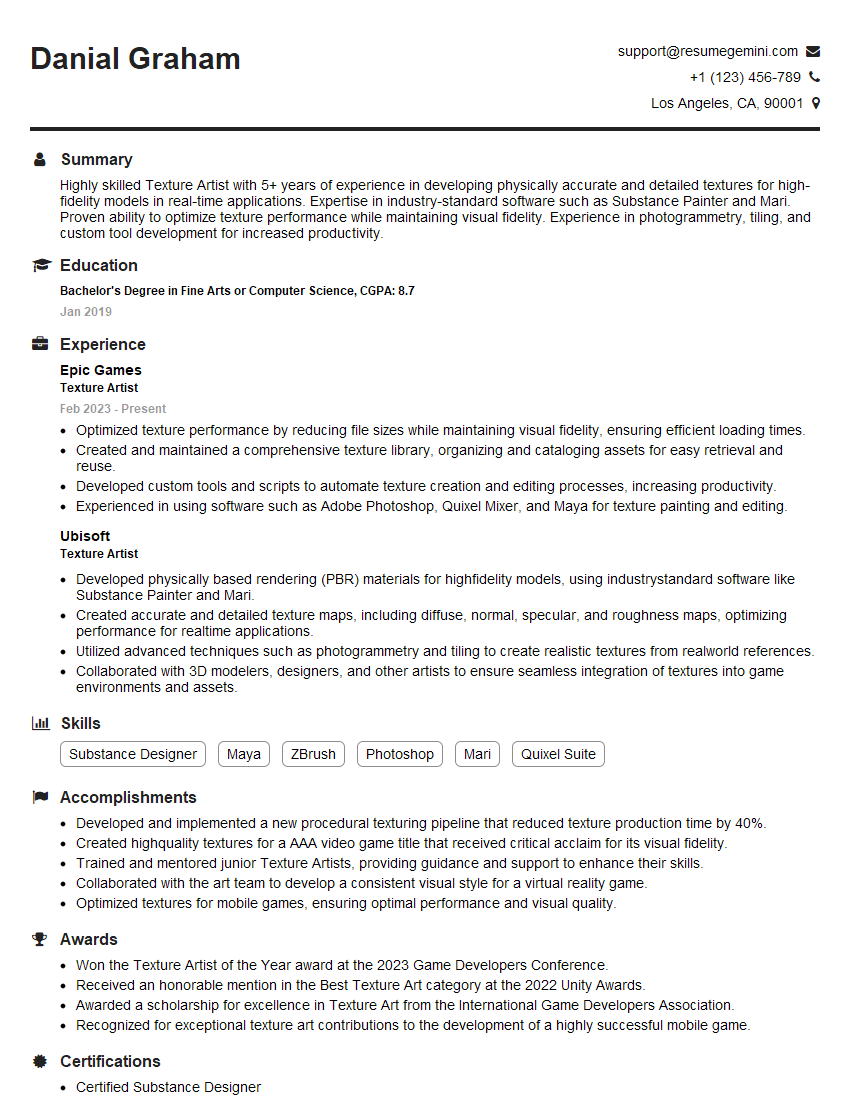
Mastering faux painting opens doors to exciting career opportunities, from freelance work to roles in interior design firms and construction companies. To maximize your chances of landing your dream job, crafting an ATS-friendly resume is paramount. This ensures your application gets noticed by recruiters and hiring managers. Use ResumeGemini to build a professional, impactful resume that highlights your skills and experience effectively. ResumeGemini offers examples of resumes tailored to the faux painting industry to guide you through the process.
Explore more articles
Users Rating of Our Blogs
Share Your Experience
We value your feedback! Please rate our content and share your thoughts (optional).
What Readers Say About Our Blog
Really detailed insights and content, thank you for writing this detailed article.
IT gave me an insight and words to use and be able to think of examples