The thought of an interview can be nerve-wracking, but the right preparation can make all the difference. Explore this comprehensive guide to Field Equipment Calibration and Maintenance interview questions and gain the confidence you need to showcase your abilities and secure the role.
Questions Asked in Field Equipment Calibration and Maintenance Interview
Q 1. Explain the importance of equipment calibration in ensuring accurate measurements.
Accurate measurements are the cornerstone of reliable data in any field. Equipment calibration ensures that the instruments used to gather this data are functioning within their specified tolerances. Think of it like regularly tuning a musical instrument – without it, the music produced would be off-key and unreliable. Inaccurate measurements can lead to faulty analysis, incorrect decisions, and even safety hazards. For instance, in construction, an improperly calibrated level could lead to structural instability, while in medicine, an inaccurate blood pressure monitor could result in misdiagnosis.
Calibration involves comparing the instrument’s readings to a known standard. This process verifies accuracy and identifies any discrepancies. By regularly calibrating our equipment, we guarantee that the data collected is trustworthy and supports sound decision-making. Without this vital step, the entire process of measurement becomes unreliable.
Q 2. Describe the different types of calibration methods you are familiar with.
There are several calibration methods, each suited to different equipment and accuracy requirements. These methods are primarily categorized based on the nature of the calibration standard and how the comparison is conducted.
- Direct Comparison: This involves comparing the instrument’s reading directly to a known standard. For example, comparing a pressure gauge to a calibrated pressure standard.
- Calibration using a secondary standard:This method uses a secondary standard previously calibrated against a primary standard. This approach is common where the primary standard isn’t feasible for frequent use in field settings. For example, using a calibrated thermometer to verify another thermometer.
- Comparison Calibration: This involves comparing the instrument’s readings to the readings of another instrument that has been recently calibrated. It is a practical method for use in the field.
- In-situ Calibration: This is conducted in the instrument’s operating environment and verifies its performance under real-world conditions. This often involves using a reference standard in the same conditions as the instrument being calibrated. A prime example is calibrating a flow meter while connected to an active pipeline.
- Multi-point Calibration: This method involves calibrating at multiple points across the instrument’s operating range, providing a more comprehensive assessment of accuracy than a single-point calibration.
The choice of method depends on factors such as the required accuracy, the type of equipment, and the available resources.
Q 3. How do you identify and troubleshoot equipment malfunctions?
Troubleshooting equipment malfunctions starts with a systematic approach. I begin by reviewing the instrument’s operating manual and troubleshooting guides. A visual inspection often reveals obvious problems such as loose connections, damaged cables, or physical obstructions. I then check for power issues and verify the instrument’s settings.
For example, if a data logger is not recording data, I would first check the battery level and power connections. If the problem persists, I might examine the data storage and communication settings. If the problem is not easily identifiable, using a calibrated test equipment such as a multimeter to check the voltage or continuity of the equipment could be necessary.
If the visual inspection and basic checks don’t pinpoint the problem, I might use more advanced diagnostic tools specific to the equipment to isolate the faulty component and replace it. Keeping detailed logs of all troubleshooting steps is crucial for efficient repair and preventing future issues. Often, the solution is straightforward; sometimes, further investigation or expert assistance is required.
Q 4. What are the common causes of equipment drift and how can they be mitigated?
Equipment drift, the gradual change in an instrument’s readings over time, can stem from several causes:
- Environmental Factors: Temperature fluctuations, humidity, and pressure changes can all affect instrument accuracy.
- Component Aging: The natural wear and tear on internal components like sensors, resistors, and capacitors can lead to drift.
- Mechanical Wear: Moving parts can wear down, leading to inaccuracies. For example, a worn gear in an analog meter.
- Power Supply Variations: Unstable power supply can lead to erratic behavior and drift.
Mitigation strategies include:
- Regular Calibration: This is the most effective way to detect and correct drift.
- Environmental Control: Maintaining a stable operating environment helps to minimize drift caused by external factors.
- Proper Storage: Correct storage conditions help prolong the life of components and reduce wear.
- Preventative Maintenance: Regularly scheduled maintenance, such as cleaning and lubrication, reduces mechanical wear.
- Using Stable Power Sources: Using regulated power supplies minimizes power-related drift.
Q 5. Explain the concept of traceability in calibration.
Traceability in calibration is crucial for ensuring the reliability of measurement results. It’s the ability to link a calibration result back to national or international measurement standards. Think of it as a chain of custody for measurements – each link represents a calibration step, and the chain ultimately leads back to a recognized standard. This ensures everyone is using the same ‘yardstick’. For example, a thermometer calibrated in a laboratory that is itself accredited by a national metrology institute.
Without traceability, the accuracy of the calibration is questionable. Traceability provides confidence that the measurement results are consistent and comparable across different locations and laboratories. A well-documented traceability chain ensures that everyone involved understands the history of calibrations and the uncertainty associated with each step.
Q 6. How do you ensure the accuracy and reliability of calibration results?
Ensuring the accuracy and reliability of calibration results requires attention to several factors:
- Using calibrated standards: The calibration standards must themselves be traceable to national or international standards and have a known uncertainty.
- Proper calibration procedures: Following established calibration procedures ensures consistency and minimizes errors. This includes carefully documenting every step.
- Qualified personnel: The calibration must be performed by trained and competent personnel who understand the equipment and the calibration procedures.
- Environmental control: Controlling environmental factors like temperature and humidity helps to reduce measurement uncertainty.
- Regular equipment maintenance: Keeping equipment in good condition ensures accurate calibration.
- Using appropriate measurement equipment: Calibration should be done using a standard with a greater accuracy than the equipment being calibrated.
- Statistical analysis: Analyzing data from calibration to validate the results and identify any outlier readings.
By meticulously addressing these points, we maintain confidence in the accuracy and reliability of the calibration results, forming the basis for reliable data acquisition and decision-making.
Q 7. What safety precautions do you take when working with field equipment?
Safety is paramount when working with field equipment. The specific precautions vary depending on the type of equipment but generally include:
- Personal Protective Equipment (PPE): This might include safety glasses, gloves, hearing protection, and steel-toe boots, depending on the equipment and the environment.
- Lockout/Tagout procedures: For equipment with electrical or mechanical hazards, lockout/tagout procedures must be strictly followed to prevent accidental activation.
- Proper grounding: To prevent electrical shock, equipment should be properly grounded, particularly in damp or wet conditions.
- Environmental awareness: Be aware of potential environmental hazards, such as hazardous materials, extreme temperatures, and uneven terrain.
- Following manufacturer’s instructions: Always consult and follow the manufacturer’s instructions for safe operation and maintenance.
- Safe handling procedures: Follow appropriate lifting and handling techniques to prevent injuries when dealing with heavy equipment.
- Emergency response plan: Be aware of emergency procedures and have the necessary communication equipment available in case of emergencies.
Prioritizing safety prevents accidents and ensures a safe working environment for everyone.
Q 8. Describe your experience with different types of calibration equipment.
My experience encompasses a wide range of calibration equipment, from simple hand-held instruments like multimeters and thermometers to sophisticated automated systems used for pressure, flow, and temperature calibration. I’m proficient with calibration standards traceable to national metrology institutes (NMIs), ensuring the highest accuracy. For example, I’ve extensively used Fluke calibrators for electrical measurements, and Druck pressure calibrators for verifying the accuracy of pressure gauges and transmitters in various industrial settings. I also have experience with specialized equipment like laser interferometers for precision length measurements and spectral analyzers for RF signal calibration. This diverse experience allows me to effectively assess and calibrate equipment across various industries and applications.
Q 9. How do you maintain accurate calibration records and documentation?
Maintaining accurate calibration records is paramount. We utilize a computerized maintenance management system (CMMS) to track all calibration activities. Each calibration generates a detailed report containing the equipment’s identification, calibration date, results, any necessary adjustments, and the technician’s signature. These reports are stored electronically, ensuring data security and easy accessibility. We also employ a barcoding system to identify equipment and streamline data entry. Furthermore, we adhere to strict procedures for record retention, complying with industry regulations and internal policies, ensuring traceability and regulatory compliance. A comprehensive audit trail is maintained for each piece of equipment, making it easy to review its calibration history.
Q 10. How do you handle discrepancies between calibration results and expected values?
Discrepancies between calibration results and expected values require a systematic investigation. First, we verify the calibration procedure and ensure the equipment used for calibration is itself properly calibrated and functioning within its tolerance. We then check the instrument being calibrated for any signs of damage or misuse. For example, a significant drift in a temperature sensor might indicate a faulty element, and we will document this and implement corrective action. If the discrepancy persists, we investigate potential environmental factors such as temperature fluctuations or electromagnetic interference. A thorough root cause analysis is conducted to identify the source of the error, and corrective actions are documented and implemented. If necessary, the equipment might be repaired or replaced, and all findings are meticulously recorded in the calibration report.
Q 11. What are the different types of maintenance procedures you are familiar with?
My experience covers a broad spectrum of maintenance procedures, including preventative maintenance (PM), corrective maintenance (CM), predictive maintenance (PdM), and breakdown maintenance. Preventative maintenance includes routine inspections, cleaning, lubrication, and adjustments according to the manufacturer’s recommendations. Corrective maintenance addresses equipment failures, including troubleshooting, repair, and replacement of components. Predictive maintenance employs techniques like vibration analysis and thermal imaging to predict potential failures before they occur. Breakdown maintenance, while less desirable, addresses failures after they occur. I’m also familiar with calibration-related maintenance, ensuring the accuracy of test and measuring equipment used for both PM and CM tasks.
Q 12. Explain the difference between preventive and corrective maintenance.
Preventive maintenance (PM) is proactive; it aims to prevent equipment failures before they happen by performing regular inspections and maintenance tasks. Think of it as a regular health check-up. Corrective maintenance (CM), on the other hand, is reactive; it addresses failures after they occur. It’s like going to the doctor after you’ve already fallen ill. PM is cost-effective in the long run by minimizing downtime and unexpected repairs, whereas CM can be expensive and disruptive to operations. For example, regularly lubricating a pump (PM) prevents bearing failure (CM) which would lead to costly repairs and production downtime.
Q 13. How do you prioritize maintenance tasks based on equipment criticality?
Prioritizing maintenance tasks based on equipment criticality is crucial. We use a risk-based approach, considering factors like the equipment’s function, its impact on production, safety implications, and the potential cost of failure. Critical equipment, such as safety interlocks or crucial production machinery, receives higher priority and more frequent maintenance. We utilize a CMMS which allows us to assign risk scores to each piece of equipment and schedule maintenance tasks accordingly, ensuring that the most critical systems are maintained to prevent major disruptions. This often involves using a criticality matrix that weighs these factors, enabling data-driven decision-making.
Q 14. How do you develop and implement a preventive maintenance plan?
Developing a preventive maintenance (PM) plan involves a structured process. First, we conduct a thorough equipment inventory, identifying all assets and their specifications. Then, we review manufacturer’s recommendations and industry best practices to determine appropriate maintenance intervals and procedures. Next, we create a schedule outlining the tasks, frequency, and responsible personnel. This schedule is often integrated into our CMMS, providing automated reminders and notifications. The plan should also include a system for tracking maintenance activities, spare parts inventory management, and performance metrics to monitor the effectiveness of the PM program. Regular review and adjustment are essential to optimize the plan’s efficiency and effectiveness based on operational needs and feedback.
Q 15. Describe your experience with using Computerized Maintenance Management Systems (CMMS).
Computerized Maintenance Management Systems (CMMS) are software solutions that streamline maintenance operations. My experience spans over eight years, working with various CMMS platforms including UpKeep, Fiix, and IBM Maximo. I’ve used these systems to schedule preventative maintenance, track work orders, manage inventory, and analyze maintenance data. For example, in a previous role, we implemented UpKeep to manage the maintenance of over 500 pieces of field equipment. This significantly improved our efficiency by automating work order generation, reducing downtime, and providing real-time visibility into the status of each asset. I’m proficient in using CMMS to generate reports on equipment performance, identifying trends and patterns to predict potential failures and optimize maintenance schedules. This proactive approach reduced our unplanned downtime by 15% within the first year of implementation.
Career Expert Tips:
- Ace those interviews! Prepare effectively by reviewing the Top 50 Most Common Interview Questions on ResumeGemini.
- Navigate your job search with confidence! Explore a wide range of Career Tips on ResumeGemini. Learn about common challenges and recommendations to overcome them.
- Craft the perfect resume! Master the Art of Resume Writing with ResumeGemini’s guide. Showcase your unique qualifications and achievements effectively.
- Don’t miss out on holiday savings! Build your dream resume with ResumeGemini’s ATS optimized templates.
Q 16. How do you manage parts inventory for equipment maintenance?
Managing parts inventory effectively is crucial for minimizing downtime and maintaining operational efficiency. My approach involves a combination of techniques, starting with a thorough understanding of the equipment we maintain. This means identifying critical parts, analyzing historical usage data to predict demand, and establishing minimum and maximum stock levels for each part. We use a combination of methods: a CMMS to track inventory levels in real-time, barcode scanning for efficient stock control, and a robust procurement process to ensure timely replenishment of stock. In a recent project, I implemented a ‘Just-in-Time’ inventory system for frequently used parts, reducing our overall inventory holding costs by 10% while maintaining sufficient stock levels to meet demand. Regularly reviewing inventory levels and analyzing consumption data helps identify obsolete parts and reduce storage costs.
Q 17. How do you communicate technical information to non-technical personnel?
Communicating complex technical information to non-technical personnel requires clear, concise, and visual communication. I avoid using jargon and technical terms whenever possible, instead opting for plain language and analogies. For example, explaining the functionality of a pressure sensor by comparing it to a blood pressure monitor is easily understood. I often use visuals like diagrams, charts, and photos to illustrate complex concepts. In my experience, creating simple, step-by-step instructions or checklists can be incredibly effective, and I consistently prioritize active listening and open communication to ensure understanding and address any questions or concerns.
Q 18. What is your experience with various diagnostic tools used in equipment troubleshooting?
My experience with diagnostic tools is extensive. I’m proficient in using multimeters (both digital and analog), oscilloscopes, infrared cameras, and specialized diagnostic software specific to different equipment types. For instance, when troubleshooting a malfunctioning control system, I’ll use an oscilloscope to analyze signal waveforms to identify anomalies in the system’s behavior. Infrared cameras help identify overheating components which can pinpoint electrical problems or mechanical failures before they escalate. I’m also experienced in using manufacturer-specific diagnostic software which provides detailed error codes and facilitates data logging for further analysis. A recent case involved diagnosing a faulty motor using these tools. By systematically checking the motor’s winding resistance, voltage levels and observing temperature changes, I was able to quickly identify the root cause and plan appropriate repairs.
Q 19. Describe your experience with different types of sensors and transducers.
I have extensive experience working with various sensors and transducers, including pressure sensors (both piezoelectric and capacitive), temperature sensors (thermocouples, RTDs, and thermistors), flow sensors (rotameters, ultrasonic, and magnetic flow meters), and level sensors (ultrasonic, capacitive, and float switches). I understand the principles of operation, calibration techniques, and limitations of each sensor type. For example, understanding the difference between a thermocouple and an RTD is crucial when selecting the appropriate sensor for a given application; thermocouples are inexpensive but less accurate, while RTDs provide better accuracy but are more costly. Knowing these differences helps optimize selection and achieve accurate measurements.
Q 20. How do you ensure compliance with relevant safety regulations and standards?
Ensuring compliance with safety regulations and standards is paramount. I’m familiar with OSHA regulations, NEC codes, and other relevant industry-specific standards. This includes adhering to lockout/tagout procedures, using appropriate personal protective equipment (PPE), performing regular safety inspections of equipment and work areas, and maintaining detailed records of all safety-related activities. We conduct regular training for our technicians on safety protocols and update our procedures as needed to reflect any changes in regulations or best practices. Proactive safety measures, such as implementing regular equipment inspections and training programs, have helped maintain a strong safety record, preventing accidents and protecting our team.
Q 21. What is your experience with Root Cause Analysis (RCA)?
Root Cause Analysis (RCA) is a crucial process for identifying the underlying causes of equipment failures and preventing their recurrence. I’m proficient in various RCA methodologies, including the ‘5 Whys’ technique, fault tree analysis, and fishbone diagrams. My approach usually involves gathering data from multiple sources, including maintenance logs, operator reports, and inspection findings. For instance, using the ‘5 Whys’ method to investigate a pump failure might lead to uncovering a deeper issue like insufficient lubrication, eventually tracing back to a lack of preventative maintenance. By identifying the root cause, we can implement effective corrective actions that prevent similar failures in the future, saving time, money, and improving overall equipment reliability.
Q 22. Explain your experience with different types of electronic and mechanical equipment.
Throughout my career, I’ve worked extensively with a wide range of electronic and mechanical field equipment. My experience encompasses everything from precision surveying instruments like total stations and GPS receivers to more robust machinery such as drilling rigs and pump systems. With electronic equipment, I’m proficient in troubleshooting issues related to circuitry, sensors, data acquisition systems, and software integrations. Think of diagnosing a malfunctioning GPS receiver – I can pinpoint the problem, whether it’s a faulty antenna, a software glitch, or a problem with the internal power supply. For mechanical equipment, I’m skilled in hydraulics, pneumatics, and understanding the intricate interplay of moving parts. For instance, I’ve diagnosed and repaired issues in drilling rigs, identifying problems like worn bearings, hydraulic leaks, or problems with the engine’s lubrication system. This involves a thorough understanding of mechanical drawings, schematics, and maintenance manuals.
- Electronic Equipment Examples: Total stations, GPS receivers, data loggers, electronic level sensors.
- Mechanical Equipment Examples: Pumps, compressors, generators, drilling rigs, construction equipment.
Q 23. How do you handle emergency equipment repairs?
Emergency equipment repairs require a rapid, systematic approach focused on safety and efficiency. My first priority is always safety – securing the area, ensuring power is isolated if necessary, and assessing any immediate hazards. Then, I follow a structured troubleshooting process. I start by identifying the critical failure and its immediate impact. For instance, if a critical pump in a water treatment plant fails, the immediate impact is the disruption of water supply. I then use my knowledge and diagnostic tools to isolate the problem. This might involve checking fuses, inspecting wiring, or assessing mechanical components. Once the problem is identified, I prioritize the repair based on the urgency and available resources. Sometimes a temporary fix is needed to restore functionality until a permanent repair can be made. Accurate documentation of the emergency repair, including causes, actions taken, and parts used, is crucial for record-keeping and future preventative maintenance.
For example, during a nighttime emergency at an oil refinery, a critical valve failed. By rapidly assessing the situation and using infrared cameras to identify a heat signature indicating a leak, I was able to isolate the problem and implement a temporary solution to avoid a major shutdown, while ordering the necessary replacement parts for a permanent repair.
Q 24. Describe your proficiency in using relevant software for equipment maintenance and calibration.
I’m proficient in several software applications commonly used for equipment maintenance and calibration. This includes Computerized Maintenance Management Systems (CMMS) like Maximo or SAP PM, which I use for scheduling preventative maintenance, tracking repairs, and managing inventory. I also use calibration software packages to manage and track calibration certifications, generate reports, and ensure compliance with relevant standards. Experience with data analysis software like Excel or specialized statistical software is also critical for analyzing equipment performance data to identify trends and predict potential failures. My experience extends to using specialized software related to specific types of equipment; for example, software used for programming Programmable Logic Controllers (PLCs) or configuring sensor networks. I’m comfortable navigating and utilizing these tools to ensure efficiency and accuracy in my work.
Q 25. How do you stay updated on the latest technologies and advancements in field equipment maintenance?
Staying current with advancements in field equipment maintenance is crucial. I actively participate in professional organizations like [mention relevant organizations], attend industry conferences and webinars, and read technical journals and publications. Online resources, manufacturer websites, and training courses offer valuable insights into the latest technologies and best practices. I also actively engage with colleagues and other professionals through networking to learn about new tools, techniques, and challenges in the field. It’s also important to stay updated on relevant safety regulations and industry standards. For instance, keeping up with the latest developments in drone technology for inspections or the implementation of new sensor technologies for predictive maintenance is vital. This continuous learning ensures I can provide the most effective and up-to-date maintenance and calibration services.
Q 26. Describe a time you successfully solved a complex equipment malfunction.
During a project involving a complex surveying instrument, a total station, we encountered an issue where the instrument was producing inaccurate readings. After initial troubleshooting failed, I systematically examined each component, starting with the power supply, moving to the internal electronics, and then finally checking the alignment of the optical system. The issue turned out to be a very minute misalignment of the internal mirrors, invisible to the naked eye. By using a specialized alignment tool and applying precision adjustments, I restored the instrument’s accuracy. This involved a meticulous process and a strong understanding of the instrument’s inner workings. Successfully resolving this complex issue underscored the importance of systematic troubleshooting and a deep understanding of the equipment’s mechanics and electronics.
Q 27. How do you effectively manage your time and prioritize tasks in a fast-paced environment?
Effective time management in a fast-paced environment is crucial. I prioritize tasks using methods like the Eisenhower Matrix (urgent/important), which helps categorize and prioritize my workload. This allows me to focus on critical tasks first and delegate or schedule less urgent tasks accordingly. I also use scheduling tools and digital calendars to plan my day, set realistic deadlines, and track progress. Regularly reviewing my schedule, adapting to unexpected events, and proactively communicating with colleagues about potential delays are vital. Breaking down large tasks into smaller, manageable steps helps maintain focus and avoids feeling overwhelmed. Learning to say ‘no’ to non-essential tasks to focus on high-priority work is also a key skill in a fast-paced environment.
Q 28. How do you handle working independently and as part of a team?
I’m equally comfortable working independently and as part of a team. Working independently requires strong self-discipline, organization, and problem-solving skills. I’m adept at planning my work, managing my time effectively, and taking ownership of my tasks. Conversely, I value the collaborative nature of teamwork. I believe in open communication, active listening, and sharing expertise with others. I contribute constructively to team discussions, and I am always willing to assist colleagues, understanding that a collective approach often leads to more effective and efficient outcomes. Adapting my communication style to suit individual team members and recognizing the diverse skills and perspectives within the team is critical for fostering a positive and productive work environment.
Key Topics to Learn for Field Equipment Calibration and Maintenance Interview
- Calibration Techniques: Understanding various calibration methods (e.g., two-point, multi-point), traceability to national standards, and the importance of calibration certificates.
- Preventive Maintenance Procedures: Developing and implementing preventative maintenance schedules, including cleaning, lubrication, and inspection of field equipment to maximize operational efficiency and lifespan.
- Troubleshooting and Diagnostics: Identifying common equipment malfunctions, using diagnostic tools effectively, and implementing repair strategies in field environments.
- Safety Regulations and Compliance: Adhering to relevant safety protocols, understanding lockout/tagout procedures, and ensuring compliance with industry regulations.
- Data Management and Record Keeping: Maintaining accurate and organized calibration and maintenance records, utilizing digital tools for data management, and ensuring data integrity.
- Specific Equipment Knowledge: Demonstrating a strong understanding of the equipment used in your field (e.g., surveying instruments, analytical devices, environmental monitoring tools). Highlight your experience with specific models and manufacturers.
- Problem-Solving and Analytical Skills: Articulating your approach to problem-solving in challenging field situations, demonstrating critical thinking skills, and presenting solutions effectively.
- Teamwork and Communication: Describing your collaborative experience within field teams, emphasizing effective communication techniques with supervisors and colleagues.
Next Steps
Mastering Field Equipment Calibration and Maintenance opens doors to exciting career advancements, offering opportunities for specialization, increased responsibility, and higher earning potential. To stand out in a competitive job market, a strong resume is crucial. An ATS-friendly resume, optimized for applicant tracking systems, significantly increases your chances of getting noticed by recruiters. ResumeGemini is a trusted resource to help you build a professional and effective resume that showcases your skills and experience. Examples of resumes tailored to Field Equipment Calibration and Maintenance are available to guide you in building your own compelling application.
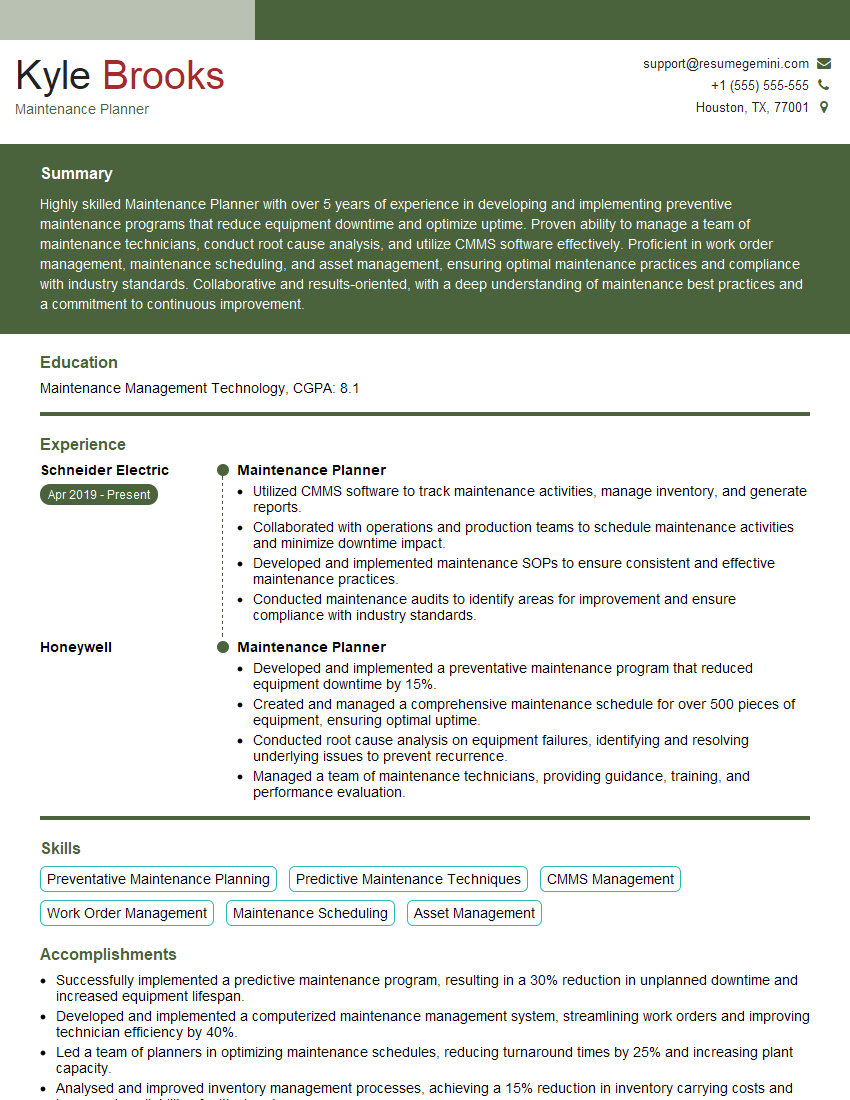
Maintenance Planner Resume Sample
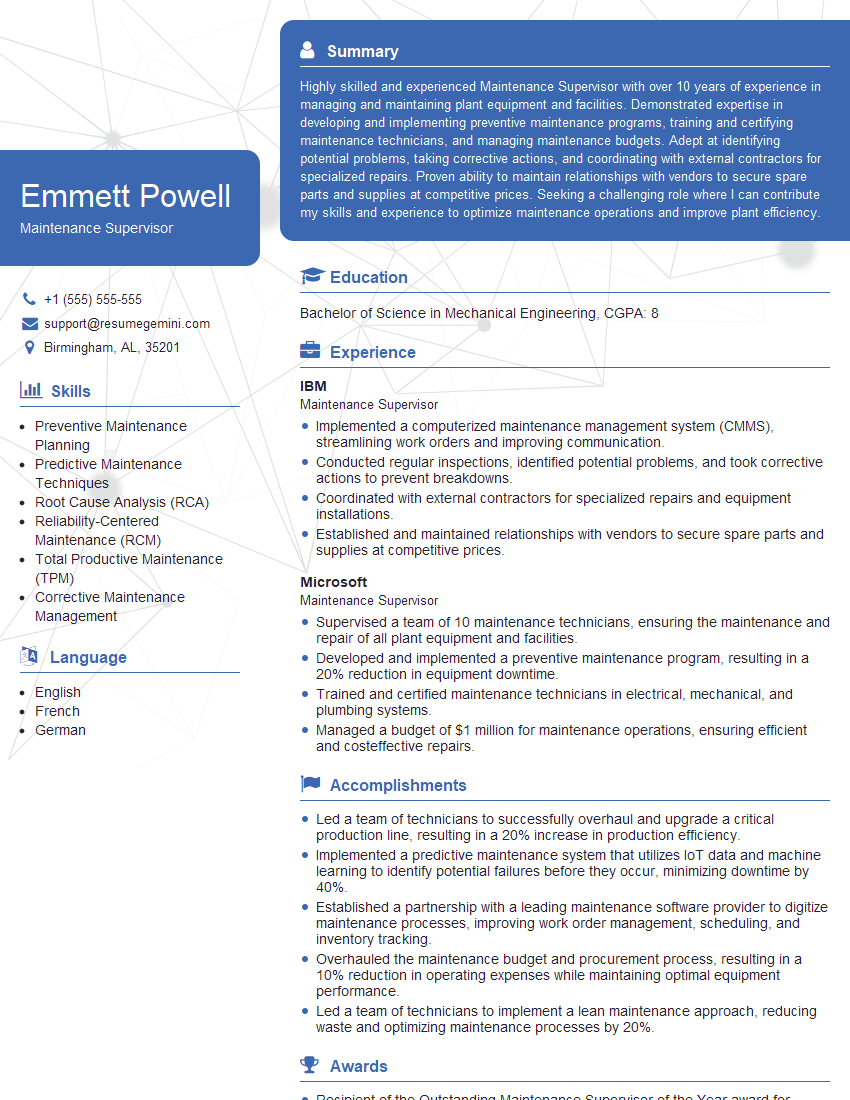
Maintenance Supervisor Resume Sample
Technical Specialist Resume Sample
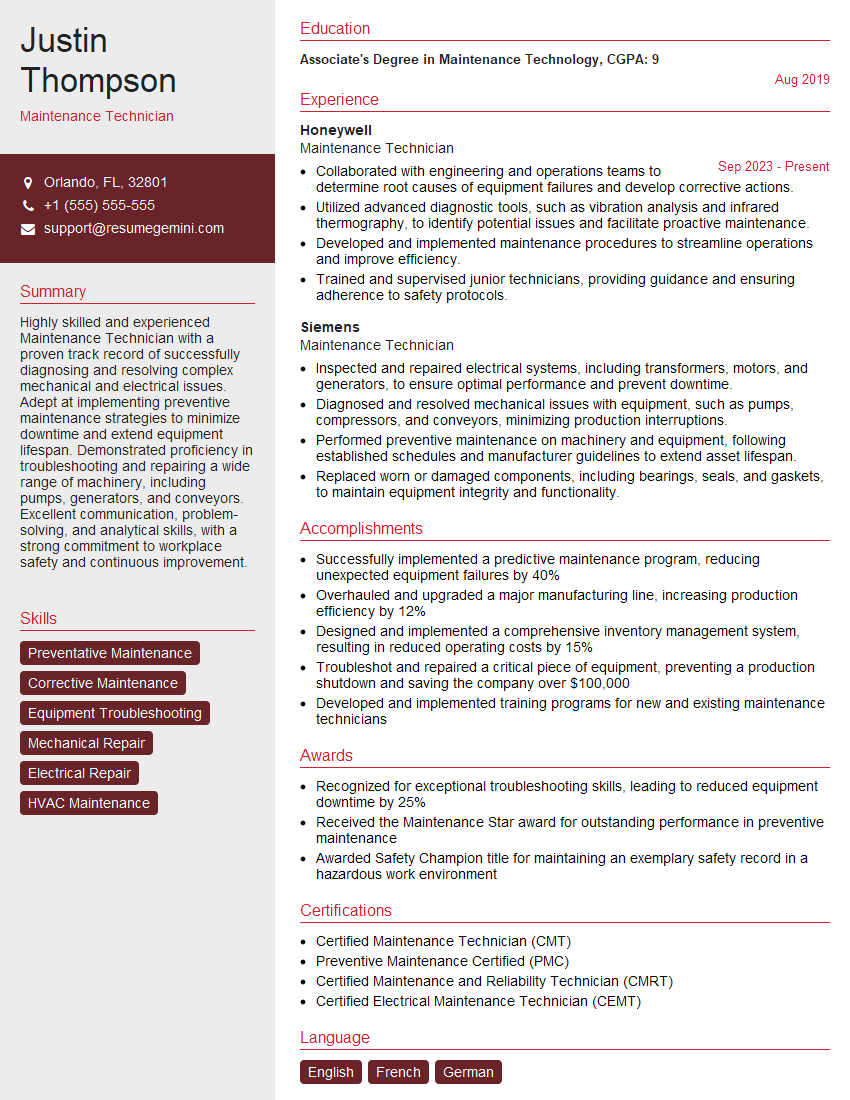
Maintenance Technician Resume Sample
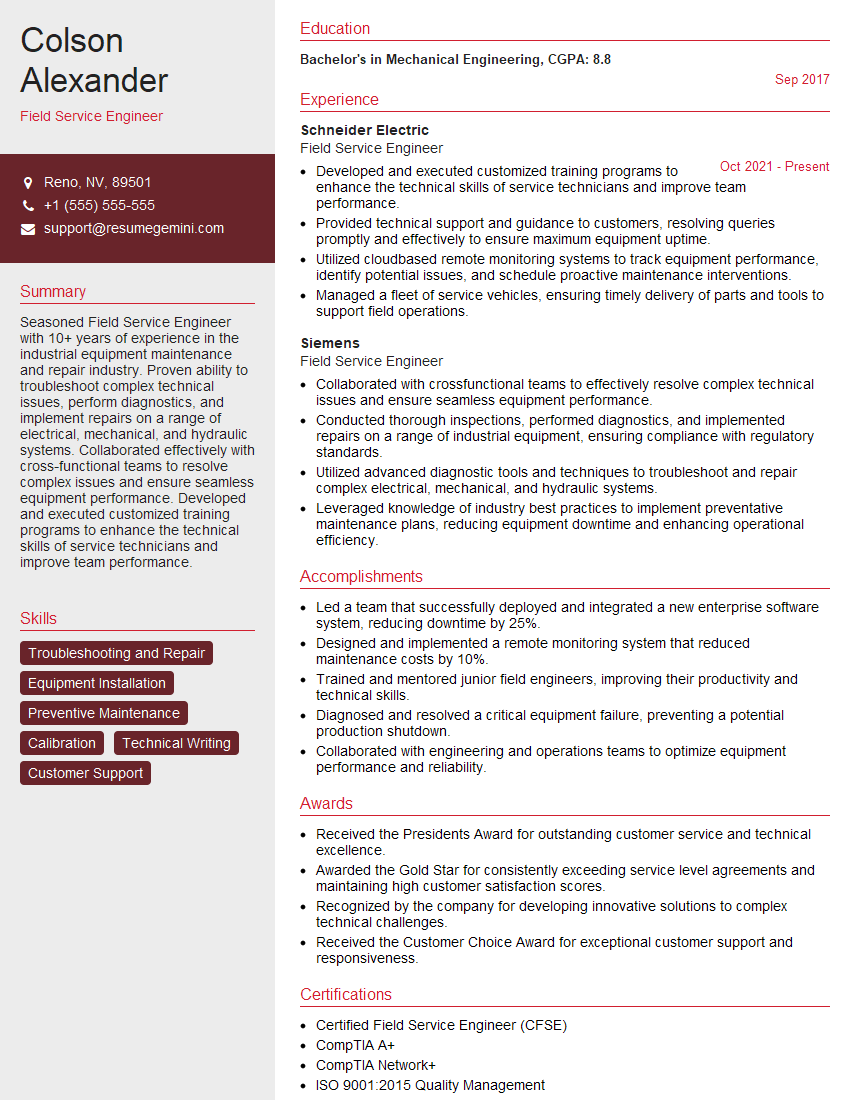
Field Service Engineer Resume Sample
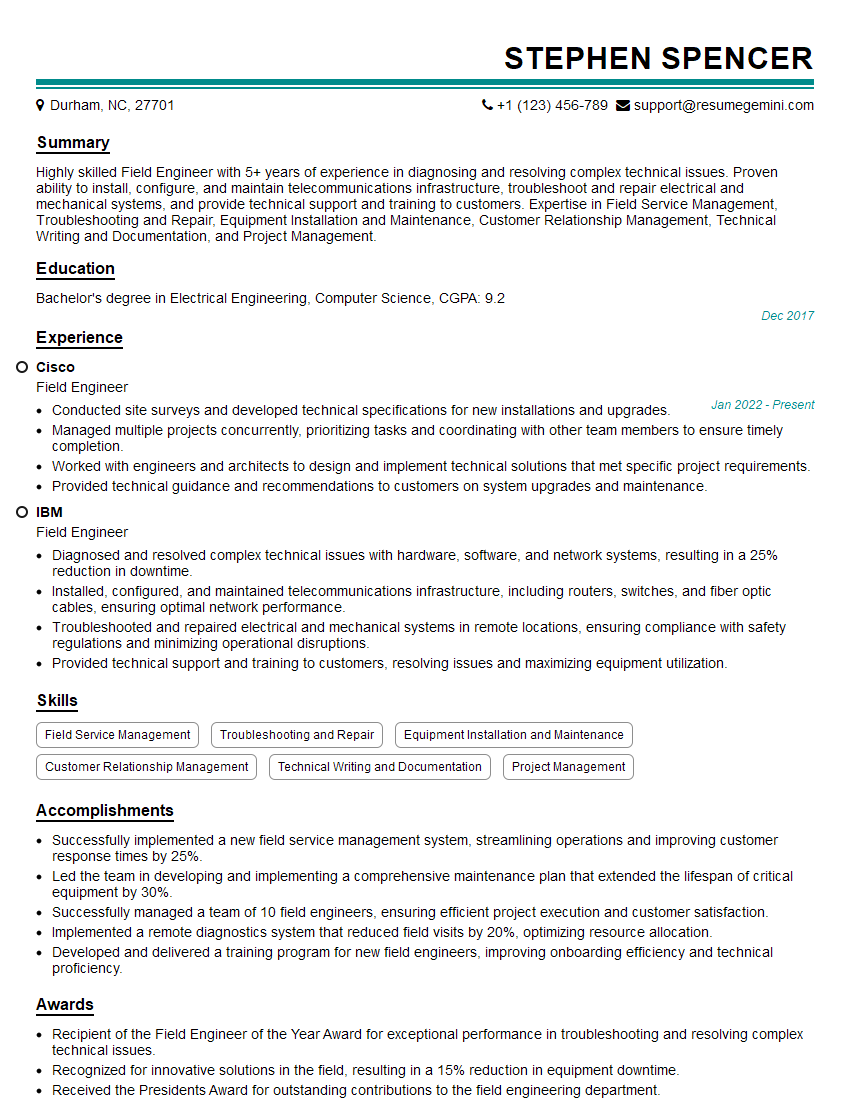
Field Engineer Resume Sample
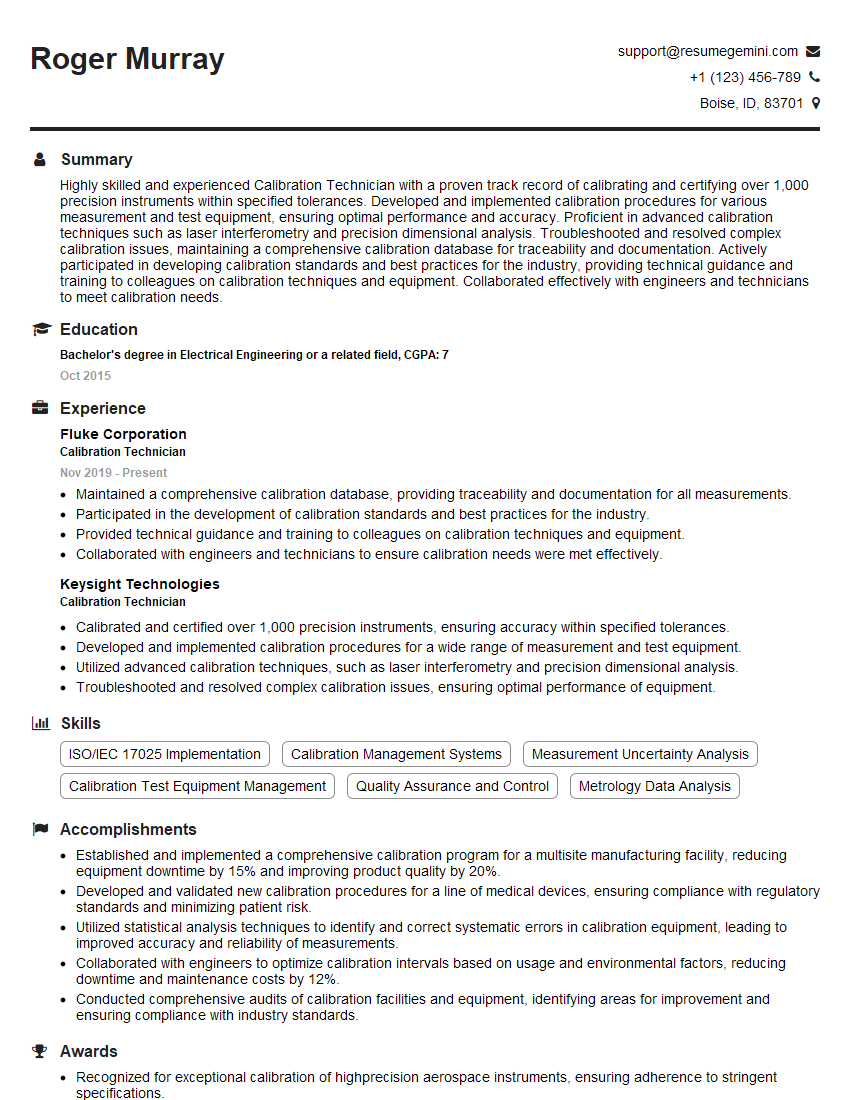
Calibration Technician Resume Sample

Electronics Technician Resume Sample
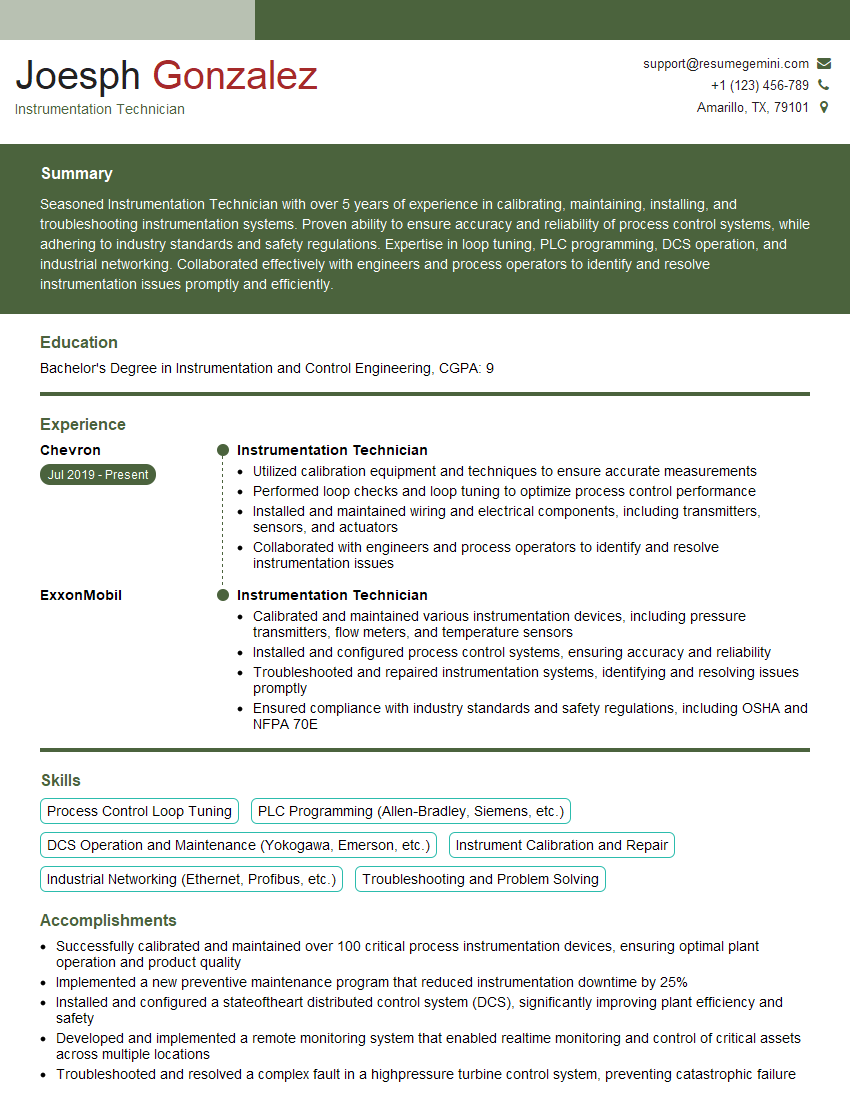
Instrumentation Technician Resume Sample
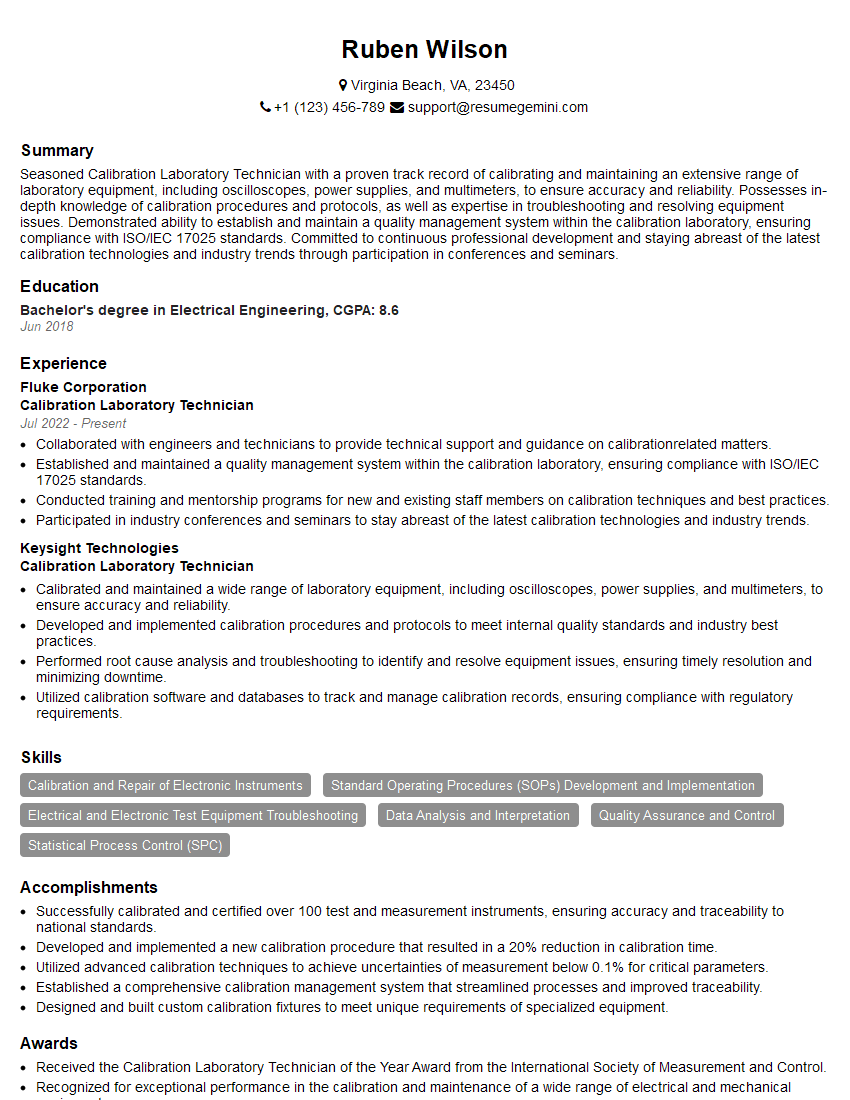
Calibration Laboratory Technician Resume Sample
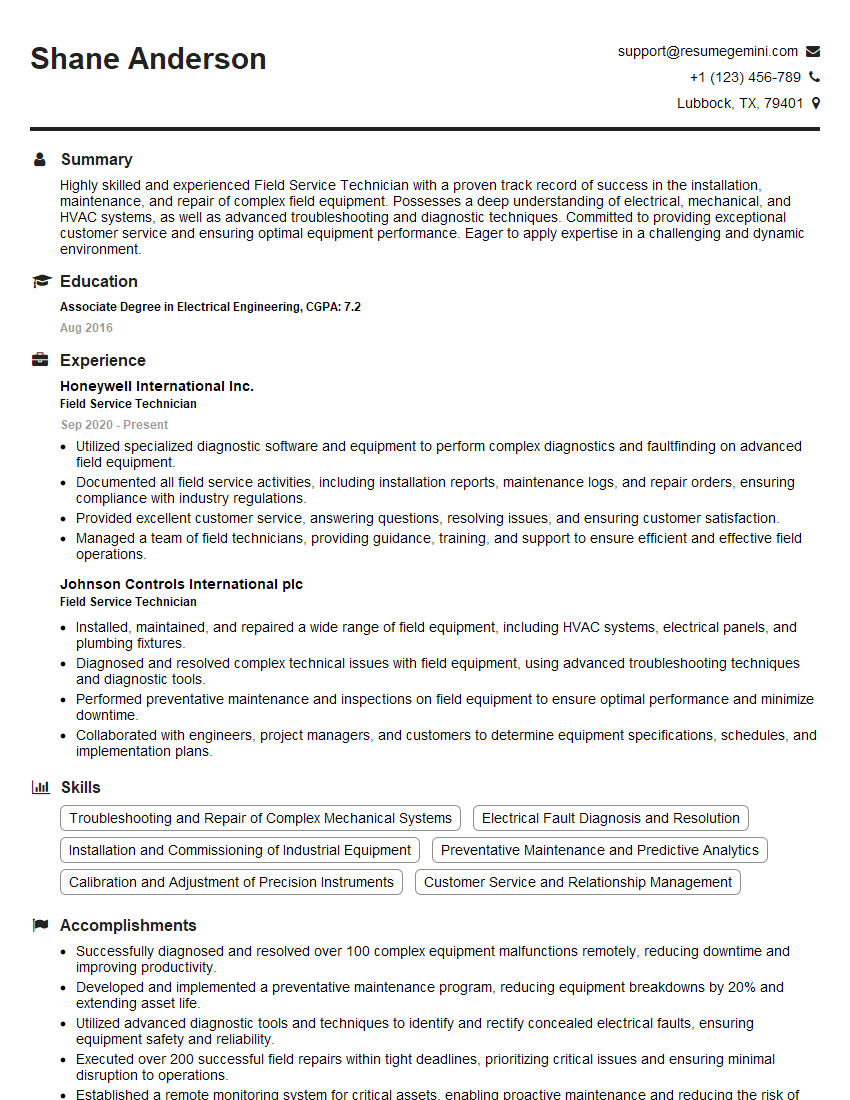
Field Service Technician Resume Sample
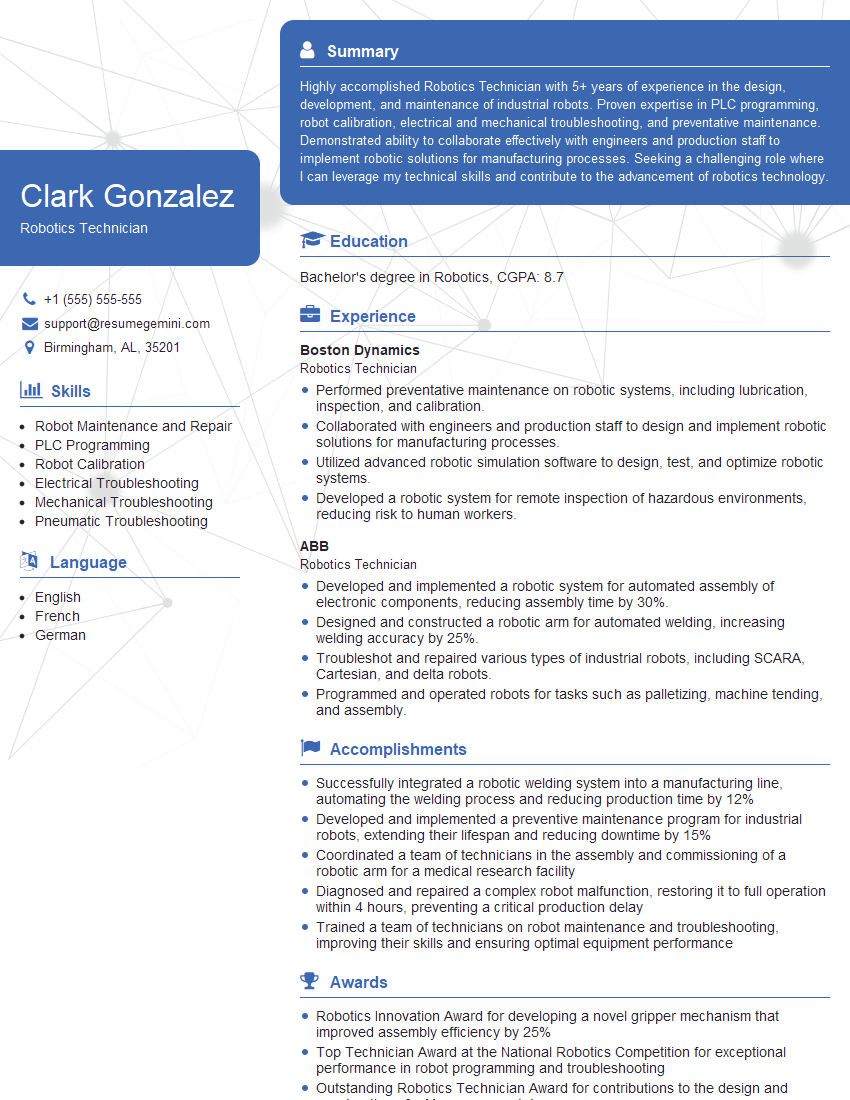
Robotics Technician Resume Sample
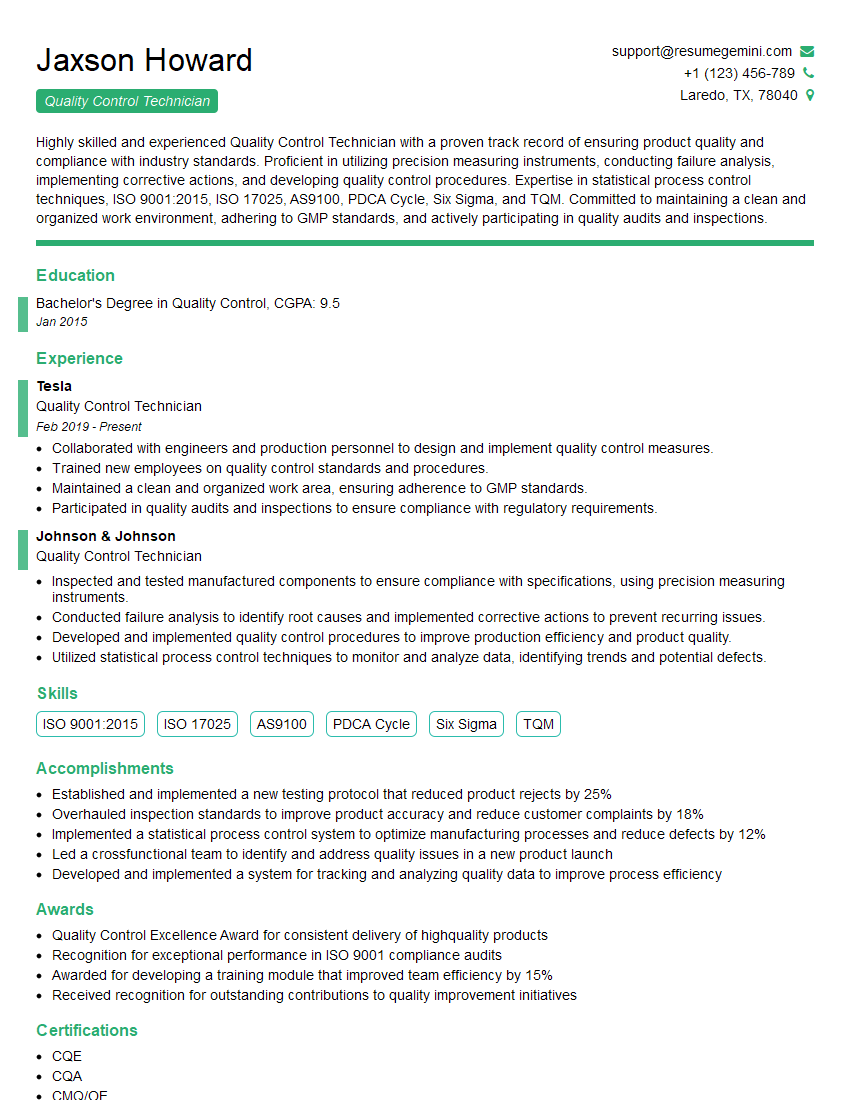
Quality Control Technician Resume Sample
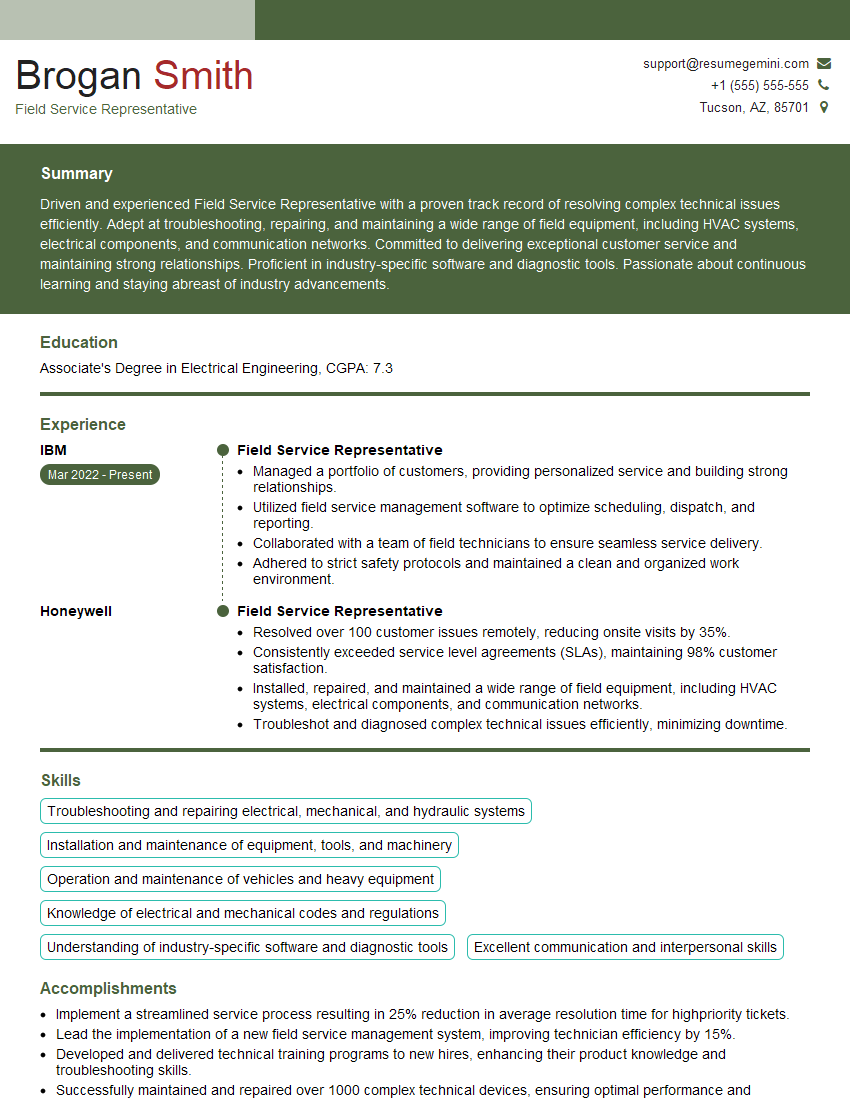
Field Service Representative Resume Sample

Metrology Technician Resume Sample
- Maintenance Planner
- Maintenance Supervisor
- Technical Specialist
- Maintenance Technician
- Field Service Engineer
- Field Engineer
- Calibration Technician
- Electronics Technician
- Instrumentation Technician
- Calibration Laboratory Technician
- Field Service Technician
- Robotics Technician
- Quality Control Technician
- Field Service Representative
- Metrology Technician
Explore more articles
Users Rating of Our Blogs
Share Your Experience
We value your feedback! Please rate our content and share your thoughts (optional).
What Readers Say About Our Blog
Really detailed insights and content, thank you for writing this detailed article.
IT gave me an insight and words to use and be able to think of examples