The right preparation can turn an interview into an opportunity to showcase your expertise. This guide to Field Sampling and Data Collection interview questions is your ultimate resource, providing key insights and tips to help you ace your responses and stand out as a top candidate.
Questions Asked in Field Sampling and Data Collection Interview
Q 1. Explain your experience with different sampling techniques (e.g., grab sampling, composite sampling).
Sampling techniques are crucial for obtaining representative data. My experience encompasses a wide range, including grab sampling, composite sampling, and stratified random sampling. Grab sampling is the simplest, involving taking a single sample at a specific point. Imagine scooping up a handful of soil – that’s a grab sample. This is useful for quick assessments but may not represent the overall variability. Composite sampling, conversely, involves combining multiple grab samples to create a representative sample of a larger area. Think of it like making a smoothie – blending various ingredients to get a representative taste. This is great for reducing costs and time compared to analyzing each individual sample. Stratified random sampling involves dividing the area into strata based on characteristics like soil type or elevation, and then randomly selecting samples from each stratum. This ensures representation of all different components. I’ve used all three extensively, for example, using grab sampling for initial site assessments, composite sampling for large-scale environmental monitoring projects, and stratified random sampling for analyzing contaminant distribution across a field.
- Grab Sampling: Quick, inexpensive, but potentially unrepresentative.
- Composite Sampling: Cost-effective, provides a general overview, masks localized variations.
- Stratified Random Sampling: More representative, particularly useful in heterogeneous areas, but more time-consuming.
Q 2. Describe your proficiency in using GPS devices for georeferencing samples.
Georeferencing is vital for accurate spatial data. I’m highly proficient in using various GPS devices, including handheld units and RTK (Real-Time Kinematic) GPS systems. Handheld units provide sufficient accuracy for many applications; however, for projects requiring centimeter-level precision, RTK is essential. I’m familiar with different coordinate systems (e.g., UTM, latitude/longitude) and data formats (e.g., shapefiles, GeoJSON). My workflow typically involves setting up the GPS device before sampling, recording waypoints for each sample location, and ensuring accurate metadata is included (date, time, project ID). I regularly check the accuracy of the GPS readings and conduct post-processing using specialized software to further enhance the accuracy of the georeferenced data. For example, during a recent groundwater contamination investigation, using RTK GPS enabled us to precisely locate sampling wells and correlate contamination levels with specific spatial locations, leading to more accurate remediation strategies.
Q 3. How do you ensure the chain of custody for samples is maintained?
Maintaining chain of custody is paramount to ensure sample integrity and the legal admissibility of results. My procedure involves a meticulous, documented process. Every sample is labeled uniquely with a sequential identification number, date, time, location, and sampler’s initials. A chain of custody form accompanies each sample, documenting every individual who handles the sample, the date and time of transfer, and the reason for transfer. This form is signed by each person who takes possession of the sample. Furthermore, samples are secured in tamper-evident containers and stored in a secure, controlled environment until analysis. For instance, during a soil investigation, the strict chain of custody ensured that any potential contamination during handling could be immediately identified and investigated.
Q 4. What quality control measures do you implement during field sampling?
Quality control is integrated into every step of the field sampling process. This includes field blanks (clean containers processed as samples to detect contamination), duplicate samples (collected at the same location to assess variability), and equipment blanks (to assess contamination from equipment). We use standardized sampling procedures and equipment to minimize variability. Calibration and maintenance of equipment are meticulously documented. Field notes are detailed and accurate, including weather conditions, sample depths, and any unusual observations. All this information ensures that the data collected are accurate, reliable, and defensible. For instance, if a high contaminant level was detected, the duplicate sample would either confirm or raise questions, allowing for further investigation and verification of the result.
Q 5. How do you handle unexpected issues or challenges during fieldwork?
Fieldwork is unpredictable; encountering unexpected issues is inevitable. My approach involves careful planning, including contingency plans for potential problems like equipment malfunction, inaccessible locations, or adverse weather conditions. When unexpected issues arise, I prioritize safety and adhere to established protocols. This often involves adapting the sampling plan, using alternative methods, or seeking support from colleagues or supervisors. For example, if heavy rainfall makes a site inaccessible, we’d reschedule the sampling and implement measures to minimize sample degradation. Detailed documentation of these issues and any adjustments to the plan is essential.
Q 6. Explain your experience with data entry and validation procedures.
Data entry and validation are crucial for accurate data analysis. I have extensive experience with both manual and electronic data entry, utilizing software such as spreadsheets and databases. My validation process includes range checks, consistency checks, and plausibility checks. I meticulously review the entered data against the original field notes to identify discrepancies. Data entry errors are flagged and corrected. The validated data is then reviewed again before being submitted for analysis. In one project involving water quality data, a data validation check revealed a potential error in pH readings, leading us to re-examine the data and resolve the anomaly.
Q 7. Describe your experience with different data logging methods (e.g., pen and paper, handheld devices).
I’m proficient in various data logging methods. Pen and paper remain valuable for quick notes and observations in the field, especially in situations with limited electronic access. However, I predominantly use handheld devices such as tablets or ruggedized laptops with specialized data collection software. These devices allow for real-time data entry, reducing errors and improving data quality. The software typically includes features such as GPS integration, automated data validation, and secure data storage. Data from handheld devices can be easily transferred to computers for further analysis. For instance, I’ve used tablets with customized apps to record soil parameters and GPS location, streamlining the data collection and reducing manual entry errors significantly. The use of handheld devices ensures efficient workflow and accurate data management during fieldwork.
Q 8. How do you ensure the accuracy and precision of your measurements?
Ensuring accuracy and precision in field measurements is paramount. It’s like baking a cake – if your ingredients aren’t measured correctly, the final product won’t be as expected. We achieve this through a multi-pronged approach:
- Calibration and Validation: All instruments are rigorously calibrated before and sometimes during fieldwork against traceable standards. This involves comparing our instruments’ readings to known, accurate values. For example, a pH meter might be calibrated using buffer solutions of known pH. We also regularly validate our methods by using certified reference materials to check for bias and accuracy.
- Replication and Redundancy: We repeat measurements multiple times at each location, ideally using different instruments or techniques where feasible. This helps identify random errors and assess the precision of our measurements. Imagine measuring the length of a table – taking multiple measurements from different points reduces the chance of an inaccurate single reading.
- Proper Handling and Maintenance: Instruments are handled with care, following manufacturer guidelines for storage and cleaning. Regular maintenance ensures optimal performance and prevents degradation in accuracy. For instance, proper cleaning of a water sampler prevents cross-contamination and inaccurate results.
- Chain of Custody: Maintaining a meticulous chain of custody for samples is crucial. This involves documenting every step in the process, from sample collection to analysis, to ensure the integrity of the data. Think of it as a detailed paper trail for each sample, ensuring accountability and traceability.
- Quality Control Checks: We implement rigorous quality control checks at every stage, from field blanks to laboratory controls, to detect and correct for potential errors. Field blanks, for example, are samples collected without the material of interest; these help identify contamination during the sampling process.
Q 9. What software are you proficient in for data management and analysis?
My proficiency in data management and analysis software is extensive. I’m highly skilled in:
- R: I leverage R for advanced statistical analysis, data visualization, and model development. I’m comfortable with various packages, including
ggplot2for visualization anddplyrfor data manipulation. - Python (with Pandas, NumPy, SciPy): Python, particularly with Pandas and NumPy libraries, is my go-to for large dataset handling, cleaning, and preliminary analysis. I utilize SciPy for advanced statistical computations. For instance, I use Pandas’
groupby()andaggregate()functions regularly for summarizing large datasets. - ArcGIS: I have significant experience with ArcGIS for geospatial data analysis, mapping, and visualization. This is particularly crucial for integrating location data with field measurements.
- Microsoft Excel and Access: While not as powerful for extensive analysis as R or Python, I’m proficient in Excel and Access for data entry, organization, and basic data manipulation.
Q 10. How do you manage large datasets effectively?
Managing large datasets effectively requires a strategic approach. Think of it like organizing a massive library – you wouldn’t just throw everything on the floor! My approach involves:
- Database Management Systems (DBMS): I utilize relational databases (like PostgreSQL or MySQL) to store and manage large datasets efficiently. They offer robust querying capabilities and data integrity.
- Data Partitioning and Chunking: For extremely large datasets, I employ partitioning techniques in R or Python to break the data into smaller, manageable chunks for analysis. This approach improves processing speed and efficiency.
- Cloud Computing: Cloud-based platforms (like AWS or Google Cloud) are invaluable for storing and processing massive datasets, particularly when collaborative work is involved. They provide scalable computing power and storage.
- Data Compression: Employing appropriate compression techniques reduces storage space and speeds up data transfer.
- Efficient Coding Practices: Writing optimized code in R or Python is essential to minimize processing time. This includes vectorizing operations and avoiding unnecessary loops.
Q 11. Describe your experience with data cleaning and processing.
Data cleaning and processing is a critical step, like polishing a gemstone to reveal its brilliance. My experience encompasses:
- Handling Missing Data: I employ various techniques to deal with missing data, including imputation (replacing missing values with estimated values) or removal (excluding incomplete data points) based on the context and amount of missing data. The choice depends on the data’s nature and the risk of introducing bias.
- Identifying and Correcting Errors: I use various methods, such as data validation checks and consistency checks to identify and correct errors in the data. This might involve cross-referencing data with other sources or using visual inspection tools to identify anomalies.
- Data Transformation: I regularly perform data transformations (e.g., log transformation, standardization) to improve data normality and suitability for statistical analysis.
- Data Aggregation and Summarization: I use aggregation and summarization functions (like
sum(),mean(),median()) in R or Python to condense large datasets into more manageable summaries.
Q 12. How do you identify and address outliers in your datasets?
Outliers are like rogue data points that could skew the results. Identifying them is crucial. I employ a combination of methods:
- Visual Inspection: Box plots, scatter plots, and histograms are my first line of defense – they visually highlight potential outliers.
- Statistical Methods: I use statistical techniques like the Z-score or interquartile range (IQR) method to identify data points that fall outside a predefined range. The IQR method is robust to skewed data. A Z-score greater than 3 or less than -3 is often considered an outlier.
- Contextual Investigation: Once identified, I investigate the context of each outlier. Was there a data entry error? Was the measurement taken under unusual conditions? This helps determine whether to remove, replace, or retain the outlier.
- Robust Statistical Methods: I often prefer robust statistical methods that are less sensitive to outliers, such as median instead of mean, or non-parametric tests.
Q 13. How familiar are you with different data formats (e.g., CSV, Excel, databases)?
My familiarity with different data formats is comprehensive. I’m comfortable working with:
- CSV (Comma Separated Values): A widely used format for exchanging data, particularly between different software packages.
- Excel (.xls, .xlsx): A common format for data entry and basic analysis, but less suitable for very large datasets.
- Databases (SQL, NoSQL): Proficient in using relational databases (SQL) like PostgreSQL or MySQL, and NoSQL databases like MongoDB, depending on the project’s needs. Relational databases are well-suited for structured data, while NoSQL databases are more flexible for unstructured or semi-structured data.
- Specialized Formats (e.g., NetCDF, GeoTIFF): I have experience working with specialized formats used for geographical or environmental data. NetCDF is commonly used for climate and oceanographic data.
Q 14. Describe your experience with data visualization techniques.
Data visualization is key to communicating insights effectively. It’s about telling a compelling story with your data. My experience includes:
- R (
ggplot2): I extensively utilizeggplot2in R for creating publication-quality visualizations, including scatter plots, box plots, histograms, heatmaps, and more. - Python (Matplotlib, Seaborn): I use Matplotlib and Seaborn in Python for creating various plots and charts. Seaborn builds upon Matplotlib, providing a higher-level interface and statistically informative visualizations.
- ArcGIS: For geospatial data, ArcGIS allows creation of maps, thematic maps, and other geographical visualizations.
- Tableau/Power BI: I’m familiar with these business intelligence tools for interactive dashboards and data exploration, especially when sharing results with a broader audience.
- Choosing the Right Visualizations: I understand the importance of selecting the appropriate visualization for the type of data and the message being conveyed. A bar chart is suitable for comparing categories, while a scatter plot shows relationships between variables.
Q 15. How do you ensure data security and confidentiality?
Data security and confidentiality are paramount in field sampling. We treat this as a fundamental aspect of our work, from the initial data collection to final report generation. My approach is multi-layered and includes:
- Secure Data Storage: All data is stored on encrypted hard drives and cloud services with robust access controls, following industry best practices like AES-256 encryption. Access is limited to authorized personnel only, using unique login credentials and multi-factor authentication where applicable.
- Data Anonymization: When dealing with sensitive data involving individuals or locations, we anonymize the information whenever possible. This might involve removing identifying details like names or precise GPS coordinates while retaining the necessary scientific information.
- Chain of Custody: A detailed chain of custody is meticulously maintained for all samples and data. This documented trail ensures the integrity and traceability of each data point from collection to analysis. It’s like a carefully recorded handoff in a relay race – each step is documented.
- Regular Backups: We implement regular automated backups of our data to offsite locations to protect against data loss due to hardware failure or other unforeseen events. Think of it as having a duplicate copy of your important documents stored in a safety deposit box.
- Compliance with Regulations: We strictly adhere to all relevant data privacy regulations, such as GDPR and HIPAA, depending on the nature of the project and geographical location. This includes obtaining necessary informed consent when dealing with human subjects.
For example, in a recent environmental study involving potentially sensitive ecological data, we anonymized location data by using grid-based coordinates instead of precise GPS locations. This ensured the protection of sensitive areas while still allowing for rigorous scientific analysis.
Career Expert Tips:
- Ace those interviews! Prepare effectively by reviewing the Top 50 Most Common Interview Questions on ResumeGemini.
- Navigate your job search with confidence! Explore a wide range of Career Tips on ResumeGemini. Learn about common challenges and recommendations to overcome them.
- Craft the perfect resume! Master the Art of Resume Writing with ResumeGemini’s guide. Showcase your unique qualifications and achievements effectively.
- Don’t miss out on holiday savings! Build your dream resume with ResumeGemini’s ATS optimized templates.
Q 16. Explain your understanding of statistical analysis related to field data.
Statistical analysis is crucial for interpreting field data and drawing meaningful conclusions. It allows us to move beyond simply recording observations and understand the underlying patterns, trends, and relationships. My understanding encompasses a range of techniques, including:
- Descriptive Statistics: Calculating measures of central tendency (mean, median, mode) and dispersion (standard deviation, variance) to summarize the data and identify key features.
- Inferential Statistics: Using statistical tests (e.g., t-tests, ANOVA, regression analysis) to make inferences about a population based on a sample of field data. This allows us to answer research questions and test hypotheses.
- Spatial Statistics: Analyzing data with spatial components, considering geographical location and spatial autocorrelation. This is vital in many environmental studies.
- Time Series Analysis: Analyzing data collected over time to identify trends and patterns, crucial in understanding changes in environmental conditions or ecological processes.
- Data Visualization: Creating graphs, charts, and maps to communicate results effectively. A well-designed visualization can be far more impactful than a table of numbers alone.
For instance, in a soil sampling project, we might use ANOVA to compare the nutrient levels in different soil types or regression analysis to model the relationship between soil properties and plant growth. Visualizing this data with maps and charts would help stakeholders understand the results quickly.
Q 17. How do you handle missing data in your datasets?
Missing data is a common challenge in field sampling. Ignoring it can lead to biased results. My approach involves a combination of strategies, starting with prevention:
- Careful Planning: Meticulous planning and standardized protocols minimize the likelihood of missing data. This includes having clear sampling procedures and data recording forms.
- Data Validation: Thorough data validation checks identify missing values and potential errors early in the process.
- Imputation Techniques: When missing data is unavoidable, I employ appropriate imputation techniques depending on the nature of the data and the reason for missingness. These could include:
- Mean/Median Imputation: Replacing missing values with the mean or median of the available data (simple but can distort the variance).
- Regression Imputation: Predicting missing values based on other variables using regression analysis (more sophisticated, requires assumptions).
- Multiple Imputation: Creating multiple plausible imputed datasets and analyzing each separately (accounts for uncertainty associated with imputation).
The choice of imputation method is crucial and depends on the context. For example, in a study where a small percentage of data is missing randomly, mean imputation might be acceptable. However, for a large amount of non-randomly missing data, multiple imputation would be a more robust approach.
Q 18. What is your experience with different types of field equipment (e.g., meters, probes, sensors)?
My experience spans a wide range of field equipment, including:
- Water Quality Meters: I am proficient in using multi-parameter water quality meters to measure parameters like pH, conductivity, dissolved oxygen, and turbidity. I understand the calibration procedures and limitations of these instruments.
- Soil Probes: I have extensive experience with soil probes for measuring soil moisture, temperature, and nutrient levels. This includes different types of probes suitable for various soil conditions.
- GPS Receivers: I am adept at using GPS receivers for accurate georeferencing of samples and creating detailed maps of sampling locations.
- Spectrometers: I’ve worked with handheld and laboratory spectrometers for analyzing various samples, including soil, water, and vegetation. I understand the principles of spectroscopy and its applications in field analysis.
- Weather Stations: I am familiar with using weather stations to record environmental parameters such as temperature, humidity, wind speed, and rainfall. This is crucial for understanding the context of field data.
For example, during a recent hydrological study, we used a combination of water quality meters, GPS receivers, and a weather station to collect comprehensive data on stream water quality and its relationship to precipitation patterns.
Q 19. Describe your experience with calibration and maintenance of field equipment.
Calibration and maintenance of field equipment are essential for ensuring data accuracy and reliability. My approach involves:
- Regular Calibration: I follow manufacturer’s recommendations for regular calibration of all equipment using certified standards and traceable calibration procedures. Calibration logs are maintained meticulously.
- Preventive Maintenance: I perform regular preventive maintenance, including cleaning, inspecting, and replacing parts as needed. This extends the lifespan of the equipment and ensures optimal performance.
- Troubleshooting: I am skilled in troubleshooting common equipment problems and identifying potential sources of error. If issues arise beyond my expertise, I promptly contact the manufacturer or a qualified technician for assistance.
- Record Keeping: All calibration and maintenance activities are meticulously documented, ensuring traceability and accountability. This is critical for data quality assurance.
For instance, before each soil sampling campaign, I calibrate our soil probes using certified soil standards to ensure accurate measurements. These calibration logs are included in our final reports, enhancing transparency and quality assurance.
Q 20. How do you ensure the safety of yourself and your team during fieldwork?
Safety is the top priority during fieldwork. My approach is proactive and includes:
- Risk Assessment: Before each field project, a comprehensive risk assessment is conducted to identify potential hazards, such as hazardous materials, difficult terrain, or weather conditions.
- Safety Training: All team members receive thorough safety training before any fieldwork, covering topics such as first aid, emergency procedures, and working safely in potentially hazardous environments.
- Personal Protective Equipment (PPE): Appropriate PPE is provided and used consistently, including safety footwear, high-visibility clothing, gloves, and safety glasses, as appropriate to the specific tasks and environments.
- Communication Protocols: Clear communication protocols are established, including check-in procedures and emergency contact information. This ensures that all team members are aware of each other’s locations and status.
- Emergency Preparedness: Emergency response plans are in place and regularly reviewed, including procedures for dealing with injuries, equipment malfunctions, or severe weather events.
For example, during fieldwork in a remote area, we used satellite phones for communication, prepared emergency kits with first-aid supplies and extra food/water, and established regular check-in times to maintain contact.
Q 21. Describe your experience working with different regulatory agencies and compliance requirements.
I have experience working with various regulatory agencies and complying with their requirements, including:
- Environmental Protection Agency (EPA): I am familiar with EPA regulations for water quality sampling, waste disposal, and environmental monitoring. This includes adhering to specific sampling protocols and reporting requirements.
- Occupational Safety and Health Administration (OSHA): I understand OSHA regulations concerning workplace safety and health during fieldwork, ensuring compliance with all relevant safety procedures and standards.
- State and Local Agencies: I am aware of various state and local environmental regulations and adapt my sampling protocols and reporting procedures to meet their specific requirements.
- International Standards: I am familiar with international standards and guidelines relevant to field sampling, such as ISO standards. This ensures consistency and comparability of results across different projects.
For instance, during a recent project involving contaminated soil, we followed strict EPA guidelines for sampling, handling, and disposal of the soil samples to minimize environmental risk and ensure compliance with all relevant regulations.
Q 22. How do you prioritize tasks and manage your time effectively during fieldwork?
Effective fieldwork relies heavily on robust task prioritization and time management. I approach this using a combination of techniques. First, I always begin with a thorough review of the project objectives and sampling plan. This allows me to identify critical tasks with hard deadlines (e.g., sample collection before a weather event). I then break down the project into smaller, manageable tasks and assign them priorities based on their urgency and importance using methods like the Eisenhower Matrix (urgent/important).
Secondly, I utilize time-blocking techniques, scheduling specific time slots for each task, factoring in travel time and potential unforeseen delays. I also incorporate buffer time into my schedule to accommodate unexpected issues, such as equipment malfunction or difficult terrain. Regularly reviewing my schedule and adjusting it as needed keeps me on track. Finally, I leverage tools like project management software to track progress, set reminders, and visually monitor my workflow. This structured approach ensures I can tackle the most crucial tasks efficiently and effectively within the available time.
Q 23. How do you communicate effectively with colleagues, supervisors, and clients?
Effective communication is paramount in fieldwork. My approach involves clear, concise, and proactive communication across all stakeholders. With colleagues, I maintain open and respectful dialogue, sharing updates, challenges, and solutions promptly. I value collaborative problem-solving, ensuring everyone is informed and involved. With supervisors, I provide regular progress reports, highlighting achievements, addressing roadblocks, and seeking guidance as needed. I ensure that my reports are comprehensive, well-documented, and adhere to the established reporting format.
With clients, my focus is on maintaining transparency and building trust. I communicate project updates clearly, explaining complex technical information in a readily understandable manner. I anticipate potential client concerns and proactively address them. Active listening and clear, direct communication are essential for ensuring everyone understands expectations and remains on the same page. For instance, during a recent project, I regularly sent short video updates to the client showcasing our progress in a visually engaging way, improving understanding and building trust.
Q 24. Describe a time you had to solve a complex problem during fieldwork.
During a soil sampling project in a remote location, we encountered unexpected heavy rainfall, rendering the planned access routes impassable. This threatened to significantly delay the project and potentially compromise sample integrity. To solve this, I first assessed the situation, determining the severity of the problem and the potential impacts. Then, I brainstormed alternative solutions with my team. We explored using alternative routes, requiring careful consideration of terrain and safety. We also investigated the feasibility of postponing certain sampling locations. Ultimately, we decided on a combination of strategies: using a four-wheel drive vehicle for parts of the route and rescheduling the least accessible sample sites.
This required meticulous replanning, adjusting the sampling schedule, and effectively communicating the changes to all stakeholders. The key to solving this was proactive problem-solving, effective teamwork, and adaptability. We successfully completed the sampling with minimal impact on data quality, demonstrating our ability to handle unexpected challenges in the field.
Q 25. What are your strengths and weaknesses in relation to field sampling and data collection?
My strengths lie in my meticulous attention to detail, my proficiency in various sampling techniques, and my ability to adapt to changing conditions. I possess strong analytical skills and am adept at identifying and addressing potential sources of error in data collection. I’m also a proficient user of GIS software for spatial data analysis and management. For instance, I recently used drone imagery and GIS software to identify optimal sampling locations, greatly improving the efficiency and coverage of our sampling effort.
One area I’m actively working on is improving my proficiency in advanced statistical analysis techniques, specifically those used for complex environmental data sets. I plan to address this by taking online courses and workshops, expanding my knowledge and technical capabilities.
Q 26. How do you stay updated with the latest technologies and advancements in field sampling?
Staying current with advancements in field sampling is crucial for maintaining professional competency. I actively engage in several strategies to stay updated. I subscribe to relevant scientific journals and online publications, attending conferences and workshops whenever possible. This allows me to learn about new techniques, technologies, and best practices. I also participate in online professional communities and forums where I can exchange knowledge with other professionals in the field.
Furthermore, I actively seek opportunities to participate in research projects or pilot studies involving cutting-edge technologies. For example, I recently attended a workshop on the use of hyperspectral imaging for rapid environmental assessment, gaining firsthand experience with this emerging technology.
Q 27. Describe your experience working independently and as part of a team.
I have extensive experience working both independently and as part of a team. When working independently, I am highly self-motivated and disciplined, capable of managing my time effectively and meeting project deadlines. My strong organizational skills ensure that I maintain meticulous records and adhere to established protocols. For example, I successfully completed a solo environmental monitoring project involving extensive data collection and analysis, demonstrating my capacity for independent work.
As a team member, I am collaborative, communicative, and supportive, contributing actively to the team’s success. I value diverse perspectives and actively participate in group discussions, contributing my expertise while respecting the contributions of others. My experience in collaborative projects has refined my communication and teamwork skills, allowing me to contribute effectively and achieve shared objectives.
Q 28. What are your salary expectations for this position?
My salary expectations for this position are commensurate with my experience and skills, as well as the industry standards for similar roles. Considering my expertise in field sampling and data collection, my proven track record, and my ability to deliver high-quality results, I am seeking a compensation package within the range of [Insert Salary Range]. I am open to discussing this further, and I am confident that my contributions would add significant value to your organization.
Key Topics to Learn for Field Sampling and Data Collection Interview
- Sampling Design: Understanding different sampling methods (random, stratified, systematic), their strengths, weaknesses, and appropriate applications in various field settings. Consider the impact of sample size on data reliability.
- Data Collection Techniques: Mastering various data collection methods like direct observation, questionnaires, interviews, and the use of specialized equipment. Practice explaining your proficiency with specific tools and techniques.
- Data Quality Control: Implementing robust quality control measures during field data collection, including data validation, error detection, and correction strategies. Be prepared to discuss how you ensure data accuracy and integrity.
- Data Management and Organization: Developing efficient systems for organizing, storing, and managing field data. This includes understanding database structures, data entry procedures, and utilizing appropriate software for data handling.
- GPS and GIS Applications: Demonstrating knowledge of using GPS devices for location data collection and integrating this information with Geographic Information Systems (GIS) for spatial analysis and mapping. Showcase your understanding of relevant software.
- Safety and Environmental Regulations: Highlighting awareness of safety procedures and environmental regulations relevant to fieldwork. Be ready to discuss your experience with adhering to relevant guidelines and protocols.
- Data Analysis Basics: Understanding fundamental statistical concepts and basic data analysis techniques necessary to interpret collected data. Preparing to discuss how you would summarize and present key findings from a field study is beneficial.
- Problem-Solving in the Field: Demonstrating your ability to handle unexpected challenges or issues during field data collection, adapting methods, and troubleshooting technical problems effectively.
Next Steps
Mastering Field Sampling and Data Collection is crucial for career advancement in numerous scientific and environmental fields. A strong foundation in these skills opens doors to diverse and rewarding opportunities. To maximize your job prospects, it’s vital to create an ATS-friendly resume that effectively highlights your skills and experience. We strongly recommend using ResumeGemini to build a professional and impactful resume. ResumeGemini provides helpful tools and resources, including examples of resumes tailored to Field Sampling and Data Collection, to help you present your qualifications in the best possible light. Take the next step towards your dream career today!
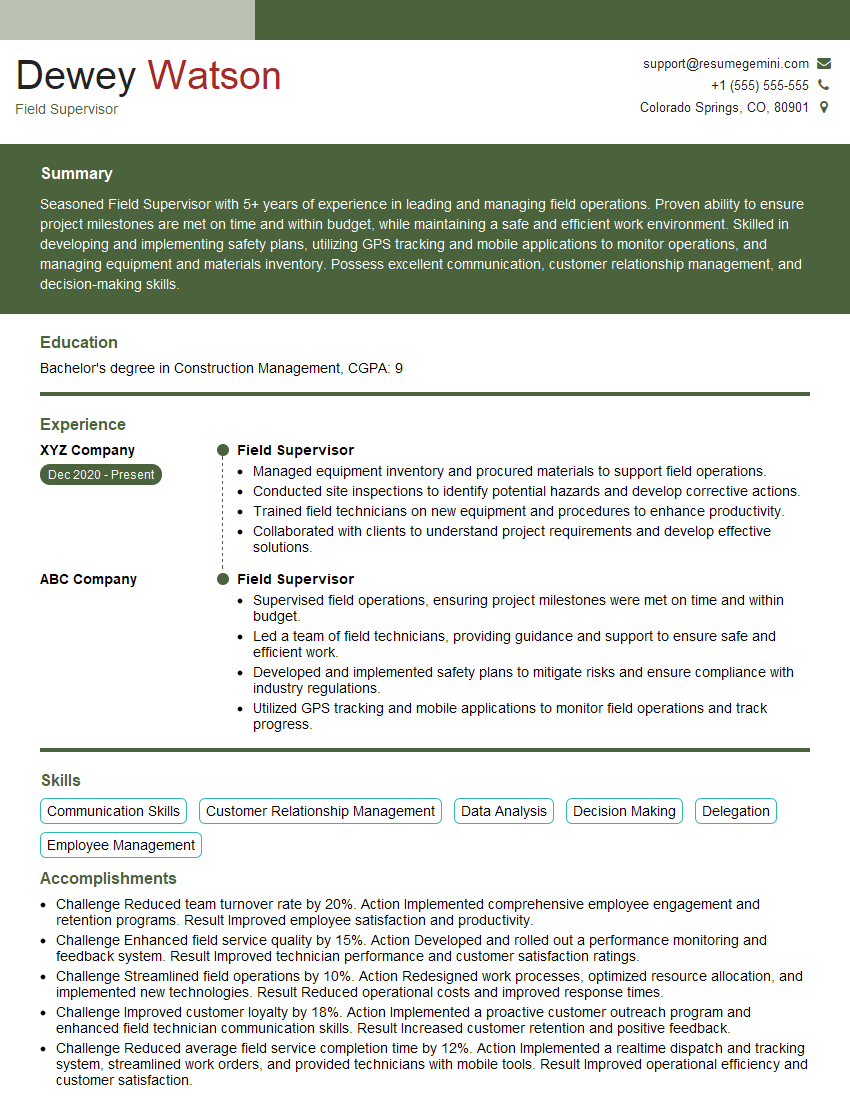
Field Supervisor Resume Sample

Project Manager Resume Sample

Research Associate Resume Sample

Compliance Officer Resume Sample
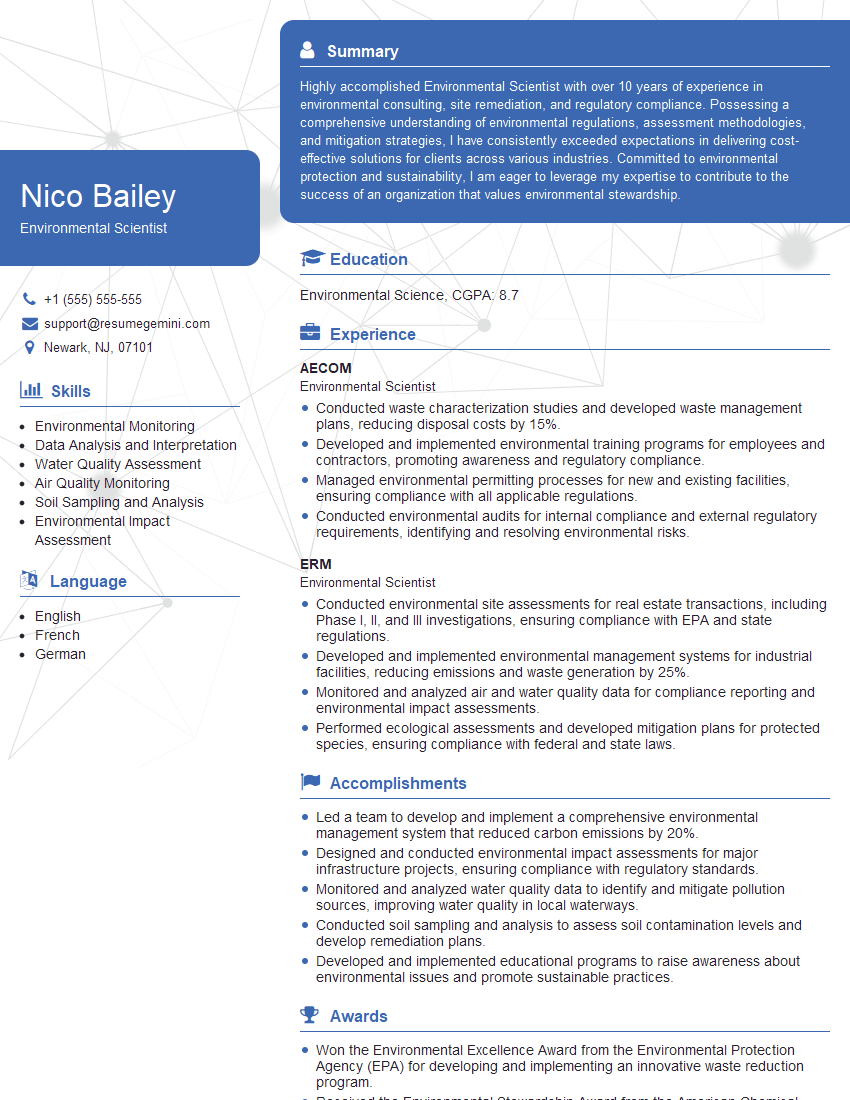
Environmental Scientist Resume Sample
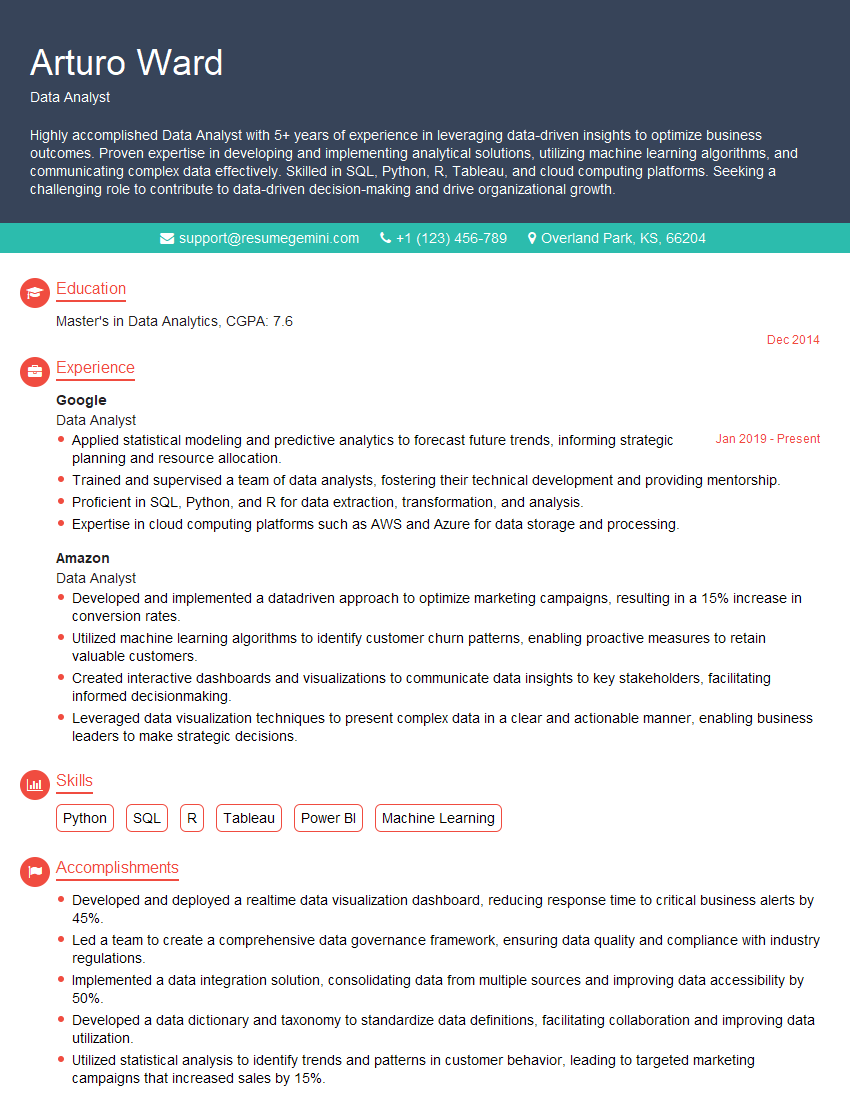
Data Analyst Resume Sample
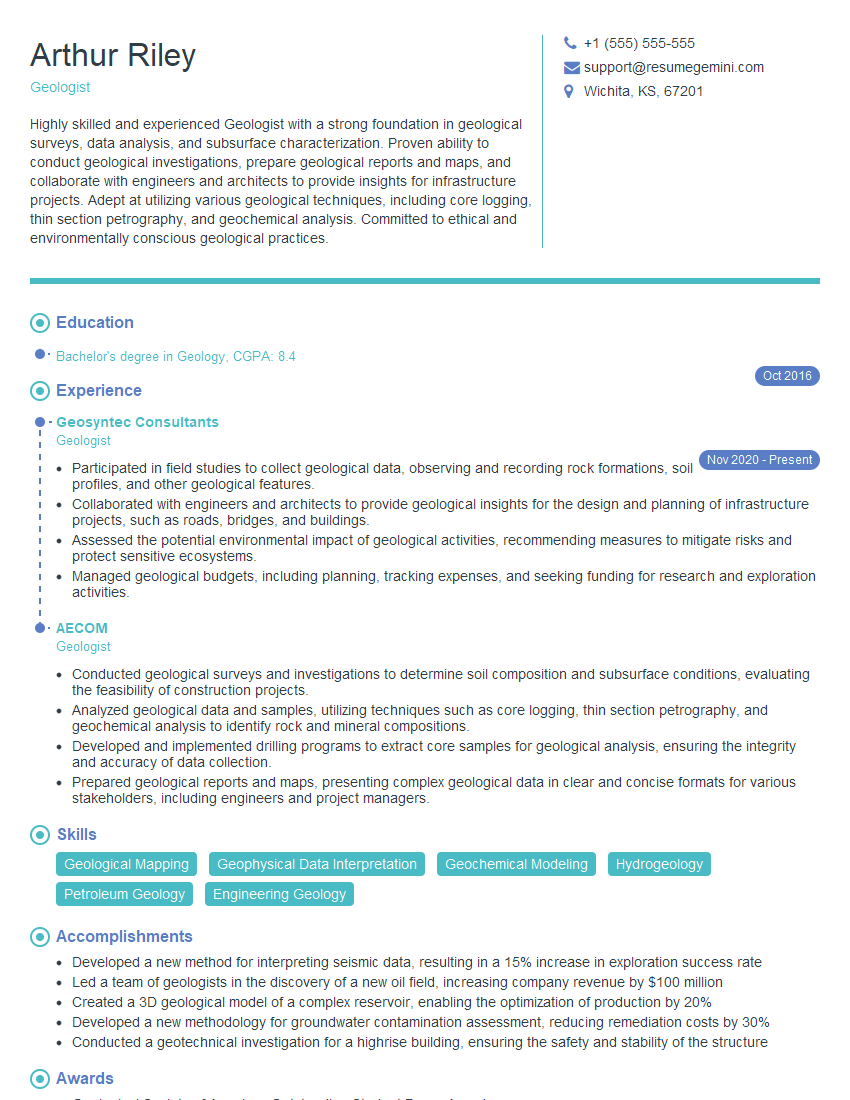
Geologist Resume Sample
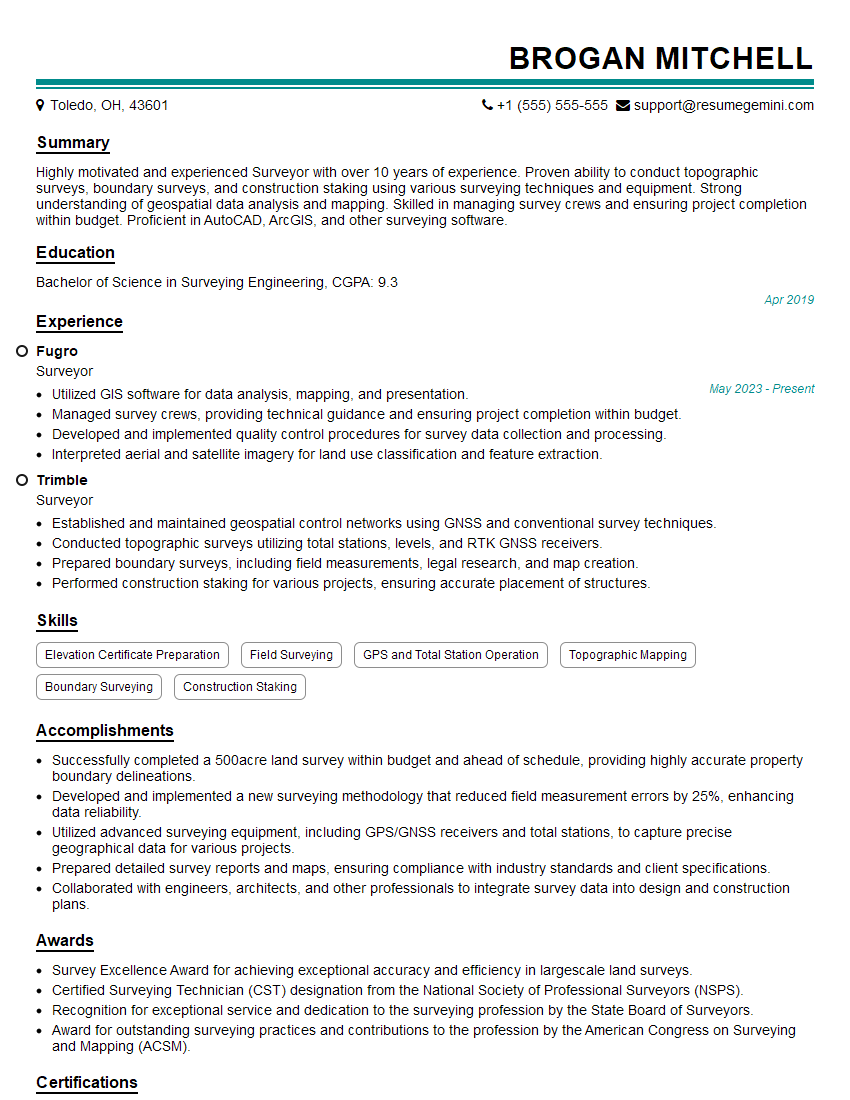
Surveyor Resume Sample
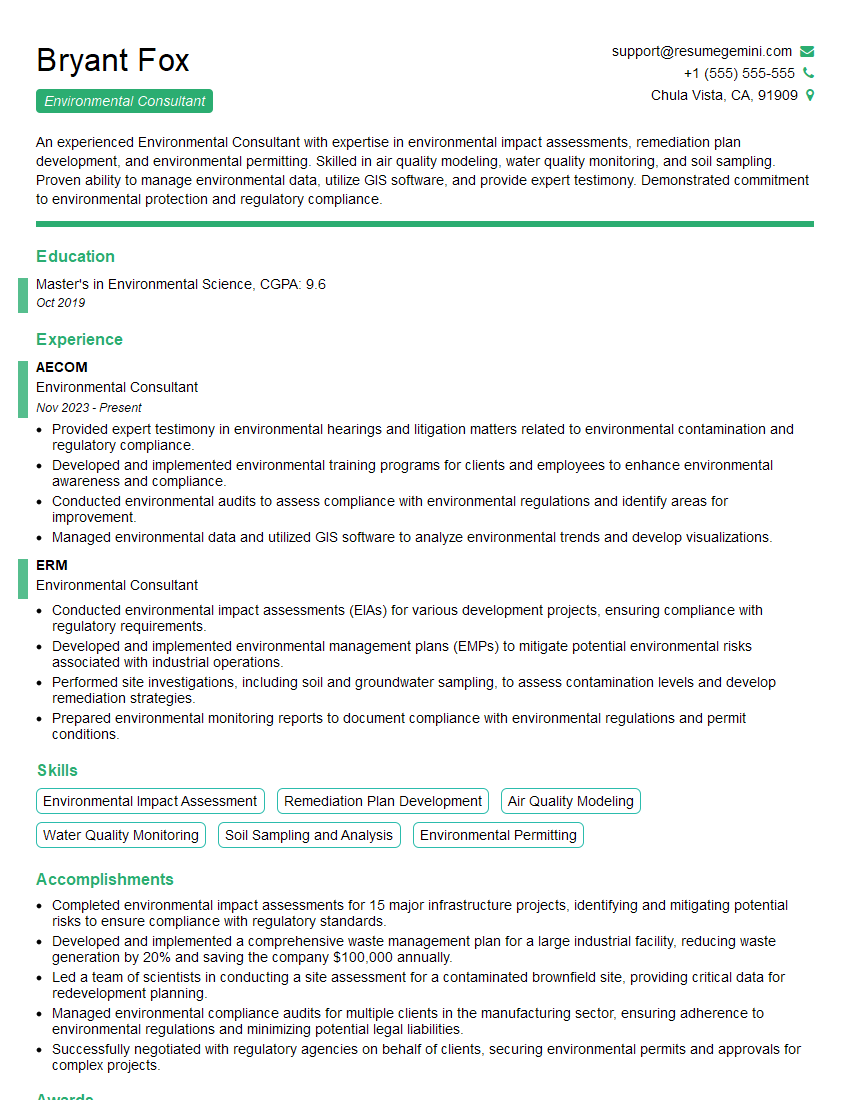
Environmental Consultant Resume Sample

Field Technician Resume Sample
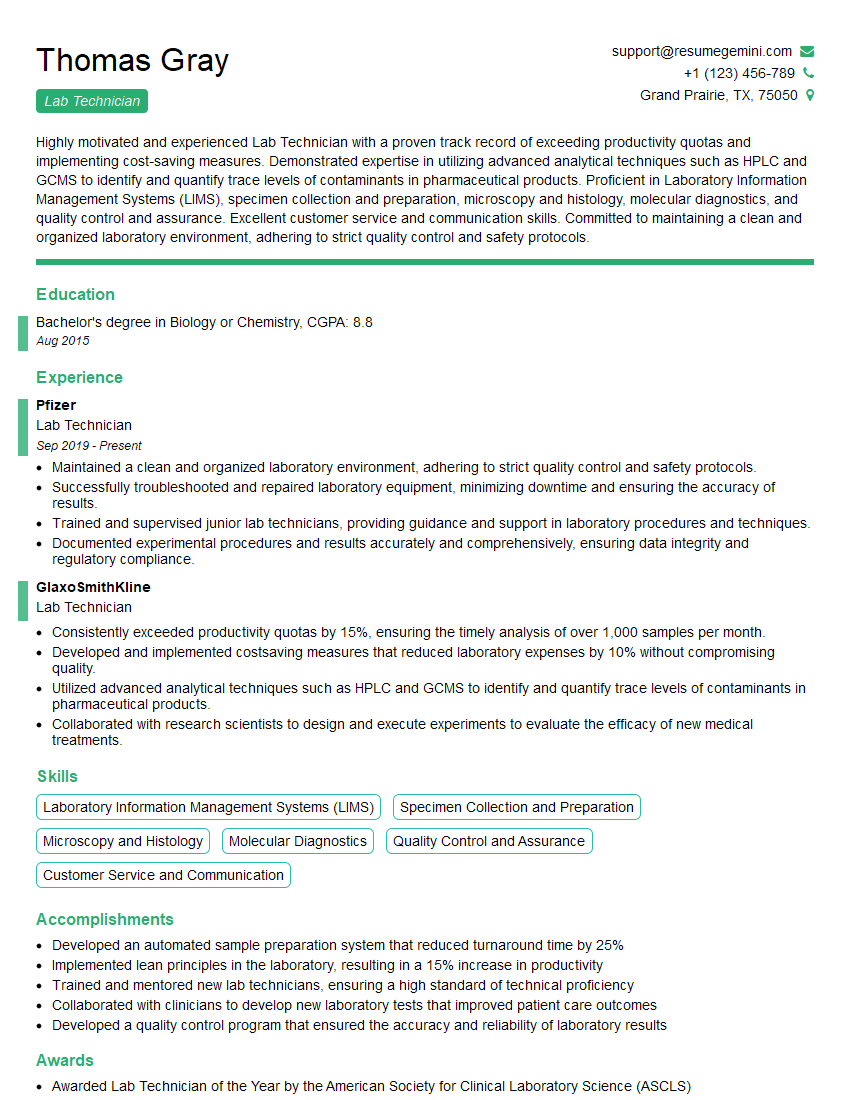
Lab Technician Resume Sample

Soil Scientist Resume Sample

Wildlife Biologist Resume Sample
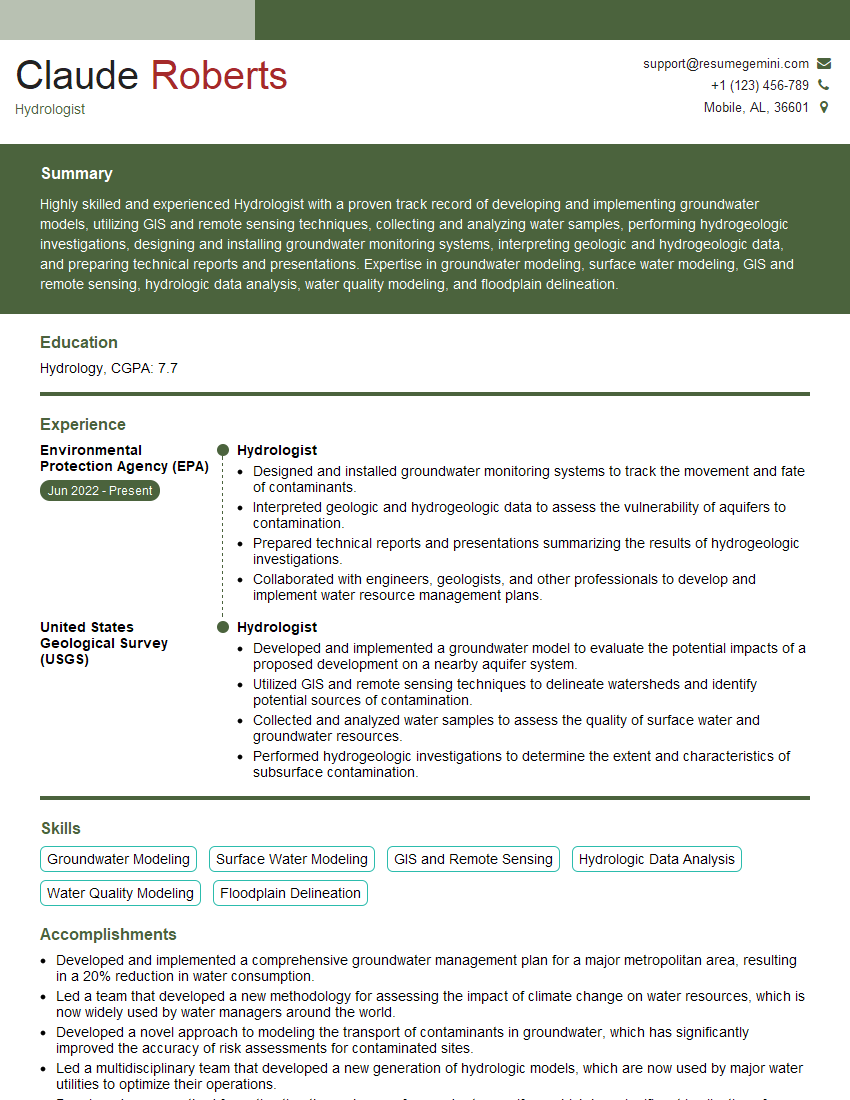
Hydrologist Resume Sample
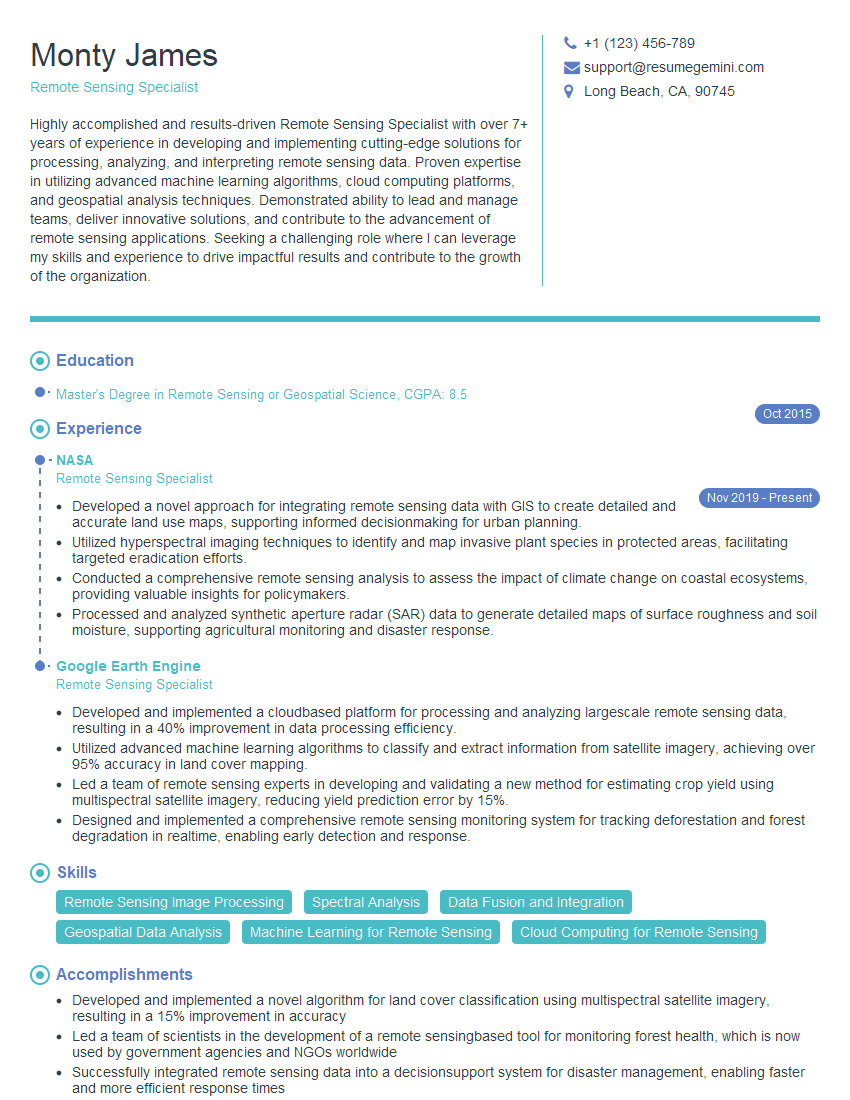
Remote Sensing Specialist Resume Sample
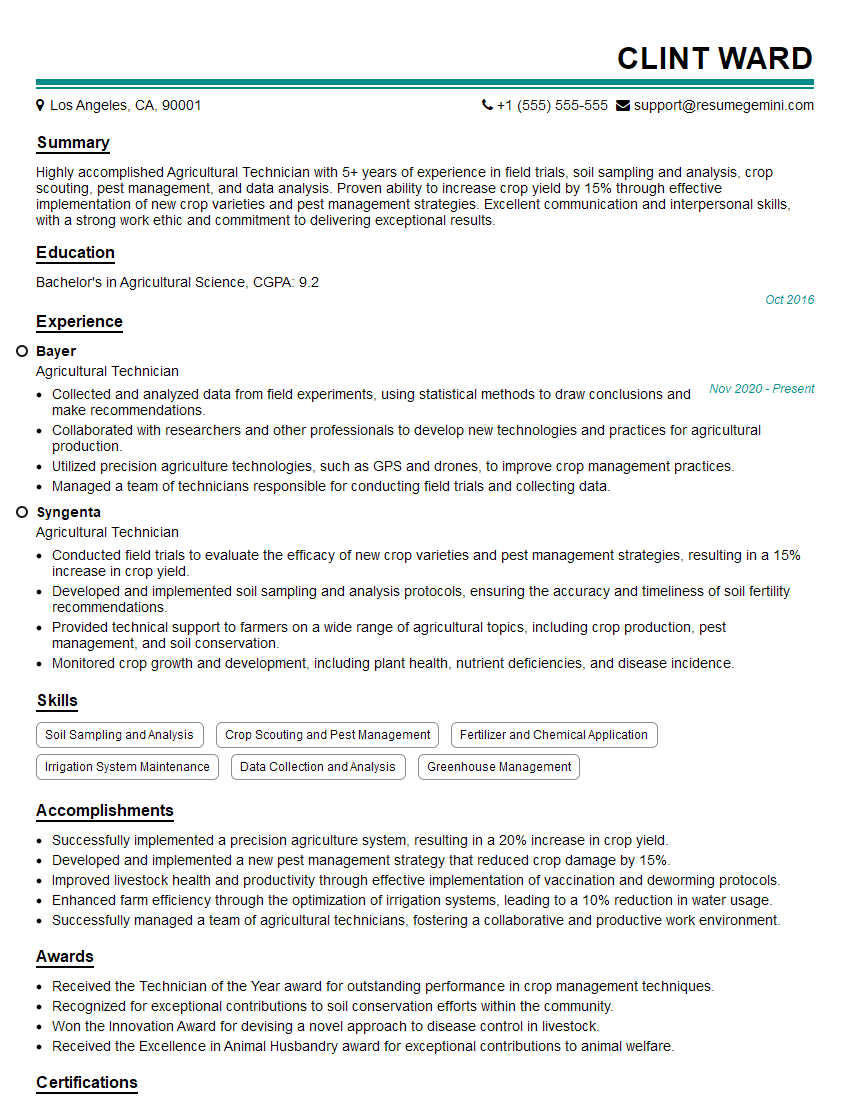
Agricultural Technician Resume Sample

Data Collector Resume Sample

Quality Control Inspector Resume Sample
- Field Supervisor
- Project Manager
- Research Associate
- Compliance Officer
- Environmental Scientist
- Data Analyst
- Geologist
- Surveyor
- Environmental Consultant
- Field Technician
- Lab Technician
- Soil Scientist
- Wildlife Biologist
- Hydrologist
- Remote Sensing Specialist
- Agricultural Technician
- Data Collector
- Quality Control Inspector
Explore more articles
Users Rating of Our Blogs
Share Your Experience
We value your feedback! Please rate our content and share your thoughts (optional).
What Readers Say About Our Blog
Really detailed insights and content, thank you for writing this detailed article.
IT gave me an insight and words to use and be able to think of examples