The right preparation can turn an interview into an opportunity to showcase your expertise. This guide to Safety Harness and Personal Protective Equipment Use interview questions is your ultimate resource, providing key insights and tips to help you ace your responses and stand out as a top candidate.
Questions Asked in Safety Harness and Personal Protective Equipment Use Interview
Q 1. What are the different types of safety harnesses and their applications?
Safety harnesses come in various types, each designed for specific applications. The choice depends heavily on the work environment and potential fall hazards.
- Full-Body Harnesses: These are the most common type, offering protection across the entire body. They’re ideal for general fall protection in various industries like construction, telecommunications, and window washing. They distribute forces across the body more effectively in a fall, reducing the risk of serious injury.
- Chest Harnesses: These harnesses primarily protect the chest and shoulders. They are often used in situations where a full-body harness might be cumbersome or unsuitable, such as confined space work or certain rescue operations. However, they offer less overall protection than a full-body harness.
- Positioning Harnesses: Designed to keep a worker in a secure position, they don’t have fall arrest capabilities. Instead, they’re used for tasks requiring hands-free work at heights, such as window cleaning or bridge inspection. They must always be used in conjunction with a separate fall arrest system.
- Suspension Harnesses: These are specialized harnesses used for suspended work at heights. They are designed to distribute weight comfortably over long periods and include features to mitigate the dangers of suspension trauma.
- Specialized Harnesses: Various specialized harnesses exist for unique tasks, such as those for confined space rescue or for working on steep slopes. They’re designed with specific features to address particular hazards.
For example, a window washer might use a full-body harness with a shock-absorbing lanyard, while a worker in a confined space might use a chest harness with specialized equipment for rescue.
Q 2. Explain the proper inspection procedure for a safety harness.
A thorough harness inspection is critical for safety. Think of it like a pre-flight check for an airplane – it’s essential before each use. The inspection should cover every component, checking for wear, tears, cuts, abrasions, and any signs of damage or weakness.
- Visual Inspection: Carefully examine all straps, buckles, D-rings, and stitching for any visible damage. Look for fraying, cuts, burns, or discoloration.
- Hardware Check: Inspect all metal components like D-rings and buckles for deformation, cracks, or corrosion. Ensure that all moving parts function smoothly.
- Strap Integrity: Check the webbing for stiffness, excessive wear, or any signs of degradation from chemicals or UV exposure. Feel for any unusual hardness or softness in the straps.
- Stitching: Examine all stitching for looseness, breaks, or missing threads. Weak stitching is a major failure point.
- Label and Certification: Check the harness label for the manufacturer’s information, date of manufacture, and any warnings or certifications. Ensure the harness hasn’t exceeded its lifespan.
- Try it On: After inspection, try on the harness to ensure it fits properly and all straps and buckles are functioning correctly. Adjust straps to achieve a snug but comfortable fit.
If any damage or defects are found, the harness should be immediately removed from service and replaced. Never compromise on safety.
Q 3. Describe the components of a full-body harness.
A full-body harness typically includes the following components:
- Shoulder Straps: These straps go over the shoulders and distribute the force of a fall across the upper body.
- Leg Straps: These straps go between the legs and help to keep the worker’s body in place during a fall.
- Chest Strap (Optional but Recommended): A strap that crosses the chest to further distribute forces and prevent the harness from riding up during a fall.
- Back D-Ring: The main attachment point for the fall arrest system. This is a critical component where the shock absorber or lanyard is connected.
- Side D-Rings (Optional): These provide additional attachment points for positioning or restraint systems.
- Buckles and Adjusters: These allow for the harness to be adjusted to fit the worker’s body.
- Labels and Tags: These provide important information about the harness, such as the manufacturer, model number, and certifications.
The placement and function of each component are crucial for distributing the forces properly during a fall and minimizing injury.
Q 4. What are the limitations of a safety harness?
While safety harnesses are crucial for fall protection, they do have limitations:
- Harness Failure: While rare, harnesses can fail due to wear, tear, misuse, or improper storage. Regular inspection is crucial to mitigate this risk.
- Anchor Point Failure: The effectiveness of a harness depends entirely on a secure and properly rated anchor point. A failure of the anchor point negates the protection offered by the harness.
- Swing Falls: Harnesses are designed to arrest falls, not to prevent them. A swing fall, where a worker falls a significant distance horizontally, can still result in serious injuries, even with a harness.
- Suspension Trauma: Extended periods of suspension can lead to suspension trauma, a serious condition affecting blood circulation and respiration. Rescue must be immediate in such circumstances.
- Improper Use: Misuse of the harness, such as incorrect fitting or attachment, significantly reduces its effectiveness and can even increase the risk of injury.
Understanding these limitations is critical for proper risk assessment and implementing comprehensive fall protection measures.
Q 5. How do you select the appropriate safety harness for a specific task?
Selecting the right safety harness involves careful consideration of the specific task and potential hazards.
- Identify the Hazards: Assess the work environment for potential fall hazards, including height, type of surface, and potential impact points.
- Determine the Type of Work: Consider whether the task requires fall arrest, restraint, or positioning.
- Choose the Right Harness Type: Select a harness that’s appropriate for the identified hazards and work type. Full-body harnesses are generally preferred for fall arrest.
- Check the Weight Capacity: Ensure the harness’s weight capacity exceeds the weight of the worker plus any additional equipment.
- Consider Comfort and Fit: A comfortable and properly fitting harness is essential for worker acceptance and effectiveness.
- Compliance with Standards: Verify that the harness meets all applicable safety standards and regulations.
For example, a worker performing roof maintenance might need a full-body harness with a shock-absorbing lanyard and a robust anchor point. Conversely, a worker performing rope access might require a specialized harness with different connection points.
Q 6. What are the key elements of a fall protection plan?
A comprehensive fall protection plan is essential for minimizing fall risks. It should include the following key elements:
- Hazard Assessment: A thorough evaluation of the workplace to identify all potential fall hazards.
- Engineering Controls: Implementing measures such as guardrails, safety nets, or scaffolding to eliminate or reduce fall hazards.
- Administrative Controls: Developing safe work procedures, providing training, and establishing permit-to-work systems.
- Personal Protective Equipment (PPE): Selecting and providing appropriate PPE, including safety harnesses, lanyards, and anchor points.
- Rescue Plan: Developing and implementing a detailed rescue plan that outlines procedures for rescuing a fallen worker.
- Training Program: Providing thorough training to all workers on fall protection procedures, equipment use, and emergency response.
- Inspection and Maintenance: Regular inspection and maintenance of all fall protection equipment to ensure it’s in good working order.
A well-defined fall protection plan is crucial not just for compliance but also for creating a safe working environment.
Q 7. Explain the difference between a leading-edge and trailing-edge fall arrest system.
The difference between leading-edge and trailing-edge fall arrest systems lies in the direction of the fall relative to the anchor point.
- Leading-Edge Fall Arrest System: In this system, the fall occurs towards the edge of a structure (the leading edge) before the arrest happens. This creates a higher impact force, since the worker may swing past the anchor point. They are typically more complex and require thorough engineering and planning to prevent significant swinging and pendulum effects, potentially increasing the risk of injury.
- Trailing-Edge Fall Arrest System: Here, the fall occurs away from the edge of a structure (the trailing edge). The worker falls and then the system arrests their fall, significantly reducing the potential for swinging and thus reducing the impact force. This system is often simpler to implement and presents a lower risk of injury.
Imagine a worker on a roof. A leading-edge fall is if they fall off the edge, while a trailing-edge fall would occur if they slipped back on the roof and then fell.
Q 8. What are the common causes of falls in the workplace?
Falls in the workplace are a significant safety concern, often stemming from a combination of factors. Let’s break down some common culprits:
- Slips, Trips, and Falls on Unstable Surfaces: This is the most prevalent cause. Think of wet floors, loose cables, uneven terrain, or inadequate lighting. Imagine a construction worker slipping on a spilled oil patch.
- Working at Heights: This involves tasks performed above ground level without proper fall protection. Roofers, window washers, and electricians are at high risk if they don’t use harnesses and lifelines.
- Lack of Proper Training and PPE: Employees unfamiliar with safe work practices, or lacking adequate Personal Protective Equipment (PPE) such as safety harnesses, are more prone to falls. For instance, a worker not properly trained on the use of a ladder could easily fall.
- Equipment Malfunctions: Faulty scaffolding, ladders, or other equipment can lead to unexpected collapses and falls. Regular inspections are key to preventing this.
- Housekeeping Issues: Cluttered workspaces, obstacles in walkways, and inadequate lighting contribute significantly to trip and fall incidents. A simple misplaced tool could cause a serious fall.
Addressing these contributing factors through improved safety protocols, training, and regular maintenance is crucial in mitigating the risk of workplace falls.
Q 9. How do you perform a pre-use inspection of fall protection equipment?
A thorough pre-use inspection of fall protection equipment is non-negotiable. Think of it like a pre-flight check for an airplane – you wouldn’t fly without one! Here’s a step-by-step approach:
- Visual Inspection: Carefully examine all components for any visible damage, such as fraying, cuts, abrasions, or excessive wear on straps, buckles, and connectors. Look for signs of corrosion, especially on metal parts.
- Check for Stitching and Webbing: Inspect stitching for any loose threads or broken seams. Ensure the webbing is intact and shows no signs of deterioration.
- Inspect Buckles and Connectors: Verify that buckles and connectors operate smoothly and securely. They should latch and unlatch without difficulty and remain firmly closed.
- Test the Functionality: If possible, test the equipment’s functionality, such as deploying a self-retracting lifeline or checking the smooth operation of a shock absorber.
- Check for Labels and Certification: Confirm that the equipment has the necessary labels and certifications, indicating it meets safety standards.
- Documentation: Record your inspection findings in a logbook or on a digital inspection checklist. This creates a verifiable record and demonstrates due diligence.
Remember, if any damage or defect is found, the equipment must be removed from service immediately and replaced with a properly inspected and functioning piece. Ignoring a minor defect can lead to a catastrophic failure.
Q 10. What are the OSHA regulations regarding fall protection?
OSHA (Occupational Safety and Health Administration) has stringent regulations concerning fall protection. The specifics depend on the industry and work environment, but key provisions generally include:
- Fall Protection Plans: Employers must develop and implement comprehensive fall protection plans tailored to specific job sites and hazards. This plan should detail fall protection systems, training procedures, and emergency response plans.
- Guardrails, Safety Net Systems: Employers must provide guardrails, safety net systems, or other fall protection systems when employees work at heights of 6 feet or more above lower levels.
- Personal Fall Arrest Systems: These systems, consisting of harnesses, anchor points, and lifelines, are required when other methods are not feasible. Systems must meet specified strength and safety requirements.
- Training and Competent Personnel: Employees must receive adequate training on fall protection procedures, proper equipment use, and emergency response protocols. Competent persons must be designated to oversee the implementation and maintenance of fall protection systems.
- Inspections and Maintenance: Regular inspections of all fall protection equipment and systems are mandatory to ensure their continued effectiveness and safety.
Non-compliance with OSHA’s fall protection standards can result in significant fines and penalties. It’s crucial for employers to prioritize worker safety by adhering to these regulations.
Q 11. Explain the importance of proper anchorage points for fall protection.
Proper anchorage points are the cornerstone of any effective fall protection system. They are the structural element to which the lifeline is attached, bearing the weight of a falling worker. The strength and integrity of the anchorage point are paramount to worker safety.
- Sufficient Strength: The anchorage point must be capable of withstanding at least 5,000 pounds of force. This ensures it can handle the impact of a fall without failing.
- Proper Installation: Anchorage points must be correctly installed according to manufacturer’s instructions and relevant standards. Improper installation can compromise the integrity of the entire system.
- Regular Inspection: Like other fall protection equipment, anchorage points need regular inspection for signs of damage, deterioration, or weakening.
- Suitable Material: The material used for the anchorage point must be strong, durable, and capable of withstanding environmental factors like weather and corrosion.
Imagine a scenario where a worker falls, and the anchorage point fails. The consequences could be devastating. Therefore, choosing and maintaining the right anchorage point is a critical safety consideration.
Q 12. Describe different types of personal protective equipment (PPE).
Personal Protective Equipment (PPE) encompasses various items designed to protect workers from hazards in the workplace. In the context of fall protection, common PPE includes:
- Safety Harnesses: Full-body harnesses distribute the impact force of a fall across the body, preventing serious injuries. They come in various styles, including those with chest straps and leg straps for added security.
- Lifelines: These connect the harness to the anchorage point, providing a continuous connection to a secured location. Different types exist, such as self-retracting lifelines and static lifelines.
- Lanyards: These are short connectors between the harness and the lifeline or anchor point. Shock-absorbing lanyards help reduce the impact force during a fall.
- Self-Retracting Lifelines (SRLs): These automatically retract the lifeline, keeping the worker close to the anchor point and minimizing fall distance.
- Fall Arrest Blocks: Used in conjunction with ropes or other systems, these help to arrest the fall. They are commonly used in more specialized fall protection.
- Safety Helmets: Protect the head from impacts, a vital component of overall fall protection since head injuries are a common occurrence.
- Safety Footwear: Provides slip resistance and foot protection against punctures and impact.
The specific PPE required will depend on the specific hazards of the task being performed. Proper selection and use of PPE are critical for worker safety.
Q 13. How do you ensure proper PPE fit and functionality?
Proper fit and functionality of PPE are just as important as having the equipment. A poorly fitting harness, for example, can be as dangerous as having no harness at all. Here’s how to ensure the right fit and function:
- Proper Sizing: Choose PPE that is the correct size for the worker. A harness that is too loose may not provide adequate protection during a fall. A harness that is too tight will be uncomfortable and can restrict movement.
- Adjustability: Check and adjust all straps to ensure a snug but comfortable fit. The harness should be snug enough to prevent excessive movement during a fall but not so tight as to restrict breathing or blood flow.
- Regular Inspection: Regularly inspect the equipment for wear and tear. Damaged equipment should never be used.
- Training: Employees must receive proper training on how to correctly don, adjust, and use their PPE.
- Manufacturer’s Instructions: Always refer to the manufacturer’s instructions for specific fitting and usage guidelines.
Remember, a proper fit is not just about comfort; it’s about the effectiveness of the equipment in protecting the worker. Never compromise safety for convenience.
Q 14. What are the responsibilities of a worker regarding PPE use?
Workers have a crucial role in maintaining their own safety and the safety of those around them. Their responsibilities regarding PPE use include:
- Proper Use: Workers are responsible for using their PPE correctly as trained. They should understand how to put it on, adjust it, and use it throughout their work.
- Inspection: Workers should inspect their PPE before each use. They should report any damage or defects immediately to their supervisor.
- Maintenance: Workers should follow proper maintenance procedures for their PPE, as instructed by their employer or outlined by the manufacturer.
- Reporting: Workers should report any incidents or near misses that involve PPE, and any potential issues to their supervisor.
- Compliance: Workers must comply with all company policies and relevant safety regulations pertaining to the use of PPE.
Worker compliance is essential for a successful safety program. Remember, PPE is your best friend in the face of risk; knowing how to use it correctly, and reporting issues promptly, may just save your life.
Q 15. How do you manage and maintain PPE inventory?
Managing and maintaining a PPE inventory, particularly for safety harnesses, requires a robust system ensuring availability of properly inspected and stored equipment. This involves several key steps:
- Inventory Tracking: A detailed spreadsheet or database is crucial. This should list each harness with its unique identifier (e.g., serial number), inspection date, and assigned user (if applicable). This allows for easy tracking of usage, inspection cycles, and retirement dates.
- Regular Inspections: Establish a clear inspection schedule (as discussed in question 7). Each inspection should be meticulously documented in the inventory system. Any damaged harnesses should be immediately removed from service and clearly marked as such.
- Storage: Harnesses should be stored in a clean, dry, and well-ventilated area, away from direct sunlight and extreme temperatures. This protects them from degradation and prevents accidental damage.
- Proper Handling: Develop and enforce procedures for proper handling and usage. This includes training employees on correct donning, doffing, and storage techniques to minimize wear and tear.
- Retirement Policy: Establish a clear policy for retiring harnesses based on age, usage, or damage. This might involve a predetermined number of inspections or years of service. Retired harnesses should be disposed of safely and appropriately.
- Auditing: Regular audits of the inventory and inspection procedures ensure compliance and identify any potential weaknesses in the system. For instance, an audit might reveal a shortage of harnesses needing replenishment or a gap in the inspection process.
Imagine a construction site: A well-managed system ensures that every worker has access to a harness that’s been properly inspected and is in excellent condition, minimizing the risk of accidents. Conversely, poor inventory management could lead to workers using damaged equipment, resulting in serious injury.
Career Expert Tips:
- Ace those interviews! Prepare effectively by reviewing the Top 50 Most Common Interview Questions on ResumeGemini.
- Navigate your job search with confidence! Explore a wide range of Career Tips on ResumeGemini. Learn about common challenges and recommendations to overcome them.
- Craft the perfect resume! Master the Art of Resume Writing with ResumeGemini’s guide. Showcase your unique qualifications and achievements effectively.
- Don’t miss out on holiday savings! Build your dream resume with ResumeGemini’s ATS optimized templates.
Q 16. What are the common hazards associated with working at heights?
Working at heights presents numerous hazards, many of which can be fatal. The most significant include:
- Falls: This is the most obvious and often most serious hazard. Falls can result in serious injuries, including broken bones, paralysis, or death.
- Slips, Trips, and Falls: Uneven surfaces, cluttered work areas, and poor weather conditions increase the risk of slips, trips, and falls from heights.
- Falling Objects: Tools, materials, or debris falling from above can cause serious injuries to those working below.
- Environmental Hazards: Exposure to extreme weather (heat, cold, wind, rain), lack of oxygen at high altitudes, and the risk of lightning strikes all pose significant threats.
- Equipment Failure: Malfunctioning safety equipment (such as a faulty harness or a broken anchor point) can lead to a fall.
- Electrocution: Contact with overhead power lines presents a significant risk of electrocution.
For example, a worker might slip on a wet surface while installing roofing, leading to a fatal fall. A proper risk assessment and the use of appropriate safety equipment are vital to mitigate these hazards.
Q 17. What is the difference between a self-retracting lifeline (SRL) and a shock-absorbing lanyard?
Both self-retracting lifelines (SRLs) and shock-absorbing lanyards are crucial components of fall protection systems, but they function differently:
- Self-Retracting Lifeline (SRL): An SRL is a continuously retractable lifeline that automatically takes up slack as a worker moves, keeping them connected to the anchor point. In a fall, the SRL engages its braking mechanism to arrest the fall. The primary benefit is that it keeps the worker close to the anchor point, reducing the fall distance and minimizing the impact forces.
- Shock-Absorbing Lanyard: A shock-absorbing lanyard is a passive device that stretches during a fall to reduce the impact force on the worker. It doesn’t retract like an SRL. They are generally longer than SRLs.
The key difference lies in their dynamic behavior during a fall. An SRL continuously manages the slack and engages upon a fall, while a shock-absorbing lanyard relies on its stretch to absorb the energy of the fall. The choice between an SRL and a shock-absorbing lanyard depends on the specific work environment and risk assessment.
Q 18. Explain the concept of fall arrest and fall restraint.
Fall arrest and fall restraint are two distinct but related concepts in fall protection:
- Fall Arrest: This system is designed to stop a worker from falling to the ground after a fall has commenced. It utilizes components like safety harnesses, lanyards, and anchor points to arrest the fall and prevent serious injury or death. Think of it as a ‘safety net’ after a fall has begun.
- Fall Restraint: This system prevents a worker from falling in the first place. It involves the use of horizontal lifelines, positioning lanyards, and other components to restrict the worker’s movement and keep them from reaching the edge of a work surface. It is a proactive approach, preventing the fall from ever happening.
For instance, a worker using a fall arrest system might fall, but the system will stop their descent. A worker using a fall restraint system will be prevented from even approaching the edge of a roof. Both systems play crucial roles in maintaining worker safety at heights.
Q 19. Describe the rescue procedures in case of a fall.
Rescue procedures after a fall are critical and must be thoroughly planned and practiced. They involve several key steps:
- Emergency Response: Immediately alert emergency services and on-site supervisors. Clear communication is essential.
- Assessment: Evaluate the situation carefully, ensuring the scene is safe for rescuers. Assess the fallen worker’s condition and injuries.
- Rescue Plan: Develop a safe and effective rescue plan based on the specific circumstances. This might involve using a rescue harness, specialized equipment, or calling in a professional rescue team.
- Rescue Execution: Carry out the rescue plan carefully and methodically, ensuring the safety of both the rescuer and the fallen worker. Proper lifting techniques and stabilization are vital.
- Post-Rescue Care: Provide first aid and medical attention to the injured worker. Document the incident thoroughly, including the cause of the fall, the rescue procedures used, and the worker’s condition.
Regular training and drills are paramount to ensure that everyone on site is prepared to respond effectively in a fall situation. This could involve using a manikin to simulate a rescue scenario.
Q 20. What are the signs of a damaged safety harness?
Recognizing signs of a damaged safety harness is crucial for preventing accidents. Inspect harnesses thoroughly before each use, looking for:
- Tears or Cuts: Any rips, cuts, or abrasions in the webbing can significantly compromise the harness’s strength.
- Abrasions: Excessive wear or abrasion on the webbing can weaken its structural integrity.
- Burning or Melting: Exposure to heat or chemicals can damage the webbing, making it brittle and prone to failure.
- Excessive Stretching or Deformation: A harness that has been stretched excessively or deformed may have lost its structural integrity.
- Damaged Stitching: Loose, broken, or frayed stitching indicates potential weakness in the harness.
- Buckle Damage: Bent, cracked, or malfunctioning buckles are a serious safety hazard.
- Corrosion: Rust or corrosion on metal parts can weaken the harness and cause failure.
Even minor damage should be cause for immediate removal from service. Imagine a small cut in the webbing unnoticed during an inspection; this could lead to catastrophic failure during a fall.
Q 21. How frequently should safety harnesses be inspected?
The frequency of safety harness inspections depends on several factors, including the harness type, usage frequency, and the environment in which it is used. However, a general guideline is to inspect harnesses before each use and conduct a more thorough monthly inspection.
Before Each Use: A quick visual inspection for obvious damage, such as tears, cuts, or broken buckles, should be done before each use. Think of this as a pre-flight check for a safety-critical piece of equipment.
Monthly Inspection: A more detailed inspection should be conducted at least monthly. This involves a more thorough examination of the webbing, stitching, buckles, and other components, using a checklist. This can be performed by a designated trained individual.
Annual Inspection: A thorough inspection, potentially conducted by a qualified professional, is typically recommended annually. This might include detailed testing of the harness’s components. This is like taking your car for a comprehensive service.
Any damage found during any inspection should result in the immediate removal of the harness from service. Remember, a safety harness is a life-saving piece of equipment; regular and diligent inspection is non-negotiable.
Q 22. What is the role of a competent person in fall protection?
A competent person in fall protection is someone who is qualified through training, experience, and knowledge to identify existing and potential fall hazards, select appropriate fall protection equipment, and ensure its correct use and maintenance. They are responsible for developing and implementing a comprehensive fall protection plan, ensuring compliance with all relevant regulations, and overseeing the safe execution of work at heights. Think of them as the safety expert on site, responsible for the well-being of the workers.
For example, a competent person would assess a construction site, identify areas with fall hazards such as unprotected edges, and specify the necessary fall protection equipment (e.g., guardrails, safety nets, personal fall arrest systems). They would then ensure that all workers are properly trained and equipped before commencing work at heights and conduct regular inspections to ensure the continued effectiveness of the fall protection measures.
Q 23. What are the limitations of a personal fall arrest system?
Personal fall arrest systems (PFAS), while crucial for preventing fatal falls, have limitations. They are designed to arrest a fall, not prevent it. Some key limitations include:
- Anchor Point Strength and Location: The anchor point must be capable of withstanding the forces of a fall and be properly located to minimize swing falls. A weak or improperly positioned anchor point could lead to system failure.
- Swing Falls: Falls can cause significant swinging motion, potentially resulting in contact with other hazards or objects. The system should be designed to minimize swing.
- Free Fall Distance: There’s always a certain distance the worker falls before the system engages. This free fall distance should be minimized to reduce injury risk. A longer free fall increases the impact forces.
- Equipment Wear and Tear: Harnesses, lanyards, and other components degrade over time and with use, reducing their effectiveness. Regular inspections and replacements are essential.
- User Error: Improper use, incorrect harness fit, or failure to properly inspect the equipment before use are common user errors leading to ineffective PFAS.
For instance, using a PFAS with a weak anchor point could lead to catastrophic failure, even if the equipment itself is in good condition. Understanding and mitigating these limitations is critical for safe work at heights.
Q 24. Explain the importance of training in the proper use of safety harnesses and PPE.
Training is absolutely paramount in the proper use of safety harnesses and PPE. It’s not enough to simply provide the equipment; workers need to understand how it functions, its limitations, and how to use it correctly. Proper training ensures:
- Correct Harness Fit and Donning Procedures: A poorly fitting harness is ineffective and dangerous. Training covers proper sizing and adjustment techniques.
- Inspection Procedures: Workers must know how to inspect harnesses and other equipment for damage before each use. A damaged harness can fail at the worst possible moment.
- Anchor Point Selection and Use: Choosing the right anchor point is crucial. Training teaches workers how to identify appropriate anchor points and connect their equipment securely.
- Rescue Procedures: Training covers emergency procedures in case of a fall, including self-rescue and rescue by others.
- Awareness of Hazards: Training emphasizes identifying potential hazards and taking preventive measures.
Imagine a worker using a harness incorrectly – they might not be properly secured, leaving them vulnerable to a fall. Comprehensive training is the best way to prevent accidents and ensure worker safety.
Q 25. How do you address non-compliance with safety harness and PPE regulations?
Addressing non-compliance with safety harness and PPE regulations requires a multi-faceted approach. It begins with:
- Identifying the Root Cause: Understanding why workers aren’t complying is crucial. Is it due to lack of training, discomfort with the equipment, time constraints, or a lack of management support?
- Reinforcement of Training: Retraining might be necessary if the initial training was inadequate or if workers have forgotten key procedures.
- Improved Communication: Clearly communicating the importance of safety regulations and the potential consequences of non-compliance can significantly improve adherence.
- Enforceable Consequences: Clear consequences for non-compliance, such as disciplinary action, should be implemented and consistently enforced.
- Providing Comfortable and Effective Equipment: Ensuring workers have access to comfortable and properly-fitting PPE can increase compliance.
For instance, if non-compliance stems from a lack of proper training, additional training sessions and hands-on practice are needed. If it’s a comfort issue, the organization should consider providing alternative PPE options or working with the employee to address the problem. A combination of education, reinforcement, and clear consequences usually yields the best results.
Q 26. Describe your experience with different types of fall protection systems.
My experience encompasses a wide range of fall protection systems, including:
- Personal Fall Arrest Systems (PFAS): I’ve worked extensively with various PFAS, including harnesses, lanyards, shock absorbers, and self-retracting lifelines (SRLs). I understand the differences between different types of SRLs and their application in various work environments.
- Guardrail Systems: I’m familiar with the design, installation, and inspection of guardrail systems, ensuring they meet OSHA standards and provide adequate protection.
- Safety Nets: I understand the limitations and proper installation of safety nets, their inspection requirements, and the critical role they play in preventing fatal falls from great heights.
- Fall Restraint Systems: I’ve worked with fall restraint systems to prevent workers from reaching the edge of a fall hazard in the first place, utilizing systems like horizontal lifelines and body belts with positioning straps.
- Positioning Devices: I’m experienced in using positioning devices for tasks that require hands-free operation while working at height.
Through this experience, I’ve developed a deep understanding of the strengths and weaknesses of each system, and how to select the most appropriate system for a given work situation.
Q 27. What are the best practices for working at heights safely?
Best practices for working at heights encompass several key areas:
- Planning and Risk Assessment: Thoroughly planning the work and identifying potential hazards before work commences is crucial. A detailed risk assessment should be done for each specific task.
- Competent Person Oversight: Having a competent person oversee all aspects of the work, from planning and equipment selection to ensuring worker compliance, is essential.
- Proper Training and Equipment Selection: Workers should receive comprehensive training on the proper use of equipment and procedures. The correct equipment must be selected based on the specific task and work environment.
- Regular Inspections: Equipment, including harnesses, lanyards, anchor points, and other fall protection systems should be inspected regularly for damage before each use.
- Emergency Procedures: Emergency procedures, including rescue plans, should be in place and workers should be trained on these procedures.
- Permit-to-Work Systems: Utilizing permit-to-work systems for high-risk tasks ensures proper control and documentation.
Following these best practices minimizes the risk of falls and keeps workers safe. Imagine a construction site where these aren’t followed—the potential for accidents is significantly increased.
Q 28. How do you stay updated on changes in safety regulations and best practices?
Staying updated on changes in safety regulations and best practices is an ongoing process. I utilize several methods to ensure my knowledge remains current:
- Professional Organizations: I actively participate in and follow updates from professional organizations like OSHA, and other relevant industry groups. These groups frequently publish updates, guidelines, and best practices.
- Industry Publications and Journals: I regularly read industry publications and journals, staying informed on the latest research and developments in fall protection and PPE.
- Training Courses and Seminars: I attend training courses and seminars to gain exposure to new technologies, regulations, and best practices. This hands-on learning reinforces knowledge.
- Regulatory Websites: I regularly check websites of relevant regulatory bodies for updates and changes to legislation. This is crucial to remain compliant.
- Networking with Peers: Networking with colleagues in the industry enables me to share knowledge and learn from their experiences.
This proactive approach ensures my expertise aligns with the latest safety standards, leading to safer work environments and reduced risk of accidents.
Key Topics to Learn for Safety Harness and Personal Protective Equipment Use Interview
- Types of Safety Harnesses: Understanding the different harness types (full-body, chest, etc.) and their appropriate applications.
- Harness Inspection and Maintenance: Knowing how to properly inspect a harness for wear and tear, damage, and proper functionality before each use.
- Proper Donning and Doffing Techniques: Mastering the correct procedures for putting on and taking off a harness safely and efficiently.
- Anchor Point Selection and Usage: Identifying suitable and structurally sound anchor points for securing the harness.
- Fall Protection Systems: Understanding different fall protection systems (e.g., self-retracting lifelines, shock-absorbing lanyards) and their limitations.
- Personal Protective Equipment (PPE) Selection: Choosing the appropriate PPE based on the specific hazards of the work environment (e.g., hard hats, gloves, eye protection).
- Regulations and Standards: Familiarity with relevant safety regulations and standards (e.g., OSHA guidelines) concerning harness use and PPE.
- Emergency Procedures: Knowing how to respond to a fall or other emergency situations involving a safety harness.
- Practical Application: Scenario-based problem solving: Imagine different work scenarios and how you’d apply your knowledge of harness use and PPE selection.
- Troubleshooting: Understanding common issues encountered with harnesses and PPE and how to address them safely and effectively.
Next Steps
Mastering safety harness and personal protective equipment use is crucial for a successful career in many industries, demonstrating your commitment to safety and your ability to work responsibly. A strong resume is key to highlighting these skills to potential employers. Create an ATS-friendly resume that showcases your expertise and experience effectively. ResumeGemini is a trusted resource to help you build a professional and impactful resume that gets noticed. Examples of resumes tailored to Safety Harness and Personal Protective Equipment Use are available to guide you.
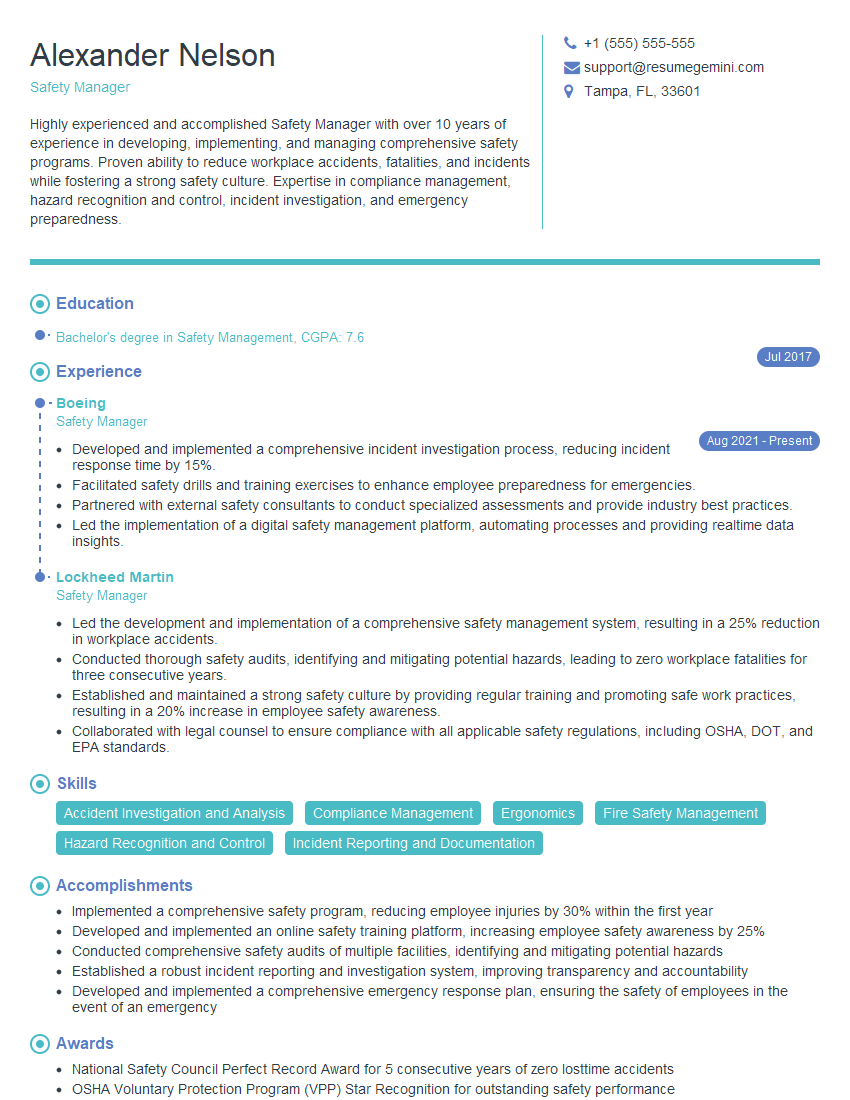
Safety Manager Resume Sample

Environmental Health and Safety Manager Resume Sample
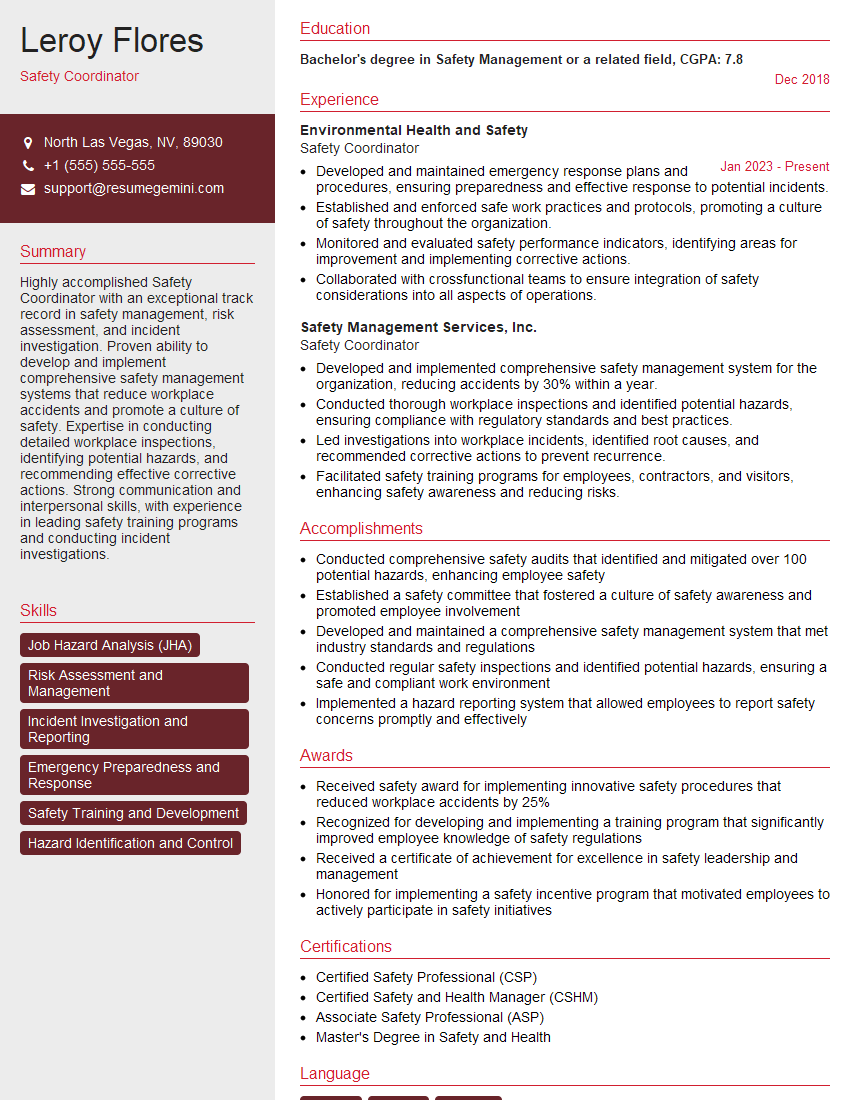
Safety Coordinator Resume Sample

Compliance Officer Resume Sample
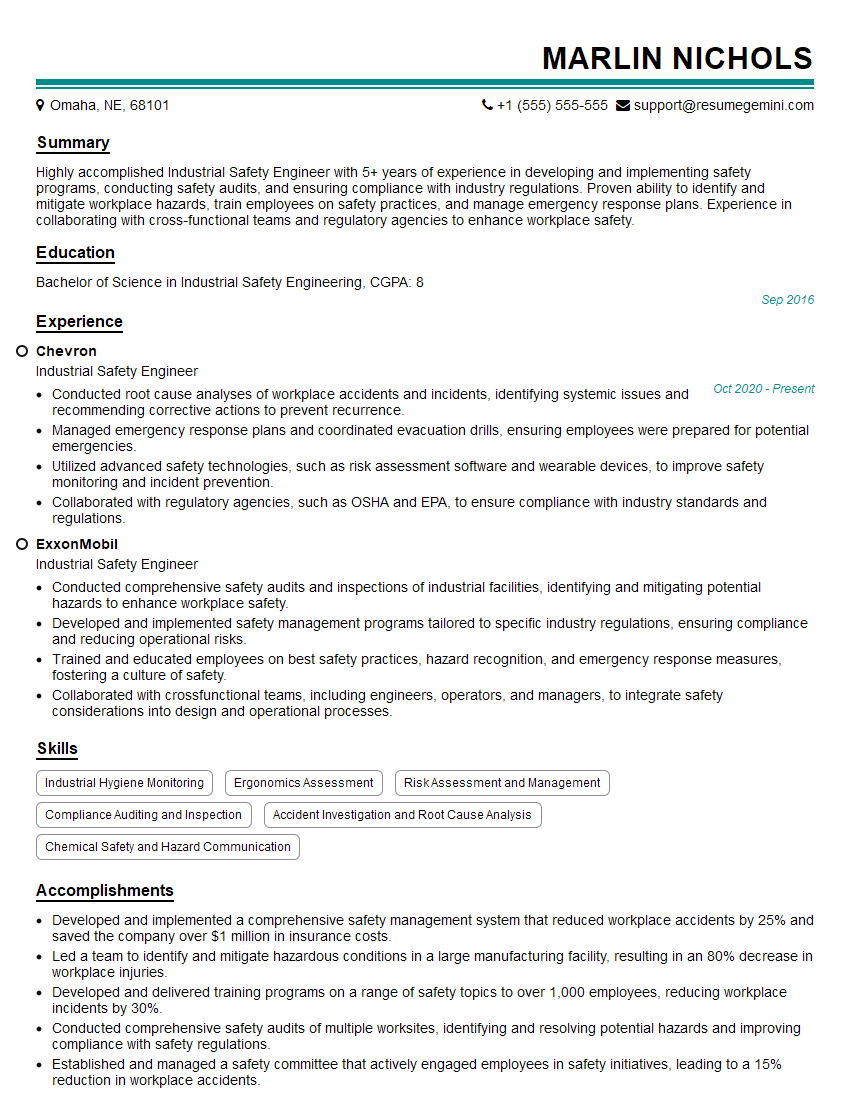
Industrial Safety Engineer Resume Sample
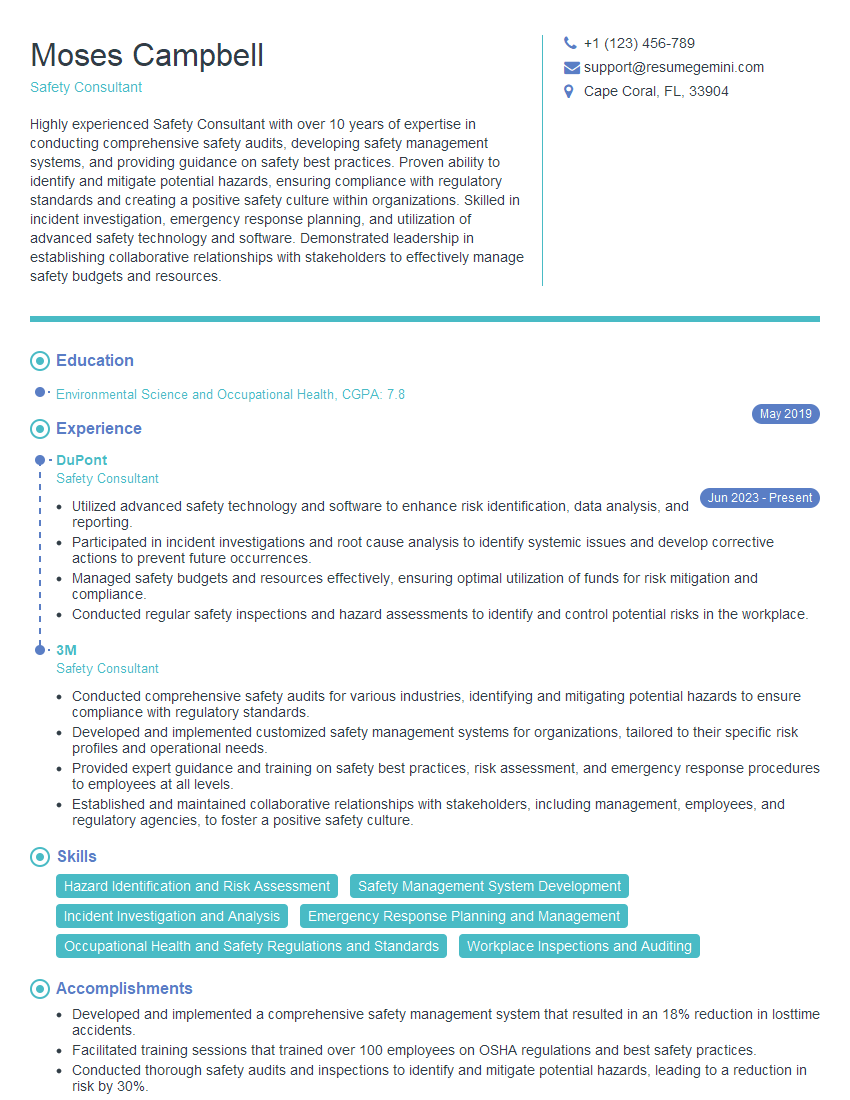
Safety Consultant Resume Sample

Safety Engineer Resume Sample

Safety Inspector Resume Sample
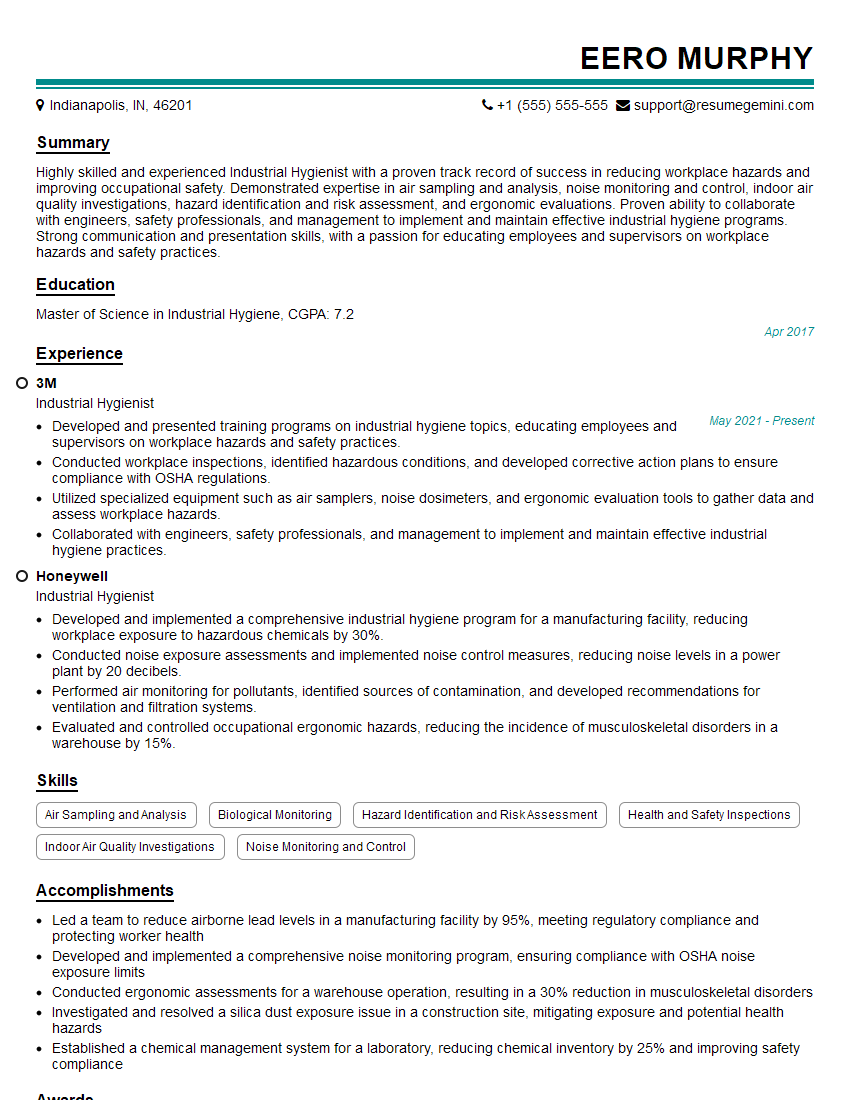
Industrial Hygienist Resume Sample
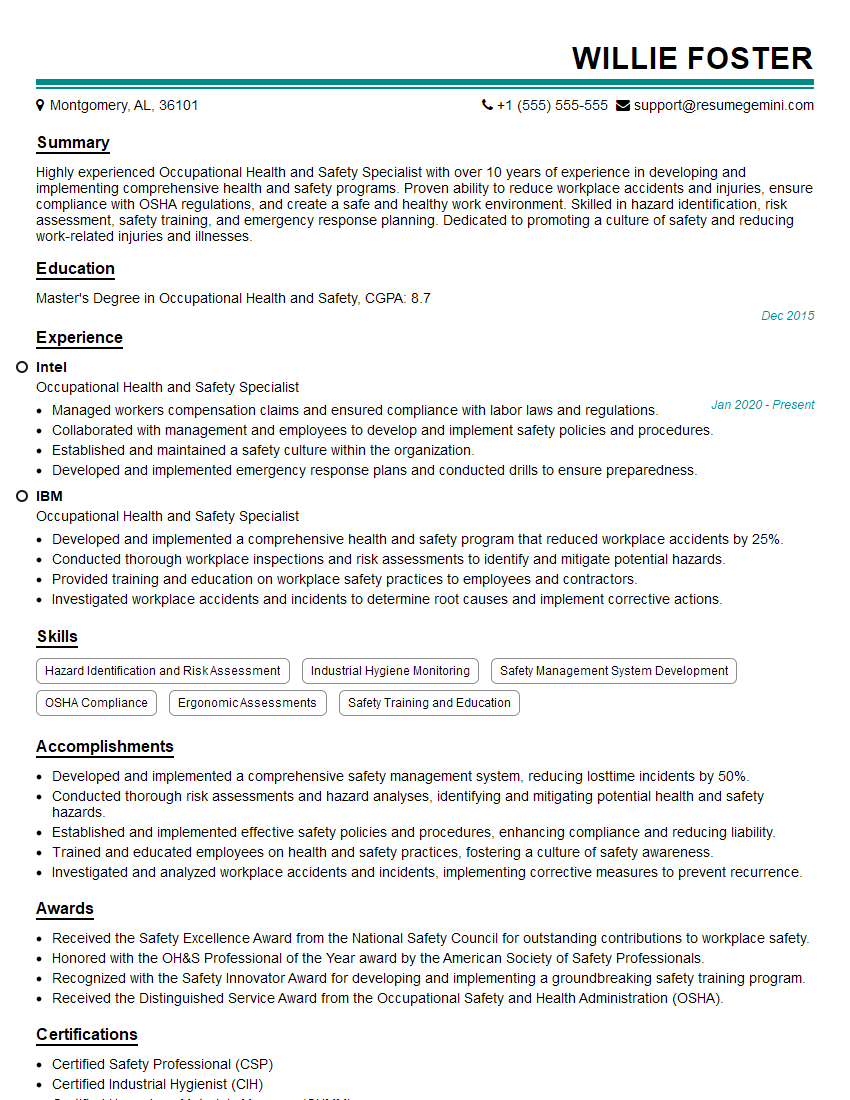
Occupational Health and Safety Specialist Resume Sample

Safety Officer Resume Sample
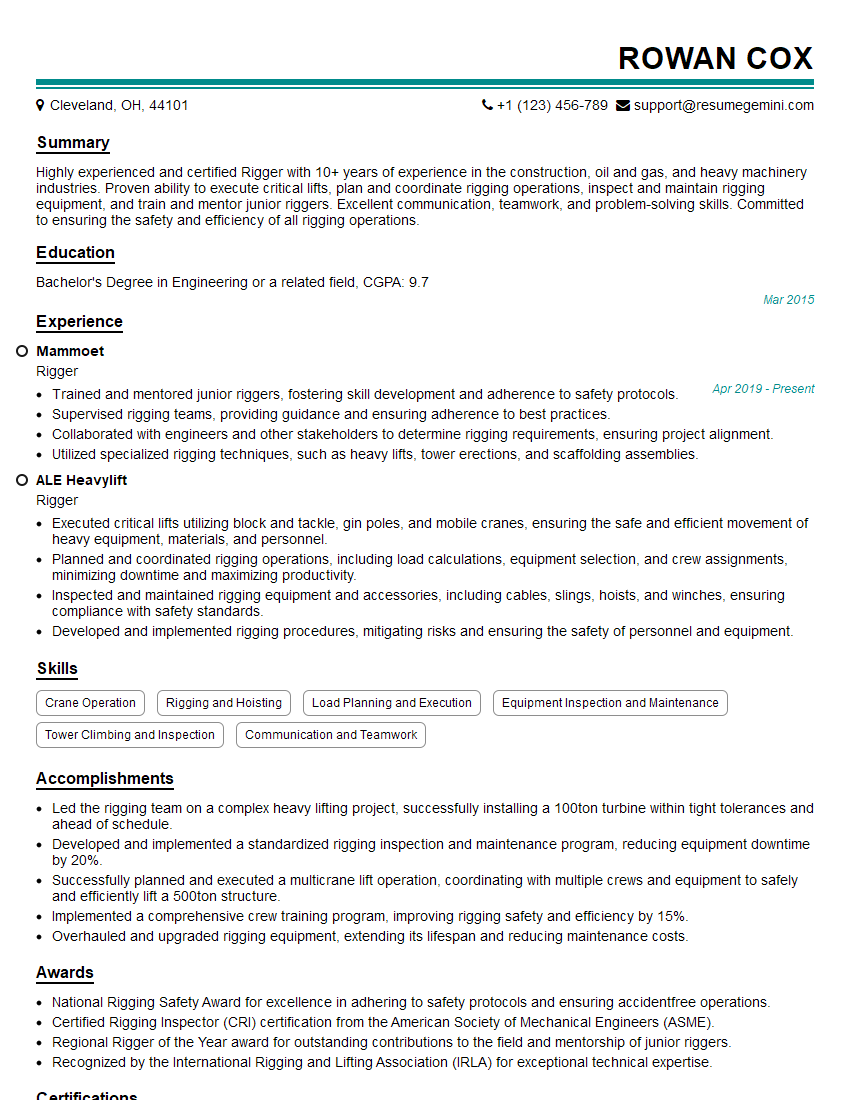
Rigger Resume Sample
Explore more articles
Users Rating of Our Blogs
Share Your Experience
We value your feedback! Please rate our content and share your thoughts (optional).
What Readers Say About Our Blog
Really detailed insights and content, thank you for writing this detailed article.
IT gave me an insight and words to use and be able to think of examples