Are you ready to stand out in your next interview? Understanding and preparing for Fitness and Wellness Assessment interview questions is a game-changer. In this blog, we’ve compiled key questions and expert advice to help you showcase your skills with confidence and precision. Let’s get started on your journey to acing the interview.
Questions Asked in Fitness and Wellness Assessment Interview
Q 1. Explain the different methods for assessing body composition.
Assessing body composition, essentially determining the proportions of fat mass and fat-free mass (muscle, bone, water), is crucial for understanding overall health and fitness. Several methods exist, each with its strengths and limitations.
- Anthropometry: This involves measuring body dimensions like height, weight, waist circumference, and skinfold thickness using calipers. Skinfold measurements estimate subcutaneous fat, which is then used in equations to predict total body fat percentage. It’s relatively inexpensive and easy to perform but relies on estimations and technician skill.
- Bioelectrical Impedance Analysis (BIA): BIA uses a weak electrical current to estimate body composition. The principle is that fat-free mass is a better conductor than fat mass. It’s quick and easy but can be affected by hydration status, recent exercise, and the time of day.
- Underwater Weighing (Hydrostatic Weighing): This gold standard method measures body density by comparing weight on land to weight underwater. Knowing body density, we can calculate body fat percentage. It’s very accurate but requires specialized equipment and is not always accessible.
- Air Displacement Plethysmography (Bod Pod): Similar to underwater weighing, this method measures body volume using air displacement in a sealed chamber. It’s less demanding than hydrostatic weighing but still utilizes specialized, expensive equipment.
- Dual-Energy X-ray Absorptiometry (DEXA): This advanced technique uses low-dose X-rays to differentiate between bone mineral, lean soft tissue, and fat mass. It’s the most precise method but also the most expensive and requires specialized equipment and trained personnel.
For example, a personal trainer might use skinfold calipers for a quick and relatively inexpensive assessment, while a research study might employ DEXA for the highest accuracy.
Q 2. Describe the components of a comprehensive fitness assessment.
A comprehensive fitness assessment goes beyond just body composition. It aims to provide a holistic view of an individual’s physical capabilities and limitations to create a safe and effective exercise program. Key components include:
- Resting Heart Rate and Blood Pressure: These provide baseline cardiovascular health data.
- Body Composition Assessment: As explained above, this determines the proportions of fat and fat-free mass.
- Cardiovascular Fitness Assessment: This measures the efficiency of the cardiovascular system. (discussed further in Q3)
- Muscular Strength and Endurance Assessment: Evaluates muscle power and capacity for sustained effort. (discussed further in Q4)
- Flexibility and Balance Assessment: Measures range of motion and stability. (discussed further in Q5)
- Pre-assessment Screening Questionnaires (PAR-Q+): Crucial for identifying potential health risks and contraindications to exercise. (discussed further in Q6)
Imagine a client aiming to improve overall fitness. A comprehensive assessment will highlight their strengths and weaknesses, guiding the creation of a targeted training plan that addresses all aspects of fitness, ensuring both safety and efficacy.
Q 3. How do you assess cardiovascular fitness?
Assessing cardiovascular fitness, or cardiorespiratory endurance, involves measuring the heart’s ability to deliver oxygen to working muscles during prolonged exercise. Several tests can be used, each suited to different fitness levels.
- Graded Exercise Test (GXT): This involves exercising on a treadmill or cycle ergometer while monitoring heart rate, blood pressure, and perceived exertion. The test is progressively increased in intensity until a predetermined endpoint (e.g., exhaustion or target heart rate) is reached. Provides a precise measure of cardiovascular fitness, including VO2 max.
- Submaximal Exercise Tests: These are shorter tests, such as the YMCA 3-minute step test or the Rockport Walk Test, estimating cardiovascular fitness based on submaximal heart rate responses. Simpler and faster than GXTs, but less precise.
- Field Tests: These include tests like the 1.5-mile run or the 1-mile walk test, measuring performance over a set distance. Simple and accessible, but influenced by factors like running technique and motivation.
For example, a GXT in a clinical setting might be used to assess a patient’s cardiovascular health prior to starting an exercise program, while a fitness professional might use a submaximal test like the beep test to quickly assess a client’s fitness level in a group setting.
Q 4. What are the key indicators of muscular strength and endurance?
Muscular strength and endurance are distinct but related components of fitness. Strength refers to the maximal force a muscle or muscle group can generate, while endurance refers to the ability to sustain muscular contractions over time.
- Muscular Strength Assessment: Typically involves one-repetition maximum (1RM) testing, where the individual lifts the heaviest weight possible for one repetition. Other strength assessments can use multiple repetitions at a submaximal weight.
- Muscular Endurance Assessment: Common methods include tests that involve performing a specific exercise (e.g., push-ups, sit-ups) for as many repetitions as possible (RM) or until fatigue, or maintaining a specific isometric contraction (static hold).
For example, a weightlifter might focus on 1RM testing for strength, while a marathon runner might prioritize assessments of muscular endurance in their legs to ensure their ability to maintain running form over long distances.
Q 5. How do you assess flexibility and balance?
Flexibility, the range of motion around a joint, and balance, the ability to maintain equilibrium, are crucial for overall functional fitness and injury prevention.
- Flexibility Assessment: Commonly assessed using goniometers (to measure joint angles) or sit-and-reach tests to measure hamstring flexibility. Other tests assess shoulder and hip flexibility.
- Balance Assessment: Static balance can be assessed using tests like the Romberg test or the single-leg stance test, while dynamic balance involves tasks like walking along a line or performing a tandem walk.
For instance, a yoga instructor might use a variety of flexibility tests to assess students’ progress and adapt their instruction. An elderly person undergoing physical therapy might have their balance evaluated to design exercises improving stability and fall prevention.
Q 6. Explain the importance of pre-assessment screening questionnaires.
Pre-assessment screening questionnaires, like the Physical Activity Readiness Questionnaire (PAR-Q+), are crucial for identifying potential health risks before initiating any exercise program. They help determine whether an individual needs medical clearance before participating in physical activity.
These questionnaires ask about medical history, current health conditions, and symptoms that could indicate underlying health problems. For example, a history of heart conditions, recent surgeries, or current medications will alert the assessor to potential risks and the need for modifications or medical clearance. They are essential for safety and help prevent adverse events during exercise.
The information gathered helps determine the appropriate intensity and type of exercise suitable for the individual, ensuring that exercise is beneficial rather than harmful.
Q 7. What are the limitations of various fitness assessment methods?
Every fitness assessment method has limitations. It’s important to understand these limitations to interpret results accurately and avoid misinterpretations.
- Anthropometry: Skinfold measurements are subject to technician error and variability. They estimate subcutaneous fat, not total body fat.
- BIA: Hydration levels, recent food intake, and body temperature can significantly influence results.
- Hydrostatic Weighing and Bod Pod: These methods can be expensive, inconvenient, and require specialized equipment.
- DEXA: Despite its accuracy, DEXA is expensive and requires specialized facilities and training.
- Submaximal Exercise Tests: These provide estimates rather than precise measurements of cardiovascular fitness.
- Field Tests: These tests are influenced by environmental factors and individual technique.
For example, a high body fat percentage from skinfold measurements might be partially due to water retention, not necessarily an accurate reflection of true body fat. Understanding these limitations is crucial for providing safe and effective exercise prescriptions.
Q 8. How do you interpret and communicate fitness assessment results to clients?
Interpreting fitness assessment results involves more than just numbers; it’s about understanding the client’s overall health and fitness profile. I begin by comparing the results to established norms and benchmarks, considering factors like age, gender, and activity level. For example, a resting heart rate of 80 bpm might be normal for a sedentary 40-year-old but elevated for a 25-year-old athlete.
Communicating these results requires clear, concise language, free of jargon. I avoid overwhelming clients with technical details. Instead, I translate the data into actionable insights, using visuals like graphs and charts where helpful. I explain what the results mean in terms of their strengths and weaknesses, setting realistic goals, and highlighting areas for improvement. For example, if a client’s VO2 max is below average, I’ll explain what that means in terms of their cardiovascular fitness and discuss strategies to improve it. The conversation always focuses on progress and empowerment, ensuring the client feels understood and motivated.
A typical communication might be: “Your assessment shows you have good muscular strength, but your cardiovascular fitness could benefit from increased activity. We’ll focus on incorporating more cardio into your program, starting with [specific recommendations].”
Q 9. How do you adapt fitness assessments for individuals with different health conditions?
Adapting fitness assessments for individuals with health conditions is crucial to ensure safety and effectiveness. I always obtain a comprehensive medical history and any relevant medical clearances before conducting assessments. This includes reviewing medications, pre-existing conditions, and any limitations or restrictions.
For example, someone with hypertension might require modifications to avoid strenuous activities that could spike their blood pressure. Similarly, individuals with arthritis may need assessments focused on range of motion and functional strength rather than maximal exertion. I might substitute certain tests: a modified push-up test could replace a standard bench press for someone with shoulder limitations. The key is to use alternative assessments that are both safe and provide relevant information, always prioritizing the individual’s safety and well-being. I collaborate closely with physicians or physical therapists when needed to ensure the assessment is appropriate and aligned with the individual’s medical plan.
Q 10. What are the ethical considerations in conducting fitness assessments?
Ethical considerations are paramount in fitness assessments. Confidentiality is key; client data must be protected and used solely for their benefit. Informed consent is essential; clients must understand the purpose, procedures, and potential risks involved before participation.
Objectivity is crucial; assessments should be conducted fairly and without bias. I avoid making subjective judgments, focusing on the objective data collected. Competence is also crucial; I only conduct assessments within my scope of practice, referring clients to other professionals when necessary. For example, if a client presents with symptoms suggesting a more serious health issue, I would immediately refer them to their physician. I also maintain professional boundaries and ensure all interactions are respectful and appropriate.
Q 11. Describe your experience with different fitness assessment technologies.
My experience encompasses a variety of fitness assessment technologies. I’m proficient in using traditional methods like anthropometric measurements (height, weight, body composition using calipers), and various fitness tests (e.g., push-up test, sit-up test, 1-mile run). I also utilize more advanced technologies, including wearable fitness trackers (like Fitbits and Apple Watches) to monitor heart rate, steps, and sleep patterns. I find these useful for providing long-term data trends which help track client progress outside of formal assessment sessions.
I’ve also worked with more sophisticated equipment such as body composition analyzers (BIA), which provide a more precise measure of body fat percentage than calipers. I understand the limitations of each technology and choose the most appropriate tools based on the client’s needs and the available resources. It’s critical to interpret the data from all these technologies with a holistic view, never relying solely on one piece of equipment.
Q 12. How do you design a personalized fitness program based on assessment results?
Designing a personalized fitness program begins with a thorough review of the assessment results. I identify the client’s strengths and weaknesses, considering their goals and limitations. The program should be SMART: Specific, Measurable, Achievable, Relevant, and Time-bound. For example, if a client wants to improve cardiovascular fitness, I will design a program that includes specific cardio exercises (e.g., running, swimming, cycling) with measurable goals (e.g., increase running distance by 1km per week).
I incorporate principles of progressive overload, gradually increasing the intensity and duration of exercise to stimulate continued improvement. The program also includes a warm-up and cool-down phase, and addresses all major muscle groups with attention to proper technique to prevent injury. Regular monitoring of progress is vital. I’ll schedule follow-up sessions to track progress and modify the program as needed. Flexibility is key; the program should be easily adapted to the client’s lifestyle and any changes in their circumstances.
Q 13. What are the key elements of a safe and effective exercise program?
A safe and effective exercise program is built on several key elements. First, a proper warm-up is crucial to prepare the body for physical activity, increasing blood flow and muscle temperature. This might involve light cardio and dynamic stretching. The workout itself should be appropriately challenging, using progressive overload to gradually increase intensity. The program should incorporate a variety of exercises to target different muscle groups, enhancing strength, endurance, and flexibility. Proper form and technique are essential to prevent injuries.
A cool-down phase is equally important, helping the body return to its resting state and reducing muscle soreness. This might include light cardio and static stretching. Adequate rest and recovery are crucial; muscles need time to repair and rebuild after exercise. Overtraining can lead to injury and burnout. The program should also include nutritional guidance, emphasizing hydration and a balanced diet to support exercise performance and recovery. Finally, regular monitoring for signs of overtraining or injury helps to keep the client safe and on track towards their goals.
Q 14. How do you motivate clients to adhere to their exercise programs?
Motivating clients to adhere to their exercise programs requires building a strong rapport and understanding their individual needs and preferences. I start by setting realistic and attainable goals, ensuring the client feels empowered rather than overwhelmed. I emphasize the positive aspects of exercise, focusing on how it benefits their overall health and well-being, rather than solely on weight loss or aesthetics.
Regular communication is key; I use a variety of methods, including email, text messages, and phone calls to stay in touch and provide support. I encourage clients to track their progress using journals or apps, which can provide a sense of accomplishment and motivation. I may also incorporate elements of gamification, setting small challenges and rewards to keep clients engaged. Finally, I encourage clients to find an exercise buddy or join a fitness group, fostering a sense of community and support.
Celebrating successes is also a critical element of long-term adherence. Whether it’s a new personal best, reaching a milestone goal, or simply showing up consistently, acknowledging achievements helps reinforce positive habits and maintain motivation.
Q 15. How do you monitor client progress and make adjustments to their programs?
Monitoring client progress is crucial for ensuring program effectiveness and safety. It’s not a one-size-fits-all approach; it requires a blend of objective measurements and subjective feedback. I utilize a multifaceted approach, combining regular assessments with ongoing communication.
- Objective Measures: This includes tracking things like weight, body fat percentage (using calipers or bioelectrical impedance analysis), strength gains (1-rep max, etc.), cardiovascular fitness improvements (resting heart rate, VO2 max estimates), and flexibility assessments. I often use fitness trackers and apps for objective data collection, particularly for tracking steps or activity levels outside of our formal sessions. For example, I might track a client’s progress in push-ups – going from 5 to 15 in a month. I also regularly evaluate form and technique to ensure safety and effectiveness.
- Subjective Feedback: This involves regular check-ins with the client to discuss their perceived exertion, energy levels, mood, sleep quality, and overall progress towards their goals. This is especially important as it helps identify potential barriers to success, whether it’s stress, lack of sleep, or nutritional issues. For instance, I might ask, “How are you feeling about the intensity of your workouts? Are you experiencing any muscle soreness that’s concerning you?”
- Program Adjustments: Based on both objective data and subjective feedback, I adjust the program accordingly. This could involve increasing the weight lifted, adding more sets and reps, adjusting the intensity of cardio, changing exercises, or modifying rest periods. Sometimes, it means backing off to avoid injury or burnout. For example, if a client is experiencing excessive fatigue or plateauing in their strength gains, I might reduce the training volume or incorporate more rest days. The key is to be responsive and adaptive.
Career Expert Tips:
- Ace those interviews! Prepare effectively by reviewing the Top 50 Most Common Interview Questions on ResumeGemini.
- Navigate your job search with confidence! Explore a wide range of Career Tips on ResumeGemini. Learn about common challenges and recommendations to overcome them.
- Craft the perfect resume! Master the Art of Resume Writing with ResumeGemini’s guide. Showcase your unique qualifications and achievements effectively.
- Don’t miss out on holiday savings! Build your dream resume with ResumeGemini’s ATS optimized templates.
Q 16. Explain your understanding of different training principles (e.g., overload, progression, specificity).
Training principles are the foundation of any effective fitness program. They guide the design and implementation of workouts to ensure optimal results and minimize injury risk.
- Overload: This principle states that to improve fitness, the body must be subjected to progressively greater demands than it is accustomed to. It’s about consistently challenging the body to adapt. This could mean gradually increasing weight, reps, sets, intensity, or duration of workouts. For example, if a client is easily performing 10 push-ups, the overload could be increased by adding more reps (12-15) or by making the push-ups more challenging (inclined push-ups).
- Progression: This is the systematic increase in training demands over time. It’s a gradual process, avoiding drastic jumps that could lead to injury. It builds upon the overload principle and ensures that the client continues to be challenged without risking injury. An example would be incrementally increasing the weight lifted each week if they can consistently achieve their target reps.
- Specificity: This principle emphasizes that training should be specific to the desired outcome. If the goal is to improve marathon running performance, the training will focus primarily on endurance-based activities, such as long slow distance runs. If the goal is to increase muscle mass, the focus will be on strength training exercises. For instance, a client who wants to improve their tennis serve will need to incorporate exercises specific to the movement patterns required for the serve.
Q 17. How do you address client concerns and challenges during the assessment process?
Addressing client concerns and challenges during the assessment process is crucial for establishing trust and ensuring a positive client experience. I use active listening, empathy, and a collaborative approach.
- Active Listening: I pay close attention to what the client says, both verbally and nonverbally, and I ask clarifying questions to ensure I understand their concerns completely. This often involves asking open-ended questions, such as, “What are your biggest concerns about starting an exercise program?” or “What are your expectations for this process?”
- Empathy and Validation: I acknowledge and validate the client’s feelings and concerns, demonstrating understanding and compassion. For instance, if a client expresses anxiety about being overweight, I might say something like, “I understand that can be a challenging experience, and I’m here to support you.” Building trust and rapport is paramount here.
- Collaborative Problem-Solving: I work collaboratively with the client to identify solutions to their concerns. This might involve modifying the assessment protocols to accommodate their limitations or anxieties, or suggesting strategies for overcoming specific challenges. For example, if a client is uncomfortable with certain exercises, we’ll explore alternatives together to find something they feel comfortable and confident with.
Q 18. Describe your experience with different types of exercise testing protocols.
My experience encompasses a variety of exercise testing protocols, selected based on the client’s goals, fitness level, and any pre-existing health conditions. Safety and accuracy are my top priorities.
- Resting Heart Rate and Blood Pressure: These baseline measurements provide crucial information about cardiovascular health. They’re relatively simple to obtain and are part of every initial assessment.
- Body Composition Analysis: I utilize methods such as skinfold calipers, bioelectrical impedance analysis (BIA), and underwater weighing to assess body fat percentage and lean body mass. Each method has its strengths and weaknesses, and I choose the most appropriate based on the client and available resources.
- Cardiovascular Fitness Tests: These range from simpler tests like the step test or 1-mile run to more sophisticated protocols, such as graded exercise tests (GXT) on a treadmill or cycle ergometer, for clients seeking more in-depth assessments. GXTs are particularly useful for determining functional capacity and identifying potential cardiac issues, but they necessitate specialized equipment and expertise.
- Strength and Endurance Assessments: This involves assessing muscular strength through one-rep max testing or submaximal testing using various resistance exercises, and muscular endurance through repetition-to-failure tests. I also evaluate functional strength through exercises that mimic everyday movements.
- Flexibility Assessments: These assess range of motion in key joints, such as the sit-and-reach test or goniometry.
Q 19. How do you assess a client’s readiness for exercise?
Assessing a client’s readiness for exercise involves a thorough evaluation of their physical and psychological state. This is crucial to prevent injury and ensure program adherence.
- Health History Questionnaire: I begin with a detailed questionnaire covering medical history, current medications, previous injuries, and any other relevant health information. This helps to identify potential risk factors or contraindications to exercise.
- Physical Examination: A basic physical examination can help identify any musculoskeletal limitations or other issues that may impact exercise tolerance. I may conduct assessments such as posture observation and range of motion checks.
- Risk Stratification: Based on the information gathered, I stratify the client’s risk for cardiovascular events. This determines the intensity and type of exercise that is appropriate. Those with higher risk factors may require medical clearance before starting an exercise program.
- Readiness for Change: I assess the client’s motivation, self-efficacy (belief in their ability to succeed), and readiness to adopt a new lifestyle. This often involves discussions about their goals, barriers to exercise, and support systems. Motivational interviewing techniques are often used here.
Q 20. How do you manage clients with injuries or limitations?
Managing clients with injuries or limitations requires a cautious and individualized approach. Collaboration with healthcare professionals is often necessary.
- Medical Clearance: I always recommend medical clearance from a physician for clients with pre-existing injuries or conditions. This ensures that the exercise program is safe and appropriate given their specific circumstances.
- Modified Exercise Programs: I design modified exercise programs that accommodate the client’s limitations, focusing on areas that are not affected by the injury while still challenging the client appropriately. This might involve using adaptive equipment or modifying exercise techniques.
- Pain Management: If pain is present, I will work closely with the client to manage it effectively. This might involve strategies such as proper posture, warm-up routines, and ice/heat therapy. I always stress listening to their body and not pushing through pain.
- Gradual Progression: I use a gradual progression strategy, slowly increasing the intensity and duration of exercise as the client’s condition improves. This minimizes the risk of re-injury and promotes gradual adaptation. Regular reevaluation and adjustments to the program are crucial here.
Q 21. What are your strategies for promoting long-term behavior change?
Promoting long-term behavior change is the ultimate goal of any fitness and wellness program. It requires a multifaceted approach focused on creating sustainable habits.
- Goal Setting: We work collaboratively to set realistic, specific, measurable, achievable, relevant, and time-bound (SMART) goals. This helps to maintain motivation and track progress.
- Self-Monitoring: I encourage clients to track their progress through various methods, such as fitness trackers, journals, or apps. This creates awareness and accountability.
- Social Support: Building a strong support system, which may include family, friends, or even online communities, is essential for maintaining long-term adherence.
- Habit Stacking: We integrate new healthy behaviors into existing routines, making them easier to adopt. For example, a client could add a 10-minute walk to their morning routine.
- Problem-Solving Skills: We develop strategies for overcoming barriers to adherence, such as stress, lack of time, or social pressures. This involves proactive planning and contingency management.
- Relapse Prevention: We discuss potential challenges and develop strategies to address them if they arise. Recognizing setbacks as temporary and learning from them are key aspects of this approach.
- Regular Follow-up: Ongoing support and check-ins, even after the formal program ends, help to maintain momentum and prevent relapse.
Q 22. Describe your understanding of nutrition’s role in fitness and wellness.
Nutrition is the cornerstone of fitness and wellness. It’s not just about fueling workouts; it’s about providing the body with the necessary building blocks for repair, growth, and optimal function. A balanced diet provides the energy for exercise, supports muscle growth and recovery, and influences overall health and well-being. Think of it like this: a car needs the right fuel to run efficiently; similarly, your body needs the right nutrients to perform at its best.
This involves a multifaceted approach encompassing:
- Macronutrient balance: Finding the right ratio of carbohydrates, proteins, and fats based on individual goals (weight loss, muscle gain, endurance). For example, an endurance athlete might need a higher carbohydrate intake compared to someone focused on strength training.
- Micronutrient sufficiency: Ensuring adequate intake of vitamins and minerals crucial for metabolic processes and overall health. Deficiencies can hinder progress and increase the risk of illness.
- Hydration: Water is essential for numerous bodily functions, including temperature regulation and nutrient transport. Dehydration can significantly impair performance and recovery.
- Timing of meals: Strategic meal timing can optimize energy levels and recovery. For instance, consuming protein and carbohydrates post-workout aids muscle repair and glycogen replenishment.
I emphasize individualized nutrition plans, considering factors like age, activity level, dietary preferences, and any existing health conditions. Generic advice is rarely effective. Instead, I guide clients towards making sustainable, informed choices that align with their lifestyles.
Q 23. How do you educate clients about healthy lifestyle choices?
Educating clients about healthy lifestyle choices is a collaborative process, built on trust and mutual understanding. I use a multifaceted approach:
- Personalized consultations: I begin by thoroughly assessing their current lifestyle, understanding their goals, and identifying any barriers. This lays the foundation for a tailored plan.
- Educational materials: I provide evidence-based information in various formats—brochures, handouts, website links—that address nutrition, exercise, stress management, and sleep hygiene. I focus on making the information easily accessible and relatable.
- Interactive sessions: We actively discuss healthy recipes, meal planning strategies, and stress-reducing techniques. I encourage them to keep a food diary and track their progress.
- Goal setting and behavior modification: I work with clients to set achievable goals and develop strategies to overcome challenges, emphasizing gradual changes rather than drastic overhauls. For example, instead of eliminating all sugar, we might start with reducing sugary drinks.
- Accountability and support: Regular check-ins, both in person and virtually, help track progress, offer encouragement, and provide ongoing support. I create a safe space where clients feel comfortable discussing challenges and seeking guidance.
My ultimate aim is to empower clients to make informed decisions and build lasting healthy habits. The education extends beyond just nutrition; it encompasses a holistic approach to well-being.
Q 24. How do you stay updated on current research and best practices in fitness and wellness?
Staying current in the ever-evolving field of fitness and wellness requires a commitment to continuous learning. I utilize several methods:
- Peer-reviewed journals: I regularly read publications like the Journal of Strength and Conditioning Research and the American Journal of Clinical Nutrition to stay abreast of the latest scientific findings.
- Professional conferences and workshops: Attending industry events allows me to network with other professionals and learn about innovative assessment and training techniques. It’s also a great way to learn about the latest technology and methodologies.
- Continuing education courses: I actively pursue certifications and courses from reputable organizations to enhance my expertise in specific areas like functional movement screening or specialized nutrition.
- Professional organizations: Membership in organizations like the American College of Sports Medicine (ACSM) provides access to resources, research updates, and networking opportunities.
- Online resources: I utilize reputable online databases and websites for evidence-based information, but always critically evaluate the source’s credibility.
This ongoing learning ensures I deliver the safest and most effective guidance to my clients, adapting my strategies as new research emerges.
Q 25. What software or tools do you use for fitness assessment and program design?
I utilize a combination of software and tools for fitness assessment and program design. My choices depend on the client’s needs and the specific assessment required:
- Fitness assessment software: I use software packages that allow for detailed client profile creation, tracking progress metrics (body composition, strength, endurance), and generating customized training plans. Examples include
TrainerizeandTrueCoach. - Spreadsheet software:
Microsoft ExcelorGoogle Sheetsare invaluable for organizing client data, tracking progress, and calculating training metrics. I use them to create customized spreadsheets to keep detailed records. - Body composition analyzers: I use devices like DEXA scans or bioelectrical impedance analysis (BIA) scales to accurately measure body fat percentage and lean muscle mass. This provides crucial information for tailoring nutrition and exercise programs.
- Strength and conditioning equipment: This includes standard gym equipment for assessing strength and power. This allows for direct measurement of strength, endurance, and power.
- Movement analysis tools: Video recording and analysis tools aid in identifying movement limitations and designing corrective exercises.
The selection of tools is always client-specific and based on the goals of the assessment.
Q 26. Describe a time you had to adapt a fitness assessment to a client’s needs.
I once had a client with severe osteoarthritis in her knees, making many standard fitness assessments impossible. Initially, the plan was to perform a standard movement screen and a VO2 max test. However, the knee pain prevented her from performing many of the movements required. I adapted the assessment by:
- Focusing on functional movements: Instead of complex exercises, I assessed her ability to perform everyday tasks like rising from a chair, walking short distances, and climbing stairs. This provided a practical measure of her functional fitness.
- Using modified tests: I substituted traditional strength tests with easier, low-impact variations. For example, instead of a squat, we focused on chair stands to assess lower body strength.
- Utilizing subjective assessments: I incorporated questionnaires about her pain levels, functional limitations, and daily activities to gain a comprehensive understanding of her condition.
- Collaborating with her physician: I discussed my findings and planned exercise program with her doctor to ensure safety and align with her medical restrictions.
The result was a personalized fitness plan focusing on strengthening her muscles without exacerbating her knee pain, and she was able to experience success and continue safely and independently.
Q 27. How do you handle challenging or unexpected situations during a fitness assessment?
Unexpected situations during fitness assessments are a reality. My approach involves:
- Maintaining a calm and reassuring demeanor: This helps ease the client’s anxiety and allows for better communication.
- Assessing the situation quickly: Is it a medical emergency? A simple equipment malfunction? A client feeling unwell? Rapid assessment guides my response.
- Prioritizing safety: If there is a risk to the client’s safety, I immediately stop the assessment and address the issue. This might involve calling emergency services or modifying the assessment.
- Adapting the assessment: If a test is causing discomfort or cannot be performed due to unforeseen circumstances, I adapt the assessment using alternative methods. I don’t force any client into uncomfortable situations.
- Documenting the incident thoroughly: I meticulously record any unexpected events, including the client’s response and the changes made to the assessment.
For example, if a client experiences dizziness during an exercise, I would stop immediately, check their vital signs, provide support, and potentially reschedule or modify the assessment. Thorough documentation protects both the client and myself.
Q 28. What is your approach to promoting client autonomy and self-efficacy?
Promoting client autonomy and self-efficacy is central to my approach. I believe clients should be empowered to take ownership of their health and wellness journey. This is achieved through:
- Shared decision-making: I involve clients in setting goals, choosing exercises, and designing their programs. This fosters a sense of ownership and commitment.
- Education and empowerment: I equip clients with the knowledge and skills to make informed choices about their health. This is not about me telling them what to do but guiding them on how to do it themselves.
- Positive reinforcement and encouragement: I focus on celebrating their successes, no matter how small. This builds confidence and reinforces positive habits.
- Setting realistic expectations: I help clients understand that progress takes time and that setbacks are normal. This prevents discouragement and promotes resilience.
- Providing resources for self-management: I share information on apps, online resources, and support groups to help clients continue their journey independently.
For instance, I might work with a client to create a personalized meal plan, but I empower them to adjust it based on their preferences and availability. The focus is on providing guidance, not control, ultimately leading to long-term, sustainable habits.
Key Topics to Learn for Fitness and Wellness Assessment Interview
- Understanding Client Needs: Analyzing individual health goals, fitness levels, and limitations to create personalized assessment plans.
- Designing Assessment Protocols: Selecting appropriate tests and measurements (e.g., body composition analysis, cardiovascular fitness tests, muscular strength and endurance assessments) based on client needs and available resources. Practical application: Justifying your choice of assessments for different client profiles (e.g., athletes vs. sedentary individuals).
- Performing Assessments Safely and Effectively: Mastering proper testing techniques, ensuring client safety, and understanding the limitations of different assessment methods. Practical application: Demonstrate knowledge of pre-assessment screening protocols and risk stratification.
- Interpreting Assessment Data: Accurately analyzing results, identifying strengths and weaknesses, and drawing meaningful conclusions to inform program design. Practical application: Explain how you would use data from multiple assessments to develop a comprehensive fitness profile.
- Communicating Assessment Results: Clearly and effectively conveying assessment findings to clients in a way that is motivating and understandable. Practical application: Describe your approach to providing feedback and setting realistic goals.
- Developing Personalized Wellness Plans: Integrating assessment data to create customized plans that address client needs and promote long-term health and wellness. Practical application: Develop a sample wellness plan based on a hypothetical client profile.
- Legal and Ethical Considerations: Understanding privacy regulations (HIPAA, etc.), professional conduct, and ethical considerations related to fitness and wellness assessments. Practical application: Discuss scenarios involving client confidentiality and informed consent.
- Technology in Fitness and Wellness Assessment: Familiarity with various technologies used in fitness assessments, including wearable technology and software applications. Practical application: Discuss the advantages and disadvantages of different technologies for data collection and analysis.
Next Steps
Mastering Fitness and Wellness Assessment is crucial for career advancement in the health and fitness industry. It demonstrates your ability to provide safe, effective, and personalized services to clients. To significantly improve your job prospects, focus on building an ATS-friendly resume that highlights your skills and experience. ResumeGemini is a trusted resource to help you create a professional and impactful resume. They offer examples of resumes tailored to Fitness and Wellness Assessment roles, making your job search more efficient and effective.
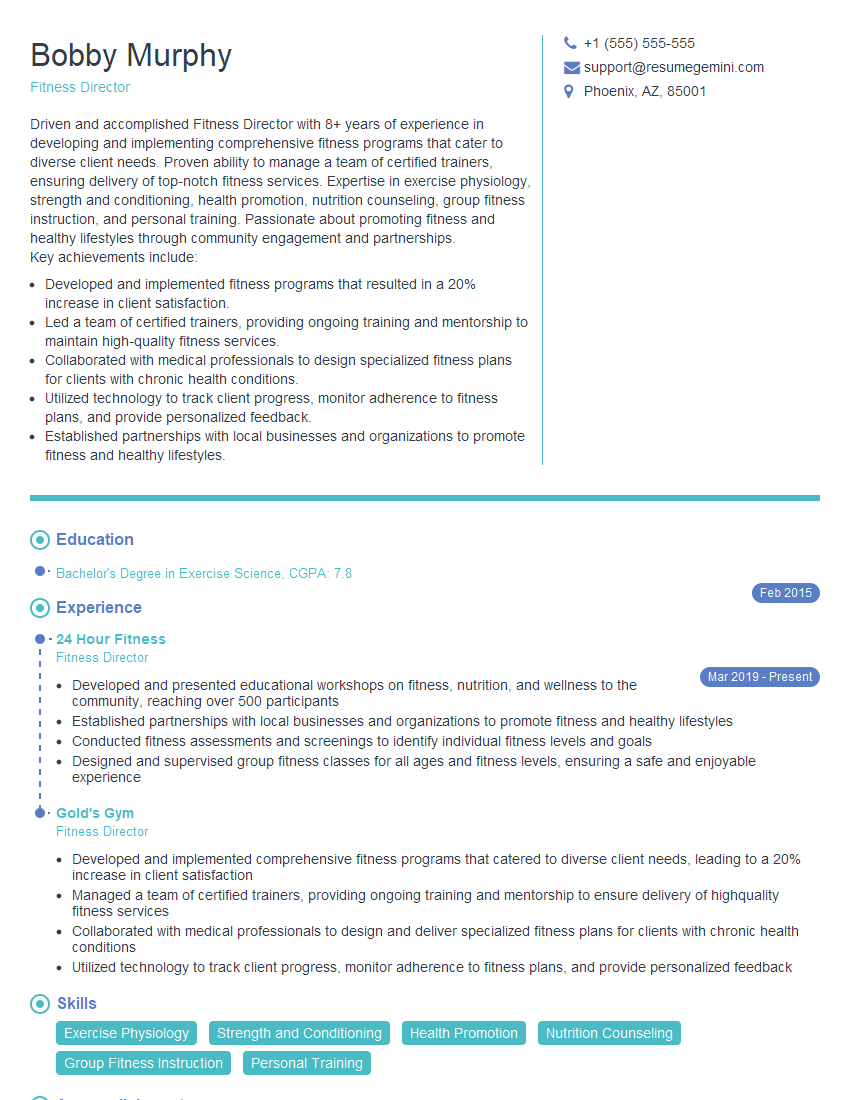
Fitness Director Resume Sample

Wellness Coach Resume Sample
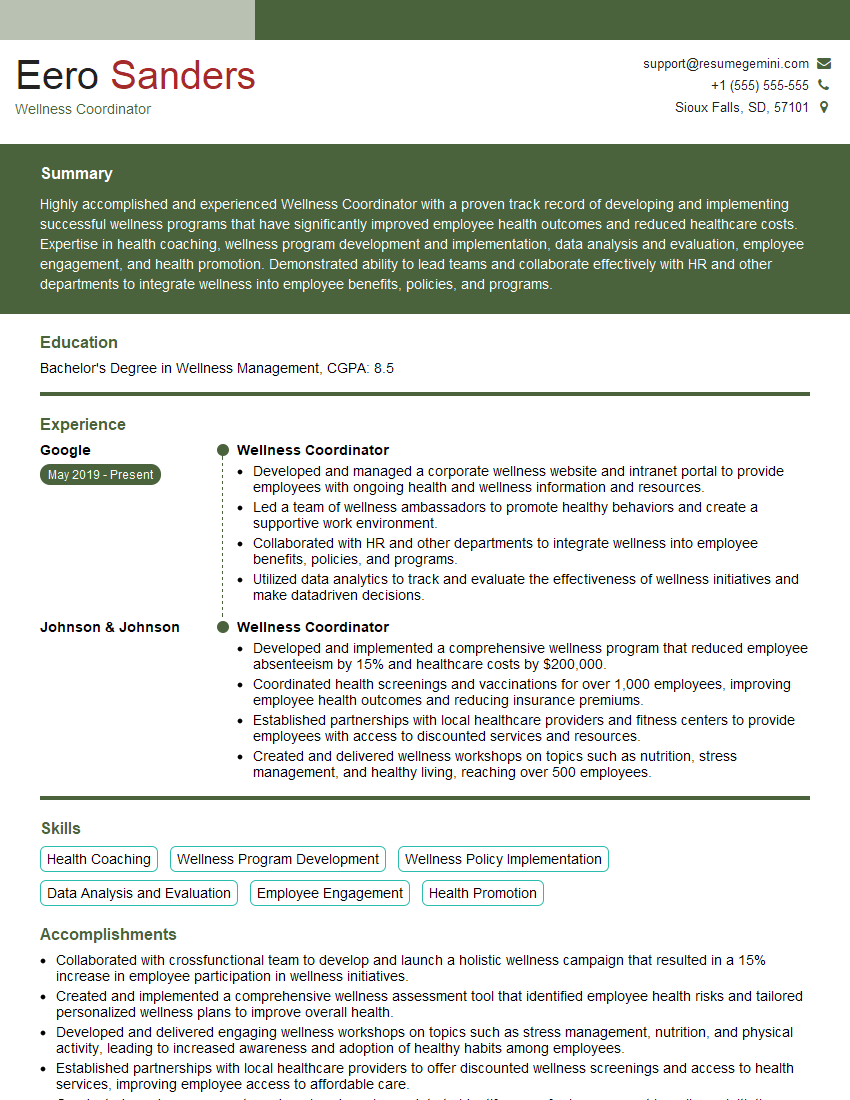
Wellness Coordinator Resume Sample
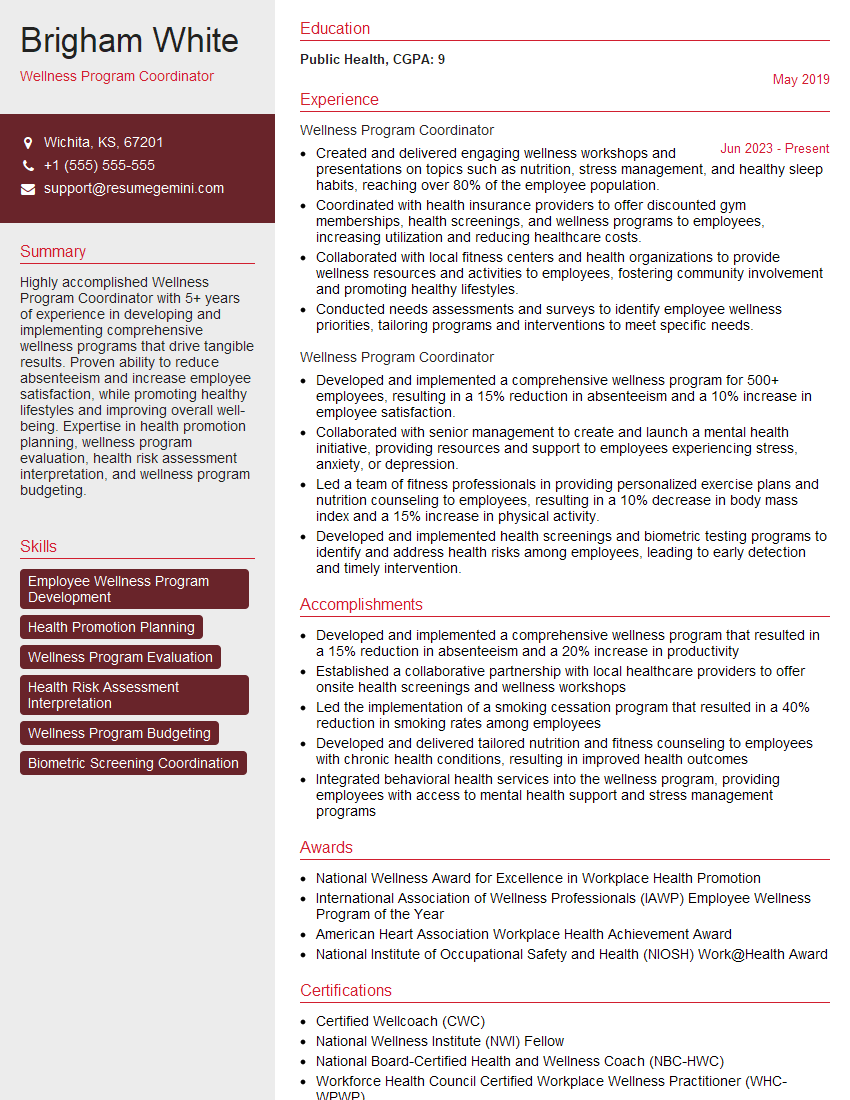
Wellness Program Coordinator Resume Sample
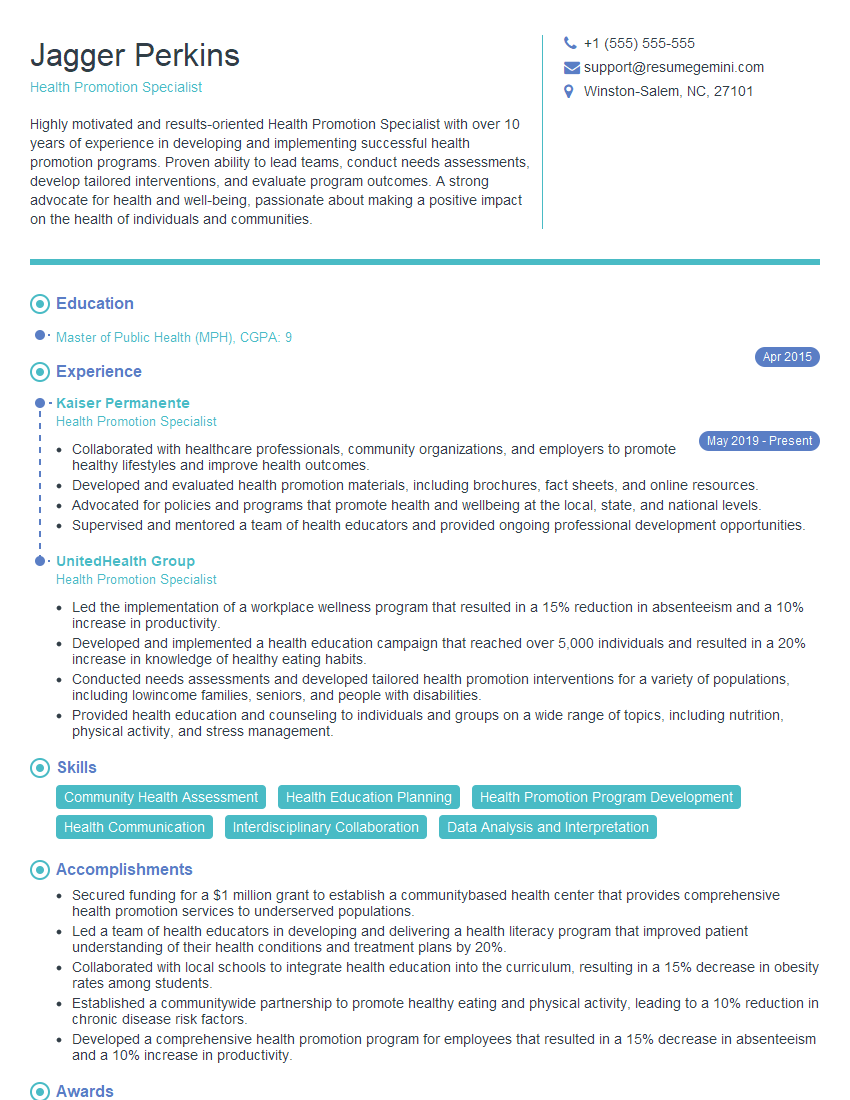
Health Promotion Specialist Resume Sample
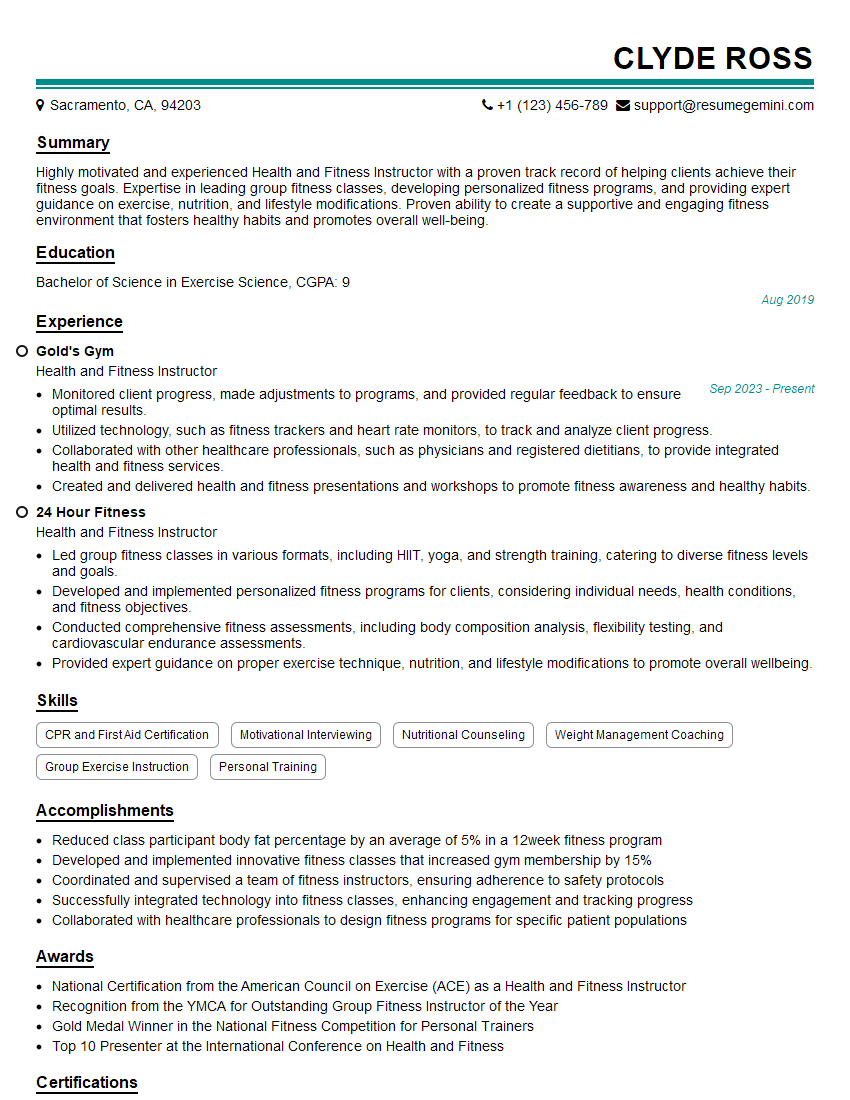
Health and Fitness Instructor Resume Sample
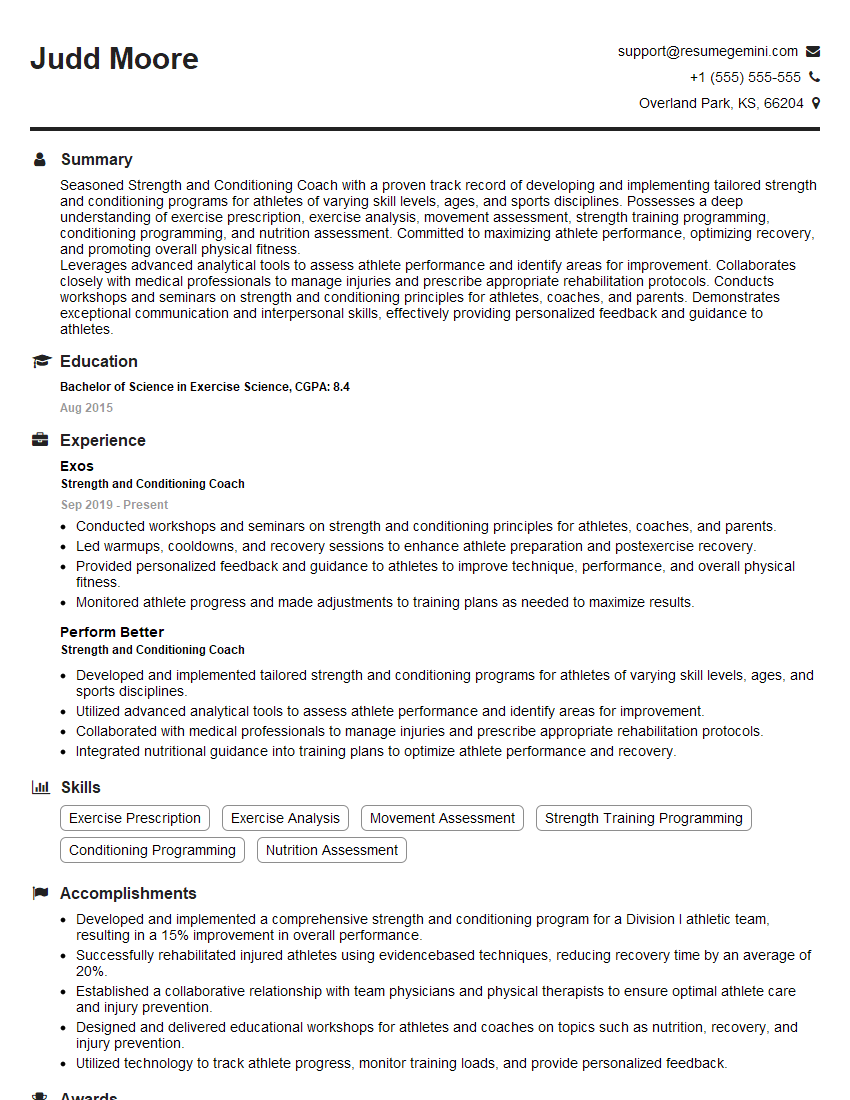
Strength and Conditioning Coach Resume Sample
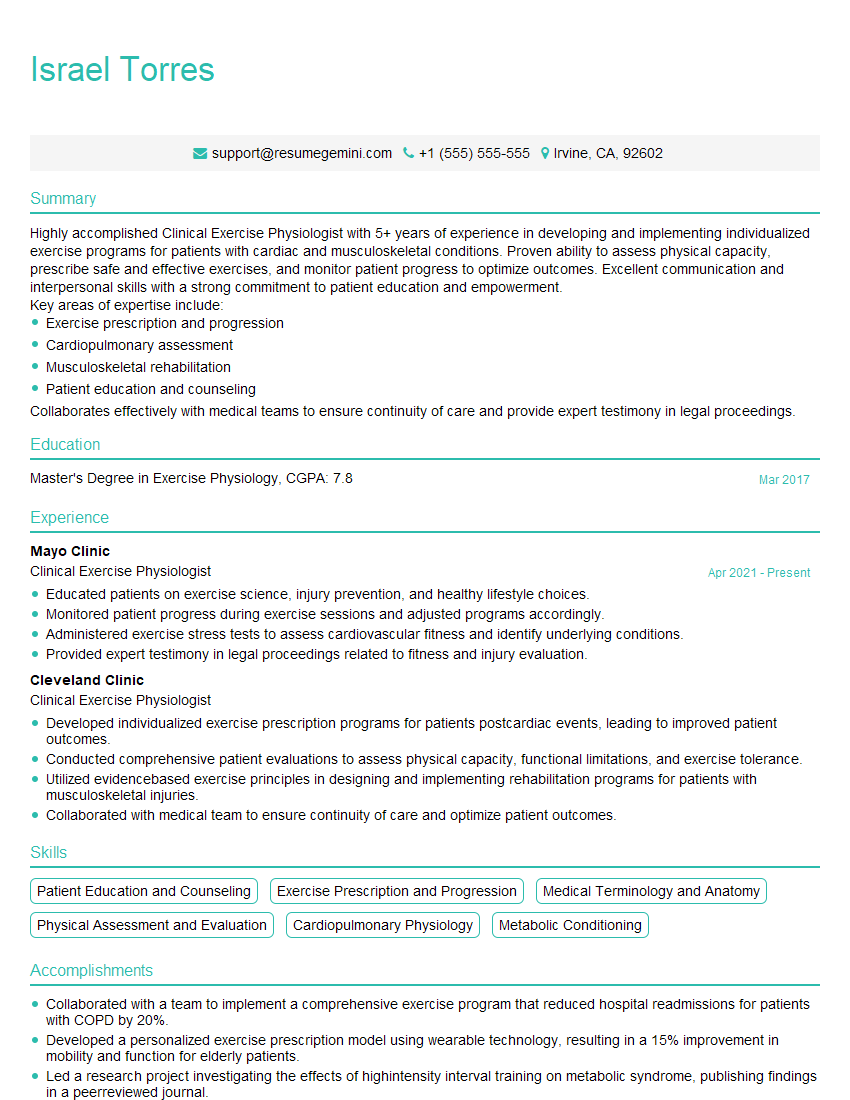
Clinical Exercise Physiologist Resume Sample
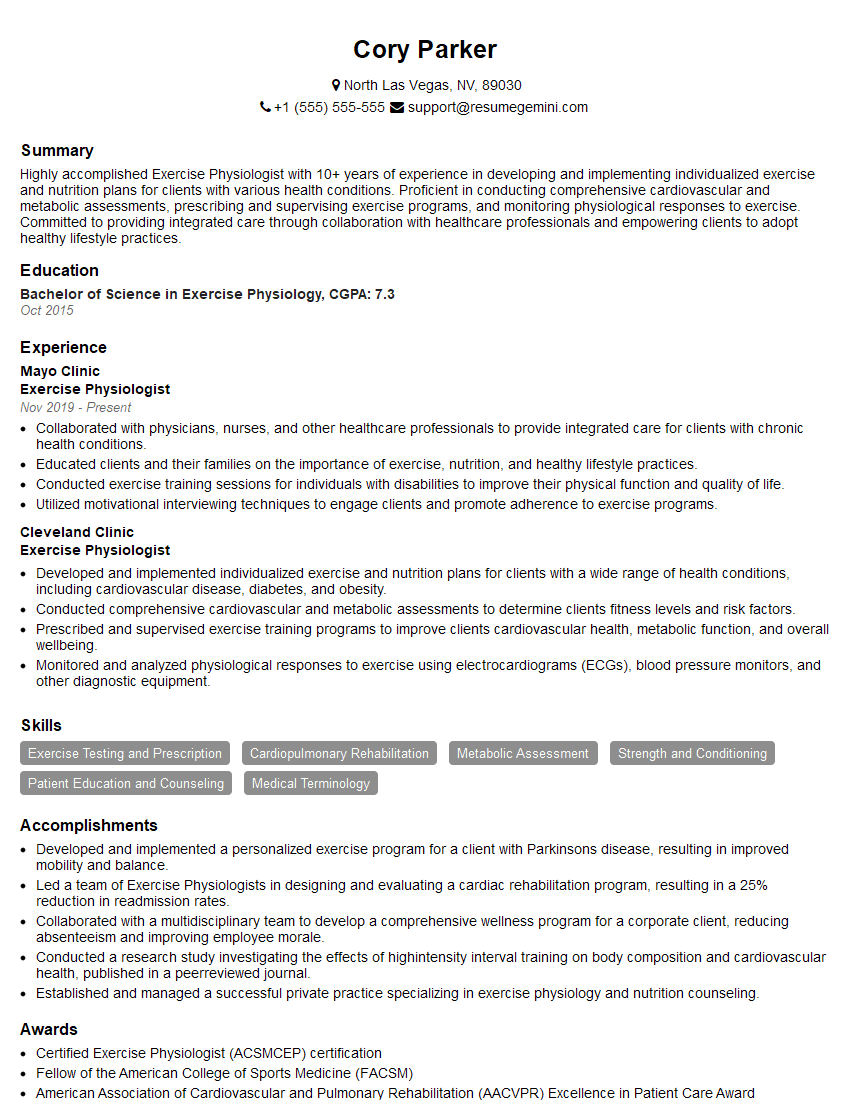
Exercise Physiologist Resume Sample
Explore more articles
Users Rating of Our Blogs
Share Your Experience
We value your feedback! Please rate our content and share your thoughts (optional).
What Readers Say About Our Blog
Really detailed insights and content, thank you for writing this detailed article.
IT gave me an insight and words to use and be able to think of examples