The thought of an interview can be nerve-wracking, but the right preparation can make all the difference. Explore this comprehensive guide to Food and Drug Administration (FDA) Inspections interview questions and gain the confidence you need to showcase your abilities and secure the role.
Questions Asked in Food and Drug Administration (FDA) Inspections Interview
Q 1. Describe your experience conducting FDA inspections.
My experience in conducting FDA inspections spans over 15 years, encompassing a wide range of facilities including pharmaceutical manufacturing plants, food processing units, and medical device manufacturers. I’ve led numerous inspections, both domestic and international, covering various aspects of compliance from Good Manufacturing Practices (GMP) to quality systems and record-keeping. My role has included not only identifying potential violations but also collaborating with facilities to understand their processes and guide them towards compliance. I’ve witnessed firsthand how a well-structured quality system can prevent issues and how proactive CAPA systems are crucial for maintaining compliance. For example, during an inspection of a pharmaceutical facility, I identified a minor deviation in their temperature monitoring system. Through a collaborative approach, we identified the root cause, developed a corrective action, and verified its effectiveness, avoiding any further regulatory action. This is a key difference in my approach; focusing on education and collaboration rather than solely punitive measures. This approach has always resulted in better long-term compliance.
Q 2. Explain the difference between a Form 483 and a Warning Letter.
A Form 483 and a Warning Letter are both outcomes of an FDA inspection, but they represent different stages of regulatory action. Think of it like this: a Form 483 is a preliminary notification of observations, while a Warning Letter is a serious formal reprimand. A Form 483 is issued to the facility at the close of an inspection, listing inspectional observations that appear to indicate violations of the Food, Drug, and Cosmetic Act and related regulations. It’s essentially a list of deficiencies – a ‘to-do’ list for the facility to address. Conversely, a Warning Letter is issued after the FDA has reviewed the facility’s response to a Form 483. A Warning Letter signifies significantly more serious violations that require immediate and substantial corrective actions. It’s a far more serious matter and can lead to import alerts, injunctions, or even facility shutdowns if not addressed promptly and effectively. The difference boils down to severity and the regulatory pathway. A Form 483 indicates problems, while a Warning Letter reflects a failure to adequately address those problems.
Q 3. What are the key elements of a GMP compliant facility?
A GMP compliant facility is built on a foundation of systematic quality control and risk management. Key elements include:
- Documented Quality System: This encompasses Standard Operating Procedures (SOPs) for every process, a well-defined organizational structure with clearly defined responsibilities, and a robust change control system.
- Personnel Training and Qualifications: Staff must be adequately trained and qualified to perform their roles. Records of training are crucial.
- Facility and Equipment: Facilities must be appropriately designed, constructed, maintained, and cleaned to prevent contamination. Equipment must be validated and properly maintained.
- Materials Management: Raw materials, packaging, and labeling materials must be properly sourced, tested, and stored to ensure quality and prevent adulteration.
- Production and Process Control: Manufacturing processes must be controlled to ensure consistent product quality. This includes in-process testing, monitoring of critical parameters, and deviation management.
- Packaging and Labeling: Packaging and labeling must meet all regulatory requirements. Accurate and legible labeling is critical for consumer safety and compliance.
- Complaint Handling: A system for promptly handling and investigating complaints related to product quality or safety is essential.
- Record-Keeping: Comprehensive and accurate records are essential to demonstrate compliance. Records must be traceable, auditable and readily available.
- Continuous Improvement: A culture of continuous improvement and proactive problem-solving should be embedded within the facility’s operational philosophy.
Think of it like building a house: GMP ensures every aspect, from the foundation to the finishing touches, adheres to strict standards for safety and quality. Cutting corners could have devastating consequences.
Q 4. How do you handle discrepancies found during an inspection?
Handling discrepancies during an inspection requires a systematic and transparent approach. The first step is to acknowledge the discrepancy and fully understand its nature. This involves reviewing relevant documents, interviewing personnel, and analyzing the underlying process. Once the nature and extent of the discrepancy are understood, a thorough investigation is initiated to determine the root cause. This often involves interviewing personnel involved with the process, analyzing production records, and inspecting equipment and materials. Then, a corrective action plan is developed and implemented to address the immediate issue and prevent recurrence. Finally, verification steps are taken to confirm that the corrective action was effective and the non-compliance has been rectified. This entire process is carefully documented and presented to the FDA inspector. For example, if we discover a batch of product wasn’t properly tested, we’d investigate why, determine the root cause (equipment malfunction, procedural failure, etc.), quarantine the product, and implement corrective actions before presenting the full investigation and resolution to the inspector. Transparency and prompt action are key to successfully resolving discrepancies during an inspection.
Q 5. What is your experience with 21 CFR Part 11?
21 CFR Part 11 is a set of FDA regulations that govern electronic records and electronic signatures in the pharmaceutical industry and beyond. It’s designed to ensure the integrity, accuracy, and reliability of electronic data. My experience includes working with various companies to ensure their systems are compliant. This involves validating systems to ensure they meet 21 CFR Part 11 requirements, which include aspects like audit trails, access control, and data integrity. I’ve conducted audits of electronic systems, reviewed validation documentation, and advised companies on how to improve their compliance. One common issue is ensuring adequate security controls are in place to prevent unauthorized access and modification of electronic records. Ensuring appropriate audit trails and electronic signatures are maintained is also a critical aspect. A lack of compliance can lead to significant regulatory issues and potentially jeopardize product approvals.
Q 6. Explain your understanding of CAPA (Corrective and Preventive Action).
CAPA, or Corrective and Preventive Action, is a systematic process designed to identify, investigate, and resolve quality issues while implementing strategies to prevent recurrence. It’s a crucial element of a robust quality system. My experience involves evaluating the effectiveness of company CAPA systems, and assisting in the development and improvement of those systems. A well-structured CAPA system involves several key steps: First, identifying the non-conformance. Next, investigating to determine the root cause, which may involve using various tools such as root cause analysis. Third, developing and implementing corrective actions to address the immediate problem. Fourth, implementing preventive actions to prevent similar issues in the future. Finally, verifying the effectiveness of the corrective and preventive actions. A robust CAPA system needs a closed-loop feedback mechanism to confirm effectiveness and to identify improvement opportunities. Imagine a leaky roof: CAPA is the process of fixing the leak (corrective action) and then addressing the underlying cause (e.g., poor roof maintenance) to prevent future leaks (preventive action).
Q 7. Describe your knowledge of FDA warning letters and their implications.
FDA Warning Letters are serious regulatory actions that indicate significant violations of FDA regulations. They are not issued lightly. They represent a significant escalation from a Form 483 and reflect the agency’s determination that a company has failed to address serious compliance issues. My understanding of Warning Letters encompasses their different levels of severity, the common violations they cite, and the impact they have on a company. These violations commonly include GMP deficiencies, data integrity problems, and inadequate quality control systems. A Warning Letter can have severe repercussions: It can result in import alerts (blocking products from entering the US), facility inspections, injunctions (court orders to cease operations), and even criminal prosecution in severe cases. The impact on a company’s reputation and financial stability can be devastating. A well-planned and properly executed response is critical in mitigating the impact of a Warning Letter. This typically involves a detailed investigation, a comprehensive corrective action plan, and proactive collaboration with the FDA. Essentially, it signifies a significant regulatory failure requiring immediate and comprehensive remediation to prevent further actions.
Q 8. How would you address a critical observation during an FDA inspection?
Addressing a critical observation during an FDA inspection requires a calm, proactive, and thoroughly documented response. It’s not about deflecting blame, but about demonstrating a commitment to immediate corrective action and preventative measures (CAPA).
My approach would involve:
- Immediate Acknowledgement: Clearly acknowledge the observation and confirm understanding. Avoid arguments or justifications at this stage.
- Immediate Investigation: Initiate a thorough investigation to determine the root cause of the non-compliance. This involves interviewing staff, reviewing documents, and analyzing data.
- Corrective Action: Implement immediate corrective actions to address the immediate problem. This might include temporarily halting production of affected products, retraining personnel, or rectifying equipment malfunctions.
- Preventative Action: Develop and implement preventative actions to prevent recurrence. This often involves modifying standard operating procedures (SOPs), improving training programs, or investing in new equipment or technology.
- Documentation: Meticulously document every step of the investigation, corrective action, and preventative action, including timelines, personnel involved, and evidence supporting the findings. This documentation becomes crucial for demonstrating to the FDA that the issue is resolved and won’t happen again.
- Follow-up: Following the inspection, I’d prepare a comprehensive response detailing the CAPA plan. This response would include the root cause analysis, corrective and preventative actions, verification of effectiveness, and a timeline for completion. Regular updates on progress are key.
For example, if a critical observation involves a failure to properly document cleaning validation, the response would include immediate cleaning of the equipment, retraining staff on proper documentation procedures, and implementation of a system to ensure complete and accurate documentation moving forward.
Q 9. What is your experience with validation and qualification activities?
Validation and qualification activities are fundamental to ensuring the reliability and consistency of processes and equipment in regulated environments. My experience encompasses various aspects, from equipment qualification (IQ, OQ, PQ) to computer system validation (CSV) and process validation.
I have been involved in numerous projects involving the qualification of critical equipment such as autoclaves, cleanrooms, and analytical instruments. This involves documenting the installation, operational, and performance qualification, ensuring these meet predefined specifications.
In terms of process validation, I’ve worked extensively on batch manufacturing processes, ensuring that the manufacturing process consistently produces a product meeting predefined quality attributes. This includes developing validation protocols, executing the validation runs, and preparing comprehensive reports detailing the results. My experience also covers the validation of cleaning processes to demonstrate the effective removal of residues from equipment.
My expertise in CSV includes experience in developing and implementing validation plans for various software systems, including LIMS, MES, and ERP, ensuring that data integrity is maintained throughout the lifecycle of the software.
Q 10. Explain your understanding of data integrity in regulated environments.
Data integrity in regulated environments refers to the completeness, consistency, accuracy, and trustworthiness of data throughout its lifecycle. It’s paramount for ensuring the safety and efficacy of products. A lack of data integrity can lead to serious consequences, including product recalls, regulatory action, and reputational damage.
My understanding encompasses several key aspects:
- ALCOA+ Principles: I am well-versed in the ALCOA+ principles (Attributable, Legible, Contemporaneous, Original, Accurate + Complete, Consistent, Enduring, Available). These principles provide a framework for ensuring data integrity.
- System Design and Controls: Robust data management systems are crucial. This includes implementing appropriate controls and access permissions to prevent unauthorized modification or deletion of data.
- Data Backup and Recovery: Having secure and regularly tested backup and recovery procedures is crucial to protect against data loss.
- Audit Trails: Comprehensive audit trails are essential for tracking all data changes and identifying potential discrepancies.
- Deviation Management: A clear process for handling deviations and investigating out-of-specification results is necessary to maintain data integrity.
For example, a failure to properly document a deviation from a standard operating procedure could lead to a compromise in data integrity. This is why a thorough investigation and comprehensive documentation are crucial to correct the problem and prevent recurrence.
Q 11. Describe your experience with root cause analysis in relation to FDA inspections.
Root cause analysis (RCA) is a crucial aspect of addressing non-compliance findings during FDA inspections. It goes beyond simply identifying a problem; it delves deep to understand the underlying causes contributing to the issue.
My experience with RCA in relation to FDA inspections includes utilizing various methodologies, such as the ‘5 Whys,’ fishbone diagrams, and fault tree analysis. I’ve worked in situations where deviations or non-conformances led to investigations. For example, if an out-of-specification result is observed during testing, a root cause analysis would be performed to determine if the issue stems from a problem with raw materials, manufacturing processes, testing procedures, or even instrument calibration.
The aim of RCA is not just to fix the immediate problem, but to prevent its recurrence. This necessitates a thorough investigation involving all relevant personnel and the examination of all available data. Once the root cause is identified, effective corrective and preventative actions are implemented and validated. The entire process, including the root cause analysis and the corrective actions, is thoroughly documented and available for audit.
Q 12. How familiar are you with FDA’s guidance documents on good manufacturing practices?
I am extremely familiar with FDA’s guidance documents on Good Manufacturing Practices (GMPs). My understanding encompasses various aspects, including:
- cGMPs for Pharmaceutical and Biopharmaceutical Manufacturing: This includes understanding the requirements for facilities, equipment, personnel, materials, production processes, and quality control.
- CGMPs for Finished Pharmaceuticals: This covers requirements throughout the entire product lifecycle, including the design and development stages.
- Guidance on specific aspects: I’m familiar with guidances related to data integrity, validation, cleaning validation, and computer systems.
I regularly consult these documents to ensure compliance and proactively identify potential risks. I stay updated on any revisions or new guidances issued by the FDA. My understanding extends to how these guidances translate into practical applications within manufacturing and quality control settings.
Q 13. What is your understanding of the FDA’s inspection process?
The FDA inspection process is a rigorous evaluation of a facility’s compliance with relevant regulations and GMPs. It typically begins with an opening meeting, where the scope and objectives of the inspection are outlined. Inspectors will then conduct a thorough review of documentation, observe production processes, and interview personnel.
The process usually involves:
- Pre-inspection preparation: The facility prepares for the inspection by ensuring that all documentation is readily available and that personnel are prepared to answer questions.
- Opening meeting: The inspection team outlines their plan and objectives.
- Document review: Inspectors meticulously examine batch records, validation reports, SOPs, training records, and other relevant documentation.
- Facility tour and process observation: The inspectors tour the facility and observe production processes in action.
- Interviews: Inspectors interview personnel at various levels to assess their knowledge and understanding of GMPs.
- Closing meeting: The inspectors summarize their findings, and the facility receives a Form 483 (if any observations are made).
The FDA’s approach is thorough and aims to ensure product quality and safety. Any observations made during the inspection lead to a detailed response and a comprehensive corrective and preventative action plan.
Q 14. How would you prepare for an FDA inspection?
Preparing for an FDA inspection is a crucial step to ensuring a smooth and successful inspection. It’s an ongoing process, not just a one-time activity.
My preparation strategy involves:
- Proactive Compliance Program: Maintaining a robust quality system with clearly defined SOPs, training programs, and a system for handling deviations and non-conformances.
- Document Readiness: Ensuring that all essential documents (batch records, validation reports, training records, SOPs, etc.) are readily available, accurate, and complete.
- Mock Inspections: Conducting internal mock inspections to identify weaknesses in the quality system and train personnel on responding to inspector questions.
- Personnel Training: Ensuring that all personnel involved in the manufacturing process are adequately trained on GMPs and their responsibilities.
- Self-Inspection Program: Regular self-inspections help maintain compliance and proactively identify and correct potential issues.
- Review and update of all relevant documentation and SOPs: This ensures that processes are clearly defined, up-to-date and followed.
By implementing these procedures, a company can significantly reduce the risk of receiving critical observations during an FDA inspection, demonstrating a strong commitment to quality and compliance.
Q 15. What are your strategies for ensuring compliance with FDA regulations?
Ensuring FDA compliance is a multifaceted process that requires a proactive and comprehensive approach. It’s not just about reacting to inspections; it’s about building a culture of quality and compliance into every aspect of the operation.
Robust Quality Management System (QMS): A well-documented QMS is the cornerstone of FDA compliance. This system should encompass all aspects of the business, from raw material sourcing to finished product distribution, ensuring consistent adherence to GMPs (Good Manufacturing Practices) or other relevant regulations.
Comprehensive Training Programs: All personnel, from top management to line workers, must receive thorough training on relevant FDA regulations, GMPs, and standard operating procedures (SOPs). Regular refresher training is crucial to maintain knowledge and address changes in regulations.
Regular Internal Audits: Conducting frequent internal audits helps identify potential compliance gaps before they become major issues. These audits should be conducted by independent personnel or external consultants to ensure objectivity.
Effective Corrective and Preventive Action (CAPA) System: A robust CAPA system is essential for addressing identified deviations from established procedures. This system must ensure timely investigation, root cause analysis, corrective actions, and preventive measures to prevent recurrence.
Supplier Management: Careful selection and monitoring of suppliers are critical. Auditing supplier facilities and verifying their compliance with relevant regulations ensures the quality and safety of incoming materials.
Think of it like building a house – a strong foundation (QMS) is essential. You then need skilled workers (trained personnel), regular inspections (internal audits), and a plan to address any problems (CAPA). This holistic approach ensures lasting compliance.
Career Expert Tips:
- Ace those interviews! Prepare effectively by reviewing the Top 50 Most Common Interview Questions on ResumeGemini.
- Navigate your job search with confidence! Explore a wide range of Career Tips on ResumeGemini. Learn about common challenges and recommendations to overcome them.
- Craft the perfect resume! Master the Art of Resume Writing with ResumeGemini’s guide. Showcase your unique qualifications and achievements effectively.
- Don’t miss out on holiday savings! Build your dream resume with ResumeGemini’s ATS optimized templates.
Q 16. Describe a situation where you had to deal with a regulatory issue.
During my time at a pharmaceutical company, we experienced a significant recall situation due to a labeling error on a batch of medication. The error, while seemingly minor (incorrect dosage information), was a serious regulatory breach. We immediately initiated a recall according to FDA guidelines, contacting distributors and retailers to remove the affected product from the market.
We collaborated with the FDA throughout the process, providing detailed documentation, conducting thorough root cause analysis, and implementing corrective actions to prevent recurrence. This included revising our labeling process, implementing stricter quality control checks, and enhancing our employee training programs regarding labeling procedures. The experience highlighted the importance of meticulous attention to detail and the necessity of a robust CAPA system.
The situation, while challenging, ultimately strengthened our compliance processes and fostered a stronger emphasis on preventing future errors. We learned the value of open and transparent communication with the FDA during a crisis.
Q 17. How do you ensure documentation accuracy and compliance?
Documentation accuracy is paramount for FDA compliance. Inaccurate or incomplete records can lead to significant regulatory issues, potentially resulting in warning letters, fines, or product recalls.
Electronic Systems: Implementing electronic data management systems (EDMS) can improve documentation accuracy and traceability. These systems can include features such as audit trails, version control, and electronic signatures, which enhance data integrity and reduce the risk of errors.
SOPs for Documentation: Clear, concise, and well-defined SOPs for documentation are essential. These SOPs should specify the required information, format, and storage procedures for all records. Regular review and updates are necessary to maintain their accuracy and relevance.
Training on Documentation Procedures: All personnel involved in generating or handling records should receive thorough training on correct documentation practices. This training should cover topics such as data integrity, proper record keeping, and the consequences of inaccurate documentation.
Regular Data Validation: Regular data validation procedures are vital. This includes verifying the accuracy and completeness of data entered into systems, cross-referencing data from various sources, and periodically reviewing records for consistency and accuracy.
Think of it like a meticulously kept financial ledger – accuracy and precision are crucial. A robust documentation system, coupled with proper training, ensures the reliability and integrity of your records, which are ultimately a vital component of your FDA compliance efforts.
Q 18. Explain your experience with quality control testing and procedures.
My experience with quality control testing and procedures spans several years and various product types. It involves a thorough understanding of the relevant analytical methods, instrumentation, and regulatory requirements.
Method Validation: I’m proficient in validating analytical methods to ensure their accuracy, precision, specificity, and reliability. This is critical for obtaining consistent and reliable results.
Sampling and Testing: I’m experienced in developing and implementing sampling plans that are representative of the entire production batch. This involves using statistical methods to determine the appropriate sample size and ensuring that samples are collected and handled correctly.
Data Analysis and Interpretation: I’m skilled in analyzing and interpreting test results, identifying trends, and determining whether products meet predetermined specifications. This also includes preparing accurate and comprehensive reports documenting test results and any deviations from specifications.
Equipment Calibration and Maintenance: I’m familiar with the importance of proper equipment calibration and maintenance to ensure accurate and reliable test results. This includes regularly calibrating equipment according to established schedules and maintaining detailed records of calibration and maintenance activities.
Quality control testing isn’t merely a checklist; it’s a critical process that directly impacts product safety and quality. My expertise ensures that our products meet the highest standards before reaching consumers.
Q 19. What is your understanding of quality risk management?
Quality risk management (QRM) is a systematic process for identifying, analyzing, evaluating, controlling, and communicating risks related to product quality. It’s a proactive approach that helps prevent potential problems rather than reacting to them after they occur.
The International Organization for Standardization (ISO) 9001 and the FDA’s guidelines on QRM provide frameworks for implementing this process. It typically involves:
Risk Identification: Identifying potential hazards and their associated risks throughout the product lifecycle.
Risk Analysis: Assessing the likelihood and severity of each risk.
Risk Evaluation: Determining the overall level of risk based on likelihood and severity.
Risk Control: Implementing control measures to mitigate or eliminate identified risks.
Risk Communication: Clearly communicating risk information to all relevant stakeholders.
Think of it like a risk assessment for a construction project – you anticipate potential hazards (like unstable ground or weather issues) and plan accordingly to mitigate risks and complete the project safely and successfully. Similarly, in the pharmaceutical or food industries, proactive risk management is essential for ensuring product quality and safety.
Q 20. How do you handle communication with FDA inspectors during an inspection?
Communication with FDA inspectors during an inspection is crucial. Openness, transparency, and professionalism are key to a successful inspection.
Professional Demeanor: Maintaining a calm and respectful demeanor throughout the inspection is vital. Be prepared to answer questions clearly and concisely.
Immediate Access to Records: Ensure immediate access to all relevant documents and records requested by the inspectors. Having a well-organized system for retrieving documents saves time and demonstrates preparedness.
Honest and Accurate Responses: Provide honest and accurate responses to all questions. If unsure about an answer, admit it and offer to find the information.
Formal Communication: Maintain a professional and formal communication style throughout the inspection. Avoid informal language or jokes.
Follow-up: After the inspection, follow up with the FDA to address any issues or concerns raised during the inspection.
Remember, the goal is not to hide information or be defensive but to demonstrate a commitment to compliance and a willingness to work collaboratively with the FDA to improve your processes. Open communication builds trust and helps mitigate negative outcomes.
Q 21. What is your understanding of the differences between FDA regulations for drugs, devices, and food?
While the FDA’s overall goal is to ensure the safety and efficacy of products, its regulations differ significantly depending on whether the product is a drug, device, or food.
Drugs: FDA regulations for drugs are extremely stringent, focusing on demonstrating safety and efficacy through rigorous pre-market approval processes (e.g., New Drug Application or NDA) and stringent Good Manufacturing Practices (GMPs) for manufacturing and quality control. These regulations are designed to prevent harm from potentially dangerous substances.
Devices: FDA regulations for medical devices also emphasize safety and efficacy, but the regulatory pathway varies depending on the device’s risk classification. Premarket notification (510(k)) or Premarket Approval (PMA) processes are used for assessing safety and efficacy. GMPs for manufacturing and quality control are also crucial.
Food: FDA regulations for food focus on preventing adulteration and ensuring that food is safe for consumption. Current Good Manufacturing Practices (cGMPs) for food are in place to ensure safety, and the FDA also focuses on labeling accuracy and preventing foodborne illnesses. The level of regulation varies depending on the type of food and its potential for causing harm.
The differences reflect the varying levels of risk associated with each product type. Drugs, especially novel medications, carry a higher risk of adverse effects, necessitating more stringent regulations. Food safety regulations are also crucial, as contaminated food can cause widespread illness. Medical devices fall somewhere in between, with the stringency of regulation depending on the device’s inherent risk.
Q 22. How do you ensure data integrity and traceability within your quality systems?
Data integrity and traceability are paramount in ensuring the reliability and trustworthiness of our products. We achieve this through a multi-faceted approach, focusing on ALCOA+ principles: Attributable, Legible, Contemporaneous, Original, Accurate, and complete.
- Documented Procedures: We have meticulously documented Standard Operating Procedures (SOPs) for every process, ensuring consistent data handling and recording. For example, our SOP for weighing raw materials specifies the use of calibrated balances, recording the weight in a dedicated logbook, and initialing/dating each entry.
- Electronic Systems: We utilize validated electronic systems to capture, process, and store data, minimizing manual transcription errors. Data is automatically timestamped and linked to the relevant equipment and personnel. This creates a clear audit trail.
- Access Control: Our systems utilize robust access control measures, ensuring only authorized personnel can access and modify data. All actions are logged and tracked, enabling us to identify any unauthorized changes.
- Data Backup and Recovery: Regular backups of our data are performed to a secure, offsite location to ensure data availability and prevent data loss in case of an emergency.
- Periodic Audits and Reviews: We conduct both internal and external audits to verify the integrity and accuracy of our data, ensuring the systems are operating as intended.
This comprehensive strategy minimizes errors and ensures that we can always trace data back to its origin, providing complete transparency and accountability.
Q 23. Describe your knowledge of current Good Manufacturing Practices (cGMP).
Current Good Manufacturing Practices (cGMP) are a set of regulations established by the FDA to ensure the consistent quality of pharmaceutical products. My understanding of cGMP encompasses a wide range of aspects, including:
- Facility and Equipment: Maintaining a clean, well-maintained facility, with properly calibrated and validated equipment to ensure consistent product quality.
- Personnel Training: Ensuring all personnel receive adequate training on cGMP principles and their specific job responsibilities. This includes documentation of training and competency assessments.
- Raw Materials and Ingredients: Proper handling, storage, and testing of raw materials to verify their identity, purity, and quality.
- Manufacturing Process: Implementing validated manufacturing processes with detailed control over parameters like temperature, pressure, and mixing time. This includes deviation management and investigation of any issues.
- Quality Control: Implementing robust quality control testing throughout the manufacturing process to ensure the final product meets specified quality standards. This includes in-process testing, release testing, and stability studies.
- Documentation and Record Keeping: Maintaining comprehensive and accurate records of all aspects of the manufacturing process, including batch records, equipment logs, and quality control test results.
In essence, cGMP is a holistic approach to manufacturing, emphasizing quality at every step of the process. Think of it as a comprehensive recipe for making medicine, with every ingredient, step, and measurement carefully documented and controlled.
Q 24. What software or systems have you used to manage quality or compliance data?
Throughout my career, I’ve utilized various software systems to manage quality and compliance data. These include:
- LIMS (Laboratory Information Management System): For managing laboratory data, including test results, instrument calibrations, and sample management. For instance, I’ve used Thermo Scientific SampleManager LIMS to track and analyze analytical data.
- MES (Manufacturing Execution System): For real-time monitoring and control of manufacturing processes, including collecting data on parameters like temperature, pressure, and flow rate. Experience includes working with Rockwell Automation’s FactoryTalk MES.
- EDMS (Electronic Document Management System): For managing and archiving quality documents such as SOPs, batch records, and audit reports. I’ve used Documentum and SharePoint for this purpose.
- TrackWise: A dedicated quality management system that helps manage CAPAs (Corrective and Preventive Actions) and other quality events.
The choice of software depends on the specific needs of the organization, but the common thread is the need for validated systems that ensure data integrity and traceability.
Q 25. How do you stay up-to-date with changes in FDA regulations and guidance?
Staying current with FDA regulations and guidance requires a multi-pronged approach:
- FDA Website: Regular monitoring of the FDA’s website for updates, announcements, and new guidance documents.
- Industry Publications and Newsletters: Subscription to relevant industry publications and newsletters that provide insights into regulatory changes and best practices.
- Industry Conferences and Webinars: Attendance at industry conferences and webinars to network with other professionals and learn from experts in the field.
- Regulatory Consultants: Engaging with regulatory consultants who can provide expert advice and interpretation of complex regulations.
- Internal Training Programs: Development and implementation of internal training programs to keep employees informed of current regulations and best practices.
This continuous learning ensures we are always operating within the bounds of current regulations and maintaining the highest standards of quality and compliance.
Q 26. Describe your experience with audits, internal and external.
I have extensive experience with both internal and external audits. Internal audits help us identify weaknesses in our systems before they are discovered by external auditors. They’re a proactive approach to compliance. We use checklists and standardized procedures for internal audits, focusing on areas like documentation, equipment calibration, and adherence to SOPs.
External audits, whether from the FDA or a third-party auditor, are a more formal assessment of our compliance. I’ve been involved in numerous FDA inspections, and my experience includes preparing for the inspection, facilitating communication with auditors, and responding to any observations. I’ve also participated in audits conducted by certification bodies for standards like ISO 9001 and ISO 13485. Successful audits always hinge on meticulous record-keeping and a demonstrable commitment to continuous improvement.
Q 27. How would you handle an unexpected finding during an inspection?
Handling an unexpected finding during an inspection requires a calm and methodical approach. The first step is to acknowledge the finding and immediately initiate an internal investigation to determine the root cause.
- Immediate Response: We would immediately document the finding, including date, time, location, and relevant personnel. Any immediate corrective actions would be implemented and documented.
- Root Cause Analysis: A thorough investigation would be conducted to understand the underlying cause of the non-compliance. This would involve interviews with personnel, review of relevant documents, and potentially sampling and testing.
- Corrective and Preventive Actions (CAPA): A formal CAPA plan would be developed and implemented to prevent recurrence of the issue. This plan includes detailed actions, timelines, and responsibility assignments.
- Documentation: All findings, investigations, and corrective actions would be meticulously documented and provided to the inspector.
- Transparency and Cooperation: Maintaining open communication and cooperation with the inspector throughout the process is crucial.
The goal is to demonstrate our commitment to quality and compliance, and to proactively address any deficiencies. This includes showing proactive measures taken to prevent similar occurrences.
Q 28. What is your understanding of the FDA’s electronic submission process?
The FDA’s electronic submission process, primarily through systems like the FDA’s electronic Common Technical Document (eCTD) and the Electronic Submissions Gateway (ESG), streamlines regulatory submissions.
My understanding encompasses the requirements for formatting, validation, and submission of documents in electronic format. This includes the use of specific software and standards to ensure that submissions meet FDA requirements for completeness and readability. We utilize validated systems and employ electronic signatures to ensure authenticity and integrity of submitted documents. The electronic submission process offers several advantages, such as improved efficiency and reduced paper usage, but it also requires rigorous attention to detail and adherence to specific technical specifications. The focus remains on the secure transmission of complete and accurate information to facilitate a rapid and efficient review process by the FDA.
Key Topics to Learn for Food and Drug Administration (FDA) Inspections Interview
- Current Good Manufacturing Practices (cGMP): Understanding the principles and applications of cGMP in pharmaceutical and food production. This includes documentation, quality control, and deviation management.
- FDA Regulations and Guidance Documents: Familiarity with relevant FDA regulations (e.g., 21 CFR Part 11, 21 CFR Part 210/211) and their practical application in inspection scenarios. Be prepared to discuss how these regulations impact daily operations.
- Inspection Procedures and Documentation: Knowing the typical steps involved in an FDA inspection, including pre-inspection preparation, responding to observations, and preparing corrective actions and preventive actions (CAPAs).
- Data Integrity: Understanding the importance of data integrity in regulated environments, including ALCOA+ principles (Attributable, Legible, Contemporaneous, Original, Accurate + Complete, Enduring, Available). Be ready to discuss potential data integrity breaches and how to prevent them.
- Quality Systems and Risk Management: Demonstrating knowledge of quality management systems (QMS) and risk-based approaches to compliance. This includes understanding and applying risk assessment methodologies.
- Investigating and Reporting Deviations: Knowing how to effectively investigate deviations from established procedures and appropriately document findings and corrective actions. This includes root cause analysis techniques.
- Preventive Controls for Human Food: Understanding the requirements and implementation of preventive controls for human food, including hazard analysis and risk-based preventive controls (HARPC).
- Import/Export Regulations: If relevant to your experience, demonstrate knowledge of FDA regulations related to importing and exporting food and drug products.
Next Steps
Mastering FDA inspections is crucial for advancing your career in the regulated industries. A strong understanding of these processes demonstrates your commitment to quality and compliance, making you a highly sought-after candidate. To significantly boost your job prospects, create an ATS-friendly resume that highlights your relevant skills and experience. ResumeGemini is a trusted resource that can help you build a professional and impactful resume, ensuring your qualifications are effectively communicated to potential employers. Examples of resumes tailored to Food and Drug Administration (FDA) Inspections are available to further guide your preparation.
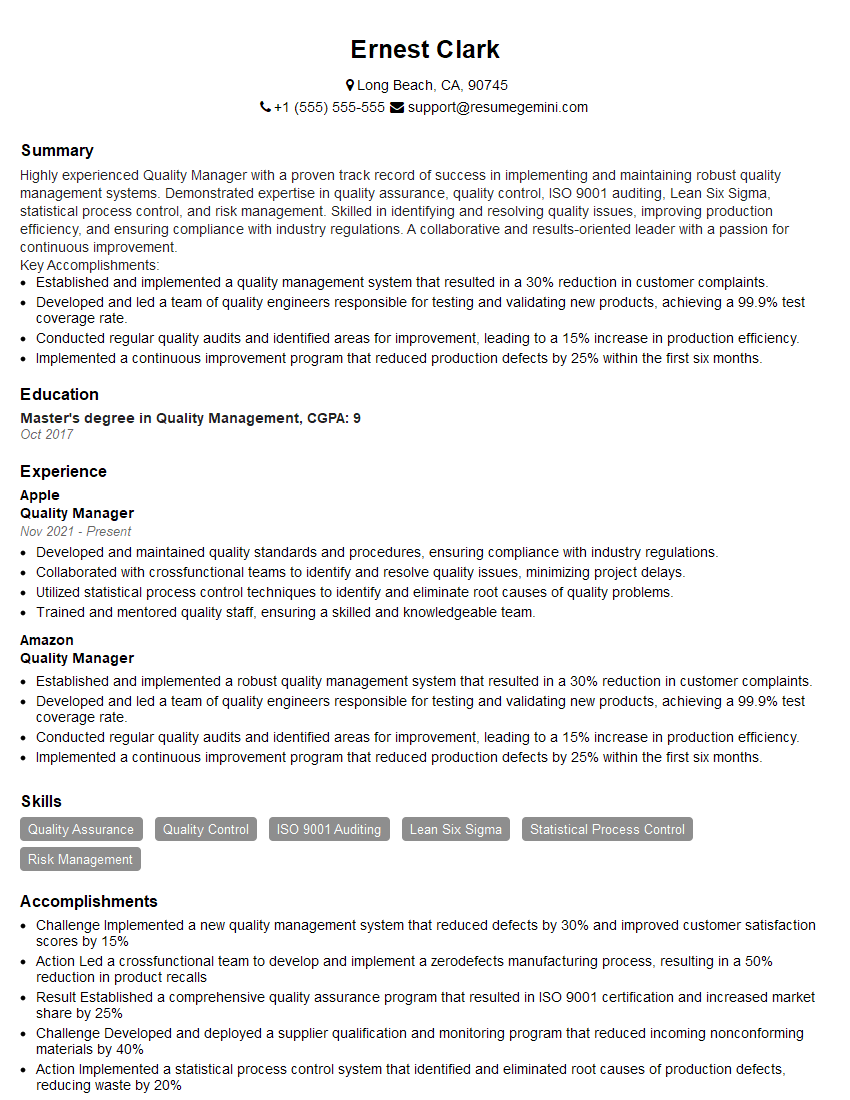
Quality Manager Resume Sample
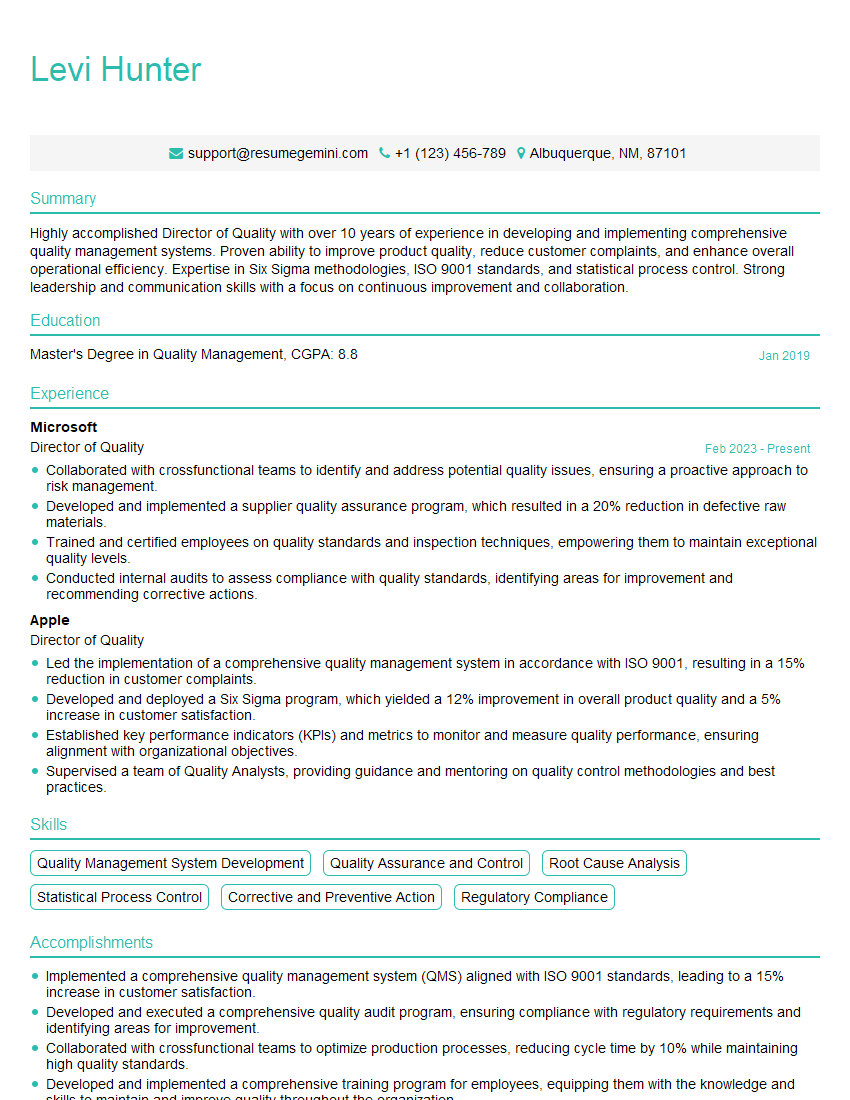
Director of Quality Resume Sample
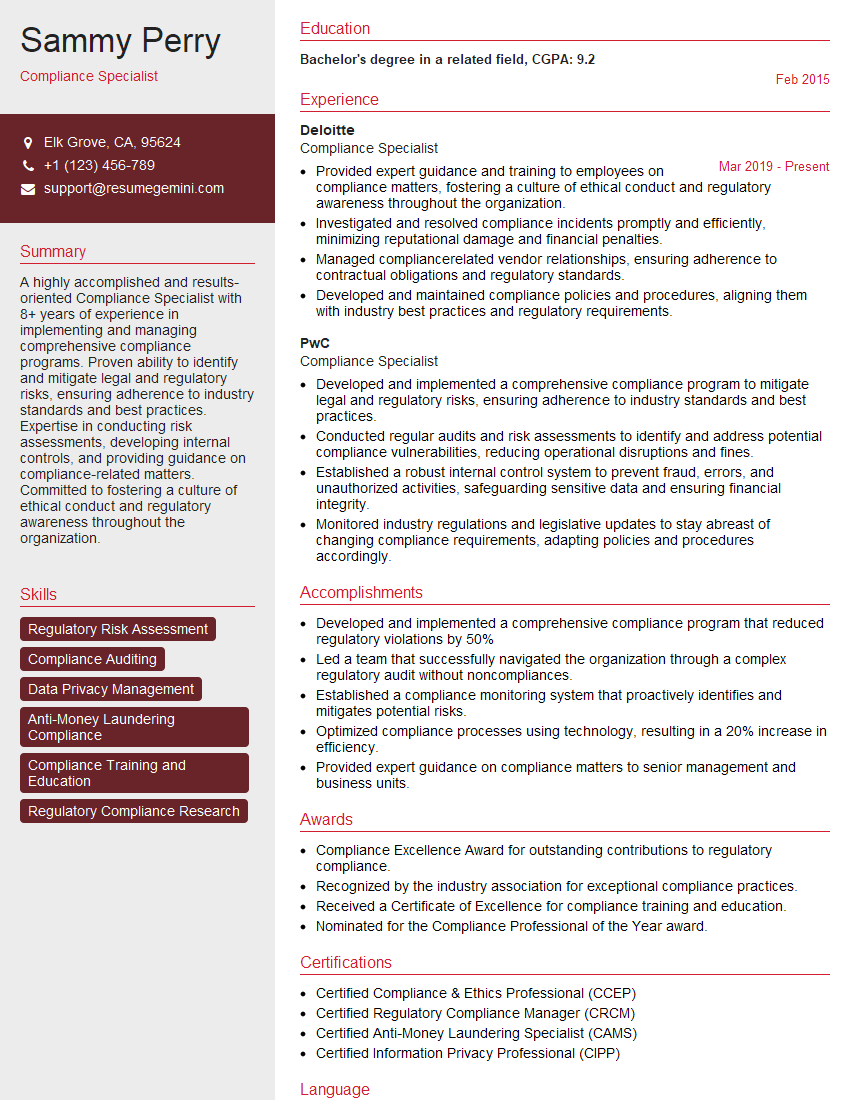
Compliance Specialist Resume Sample
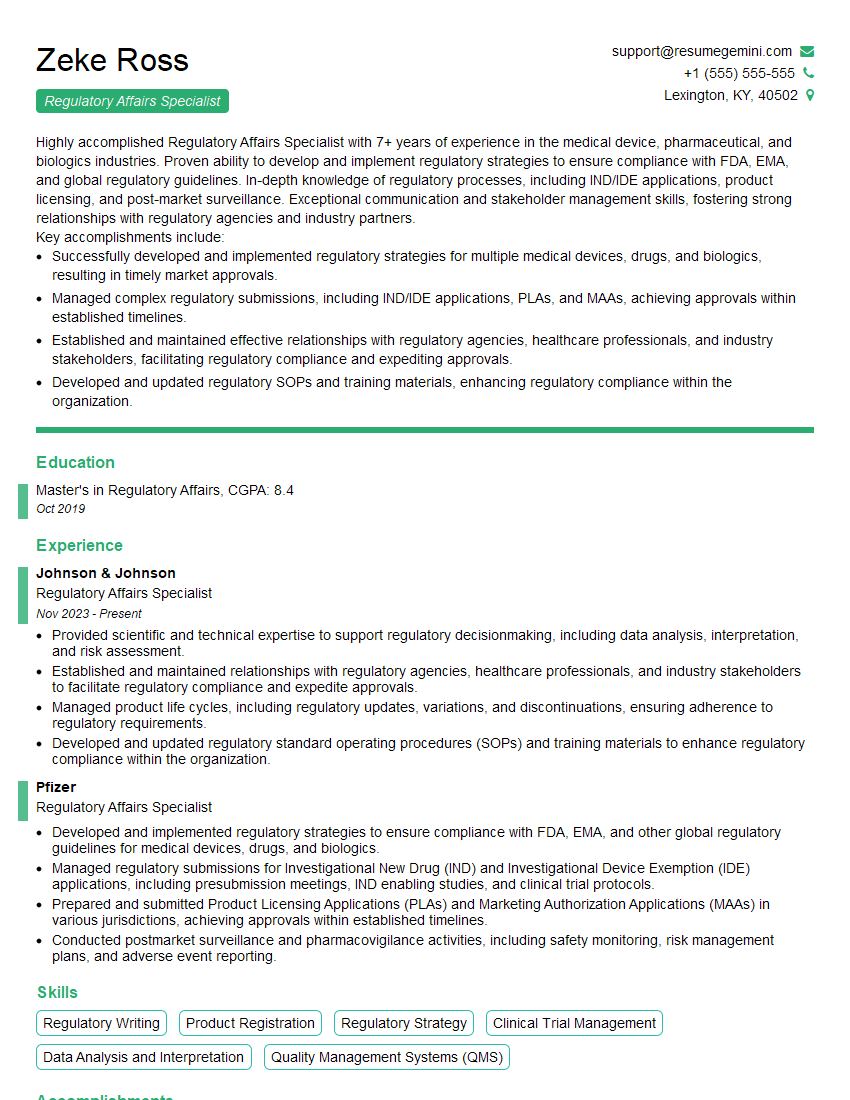
Regulatory Affairs Specialist Resume Sample
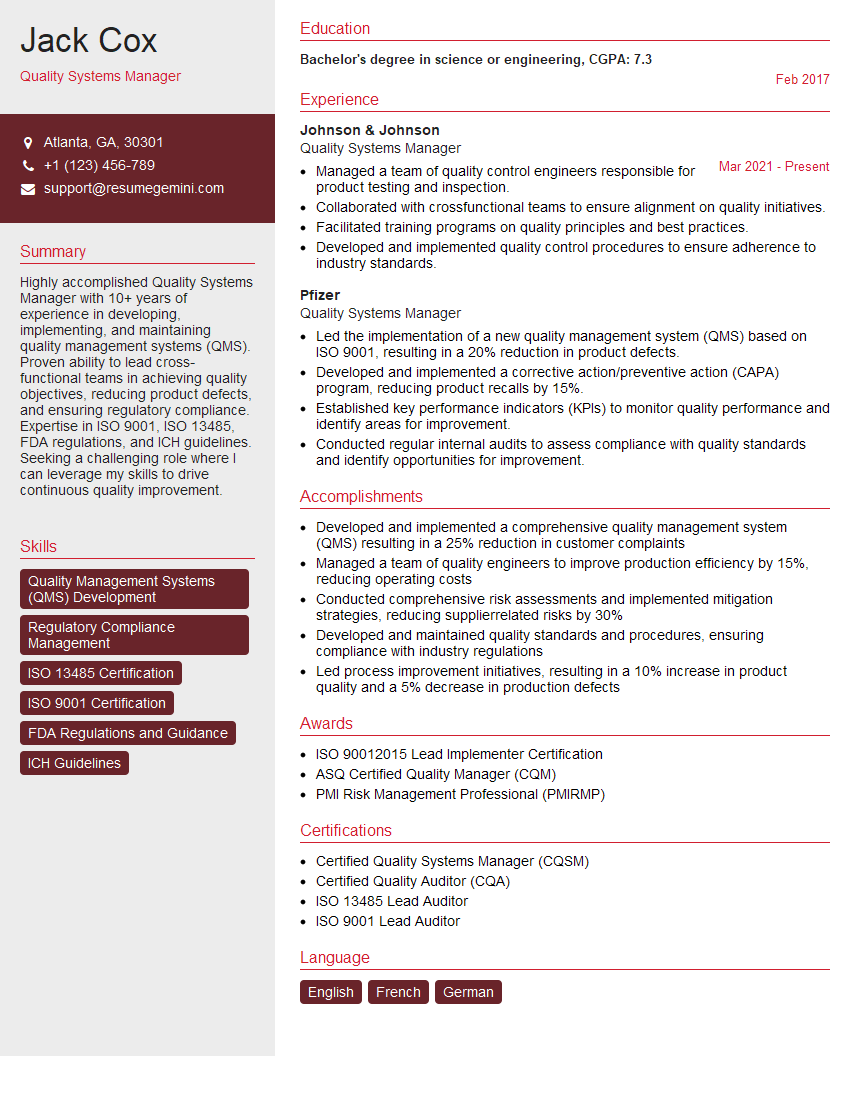
Quality Systems Manager Resume Sample
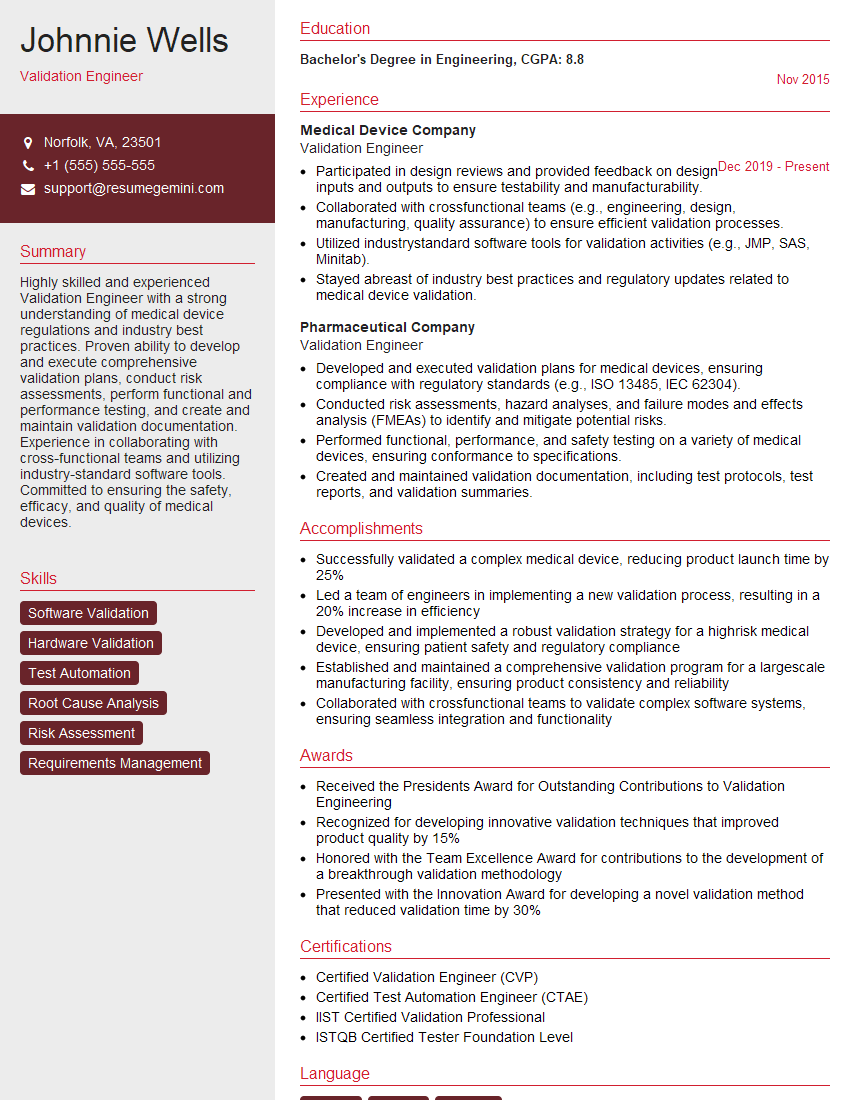
Validation Engineer Resume Sample
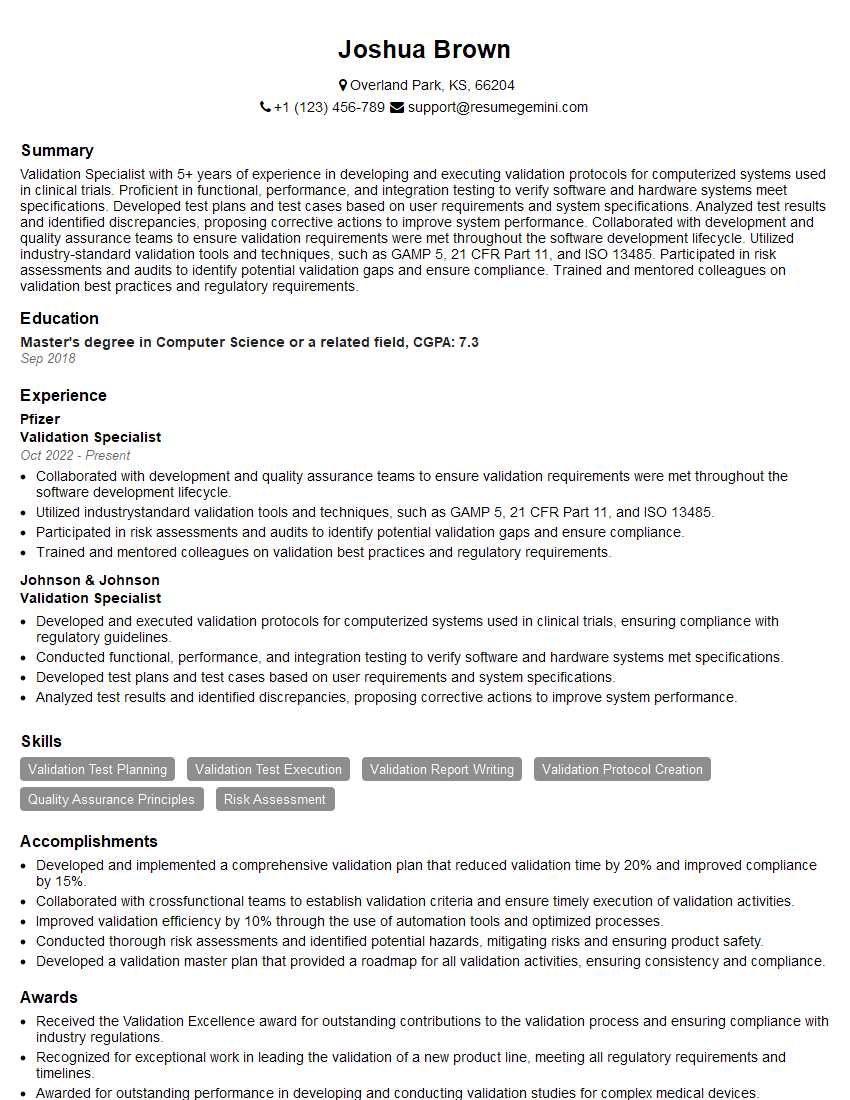
Validation Specialist Resume Sample
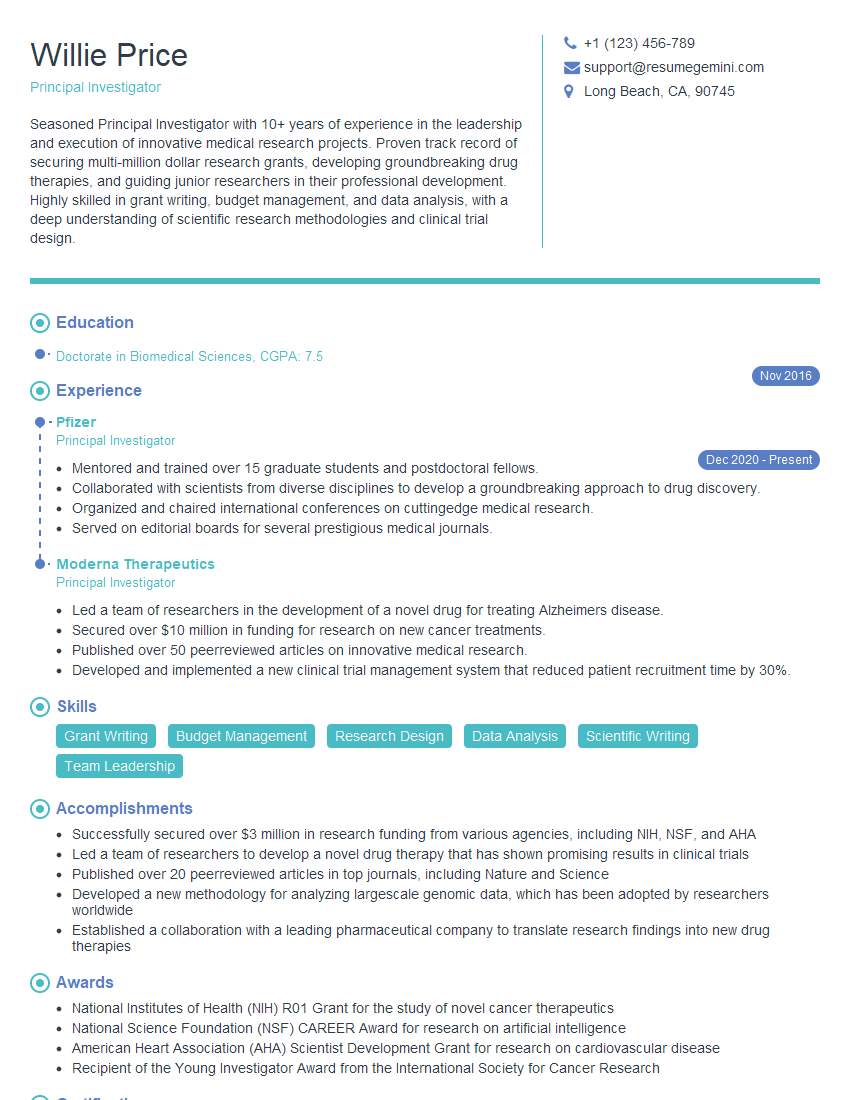
Principal Investigator Resume Sample
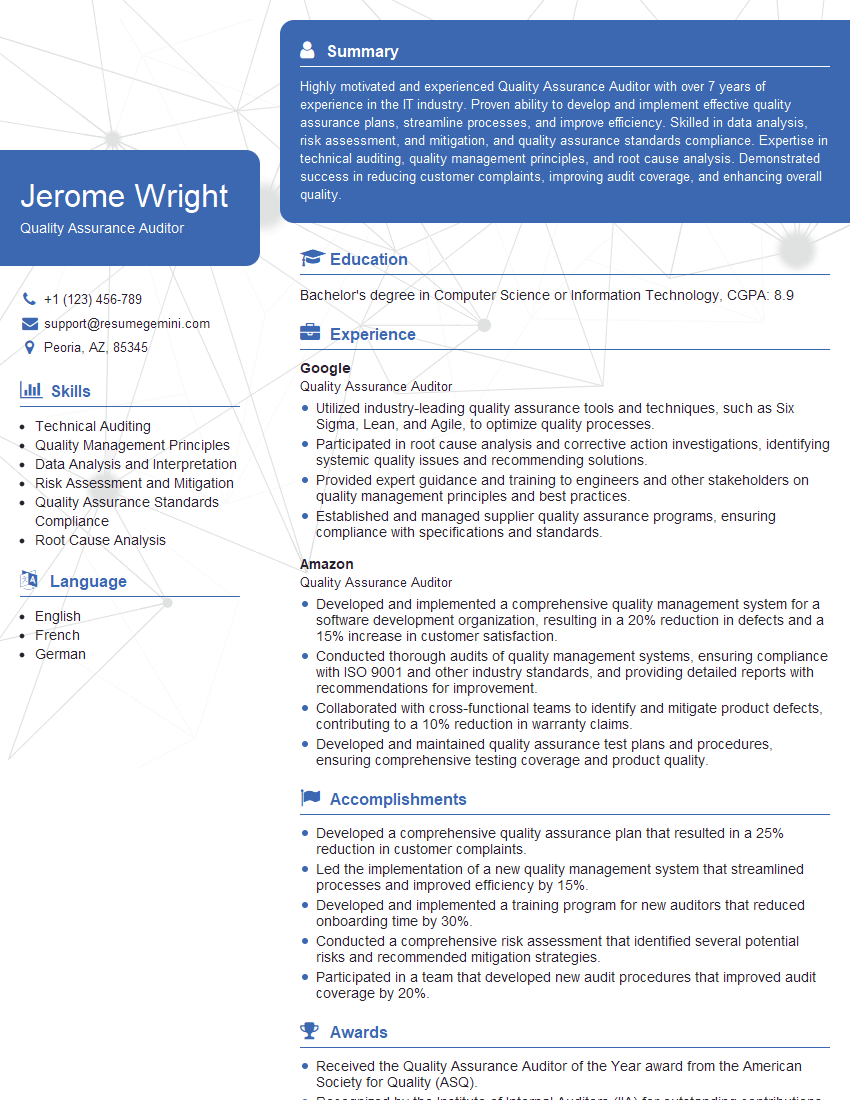
Quality Assurance Auditor Resume Sample
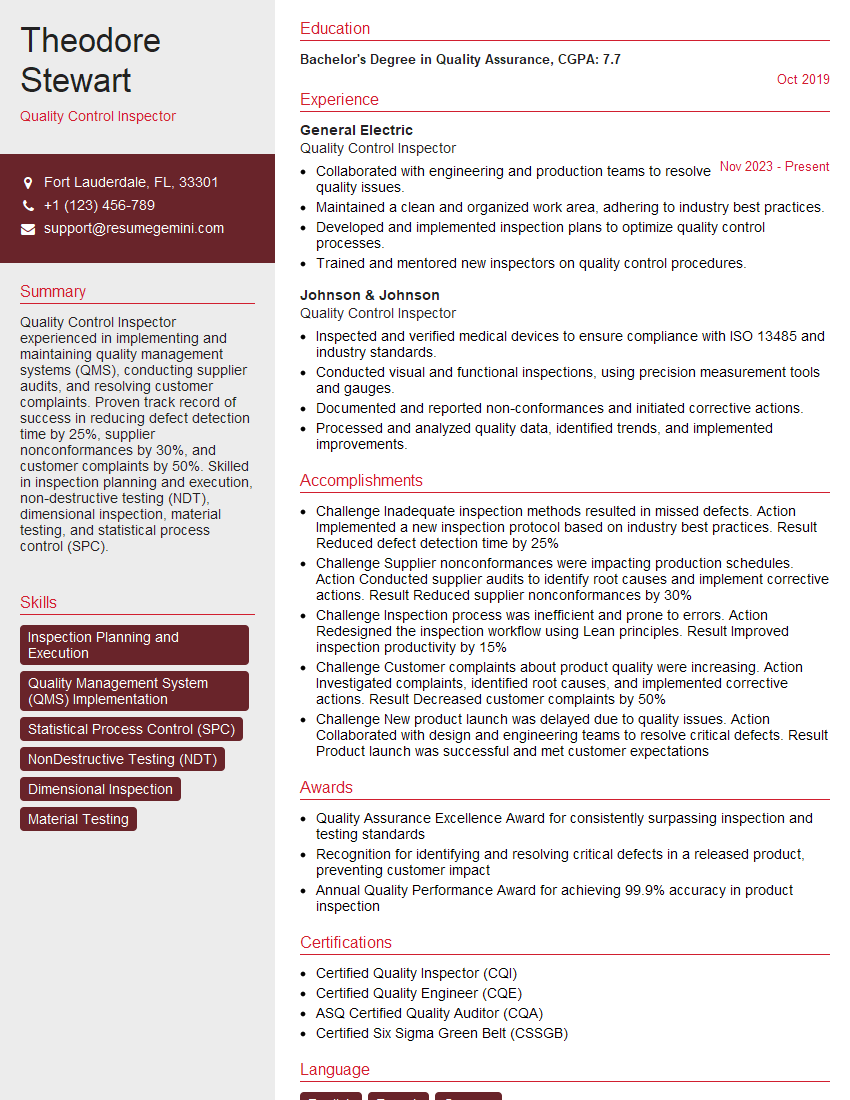
Quality Control Inspector Resume Sample
Explore more articles
Users Rating of Our Blogs
Share Your Experience
We value your feedback! Please rate our content and share your thoughts (optional).
What Readers Say About Our Blog
Really detailed insights and content, thank you for writing this detailed article.
IT gave me an insight and words to use and be able to think of examples