Preparation is the key to success in any interview. In this post, we’ll explore crucial Food Chemistry and Nutrition interview questions and equip you with strategies to craft impactful answers. Whether you’re a beginner or a pro, these tips will elevate your preparation.
Questions Asked in Food Chemistry and Nutrition Interview
Q 1. Explain the Maillard reaction and its impact on food flavor and color.
The Maillard reaction is a chemical reaction between amino acids and reducing sugars that gives browned food its distinctive flavor. Think of the delicious crust on a perfectly baked loaf of bread or the rich aroma of roasted coffee beans – that’s the Maillard reaction at work! It occurs when food is heated, typically above 140°C (284°F).
The reaction involves a complex series of steps, ultimately leading to the formation of hundreds of different flavor and aroma compounds, known as melanoidins. These compounds are responsible for the characteristic brown color and complex flavors we associate with browned foods. For example, the deep brown color and savory notes of seared steak are directly attributed to the Maillard reaction. The intensity of the reaction is influenced by several factors including temperature, time, pH, and the specific types of amino acids and sugars present in the food.
Beyond the desirable flavors and colors, the Maillard reaction also produces some potentially harmful compounds, such as acrylamide, at very high temperatures. Therefore, understanding and controlling the reaction is crucial in food processing to balance desirable flavor development with safety concerns. Proper cooking techniques, such as avoiding excessive browning, can help mitigate the formation of harmful compounds.
Q 2. Describe the role of antioxidants in food preservation.
Antioxidants are substances that inhibit oxidation. In the context of food preservation, they combat the damaging effects of oxidation, which is a major cause of food spoilage. Oxidation leads to rancidity in fats and oils, discoloration of fruits and vegetables, and a loss of nutritional value. Antioxidants work by neutralizing free radicals, highly reactive molecules that can initiate and propagate oxidation chains.
Different types of antioxidants are employed in food preservation, including natural antioxidants like vitamin C (ascorbic acid) and vitamin E (tocopherol) found in fruits, vegetables, and nuts, and synthetic antioxidants like butylated hydroxyanisole (BHA) and butylated hydroxytoluene (BHT). These compounds are often added to processed foods to extend their shelf life. For instance, vitamin C is added to fruit juices to prevent browning, while BHA and BHT are used in fats and oils to prevent rancidity. The use of antioxidants is a crucial strategy for maintaining the quality, safety, and nutritional value of food products during storage and distribution.
Q 3. What are the different types of food spoilage and their causes?
Food spoilage is the undesirable alteration in the appearance, smell, taste, or texture of food, rendering it unacceptable for consumption. It’s primarily caused by microbial growth (bacteria, yeasts, molds), enzymatic activity, or chemical reactions.
- Microbial Spoilage: Bacteria, yeasts, and molds are the most common culprits, producing various undesirable changes like off-flavors, foul odors, discoloration, and slimy textures. For example, the souring of milk is caused by lactic acid bacteria.
- Enzymatic Spoilage: Enzymes naturally present in food can cause spoilage even after harvesting or processing. Browning of cut fruits and vegetables is a classic example of enzymatic browning caused by polyphenol oxidase enzymes.
- Chemical Spoilage: Chemical reactions like oxidation can lead to rancidity in fats, resulting in unpleasant tastes and odors. Similarly, exposure to light or high temperatures can cause undesirable changes in food composition and sensory attributes.
Understanding the cause of spoilage is crucial for selecting appropriate preservation methods. For example, refrigeration slows microbial growth, while canning uses high heat to kill microorganisms.
Q 4. Explain the difference between saturated, unsaturated, and trans fats.
The differences between saturated, unsaturated, and trans fats lie in their chemical structure and impact on health.
- Saturated Fats: These fats have no double bonds between carbon atoms in their fatty acid chains. They are typically solid at room temperature and are found in animal products like meat and dairy, as well as some plant-based sources like coconut oil and palm oil. High intake of saturated fats is linked to increased LDL cholesterol levels, potentially increasing the risk of heart disease.
- Unsaturated Fats: These fats have one or more double bonds in their fatty acid chains. They are generally liquid at room temperature. Unsaturated fats are categorized as monounsaturated (one double bond) or polyunsaturated (two or more double bonds). Monounsaturated fats are found in olive oil and avocados, while polyunsaturated fats are found in vegetable oils like sunflower and corn oil and fatty fish. Unsaturated fats are generally considered healthier than saturated fats.
- Trans Fats: These are unsaturated fats that have undergone a process called hydrogenation, which adds hydrogen atoms to the double bonds, changing their shape from a cis configuration (naturally occurring) to a trans configuration. Trans fats are solid or semi-solid at room temperature and were commonly used in processed foods to enhance shelf life. However, trans fats have been linked to significantly increased LDL cholesterol and decreased HDL cholesterol, raising the risk of heart disease. Many countries now restrict or ban the use of partially hydrogenated oils (PHOs), the main source of artificial trans fats.
Q 5. Discuss the role of vitamins and minerals in human health.
Vitamins and minerals are essential micronutrients that play crucial roles in various bodily functions. They are required in smaller amounts compared to macronutrients like carbohydrates, proteins, and fats, but their absence can lead to serious health problems.
Vitamins: These are organic compounds that the body cannot synthesize on its own and must obtain from the diet. Different vitamins have distinct functions: Vitamin A supports vision and immune function; Vitamin C acts as an antioxidant and aids in collagen synthesis; Vitamin D regulates calcium absorption; Vitamin B12 is crucial for nerve function and red blood cell production, and so on. Deficiencies can lead to various diseases, like scurvy (Vitamin C deficiency) or rickets (Vitamin D deficiency).
Minerals: These are inorganic elements essential for various metabolic processes. Examples include calcium (for bone health), iron (for oxygen transport in blood), iodine (for thyroid hormone production), and zinc (for immune function and wound healing). Mineral deficiencies can lead to anemia (iron deficiency), goiter (iodine deficiency), and other health problems.
A balanced diet ensures adequate intake of essential vitamins and minerals, promoting overall health and preventing deficiency diseases.
Q 6. What are the key components of a balanced diet?
A balanced diet provides all the essential nutrients the body needs in appropriate proportions to maintain health, promote growth, and support bodily functions. The key components are:
- Carbohydrates: Provide energy. Sources include grains, fruits, and vegetables.
- Proteins: Essential for building and repairing tissues. Sources include meat, poultry, fish, beans, and lentils.
- Fats: Provide energy, support cell function, and aid in the absorption of fat-soluble vitamins. Choose healthy fats like those found in olive oil, avocados, nuts, and fatty fish.
- Vitamins and Minerals: Essential micronutrients for various bodily functions. A diverse diet containing a variety of fruits, vegetables, and whole grains is key.
- Water: Essential for many bodily functions, including temperature regulation and nutrient transport.
The specific proportions of these components may vary depending on factors such as age, sex, activity level, and overall health. Dietary guidelines and recommendations from healthcare professionals provide tailored advice for individuals’ needs.
Q 7. Explain the concept of food safety and HACCP.
Food safety focuses on preventing foodborne illnesses by ensuring that food is produced, handled, and stored in a way that minimizes the risk of contamination and spoilage. HACCP (Hazard Analysis and Critical Control Points) is a systematic preventive approach to food safety that identifies potential hazards and establishes control measures at critical points in the food production process.
Key principles of HACCP include:
- Hazard Analysis: Identifying biological, chemical, and physical hazards that can contaminate food.
- Critical Control Points (CCPs) Identification: Determining the steps in food production where control is essential to prevent or eliminate hazards.
- Critical Limits Establishment: Setting specific measurable limits for each CCP to ensure safety.
- Monitoring Procedures: Regularly monitoring CCPs to ensure critical limits are met.
- Corrective Actions: Implementing corrective actions when critical limits are not met.
- Record Keeping: Maintaining detailed records of all HACCP procedures.
- Verification Procedures: Regularly verifying the effectiveness of the HACCP system.
HACCP is a globally recognized standard used across the food industry to ensure food safety and prevent outbreaks of foodborne illnesses. By proactively identifying and controlling hazards, HACCP helps to produce safe and high-quality food products.
Q 8. Describe common food preservation techniques and their underlying principles.
Food preservation aims to extend the shelf life of food products by inhibiting microbial growth and enzymatic activity, thereby preventing spoilage. Several techniques achieve this, each working through different principles.
- Low Temperature Preservation (Refrigeration & Freezing): This slows down microbial growth and enzymatic reactions. Refrigeration keeps food at temperatures above freezing, while freezing significantly reduces the water activity, making it unavailable for microbial growth. Example: Storing milk in the refrigerator or freezing berries for later use.
- High Temperature Preservation (Pasteurization & Sterilization): Heat kills microorganisms. Pasteurization uses moderate heat to reduce pathogens, while sterilization uses high heat to eliminate all microorganisms. Example: Pasteurizing milk to kill harmful bacteria; sterilizing canned goods to achieve a long shelf-life.
- Water Activity Reduction: Removing water or reducing its availability inhibits microbial growth. This is achieved through methods like drying (dehydration), concentration (evaporation), and adding solutes (sugars, salts). Example: Drying fruits and vegetables; making jams and jellies; salting fish.
- Chemical Preservation: Using chemical preservatives like sodium benzoate, sorbic acid, and nitrates/nitrites inhibits microbial growth and oxidation. Example: Using sodium benzoate in soft drinks; using nitrates in cured meats to prevent botulism.
- Modified Atmosphere Packaging (MAP): Modifying the gas composition within the packaging (e.g., increasing CO2, reducing O2) slows down microbial growth and oxidation. Example: Packaging fresh produce in a modified atmosphere to extend its shelf life.
- Irradiation: Exposing food to ionizing radiation kills microorganisms and extends shelf life. Example: Irradiating spices to reduce microbial contamination.
The choice of preservation method depends on various factors including the type of food, its intended shelf life, cost, and consumer preferences.
Q 9. How do you assess the nutritional value of a food product?
Assessing the nutritional value of a food product involves a comprehensive analysis of its macronutrient and micronutrient content. This is often done through a combination of laboratory analysis and database comparisons.
- Macronutrient Analysis: Determining the levels of carbohydrates, proteins, and fats. This involves methods like spectrophotometry, chromatography, and titrations. We can then calculate the caloric content from these values.
- Micronutrient Analysis: Determining the levels of vitamins and minerals. This often requires sophisticated techniques such as Atomic Absorption Spectroscopy (AAS) or High-Performance Liquid Chromatography (HPLC).
- Bioavailability Assessment: Determining how much of the nutrients are actually absorbed and utilized by the body. This is more complex and may involve in vivo studies or in vitro digestion models.
- Antioxidant Capacity Measurement: Assessing the food’s ability to neutralize free radicals, which contribute to cell damage. Methods include the DPPH assay or FRAP assay.
- Data Comparison: Once the nutritional composition is determined, it’s compared against established databases (like USDA FoodData Central) to provide a comprehensive nutritional profile.
For example, a nutrition label on a cereal box shows the levels of various macronutrients and some key micronutrients per serving, giving a quick overview. However, a more detailed analysis would require laboratory testing.
Q 10. What are the challenges in developing functional foods?
Developing functional foods – foods that provide health benefits beyond basic nutrition – presents several challenges:
- Maintaining Stability: The bioactive compounds responsible for the functional benefits are often unstable and degrade during processing, storage, or digestion. For example, the beneficial probiotics in yogurt can be easily destroyed by high heat.
- Ensuring Bioavailability: Even if a functional food contains bioactive compounds, they may not be readily absorbed and utilized by the body. Delivery systems and formulation strategies are crucial to enhance bioavailability.
- Regulatory Hurdles: Demonstrating the safety and efficacy of functional foods requires rigorous scientific evidence, which can be time-consuming and expensive. Regulatory approvals vary across different countries.
- Consumer Acceptance: Consumers may be hesitant to adopt new functional foods, especially if they taste different or are perceived as expensive compared to conventional foods. Palatability and consumer perception play a major role in market success.
- Cost-Effectiveness: Adding functional ingredients can significantly increase the production costs of a food product, making it less affordable for consumers.
Overcoming these challenges requires innovative research in food science, technology, and nutrition, as well as a strong focus on consumer needs and regulatory compliance.
Q 11. Explain the impact of processing on nutrient content.
Food processing significantly impacts nutrient content. The extent of the impact varies greatly depending on the processing method and the type of food.
- Heat Treatment: Processing methods involving high temperatures (e.g., boiling, frying, baking) can lead to losses of heat-sensitive vitamins (like vitamin C and some B vitamins) and degradation of certain proteins. For example, boiling vegetables can leach out water-soluble vitamins into the cooking water.
- Mechanical Processing: Processes like milling, cutting, and homogenization can cause losses of nutrients through oxidation, enzymatic degradation, and physical damage. For example, the milling of grains removes the bran and germ layers, which are rich in fiber and micronutrients.
- Irradiation: While irradiation effectively kills microorganisms, it can also lead to minor nutrient losses in some foods.
- Storage: Improper storage conditions can cause nutrient degradation due to oxidation, enzymatic activity, and microbial spoilage. Proper packaging and temperature control help to minimize nutrient loss during storage.
Understanding these impacts is crucial for optimizing food processing methods to minimize nutrient losses while ensuring food safety and quality. For instance, blanching vegetables before freezing helps inactivate enzymes that degrade nutrients during storage.
Q 12. Discuss the role of carbohydrates, proteins, and lipids in the body.
Carbohydrates, proteins, and lipids (fats) are macronutrients, providing energy and essential components for various bodily functions.
- Carbohydrates: Primarily serve as the body’s primary energy source. They are broken down into glucose, which fuels cells and organs. Complex carbohydrates (like whole grains and vegetables) provide sustained energy and fiber, while simple carbohydrates (like sugars) provide quick energy but lack fiber.
- Proteins: Are crucial for building and repairing tissues, synthesizing enzymes and hormones, and supporting immune function. Proteins are composed of amino acids, some of which are essential (meaning the body can’t synthesize them and must obtain them from the diet).
- Lipids (Fats): Provide energy, insulate organs, help absorb fat-soluble vitamins, and form cell membranes. Different types of fats have different health implications; unsaturated fats (like those in olive oil and avocados) are generally considered healthier than saturated and trans fats.
A balanced diet with adequate amounts of each macronutrient is essential for overall health and well-being. The proportion of each macronutrient should be tailored to individual needs and activity levels.
Q 13. What are the different methods for analyzing food composition?
Analyzing food composition involves a variety of methods, ranging from simple techniques to sophisticated instrumental analyses.
- Wet Chemistry Methods: These classic methods involve chemical reactions and titrations to determine the concentration of specific components. Example: The Kjeldahl method for protein determination, titration for acid content.
- Spectroscopic Methods: Techniques like UV-Vis spectroscopy, near-infrared (NIR) spectroscopy, and fluorescence spectroscopy measure the absorbance or emission of light to determine the concentration of specific compounds. These are often rapid and require less sample preparation.
- Chromatographic Methods: Techniques like High-Performance Liquid Chromatography (HPLC) and Gas Chromatography (GC) separate components of a mixture based on their physical and chemical properties, allowing for identification and quantification of individual compounds. These are highly sensitive and precise methods for analyzing complex mixtures.
- Electrochemical Methods: Techniques like potentiometry and voltammetry measure electrical signals to determine the concentration of analytes. For example, potentiometry is used to measure pH.
- Microscopic Methods: Microscopy can be used to visualize and quantify the structure and composition of food materials at the microscopic level. This is useful for examining the microstructure of foods or detecting the presence of contaminants.
The choice of method depends on the specific component being analyzed, the desired accuracy, and the available resources. Often, a combination of techniques is used to obtain a complete picture of food composition.
Q 14. Explain the concept of food allergies and intolerances.
Food allergies and intolerances are adverse reactions to food, but they differ significantly in their mechanisms.
- Food Allergies: Are immune system responses triggered by specific food proteins (allergens). The immune system mistakenly identifies the allergen as a threat, leading to the release of histamine and other inflammatory mediators. This can result in a range of symptoms, from mild skin reactions to severe life-threatening anaphylaxis. Examples: Peanuts, milk, eggs, soy, wheat, shellfish.
- Food Intolerances: Are not immune responses. They involve difficulty digesting certain foods due to a lack of specific enzymes or other metabolic issues. Symptoms are generally less severe than allergies and often involve digestive problems like bloating, gas, or diarrhea. Examples: Lactose intolerance (lack of lactase enzyme), gluten sensitivity (difficulty digesting gluten).
It’s crucial to differentiate between allergies and intolerances as management strategies differ significantly. Allergies require strict avoidance of the allergen, while intolerances may be managed through dietary modifications or enzyme supplements.
Q 15. How do you ensure food quality and safety throughout the supply chain?
Ensuring food quality and safety throughout the supply chain is paramount. It’s a multifaceted process requiring rigorous controls at each stage, from farm to fork. This involves implementing Hazard Analysis and Critical Control Points (HACCP) principles, a systematic preventive approach to food safety.
- Good Agricultural Practices (GAPs): On the farm, this includes practices like soil testing, pest management, and proper irrigation to minimize contamination. Think of it like building a strong foundation for a house – if the foundation is weak, the whole structure is at risk.
- Harvesting and Transportation: Maintaining the cold chain during transport is crucial for perishable goods. Imagine transporting ice cream in a hot truck – it would melt! Proper storage and transportation containers help preserve quality and safety.
- Processing and Manufacturing: Strict sanitation protocols, including regular equipment cleaning and employee hygiene, are essential. This minimizes the risk of microbial contamination and ensures consistent product quality.
- Packaging and Distribution: Appropriate packaging protects the food from physical damage, microbial growth, and environmental factors. The right packaging can significantly extend a product’s shelf life. Think of the difference between packaging bread in a plastic bag versus a sealed container.
- Retail and Consumer Handling: Proper storage and handling by retailers and consumers are also crucial to prevent spoilage and contamination. This includes adhering to temperature guidelines and expiry dates.
Regular audits, testing, and traceability systems are crucial for monitoring and identifying potential issues, allowing for prompt corrective actions. Traceability, like being able to track the origin of ingredients, is essential for identifying the source of contamination in the event of an outbreak.
Career Expert Tips:
- Ace those interviews! Prepare effectively by reviewing the Top 50 Most Common Interview Questions on ResumeGemini.
- Navigate your job search with confidence! Explore a wide range of Career Tips on ResumeGemini. Learn about common challenges and recommendations to overcome them.
- Craft the perfect resume! Master the Art of Resume Writing with ResumeGemini’s guide. Showcase your unique qualifications and achievements effectively.
- Don’t miss out on holiday savings! Build your dream resume with ResumeGemini’s ATS optimized templates.
Q 16. Describe the different types of food packaging and their functions.
Food packaging plays a vital role in preserving food quality, extending shelf life, and ensuring consumer safety. Different types of packaging offer various functionalities:
- Flexible Packaging: This includes pouches, films, and wraps. They are cost-effective, lightweight, and suitable for various products. Examples include plastic bags for bread and retort pouches for ready meals.
- Rigid Packaging: This includes cans, jars, and bottles. They offer excellent protection against physical damage and environmental factors. Examples include canned goods and glass jars for pickles.
- Modified Atmosphere Packaging (MAP): This alters the gas composition within the package to extend shelf life and maintain product quality. Think of the packaging for fresh meat or salad where the oxygen level is reduced to slow down spoilage.
- Aseptic Packaging: This involves sterilizing both the food and the package separately before filling. This guarantees sterility and extends shelf life. Examples are long-life milk and juice cartons.
- Active Packaging: This packaging contains substances that interact with the food to improve quality or safety. Examples include oxygen absorbers in coffee packaging or antimicrobial films to prevent microbial growth.
The choice of packaging depends on factors such as the product characteristics, shelf life requirements, transportation conditions, and environmental impact. A good example is comparing the packaging of fresh strawberries (requiring breathable packaging to prevent mold) with the packaging of dried strawberries (requiring moisture-resistant packaging).
Q 17. Explain the importance of sensory evaluation in food product development.
Sensory evaluation is the cornerstone of food product development. It’s a scientific discipline that uses human senses to assess the quality of food. It’s not simply about taste; it incorporates sight, smell, touch, and sound.
- Appearance: This includes color, shape, size, and texture. A visually appealing product is more likely to be appealing to consumers.
- Aroma: The fragrance of food plays a significant role in our perception of taste. Think about the aroma of freshly baked bread – it triggers appetite.
- Taste: This encompasses sweetness, sourness, saltiness, bitterness, and umami. It is a complex interaction of chemical compounds perceived by our taste buds.
- Texture: This refers to the physical properties of food, such as crispness, smoothness, and chewiness. The texture of a food can profoundly impact its acceptability.
- Sound: The sound of food, like the crunch of a potato chip, can enhance the sensory experience.
Sensory evaluation uses trained panelists to objectively evaluate products and provides valuable data for product development, quality control, and consumer acceptance. For example, sensory tests can help determine the optimal sweetness level in a new yogurt or the preferred texture of a chocolate bar.
Q 18. How do you interpret and apply nutritional labeling regulations?
Nutritional labeling regulations ensure consumers have access to accurate and consistent information about the nutritional content of food products. Interpreting these labels involves understanding the components and their implications.
- Serving Size: The reference amount used to determine the nutritional values. It’s crucial to understand the serving size stated as the values reflect that portion.
- Calories: The energy content of the food.
- Macronutrients: This includes total fat, saturated fat, trans fat, cholesterol, sodium, total carbohydrates, dietary fiber, and sugars. These components are critical to building a balanced diet.
- Micronutrients: This includes vitamins and minerals, essential for numerous bodily functions. Daily values are often included.
- Percent Daily Value (%DV): Indicates the percentage of the daily recommended intake of a nutrient in one serving. This helps in understanding the contribution of a food item to the overall daily diet.
Applying these regulations in a professional setting includes ensuring compliance with the relevant regulations in the target market, creating accurate labels, and understanding the potential legal implications of inaccuracies. For example, a company must ensure their nutrition label is compliant with FDA regulations in the US and similar agencies in other countries.
Q 19. What are the ethical considerations in food research and development?
Ethical considerations in food research and development are paramount. They encompass issues related to:
- Animal Welfare: Minimizing harm and ensuring humane treatment of animals used in research. For example, the use of alternatives to animal testing whenever possible.
- Human Subject Protection: Protecting the rights and well-being of human participants in studies, including informed consent and data privacy.
- Environmental Sustainability: Minimizing the environmental impact of food production and processing, including waste reduction, water conservation, and responsible use of resources. Consider the carbon footprint of different food production methods.
- Food Access and Equity: Considering the accessibility and affordability of developed food products, ensuring equitable distribution and addressing food insecurity. This is increasingly relevant to food research focusing on affordability and nutrition.
- Transparency and Integrity: Maintaining scientific integrity and transparency in research, ensuring accurate reporting of data and avoiding conflicts of interest.
Ethical frameworks and guidelines, like those provided by professional organizations, help guide researchers in conducting ethical research and ensure responsible innovation.
Q 20. Discuss the impact of food choices on chronic diseases.
Food choices have a profound impact on chronic diseases. A diet rich in processed foods, saturated fats, trans fats, added sugars, and sodium is linked to an increased risk of several chronic conditions.
- Heart Disease: High consumption of saturated and trans fats can raise cholesterol levels, increasing the risk of heart disease.
- Type 2 Diabetes: A diet high in refined carbohydrates and sugars can lead to insulin resistance and increase the risk of type 2 diabetes.
- Certain Cancers: A diet low in fruits, vegetables, and fiber, and high in processed meats, has been linked to an increased risk of certain cancers.
- Obesity: Excess calorie intake and a lack of physical activity lead to weight gain and obesity, increasing the risk of various health problems.
- Stroke: High blood pressure and high cholesterol, often linked to poor diet, increase the risk of stroke.
Conversely, a diet rich in fruits, vegetables, whole grains, lean protein, and healthy fats can help reduce the risk of these diseases. This highlights the importance of dietary education and promoting healthy eating habits.
Q 21. Describe the role of probiotics and prebiotics in gut health.
Probiotics and prebiotics play a significant role in maintaining gut health. They work synergistically to support a healthy gut microbiome.
- Probiotics: These are live microorganisms, primarily bacteria and yeasts, that confer health benefits when consumed in adequate amounts. Examples include Lactobacillus and Bifidobacterium, often found in yogurt and other fermented foods.
- Prebiotics: These are non-digestible food ingredients that promote the growth of beneficial bacteria in the gut. They act as food for the probiotics. Examples include inulin and fructooligosaccharides (FOS), found in many fruits and vegetables.
A healthy gut microbiome contributes to various aspects of health, including improved digestion, enhanced immunity, and mental well-being. Consuming a diet rich in both probiotics and prebiotics can help maintain a balanced gut microbiota and support overall health. Think of probiotics and prebiotics as a team: probiotics are the beneficial bacteria, while prebiotics are their food, promoting their growth and activity.
Q 22. Explain the different types of dietary fiber and their benefits.
Dietary fiber is the indigestible part of plant-based foods that plays a crucial role in our digestive health and overall well-being. It’s broadly classified into two main categories: soluble and insoluble fiber.
- Soluble fiber: This type dissolves in water, forming a gel-like substance in the gut. It helps lower cholesterol levels by binding to bile acids, and it also slows down the absorption of glucose, contributing to better blood sugar control. Examples include pectin (found in apples and citrus fruits), gums (found in legumes), and beta-glucans (found in oats and barley).
- Insoluble fiber: This type doesn’t dissolve in water and adds bulk to the stool, promoting regularity and preventing constipation. It helps maintain a healthy gut microbiome by adding volume and facilitating waste removal. Examples include cellulose (found in wheat bran and vegetables), hemicellulose (found in many plant cell walls), and lignin (found in woody parts of plants).
The benefits of dietary fiber are numerous and include improved digestive health, better blood sugar control, lower cholesterol, weight management, and even a reduced risk of certain cancers. Think of soluble fiber as a gentle sponge, soaking up excess cholesterol and sugar, while insoluble fiber acts like a broom, sweeping out waste from your digestive system.
Q 23. What are the challenges in developing sustainable food systems?
Developing sustainable food systems presents a multitude of challenges, encompassing environmental, social, and economic aspects.
- Climate Change: Agriculture contributes significantly to greenhouse gas emissions. Sustainable systems need to reduce emissions from farming practices, transportation, and food waste.
- Resource Depletion: Conventional agriculture often relies on intensive use of water, fertilizers, and pesticides, leading to soil degradation and water pollution. Sustainable systems aim for more efficient resource management.
- Food Waste: A significant portion of food produced is wasted throughout the supply chain. Reducing food loss and waste is crucial for sustainability.
- Social Equity: Sustainable food systems must ensure fair access to nutritious food for all populations, addressing issues of food insecurity and poverty.
- Economic Viability: Sustainable farming practices need to be economically viable for farmers to adopt them. This may require government support and market incentives.
Addressing these challenges requires a multi-pronged approach involving technological innovation, policy changes, consumer awareness, and collaboration across the food system. For example, precision agriculture techniques can optimize resource use, while improved packaging and food preservation methods can reduce waste.
Q 24. Describe the role of enzymes in food processing.
Enzymes are biological catalysts that accelerate specific chemical reactions in food processing. They offer several advantages over traditional methods, including increased efficiency, reduced processing time, and improved product quality.
- Bread Making: Amylases break down starches, improving dough texture and fermentation.
- Dairy Processing: Rennin (or chymosin) is used in cheese making to coagulate milk proteins.
- Fruit Juice Clarification: Pectinases break down pectin, resulting in clearer juices.
- Meat Tenderization: Proteases break down proteins, making meat more tender.
Enzyme use is highly specific; selecting the right enzyme for the desired outcome is crucial. Factors like temperature, pH, and substrate concentration influence enzyme activity. For instance, using a protease enzyme at the wrong pH may result in inefficient meat tenderization, highlighting the importance of precise control over processing parameters.
Q 25. How do you conduct a food safety audit?
A food safety audit is a systematic and independent examination of a food business’s processes to ensure compliance with food safety regulations and standards. It involves a structured approach, typically following these steps:
- Planning and Preparation: Define the scope of the audit, identify relevant standards (e.g., HACCP, ISO 22000), and assemble the audit team.
- Documentation Review: Review relevant documentation such as HACCP plans, SOPs (Standard Operating Procedures), supplier certifications, and training records.
- On-site Inspection: Inspect facilities, equipment, and processes to verify compliance with standards. This includes observation of practices, interviews with staff, and sampling where appropriate.
- Data Analysis and Reporting: Analyze collected data, identify non-conformities, and prepare a comprehensive audit report outlining findings and recommendations.
- Corrective Actions: The audited party implements corrective actions to address identified non-conformities.
- Follow-up Audit: A follow-up audit may be conducted to verify the effectiveness of corrective actions.
Audits are critical for identifying potential hazards, ensuring food safety, and maintaining consumer confidence. For example, an audit might reveal inadequate handwashing practices, leading to recommendations for improved training and sanitation protocols. The outcome of the audit helps the business to improve its food safety management system.
Q 26. Explain the principles of food rheology.
Food rheology is the study of the flow and deformation of food materials. It involves understanding how foods behave under different stresses and conditions, which impacts their texture, mouthfeel, and overall sensory experience.
Key parameters considered include:
- Viscosity: A measure of a fluid’s resistance to flow (e.g., honey is more viscous than water).
- Elasticity: The ability of a material to return to its original shape after deformation (e.g., a gummy candy).
- Plasticity: The ability of a material to undergo permanent deformation without breaking (e.g., dough).
- Yield Stress: The amount of stress needed to initiate flow (e.g., ketchup).
Understanding food rheology is crucial for product development and quality control. For example, in ice cream manufacturing, controlling viscosity is vital for achieving the desired smooth texture. Rheological properties also influence the processing methods used, such as mixing, extrusion, and shaping.
Q 27. Describe the impact of food irradiation on food safety and quality.
Food irradiation is a process that uses ionizing radiation to control microorganisms and extend the shelf life of foods. It’s considered a safe and effective method by many international organizations, but its impact on food safety and quality warrants careful consideration.
- Food Safety: Irradiation effectively reduces or eliminates harmful bacteria, parasites, and insects in food, enhancing its safety. This is particularly important for products like spices, fruits, and vegetables that might be susceptible to microbial contamination.
- Food Quality: The impact on quality depends on the dose of radiation, food type, and processing conditions. High doses can lead to changes in texture, flavor, and color. However, with appropriate control, the changes are often minimal and acceptable to consumers. Some potential changes include slight softening of fruits or vegetables.
Although irradiation is generally considered safe, consumer perception can be a factor in its widespread adoption. Clear labeling and education about the process are important to build consumer trust. For example, irradiated foods often carry a radurated symbol, indicating the use of ionizing radiation.
Q 28. Discuss the challenges in formulating food products for specific dietary needs (e.g., vegan, gluten-free).
Formulating food products for specific dietary needs, like vegan or gluten-free diets, presents unique challenges.
- Vegan Formulations: Replacing animal-derived ingredients (eggs, dairy, meat) with plant-based alternatives can be challenging due to differences in functional properties. For example, achieving the right texture and binding in vegan baked goods requires careful selection of starches, gums, and proteins.
- Gluten-Free Formulations: Gluten, a protein found in wheat, barley, and rye, provides elasticity and structure in many foods. Replacing it necessitates the use of gluten-free flours (e.g., rice flour, almond flour), which often have different properties. Maintaining texture and mouthfeel similar to gluten-containing products can be a significant challenge.
- Other Dietary Restrictions: Formulating products for allergies (e.g., nut allergies), intolerances (e.g., lactose intolerance), or other health conditions require attention to ingredient selection and labeling to ensure product safety and efficacy.
Successful formulation requires a deep understanding of food chemistry and the functional properties of ingredients. Extensive experimentation and sensory evaluation are essential to achieve desired product characteristics. For instance, creating a gluten-free bread with a similar texture to wheat bread might require experimenting with various gluten-free flour blends, hydrocolloids, and processing parameters.
Key Topics to Learn for Food Chemistry and Nutrition Interview
- Carbohydrates, Lipids, and Proteins: Understanding their chemical structures, properties, and roles in nutrition. Consider discussing digestion, metabolism, and their impact on health.
- Food Processing and Preservation: Explore the chemical changes that occur during food processing (e.g., enzymatic reactions, oxidation) and various preservation techniques (e.g., pasteurization, canning) and their effects on nutritional value and safety.
- Vitamins and Minerals: Delve into their roles in biochemical processes, deficiency diseases, and bioavailability. Consider discussing factors affecting nutrient absorption and utilization.
- Sensory Evaluation of Food: Understand the principles of sensory science, including taste, texture, aroma, and appearance, and how these aspects influence consumer preference and acceptance. Practical application could involve discussing sensory testing methods.
- Food Safety and Microbiology: Explore foodborne illnesses, microbial growth, and food safety regulations. Understanding HACCP principles and food preservation strategies is crucial.
- Nutritional Biochemistry and Metabolism: This includes understanding how nutrients are utilized by the body, energy balance, and metabolic pathways. Discuss the implications for health and disease.
- Dietary Guidelines and Recommendations: Familiarize yourself with current dietary guidelines and their rationale, including the Dietary Reference Intakes (DRIs) and their application to different populations.
- Research Methods in Food Science and Nutrition: Gain a basic understanding of experimental design, data analysis, and interpretation of research findings in the field.
- Functional Foods and Nutraceuticals: Explore the emerging field of functional foods and nutraceuticals and their potential health benefits. Consider the scientific evidence supporting these claims.
- Sustainable Food Systems and Food Security: Discuss the challenges and opportunities related to sustainable food production, distribution, and consumption, and their impact on global food security.
Next Steps
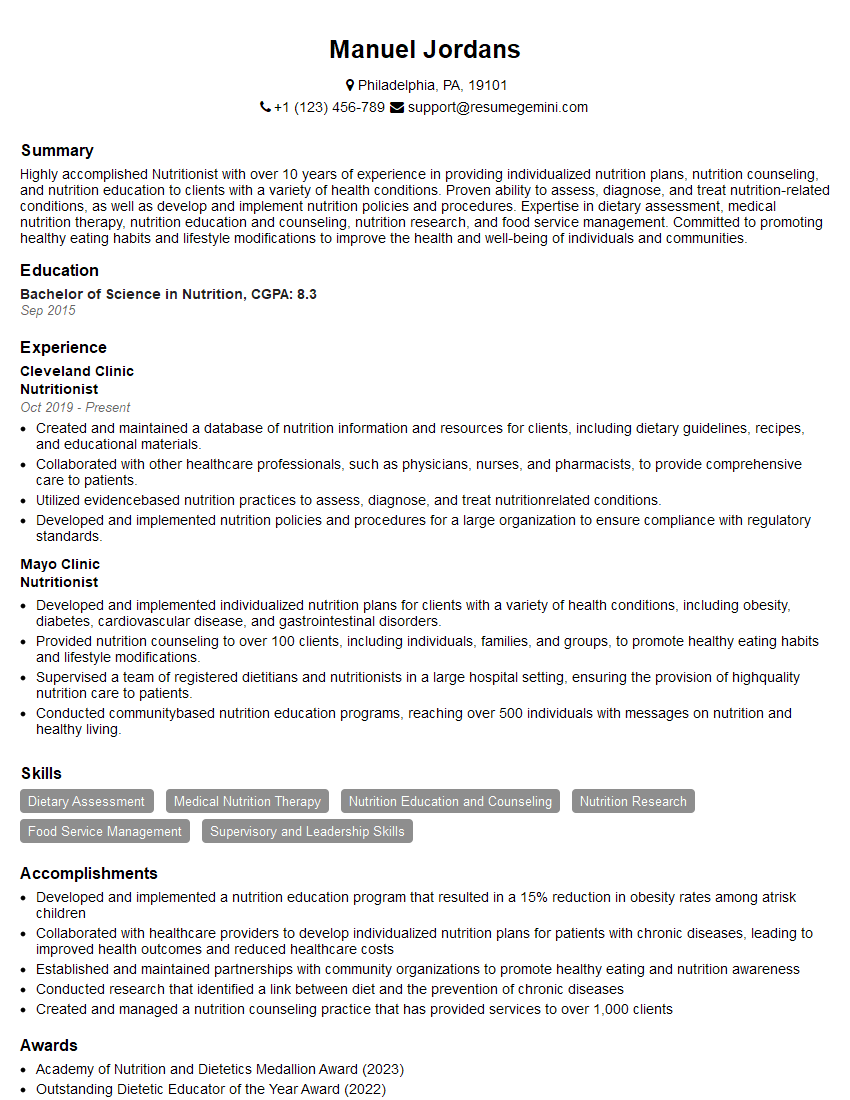
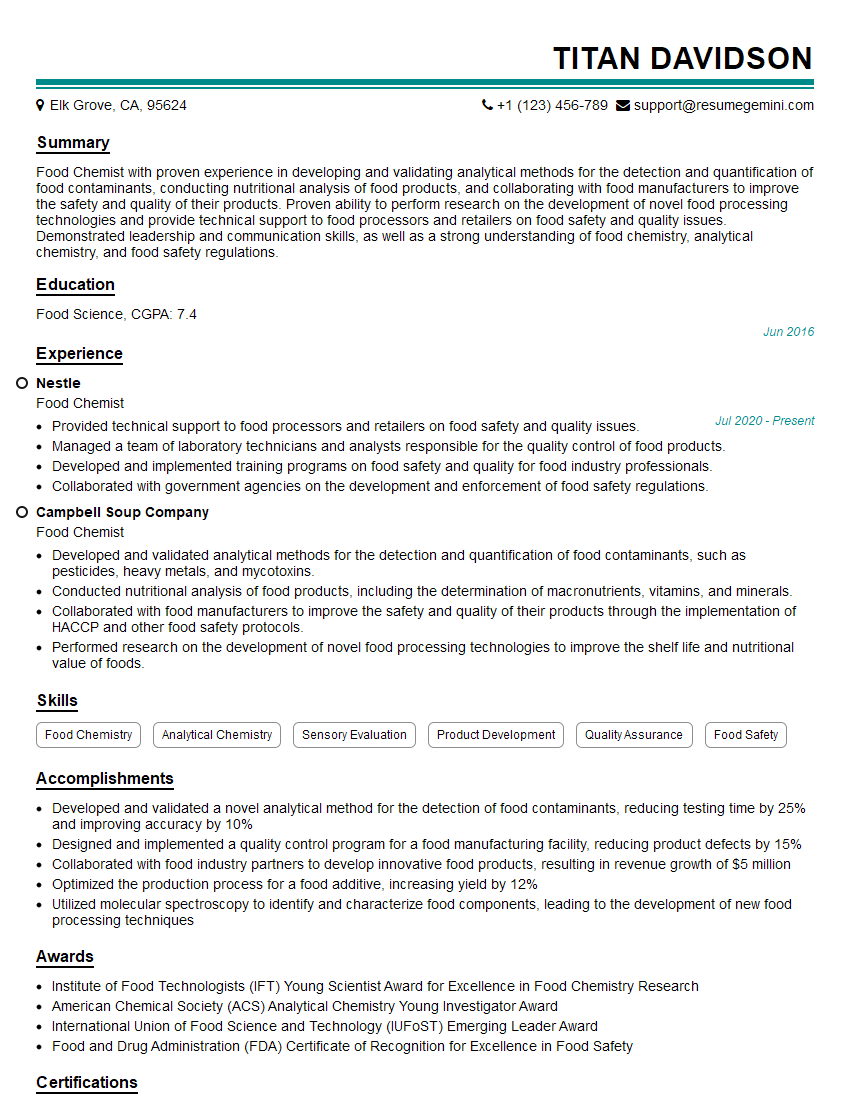
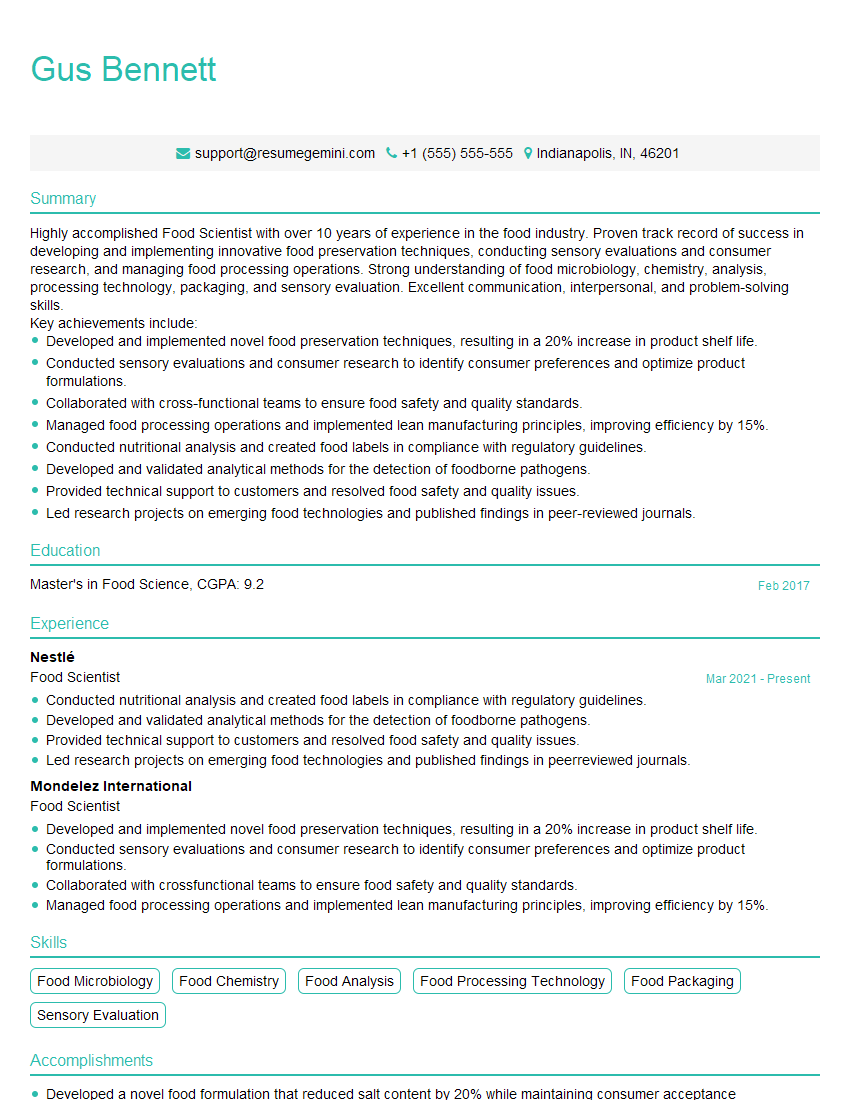
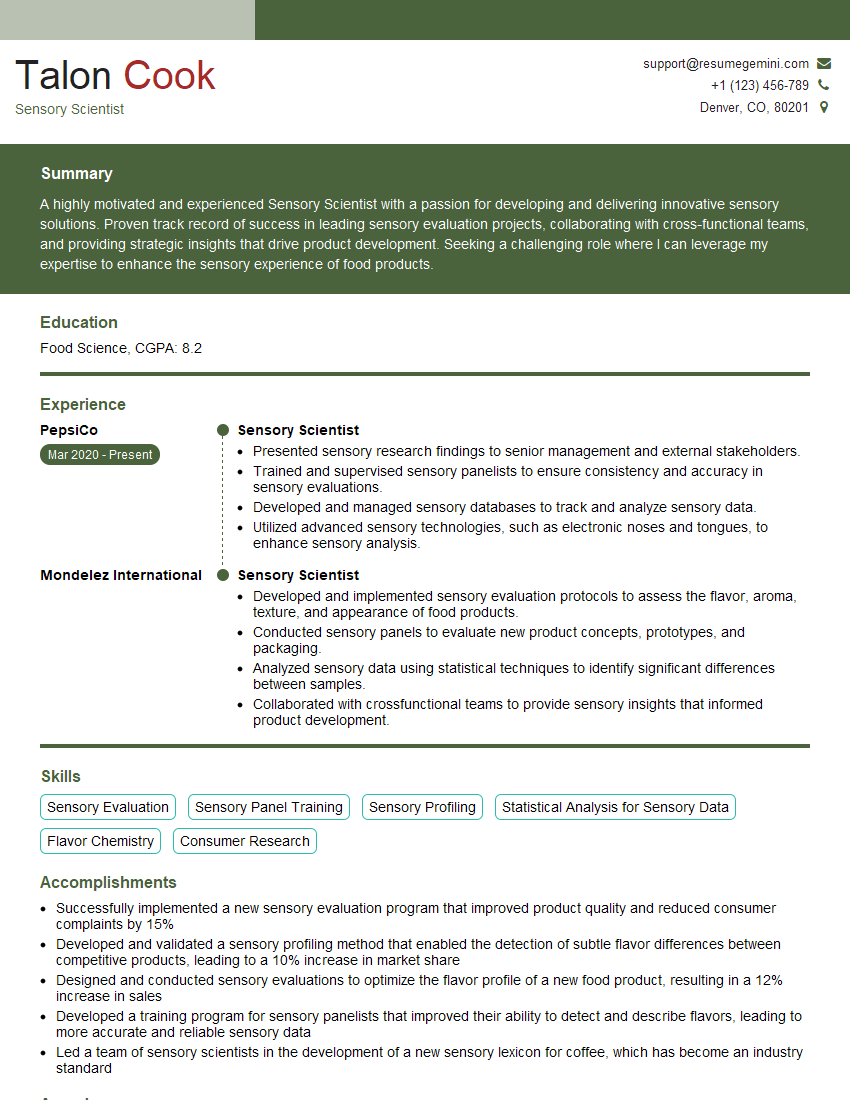
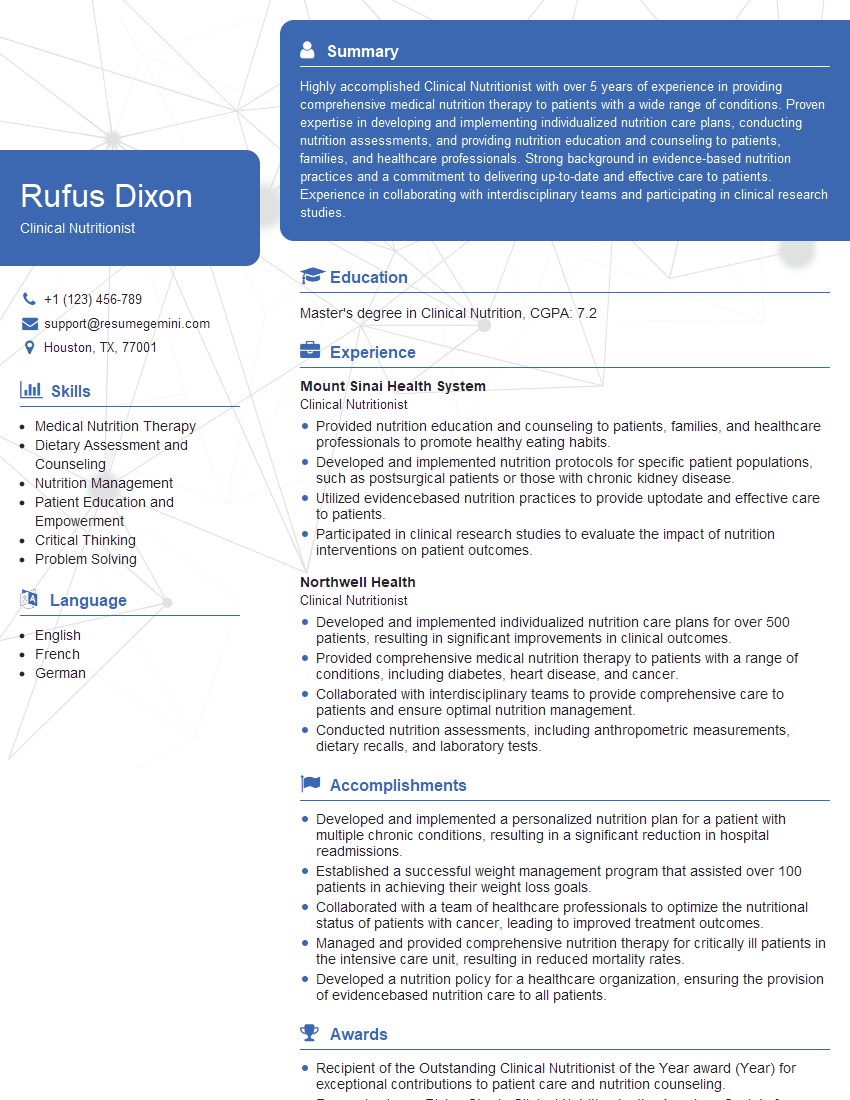
Mastering Food Chemistry and Nutrition opens doors to exciting careers in research, industry, and public health. A strong understanding of these principles is crucial for success in any role within the food and nutrition field. To maximize your job prospects, creating a well-structured, ATS-friendly resume is paramount. ResumeGemini is a trusted resource that can significantly enhance your resume-building experience, helping you showcase your skills and experience effectively. We offer examples of resumes tailored specifically to Food Chemistry and Nutrition to guide you in creating a compelling application.




Explore more articles
Users Rating of Our Blogs
Share Your Experience
We value your feedback! Please rate our content and share your thoughts (optional).
What Readers Say About Our Blog
Really detailed insights and content, thank you for writing this detailed article.
IT gave me an insight and words to use and be able to think of examples