The right preparation can turn an interview into an opportunity to showcase your expertise. This guide to Food Handlers Permit interview questions is your ultimate resource, providing key insights and tips to help you ace your responses and stand out as a top candidate.
Questions Asked in Food Handlers Permit Interview
Q 1. What are the four main food hazard categories?
The four main categories of food hazards are biological, chemical, physical, and allergenic hazards. Let’s break them down:
- Biological Hazards: These are harmful microorganisms like bacteria (Salmonella, E. coli), viruses (Norovirus, Hepatitis A), parasites (Toxoplasma gondii), and fungi (mold). They can cause foodborne illnesses if food isn’t handled properly.
- Chemical Hazards: These are harmful chemicals that can contaminate food. Examples include pesticides, cleaning agents, toxins produced by bacteria, and naturally occurring toxins in certain plants or seafood. Improper cleaning or accidental contamination are key issues.
- Physical Hazards: These are foreign objects that accidentally end up in food, such as glass, metal shards, hair, or insects. These can cause injury or illness and result from poor hygiene and maintenance practices.
- Allergenic Hazards: These are food allergens that can trigger severe reactions in sensitive individuals. Common allergens include peanuts, tree nuts, milk, eggs, soy, wheat, fish, and shellfish. Proper labeling and handling to prevent cross-contamination are crucial.
Understanding these categories is fundamental to preventing foodborne illnesses and ensuring food safety.
Q 2. Explain the temperature danger zone for food.
The temperature danger zone for food is the range where bacteria multiply rapidly, increasing the risk of foodborne illness. This range is generally between 41°F (5°C) and 135°F (57°C). Think of it like this: imagine bacteria are like tiny, hungry creatures. They thrive in this temperature range, happily reproducing and potentially making you sick. Keeping food outside this zone – either hot enough to kill them or cold enough to slow their growth – is essential.
For example, leaving cooked chicken out at room temperature for even a couple of hours can allow bacteria to multiply to dangerous levels. Proper refrigeration below 41°F (5°C) and reheating to above 135°F (57°C) are vital steps to prevent foodborne illness.
Q 3. Describe proper handwashing techniques.
Proper handwashing is paramount in food handling. It’s a simple yet highly effective way to prevent the spread of bacteria. The process should be thorough and follow these steps:
- Wet your hands with warm water.
- Apply soap, making sure to cover all surfaces.
- Scrub your hands vigorously for at least 20 seconds (sing the “Happy Birthday” song twice!). Don’t forget under your nails and between your fingers.
- Rinse your hands thoroughly under warm, running water.
- Dry your hands using a clean paper towel or air dryer.
Always wash your hands before starting work, after using the restroom, after handling raw food, and after touching your face or hair. Think of it as a constant cycle to protect yourself and your customers.
Q 4. How should you properly sanitize surfaces?
Sanitizing surfaces is crucial for eliminating harmful microorganisms. It’s not enough to just clean – you need to sanitize to kill bacteria. Here’s how:
- Clean the surface first to remove visible dirt and debris. This might involve washing with soap and water.
- Rinse the surface thoroughly with clean water to remove any soap residue.
- Apply an approved sanitizer according to the manufacturer’s instructions. This usually involves using a specific concentration and contact time.
- Allow the sanitizer to air dry. Don’t wipe it off.
Different sanitizers exist (chlorine solutions, quaternary ammonium compounds, etc.) and their use should always follow guidelines set by health authorities. A clean and sanitized workspace is essential for food safety.
Q 5. What are the guidelines for preventing cross-contamination?
Cross-contamination occurs when harmful bacteria or other contaminants transfer from one food item to another. Preventing it requires careful practices:
- Separate raw and cooked foods: Use separate cutting boards, utensils, and storage containers for raw meat, poultry, seafood, and produce. Imagine the raw meat as carrying invisible ‘germs’; you don’t want them spreading to your ready-to-eat foods.
- Wash hands frequently: This is critical to prevent transferring bacteria from one food item to another. Wash your hands between handling different food types.
- Clean and sanitize surfaces: Regularly clean and sanitize cutting boards, countertops, and other surfaces that come into contact with food.
- Store food properly: Store raw meats below cooked foods to prevent dripping contamination.
Paying close attention to these steps drastically reduces the risk of cross-contamination and ensures food safety.
Q 6. How should you store food to prevent spoilage?
Proper food storage prevents spoilage and bacterial growth. Here are some guidelines:
- Refrigerate perishable foods promptly: Cool foods quickly after cooking and store them at or below 41°F (5°C). This significantly slows bacterial growth.
- Use proper containers: Store food in airtight containers to prevent moisture loss and contamination.
- First In, First Out (FIFO): Rotate your stock – use the oldest items first to prevent spoilage. Imagine your refrigerator as a timeline; the oldest items should be at the front.
- Freeze foods appropriately: Freeze food in appropriate containers and ensure it’s properly labeled with the date.
By adhering to these guidelines, you significantly extend the shelf life of your food and maintain its quality and safety.
Q 7. What are the proper procedures for cooling food?
Rapid cooling of cooked food is crucial to prevent bacterial growth. The goal is to cool food from 135°F (57°C) to 41°F (5°C) within two hours. If the food is larger than 6 inches thick, it must be cooled to 41°F (5°C) within four hours.
Efficient cooling methods include:
- Shallow containers: Use shallow containers to increase surface area for faster cooling.
- Ice bath: Submerge containers in an ice bath, changing the ice water frequently.
- Blast chiller: For larger volumes, a blast chiller dramatically speeds up the cooling process.
Failing to cool food properly can result in hazardous bacterial growth, leading to foodborne illnesses. Remember that proper cooling is as vital as proper cooking.
Q 8. Explain the FIFO method of stock rotation.
FIFO, or First-In, First-Out, is a crucial inventory management method for food safety. It ensures that the oldest food items are used before the newer ones, preventing spoilage and reducing the risk of foodborne illnesses. Think of it like a queue – the first item in line gets served first.
How it works: When receiving new stock, place it behind the older stock. When using ingredients, always take from the front of the storage area, using the oldest items first. This applies to both refrigerated and dry storage.
Example: Imagine you have three cartons of milk. The first carton you received is placed at the front of the shelf. When it’s time to use milk, you use that oldest carton first, then the second, and finally the third.
Practical Application: Proper FIFO rotation helps minimize waste, saves money, and reduces the risk of serving expired or spoiled food. Many restaurants utilize date labeling and a clear storage system to effectively implement FIFO.
Q 9. What are the signs of foodborne illness?
Signs of foodborne illness can vary depending on the causative agent, but common symptoms include:
- Nausea
- Vomiting
- Diarrhea
- Stomach cramps
- Fever
- Chills
- Headache
- Muscle aches
Sometimes, symptoms can be mild, while other times they can be severe and require immediate medical attention. The onset of symptoms can also vary from a few hours to several days after consuming contaminated food.
Important Note: If you experience severe symptoms such as bloody diarrhea, high fever, or prolonged vomiting, seek immediate medical attention.
Q 10. What should you do if you suspect food contamination?
Suspecting food contamination requires immediate action to prevent further illness. Here’s what to do:
- Isolate the contaminated food: Separate the suspected food from other items to prevent cross-contamination. If possible, place it in a clearly labeled container.
- Notify your supervisor immediately: Report the incident to your manager or supervisor so appropriate measures can be taken.
- Discard the contaminated food: Do not attempt to salvage or reuse any food that you suspect is contaminated. Properly dispose of it according to your establishment’s procedures.
- Clean and sanitize the affected area: Thoroughly clean and sanitize all surfaces, utensils, and equipment that may have come into contact with the contaminated food.
- Check for other potential contamination: Examine other foods and ingredients stored near the contaminated item to ensure that they haven’t been affected.
- Follow your establishment’s food safety procedures: Your workplace should have detailed procedures to follow in the event of suspected contamination. Follow these procedures precisely.
Q 11. How should you handle food allergies in a food service setting?
Handling food allergies is critical for preventing severe reactions and ensuring customer safety. It requires a multi-pronged approach:
- Staff Training: All staff should receive thorough training on common allergens, cross-contamination risks, and how to handle allergy-related inquiries.
- Clear Communication: Clearly label all menu items, indicating potential allergens. This might involve using symbols or color-coded systems.
- Allergen Information: Provide comprehensive allergen information upon request, and have access to detailed ingredient lists. Train staff on how to answer questions accurately.
- Dedicated Preparation Areas: Ideally, use separate areas or equipment for preparing allergen-free dishes to avoid cross-contamination.
- Ingredient Sourcing: Carefully select suppliers who clearly label ingredients and provide allergen information.
- Emergency Preparedness: Have a plan in place to handle allergic reactions, including access to first-aid and procedures for contacting emergency services.
Remember, even trace amounts of allergens can trigger serious reactions in some individuals. Taking a proactive and cautious approach is vital.
Q 12. What are the regulations surrounding the storage of hazardous chemicals?
Regulations surrounding hazardous chemical storage vary by jurisdiction, but common principles include:
- Designated Storage Area: Chemicals must be stored in a designated area, away from food preparation and storage areas. This area should be well-ventilated and clearly labeled.
- Proper Labeling: All containers must be clearly labeled with the chemical’s name, hazards, and any necessary safety precautions.
- Material Safety Data Sheets (MSDS): MSDS sheets should be readily available for all hazardous chemicals. These sheets provide detailed information about the chemical’s properties, hazards, and handling procedures.
- Secure Storage: Chemicals should be stored securely to prevent unauthorized access and spills. This may involve using locked cabinets or designated storage rooms.
- Compatibility: Incompatible chemicals should never be stored together. Mixing certain chemicals can create dangerous reactions.
- Proper Disposal: Hazardous chemicals must be disposed of properly according to local regulations. Never pour them down the drain.
Compliance with these regulations is crucial to prevent accidents, injuries, and environmental contamination.
Q 13. Describe the proper use of gloves in food handling.
Proper glove use is essential to prevent cross-contamination and ensure food safety. Here’s how:
- Use the Right Gloves: Choose gloves that are food-safe and appropriate for the task. Latex, nitrile, and vinyl are common choices.
- Change Gloves Frequently: Change gloves frequently, especially when switching tasks, handling raw meat, or touching ready-to-eat foods. Think of it as a new pair of “hands” for each food type.
- Avoid Glove Reuse: Do not reuse gloves. Once soiled or torn, discard them immediately.
- Wash Hands: Always wash your hands before putting on gloves and after removing them.
- Proper Donning and Removal: Learn the proper technique for putting on and removing gloves to minimize the risk of contamination.
- Avoid Touching Your Face: While wearing gloves, avoid touching your face, hair, or other areas that can transfer bacteria.
Gloves are an important barrier, but proper handwashing remains crucial.
Q 14. How often should you clean and sanitize your work area?
The frequency of cleaning and sanitizing your work area depends on the type of food service operation and the local regulations. However, it should be done regularly throughout the day. A general rule of thumb is to clean and sanitize your work area:
- After each task: Clean and sanitize your work surface after preparing each food item, especially if it involves raw meat or other high-risk ingredients.
- Before starting a new task: Begin each new task with a clean and sanitized surface.
- At the end of the shift: Give your work area a thorough cleaning and sanitizing at the end of each shift.
- More frequently in high-risk areas: Areas with high risk of contamination like raw meat preparation areas should be cleaned and sanitized more often.
Regular cleaning and sanitizing help prevent the growth of harmful bacteria and maintain a hygienic food preparation environment.
Q 15. Explain the importance of maintaining proper personal hygiene.
Maintaining proper personal hygiene is paramount in food handling to prevent the contamination of food products with harmful bacteria or viruses. Think of it like this: your hands are the primary tools you use in preparing and serving food. If these tools are dirty, you’re essentially contaminating everything you touch.
- Handwashing: Frequent and thorough handwashing is critical, especially after using the restroom, handling raw meat, touching your face or hair, or sneezing/coughing. This should involve washing with soap and warm water for at least 20 seconds, scrubbing all surfaces, and drying with a clean towel or air dryer.
- Clean Clothing: Wearing clean clothing and aprons helps prevent the transfer of dirt, hair, and other contaminants to food. Aprons should be changed if they become soiled.
- Hair Restraints: Hair should be neatly restrained to prevent it from falling into food. Hairnets or hats are recommended.
- Gloves: Gloves should be worn when handling ready-to-eat foods, particularly if you have open cuts or sores on your hands. Remember, gloves are not a substitute for handwashing!
- No Jewelry: Avoid wearing jewelry (rings, bracelets, watches) while handling food, as they can harbor bacteria and easily contaminate food.
Ignoring these practices can lead to foodborne illnesses and serious health consequences for your customers. Remember, prevention is always better than cure!
Career Expert Tips:
- Ace those interviews! Prepare effectively by reviewing the Top 50 Most Common Interview Questions on ResumeGemini.
- Navigate your job search with confidence! Explore a wide range of Career Tips on ResumeGemini. Learn about common challenges and recommendations to overcome them.
- Craft the perfect resume! Master the Art of Resume Writing with ResumeGemini’s guide. Showcase your unique qualifications and achievements effectively.
- Don’t miss out on holiday savings! Build your dream resume with ResumeGemini’s ATS optimized templates.
Q 16. Describe the procedures for handling garbage and waste.
Proper garbage and waste handling is crucial in preventing pest infestations and maintaining a clean, sanitary environment. Think of waste as a potential breeding ground for bacteria and pests. Effective management minimizes the risks of cross-contamination and foodborne illnesses.
- Designated Containers: Use properly sized, covered garbage containers for different types of waste (e.g., separate containers for food waste, recyclables, and general trash). Ensure containers are leak-proof and easy to clean.
- Frequent Emptying: Empty garbage containers regularly, ideally several times a day, especially during peak hours. This prevents overflowing and reduces odors that attract pests.
- Proper Disposal: Follow local regulations for garbage disposal. This might involve separating recyclables and using designated disposal bins for specific types of waste.
- Cleaning and Sanitizing: Regularly clean and sanitize garbage containers to prevent bacterial growth and odors. Use appropriate cleaning agents and allow adequate time for drying.
- Pest Control: Keep garbage areas clean, sealed, and away from the food preparation areas. Consider using pest control measures, as needed, following all safety regulations and recommendations.
For example, imagine a restaurant failing to regularly empty its trash cans. The accumulating food waste could attract rodents and insects, leading to a serious infestation that compromises food safety and necessitates expensive pest control treatments. Proper waste management is a cost-effective preventive measure.
Q 17. What are the requirements for maintaining proper food temperatures during transport?
Maintaining proper food temperatures during transport is critical for preventing bacterial growth and ensuring food safety. Temperatures should remain within the safe zone to minimize the risk of foodborne illness. This is particularly crucial for perishable items.
- Cold Food: Cold food (e.g., refrigerated items) must be kept at 41°F (5°C) or below throughout transport. This often requires the use of insulated containers with ice or refrigerant packs.
- Hot Food: Hot food should be kept at 135°F (57°C) or above. Insulated containers or heated transport vehicles are essential for maintaining these temperatures.
- Time-Temperature Control: It’s crucial to monitor the temperature of the food regularly during transport, using calibrated thermometers. Time-temperature abuse (exposure to unsafe temperatures for too long) can render the food unsafe to consume.
- Transportation Vehicles: Vehicles used for transporting food should be maintained in clean and sanitary conditions. Regular cleaning and disinfection are essential.
- Documentation: Maintaining accurate records of temperatures during transport is often required by regulatory authorities. This demonstrates your commitment to food safety.
Imagine a delivery of fresh seafood that reaches its destination at a dangerously high temperature. The risk of bacterial growth and spoilage is significantly increased, leading to potential health issues and economic losses. Accurate temperature monitoring and control are essential for safe food transport.
Q 18. How do you identify and address potential pest infestations?
Identifying and addressing pest infestations requires vigilance and a proactive approach. Early detection is key to preventing a larger problem.
- Regular Inspections: Conduct frequent inspections of the premises, looking for signs of pests such as droppings, gnaw marks, live insects, or nests. Pay close attention to areas where food is stored, prepared, and served.
- Proper Storage: Store food in sealed containers and away from walls and floors to prevent pest access. Regularly check for any damage or signs of infestation.
- Cleanliness: Maintaining a clean and sanitary environment is crucial in deterring pests. Regular cleaning, including sweeping, mopping, and vacuuming, reduces attractants.
- Professional Pest Control: Engage a licensed pest control professional for effective treatment and prevention. Follow their recommendations meticulously.
- Monitoring: Implement a system for monitoring pest activity, including using traps and bait stations. Regular monitoring allows for early detection and timely intervention.
Imagine a bakery with a rodent infestation. This not only threatens food safety but can also lead to significant damage to property, reputational damage, and potential legal action. Proactive pest control is a crucial aspect of responsible food handling.
Q 19. What are the procedures for dealing with a food spill?
Dealing with food spills promptly and effectively prevents contamination and ensures a safe environment. Think of a spill as a potential source of bacterial growth and a slipping hazard.
- Immediate Action: Clean up spills immediately. Don’t let them sit for extended periods.
- Personal Protective Equipment: Wear appropriate personal protective equipment (PPE) like gloves to prevent contamination.
- Removal: Carefully remove the spilled food using appropriate tools like scrapers or paper towels. Discard the contaminated materials in a designated waste container.
- Cleaning and Sanitizing: Thoroughly clean the affected area with warm, soapy water. Follow this up with sanitizing the area using an approved sanitizer solution. Allow sufficient drying time.
- Documentation: Some establishments may require logging food spills in their records. This is important for tracking and identifying potential problems.
Imagine a large spill of raw chicken in a kitchen. If not cleaned immediately and properly, the area becomes a breeding ground for harmful bacteria that could contaminate other foods and surfaces. Swift and thorough cleanup is crucial.
Q 20. Explain the difference between cleaning and sanitizing.
Cleaning and sanitizing are two distinct processes, both vital for maintaining a sanitary environment in food handling. Cleaning removes visible soil and food particles, while sanitizing reduces the number of microorganisms to safe levels.
- Cleaning: This involves the physical removal of dirt, debris, and food residues from surfaces using water, detergents, and appropriate cleaning tools. Think of this as the ‘rough cleaning’ phase.
- Sanitizing: This is a process that reduces the number of microorganisms on a clean surface to a safe level, usually achieved using heat or chemical sanitizers. This is the final step in ensuring food safety.
Imagine washing dishes: you first clean them by scrubbing off food particles, then you sanitize them to kill any remaining bacteria. Both steps are necessary for safe dish use.
Q 21. What are the consequences of failing to comply with food safety regulations?
Failure to comply with food safety regulations can lead to severe consequences, impacting both the business and public health. The consequences can vary depending on the severity and nature of the violation and the governing jurisdiction.
- Legal Penalties: This can range from warnings and fines to legal action, including license suspension or revocation.
- Health Risks: Non-compliance can cause foodborne illnesses, potentially leading to hospitalizations and even deaths. This results in reputational damage and potential lawsuits.
- Economic Losses: Closures, fines, and legal fees can lead to substantial financial losses. In addition, the damage to reputation can result in a decrease in customers and revenue.
- Reputational Damage: Negative publicity resulting from food safety violations can severely damage a business’s reputation, leading to long-term consequences. Customers may lose trust and choose other establishments.
A restaurant found guilty of repeated food safety violations could face closure, fines, and a severely damaged reputation, potentially leading to bankruptcy. Strict compliance is vital not only to protect the public but also to protect the business itself.
Q 22. How do you prevent the growth of bacteria in food?
Preventing bacterial growth in food hinges on controlling four key factors: time, temperature, moisture, and oxygen. Think of it like this: bacteria are like tiny, hungry guests at a party. To keep them from multiplying and spoiling the food, we need to make the party environment inhospitable.
- Temperature Control: The most critical factor. Bacteria thrive in the ‘danger zone’ between 40°F and 140°F (4°C and 60°C). Keeping food consistently below 40°F or above 140°F significantly slows or stops their growth. Refrigeration, freezing, and proper cooking are crucial.
- Time Control: Even in the refrigerator, bacteria can still multiply, albeit slowly. The longer food remains at room temperature, the greater the risk. The ‘two-hour rule’ states that perishable foods shouldn’t be left out at room temperature for more than two hours (one hour if the temperature is above 90°F).
- Moisture Control: Bacteria need moisture to survive and reproduce. Properly drying foods (like meats or herbs) reduces moisture and inhibits bacterial growth. Controlling humidity in storage areas is also beneficial.
- Oxygen Control: Some bacteria need oxygen to thrive, while others don’t. Techniques like vacuum sealing remove oxygen, thus hindering the growth of aerobic bacteria.
Example: Imagine a leftover chicken dish. To prevent bacterial growth, you immediately refrigerate it in shallow containers, ensuring rapid cooling. This addresses temperature and time. You also don’t leave it out at room temperature longer than two hours.
Q 23. What is the proper way to thaw frozen food?
Thawing food safely is crucial to prevent bacterial growth. There are three safe methods:
- Refrigerator Thawing: The safest method. Place the food in a leak-proof container or bag on a lower shelf to prevent dripping onto other foods. Allow ample time for thawing—this depends on the food’s size and thickness, but plan for at least 24 hours per pound.
- Cold Water Thawing: Submerge the food (in its original packaging or a leak-proof bag) in cold running water, changing the water every 30 minutes. This method is quicker but requires constant attention.
- Microwave Thawing: Microwaves can thaw food quickly, but you must cook it immediately afterward as uneven thawing can lead to unsafe temperatures in parts of the food.
Never thaw food at room temperature. This allows bacteria to multiply rapidly. A good rule of thumb is to plan ahead and thaw food in the refrigerator whenever possible.
Q 24. Describe the different types of thermometers used in food safety.
Several thermometers are used in food safety, each with its strengths:
- Bimetallic stemmed thermometer: This is the workhorse for most food safety checks. It’s relatively inexpensive, durable, and easy to use. You insert the probe into the thickest part of the food to obtain an accurate reading.
- Digital thermometer: Offers fast and accurate readings with a digital display. Some models have multiple probes for simultaneous temperature readings in different parts of a food item, which is particularly useful for large roasts.
- Thermocouple thermometer: Provides highly accurate and instantaneous readings. Used for very precise temperature monitoring. Often more expensive than bimetallic or digital thermometers.
- Infrared thermometer (non-contact): Measures surface temperature without contact. Useful for checking the temperature of equipment and ovens but not for the internal temperature of food items.
The choice of thermometer depends on the application. For checking the internal temperature of cooked foods, a bimetallic stemmed or digital thermometer is usually sufficient.
Q 25. How do you interpret the results of a food temperature check?
Interpreting food temperature readings is crucial for food safety. The target internal temperatures vary depending on the food:
- Poultry: 165°F (74°C)
- Ground meats: 160°F (71°C)
- Whole cuts of beef, pork, lamb: 145°F (63°C)
- Seafood: 145°F (63°C)
If the temperature reading is below the safe minimum, the food must be cooked further until it reaches the correct temperature. If the food has been sitting at unsafe temperatures for too long, it should be discarded. Always use a calibrated thermometer for accurate readings.
Q 26. How do you ensure the proper use and maintenance of food preparation equipment?
Proper use and maintenance of food preparation equipment are vital for preventing cross-contamination and ensuring food safety.
- Cleaning and Sanitizing: Equipment must be cleaned and sanitized regularly according to manufacturer instructions. This usually involves washing with soap and hot water, followed by sanitizing with a chemical sanitizer.
- Proper Storage: When not in use, equipment should be stored properly to prevent damage or contamination. For example, knives should be stored in a designated rack, not left loose in a sink or drawer.
- Regular Maintenance: Regular maintenance, including lubrication and part replacement, is essential for extending the lifespan of equipment and maintaining its functionality. Check for any damage and report any faults to your supervisor immediately.
- Calibration: Thermometers should be regularly calibrated to ensure accurate readings. Follow the manufacturer’s instructions for calibration.
Example: After using a meat slicer, I thoroughly clean and sanitize it using a detergent and sanitizer solution, following the manufacturer’s instructions. I also make sure to regularly inspect it for wear and tear.
Q 27. What steps do you take if you experience a foodborne illness?
Experiencing a foodborne illness is serious and requires prompt action.
- Seek Medical Attention: Consult a doctor immediately, especially if you experience severe symptoms like high fever, dehydration, or bloody diarrhea.
- Report the Incident: If you suspect the illness is related to food consumed at your workplace, report it to your supervisor immediately. This is crucial for preventing further incidents.
- Self-Care: Stay hydrated by drinking plenty of fluids. Rest is vital for recovery. Avoid alcohol and greasy foods.
- Keep Records: If possible, document the details of the suspected food item, where you consumed it, and your symptoms. This can help in identifying the source of contamination.
Prompt reporting is crucial to prevent more people from getting sick. It will allow for a thorough investigation to identify the cause and take corrective actions.
Q 28. What are your responsibilities regarding food safety reporting?
My responsibilities regarding food safety reporting include:
- Reporting Illnesses: Immediately reporting any suspected foodborne illness cases to my supervisor and following the established protocols for reporting.
- Reporting Equipment Malfunctions: Reporting any malfunctioning equipment that might compromise food safety to my supervisor immediately. This includes faulty refrigerators, ovens, or other food handling equipment.
- Maintaining Records: Maintaining accurate and complete records of food temperatures, cleaning and sanitizing procedures, and any other food safety-related activities. These records are essential for tracking and preventing future issues.
- Following Regulatory Guidelines: Adhering to all applicable local, state, and federal regulations concerning food safety and reporting.
Accurate and timely reporting is essential for preventing outbreaks of foodborne illnesses and protecting public health.
Key Topics to Learn for Your Food Handlers Permit Interview
- Foodborne Illness Prevention: Understand the common causes of foodborne illnesses (bacteria, viruses, parasites), and how they spread. Be prepared to discuss safe food handling practices that prevent contamination.
- Personal Hygiene: Know the importance of handwashing, proper attire (including hair restraints and gloves), and avoiding cross-contamination. Think about how these practices translate into a real-world kitchen setting.
- Temperature Control: Master the concept of the “danger zone” and the appropriate temperatures for storing and cooking food. Be able to explain how improper temperature control can lead to foodborne illnesses and how to prevent it.
- Food Storage and Handling: Discuss safe storage practices for different types of food (raw vs. cooked, perishable vs. non-perishable). Be ready to explain the FIFO (First In, First Out) method and its importance.
- Cleaning and Sanitizing: Understand the difference between cleaning and sanitizing, and the proper procedures for both. Be familiar with the types of cleaning agents and sanitizers used in food service.
- Pest Control: Discuss methods for preventing pest infestations and how to maintain a clean and pest-free environment in a food handling setting. Consider proactive measures and what to do in case of an infestation.
- Equipment Safety: Demonstrate knowledge of safe operating procedures for common food service equipment, including knives, ovens, and other appliances. Highlight safety practices to prevent accidents and injuries.
Next Steps
A Food Handlers Permit significantly enhances your career prospects in the food service industry, opening doors to a wider range of opportunities and higher earning potential. To maximize your chances of landing your dream job, it’s crucial to present yourself professionally. Creating an ATS-friendly resume is key to getting noticed by potential employers. We highly recommend using ResumeGemini to build a compelling and effective resume that highlights your skills and experience. ResumeGemini offers examples of resumes tailored specifically for candidates with a Food Handlers Permit, giving you a head start in crafting the perfect application.
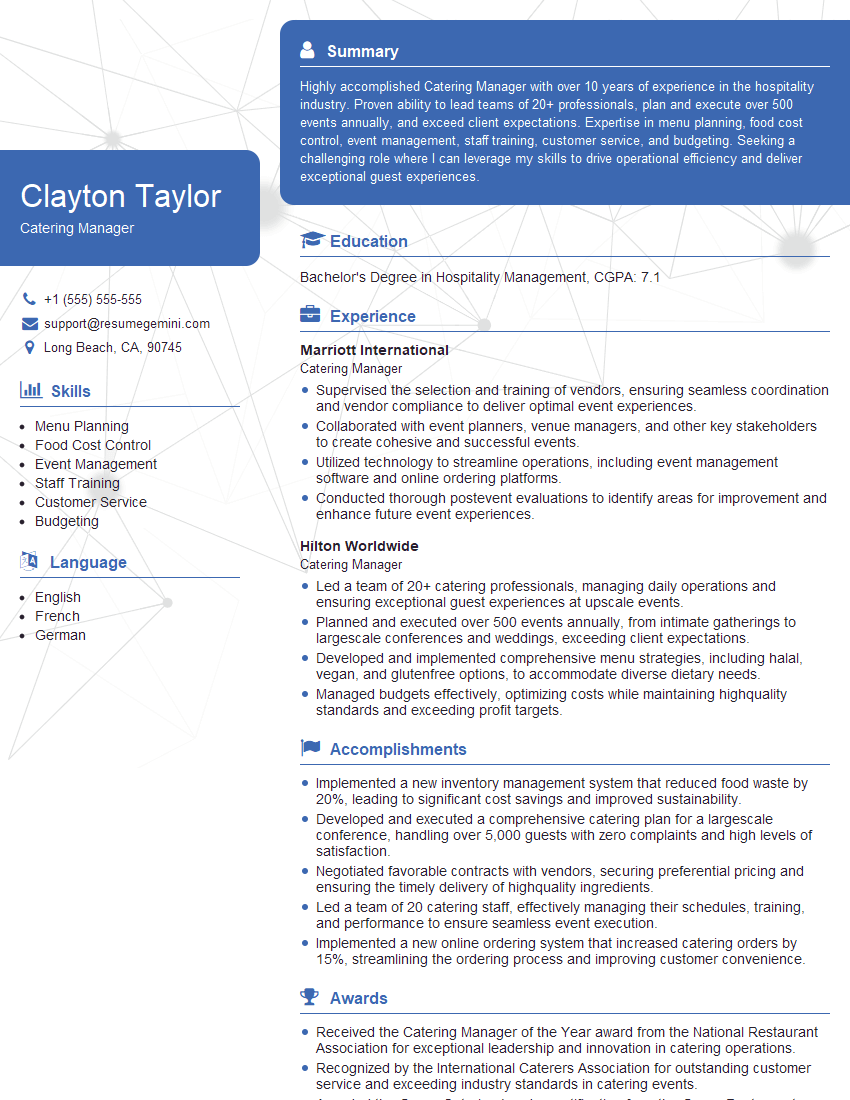
Catering Manager Resume Sample
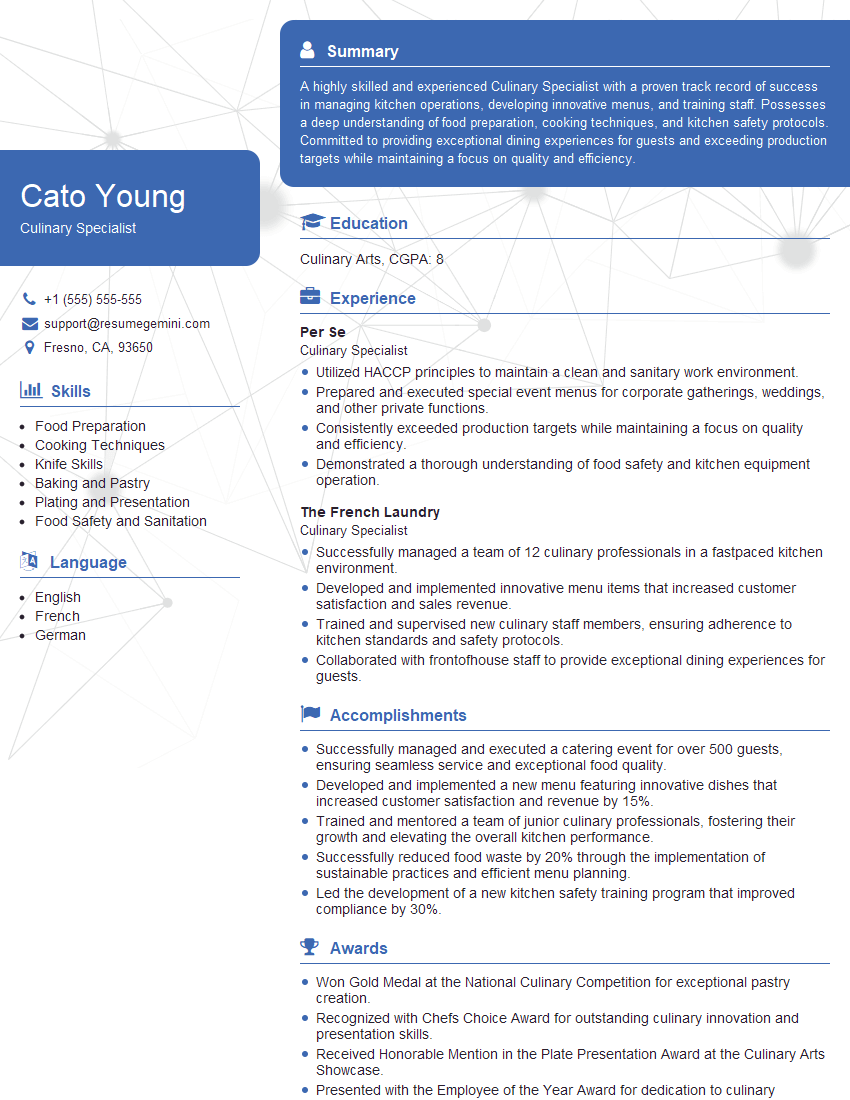
Culinary Specialist Resume Sample
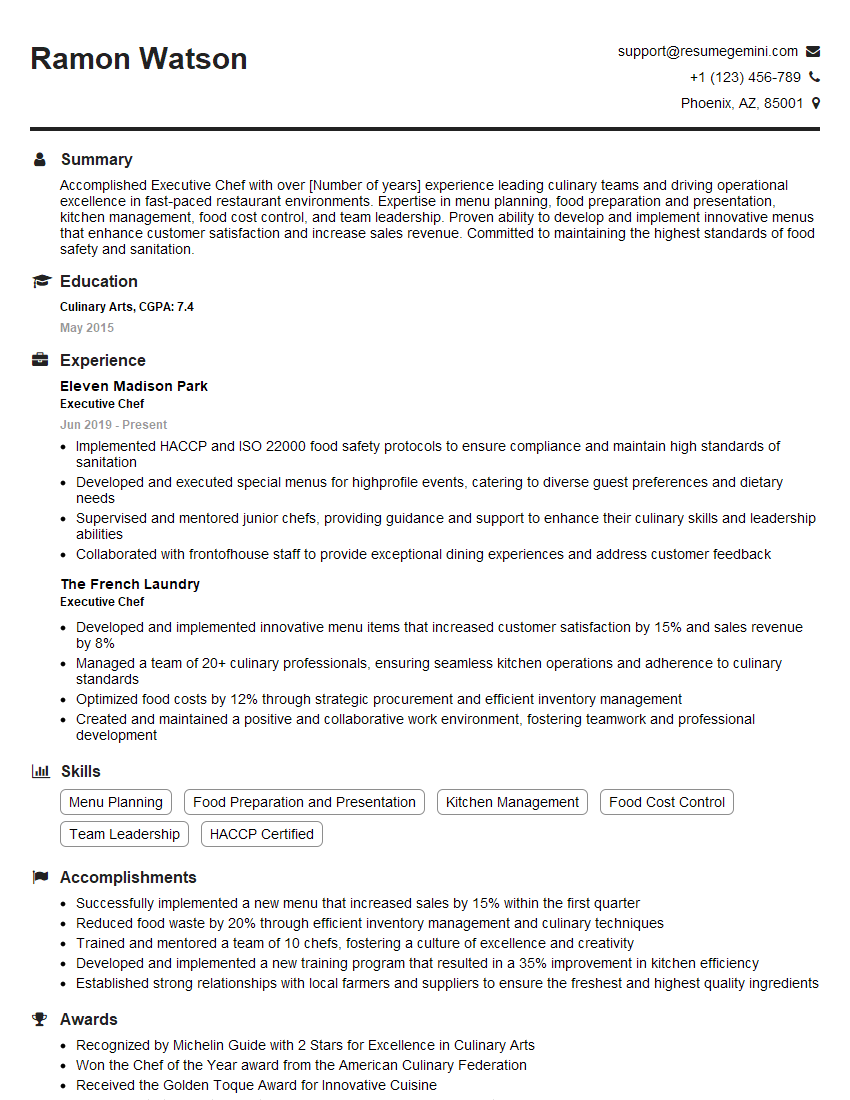
Executive Chef Resume Sample
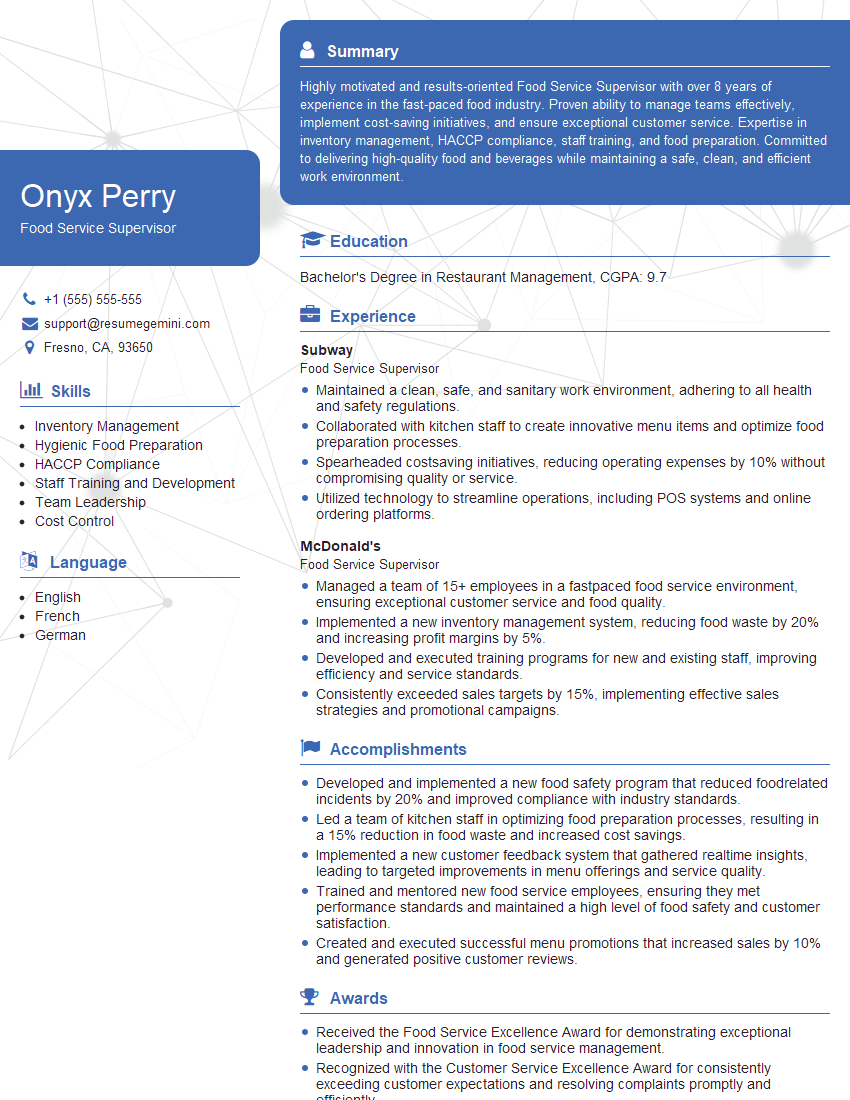
Food Service Supervisor Resume Sample
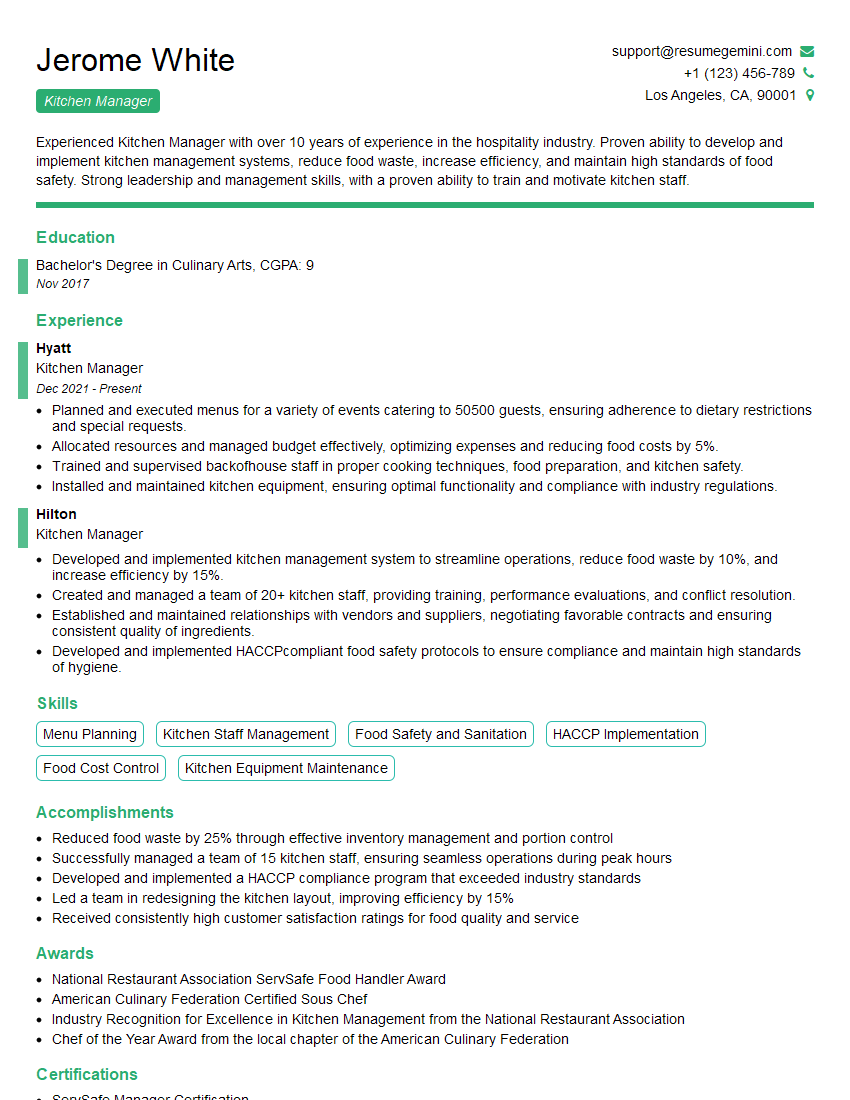
Kitchen Manager Resume Sample
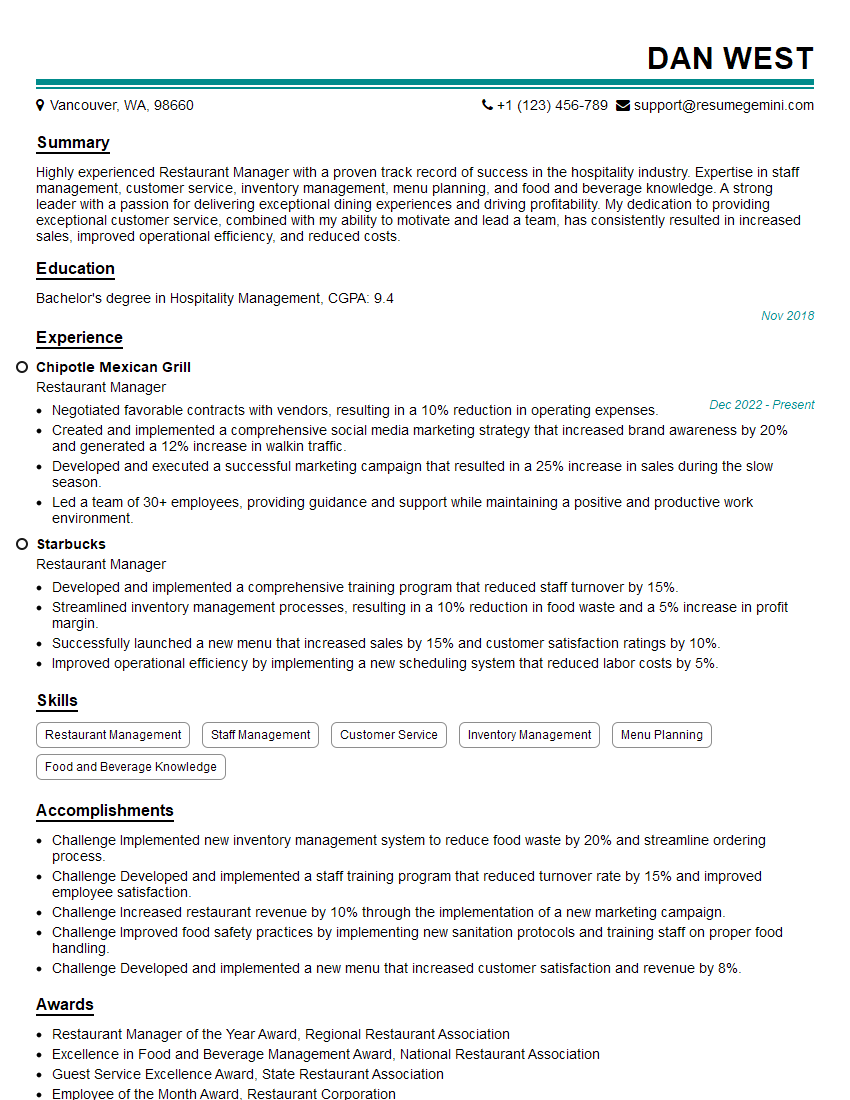
Restaurant Manager Resume Sample
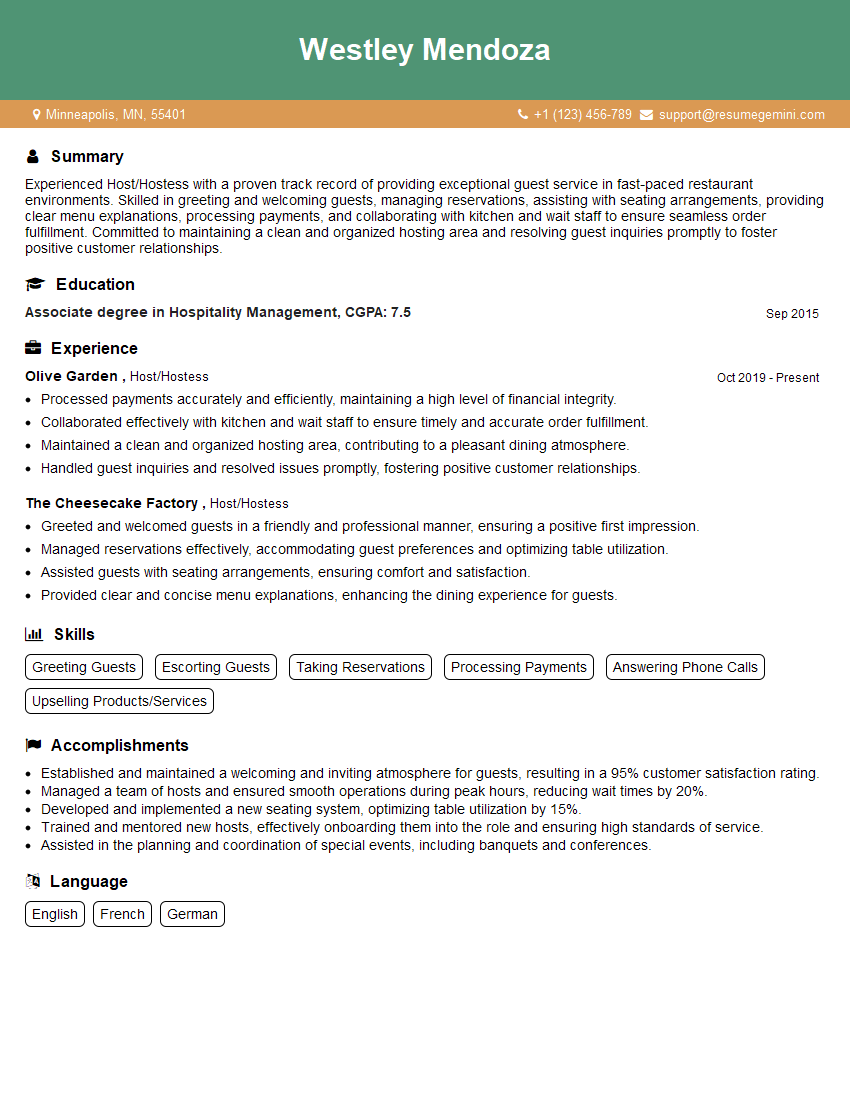
Host/Hostess Resume Sample
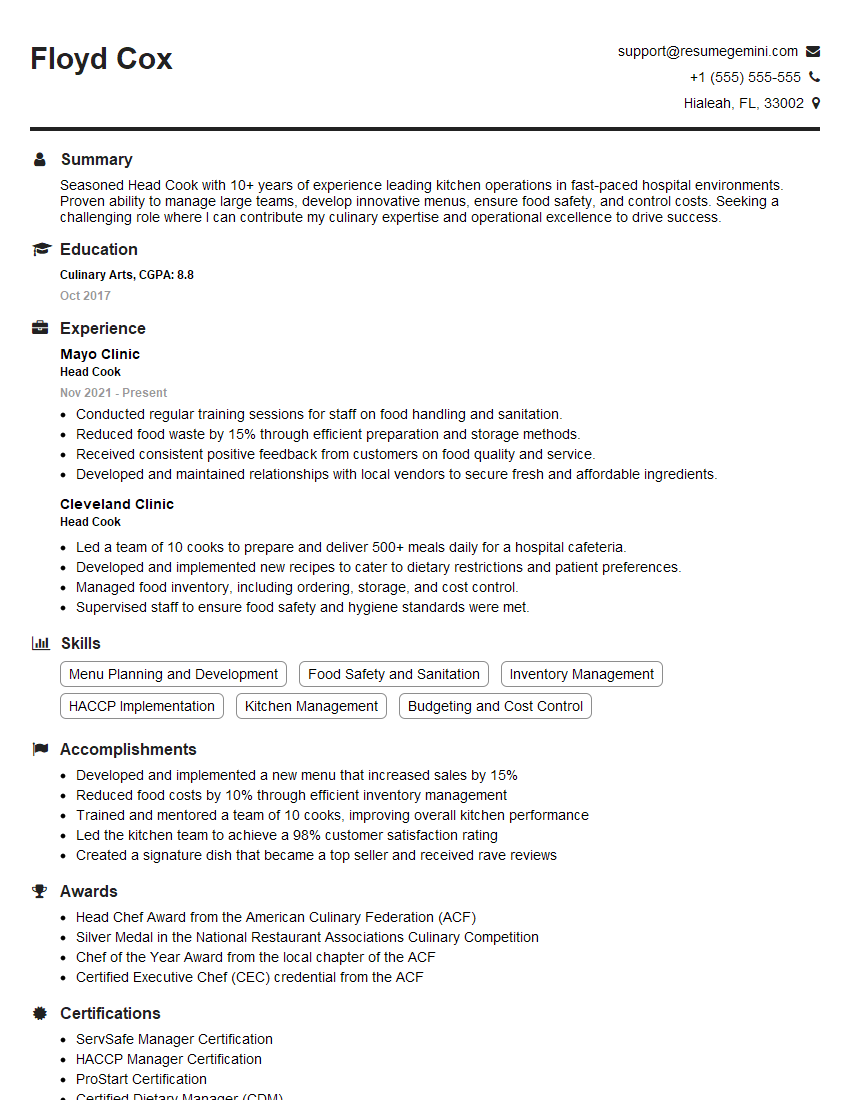
Head Cook Resume Sample
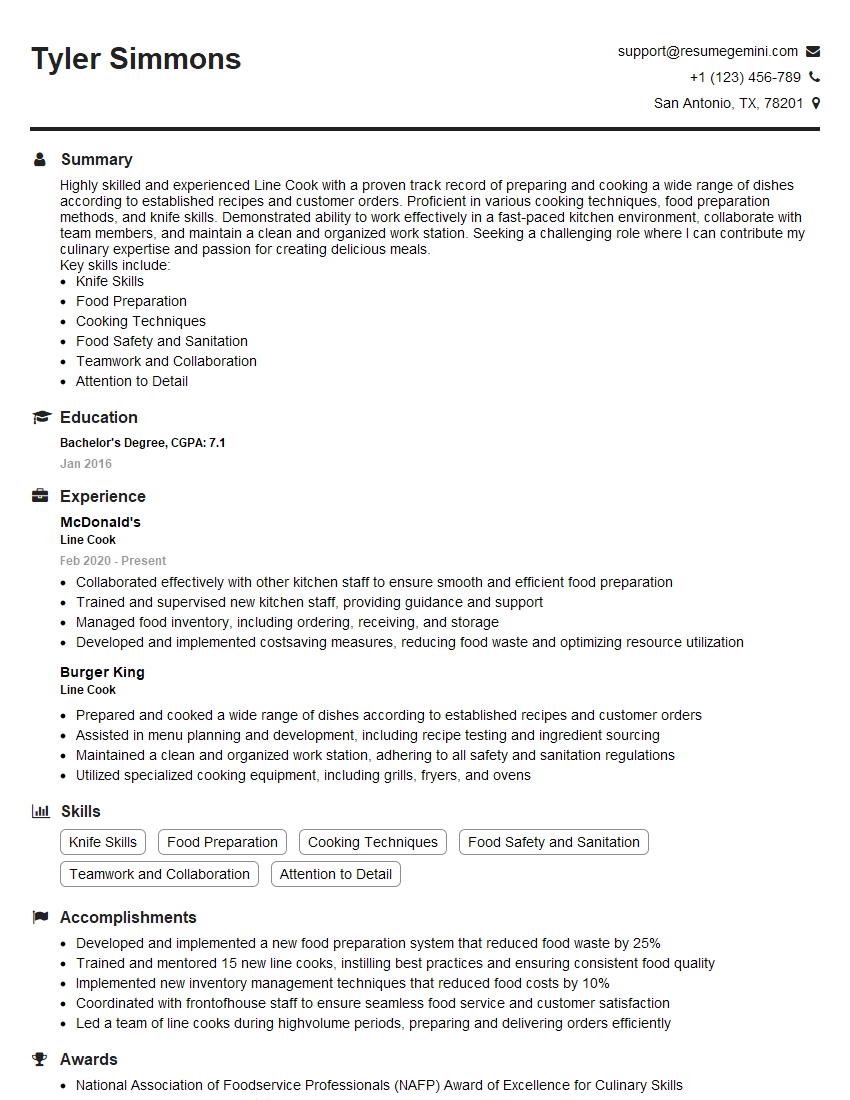
Line Cook Resume Sample
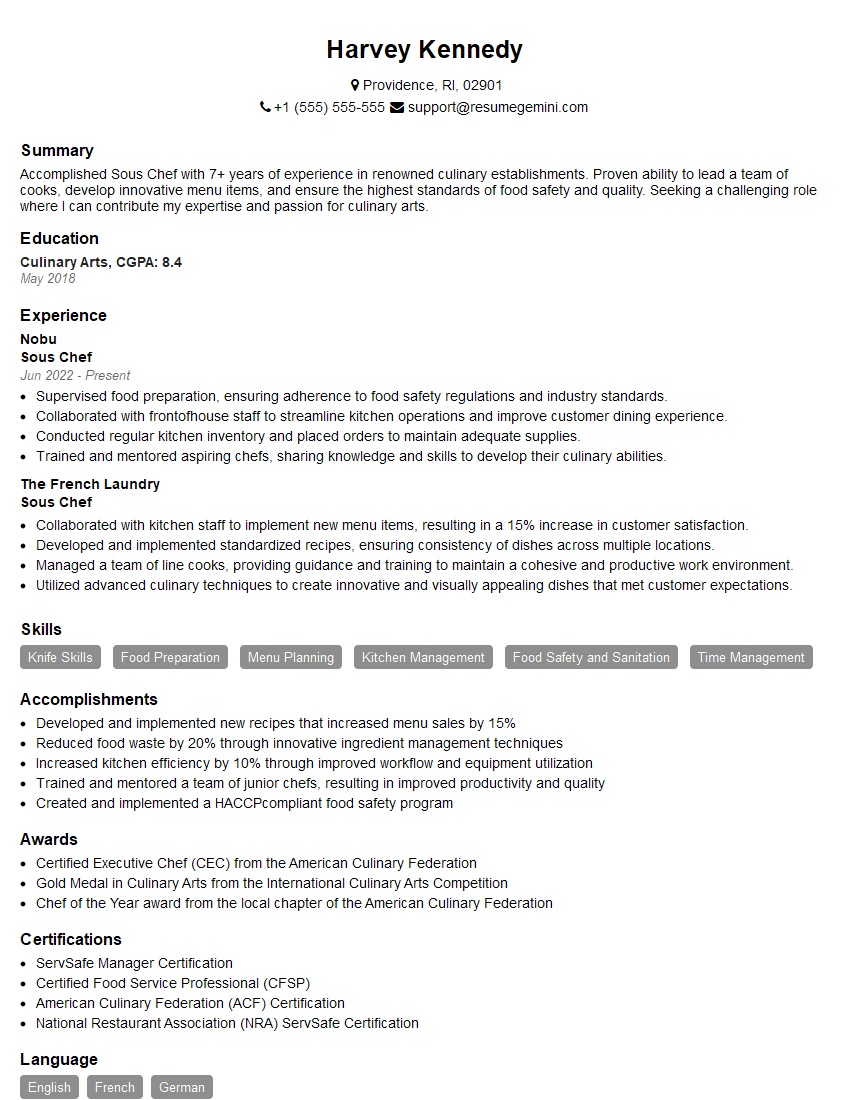
Sous Chef Resume Sample
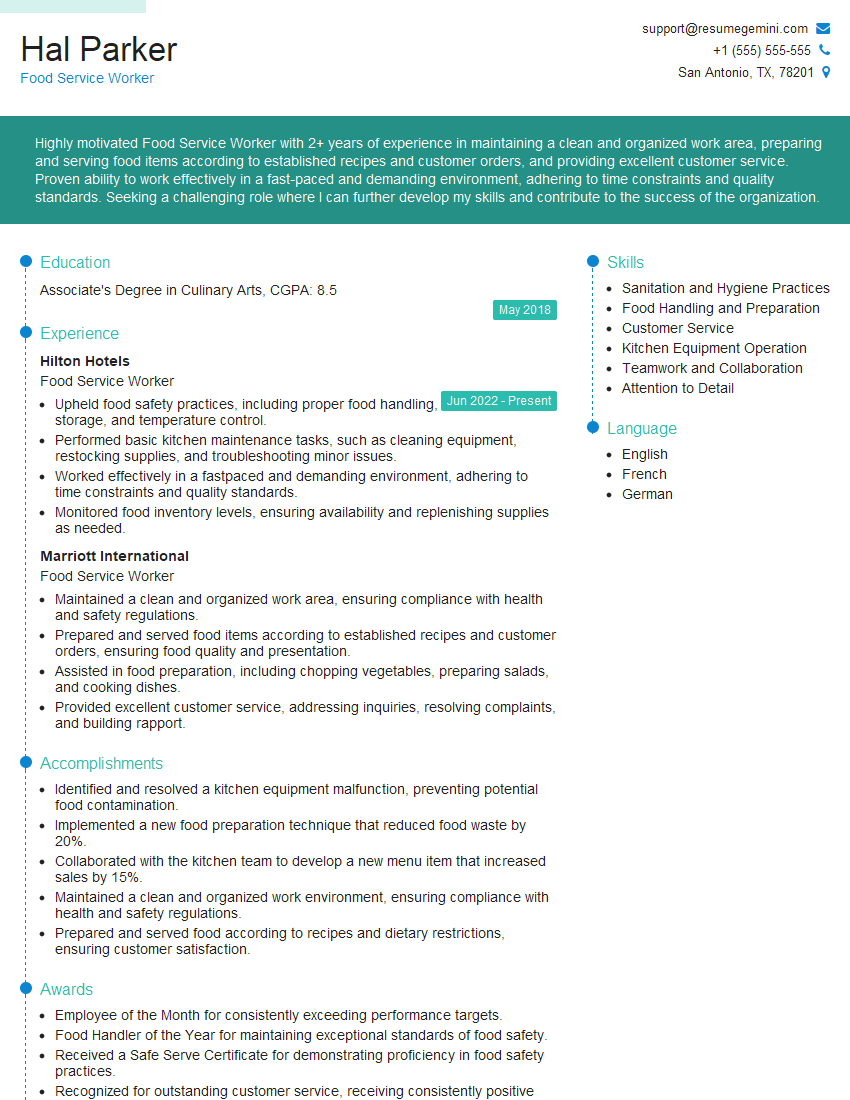
Food Service Worker Resume Sample
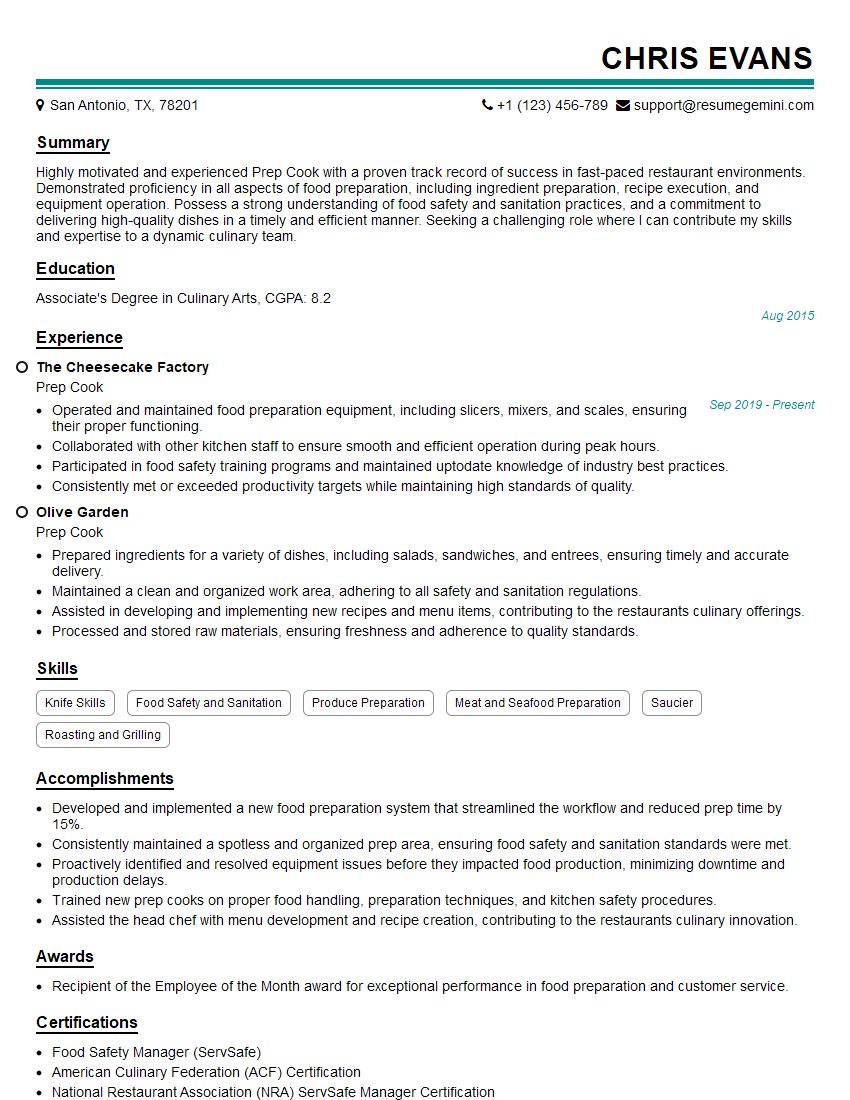
Prep Cook Resume Sample
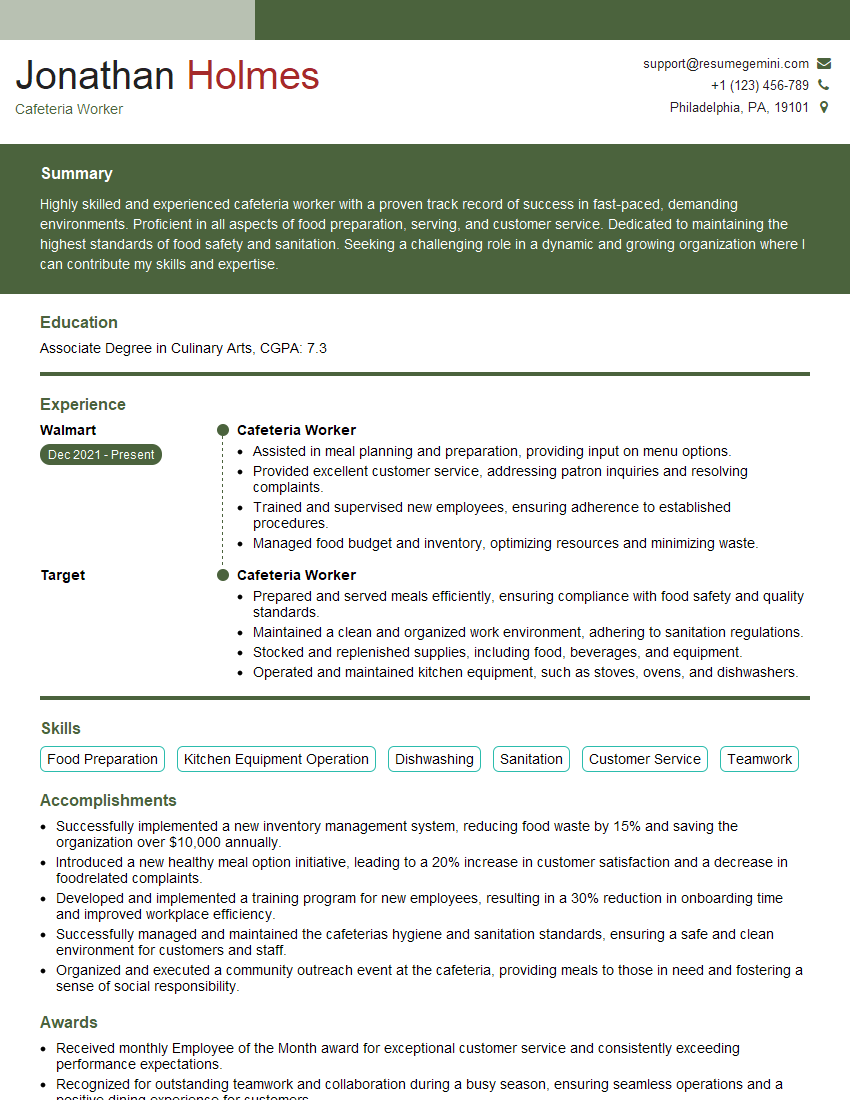
Cafeteria Worker Resume Sample
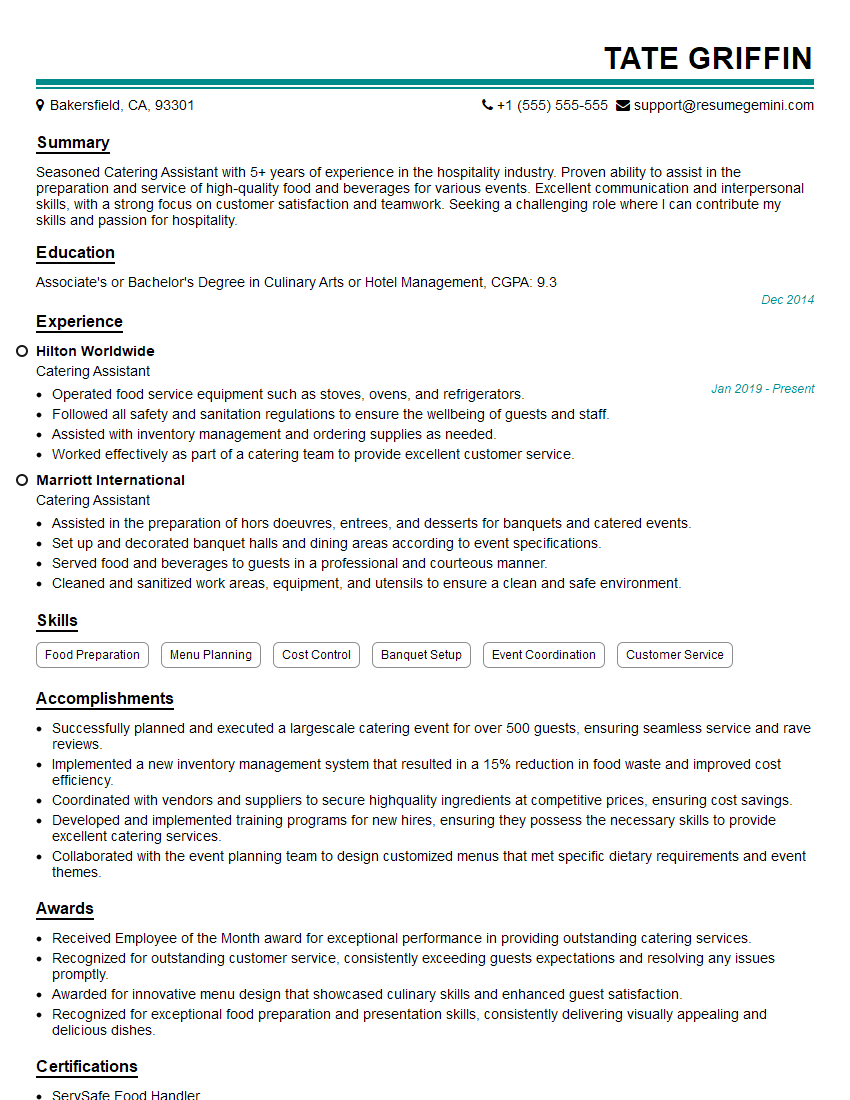
Catering Assistant Resume Sample
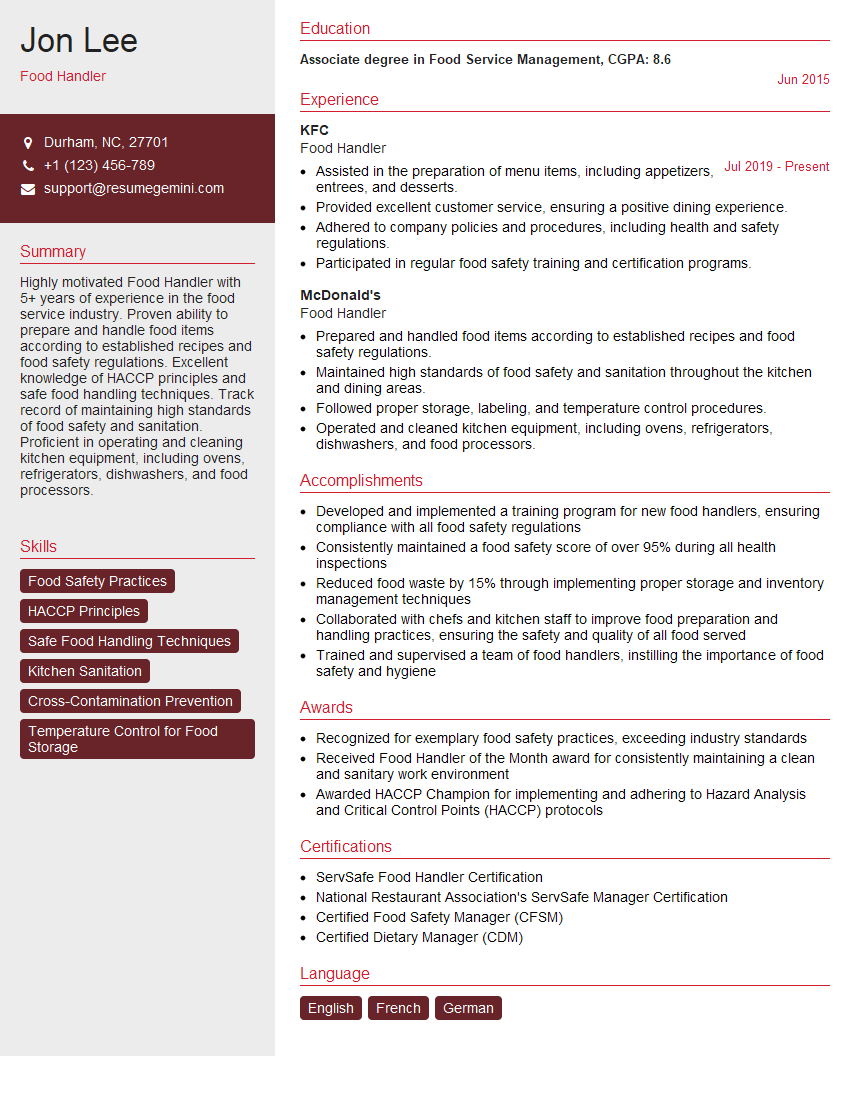
Food Handler Resume Sample
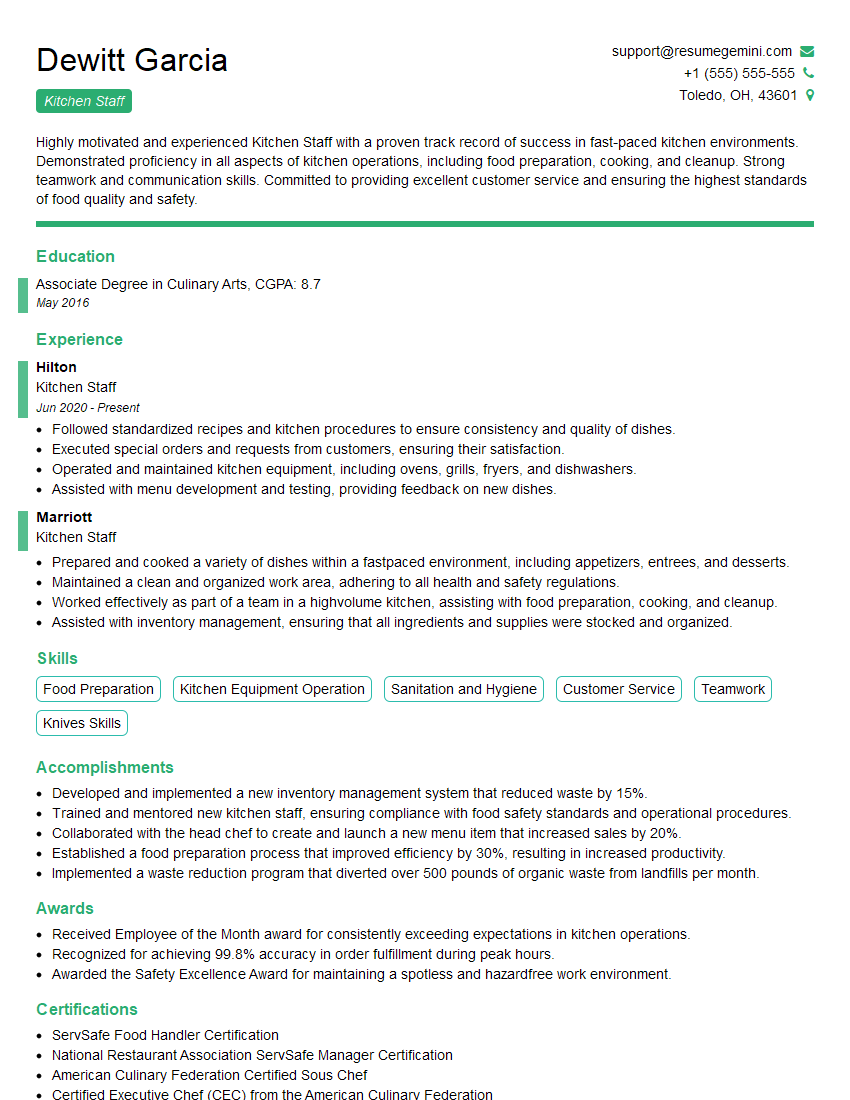
Kitchen Staff Resume Sample
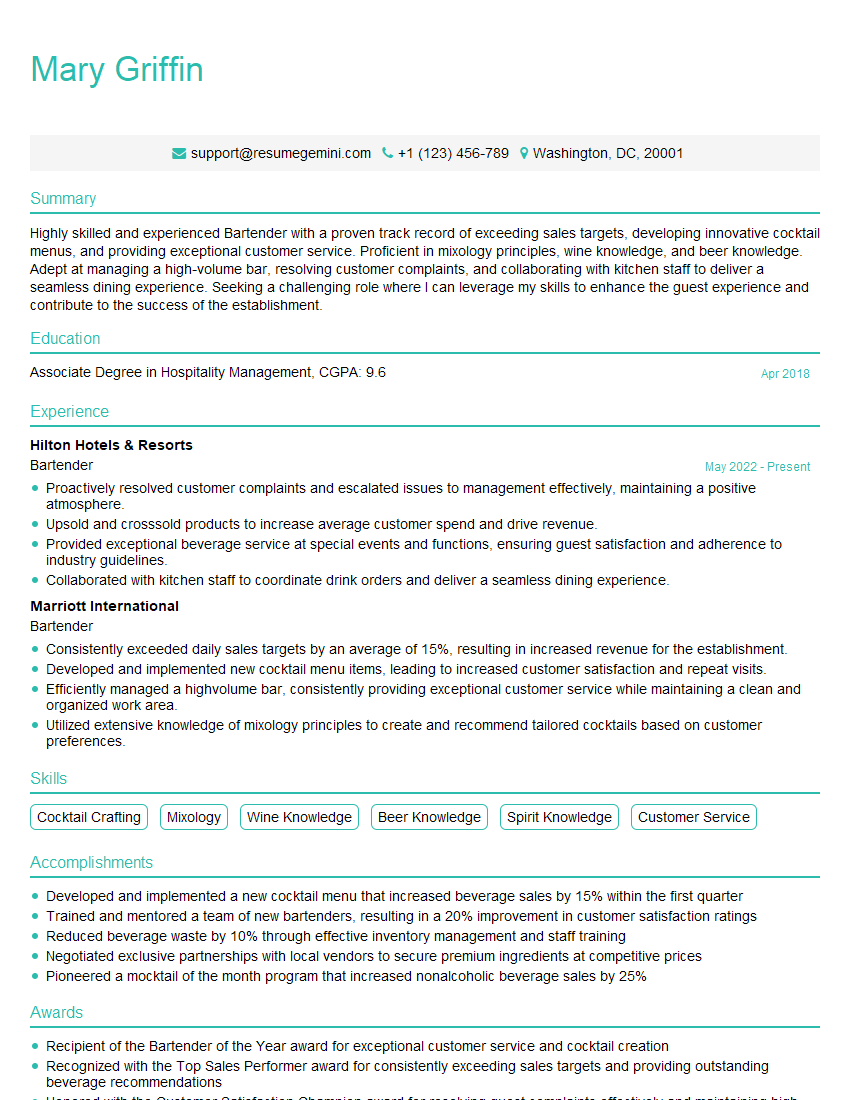
Bartender Resume Sample
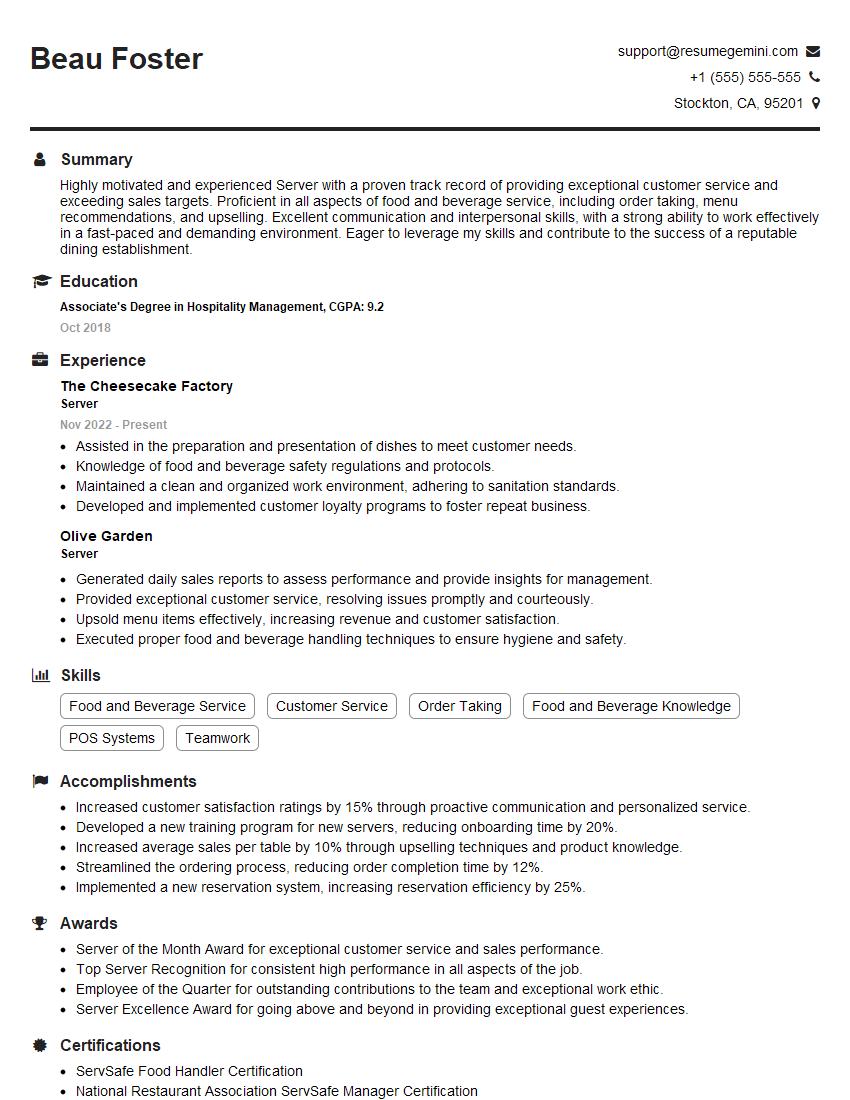
Server Resume Sample
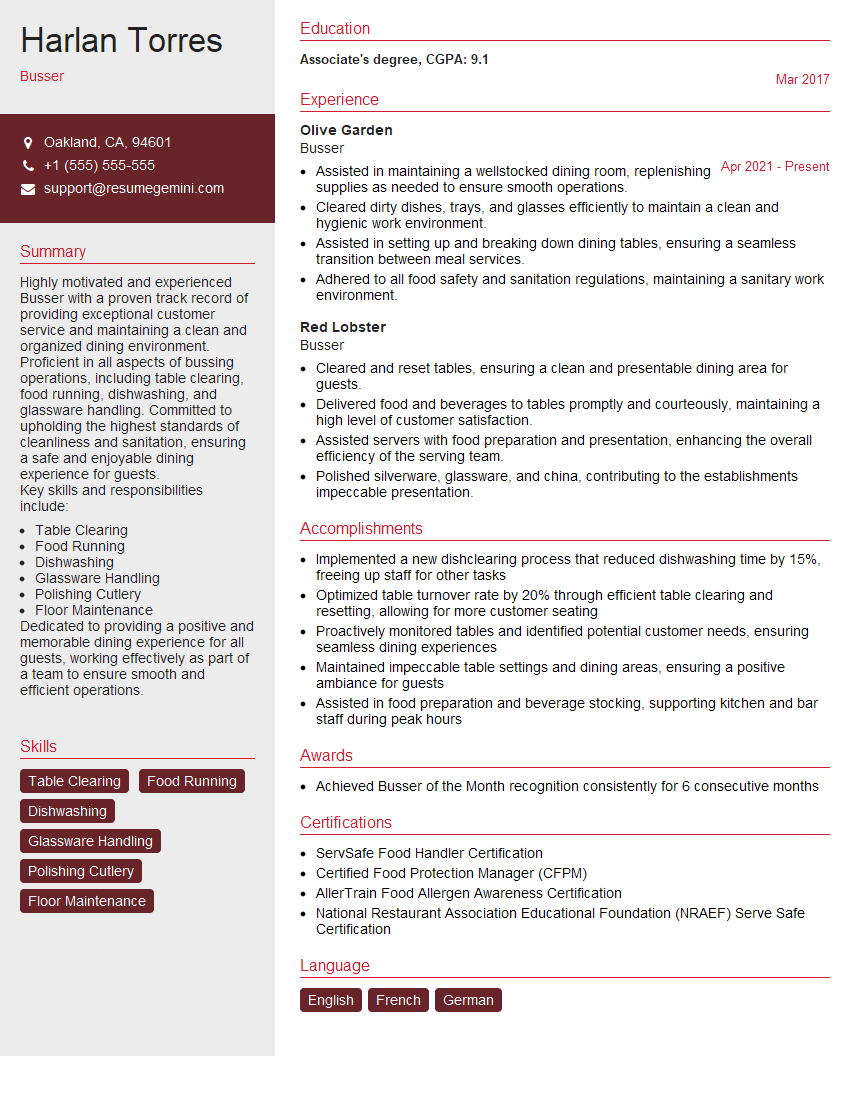
Busser Resume Sample
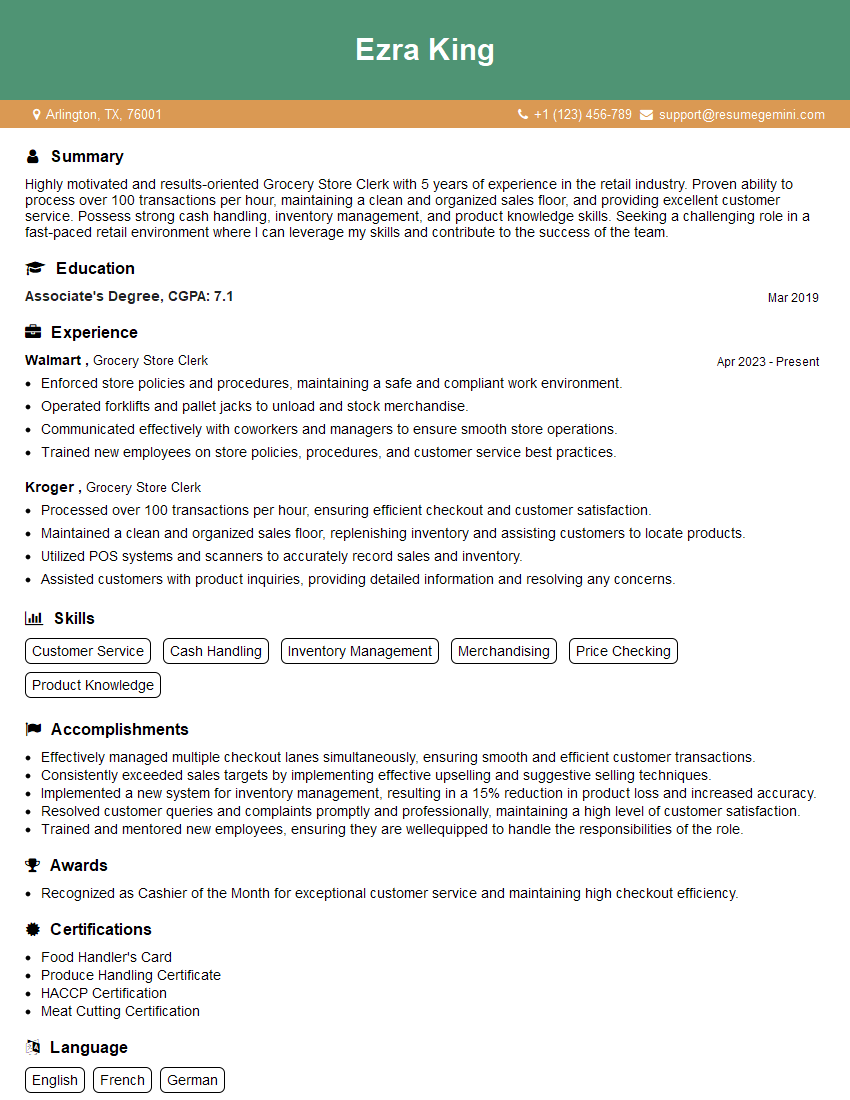
Grocery Store Clerk Resume Sample
Explore more articles
Users Rating of Our Blogs
Share Your Experience
We value your feedback! Please rate our content and share your thoughts (optional).
What Readers Say About Our Blog
Really detailed insights and content, thank you for writing this detailed article.
IT gave me an insight and words to use and be able to think of examples