Unlock your full potential by mastering the most common Food Safety Monitoring and Sampling interview questions. This blog offers a deep dive into the critical topics, ensuring you’re not only prepared to answer but to excel. With these insights, you’ll approach your interview with clarity and confidence.
Questions Asked in Food Safety Monitoring and Sampling Interview
Q 1. Describe the principles of HACCP.
HACCP, or Hazard Analysis and Critical Control Points, is a preventative food safety system. Instead of simply reacting to contamination, HACCP identifies potential hazards throughout the food production process and implements controls to prevent them from occurring. Think of it like building a house—HACCP is about designing a safe structure from the ground up, rather than patching up holes after the fact. It focuses on proactively minimizing risks rather than simply reacting to problems.
Q 2. Explain the difference between a critical control point (CCP) and a critical limit.
A critical control point (CCP) is a step in the food production process where a hazard can be prevented, eliminated, or reduced to acceptable levels. For example, cooking chicken to a specific internal temperature is a CCP because it eliminates the risk of Salmonella. A critical limit is the specific value or threshold at the CCP that must be met to prevent or eliminate the hazard. Using the chicken example, the critical limit might be an internal temperature of 165°F (74°C). Failing to reach this temperature means the CCP has failed and the hazard remains.
Imagine a dam (the food production process). CCPs are the gates controlling the water flow (food safety). Critical limits are the water levels (specific parameters) that those gates must maintain to prevent flooding (foodborne illness).
Q 3. What are the seven principles of HACCP?
The seven principles of HACCP are:
- Conduct a hazard analysis: Identify potential biological, chemical, and physical hazards in the food production process.
- Determine critical control points (CCPs): Identify steps where control can be applied to prevent or eliminate hazards.
- Establish critical limits: Set specific values for each CCP that must be met to prevent or eliminate hazards.
- Establish monitoring procedures: Define how to monitor CCPs to ensure critical limits are met.
- Establish corrective actions: Develop procedures to follow if a critical limit is not met.
- Establish verification procedures: Put systems in place to confirm the HACCP plan is working effectively.
- Establish record-keeping and documentation procedures: Maintain detailed records of all HACCP activities.
Q 4. How do you determine the appropriate sampling plan for a specific food product?
Determining the appropriate sampling plan depends on several factors, including the type of food product, the hazard being monitored (e.g., E. coli, Salmonella, heavy metals), the desired level of confidence, and the resources available. A risk assessment is crucial. For high-risk products with a high potential for contamination, a more intensive sampling plan with larger sample sizes and more frequent testing is necessary. Low-risk products might require less frequent, smaller-scale sampling. The sampling method (random, stratified, systematic) also needs to be carefully considered. Statistical tables and software can help determine appropriate sample sizes based on desired confidence levels and acceptable error rates. For example, sampling raw ground beef for E. coli requires a much more rigorous plan than sampling pasteurized juice.
I usually employ a combination of methods for a complete picture. For example, I might use stratified sampling for a large batch of canned goods, targeting different production runs or parts of the storage facility. This strategy allows for early detection of contamination if it is clustered in a particular area.
Q 5. What are the common microbiological indicators used in food safety monitoring?
Common microbiological indicators used in food safety monitoring include:
- Total aerobic plate count (APC): Measures the total number of aerobic bacteria present, indicating overall hygiene and sanitation.
- Coliforms: A group of bacteria that indicates fecal contamination and potential presence of pathogens.
- E. coli: A specific type of coliform bacteria, frequently used as an indicator of fecal contamination.
- Salmonella spp.: A group of bacteria that causes foodborne illnesses.
- Listeria monocytogenes: A bacterium that can cause serious illness, especially in vulnerable populations.
- Staphylococcus aureus: A bacterium that produces toxins causing food poisoning.
The choice of indicator depends on the specific food product and the hazards associated with it. For example, Listeria is a key concern for ready-to-eat foods, while Salmonella is crucial in poultry products.
Q 6. Explain the importance of proper sanitation in preventing foodborne illnesses.
Proper sanitation is paramount in preventing foodborne illnesses. It’s the cornerstone of food safety. Sanitation practices remove or reduce the number of microorganisms on surfaces, equipment, and utensils, preventing cross-contamination and reducing the risk of pathogens multiplying to dangerous levels. Thorough cleaning and effective sanitizing are essential. Think about a kitchen—if you don’t clean and sanitize regularly, food residue provides a breeding ground for bacteria, which can easily contaminate other food products, causing illnesses. A failure in sanitation is a significant pathway to contamination. For instance, inadequate cleaning of a slicer used for both raw and ready-to-eat meats could easily transfer pathogens from raw meat to the ready-to-eat product.
Q 7. Describe your experience with various sampling methods (e.g., random, stratified, systematic).
Throughout my career, I’ve extensively used various sampling methods. Random sampling involves selecting samples randomly from the population, ensuring each unit has an equal chance of being selected. This is useful for homogenous products. Stratified sampling divides the population into subgroups (strata) and then randomly selects samples from each stratum. This is particularly helpful when there’s known variability within a population—perhaps different production batches or storage locations. Finally, systematic sampling selects samples at regular intervals. This is efficient but assumes even distribution of contamination. For example, in a large shipment of produce, I might employ systematic sampling to check every tenth box. The choice of method depends on the specific scenario and the potential for variability.
I’ve also utilized more complex sampling plans that integrate aspects of these methods. In one instance, involving a large dairy, we used a stratified systematic sampling approach to monitor milk samples across different farms and production times. The choice of sampling strategy is a critical aspect of a robust food safety program and can significantly impact the accuracy and reliability of findings.
Q 8. How do you interpret microbiological test results?
Interpreting microbiological test results requires a thorough understanding of microbiology, food safety standards, and the specific test methods used. It’s not just about looking at a number; it’s about understanding what that number means in the context of the food product and its intended use.
For example, a high count of E. coli in a ready-to-eat salad indicates a serious problem, as this bacteria can cause severe illness. The acceptable level is zero. However, a slightly elevated count of a spoilage organism like Bacillus cereus in cooked rice might still be within acceptable limits, depending on the specific standards and the shelf-life of the product. The context is crucial.
My interpretation process involves several steps:
- Identifying the microorganism: Determining the specific bacteria, yeast, or mold detected.
- Quantifying the level: This is often expressed as colony-forming units (CFU) per gram or milliliter. Understanding the units is vital.
- Comparing to regulatory limits: Checking if the result exceeds legally mandated limits or industry best practices.
- Considering the product type: Different foods have different tolerances for microbial contamination due to their inherent properties and processing methods.
- Assessing the overall context: Considering factors such as storage conditions, handling practices, and previous test results.
Ultimately, the interpretation culminates in a risk assessment: Is this level of contamination a safety hazard, or simply an indicator of poor quality? This assessment might involve further investigation, corrective actions, or product recall decisions.
Q 9. What are the legal requirements for food safety in your region?
Legal requirements for food safety vary by region and are typically quite complex. In my region, the primary legislation governing food safety includes [Insert relevant legislation for your region, e.g., FDA Food Code in the US, EC Regulation 178/2002 in the EU]. These regulations cover various aspects, including:
- Hazard Analysis and Critical Control Points (HACCP): This systematic approach identifies and controls biological, chemical, and physical hazards.
- Good Manufacturing Practices (GMP): These guidelines ensure the production environment maintains cleanliness, hygiene, and control.
- Good Agricultural Practices (GAP): These practices apply to the production of agricultural products, ensuring safe and wholesome food from the farm.
- Traceability: Regulations typically mandate systems for tracing food products through the supply chain.
- Labeling requirements: Strict guidelines on allergen labeling, nutritional information, and accurate product descriptions.
- Sampling and testing protocols: Specified methods and frequencies for microbiological and chemical testing.
Non-compliance can lead to significant penalties, including fines, product recalls, facility closures, and damage to reputation. Staying up-to-date on regulatory changes is therefore crucial for any food business.
Q 10. How do you handle non-conformances during a food safety audit?
Handling non-conformances during a food safety audit requires a systematic and documented approach. It’s not enough to simply identify the problem; corrective actions must be implemented and verified.
My approach involves these steps:
- Immediate Corrective Action: Address any immediate risks or hazards.
- Root Cause Analysis: Determine the underlying cause of the non-conformance. This often involves interviewing staff, reviewing records, and inspecting equipment.
- Corrective Action Plan (CAPA): Develop a detailed plan outlining the steps needed to rectify the problem and prevent its recurrence. This should include timelines and responsible parties.
- Verification: After implementing the CAPA, I verify its effectiveness through follow-up inspections and testing. This proves the issue is resolved.
- Documentation: Maintaining a detailed record of the entire process, including the non-conformance, root cause analysis, CAPA, and verification results.
For instance, if a temperature log shows a refrigerator wasn’t maintaining the proper temperature, immediate corrective action might involve moving the affected products to a functioning refrigerator. The root cause analysis could reveal a malfunctioning compressor, leading to a CAPA that includes compressor repair and a review of temperature monitoring procedures. Thorough documentation throughout is essential for demonstrating compliance.
Q 11. Explain the importance of traceability in food safety.
Traceability in food safety is paramount because it enables the rapid identification and removal of contaminated products from the supply chain, minimizing the impact of foodborne illness outbreaks. Imagine a situation where contaminated ingredients cause an outbreak – traceability allows you to swiftly track the affected batches and prevent further harm. Without it, identifying the source of the contamination could be a lengthy and difficult process.
Effective traceability systems involve:
- Unique identification: Assigning unique lot numbers or codes to each batch of raw materials and finished products.
- Detailed records: Maintaining comprehensive records of the entire production process, including suppliers, processing steps, distribution channels, and storage locations.
- Technology integration: Using technologies such as barcodes, RFID tags, and software to track products throughout the supply chain.
By implementing a robust traceability system, food businesses can demonstrate accountability, comply with regulatory requirements, and protect consumer health.
Q 12. What is your experience with allergen management?
My experience with allergen management includes developing and implementing allergen control programs for various food manufacturing facilities. This involved a multi-faceted approach focusing on preventing cross-contamination at all stages of production, from receiving raw materials to packaging the finished product.
Key aspects of my allergen management experience:
- Allergen identification: Identifying all potential allergens present in the facility’s products and processes.
- Allergen control plan development: Designing comprehensive plans to mitigate the risk of cross-contamination, incorporating good sanitation practices, equipment cleaning protocols, and segregation of allergen-containing ingredients.
- Training and communication: Training staff on allergen awareness, proper handling procedures, and the importance of following established protocols.
- Labeling compliance: Ensuring accurate and compliant allergen labeling in accordance with all regulations.
- Verification and monitoring: Implementing systems to verify the effectiveness of the allergen control program.
I’ve worked with various allergen-containing ingredients and products, understanding the specific challenges of managing highly reactive allergens such as peanuts, tree nuts, milk, and soy. Preventing even trace amounts of allergens from contaminating products intended for consumers with allergies is crucial.
Q 13. How do you ensure accurate record-keeping in food safety monitoring?
Accurate record-keeping is the cornerstone of a robust food safety system. It provides evidence of compliance with regulations, facilitates traceability, supports investigations into incidents, and allows for continuous improvement. I use a combination of methods to ensure accuracy:
- Standardized formats: Using pre-designed forms and templates for data collection to maintain consistency and reduce errors.
- Electronic data capture: Utilizing digital systems for data entry and storage to improve accuracy and accessibility. This reduces manual transcription errors and simplifies data analysis.
- Data validation checks: Implementing checks within the system to identify and flag any inconsistencies or errors in data entry. This ensures the integrity of collected information.
- Regular audits and reviews: Conducting periodic audits of records to verify accuracy and completeness. Regular reviews help identify potential weaknesses in the record-keeping system.
- Data backup and security: Implementing secure systems for data backup and storage to protect information against loss or damage. Data security is crucial for confidentiality and legal compliance.
Clear, concise, and easily accessible records are vital. This ensures anyone reviewing them can understand the activities, events, and results clearly, reducing the chance of misinterpretations and supporting rapid responses to safety-critical events.
Q 14. What are some common food safety hazards and how are they controlled?
Many hazards can compromise food safety. Effective control measures are crucial to minimize risks.
Common Food Safety Hazards and Control Measures:
- Biological Hazards (bacteria, viruses, parasites): Control measures include proper temperature control (refrigeration, freezing, cooking), sanitation, employee hygiene, and supplier verification.
- Chemical Hazards (pesticides, cleaning agents, toxins): Control involves sourcing ingredients from reputable suppliers, following safe handling procedures for chemicals, and implementing effective cleaning and sanitizing programs. Regular testing can verify the absence of chemical residues.
- Physical Hazards (glass, metal, plastic): Metal detectors, X-ray machines, and visual inspections are used to detect and remove physical contaminants. Good manufacturing practices minimize the risk of foreign objects entering the production process.
- Allergens (peanuts, tree nuts, milk, eggs, soy, wheat, fish, shellfish): Control involves allergen-specific cleaning and sanitation protocols, segregation of ingredients, and accurate labeling to prevent cross-contamination.
Controlling these hazards requires a multi-faceted approach combining preventive measures, monitoring, and corrective actions. A strong food safety management system is essential for ensuring the safety and quality of food products.
Q 15. Describe your experience with GMP (Good Manufacturing Practices).
Good Manufacturing Practices (GMPs) are a set of guidelines that ensure the consistent production of high-quality products while minimizing risks of contamination. My experience with GMPs spans over 10 years, encompassing various roles from auditing facilities to developing and implementing GMP programs. I’ve worked across diverse food sectors, including dairy, processed foods, and bakery products. This experience has involved everything from conducting internal GMP audits and identifying non-conformances to collaborating with production teams to improve processes and prevent future issues. For example, in one instance at a dairy processing plant, I helped implement a new cleaning and sanitation procedure that reduced bacterial contamination by 70%, significantly improving product safety and shelf life.
- Hazard Analysis and Critical Control Points (HACCP): I’ve worked extensively with HACCP principles within the GMP framework, helping businesses identify and control potential hazards throughout the production process.
- Preventive Controls for Human Food: I’m proficient in implementing the FDA’s Preventive Controls for Human Food rule, developing and validating preventive controls to minimize microbial, chemical, and physical hazards.
- Allergen Management: I have significant experience in developing and implementing effective allergen control programs, including proper segregation of ingredients and cleaning validation to prevent cross-contamination.
Career Expert Tips:
- Ace those interviews! Prepare effectively by reviewing the Top 50 Most Common Interview Questions on ResumeGemini.
- Navigate your job search with confidence! Explore a wide range of Career Tips on ResumeGemini. Learn about common challenges and recommendations to overcome them.
- Craft the perfect resume! Master the Art of Resume Writing with ResumeGemini’s guide. Showcase your unique qualifications and achievements effectively.
- Don’t miss out on holiday savings! Build your dream resume with ResumeGemini’s ATS optimized templates.
Q 16. How familiar are you with different food safety standards (e.g., ISO 22000, FSSC 22000)?
I’m very familiar with various food safety standards, including ISO 22000 and FSSC 22000. ISO 22000 is a widely recognized standard focusing on food safety management systems, emphasizing a holistic approach to food safety throughout the entire supply chain. FSSC 22000, on the other hand, is a more specific scheme built on ISO 22000, offering a robust certification for food safety and often required by major retailers. My understanding extends to the requirements and implementation of both standards. I can readily identify the key differences and similarities, helping organizations choose the appropriate standard and ensuring compliance. I’ve conducted numerous audits against both standards, identifying gaps and recommending corrective actions to achieve certification.
For instance, I once assisted a small food processing company in transitioning from a less rigorous internal system to FSSC 22000 certification. This involved training staff, implementing new documentation procedures, and conducting internal audits to demonstrate compliance to the certification body. The process not only achieved the certification but also enhanced the company’s overall food safety culture.
Q 17. Explain the process of conducting a food safety audit.
A food safety audit is a systematic and independent examination of a food business’s food safety management system (FSMS). The process typically involves several stages:
- Planning: Defining the scope of the audit, including specific areas to be reviewed and the relevant standards (e.g., ISO 22000, HACCP, GMP).
- Document Review: Examining documentation like HACCP plans, GMP procedures, training records, and traceability documentation.
- On-site Inspection: Visiting the facility to observe processes, equipment, and sanitation practices. This involves interviewing staff, checking storage conditions, and verifying the implementation of documented procedures.
- Interviewing: Talking to staff at all levels to gather information about their roles, responsibilities, and understanding of food safety practices.
- Sampling (if applicable): Collecting samples for microbiological testing to assess the effectiveness of controls.
- Reporting: Preparing a detailed report summarizing the findings, identifying non-conformances, and making recommendations for corrective actions.
- Follow-up: Following up with the audited organization to ensure corrective actions are implemented effectively.
During an audit, I meticulously document all findings, using a standardized checklist and photographic evidence. Clear communication with the audited party is crucial throughout the process, explaining findings and collaborating on improvement strategies.
Q 18. What is your experience with investigating foodborne illness outbreaks?
I have extensive experience investigating foodborne illness outbreaks. This involves collaborating with public health agencies, tracing the source of contamination, and identifying contributing factors. My approach is methodical and data-driven. It starts with epidemiological investigations to identify commonalities among affected individuals, followed by traceback investigations to pinpoint the source of contamination. This often involves reviewing production records, analyzing samples, and interviewing individuals involved in the food production and handling process. For example, in one outbreak linked to contaminated lettuce, we utilized traceback information from the supplier to identify the specific farm and field involved. Subsequent environmental sampling and testing confirmed the presence of the implicated pathogen, ultimately leading to a recall of affected products and the implementation of corrective measures at the farm.
Q 19. Describe your proficiency in using food safety software or databases.
I am proficient in using various food safety software and databases. My experience includes using software for HACCP plan development, traceability systems, and data analysis. I’m familiar with LIMS (Laboratory Information Management Systems) for managing laboratory testing data and statistical software for analyzing trends and patterns in food safety data. I have also worked with enterprise resource planning (ERP) systems that integrate various aspects of food safety management within a company’s overall operations. For example, I used a LIMS to track microbiological testing results, identifying trends and enabling timely intervention to prevent issues before they escalated into larger problems.
Q 20. How do you identify and mitigate risks in the food supply chain?
Identifying and mitigating risks in the food supply chain requires a comprehensive approach. It begins with a thorough hazard analysis, considering biological, chemical, and physical hazards at each stage of the chain, from farm to table. This involves using tools such as HACCP, risk assessment matrices, and failure mode and effects analysis (FMEA). Critical control points (CCPs) are identified and monitored to prevent or control these hazards. Effective traceability systems are essential for rapidly identifying and isolating contaminated products during an outbreak. Regular audits and supplier assessments help to ensure that all parties in the supply chain adhere to appropriate food safety standards. Ongoing training and communication with suppliers and staff are crucial for maintaining a strong food safety culture.
Think of it like a chain: one weak link can compromise the entire system. My role is to identify those weak links – whether it’s a lack of proper sanitation at a processing plant, inadequate temperature control during transportation, or insufficient allergen management at a packaging facility – and work collaboratively to strengthen them.
Q 21. How do you communicate food safety findings to various stakeholders?
Communicating food safety findings effectively is paramount. My approach involves tailoring the communication to the audience. For example, reports to management may focus on high-level summaries and key recommendations, whereas communications with production staff might require more detailed explanations of specific issues and corrective actions. I use a variety of communication methods, including written reports, presentations, and face-to-face meetings. Visual aids like graphs and charts are used to present data clearly and concisely. In instances of foodborne illness outbreaks, communication with public health agencies and consumers is crucial, ensuring transparency and timely information sharing. I strive for clear, concise, and non-technical language, especially when communicating with non-technical audiences.
Q 22. What is your experience with different types of food testing (e.g., chemical, physical, microbiological)?
My experience encompasses all three major facets of food testing: chemical, physical, and microbiological analysis. Chemical testing involves identifying the presence and levels of various chemicals, like pesticides, heavy metals, or food additives, ensuring they meet regulatory limits. For instance, I’ve extensively used techniques such as High-Performance Liquid Chromatography (HPLC) and Gas Chromatography-Mass Spectrometry (GC-MS) to analyze pesticide residues in produce. Physical testing focuses on aspects like texture, weight, size, and water activity. Think of checking the viscosity of a sauce or the moisture content of a grain – crucial for product consistency and shelf life. I’ve used instruments like moisture analyzers and texture analyzers extensively. Finally, microbiological testing determines the presence and levels of microorganisms like bacteria (Salmonella, E. coli), yeasts, and molds. This usually involves culturing techniques on different growth media and using rapid methods like ATP bioluminescence to assess overall microbial contamination. I’m proficient in standard plate count methods and various molecular techniques for identifying specific pathogens.
Q 23. Describe a time you had to troubleshoot a food safety issue.
During a large-scale recall of a frozen vegetable blend, we detected unexpectedly high levels of Listeria monocytogenes in a specific lot. Troubleshooting began with a thorough review of the production records, sanitation logs, and environmental monitoring data from that particular production run. We examined the ingredient sourcing, focusing on the specific supplier of peas, which turned out to be the source. We identified a lapse in their sanitation protocols. We then implemented corrective actions with the supplier and conducted a comprehensive investigation at our facility to prevent recurrence. This included retraining staff on sanitation procedures, improving our supplier verification program, and enhancing our sampling and testing protocols for Listeria. This experience highlighted the importance of robust traceability systems and proactive supplier management in preventing food safety issues.
Q 24. How do you stay up-to-date on food safety regulations and best practices?
Staying current is paramount in this field. I actively subscribe to journals like the Journal of Food Protection and the International Journal of Food Microbiology. I also participate in webinars and online courses offered by organizations like the FDA and the Food Safety Modernization Act (FSMA) training providers. Regular attendance at industry conferences and workshops allows me to network with peers and learn about the latest developments. Further, I monitor updates to regulations from agencies such as the FDA, USDA, and various international organizations (e.g., Codex Alimentarius). The key is to be proactive in seeking information; food safety is a dynamic field, and continuous learning is essential.
Q 25. Describe your experience with food safety training programs.
My training includes a comprehensive background in food microbiology, food chemistry, and food safety management systems. I’ve completed the FSMA Preventive Controls for Human Food certification, demonstrating my understanding of the preventative controls for food safety. I’ve also participated in numerous workshops on specific techniques like allergen management, HACCP (Hazard Analysis and Critical Control Points) implementation, and GMPs (Good Manufacturing Practices). These training programs aren’t just about theoretical knowledge, but also practical application. Hands-on training in lab techniques and simulated food safety scenarios are extremely valuable. I regularly conduct internal training programs for my team on food safety best practices.
Q 26. How would you address a situation where a critical limit was exceeded?
Exceeding a critical limit is a serious event requiring immediate action. First, I’d verify the result through repeat testing with a fresh sample to eliminate any potential errors. If the second test confirms the exceedance, I’d immediately initiate a full-scale investigation to determine the root cause. This might involve reviewing production records, environmental monitoring data, and employee practices. Depending on the nature of the exceedance, actions could range from isolating the affected batch and initiating a recall to implementing corrective actions to prevent recurrence. A thorough internal investigation, complete with documentation, is crucial. The results of the investigation, along with corrective actions and preventive measures, would be reported to the appropriate regulatory authorities if necessary.
Q 27. What is your approach to continuous improvement in food safety?
Continuous improvement in food safety is an ongoing process. It starts with regularly reviewing our existing food safety management systems, looking for areas of potential weakness. We use data analysis from our monitoring programs—microbiological testing, environmental swabs, etc.—to identify trends and pinpoint areas needing attention. We regularly conduct internal audits and incorporate the findings into our action plans. This involves both reactive improvements (addressing identified issues) and proactive improvements (implementing preventative measures). Training and education are also crucial; our staff are regularly updated on changes to regulations and best practices. By consistently monitoring, evaluating, and updating our procedures, we strive to improve our food safety performance continually and minimize the risk of contamination.
Key Topics to Learn for Food Safety Monitoring and Sampling Interview
- Hazard Analysis and Critical Control Points (HACCP): Understanding the principles of HACCP, including hazard identification, critical control point determination, and monitoring procedures. Practical application: Explain how you would implement a HACCP plan in a specific food production environment.
- Sampling Techniques and Methodology: Mastering various sampling methods (e.g., random, stratified, composite) and understanding the importance of proper sample collection, preservation, and transportation. Practical application: Describe your experience in collecting samples for microbiological and chemical analysis, ensuring chain of custody.
- Foodborne Illness Prevention: Knowledge of common foodborne pathogens, their sources, and prevention strategies. Practical application: Explain how you would investigate a suspected foodborne illness outbreak.
- Regulatory Compliance: Familiarity with relevant food safety regulations (e.g., FDA, USDA guidelines). Practical application: Discuss your experience ensuring compliance with specific food safety regulations.
- Data Analysis and Interpretation: Ability to analyze data from food safety monitoring programs, identify trends, and make informed decisions. Practical application: Describe your experience interpreting microbiological or chemical test results and recommending corrective actions.
- Good Manufacturing Practices (GMPs) and Sanitation: Understanding and applying GMP principles to maintain a safe food production environment. Practical application: Explain your experience implementing and monitoring sanitation procedures in a food processing facility.
- Allergen Control: Knowledge of common food allergens and strategies for preventing allergen cross-contamination. Practical application: Describe your experience managing allergen control programs in a food handling facility.
Next Steps
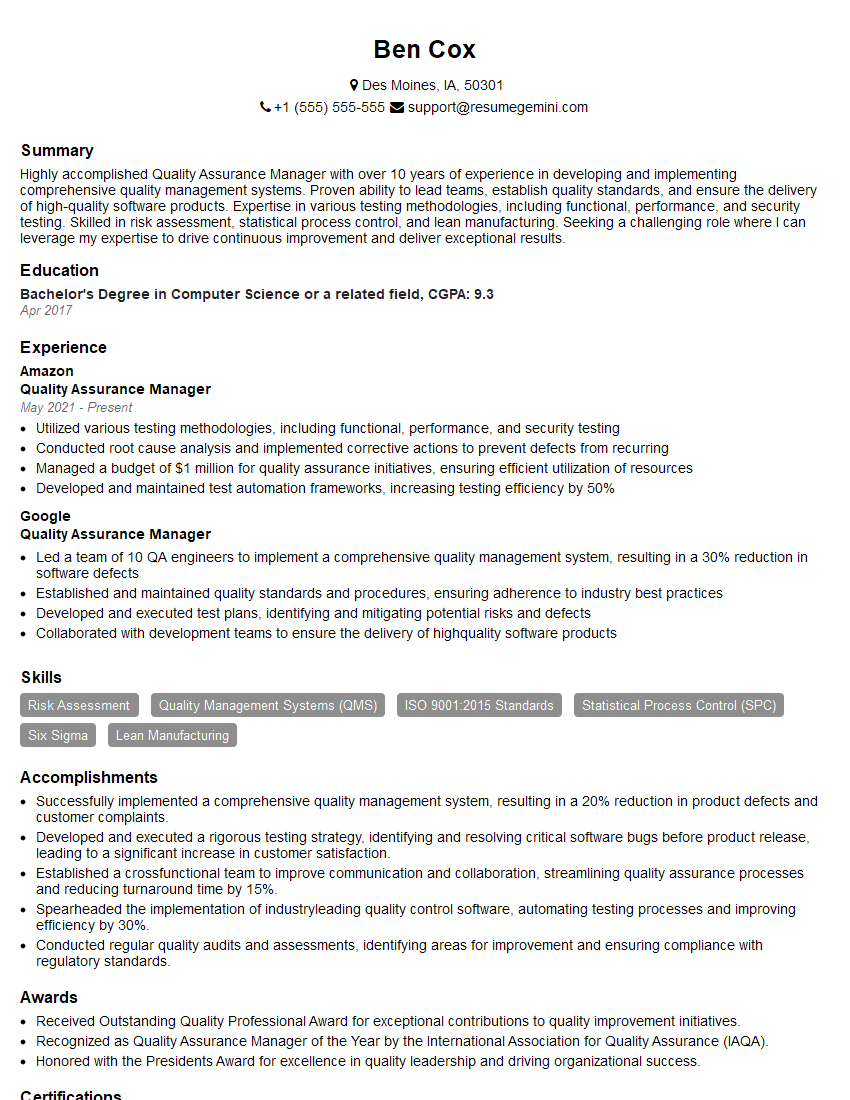
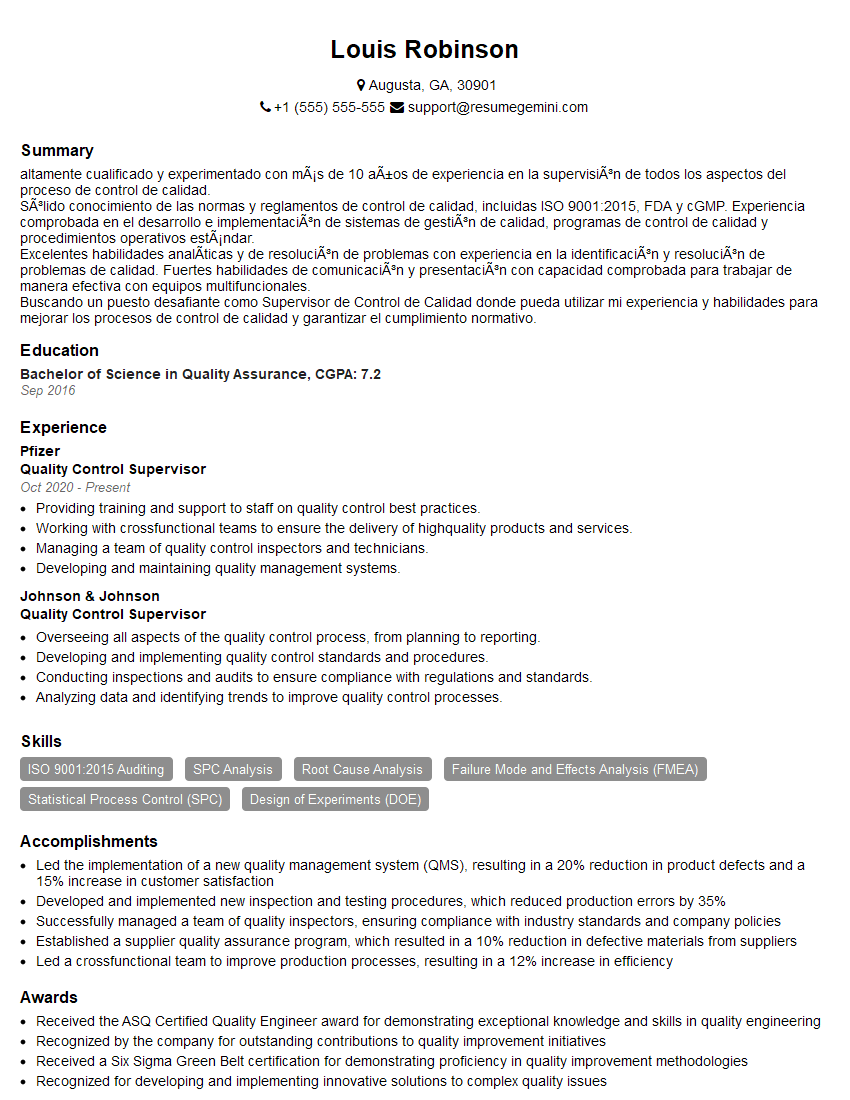
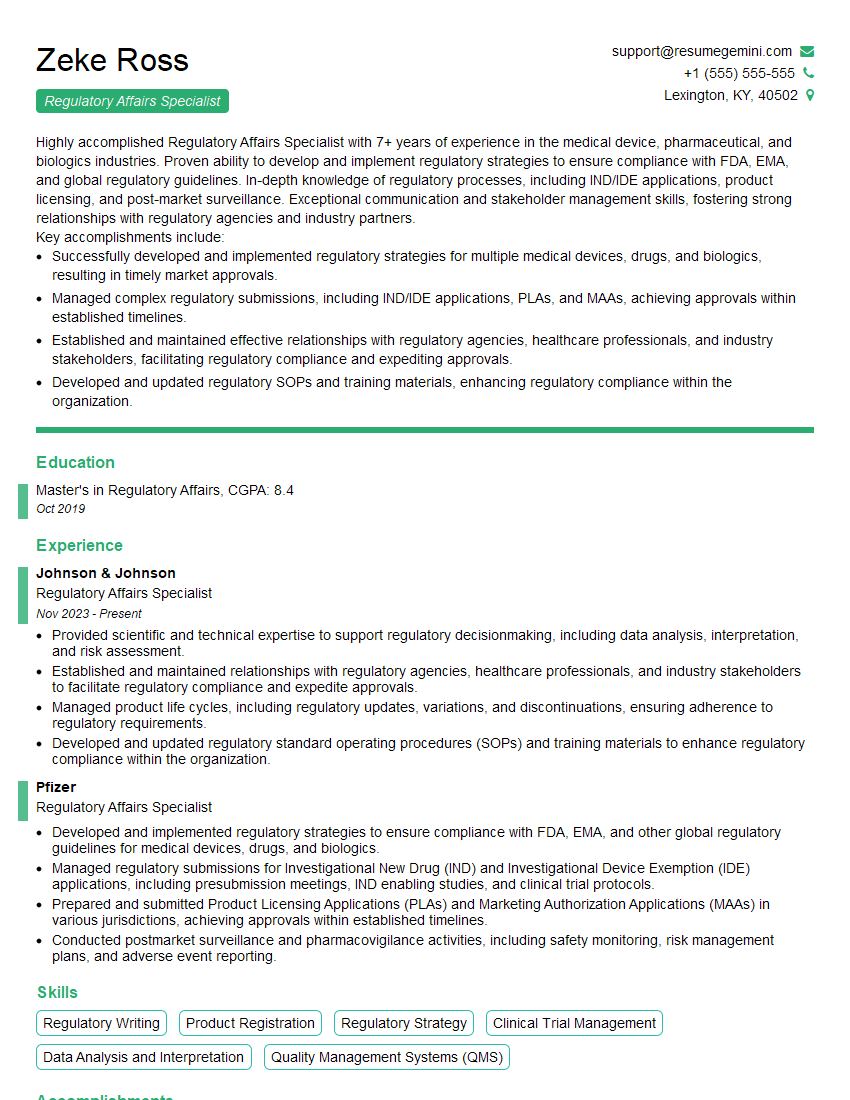
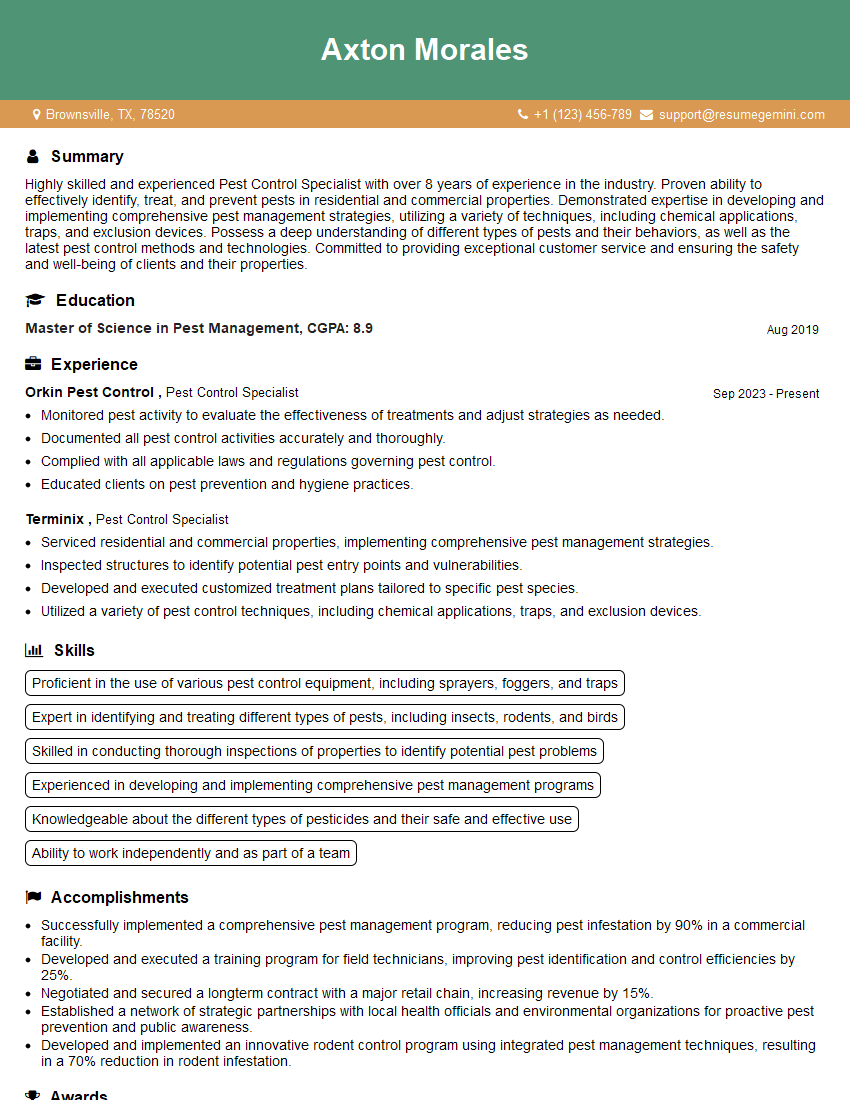
Mastering Food Safety Monitoring and Sampling opens doors to exciting career opportunities in a vital industry. A strong understanding of these concepts significantly enhances your candidacy. To maximize your chances, creating an ATS-friendly resume is crucial. This ensures your qualifications are effectively communicated to potential employers. We recommend using ResumeGemini to build a professional and impactful resume. ResumeGemini provides tools and examples tailored to various fields, including Food Safety Monitoring and Sampling, to help you present your skills and experience in the best possible light. Examples of resumes tailored to Food Safety Monitoring and Sampling are available to guide you. Take the next step and craft a resume that showcases your expertise – your dream job awaits!

Explore more articles
Users Rating of Our Blogs
Share Your Experience
We value your feedback! Please rate our content and share your thoughts (optional).
What Readers Say About Our Blog
Really detailed insights and content, thank you for writing this detailed article.
IT gave me an insight and words to use and be able to think of examples