The thought of an interview can be nerve-wracking, but the right preparation can make all the difference. Explore this comprehensive guide to Foodborne Disease Surveillance interview questions and gain the confidence you need to showcase your abilities and secure the role.
Questions Asked in Foodborne Disease Surveillance Interview
Q 1. Describe the process of investigating a foodborne disease outbreak.
Investigating a foodborne disease outbreak is a systematic process that involves several crucial steps. Think of it like solving a detective mystery, but with pathogens instead of criminals.
- Case Detection and Confirmation: This begins with identifying a cluster of illnesses with similar symptoms, possibly linked to a common source. We might see multiple people reporting diarrhea, vomiting, and fever after attending a wedding, for example. Lab confirmation through stool samples is crucial to identify the specific pathogen.
- Descriptive Epidemiology: We gather information on the affected individuals – their demographics, symptoms, onset of illness, and potential exposures. This helps build a picture of the outbreak’s characteristics (e.g., age group primarily affected, incubation period).
- Hypothesis Generation: Based on the descriptive epidemiology, we formulate hypotheses about the source of the outbreak. Did everyone eat the same food at a specific event? Was there a common water source? The wedding example could lead us to suspect the catering.
- Analytical Epidemiology: This involves comparing the exposure history of those who became ill with those who didn’t. Statistical methods are used to determine if a particular food or exposure is significantly associated with illness. For example, we might conduct a case-control study comparing those who ate chicken salad versus those who didn’t.
- Confirmation of Source: Environmental investigations may be needed to test food samples, water sources, and other potential vectors. This allows for direct confirmation of the suspected source. Finding the same pathogen in the chicken salad confirms our hypothesis.
- Control Measures: Once the source is identified, immediate control measures are implemented to stop further transmission. This might include a product recall, closure of a facility, or public health warnings.
- Communication: Throughout the investigation, clear communication is essential. Public health officials need to inform the affected population, provide recommendations, and maintain transparency.
Q 2. Explain the difference between active and passive surveillance in foodborne disease.
Active and passive surveillance are two distinct approaches to monitoring foodborne illnesses. Imagine a fishing net: passive surveillance is like waiting for fish to swim into the net, while active surveillance involves actively casting the net to catch more fish.
- Passive Surveillance: This relies on reports of illnesses that come to health officials through routine channels, such as doctors’ offices or laboratories. It’s relatively inexpensive but may miss many cases, particularly mild ones that go unreported. Think of this like tracking only the illnesses reported by doctors; many cases go unnoticed.
- Active Surveillance: This is a more proactive approach. Health officials actively seek out cases through targeted investigations, surveys, or enhanced lab reporting. This improves detection rates but requires more resources. It’s like specifically surveying communities where a contamination event is suspected, helping uncover more cases than passive surveillance alone.
Often, a combination of both approaches provides the most comprehensive picture of foodborne disease prevalence.
Q 3. What are the key indicators used to monitor foodborne illness trends?
Monitoring foodborne illness trends requires a suite of key indicators. It’s like having a dashboard showing several vital signs, each giving insight into the overall health of the food supply.
- Reported Case Counts: The number of reported illnesses provides a general overview, although underreporting is a significant limitation.
- Incidence Rates: This measures the number of new cases per population size, offering a standardized comparison across different regions or time periods.
- Prevalence Rates: This shows the proportion of the population with the illness at a specific time.
- Hospitalization and Mortality Rates: These severe outcomes provide important information on the severity of the illnesses, highlighting the potential need for intervention.
- Specific Pathogen Prevalence: Tracking the prevalence of specific pathogens (e.g., Salmonella, E. coli O157:H7) helps us understand emerging trends and changing patterns of infection.
- Food-Specific Outbreak Data: Tracking outbreaks linked to specific foods helps identify high-risk products and inform preventative measures.
Q 4. How do you interpret epidemiological data related to foodborne disease outbreaks?
Interpreting epidemiological data involves identifying patterns and associations to understand the cause and spread of foodborne outbreaks. This requires a strong grasp of statistical methods and epidemiological principles. We analyze data to answer: What is the source of the outbreak? How is it spreading?
Steps in Interpretation:
- Data Cleaning and Validation: The data needs to be checked for errors and inconsistencies.
- Descriptive Analysis: Summaries and visualizations help reveal trends in case numbers, symptom patterns, and exposure information.
- Inferential Analysis: Statistical methods (e.g., relative risk, odds ratio) help establish associations between exposure and illness. A high relative risk for those who ate a particular dish strongly suggests that it is the source.
- Mapping: Geographic mapping can pinpoint clusters of cases, helping identify potential common sources.
- Causality Assessment: Determining whether an association is truly causal involves evaluating temporal relationships, strength of association, and other criteria (Hill’s criteria).
It is crucial to consider potential biases and limitations when interpreting the data. For example, underreporting can lead to an underestimation of the true extent of an outbreak.
Q 5. Discuss the role of laboratory testing in confirming foodborne illnesses.
Laboratory testing plays a crucial role in confirming foodborne illnesses. It’s the gold standard for identifying the causative agent and providing crucial information for the investigation.
- Microbiological Testing: This involves culturing samples (stool, food, environmental) to identify bacteria, viruses, or parasites. Specific tests may be used for different pathogens (e.g., PCR for Salmonella, ELISA for toxins).
- Serological Testing: This measures antibodies in blood samples, indicating past exposure to specific pathogens. It’s useful when samples aren’t available or when investigating illnesses that occurred some time ago.
- Toxigenic Testing: This detects toxins produced by bacteria, such as Staphylococcus aureus or Clostridium botulinum, which can cause illness even without the presence of live bacteria.
Lab results confirm the diagnosis, identify the specific pathogen, and provide vital evidence to link cases to a potential source. For example, finding the same strain of E. coli O157:H7 in a patient’s stool and in a contaminated food item provides strong evidence of the source of the outbreak.
Q 6. What are the limitations of foodborne disease surveillance systems?
Foodborne disease surveillance systems, while valuable, have several limitations. It’s like a puzzle with some pieces missing.
- Underreporting: Many cases of mild illness go unreported, especially those not requiring medical attention. This creates an incomplete picture of the true burden of disease.
- Asymptomatic Infections: Individuals can carry pathogens without showing symptoms, making it difficult to trace infections.
- Long Incubation Periods: The time between exposure and illness can be long, making it difficult to connect cases to a specific source.
- Data Quality: Inconsistent data reporting, errors in coding, and missing information can limit the accuracy of the analysis.
- Limited Resources: Budget constraints and staffing shortages can hinder active surveillance activities.
- Technological Limitations: Not all areas have access to advanced laboratory testing or rapid diagnostic methods.
Addressing these limitations requires continuous improvement in data collection, laboratory capacity, and public health infrastructure.
Q 7. How do you assess the risk associated with specific foods in a potential outbreak?
Assessing the risk associated with specific foods in a potential outbreak involves a combination of epidemiological data and food safety knowledge. We need to evaluate how likely the food is to cause an outbreak and how severe the consequences could be.
Factors considered:
- Involvement in Cases: The number of individuals who consumed a particular food and subsequently fell ill.
- Incubation Period: The time between eating the food and symptom onset should align with the known incubation period of the suspected pathogen.
- Microbiological Testing Results: The presence of the pathogen in the food item is a crucial factor.
- Food Characteristics: The type of food, how it was prepared, and storage conditions are important. Raw foods or improperly handled foods are riskier.
- Prevalence of Pathogen: How common is the particular pathogen in that type of food?
- Severity of Illness: How severe are the symptoms caused by the pathogen? Outbreaks causing hospitalization or death are considered high risk.
This information is used to calculate a risk score, allowing prioritization of investigation and control measures. The higher the score, the more urgent the need to intervene.
Q 8. Explain the significance of PulseNet in foodborne disease surveillance.
PulseNet is a vital national network for foodborne disease surveillance in the United States. Its significance lies in its ability to rapidly identify and track outbreaks of foodborne illness across the country using advanced molecular subtyping. Imagine a nationwide detective agency for bacteria: PulseNet uses DNA fingerprinting to compare the genetic fingerprints of bacteria isolated from ill individuals. If multiple people in different states are sickened by bacteria with the same fingerprint, it strongly suggests a common source, enabling quick identification and response to prevent further illness.
Specifically, PulseNet uses pulsed-field gel electrophoresis (PFGE) and more recently, whole genome sequencing (WGS), to characterize pathogens. This allows public health officials to connect seemingly disparate cases, tracing them back to a single contaminated food source, restaurant, or production facility. This rapid identification is crucial because it allows for timely interventions, such as product recalls and investigations, which limit the spread of illness and save lives. Without PulseNet, connecting geographically dispersed cases would be significantly more challenging and time-consuming.
Q 9. Describe the various methods used for collecting data in foodborne disease surveillance.
Data collection in foodborne disease surveillance employs a multi-pronged approach, combining various methods to ensure comprehensive information gathering. It’s like assembling a puzzle – each piece of information contributes to the overall picture.
- Laboratory Reporting: This is the cornerstone, involving mandatory reporting by laboratories of positive cultures for specific foodborne pathogens isolated from clinical specimens. Think of it as the ‘fingerprint’ identification process.
- Surveillance Systems: Active surveillance systems like PulseNet actively seek out and analyze data, while passive systems rely on reporting from healthcare providers and laboratories. Active surveillance systems are more targeted and focused, like using metal detectors at airports.
- Epidemiological Investigations: This involves detailed questionnaires and interviews with ill individuals, to pinpoint common exposures and potential sources. This is similar to a detective interviewing witnesses at a crime scene.
- Environmental Surveys: This is the investigation of food processing plants, restaurants, and other environments where food is handled. This is like inspecting the scene of a crime to look for clues.
- Food Traceback Investigations: This involves tracing food products back to their origin along the supply chain. Think of this as following the trail of breadcrumbs to the initial source of contamination.
Q 10. How do you determine the source of a foodborne disease outbreak?
Pinpointing the source of a foodborne disease outbreak is a complex process requiring a systematic approach. It’s like solving a detective mystery, using evidence and clues to piece together the timeline of contamination.
- Case Definition: First, we establish a clear case definition, identifying the illness and defining who is considered a case.
- Descriptive Epidemiology: We conduct interviews and analyses to identify common characteristics among the ill, such as age, location, and food consumption patterns. We look for common denominators to narrow our focus.
- Hypothesis Generation: Based on our findings, we formulate hypotheses regarding the potential source of the outbreak. For example, we might suspect a certain type of food based on interview responses.
- Analytical Epidemiology: Using statistical methods like case-control studies or cohort studies, we compare exposures among cases and controls to test our hypotheses. This involves statistical testing to see if the correlation between suspected food and illness is significant.
- Environmental Investigations: We examine potential food sources at implicated facilities, looking for contamination. This may involve sampling of food, equipment, and the environment.
- Laboratory Confirmation: We analyze samples from patients and food sources to isolate and identify the pathogen, confirming the suspected source. This is like finding the ‘smoking gun’ – direct evidence linking the food to the illness.
Q 11. What are the common pathogens responsible for foodborne illnesses?
Numerous pathogens can cause foodborne illnesses. Some of the most common include:
- Salmonella spp.: Causes salmonellosis, characterized by diarrhea, fever, and abdominal cramps.
- Campylobacter spp.: A leading cause of bacterial diarrheal illness, often associated with poultry.
- Listeria monocytogenes: A particularly dangerous pathogen, especially for pregnant women, newborns, and immunocompromised individuals. It can cause listeriosis, a severe infection.
- Escherichia coli (E. coli) O157:H7 and other Shiga toxin-producing E. coli (STEC): These strains can cause bloody diarrhea, hemolytic uremic syndrome (HUS), and other severe complications.
- Clostridium perfringens: Causes food poisoning, often associated with improperly cooked meats.
- Staphylococcus aureus: Produces toxins that cause nausea, vomiting, and diarrhea.
- Norovirus: A common cause of viral gastroenteritis, often spread through contaminated food or surfaces.
It’s crucial to remember that this is not an exhaustive list, and many other bacterial, viral, and parasitic pathogens can contaminate food and lead to illness.
Q 12. What is the role of environmental health in preventing foodborne illness?
Environmental health plays a crucial role in preventing foodborne illness by ensuring safe food handling practices and environmental conditions. It’s about establishing and maintaining a clean and safe food chain environment.
- Safe Water Supply: Access to clean and safe water is essential for food processing and preparation. Contaminated water can easily spread pathogens.
- Waste Management: Proper disposal of sewage and waste is vital to prevent contamination of soil and water sources.
- Vector Control: Controlling insects and rodents, which can carry pathogens, is crucial in food processing facilities and restaurants.
- Food Establishment Inspections: Regular inspections of food establishments ensure adherence to food safety regulations, preventing cross-contamination and poor hygiene.
- Education and Training: Educating food handlers about proper hygiene practices, such as handwashing and temperature control, significantly reduces contamination risks.
By addressing these environmental factors, we can significantly decrease the risk of contamination and protect public health.
Q 13. Explain the concept of food safety hazard analysis and critical control points (HACCP).
Hazard Analysis and Critical Control Points (HACCP) is a systematic, proactive approach to food safety management. It’s a preventative system that focuses on identifying and controlling potential hazards throughout the entire food production process. Think of it as a quality control system for food safety.
The process involves seven principles:
- Conduct a hazard analysis: Identify potential biological, chemical, or physical hazards that could occur at each step of food production.
- Determine critical control points (CCPs): Identify steps in the process where control can prevent or eliminate the hazard or reduce it to an acceptable level.
- Establish critical limits: Set measurable limits for each CCP to ensure safety.
- Establish monitoring procedures: Develop procedures for monitoring CCPs to ensure limits are met.
- Establish corrective actions: Develop procedures for taking corrective actions when monitoring indicates that a CCP is not under control.
- Establish verification procedures: Establish procedures to verify that the HACCP system is working correctly.
- Establish record-keeping and documentation procedures: Maintain records demonstrating that the HACCP system is being effectively implemented.
HACCP is widely adopted in the food industry to minimize risks and enhance food safety.
Q 14. Discuss the importance of food traceability in outbreak investigations.
Food traceability is absolutely essential in outbreak investigations. It’s like having a detailed map of the food’s journey from farm to table. Without it, pinpointing the source of contamination becomes incredibly difficult, if not impossible.
Traceability allows investigators to quickly trace the path of contaminated food products, identifying all points of distribution and potential consumers. This rapidly identifies the source of contamination, limiting the spread of illness and enabling prompt recalls of contaminated products. It allows for efficient and effective outbreak control.
For example, if a specific batch of lettuce is linked to an outbreak of E. coli, traceability can identify the farm where it was grown, the processing facility where it was packaged, and the distributors and retailers who sold it, allowing for immediate action.
Effective traceability systems require detailed record-keeping throughout the entire supply chain, using unique identification numbers and lot codes to track products.
Q 15. How do you communicate findings from a foodborne disease investigation to stakeholders?
Communicating findings from a foodborne disease investigation requires a tailored approach depending on the stakeholder. We use clear, concise language avoiding technical jargon whenever possible. For public health officials, we provide detailed epidemiological data, including attack rates, incubation periods, and potential sources. For the media, we offer a summarized version emphasizing key findings and public health recommendations. For food businesses implicated, we provide specific guidance on corrective actions to prevent future outbreaks. Visual aids like maps, charts, and infographics are crucial for effective communication, making complex data easily digestible.
For example, during a recent outbreak linked to contaminated lettuce, we presented public health officials with a comprehensive report including case counts, lab results, and the implicated supplier. The public received a simple press release advising them to avoid a specific brand of lettuce. The affected food business received a detailed report outlining the investigation’s findings and specific steps to rectify their food safety practices. We always emphasize transparency, ensuring all stakeholders receive timely and accurate information.
Career Expert Tips:
- Ace those interviews! Prepare effectively by reviewing the Top 50 Most Common Interview Questions on ResumeGemini.
- Navigate your job search with confidence! Explore a wide range of Career Tips on ResumeGemini. Learn about common challenges and recommendations to overcome them.
- Craft the perfect resume! Master the Art of Resume Writing with ResumeGemini’s guide. Showcase your unique qualifications and achievements effectively.
- Don’t miss out on holiday savings! Build your dream resume with ResumeGemini’s ATS optimized templates.
Q 16. What are some ethical considerations in foodborne disease surveillance?
Ethical considerations in foodborne disease surveillance are paramount. Maintaining confidentiality of individual patient data is crucial, adhering to data protection regulations like HIPAA. Transparency is vital; stakeholders must be informed about the investigation’s progress and findings, ensuring they understand the rationale behind public health interventions. Balancing the need for public protection with the potential impact on businesses and individuals’ reputations requires careful judgment. Investigations should be conducted fairly and impartially, avoiding bias or prejudgment. Openly acknowledging uncertainties and limitations in the data enhances credibility. We must also consider the potential for stigma and discrimination and strive to communicate sensitive information with care and sensitivity. For example, if a specific ethnic food is implicated, we need to be careful in our messaging to avoid unintended negative consequences on the community.
Q 17. Describe the different types of epidemiological studies used in foodborne disease investigations.
Several epidemiological study designs are employed in foodborne disease investigations. Descriptive studies, like case reports and ecological studies, identify patterns and potential risk factors. For instance, a case report might detail the symptoms and exposures of a single individual, giving clues for further investigation. An ecological study may explore the correlation between food consumption patterns and illness rates in a population. Analytical studies such as case-control and cohort studies aim to determine the cause-and-effect relationship between an exposure (e.g., consumption of a specific food) and an outcome (e.g., foodborne illness). In a case-control study, we compare ill individuals (cases) with similar non-ill individuals (controls) to identify exposure differences. A cohort study follows a group of exposed and unexposed individuals over time to observe illness rates. Outbreak investigations often employ a hybrid approach, using both descriptive and analytical methods to identify the source, mode of transmission, and risk factors of a foodborne outbreak.
Q 18. What statistical methods are commonly used in analyzing foodborne disease data?
Statistical methods are integral to analyzing foodborne disease data. Descriptive statistics such as calculating attack rates, prevalence, and incidence are used to summarize the data. Attack rate = (Number of ill people / Number of people at risk) * 100. Inferential statistics, including hypothesis testing and confidence intervals, help determine whether observed patterns are statistically significant or due to chance. For instance, we might use a chi-square test to assess the association between consuming a specific food and illness. Regression analysis (like logistic regression) can model the relationship between multiple risk factors and the likelihood of illness. Time-series analysis is often used to analyze temporal trends in foodborne disease incidence. These analyses help identify potential seasonal patterns or the effect of interventions over time.
Q 19. Explain the role of GIS in foodborne disease mapping and analysis.
Geographic Information Systems (GIS) play a crucial role in mapping and analyzing foodborne disease data. GIS software allows us to visualize the spatial distribution of cases, identify clusters of illness, and relate these patterns to potential sources of contamination. We can map the locations of ill individuals, restaurants, food processing facilities, and other relevant factors on a map. This spatial analysis can help identify potential sources of contamination, guide environmental investigations, and target interventions more effectively. For instance, if a cluster of salmonellosis cases are linked to a particular restaurant, GIS helps us understand whether the illness is due to food being sourced from one location or even due to other factors such as food handling practices at that facility. By overlaying data layers such as population density, land use, and proximity to water sources, we can gain a comprehensive understanding of the factors contributing to the outbreak.
Q 20. How do you evaluate the effectiveness of interventions aimed at reducing foodborne illnesses?
Evaluating the effectiveness of interventions aimed at reducing foodborne illnesses requires careful planning and robust methodology. We typically use pre- and post-intervention comparisons to assess changes in disease incidence or prevalence. For example, if we implement a new food safety training program for food handlers, we would compare illness rates before and after the implementation. Time-series analysis can help to control for seasonal trends or other factors that might influence illness rates. Surveillance systems play a key role in evaluating the long-term impact of interventions. A randomized controlled trial is the gold standard to determine the effect of an intervention; however, this is not always feasible in public health settings. We might also utilize qualitative data such as feedback from stakeholders to assess the impact of an intervention.
Q 21. Discuss the impact of climate change on foodborne diseases.
Climate change significantly impacts foodborne diseases. Rising temperatures can expand the geographic range of disease vectors like bacteria and parasites, increasing the risk of food contamination. Changes in rainfall patterns can affect agricultural practices, increasing the likelihood of contamination during food production. Extreme weather events can disrupt food supply chains, leading to food spoilage and contamination. Furthermore, climate change can impact the shelf life of food products and lead to increased growth of pathogens. For instance, warmer temperatures can lead to faster growth of Salmonella and E. coli in food, resulting in a higher risk of foodborne illness. Monitoring these changes and adapting surveillance and prevention strategies are crucial for mitigating the impact of climate change on food safety.
Q 22. What are the emerging challenges in foodborne disease surveillance?
Emerging challenges in foodborne disease surveillance are multifaceted and constantly evolving. We’re facing a perfect storm of factors increasing complexity.
- Antimicrobial Resistance (AMR): The rise of antibiotic-resistant pathogens like Salmonella and Campylobacter makes treatment more difficult and increases mortality risk. Surveillance needs to track not only incidence but also the resistance profiles of these pathogens.
- Globalization of Food Supply Chains: Tracing contamination sources across international borders is extremely challenging. Rapidly identifying the origin of outbreaks involving imported foods requires robust international collaboration and sophisticated tracing systems.
- Climate Change: Changing weather patterns can alter the growth and distribution of foodborne pathogens, impacting their prevalence and seasonal patterns. This requires more dynamic surveillance strategies, anticipating shifts in disease risk.
- Data Integration and Analysis: The sheer volume of data from various sources (clinical labs, environmental monitoring, retail sales) requires sophisticated analytical tools and efficient data integration systems for timely and actionable insights. Artificial intelligence and machine learning are playing an increasingly important role here.
- Novel Pathogens and Emerging Diseases: We’re constantly facing the emergence of new pathogens or previously unrecognized disease-causing agents that necessitate ongoing research and development of diagnostic tools and surveillance protocols.
- Consumer Behavior and Food Preparation Practices: Changes in consumer preferences, eating habits, and food preparation practices can significantly influence the incidence and spread of foodborne illness. Understanding these changes is crucial for targeted public health messaging and interventions.
Addressing these challenges requires a combination of enhanced laboratory capacity, improved data management, stronger international collaboration, and a deeper understanding of the complex interplay between food production, distribution, and consumption.
Q 23. How do you ensure the accuracy and reliability of surveillance data?
Accuracy and reliability of surveillance data are paramount. We employ several strategies to ensure high-quality data:
- Standardized Methods: We utilize standardized laboratory methods for pathogen detection and characterization. This ensures consistent results across different labs and regions.
- Quality Control: Rigorous quality control procedures are implemented at every stage, including sample collection, transportation, and laboratory testing. Regular proficiency testing helps evaluate lab performance.
- Data Validation and Verification: We establish systems for verifying the completeness and accuracy of reported data. This may involve cross-referencing with other data sources, contacting reporting laboratories, or conducting follow-up investigations.
- Data Cleaning and Imputation: Missing data or inconsistencies are handled through careful data cleaning and imputation techniques, ensuring data integrity.
- Sentinel Surveillance Sites: Collaborating with a network of sentinel surveillance sites ensures representative data collection from different geographic areas and populations. This provides a more accurate picture of the overall disease burden.
- Anonymous Data Reporting: Confidentiality and data privacy are paramount. Anonymous data reporting protects individual identities while still providing useful insights.
Imagine trying to build a house on a shaky foundation – it would collapse. Similarly, if our surveillance data isn’t accurate and reliable, our public health interventions won’t be effective. This is why data quality is a constant focus.
Q 24. Explain the importance of collaboration in foodborne disease surveillance.
Collaboration is the cornerstone of effective foodborne disease surveillance. It’s impossible for any single agency or organization to do it alone. Imagine a network of interconnected sensors monitoring a system – each providing crucial information.
- Inter-agency Collaboration: Effective surveillance requires collaboration between public health agencies, regulatory bodies, and healthcare providers to share information and coordinate responses.
- Industry Collaboration: Working with food producers, processors, distributors, and retailers is crucial for identifying and controlling sources of contamination. This involves sharing data, conducting joint investigations, and implementing preventive measures.
- International Collaboration: Globalization necessitates international collaboration to track and respond to outbreaks involving imported foods or cross-border spread of pathogens. Organizations like the WHO play a key role here.
- Academia and Research Institutions: Researchers provide valuable support through developing new diagnostic tools, improving surveillance methods, and conducting epidemiological studies.
- Community Engagement: Engaging with the community is essential to raise awareness, promote safe food handling practices, and obtain timely information about outbreaks.
This collaborative approach ensures that we can efficiently track foodborne diseases, identify their sources, and implement control measures effectively. It’s a true team effort.
Q 25. What are the different types of foodborne illness outbreaks?
Foodborne illness outbreaks can be categorized in several ways, often overlapping:
- Point-Source Outbreaks: These involve a single contaminated food item or source, affecting a group of people who consumed it at a specific time and place. A classic example is a restaurant serving contaminated salad.
- Propagated Outbreaks: These involve person-to-person spread of the pathogen, often after initial exposure to a contaminated food source. This is more common with certain pathogens like norovirus.
- Common-Source Outbreaks (continuing source): Similar to point-source, but the source of contamination continues to expose individuals over a prolonged period. Think of a contaminated water supply.
- Common-Source Outbreaks (intermittent source): This occurs when the source is intermittently contaminated, leading to sporadic cases over a longer time. An example could be contaminated equipment in a food processing plant with inconsistent cleaning procedures.
- Outbreaks Classified by Pathogen: Outbreaks are often described by the causative agent (e.g., Salmonella outbreak, Listeria outbreak).
Understanding the type of outbreak helps tailor the investigation and control measures. For example, a point-source outbreak requires identifying and removing the contaminated source, while a propagated outbreak necessitates focusing on infection control and preventing further spread.
Q 26. Describe your experience with specific foodborne pathogens (e.g., Salmonella, E. coli).
I have extensive experience investigating outbreaks caused by Salmonella and E. coli, two of the most common foodborne pathogens.
- Salmonella: I’ve been involved in several investigations tracing Salmonella outbreaks to contaminated poultry, eggs, and produce. These investigations typically involve epidemiological analysis to identify common exposure sources, laboratory testing to confirm the pathogen, and tracing the implicated food product through the supply chain. We often work with industry partners to implement corrective actions to prevent future outbreaks.
- E. coli (particularly STEC, Shiga toxin-producing E. coli): These outbreaks are often more severe and require a more rapid and intense response. Investigations often focus on tracing contaminated ground beef, leafy greens, or other potentially contaminated foods. Pulsed-field gel electrophoresis (PFGE) is a valuable tool in identifying outbreak strains and tracing the source of contamination.
Working with these pathogens has highlighted the importance of rapid detection, thorough epidemiological investigation, effective communication with the public, and collaboration with industry to minimize the public health impact. Each outbreak presents unique challenges, but the core principles of investigation remain the same – identify the source, control the spread, and prevent future occurrences.
Q 27. How do you handle conflicting data or results during an investigation?
Handling conflicting data or results during an investigation is a common challenge. A systematic approach is crucial:
- Review Methods: We first carefully review the methods used to collect and analyze the data. This might involve examining laboratory procedures, epidemiological methodologies, or data entry procedures for potential errors.
- Data Validation: We then validate the data through additional testing, re-analysis, or cross-referencing with other data sources. This ensures the reliability of the findings.
- Investigate Discrepancies: We investigate any discrepancies to determine the cause. This might involve re-interviewing cases, conducting additional environmental sampling, or revisiting data collection procedures.
- Sensitivity Analysis: When uncertainty exists, we may perform a sensitivity analysis to assess the impact of the conflicting data on the overall findings. This helps determine the robustness of the conclusions.
- Expert Consultation: If the discrepancies persist, we consult with subject matter experts to assess the conflicting information and determine the most plausible explanation.
- Transparency and Documentation: All steps taken to resolve the conflict, along with the final determination, are meticulously documented to maintain transparency and provide a clear audit trail.
It’s important to remember that not all conflicts can be easily resolved. We strive for the most accurate interpretation based on available data, always prioritizing public health.
Q 28. What are the key regulatory requirements related to foodborne disease surveillance in your region?
(Note: Regulatory requirements vary significantly by region. This answer provides a general overview. Specific regulations should be consulted for a given jurisdiction.)
Key regulatory requirements related to foodborne disease surveillance often involve:
- Mandatory Reporting of Outbreaks: Many jurisdictions have laws requiring healthcare providers and laboratories to report suspected or confirmed foodborne disease outbreaks to public health agencies.
- Food Safety Regulations: Regulations govern food production, processing, distribution, and handling, aiming to minimize contamination risks. These regulations often mandate specific food safety practices and record-keeping.
- Laboratory Accreditation: Many jurisdictions require food testing laboratories to meet specific standards and be accredited to ensure the quality and reliability of testing results.
- Data Sharing and Collaboration: Regulations may specify requirements for data sharing between different agencies and organizations involved in foodborne disease surveillance.
- Surveillance Programs: Many public health agencies have established foodborne disease surveillance programs with specific objectives, methodologies, and data reporting requirements.
- Enforcement and Penalties: Regulations often include mechanisms for enforcing food safety laws and imposing penalties for non-compliance, which acts as a deterrent.
Staying abreast of these regulations is crucial for ensuring compliance and effective participation in foodborne disease surveillance. Ignoring regulations can have serious consequences for public health and can lead to legal ramifications.
Key Topics to Learn for Foodborne Disease Surveillance Interview
- Disease Causation and Transmission: Understanding the various pathogens (bacteria, viruses, parasites) causing foodborne illnesses and their routes of transmission (e.g., fecal-oral, cross-contamination).
- Surveillance Methods and Data Collection: Familiarize yourself with active and passive surveillance systems, data sources (e.g., laboratory reports, outbreak investigations), and data analysis techniques.
- Outbreak Investigation: Mastering the steps involved in investigating foodborne outbreaks, including case finding, hypothesis generation, environmental investigations, and control measures.
- Risk Assessment and Management: Understanding the principles of risk assessment, identifying vulnerable populations, and developing strategies for risk mitigation and prevention.
- Data Analysis and Interpretation: Developing skills in epidemiological data analysis, including descriptive epidemiology, statistical methods, and the interpretation of results to inform public health actions.
- Public Health Communication: Effective communication of findings to various audiences (e.g., healthcare providers, the public, policy makers) and the importance of clear and concise reporting.
- Regulatory Frameworks and Guidelines: Understanding relevant food safety regulations, guidelines, and best practices related to foodborne disease surveillance.
- Laboratory Techniques and Diagnostics: Basic understanding of the laboratory methods used for the identification and characterization of foodborne pathogens.
- Emerging Infectious Diseases and Antibiotic Resistance: Awareness of emerging threats in foodborne illnesses and the implications for surveillance and control.
- Ethical Considerations in Public Health: Understanding ethical principles related to data privacy, confidentiality, and informed consent in the context of public health surveillance.
Next Steps
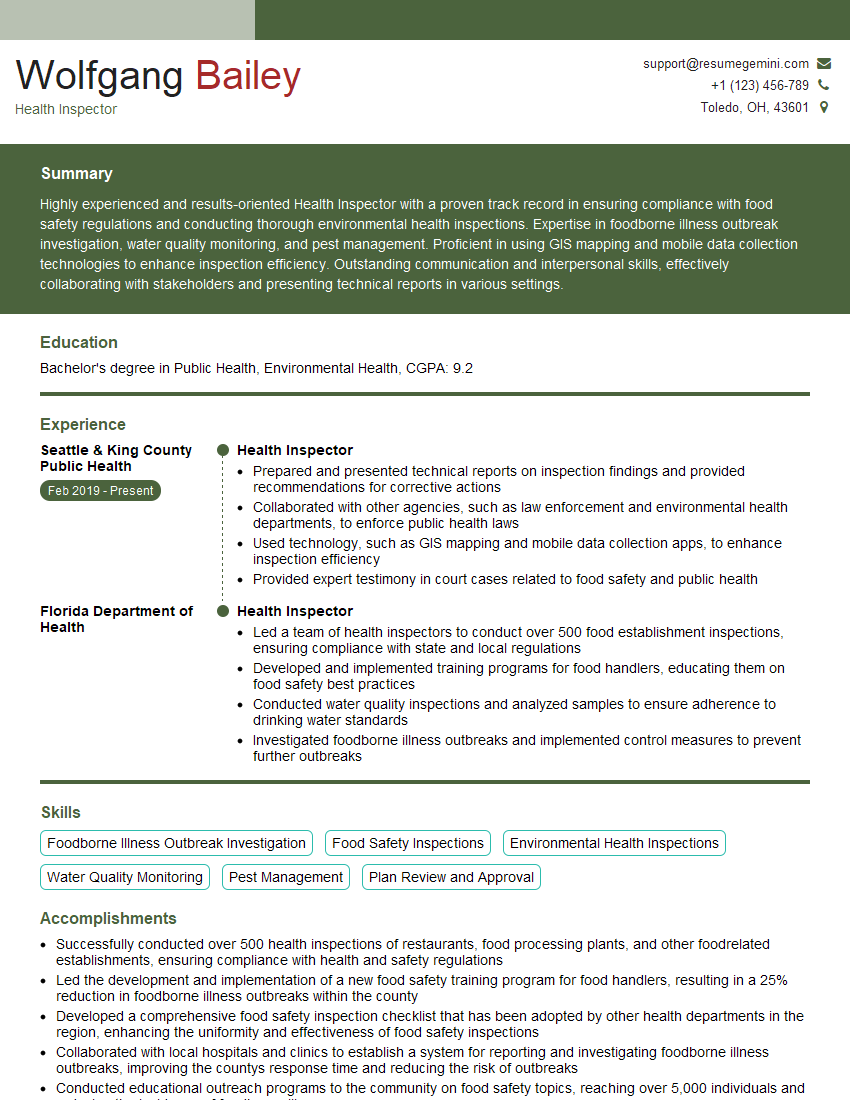
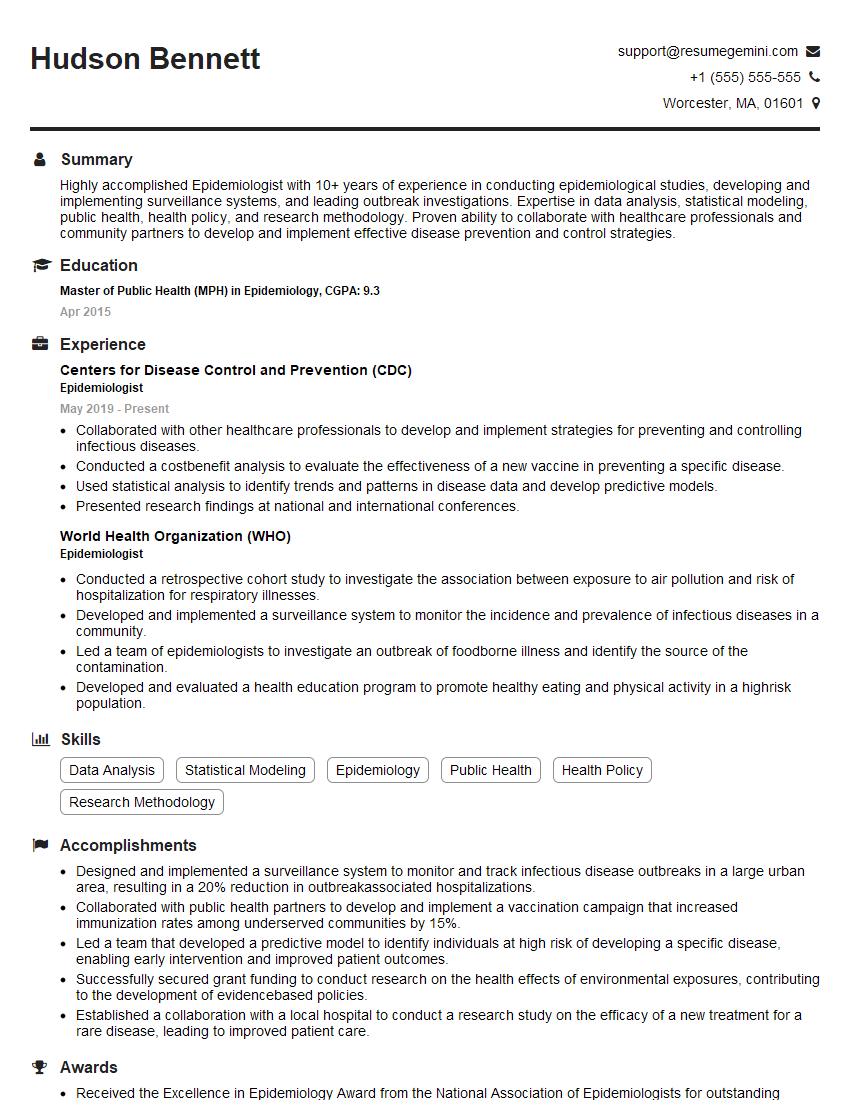
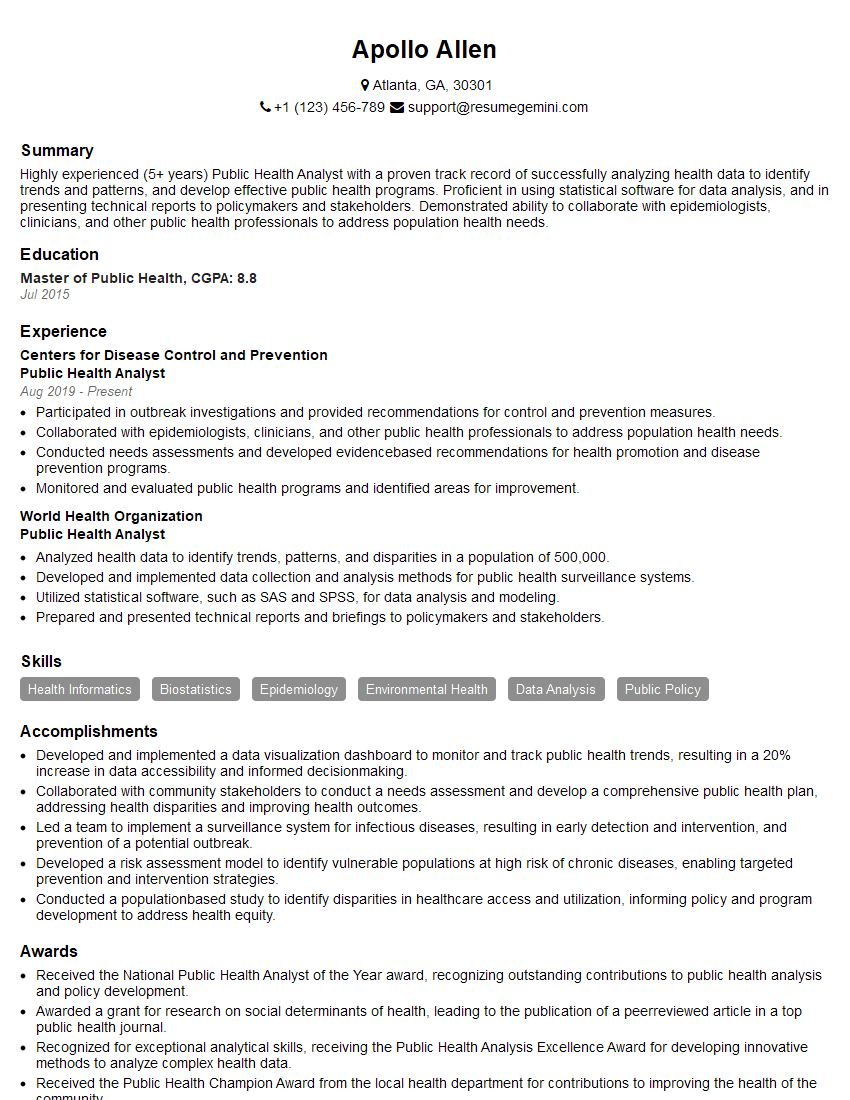
Mastering Foodborne Disease Surveillance opens doors to rewarding careers in public health, offering opportunities for impactful work contributing to community safety and well-being. To significantly boost your job prospects, crafting a compelling and ATS-friendly resume is crucial. ResumeGemini is a trusted resource to help you build a professional resume that highlights your skills and experience effectively. We provide examples of resumes tailored specifically to Foodborne Disease Surveillance to guide you in showcasing your qualifications. Invest time in building a strong resume – it’s your first impression and a vital step toward securing your dream role.
Explore more articles
Users Rating of Our Blogs
Share Your Experience
We value your feedback! Please rate our content and share your thoughts (optional).
What Readers Say About Our Blog
Really detailed insights and content, thank you for writing this detailed article.
IT gave me an insight and words to use and be able to think of examples