Feeling uncertain about what to expect in your upcoming interview? We’ve got you covered! This blog highlights the most important Foodborne Pathogen Identification interview questions and provides actionable advice to help you stand out as the ideal candidate. Let’s pave the way for your success.
Questions Asked in Foodborne Pathogen Identification Interview
Q 1. Describe the different methods used for the identification of *Salmonella* species.
Identifying Salmonella species involves a multi-step process, combining traditional culture methods with advanced molecular techniques. Initially, samples undergo enrichment in selective broths like Rappaport-Vassiliadis (RV) or Selenite cystine broth to increase the number of Salmonella cells if present, overcoming the challenges of low initial concentrations in food samples. This is followed by plating onto selective and differential agars such as Xylose Lysine Deoxycholate (XLD) or Hektoen Enteric (HE) agar. These agars contain components that inhibit the growth of many other bacteria while allowing Salmonella to grow and exhibit characteristic colony morphologies (e.g., colorless or red colonies with black centers on HE agar).
Following isolation, presumptive Salmonella colonies undergo biochemical tests, such as the triple sugar iron (TSI) test and the lysine decarboxylase test, to confirm their identity based on their metabolic characteristics. Finally, serological tests using specific antisera are conducted to determine the exact serotype of the Salmonella species, aiding in epidemiological investigations and tracing outbreaks. Molecular methods, like PCR, are increasingly used for rapid and definitive identification, targeting specific genes unique to Salmonella, such as invA or hilA. For example, a positive PCR result for invA strongly indicates the presence of Salmonella.
Q 2. Explain the principles of PCR for detecting foodborne pathogens.
Polymerase Chain Reaction (PCR) is a powerful molecular technique used to detect foodborne pathogens by amplifying specific DNA sequences unique to the target pathogen. Think of it like making millions of copies of a specific instruction manual (DNA sequence) from a single copy found in a complex library (food sample). The process starts with extracting DNA from the food sample. Then, specific short DNA sequences called primers, designed to bind to regions flanking the target gene of interest (e.g., a gene specific to E. coli O157:H7), are added.
A heat-stable enzyme called DNA polymerase then extends the primers, creating complementary copies of the target DNA sequence. This cycle of denaturation (heating to separate DNA strands), annealing (primers binding to target DNA), and extension is repeated many times, exponentially increasing the number of target DNA copies. The amplified DNA can then be detected using various methods, such as gel electrophoresis, which separates DNA fragments by size, allowing visualization of the amplified target. Real-time PCR can also be used to quantify the amount of target DNA present in the sample, providing information about the pathogen load.
Q 3. What are the limitations of traditional culture methods for pathogen detection?
Traditional culture methods, while foundational in microbiology, have several limitations in pathogen detection. First, they are time-consuming, often requiring several days to obtain results due to the time needed for pathogen growth. This delay can hinder timely intervention in outbreaks. Second, culture methods require the pathogen to be viable and culturable. Some pathogens may be injured or stressed during food processing, rendering them unable to grow on culture media, leading to false negatives. Third, these methods require specialized media and trained personnel to perform them correctly. Lastly, the selective media used might not be perfectly specific for the target pathogen, potentially leading to false positives from similar bacteria.
Imagine trying to find a specific grain of sand in a vast beach using only a sieve. Traditional culture methods are like that sieve—they can miss certain pathogens, require lots of time and effort, and might pick up other particles (bacteria) that aren’t what you’re looking for.
Q 4. Compare and contrast ELISA and lateral flow immunoassays for pathogen detection.
Both ELISA (Enzyme-Linked Immunosorbent Assay) and lateral flow immunoassays (LFIs), often known as rapid tests, are antibody-based methods for pathogen detection but differ significantly in their format and application. ELISA is a laboratory-based technique that uses enzyme-conjugated antibodies to detect pathogen antigens. The test is typically performed on a microplate, and the results are measured using a spectrophotometer. LFIs, on the other hand, are point-of-care tests that involve a simple procedure with visible results. They utilize a membrane strip with immobilized antibodies and a detection system for a quick, visual result (think pregnancy tests).
ELISA offers higher sensitivity and quantification of the target antigen, providing a more precise measurement of pathogen concentration. LFIs are faster, simpler, and portable but have lower sensitivity and are primarily qualitative (positive or negative result). The choice between them depends on the need for speed, sensitivity, and the available resources. Imagine ELISA as a high-powered microscope in a laboratory setting versus LFI as a simple magnifying glass for quick on-site assessments.
Q 5. How do you interpret results from a microbial analysis of a food sample?
Interpreting results from a microbial analysis of a food sample involves a careful consideration of several factors. First, you must identify the specific microorganisms detected and their concentrations (colony-forming units or CFU/g). Then, you need to compare the results with established regulatory limits or guidelines for the specific food product. This often involves checking for the presence of pathogens like Salmonella, E. coli O157:H7, Listeria monocytogenes, or Campylobacter, as well as the levels of spoilage microorganisms that can indicate poor quality. The presence of pathogens above the regulatory limit indicates that the food is unsafe for consumption. Even if pathogens are not detected, a high level of spoilage microorganisms may still indicate poor food quality. Lastly, it is vital to consider the sampling method, as sampling error can significantly affect the results.
For example, finding 100 CFU/g of E. coli O157:H7 in ground beef would necessitate immediate action, as this often surpasses the regulatory limit for this pathogen and poses a significant health risk. A high count of Bacillus cereus in rice may not necessarily indicate a health hazard but could indicate poor storage practices, influencing the shelf life of the product.
Q 6. What are the key factors influencing the growth of *Listeria monocytogenes* in food?
Listeria monocytogenes, a significant foodborne pathogen, exhibits remarkable ability to survive and grow in diverse environments, making it a considerable challenge in food safety. Several factors influence its growth: temperature is crucial; L. monocytogenes can grow at refrigeration temperatures (4-10°C), unlike many other pathogens, allowing it to survive and even multiply in chilled foods. High salt and low pH (acidic conditions) can also inhibit its growth. The availability of nutrients, particularly moisture (water activity), directly impacts its growth rate. The presence of competing microorganisms might reduce available resources, hindering L. monocytogenes proliferation. Finally, the food matrix itself plays a significant role: for instance, ready-to-eat foods, particularly those with high moisture content and longer shelf lives, provide an ideal niche for L. monocytogenes growth.
Q 7. Explain the significance of the detection of *E. coli* O157:H7 in food.
The detection of E. coli O157:H7 in food carries significant public health implications. This specific serotype of E. coli is associated with severe illnesses, including hemorrhagic colitis and hemolytic uremic syndrome (HUS), especially in vulnerable populations like young children and the elderly. Even low levels of this pathogen can cause severe disease due to its potent Shiga toxin. Its presence indicates a serious contamination event, requiring immediate action to prevent widespread illness. Food contaminated with E. coli O157:H7 must be immediately removed from circulation and thorough investigations are needed to trace the source of contamination, often leading to recalls and changes in food processing procedures to prevent future occurrences.
Detection of E. coli O157:H7 necessitates immediate and extensive response—from product recall to epidemiological investigations to pinpointing the contamination source and implementing corrective measures in the production chain. This is to safeguard public health and prevent further outbreaks.
Q 8. Describe the steps involved in a standard microbiological analysis workflow.
A standard microbiological analysis workflow for foodborne pathogen detection typically involves several key steps, much like solving a complex puzzle. First, we need the right sample – a representative portion of the food product is collected following strict aseptic techniques to avoid contamination. This sample is then prepared, often involving dilution and homogenization to create a uniform suspension of microorganisms.
Enrichment: Sometimes, the pathogen numbers are too low to detect directly. Enrichment involves growing the sample in a specific broth to increase the pathogen population. Think of it as creating a more favorable environment for the pathogen to multiply.
Isolation: Next, we isolate suspected pathogens by plating the enriched sample or the initial sample onto selective and differential agar plates. These media contain ingredients that inhibit the growth of unwanted bacteria while promoting the growth of the target pathogen. Different colonies may indicate different microbial species.
Identification: Once colonies are isolated, we identify them using various techniques. This could involve biochemical tests (like determining if the bacteria ferment certain sugars), immunological assays (identifying specific proteins or antigens), or molecular methods like PCR (Polymerase Chain Reaction), which amplifies pathogen-specific DNA sequences. Think of this like detective work, using different clues to identify the culprit.
Confirmation: Finally, the results are confirmed using additional methods to ensure accuracy and eliminate false positives. This might involve further biochemical tests or a second PCR run with different primers.
Quantification: In addition to identifying the pathogen, we might quantify the number of colony-forming units (CFUs) per gram of food. This tells us the level of contamination.
Throughout the entire process, meticulous record-keeping and quality control measures are essential to ensure the reliability and traceability of results.
Q 9. How do you ensure the accuracy and reliability of microbiological test results?
Ensuring accuracy and reliability in microbiological testing is paramount. This involves several strategies:
Proper Sample Collection and Handling: Using sterile techniques during sample collection and transportation is crucial to prevent contamination. Imagine trying to solve a puzzle with extra pieces added! A contaminated sample can lead to completely inaccurate results.
Quality Control: We use positive and negative controls alongside our samples. Positive controls contain known quantities of the target pathogen to confirm the test is working. Negative controls are sterile samples to ensure no contamination has occurred during the testing procedure. This checks for false positives and negatives.
Method Validation: We regularly validate our laboratory methods to ensure they meet international standards and produce consistent, reliable results. This could involve testing with certified reference materials and participating in proficiency testing programs.
Calibration and Maintenance of Equipment: All equipment (incubators, autoclaves, etc.) must be regularly calibrated and maintained to ensure accurate readings and prevent unexpected errors.
Trained Personnel: Experienced and well-trained personnel are essential for performing procedures correctly and interpreting results accurately. A good analogy is a skilled surgeon performing a delicate operation; the same precision is needed here.
By implementing these rigorous quality control measures, we build confidence in the accuracy and reliability of our microbiological test results, safeguarding public health and ensuring the safety of food products.
Q 10. What are the different types of media used in food microbiology?
Various types of media are used in food microbiology, each serving a specific purpose, much like different tools for different jobs. They’re carefully designed to encourage or inhibit the growth of specific microorganisms.
Nutrient Agar: A general-purpose medium supporting a wide range of bacteria, useful for obtaining a general idea of the microbial composition.
Selective Media: Contains ingredients that inhibit the growth of certain bacteria while allowing others to grow. For example, MacConkey agar inhibits Gram-positive bacteria while supporting Gram-negative bacteria. Think of it as a filter, selecting for specific organisms.
Differential Media: Allows for the differentiation of various bacterial types based on their metabolic characteristics. For example, blood agar differentiates bacteria based on their ability to hemolyze (break down) red blood cells. It helps tell different types apart.
Enrichment Broth: Used to increase the number of specific bacteria in a sample, making them more easily detectable. This is often used when dealing with low numbers of target pathogens.
Chromogenic Media: Contains substrates that change color in the presence of specific enzymes produced by certain bacteria, enabling easier and faster identification. These are often preferred due to their simplicity.
The choice of media depends heavily on the specific pathogen being investigated and the overall objective of the analysis. A seasoned microbiologist has a deep understanding of how each type of media works and how to choose the appropriate one for the situation.
Q 11. What are the safety precautions necessary when working with foodborne pathogens?
Working with foodborne pathogens demands stringent safety precautions to protect laboratory personnel and prevent contamination. This includes:
Biosafety Level 2 (BSL-2) Practices: Adherence to BSL-2 guidelines is crucial, encompassing the use of personal protective equipment (PPE) such as gloves, lab coats, and eye protection. These are our first lines of defense.
Biological Safety Cabinets (BSCs): Working within a BSC provides further containment and reduces the risk of aerosol generation during procedures like plating and streaking. These cabinets create a safe environment to manipulate materials.
Proper Decontamination Procedures: Thorough decontamination of work surfaces, equipment, and waste is vital using effective disinfectants. This includes proper disposal of contaminated materials.
Training: Comprehensive training is essential to ensure all personnel understand safe handling practices and emergency procedures. The more knowledge we have, the better prepared we are for any eventuality.
Emergency Procedures: Clear protocols should be in place to handle spills and other accidents, including the proper use of emergency showers and eye washes.
Failing to follow these precautions poses significant risks to the health of laboratory personnel and could lead to accidental releases of harmful pathogens.
Q 12. How do you manage and interpret inconclusive or ambiguous results?
Inconclusive or ambiguous results are sometimes encountered, highlighting the complexity of microbiological testing. They need careful management and interpretation:
Repeat Testing: The first step is often to repeat the test, using a fresh aliquot of the original sample, or performing alternative tests using different methods. Consistency in results strengthens the findings.
Further Investigations: If repetition still yields ambiguous results, further investigations might be warranted. This could include additional biochemical tests, molecular characterization, or consultation with other experts in the field.
Consider Environmental Factors: The context of the sample is crucial. Factors such as the manufacturing environment and handling practices may have influenced the results. This holistic perspective is essential.
Reporting Limitations: It’s vital to clearly report the limitations of the results. Transparency helps others interpret the findings accordingly.
Risk Assessment: Despite inconclusive results, we might still be able to make some assessments of the risk. A thorough analysis of the data available (even if incomplete) might provide insight.
Remember, inconclusive results do not mean the investigation has failed; they often indicate a need for further investigation and refinement of methods.
Q 13. Describe your experience with different automated microbial detection systems.
My experience includes working with several automated microbial detection systems. These systems, compared to traditional methods, offer increased speed, efficiency, and often improved accuracy. Some examples are:
Automated Plate Readers: These instruments accelerate the analysis of plate-based assays, such as those used in chromogenic media, greatly enhancing throughput.
Real-time PCR Systems: These systems provide rapid and sensitive detection of specific pathogens. The speed of results helps manage outbreaks more efficiently.
MALDI-TOF Mass Spectrometry: This advanced technique allows for rapid and accurate identification of microorganisms based on their protein profiles. It’s a significant time saver and offers increased accuracy.
Automated Colony Counters: These systems automate the counting of colonies on agar plates, reducing manual workload and improving the consistency of colony counting.
Each system has its strengths and limitations. The choice of a system depends on factors such as the type of pathogen being detected, laboratory budget, and throughput requirements.
Q 14. What are the regulatory requirements for foodborne pathogen testing in your region?
(Note: Regulatory requirements vary significantly by region. This answer provides a general framework. Specifics would depend on the geographical location.)
Foodborne pathogen testing is regulated to ensure food safety and public health. Regulations often specify:
Mandatory testing: Certain food products may require mandatory testing for specific pathogens, depending on risk assessment and history.
Approved methods: Regulations often list approved methodologies for detection of specific pathogens. The methods need to be validated and show reliability.
Sampling plans: Regulations define the required number and types of samples to be collected and tested.
Reporting requirements: Clear guidelines exist about how to report results, including any positive findings, to regulatory authorities.
Accreditation and certifications: Laboratories performing foodborne pathogen testing may be required to obtain accreditation to ensure quality and competency.
Record-keeping: Meticulous record-keeping is crucial. All procedures, results, and corrective actions need to be meticulously documented.
Non-compliance with these regulations can lead to penalties and sanctions, including product recalls and business closures. Adherence to regulations ensures food safety for consumers.
Q 15. Explain the principles of HACCP and its relevance to foodborne pathogen control.
HACCP, or Hazard Analysis and Critical Control Points, is a preventative system for food safety. Instead of simply reacting to contamination, HACCP identifies potential hazards throughout the food production process and puts controls in place to prevent them. Think of it like a proactive security system for your food, rather than just calling the police after a robbery.
Its relevance to foodborne pathogen control is paramount. By systematically analyzing each step – from receiving raw materials to final product distribution – we can pinpoint critical points where pathogens are most likely to enter or grow. For example, a critical control point in a meat processing plant might be the cooking temperature, ensuring it reaches levels that kill Salmonella. Another might be proper handwashing procedures to prevent cross-contamination.
- Hazard Analysis: Identifying potential biological, chemical, and physical hazards.
- Critical Control Points (CCPs): Determining the steps where control is essential to prevent or eliminate hazards.
- Critical Limits: Setting measurable limits for each CCP (e.g., minimum cooking temperature).
- Monitoring: Regularly checking CCPs to ensure limits are met.
- Corrective Actions: Defining procedures to take if limits are not met.
- Verification: Confirming that the HACCP plan is working effectively.
- Record Keeping: Documenting all steps of the HACCP plan.
Effective implementation of HACCP significantly reduces the risk of foodborne illnesses by actively targeting the sources of contamination.
Career Expert Tips:
- Ace those interviews! Prepare effectively by reviewing the Top 50 Most Common Interview Questions on ResumeGemini.
- Navigate your job search with confidence! Explore a wide range of Career Tips on ResumeGemini. Learn about common challenges and recommendations to overcome them.
- Craft the perfect resume! Master the Art of Resume Writing with ResumeGemini’s guide. Showcase your unique qualifications and achievements effectively.
- Don’t miss out on holiday savings! Build your dream resume with ResumeGemini’s ATS optimized templates.
Q 16. How do you investigate a foodborne illness outbreak?
Investigating a foodborne illness outbreak is a systematic process that requires collaboration between public health officials, epidemiologists, and laboratory personnel. It usually involves these steps:
- Case Finding and Confirmation: Identifying individuals with similar illnesses and confirming the diagnosis through laboratory testing of stool or vomit samples.
- Descriptive Epidemiology: Gathering data on the affected individuals, including their demographics, symptoms, and the foods they consumed. This helps define the characteristics of the outbreak.
- Hypothesis Generation: Formulating hypotheses about the source of the outbreak based on the epidemiological data. For instance, if a high proportion of those affected ate at a particular restaurant, that restaurant becomes a prime suspect.
- Environmental Investigation: Inspecting food-handling establishments, sampling food items, and collecting environmental samples (e.g., swabs from surfaces) to identify potential sources of contamination.
- Laboratory Investigation: Conducting microbiological analyses of food and environmental samples to identify the causative pathogen. This involves culturing samples, performing biochemical tests and molecular techniques like PCR to pinpoint the specific organism.
- Control Measures: Implementing control measures to prevent further spread of the outbreak, such as product recalls or closure of contaminated establishments.
- Communication: Keeping the public informed about the outbreak and the measures being taken to control it.
For example, in a past outbreak I investigated, we linked a Listeria monocytogenes outbreak to contaminated pre-packaged salads by tracing the source of the contaminated ingredients through supply chain investigation.
Q 17. What are the key factors that contribute to foodborne illness outbreaks?
Several factors contribute to foodborne illness outbreaks, often interacting in complex ways. Think of them as links in a chain; break one link, and you lessen the risk.
- Inadequate Cooking Temperatures: Failure to cook food to temperatures that kill pathogens (e.g., undercooked poultry).
- Cross-Contamination: Transfer of pathogens from contaminated surfaces or food to other food.
- Improper Food Storage: Keeping food at temperatures that allow pathogens to grow (the ‘danger zone’ is generally 40-140°F or 4-60°C).
- Poor Personal Hygiene: Inadequate handwashing by food handlers.
- Contaminated Water or Ingredients: Using contaminated water for food preparation or using raw ingredients contaminated with pathogens.
- Inadequate Cleaning and Sanitization: Failure to properly clean and sanitize food preparation surfaces and equipment.
- Lack of Employee Training: Food handlers lack adequate training in safe food handling practices.
In many cases, outbreaks are caused by a combination of factors rather than a single cause. For instance, undercooked chicken (inadequate cooking) stored improperly (improper food storage) and then handled by someone with poor hygiene (poor personal hygiene) creates a perfect storm for illness.
Q 18. Describe your experience with different enrichment broths.
Enrichment broths are used to increase the number of specific pathogens in a food sample, making them easier to detect. This is crucial when dealing with low levels of contamination, as many pathogens are present in small numbers in food initially. Different broths are used depending on the suspected pathogen.
- Selenite Cystine Broth: Selectively enriches for Salmonella spp. by inhibiting the growth of competing bacteria.
- Tetrathionate Broth: Another selective enrichment broth for Salmonella spp., offering a slightly different selective pressure compared to Selenite Cystine Broth.
- Rappaport-Vassiliadis (RV) Broth: Another highly selective enrichment broth for Salmonella spp, particularly effective for isolating Salmonella from heavily contaminated samples.
- Buffered Peptone Water (BPW): Used as a non-selective enrichment broth, allowing growth of a wide range of bacteria including Vibrio spp and Listeria monocytogenes before subculturing to selective media.
My experience includes using these broths in various food matrices, adjusting incubation times and conditions based on the specific application and the target pathogen. For example, I’ve observed that the efficiency of Selenite Cystine broth can be affected by the presence of certain antibiotics in the food sample.
Q 19. How do you differentiate between *Staphylococcus aureus* and *Bacillus cereus*?
Staphylococcus aureus and Bacillus cereus are both common causes of food poisoning, but they differ significantly in their characteristics and the illnesses they cause.
| Characteristic | Staphylococcus aureus | Bacillus cereus |
|---|---|---|
| Toxin Production | Produces heat-stable enterotoxins during growth in food | Produces emetic and diarrheal toxins |
| Incubation Period | 1-6 hours | 30 minutes to 6 hours (emetic toxin), 6-15 hours (diarrheal toxin) |
| Symptoms | Nausea, vomiting, diarrhea, abdominal cramps | Nausea, vomiting (emetic toxin), diarrhea, abdominal cramps (diarrheal toxin) |
| Microscopic Appearance | Gram-positive cocci in clusters | Gram-positive bacilli, often forming chains |
| Growth Conditions | Aerobic or facultative anaerobic, optimal growth at 37°C | Aerobic or facultative anaerobic, can grow at a wide temperature range |
Differentiation in the lab is usually based on a combination of colony morphology, Gram staining, biochemical tests (such as coagulase test for S. aureus), and potentially molecular methods if needed for higher certainty.
Q 20. What are the challenges associated with detecting low levels of pathogens in food?
Detecting low levels of pathogens in food presents several significant challenges:
- High background flora: Food often contains a diverse range of non-pathogenic microorganisms that can mask the presence of low numbers of pathogens.
- Sensitivity limitations of detection methods: Traditional culture-based methods may not be sensitive enough to detect very low concentrations of pathogens.
- Heterogeneous distribution of pathogens: Pathogens may not be uniformly distributed throughout a food sample, making it difficult to obtain a representative sample.
- Inhibitory substances: Certain food components may inhibit the growth of pathogens during enrichment or culture.
- High cost and time requirement: Advanced detection methods, such as PCR, can be expensive and time-consuming.
Overcoming these challenges requires using sensitive and specific detection methods, careful sample preparation, and rigorous quality control procedures. Techniques like PCR and ELISA can enhance sensitivity, but careful sample collection and preparation are still crucial for accurate results.
Q 21. Describe your experience with different types of plating techniques.
I have extensive experience with various plating techniques, essential for isolating and identifying foodborne pathogens.
- Spread Plate Method: A small volume of diluted sample is spread evenly over the surface of an agar plate using a sterile spreader. This technique is useful for obtaining isolated colonies for pure culture.
- Pour Plate Method: A diluted sample is mixed directly with molten agar before being poured into a petri dish and allowed to solidify. This method allows for better quantification of bacterial numbers compared to the spread plate.
- Streak Plate Method: A sample is streaked across the surface of an agar plate using an inoculating loop, gradually diluting the concentration to obtain isolated colonies. This is a very common and widely used method for isolating pure cultures.
- Membrane Filtration: Large volumes of liquid samples are filtered through a membrane filter, which is then placed on an agar plate. This technique allows for the detection of low numbers of pathogens in liquid samples.
The choice of plating technique depends on the type of sample, the expected concentration of pathogens, and the desired outcome of the analysis. I frequently use a combination of these techniques to maximize the chances of isolating and identifying the target pathogen, ensuring both accurate quantification and pure cultures for further testing.
Q 22. How do you perform a proper subculturing technique?
Subculturing is a crucial technique in microbiology where we transfer a small amount of microorganisms from a primary culture (original sample) to a fresh growth medium. This is done to obtain isolated colonies, maintain a pure culture, or prepare cultures for further testing. Think of it like making a copy of a recipe – you take a small portion of the original and use it to create more of the same dish.
Proper subculturing involves several steps to prevent contamination:
- Sterilization: Begin by sterilizing your working area and equipment (inoculating loop, spreader, etc.) using a Bunsen burner. This eliminates any unwanted microorganisms that could interfere with your culture.
- Aseptic Technique: Work near the flame to create an upward air current preventing airborne contaminants from settling on your culture. Keep your culture tubes and plates briefly open to minimize exposure.
- Inoculation: Using a sterile loop, gently remove a small amount of inoculum (microorganisms) from the original culture. For solid media, obtain a well-isolated colony. For liquid media, take a loopful of the broth.
- Streaking (Solid Media): For solid media (agar plates), use a streaking pattern to spread the inoculum across the surface, ideally diluting it to obtain isolated colonies. The goal is to get individual colonies from the mixed inoculum in the original sample.
- Inoculation (Liquid Media): For liquid media (broth), simply add the inoculum to the fresh broth and mix gently.
- Incubation: Once inoculated, incubate the subculture under appropriate conditions (temperature, atmosphere) until visible growth appears. This allows the microorganisms to multiply.
Example: Imagine you have a food sample suspected of Salmonella contamination. After enrichment and selective plating, you identify a suspected colony. To obtain a pure culture for further testing (e.g., biochemical tests, serotyping), you perform a subculture onto a fresh agar plate to obtain well-isolated colonies.
Q 23. Explain the concept of selective and differential media.
Selective and differential media are crucial tools in microbiology, allowing us to isolate and identify specific microorganisms from complex samples like food. They act like sophisticated filters, selecting for certain types of bacteria while simultaneously helping differentiate between them.
Selective media inhibit the growth of unwanted microorganisms, allowing the target organism to flourish. This is achieved through the addition of specific inhibitors like antibiotics, dyes, or chemicals. Think of it as creating a special environment where only the desired ‘guests’ are allowed to thrive.
Differential media contain indicators that differentiate colonies based on their metabolic properties. This allows us to distinguish between different species or strains even within the same genera. Different metabolic reactions produce visible changes such as color change or gas production.
Example: MacConkey agar is both selective and differential. Bile salts and crystal violet inhibit Gram-positive bacteria, making it selective for Gram-negative bacteria. Meanwhile, the lactose indicator allows us to differentiate between lactose fermenters (pink colonies, e.g., E. coli) and non-lactose fermenters (colorless colonies, e.g., Salmonella).
Q 24. What is the importance of proper sample collection and handling?
Proper sample collection and handling are paramount to accurate and reliable results in foodborne pathogen identification. Errors here can invalidate the entire testing process and lead to inaccurate conclusions, potentially posing serious health risks. It’s like building a house – if the foundation is faulty, the entire structure is compromised.
Key aspects include:
- Appropriate Sampling Technique: Employ a representative sampling strategy depending on the food type and suspected contamination source. For example, a composite sample from multiple locations is better for homogenous foods, while targeted sampling may be needed for heterogeneous foods.
- Sterile Equipment: Use sterile containers, swabs, and tools to prevent contamination of the sample before testing. Contamination from the environment can introduce false positives or mask the presence of the target pathogen.
- Proper Temperature Control: Maintain the sample at the appropriate temperature during collection and transportation to prevent the growth or death of target organisms. This often requires chilled transport especially for perishable products to prevent growth of psychrotrophic pathogens.
- Chain of Custody: Maintain a clear chain of custody documenting the sample’s collection, handling, and testing procedures. This is crucial for legal and regulatory compliance.
- Accurate Labeling and Documentation: Each sample should be clearly labeled with all relevant information including date, time, location, and type of sample.
Example: If a food sample is left at room temperature for extended periods before testing, any pathogens present may multiply significantly, leading to an overestimation of contamination levels and potentially masking the presence of certain slow-growing microorganisms.
Q 25. How do you interpret a colony count?
Colony counting is a fundamental aspect of microbiological testing, providing quantitative data on the microbial load in a sample. It’s expressed as Colony Forming Units (CFU) per unit volume or mass (e.g., CFU/g, CFU/ml). It’s like counting the number of seeds to estimate the size of a crop.
Interpretation involves:
- Plate Selection: Select plates with 30-300 colonies for accurate counting; plates with fewer colonies underestimate microbial load, and plates with more are difficult to count and likely show colony overlapping.
- Counting Technique: Systematically count colonies using a colony counter or by manually marking each colony on the plate. Include any questionable colonies to account for unusual morphology or growth pattern.
- Calculations: Calculate the CFU/unit by multiplying the number of colonies by the dilution factor and expressing the result as per unit volume or mass (using the original sample size or volume).
- Data Analysis: Compare results to regulatory limits, reference values, or expected levels of contamination to assess the microbiological quality and safety of the food product.
Example: You plate a 1:100 dilution of a food sample and obtain 50 colonies on an agar plate. To determine the CFU/g, you would multiply 50 (colonies) by 100 (dilution factor) to calculate CFU per gram of food.
Q 26. What are the common sources of error in microbiological testing?
Microbiological testing is susceptible to various errors, impacting the accuracy and reliability of results. It’s crucial to identify and minimize these errors, just as we minimize errors in any precise measurement.
Common sources of error include:
- Sampling Errors: Inadequate sampling, improper sample storage, or contamination during collection significantly affect results.
- Technical Errors: Incorrect dilution techniques, errors during plating or streaking, poor aseptic technique, incorrect incubation conditions, and misidentification of colonies.
- Media and Reagent Errors: Expired or contaminated media, improper preparation of reagents, or inaccurate dispensing of volumes could lead to false positives or negatives.
- Instrument Errors: Malfunctioning or improperly calibrated equipment (e.g., autoclave, incubator, spectrophotometer) can yield inaccurate results.
- Human Error: Incorrect interpretation of results, failure to follow established protocols, and inadequate record-keeping contribute to variability.
Example: Using an incorrectly calibrated incubator may lead to inappropriate growth, yielding inaccurate counts. Similarly, improper sterilization of equipment can result in unwanted bacterial growth, leading to inaccurate or misleading results.
Q 27. Describe your experience with validating new microbiological methods.
I have extensive experience in validating new microbiological methods, a critical process to ensure accuracy, reliability, and regulatory compliance. It’s akin to rigorously testing a new car before it goes on the market – you want to be certain it meets all safety and performance standards.
My validation process generally includes:
- Specificity: Demonstrating the method’s ability to detect only the target pathogen(s) without false positives from other microorganisms.
- Sensitivity: Determining the method’s lowest detection limit, ensuring its ability to detect low levels of contamination.
- Linearity and Range: Verifying the method’s ability to provide accurate and proportional results across a range of concentrations.
- Precision (Repeatability and Reproducibility): Assessing the method’s consistency in producing similar results when repeated by the same operator (repeatability) and different operators (reproducibility).
- Recovery: Evaluating the efficiency of the method in recovering the target pathogen from different food matrices.
- Robustness: Testing the method’s resilience to minor variations in parameters (e.g., temperature, incubation time) to ascertain its practical applicability.
Example: In a recent project, we validated a new real-time PCR method for detecting Listeria monocytogenes in ready-to-eat meat products. This involved comparing its performance against a traditional culture-based method using a range of spiked samples and assessing parameters such as sensitivity, specificity, linearity, and recovery. The results demonstrated superior sensitivity and speed, providing a significant advancement in our detection capabilities.
Key Topics to Learn for Foodborne Pathogen Identification Interview
- Microbial Physiology and Metabolism: Understanding the growth characteristics, nutritional requirements, and metabolic pathways of common foodborne pathogens (e.g., *Salmonella*, *E. coli*, *Listeria*).
- Detection Methods: Familiarize yourself with various techniques used for pathogen identification, including traditional culture methods, molecular techniques (PCR, qPCR), and immunological assays (ELISA).
- Sample Collection and Handling: Mastering proper aseptic techniques and understanding the importance of sample integrity for accurate identification.
- Interpretation of Results: Develop your ability to analyze data from different identification methods and draw accurate conclusions about the presence and concentration of pathogens.
- Food Safety Regulations and Standards: Understand relevant food safety regulations and standards (e.g., FDA, USDA) and how pathogen identification contributes to compliance.
- Risk Assessment and Management: Learn how pathogen identification informs risk assessment and contributes to developing effective food safety management strategies.
- Emerging Pathogens and Antimicrobial Resistance: Stay updated on emerging foodborne pathogens and the challenge of antimicrobial resistance.
- Data Analysis and Reporting: Practice effectively communicating your findings through clear and concise reports.
- Troubleshooting and Problem-Solving: Develop your ability to identify and resolve issues encountered during pathogen identification processes.
Next Steps
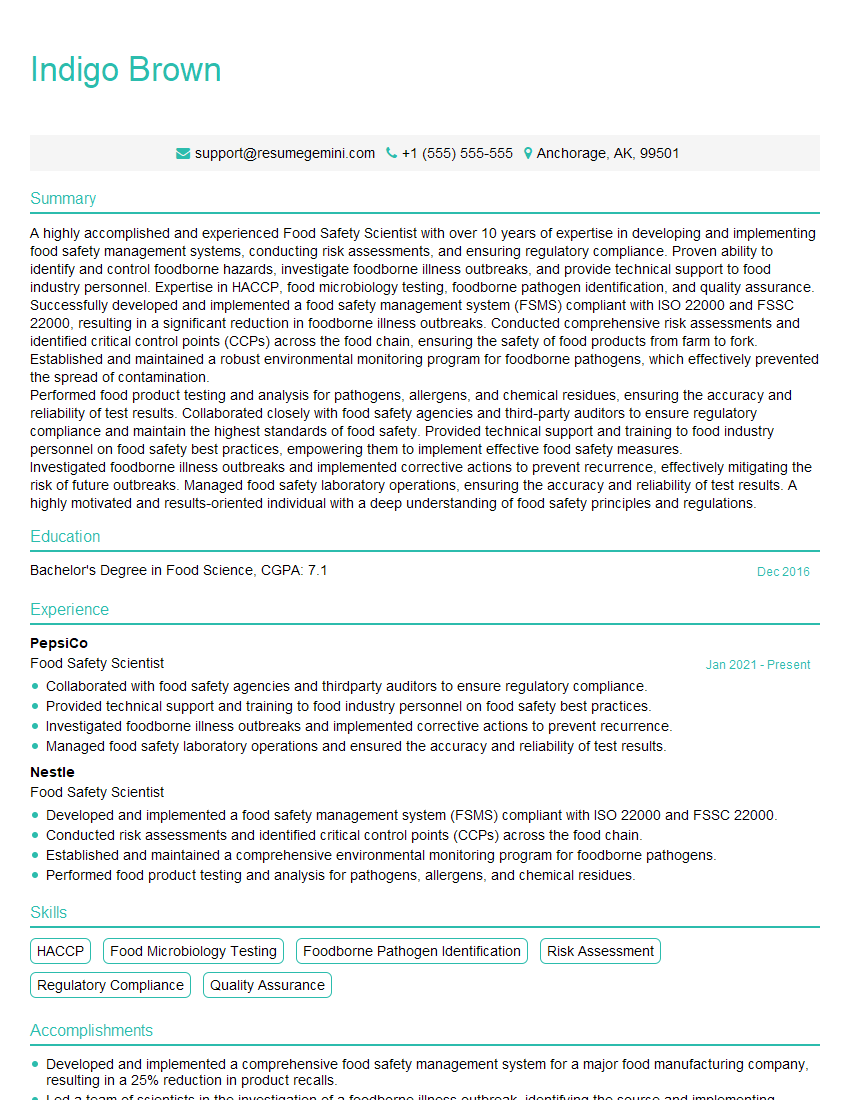
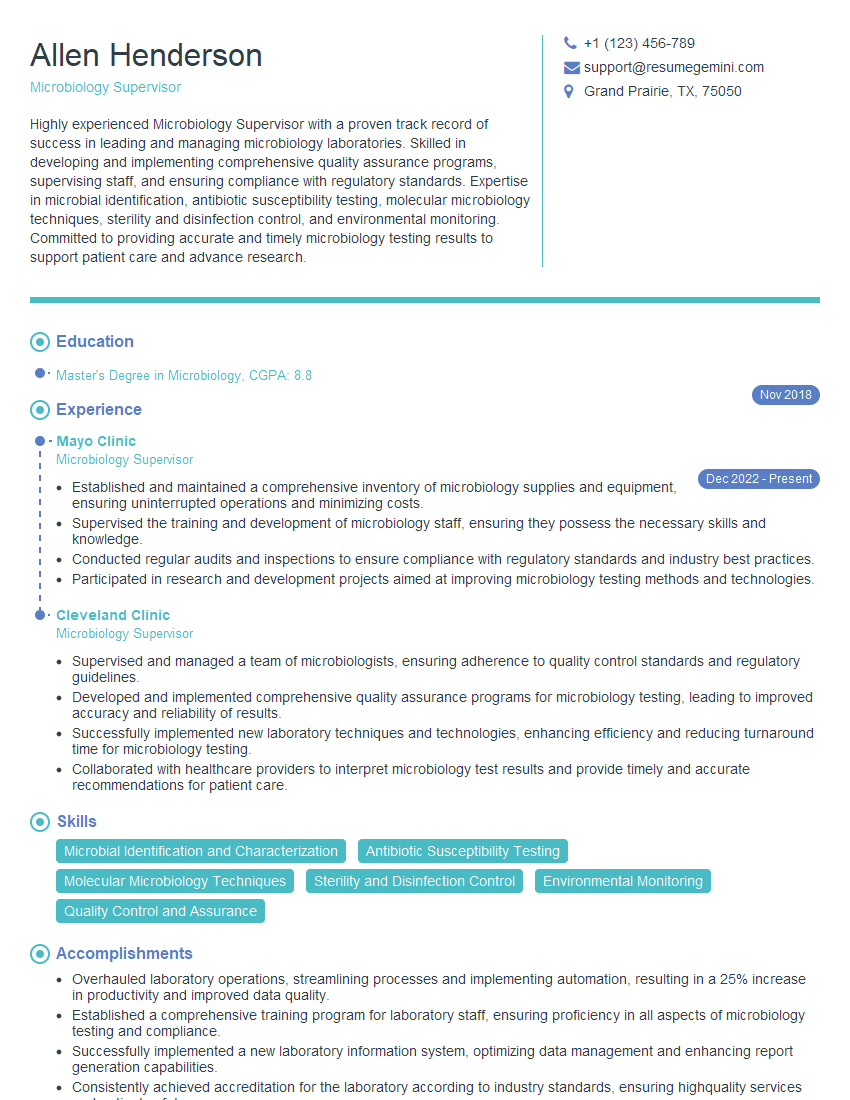
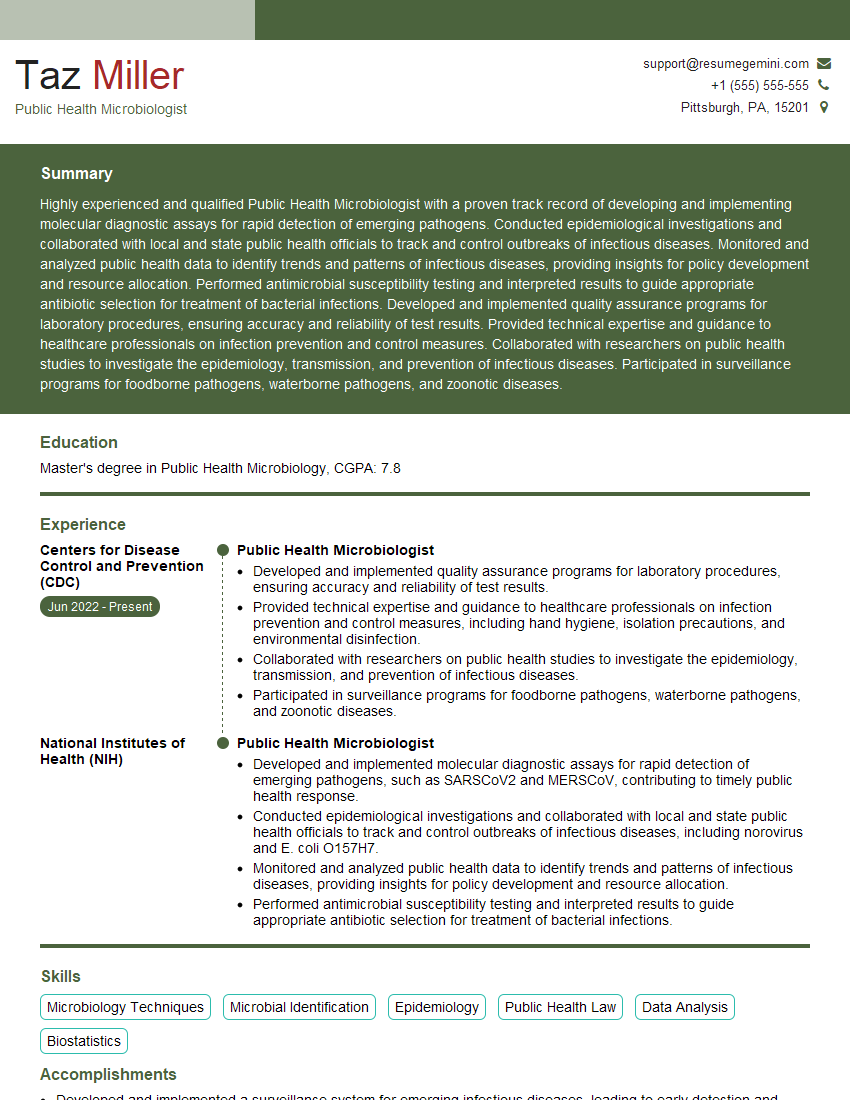
Mastering Foodborne Pathogen Identification is crucial for career advancement in the food safety and microbiology fields, opening doors to specialized roles and increased earning potential. A strong resume is key to showcasing your expertise. Creating an ATS-friendly resume significantly improves your chances of getting your application noticed by potential employers. We highly recommend using ResumeGemini to build a professional and effective resume that highlights your skills and experience in Foodborne Pathogen Identification. ResumeGemini provides examples of resumes tailored to this specific field to guide you in creating a compelling application. Take the next step towards your dream career today!
Explore more articles
Users Rating of Our Blogs
Share Your Experience
We value your feedback! Please rate our content and share your thoughts (optional).
What Readers Say About Our Blog
Really detailed insights and content, thank you for writing this detailed article.
IT gave me an insight and words to use and be able to think of examples