The right preparation can turn an interview into an opportunity to showcase your expertise. This guide to Forensic Investigation Techniques interview questions is your ultimate resource, providing key insights and tips to help you ace your responses and stand out as a top candidate.
Questions Asked in Forensic Investigation Techniques Interview
Q 1. Explain the chain of custody principle and its importance in forensic investigations.
The chain of custody is a meticulous record-keeping process that documents every person who has handled or examined evidence from the moment it’s collected at a crime scene until it’s presented in court. Think of it like a detailed relay race log – each person taking possession signs a document confirming receipt and transfer of the evidence. This is absolutely crucial to ensure the evidence’s integrity and admissibility in court. If there are gaps or inconsistencies in the chain of custody, the evidence’s reliability can be questioned, potentially leading to its dismissal in a trial.
For example, imagine a blood sample collected from a crime scene. The first officer to collect it signs a form, noting the time, location, and evidence number. Then, the sample goes to the lab technician who also signs a form after analyzing it. Every transfer – from officer to technician, technician to storage, storage to the courtroom – must be meticulously documented. Breaks in this chain can invalidate the entire process.
Q 2. Describe the different types of evidence commonly found at a crime scene.
Crime scenes offer a diverse range of evidence types. We broadly categorize them into:
- Biological Evidence: This includes DNA from blood, saliva, semen, hair, skin cells, etc. It’s often crucial for linking suspects to the crime. For instance, a bloodstain found at the scene could be DNA-tested and compared to a suspect’s DNA profile.
- Trace Evidence: Tiny pieces of material, such as fibers from clothing, paint chips from a vehicle, or glass fragments. These seemingly insignificant pieces can provide critical links between a suspect and the scene or victim. For example, finding fibers from a suspect’s carpet at the crime scene could place them there.
- Ballistics Evidence: Bullets, cartridge cases, and gunshot residue (GSR) are vital in firearm-related investigations. Analyzing bullet markings can link a specific firearm to a crime.
- Digital Evidence: Data stored on computers, cell phones, hard drives, and other electronic devices. This is increasingly common and might include emails, browsing history, or GPS location data.
- Impression Evidence: Fingerprints, footprints, tire tracks, and tool marks, which can be used to identify individuals or objects involved. A clear fingerprint on a weapon could be a strong piece of evidence.
- Document Evidence: Written documents, such as ransom notes, contracts, or diaries, which may contain vital information relevant to the investigation.
Q 3. What are the various methods used for collecting and preserving digital evidence?
Collecting and preserving digital evidence requires a methodical approach to maintain its integrity. Here are some key methods:
- Creating a Forensic Image/Clone: This is the most crucial step. It involves creating a bit-by-bit copy of the original digital media (hard drive, phone, etc.) without altering the original. This ensures the original evidence remains untouched. Software like EnCase or FTK Imager is often used for this purpose.
dd if=/dev/sda of=image.dd bs=4M conv=noerror,sync(Linux command example) - Hashing: A cryptographic hash function generates a unique ‘fingerprint’ for the data. This hash value is compared before and after analysis to verify data integrity. Any change in the data will result in a different hash value.
- Write-Blocking: This prevents any changes to the original digital media during the forensic process. It’s typically achieved using a hardware write-blocker, which prevents any data from being written to the original device while it’s being investigated.
- Secure Storage: Digital evidence needs to be stored in a secure, controlled environment to prevent unauthorized access or modification. This includes encrypted storage and strict access control protocols.
Q 4. How do you ensure the integrity of evidence during the collection and analysis process?
Maintaining evidence integrity throughout the entire process is paramount. It’s achieved through several strategies:
- Chain of Custody: As previously discussed, meticulous documentation of every person who handles the evidence is key.
- Proper Packaging and Handling: Evidence should be packaged appropriately to prevent contamination, damage, or loss. For example, biological samples are stored in sealed containers, while digital media should be kept in anti-static bags.
- Verification and Validation: Regular checks and validation procedures are performed to ensure the quality and reliability of the analysis methods and results.
- Use of validated forensic software and tools: Only certified tools should be used to ensure the reliability of the results.
- Documented procedures: Following standardized procedures throughout the collection, analysis and reporting process helps reduce errors and ensures the results are reproducible.
A rigorous approach to these steps makes a strong case for the evidence’s validity and ultimately supports a successful prosecution.
Q 5. Explain the difference between class and individual characteristics of evidence.
The difference between class and individual characteristics is fundamental in forensic science.
- Class characteristics are properties of evidence that can only place it into a group of similar items. For example, the type of tire tread on a car only places the car within a group of cars with that same tire tread, not specifically to one car. It’s like saying a suspect wore a blue shirt – many people wear blue shirts.
- Individual characteristics are unique properties that can link the evidence to a single source. A fingerprint is an excellent example – each person’s fingerprint is unique. Similarly, microscopic matching of a broken piece of glass back to its source is an example of individual characteristics.
Combining class and individual characteristics is vital. For example, finding a specific type of tire tread (class) at a crime scene and then linking that tread pattern to a particular vehicle through tire wear patterns (individual) creates a strong connection between the vehicle and the crime.
Q 6. Describe your experience with various forensic software and tools.
Throughout my career, I have extensively used various forensic software and tools, including:
- EnCase: A leading forensic software suite for investigating hard drives and other digital media. I’m proficient in using its features for data recovery, file carving, and timeline analysis.
- FTK Imager: A powerful tool for creating forensic images of hard drives and other storage devices. I regularly use it to ensure data integrity and create write-blocked copies.
- Autopsy: An open-source digital forensics platform providing a wide range of analysis capabilities. I have experience utilizing this for various tasks, including analyzing network traffic and metadata.
- Cellebrite UFED: A specialized tool for extracting data from mobile devices. I utilize this for examining call logs, text messages, GPS location data, and other critical information from smartphones and other mobile devices.
My experience extends beyond software to include various hardware tools, such as write-blockers and forensic imaging bridges, ensuring I can handle a wide range of evidence types.
Q 7. How would you handle a contaminated crime scene?
Handling a contaminated crime scene requires a careful and methodical approach to avoid further compromising the evidence. The primary steps include:
- Secure and Isolate the Scene: The first priority is to secure the area, preventing unauthorized access and further contamination. This includes establishing a perimeter and controlling access points.
- Document the Contamination: Meticulously document the location and nature of the contamination. This is crucial for understanding the potential impact on the investigation.
- Protective Gear: All personnel entering the scene must wear appropriate personal protective equipment (PPE), such as coveralls, gloves, masks, and shoe covers. This minimizes the risk of further contamination.
- Careful Collection Procedures: Evidence collection procedures need to be modified to account for the contamination. Specialized techniques might be needed to avoid cross-contamination.
- Chain of Custody Documentation: The chain of custody must explicitly document the contamination and the steps taken to mitigate its impact. This will be particularly important for justifying any decision to exclude evidence.
- Special Cleaning and Preservation: In some cases, special cleaning procedures might be employed to remove or mitigate the contamination, while always following protocols to ensure evidence isn’t destroyed.
The approach would depend entirely on the nature of the contamination, with biological contamination requiring different procedures than chemical contamination, for example. Consulting with experts in relevant fields might be necessary in complex situations.
Q 8. What are some common challenges faced in digital forensic investigations?
Digital forensic investigations face numerous challenges, often stemming from the volatile and ever-evolving nature of digital evidence. One major hurdle is the sheer volume of data involved. Imagine investigating a large corporation’s network – terabytes, even petabytes, of data need to be examined, requiring specialized tools and significant processing power. This volume makes thorough investigations time-consuming and expensive.
Another significant challenge is data fragmentation. Deleted files aren’t always completely erased; their fragments may linger on the hard drive. Recovering and piecing this fragmented data together requires specialized techniques and deep understanding of file systems. Further complicating matters is data encryption, which can hinder access to crucial information. Cracking encryption requires significant technical skills and potentially lengthy periods. The constant evolution of technology also presents a challenge. New devices, operating systems, and encryption methods emerge frequently, demanding continuous professional development to keep abreast of the latest techniques.
- Data Volume and Processing Power: Handling large datasets efficiently.
- Data Fragmentation and Recovery: Recovering deleted or fragmented files.
- Data Encryption: Overcoming encryption to access evidence.
- Technological Advancements: Keeping pace with evolving technologies.
- Data Volatility: Ensuring evidence integrity in constantly changing digital environments.
Q 9. Explain the process of analyzing a hard drive for deleted files.
Analyzing a hard drive for deleted files involves several steps. Think of it like piecing together a shattered vase – each fragment needs careful handling. First, a forensic image of the hard drive is created using specialized tools like FTK Imager or EnCase. This ensures the original drive remains untouched, preserving the integrity of evidence. This image is then analyzed using data recovery software which searches for file signatures and remnants of file allocation tables (FAT) or Master File Tables (MFT).
These tables contain metadata about files, including their location and size, even after deletion. The software can locate these entries and reconstruct the deleted files, provided they haven’t been overwritten. Finally, the recovered files are carefully examined for their relevance to the investigation. This can involve checking file timestamps, file content, and metadata to establish a timeline and understand the context. It’s crucial to meticulously document each step of the process to maintain chain of custody and ensure the admissibility of evidence in court.
For example, if a suspect deleted incriminating emails, the analysis would involve searching the MFT for entries matching email file signatures. Recovered fragments would then be reassembled, and the email content and metadata (sender, recipient, timestamps) would be analyzed to determine its significance.
Q 10. How do you identify and analyze network intrusions?
Identifying and analyzing network intrusions requires a multi-faceted approach. Imagine a burglar breaking into a house – you’d look for signs of forced entry and stolen goods. Similarly, in network forensics, we look for anomalies in network traffic and system logs. This often starts with examining network logs for suspicious activity, such as unauthorized login attempts, unusual data transfers, or attempts to access sensitive systems.
Network Intrusion Detection Systems (NIDS) play a vital role in monitoring network traffic for malicious patterns. NIDS can detect known attack signatures and identify anomalies based on predefined thresholds. Further investigation involves analyzing system logs on compromised machines. These logs can reveal details about the intruder’s actions, such as commands executed, files accessed, and data exfiltrated. Tools like Wireshark can capture and analyze network packets to provide a granular view of network traffic, helping to reconstruct the attack timeline and identify attack vectors.
For instance, a spike in outbound network traffic to an unknown IP address could indicate data exfiltration. A review of system logs might then reveal unauthorized access to a database or other sensitive systems, leading to the identification of the intruder’s methods and objectives.
Q 11. Describe your understanding of different forensic imaging techniques.
Forensic imaging is crucial for preserving the integrity of digital evidence. Think of it as creating a perfect copy of a crime scene without altering the original. Several techniques exist, each with its strengths and weaknesses. The most common is bit-stream imaging, which creates a byte-by-byte copy of the entire storage device, including unallocated space. This ensures that even deleted files or fragments are captured. Write-blocking devices are essential to prevent accidental modification of the original media during the imaging process.
Another technique is logical imaging, which only copies specific files and folders selected by the investigator. This is faster and less resource-intensive than bit-stream imaging but may miss crucial evidence if not carefully planned. Hashing algorithms like SHA-256 are used to verify the integrity of the image, ensuring it’s an exact copy of the original. The hash value serves as a digital fingerprint, allowing verification that the image hasn’t been tampered with during the investigation. The choice of imaging technique depends on the specifics of the case and available resources.
Q 12. What are your strategies for dealing with hostile witnesses or suspects?
Dealing with hostile witnesses or suspects requires a combination of skill, patience, and strategic planning. The key is to build rapport and establish trust, even with difficult individuals. This starts with clear, concise communication, avoiding leading questions or accusatory language. Active listening is critical – understanding their perspective is crucial, even if you disagree with it. Body language and tone of voice play significant roles; maintaining a calm and professional demeanor can defuse tense situations.
In some cases, a legal representative might be present to ensure the suspect’s rights are protected. The investigator’s role is to collect evidence and establish facts, not to obtain a confession through aggressive tactics. If a witness is reluctant to cooperate, other methods may be employed, such as presenting corroborating evidence or obtaining statements from other witnesses. Proper documentation of all interactions is vital, regardless of the witness’s demeanor. A detailed record safeguards against any later accusations of coercion or misconduct.
Q 13. How do you maintain objectivity and impartiality during an investigation?
Maintaining objectivity and impartiality is paramount in forensic investigations. It’s easy to allow personal biases to creep into an investigation, consciously or unconsciously. To mitigate this, I employ several strategies. First, I meticulously document every step of the process, relying on factual evidence rather than assumptions or speculation. This includes detailed notes, photographs, and chain of custody documentation. I also strive to approach every piece of evidence with an open mind, considering all possibilities before drawing conclusions.
Regular self-reflection and peer review help identify potential biases. Discussing findings with colleagues provides an external perspective and can highlight any overlooked details or potential flaws in my reasoning. Transparency is also important; maintaining a clear and verifiable audit trail ensures accountability and promotes confidence in the integrity of the findings. In essence, it’s about following the evidence wherever it leads, regardless of personal beliefs or preconceived notions.
Q 14. Explain the process of documenting a crime scene.
Documenting a crime scene, whether physical or digital, is a critical first step in any investigation. Think of it as creating a detailed snapshot in time. For physical crime scenes, this involves photographing and video recording the scene from various angles, including close-up shots of key evidence. A detailed sketch of the scene, noting the location of all items, is also prepared. Every item of evidence is carefully labeled, bagged, and tagged, maintaining a meticulous chain of custody record that tracks its movement from discovery to analysis and storage. Notes are taken describing the scene, evidence found, and any actions taken.
Digital crime scenes require a similar meticulous approach. This involves creating forensic images of all relevant devices, documenting network configurations, and collecting logs. Screenshots of relevant data and software interfaces are captured. Hashes of all files are calculated to verify their integrity. All actions are meticulously logged, and chain of custody is maintained to ensure the admissibility of the evidence in court. The goal is to create a complete and accurate record of the crime scene that can be used to reconstruct events and support a successful prosecution.
Q 15. What is your experience with forensic photography and videography?
Forensic photography and videography are crucial for documenting crime scenes accurately and preserving evidence. My experience encompasses over ten years of capturing high-resolution images and videos, using various techniques like close-up photography for detail, wide-angle shots for context, and scaled photography for accurate representation of objects. I’m proficient in using specialized equipment like DSLR cameras, high-definition video cameras, and digital evidence management systems. I understand the importance of maintaining a chain of custody for all photographic and video evidence. For example, in a homicide case, I’d meticulously photograph the body’s position, any visible wounds, and surrounding evidence, ensuring each image is properly logged and labeled. I also create comprehensive video recordings, providing a complete visual record of the scene before any changes are made. This is crucial for recreating events later, during investigations or courtroom proceedings.
Career Expert Tips:
- Ace those interviews! Prepare effectively by reviewing the Top 50 Most Common Interview Questions on ResumeGemini.
- Navigate your job search with confidence! Explore a wide range of Career Tips on ResumeGemini. Learn about common challenges and recommendations to overcome them.
- Craft the perfect resume! Master the Art of Resume Writing with ResumeGemini’s guide. Showcase your unique qualifications and achievements effectively.
- Don’t miss out on holiday savings! Build your dream resume with ResumeGemini’s ATS optimized templates.
Q 16. How do you analyze blood spatter patterns?
Blood spatter analysis is a complex but invaluable technique that allows us to reconstruct events at a crime scene. By analyzing the size, shape, distribution, and velocity of bloodstains, we can infer the type of weapon used, the number of blows, the position of the victim and assailant during the incident, and even the direction of movement. We consider various factors including the height of the impact, the angle of impact, and the surface the blood landed on. For instance, a high-velocity spatter pattern (small, dispersed droplets) may indicate a gunshot wound, while low-velocity spatter (larger, less dispersed droplets) might suggest a blunt force trauma. We use specialized software and formulas to calculate angles and trajectories, creating 3D models in some cases to better understand the sequence of events. The interpretation of blood spatter patterns is not an exact science, but with rigorous analysis and consideration of other evidence, we can significantly improve the accuracy of our reconstructions.
Q 17. Describe your experience with forensic DNA analysis techniques.
My background includes extensive experience in forensic DNA analysis, encompassing both DNA extraction and STR (Short Tandem Repeat) profiling. I’m familiar with various techniques, including PCR (Polymerase Chain Reaction) amplification, capillary electrophoresis, and DNA databasing. I understand the importance of avoiding contamination and maintaining the integrity of samples throughout the entire process. A case I worked on involved a rape kit where the DNA was highly degraded. Using advanced extraction techniques and highly sensitive PCR protocols, we were able to obtain a partial profile, which, when compared to the national DNA database, led to the identification of the suspect. Quality assurance and control are paramount; proper validation and verification of results are crucial before reporting findings.
Q 18. What are your skills in using various laboratory instruments and equipment?
I’m proficient in using a wide range of laboratory instruments and equipment crucial for forensic analysis. This includes but is not limited to: Gas chromatographs (GCs) and mass spectrometers (MSs) for analyzing drugs and explosives; spectrophotometers for identifying substances; microscopes (light and electron) for examining trace evidence; DNA sequencers for genetic analysis; and various analytical balances and centrifuges. I’m also experienced with sophisticated software packages for data analysis and interpretation. Proper maintenance and calibration of these instruments is essential, and I have a strong understanding of these procedures to ensure accuracy and reliability.
Q 19. How do you interpret forensic reports and draw conclusions?
Interpreting forensic reports and drawing conclusions requires a thorough understanding of scientific principles, statistical analysis, and critical thinking skills. I begin by carefully reviewing all available data, including laboratory reports, crime scene documentation, witness statements, and investigative findings. I look for patterns, inconsistencies, and potential biases in the evidence. I cross-reference information from different sources, always seeking corroboration. Statistical analysis plays a critical role in evaluating the significance of findings, and understanding the limitations of each technique is key. For example, a low probability match in DNA analysis, while significant, is not absolute proof of guilt. Drawing accurate and defensible conclusions requires meticulous consideration of all available data and acknowledging limitations in interpretation.
Q 20. What are your skills in presenting evidence in court?
Presenting evidence in court demands clear, concise, and unbiased communication. My experience includes numerous court appearances where I’ve testified on various forensic analyses. I’m skilled in presenting complex technical information in a way that’s understandable to jurors with no scientific background. This involves using visual aids such as photographs, diagrams, and charts, and avoiding jargon whenever possible. Maintaining objectivity and integrity is crucial; I focus on presenting the facts, avoiding speculation or personal opinions. I’m prepared to withstand rigorous cross-examination and defend my methodology and conclusions transparently. Being able to effectively explain the scientific principles behind the analysis and its limitations is key to ensuring the jury understands the weight of the evidence.
Q 21. Explain your understanding of different types of fingerprints and their analysis.
Fingerprint analysis is a fundamental aspect of forensic science. Fingerprints are classified into three main pattern types: arches, loops, and whorls, each with its own subcategories. Arches are characterized by ridges that enter from one side of the finger and exit on the other, without forming loops or whorls. Loops have ridges that enter and exit on the same side of the finger, curving around a central point. Whorls have circular or spiral patterns. Analysis involves comparing the unique ridge characteristics (minutiae) between a latent print (found at a crime scene) and a known print (from a suspect). These minutiae include ridge endings, bifurcations, and dots. Sufficient points of similarity between the latent and known prints are required for a positive identification. The number of points required for a match varies depending on the jurisdiction and the quality of the prints. Modern technology, such as Automated Fingerprint Identification Systems (AFIS), significantly aids in this process by comparing thousands of prints quickly and efficiently.
Q 22. How do you handle conflicting evidence or witness testimonies?
Conflicting evidence is a common challenge in forensic investigations. It requires a systematic and objective approach. My strategy begins with meticulously documenting all evidence, regardless of apparent contradictions. I then employ a process of triangulation, comparing and contrasting different pieces of evidence to identify potential biases, inconsistencies, or errors. For instance, if witness testimonies differ on the time of an event, I’d examine corroborating evidence like security footage or phone records to establish a more accurate timeline. Similarly, if forensic evidence contradicts witness accounts, I delve deeper into the limitations of each method. Was the DNA sample contaminated? Could witness recall be affected by stress or trauma? A detailed analysis of each piece of evidence, coupled with careful consideration of human factors, allows me to build a comprehensive picture, even with contradictory information. Ultimately, the goal isn’t to force a narrative, but to present all findings with their associated uncertainties clearly and transparently. The report will explicitly address discrepancies and analyze the relative weight of each piece of evidence.
Q 23. Describe your experience with different types of trace evidence analysis.
My experience with trace evidence analysis is extensive. I’m proficient in analyzing various types, including:
- DNA analysis: This involves extracting, amplifying, and profiling DNA from various sources like blood, saliva, hair, and skin cells. I’m familiar with different DNA profiling techniques, including STR (Short Tandem Repeat) analysis and mtDNA (mitochondrial DNA) analysis, and understand their limitations and potential for contamination.
- Fiber analysis: I’m skilled in identifying and comparing fibers from various sources like clothing, carpets, and upholstery. This involves microscopic examination, dye analysis, and comparison with known samples.
- Hair analysis: I can analyze hair samples to determine their origin, racial characteristics, and sometimes even the presence of drugs or toxins. This often involves microscopic examination and comparison with control samples.
- Fingerprint analysis: I’m proficient in latent fingerprint development, using various techniques like dusting, chemical enhancement, and alternate light sources. This also requires accurate comparison with known fingerprints.
- Glass analysis: I can analyze glass fragments, determining their origin and fracture patterns. This is often critical in hit-and-run cases. Fracture analysis can help determine the sequence of events.
Each analysis requires careful documentation, chain of custody protocols, and rigorous adherence to quality control procedures to ensure the integrity of the results.
Q 24. How do you prioritize tasks and manage your time effectively in a fast-paced environment?
In a fast-paced forensic environment, effective time management is paramount. I utilize several strategies:
- Prioritization: I use a combination of urgency and importance matrices to prioritize tasks. High-urgency, high-importance tasks are tackled immediately, while lower-priority tasks are scheduled accordingly. This often involves collaborating with other team members to effectively delegate responsibilities.
- Time Blocking: I allocate specific time blocks for different tasks to maintain focus and avoid task-switching. This enhances efficiency and prevents distractions.
- Detailed Planning: Before starting a case, I create a detailed plan, outlining all necessary steps, timelines, and potential challenges. Regular review and adjustment of this plan are crucial.
- Technology: I leverage case management software and digital tools to streamline workflows and track progress effectively. This includes utilizing digital evidence management systems for secure storage and retrieval of evidence.
Regular self-assessment and adjustments are key to maintaining this efficient workflow. Flexibility and adaptability are essential to respond effectively to unexpected events or changes in priorities.
Q 25. Describe a challenging forensic case you worked on and how you overcame the obstacles.
One particularly challenging case involved a complex arson investigation. The fire scene was significantly damaged, making evidence collection difficult. Initial witness testimonies were conflicting, and the lack of clear evidence initially pointed toward an accidental fire. The crucial turning point was when we employed advanced techniques, including 3D scanning of the debris field, coupled with a detailed analysis of burn patterns. This meticulous digital reconstruction of the scene revealed inconsistencies in the initial assessment of the fire’s origin and progression. This, along with a careful re-interviewing of witnesses that focused on specific details from the 3D reconstruction, revealed crucial circumstantial evidence supporting arson. Ultimately, this methodical approach allowed us to reconstruct the sequence of events leading to the fire and identify the perpetrator. This highlighted the importance of combining advanced technology with meticulous, detail-oriented investigation and skillful witness management.
Q 26. What are your skills in report writing and documentation?
My report writing skills are highly developed. I’m adept at producing clear, concise, and accurate reports that adhere to stringent legal and scientific standards. My reports include:
- Detailed Methodology: Each report describes the procedures followed, including equipment used and any challenges encountered. This ensures transparency and reproducibility.
- Objective Findings: Reports present objective findings, avoiding subjective interpretations and bias. Any limitations of the analysis are clearly stated.
- Chain of Custody: Complete documentation of the chain of custody ensures the integrity and admissibility of the evidence.
- Clear Conclusions: Reports present clear conclusions, carefully avoiding speculation or unsupported assumptions.
- Appropriate Formatting: Reports conform to legal and agency standards, ensuring readability and ease of understanding.
I’m experienced with various software for report generation and data presentation, and understand how to present complex technical information in a manner accessible to both technical and non-technical audiences.
Q 27. How do you stay updated with the latest advancements in forensic science?
Staying current in forensic science is a continuous process. I utilize several methods to stay updated on the latest advancements:
- Professional Journals and Publications: I regularly read peer-reviewed journals and scientific publications in the field of forensic science, including Science & Justice and the Journal of Forensic Sciences.
- Conferences and Workshops: I actively attend conferences and workshops, both national and international, to learn about the latest techniques and technologies.
- Continuing Education: I participate in continuing education courses and training programs to enhance my expertise in specific areas.
- Professional Organizations: Membership in professional organizations, such as the American Academy of Forensic Sciences (AAFS), provides access to resources, publications, and networking opportunities.
- Online Resources and Databases: I utilize online databases and resources to access scientific literature and updates in the field.
Keeping abreast of these developments ensures that I utilize the most accurate, reliable, and up-to-date methods in my investigations.
Q 28. Explain your understanding of ethical considerations in forensic investigations.
Ethical considerations are fundamental to forensic investigations. My work is guided by principles of:
- Integrity: Maintaining the highest level of integrity in all aspects of my work, ensuring objectivity and avoiding any bias or conflict of interest. This involves adhering strictly to professional codes of conduct and ethical guidelines.
- Objectivity: Conducting investigations objectively, basing conclusions solely on evidence and scientific analysis, avoiding personal opinions or preconceived notions.
- Impartiality: Maintaining impartiality throughout the investigation, regardless of the case’s nature or the individuals involved. The goal is to objectively present evidence and facts.
- Confidentiality: Maintaining strict confidentiality regarding case information and evidence, protecting the rights and privacy of all individuals involved. This includes adhering to legal requirements related to data protection.
- Accuracy: Ensuring accuracy in data collection, analysis, and reporting, acknowledging any uncertainties or limitations of the methods used. This includes clearly documenting any challenges encountered.
Adherence to these ethical guidelines ensures that forensic investigations are conducted fairly, with integrity and transparency, supporting the pursuit of justice.
Key Topics to Learn for Forensic Investigation Techniques Interview
- Crime Scene Investigation Fundamentals: Understanding protocols, evidence collection, chain of custody, and documentation techniques. Practical application: Analyzing a simulated crime scene scenario and explaining your methodical approach to evidence gathering.
- Digital Forensics: Data recovery, malware analysis, network forensics, and mobile device forensics. Practical application: Describing your experience (or theoretical understanding) in recovering deleted files or identifying malicious software.
- Forensic Biology and DNA Analysis: Understanding DNA profiling, bloodstain pattern analysis, and other biological evidence analysis techniques. Practical application: Explaining the limitations and potential biases in DNA analysis and interpreting results.
- Forensic Chemistry and Toxicology: Analyzing substances like drugs, poisons, and explosives. Practical application: Discussing different analytical techniques used in forensic chemistry and their applications in specific case scenarios.
- Trace Evidence Analysis: Examining fibers, hairs, paint, glass, and other microscopic evidence. Practical application: Describing the process of comparing trace evidence samples and explaining how this contributes to an investigation.
- Forensic Photography and Video Analysis: Documenting crime scenes and analyzing visual evidence. Practical application: Explaining the importance of proper lighting and image quality in forensic photography.
- Forensic Pathology and Anthropology: Understanding cause of death, post-mortem changes, and skeletal analysis. Practical application: Discussing different methods used to determine time of death.
- Legal and Ethical Considerations: Understanding the legal framework surrounding forensic investigations and maintaining ethical standards. Practical application: Explaining the importance of maintaining chain of custody and avoiding contamination of evidence.
- Report Writing and Testimony: Clearly and concisely documenting findings and presenting them in court. Practical application: Structuring a forensic report based on a hypothetical case study.
Next Steps
Mastering Forensic Investigation Techniques is crucial for career advancement in this dynamic field. A strong understanding of these principles will significantly enhance your interview performance and open doors to exciting opportunities. To maximize your job prospects, create an ATS-friendly resume that highlights your skills and experience effectively. ResumeGemini is a trusted resource that can help you build a professional and impactful resume tailored to the specific requirements of Forensic Investigation roles. Examples of resumes tailored to Forensic Investigation Techniques are provided to help guide your resume building process. Let ResumeGemini help you present your qualifications in the best possible light.
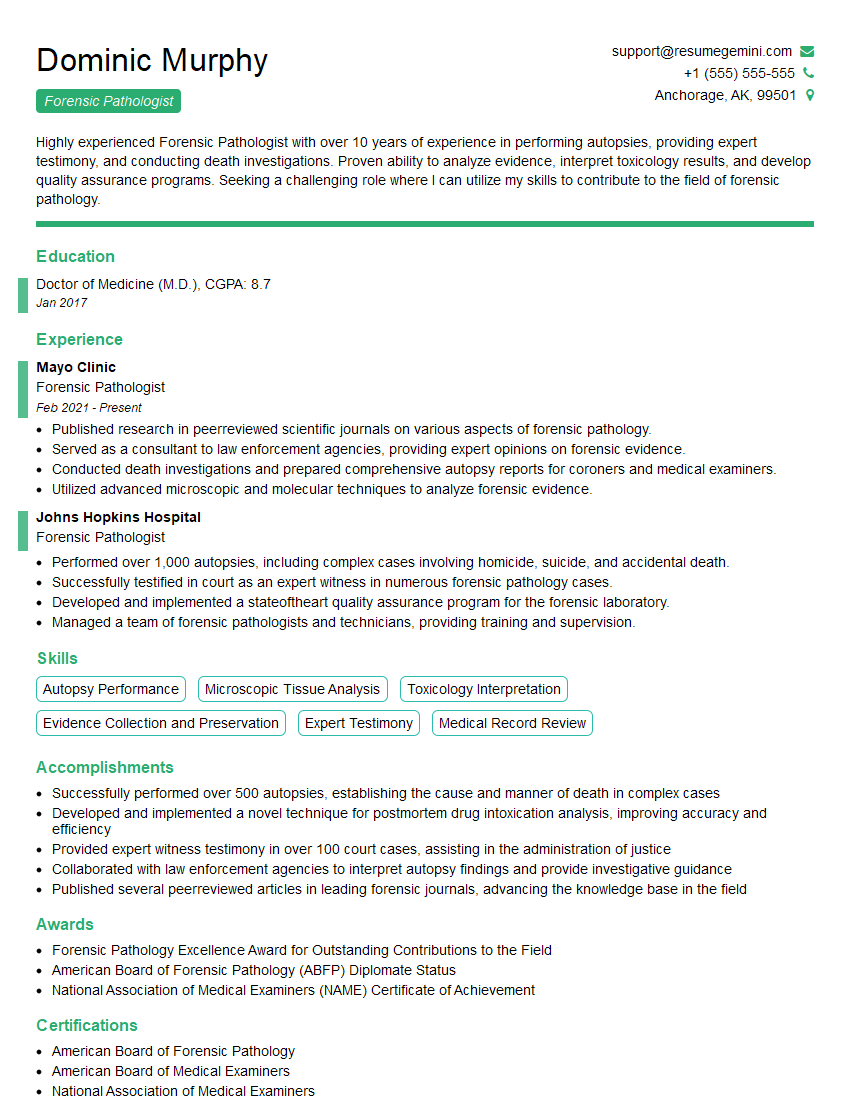
Forensic Pathologist Resume Sample
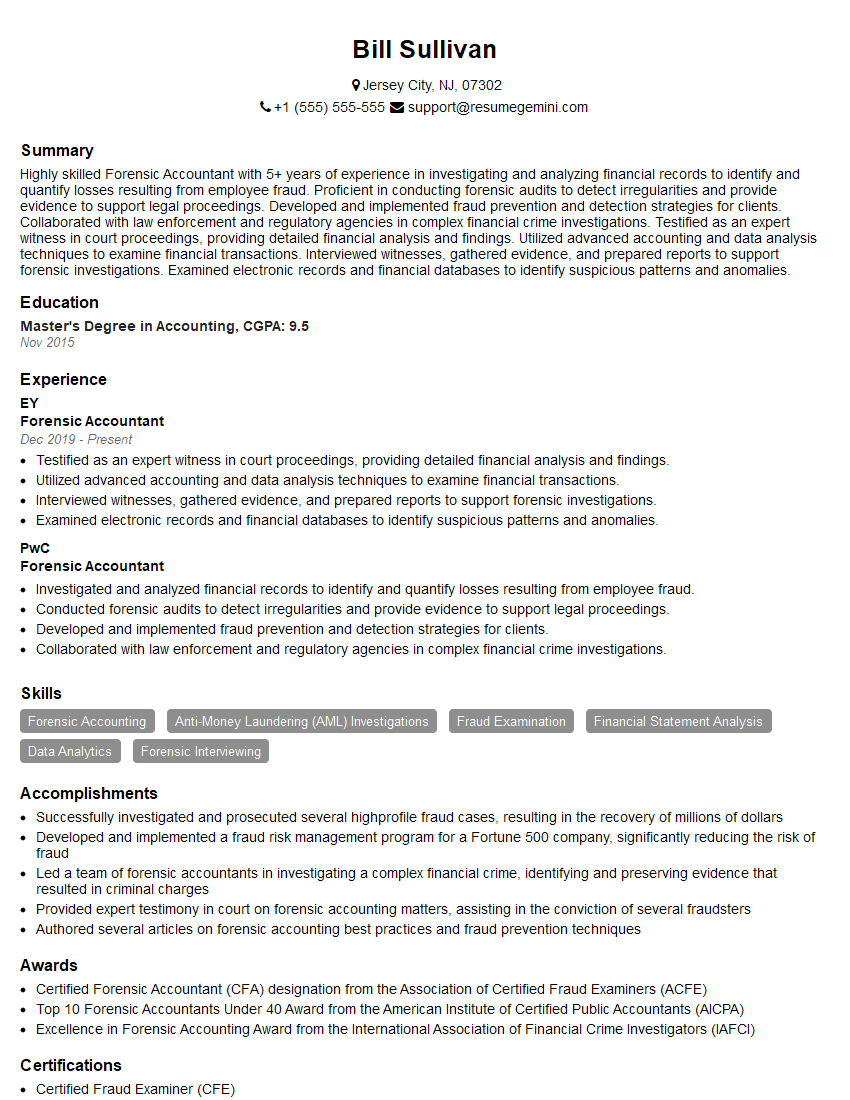
Forensic Accountant Resume Sample
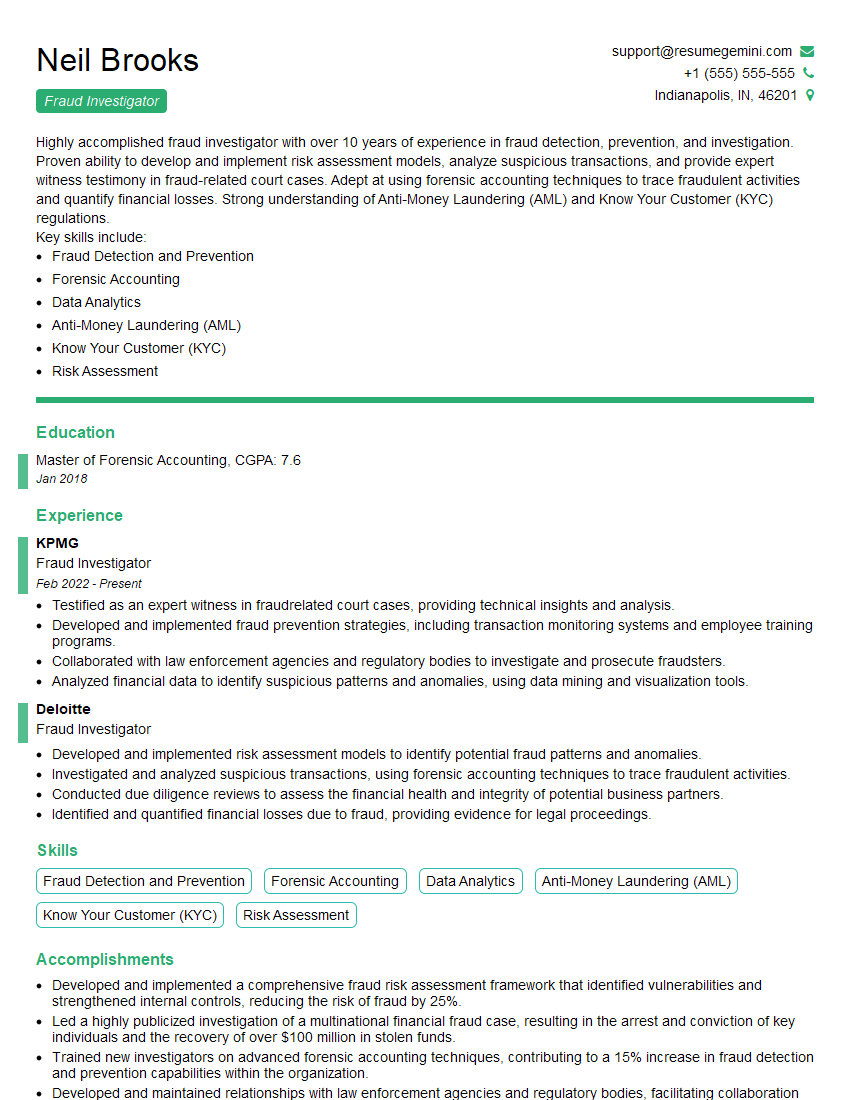
Fraud Investigator Resume Sample
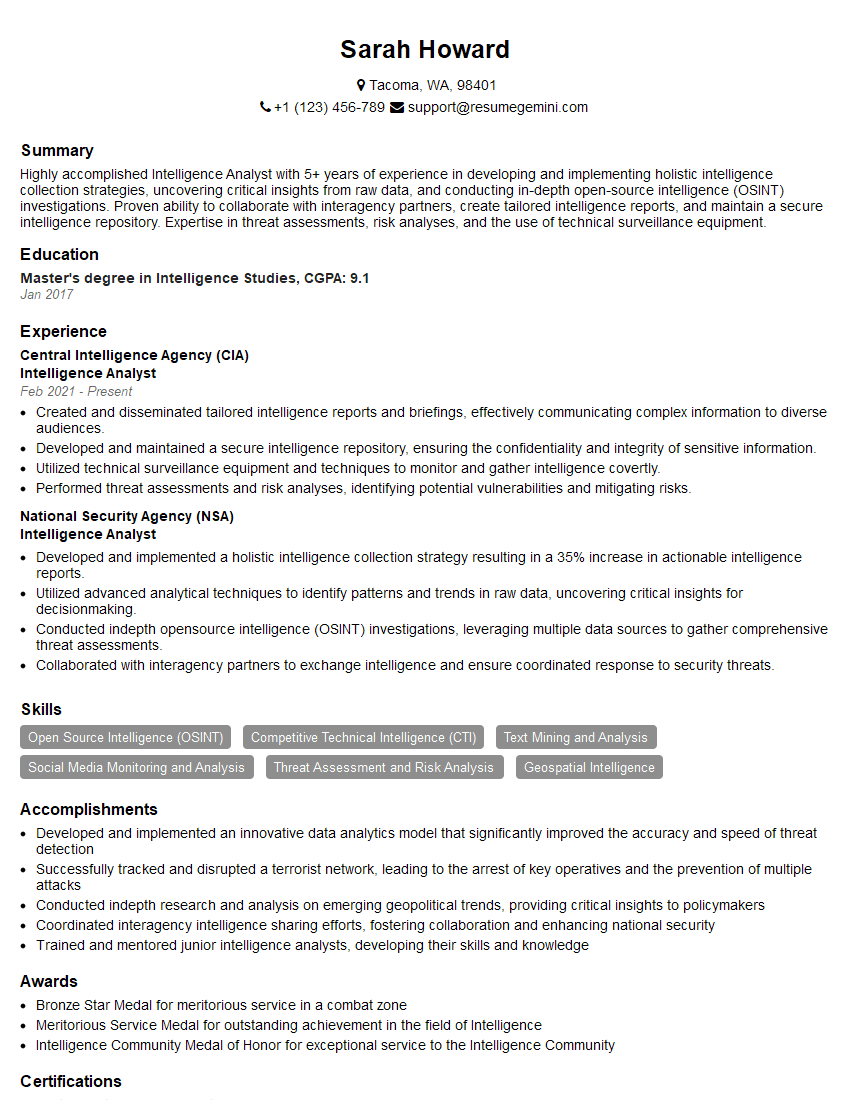
Intelligence Analyst Resume Sample
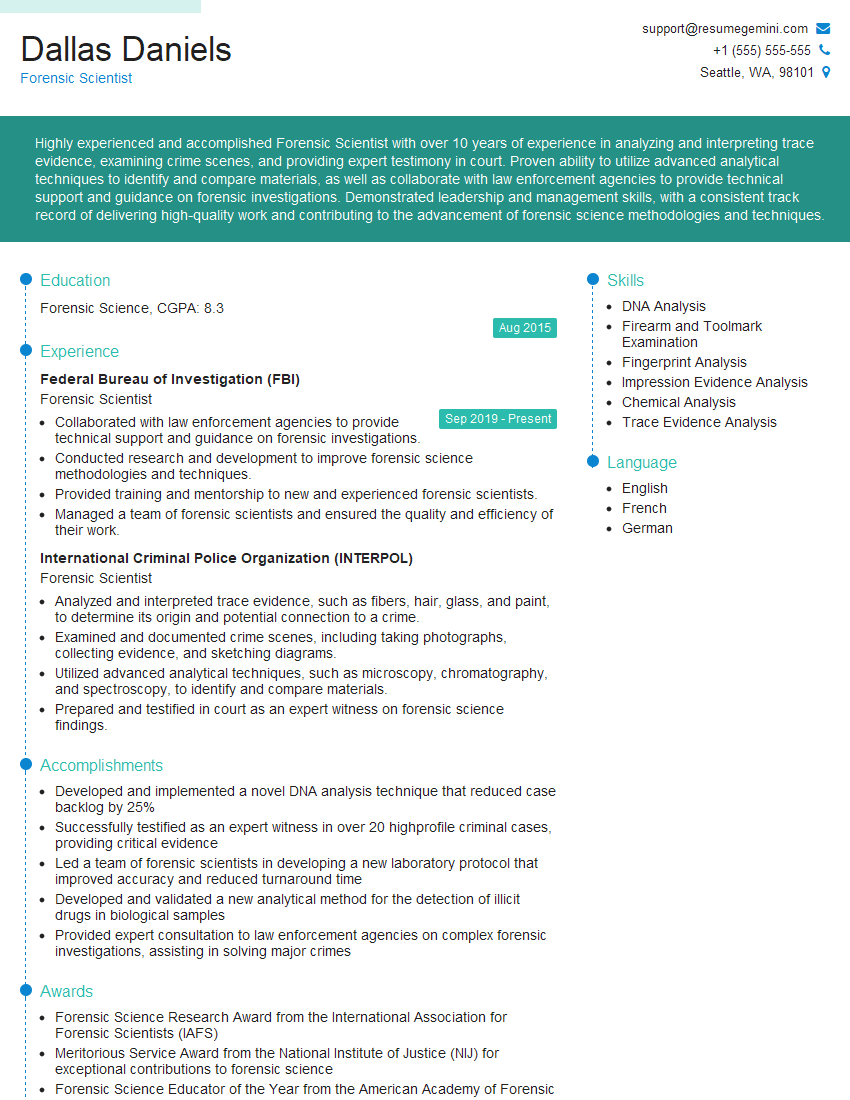
Forensic Scientist Resume Sample
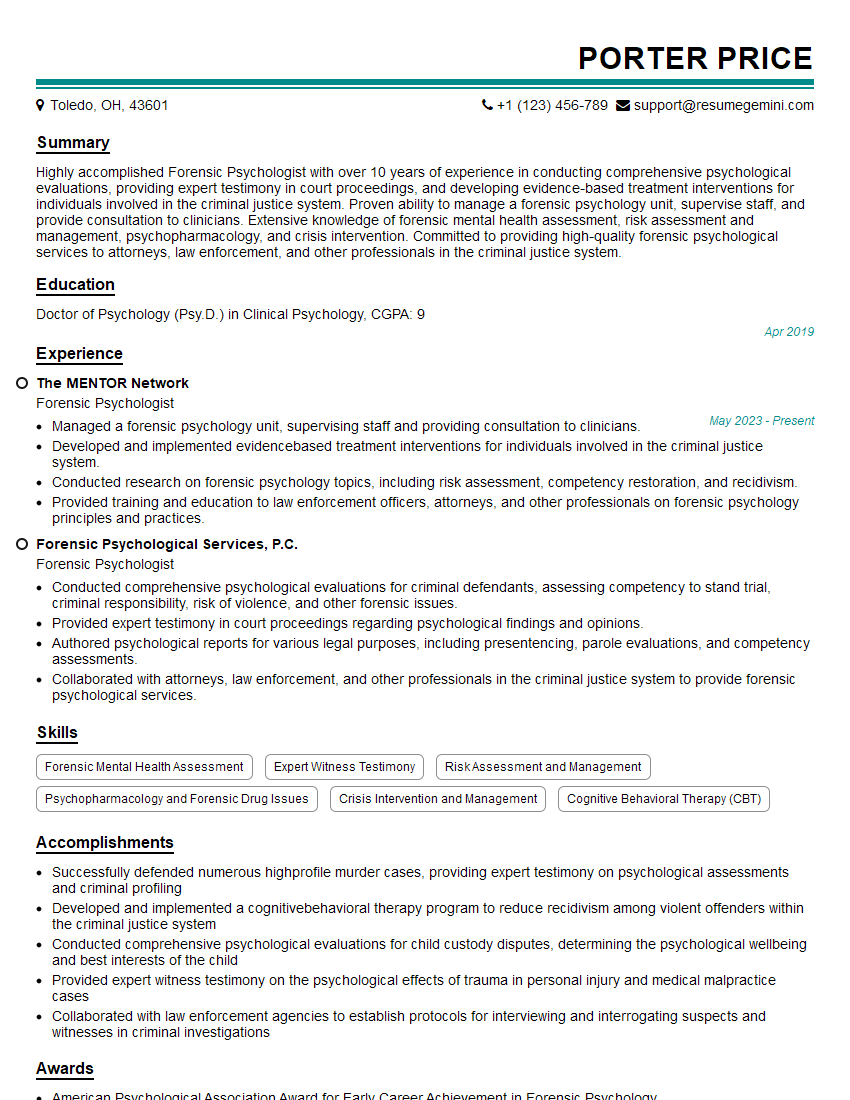
Forensic Psychologist Resume Sample
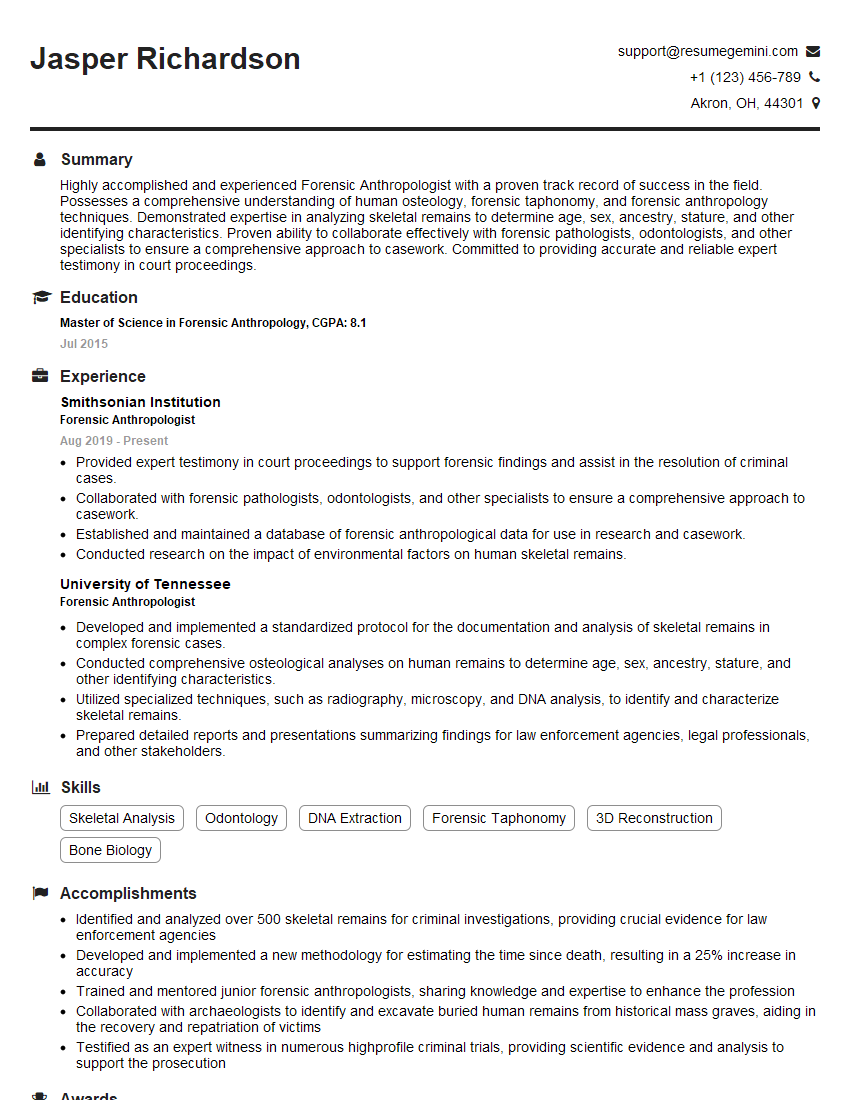
Forensic Anthropologist Resume Sample
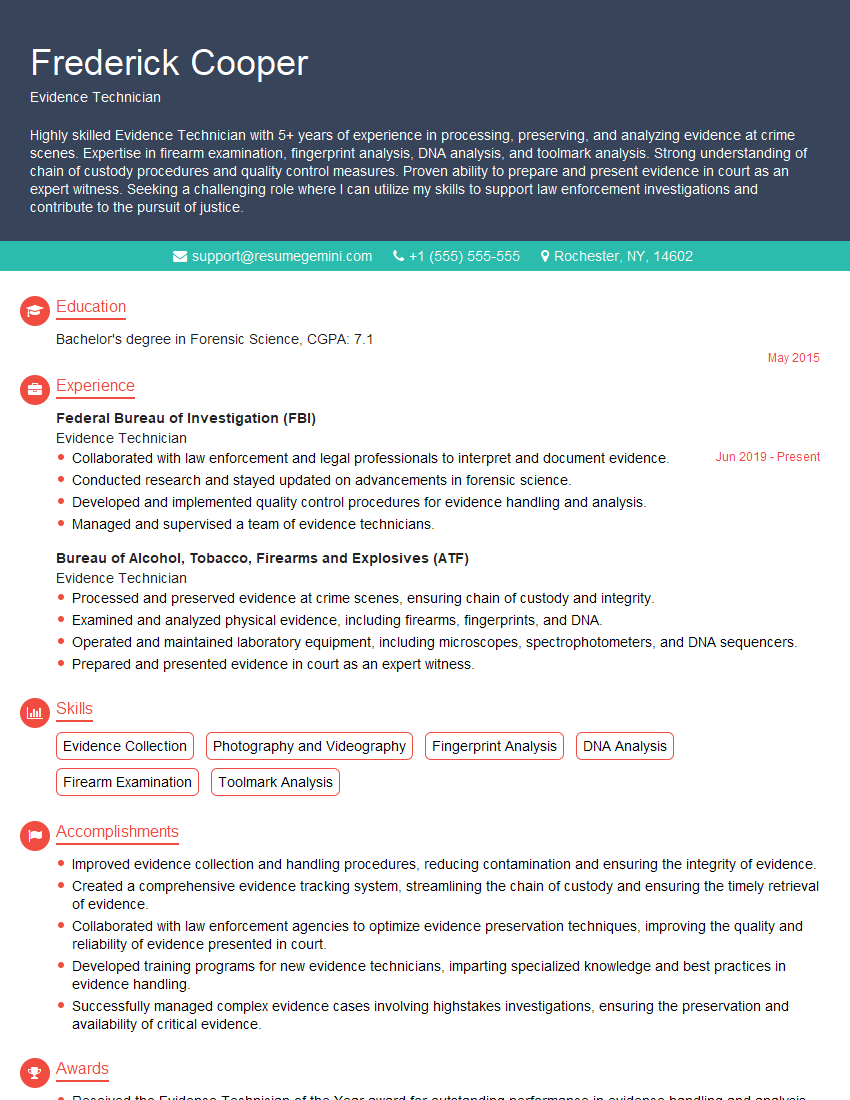
Evidence Technician Resume Sample
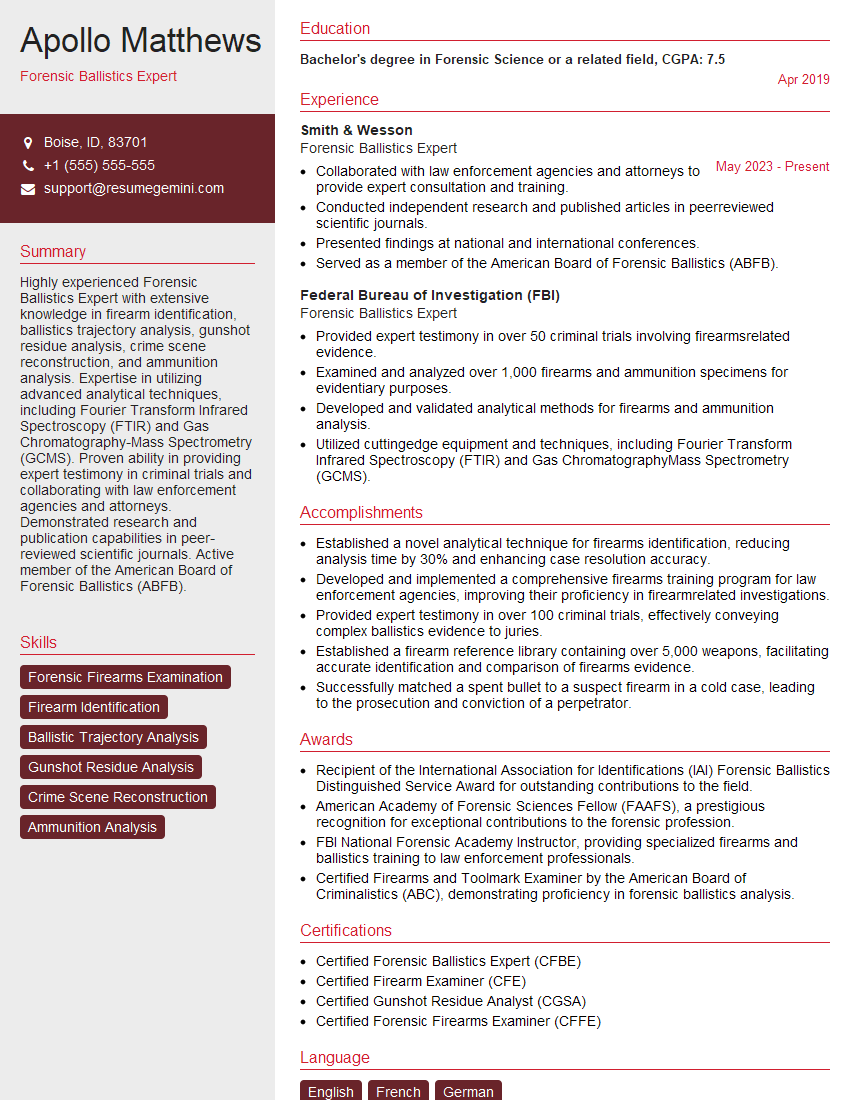
Forensic Ballistics Expert Resume Sample
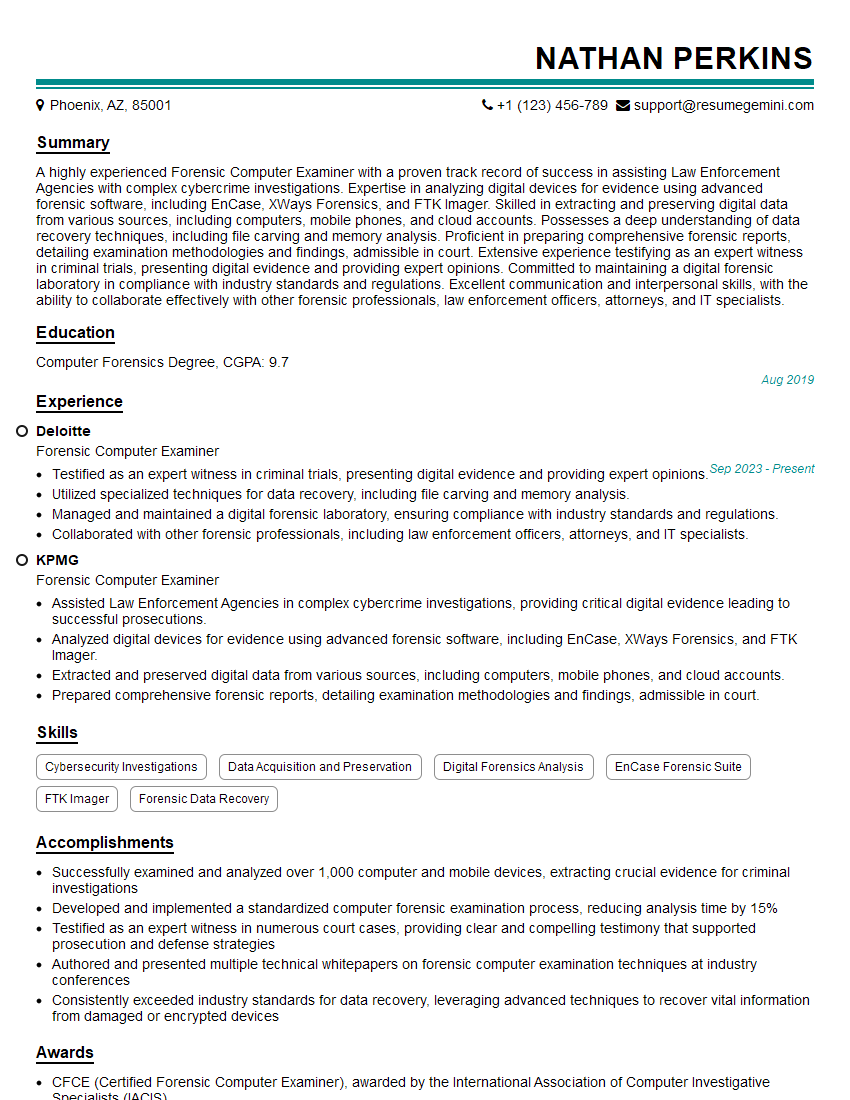
Forensic Computer Examiner Resume Sample
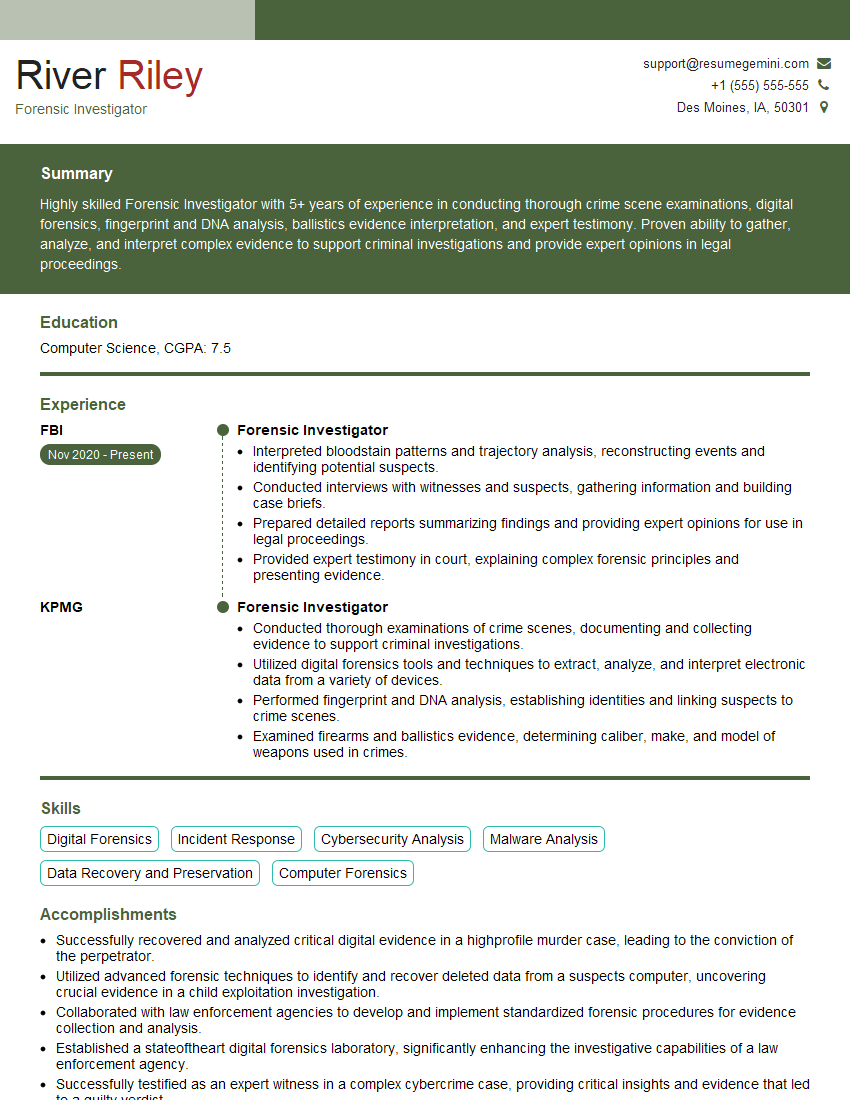
Forensic Investigator Resume Sample
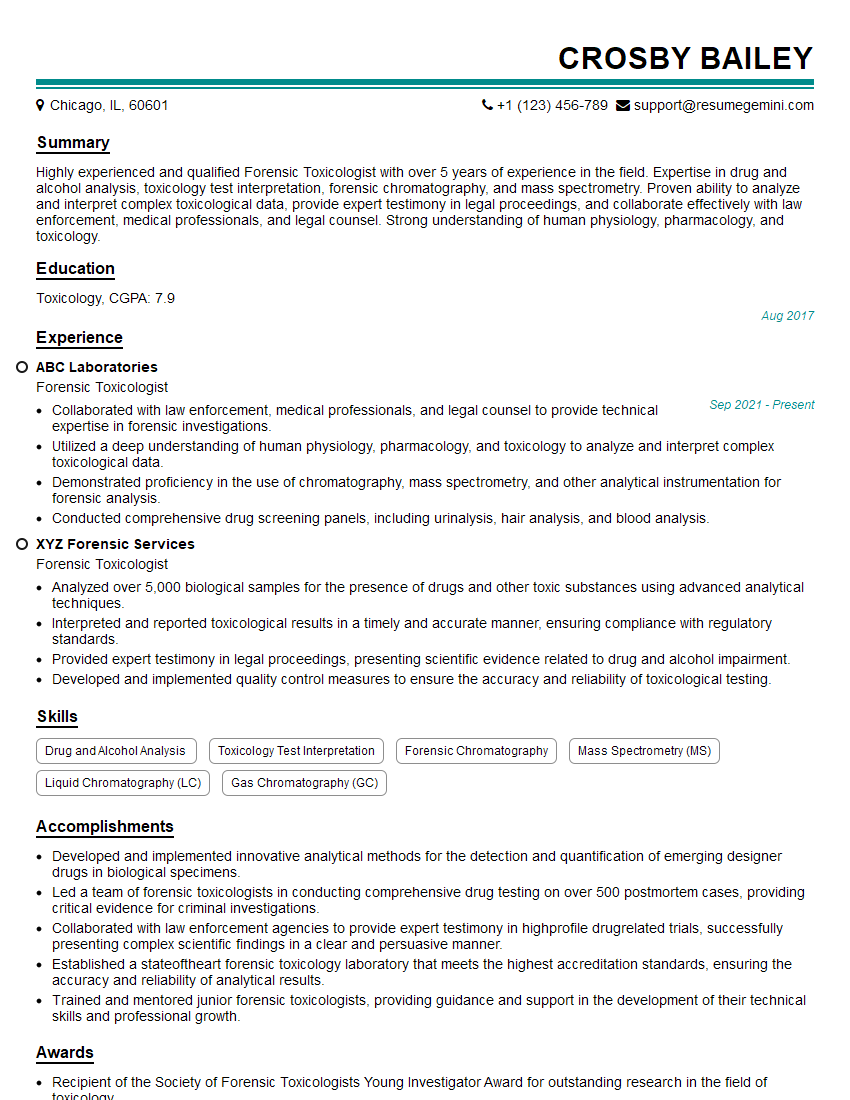
Forensic Toxicologist Resume Sample

Crime Scene Technician Resume Sample
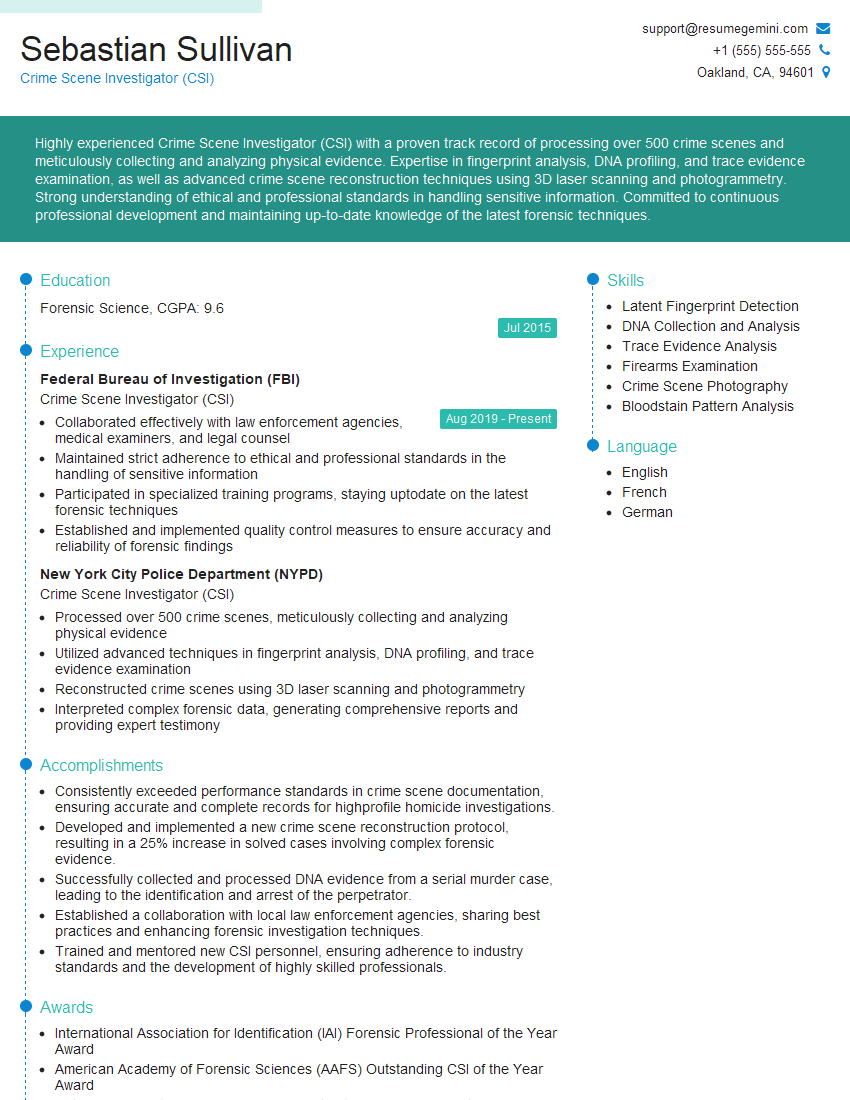
Crime Scene Investigator (CSI) Resume Sample
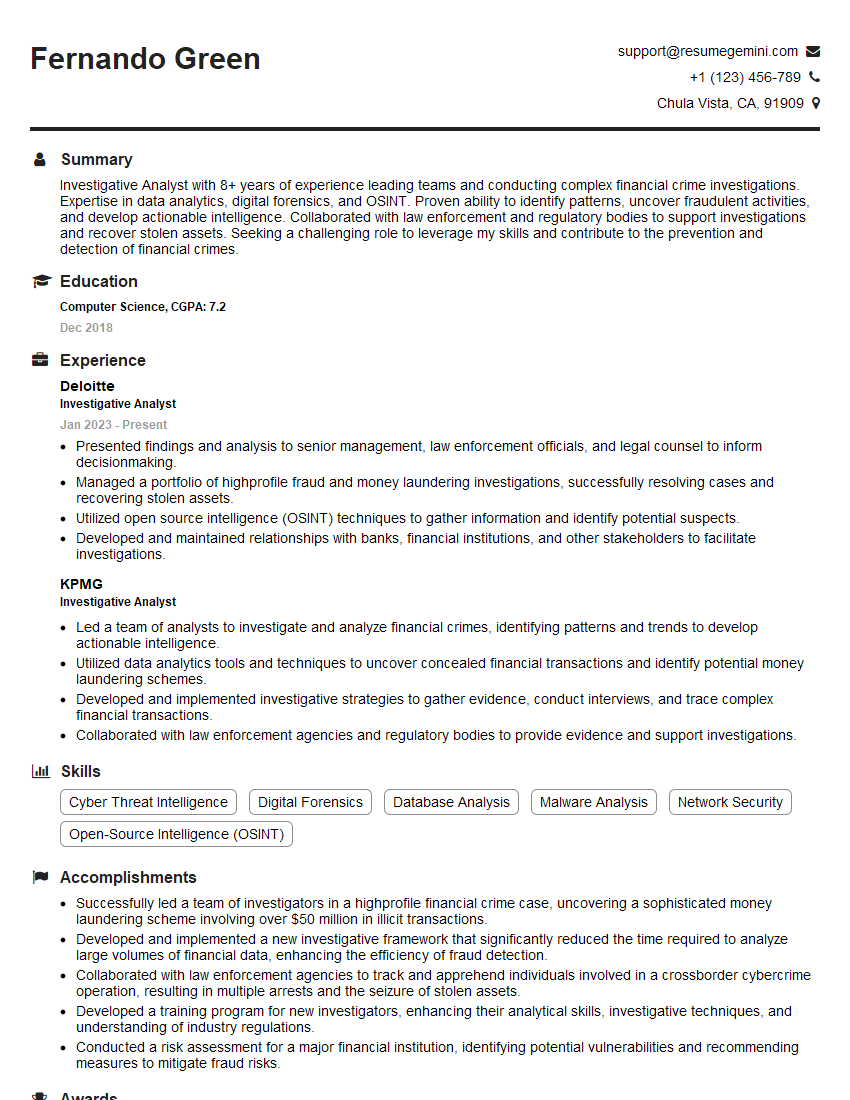
Investigative Analyst Resume Sample
- Forensic Pathologist
- Forensic Accountant
- Fraud Investigator
- Intelligence Analyst
- Forensic Scientist
- Forensic Psychologist
- Forensic Anthropologist
- Evidence Technician
- Forensic Ballistics Expert
- Forensic Computer Examiner
- Forensic Investigator
- Forensic Toxicologist
- Crime Scene Technician
- Crime Scene Investigator (CSI)
- Investigative Analyst
Explore more articles
Users Rating of Our Blogs
Share Your Experience
We value your feedback! Please rate our content and share your thoughts (optional).
What Readers Say About Our Blog
Really detailed insights and content, thank you for writing this detailed article.
IT gave me an insight and words to use and be able to think of examples