Are you ready to stand out in your next interview? Understanding and preparing for GMP and SQF Auditing interview questions is a game-changer. In this blog, we’ve compiled key questions and expert advice to help you showcase your skills with confidence and precision. Let’s get started on your journey to acing the interview.
Questions Asked in GMP and SQF Auditing Interview
Q 1. Explain the core principles of Good Manufacturing Practices (GMP).
Good Manufacturing Practices (GMP) are a set of guidelines that ensure the quality and safety of manufactured products, particularly in industries like pharmaceuticals, food, and cosmetics. They’re not a specific set of regulations, but rather a collection of best practices designed to minimize risks and ensure consistency. The core principles revolve around preventing contamination, ensuring product quality, and protecting consumer health.
- Sanitation and Hygiene: Maintaining a clean and sanitary production environment is paramount. This includes regular cleaning and disinfection of equipment, surfaces, and facilities. Think of it like a chef meticulously cleaning their kitchen before preparing a meal.
- Personnel Hygiene: Employees are a significant source of potential contamination. GMP emphasizes proper handwashing, protective clothing, and hygiene training to minimize this risk. Imagine a food production line where workers wear hairnets and gloves to prevent hair or other contaminants from entering the product.
- Equipment Maintenance and Calibration: Proper maintenance and calibration of equipment is vital to ensuring consistent product quality and preventing breakdowns. Regularly servicing machinery is like ensuring your car is properly maintained for safe and reliable travel.
- Control of Materials: GMP mandates strict control over raw materials, packaging, and other components used in the manufacturing process. This includes proper identification, storage, and handling to prevent mixing up ingredients or using outdated materials. This is akin to a builder carefully selecting and storing the right materials for a construction project.
- Documentation and Record Keeping: Comprehensive documentation is crucial for tracing products and processes, identifying potential problems, and demonstrating compliance. Thorough record keeping acts like a detailed logbook for auditing and improvement.
- Quality Control: Regular quality checks are vital to ensure that the final product meets the required specifications. Quality control procedures are like a final inspection before a product ships to ensure everything is perfect.
Q 2. Describe the key differences between GMP and SQF certifications.
While both GMP and SQF (Safe Quality Food) aim to improve food safety and quality, they differ significantly in scope and approach. GMP is a broader principle encompassing many aspects of manufacturing, while SQF is a specific food safety management system.
- Scope: GMP covers various industries, including pharmaceuticals, while SQF focuses exclusively on food safety.
- Approach: GMP provides guidelines, while SQF is a certification program with specific requirements and audits. Obtaining SQF certification demonstrates a commitment to a defined set of food safety standards.
- Audits: GMP audits vary in rigor depending on the regulatory body and industry. SQF audits are conducted by accredited certification bodies and follow a standardized procedure.
- Certification: GMP is not usually associated with a formal certification, while SQF is a certification that can be used to demonstrate compliance with customer and retailer requirements. Having SQF certification can open doors for businesses to sell to larger retailers.
In essence, think of GMP as a foundational set of principles, whereas SQF is a structured system built upon those principles, specifically for the food industry and designed to provide verifiable proof of compliance.
Q 3. What are the critical control points (CCPs) in a food manufacturing process?
Critical Control Points (CCPs) are steps in a food manufacturing process where control is essential to prevent or eliminate a food safety hazard. These points are identified through a Hazard Analysis and Critical Control Point (HACCP) plan. The specific CCPs will vary greatly depending on the food product and the manufacturing process, but some common examples include:
- Temperature control during cooking: Ensuring food is cooked to a temperature that eliminates harmful pathogens like Salmonella or E. coli.
- Refrigeration and freezing: Maintaining appropriate temperatures to prevent bacterial growth.
- Sanitization: Ensuring equipment and surfaces are properly cleaned and sanitized to eliminate contamination.
- Metal detection: Preventing metal fragments from entering the product.
- Packaging: Ensuring proper sealing and labeling to prevent contamination and maintain product integrity.
- Allergen control: Preventing cross-contamination of allergens.
Identifying CCPs requires a thorough understanding of the entire production process and the potential hazards at each stage. It’s a systematic approach that aims to proactively manage food safety risks.
Q 4. How do you conduct a gap analysis for GMP or SQF compliance?
A gap analysis for GMP or SQF compliance involves comparing your current practices to the requirements of the standard. This systematic approach identifies areas where your systems fall short and helps prioritize improvement efforts.
- Define the Standard: Clearly identify the specific GMP guidelines or SQF code edition you are aiming to comply with.
- Document Current Practices: Thoroughly document your existing processes, including sanitation procedures, employee training programs, quality control checks, and record-keeping systems. You might use checklists, flowcharts, and interviews.
- Compare and Identify Gaps: Compare your documented practices against the requirements of the chosen standard. Identify areas where your systems don’t meet the standard’s requirements. This is where a detailed checklist is invaluable.
- Prioritize Gaps: Prioritize the identified gaps based on their severity and potential impact on product safety and quality. Focus on critical issues first.
- Develop Corrective Actions: Develop a comprehensive action plan outlining the steps needed to address each gap. Each action plan should have clear timelines, responsible parties, and measurable objectives.
- Implement and Verify: Implement the corrective actions and verify their effectiveness through monitoring and follow-up audits.
A well-executed gap analysis is crucial for a smooth and successful audit, minimizing the risk of non-conformances.
Q 5. What are the common non-conformances found during GMP audits?
Common non-conformances found during GMP audits frequently relate to documentation, sanitation, and training. Some examples include:
- Inadequate record-keeping: Missing or incomplete records related to equipment maintenance, employee training, or quality control tests.
- Poor sanitation practices: Unclean equipment, unsanitary work surfaces, or inadequate pest control measures.
- Lack of employee training: Employees lacking proper training on GMP principles, hygiene procedures, or safe handling of materials.
- Calibration issues: Equipment not properly calibrated or maintained.
- Non-conformant materials: Use of outdated or substandard materials.
- Ineffective pest control: Evidence of pest activity in the facility.
- Lack of traceability: Inability to trace products back to their origins.
These non-conformances highlight the importance of proactive planning and consistent implementation of GMP principles.
Q 6. How do you verify the effectiveness of a corrective action plan?
Verifying the effectiveness of a corrective action plan (CAP) requires a systematic approach that goes beyond simply implementing the plan. You need to demonstrate that the root cause has been addressed and that the problem is unlikely to recur.
- Monitor: Establish procedures to monitor the effectiveness of the implemented CAP. This could involve regular inspections, data collection (e.g., temperature logs), or observations. The frequency of monitoring depends on the severity of the non-conformity.
- Measure: Quantify the results of the monitoring activities using Key Performance Indicators (KPIs). For example, if the CAP addressed equipment failure, the KPI might be the reduction in equipment downtime.
- Review: Periodically review the collected data to assess whether the CAP has successfully achieved its objectives. This review should be documented.
- Verify: If the monitoring and review indicate that the CAP is not effective, you need to re-evaluate the root cause and develop a revised or more robust CAP.
- Document: Thoroughly document all aspects of the CAP, including the problem, the implemented actions, the monitoring results, and the verification process. This documentation should be auditable.
Effective verification demonstrates that the corrective action is not merely a temporary fix but a sustainable solution to prevent future occurrences.
Q 7. Explain your experience with root cause analysis in a GMP/SQF context.
Root cause analysis (RCA) is a critical tool for identifying the underlying reasons behind non-conformances. In a GMP/SQF context, I’ve used various RCA techniques, including the ‘5 Whys’ and Fishbone diagrams. For example, let’s say we had repeated instances of bacterial contamination in a specific product.
Using the ‘5 Whys’, we might ask:
- Why was the product contaminated? Answer: Because of inadequate sanitation procedures.
- Why were sanitation procedures inadequate? Answer: Because staff lacked proper training.
- Why did staff lack proper training? Answer: Because the training program was outdated and ineffective.
- Why was the training program outdated? Answer: Because it wasn’t regularly reviewed and updated.
- Why wasn’t the training program regularly reviewed? Answer: Because there was no established system for regular review.
This process revealed the root cause – a lack of a system for reviewing and updating training programs. A Fishbone diagram would visually map out contributing factors. By identifying the root cause, rather than just treating the symptoms (contamination), we could implement lasting corrective actions focused on improving the training program and establishing a regular review system. This approach ensures long-term improvement in food safety and prevents recurring issues.
Q 8. Describe your experience with internal audits of GMP/SQF systems.
My experience with internal audits of GMP (Good Manufacturing Practices) and SQF (Safe Quality Food) systems spans over 10 years, encompassing various food processing and manufacturing environments. I’ve conducted numerous internal audits, ranging from small-scale operations to large multinational facilities. This involved meticulously reviewing documentation, observing processes, interviewing personnel, and verifying compliance with the relevant standards. For example, in one instance, I audited a bakery’s allergen control program, checking for proper segregation of ingredients, cleaning protocols, and employee training records. This led to identifying an improvement opportunity in their labeling procedures which minimized risk of allergen cross-contamination.
I’m proficient in using audit checklists, conducting gap analyses, and identifying areas needing improvement. My approach is always proactive, aiming not only to find non-conformances, but also to understand the root causes and suggest practical solutions for continuous improvement. I also actively engage with employees at all levels, fostering a collaborative auditing environment.
Q 9. How do you handle discrepancies or inconsistencies found during an audit?
Handling discrepancies or inconsistencies during an audit is a crucial aspect of the process. My approach involves a structured, systematic methodology. First, I thoroughly document the discrepancy with clear and concise evidence. This includes photographs, interview notes, and references to the relevant GMP/SQF standard section. Next, I trace the root cause. This involves asking ‘why’ repeatedly (the ‘5 Whys’ technique) until we reach the fundamental issue. For instance, if I find a temperature logger malfunction, it might be due to a faulty battery (why 1), which wasn’t changed according to schedule (why 2), because the employee wasn’t properly trained (why 3), leading to an inadequate maintenance program (why 4), resulting from a lack of managerial oversight (why 5).
Once the root cause is identified, I work collaboratively with the team to develop and implement corrective actions and preventative actions (CAPA). We document these actions, their effectiveness, and any further monitoring required to ensure the problem isn’t repeated. I emphasize that discovering discrepancies isn’t about blame, but rather about continuous improvement and risk mitigation. The goal is to strengthen the system, not to single out individuals.
Q 10. What are your strategies for effective communication during an audit?
Effective communication is paramount during an audit. I believe in a transparent and collaborative approach. Before the audit, I clearly communicate the scope, objectives, and timeline to all involved parties. During the audit, I use clear, concise language, avoiding jargon where possible, and ensuring all questions are understood. I actively listen to the responses, asking clarifying questions to ensure accuracy and understanding. I make sure to create a safe and open environment where individuals feel comfortable voicing concerns without fear of reprisal.
I regularly provide constructive feedback and updates throughout the audit process. After the audit, I share a summary of findings in a clear, professional report, highlighting both strengths and areas for improvement. I facilitate discussions with management to ensure that the findings are understood, and appropriate actions are taken. My goal is to build a partnership with the auditee, creating a shared understanding and commitment to quality and food safety.
Q 11. Explain your understanding of HACCP principles and its role in GMP/SQF.
HACCP (Hazard Analysis and Critical Control Points) is a systematic, preventative approach to food safety. It focuses on identifying potential hazards in the food production process and implementing controls to prevent or eliminate these hazards. It’s not merely a checklist; it’s a dynamic process requiring constant monitoring and verification. Within the GMP/SQF frameworks, HACCP is integral. GMP provides the foundational good practices, ensuring hygiene, sanitation, and proper manufacturing procedures. SQF specifically incorporates HACCP as a core element, requiring documented HACCP plans, regular monitoring of CCPs (Critical Control Points), and verification of the effectiveness of the system.
For example, in a meat processing plant, a CCP might be the cooking temperature to ensure pathogens are eliminated. The HACCP plan would specify the required temperature, monitoring frequency, and corrective actions to be taken if the temperature falls below the critical limit. GMP principles like sanitation ensure the environment remains clean, reducing the risk of contamination, while SQF requires detailed documentation, ensuring traceability and accountability.
Q 12. How do you document audit findings and prepare audit reports?
Auditing findings are documented meticulously throughout the audit process. I use a standardized audit checklist and templates, noting all observations, non-conformances, and corrective actions taken. All information is recorded accurately, with clear descriptions, references to relevant standards, and photographic evidence where appropriate. This detailed documentation is essential for traceability and verification.
The audit report summarizes the findings in a clear, concise format, organized by category (e.g., GMP, HACCP, SQF prerequisites). It includes an executive summary, a detailed description of findings, recommendations for corrective actions, and a schedule for follow-up. The report is objective, factual, and avoids subjective opinions. It’s delivered to the auditee promptly, facilitating timely implementation of corrective actions. Follow-up audits are crucial to ensure the effectiveness of the implemented CAPAs.
Q 13. What are the key elements of a robust quality management system (QMS)?
A robust Quality Management System (QMS) integrates various elements to ensure consistent product quality and food safety. Key elements include:
- Documented procedures: Clearly defined processes for all key activities, ensuring consistency and traceability.
- Management responsibility: Top-management commitment to quality and food safety, establishing clear goals and accountability.
- Resource management: Provision of adequate resources, including personnel, equipment, and training.
- Product realization: Control of the entire production process, from procurement of raw materials to delivery of finished goods.
- Measurement, analysis, and improvement: Regular monitoring and evaluation of the system, with continuous improvement initiatives based on data-driven insights.
- Corrective and preventive actions (CAPA): System for addressing non-conformances, preventing recurrence, and improving the system.
The QMS should be tailored to the specific needs of the organization and should be regularly reviewed and updated to ensure its continued effectiveness. A strong QMS provides a framework for continuous improvement and ensures sustained compliance with GMP/SQF standards.
Q 14. Explain your experience with different types of audits (e.g., first, second, third-party).
My experience includes conducting first, second, and third-party audits. First-party audits (internal audits) are conducted by the organization itself, focusing on self-assessment and continuous improvement. I’ve extensively conducted these, using a systematic approach to assess compliance, identify gaps, and implement corrective actions. Second-party audits are conducted by a customer or other stakeholder to evaluate the supplier’s capability and compliance. This requires a more detailed and thorough approach, emphasizing objectivity and transparency. Finally, third-party audits are conducted by independent certification bodies to verify compliance with specific standards like GMP or SQF. These audits are stringent and involve a comprehensive review of documentation and processes, culminating in certification if requirements are met.
Each audit type requires a different approach and level of detail. First-party audits are opportunities for continuous improvement, second-party audits focus on supplier relationships, and third-party audits are crucial for demonstrating compliance and achieving certification. My understanding of these different types and my experience in each allows me to effectively adapt my auditing style and focus based on the specific requirements.
Q 15. How do you ensure the objectivity and impartiality during an audit?
Maintaining objectivity and impartiality during an audit is paramount. It’s about ensuring the audit findings are based solely on facts and evidence, free from personal biases or external pressures. Think of it like being a judge in a courtroom – you must evaluate the evidence impartially, regardless of your personal feelings about the parties involved.
I achieve this through several key strategies:
- Pre-audit planning: Before the audit begins, I meticulously review the audit scope and relevant regulations to eliminate any preconceived notions. I also declare any potential conflicts of interest.
- Structured approach: I follow a pre-defined checklist and audit program, consistently applying the same criteria to all aspects of the audit. This prevents selective focus or bias towards certain areas.
- Documentation review: I rigorously examine documentation, seeking corroborating evidence for all claims. If there’s a discrepancy, I follow established protocols to investigate further and seek clarification directly with the audited party.
- Independent verification: Whenever possible, I independently verify information through observation, testing, and interviews with multiple personnel at various levels of the organization. This approach helps to triangulate information and minimize the risk of relying on a single source.
- Maintaining professional skepticism: I continually challenge assumptions and findings, looking for evidence to support or refute claims. This is crucial in identifying potential weaknesses or non-conformances that might otherwise be overlooked.
For instance, in a recent GMP audit, I noticed a discrepancy between documented cleaning procedures and observed practices. Instead of accepting the documentation at face value, I interviewed cleaning staff and observed the cleaning process firsthand, discovering a gap in training and a need for improved supervision. This exemplifies the importance of impartial evidence gathering.
Career Expert Tips:
- Ace those interviews! Prepare effectively by reviewing the Top 50 Most Common Interview Questions on ResumeGemini.
- Navigate your job search with confidence! Explore a wide range of Career Tips on ResumeGemini. Learn about common challenges and recommendations to overcome them.
- Craft the perfect resume! Master the Art of Resume Writing with ResumeGemini’s guide. Showcase your unique qualifications and achievements effectively.
- Don’t miss out on holiday savings! Build your dream resume with ResumeGemini’s ATS optimized templates.
Q 16. What are your strategies for managing audit scope and timeline effectively?
Effective management of audit scope and timeline requires careful planning and communication. It’s like planning a complex project – you need a detailed roadmap and regular check-ins.
My strategy includes:
- Defining clear objectives: At the outset, I collaboratively define the audit’s specific objectives with the client, ensuring clarity on what needs to be assessed and the desired outcomes. This prevents scope creep.
- Developing a detailed audit plan: I create a comprehensive audit plan, outlining specific areas to be audited, the procedures to be followed, and a realistic timeline. This includes allocating sufficient time for each activity.
- Resource allocation: I assess the resources required for the audit, including personnel, equipment, and documentation. I ensure that adequate resources are allocated to complete the audit within the defined timeline.
- Regular communication and progress monitoring: Throughout the audit process, I maintain consistent communication with the auditee and my team, providing regular progress updates and addressing any emerging challenges or issues promptly. This helps to manage expectations and avoid delays.
- Risk assessment: A pre-audit risk assessment identifies potential bottlenecks or complexities. This allows me to allocate additional time or resources proactively, minimizing disruption.
For example, if an audit involves a large manufacturing facility, I might break it down into smaller, manageable segments, scheduling different parts of the audit over several days. This structured approach helps to maintain efficiency and avoid overwhelming the auditee.
Q 17. Explain your understanding of food safety regulations (e.g., FDA, FSMA).
My understanding of food safety regulations is extensive, encompassing both FDA and FSMA regulations in the US and equivalent regulations internationally. It’s a dynamic field, requiring constant updates.
FDA (Food and Drug Administration): The FDA sets standards for food safety and quality, covering a broad range of food products and production processes. They enforce regulations to prevent foodborne illnesses and ensure food safety. Key areas of focus include Current Good Manufacturing Practices (cGMP), Hazard Analysis and Critical Control Points (HACCP), and the Food Safety Modernization Act (FSMA).
FSMA (Food Safety Modernization Act): FSMA is a landmark piece of legislation that shifted the focus from responding to contamination to proactively preventing it. It introduced several key regulations including Preventive Controls for Human Food, Preventive Controls for Animal Food, Produce Safety Rule, and Foreign Supplier Verification Program.
I’m familiar with the specific requirements of each regulation, including record-keeping requirements, sanitation procedures, allergen control, and supply chain management. Understanding these regulations is essential for conducting effective food safety audits. My experience includes verifying compliance with specific provisions of these regulations, such as conducting preventive controls qualifications and reviewing supplier documentation.
Q 18. Describe your experience with different types of documentation review.
My experience with documentation review encompasses various types, from simple checklists to complex technical documents. It’s about assessing the completeness, accuracy, and reliability of the information provided. I utilize different techniques depending on the document type and the audit’s objective.
- Standard Operating Procedures (SOPs): I review SOPs for clarity, completeness, and adherence to best practices. I assess whether they are consistently followed and if they are updated to reflect changes in processes or regulations.
- Records and Traceability: I review batch records, production records, and traceability documents to ensure accuracy, completeness, and consistency. This includes verifying traceability throughout the entire supply chain.
- Calibration and Maintenance Records: I check equipment calibration and maintenance records to ensure that equipment is functioning correctly and is properly maintained. This is critical for GMP compliance.
- Training Records: I examine training records to confirm that personnel have received adequate training and are competent to perform their tasks.
- Supplier Certifications and Audits: I review supplier certifications and audit reports to assess the quality and safety of incoming materials.
For example, during a recent SQF audit, I reviewed a company’s allergen control program documentation. This included reviewing their SOPs, training records, and cleaning validation reports. Through this detailed review, I identified some gaps and provided recommendations for improvement to minimize the risk of allergen cross-contamination.
Q 19. How familiar are you with various audit methodologies and tools?
My familiarity with audit methodologies and tools is comprehensive. I’m proficient in various approaches, adapting my techniques to the specific context of the audit.
- Checklists and Audit Programs: I utilize pre-defined checklists and audit programs tailored to specific standards (e.g., GMP, SQF, ISO 22000). These ensure systematic and consistent evaluation.
- Sampling techniques: I apply appropriate statistical sampling techniques where appropriate to select representative samples for testing and observation. This allows for efficient data collection while maintaining accuracy.
- Observation and Interviews: I conduct thorough observations of processes and facilities and conduct interviews with personnel at all levels. These allow me to gather firsthand insights and assess the effectiveness of implemented systems.
- Data Analysis and Reporting Software: I leverage data analysis and reporting software to manage audit findings, create reports, and track corrective actions. This enhances efficiency and improves communication.
- Root Cause Analysis Techniques: I employ root cause analysis tools like the 5 Whys and fishbone diagrams to identify the underlying causes of non-conformances, enabling effective corrective actions.
For instance, in a GMP audit, I might use a combination of checklists for reviewing documentation, observations to assess facility cleanliness, and interviews to understand employee training practices. Then, I would use data analysis software to consolidate findings and generate a clear, concise report.
Q 20. Explain your approach to managing audit risks and challenges.
Managing audit risks and challenges requires a proactive and systematic approach. It’s about anticipating potential issues and having contingency plans in place.
My approach includes:
- Pre-audit Risk Assessment: Before commencing the audit, I conduct a thorough risk assessment to identify potential challenges. This might include assessing the complexity of the facility, the potential for regulatory non-compliance, or the availability of necessary resources.
- Contingency Planning: Based on the risk assessment, I develop contingency plans to address potential issues. This could involve adjusting the audit timeline, requesting additional resources, or modifying the audit scope as needed.
- Communication and Collaboration: Maintaining open and consistent communication with the auditee is crucial for addressing challenges effectively. Collaboration helps to solve problems and build trust.
- Escalation Protocol: An established escalation protocol helps to address significant issues or disputes promptly and fairly. This ensures timely resolution and prevents unnecessary delays.
- Documentation and Reporting: Detailed documentation of all aspects of the audit, including risks, challenges, and resolution strategies, is essential for accountability and continuous improvement.
For instance, if I encounter unexpected delays due to equipment malfunction, I’d immediately communicate this to the auditee and work collaboratively to reschedule the affected portion of the audit. This prevents unnecessary disruption and maintains transparency.
Q 21. How do you maintain confidentiality and integrity of audit information?
Maintaining confidentiality and integrity of audit information is crucial. It’s a matter of professional ethics and regulatory compliance. Think of it like doctor-patient confidentiality – information shared during the audit is privileged.
I uphold confidentiality through several methods:
- Non-Disclosure Agreements (NDAs): I ensure appropriate NDAs are in place before commencing the audit, clearly defining the scope of confidential information and the obligations of all parties.
- Secure Data Handling: I utilize secure data storage and transmission methods to protect audit information from unauthorized access. This includes password-protected documents, encrypted emails, and secure servers.
- Limited Access to Audit Information: Access to audit information is restricted to authorized personnel only. This includes members of the audit team and designated personnel from the auditee organization.
- Data Anonymization: Where appropriate, I anonymize data to protect the identity of individuals or specific business information.
- Ethical Conduct: I adhere to strict ethical guidelines and professional standards to ensure the integrity and confidentiality of audit information. This includes refraining from discussing audit findings with unauthorized personnel.
For example, I might use a secure portal to share audit documents with the auditee, ensuring that only authorized personnel can access the information. I would never discuss specific audit findings with third parties without explicit authorization.
Q 22. How do you handle conflict resolution during an audit?
Conflict resolution during an audit is crucial for maintaining a professional and productive atmosphere. My approach is rooted in active listening and collaborative problem-solving. I begin by ensuring all parties feel heard and understood. I carefully document the issue, focusing on objective observations rather than subjective interpretations. Then, I facilitate a discussion to identify the root cause of the disagreement, focusing on the facts and evidence available. If a compromise isn’t immediately possible, I’ll propose a structured approach, possibly involving a neutral third party if the situation requires it. The goal is to find a solution that addresses the non-compliance while maintaining a positive working relationship. For example, if there’s a disagreement about the interpretation of a GMP guideline, I’d refer to the relevant sections of the standard and relevant documentation, guiding the discussion towards a mutually agreed-upon understanding.
Ultimately, my focus remains on resolving the issue fairly and effectively, ensuring the audit objectives are met without compromising the integrity of the process.
Q 23. What is your experience with conducting supplier audits?
I have extensive experience conducting supplier audits, encompassing both on-site inspections and document reviews for various food processing and pharmaceutical companies. My audits follow a risk-based approach, prioritizing areas with the highest potential impact on product safety and quality. This involves pre-audit planning, thorough review of supplier documentation (including their GMP/SQF documentation, supplier certifications, and previous audit reports), detailed observation of processes during the on-site audit, and careful documentation of findings.
I’ve audited suppliers for everything from raw material sourcing to packaging and distribution, ensuring that their processes meet the required standards and our company’s specifications. For example, during one audit, I discovered a supplier’s cleaning validation process was deficient. By working collaboratively with them, we identified and implemented corrective actions to bring their practices into compliance, mitigating any potential risks to our product. This resulted in a stronger supplier relationship based on mutual trust and continuous improvement.
Q 24. Describe your proficiency in using audit software or management systems.
I’m proficient in using several audit management systems, including [Mention specific software, e.g., AuditSoft, Greenlight Guru, etc.]. These systems help me streamline the audit process from planning and scheduling to reporting and follow-up. I utilize the software to manage audit checklists, track findings, generate reports, and manage corrective and preventive actions (CAPA). The ability to customize checklists within the software allows me to tailor my audits to specific client needs and regulatory requirements. For example, I can create a customized checklist for a GMP audit that includes specific elements related to the client’s manufacturing process, focusing on the critical control points. This ensures a targeted and efficient audit, minimizing wasted time and maximizing the impact.
Beyond software proficiency, I am also adept at using data analytics to interpret audit findings and identify trends, enabling proactive improvements in GMP/SQF compliance across the organization.
Q 25. How do you ensure the continuous improvement of GMP/SQF systems?
Ensuring continuous improvement of GMP/SQF systems requires a multi-faceted approach. It starts with regular internal audits to identify areas for improvement. Following this, a robust CAPA system is essential for addressing any identified non-conformances. This includes thorough root cause analysis to prevent recurrence. Beyond reacting to issues, proactive measures are vital. This includes staying current on regulatory changes, attending industry conferences and training to learn about best practices, and actively participating in industry professional organizations.
Regular management review meetings are also critical. These meetings provide a platform to discuss audit findings, key performance indicators (KPIs), and emerging trends to identify potential problems before they arise. Data-driven decision-making is essential; using data analytics to monitor performance metrics and pinpoint areas needing improvement helps to maintain a forward-looking perspective.
For example, if our internal audits consistently reveal issues with sanitation practices, we’d implement a training program focused on proper sanitation procedures, update our SOPs, and implement stricter monitoring to ensure compliance and continuous improvement.
Q 26. Explain your experience with implementing corrective and preventive actions (CAPA).
Implementing CAPA is a core component of my work. My approach involves a structured process starting with a thorough investigation of the non-conformity. This includes identifying the root cause, not just the immediate symptom. I utilize various root cause analysis tools such as Fishbone diagrams (Ishikawa diagrams) and 5 Whys to delve deeper and understand the underlying issues. Once the root cause is identified, effective corrective actions are defined and implemented to eliminate the non-conformity. These actions are documented, assigned responsibility and deadlines, and closely monitored. Preventive actions are then developed to prevent similar occurrences in the future. These might include process improvements, updated standard operating procedures (SOPs), and enhanced training programs.
For example, if a product recall was triggered by a labeling error, my CAPA would include immediate corrective action such as recalling the affected products. Preventive actions could involve implementing a new double-checking system for labels, enhancing employee training on label accuracy, and updating the SOPs to reflect these improvements. I always ensure that the effectiveness of implemented CAPAs is verified through follow-up audits and monitoring of relevant KPIs.
Q 27. What are the key performance indicators (KPIs) you monitor in GMP/SQF compliance?
The KPIs I monitor for GMP/SQF compliance vary depending on the specific client and their operations but generally include:
- Product Recall Rate: A low rate indicates effective quality control.
- Customer Complaints: Reduced complaints suggest improved product quality and customer satisfaction.
- Audit Scores: Consistent high scores reflect robust GMP/SQF systems.
- Non-conformances per Audit: A decreasing trend indicates continuous improvement.
- Effectiveness of CAPAs: Measures the success of implemented corrective and preventive actions.
- Microbiological Testing Results: (relevant for food production) Consistent results within acceptable limits ensure product safety.
- Training Compliance Rates: High rates ensure that staff is adequately trained on GMP/SQF procedures.
By regularly reviewing these KPIs, I can identify trends, anticipate potential issues, and direct resources to areas needing improvement. This data-driven approach ensures the continual enhancement of the GMP/SQF systems.
Q 28. Describe a situation where you had to adapt your audit approach to a specific circumstance.
During an audit of a small-scale organic farm, I had to adapt my approach significantly. While the GMP principles remained the same, the scale and infrastructure were vastly different from larger food processing plants I typically audited. The farm lacked sophisticated record-keeping systems and automated processes. Instead of relying heavily on documented procedures, I placed greater emphasis on observation of practices, interviews with farm workers, and visual inspection of the growing and harvesting procedures. I adjusted my checklist to focus on the specifics of organic farming practices, such as soil testing records and pest management techniques. The adaptation involved a more hands-on and relationship-based approach, ensuring that the audit remained thorough and relevant while acknowledging the unique operational context.
This experience highlighted the importance of flexibility and adaptability in audit methodology. A successful auditor understands that a ‘one-size-fits-all’ approach isn’t always effective and that tailoring the approach to the specific circumstances is crucial for an accurate and fair assessment.
Key Topics to Learn for GMP and SQF Auditing Interview
- GMP Principles: Understanding the core principles of Good Manufacturing Practices, including sanitation, hygiene, and personnel training. Consider the practical application of these principles across various food production environments.
- SQF Code: Familiarize yourself with the key elements of the SQF Code, focusing on the requirements and their practical implementation within a food safety management system.
- Hazard Analysis and Critical Control Points (HACCP): Master the principles of HACCP, including hazard identification, risk assessment, and critical control point establishment. Practice applying HACCP principles to real-world scenarios.
- Documentation and Record Keeping: Understand the importance of thorough and accurate documentation in GMP and SQF audits. Explore different record-keeping systems and best practices.
- Internal Audits: Learn how to conduct effective internal audits, identifying gaps and areas for improvement within a GMP and SQF framework. This includes understanding corrective and preventative actions (CAPA).
- Non-Conformances and Corrective Actions: Develop your ability to identify non-conformances during audits and propose effective corrective and preventative actions. Practice formulating clear and concise corrective action plans.
- Regulatory Compliance: Become familiar with relevant food safety regulations and how they impact GMP and SQF compliance. Understand the implications of non-compliance.
- Auditing Techniques and Methodologies: Learn about different auditing techniques, such as observation, interviews, and document review. Develop your skills in conducting effective and efficient audits.
- Root Cause Analysis: Practice identifying the root cause of non-conformances using various techniques to prevent recurrence.
Next Steps
Mastering GMP and SQF Auditing opens doors to exciting career opportunities in the food and beverage industry, offering higher earning potential and greater responsibility. To maximize your chances of landing your dream role, it’s crucial to present your qualifications effectively. Building an ATS-friendly resume is essential for getting noticed by recruiters. ResumeGemini can help you create a professional and impactful resume that highlights your skills and experience in GMP and SQF Auditing. They offer examples of resumes tailored specifically to these areas, helping you stand out from the competition. Take the next step in your career journey – craft a resume that reflects your expertise and secures your interview.
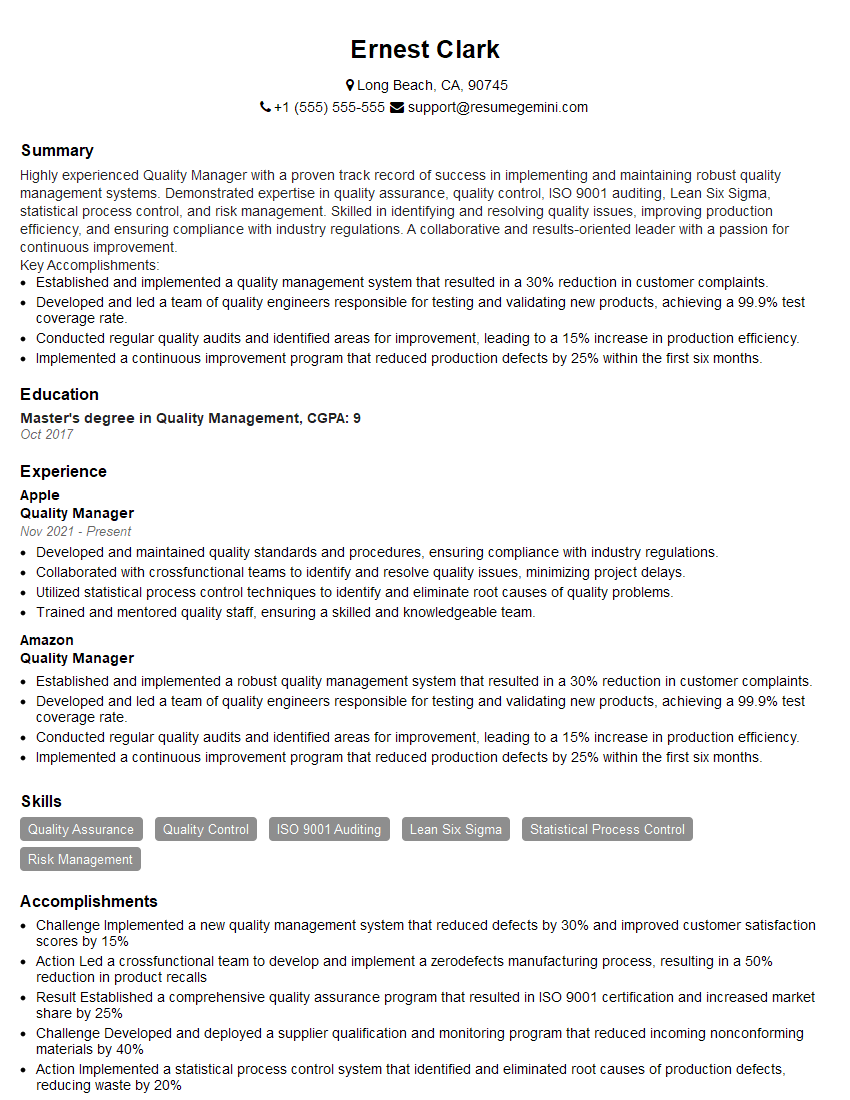
Quality Manager Resume Sample

Quality Assurance Manager Resume Sample

Quality Control Manager Resume Sample
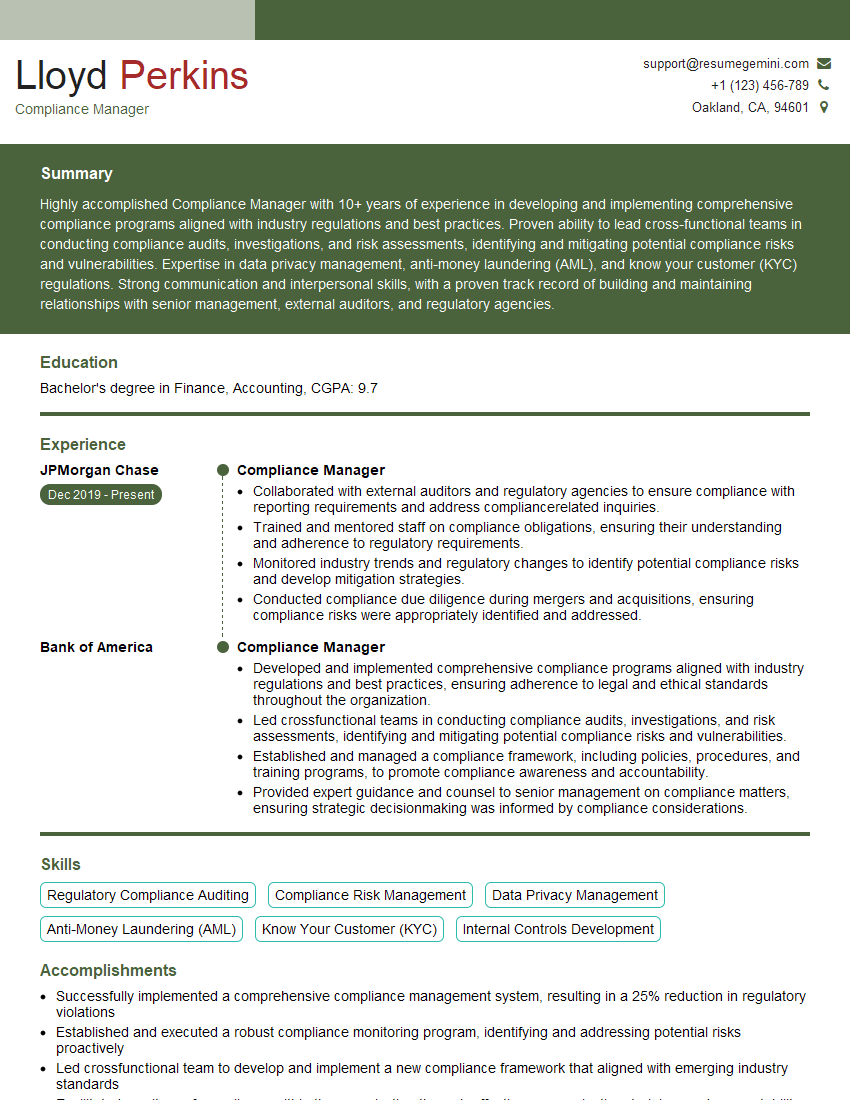
Compliance Manager Resume Sample

Compliance Officer Resume Sample
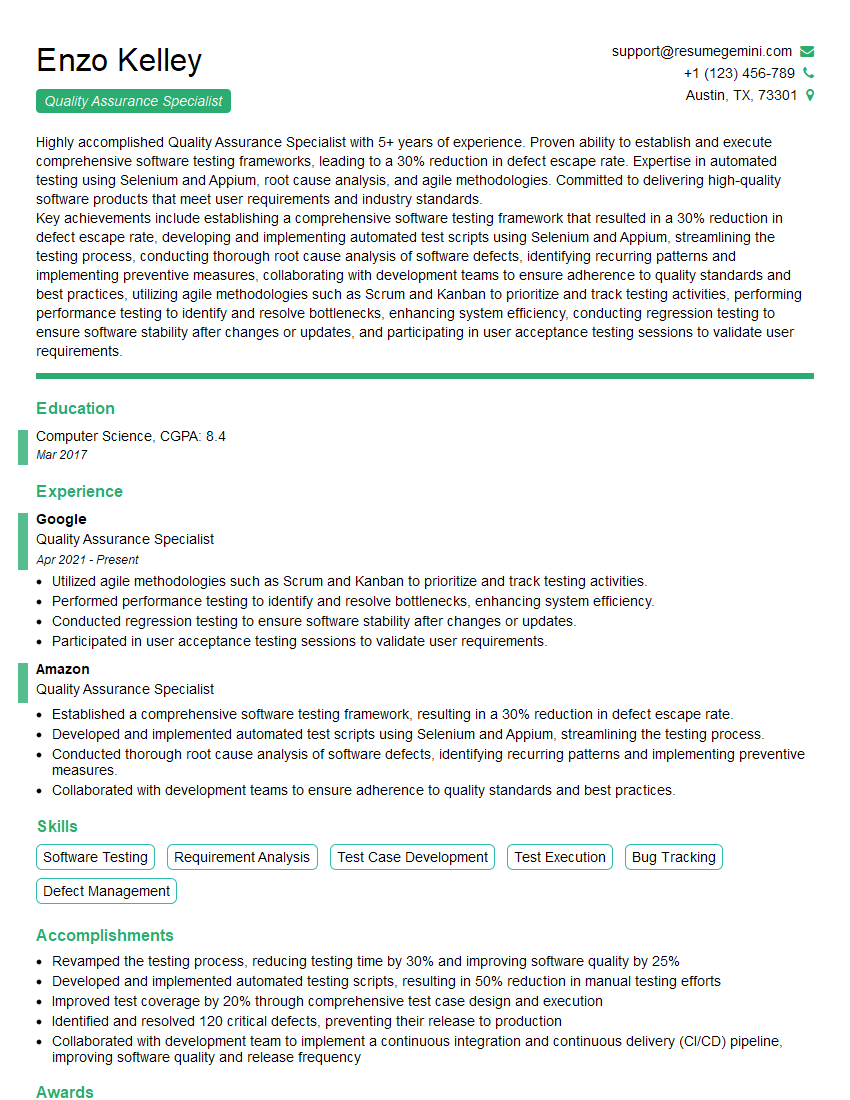
Quality Assurance Specialist Resume Sample
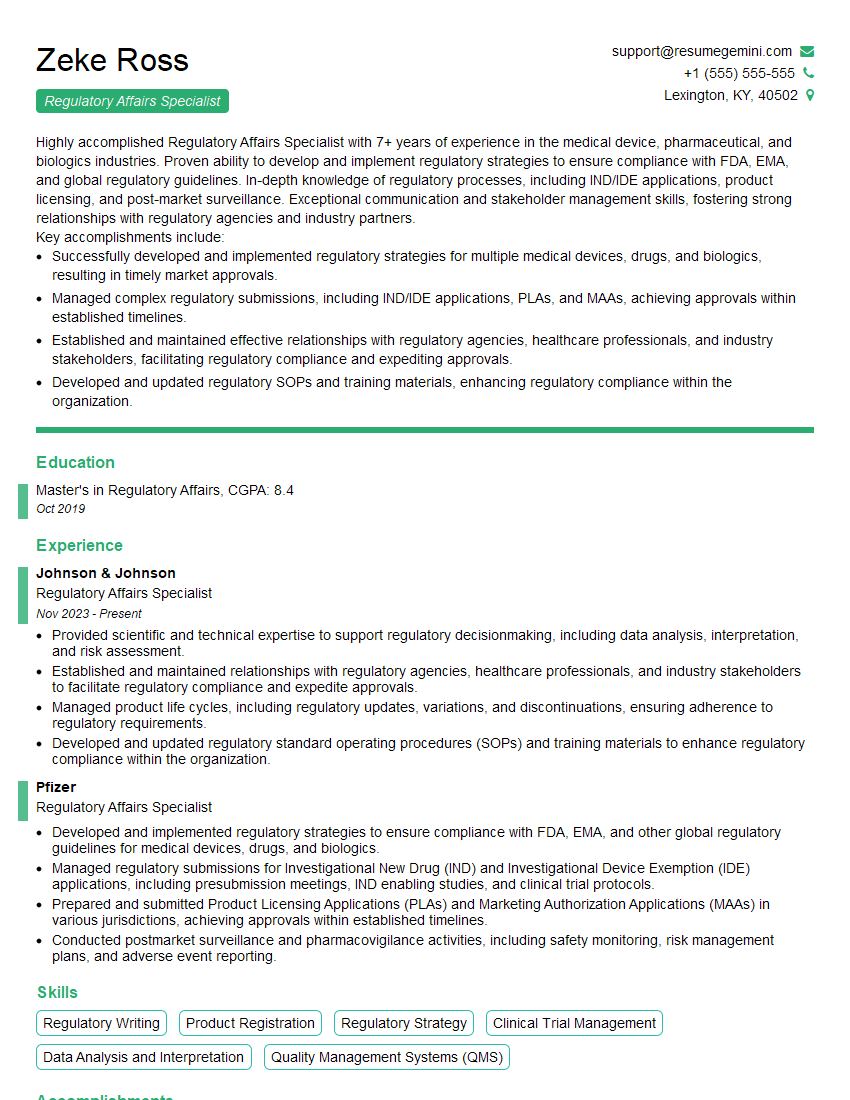
Regulatory Affairs Specialist Resume Sample
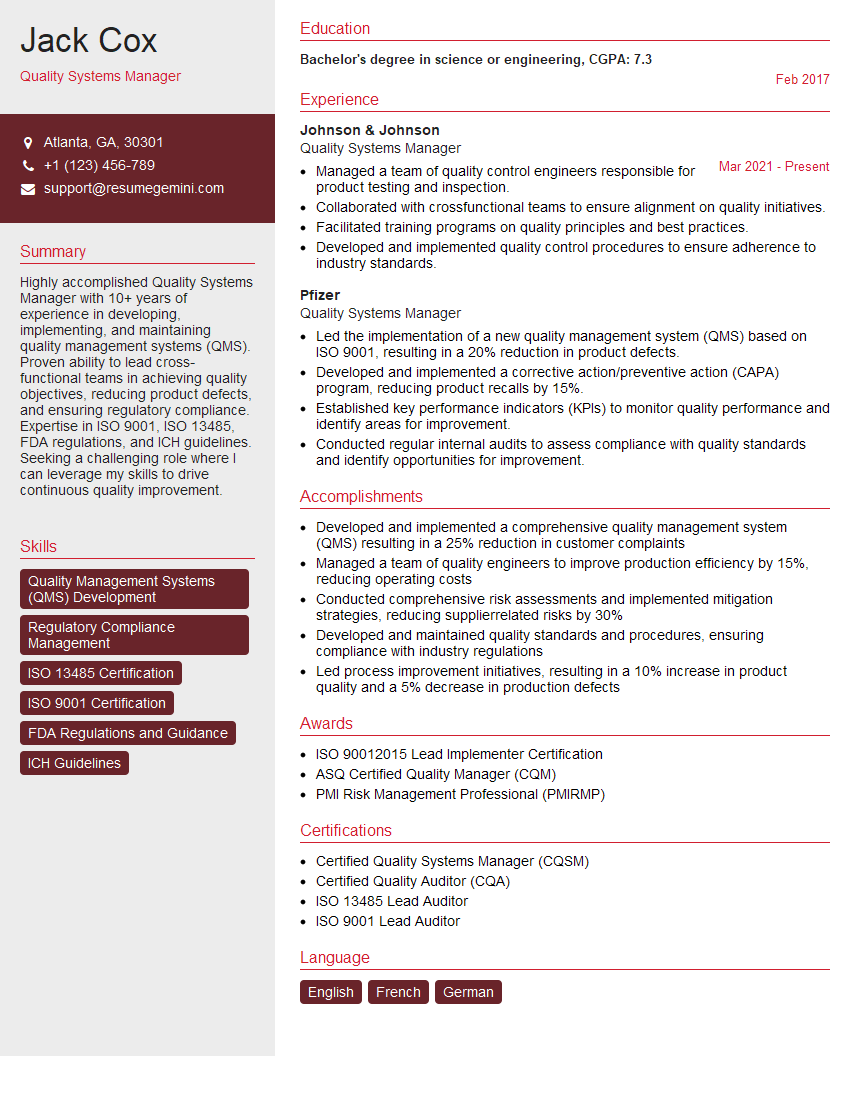
Quality Systems Manager Resume Sample
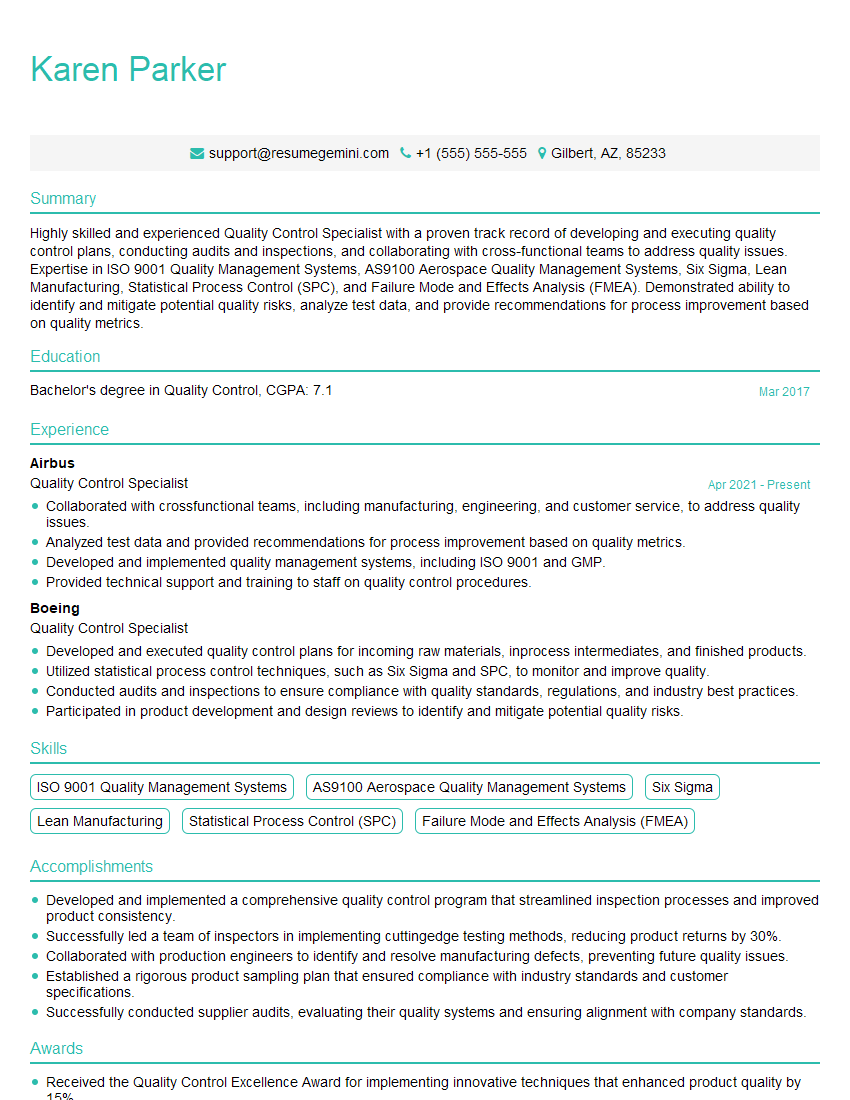
Quality Control Specialist Resume Sample
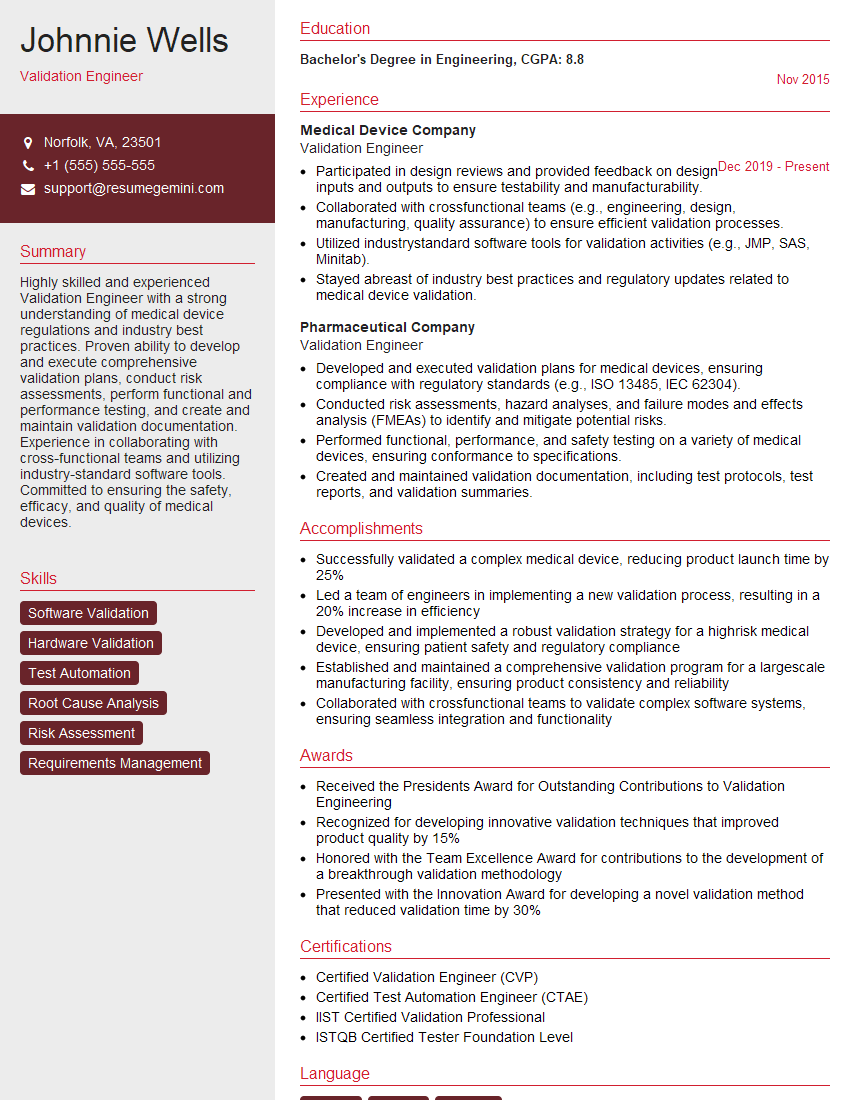
Validation Engineer Resume Sample
Explore more articles
Users Rating of Our Blogs
Share Your Experience
We value your feedback! Please rate our content and share your thoughts (optional).
What Readers Say About Our Blog
Really detailed insights and content, thank you for writing this detailed article.
IT gave me an insight and words to use and be able to think of examples