Every successful interview starts with knowing what to expect. In this blog, we’ll take you through the top Variation Analysis interview questions, breaking them down with expert tips to help you deliver impactful answers. Step into your next interview fully prepared and ready to succeed.
Questions Asked in Variation Analysis Interview
Q 1. Explain the difference between common cause and special cause variation.
Variation analysis hinges on understanding the sources of variability in a process. We categorize variation into two main types: common cause and special cause.
Common cause variation, also known as ‘noise,’ is inherent to the process itself. It’s the background hum, the ever-present variability that’s expected and predictable. Think of it like the slight variations in temperature of a perfectly functioning oven – minor fluctuations that are normal and don’t indicate a problem. These variations are typically small and random and are due to numerous small, uncontrollable factors inherent in the process. They are not easily identifiable or removable without fundamentally altering the system.
Special cause variation, on the other hand, is unexpected and significant. It’s the sudden, jarring noise – a clear sign that something’s gone wrong. This might be a sudden change in material quality, a malfunctioning machine, or a human error that introduces substantial variability. These are often large deviations from the norm and are caused by identifiable factors. Detecting and eliminating special cause variations is crucial to process improvement.
Imagine baking cookies. Common cause variation might be the slight size differences from variations in oven temperature or ingredient mixing. Special cause variation could be burning all the cookies due to a faulty oven thermostat.
Q 2. Describe various tools used for Variation Analysis, such as control charts (X-bar and R, X-bar and s, p, np, c, u).
Various tools help us analyze and visualize variation. Control charts are the most common, offering a visual representation of data over time. Let’s explore some key types:
- X-bar and R chart: This chart tracks the average (X-bar) and range (R) of subgroups of data. It’s ideal for continuous data, such as measurements of length or weight, when subgroup ranges are relatively small. Suitable for monitoring the average of the process and the variation around this average.
- X-bar and s chart: Similar to X-bar and R, but it uses the standard deviation (s) instead of the range. Preferred when subgroup sizes are larger than 10 because standard deviation is a more robust measure of variation than the range in these cases.
- p-chart: This chart tracks the proportion of nonconforming units in a sample. This is suitable for attribute data, where we’re interested in whether something conforms to specifications (e.g., percentage of defective items in a batch).
- np-chart: This is similar to a p-chart but focuses on the number of nonconforming units rather than the proportion. It’s used when the sample size is constant.
- c-chart: This chart tracks the number of defects per unit. For example, it could monitor the number of scratches on a painted surface.
- u-chart: Similar to the c-chart, but it tracks the average number of defects per unit when the sample size varies. Suitable when each sampled unit contains a potentially variable number of opportunities for defects.
Beyond control charts, other tools used in variation analysis include histograms, scatter plots, Pareto charts, and box plots, which help to analyze the distribution of the data and reveal patterns of variation.
Q 3. How do you interpret a control chart? Explain the different types of violations.
Interpreting a control chart involves looking for patterns that indicate common cause or special cause variation. A stable process, controlled by common cause variation only, will exhibit points randomly scattered within the control limits.
Control chart violations (indicating special cause variation):
- Points outside the control limits: This is the most obvious violation. It strongly suggests a special cause is present and needs investigation.
- Trends: A consistent upward or downward trend in the data suggests a systematic shift in the process. This could be a slow drift or gradual change.
- Cycles or patterns: Recurring patterns, like waves or cycles in the data points, indicate that the process is influenced by periodic factors. This can point to the frequency of machine maintenance, or perhaps even day-to-day temperature shifts.
- Stratification: If data points consistently cluster above or below the central line, this hints at underlying sub-populations or changes in the process that haven’t been captured.
- Runs or consecutive points: A series of consecutive points above or below the central line, even without crossing control limits, can suggest an impending shift or a temporary process upset.
Finding violations requires careful observation. It’s important to note that a single point outside the control limits is not enough to confirm a violation – investigate the underlying cause and review all violations simultaneously.
Q 4. What is the purpose of a Design of Experiments (DOE)?
The Design of Experiments (DOE) is a powerful statistical method used to efficiently investigate the factors that influence a process or product’s output. The primary goal is to determine which factors are most important, how they interact, and their optimal levels to achieve desired outcomes while minimizing the number of experiments required. It moves beyond simply observing variation to actively manipulating input variables to understand their impact on the output.
For example, a food manufacturer might use DOE to identify the ideal combination of baking time and temperature to produce the perfect texture and flavor of a new cookie. This is far more efficient than simply trying different combinations randomly.
Q 5. Explain different DOE methodologies (e.g., full factorial, fractional factorial).
Various DOE methodologies exist, each with its strengths and weaknesses:
- Full Factorial Design: This method systematically tests all possible combinations of factor levels. It’s comprehensive but can be very time-consuming and resource-intensive, especially with a large number of factors. Suitable for thorough exploration when resources allow.
- Fractional Factorial Design: This is a more efficient alternative to full factorial designs. It cleverly selects a subset of all possible combinations, based on carefully chosen orthogonal arrays, still allowing for estimation of the main effects and some interactions. Excellent for screening many factors quickly, identifying the most influential ones.
- Taguchi Methods: These designs focus on optimizing processes for robustness – insensitivity to variation in the input factors. They often employ orthogonal arrays for efficient experimentation. This is crucial when it is not possible to precisely control all inputs, typical of manufacturing systems.
- Response Surface Methodology (RSM): This method is used to model and optimize responses to factors when the relationship between factors and response is complex, often involving quadratic and interaction terms. It uses multiple regression to fit the model and guide further investigation.
The choice of DOE methodology depends on the specific goals, the number of factors, the available resources, and the expected complexity of the relationships between factors and responses.
Q 6. How do you calculate process capability indices (Cp, Cpk)? What do they signify?
Process capability indices (Cp and Cpk) quantify how well a process performs relative to its specifications. They provide a numerical measure of process capability.
Cp (Process Capability Index): Cp measures the potential capability of the process assuming the process is centered on the target. It compares the spread of the process (usually measured by 6 standard deviations) to the tolerance width (Upper Spec Limit – Lower Spec Limit).
Cp = (USL - LSL) / (6σ)
where USL is the Upper Spec Limit, LSL is the Lower Spec Limit, and σ is the process standard deviation.
Cpk (Process Capability Index): Cpk considers both the spread of the process and its centering around the target. It’s a more practical measure of capability.
Cpk = min[(USL - μ) / (3σ), (μ - LSL) / (3σ)]
where μ is the process mean.
Significance: Cp and Cpk values greater than 1 generally indicate that the process is capable of meeting specifications, with higher values representing better capability. A Cp of 1 means that the process spread is just barely meeting the tolerances, while Cpk of 1 means the process spread is just barely meeting the tolerances but is exactly on target. Values less than 1 signify that the process is not capable. These indices are critical for assessing process performance and identifying areas for improvement. They provide a quantitative metric for making informed decisions about quality control and process optimization.
Q 7. Explain the concept of process stability and its importance in variation analysis.
Process stability refers to a state where a process is only exhibiting common cause variation. In a stable process, the variation is predictable and consistent over time. There are no assignable causes of variation present.
Importance in variation analysis: Process stability is crucial because only when a process is stable can its true capability be accurately assessed using metrics like Cp and Cpk. If a process is unstable (special cause variation is present), any measurements of its capability are meaningless, as the process performance is constantly shifting. Before attempting to improve a process, it’s vital to ensure stability to correctly diagnose issues.
Think of it like trying to improve your golf swing. If your swing is inconsistent (unstable), any attempt to improve your distance will be unreliable. You need a stable, consistent swing (stable process) before you can focus on improvement. Control charts are essential tools for monitoring process stability.
Q 8. How can Gage R&R studies help in understanding variation?
Gage Repeatability and Reproducibility (Gage R&R) studies are crucial for understanding the variation introduced by the measurement system itself, not just the process being measured. Imagine trying to measure the diameter of a tiny ball bearing using a ruler – the ruler’s limitations will introduce significant error. A Gage R&R study helps quantify this measurement error. It separates the total variation into three components:
- Repeatability: Variation observed when the same operator measures the same part multiple times using the same gage.
- Reproducibility: Variation observed when different operators measure the same part using the same gage.
- Appraiser Variation: The combined effect of repeatability and reproducibility.
By analyzing these components, we can determine the percentage of total variation attributable to the measurement system. If this percentage is high, it indicates that the measurement system is unreliable and needs improvement before any meaningful process variation analysis can be conducted. For example, a high percentage of appraiser variation might suggest that operators need better training or that the measurement instrument requires recalibration.
Q 9. Describe how you would approach analyzing variation in a manufacturing process.
Analyzing variation in a manufacturing process is a systematic approach. I’d typically follow these steps:
- Define the problem: Clearly identify the specific characteristic(s) exhibiting excessive variation and its impact on the process and product quality. For instance, is the diameter of a part consistently outside the specification limits?
- Data collection: Gather sufficient data using appropriate sampling techniques. The sample size and frequency should be determined based on the process capability and the desired level of confidence. I would utilize statistical process control (SPC) tools to track and monitor the process.
- Descriptive statistics: Calculate basic statistics like mean, standard deviation, range, and histograms to get a preliminary understanding of the data’s distribution and spread. This helps visualize the variation visually.
- Control charts: Employ appropriate control charts (X-bar and R chart, I-MR chart, etc.) to monitor the process over time and detect any shifts or trends in variation. These charts visually identify if the variation is common cause (inherent to the process) or special cause (due to assignable causes).
- Root cause analysis: If special cause variation is detected, conduct a root cause analysis (e.g., using 5 Whys, fishbone diagrams) to identify the underlying factors contributing to the variation. This could involve investigating machine settings, raw materials, operator skills, or environmental conditions.
- Process improvement: Implement corrective actions based on the root cause analysis. This may involve changes to the process parameters, equipment maintenance, operator training, or material sourcing.
- Monitoring and control: Continuously monitor the process using control charts to ensure the implemented changes have effectively reduced variation and the process remains stable.
Q 10. Explain the concept of tolerance and its relationship to variation.
Tolerance defines the acceptable range of variation for a given characteristic. It’s essentially the allowable deviation from the target or nominal value. Variation, on the other hand, represents the actual spread or dispersion of measured values around the target. The relationship is that variation *must* stay within the tolerance limits for the product to be considered acceptable. If the variation exceeds the tolerance, the product is deemed defective.
For example, if a bolt is designed to have a diameter of 10mm with a tolerance of ±0.1mm, the acceptable range is 9.9mm to 10.1mm. If the actual measured diameters of the bolts show a significant variation outside this range (say, between 9.8mm and 10.3mm), then the manufacturing process has excessive variation and needs improvement. The goal is always to minimize variation so that it comfortably falls within the defined tolerance limits, increasing the yield of conforming parts.
Q 11. What are the limitations of using control charts?
While control charts are powerful tools, they have limitations:
- Assumption of stability: Control charts assume that the process is stable (common cause variation) before they can effectively monitor it. If the process is inherently unstable, the control chart may not accurately reflect the true variation.
- Data dependency: Control charts rely heavily on the quality and representativeness of the data. If the data collected is flawed (e.g., due to measurement errors or poor sampling), the conclusions drawn from the charts will be unreliable.
- Limited scope: Control charts primarily focus on detecting shifts in the process mean and variation. They don’t inherently identify the root causes of variation.
- False signals: Control charts can generate false signals (indicating out-of-control conditions when the process is actually stable) due to random variation. This could lead to unnecessary investigations and wasted resources.
- Sensitivity to sample size: The sensitivity of the chart (its ability to detect small shifts) depends on the sample size used. Smaller sample sizes may lead to a lack of sensitivity.
Therefore, control charts should be used in conjunction with other analytical techniques such as Gage R&R studies and root cause analysis for a more comprehensive understanding of process variation.
Q 12. How would you handle outliers in your variation analysis?
Handling outliers in variation analysis requires careful consideration. Simply discarding them is generally not recommended unless there is strong evidence that they are due to errors or exceptional circumstances (e.g., equipment malfunction, data entry mistake). Instead, I would follow these steps:
- Identify and investigate: Use visual tools like box plots and scatter plots to identify potential outliers. Investigate the underlying reasons for the outliers. Were there any unusual events during the data collection process?
- Verify data accuracy: Ensure that the data is accurately recorded and free of errors. Recheck measurements or data entry if necessary.
- Explore data transformation: If the outliers are deemed genuine and not due to errors, consider transforming the data (e.g., using logarithmic transformation) to reduce their influence on the analysis. This can make the data more normally distributed.
- Robust statistical methods: Employ statistical methods less sensitive to outliers, such as median instead of mean, or robust measures of variation like the median absolute deviation (MAD). These are less affected by extreme values.
- Separate analysis: In some cases, it might be appropriate to perform a separate analysis with and without the outliers to assess their impact on the conclusions.
The decision on how to handle outliers should be based on a thorough investigation of their cause and the impact they have on the overall analysis.
Q 13. Explain the difference between accuracy and precision.
Accuracy and precision are both important aspects of measurement quality, but they represent different concepts. Think of shooting arrows at a target:
- Accuracy refers to how close the measurements are to the true or target value. Accurate measurements cluster near the bullseye.
- Precision refers to how close the measurements are to each other, regardless of how close they are to the target value. Precise measurements are tightly clustered together, but may not be close to the bullseye.
A measurement system can be precise but inaccurate (arrows clustered tightly, but far from the bullseye), accurate but imprecise (arrows scattered around the bullseye), or both accurate and precise (arrows clustered tightly around the bullseye). In variation analysis, we aim for both high accuracy and high precision to minimize both systematic error and random error.
Q 14. How do you determine the appropriate sample size for a variation analysis study?
Determining the appropriate sample size for a variation analysis study depends on several factors:
- Desired precision: How much error are you willing to tolerate in your estimates of variation? A smaller margin of error requires a larger sample size.
- Process variability: A more variable process requires a larger sample size to achieve the same level of precision.
- Confidence level: How confident do you want to be that your results reflect the true process variation? Higher confidence levels require larger sample sizes.
- Number of factors: If you are investigating variation across multiple factors (e.g., different machines, operators, materials), the sample size needs to be increased accordingly.
There are statistical methods (like power analysis) to determine the required sample size, taking these factors into consideration. Software packages like Minitab and JMP are commonly used to perform power analysis and determine the optimal sample size for variation studies. Often, pilot studies are conducted to estimate the process variability before determining the final sample size for a more comprehensive study.
Q 15. What are some common sources of variation in a manufacturing process?
Variation in a manufacturing process stems from numerous sources, broadly categorized as common cause and special cause variation. Common cause variation is inherent to the process and is predictable, resulting from the interplay of many small, consistent factors. Special cause variation, on the other hand, is unpredictable and arises from unusual events or assignable causes.
- Material Variation: Differences in raw material properties (e.g., density, purity, strength) can significantly impact the final product. Imagine baking a cake – using flour with differing moisture content will alter the cake’s texture and rise.
- Machine Variation: Equipment wear and tear, inconsistent settings, or malfunctions contribute to variation. A poorly maintained injection molding machine might produce parts with varying dimensions.
- Measurement Variation: Inaccuracies in measurement tools or human error during data collection can introduce variation. Using a worn-out micrometer will lead to inconsistent measurements.
- Environmental Variation: Fluctuations in temperature, humidity, or ambient pressure can affect the process. A paint drying process will be affected by changes in temperature and humidity.
- Operator Variation: Differences in skill, experience, or attention to detail among operators can impact consistency. Two machinists might clamp a workpiece differently, leading to variations in the final product.
- Process Variation: Inherent randomness in the process itself, such as slight variations in chemical reactions or the flow of materials, can also contribute. This is often the most challenging to identify and control.
Career Expert Tips:
- Ace those interviews! Prepare effectively by reviewing the Top 50 Most Common Interview Questions on ResumeGemini.
- Navigate your job search with confidence! Explore a wide range of Career Tips on ResumeGemini. Learn about common challenges and recommendations to overcome them.
- Craft the perfect resume! Master the Art of Resume Writing with ResumeGemini’s guide. Showcase your unique qualifications and achievements effectively.
- Don’t miss out on holiday savings! Build your dream resume with ResumeGemini’s ATS optimized templates.
Q 16. Describe your experience with statistical software packages (e.g., Minitab, JMP).
I possess extensive experience with various statistical software packages, primarily Minitab and JMP. My proficiency extends beyond basic data entry and analysis; I’m adept at utilizing advanced statistical tools for robust variation analysis. In Minitab, I regularly employ control charts (X-bar and R, p-charts, c-charts, etc.) to monitor process stability, capability analysis (Cp, Cpk) to assess process performance, and Design of Experiments (DOE) techniques to identify significant factors affecting variation. In JMP, I leverage its powerful visualization tools, particularly for exploring complex datasets and identifying patterns indicative of special cause variation. I’m also comfortable with ANOVA, regression analysis, and other statistical methods within both platforms to understand the underlying causes of variation.
For example, in a recent project involving a semiconductor manufacturing process, I used JMP’s DOE capabilities to optimize etching parameters and reduce the variation in wafer thickness, resulting in a significant improvement in yield.
Q 17. How do you communicate your findings from a variation analysis study?
Communicating findings from a variation analysis study requires a clear, concise, and visually appealing presentation tailored to the audience’s technical understanding. I generally use a multi-pronged approach:
- Executive Summary: A brief overview of the study’s objectives, key findings, and recommendations, suitable for non-technical stakeholders.
- Visualizations: Charts and graphs (histograms, box plots, control charts, Pareto charts) to illustrate data patterns and highlight areas of significant variation. A picture is often worth a thousand data points.
- Statistical Analysis: A detailed report including the methodology, statistical tests employed, and the results with appropriate interpretations. This section provides the technical depth.
- Root Cause Analysis: A clear articulation of the identified root causes of variation, supported by evidence from the data analysis. Often presented using a fishbone diagram or similar technique.
- Recommendations: Specific, actionable recommendations for process improvement, including quantifiable targets and implementation plans. This section is crucial for driving change.
- Interactive Dashboards (Optional): For ongoing monitoring and management of the process, I may develop interactive dashboards to provide real-time visibility into key process parameters and their variability.
I ensure my communication is tailored to the audience, adapting the level of technical detail to ensure understanding and engagement.
Q 18. How do you identify and prioritize areas for process improvement based on variation analysis?
Prioritizing areas for process improvement involves a systematic approach that combines data analysis with practical considerations. I typically follow these steps:
- Identify Key Process Variables (KPVs): Determine which process parameters have the most significant impact on product quality or performance. This often involves brainstorming sessions with process engineers and operators.
- Quantify Variation: Use statistical tools (e.g., control charts, process capability analysis) to measure the extent of variation for each KPV.
- Analyze Root Causes: Employ root cause analysis techniques (e.g., 5 Whys, Fishbone diagrams) to identify the underlying causes of excessive variation. This may involve data collection, interviews, and process observations.
- Assess Impact: Evaluate the impact of each root cause on the overall process, considering factors like cost, production time, and product quality.
- Prioritize Improvement Opportunities: Rank the root causes based on their impact and feasibility of mitigation. This often involves a cost-benefit analysis.
- Develop and Implement Solutions: Develop and implement corrective actions to address the prioritized root causes, followed by monitoring and verification of effectiveness.
For example, a Pareto chart can be extremely useful in visually representing the relative contribution of different sources of variation, helping prioritize efforts towards the most impactful improvements.
Q 19. Describe a situation where you had to analyze significant variation. How did you approach it?
In a project involving the manufacturing of precision bearings, we experienced significant variation in the inner diameter of the bearings. Initially, the variation seemed random. My approach involved several steps:
- Data Collection: We collected a large dataset of inner diameter measurements from different batches and production shifts.
- Exploratory Data Analysis (EDA): We used histograms, box plots, and scatter plots to visualize the data and identify patterns. This revealed a bimodal distribution, suggesting two distinct sources of variation.
- Control Charts: We created X-bar and R charts to monitor process stability over time. This helped pinpoint periods of increased variability.
- Root Cause Analysis: We conducted thorough investigations, including interviews with operators and maintenance personnel, examination of machine settings, and analysis of raw material properties. This revealed that the bimodal distribution was caused by two different batches of raw material with slightly differing properties.
- Corrective Actions: We implemented stricter incoming inspection procedures for raw materials to ensure consistency and updated our manufacturing process control plans to account for potential variations in material properties.
- Monitoring and Verification: We continued to monitor the process using control charts to ensure that the corrective actions were effective and the variation was reduced.
This systematic approach allowed us to identify the root cause of the variation and implement effective corrective actions, leading to a significant reduction in defects and improved product quality.
Q 20. What is the difference between attribute and variable data in variation analysis?
Attribute data and variable data represent different ways of measuring quality characteristics in variation analysis. The key difference lies in the nature of the data collected:
- Variable Data: This represents continuous measurements, expressed on a continuous scale. Examples include dimensions (length, weight, diameter), temperature, and pressure. Variable data provides more detailed information about the process variation, allowing for precise analysis.
- Attribute Data: This represents discrete measurements, typically categorized into pass/fail or other qualitative classifications. Examples include the number of defects, the percentage of conforming units, or whether a part is acceptable or defective. Attribute data is simpler to collect but provides less detailed information about the variation.
The choice between attribute and variable data depends on the nature of the characteristic being measured and the level of detail required for the analysis. While variable data offers richer insight, attribute data may suffice when a simple pass/fail criterion is sufficient or when the cost of measuring variable data is prohibitive.
Q 21. Explain the concept of root cause analysis in the context of variation.
Root cause analysis (RCA) is a crucial component of variation analysis. It’s a systematic approach to identify the underlying reasons for undesirable variations in a process. The goal isn’t simply to identify the immediate cause but to delve deeper and uncover the fundamental reasons why the variation occurred. Several techniques can be used:
- 5 Whys: This iterative questioning technique involves repeatedly asking ‘why’ to progressively uncover the root cause. For example: ‘Why are there so many defects?’ ‘Because the machine is not calibrated correctly.’ ‘Why is it not calibrated correctly?’ ‘Because the calibration procedure is inadequate.’ And so on.
- Fishbone Diagram (Ishikawa Diagram): This visual tool categorizes potential root causes into various categories (e.g., materials, methods, manpower, machinery, environment, measurement) to help systematically investigate each area.
- Fault Tree Analysis (FTA): This deductive approach uses a hierarchical tree structure to map out the potential causes and their relationships, eventually pinpointing the root causes that lead to the undesirable variation.
Effective RCA is crucial for implementing lasting solutions, as addressing only the immediate symptoms will likely lead to the variation recurring. By targeting the root cause, the long-term stability and performance of the process can be significantly enhanced.
Q 22. How do you use histograms and box plots in variation analysis?
Histograms and box plots are powerful visual tools in variation analysis, providing a clear picture of the distribution of your data. A histogram shows the frequency distribution of a continuous variable, allowing you to quickly identify the central tendency, spread, and skewness of your data. Think of it like a bar chart for continuous data; the height of each bar represents the number of data points falling within a specific range or ‘bin’.
A box plot (or box-and-whisker plot) summarizes the key descriptive statistics of a dataset: median, quartiles, and potential outliers. The box represents the interquartile range (IQR), containing the middle 50% of the data. The whiskers extend to the minimum and maximum values within 1.5 times the IQR from the box edges. Points outside this range are flagged as potential outliers, suggesting special causes of variation that warrant further investigation.
Example: Imagine analyzing the diameter of manufactured ball bearings. A histogram would show the frequency of ball bearings at different diameters, revealing if the process is centered and whether there’s a wide spread in diameters. A box plot would highlight the median diameter, the range of the central 50%, and any unusually large or small diameters, which could signal a problem in the manufacturing process.
Q 23. Explain the concept of stratification in variation analysis.
Stratification in variation analysis is the process of separating data into subgroups based on different factors (strata) that might influence the variation. By analyzing these subgroups separately, you can isolate the effects of specific factors and gain a more nuanced understanding of the overall variation. It’s like peeling back the layers of an onion to reveal the sources of variation.
For example, if you’re analyzing the defects in a manufactured product, you might stratify your data by production shift, machine used, or operator. This allows you to determine if a particular shift, machine, or operator is contributing disproportionately to the defects. Without stratification, you might only see the overall defect rate, masking the underlying causes.
Practical Application: Imagine you’re analyzing customer satisfaction scores. Stratifying by demographics (age, location, etc.) might reveal that younger customers have significantly lower scores than older customers, leading you to focus improvement efforts on areas that specifically address the needs and preferences of younger customers.
Q 24. How do you use Pareto charts in variation analysis?
Pareto charts are a type of bar chart that combines a bar graph with a line graph. The bars represent the frequency of different categories (e.g., types of defects), ranked in descending order of frequency, while the line shows the cumulative frequency. They are invaluable in variation analysis because they help prioritize problem-solving efforts by highlighting the ‘vital few’ causes of variation that contribute to the majority of problems.
The 80/20 rule (Pareto principle) often applies here – 80% of the problems might stem from only 20% of the causes. Identifying these ‘vital few’ allows you to focus your resources effectively on the areas that will yield the greatest improvement.
Example: If you’re analyzing customer complaints, a Pareto chart might show that 70% of complaints are related to a single product feature. This would indicate that focusing improvement efforts on that specific feature would likely result in the greatest reduction in complaints.
Q 25. What are the key metrics you use to measure process performance?
Key metrics for measuring process performance in variation analysis often include:
- Mean (average): Indicates the central tendency of the data.
- Standard Deviation: Measures the dispersion or spread of the data around the mean.
- Range: The difference between the maximum and minimum values.
- Capability Indices (Cp, Cpk): Assess the process capability to meet specification limits.
- Control Chart Statistics: Indicators of process stability and the presence of special causes of variation (e.g., X-bar and R charts).
- Defect Rate/PPM (Parts Per Million): Measures the frequency of defects.
The choice of metrics depends heavily on the specific process and the nature of the data being analyzed. For example, when dealing with defect rates, PPM is more appropriate, whereas when examining continuous variables, standard deviation and capability indices are more relevant. The metrics must be selected to effectively answer the question at hand.
Q 26. Describe your experience with different types of sampling methods.
My experience encompasses various sampling methods, each suited for different situations:
- Random Sampling: Every member of the population has an equal chance of being selected. This ensures unbiased representation, but can be impractical for large populations.
- Stratified Sampling: The population is divided into strata (subgroups), and random samples are taken from each stratum. This ensures representation from each subgroup.
- Systematic Sampling: Selecting every nth item from a list or sequence. Simple but may introduce bias if the data has a periodic pattern.
- Cluster Sampling: Dividing the population into clusters and randomly selecting entire clusters for analysis. Cost-effective, but might not be as representative.
- Judgment Sampling: Selecting samples based on expert knowledge. Useful for initial investigations but inherently subjective.
The choice of sampling method depends on factors like the population size, cost constraints, desired level of precision, and the potential for bias. A well-defined sampling strategy is crucial for ensuring the validity and reliability of the analysis.
Q 27. How do you validate your variation analysis results?
Validating variation analysis results involves several steps:
- Checking for Data Integrity: Ensuring data accuracy, completeness, and consistency. Identifying and addressing outliers and potential errors.
- Repeating the Analysis: Independently repeating the analysis using different methods or software to confirm initial findings.
- Comparing Results with Historical Data: Comparing current results with past performance data to identify trends and patterns.
- Subject Matter Expert Review: Obtaining feedback from subject matter experts to validate the interpretation of the results and ensure they align with practical experience.
- Pilot Testing: Before implementing wide-scale changes, pilot testing proposed solutions allows validation of the effectiveness of the identified improvements.
A thorough validation process helps to build confidence in the conclusions drawn from the analysis and ensures that any recommended actions are well-founded.
Q 28. How do you ensure the accuracy and reliability of your data in variation analysis?
Ensuring data accuracy and reliability is paramount in variation analysis. My approach involves:
- Data Source Verification: Ensuring the data originates from reliable and validated sources.
- Data Cleaning and Transformation: Addressing missing values, outliers, and inconsistencies in the data through appropriate techniques like imputation or transformation.
- Data Validation Checks: Implementing checks to ensure data integrity and consistency throughout the analysis process.
- Documentation: Maintaining meticulous records of the data sources, cleaning steps, and analytical methods used. This allows for transparency and reproducibility.
- Use of Appropriate Statistical Software: Leveraging statistical software to perform calculations and visualizations, reducing the risk of manual errors.
A robust approach to data handling is crucial for building trust in the results and making informed decisions based on sound data analysis.
Key Topics to Learn for Variation Analysis Interview
- Understanding Variation: Defining and classifying different types of variation (e.g., common cause, special cause, measurement error) and their impact on processes.
- Statistical Process Control (SPC): Mastering control charts (e.g., X-bar and R charts, p-charts, c-charts) for monitoring and analyzing process variation. Practical application: interpreting control charts to identify out-of-control points and potential assignable causes.
- Process Capability Analysis: Determining the capability of a process to meet specifications using Cp, Cpk, and Pp, Ppk indices. Practical application: Evaluating process performance and identifying areas for improvement.
- Design of Experiments (DOE): Understanding basic DOE principles and their application in identifying factors contributing to process variation. Practical application: Analyzing experimental data to identify significant factors and optimize process parameters.
- Gauge R&R Studies: Assessing the variability introduced by measurement systems and their impact on overall process variation. Practical application: Improving measurement accuracy and precision.
- Root Cause Analysis (RCA): Employing techniques like Fishbone diagrams and 5 Whys to identify the root causes of variation and develop effective solutions.
- Data Analysis Techniques: Proficiency in using statistical software (e.g., Minitab, JMP) for data analysis and interpretation. Understanding hypothesis testing and confidence intervals.
- Six Sigma Methodologies: Familiarity with DMAIC (Define, Measure, Analyze, Improve, Control) and its application in reducing process variation.
Next Steps
Mastering Variation Analysis is crucial for advancing your career in quality control, process improvement, and data analysis roles. A strong understanding of these concepts demonstrates valuable problem-solving skills and a commitment to data-driven decision-making. To maximize your job prospects, crafting an ATS-friendly resume is essential. ResumeGemini can help you build a compelling resume that highlights your skills and experience effectively. ResumeGemini provides examples of resumes tailored specifically to Variation Analysis roles, ensuring your application stands out from the competition. Take the next step in your career journey – invest in your resume today.

Quality Assurance Manager Resume Sample

Quality Control Manager Resume Sample
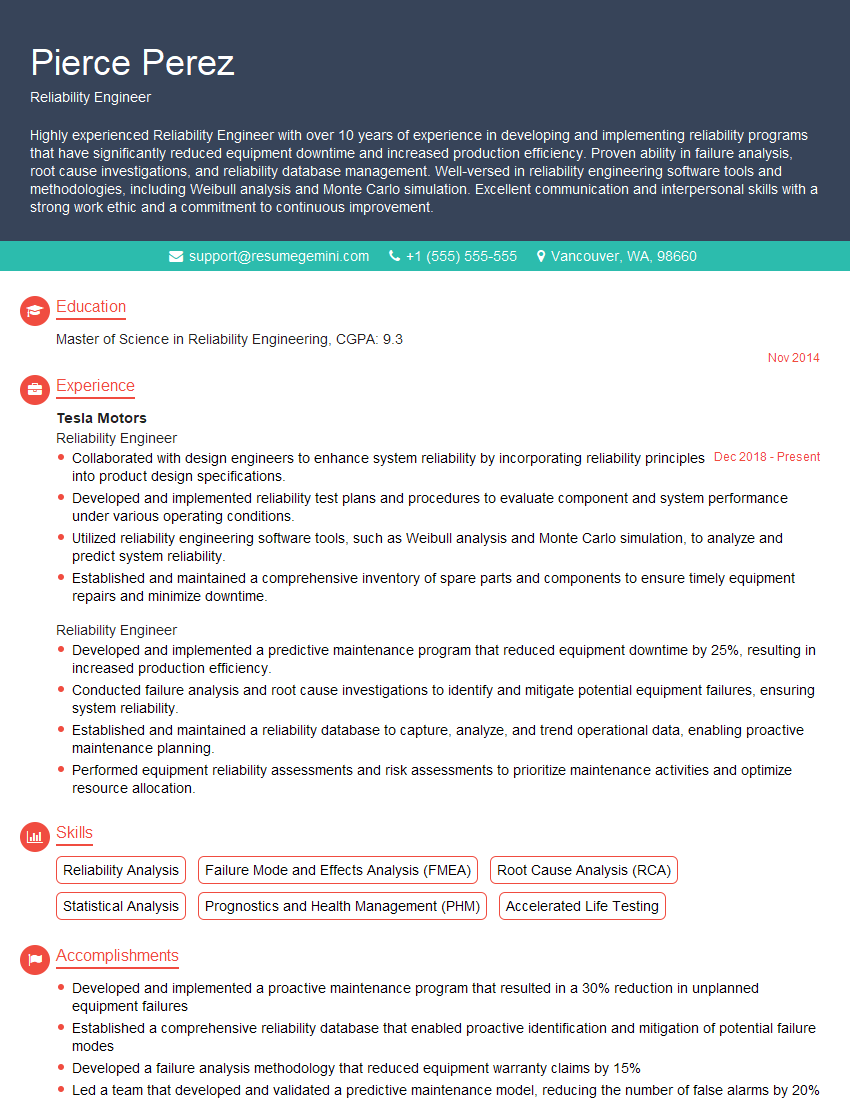
Reliability Engineer Resume Sample
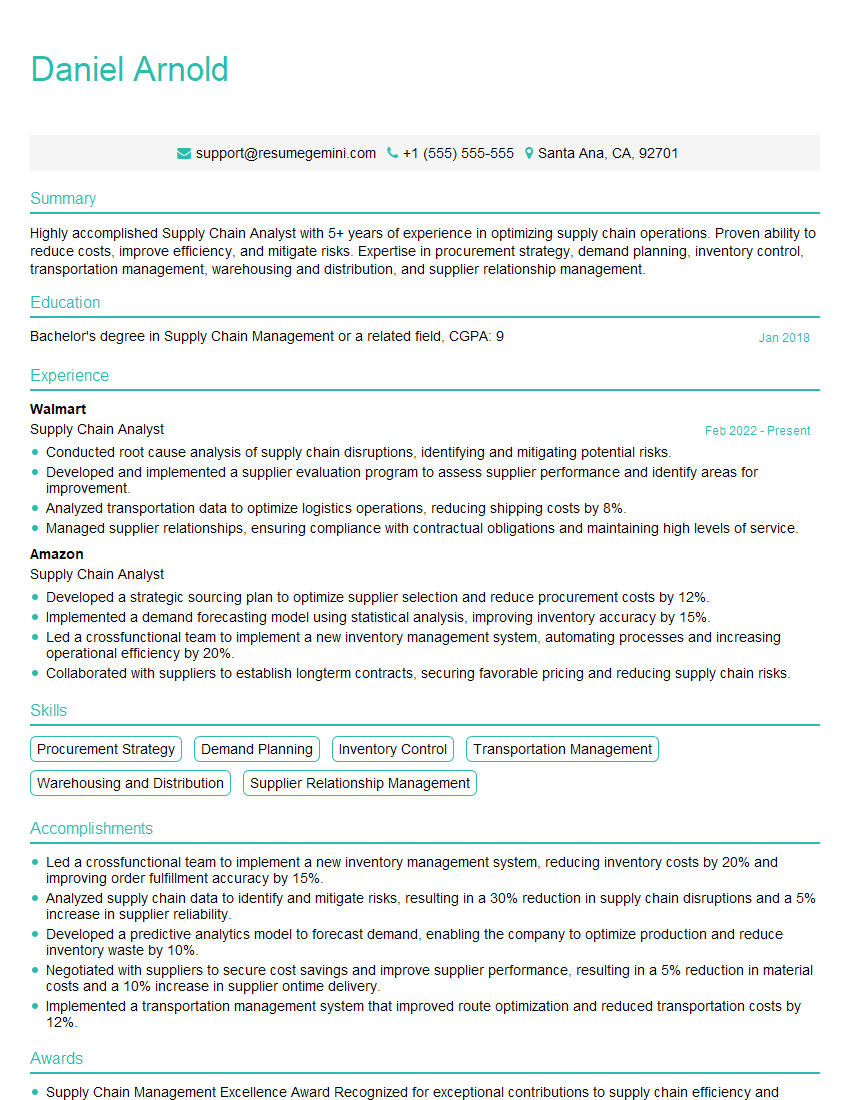
Supply Chain Analyst Resume Sample
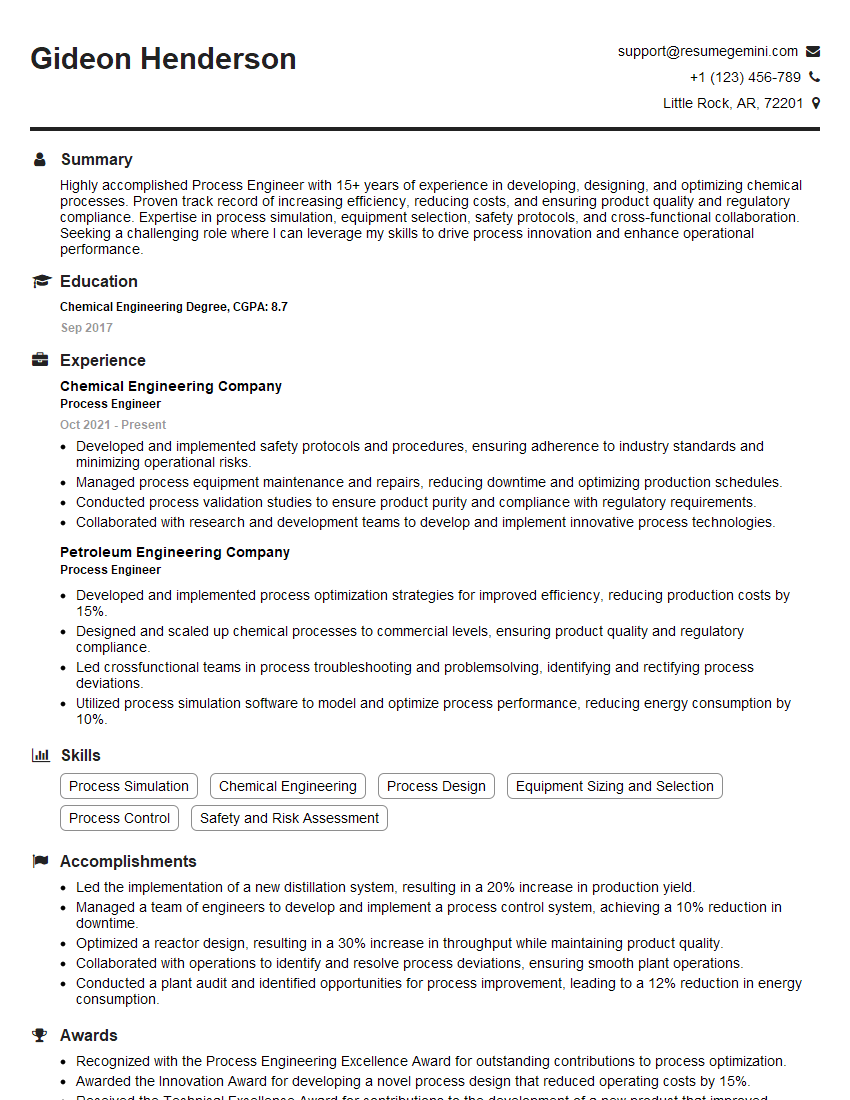
Process Engineer Resume Sample
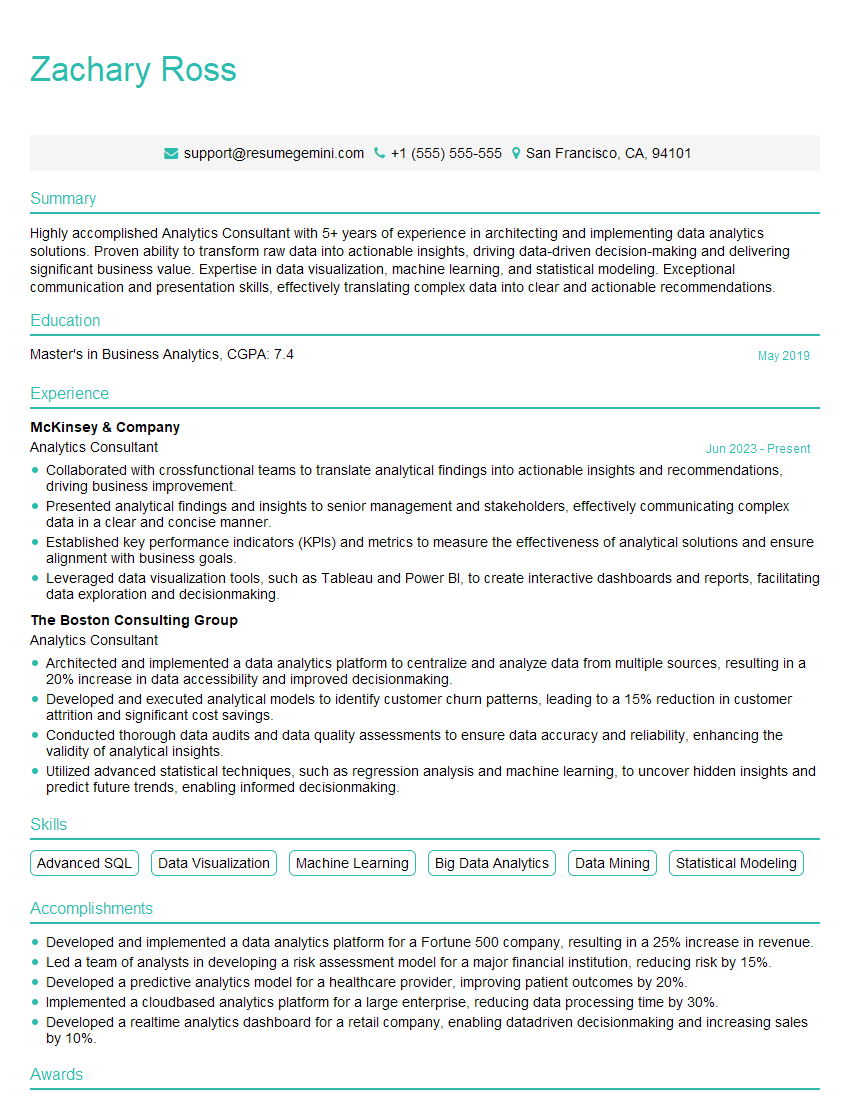
Analytics Consultant Resume Sample

Operations Research Analyst Resume Sample

Statistical Analyst Resume Sample
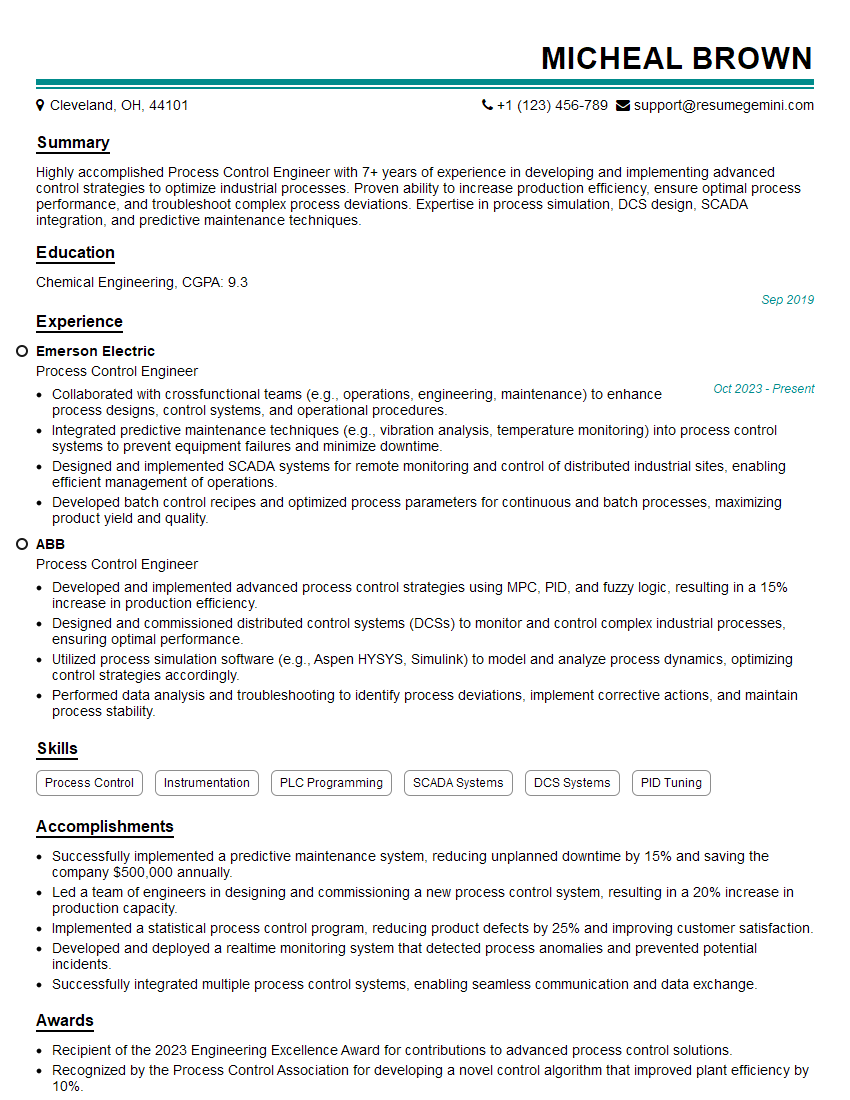
Process Control Engineer Resume Sample
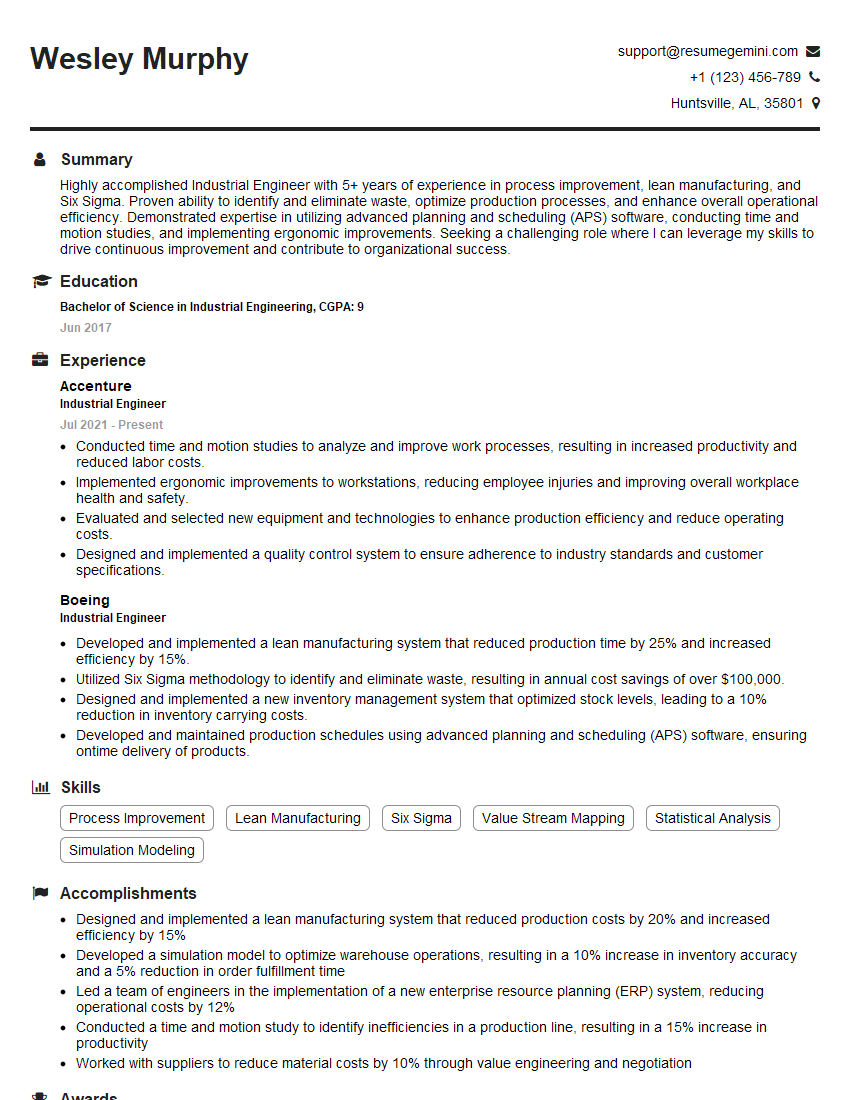
Industrial Engineer Resume Sample
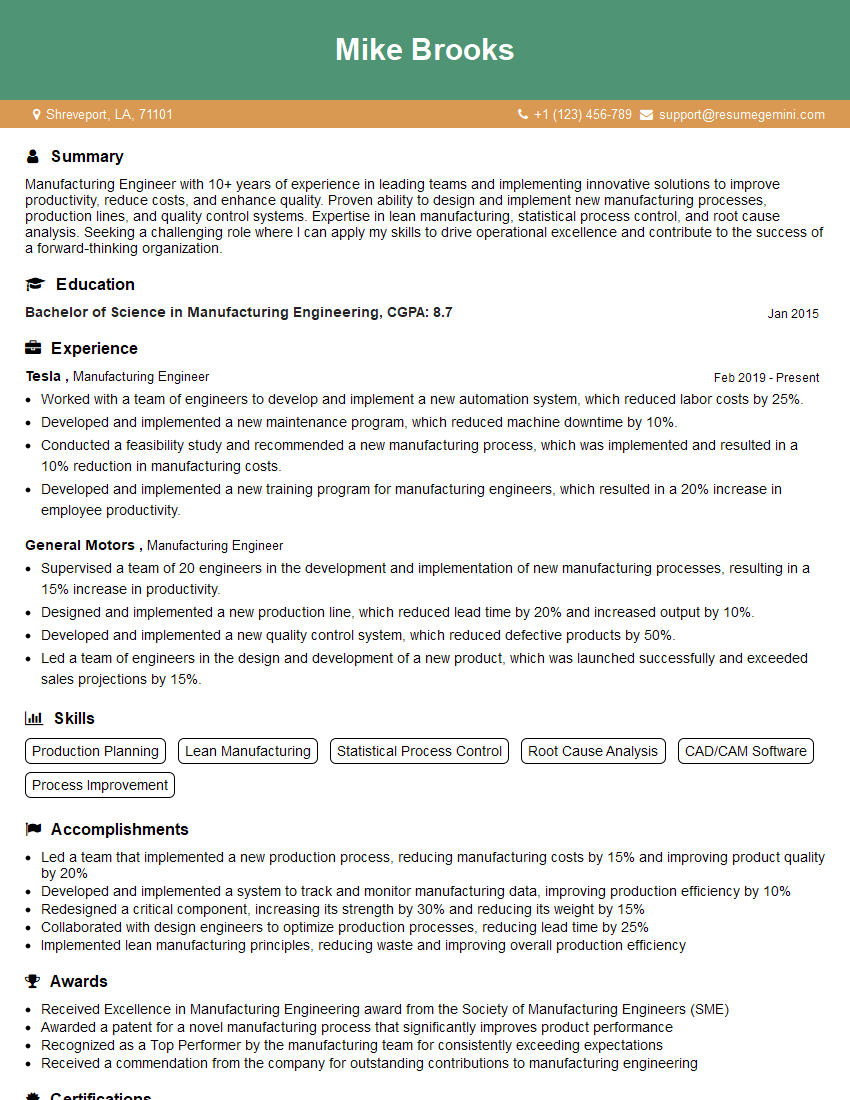
Manufacturing Engineer Resume Sample
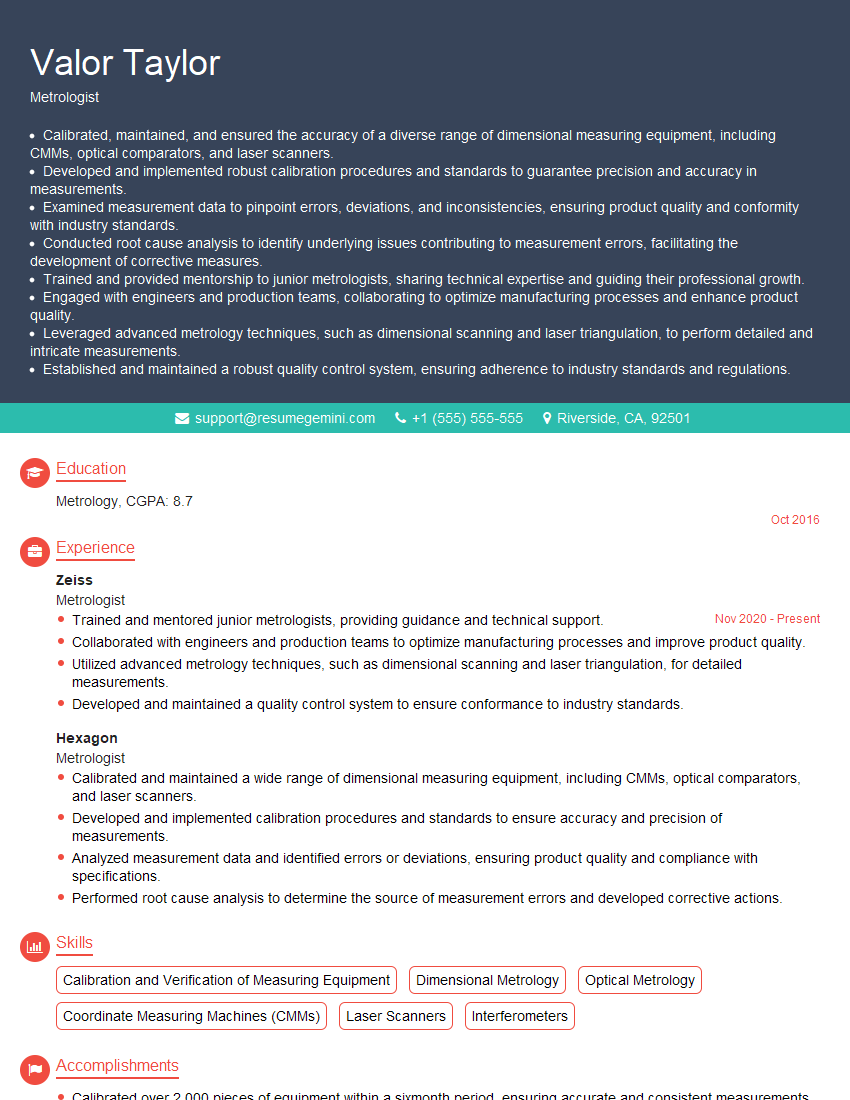
Metrologist Resume Sample
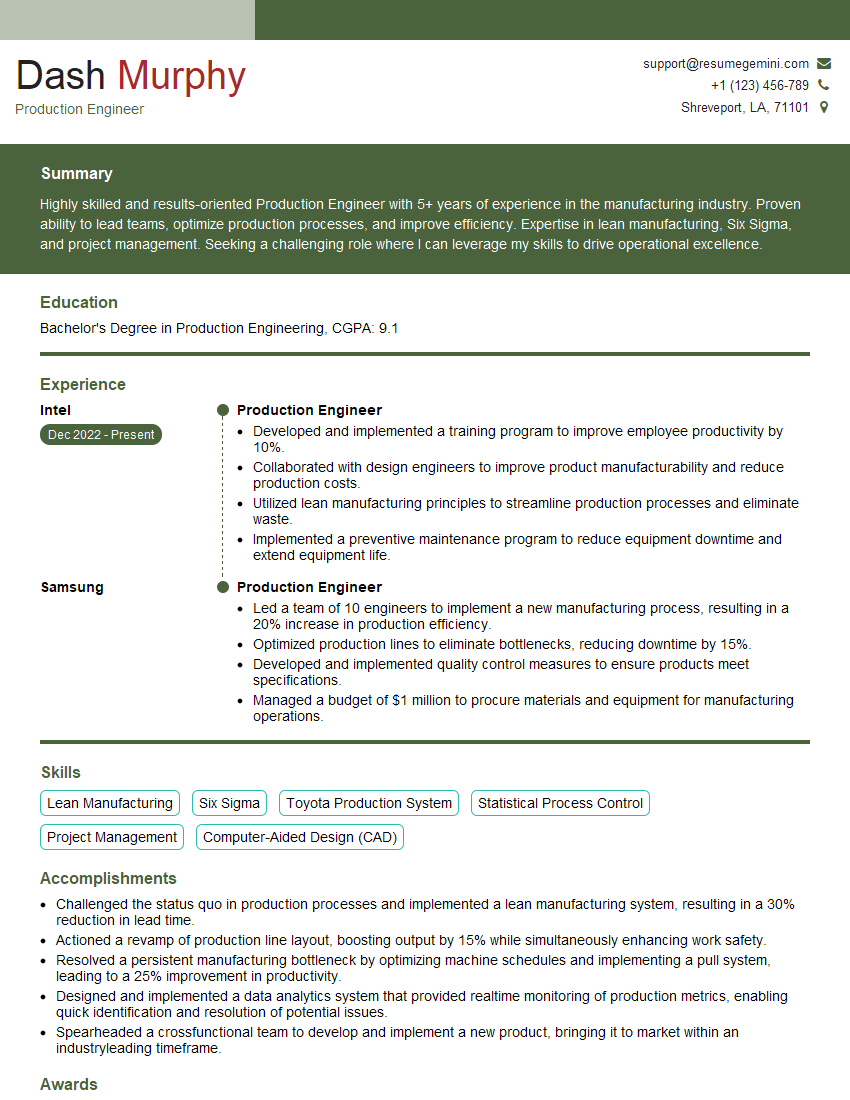
Production Engineer Resume Sample
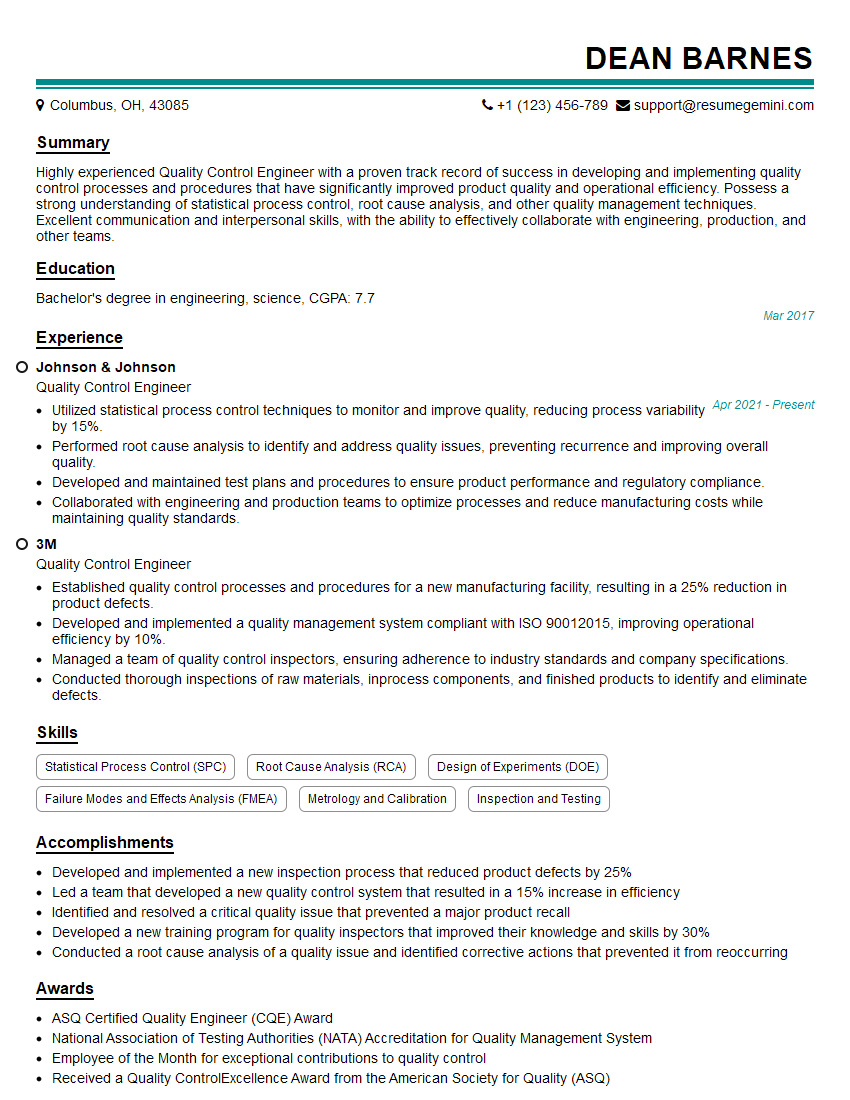
Quality Control Engineer Resume Sample
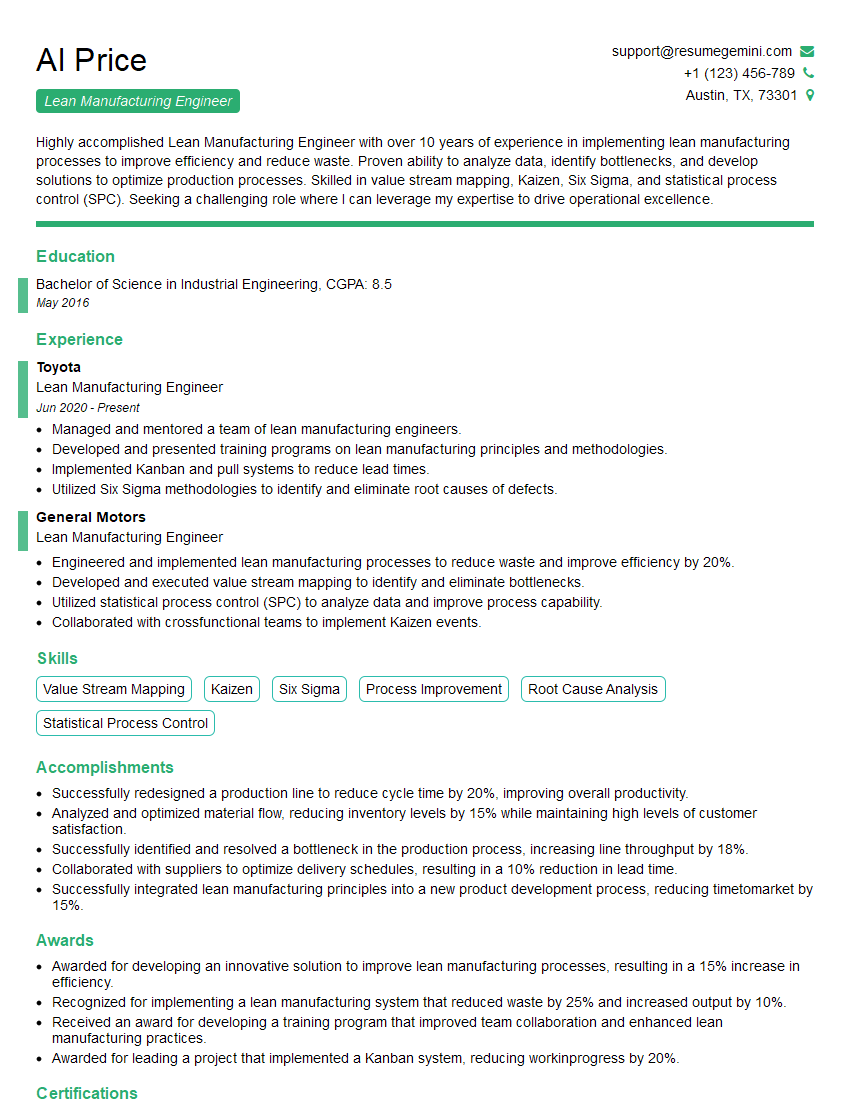
Lean Manufacturing Engineer Resume Sample
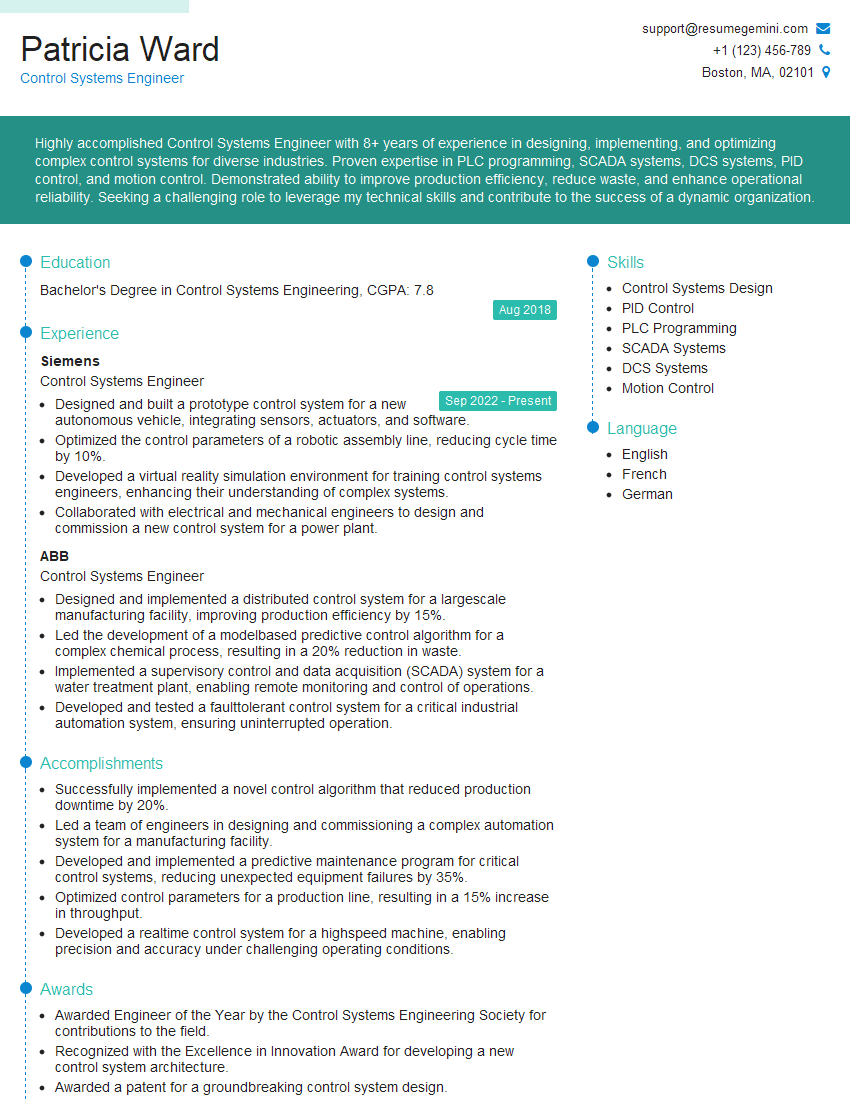
Control Systems Engineer Resume Sample
- Quality Assurance Manager
- Quality Control Manager
- Reliability Engineer
- Supply Chain Analyst
- Process Engineer
- Analytics Consultant
- Operations Research Analyst
- Statistical Analyst
- Process Control Engineer
- Industrial Engineer
- Manufacturing Engineer
- Metrologist
- Production Engineer
- Quality Control Engineer
- Lean Manufacturing Engineer
- Control Systems Engineer
Explore more articles
Users Rating of Our Blogs
Share Your Experience
We value your feedback! Please rate our content and share your thoughts (optional).
What Readers Say About Our Blog
Really detailed insights and content, thank you for writing this detailed article.
IT gave me an insight and words to use and be able to think of examples