Interviews are opportunities to demonstrate your expertise, and this guide is here to help you shine. Explore the essential Heavy Machinery Safety interview questions that employers frequently ask, paired with strategies for crafting responses that set you apart from the competition.
Questions Asked in Heavy Machinery Safety Interview
Q 1. Describe the hierarchy of controls in mitigating heavy machinery risks.
The hierarchy of controls in mitigating heavy machinery risks follows a well-established principle of eliminating hazards first, then reducing risks through various layers of protection. Think of it as a pyramid, with the most effective controls at the base and less effective ones at the top.
- Elimination: This is the ideal solution – removing the hazard completely. For example, replacing a dangerous manual process with an automated one that minimizes human interaction with moving parts.
- Substitution: Replacing a hazardous material or process with a safer alternative. Instead of using a highly flammable hydraulic fluid, switching to a non-flammable one would be an example.
- Engineering Controls: Designing machinery with built-in safety features like guards, interlocks (devices that prevent operation unless safety conditions are met), and emergency stops. Think of the safety cages around conveyor belts or the automatic shutdown mechanisms in crushers.
- Administrative Controls: Implementing safe work procedures, training programs, and regular inspections. This includes establishing clear protocols for lockout/tagout procedures and creating detailed risk assessments.
- Personal Protective Equipment (PPE): This is the last line of defense. While crucial, PPE only protects the individual and shouldn’t replace other, more effective controls. Examples include safety helmets, gloves, high-visibility clothing, and safety glasses.
It’s important to remember that these controls are not mutually exclusive; they often work together in a layered approach to provide maximum protection.
Q 2. Explain the importance of pre-operational inspections for heavy machinery.
Pre-operational inspections are absolutely vital for ensuring the safe operation of heavy machinery. Think of it as a pre-flight check for an airplane – crucial for preventing accidents. These inspections identify potential hazards before they lead to incidents or injuries.
A thorough pre-operational inspection should include:
- Checking fluid levels (hydraulic oil, engine oil, coolant): Low levels can indicate leaks or malfunctions.
- Inspecting tires and tracks for wear and tear: Worn components can lead to instability and accidents.
- Examining all safety devices (emergency stops, guards, lights, horns): Ensuring they are functioning correctly.
- Checking for any signs of damage or leaks: This includes visually inspecting the machine for cracks, dents, or other damage.
- Testing all operational controls: Making sure levers, pedals, and buttons respond correctly.
Proper documentation of these inspections is essential for accountability and tracking maintenance needs. A simple checklist can be very effective and helps avoid overlooking critical items.
Q 3. What are the common causes of heavy machinery accidents?
Heavy machinery accidents stem from a multitude of factors, often involving a combination of human error and mechanical failure. Some common causes include:
- Operator error: This is a significant contributor, including inadequate training, fatigue, distraction, and failure to follow safety procedures.
- Mechanical failure: Malfunctioning components like brakes, hydraulic systems, or electrical systems can lead to catastrophic failures.
- Lack of maintenance: Neglecting routine maintenance dramatically increases the risk of breakdowns and accidents.
- Unsafe working conditions: Inadequate lighting, poor ground conditions, and obstructions can create hazardous environments.
- Inadequate safety procedures: Lack of clear, well-defined safety procedures and protocols increases the risk of accidents.
- Improper use of PPE: Failure to wear or correctly use PPE significantly increases the risk of injury.
Investigating accidents thoroughly, focusing on root causes rather than just immediate causes, is crucial for preventing future incidents. This frequently involves detailed incident reports and thorough analysis of contributing factors.
Q 4. How do you ensure operators are adequately trained on heavy machinery safety?
Ensuring adequate operator training is paramount in heavy machinery safety. Training should be comprehensive, tailored to the specific machine and encompassing both theoretical knowledge and practical skills.
A robust training program should include:
- Classroom instruction: Covering safety regulations, machine operation, and emergency procedures.
- Hands-on training: Providing supervised practice in a safe environment, gradually increasing complexity.
- On-the-job training: Mentorship and practical experience under the guidance of an experienced operator.
- Regular refresher training: To ensure operators stay up-to-date on safety procedures and best practices.
- Assessment and certification: Testing operator competency to ensure they can safely and effectively operate the machinery.
Using simulations and virtual reality can enhance training effectiveness, allowing operators to practice in a risk-free environment before operating real machinery.
Q 5. Describe your experience with lockout/tagout procedures for heavy machinery maintenance.
Lockout/Tagout (LOTO) procedures are critical for preventing accidental energization of heavy machinery during maintenance or repairs. These procedures ensure that the machine is completely isolated from its energy sources before any work is performed. My experience involves developing and implementing LOTO programs for various heavy machinery, ensuring compliance with all relevant safety standards.
The process typically involves:
- Energy isolation: Disconnecting power sources, hydraulic lines, pneumatic lines, etc.
- Lockout: Attaching a lock to the energy isolation device, preventing unauthorized re-energization.
- Tagout: Attaching a tag with clear warnings indicating that the machine is locked out and work is in progress.
- Verification: Testing to confirm that the energy source is completely isolated.
- Release: Only the person who applied the lockout can remove it once the work is completed and the machine is deemed safe.
Thorough documentation of each LOTO procedure, including the personnel involved, is crucial for maintaining accountability and traceability. I’ve always emphasized the importance of team communication and ensuring everyone understands and adheres to the established procedures.
Q 6. What are the key elements of a comprehensive heavy machinery safety program?
A comprehensive heavy machinery safety program requires a multifaceted approach involving several key elements:
- Risk assessment: Identifying potential hazards associated with each machine and the work environment.
- Safety policies and procedures: Developing and implementing clear, concise guidelines for safe operation and maintenance.
- Operator training: Providing comprehensive training for all operators, including both theoretical knowledge and practical skills.
- Maintenance program: Establishing a routine maintenance schedule to prevent mechanical failures.
- Emergency response plan: Developing procedures for handling accidents and emergencies, including first aid and emergency services.
- Regular inspections: Conducting routine inspections of machinery and the work environment to identify and address potential hazards.
- Incident investigation: Thoroughly investigating all accidents and incidents to determine root causes and implement corrective actions.
- Record keeping: Maintaining detailed records of training, inspections, maintenance, and accidents.
- Communication and collaboration: Fostering open communication between management, operators, and maintenance personnel.
A successful safety program requires continuous improvement and adaptation to address evolving challenges. Regular reviews and updates are essential to ensure effectiveness.
Q 7. Explain the role of Personal Protective Equipment (PPE) in heavy machinery safety.
Personal Protective Equipment (PPE) plays a vital, though often last-resort, role in heavy machinery safety. While PPE protects individuals from hazards, it shouldn’t replace other, more effective control measures, such as engineering controls or administrative controls. Think of PPE as a safety net, not a primary safety solution.
Appropriate PPE for heavy machinery operations includes:
- Safety helmets: To protect against falling objects and head injuries.
- Safety glasses or goggles: To protect eyes from flying debris and dust.
- Hearing protection: To protect ears from excessive noise.
- High-visibility clothing: To increase visibility in low-light conditions or areas with moving machinery.
- Gloves: To protect hands from cuts, abrasions, and chemical exposure.
- Steel-toe boots: To protect feet from falling objects and crushing hazards.
- Respiratory protection: In environments with hazardous dust or fumes.
Proper selection, fit, and maintenance of PPE are critical. Regular inspections and replacement of damaged equipment are essential to ensure its effectiveness. Employee training on the proper use and limitations of PPE is paramount.
Q 8. How would you investigate a heavy machinery accident to determine root cause?
Investigating a heavy machinery accident requires a systematic approach to determine the root cause, not just the immediate cause. Think of it like peeling an onion – you need to remove layer by layer to get to the core issue. My methodology follows a structured process that includes:
Securing the Scene: The first priority is to ensure the safety of everyone involved and prevent further incidents. This involves isolating the area, documenting the scene with photos and videos, and interviewing witnesses.
Gathering Evidence: This step involves collecting all relevant data: machine maintenance logs, operator training records, witness statements, the machine’s operational data (if available), and any physical evidence from the accident site. We analyze the machine for any mechanical failures using detailed inspections and potentially expert consultations.
Analyzing the Evidence: We meticulously review all gathered evidence, looking for patterns and correlations. This might involve reconstructing the events leading to the accident using software simulations or physical models to determine contributing factors.
Identifying Root Causes: This step often requires a thorough understanding of human factors (operator error, fatigue, inadequate training), organizational factors (poor safety procedures, inadequate supervision), and technical factors (machine malfunction, inadequate maintenance). We use tools like fault tree analysis or Fishbone diagrams to identify the root causes, not just symptoms.
Developing Corrective Actions: Based on our root cause analysis, we develop specific, measurable, achievable, relevant, and time-bound (SMART) corrective actions. These might include improved training programs, revised safety protocols, machine modifications, or improved maintenance schedules.
Reporting and Follow-up: A comprehensive report is prepared, outlining the findings, root causes, and recommended corrective actions. We conduct regular follow-ups to ensure the implemented solutions are effective in preventing similar accidents.
For example, in one incident involving a crane collapse, our investigation revealed that the root cause wasn’t a single component failure but a combination of inadequate maintenance (missed scheduled inspections) and operator error (exceeding the crane’s rated capacity). By addressing both issues, we prevented future occurrences.
Q 9. Describe your experience with incident reporting and accident investigation.
Throughout my career, I’ve been extensively involved in incident reporting and accident investigation. I have experience in developing and implementing safety management systems, leading investigations using established methodologies like the 5 Whys and fault tree analysis, and preparing comprehensive reports for regulatory bodies. I’m proficient in using various software tools for data analysis and report generation. My reports always focus on factual findings, root cause determination, and recommendations for preventative measures. I’ve personally conducted over 50 accident investigations across various heavy machinery applications, ranging from construction sites to manufacturing plants. A recent example involves an incident with a backhoe where an operator was injured. By analyzing the machine’s data logs, maintenance records, and operator statements, we determined the root cause was inadequate operator training on emergency shutdowns, leading to a specific corrective action plan that included updated training manuals and simulator sessions.
Q 10. What are the regulations and standards related to heavy machinery safety in your region?
The regulations and standards related to heavy machinery safety vary by region. However, many jurisdictions adopt or adapt international standards like those from OSHA (Occupational Safety and Health Administration) or ISO (International Organization for Standardization). These regulations typically cover aspects like:
Machine guarding: Ensuring moving parts are adequately guarded to prevent accidental contact.
Operator training: Mandating proper training and certification for operators.
Pre-operational inspections: Requiring daily inspections before operation to identify potential hazards.
Personal Protective Equipment (PPE): Specifying the necessary PPE for operators (helmets, safety glasses, high-visibility clothing, etc.).
Emergency procedures: Establishing clear emergency procedures in case of accidents or malfunctions.
Maintenance and repair: Requiring regular maintenance and proper procedures for repairs.
Specific regional regulations may also include noise level limits, emission standards, and other environmental considerations. Staying updated with these regulations is crucial for maintaining compliance and ensuring worker safety. For example, in my region, we are strictly bound by [mention the specific regional regulations, e.g., the Construction Safety Regulation Act of 20XX] which includes stringent requirements for confined space entry and working at heights involving heavy machinery.
Q 11. How do you ensure compliance with heavy machinery safety regulations?
Ensuring compliance with heavy machinery safety regulations involves a multi-faceted approach:
Regular Inspections: Conducting regular inspections of machinery and work areas to identify potential hazards and ensure compliance with regulations. This includes both planned inspections and random spot checks.
Operator Training Programs: Implementing comprehensive training programs for all operators, covering safe operation procedures, emergency procedures, and hazard identification. Regular refresher courses are also essential.
Record Keeping: Maintaining accurate and detailed records of all inspections, maintenance activities, training records, and incident reports. This documentation is vital for demonstrating compliance during audits.
Safety Audits: Conducting regular safety audits to identify areas for improvement and ensure that safety procedures are being followed. These audits may be internal or conducted by external safety consultants.
Continuous Improvement: Continuously reviewing and improving safety procedures based on the findings of inspections, audits, and incident investigations. This ensures that the safety management system is always evolving and adapting to changing conditions.
Communication: Maintaining clear and open communication channels between management, supervisors, and operators to ensure that everyone is aware of safety procedures and regulations.
For instance, we implemented a new system using RFID tags to track machine maintenance and operator training, ensuring that only adequately trained operators can use specific machinery and that all equipment is properly maintained according to schedule.
Q 12. Describe your experience with risk assessment and hazard identification for heavy machinery.
Risk assessment and hazard identification for heavy machinery are critical for preventing accidents. I use a systematic approach that combines both qualitative and quantitative methods. This involves:
Hazard Identification: Identifying potential hazards associated with the machinery, including pinch points, crush points, entanglement hazards, and potential for falls. This involves walk-through inspections of the workplace and an examination of the machinery itself.
Risk Assessment: Assessing the likelihood and severity of each identified hazard. This might involve using a risk matrix to categorize hazards based on their risk level (low, medium, high).
Control Measures: Developing and implementing control measures to mitigate the identified risks. These control measures can be hierarchical, starting with elimination (removing the hazard entirely), followed by substitution (replacing the hazard with a less hazardous alternative), engineering controls (modifying the machinery to reduce the risk), administrative controls (changing work procedures), and finally, personal protective equipment (PPE).
Documentation: Documenting the entire risk assessment process, including the identified hazards, the risk assessment, and the implemented control measures. This documentation serves as a vital reference for future risk assessments and audits.
For example, in a recent project involving excavators, our risk assessment identified the risk of a collision between the excavator and other vehicles on the site. Our control measures included establishing clear traffic routes, implementing a traffic management system, and requiring the use of spotters to guide the excavator operator. We also implemented safety training sessions focused on blind spots and safe operating practices around other vehicles.
Q 13. How do you communicate safety information effectively to heavy machinery operators?
Effective communication of safety information is paramount. I employ a multi-pronged approach that uses various methods to reach operators:
Pre-shift meetings: Conducting daily pre-shift meetings to review safety procedures, address any immediate concerns, and reinforce safe working practices.
Training materials: Providing clear, concise, and visually appealing training materials, including manuals, videos, and interactive sessions. These materials should be tailored to the operator’s level of understanding.
On-site signage: Using clear and prominent signage to highlight potential hazards and remind operators of safety procedures.
Regular feedback sessions: Conducting regular feedback sessions with operators to address their concerns, gather feedback on safety procedures, and identify areas for improvement.
Technology-based solutions: Utilizing technology like mobile apps, SMS alerts, and digital dashboards to provide timely safety updates and reminders.
Furthermore, we use storytelling and real-world examples of accidents to highlight the importance of following safety procedures. Making safety relatable and engaging is key to improving compliance.
Q 14. How do you handle non-compliant behavior regarding heavy machinery safety?
Handling non-compliant behavior requires a graduated approach that combines education, discipline, and, if necessary, progressive disciplinary action. My approach emphasizes a focus on correcting the behavior and preventing future occurrences rather than simply imposing punishment:
Verbal counseling: Addressing minor instances of non-compliance with a verbal warning, providing education and reinforcing the importance of following safety procedures.
Written warnings: Issuing written warnings for repeated or more serious instances of non-compliance. These warnings are documented and placed in the operator’s personnel file.
Suspensions: Suspending operators from work for serious violations of safety procedures. Suspensions provide an opportunity for retraining and reflection.
Termination: In cases of repeated or egregious violations of safety procedures, termination may be necessary to ensure the safety of other workers and maintain a culture of safety.
Throughout this process, I emphasize open communication and a focus on helping operators understand and comply with safety regulations. The goal is to foster a culture of safety and responsibility, where operators are empowered to identify and report hazards.
Q 15. What is your experience with safety training programs for heavy equipment operators?
Throughout my 15-year career in heavy machinery safety, I’ve designed and delivered numerous safety training programs for operators of various equipment types, from excavators and bulldozers to forklifts and cranes. My approach is multifaceted, incorporating classroom instruction, hands-on simulations, and real-world site observations. For example, when training excavator operators, we focus not only on the machine’s controls but also on site-specific hazards, such as underground utilities and unstable ground conditions. The programs are tailored to the specific needs of the operators and the work environment, ensuring competency in safe operating procedures and emergency protocols. I also incorporate regular refresher training and competency assessments to maintain a high standard of safety.
I leverage a combination of methods, including interactive presentations, practical exercises using simulators, and video demonstrations of both correct and incorrect techniques. For instance, to teach safe crane operation, we utilize a simulator that realistically replicates the challenges of lifting heavy loads in various weather conditions. Post-training assessments ensure that all operators have mastered the critical safety procedures before operating heavy machinery on site. This multi-faceted approach leads to a significant reduction in accidents and near misses.
Career Expert Tips:
- Ace those interviews! Prepare effectively by reviewing the Top 50 Most Common Interview Questions on ResumeGemini.
- Navigate your job search with confidence! Explore a wide range of Career Tips on ResumeGemini. Learn about common challenges and recommendations to overcome them.
- Craft the perfect resume! Master the Art of Resume Writing with ResumeGemini’s guide. Showcase your unique qualifications and achievements effectively.
- Don’t miss out on holiday savings! Build your dream resume with ResumeGemini’s ATS optimized templates.
Q 16. Explain the importance of emergency response planning for heavy machinery accidents.
Emergency response planning is paramount in heavy machinery operations. A well-defined plan significantly reduces the severity of consequences following an accident. Such plans should detail procedures for immediate actions, such as securing the area to prevent further incidents, providing first aid to the injured, and contacting emergency services. Crucially, the plan must outline communication protocols to ensure efficient coordination between operators, supervisors, and emergency responders. This includes establishing clear communication channels and designated personnel responsible for contacting relevant authorities and managing the scene.
For example, a comprehensive plan would specify the location of emergency shut-off switches for all machinery, the designated assembly points for personnel, and the procedures for handling spilled hazardous materials. Regular drills and simulations are critical to ensuring that all personnel are familiar with their roles and responsibilities in an emergency. These drills should cover a range of potential scenarios, such as equipment malfunctions, fires, and injuries. Failure to have a clear and practiced emergency response plan could lead to more severe injuries or environmental damage, resulting in greater financial and legal liabilities.
Q 17. Describe your experience with creating and implementing safety policies and procedures.
My experience in creating and implementing safety policies and procedures involves a thorough understanding of relevant regulations and best practices. I begin by conducting a comprehensive risk assessment, identifying potential hazards specific to the machinery and work environment. This assessment informs the development of clear, concise, and easily understandable policies and procedures. These are then communicated to all personnel through training sessions, written manuals, and regular site briefings.
For instance, a policy on pre-shift machine inspections would detail the specific checks operators must perform before starting their equipment. This includes visually inspecting the machine for damage, checking fluid levels, and testing all controls. These policies are regularly reviewed and updated to reflect any changes in regulations, technology, or operational requirements. Compliance is monitored through regular audits and inspections, addressing any non-compliance promptly and effectively. This ensures that all safety measures are consistently applied, minimizing risks and fostering a culture of safety.
Q 18. What are the key elements of a successful safety culture for heavy machinery operations?
A successful safety culture in heavy machinery operations is built upon several key elements. Firstly, leadership commitment is paramount; senior management must visibly champion safety, demonstrating that it’s a top priority. Secondly, open communication is essential, encouraging operators to report near misses and hazards without fear of reprisal. Regular safety meetings and feedback mechanisms help build trust and encourage proactive involvement. Thirdly, comprehensive training is vital, equipping operators with the knowledge and skills to operate machinery safely and to respond effectively in emergency situations. Fourthly, consistent enforcement of safety rules is crucial; this demonstrates that safety is not merely words but a tangible reality. Finally, proactive hazard identification and risk mitigation is essential, regularly reviewing work processes and equipment to identify and control potential hazards before they result in incidents.
Think of it as a team sport. Everyone needs to be on the same page, working collaboratively to minimize risk. A successful safety culture fosters a sense of shared responsibility, where everyone feels empowered to contribute to a safe work environment.
Q 19. How do you monitor and evaluate the effectiveness of your heavy machinery safety program?
Monitoring and evaluating the effectiveness of a heavy machinery safety program requires a multi-pronged approach. We use several key performance indicators (KPIs), including accident rates, near-miss reporting rates, and the results of regular safety audits. Accident rates are a clear measure of program effectiveness, while near-miss reporting demonstrates the openness and communication within the team. Regular audits assess compliance with safety policies and procedures, identifying areas for improvement. We also analyze data from machine telemetry systems, where available, to identify patterns in equipment operation that could indicate potential hazards. For example, excessive engine speeds or unusual operating patterns might suggest operator error or equipment malfunction.
Regular feedback sessions with operators and supervisors provide valuable insights into the program’s strengths and weaknesses, allowing us to adapt and refine our strategies. This continuous improvement cycle is critical for ensuring that the safety program remains effective and relevant in a constantly evolving work environment.
Q 20. Explain the concept of job safety analysis (JSA) and its application to heavy machinery.
Job Safety Analysis (JSA) is a systematic process used to identify hazards and control measures associated with specific tasks. In the context of heavy machinery, a JSA involves breaking down a task into its individual steps, identifying potential hazards at each step, and implementing appropriate control measures to mitigate those hazards. This involves identifying potential hazards such as falls from heights, crushing injuries, and equipment malfunctions. The JSA then outlines control measures such as using personal protective equipment (PPE), implementing safe work procedures, and ensuring regular maintenance of the equipment. This process is documented, reviewed, and updated regularly to reflect changes in work procedures or equipment.
For example, a JSA for operating a forklift would break down the task into steps like pre-operational checks, loading and unloading, maneuvering, and parking. For each step, potential hazards would be identified (e.g., load instability, collisions, falls), and control measures would be specified (e.g., secure loads properly, maintain a safe speed, use appropriate signaling). This systematic approach helps prevent accidents by addressing potential hazards proactively.
Q 21. Describe different types of heavy machinery and their associated safety hazards.
Heavy machinery encompasses a wide range of equipment, each presenting unique safety hazards. Excavators, for instance, pose risks of rollovers, crushing injuries, and falls from heights. Bulldozers present similar risks, along with the added hazard of blade-related injuries. Forklifts are associated with collisions, falls from height (if operating on elevated surfaces), and crushing injuries. Cranes, due to their height and lifting capacity, carry the potential for catastrophic load drops and structural failures. Each type requires specific safety precautions, including operator training, regular maintenance, and adherence to safe operating procedures.
Understanding these specific hazards is critical to developing effective safety protocols. For example, the use of seatbelts and rollover protection structures (ROPS) is crucial for excavators and bulldozers. For forklifts, proper load securing and adherence to speed limits are critical. Crane operation necessitates thorough load calculations, frequent inspections, and adherence to strict lifting procedures. Failure to address these specific hazards can lead to serious injuries or fatalities.
Q 22. What are the legal and ethical responsibilities of a heavy machinery safety professional?
A heavy machinery safety professional’s responsibilities extend beyond simply ensuring compliance with regulations; they encompass a strong ethical commitment to worker well-being. Legally, we must adhere to OSHA (Occupational Safety and Health Administration) standards and other relevant national or international regulations, which vary by jurisdiction. This includes implementing and maintaining safety programs, conducting regular inspections, providing training, and investigating accidents. Ethically, we have a duty of care to prioritize the safety and health of all workers above all else. This means proactively identifying and mitigating hazards, advocating for safer practices, and fostering a culture of safety where reporting hazards is encouraged without fear of reprisal. For example, if I identify a faulty safety device on a crane, my legal responsibility is to report it and ensure it’s repaired; my ethical responsibility is to immediately take the crane out of service to prevent potential injury, even if it impacts production.
Q 23. How do you identify and manage potential ergonomic hazards related to heavy machinery operation?
Ergonomic hazards in heavy machinery operation often stem from repetitive movements, awkward postures, and excessive force. To identify these, I use a multi-pronged approach. This includes conducting thorough job hazard analyses (JHAs), observing operators in action, and interviewing them to understand their experiences. For example, a JHA might reveal that operating a certain excavator requires frequent twisting and reaching, increasing the risk of musculoskeletal disorders. Once identified, I’d implement control measures. These could range from redesigning workspaces to incorporate better ergonomics – like adjusting seat height and armrest position – to providing ergonomic tools and training operators on proper lifting techniques and posture. I might even advocate for automated systems to reduce manual tasks. Regular ergonomic assessments are crucial for ensuring controls remain effective and addressing any new concerns. A crucial aspect involves the use of Personal Protective Equipment (PPE), ensuring it is the appropriate fit to avoid musculoskeletal strain.
Q 24. Describe your experience working with different types of heavy machinery safety equipment.
My experience encompasses a wide range of heavy machinery safety equipment. I’ve worked extensively with personal protective equipment (PPE) such as hard hats, safety glasses, hearing protection, gloves, and high-visibility clothing. I’m familiar with various types of machine guarding, including fixed guards, interlocks, light curtains, and presence-sensing devices. I have experience with fall protection systems, including harnesses, lifelines, and anchor points, particularly relevant for work at height around cranes and other tall machinery. I’m also proficient in using and maintaining safety devices integral to machinery, such as emergency stop buttons, pressure relief valves, and overload protection systems. In one project, I was involved in the implementation of a new safety system for a large mining operation, integrating proximity sensors and automatic braking systems on haul trucks to significantly reduce the risk of collisions. A key part of this role has been ensuring proper equipment maintenance and inspections to maintain effectiveness.
Q 25. How do you ensure the safe transportation and storage of heavy machinery?
Safe transportation and storage of heavy machinery requires meticulous planning and execution. Transportation necessitates specialized trailers and securement techniques to prevent shifting or tipping during transit. This includes using appropriate tie-down straps, chocks, and other restraints. Drivers must be trained in handling oversized loads and adhering to route restrictions. Storage involves selecting a level, stable area, free from obstructions and potential hazards. The machinery should be properly parked, secured against movement, and protected from the elements using covers or shelters. Regular inspections are needed to ensure the continued integrity of the storage area and the machine’s condition. For example, if storing excavators outdoors, I’d recommend securing them against potential wind damage and covering them to prevent corrosion. Similarly, any fuel or hydraulic fluids need to be properly managed in compliance with environmental regulations.
Q 26. What are the signs and symptoms of heat stress, and how do you mitigate them in heavy machinery operations?
Heat stress in heavy machinery operations is a significant concern, particularly in hot and humid climates. Symptoms range from mild (heat rash, fatigue) to severe (heat stroke, which can be fatal). Early signs often include excessive sweating, dizziness, nausea, and headache. As the heat stress progresses, symptoms can include confusion, loss of consciousness, and rapid pulse. Mitigation strategies are crucial and start with proactive measures. These include providing adequate hydration, encouraging frequent breaks in shaded areas, and ensuring proper ventilation in the machinery cabs. Implementing work-rest cycles tailored to the ambient temperature, using protective clothing with high breathability, and scheduling operations during cooler parts of the day are effective preventative measures. Training operators to recognize the symptoms of heat stress and to immediately report them is also vital. Emergency response plans, including access to cooling facilities and medical assistance, must be in place.
Q 27. Explain the importance of machine guarding and its different types.
Machine guarding is paramount to prevent accidents and injuries. It creates a physical barrier between moving machine parts and operators. Different types of guards exist, each suitable for specific applications. Fixed guards are permanently attached to the machine and provide a robust barrier. Interlocks prevent operation unless the guard is securely in place; an example would be a system stopping a press if the safety door is open. Adjustable guards allow for access to the machine for maintenance but must be re-secured before operation. Light curtains use non-contact sensors to stop the machine if an operator or object breaks the light beam. Presence-sensing devices detect the presence of personnel within a dangerous area, automatically stopping the equipment. The choice of guarding depends on the specific hazard, machine type, and operational requirements. Effective machine guarding significantly reduces the risk of crushing, entanglement, or contact injuries. Proper maintenance and regular inspections of guards are crucial to maintain their effectiveness.
Q 28. Describe your experience with conducting safety audits and inspections for heavy machinery.
I have extensive experience conducting safety audits and inspections for heavy machinery. My approach is systematic, using checklists and standardized procedures to ensure thoroughness. This includes visual inspections of the machinery, reviewing maintenance logs, observing operational procedures, and interviewing operators and maintenance personnel. I’ll assess compliance with relevant safety standards and regulations, identifying any deficiencies in machine guarding, lockout/tagout procedures, and PPE usage. I also evaluate the effectiveness of existing safety programs and training. For instance, during an audit of a construction site, I found that several excavators lacked proper emergency stop mechanisms and that operator training on safe operating procedures was inadequate. This led to recommendations for immediate repairs, improved training programs, and enhanced safety protocols. Following the audit, a follow-up inspection confirms that corrective actions were implemented and effective. Documentation is paramount, recording all findings, recommendations, and corrective actions taken to ensure continuous improvement in safety practices.
Key Topics to Learn for Heavy Machinery Safety Interview
- Machine-Specific Safety Procedures: Understanding the unique safety protocols for various heavy machinery types (e.g., excavators, loaders, forklifts). This includes pre-operational checks, operational procedures, and shutdown procedures.
- Lockout/Tagout Procedures (LOTO): Mastering the theoretical concepts behind LOTO and its practical application in preventing accidental machine starts during maintenance or repair. Be prepared to discuss different LOTO procedures and their limitations.
- Personal Protective Equipment (PPE): Knowing the appropriate PPE for different heavy machinery operations and the reasons behind its use. Discuss the importance of proper PPE selection, fit, and maintenance.
- Hazard Identification and Risk Assessment: Demonstrate your ability to identify potential hazards associated with heavy machinery operation and implement appropriate risk mitigation strategies. Be ready to discuss different risk assessment methodologies.
- Emergency Response Procedures: Understanding emergency procedures, including first aid, evacuation plans, and reporting protocols in case of accidents or equipment malfunctions. Practice describing your actions in a hypothetical scenario.
- Regulations and Compliance: Familiarity with relevant safety regulations and industry standards (OSHA, etc.) and how they apply to heavy machinery operation and maintenance. Be prepared to discuss your understanding of compliance requirements.
- Communication and Teamwork: Highlight the importance of effective communication and teamwork in maintaining a safe working environment, especially when operating heavy machinery in close proximity to others.
- Safe Lifting and Handling Practices: Demonstrate knowledge of safe lifting techniques and the importance of proper load securing and handling procedures to prevent accidents and injuries.
Next Steps
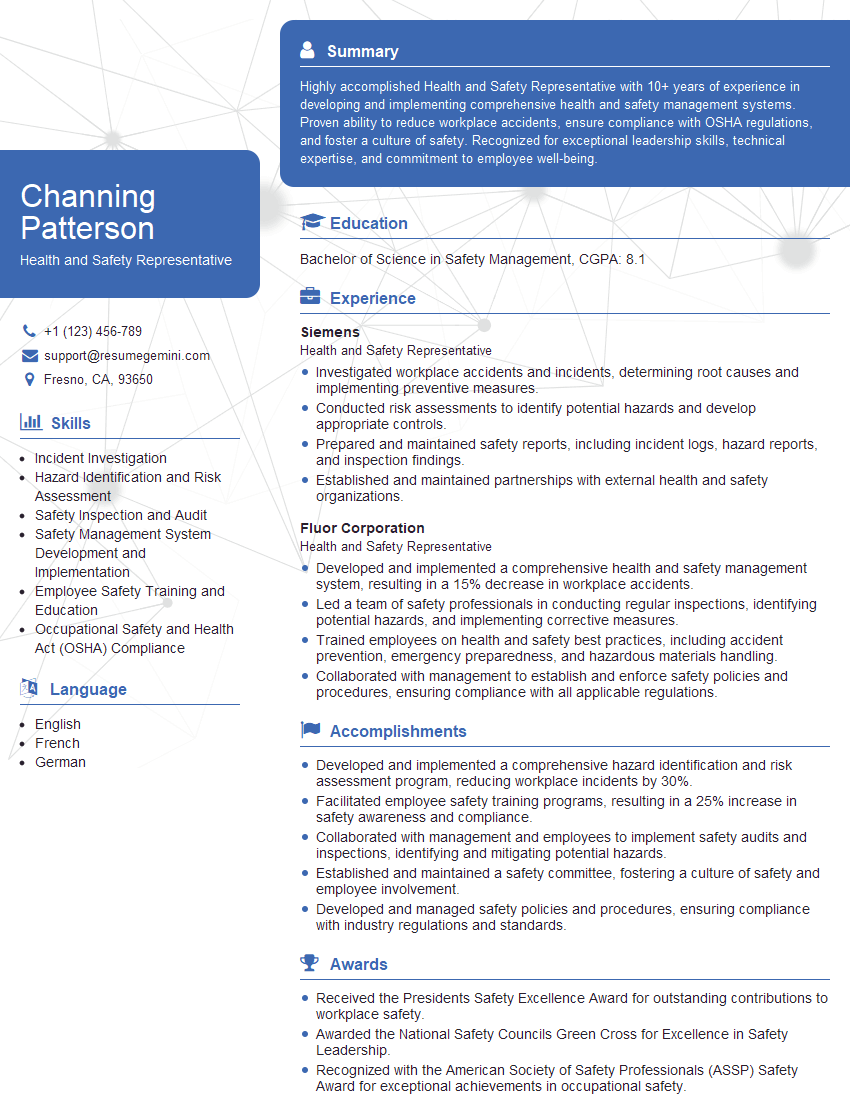
Mastering Heavy Machinery Safety is crucial for career advancement in this demanding field. It demonstrates your commitment to workplace safety and significantly increases your value to potential employers. To enhance your job prospects, focus on building an ATS-friendly resume that highlights your skills and experience effectively. ResumeGemini is a trusted resource that can help you create a professional and impactful resume. They provide examples of resumes tailored to Heavy Machinery Safety to guide you in showcasing your qualifications. Take the next step towards your dream career by crafting a compelling resume that grabs the attention of recruiters.

Explore more articles
Users Rating of Our Blogs
Share Your Experience
We value your feedback! Please rate our content and share your thoughts (optional).
What Readers Say About Our Blog
Really detailed insights and content, thank you for writing this detailed article.
IT gave me an insight and words to use and be able to think of examples