Feeling uncertain about what to expect in your upcoming interview? We’ve got you covered! This blog highlights the most important Hydraulic Bale Press Operation interview questions and provides actionable advice to help you stand out as the ideal candidate. Let’s pave the way for your success.
Questions Asked in Hydraulic Bale Press Operation Interview
Q 1. Describe the different types of hydraulic bale presses.
Hydraulic bale presses come in various types, primarily categorized by their functionality and the type of material they handle. The most common types include:
- Horizontal Bale Presses: These presses compress materials horizontally, often used for larger volumes of lighter materials like cardboard or paper. Think of them as a giant clothes iron squeezing material sideways into a rectangular bale.
- Vertical Bale Presses: These presses compress materials vertically, ideal for denser materials like plastic bottles, textiles, or metal shavings. They operate much like a garbage compactor, pushing material down into a bale.
- Two-Ram Bale Presses: Employing two rams, one on each side, these presses offer faster cycle times and increased capacity, suitable for high-volume applications.
- Self-Tied Bale Presses: These presses automate the bale tying process using wire or twine, improving efficiency and reducing manual labor. Imagine a fully automated system that takes care of the whole baling process.
- Closed-Door Bale Presses: These presses offer a safer operation by keeping the baling chamber closed during the compression cycle, minimizing the risk of operator injury.
The choice of bale press depends on factors such as the type of material being processed, the required bale size and density, and the desired production capacity. For instance, a recycling center handling a high volume of mixed plastics might opt for a high-capacity two-ram, closed-door press, while a smaller business dealing with only cardboard might choose a more compact horizontal model.
Q 2. Explain the safety procedures for operating a hydraulic bale press.
Safety is paramount when operating a hydraulic bale press. Here’s a breakdown of crucial safety procedures:
- Lockout/Tagout (LOTO): Before any maintenance or repair, always implement LOTO procedures to prevent accidental activation. This involves isolating the power source and affixing a tag to indicate that the machine is out of service.
- Personal Protective Equipment (PPE): Always wear appropriate PPE, including safety glasses, gloves, and sturdy footwear. Hearing protection is also recommended in noisy environments.
- Clear the Chamber: Ensure the baling chamber is completely clear of any obstructions before initiating a compression cycle. This prevents damage to the machine and potential injuries.
- Proper Training: Only trained and authorized personnel should operate the bale press. Regular training refreshes safety procedures and best practices.
- Emergency Stops: Familiarize yourself with the location and operation of all emergency stop buttons and switches. Know how to shut the machine down quickly in case of an emergency.
- No Loose Clothing or Jewelry: Avoid wearing loose clothing or jewelry that could get caught in moving parts.
- Regular Inspections: Conduct daily inspections of the machine for any signs of damage or leaks before operation.
Remember, a moment of carelessness can lead to serious injury. Prioritizing safety is not just a guideline; it’s a necessity.
Q 3. How do you troubleshoot a hydraulic leak in a bale press?
Troubleshooting a hydraulic leak involves a systematic approach. Never attempt repairs while the system is pressurized. Here’s a step-by-step guide:
- Identify the Leak Source: Visually inspect the entire hydraulic system, including hoses, fittings, cylinders, and the reservoir, for any signs of leakage. Pay close attention to any wet spots or dripping fluid.
- Isolate the Leaking Component: Once the leak is located, try to isolate the affected component. This might involve shutting down specific sections of the hydraulic system, if possible.
- Check Fluid Level: Check the hydraulic fluid level in the reservoir. A low fluid level can indicate a significant leak. Note the type and amount of fluid lost.
- Inspect Hoses and Fittings: Carefully inspect hoses and fittings for cracks, damage, or loose connections. Tighten loose fittings but avoid over-tightening.
- Inspect Cylinders and Seals: Check for damage to the hydraulic cylinders and their seals. This often requires more specialized knowledge and may necessitate calling a qualified technician.
- Repair or Replace: Depending on the nature of the leak, you may be able to repair it yourself (e.g., replacing a damaged hose or fitting). However, more complex repairs, such as cylinder seal replacements, should be handled by qualified technicians.
Remember, working with hydraulic systems requires caution. If you are unsure about any aspect of the repair process, consult a qualified hydraulic technician to prevent further damage or injury.
Q 4. What are the common causes of bale press malfunctions?
Malfunctions in bale presses can stem from various causes. Here are some common ones:
- Hydraulic System Issues: Leaks, low fluid levels, faulty valves, or pump malfunctions are common culprits leading to reduced pressure or complete system failure.
- Mechanical Problems: Worn-out bearings, damaged gears, broken belts, or problems with the ram mechanism can hinder the compression process.
- Electrical Faults: Issues with the control system, faulty wiring, or problems with the motor can prevent the machine from operating correctly.
- Improper Material Handling: Feeding too much material at once, inconsistent material size or type, or introducing foreign objects into the chamber can overload the system and cause malfunctions.
- Lack of Maintenance: Inadequate lubrication, infrequent inspections, and delayed repairs can lead to premature wear and tear, resulting in various malfunctions.
Regular maintenance, careful operation, and prompt attention to minor issues can significantly reduce the occurrence of malfunctions and prolong the lifespan of the bale press.
Q 5. Describe the process of preparing material for baling.
Preparing material for baling is a crucial step that impacts bale quality and press efficiency. Here’s what it involves:
- Size Reduction: Larger pieces of material should be broken down into smaller, more manageable sizes to ensure even compression and efficient filling of the baling chamber.
- Material Separation: Separate materials based on type to avoid mixing incompatible materials which can affect bale density and quality (e.g., separating cardboard from plastic).
- Foreign Object Removal: Remove any foreign objects (metal, rocks, etc.) that could damage the press or compromise bale integrity. Think of this as quality control for your bales.
- Moisture Control: Excessive moisture can affect bale density and may lead to mold or rot. Materials should be allowed to dry sufficiently before baling, especially for organic materials like paper or cardboard.
- Pre-Compression (Optional): Some materials may benefit from pre-compression using a smaller machine or manual method before being fed into the main press to increase efficiency.
Proper preparation minimizes operational issues and produces higher-quality bales, making the whole baling process smoother and more efficient.
Q 6. How do you ensure the proper density and size of bales?
Achieving the proper density and size of bales depends on several factors and requires attention to detail throughout the process.
- Material Type: Different materials compress at different rates. Denser materials will naturally produce denser bales.
- Press Settings: Most bale presses allow adjusting pressure levels, dwell time (how long the material is compressed), and bale ejection mechanisms. Experimenting with these settings might be necessary to find the optimal configuration for your material type.
- Material Preparation: Consistent and well-prepared material is crucial. Inconsistent sizing or density of incoming materials leads to inconsistent bales.
- Regular Maintenance: A well-maintained press performs more consistently, producing uniform bales.
- Monitoring and Adjustment: Observe the baling process and make adjustments as needed during operation to achieve the desired density and size. Don’t be afraid to fine-tune the process over time.
Remember, achieving optimal bale density and size is a balancing act between maximizing compression and minimizing equipment strain. Experimentation and careful observation are key to finding the sweet spot.
Q 7. Explain the importance of regular maintenance for a hydraulic bale press.
Regular maintenance is vital to ensuring the safe and efficient operation of a hydraulic bale press, maximizing its lifespan, and preventing costly repairs.
- Daily Inspections: Check for hydraulic leaks, loose connections, unusual noises, and general wear and tear.
- Lubrication: Regularly lubricate moving parts according to the manufacturer’s recommendations. Think of this as giving the machine a regular health check-up.
- Fluid Level Checks: Maintain the correct hydraulic fluid level. Low fluid levels can cause damage to the pump.
- Filter Changes: Change hydraulic filters at recommended intervals to prevent contamination of the hydraulic system.
- Scheduled Maintenance: Follow the manufacturer’s recommended maintenance schedule, which may include more extensive checks and services at specific intervals.
Proactive maintenance not only avoids unexpected downtime but also increases safety and extends the operational life of your bale press, ultimately saving you money and headaches in the long run. Think of it as an investment in your equipment’s longevity and your operation’s success.
Q 8. What are the key components of a hydraulic bale press system?
A hydraulic bale press system is comprised of several key components working in concert to compress materials into compact bales. Think of it like a giant, powerful garbage compactor, but much more sophisticated.
- Hydraulic Power Unit (HPU): The heart of the system, providing the hydraulic pressure needed for compression. This includes the hydraulic pump, reservoir, and control valves.
- Ram Cylinder: The large piston that pushes down on the material, performing the actual compression. The size and power of this cylinder determine the bale press’s capacity.
- Bale Chamber: The box-like structure where the material is compressed. Its size determines the dimensions of the finished bale.
- Tie Wire Mechanism or Twine System: The mechanism that secures the compressed bale, preventing it from unraveling. This could be automated or manual, depending on the machine.
- Control Panel: Allows the operator to control the various functions of the press, including starting and stopping the cycle, adjusting pressure, and monitoring system status. It’s like the dashboard of a car.
- Safety Mechanisms: Critical components like emergency stop buttons, light curtains, and interlocks ensure operator safety. These prevent accidents and protect the machine.
Each component plays a vital role in the efficient and safe operation of the bale press. A malfunction in any part can significantly impact productivity and safety.
Q 9. How do you identify and address hydraulic pressure issues?
Hydraulic pressure issues can manifest in several ways, from slow operation to complete failure. Identifying and addressing these issues requires a systematic approach.
- Low Pressure: This could indicate low hydraulic fluid level, a leak in the system, a faulty pump, or a problem with the hydraulic valves. Check the fluid level first. A visual inspection for leaks (look for drips or damp spots) is crucial. If leaks exist, addressing them will solve the problem. Listen for unusual pump sounds or vibrations.
- High Pressure: This might suggest a blockage in the system (e.g., a jammed valve or a kinked hose) or an overtightened connection. Try to release the pressure cautiously and then investigate the system for obstructions. Always follow proper pressure release procedures.
- Inconsistent Pressure: Fluctuations in pressure indicate a potential problem with the pressure relief valve or a failing pump. This requires a thorough check of both components, potentially involving a pressure gauge to monitor system pressure at various points.
Troubleshooting often involves using a pressure gauge to pinpoint the location of a pressure drop and systematically checking hoses, connections, and components. Remember: safety first! Never attempt repairs without proper training and understanding of the hydraulic system.
Q 10. How do you perform a safety inspection of a bale press before operation?
Safety is paramount before operating any bale press. A thorough pre-operational inspection is non-negotiable.
- Visual Inspection: Check for any visible damage to the machine, hoses, and electrical components. Look for cracks, leaks, or loose connections. Imagine you’re a detective, scrutinizing every detail.
- Hydraulic Fluid Level: Ensure the hydraulic fluid reservoir is adequately filled and the fluid is clean. Low fluid or contaminated fluid is a major safety concern.
- Safety Devices: Verify the functionality of all safety devices, including emergency stop buttons, light curtains, and interlocks. Test these systems to ensure they respond as intended. This ensures that in an emergency, the press will stop instantly.
- Clear Area Around the Machine: Make sure the area surrounding the bale press is clear of obstructions and personnel, creating a safe working environment.
- Check Baling Wire/Twine: Inspect the condition of baling wire or twine to ensure it’s properly loaded and free from defects. Damaged materials can cause accidents.
A pre-operation checklist, followed diligently, prevents accidents. Documenting the inspection is a wise practice for safety and maintenance records.
Q 11. What are the different types of baling wire or twine used?
Bale presses utilize different materials for tying bales, each with its own advantages and disadvantages. The choice depends on the type of material being baled and the available equipment.
- Steel Wire: The most common choice, offering high strength and durability. Different gauges (thicknesses) are available depending on the bale size and material being compressed. It’s robust and reliable.
- Twine: Made from natural or synthetic fibers, twine is suitable for lighter materials and is often used in smaller bale presses. It’s generally easier to handle than wire, but may not be strong enough for heavier or denser materials.
- Plastic Strapping: Becoming more popular, especially for recyclable materials. Plastic straps are less labor-intensive to use than wire but must be correctly tensioned.
Selecting the appropriate tie material is crucial for bale integrity and efficient baling.
Q 12. Describe the process of changing the baling wire or twine.
Changing baling wire or twine varies according to the bale press model, but the general principle involves following safety procedures and using the correct replacement materials. Always consult the machine’s operating manual.
For Wire: Typically, this involves releasing the existing bale, removing the old wire spool, and installing the new spool. This often requires careful handling to avoid sharp ends and entanglement. Ensure the wire path is clear and unwinds smoothly.
For Twine: This usually entails guiding the new twine roll onto the designated spool or mechanism, ensuring proper tension. Twine may require less intricate procedures, but smooth feeding remains crucial to avoid tangles.
It’s crucial to follow the specific instructions detailed in the bale press’s manual. Improper installation can lead to jams and safety hazards. Remember to always keep your hands clear of moving parts.
Q 13. How do you handle jams or blockages in the bale press?
Jams or blockages are common occurrences, often resulting from improper feeding, material overloading, or foreign objects in the bale chamber. Addressing these requires a cautious and systematic approach.
- Identify the Blockage: Determine the location and nature of the blockage. Is it a large piece of material, a tangled tie, or something else?
- Turn Off the Machine: Before attempting any repair, always turn off and lock out the power source to the machine to prevent accidental activation. Safety is paramount.
- Clear the Blockage: Carefully remove the obstruction. This may involve using tools like hooks or rakes, depending on the type and location of the blockage. Avoid using hands directly inside the press.
- Inspect the System: After removing the blockage, check the bale chamber and other components for any further issues. Sometimes a jam points to a larger problem needing attention.
Preventing jams involves careful feeding of the material, ensuring proper compaction, and regularly inspecting the press for any foreign objects. A well-maintained press is less prone to jams.
Q 14. What are the signs of hydraulic fluid contamination?
Hydraulic fluid contamination can significantly reduce the lifespan of the hydraulic system, leading to malfunctions and costly repairs. It’s vital to detect it early.
- Discoloration: Noticeably cloudy, dark, or otherwise discolored fluid indicates contamination with water, dirt, or other debris. Think of it like muddy water versus clear water; the difference is obvious.
- Unusual Odor: A burning or foul smell from the hydraulic fluid might signal contamination or overheating. This often indicates a serious problem that requires immediate attention.
- Presence of Sediment: If you can see sediment or particles in the fluid, that’s a clear sign of contamination. This may require a complete system flush.
- Reduced System Performance: Symptoms such as slow response times, unusual noises, or leaks might all indicate contaminated fluid degrading seals and components.
Regular fluid analysis is recommended to detect subtle contamination before it causes serious problems. Clean fluid is essential for optimal hydraulic system performance and longevity.
Q 15. How do you interpret the pressure gauges on a hydraulic bale press?
Pressure gauges on a hydraulic bale press are crucial for monitoring the compaction process. They typically display two key pressures: main chamber pressure and ram pressure. The main chamber pressure gauge shows the pressure exerted on the material within the bale chamber. This pressure indicates how tightly the material is being compressed. A higher reading means greater compaction. The ram pressure gauge indicates the hydraulic pressure driving the ram that pushes the material. This pressure is directly related to the force applied to the bale. Interpreting these gauges involves understanding the press’s operational parameters. For instance, if the main chamber pressure plateaus before the target bale density is reached, it could indicate a blockage or the need to pre-process the material more effectively. Conversely, if the ram pressure is consistently exceeding its maximum safe operating pressure, this suggests a problem with the hydraulic system or material overload.
Example: Let’s say your press has a target main chamber pressure of 2000 PSI. If you reach 1500 PSI and the pressure stops increasing, it’s a sign that something is hindering further compaction. This might require a re-evaluation of the material being compressed or checking for any obstructions inside the chamber.
Career Expert Tips:
- Ace those interviews! Prepare effectively by reviewing the Top 50 Most Common Interview Questions on ResumeGemini.
- Navigate your job search with confidence! Explore a wide range of Career Tips on ResumeGemini. Learn about common challenges and recommendations to overcome them.
- Craft the perfect resume! Master the Art of Resume Writing with ResumeGemini’s guide. Showcase your unique qualifications and achievements effectively.
- Don’t miss out on holiday savings! Build your dream resume with ResumeGemini’s ATS optimized templates.
Q 16. How do you safely remove a finished bale from the press?
Removing a finished bale safely requires a methodical approach. First, ensure the bale press is completely shut down and the hydraulic pressure is fully released. This is crucial to prevent accidental movement of the ram. Next, use the bale ejector mechanism – if your press has one – to gently push the bale out of the chamber. Some presses have manual tie-wire cutters integrated with the bale ejector to ensure safe removal. If no automatic ejector is available, carefully guide the bale out using appropriate tools, such as a sturdy forklift or pallet jack, avoiding any sudden movements that could cause injury. Always wear appropriate personal protective equipment (PPE), including safety glasses, gloves, and sturdy footwear. Once the bale is removed, inspect the area around the press for any debris or loose material to prevent accidents.
Example: Imagine a situation where you’re dealing with a heavy bale of cardboard. Using a forklift with forks properly positioned under the bale will provide a secure and controlled removal. Avoid using ropes or makeshift lifting devices, as these can create instability and lead to accidents.
Q 17. What is the role of the control panel in operating the bale press?
The control panel is the central interface for operating and monitoring the bale press. It usually includes several key elements: On/Off switch: Starts and stops the entire hydraulic system. Pressure gauges: Display the main chamber and ram pressures (as explained previously). Cycle start/stop button: Initiates and stops the baling cycle. Emergency stop button: Immediately halts all operations in case of emergencies. Safety interlocks: Sensors that detect open doors or other unsafe conditions and prevent operation. Indicator lights: Warn of potential malfunctions or overload conditions. The specific features of the control panel might vary depending on the manufacturer and model, but these are common elements. Properly understanding the control panel is vital for safe and efficient operation.
Example: Before starting a baling cycle, the operator should ensure all safety interlocks are engaged, the indicator lights show no malfunctions, and the pressure gauges read zero. Only after these checks are completed should the cycle start button be pressed.
Q 18. Describe the procedure for cleaning and maintaining the bale press.
Regular cleaning and maintenance are essential for the safe and efficient operation of a hydraulic bale press. This involves several steps: Daily cleaning: Remove any loose debris around the press, clear out any accumulated material from the bale chamber after each cycle, and wipe down the exterior with a damp cloth. Weekly inspection: Check the hydraulic fluid level and condition. Look for any leaks, damage to hoses or fittings, and ensure all moving parts are operating smoothly. Monthly maintenance: Lubricate all moving parts as per the manufacturer’s recommendations. Inspect the ram and chamber for any signs of wear or damage. Check the condition of the bale ejector mechanism. Annual servicing: Conduct a more thorough inspection, including a hydraulic system pressure test and a full mechanical inspection by a qualified technician.
Example: A weekly inspection might reveal a small hydraulic leak. Addressing this immediately prevents more significant damage and downtime. Regular lubrication reduces friction and extends the life of the moving parts.
Q 19. How do you handle emergency situations during bale press operation?
Emergency situations during bale press operation require immediate and decisive action. The most important step is to immediately press the emergency stop button. This will shut down the hydraulic system, preventing further movement. Next, assess the situation. If there’s a fire, evacuate the area and call the fire department immediately. If there’s a hydraulic leak, isolate the area and prevent anyone from approaching the press. If someone is injured, provide first aid if possible and call emergency medical services. After addressing the immediate danger, initiate the appropriate shutdown and lockout procedures, securing the machine to prevent further incidents. Always follow the manufacturer’s safety guidelines and emergency procedures.
Example: If a blockage occurs in the bale chamber and the ram is stuck, pressing the emergency stop is crucial before attempting any troubleshooting. This will prevent unnecessary pressure build-up and potential damage to the system. Never attempt to manually clear the blockage while the system is still under pressure.
Q 20. What are the environmental considerations related to bale press operation?
Environmental considerations related to bale press operation mainly focus on waste management and minimizing environmental impact. Responsible operation includes ensuring proper disposal of baled materials according to local regulations. This often means working with recycling facilities or waste management companies to ensure proper processing of the bales. Furthermore, proper maintenance of the press itself can minimize potential environmental impact. Regularly checking for and fixing hydraulic leaks prevents the release of potentially harmful hydraulic fluids into the environment. Moreover, choosing a press that optimizes bale density reduces the volume of materials needing transport, lowering fuel consumption and emissions.
Example: Instead of sending mixed waste to landfills, a bale press can consolidate recyclable materials into compact bales, making them easier and more cost-effective to transport to recycling facilities. This approach reduces landfill waste and promotes recycling efforts.
Q 21. What are the different types of materials that can be baled?
Hydraulic bale presses are versatile machines capable of handling a wide range of materials. Common materials include: Cardboard and paper: These are frequently baled for recycling. Plastics: Various types of plastics, often separated by type, can be baled for recycling or disposal. Textiles: Clothing, rags, and other textiles are often baled for recycling or repurposing. Metals: Scrap metal, such as aluminum cans or steel shavings, can be compressed into manageable bales for efficient recycling. Other materials: Depending on the press design and modifications, certain types of agricultural waste, wood chips, and even some types of industrial waste can be processed. The choice of material will depend on the press’s specifications and the type of baling desired.
Example: A recycling center might use a bale press to compact different streams of recyclable materials, such as aluminum cans, cardboard, and plastic bottles, separating them into distinct bales for easier handling and transportation to recycling facilities.
Q 22. How do you optimize the baling process for different materials?
Optimizing the baling process for different materials involves adjusting several key parameters on the hydraulic bale press. Think of it like baking a cake – you wouldn’t use the same recipe for a sponge cake as you would for a dense fruitcake. Similarly, different materials require different settings to achieve optimal density and bale size.
- Material Type: The density and consistency of the material significantly impact the baling process. For example, lightweight materials like cardboard require a slower compression cycle and potentially lower pressure to avoid damaging the press. Heavier materials, like scrap metal, demand higher pressure and faster cycles. I adjust the bale press settings accordingly, referring to the manufacturer’s guidelines and my own experience with each material type.
- Bale Size and Shape: The desired bale dimensions are critical. We use different bale chamber sizes and tying mechanisms based on customer requirements. For instance, a customer might need smaller bales for easy handling, while another might require larger, denser bales for shipping efficiency.
- Wire or Twine: The choice of binding material—wire or twine—also influences the process. Wire provides stronger bales and is suitable for heavier materials, while twine is often sufficient for lighter materials, such as paper or textiles. I ensure the proper type and quantity of binding material are used to prevent bale breakages during transport and handling.
- Pre-Processing: Often, pre-processing the material is vital. This might involve shredding or breaking down large items into more manageable sizes, ensuring even compression within the bale chamber. This also prevents material jams and improves bale density.
For example, when baling plastic films, I often find that a pre-shredding step significantly improves the efficiency and compactness of the bales, reducing the overall cycle time and material waste.
Q 23. How do you perform basic hydraulic system diagnostics?
Basic hydraulic system diagnostics begin with a visual inspection, checking for leaks, damaged hoses, or loose connections. Think of it like checking your car’s engine – a quick visual check often reveals the problem. Then, I’ll move to more detailed checks:
- Fluid Level: I check the hydraulic fluid reservoir level. Low fluid indicates a leak, which needs immediate attention to prevent damage to the pump.
- Fluid Condition: I inspect the fluid’s color and clarity. Discoloration or contamination can signal problems like internal leaks or contamination from the material being baled.
- Pressure Gauges: I monitor pressure gauges to ensure they’re within the operating range specified by the manufacturer. Abnormally high or low pressures usually indicate issues with the pump, valves, or cylinders.
- Sound and Vibration: Unusual noises or excessive vibration during operation could point towards issues such as worn bearings or pump problems.
- Operational Tests: I test the various functions of the press, such as the ram cycle, binding mechanism, and ejection system, to check for any malfunctions.
If problems are detected, I’ll use additional diagnostic tools such as pressure and flow gauges for further analysis, guided by the system’s schematics. I always prioritize safety, ensuring the power is off before any detailed inspection is undertaken.
Q 24. Describe your experience with preventative maintenance schedules.
Preventative maintenance is the cornerstone of efficient and safe bale press operation. We follow a rigorous schedule, typically based on the manufacturer’s recommendations and our operational experience.
- Daily Checks: These include checking fluid levels, inspecting hoses and connections for leaks, and lubricating moving parts. It’s like a daily tune-up for the press.
- Weekly Checks: These checks include a more thorough inspection of hydraulic components, checking for wear and tear on seals and other moving parts, and ensuring the proper functioning of safety devices like emergency stops.
- Monthly Checks: More detailed inspections are performed at this frequency, focusing on the hydraulic system’s more complex components, and a complete system check with the aid of diagnostic tools.
- Annual Maintenance: This includes a complete overhaul of the hydraulic system, including oil changes, filter replacements, and a full inspection of all components by qualified technicians. This is similar to a major service for a car.
We maintain detailed records of all maintenance activities, including dates, performed actions, and any parts replaced. This allows us to track trends, anticipate potential problems, and optimize the maintenance schedule for maximum efficiency and uptime.
Q 25. What are the common safety hazards associated with bale press operation?
Safety is paramount in bale press operation. Several hazards are present, and mitigating them is a top priority. These hazards include:
- Crushing Hazards: The powerful hydraulic ram poses a significant crushing hazard. Proper safety guards and lockout/tagout procedures are essential to prevent accidents.
- Entanglement Hazards: Moving parts, such as the ram and conveyor belts, can entangle clothing or limbs. Proper personal protective equipment (PPE), including gloves and safety glasses, is mandatory.
- Hydraulic Fluid Hazards: Hydraulic fluid is under high pressure and can cause serious injury if a leak occurs. Regular inspections for leaks and proper handling of fluid are crucial.
- Electrical Hazards: Electrical components can be a source of shock or fire. Proper electrical safety procedures, including grounding and regular inspections of electrical wiring and components, are essential.
- Noise Hazards: Bale presses can generate considerable noise. Hearing protection should be worn to prevent hearing damage.
We conduct regular safety training and enforce strict safety protocols to minimize these risks. Employees are always encouraged to report any unsafe conditions immediately.
Q 26. How do you ensure the proper disposal of waste materials?
Proper waste disposal is crucial and depends entirely on the material being baled. We strictly adhere to all local and national environmental regulations.
- Material Segregation: We segregate different types of waste materials before baling to ensure proper recycling or disposal. For example, paper, cardboard, plastic, and metal are baled separately.
- Recycling Partnerships: We have established relationships with recycling facilities and waste management companies to ensure that baled materials are processed appropriately and ethically.
- Hazardous Waste: Any hazardous waste is handled separately and in accordance with strict regulations. This might involve specialized containers and transportation.
- Documentation: We meticulously document the type and quantity of waste materials baled and disposed of, along with details of where and how it was disposed of. This ensures traceability and compliance with regulations.
For example, we might partner with a specific recycler for aluminum cans and another for plastic films, ensuring each type of waste finds the most environmentally responsible destination. Thorough documentation aids in audits and ensures environmental compliance.
Q 27. How do you document maintenance and repair activities?
We maintain comprehensive records of all maintenance and repair activities using a computerized maintenance management system (CMMS). This ensures clarity, traceability, and assists with preventative maintenance scheduling.
- Maintenance Logs: Each maintenance activity, from routine inspections to major repairs, is meticulously documented in the CMMS. This includes the date, time, work performed, parts replaced, and the technician responsible.
- Repair History: Repair records include detailed descriptions of malfunctions, troubleshooting steps, and solutions implemented. This history helps to diagnose recurring problems and improve future maintenance strategies.
- Spare Parts Inventory: The CMMS tracks our spare parts inventory, allowing us to promptly order needed replacements and avoid delays due to part shortages.
- Reporting and Analytics: The CMMS provides various reports, helping us track maintenance costs, identify trends, and assess the effectiveness of our preventative maintenance program.
This detailed documentation is not just for compliance, it’s instrumental in minimizing downtime, improving operational efficiency, and extending the lifespan of our equipment.
Q 28. Describe your experience with troubleshooting and repairing hydraulic systems.
Troubleshooting and repairing hydraulic systems require a systematic approach, combining practical experience with a thorough understanding of hydraulic principles. My experience includes diagnosing and fixing a wide range of issues.
- Identifying the Problem: This begins with a careful assessment of the symptoms—is the ram not moving, is there a leak, or are pressure readings off? I use diagnostic tools such as pressure gauges and flow meters to pinpoint the problem’s location.
- Locating the Fault: Once the problem area is identified, it’s a matter of tracing it back to the faulty component – a leak in a hose, a faulty valve, or a problem with the pump. I frequently refer to hydraulic schematics and diagrams for this step.
- Repair or Replacement: Depending on the severity of the problem, I either repair the faulty component or replace it. This often involves replacing seals, hoses, or other parts. Safety is a priority—the system must be depressurized before commencing any work.
- Testing and Verification: After the repair or replacement, the system is thoroughly tested to ensure everything is functioning correctly and safely. This involves pressure testing and running operational tests.
For instance, I recently resolved an issue where the bale press ram was slow to respond. After thorough investigation using pressure gauges, I identified a partially clogged filter. A simple filter replacement resolved the problem, illustrating how a seemingly minor component can impact the entire system.
Key Topics to Learn for Hydraulic Bale Press Operation Interview
- Hydraulic System Fundamentals: Understanding Pascal’s Law, hydraulic fluid properties, pressure, flow rate, and their impact on bale density and cycle time.
- Press Components and Functions: Familiarize yourself with the ram, cylinder, valves, pumps, control systems, and safety mechanisms. Know how each contributes to the baling process.
- Bale Chamber Operation: Learn about different bale chamber designs (horizontal, vertical), their advantages and disadvantages, and how to optimize chamber loading for maximum density and efficiency.
- Safety Procedures and Regulations: Master lockout/tagout procedures, proper personal protective equipment (PPE) use, and emergency response protocols. Understanding OSHA or equivalent safety standards is crucial.
- Troubleshooting and Maintenance: Be prepared to discuss common malfunctions (e.g., leaks, pressure loss, electrical issues), preventative maintenance schedules, and basic troubleshooting techniques.
- Material Handling and Optimization: Understanding the properties of different materials being baled (e.g., cardboard, plastics, textiles) and how to adjust press settings for optimal compaction and bale size.
- Production Monitoring and Reporting: Discuss methods for tracking bale production, identifying inefficiencies, and generating reports to monitor productivity and identify areas for improvement.
- Data Interpretation and Analysis: Demonstrate your ability to interpret data from the press’s control system, identify trends, and use that information to make informed decisions about operation and maintenance.
Next Steps
Mastering Hydraulic Bale Press Operation opens doors to rewarding careers in manufacturing, recycling, and waste management. These roles offer opportunities for advancement and specialization within a growing industry. To maximize your job prospects, it’s essential to have a strong, ATS-friendly resume that highlights your skills and experience effectively. ResumeGemini is a trusted resource that can help you create a professional and impactful resume. They provide examples of resumes tailored specifically to Hydraulic Bale Press Operation, ensuring your application stands out. Take advantage of this resource to build a resume that showcases your capabilities and secures your next interview!
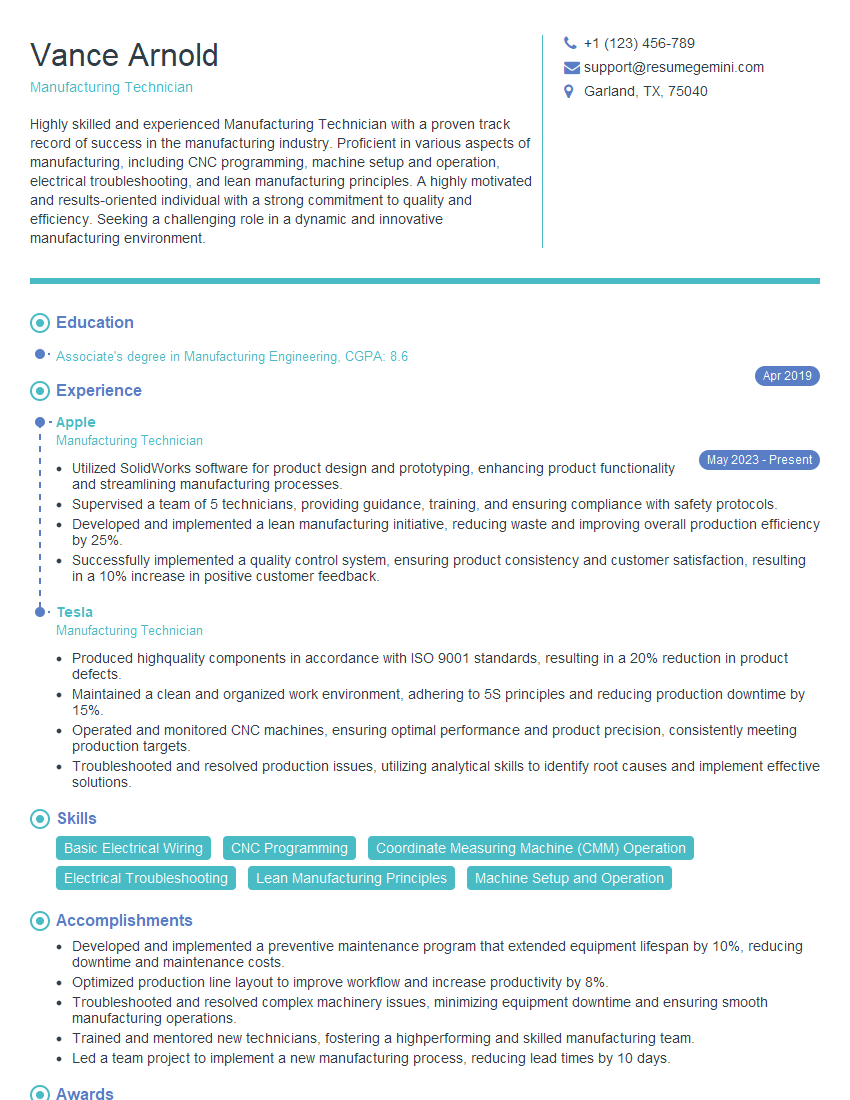
Manufacturing Technician Resume Sample
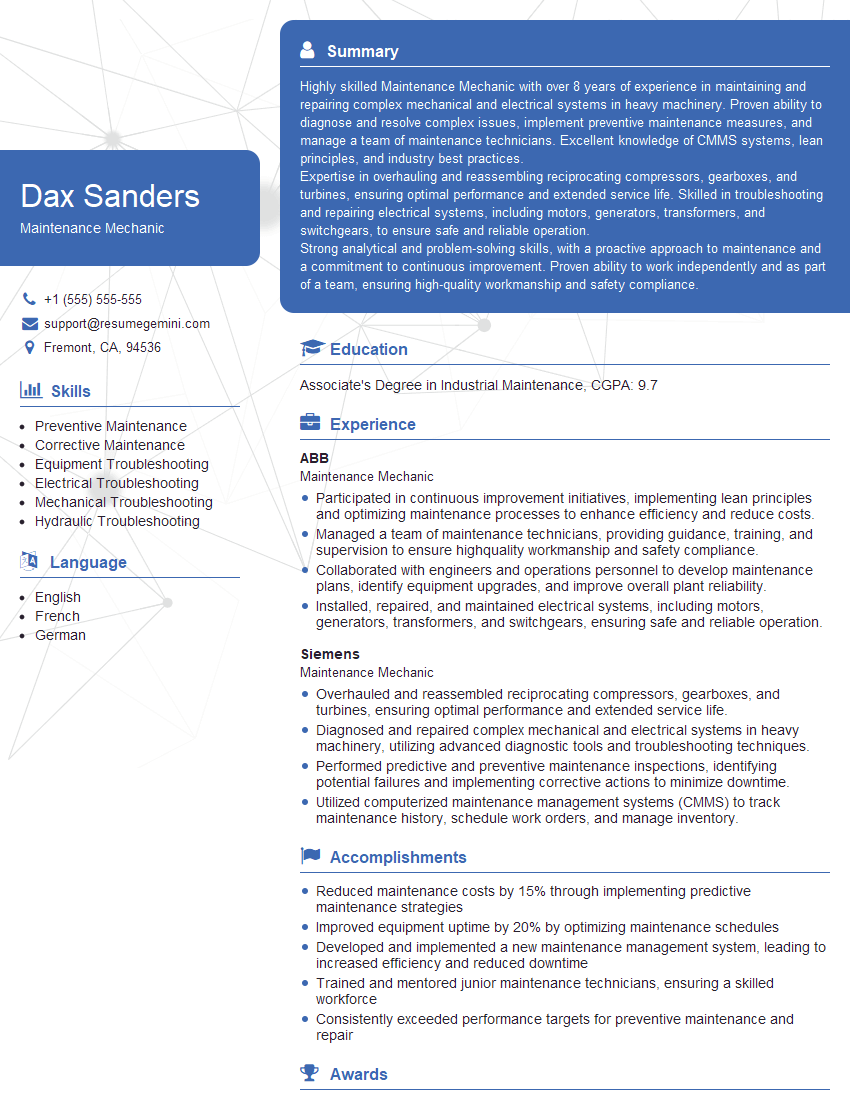
Maintenance Mechanic Resume Sample

Operations Technician Resume Sample
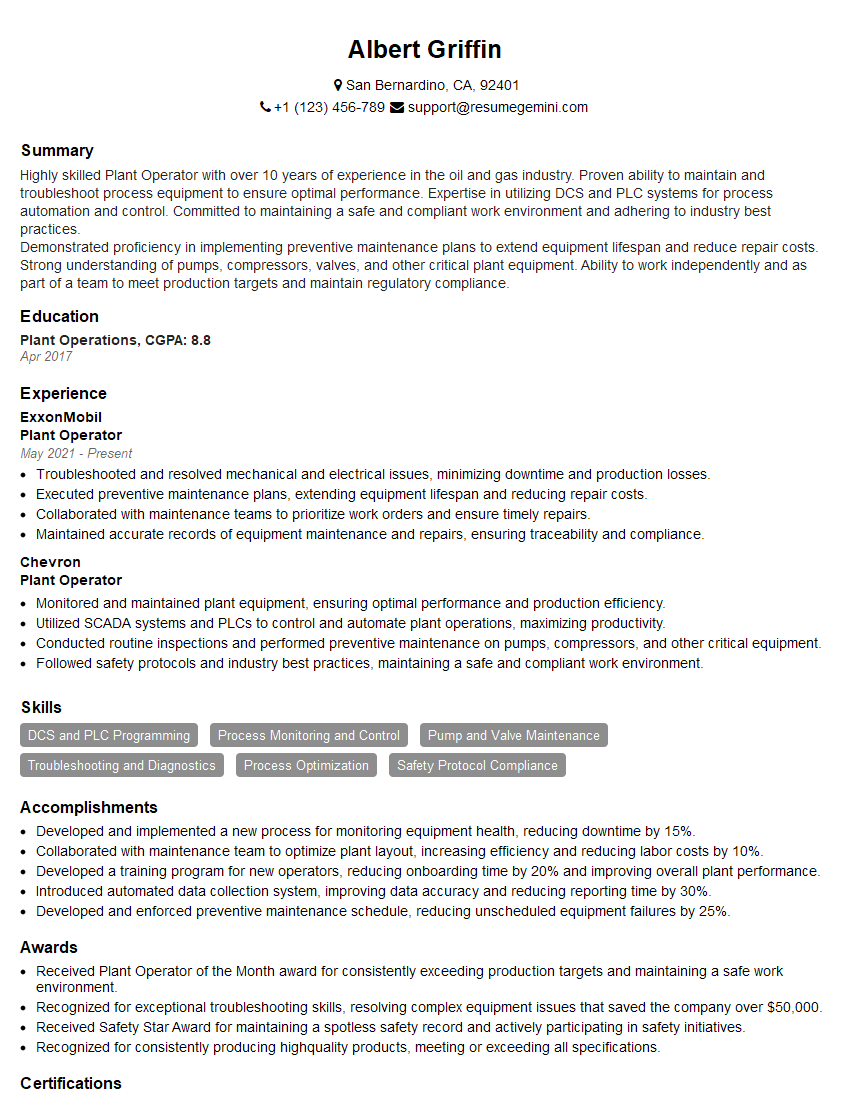
Plant Operator Resume Sample
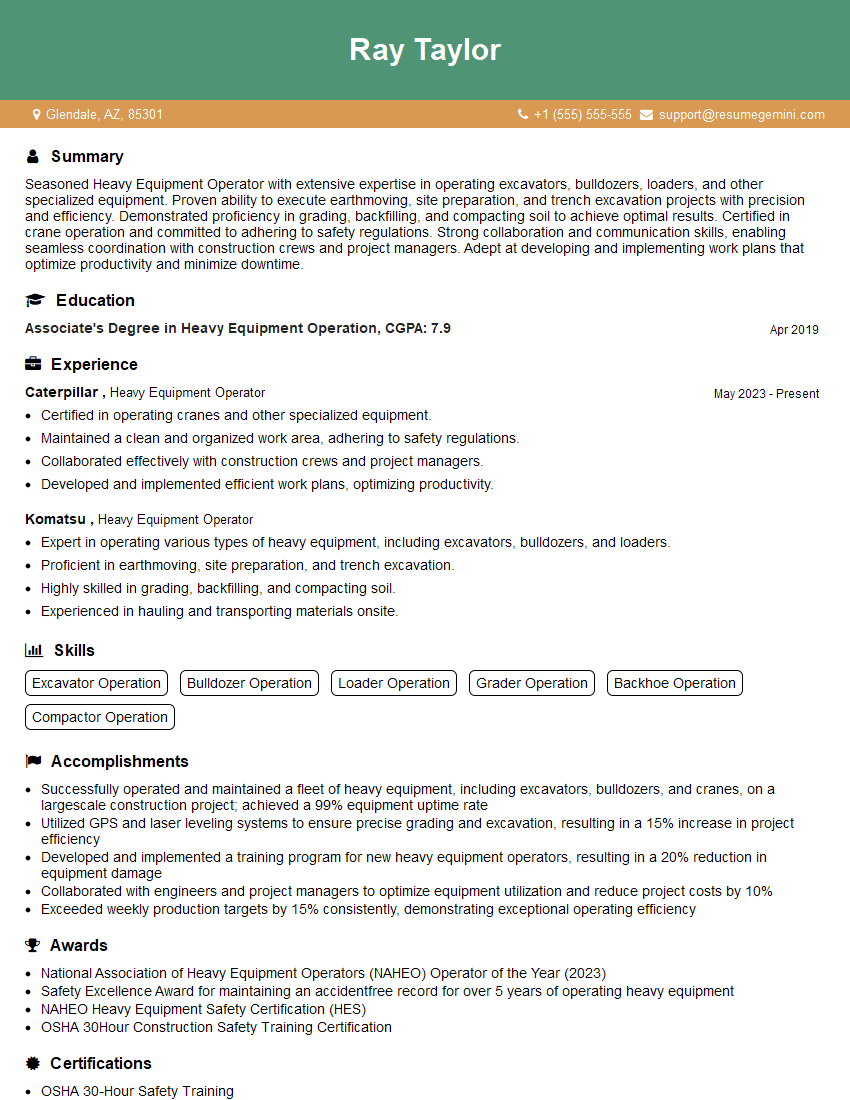
Heavy Equipment Operator Resume Sample
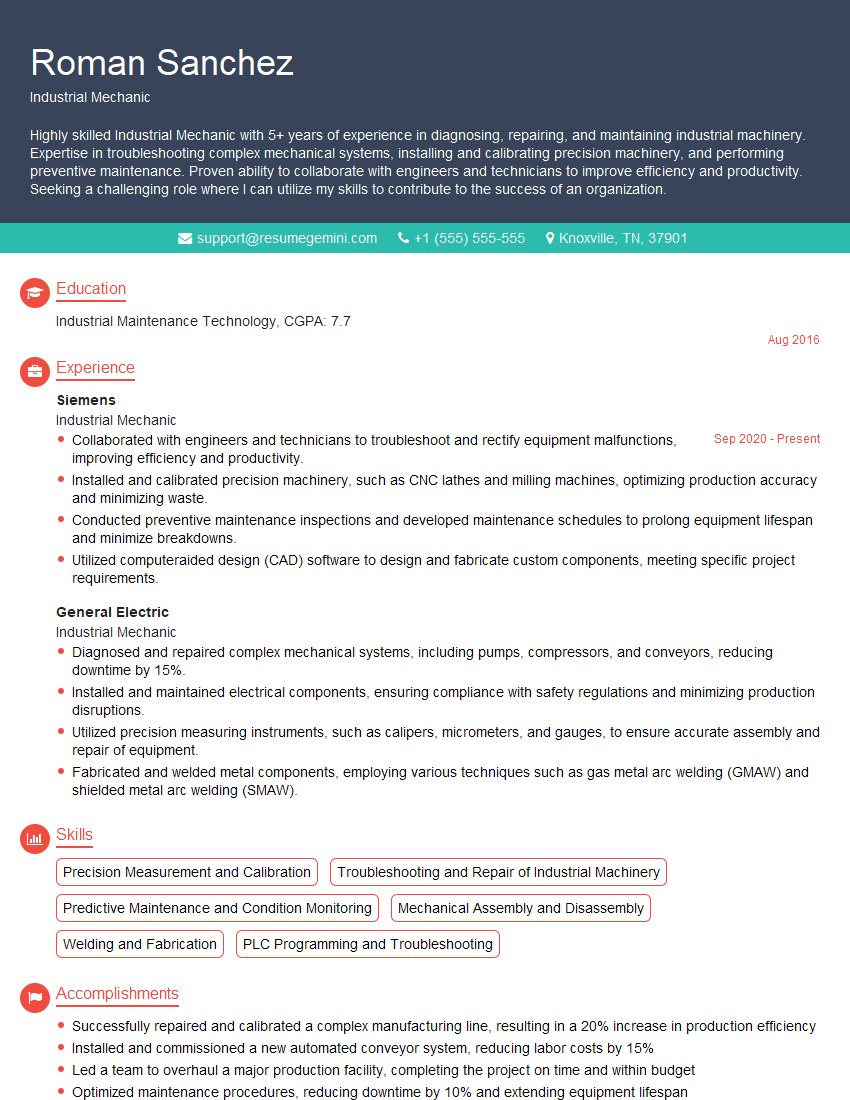
Industrial Mechanic Resume Sample
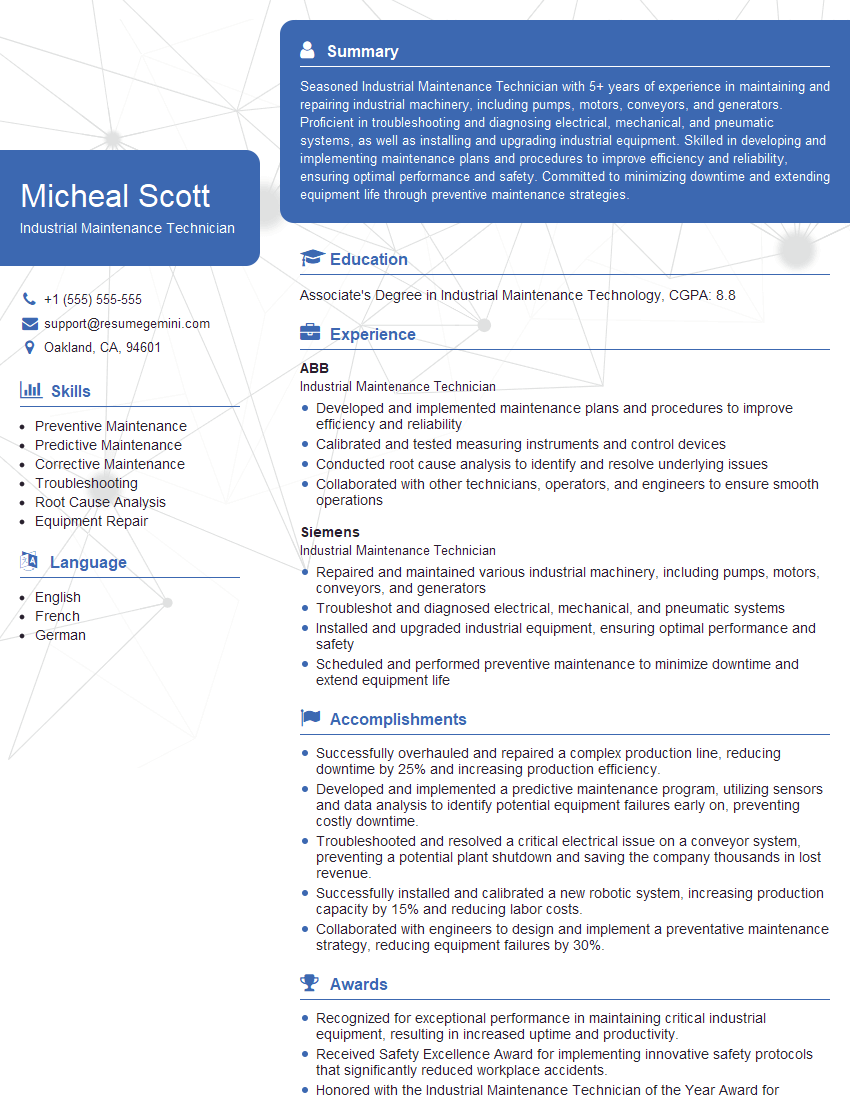
Industrial Maintenance Technician Resume Sample
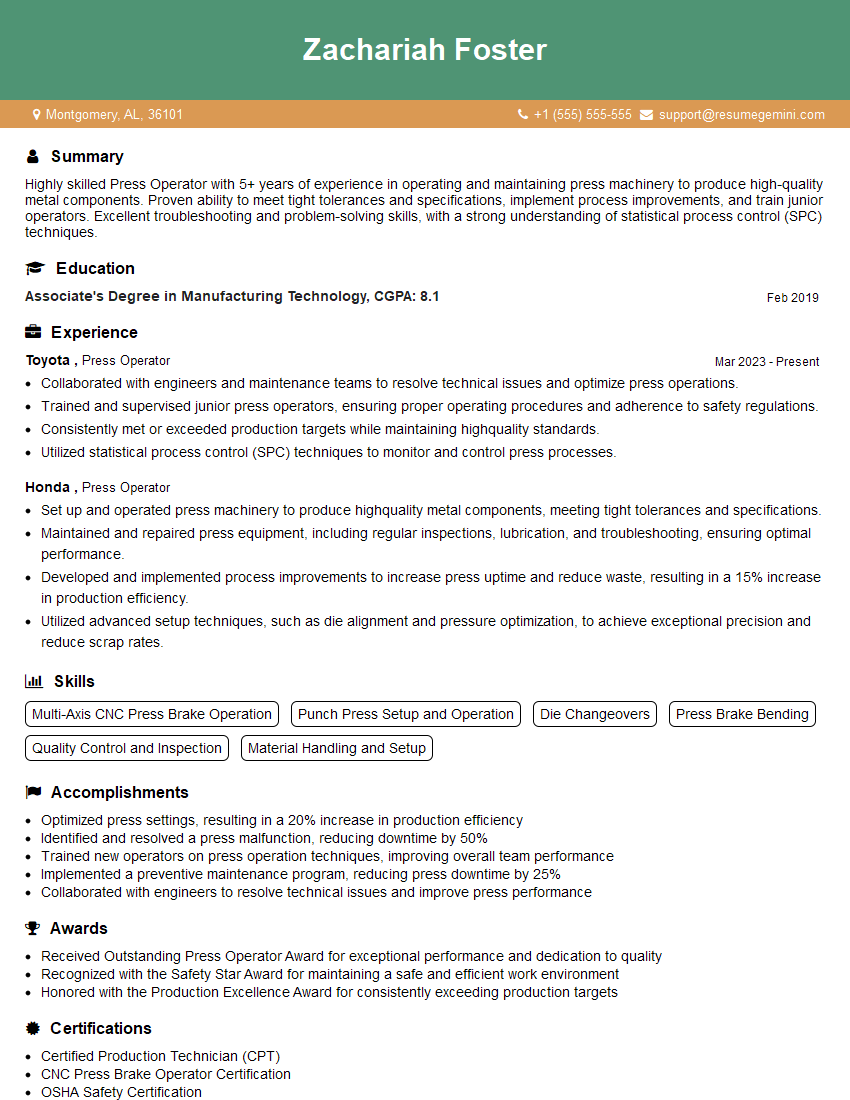
Press Operator Resume Sample

Recycling Technician Resume Sample
Explore more articles
Users Rating of Our Blogs
Share Your Experience
We value your feedback! Please rate our content and share your thoughts (optional).
What Readers Say About Our Blog
Really detailed insights and content, thank you for writing this detailed article.
IT gave me an insight and words to use and be able to think of examples