Preparation is the key to success in any interview. In this post, we’ll explore crucial Identify and implement opportunities for process improvement interview questions and equip you with strategies to craft impactful answers. Whether you’re a beginner or a pro, these tips will elevate your preparation.
Questions Asked in Identify and implement opportunities for process improvement Interview
Q 1. Describe your experience with Lean methodologies.
Lean methodologies focus on eliminating waste and maximizing value in a process. My experience encompasses applying Lean principles across various projects, from streamlining manufacturing processes to optimizing software development workflows. This includes hands-on application of tools like value stream mapping, 5S (Sort, Set in Order, Shine, Standardize, Sustain), and Kaizen events. For example, in a previous role, we used value stream mapping to identify and eliminate bottlenecks in a customer order fulfillment process, resulting in a 20% reduction in lead time.
I’ve also successfully implemented Kanban systems to manage workflow and improve predictability, and I’m proficient in using Lean thinking to identify and eliminate Muda (waste) in various forms, such as overproduction, waiting, transportation, over-processing, inventory, motion, and defects.
Q 2. Explain the DMAIC methodology.
DMAIC is a data-driven, structured problem-solving methodology used for process improvement. It stands for Define, Measure, Analyze, Improve, and Control. Imagine it as a five-step recipe for systematically fixing a process problem.
- Define: Clearly define the problem, the project goals, and the scope of improvement. This involves setting specific, measurable, achievable, relevant, and time-bound (SMART) goals.
- Measure: Gather data to understand the current state of the process. This involves identifying key metrics and collecting baseline data to quantify the problem’s impact.
- Analyze: Analyze the data to identify the root cause(s) of the problem. This may involve using tools like Pareto charts, fishbone diagrams, or statistical process control (SPC) charts.
- Improve: Develop and implement solutions to address the root causes identified in the analysis phase. This might involve process redesign, training, technology upgrades, or other improvements.
- Control: Monitor the improved process to ensure that the gains are sustained. This includes establishing control charts and implementing ongoing monitoring and measurement systems.
For instance, in a previous project, we used DMAIC to reduce customer service call resolution time. We defined the goal, measured current call times, analyzed call logs to pinpoint frequent issues, improved agent training and implemented a new knowledge base system, and finally, implemented ongoing monitoring using control charts to sustain improvement.
Q 3. How would you identify a process bottleneck?
Identifying a process bottleneck requires a systematic approach. I typically start by creating a process map or flowchart to visualize the entire process flow. Then, I look for areas where work piles up, wait times are excessive, or resources are heavily utilized. This often involves analyzing process cycle times, resource utilization, and capacity constraints.
Quantitative data is crucial. I use metrics like throughput, cycle time, and utilization rates to pinpoint bottlenecks. For example, if a specific step in a production line consistently takes longer than other steps, resulting in significant work-in-progress inventory buildup, that step is likely a bottleneck. Qualitative data, such as interviews with process participants, can also provide valuable insights into potential bottlenecks.
Finally, the use of Little’s Law (Inventory = Throughput * Flow Time) is highly useful in quantifying the impact of a bottleneck on overall process efficiency. By examining the relationship between inventory levels and flow times at different process stages, one can precisely determine which areas significantly hinder throughput and contribute to the bottleneck.
Q 4. What are some common process improvement tools you’ve used?
I have extensive experience using a variety of process improvement tools, including:
- Value Stream Mapping: To visualize and analyze the flow of materials and information in a process.
- Pareto Charts: To identify the vital few causes that contribute to the majority of the problems.
- Fishbone Diagrams (Ishikawa diagrams): To brainstorm potential causes of a problem.
- Control Charts: To monitor process performance and detect deviations from acceptable limits.
- Root Cause Analysis (RCA) techniques (e.g., 5 Whys, Fault Tree Analysis): To identify the underlying causes of defects or problems.
- Kanban boards: For visualizing workflow and managing work-in-progress.
- SIPOC diagrams: To map Suppliers, Inputs, Process, Outputs, and Customers.
The choice of tools depends on the specific context of the process improvement project. The key is to select the appropriate tool to address the problem effectively and efficiently.
Q 5. Explain your experience with root cause analysis.
Root cause analysis (RCA) is crucial for lasting process improvement; it goes beyond treating symptoms and tackles the underlying problems. My experience involves applying various RCA techniques, such as the ‘5 Whys’ method and Fishbone diagrams. The ‘5 Whys’ method involves repeatedly asking ‘why’ to peel back layers of explanation until the root cause is revealed.
For instance, if a product has a high defect rate, asking ‘why’ repeatedly might reveal that the root cause is a poorly calibrated machine rather than operator error. Fishbone diagrams (Ishikawa diagrams) help visualize potential causes categorized by factors like materials, methods, manpower, machinery, and environment. This collaborative brainstorming technique allows multiple perspectives to identify potential causes and refine the analysis.
Beyond these, I’m also skilled in more advanced RCA techniques such as Fault Tree Analysis (FTA) and Failure Mode and Effects Analysis (FMEA), which are particularly useful for complex systems. The goal is always to move beyond addressing the immediate problem to solving the underlying issues that prevent recurrence.
Q 6. Describe a time you successfully implemented a process improvement initiative.
In a previous role at a logistics company, we experienced significant delays in order processing. Using DMAIC, we identified a bottleneck in the order verification process. The ‘Measure’ phase revealed that manual data entry and inefficient communication between departments were the main causes of delays. During the ‘Analyze’ phase, we used a combination of value stream mapping and Pareto charts to pinpoint the exact points of congestion.
For the ‘Improve’ phase, we implemented a new automated order verification system, integrated different systems to reduce manual data entry, and streamlined communication channels using a project management system. This resulted in a 40% reduction in order processing time and improved customer satisfaction. Finally, the ‘Control’ phase involved ongoing monitoring of key metrics using control charts and regular review meetings to maintain the improvement.
Q 7. What metrics would you use to measure process improvement success?
Measuring process improvement success requires a combination of qualitative and quantitative metrics. The specific metrics chosen depend on the context of the improvement initiative, but some common metrics include:
- Cycle time reduction: How much faster the process is now.
- Throughput increase: How much more output is produced.
- Defect rate reduction: How much fewer errors are occurring.
- Cost reduction: How much money has been saved.
- Customer satisfaction improvement: How much happier customers are.
- Employee satisfaction improvement: How much more engaged employees are.
- Lead time reduction: How much quicker the process gets from start to finish.
It’s important to establish baseline metrics before implementing any changes so that improvements can be accurately measured. Tracking these metrics over time allows us to monitor the effectiveness of implemented changes and make adjustments as needed to sustain improvement. Beyond metrics, qualitative feedback from employees and customers is crucial in assessing the overall success of an improvement project.
Q 8. How do you prioritize process improvement projects?
Prioritizing process improvement projects requires a strategic approach balancing urgency, impact, and feasibility. I typically use a framework that considers several key factors:
- Impact: How significantly will the improvement affect key metrics like cost, cycle time, quality, or customer satisfaction? Projects with the highest potential impact are prioritized.
- Urgency: Are there immediate problems or bottlenecks that need immediate attention? Time-sensitive issues often take precedence.
- Feasibility: How realistic is it to implement the improvement given available resources, time constraints, and organizational support? Projects with higher chances of success are favored.
- Cost-Benefit Analysis: A thorough cost-benefit analysis helps quantify the potential return on investment (ROI) for each project. This allows for data-driven prioritization.
- Alignment with Strategic Goals: Projects that directly support the organization’s overall strategic goals are given higher priority.
For example, if a manufacturing process is experiencing high defect rates leading to significant customer returns, that would be a high-impact, urgent project. Conversely, a project to improve employee morale, while important, might have lower priority if other, higher-impact projects are pending.
I often use a prioritization matrix (e.g., a weighted scoring system) to objectively compare different projects and make informed decisions. This ensures transparency and allows for easy communication with stakeholders.
Q 9. What are the key challenges in implementing process improvements?
Implementing process improvements is rarely straightforward. Key challenges often include:
- Resistance to Change: People naturally resist change, especially if it impacts their roles or routines. This can manifest as passive resistance, active opposition, or simply a lack of engagement.
- Lack of Resources: Process improvements often require investments in technology, training, or additional staff, which may not be readily available.
- Poor Communication: A lack of clear communication about the goals, processes, and timelines of improvement initiatives can lead to confusion, frustration, and ultimately, failure.
- Inadequate Data and Analysis: Effective process improvement relies on data-driven decision-making. Without accurate data and thorough analysis, it’s difficult to identify root causes of problems and measure the effectiveness of changes.
- Lack of Management Support: Successful process improvement requires strong leadership and commitment from management. Without buy-in from senior leaders, initiatives are unlikely to succeed.
- Scope Creep: The tendency for the scope of a project to expand beyond its original boundaries can lead to delays, increased costs, and diminished effectiveness.
Overcoming these challenges requires proactive planning, clear communication, stakeholder engagement, strong leadership, and a flexible approach that adapts to unforeseen circumstances.
Q 10. How do you handle resistance to change during process improvement initiatives?
Handling resistance to change is crucial for successful process improvement. My approach is multi-faceted and focuses on proactive communication, engagement, and collaboration:
- Proactive Communication: Keeping stakeholders informed throughout the process, explaining the reasons for change, and addressing concerns openly and honestly is key. This helps to build trust and transparency.
- Involve Stakeholders Early: Including those affected by the changes in the planning and implementation phases ensures their voices are heard and helps to build ownership and buy-in.
- Address Concerns Directly: Actively listen to and address concerns and resistance. This shows respect and demonstrates a willingness to adapt.
- Highlight Benefits: Emphasize how the changes will benefit individuals, teams, and the organization as a whole. Frame the changes as opportunities for growth and development.
- Provide Training and Support: Offer adequate training and ongoing support to ensure that people feel confident and capable in the new processes.
- Celebrate Successes: Recognizing and celebrating successes along the way reinforces positive behavior and motivates continued engagement.
For instance, in a recent project, we faced resistance to a new software system. By involving key users early in the selection and training process, addressing their concerns about usability, and providing ongoing support, we were able to overcome the initial resistance and achieve widespread adoption.
Q 11. Explain your understanding of Kaizen.
Kaizen is a Japanese philosophy that emphasizes continuous improvement in all aspects of life, work, and organizations. It’s based on the idea that small, incremental changes made consistently over time can lead to significant improvements in efficiency and effectiveness. The core principles of Kaizen include:
- Continuous Improvement: Kaizen is not a one-time event but an ongoing process of improvement.
- Small Changes: Focuses on making small, incremental changes rather than large-scale overhauls.
- Employee Involvement: Empowers employees to identify and implement improvements.
- Data-Driven Decision Making: Relies on data and analysis to identify areas for improvement and measure results.
- Waste Reduction: Aims to eliminate waste (Muda) in all its forms (e.g., time, materials, effort).
In practice, Kaizen might involve things like implementing a new workflow, streamlining a process, improving communication, or reducing errors. It’s a highly effective approach because it’s sustainable and promotes a culture of continuous improvement within an organization.
Q 12. Describe your experience with value stream mapping.
Value stream mapping (VSM) is a lean management technique that visually represents the flow of materials and information in a process. It’s a powerful tool for identifying bottlenecks, waste, and areas for improvement. My experience with VSM involves:
- Mapping Existing Processes: Working with teams to document the current state of a process, including all steps, materials, information flow, and timelines.
- Identifying Waste: Analyzing the map to identify sources of waste, such as excess inventory, waiting time, transportation, overproduction, over-processing, defects, and unnecessary motion.
- Developing Future-State Maps: Creating a new map that shows how the process could be improved by eliminating waste and streamlining activities.
- Implementing Improvements: Working with teams to implement the changes identified in the future-state map, often in small, incremental steps.
- Monitoring and Measuring Results: Tracking key metrics to measure the effectiveness of the improvements and make further adjustments as needed.
For example, I used VSM to analyze the order fulfillment process in an e-commerce company. The map revealed significant delays in the warehouse picking process. By implementing improvements such as reorganizing the warehouse layout and implementing a new picking system, we were able to reduce order fulfillment time by 30%. The visual nature of the VSM made it easy to communicate the improvements to stakeholders and gain buy-in.
Q 13. How do you ensure sustainability of process improvements?
Ensuring the sustainability of process improvements requires a multifaceted approach that goes beyond simply implementing changes. Key strategies include:
- Embedding Improvements into Standard Work: Formalizing the improved processes and documenting them clearly in standard operating procedures (SOPs). This ensures consistency and prevents a reversion to old habits.
- Training and Development: Providing comprehensive training to all employees involved in the improved processes. This helps to ensure that everyone understands and can effectively execute the new procedures.
- Monitoring and Measurement: Continuously monitoring key performance indicators (KPIs) to track the effectiveness of the improvements and identify any areas that need further adjustment. This ensures that improvements are maintained and don’t degrade over time.
- Building a Culture of Continuous Improvement: Fostering a culture where continuous improvement is valued and employees are encouraged to identify and implement improvements. This ensures that improvements are ongoing and not a one-time event.
- Leadership Commitment: Sustaining process improvements requires ongoing support from leadership. Leaders need to actively champion the improvements and ensure that resources are allocated to maintain them.
- Feedback Mechanisms: Establishing regular feedback mechanisms to solicit input from employees on the improved processes. This allows for continuous refinement and adaptation.
For instance, after implementing a new inventory management system, regular audits and team meetings were scheduled to monitor its effectiveness. This ensured that the improved system remained effective and that any emerging issues were promptly addressed.
Q 14. How do you measure the ROI of a process improvement project?
Measuring the ROI of a process improvement project requires a clear understanding of the costs and benefits involved. The approach I use involves:
- Identify Key Metrics: Determine the key metrics that will be affected by the improvement project (e.g., cycle time, defect rate, customer satisfaction, cost per unit).
- Baseline Measurement: Collect data on the current performance of the process before the implementation of the changes.
- Calculate Costs: Determine all costs associated with the project, including personnel time, materials, software, and training.
- Measure Post-Implementation Performance: Collect data on the process performance after the implementation of the changes.
- Calculate Benefits: Calculate the financial benefits of the improvements, based on the changes in the key metrics. This might include reduced costs, increased revenue, or improved efficiency.
- Calculate ROI: Calculate the ROI using the following formula:
ROI = (Total Benefits - Total Costs) / Total Costs
For example, if a project reduced production costs by $100,000 and cost $20,000 to implement, the ROI would be 400%. However, it’s crucial to also consider intangible benefits, such as improved employee morale or enhanced customer satisfaction, which can be difficult to quantify but are still valuable.
Q 15. What is your experience with process automation tools?
My experience with process automation tools spans several years and encompasses a variety of platforms. I’ve worked extensively with Robotic Process Automation (RPA) tools like UiPath and Automation Anywhere, building and deploying bots to automate repetitive tasks such as data entry, invoice processing, and report generation. I’m also proficient in workflow automation tools like Nintex Workflow Cloud and Microsoft Power Automate, designing and implementing automated workflows to streamline approvals, notifications, and data routing within different systems. Beyond these, I have experience integrating with APIs (Application Programming Interfaces) to automate data exchange between various applications. For instance, in a previous role, I automated the transfer of customer data from our CRM to our marketing automation platform, reducing manual effort and improving data accuracy. I also understand the importance of selecting the right tool for the job, considering factors like cost, scalability, and integration capabilities.
Career Expert Tips:
- Ace those interviews! Prepare effectively by reviewing the Top 50 Most Common Interview Questions on ResumeGemini.
- Navigate your job search with confidence! Explore a wide range of Career Tips on ResumeGemini. Learn about common challenges and recommendations to overcome them.
- Craft the perfect resume! Master the Art of Resume Writing with ResumeGemini’s guide. Showcase your unique qualifications and achievements effectively.
- Don’t miss out on holiday savings! Build your dream resume with ResumeGemini’s ATS optimized templates.
Q 16. Describe your experience with data analysis for process improvement.
Data analysis is fundamental to effective process improvement. I leverage various techniques to identify areas for optimization. My process typically begins with gathering relevant data, often from sources like CRM systems, ERP systems, and spreadsheets. I then use tools like Excel, SQL, and statistical software packages (such as R or Python) to clean, transform, and analyze this data. For example, I might analyze customer service call logs to identify common issues and bottlenecks or examine order fulfillment data to pinpoint areas where delays occur. Key performance indicators (KPIs) are vital; I focus on metrics like cycle time, error rates, and customer satisfaction scores to measure process efficiency. Visualizations like charts and dashboards are essential for communicating findings to stakeholders. A recent project involved analyzing sales data to identify seasonal trends and optimize inventory management, resulting in a 15% reduction in stockouts.
Q 17. How do you communicate process improvement plans to stakeholders?
Communicating process improvement plans effectively requires a tailored approach. I begin by understanding my audience – their roles, technical expertise, and concerns. I use clear, concise language, avoiding jargon whenever possible. Visual aids like process maps, flowcharts, and dashboards are crucial for illustrating complex information. For example, when presenting to senior management, I focus on high-level summaries and the overall impact on business goals. With operational teams, I delve into the details, highlighting the practical changes and their impact on daily work. Presentations are tailored to each group, often including interactive elements like Q&A sessions and workshops to encourage engagement. A key aspect is demonstrating the value proposition – how the improvement will save time, reduce costs, or improve customer satisfaction. Following the presentation, a formal report summarizing the plan, including timelines and responsibilities, is provided for reference.
Q 18. How do you manage risks associated with process improvements?
Managing risks associated with process improvements is critical. I use a structured approach, starting with risk identification. This involves brainstorming potential problems, considering both technical and operational aspects. Tools like SWOT analysis (Strengths, Weaknesses, Opportunities, Threats) and risk registers are invaluable. For example, if automating a process, I would identify risks like system downtime, data security breaches, and resistance from employees. Once risks are identified, I develop mitigation strategies. This might involve developing contingency plans, investing in robust technology, or providing thorough training. Regular monitoring and evaluation are essential to track progress and identify emerging risks. Open communication with stakeholders is key to proactive risk management. We establish clear communication channels for reporting and resolving issues, fostering a culture of transparency and collaboration. This approach ensures that potential problems are addressed promptly, minimizing disruption and maximizing the chances of successful implementation.
Q 19. What is your experience with different process mapping techniques?
My experience encompasses a range of process mapping techniques. I’m proficient in creating value stream maps to visualize the entire flow of materials and information, identifying areas of waste and inefficiency. Swim lane diagrams effectively show the roles and responsibilities of different departments or individuals in a process. Flowcharts provide a clear visual representation of the steps involved in a process, useful for identifying bottlenecks or redundancies. I also utilize SIPOC diagrams (Suppliers, Inputs, Process, Outputs, Customers) to define the boundaries of a process and its key stakeholders. The choice of technique depends on the complexity of the process and the goals of the mapping exercise. For example, for a high-level overview of a complex operation, a value stream map is suitable. For detailed analysis of a specific workflow, a flowchart might be more appropriate. The key is to select the tool that best communicates the information needed to drive improvement.
Q 20. Explain your approach to identifying process improvement opportunities.
Identifying process improvement opportunities is a systematic process. I typically begin by understanding the current state of the process, gathering data through interviews, observations, and document reviews. This includes understanding the process goals, inputs, outputs, and key performance indicators (KPIs). Next, I analyze the data to identify areas for improvement. This might involve looking for bottlenecks, redundancies, errors, or areas where customer satisfaction is low. Tools like Pareto charts help prioritize improvement efforts by identifying the vital few issues responsible for the majority of problems. I then brainstorm potential solutions, evaluating their feasibility and potential impact. A crucial aspect is involving stakeholders in this process to ensure buy-in and identify potential challenges early on. For example, in a recent project, we identified a significant bottleneck in the order fulfillment process by analyzing order processing times. By streamlining the workflow and implementing automated routing, we reduced order fulfillment time by 20%, resulting in improved customer satisfaction and operational efficiency.
Q 21. Describe your experience with process documentation.
Process documentation is critical for maintaining consistency, providing training, and facilitating future improvements. My experience includes developing a variety of documentation formats, including detailed process maps, standard operating procedures (SOPs), and training materials. I strive for clarity and conciseness, using visuals such as flowcharts and diagrams to supplement textual descriptions. For example, when documenting an SOP, I ensure it includes clear steps, decision points, and responsibilities for each stage. The level of detail depends on the target audience. Documentation for training might include more explanatory text and visual aids, while documentation for management review might focus on key metrics and high-level processes. Version control is essential. I use tools like document management systems to track changes and ensure that everyone is working with the most up-to-date version. Well-maintained documentation facilitates consistent process execution, reduces errors, and serves as a valuable resource for future improvements.
Q 22. How do you involve employees in process improvement initiatives?
Employee involvement is crucial for successful process improvement. It fosters buy-in, generates valuable insights, and ensures smoother implementation. I employ a multi-pronged approach:
- Brainstorming sessions: Facilitated workshops where employees from all levels contribute ideas for improvement. I use techniques like mind-mapping and affinity diagramming to organize thoughts.
- Surveys and feedback forms: Gathering quantitative and qualitative data directly from those who interact with the process daily. This provides a ground-level understanding of pain points.
- Focus groups: In-depth discussions with smaller groups of employees to explore specific aspects of the process and gather detailed feedback.
- Suggestion boxes (both physical and digital): Creating a safe and anonymous channel for continuous feedback and idea generation.
- Cross-functional teams: Establishing teams comprising individuals from different departments involved in the process, ensuring a holistic perspective.
For example, when improving our client onboarding process, we held brainstorming sessions with sales, customer support, and onboarding teams, resulting in a streamlined process that reduced onboarding time by 30%.
Q 23. How do you measure employee satisfaction with improved processes?
Measuring employee satisfaction post-process improvement is equally important to assess the effectiveness of the changes. I utilize a combination of methods:
- Post-implementation surveys: Targeted questionnaires focusing on specific aspects of the improved process, like ease of use, efficiency, and impact on workload.
- Regular check-ins: One-on-one meetings or team discussions to gauge employee feedback and address any concerns or challenges.
- Performance metrics: Tracking key performance indicators (KPIs) related to the process, such as error rates, cycle time, and customer satisfaction, as these directly reflect employee experience.
- Employee engagement scores: Monitoring overall engagement levels through pulse surveys and regular assessments. Improved processes often contribute to higher engagement.
For instance, after implementing a new CRM system, we surveyed employees on their satisfaction with its usability and efficiency. The positive feedback, coupled with a significant reduction in data entry errors, confirmed the success of the process improvement initiative.
Q 24. What are your preferred methods for training employees on new processes?
Training is crucial for successful process adoption. My preferred methods are tailored to the complexity of the new process and the learning styles of the employees:
- Interactive workshops: Hands-on sessions with real-world examples and practice scenarios, encouraging active participation and knowledge retention.
- Online modules and tutorials: Self-paced learning resources for flexible access and review, especially useful for larger teams.
- On-the-job coaching and mentoring: Experienced employees guide new users, providing personalized support and addressing specific challenges.
- Job aids and cheat sheets: Quick reference guides that summarize key steps and procedures, particularly useful for tasks that require frequent repetition.
- Gamification: Incorporating game-like elements into training to increase engagement and motivation.
When introducing a new project management software, we combined online modules with interactive workshops and on-the-job coaching, resulting in a swift and effective adoption across the organization.
Q 25. Describe a time you failed to improve a process and what you learned from it.
In a previous role, we attempted to automate a manual data entry process without adequately considering the human element. We underestimated the resistance to change and the need for robust training. The automation failed to deliver the expected efficiency gains, and employee morale suffered.
The key lesson learned was the importance of comprehensive change management. Effective process improvement requires not only technical solutions but also careful consideration of the human side, including thorough training, communication, and addressing employee concerns proactively. In future projects, we implemented a phased rollout approach, incorporating regular feedback loops and iterative improvements, leading to significantly better outcomes.
Q 26. How do you adapt your process improvement approach to different organizational contexts?
My approach adapts to the organizational context by considering various factors:
- Organizational culture: I assess the level of risk aversion, collaboration, and openness to change within the organization, tailoring my communication and implementation strategies accordingly.
- Technology infrastructure: Existing IT systems and tools influence the feasibility and suitability of specific process improvement techniques. A highly automated environment might benefit from robotic process automation, while a less technologically advanced setting might require simpler process optimization strategies.
- Resources: Available budget, time, and personnel impact the scope and complexity of the improvement initiatives. A phased approach may be necessary in resource-constrained environments.
- Industry regulations: Compliance requirements influence the design and implementation of processes, particularly in regulated industries such as healthcare or finance.
For example, in a fast-paced startup environment, I might favor agile methodologies and iterative improvements, whereas in a larger, more established corporation, a more structured approach using Six Sigma might be more appropriate.
Q 27. How familiar are you with different process improvement frameworks (e.g., Agile, Scrum)?
I’m very familiar with various process improvement frameworks. My experience includes:
- Lean: Focuses on eliminating waste and maximizing value, particularly effective in manufacturing and operations.
- Six Sigma: Data-driven methodology emphasizing process control and reduction of variation, useful for improving quality and consistency.
- Agile and Scrum: Iterative and incremental approaches to project management, highly beneficial for software development and projects requiring flexibility and adaptability.
- Kaizen: Continuous improvement philosophy based on small, incremental changes, promoting employee involvement and ownership.
I select the most suitable framework based on the specific process, organizational context, and available resources. Often, a hybrid approach combining elements from different frameworks provides the best results.
Q 28. What are your salary expectations for a process improvement role?
My salary expectations for a process improvement role are commensurate with my experience and the specific requirements of the position. Considering my expertise and demonstrated success in driving significant improvements, I’m targeting a salary range of [Insert Salary Range Here]. However, I’m open to discussing this further based on the details of the role and the overall compensation package.
Key Topics to Learn for Identify and Implement Opportunities for Process Improvement Interview
- Process Mapping and Analysis: Understanding different process mapping techniques (e.g., flowcharting, swim lane diagrams) and applying them to analyze existing processes, identifying bottlenecks and inefficiencies.
- Lean Principles and Six Sigma Methodologies: Applying Lean principles (e.g., value stream mapping, 5S) and Six Sigma methodologies (DMAIC, DMADV) to systematically identify and eliminate waste and improve process quality.
- Root Cause Analysis: Mastering techniques like the 5 Whys, Fishbone diagrams, and Pareto analysis to uncover the underlying causes of process problems.
- Data Analysis and Interpretation: Utilizing data to identify trends, patterns, and areas for improvement. This includes understanding key performance indicators (KPIs) and using data visualization tools.
- Change Management and Implementation: Developing and implementing strategies for successful change management, including communication plans, stakeholder engagement, and risk mitigation.
- Process Improvement Tools and Techniques: Familiarity with various tools such as Kaizen, Kanban, and Value Engineering, and understanding when to apply each one.
- Cost-Benefit Analysis: Evaluating the financial impact of proposed process improvements and justifying the investment.
- Benchmarking and Best Practices: Researching industry best practices and benchmarking against competitors to identify areas for improvement.
- Problem Solving Methodologies: Applying structured problem-solving frameworks (e.g., PDCA cycle) to address process issues effectively.
Next Steps
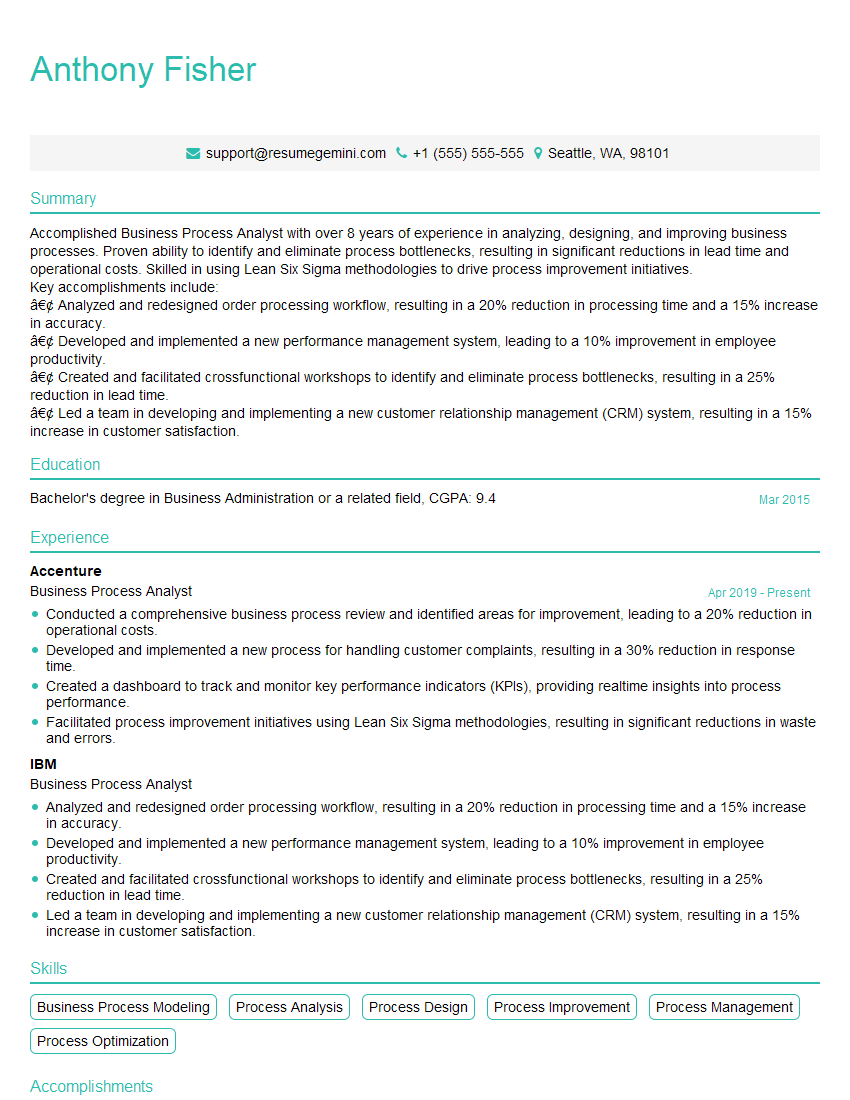
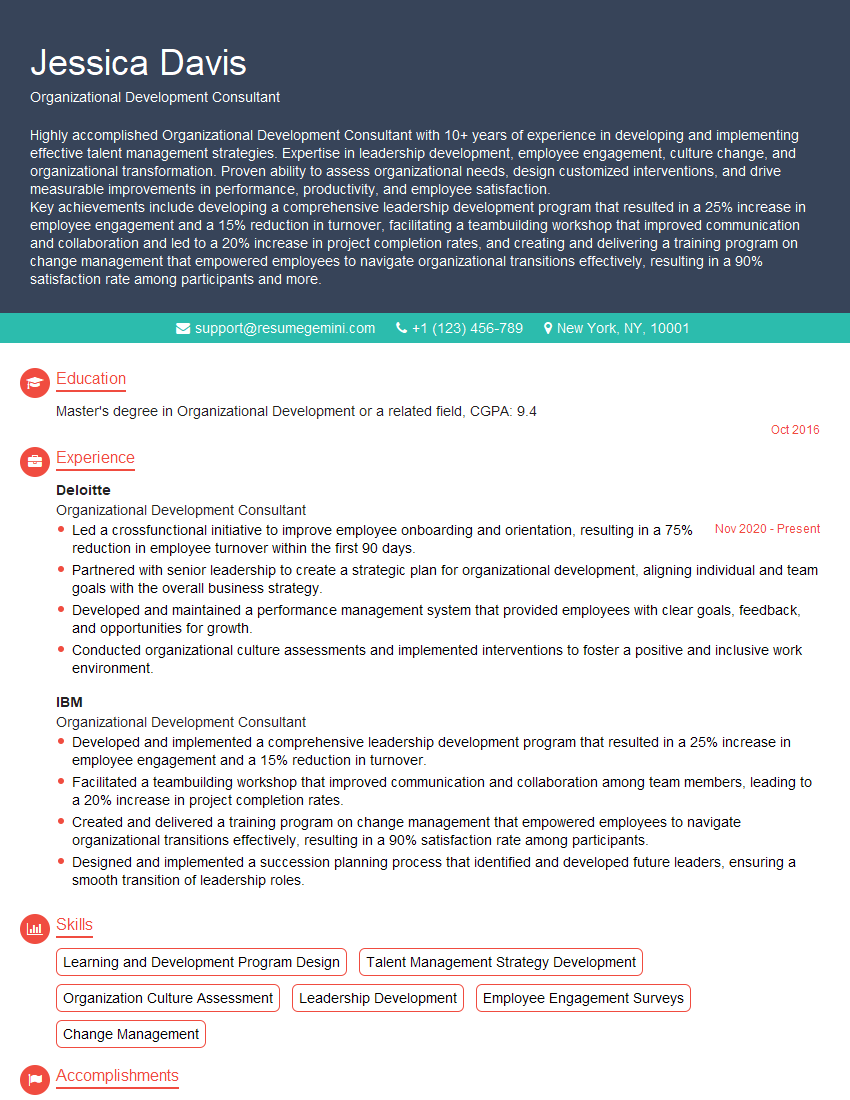
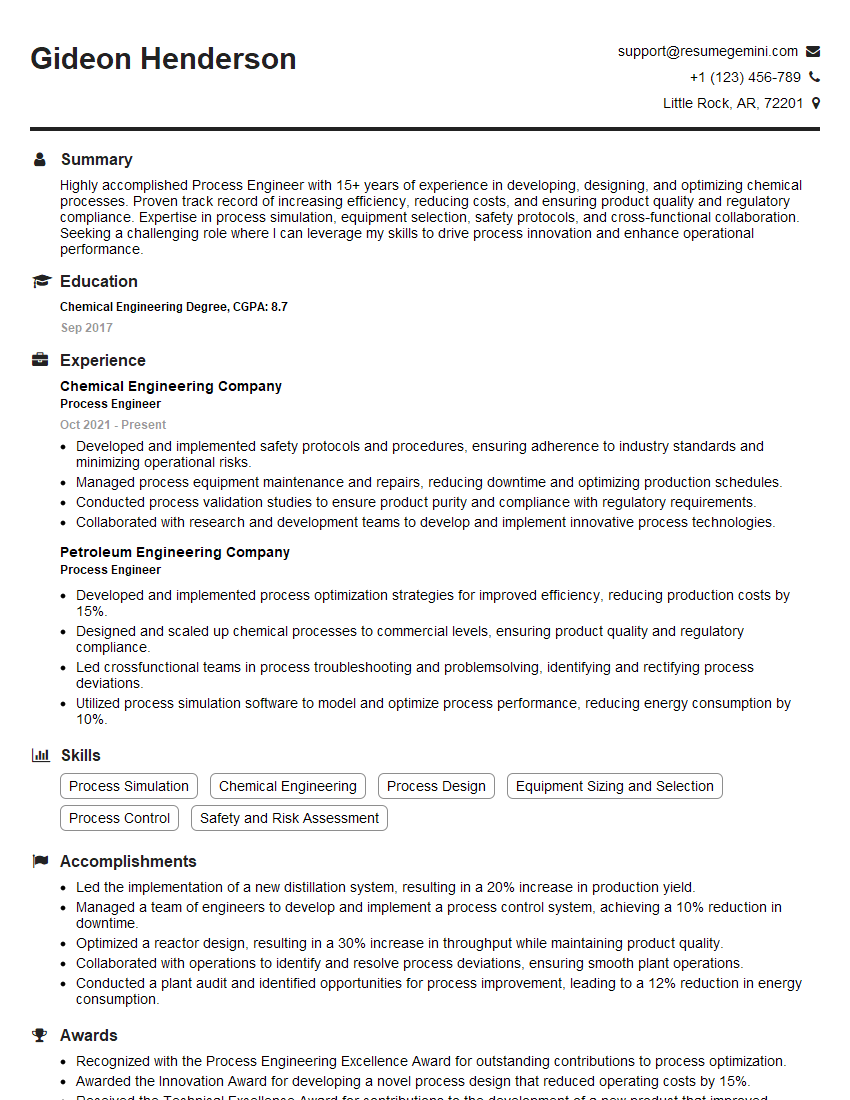
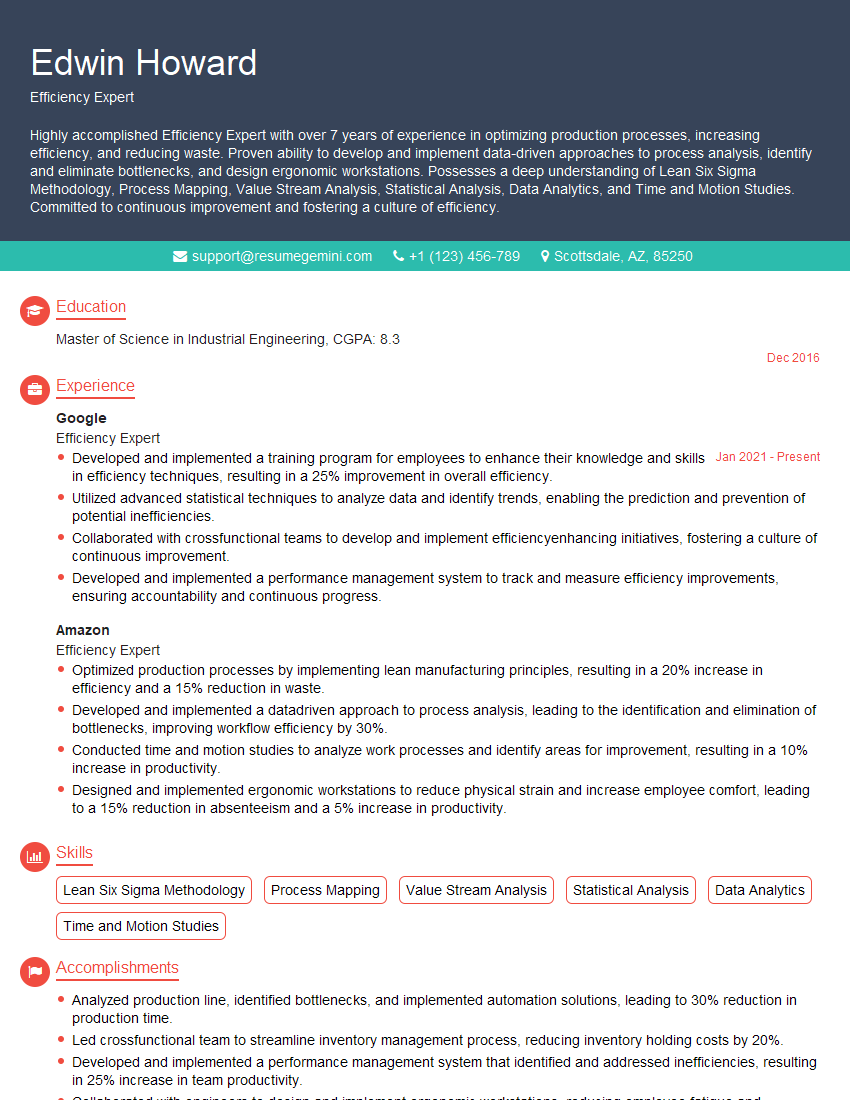
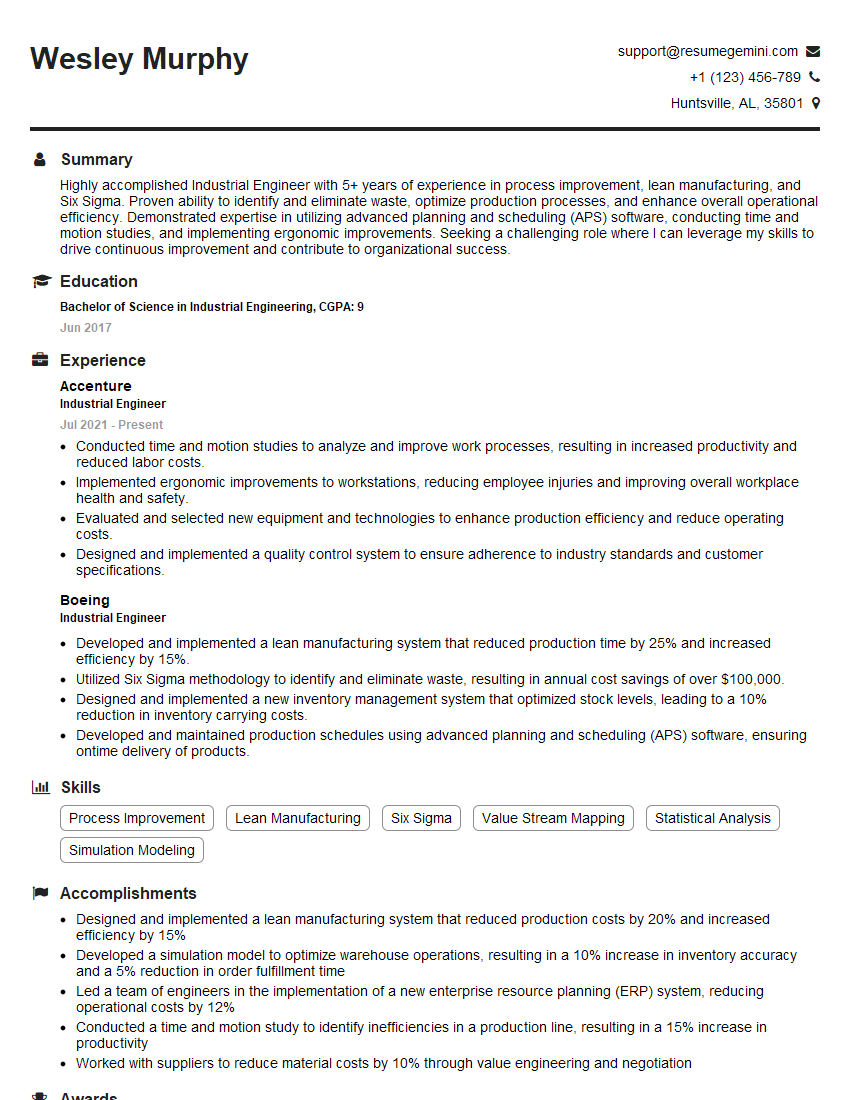
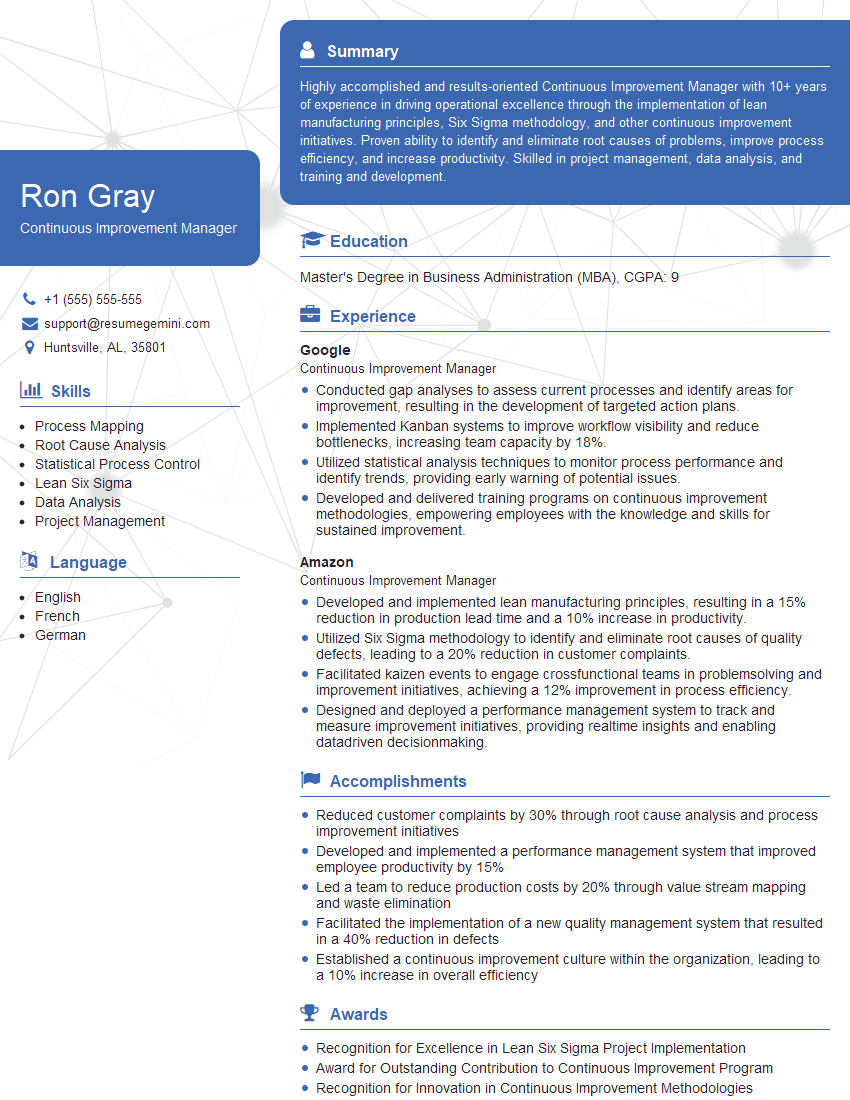
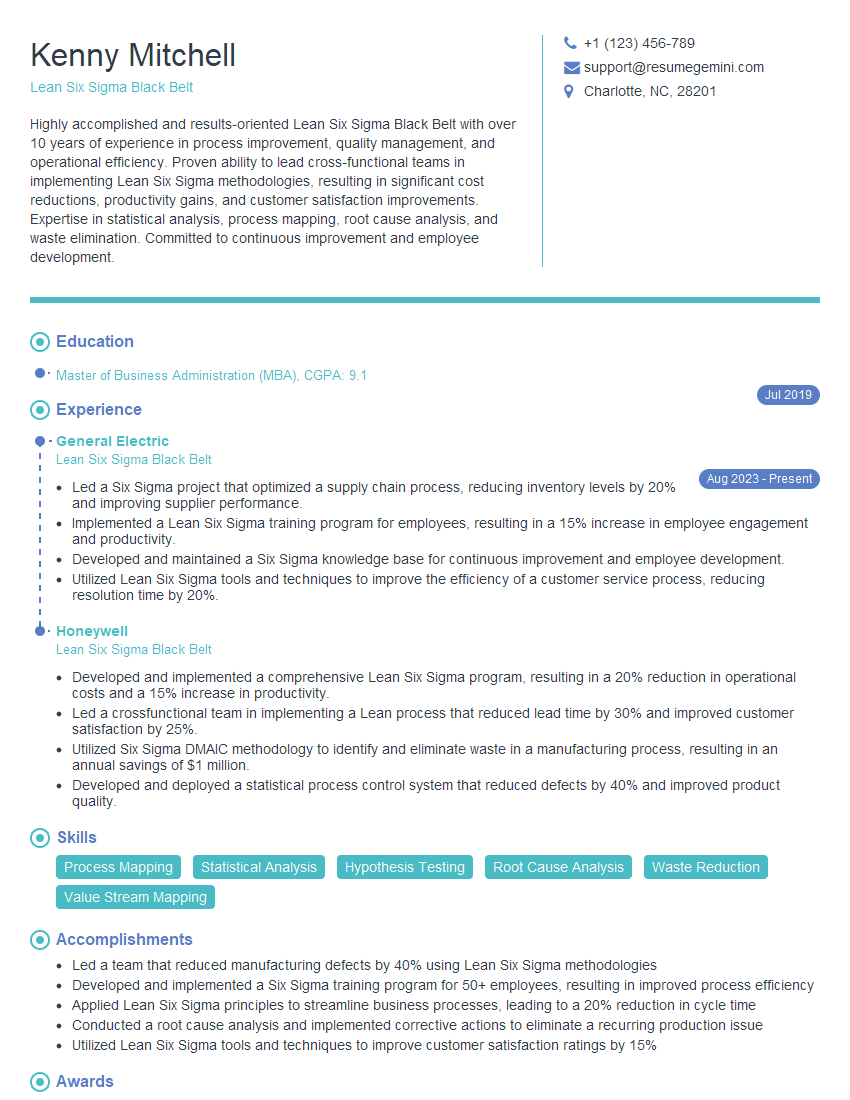
Mastering the art of identifying and implementing process improvements is crucial for career advancement, demonstrating your ability to add significant value to any organization. A strong resume highlighting these skills is essential. To increase your chances of landing your dream job, create an ATS-friendly resume that showcases your accomplishments and expertise. ResumeGemini is a trusted resource that can help you build a professional and impactful resume. Examples of resumes tailored to highlight experience in identifying and implementing process improvements are available, providing you with the inspiration and guidance you need to create a winning application.
Explore more articles
Users Rating of Our Blogs
Share Your Experience
We value your feedback! Please rate our content and share your thoughts (optional).
What Readers Say About Our Blog
Really detailed insights and content, thank you for writing this detailed article.
IT gave me an insight and words to use and be able to think of examples