Every successful interview starts with knowing what to expect. In this blog, we’ll take you through the top Interpersonal and Team Collaboration Skills interview questions, breaking them down with expert tips to help you deliver impactful answers. Step into your next interview fully prepared and ready to succeed.
Questions Asked in Interpersonal and Team Collaboration Skills Interview
Q 1. Describe a time you successfully mediated a conflict within a team.
Conflict mediation requires a neutral stance, active listening, and a focus on finding mutually acceptable solutions. In one project, two team members – a designer (Sarah) and a developer (Mark) – clashed over the usability of a new feature. Sarah felt Mark’s implementation didn’t align with the design specifications, while Mark argued the design wasn’t technically feasible.
My approach involved first separating them to understand their individual perspectives. I actively listened to both, paraphrasing their concerns to ensure understanding. Then, I facilitated a joint meeting, focusing on the shared goal – launching a successful product. I guided them to identify the root of the conflict – a miscommunication about technical constraints and design flexibility. We collaboratively brainstormed solutions, eventually agreeing on a revised design that met both aesthetic and technical requirements. This process not only resolved the immediate conflict but also strengthened their working relationship and improved communication.
Q 2. How do you handle disagreements with colleagues?
Disagreements are inevitable in collaborative environments. My approach involves focusing on the issue, not the person. I start by actively listening to my colleague’s perspective, seeking to understand their reasoning. I then clearly articulate my own viewpoint, using “I” statements to avoid sounding accusatory (e.g., “I feel that…” or “From my perspective…”). We collaboratively explore different solutions, focusing on finding common ground and a mutually beneficial outcome. If a resolution isn’t immediately apparent, I suggest revisiting the discussion after taking some time to reflect. The key is to maintain respect and professionalism throughout the process, prioritizing the team goal over individual preferences.
Q 3. Explain your approach to building rapport with individuals from diverse backgrounds.
Building rapport with individuals from diverse backgrounds requires cultural sensitivity and genuine curiosity. I begin by actively listening and observing, paying attention to both verbal and nonverbal cues. I ask open-ended questions to understand their perspectives, experiences, and working styles. I make an effort to learn about their cultural background, showing genuine interest and respect. This demonstrates empathy and creates a safe space for open communication. I avoid making assumptions and strive to adapt my communication style to be inclusive and understanding. For instance, I might adjust my communication pace or tone, depending on the individual’s comfort level. Ultimately, treating everyone with respect, empathy, and genuine interest forms the foundation of building strong, positive relationships.
Q 4. Describe a situation where you had to negotiate a compromise to achieve a team goal.
Negotiation is crucial for achieving team goals, especially when facing resource constraints or conflicting priorities. During a project, our team faced a tight deadline with limited budget. We had two competing features; one was crucial for meeting the initial release goal, and the other was highly desirable but not essential. The initial discussions were contentious. To negotiate, I structured a discussion that clearly defined our constraints (time and budget) and prioritized our goals. We ranked the features based on their impact on the project’s success, using a weighted scoring system. This transparent process allowed us to objectively evaluate the trade-offs. We decided to postpone the less critical feature to a future release, ensuring the core functionalities were delivered on time and within budget. The compromise maintained team morale and ensured a successful project launch.
Q 5. How do you contribute to a positive and inclusive team environment?
Contributing to a positive and inclusive team environment involves proactive actions. I focus on fostering open communication by encouraging active participation from everyone. I actively listen to team members’ ideas and concerns, valuing diverse perspectives. I celebrate successes as a team, recognizing individual contributions. I proactively address any signs of exclusion or bias, creating a safe space for everyone to express themselves openly. I actively seek feedback on how to improve the team dynamic, using this information to create a more inclusive and supportive environment. Small gestures, such as remembering birthdays or offering help when needed, contribute to building a strong sense of camaraderie and belonging.
Q 6. Share an example where your communication skills helped resolve a team challenge.
Effective communication is essential for overcoming team challenges. During a project with a critical deadline looming, we encountered a major technical setback. Several team members started feeling anxious and frustrated. To address this, I facilitated a clear and concise communication strategy. I established regular check-in meetings to provide updates on progress, address concerns, and clarify tasks. I used visual aids like Kanban boards to track progress and clearly communicate dependencies. I also utilized asynchronous communication tools like email and project management software to ensure everyone had access to the necessary information. This transparent communication fostered collaboration, reduced anxiety, and ultimately, helped us overcome the technical hurdle and meet the deadline.
Q 7. How do you provide constructive feedback to team members?
Constructive feedback focuses on behavior and impact, not on the person. I use the SBI (Situation-Behavior-Impact) model: I describe the situation where the behavior occurred, then describe the specific behavior observed, and finally, explain the impact of that behavior. For example, instead of saying “You’re always late,” I might say, “During the last three team meetings, you arrived 15 minutes late (Situation and Behavior). This delayed the start of our discussions, impacting our productivity and forcing others to wait (Impact).” I follow this with specific suggestions for improvement and focus on solutions, offering support and resources if needed. The goal is to provide helpful feedback that empowers the individual to grow and improve their performance.
Q 8. Describe your preferred method for delegating tasks and responsibilities.
My preferred method for delegating tasks involves a collaborative approach, ensuring clarity, and fostering ownership. I start by clearly defining the task’s objectives, scope, and desired outcomes. This is crucial for avoiding misunderstandings and ensuring everyone is on the same page. Then, I assess each team member’s skills and strengths, matching the task to their abilities. This ensures both efficiency and boosts team morale by utilizing individual talents effectively. For instance, if we’re launching a new marketing campaign, I wouldn’t assign the social media aspect to someone who isn’t comfortable with those platforms. I’d instead leverage the strengths of a team member proficient in social media management. Finally, I provide clear deadlines, necessary resources, and open communication channels for ongoing support and updates. I encourage open dialogue, so team members feel comfortable raising concerns or seeking clarification. This collaborative approach promotes accountability and ownership, leading to higher quality work and increased team satisfaction.
Q 9. How do you ensure that all team members feel valued and heard?
Making every team member feel valued and heard is paramount to a successful and productive team. I achieve this through several key strategies. First, I implement regular check-ins – both one-on-one meetings and team meetings – to provide opportunities for feedback and open discussion. This includes actively listening to their concerns, ideas, and challenges. Second, I actively solicit input during decision-making processes, ensuring every voice is considered. For example, before launching a new project, I’ll hold brainstorming sessions where everyone has equal opportunity to contribute. Third, I celebrate individual and team accomplishments, recognizing contributions both big and small. This might include informal acknowledgements during meetings, public recognition for outstanding work, or even small team celebrations. Finally, I actively foster a culture of psychological safety, where team members feel comfortable sharing their thoughts and concerns without fear of judgment. This is crucial for open communication and a collaborative atmosphere. Creating a safe space means actively listening to feedback and responding to concerns in a respectful way, even if you disagree with the perspective.
Q 10. How do you manage conflict when working remotely with colleagues?
Managing conflict remotely requires proactive strategies and clear communication protocols. When a conflict arises, I initiate a virtual meeting to address it directly. This prevents misunderstandings that can easily escalate through text-based communication. I start by actively listening to each party’s perspective, ensuring everyone feels heard and understood. It’s vital to remain neutral and focus on the issue at hand, not on personalities. I then facilitate a collaborative discussion, guiding the team towards a mutually agreeable solution. This might involve brainstorming different approaches and weighing the pros and cons of each. Utilizing tools like shared documents or online whiteboards can greatly aid this process. Finally, I follow up after the meeting to ensure everyone is comfortable with the resolution and to monitor for any further issues. Clear documentation of the conflict resolution process is essential in remote settings.
Q 11. Explain how you handle situations where a team member isn’t pulling their weight.
Addressing underperformance requires a sensitive yet firm approach. I begin by having a private conversation with the team member, clearly outlining the performance expectations and providing specific examples of where they are falling short. This conversation is not about blame, but about understanding the root cause of the issue. Are they overwhelmed? Do they need additional training or resources? Do they lack clarity on their responsibilities? It’s crucial to listen actively to their perspective and work collaboratively to identify solutions. This might involve adjusting workload, providing additional support, or offering mentorship. If the issues persist despite these interventions, I might implement a performance improvement plan with clearly defined goals and timelines. Regular check-ins are essential during this period to monitor progress and provide ongoing support. In severe cases, where performance remains consistently inadequate despite multiple interventions, more formal disciplinary action might become necessary, but this is always a last resort.
Q 12. Describe a time you had to adapt your communication style to effectively work with someone with a different communication style.
In a previous project, I worked with a colleague who had a very direct and task-oriented communication style, quite different from my more collaborative and relationship-focused approach. Initially, our working styles clashed. To overcome this, I consciously adapted my communication style. Instead of lengthy explanations and collaborative discussions, I provided concise updates and clear action items. I focused on delivering information efficiently, using bullet points and clear directives. I also ensured regular, short check-ins to maintain open lines of communication and address any concerns promptly. By mirroring their directness while still maintaining a respectful and professional tone, I was able to build a strong working relationship and successfully complete the project. This experience taught me the importance of flexibility and adapting my communication style to suit the individual and the situation, rather than imposing my preferred method.
Q 13. How do you foster open communication and transparency within a team?
Fostering open communication and transparency involves creating a safe and inclusive environment where information flows freely. This starts with establishing clear communication channels, such as regular team meetings, project management software for updates, and readily accessible documentation. Transparency means proactively sharing information, even if it’s not always positive. This builds trust and allows team members to feel informed and empowered. I also encourage open dialogue and feedback, creating opportunities for team members to share their thoughts and concerns without fear of retribution. Implementing regular feedback sessions, whether formal or informal, is key. I use tools like anonymous feedback forms or online surveys to gather honest opinions. Celebrating both successes and failures as learning opportunities creates a culture of openness and continuous improvement. Transparency builds trust, and trust is the foundation of a high-performing team.
Q 14. How do you facilitate decision-making within a team?
Facilitating team decision-making involves structured processes and inclusive participation. I typically employ a collaborative approach, involving team members at every stage. Depending on the situation, I might utilize various methods. For simple decisions, a quick poll or informal discussion might suffice. For more complex issues, I might lead a structured brainstorming session, employing techniques like mind mapping or SWOT analysis to explore different options thoroughly. For significant decisions, I often advocate for a more formal approach, such as a multi-criteria decision analysis (MCDA) where we weigh different factors to arrive at the optimal choice. Regardless of the method, I ensure that all team members have a voice, their contributions are valued, and the final decision is transparent and understood by everyone. This prevents resentment and ensures team commitment to the chosen course of action. The key is to choose the decision-making method that best suits the context, complexity, and time constraints of the situation.
Q 15. Explain your approach to resolving conflicts that are impacting team productivity.
My approach to resolving conflicts impacting team productivity is multifaceted and prioritizes open communication and collaborative problem-solving. I believe conflicts often stem from misunderstandings or unmet needs, not necessarily malicious intent. My process involves several key steps:
- Identify the root cause: I facilitate a discussion where each party can express their perspective without interruption. The goal is to understand the underlying issues fueling the conflict, not just the surface-level symptoms. This often involves active listening and asking clarifying questions.
- Neutral Facilitation: I act as a neutral facilitator, ensuring everyone feels heard and respected. This can involve rephrasing statements to clarify meaning or redirecting conversations that become unproductive or overly emotional.
- Collaborative Problem-Solving: Once the root causes are identified, I guide the team toward collaborative solutions. This often involves brainstorming potential solutions together, weighing the pros and cons of each, and collaboratively selecting the best option.
- Establish Clear Expectations and Accountability: Once a solution is agreed upon, I help establish clear expectations and assign accountability for implementing the solution. This helps ensure that the conflict doesn’t re-emerge.
- Follow-up and Monitoring: I follow up with the team to monitor the effectiveness of the solution and address any new issues that may arise. This demonstrates my commitment to resolving the conflict and preventing future occurrences.
For example, in a previous project, a disagreement arose between the design and development teams regarding the feasibility of a design element. By facilitating open dialogue and collaboratively exploring alternative solutions, we found a compromise that satisfied both teams and maintained the project timeline.
Career Expert Tips:
- Ace those interviews! Prepare effectively by reviewing the Top 50 Most Common Interview Questions on ResumeGemini.
- Navigate your job search with confidence! Explore a wide range of Career Tips on ResumeGemini. Learn about common challenges and recommendations to overcome them.
- Craft the perfect resume! Master the Art of Resume Writing with ResumeGemini’s guide. Showcase your unique qualifications and achievements effectively.
- Don’t miss out on holiday savings! Build your dream resume with ResumeGemini’s ATS optimized templates.
Q 16. How do you handle pressure and stress when working within a team under tight deadlines?
Handling pressure and stress under tight deadlines requires a proactive and strategic approach. It’s not about pushing through exhaustion, but about managing workload and maintaining a healthy balance. My strategies include:
- Prioritization and Time Management: I utilize project management techniques like Agile methodologies to prioritize tasks based on their urgency and importance. This helps focus my energy on the most critical activities.
- Effective Communication: Open and honest communication with the team is crucial. If challenges arise, I immediately address them, ensuring everyone is informed and on the same page. This reduces ambiguity and avoids last-minute surprises.
- Delegation and Empowerment: I delegate tasks effectively, ensuring team members are empowered to take ownership and contribute their expertise. This distributes the workload and fosters a sense of shared responsibility.
- Stress Management Techniques: I incorporate stress-management techniques into my routine, such as regular breaks, exercise, and mindfulness practices. These help me maintain focus and prevent burnout.
- Seeking Support: I don’t hesitate to seek support from my manager or colleagues when needed. Recognizing limitations and asking for help is a sign of strength, not weakness.
For instance, during a critical product launch, we faced a significant setback. By communicating transparently with the team, delegating tasks efficiently, and utilizing stress-management techniques, we not only met the deadline but also strengthened team cohesion.
Q 17. Describe a time you successfully mentored or coached a team member.
I mentored a junior team member who was struggling with public speaking and presenting their work. They were highly skilled technically but lacked confidence in presenting their findings to clients. My approach involved:
- Identifying their strengths and weaknesses: I started by understanding their technical expertise and pinpointing the areas where they lacked confidence, specifically focusing on public speaking.
- Providing constructive feedback: I offered constructive feedback on their presentations, focusing on both their content and delivery. I emphasized the importance of clear communication, strong storytelling, and engaging visuals.
- Practice and Role-Playing: We practiced together, using role-playing scenarios to simulate real-life client presentations. This helped them overcome their fear of public speaking in a safe environment.
- Offering resources and support: I provided them with resources, such as online courses and workshops on public speaking, and offered ongoing support and encouragement.
- Celebrating success: As they progressed, we celebrated their achievements, reinforcing their confidence and motivating them to continue improving.
The result was a significant improvement in their presentation skills. They successfully presented their work to clients, received positive feedback, and gained increased confidence in their abilities. This experience underscored the importance of individualized mentorship and the positive impact it can have on team members’ professional development.
Q 18. How do you measure the effectiveness of your team collaboration efforts?
Measuring the effectiveness of team collaboration requires a multi-pronged approach. I use a combination of qualitative and quantitative measures:
- Project Outcomes: The most obvious measure is the successful completion of project goals, on time and within budget. This includes assessing the quality of deliverables and customer satisfaction.
- Team Morale and Engagement: Regular surveys and informal check-ins help gauge team morale, engagement, and overall satisfaction. This identifies potential issues early on and allows for proactive adjustments.
- Process Efficiency: I track metrics like meeting efficiency, response times to requests, and the overall speed of decision-making. Improvements in these areas indicate improved collaboration.
- Innovation and Creativity: The number and quality of innovative ideas generated by the team demonstrate the effectiveness of a collaborative environment. This is often assessed through brainstorming sessions and idea reviews.
- Conflict Resolution: The team’s ability to effectively resolve conflicts without significant impact on productivity is a strong indicator of healthy collaboration.
For example, we track the time taken to complete specific tasks in our project management software and compare it across different iterations. This allows us to see patterns and identify areas where we can improve our collaboration processes.
Q 19. How do you ensure consistent communication amongst team members across different time zones or locations?
Ensuring consistent communication across different time zones and locations requires a well-defined strategy utilizing technology and proactive communication practices:
- Asynchronous Communication Tools: We leverage tools like Slack, Microsoft Teams, or email for asynchronous communication. This allows team members to contribute when it’s convenient for them, regardless of their location or time zone.
- Project Management Software: Tools like Asana, Jira, or Trello provide centralized hubs for tasks, deadlines, and progress updates. This ensures everyone has access to the same information, regardless of location.
- Regular Scheduled Meetings: We schedule regular meetings, considering different time zones to ensure inclusivity. These meetings might be shorter, more focused check-ins, rather than lengthy discussions.
- Clear Communication Protocols: Establishing clear guidelines for communication, such as response times and preferred methods of contact, helps maintain consistency and prevents misunderstandings.
- Documentation and Knowledge Sharing: Creating detailed documentation and using knowledge-sharing platforms (e.g., wikis) helps ensure that all team members have access to essential information, regardless of their experience or availability.
For example, in a recent project with team members spread across three continents, we utilized a combination of Slack for instant messaging, Asana for task management, and weekly video conferences scheduled to accommodate multiple time zones. This combination allowed us to maintain seamless communication and achieve our project goals.
Q 20. Describe your experience with using collaborative tools and technologies.
I have extensive experience using a variety of collaborative tools and technologies. My experience encompasses:
- Project Management Software: Asana, Jira, Trello, Monday.com – for task management, workflow tracking, and progress reporting.
- Communication Platforms: Slack, Microsoft Teams, Google Chat – for instant messaging, file sharing, and video conferencing.
- Video Conferencing Tools: Zoom, Google Meet, Microsoft Teams – for virtual meetings, presentations, and team collaborations.
- Document Collaboration Tools: Google Docs, Microsoft Office 365 – for real-time document editing and collaborative writing.
- Version Control Systems: Git (GitHub, GitLab, Bitbucket) – for managing code and other project files.
I am adept at selecting and implementing the right tools for specific projects based on the team’s needs and the nature of the work. I also understand the importance of training and support to ensure team members can effectively utilize these technologies.
Q 21. How do you identify and leverage individual team member strengths to achieve team objectives?
Identifying and leveraging individual team member strengths is crucial for achieving team objectives. My approach involves:
- Assessment and Understanding: I begin by gaining a thorough understanding of each team member’s skills, experiences, and preferred working styles. This often involves informal conversations, observation, and performance reviews.
- Strengths-Based Approach: I focus on assigning tasks that align with each team member’s strengths. This maximizes their contribution and fosters a sense of ownership and accomplishment.
- Skill Development and Cross-Training: While leveraging strengths is key, I also encourage skill development and cross-training opportunities. This helps build team resilience and expands individual capabilities.
- Open Communication and Feedback: I create a culture of open communication where team members can openly discuss their strengths, weaknesses, and preferences. I provide regular feedback to help them improve and grow.
- Teamwork and Collaboration: I encourage teamwork and collaboration, recognizing that even with individual strengths, team success requires collaboration and mutual support.
For example, on one project, I identified that one team member had exceptional design skills while another excelled in technical implementation. By assigning them roles that leveraged these strengths, we were able to deliver a high-quality product efficiently and effectively.
Q 22. Describe your process for setting team goals and objectives.
Setting team goals and objectives is a crucial first step for any successful team. My process is collaborative and focuses on creating SMART goals – Specific, Measurable, Achievable, Relevant, and Time-bound. I begin by engaging the team in a brainstorming session to identify key areas for improvement or opportunities for growth, aligning these with the overall organizational strategy. We then collaboratively define specific, measurable objectives that contribute to these larger goals. For example, instead of a vague goal like ‘improve customer satisfaction,’ we’d define a SMART goal such as ‘increase customer satisfaction scores by 15% by the end of Q3, as measured by our quarterly customer satisfaction survey’. Following this, we create an action plan, assigning responsibilities and deadlines for each step. This entire process involves open communication and active listening, ensuring every team member understands and feels invested in the goals.
- Brainstorming Session: Generating ideas and prioritizing key areas.
- SMART Goal Definition: Converting ideas into measurable objectives.
- Action Plan Creation: Assigning responsibilities and deadlines.
- Regular Review: Tracking progress and making adjustments as needed.
Q 23. How do you recognize and reward team achievements?
Recognizing and rewarding team achievements is vital for boosting morale and fostering a positive work environment. My approach is multifaceted and goes beyond simple monetary rewards. I believe in acknowledging both individual and team contributions publicly. This might involve celebrating successes in team meetings, featuring achievements in company newsletters, or giving individual shout-outs in emails. I also implement systems for informal recognition, such as providing small tokens of appreciation or expressing gratitude for hard work. For larger team achievements, we might celebrate with a team lunch, an extra day off, or a company-wide acknowledgment. The key is to tailor the reward to the achievement and the team’s preferences, making sure it’s meaningful and shows genuine appreciation. For instance, when my previous team successfully launched a new product ahead of schedule and under budget, we celebrated with a team outing and a personalized certificate of achievement for each member.
Q 24. Describe a time you had to adapt your leadership style to different team members’ needs.
Adapting leadership styles is essential for effective team management. I believe in a flexible approach, drawing upon different leadership styles depending on individual team members’ needs and the specific situation. For example, with a team member who is highly independent and self-motivated, I might adopt a more delegative style, providing clear expectations and allowing them considerable autonomy. Conversely, with a team member who is less experienced or requires more guidance, I adopt a more coaching or mentoring style, providing regular feedback and support. I also use a participative style for collaborative projects, actively involving team members in decision-making. In one instance, I had a team with both experienced senior developers and junior trainees. While I provided clear direction to the entire team, I offered the senior members more autonomy in designing solutions while providing close mentorship and structured learning paths for the junior team members. This tailored approach leveraged the strengths of each team member and fostered a supportive learning environment.
Q 25. How do you handle situations where individual team member goals conflict with overall team goals?
Conflicts between individual and team goals are inevitable. My approach prioritizes open communication and collaboration to find mutually acceptable solutions. I start by having individual conversations with each team member to understand their perspectives and concerns. Then, I facilitate a team discussion, ensuring a safe space for all voices to be heard and using active listening to address each member’s concerns. We work together to identify the root cause of the conflict and brainstorm solutions that balance individual needs with the overall team objectives. For example, we might adjust project timelines or redefine responsibilities to accommodate both individual goals and the overall team success. The key is compromise and ensuring everyone feels valued and heard. If the conflict persists, mediation or additional support from HR might be necessary.
Q 26. Describe your approach to providing effective training or onboarding to new team members.
Onboarding new team members is critical for seamless integration and team success. My approach focuses on a structured and supportive onboarding process. It begins with a thorough orientation covering company culture, policies, and expectations. I then provide a clear overview of the team’s goals, roles, and responsibilities, followed by shadowing opportunities with experienced team members to quickly understand daily tasks. I also pair each new team member with a mentor who can provide ongoing support and guidance. Formal training sessions are supplemented with on-the-job training and regular feedback sessions. I make sure there is constant open communication channels for questions and concerns. The goal is to integrate new members quickly and effectively into the team dynamic, making them feel welcome and prepared for success.
Q 27. How do you promote a culture of continuous learning and improvement within a team?
Promoting a culture of continuous learning and improvement is essential for a high-performing team. My strategies involve providing opportunities for professional development, such as workshops, online courses, or conferences. I encourage regular knowledge sharing through team meetings, brown bag sessions, or mentorship programs. We actively solicit feedback to identify areas for improvement, whether it’s through formal performance reviews or informal feedback sessions. I also encourage experimentation and learning from mistakes, creating a psychologically safe environment where team members feel comfortable taking calculated risks without fear of judgment. This is critical for fostering innovation and continuous growth. For instance, we might dedicate a portion of each team meeting to discussing a relevant industry article or a new tool or technique.
Q 28. Describe your experience with facilitating team meetings and ensuring productive outcomes.
Effective team meetings are crucial for productivity. My approach emphasizes clear agendas, time management, and active participation. Before each meeting, I distribute a clear agenda outlining the topics to be discussed and desired outcomes. During the meeting, I facilitate discussions, ensuring everyone has a chance to contribute, and keep the meeting focused and on track. I actively manage time, employing techniques like timeboxing for specific discussion items and ensuring concise summaries at the end. After each meeting, I distribute minutes that summarize decisions made and action items assigned. If the meeting involves brainstorming or problem-solving, I may utilize techniques like mind mapping or the ‘Six Thinking Hats’ method to stimulate creative thinking and ensure thorough exploration of ideas. Following through on action items from prior meetings is equally critical to ensure the meeting’s effectiveness.
Key Topics to Learn for Interpersonal and Team Collaboration Skills Interview
- Active Listening & Communication: Understanding nonverbal cues, practicing empathetic communication, and effectively conveying your thoughts and ideas in diverse settings. Practical Application: Describe a situation where you successfully resolved a conflict through effective communication.
- Conflict Resolution & Negotiation: Identifying conflict triggers, employing collaborative problem-solving techniques, and navigating disagreements constructively. Practical Application: Explain your approach to mediating disagreements within a team environment.
- Teamwork & Collaboration: Understanding different team dynamics, contributing effectively to group projects, and leveraging individual strengths for collective success. Practical Application: Provide an example of a project where you actively contributed to a team’s shared goal.
- Empathy & Emotional Intelligence: Recognizing and understanding the emotions of others, responding appropriately, and building strong, positive relationships. Practical Application: Illustrate a time you adapted your communication style to better connect with a team member with a different working style.
- Leadership & Influence: Inspiring and motivating others, delegating tasks effectively, and providing constructive feedback. Practical Application: Describe a situation where you took initiative to lead a team or project.
- Giving & Receiving Feedback: Providing constructive criticism and accepting feedback gracefully, focusing on improvement and growth. Practical Application: Share an experience where you received feedback that significantly improved your performance.
Next Steps
Mastering interpersonal and team collaboration skills is crucial for career advancement. These skills are highly sought after by employers and significantly impact your ability to thrive in any professional environment. To showcase these vital skills effectively, creating an ATS-friendly resume is paramount. This ensures your application gets noticed by recruiters and hiring managers. ResumeGemini is a trusted resource for building a professional and impactful resume that highlights your accomplishments and strengths. We offer examples of resumes tailored to showcase Interpersonal and Team Collaboration Skills to help you build your best application.
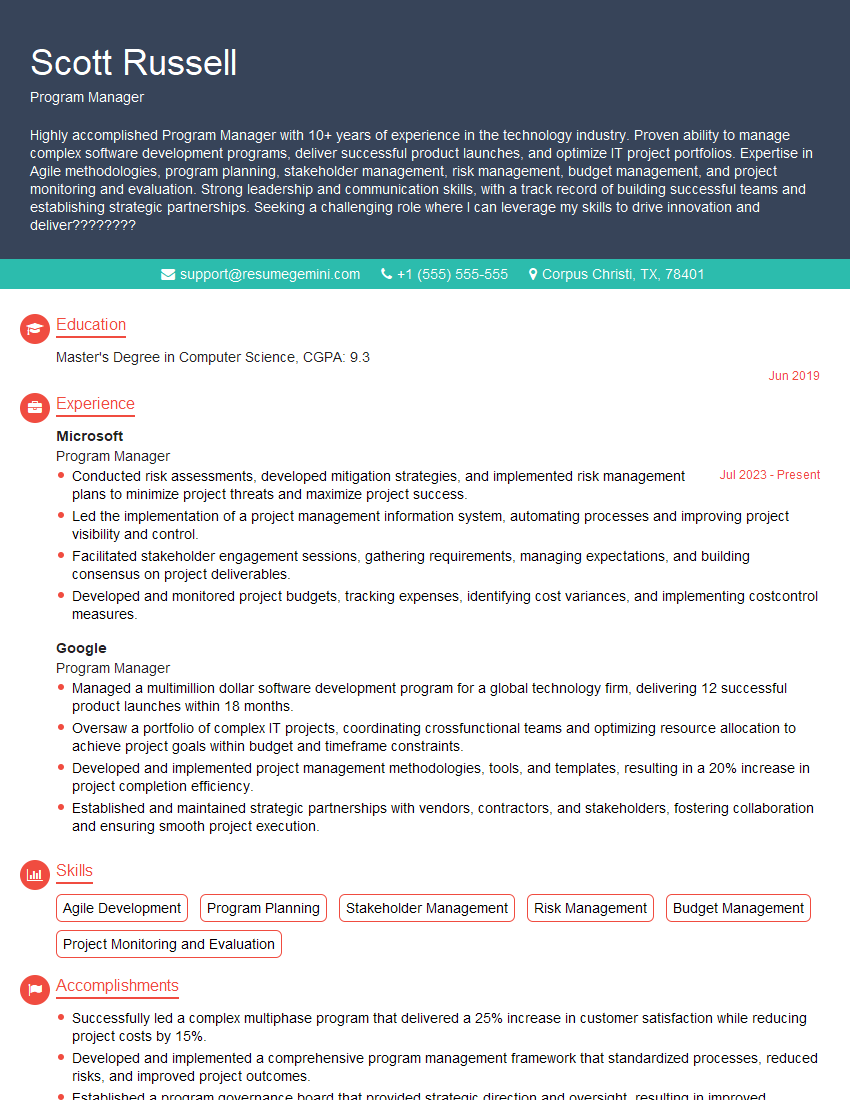
Program Manager Resume Sample
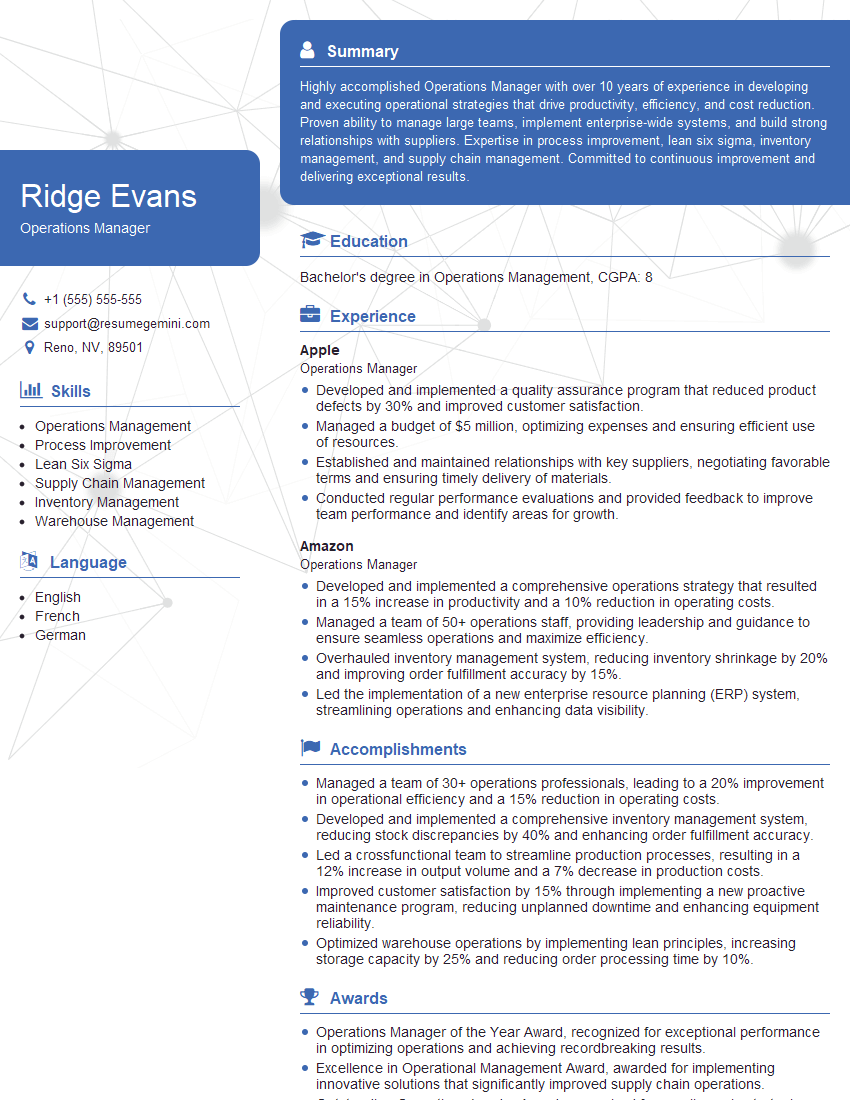
Operations Manager Resume Sample
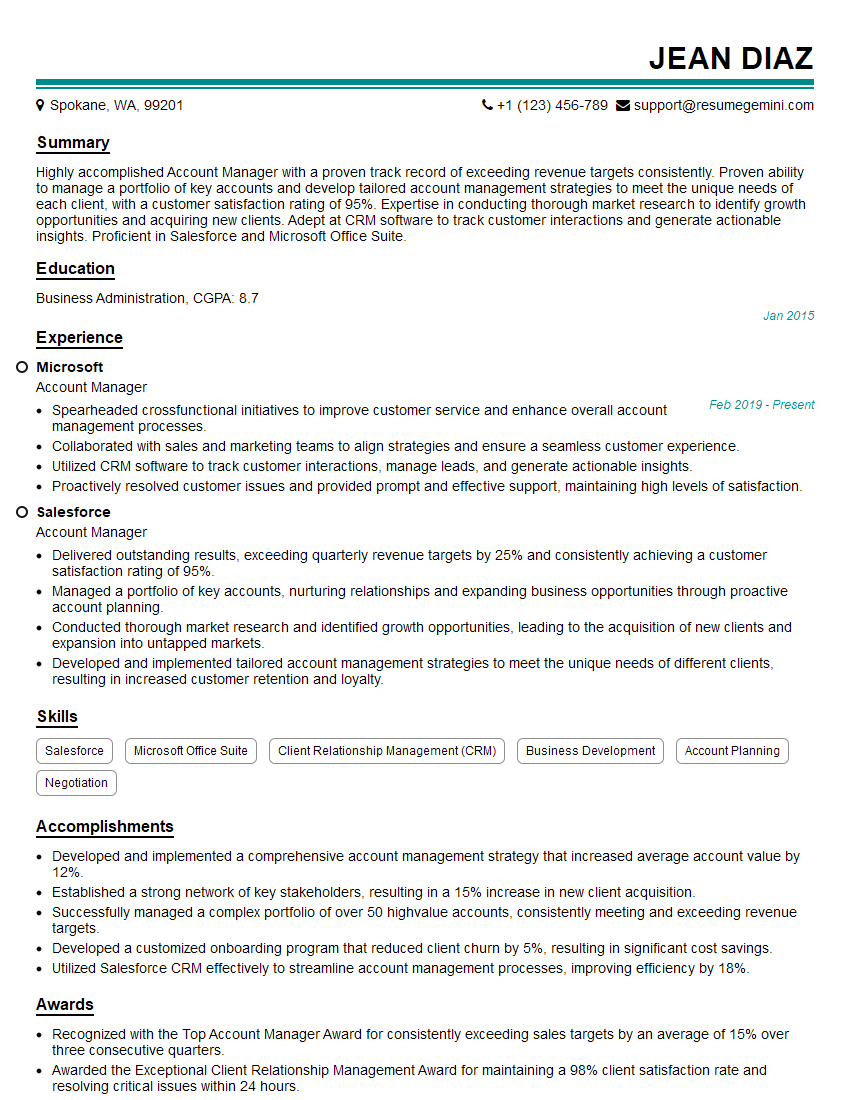
Account Manager Resume Sample
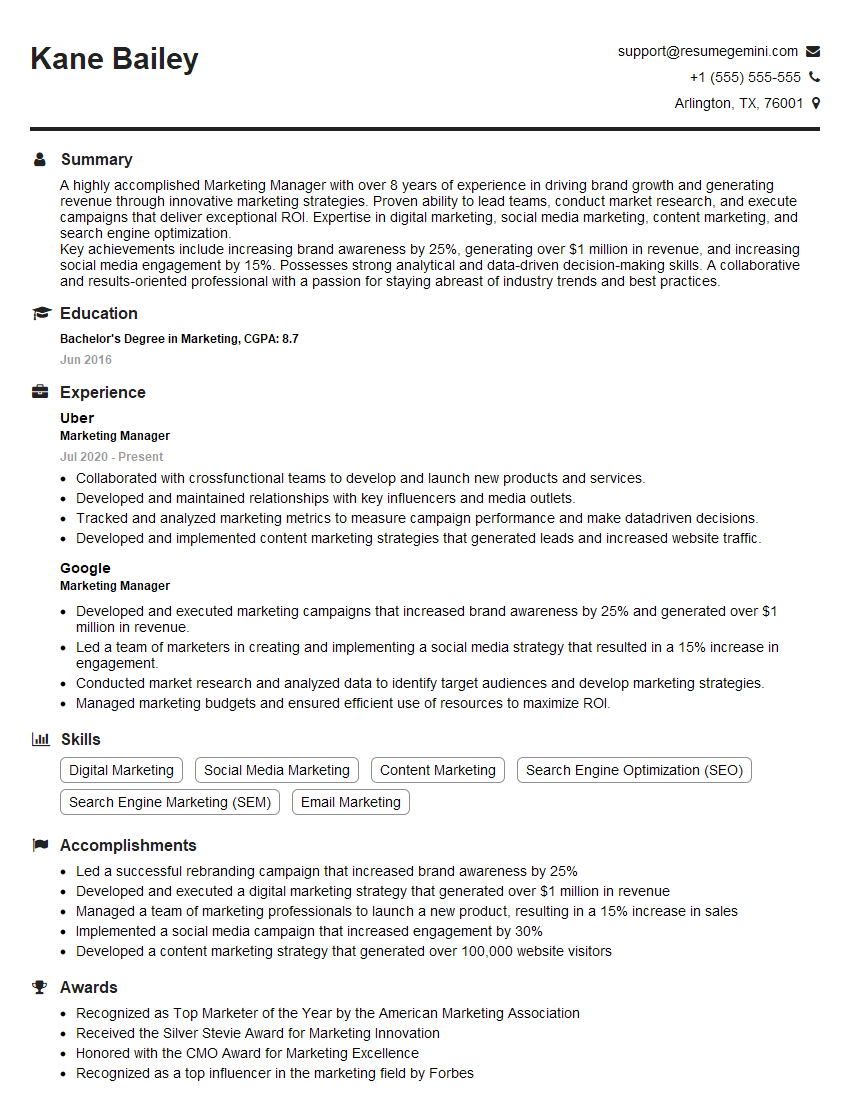
Marketing Manager Resume Sample
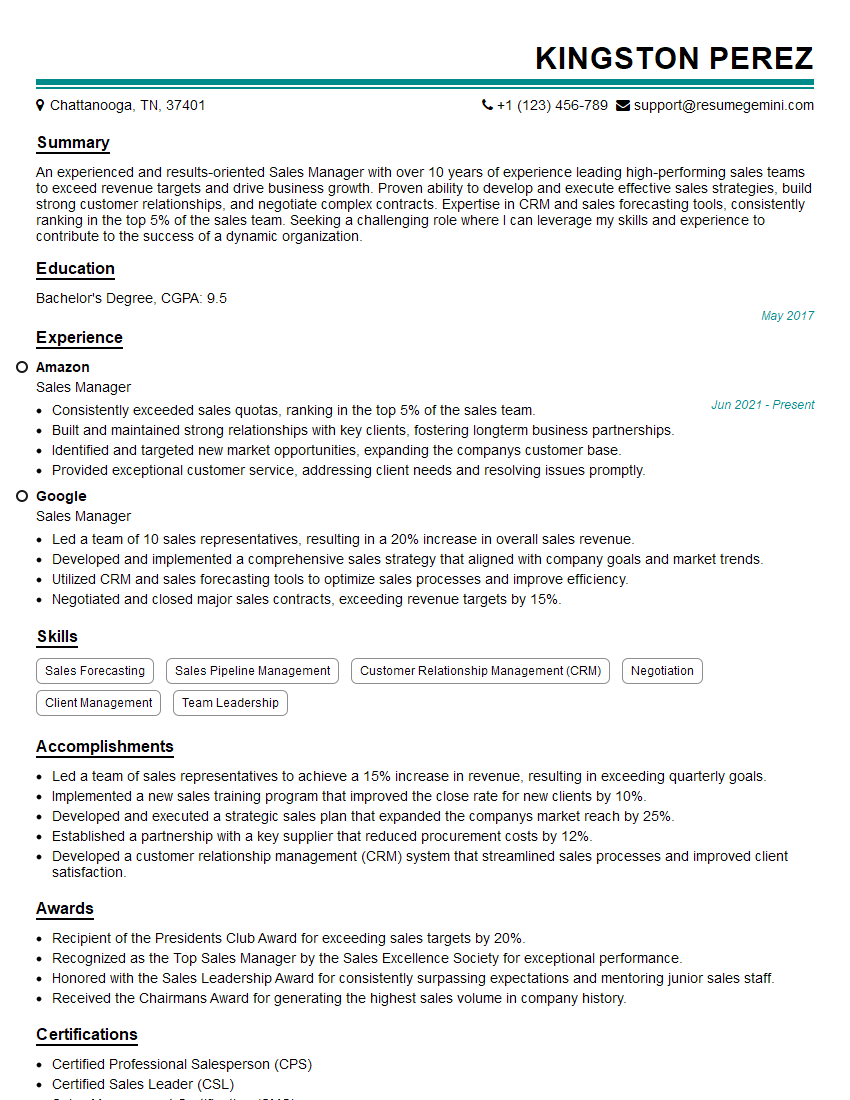
Sales Manager Resume Sample
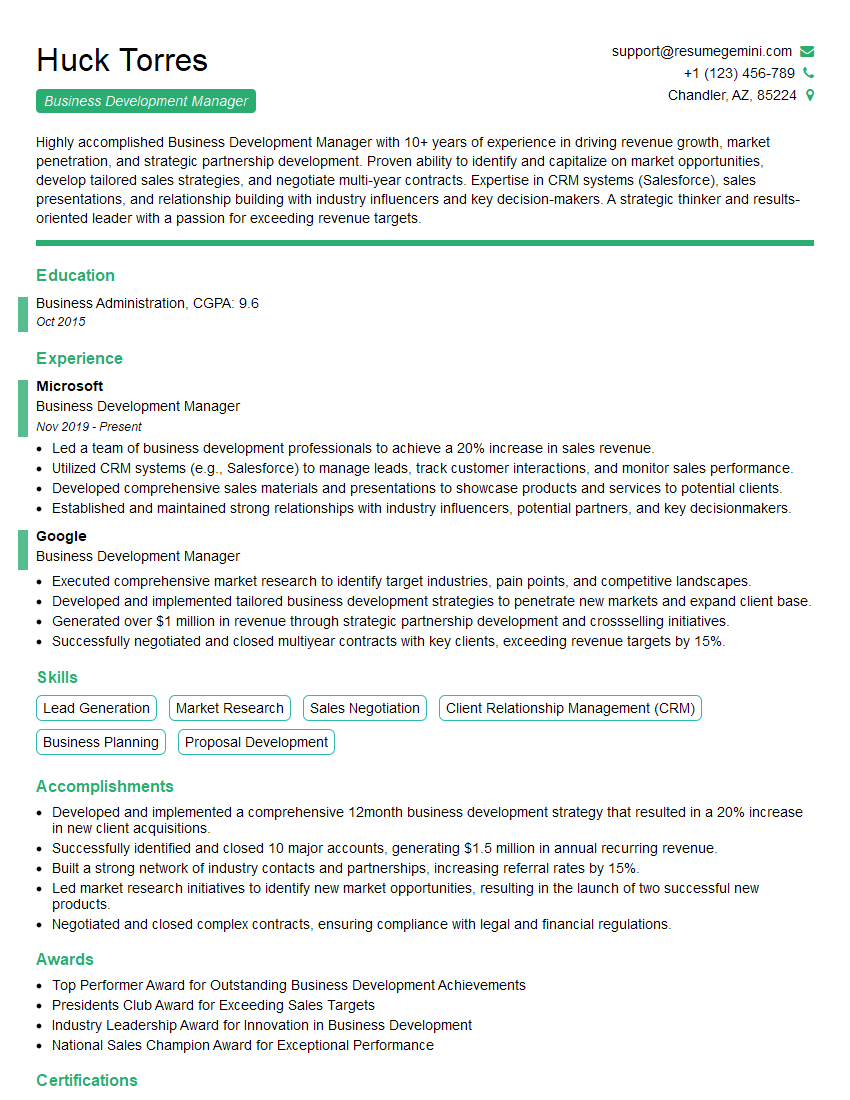
Business Development Manager Resume Sample
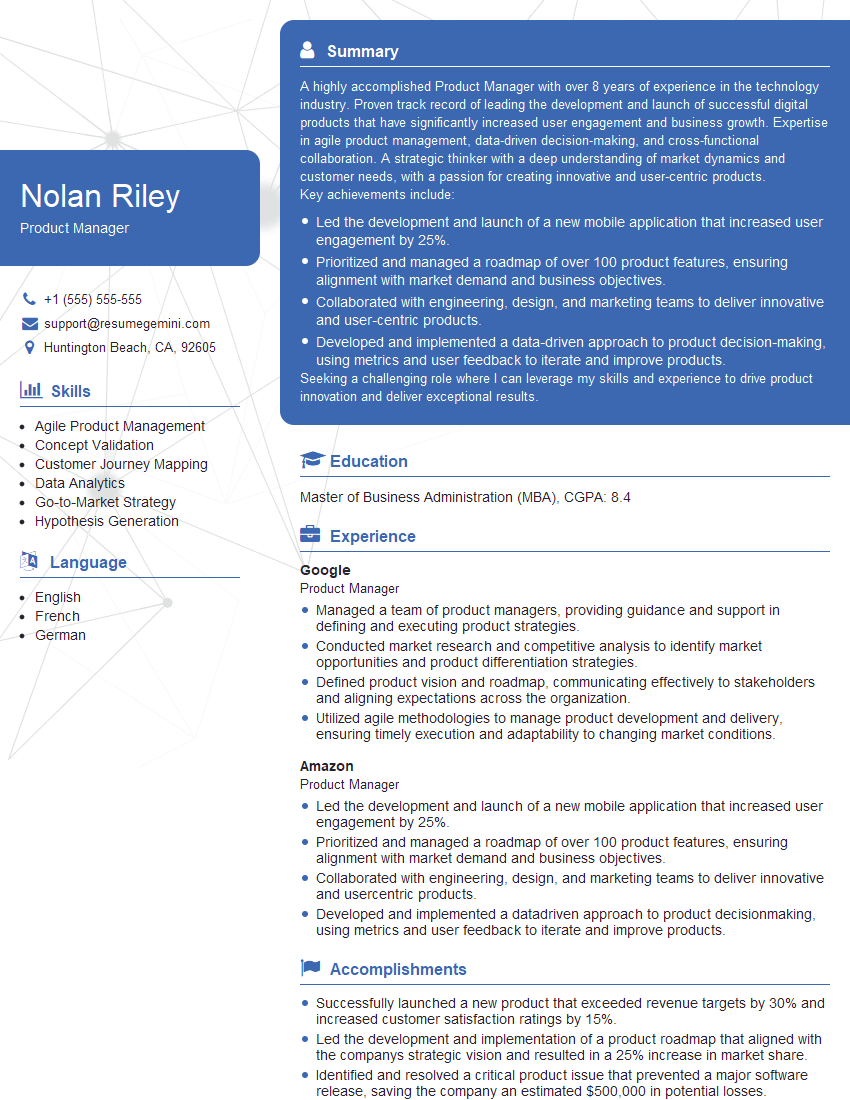
Product Manager Resume Sample
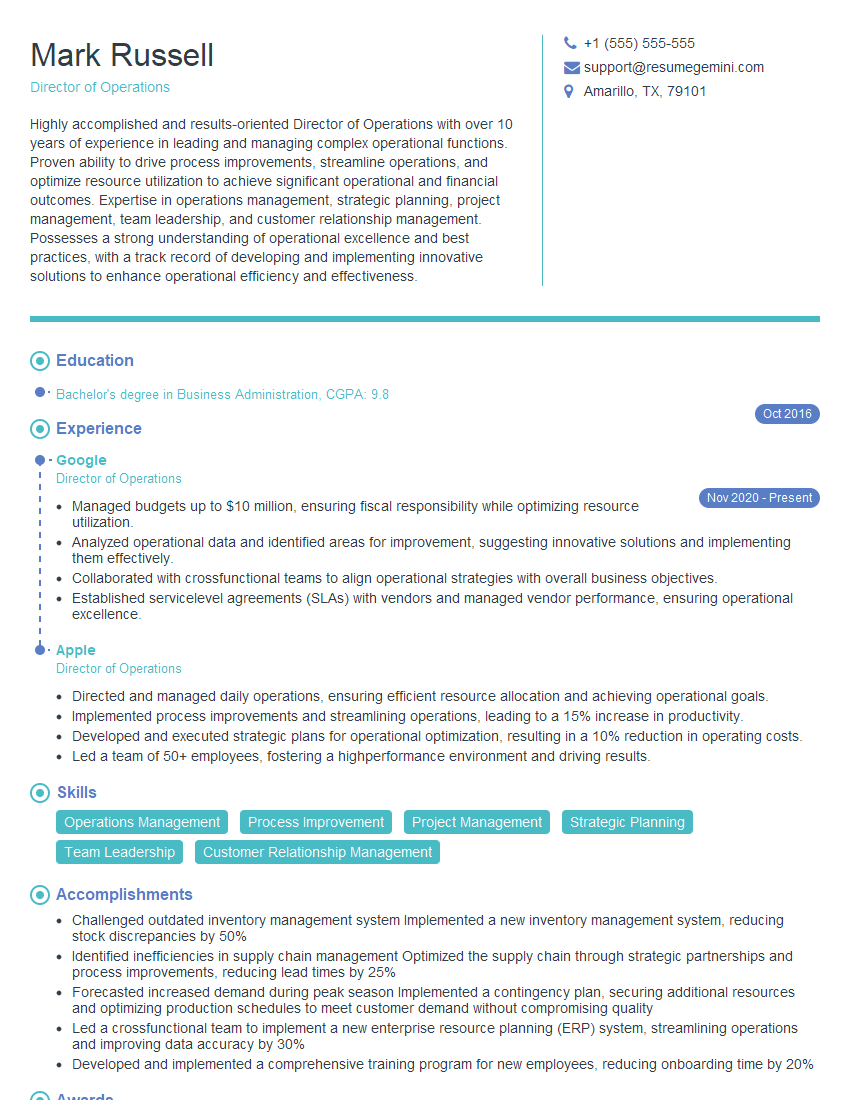
Director of Operations Resume Sample
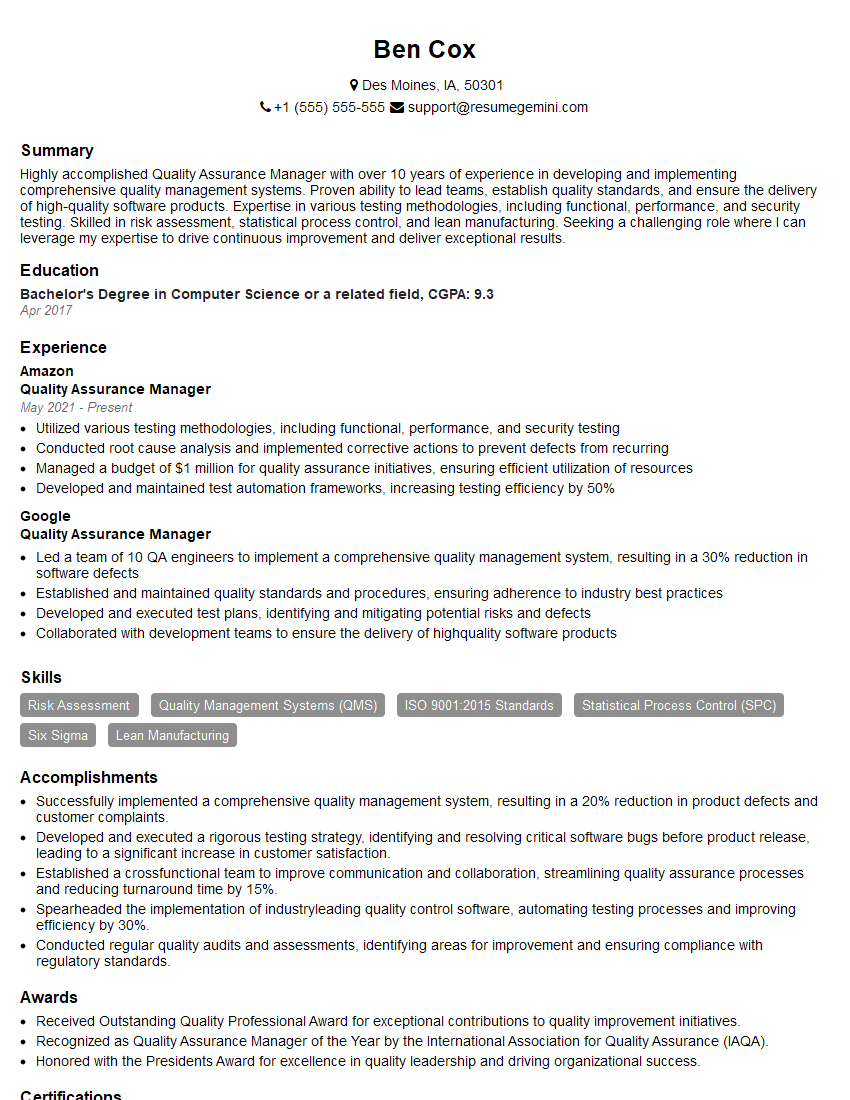
Quality Assurance Manager Resume Sample
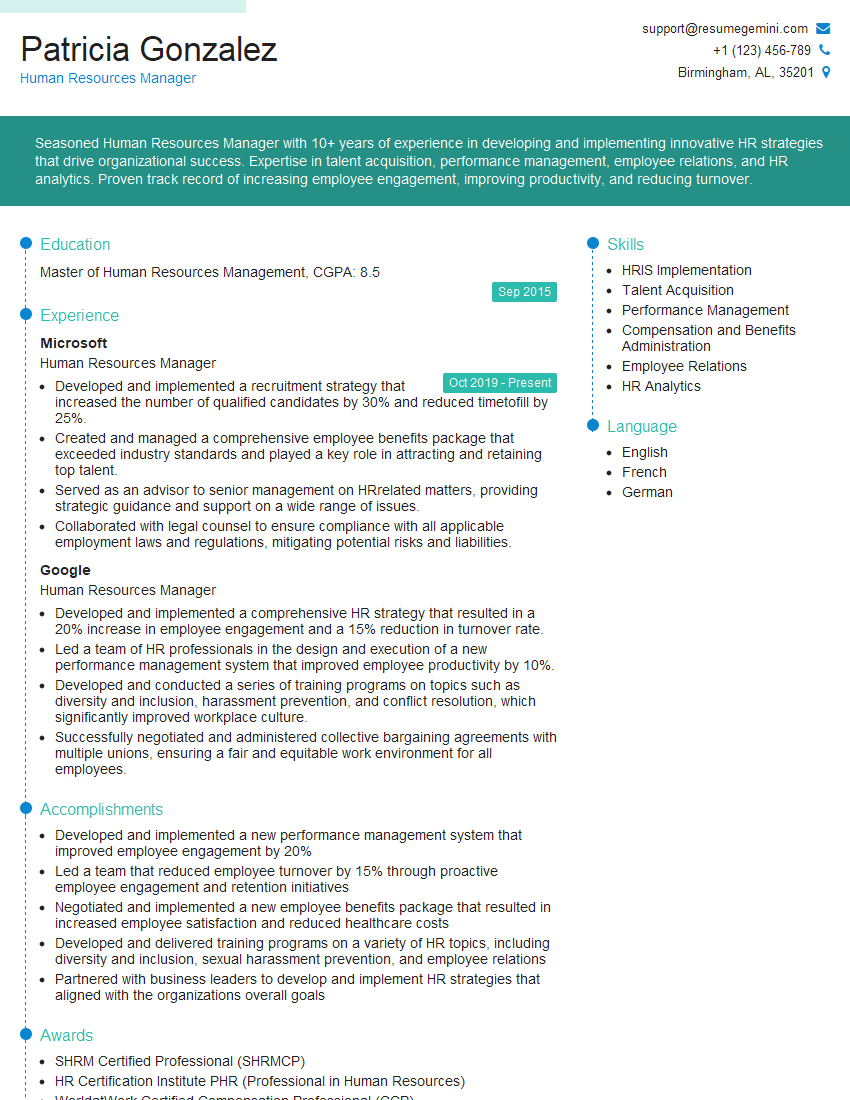
Human Resources Manager Resume Sample
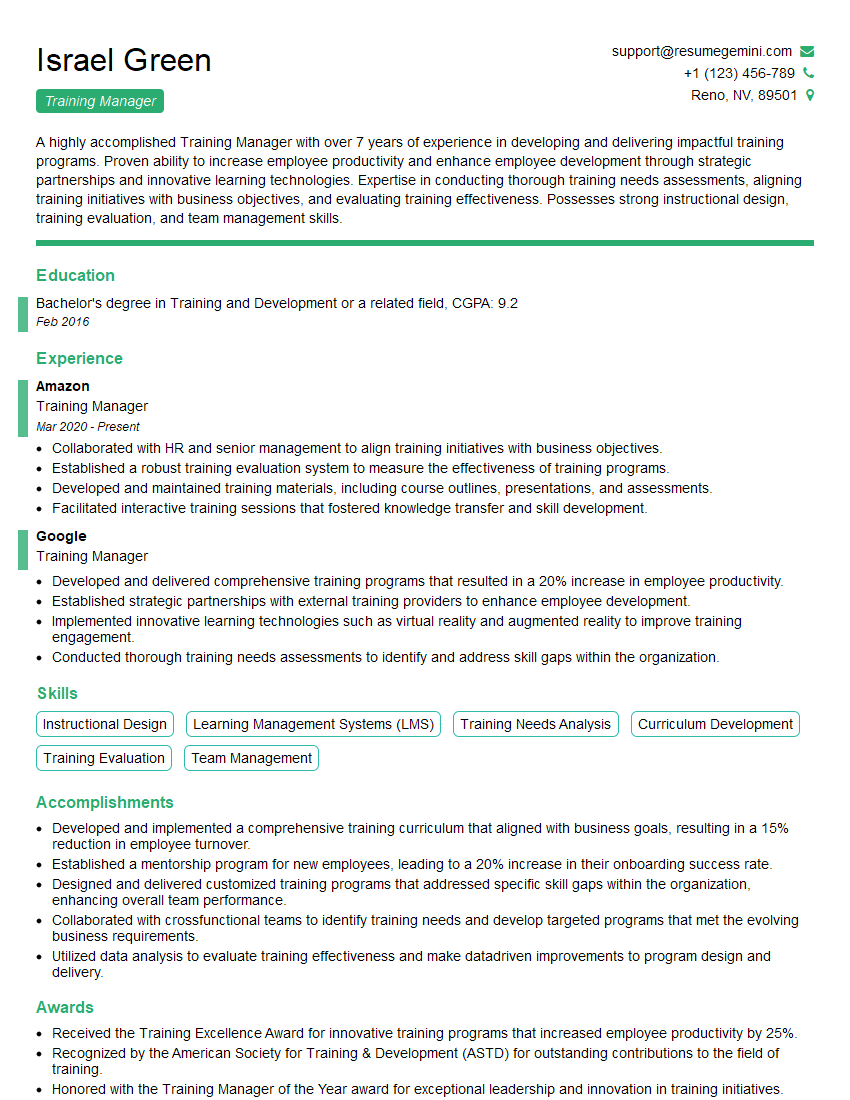
Training Manager Resume Sample
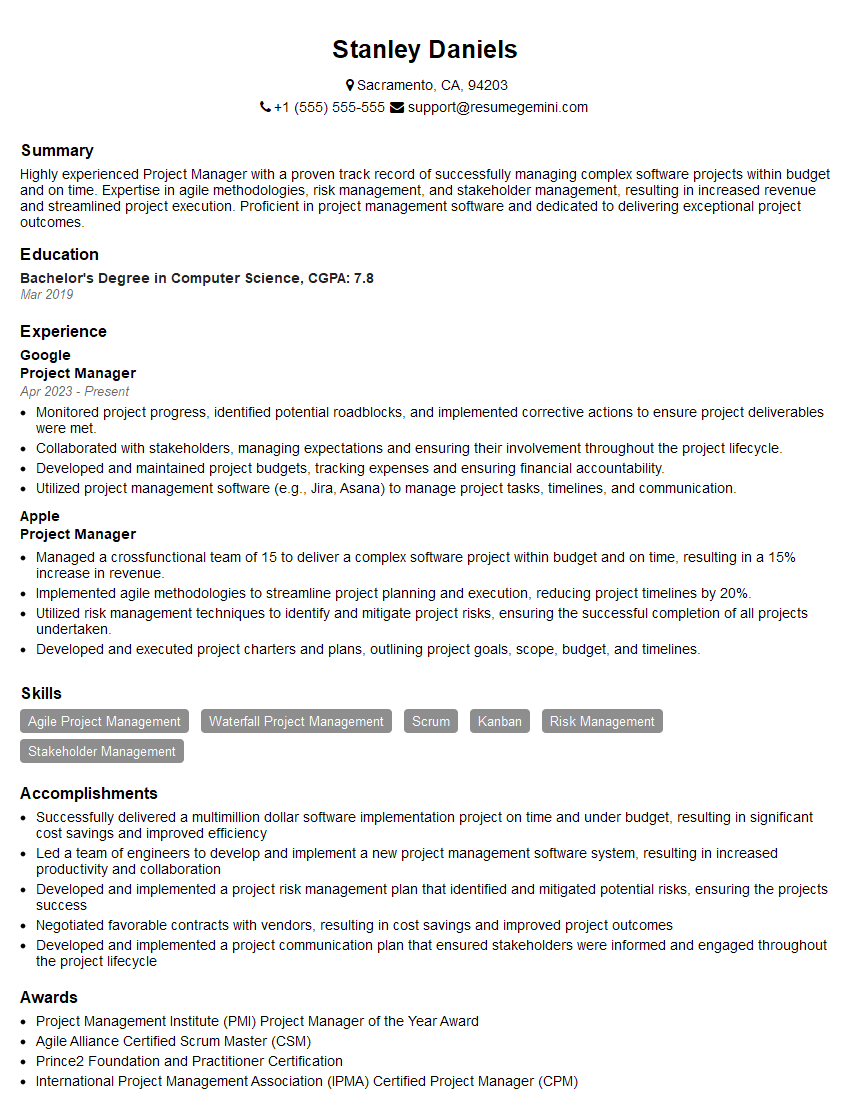
Project Manager Resume Sample
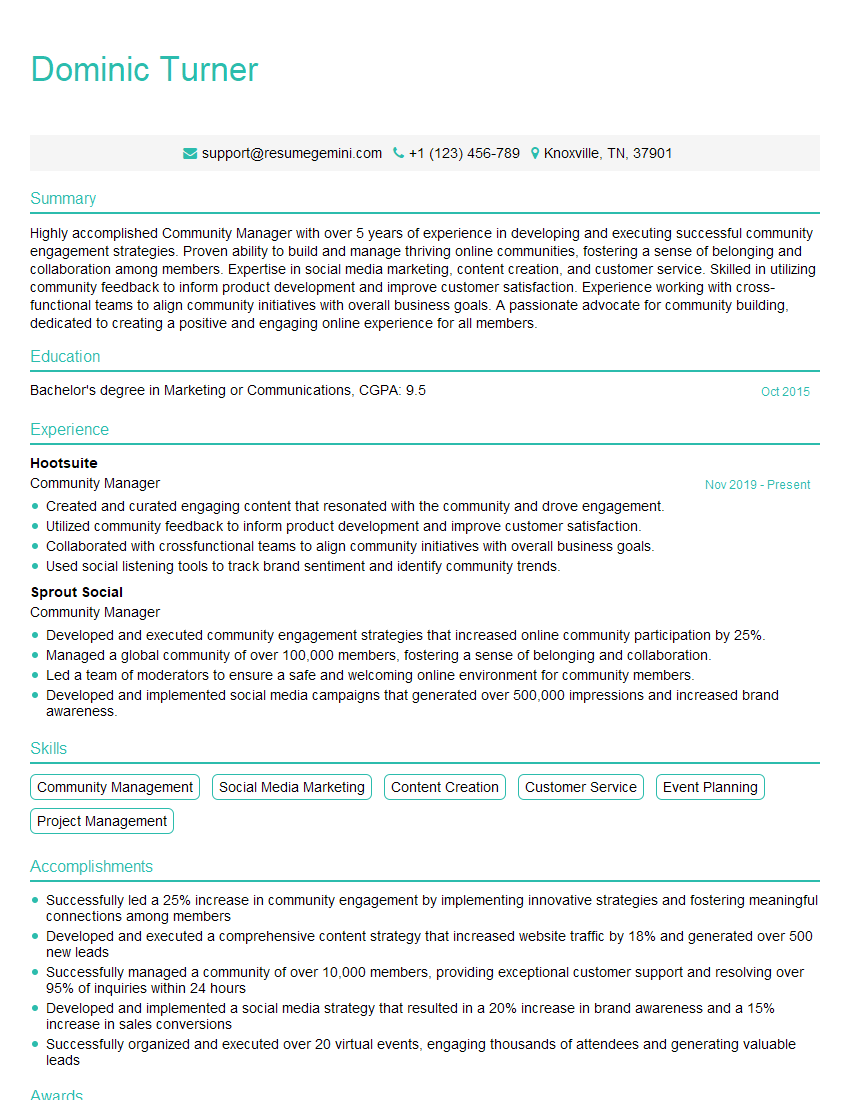
Community Manager Resume Sample
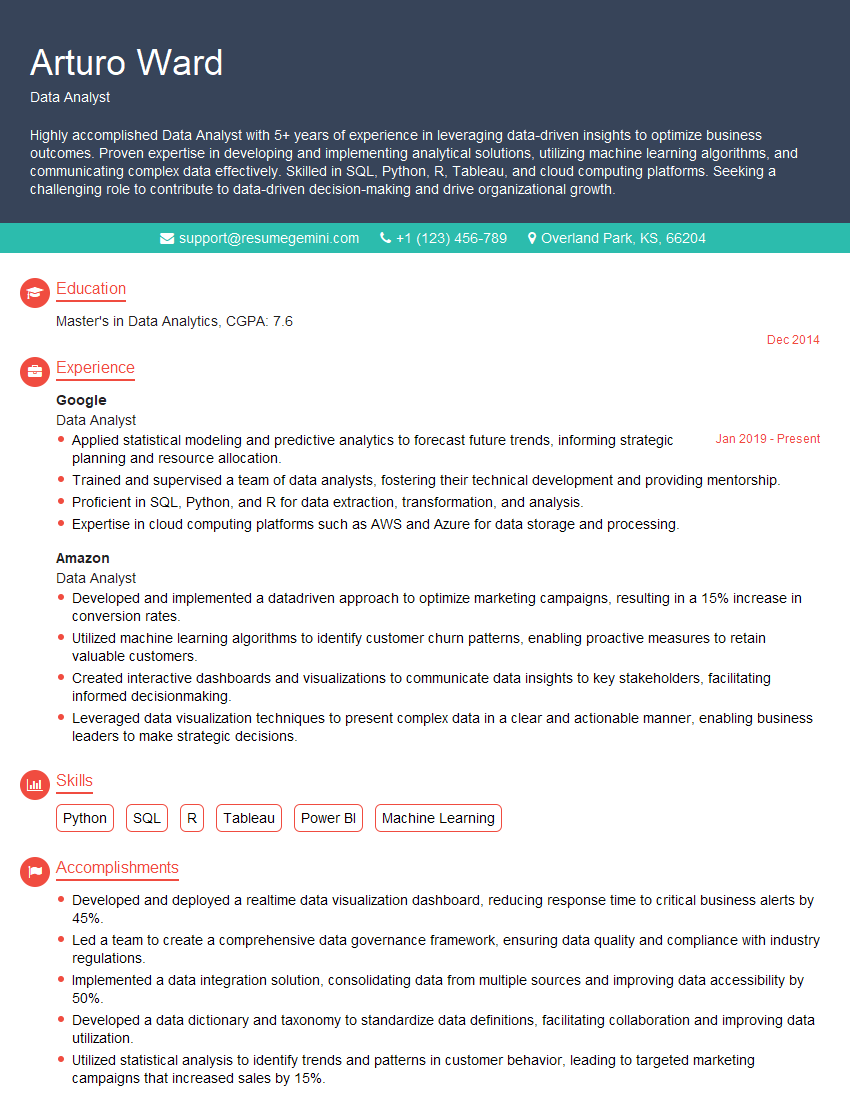
Data Analyst Resume Sample
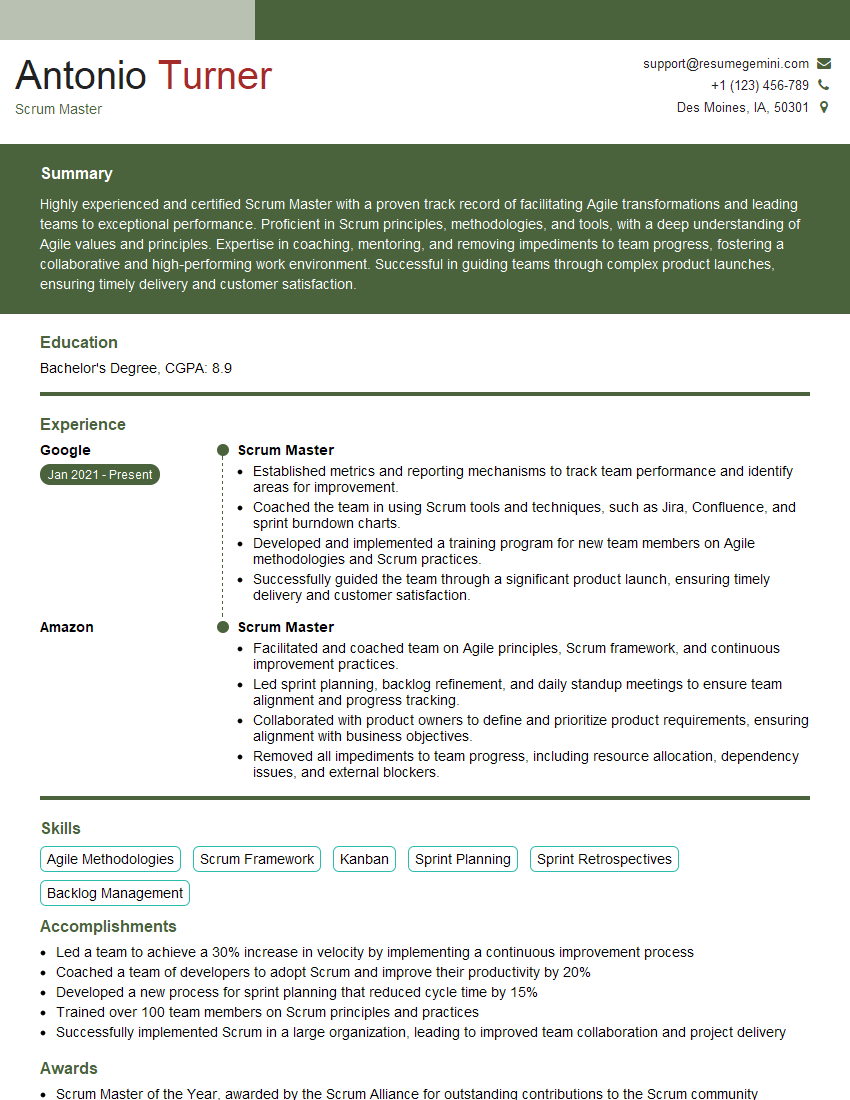
Scrum Master Resume Sample

Technical Writer Resume Sample
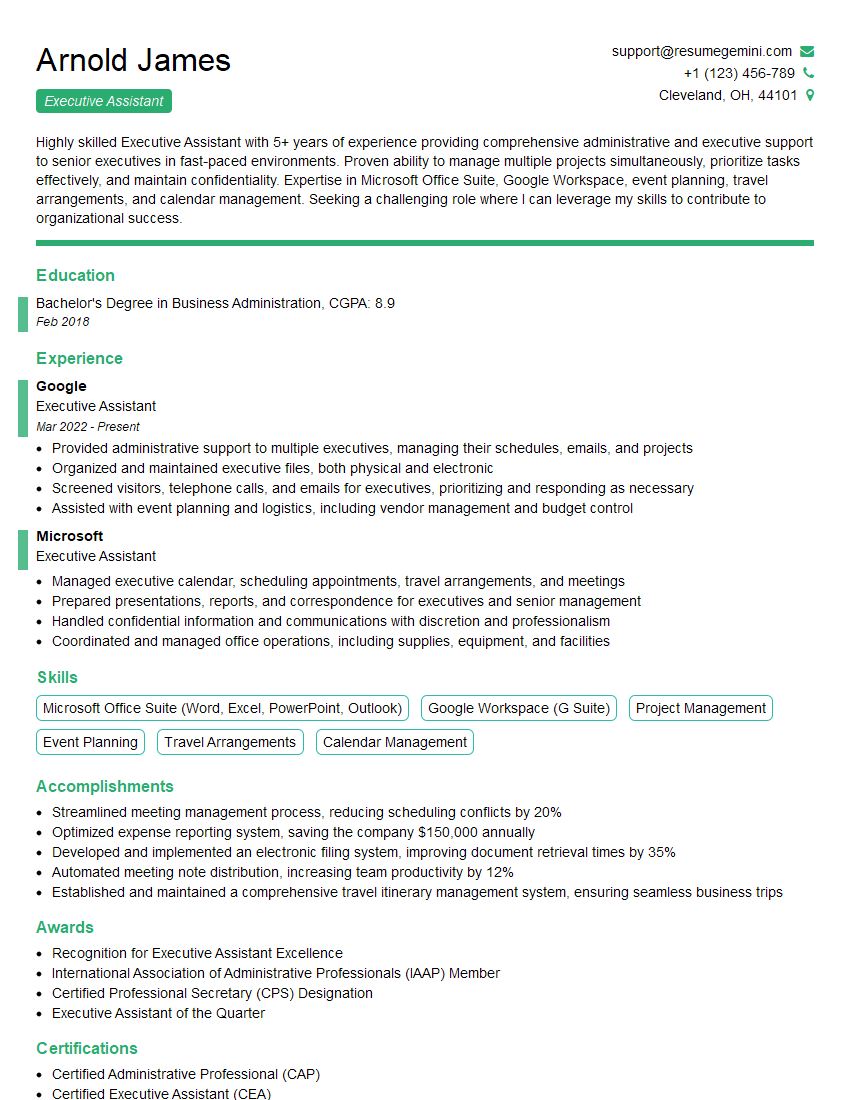
Executive Assistant Resume Sample
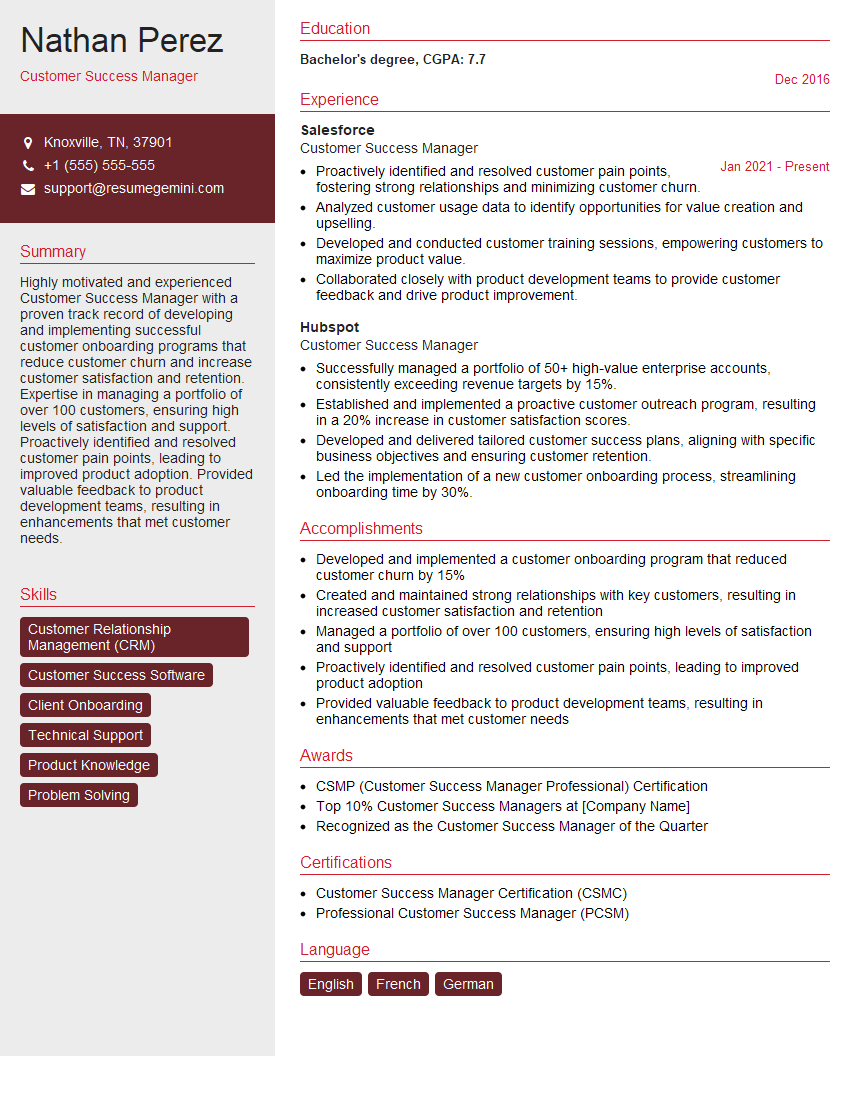
Customer Success Manager Resume Sample
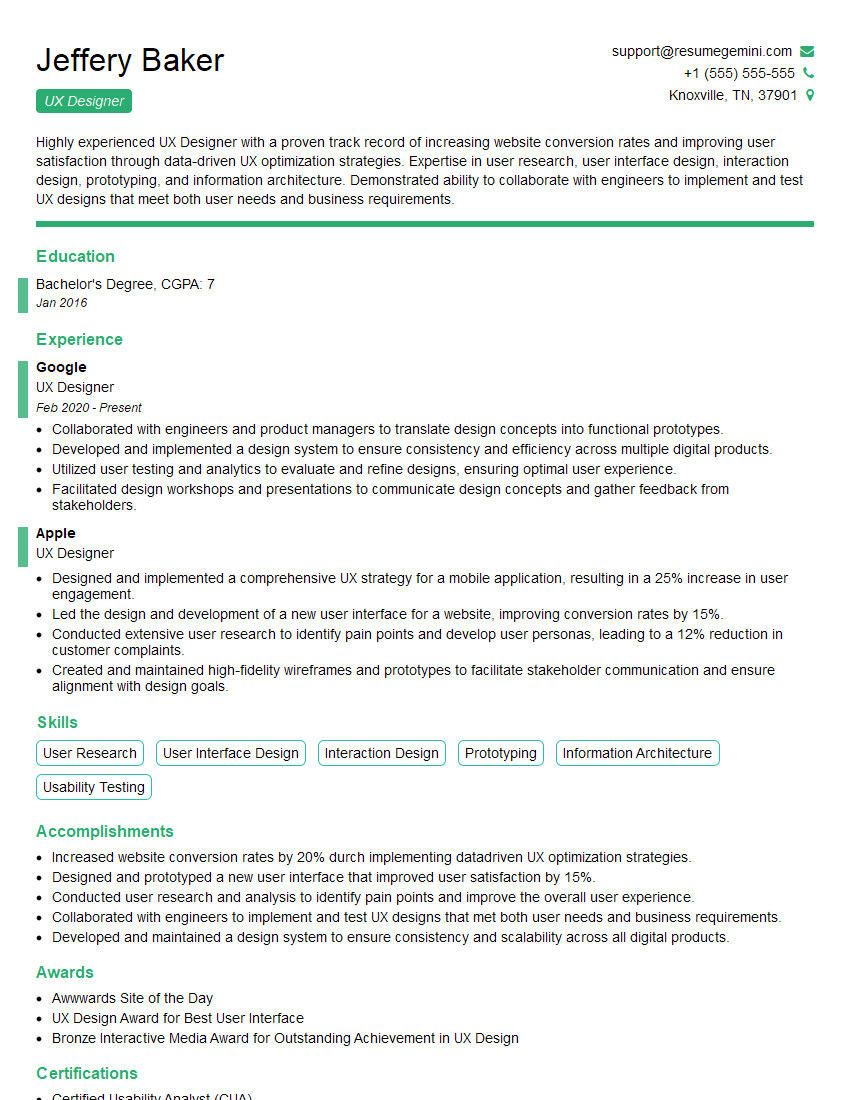
UX Designer Resume Sample
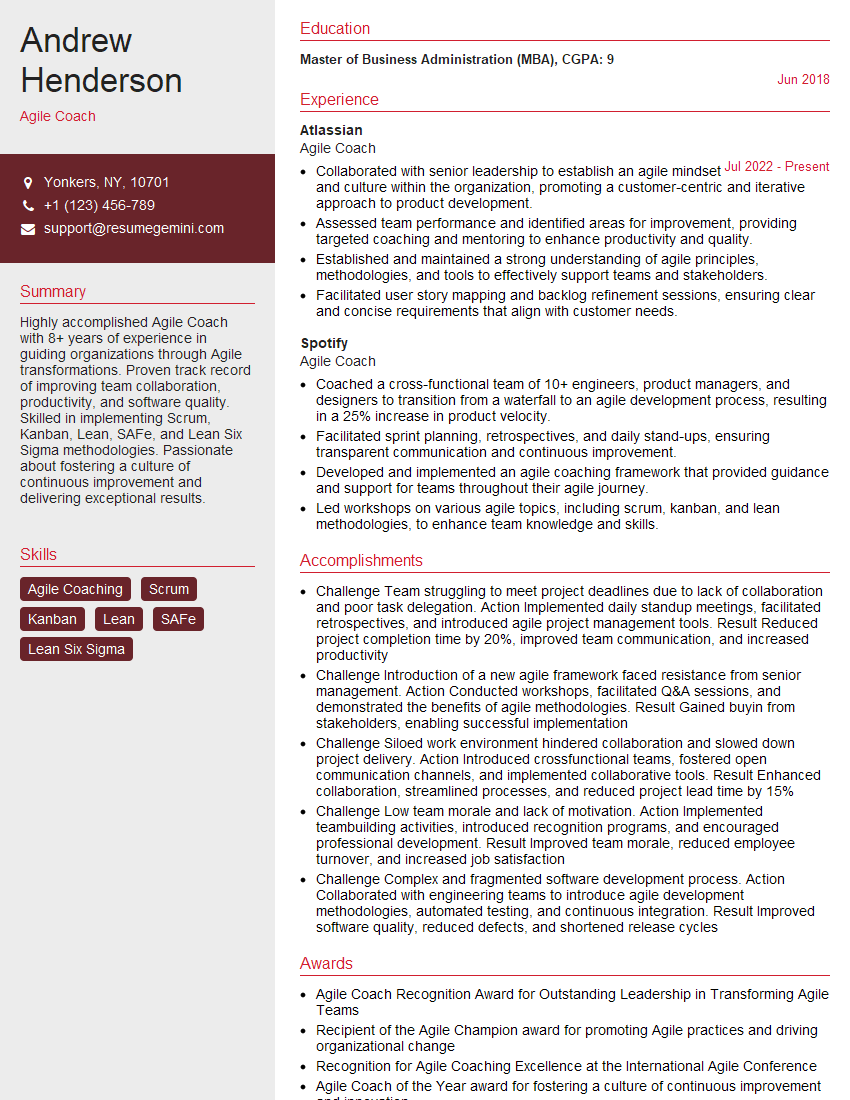
Agile Coach Resume Sample
- Program Manager
- Operations Manager
- Account Manager
- Marketing Manager
- Sales Manager
- Business Development Manager
- Product Manager
- Director of Operations
- Quality Assurance Manager
- Human Resources Manager
- Training Manager
- Project Manager
- Community Manager
- Data Analyst
- Scrum Master
- Technical Writer
- Executive Assistant
- Customer Success Manager
- UX Designer
- Agile Coach
Explore more articles
Users Rating of Our Blogs
Share Your Experience
We value your feedback! Please rate our content and share your thoughts (optional).
What Readers Say About Our Blog
Really detailed insights and content, thank you for writing this detailed article.
IT gave me an insight and words to use and be able to think of examples