Unlock your full potential by mastering the most common Interscholastic Athletics Coaching interview questions. This blog offers a deep dive into the critical topics, ensuring you’re not only prepared to answer but to excel. With these insights, you’ll approach your interview with clarity and confidence.
Questions Asked in Interscholastic Athletics Coaching Interview
Q 1. Describe your coaching philosophy and how it aligns with the school’s athletic mission.
My coaching philosophy centers on holistic athlete development, focusing not just on athletic skill but also on character, leadership, and academic success. I believe in fostering a positive and supportive environment where athletes feel empowered to reach their full potential, both on and off the field. This aligns perfectly with the school’s athletic mission, which emphasizes not only winning but also building well-rounded individuals who are contributing members of their communities. We aim to cultivate teamwork, resilience, and a strong work ethic, qualities that translate far beyond the playing field.
For instance, I prioritize open communication and collaborative goal-setting, ensuring that each athlete understands their role within the team and has a voice in the decision-making process. This approach ensures that we work together towards shared objectives, reflecting the school’s collaborative spirit.
Q 2. How do you motivate athletes with varying skill levels and personalities?
Motivating athletes with diverse skill levels and personalities requires a differentiated approach. I believe in celebrating individual progress and recognizing effort as much as results. For highly skilled athletes, the challenge lies in maintaining motivation and pushing them to strive for excellence. I accomplish this by setting challenging goals, providing individualized training plans, and offering opportunities for leadership development. For less skilled athletes, I focus on building confidence and fostering a sense of belonging. Positive reinforcement, individualized feedback, and setting achievable milestones are crucial. Understanding individual learning styles and communication preferences is essential.
For example, I might use visual aids for a visually-oriented athlete, while relying on verbal encouragement for an auditory learner. Building a strong rapport based on trust and understanding is fundamental to motivating all athletes, irrespective of their skill level or personality.
Q 3. Explain your experience in developing and implementing training programs.
My experience in developing and implementing training programs spans over [Number] years. I utilize a comprehensive approach that incorporates elements of strength and conditioning, skill development, tactical awareness, and injury prevention. This involves careful assessment of athlete needs and capabilities, followed by the design of customized training plans that align with overall team goals and individual athlete progress. My training programs are periodized, meaning they vary across different phases of the season (pre-season, in-season, off-season) to optimize performance and minimize injury risk.
For instance, during the pre-season, we focus on building a strong foundation of fitness and mastering fundamental skills. As the season progresses, we shift toward game-specific training, incorporating drills and strategies to improve performance. In the off-season, recovery and strength development are prioritized, and cross-training activities are included to prevent overtraining and promote overall well-being. I regularly monitor athlete progress through performance testing and feedback mechanisms, allowing me to adjust training plans as needed. Furthermore, I have experience utilizing various technological tools to track data such as heart rate, sleep patterns, and activity levels, leveraging this data for personalized training plans.
Q 4. What strategies do you use to build team cohesion and communication?
Building team cohesion and communication is crucial for success. I employ various strategies to foster a strong team environment, including team-building activities, open communication channels, and establishing clear team roles and responsibilities. Regular team meetings, both formal and informal, provide opportunities for feedback, problem-solving, and social interaction. I encourage positive peer interaction and promote a culture of respect and mutual support amongst athletes.
For example, I’ve organized team-building activities such as community service projects, outdoor adventures, and informal social gatherings to foster a sense of camaraderie and build relationships outside of the athletic context. I also actively promote leadership within the team, encouraging athletes to take on responsibility and mentoring younger or less experienced players.
Q 5. How do you handle conflicts between athletes or parents?
Handling conflicts requires a fair, consistent, and timely approach. My strategy involves listening empathetically to all parties involved, gathering information, and facilitating a constructive dialogue. I emphasize open communication, mutual respect, and finding solutions that are acceptable to everyone involved. In cases of severe conflict, involving parents or administrators may be necessary. My primary goal is to resolve conflicts in a way that maintains team harmony and reinforces the values of sportsmanship and respect.
For instance, I might mediate a dispute between two athletes by guiding them through a structured conversation, encouraging each to express their perspective and collaboratively identify solutions. If parental involvement is necessary, I ensure clear and open communication, providing regular updates and ensuring that all parties understand the school’s policies and procedures.
Q 6. Describe your approach to player discipline and accountability.
My approach to player discipline and accountability emphasizes education and restorative justice rather than punitive measures. I establish clear expectations regarding behavior, both on and off the field, and communicate these expectations clearly to all athletes and their parents. Consequences for rule violations are applied consistently and fairly, and discussions focus on the impact of actions rather than solely on punishment. I strive to help athletes understand the consequences of their actions, learn from their mistakes, and make amends if necessary.
For example, instead of simply suspending a player for a rule violation, I might involve them in restorative circles to discuss the impact of their actions on the team and develop a plan to make amends. The focus remains on learning and growth. This method fosters responsibility and allows athletes to take ownership of their actions.
Q 7. How do you incorporate sportsmanship and ethical conduct into your coaching practices?
Incorporating sportsmanship and ethical conduct is integral to my coaching philosophy. I emphasize the importance of respecting opponents, officials, teammates, and coaches, both through words and actions. I utilize role-playing scenarios, discussions, and team meetings to reinforce these values. I actively promote ethical decision-making, emphasizing the importance of honesty, integrity, and fair play. We regularly review our school’s code of conduct and discuss real-life examples of ethical and unethical behavior in sports.
Furthermore, we participate in community service initiatives that demonstrate the importance of giving back, furthering this focus on sportsmanship and ethical conduct beyond the playing field. This approach helps to create a culture of respect, integrity, and responsibility within our team.
Q 8. What are your methods for evaluating athlete performance and providing constructive feedback?
Evaluating athlete performance is a multifaceted process that goes beyond simply looking at wins and losses. I employ a holistic approach, combining quantitative and qualitative data to paint a complete picture of each athlete’s progress.
Quantitative data includes statistics like points scored, rebounds, assists (sport-specific), speed, strength measurements, and times. I track this data meticulously using spreadsheets and specialized athletic tracking software. For example, I might track a basketball player’s free throw percentage over the season to see improvement trends.
Qualitative data is equally important and includes observations of technique, effort, sportsmanship, teamwork, and mental resilience. I use detailed observation checklists during practices and games to note areas needing improvement. I also conduct regular one-on-one meetings with each athlete to discuss their performance, self-assessment, and goals.
Constructive feedback is delivered through a supportive and encouraging environment. I focus on specific behaviors rather than making general or overly critical statements. For instance, instead of saying “You played poorly,” I might say, “Your footwork on your jump shot needs improvement. Let’s focus on maintaining balance during your shot preparation.” I encourage athletes to self-reflect by asking questions like, “What do you think you did well today? Where do you think you can improve?” This collaborative approach helps athletes understand their strengths and weaknesses and take ownership of their development.
Q 9. How do you utilize technology to enhance coaching and athlete development?
Technology plays a crucial role in modern coaching. I leverage several tools to enhance training and athlete development. Video analysis software allows us to meticulously review game footage and practice drills, identifying both technical flaws and successful strategies. We can slow down the footage, draw on-screen annotations, and share clips with individual athletes for self-reflection.
Performance tracking apps provide real-time data on metrics such as distance covered, speed, and heart rate. This data can be used to create personalized training plans and monitor the effectiveness of training programs. For instance, we might use data to adjust a runner’s training volume based on their heart rate variability.
Communication platforms such as team messaging apps facilitate seamless communication with athletes and parents, helping keep everyone informed and engaged. I also use online learning platforms to provide athletes with educational resources on nutrition, injury prevention, and sports psychology. Finally, we utilize online scheduling tools for practices, games, and meetings to improve organizational efficiency.
Q 10. Describe your experience in recruiting and retaining athletes.
Recruiting and retaining athletes requires a balanced approach that emphasizes both skill and character. My recruiting strategy begins with identifying potential athletes through scouting, attending tournaments, and networking with other coaches and schools. I look for athletes who possess not only athletic talent but also a strong work ethic, positive attitude, and commitment to teamwork.
Building strong relationships with prospective athletes and their families is crucial. I aim to provide a transparent and welcoming environment, highlighting the program’s values, training philosophy, and opportunities for growth. I also emphasize the importance of academic success and overall well-being.
Retention is achieved by fostering a supportive and inclusive team culture. Regular communication, feedback, and recognition of individual achievements go a long way in keeping athletes engaged and motivated. Addressing any concerns promptly and fairly is also critical. Providing opportunities for leadership development and community involvement enhances the athletes’ sense of belonging and investment in the program.
Q 11. How do you manage the budget and resources allocated to your team?
Budget management is a key responsibility. I start with a detailed budget proposal that outlines all anticipated expenses, including equipment, travel, coaching stipends, uniforms, and facility rentals. This proposal is carefully reviewed and approved by the school administration.
I meticulously track all expenditures, ensuring that funds are used effectively and efficiently. This involves keeping detailed financial records and regularly reviewing the budget against actual spending. I regularly explore opportunities for cost savings, such as securing discounts on equipment or seeking sponsorships.
Transparency is important; I keep athletes, parents, and the school administration informed about the team’s finances. This ensures accountability and fosters trust. I view budget management as a collaborative process, involving input from assistant coaches and athletes wherever possible to ensure smart, team-based decisions.
Q 12. Explain your familiarity with relevant athletic regulations and compliance requirements.
Compliance with athletic regulations is paramount. I am thoroughly familiar with the rules and regulations set forth by our school district, state athletic association, and the relevant national governing bodies for our sport. This includes understanding eligibility requirements for athletes, rules governing recruiting practices, and regulations regarding drug testing.
I maintain detailed records of all athlete participation, academic progress, and compliance-related documentation. I regularly attend workshops and training sessions to stay updated on changes to regulations and best practices. I also work closely with the school’s athletic director and compliance officer to ensure that all team activities are conducted in full compliance with relevant regulations. This includes prompt reporting of any potential violations and working with school administration to address them proactively.
Q 13. How do you ensure the safety and well-being of your athletes?
The safety and well-being of my athletes are my top priorities. This begins with ensuring that they have access to appropriate medical care, including pre-participation physical examinations and prompt attention to any injuries that occur during practices or competitions.
I make sure our training facilities are safe and well-maintained. We utilize appropriate safety equipment and follow established safety protocols during all training sessions and competitions. Regular safety meetings with the athletes reinforce safe practices. I emphasize the importance of proper hydration, nutrition, and rest to prevent injuries.
I encourage open communication about any concerns related to health, safety, or well-being. I have a zero-tolerance policy for bullying, harassment, and hazing. I am also trained in emergency response procedures and know what to do in case of a medical emergency. Collaboration with the school’s athletic trainer is essential in this regard.
Q 14. Describe your experience working with assistant coaches and support staff.
Effective collaboration with assistant coaches and support staff is essential for a successful team. I foster a positive and collaborative work environment where everyone feels valued and respected.
I clearly define roles and responsibilities for each staff member, ensuring that there is no overlap or confusion. I regularly meet with my assistants to discuss training plans, strategies, and athlete progress. I encourage open communication and feedback, valuing their expertise and insights. I delegate tasks appropriately, allowing my assistants to take ownership of their areas of responsibility.
I provide my assistants with opportunities for professional development, empowering them to grow their skills and knowledge. I also provide ongoing support and mentoring, helping them navigate challenges and develop their coaching abilities. This ensures a strong, unified coaching staff that functions effectively to support the athletes.
Q 15. How do you adapt your coaching style to different age groups or skill levels?
Adapting my coaching style hinges on understanding the developmental stage and skill level of each athlete. Younger athletes, say in middle school, require a more fundamental approach, focusing on building a solid base of skills and fostering a love for the sport. My coaching here involves lots of positive reinforcement, simplified instructions, and game-like drills to keep them engaged. For example, I might use fun competitions during practice to encourage skill development instead of solely focusing on drills. With high school athletes, the approach shifts to more advanced techniques, strategic play, and individual skill refinement. I incorporate game analysis, strength and conditioning, and individual coaching sessions to cater to their advanced needs. For instance, I might implement small-sided games to practice specific offensive and defensive strategies, replicating game-day scenarios. Finally, I adapt my communication style accordingly, using clearer and more direct language with older athletes while maintaining a patient and encouraging tone with younger ones.
Career Expert Tips:
- Ace those interviews! Prepare effectively by reviewing the Top 50 Most Common Interview Questions on ResumeGemini.
- Navigate your job search with confidence! Explore a wide range of Career Tips on ResumeGemini. Learn about common challenges and recommendations to overcome them.
- Craft the perfect resume! Master the Art of Resume Writing with ResumeGemini’s guide. Showcase your unique qualifications and achievements effectively.
- Don’t miss out on holiday savings! Build your dream resume with ResumeGemini’s ATS optimized templates.
Q 16. What is your approach to injury prevention and management?
Injury prevention and management are paramount. My approach is multifaceted. First, we begin with a comprehensive pre-season physical assessment and conditioning program tailored to the sport’s demands. This includes flexibility exercises, strength training, and plyometrics – all designed to build resilience. Secondly, proper technique is heavily emphasized throughout practices and games. Coaches and I regularly monitor athletes for signs of fatigue or improper form to correct it immediately, preventing overuse injuries. Thirdly, we implement a comprehensive hydration strategy and nutrition guidelines. Finally, should an injury occur, we follow a strict protocol involving immediate first aid, medical evaluation, and a structured rehabilitation program under the guidance of athletic trainers and medical professionals. Returning athletes follow a gradual reintegration plan to prevent re-injury. I’ve had success using this approach; for example, I’ve significantly reduced injury rates on my teams over the past few years by focusing on these preventative measures.
Q 17. How do you foster a positive and inclusive team environment?
Building a positive and inclusive team environment is crucial. I start by establishing clear expectations for respect, sportsmanship, and teamwork, ensuring all athletes feel valued regardless of skill level or background. Team-building activities, such as volunteer work or social events, are implemented to foster camaraderie. I actively promote open communication, creating a safe space where athletes feel comfortable expressing concerns or suggestions. I make a point to celebrate individual and team successes equally, focusing on effort and improvement rather than solely on results. For example, recognizing the dedication and improvement of a less experienced player can dramatically lift their confidence and the overall team morale. Inclusive practices might include providing modified drills or equipment to accommodate individual needs and abilities.
Q 18. Describe your experience in organizing and running practices and games.
Organizing practices and games involves detailed planning and execution. Practices are structured with a clear warm-up, skill development drills, strategic play implementation, and a cool-down. I utilize various training methods, including interval training, circuit training, and game simulations, to maintain player interest and enhance their skills. Game planning includes studying opponents, developing game strategies, and assigning player roles. I always ensure a thorough pre-game preparation, including team talks and reviewing strategies. During games, I focus on providing in-game coaching, making adjustments based on the opponent’s strategies, and maintaining communication with my assistant coaches. Post-game analysis includes reviewing game footage, identifying areas for improvement, and providing feedback to athletes. For example, my meticulous game day preparation including pregame meetings and strategic whiteboard session help my team to perform better on game days.
Q 19. How do you manage athletes’ academic responsibilities and athletic commitments?
Balancing academics and athletics is paramount. I work closely with athletes, parents, and school counselors to create a schedule that prioritizes both. This might involve flexible practice times, study hall sessions during practice, or creating individualized learning plans in coordination with teachers. Open communication is key; I regularly check in with athletes about their academic workload and provide support where needed. By fostering a culture of responsibility, encouraging time management skills, and promoting the importance of both education and athletics, we help young athletes develop lifelong habits for success. For example, setting clear deadlines for homework to be completed before practice is common in our routine.
Q 20. Explain your experience in communicating effectively with parents, administrators, and other stakeholders.
Effective communication is the bedrock of my approach. With parents, I maintain regular contact through email, phone calls, and team meetings. Transparency is key; I keep them informed of team progress, expectations, and any concerns. Communication with administrators involves regular updates on team performance, requests for resources, and adherence to school policies. I actively seek their input and collaborate to solve problems that may arise. With other stakeholders, such as referees or opposing coaches, I ensure respectful and professional communication at all times. In all my interactions, clarity, empathy, and a proactive approach are paramount. This collaborative and transparent strategy keeps all stakeholders involved and informed and leads to greater cooperation and success.
Q 21. What professional development activities have you undertaken to enhance your coaching skills?
Professional development is an ongoing commitment. I regularly attend coaching clinics and workshops, focusing on areas like sports psychology, skill development, and injury prevention. I also actively seek out mentorship opportunities with experienced coaches, learning from their expertise and best practices. Online courses and professional certifications in areas like sports nutrition and strength and conditioning also keep my skills current and enhance my ability to support athletes holistically. Engaging with coaching literature and staying updated on the latest research in sports science provides valuable insights to refine my techniques and strategies. Continuous learning ensures I remain a highly effective and up-to-date coach, providing the best possible support to my athletes.
Q 22. How do you use data analysis to inform your coaching decisions?
Data analysis is crucial for modern coaching. It moves us beyond gut feeling to evidence-based decisions. I use a variety of data sources, including performance tracking software (like those that record speed, distance, and repetitions), video analysis, and even simple spreadsheets to record player stats and game outcomes. For example, if I notice a consistent pattern in missed free throws – say, a player consistently misses shots to their left – video analysis can reveal flaws in their shooting form. We then focus drills on correcting that specific weakness. Similarly, tracking player minutes and performance metrics helps optimize playing time and avoid burnout. By analyzing this data, I can tailor training plans, identify areas needing improvement, and ultimately maximize team performance.
- Performance Tracking Software: Provides objective measures of speed, strength, and endurance, allowing for individualized training programs.
- Video Analysis: Identifies technical flaws in technique and strategic errors in gameplay.
- Statistical Analysis: Tracks game statistics (points, rebounds, assists, etc.) to assess player performance and identify team strengths and weaknesses.
Q 23. Describe a time you had to make a difficult decision regarding an athlete.
One of the toughest decisions I faced involved a talented but intensely competitive senior player. She was a key contributor, but her competitiveness sometimes spilled over into negativity, impacting team morale. She criticized teammates publicly and struggled to accept constructive criticism. After several private conversations, team meetings, and even bringing in a sports psychologist, her behavior didn’t improve. The difficult decision was to limit her playing time in critical games despite her considerable skill. This was to preserve team unity and create a positive environment for the other players. It wasn’t popular, but ultimately, the team performed better, we prioritized the overall well-being of the group, and the athlete learned a valuable lesson about teamwork and sportsmanship. This experience reinforced the importance of fostering a supportive and positive team culture above individual achievements. I followed up with the athlete after the season to reinforce the positive impact of her improved behavior and her future development as a player and an individual.
Q 24. How do you identify and address potential burnout among athletes and yourself?
Burnout is a serious concern for athletes and coaches alike. To address it, I implement several strategies. For athletes, this involves prioritizing rest and recovery, ensuring adequate sleep, and incorporating fun, non-competitive activities into their routines. Open communication is crucial; I regularly check in with athletes to gauge their mental and physical well-being. We also use techniques like mindfulness and stress management exercises to build resilience. For myself, I prioritize self-care. This includes setting boundaries between work and personal life, engaging in hobbies outside of coaching, and seeking support from colleagues and mentors when needed. Regular reflection and identifying personal stressors are key. Recognizing the signs of burnout, both in myself and my athletes, and taking proactive steps to mitigate it is essential for long-term success and wellbeing.
Q 25. What is your approach to talent identification and development?
My approach to talent identification and development is multifaceted. It starts with early identification through scouting and participation in youth programs. I look for both innate athletic ability and a willingness to learn and work hard. Development is an ongoing process. I utilize a combination of individualized training plans based on strengths and weaknesses, regular performance evaluations, and ongoing feedback. I also emphasize fundamental skill development, fostering a love for the sport, and providing athletes with the tools to reach their full potential. This includes both physical training and mental skills training, such as goal setting and visualization techniques. I also focus on building character and leadership qualities through team activities and mentorship. Ultimately, the goal is to not only develop elite athletes but also well-rounded individuals.
Q 26. Explain your experience in working with athletes with disabilities or special needs.
I have experience working with athletes with various disabilities and special needs. My approach centers around inclusivity and creating a supportive environment. The first step is understanding each athlete’s unique needs and capabilities. This may involve collaborating with specialists like physical therapists or occupational therapists. Modifications to training plans and game rules are often necessary. I prioritize creating a team culture of acceptance and respect, where all athletes feel valued and empowered. The key is adapting rather than excluding. We use adaptive equipment when needed, modifying drills to suit individual abilities, and focus on celebrating achievements, no matter how small. Every athlete’s progress is celebrated and valued equally.
Q 27. How do you ensure that athletes are prepared for competition and perform at their best?
Preparing athletes for competition involves a holistic approach. This starts with a well-structured training plan that balances intensity and recovery. We utilize periodization, systematically varying training loads throughout the season to optimize performance. Besides physical training, we focus heavily on mental preparation. This involves teaching athletes techniques like visualization, positive self-talk, and stress management. We also simulate game-like scenarios through practice scrimmages and competitive drills to help athletes manage pressure. Game strategies are thoroughly reviewed and practiced. Nutritional guidance, injury prevention strategies, and open communication about concerns are all integral parts of the preparation process. The goal is not only peak performance on game day but also consistent performance and a positive experience for all athletes.
Key Topics to Learn for Interscholastic Athletics Coaching Interview
- Philosophy of Coaching: Understanding your coaching philosophy, including your approach to player development, team dynamics, and winning versus character building.
- Practical Application: Articulate how your philosophy translates into daily practice plans, game strategies, and player interactions. Be ready to give specific examples.
- Athlete Well-being: Demonstrate your knowledge of injury prevention, nutrition, mental health resources, and the importance of creating a positive and inclusive team environment.
- Team Management: Discuss your strategies for effective communication, conflict resolution, and motivating athletes with diverse skill levels and personalities.
- Recruiting and Retention: Explain your approach to attracting and retaining talented athletes, including communication with parents and community members.
- Rules and Regulations: Show familiarity with the specific rules and regulations governing high school athletics in your region, including eligibility requirements and disciplinary procedures.
- Budget Management and Resource Allocation: Discuss your experience (or preparedness) in managing team budgets, securing equipment, and coordinating travel arrangements.
- Communication and Collaboration: Highlight your skills in communicating effectively with athletes, parents, administrators, and other coaches. Emphasize your collaborative spirit.
- Ethical Considerations: Demonstrate an understanding of ethical conduct in coaching, including fair play, sportsmanship, and the importance of upholding the integrity of the game.
- Adaptability and Problem-Solving: Showcase your ability to adapt to unexpected challenges and to solve problems effectively, such as managing player conflicts or adjusting strategies during a game.
Next Steps
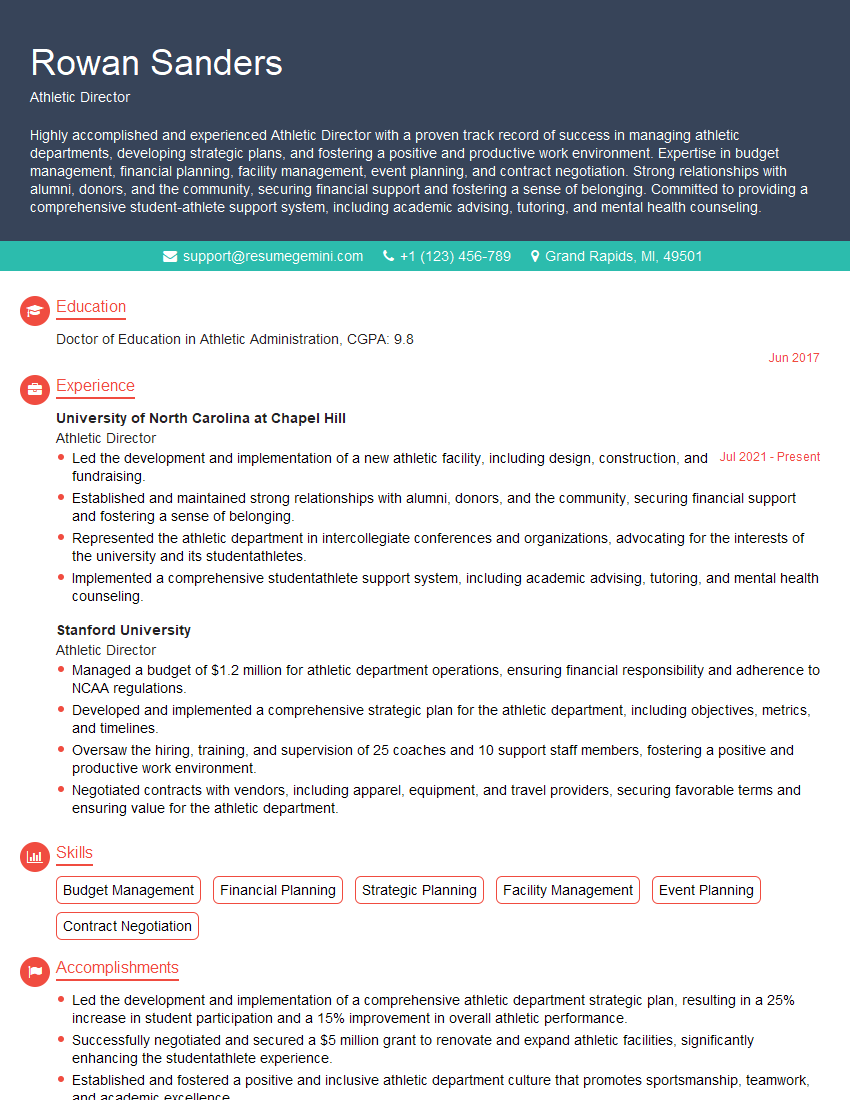
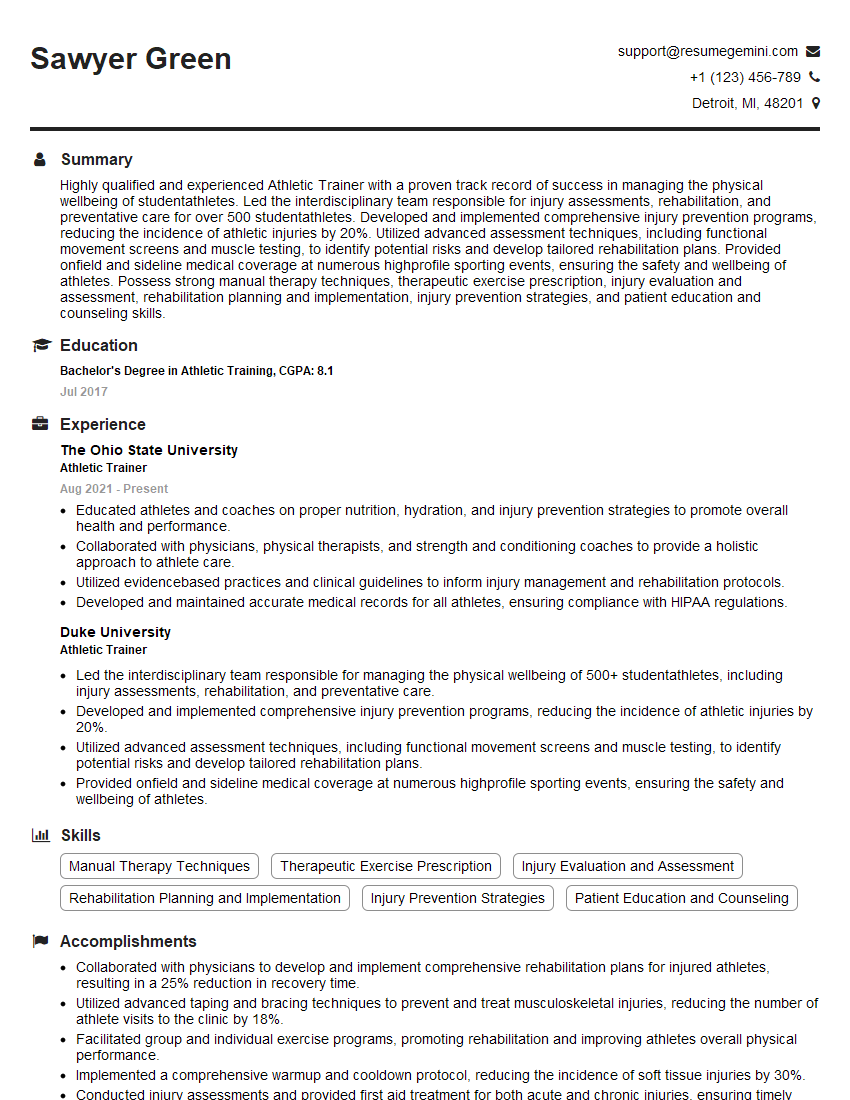
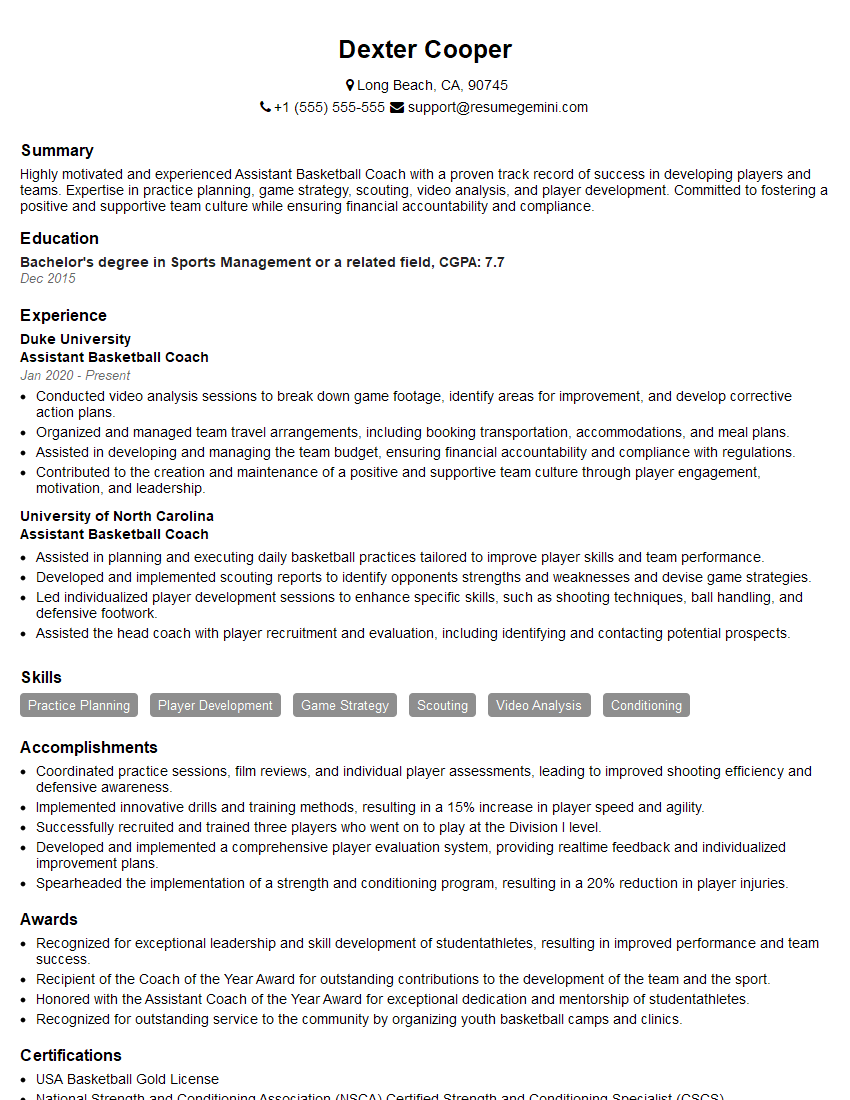
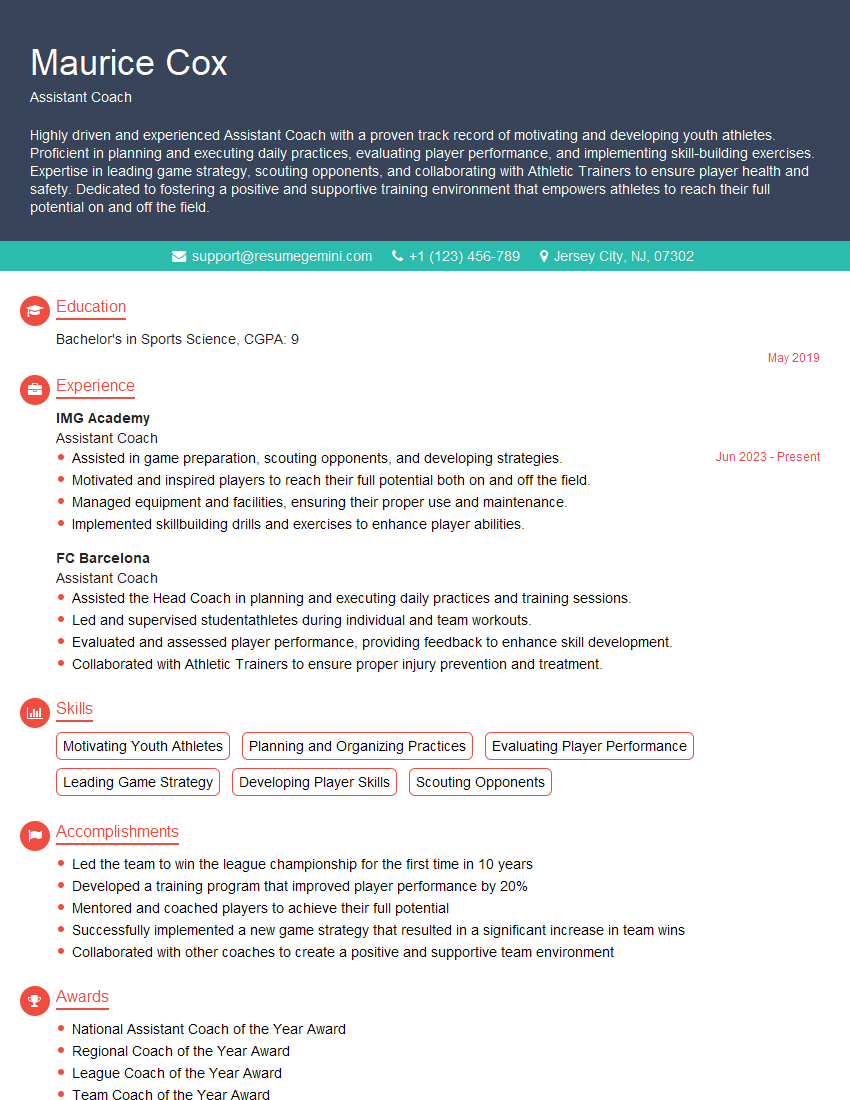
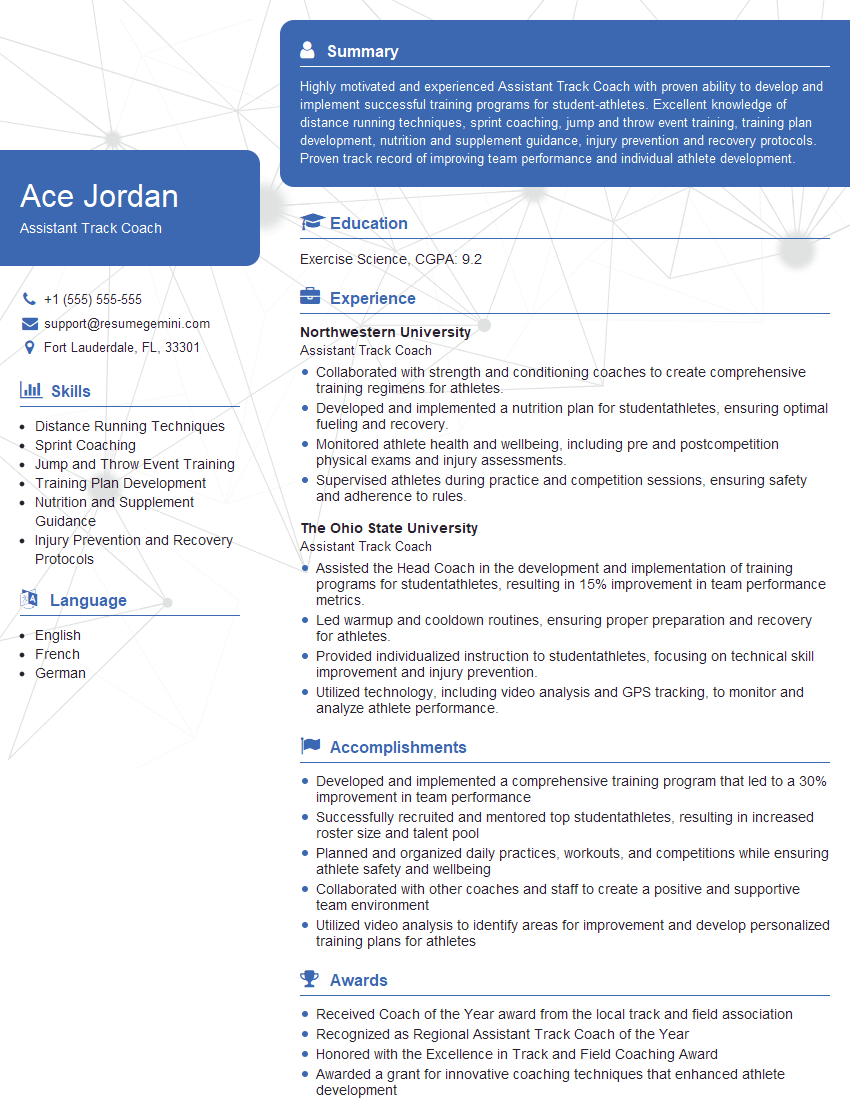
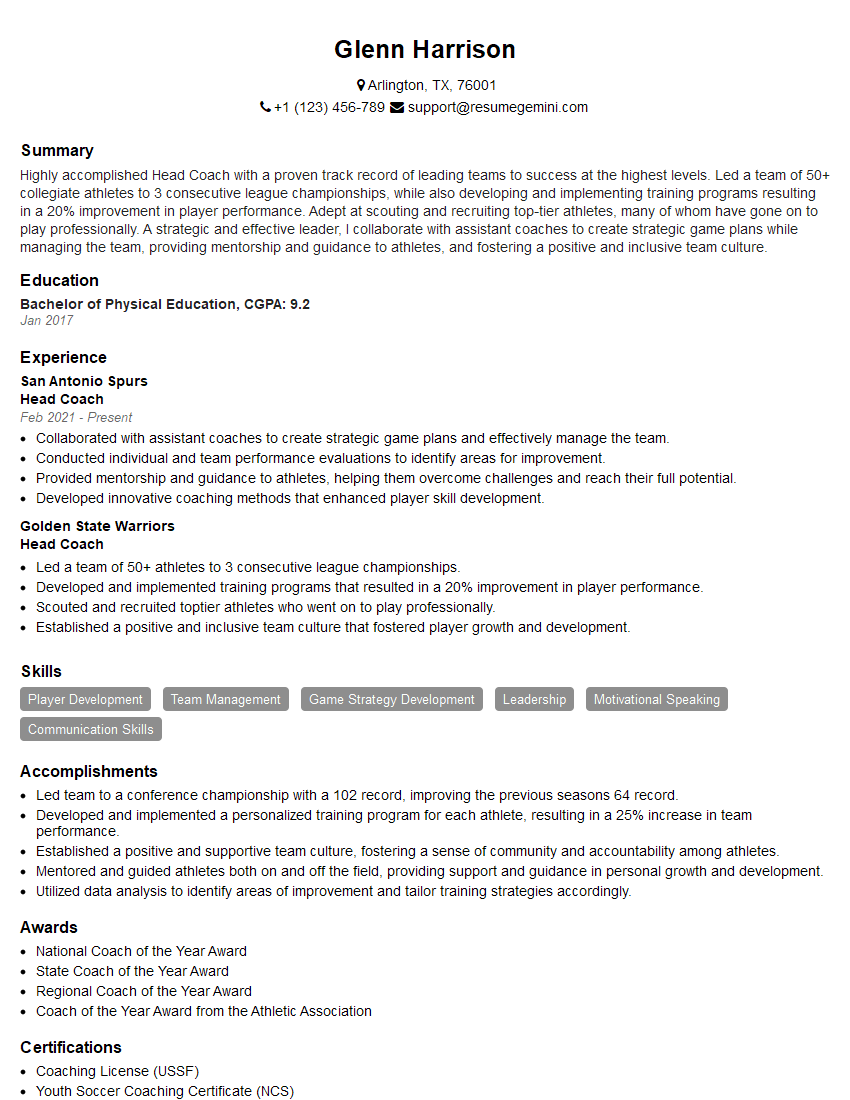
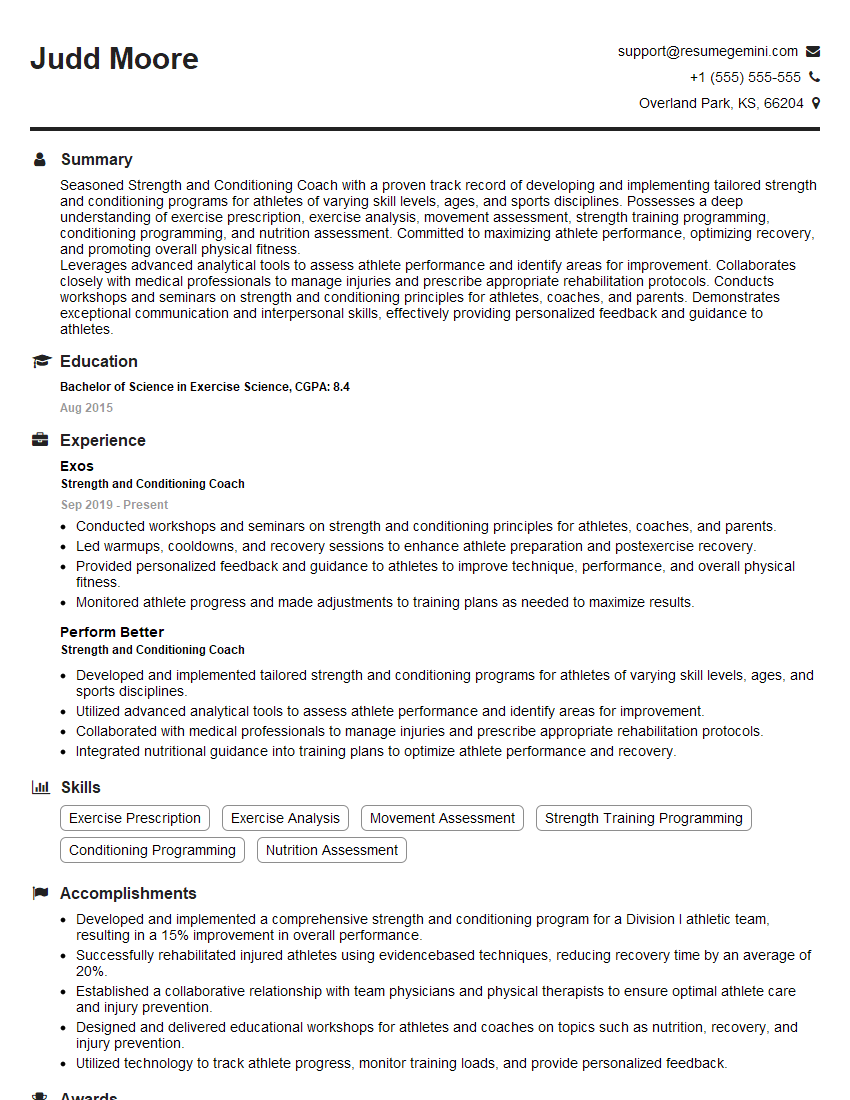
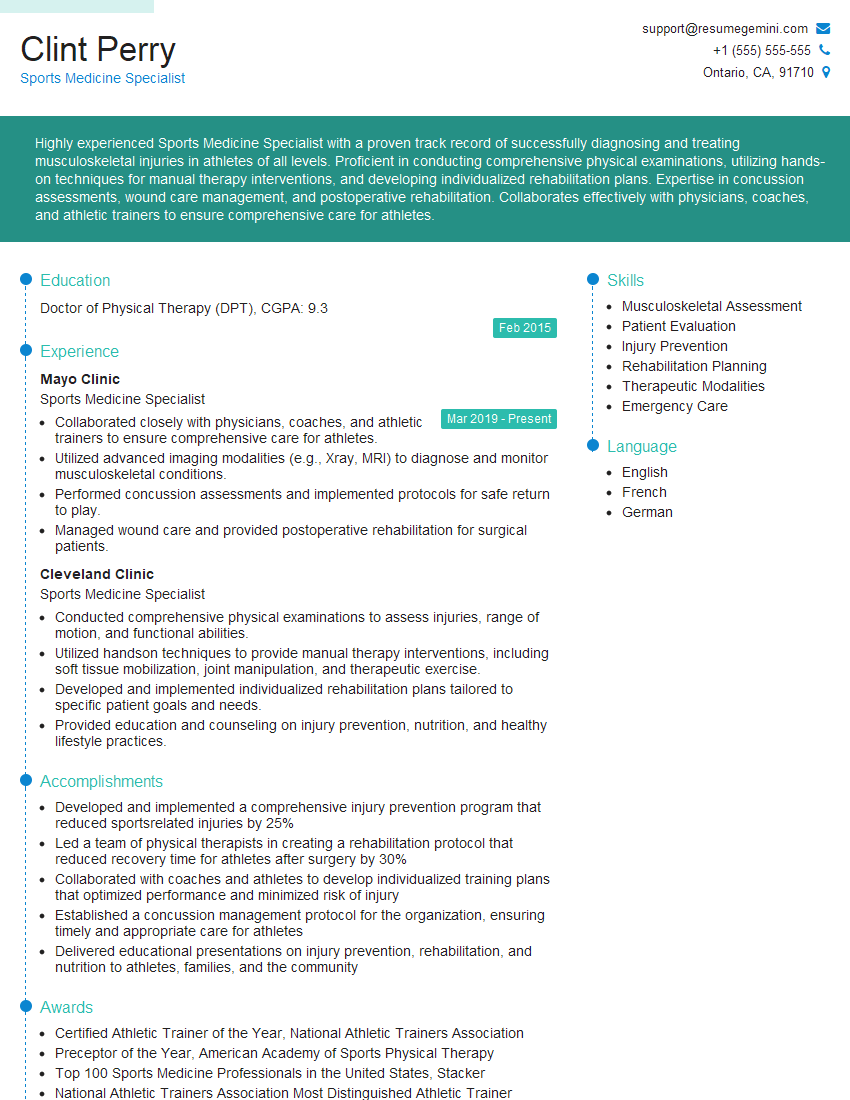
Mastering the art of Interscholastic Athletics Coaching can lead to a rewarding career filled with purpose and positive impact on young lives. A strong resume is your key to unlocking these opportunities. Creating an ATS-friendly resume is crucial for maximizing your job prospects. To help you build a compelling and effective resume, we strongly recommend using ResumeGemini. ResumeGemini provides a user-friendly platform and offers examples of resumes tailored specifically to Interscholastic Athletics Coaching, ensuring your application stands out from the crowd.
Explore more articles
Users Rating of Our Blogs
Share Your Experience
We value your feedback! Please rate our content and share your thoughts (optional).
What Readers Say About Our Blog
Really detailed insights and content, thank you for writing this detailed article.
IT gave me an insight and words to use and be able to think of examples