Feeling uncertain about what to expect in your upcoming interview? We’ve got you covered! This blog highlights the most important Investigated foodborne illness outbreaks and identified sources of contamination interview questions and provides actionable advice to help you stand out as the ideal candidate. Let’s pave the way for your success.
Questions Asked in Investigated foodborne illness outbreaks and identified sources of contamination Interview
Q 1. Describe the process of conducting a foodborne illness outbreak investigation.
Investigating a foodborne illness outbreak is a systematic process that involves several key steps. Think of it like solving a detective mystery, but with bacteria instead of suspects. It begins with confirming an outbreak is actually happening – are we seeing more cases of a particular illness than usual, linked to a common source? Then, we define the outbreak’s scope by identifying all cases. This often involves interviewing those affected to gather information on their symptoms, dietary habits in the days leading up to the illness, and potential exposure locations.
Next, we use epidemiological methods (discussed in the next question) to pinpoint potential sources of contamination. This may involve environmental sampling, food testing, and interviewing food handlers. Once a suspected source is identified, we investigate that source thoroughly, examining its handling, preparation, and storage. Finally, we implement control measures to prevent further illness and write a detailed report summarizing our findings and recommendations to prevent future outbreaks. The entire process requires collaboration between public health officials, epidemiologists, and laboratory personnel.
Q 2. What are the key epidemiological methods used to identify the source of a foodborne illness outbreak?
Identifying the source of a foodborne illness outbreak relies heavily on epidemiological methods. These methods involve systematically collecting and analyzing data about the outbreak to identify patterns and connections. Key techniques include:
- Descriptive Epidemiology: This involves characterizing the outbreak by describing the person, place, and time aspects. Who got sick? Where did they eat? When did they get sick? This helps us develop hypotheses about the source.
- Analytical Epidemiology: This involves comparing groups of people – those who got sick and those who didn’t – to identify factors associated with illness. We might use tools like case-control studies (comparing those who got sick to a control group) or cohort studies (following groups over time to see who gets sick). Statistical analysis helps determine if associations are significant.
- Hypothesis Generation and Testing: We develop hypotheses based on the descriptive and analytical data. For example, if many individuals fell ill after eating at a specific restaurant, we’d hypothesize that the restaurant is the source. We test this hypothesis through further investigation, such as reviewing the restaurant’s practices and conducting environmental sampling.
Imagine a scenario where many people at a wedding got sick. Descriptive epidemiology would tell us how many people got sick, their symptoms, and what foods they consumed at the wedding. Analytical epidemiology would then compare those who got sick with those who didn’t, looking for differences in food consumption to identify the culprit dish.
Q 3. Explain the difference between point-source and propagated outbreaks.
The difference between point-source and propagated outbreaks lies in how the illness spreads. Think of it like this: a point-source outbreak is like a single bomb exploding – everyone exposed at the same time gets sick from a single contaminated source, such as a batch of contaminated food at a single event. The illness cases occur within one incubation period.
A propagated outbreak, on the other hand, is like a wildfire spreading – the illness spreads from person to person (or through contaminated food from a single source to multiple points). The illness cases occur over multiple incubation periods. For example, a person handling contaminated food might infect several other individuals, causing secondary cases over an extended period.
Q 4. How do you determine the attack rate in a foodborne illness outbreak?
The attack rate is a measure of how many people who were exposed to a potential source of contamination actually became ill. It’s calculated as:
Attack Rate = (Number of people who got sick / Number of people exposed) x 100
For example, if 20 out of 100 people who ate at a particular restaurant got sick, the attack rate would be (20/100) x 100 = 20%. A higher attack rate suggests a stronger link between the exposure and the illness. It’s important to note that calculating the attack rate requires identifying both those who got sick and the total number exposed. This can sometimes be challenging in outbreak investigations, as not all exposed individuals may report illness.
Q 5. What are the common sources of contamination in food production?
Contamination in food production can occur at many points in the food chain, from farm to table. Common sources include:
- Raw Ingredients: Contamination can originate from soil, water, or animals. For example, contaminated water used to irrigate crops can lead to contamination of the produce.
- Food Handling Practices: Inadequate hygiene by food handlers (e.g., improper handwashing, cross-contamination) is a major source of contamination. Failing to maintain proper temperatures during food storage and transportation can allow pathogens to multiply.
- Processing and Manufacturing: Cross-contamination during processing (e.g., using the same equipment for raw and cooked food without proper sanitation) can introduce pathogens into food products. Equipment malfunction or inadequate cleaning can also contribute to contamination.
- Packaging and Distribution: Contamination can occur during packaging or during distribution if the environment isn’t properly sanitized and maintained.
Imagine a case of *Salmonella* traced back to contaminated chicken. This may have resulted from inadequate cleaning in the processing plant, leading to contamination of the packaged chicken.
Q 6. Name three common bacterial pathogens associated with foodborne illness.
Three common bacterial pathogens associated with foodborne illness are:
- Salmonella: Often found in poultry, eggs, and other undercooked meats. It can cause diarrhea, fever, and abdominal cramps.
- Escherichia coli (E. coli): Certain strains of E. coli, particularly O157:H7, can contaminate undercooked beef, leafy greens, and unpasteurized milk. It can cause bloody diarrhea, vomiting, and severe complications.
- Listeria monocytogenes: This bacterium can survive and grow at refrigeration temperatures and is commonly found in ready-to-eat foods, such as deli meats, soft cheeses, and unpasteurized milk. It poses a serious threat to pregnant women, newborns, and people with weakened immune systems.
Q 7. Describe the role of environmental sampling in foodborne illness investigations.
Environmental sampling plays a crucial role in foodborne illness investigations by providing evidence of contamination at a specific location. It helps confirm or refute hypotheses about the source of an outbreak. Samples might include food, water, surfaces, and equipment. For example, swabbing cutting boards and work surfaces in a restaurant can detect the presence of pathogens. Testing stool samples from ill individuals confirms the pathogen and links it to the environmental samples from the suspected source. The results of this sampling provide critical information to understand the extent of contamination, identify potential points of failure in food handling practices, and guide control measures. It’s important to collect samples systematically and correctly to ensure the accuracy of results.
For instance, if many people get sick after eating at a specific restaurant, environmental sampling of the kitchen may detect *Salmonella* on cutting boards, linking the bacteria to the source of the outbreak. Without this environmental evidence, identifying the source would be far more difficult.
Q 8. How do you interpret laboratory results in a foodborne illness investigation?
Interpreting lab results in a foodborne illness investigation is crucial for pinpointing the source of contamination. We look for several key pieces of information. First, we identify the pathogen – is it Salmonella, E. coli O157:H7, Listeria monocytogenes, Norovirus, or another agent? This is done through microbiological cultures and molecular techniques like PCR. Second, we examine the quantity of the pathogen. A high concentration suggests a significant contamination event. Third, we analyze the serotype or strain of the pathogen. This helps trace it to a specific source because different strains have unique genetic fingerprints. For example, finding the same pulsed-field gel electrophoresis (PFGE) pattern in patient samples and a food product strongly implicates that food as the source. Finally, we consider the presence of toxins. Some bacteria produce toxins that cause illness even after the bacteria themselves are gone. All these data points, taken together, paint a picture that guides our investigation.
For instance, in a recent outbreak linked to a particular brand of ice cream, lab results showed high concentrations of Listeria monocytogenes with a specific PFGE pattern in multiple patient samples and in ice cream samples from the implicated production batch. This provided strong evidence to link the outbreak to that ice cream.
Q 9. What are the legal and regulatory aspects of reporting foodborne illness outbreaks?
Reporting foodborne illness outbreaks is governed by strict legal and regulatory frameworks, varying slightly by country and region. In the US, for instance, many states have mandatory reporting requirements for healthcare professionals and laboratories. The CDC (Centers for Disease Control and Prevention) plays a key role in coordinating national surveillance and investigations. Food businesses also have legal obligations to report suspected outbreaks and cooperate with investigations. Failure to report can lead to severe penalties, including hefty fines and business closures. These regulations are crucial for protecting public health and ensuring rapid response to outbreaks.
These regulations are often based on the principles of transparency, accountability, and the precautionary principle. The legal framework emphasizes the need for prompt reporting to allow authorities to take swift action in preventing further illnesses and identifying the source of contamination before it reaches more people. A key aspect is maintaining the confidentiality of patient information while sharing necessary epidemiological data with public health officials and collaborating investigators.
Q 10. What are the limitations of epidemiological studies in identifying the source of contamination?
Epidemiological studies, while invaluable in foodborne illness investigations, have limitations. One major limitation is recall bias – people might not accurately remember what they ate days or even weeks before falling ill. This can lead to inaccurate identification of implicated foods. Another challenge is the long incubation period of some pathogens. The time lag between exposure and illness makes it difficult to precisely connect specific foods consumed with the onset of symptoms. Confounding factors such as multiple exposures or underlying health conditions can also complicate analysis and obscure the true source. Furthermore, it’s challenging to identify infrequent or sporadic cases, making it hard to fully capture the extent of an outbreak. Finally, epidemiological studies often rely on statistical associations, which may not definitively prove causality.
For example, an outbreak may seem linked to a particular restaurant based on epidemiological data, but the actual source could be a shared ingredient supplier that also serves other establishments.
Q 11. Explain the process of tracing contaminated food products.
Tracing contaminated food products involves a systematic approach, often described as ‘backward tracing.’ We start with the ill individuals and gather detailed information about their meals and dietary habits. This may involve questionnaires, interviews, and reviewing food purchase records. Next, we identify common food items consumed by multiple cases. We then trace these products back through the supply chain, starting with the retailer, then the distributor, the processor, and finally, the primary producer (farm, factory, etc.). Each stage involves meticulous record-keeping review, checking production batches, and potentially conducting environmental sampling at different points in the chain. The process might involve analyzing invoices, production logs, and transportation records to reconstruct the movement of the product. This meticulous step-by-step approach often requires collaboration with various stakeholders across the supply chain.
Imagine a case where multiple individuals became ill after eating a specific salad. We would track down the salad ingredients, tracing the lettuce back to a particular farm and potentially identifying a problem in its irrigation or harvesting process.
Q 12. How do you differentiate between food poisoning and food infection?
Food poisoning and food infection are distinct types of foodborne illness. Food poisoning results from ingesting pre-formed toxins produced by bacteria (e.g., Staphylococcus aureus) or fungi in food. The toxins cause illness regardless of whether the bacteria themselves are still viable in the food. Symptoms usually appear quickly, within hours of consumption. In contrast, food infection occurs when live pathogenic microorganisms are ingested and then multiply within the body, causing illness. This typically involves bacteria (Salmonella, Campylobacter, E. coli), viruses (Norovirus), or parasites. The incubation period is longer, ranging from hours to several days. The difference in incubation time and the mechanism of illness are key differentiators.
For example, consuming improperly stored potato salad might result in rapid-onset food poisoning caused by Staphylococcus aureus toxins, while eating contaminated poultry could lead to food infection from Salmonella.
Q 13. What are the key steps in implementing corrective actions after identifying a contamination source?
Implementing corrective actions after identifying a contamination source is crucial for preventing future outbreaks. The process typically involves several steps. First, we immediately remove the contaminated product from the market through a recall if necessary. Second, we thoroughly clean and sanitize all affected equipment, facilities, and surfaces to eliminate any remaining pathogens. Third, we implement improved food safety procedures throughout the production process to address the identified vulnerabilities that led to the contamination. This might involve changes in food handling practices, enhanced sanitation protocols, improved temperature controls, or employee training. Fourth, we investigate the root cause of the contamination, identifying the factors that contributed to the problem and implement preventative measures to avoid recurrence. This often requires a thorough review of all aspects of the food production and distribution process. Fifth, we conduct rigorous monitoring and testing to ensure the effectiveness of implemented corrective actions.
For example, if contamination is traced to a lack of proper handwashing among food handlers, corrective actions would include mandatory handwashing training, improved hand hygiene protocols, regular monitoring of handwashing compliance, and possible disciplinary actions.
Q 14. Describe your experience with different types of food safety audits.
My experience encompasses a wide range of food safety audits, including those based on international standards like HACCP (Hazard Analysis and Critical Control Points), ISO 22000, and GFSI (Global Food Safety Initiative) benchmarked schemes such as BRC (British Retail Consortium) and SQF (Safe Quality Food). These audits examine various aspects of a food business’ operations, from raw material sourcing and processing to storage, distribution, and final product testing. I’ve been involved in both internal audits, conducted by the food business itself, and external audits performed by independent certification bodies. These audits usually involve document review, facility inspections, interviews with personnel, and the examination of food safety management systems. The goal is to assess compliance with food safety regulations and best practices, identify potential hazards, and verify the effectiveness of implemented control measures. The types of audit vary depending on the size and complexity of the operation and the specific requirements of the certification scheme.
For example, a BRC audit would delve deep into aspects of food hygiene, traceability systems, and pest control, while an ISO 22000 audit would focus more broadly on the effectiveness of the overall food safety management system. My experience helps me identify common pitfalls and prioritize areas for improvement, ultimately reducing risks of contamination and enhancing food safety throughout the supply chain.
Q 15. Explain your knowledge of HACCP principles.
HACCP, or Hazard Analysis and Critical Control Points, is a preventative food safety management system. Instead of reacting to contamination, it focuses on identifying and controlling potential hazards throughout the entire food production process. It’s like building a safety net before anyone even climbs the ladder, rather than waiting for a fall.
The seven principles are crucial:
- Conduct a hazard analysis: Identify biological, chemical, and physical hazards that could occur.
- Determine critical control points (CCPs): Pinpoint steps where hazards can be prevented, eliminated, or reduced to safe levels. For example, cooking temperature is a CCP for Salmonella in poultry.
- Establish critical limits: Set specific measurable limits for each CCP. This might be a minimum cooking temperature or a maximum pH level.
- Establish monitoring procedures: Define how you’ll monitor CCPs to ensure they stay within critical limits. This might involve using thermometers or pH meters.
- Establish corrective actions: Determine what to do if a CCP deviates from the critical limit. This could be discarding a batch of food or adjusting the cooking process.
- Establish verification procedures: Confirm that the HACCP plan is working effectively. This might involve reviewing records, conducting audits, or performing environmental monitoring.
- Establish record-keeping and documentation procedures: Maintain detailed records of all steps in the HACCP plan. This documentation is essential for traceability and demonstrates compliance.
I’ve extensively applied HACCP principles during investigations, tracing contamination back to specific points in the production process, helping businesses implement corrective actions and preventing future outbreaks. For instance, I investigated a Listeria outbreak linked to ready-to-eat deli meat; the investigation revealed inadequate temperature control during slicing as a CCP failure.
Career Expert Tips:
- Ace those interviews! Prepare effectively by reviewing the Top 50 Most Common Interview Questions on ResumeGemini.
- Navigate your job search with confidence! Explore a wide range of Career Tips on ResumeGemini. Learn about common challenges and recommendations to overcome them.
- Craft the perfect resume! Master the Art of Resume Writing with ResumeGemini’s guide. Showcase your unique qualifications and achievements effectively.
- Don’t miss out on holiday savings! Build your dream resume with ResumeGemini’s ATS optimized templates.
Q 16. How do you manage conflicting information from various sources during an outbreak investigation?
Conflicting information is common in outbreak investigations. It’s like piecing together a puzzle with some missing pieces and others that seem to contradict each other. My approach involves a systematic process of evaluating the credibility and reliability of each source.
- Source Assessment: I assess the source’s expertise, potential biases, and the methodology used to gather the information. For example, a laboratory report from a reputable facility carries more weight than anecdotal evidence from a single individual.
- Data Triangulation: I compare information from multiple independent sources. If several sources consistently point to the same conclusion, this strengthens the evidence.
- Statistical Analysis: I utilize epidemiological data and statistical tools to evaluate the strength of the association between potential sources and cases. This often helps resolve inconsistencies.
- Document Review: Careful examination of production logs, delivery records, and other documents can provide a timeline and clarify potential points of contamination.
- Collaboration and Communication: Open communication with all involved parties is essential to clarify discrepancies and build consensus. I find that transparently outlining the evidence and the reasoning behind decisions helps to manage conflicts effectively.
For example, during an outbreak of E. coli, we had conflicting reports on the source of contamination—some pointed to produce, while others to meat. By carefully analyzing epidemiological data and lab results, we were able to identify the specific type of lettuce as the likely culprit.
Q 17. What is your experience with statistical software used in epidemiological analysis?
I am proficient in several statistical software packages commonly used in epidemiological analysis, including R, SAS, and Epi Info. These tools are essential for analyzing large datasets, identifying patterns, calculating risk ratios, and assessing statistical significance.
In R, for example, I frequently use packages like ggplot2 for data visualization and epicalc for epidemiological calculations. SAS is powerful for handling large, complex datasets, while Epi Info provides user-friendly tools for outbreak investigations. I regularly use these tools to conduct case-control studies, cohort studies, and time-series analyses to identify the likely source and spread of foodborne illnesses.
My experience includes using these tools to calculate attack rates, odds ratios, and relative risks, helping to determine the statistical association between specific foods and illnesses during an outbreak. This allows us to move from suspicion to well-supported conclusions in identifying contamination sources.
Q 18. Describe your experience in presenting complex findings to various stakeholders.
Communicating complex findings clearly and concisely to diverse audiences—from public health officials and food producers to the media and the public—is crucial. I tailor my presentations to the audience’s level of understanding, avoiding technical jargon when possible and using visual aids like charts and graphs to make data easily digestible.
My approach involves structuring presentations logically, beginning with a clear explanation of the problem, presenting the key findings in a step-by-step manner, and highlighting the practical implications of the results. I always allow time for questions and address concerns openly and honestly.
I have presented findings at numerous public health conferences, to local government agencies, and directly to food companies. In one instance, I explained the results of a multi-state salmonella outbreak investigation to a large food production company in a way that allowed them to understand the source of the contamination, implement corrective actions, and prevent future incidents.
Q 19. What is your experience with risk assessment and management in food safety?
Risk assessment and management are integral to food safety. It’s about identifying potential hazards, estimating their likelihood and severity, and developing strategies to mitigate those risks. Think of it as a proactive approach to preventing problems before they arise.
My experience involves conducting risk assessments based on established frameworks like those outlined by the Codex Alimentarius. This often involves identifying hazards (like Salmonella or Listeria), determining their probability of occurrence based on factors like temperature control, and evaluating the severity of potential outcomes (e.g., illness, hospitalization, or death). This process informs the development of preventive controls and mitigation strategies.
For example, I worked with a food processing plant to assess the risk of Listeria contamination in their production process. This involved reviewing their sanitation procedures, testing environmental samples, and developing a plan to improve sanitation protocols and temperature controls in high-risk areas. This reduced the likelihood and severity of a Listeria outbreak.
Q 20. How do you prioritize investigation efforts when multiple outbreaks occur simultaneously?
When multiple outbreaks occur simultaneously, prioritization is crucial due to limited resources. My approach uses a structured system focusing on the severity and urgency of each outbreak.
- Severity Assessment: Outbreaks with higher rates of serious illness or death are prioritized first. For example, a Listeria outbreak would typically take precedence over a milder Norovirus outbreak.
- Urgency Assessment: Outbreaks that are rapidly spreading or have a high potential for further spread are prioritized. This could involve outbreaks affecting vulnerable populations.
- Resource Allocation: Based on the severity and urgency assessment, resources (personnel, lab capacity, and funding) are allocated to maximize the impact of the investigation and control measures.
- Collaboration and Coordination: Effective communication and collaboration with other agencies are vital in coordinating efforts when multiple outbreaks occur simultaneously. This may involve sharing information and resources.
Imagine a scenario with a Salmonella outbreak linked to poultry and an E. coli outbreak from leafy greens. Due to the potential for severe illness associated with E. coli, the investigation into its source may be prioritized, while still allocating resources to control the Salmonella outbreak.
Q 21. How do you ensure the accuracy and validity of data collected during an investigation?
Data accuracy and validity are paramount. It’s like building a house—a weak foundation leads to a collapse. I employ several strategies to ensure the integrity of collected data.
- Standardized Data Collection Methods: Using consistent questionnaires, laboratory methods, and data entry procedures minimizes errors and bias.
- Data Validation: This involves systematically checking for errors, inconsistencies, and missing data. This includes double-checking lab results and reviewing interview transcripts.
- Chain of Custody: Maintaining a clear chain of custody for all samples ensures their integrity and traceability.
- Data Security: Implementing appropriate security measures protects the data’s confidentiality, integrity, and availability. This is particularly important when dealing with sensitive personal health information.
- Quality Control: Regularly reviewing and updating data collection methods helps maintain accuracy and reliability.
For instance, during an outbreak investigation, we used a standardized case definition and questionnaire to collect information from individuals who had fallen ill. This helped reduce reporting bias, ensuring that data collected was consistent and comparable across different participants.
Q 22. How do you communicate effectively with affected individuals and communities during an outbreak?
Effective communication during a foodborne illness outbreak is crucial for containing its spread and mitigating its impact on affected individuals and the community. It requires a multi-pronged approach, focusing on transparency, empathy, and clear, consistent messaging.
- Immediate Information Dissemination: We use press releases, public health alerts, and social media to quickly inform the public about the outbreak, the suspected food source, and any immediate actions they should take (e.g., discarding contaminated food).
- Community Engagement: We actively engage with affected communities through town hall meetings, community forums, and direct contact with individuals. This allows us to gather crucial information, address concerns, and build trust. For example, during a recent outbreak linked to a local restaurant, we held a community meeting to address anxieties, answer questions, and offer support to those affected.
- Personalized Communication: When dealing with individuals directly affected, we prioritize empathy and personalized communication. We provide detailed information about their illness, the ongoing investigation, and resources to aid their recovery. We also offer confidential support systems.
- Multilingual Resources: In diverse communities, we ensure information is available in multiple languages to ensure accessibility and reach all affected groups. We often use culturally sensitive materials and communication methods to engage effectively.
- Collaboration with Media: We work closely with the media to provide timely, accurate updates, ensuring the public receives consistent and factual information, thereby preventing misinformation from spreading.
Q 23. What are the ethical considerations related to conducting foodborne illness investigations?
Ethical considerations in foodborne illness investigations are paramount. Our work involves balancing public health needs with individual rights and protecting sensitive information. Key ethical principles include:
- Respect for Privacy: We strictly adhere to privacy laws and regulations, protecting the identity of those affected. Data anonymization and secure data handling practices are essential. Only necessary information is collected and disclosed.
- Informed Consent: We always obtain informed consent before collecting samples or interviewing individuals. This ensures participants understand the purpose of the investigation, the procedures involved, and the potential risks and benefits.
- Transparency and Accountability: We maintain transparency in our investigative methods and findings, ensuring public trust and enabling scrutiny. We are accountable for our actions and decisions.
- Confidentiality: Information obtained during investigations is treated with strict confidentiality. We are mindful of the potential reputational damage that could result from inappropriate disclosures.
- Objectivity and Impartiality: We strive to maintain objectivity and impartiality throughout the investigation, avoiding bias or conflicts of interest. We carefully document findings and methodology to ensure that all conclusions are data-driven.
- Fairness and Justice: While focusing on public health protection, we are also mindful of fairness towards individuals and businesses potentially implicated in the outbreak. We ensure due process is followed and that accusations are supported by robust evidence.
Q 24. Describe your experience with food safety regulations specific to your region/country.
My experience encompasses a deep understanding of the food safety regulations within the United States, specifically focusing on the Food Safety Modernization Act (FSMA). This landmark legislation shifted the focus from reactive responses to proactive prevention. My work involves interpreting and applying regulations related to:
- Preventive Controls for Human Food: This rule mandates food facilities to develop and implement preventive controls to minimize food safety hazards.
- Produce Safety Rule: This rule establishes science-based minimum standards for the safe growing, harvesting, packing, and holding of produce.
- Foreign Supplier Verification Program: This program requires importers to verify that their foreign suppliers are producing food safely.
- Sanitary Transportation of Human and Animal Food: This rule sets standards for the safe transport of food to prevent contamination.
I am proficient in applying these regulations during investigations, assessing compliance levels, and identifying areas of non-compliance in food production and handling facilities. I often work in collaboration with the FDA and state regulatory agencies in performing inspections and conducting enforcement actions.
Q 25. How do you maintain a high level of confidentiality in investigations?
Maintaining confidentiality is critical in foodborne illness investigations. This protects the privacy of individuals, businesses, and other stakeholders involved. We employ several strategies:
- Data Anonymization: We anonymize data whenever possible, removing identifying information while retaining the data’s analytical value.
- Secure Data Storage: We utilize secure servers and databases with restricted access, using strong passwords and encryption to protect sensitive information.
- Limited Access to Data: Access to sensitive information is restricted to authorized personnel on a need-to-know basis. We regularly audit access logs to ensure compliance.
- Confidential Interviews: Interviews are conducted in private settings, and participants are informed about data protection measures before participating.
- Compliance with Legal Requirements: We strictly adhere to relevant privacy laws and regulations, such as HIPAA (Health Insurance Portability and Accountability Act) and state-specific privacy regulations. This includes obtaining necessary approvals and authorizations for data sharing.
Through rigorous adherence to these measures, we ensure the confidentiality of the investigation and protect the privacy rights of individuals involved.
Q 26. How do you adapt your investigation approach based on the specific type of food product involved?
The type of food product significantly influences our investigation approach. For instance:
- Fresh Produce: Investigations focusing on fresh produce often involve tracing the product back through the supply chain, from farm to consumer, analyzing soil samples, water sources, and agricultural practices. We might use techniques like whole-genome sequencing to identify the source of contamination.
- Processed Foods: Investigations into processed foods require a different approach, focusing on manufacturing processes, ingredient sourcing, and packaging procedures. We would examine processing equipment, analyze ingredient samples, and investigate potential cross-contamination events.
- Meat and Poultry: Investigations into meat and poultry outbreaks often involve tracing animals back to their origin, analyzing slaughterhouse practices, and testing for pathogens along the distribution chain.
- Seafood: Seafood investigations may involve analyzing fishing practices, handling procedures, and storage conditions. We might examine the environmental conditions where the seafood was harvested for potential contaminants.
The investigation strategy must be tailored to the specific food product to identify the source of contamination efficiently.
Q 27. What are some innovative techniques you’ve used to identify contamination sources?
We utilize innovative techniques to enhance the efficiency and accuracy of contamination source identification. Some examples include:
- Whole-Genome Sequencing (WGS): WGS is a powerful tool that allows us to compare the genetic fingerprints of bacteria isolated from patients and food samples, enabling precise identification of the source of contamination. This technology has revolutionized outbreak investigation.
- Next-Generation Sequencing (NGS): NGS enables rapid and high-throughput sequencing, enabling us to analyze a wide variety of samples simultaneously, significantly accelerating the investigation process. This is particularly helpful when dealing with complex outbreaks involving multiple food sources.
- Environmental Sampling: Beyond traditional food samples, we employ environmental sampling to identify contamination sources in food processing plants, restaurants, or farms. This includes analyzing swabs from equipment surfaces, water samples, and air samples.
- Geographic Information Systems (GIS): GIS mapping helps visualize the spatial distribution of cases and potential contamination sources, enabling us to identify clusters and pinpoint areas of higher risk.
- Mass Spectrometry: Mass spectrometry techniques can help identify unique chemical markers associated with specific contaminants or food sources, offering another dimension in pinpointing the origin of contamination.
Q 28. How do you stay updated on the latest advancements in food safety and outbreak investigation?
Staying updated on advancements in food safety and outbreak investigation is critical. We engage in several strategies:
- Professional Organizations: Active membership in professional organizations such as the International Association for Food Protection (IAFP) and the Association of Public Health Laboratories (APHL) provides access to educational resources, conferences, and networking opportunities.
- Scientific Literature: We regularly review peer-reviewed scientific journals and publications, focusing on emerging pathogens, advanced laboratory techniques, and novel investigation methods.
- Conferences and Workshops: We attend national and international conferences and workshops to learn about cutting-edge research and best practices in outbreak investigation.
- Online Resources: We utilize online resources like the FDA website, CDC publications, and other reputable sources to stay informed about food safety alerts, regulatory updates, and research findings.
- Collaboration and Networking: We actively collaborate with other professionals in the field, sharing knowledge, expertise, and best practices to stay abreast of developments.
These combined efforts allow us to remain at the forefront of food safety and outbreak investigation, constantly improving our techniques and approaches.
Key Topics to Learn for Investigated Foodborne Illness Outbreaks and Identified Sources of Contamination Interview
- Epidemiological Investigation Techniques: Understanding outbreak investigation methodologies, including case definition, hypothesis generation, and data analysis (e.g., descriptive epidemiology, analytical epidemiology).
- Foodborne Pathogens: Knowledge of common foodborne pathogens (e.g., *Salmonella*, *E. coli*, *Listeria*), their characteristics, and typical sources of contamination.
- Traceback Investigations: Mastering the process of tracing contaminated food products back to their source, including supply chain analysis and record review.
- Environmental Sampling and Laboratory Techniques: Familiarity with methods used for collecting and analyzing environmental samples (e.g., food, water, surfaces) to identify sources of contamination.
- Risk Assessment and Mitigation: Understanding how to assess the risk of foodborne illness outbreaks and develop strategies for mitigation and prevention.
- Data Analysis and Interpretation: Proficiency in analyzing epidemiological data, including statistical methods and interpretation of results.
- Regulatory Frameworks and Compliance: Understanding relevant food safety regulations and compliance requirements.
- Communication and Collaboration: Effective communication skills to collaborate with multidisciplinary teams and communicate findings clearly and concisely.
- Problem-solving and Critical Thinking: Applying analytical skills to complex situations and developing effective solutions to prevent future outbreaks.
- Case Studies and Examples: Reviewing real-world examples of foodborne illness outbreaks and analyzing the investigative approaches used to identify sources of contamination.
Next Steps
Mastering the investigation of foodborne illness outbreaks is crucial for career advancement in public health, food safety, and related fields. A strong understanding of these topics demonstrates crucial skills to employers. To significantly increase your job prospects, create an ATS-friendly resume that highlights your relevant skills and experience. ResumeGemini is a trusted resource to help you build a professional and effective resume. We offer examples of resumes tailored specifically to highlight experience in investigating foodborne illness outbreaks and identifying sources of contamination. Invest time in crafting a compelling resume – it’s your first impression and a key to unlocking your career goals.

Quality Assurance Manager Resume Sample
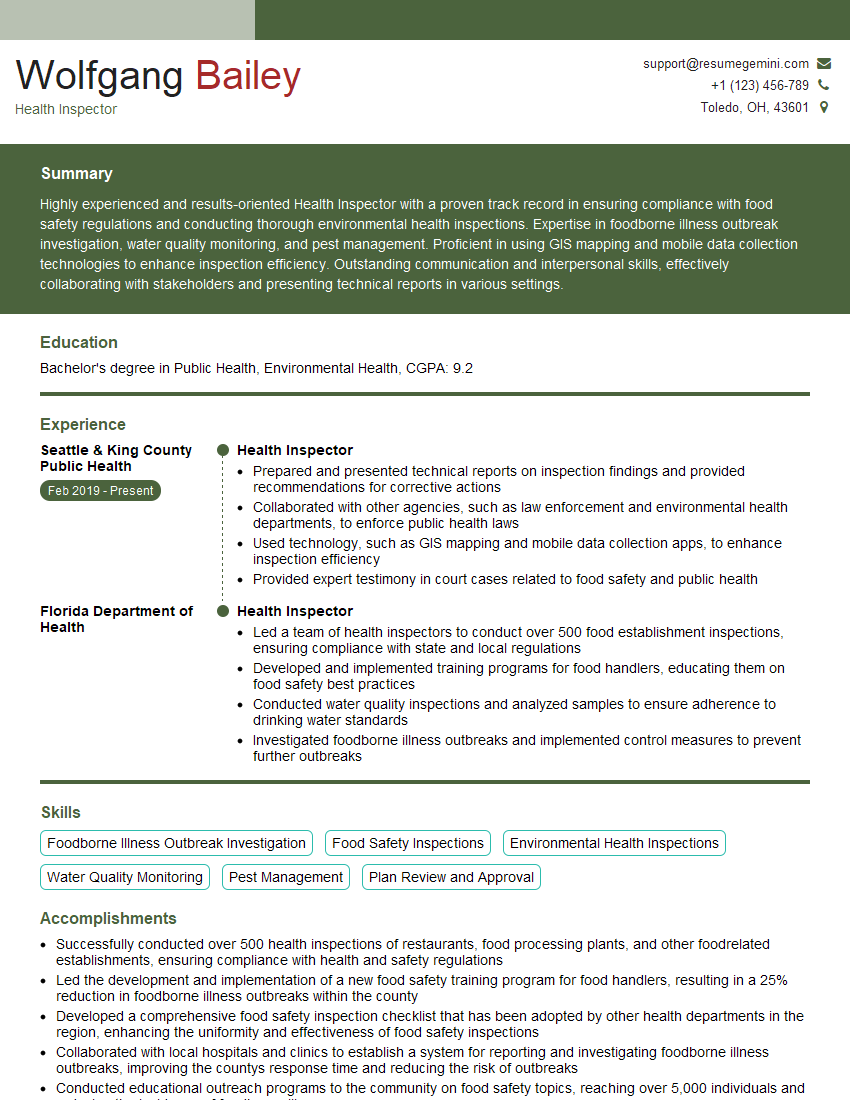
Health Inspector Resume Sample
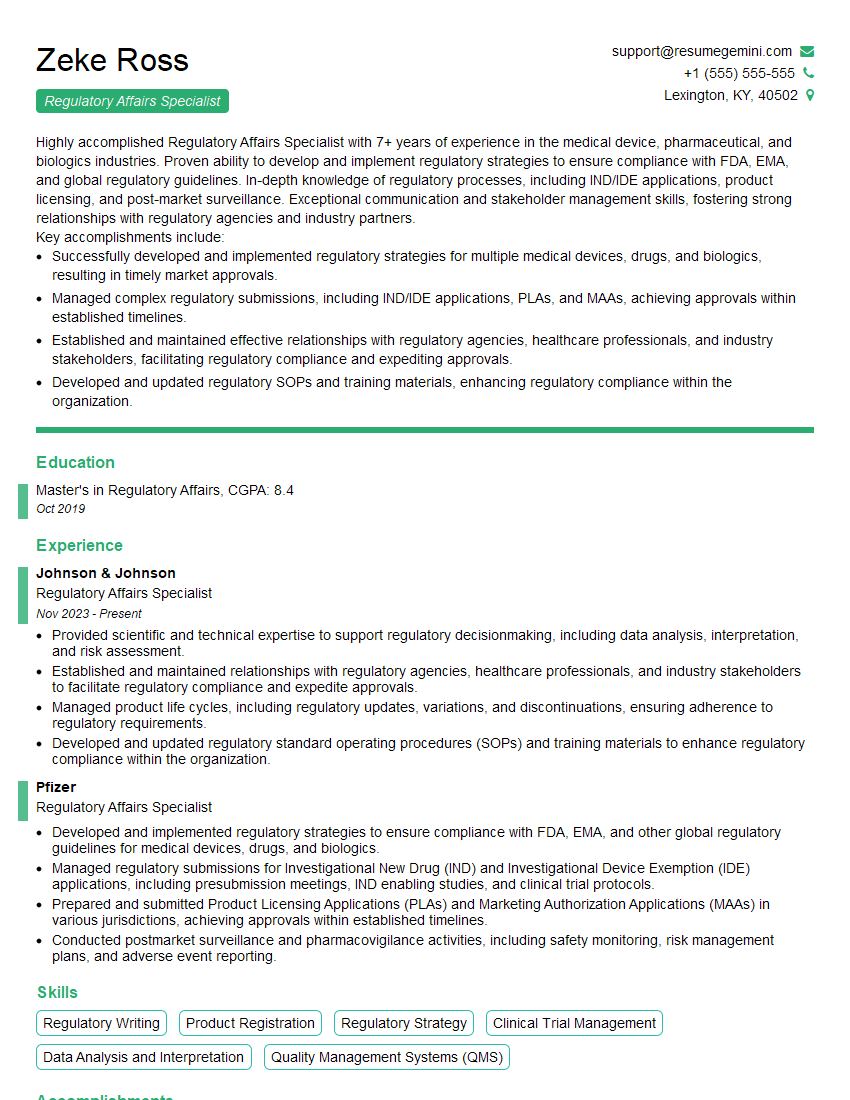
Regulatory Affairs Specialist Resume Sample
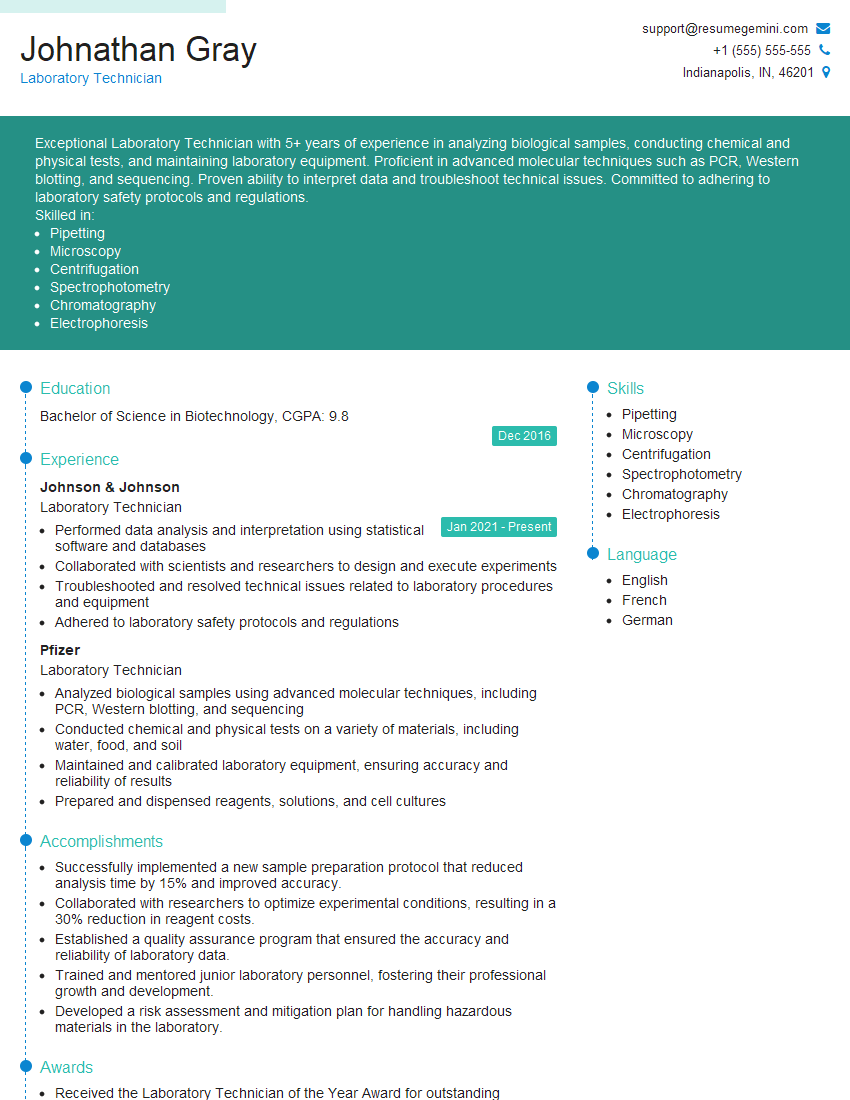
Laboratory Technician Resume Sample
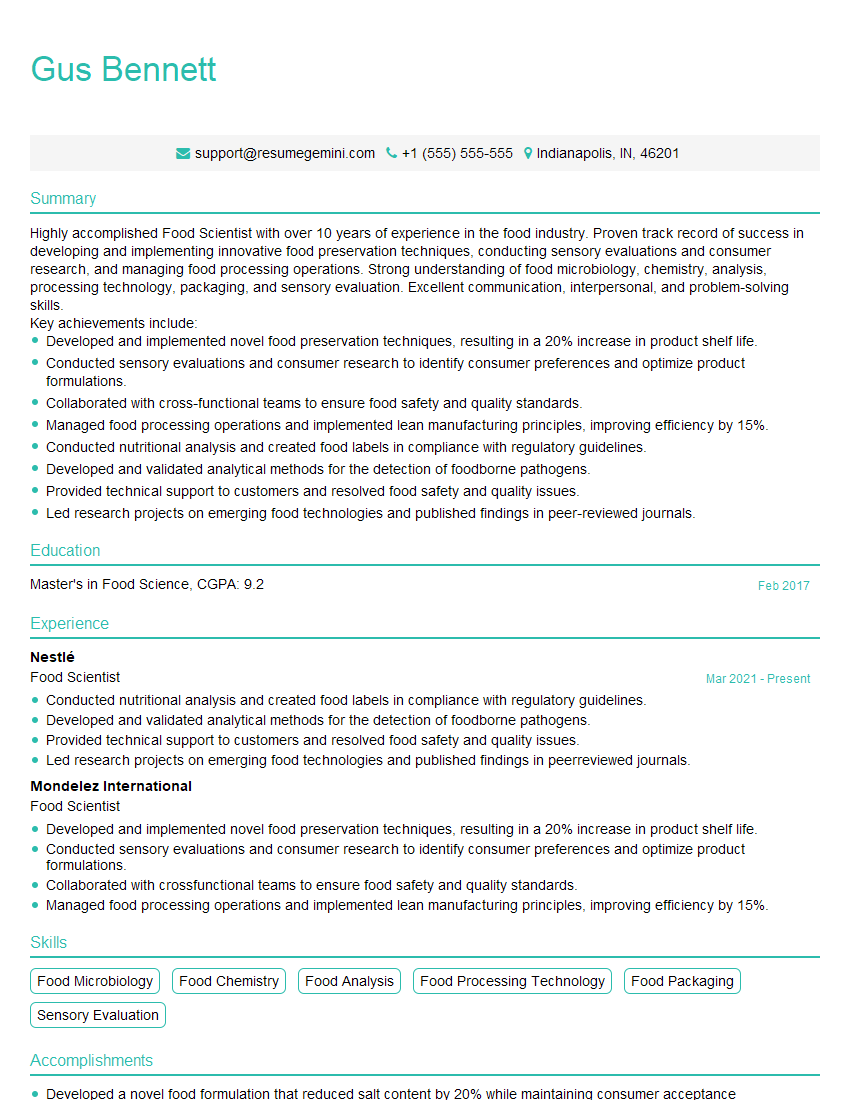
Food Scientist Resume Sample

Food Technologist Resume Sample
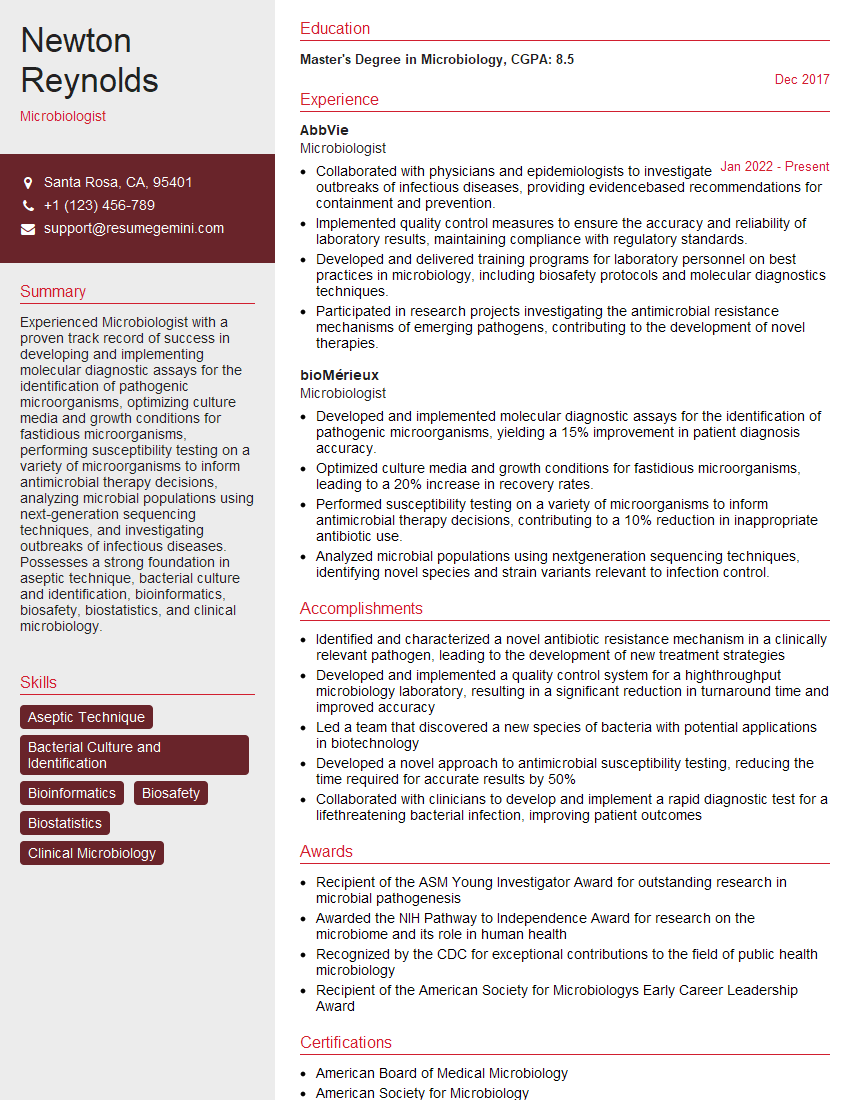
Microbiologist Resume Sample
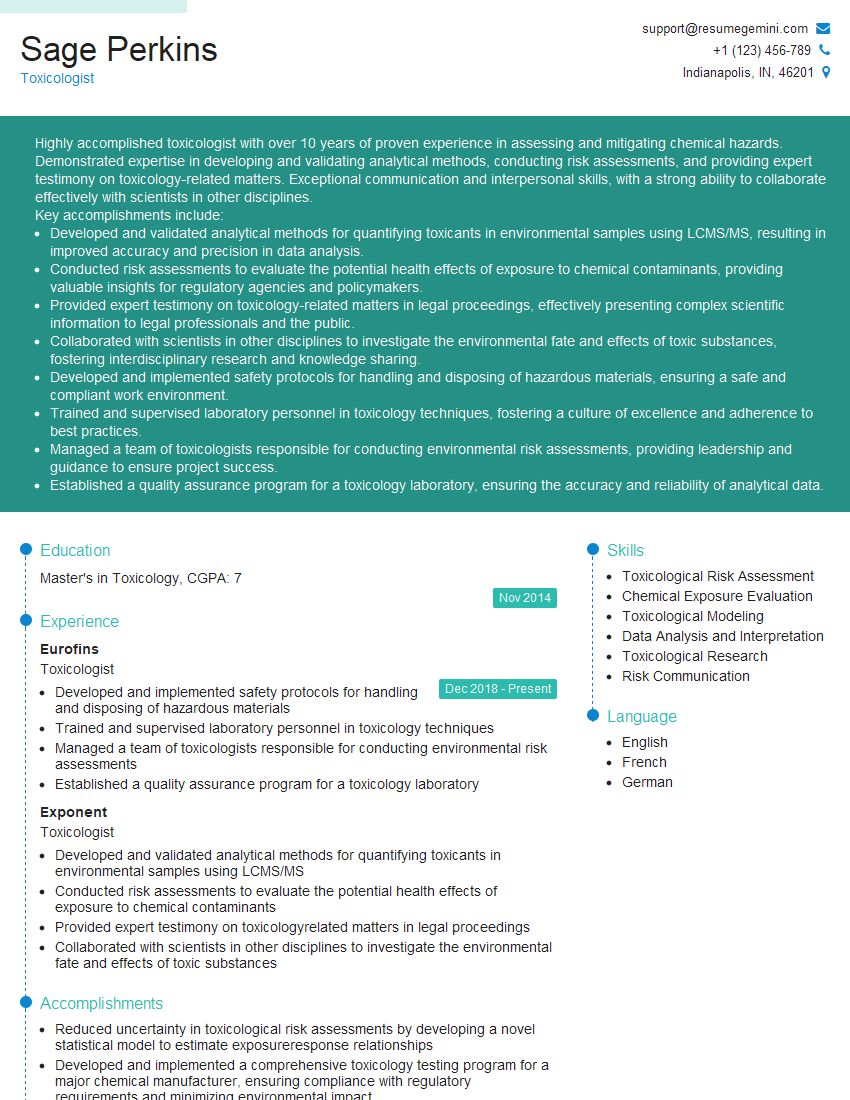
Toxicologist Resume Sample
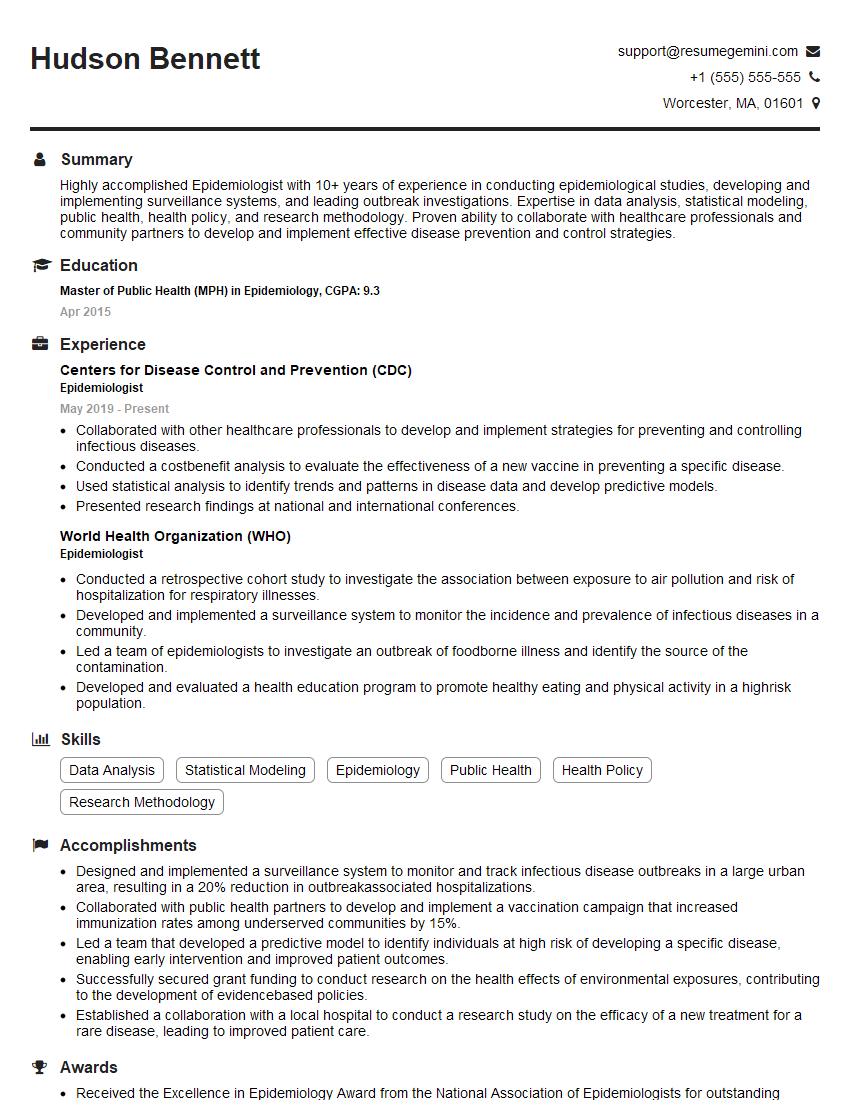
Epidemiologist Resume Sample
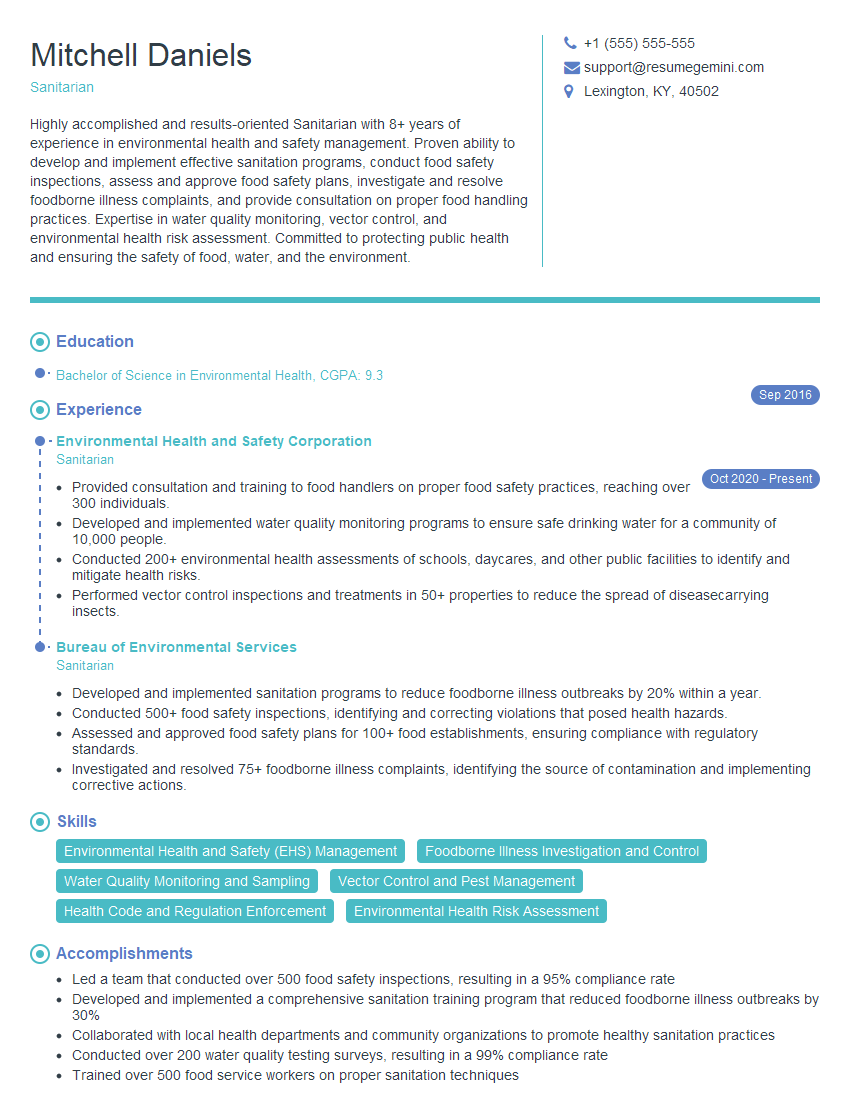
Sanitarian Resume Sample
Explore more articles
Users Rating of Our Blogs
Share Your Experience
We value your feedback! Please rate our content and share your thoughts (optional).
What Readers Say About Our Blog
Really detailed insights and content, thank you for writing this detailed article.
IT gave me an insight and words to use and be able to think of examples