Every successful interview starts with knowing what to expect. In this blog, we’ll take you through the top ITIL Service Transition (ST) interview questions, breaking them down with expert tips to help you deliver impactful answers. Step into your next interview fully prepared and ready to succeed.
Questions Asked in ITIL Service Transition (ST) Interview
Q 1. Explain the key stages of the ITIL Service Transition lifecycle.
The ITIL Service Transition lifecycle focuses on moving services from development to live operation. It’s all about ensuring a smooth and efficient transition, minimizing disruption, and maximizing value. Think of it as the bridge between building something and actually using it.
- Service Design: This initial stage defines what the new or changed service will look like, including its architecture, processes, and management requirements. It’s like creating the blueprint for a house before construction begins.
- Transition Planning and Support: This involves creating a comprehensive plan for the transition, outlining the steps, timelines, resources, and risks involved. This is the project plan that guides the entire process.
- Change Enablement: This stage focuses on preparing the environment for the release, performing the actual release of the service or update, and handling any necessary configurations. It’s the actual construction of the house.
- Release and Deployment Management: This stage involves the controlled release of new or changed services into the live environment. This is like the grand opening of the house.
- Service Validation and Testing: Thorough testing ensures the service meets requirements and functions as expected before release. This is like the final inspection of the house before someone moves in.
- Knowledge Management: This crucial stage involves documenting all aspects of the transition for future reference and improvement. It’s like keeping the house’s maintenance records.
Q 2. Describe the role of the Release Manager in Service Transition.
The Release Manager is a critical role within Service Transition, responsible for the planning, scheduling, and controlling of all releases to the live environment. They ensure that releases are implemented efficiently and effectively, with minimal disruption to service. Think of them as the project manager for the entire release process.
Key responsibilities include:
- Developing and maintaining the release schedule.
- Managing dependencies between different releases.
- Coordinating with other teams, such as development, testing, and operations.
- Ensuring that releases are properly authorized and approved.
- Monitoring the progress of releases and resolving any issues that arise.
- Communicating effectively with stakeholders regarding release progress and status.
A successful Release Manager requires strong organizational, communication, and problem-solving skills. They need to be able to navigate complex dependencies and manage expectations.
Q 3. What are the main differences between a Change and a Release?
While both Changes and Releases involve modifications to the IT environment, they differ significantly in scope and approach.
- Change: A Change is any modification to the IT infrastructure, including hardware, software, or processes. It can be small, like a configuration change, or large, like an upgrade. Changes go through a formal Change Management process for approval and authorization. Think of changing a lightbulb in the house.
- Release: A Release is the deployment of one or more Changes into a live environment. A single release might include many Changes. Releases follow a release management process, which focuses on planning, testing, and deployment. Think of completely renovating a bathroom in the house – many changes are part of the release.
The key difference is that a Change is a single modification, while a Release is the deployment of one or more Changes into production.
Q 4. Explain the importance of Service Validation and Testing.
Service Validation and Testing are crucial stages to ensure that newly deployed services meet requirements, function correctly, and do not negatively impact existing services. Think of it as the quality assurance process before a product goes on sale.
Importance:
- Risk Mitigation: Identifying and addressing defects early prevents disruptions and costly fixes in the live environment.
- Quality Assurance: Testing validates that the service meets agreed-upon performance and quality standards.
- User Acceptance: End-users can validate the service meets their needs and expectations before full deployment.
- Compliance: Thorough testing ensures adherence to regulatory and compliance requirements.
Different types of testing (unit, integration, system, user acceptance testing) are used to validate various aspects of the service. The effectiveness of these processes directly correlates to the success of the overall service transition.
Q 5. How do you manage risks and issues within Service Transition?
Risk and issue management is paramount in Service Transition. A proactive approach, employing a structured framework, is essential to minimize disruptions and ensure successful deployments.
Strategies:
- Risk Identification and Assessment: Proactively identifying potential risks (e.g., technical failures, delays, insufficient testing) and assessing their impact and likelihood.
- Risk Mitigation Planning: Defining actions to reduce the probability or impact of identified risks (e.g., contingency plans, additional testing).
- Issue Tracking and Resolution: Using a formal issue tracking system to document, analyze, and resolve any problems encountered during the transition.
- Communication and Collaboration: Maintaining clear and regular communication with stakeholders to keep everyone informed of the transition’s progress and any issues encountered.
- Post-Implementation Review: Analyzing the transition after completion to learn lessons, identify areas for improvement, and prevent future issues.
A robust risk management process reduces the likelihood of problems, providing a smoother and more predictable transition.
Q 6. What is a Service Request and how does it relate to Service Transition?
A Service Request is a formal request from a user or another IT team for a specific service or action. While not directly part of the core Service Transition lifecycle, it interacts significantly with it.
Relationship to Service Transition:
- Testing and Validation: Service Requests can be used to initiate testing processes during the validation phase of a new service.
- Deployment Triggers: A Service Request might trigger the deployment of a new or updated service.
- Support and Maintenance: After transition, Service Requests are used to report issues or request changes to the live service. This feeds into the Change Management process.
Therefore, efficient Service Request Management is essential for supporting and maintaining services after they’ve been successfully transitioned.
Q 7. Describe your experience with different deployment methodologies (e.g., Waterfall, Agile).
I have extensive experience with various deployment methodologies, including Waterfall and Agile. My experience has shown that the optimal approach depends heavily on the project’s complexity, size, and the organization’s overall structure.
- Waterfall: This is a more linear approach, with clearly defined stages and sequential execution. It’s suitable for projects with stable requirements and minimal anticipated changes. I’ve used this successfully for large-scale infrastructure upgrades where change requests were carefully managed.
- Agile: This iterative approach allows for flexibility and adaptation to changing requirements. It’s ideal for projects with uncertain or evolving requirements. I’ve successfully employed Agile methodologies for smaller, quicker releases of new applications, where rapid feedback loops were crucial. For instance, in developing a new mobile application, we used Scrum, an Agile framework, allowing us to incorporate user feedback quickly.
In practice, a hybrid approach combining elements of both Waterfall and Agile is often most effective. For instance, a project might use a Waterfall approach for the overall project plan but incorporate Agile sprints for specific development tasks.
Q 8. How do you ensure successful knowledge transfer during a transition?
Successful knowledge transfer during a transition is paramount to avoid service disruptions and ensure smooth operations. Think of it like teaching someone to ride a bike – you can’t just hand them the bike and expect them to succeed. You need a structured approach.
- Structured Training Programs: We use tailored training programs, encompassing both theoretical and practical components. This includes classroom sessions, hands-on labs, and shadowing opportunities with experienced personnel. For example, when transitioning a new CRM system, training would cover everything from data entry and report generation to troubleshooting common issues.
- Knowledge Bases and Documentation: Comprehensive documentation, including process flows, troubleshooting guides, and FAQs, is crucial. Think of this as the ‘owner’s manual’ for the new system or service. This ensures ongoing access to information even after training concludes.
- Mentorship and Buddy Systems: Pairing new team members with experienced colleagues provides invaluable on-the-job support and facilitates a smoother transition. This personalized approach allows for immediate feedback and addresses specific challenges.
- Knowledge Transfer Workshops: Interactive workshops focused on critical knowledge areas, involving both the transferring and receiving teams, enhance knowledge sharing and collaboration. This avoids siloed information and fosters a collective understanding.
- Post-Transition Reviews: Regular check-ins and follow-up sessions after the transition is complete ensure that any knowledge gaps are identified and addressed promptly.
By combining these methods, we ensure a comprehensive and effective knowledge transfer, leading to a successful transition and minimal disruption to service.
Q 9. What are the key metrics you would use to monitor Service Transition performance?
Monitoring Service Transition performance requires a balanced approach, tracking both efficiency and effectiveness. Key metrics fall into these categories:
- Time-based Metrics:
- Transition Time: The total time taken to complete the transition.
- Mean Time To Resolution (MTTR): The average time taken to resolve issues arising during the transition.
- Deployment Frequency: How often new releases or changes are successfully deployed.
- Quality-based Metrics:
- Number of Incidents: The number of service disruptions occurring post-transition.
- Customer Satisfaction (CSAT): Measures end-user satisfaction with the transitioned service.
- Defect Rate: The number of defects identified post-transition per 100 changes.
- Change Failure Rate: Percentage of changes that fail to meet requirements.
- Cost-based Metrics:
- Transition Cost: Total cost associated with the transition process.
- Cost per Incident: The cost incurred to resolve each service incident post-transition.
These metrics, tracked consistently, provide a clear picture of the Service Transition’s success and identify areas for improvement. We use dashboards and reporting tools to visualize this data and facilitate proactive decision-making.
Q 10. How do you handle conflicts between different stakeholders during a transition?
Stakeholder conflicts are inevitable during transitions, as different teams have varying priorities and perspectives. A structured approach is crucial for resolving these conflicts effectively.
- Clearly Defined Roles and Responsibilities: A well-defined RACI matrix (Responsible, Accountable, Consulted, Informed) clarifies roles and responsibilities, minimizing confusion and overlap.
- Open Communication Channels: Regular meetings, status updates, and transparent communication prevent misunderstandings and foster collaboration. We utilize tools like project management software to keep everyone informed.
- Formal Conflict Resolution Processes: Establish a process for escalating and resolving conflicts, possibly involving a neutral third party as a mediator. This ensures a structured approach to resolving disagreements.
- Compromise and Negotiation: Facilitating discussions and encouraging stakeholders to compromise is key to finding solutions that meet everyone’s needs as much as possible.
- Documentation of Decisions: All agreed-upon decisions and compromises should be documented and communicated to all stakeholders to ensure clarity and transparency.
For example, during a recent network upgrade, there was a conflict between the network team and the application team about downtime scheduling. By using our established conflict resolution process, involving open discussions and collaborative scheduling, we reached a mutually acceptable solution.
Q 11. Explain the concept of a Service Transition plan.
A Service Transition Plan is a comprehensive document that outlines the entire process of moving a new or changed service into production. It’s like a roadmap, guiding the transition from initiation to closure.
- Scope and Objectives: Clearly defines what will be transitioned and what the desired outcomes are.
- Timeline and Milestones: Sets out a realistic timeline with key milestones and deadlines for each phase of the transition.
- Resources and Responsibilities: Identifies the people, tools, and budget required, along with their roles and responsibilities.
- Risk Assessment and Mitigation: Identifies potential risks and outlines strategies to mitigate them.
- Testing and Validation: Describes the testing process to ensure the service meets requirements before going live.
- Deployment Strategy: Outlines the plan for deploying the service into production (e.g., phased rollout, big bang).
- Communication Plan: Explains how stakeholders will be kept informed throughout the transition.
- Roll Back Plan: Details the steps to be taken if the transition fails.
A well-defined Service Transition Plan is crucial for managing the complexities of moving services and minimizing disruption. It acts as a central repository of information, guiding all involved parties and ensuring a smooth process.
Q 12. What is a Release Calendar and how is it used?
A Release Calendar is a schedule that outlines the planned release of changes, updates, and new services. Think of it as a company’s IT project calendar, showing when various initiatives will be deployed.
- Planning and Scheduling: It facilitates the planning and scheduling of releases, ensuring efficient resource allocation and avoiding conflicts.
- Communication: It acts as a communication tool, keeping stakeholders informed of upcoming releases and their impact.
- Dependency Management: It aids in managing dependencies between different changes or releases, ensuring that one change doesn’t negatively impact others.
- Capacity Planning: It supports capacity planning, ensuring that the IT infrastructure can handle the planned releases.
- Risk Management: It helps in identifying and managing potential risks associated with multiple releases.
For example, a Release Calendar might show that a new e-commerce platform is scheduled for release on October 26th, followed by a security patch deployment on November 9th. This allows teams to coordinate their efforts and ensure a smooth deployment process for all involved.
Q 13. How do you manage dependencies between different changes or releases?
Managing dependencies between changes and releases is critical to avoid conflicts and ensure successful deployments. Imagine building a house – you can’t put the roof on before the walls are up!
- Dependency Mapping: We use dependency mapping techniques to visually represent the relationships between different changes. This could be a simple diagram or a more sophisticated tool.
- Prioritization and Sequencing: Changes with dependencies are prioritized and sequenced to minimize conflicts. This might involve delaying a less critical change to avoid interfering with a higher-priority one.
- Change Control Process: A robust change control process is essential to review and approve changes, considering their dependencies and potential impacts.
- Communication and Coordination: Clear communication and coordination among different teams are crucial to ensure that everyone is aware of the dependencies and their impact.
- Testing and Validation: Thorough testing and validation are essential to ensure that changes don’t negatively impact each other.
For instance, a change to the database schema might depend on an update to the application code. Our dependency management process ensures that the database change is deployed before the application code to avoid conflicts and failures. This coordinated approach reduces risks and improves the overall success rate of deployments.
Q 14. Describe your experience with change management tools and processes.
Throughout my career, I’ve extensively used various change management tools and processes, adapting my approach based on the organization’s needs and the complexity of the transition.
- ServiceNow: I have significant experience using ServiceNow’s change management module for managing the entire change lifecycle, from request to closure. This includes features for request submission, approvals, scheduling, and reporting.
- Jira: I’ve used Jira extensively for managing changes in agile environments, leveraging its features for issue tracking, workflow management, and integration with other development tools.
- ITIL Framework: I’m proficient in applying the ITIL framework’s change management best practices to ensure a structured and controlled approach to changes.
- Automated Deployment Tools: I’ve worked with various automated deployment tools, such as Jenkins and Ansible, to streamline the deployment process and reduce manual intervention, decreasing errors and improving efficiency.
In addition to specific tools, I’m highly skilled at adapting to new technologies and learning the intricacies of different change management systems. My experience encompasses both large-scale, complex enterprise transitions and smaller, more focused projects. I’m adept at selecting and implementing the most appropriate tools and processes for each situation, ensuring efficient and effective change management.
Q 15. Explain how you would ensure compliance with ITIL best practices during a transition.
Ensuring ITIL best practices during a transition requires a structured approach encompassing all stages of the Service Transition lifecycle. This starts with a well-defined plan aligning with the organization’s overall strategic goals. We need to leverage tools and techniques like a robust Change Management process (following ITIL’s best practices) to manage changes effectively and minimize disruption. Each change undergoes a thorough risk assessment, impact analysis, and meticulous planning.
We establish clear roles and responsibilities within the transition team, ensuring each member understands their tasks and accountability. Regular monitoring and reporting are vital to track progress against the plan and identify potential deviations early on. This involves using relevant metrics and dashboards to visualize key performance indicators (KPIs) such as schedule adherence, budget compliance, and defect rates. Finally, post-implementation review (PIR) is critical. This involves evaluating the success of the transition, identifying lessons learned, and documenting improvements for future projects. Think of it like building a house: you wouldn’t skip inspections or disregard the blueprints; a structured approach ensures a solid outcome.
Career Expert Tips:
- Ace those interviews! Prepare effectively by reviewing the Top 50 Most Common Interview Questions on ResumeGemini.
- Navigate your job search with confidence! Explore a wide range of Career Tips on ResumeGemini. Learn about common challenges and recommendations to overcome them.
- Craft the perfect resume! Master the Art of Resume Writing with ResumeGemini’s guide. Showcase your unique qualifications and achievements effectively.
- Don’t miss out on holiday savings! Build your dream resume with ResumeGemini’s ATS optimized templates.
Q 16. What is the importance of communication in Service Transition?
Communication is the lifeblood of successful Service Transition. Without effective communication, projects stall, misunderstandings arise, and ultimately, the transition fails. It’s crucial at every stage.
- Planning: Stakeholders (business users, IT teams, vendors) need to be informed about project goals, timelines, and potential impacts.
- Implementation: Clear communication keeps everyone aligned during the transition itself, managing expectations and addressing concerns promptly. This could include regular status updates, newsletters, and training sessions.
- Post-Implementation: Feedback from users is collected and analyzed to improve future transitions. Transparent communication about any issues or changes that occur after the transition is equally important.
Think of it as a relay race; each team member needs to know their role and when to pass the baton for smooth execution.
Q 17. Describe a challenging Service Transition project you were involved in and how you overcame the challenges.
During a large-scale ERP implementation, we faced significant challenges with data migration. The initial plan underestimated the complexity of transforming data between legacy systems and the new ERP. We initially experienced data inconsistencies and errors, causing delays and risking project failure.
To overcome these challenges, we employed several strategies. First, we implemented a rigorous data cleansing and validation process, enhancing data quality before migration. Secondly, we adopted a phased approach to migration, testing the process in smaller batches to identify and resolve issues more easily. Third, we enhanced communication, holding regular meetings with all stakeholders to keep everyone informed of progress and address concerns. Finally, we strengthened our testing strategy, incorporating more realistic scenarios in our user acceptance testing (UAT).
This experience highlighted the need for thorough upfront planning and risk assessment, especially when handling large datasets. The phased approach minimized disruption and allowed us to identify and address issues proactively, leading to a successful project completion albeit slightly delayed from the initial projected timeline.
Q 18. How do you prioritize conflicting change requests?
Prioritizing conflicting change requests requires a structured approach using a framework that considers urgency, risk, and business value. We utilize a prioritization matrix often based on a combination of factors such as:
- Urgency: How quickly the change needs to be implemented (e.g., critical system outage vs. minor enhancement).
- Risk: The potential impact of delaying or failing to implement the change (e.g., security vulnerability vs. cosmetic update).
- Business Value: The benefit the change provides to the organization (e.g., increased efficiency, improved customer satisfaction).
A weighted scoring system can be implemented to objectively rank changes. For example, a critical security patch might score higher than a feature enhancement, even if the enhancement has higher business value. Regular review of the prioritized list is crucial, considering changing circumstances and business needs. It’s like managing a hospital emergency room; the most critical cases get addressed first.
Q 19. How do you measure the success of a Service Transition initiative?
Measuring the success of a Service Transition initiative goes beyond simply completing the project on time and within budget. We use a multifaceted approach to assess success, considering both quantitative and qualitative metrics.
- On-time and within budget completion: Fundamental metrics, but not sole indicators of success.
- User satisfaction: Measured through surveys and feedback sessions, capturing the end-user experience post-transition.
- Defect rate: The number of defects identified after the transition provides insight into the quality of the implementation.
- Mean time to resolution (MTTR): Measures the efficiency of resolving incidents post-transition.
- Business value realization: Did the transition achieve its intended business outcomes (e.g., increased efficiency, cost savings)?
A comprehensive evaluation helps to identify areas for improvement in future transitions, making the entire process iterative and more effective.
Q 20. What is your experience with different types of testing within Service Transition?
My experience spans various types of testing within Service Transition, essential for ensuring quality and minimizing risk. These include:
- Unit Testing: Testing individual components or modules of the system.
- Integration Testing: Testing the interaction between different components or modules.
- System Testing: Testing the entire system as a whole.
- User Acceptance Testing (UAT): Testing by end-users to ensure the system meets their needs and expectations. This is crucial for validation.
- Performance Testing: Testing the system’s performance under different loads and conditions.
- Security Testing: Testing the system’s security vulnerabilities.
The choice of tests depends on the complexity of the transition. A thorough testing strategy is critical for validating the transition’s readiness and identifying potential issues before they impact the live environment.
Q 21. Explain the concept of rollback plans and their importance.
Rollback plans are contingency plans that detail how to revert the system to its previous operational state in case of a failed transition. They’re a crucial aspect of risk management, providing a safety net if things go wrong.
A well-defined rollback plan includes steps to undo changes made during the transition, restore data to its previous state, and communicate the rollback process to stakeholders. It specifies timelines, responsibilities, and the necessary resources. For example, a rollback plan for a software upgrade might include steps to uninstall the new software, reinstall the old version, and restore data from backups. The importance lies in minimizing downtime and data loss in case of failure; it’s like having an emergency exit in case of a fire. Failure to plan for rollback is a major risk.
Q 22. How do you ensure the security of systems during a transition?
Ensuring system security during a transition is paramount. It’s not just about protecting data; it’s about maintaining business continuity and compliance. My approach involves a multi-layered strategy starting even before the transition begins.
- Pre-transition Security Assessment: A thorough review of existing security controls, identifying vulnerabilities and gaps in the target environment. This includes network security, access control, data encryption, and vulnerability scanning.
- Secure Migration Plan: Developing a detailed plan that outlines security procedures for each stage of the transition. This includes secure data transfer methods, temporary access controls, and robust change management processes.
- Continuous Monitoring: Implementing real-time monitoring tools throughout the transition to detect and respond to any security incidents promptly. This can involve intrusion detection systems, security information and event management (SIEM) tools, and regular security audits.
- Role-Based Access Control (RBAC): Ensuring that only authorized personnel have access to systems and data throughout the transition. Strict adherence to the principle of least privilege is crucial.
- Post-Transition Security Review: A comprehensive review post-transition to validate the effectiveness of security measures and identify areas for improvement. This helps to build a culture of continuous improvement.
For example, during a recent cloud migration project, we implemented end-to-end encryption for all data transferred to the cloud and performed rigorous penetration testing before going live. This proactive approach ensured a secure and compliant transition.
Q 23. Describe your experience with Service Level Agreements (SLAs) in the context of Service Transition.
Service Level Agreements (SLAs) are vital in Service Transition. They define the expected service performance and availability *during* the transition itself, not just after the service is live. These transitional SLAs are often temporary, covering the period of change and reflecting the inherent risks and uncertainties involved.
My experience involves working closely with stakeholders to define realistic, measurable, achievable, relevant, and time-bound (SMART) SLAs. This typically involves:
- Identifying Key Performance Indicators (KPIs): Determining the metrics that will be used to track progress and measure success. Examples might include downtime during cutover, data migration completion time, and the number of reported incidents.
- Setting Realistic Targets: Considering the complexity of the transition and setting achievable targets for each KPI. Overly ambitious targets can lead to unrealistic expectations and potentially jeopardize the transition.
- Communication and Transparency: Regularly communicating SLA progress to stakeholders, proactively addressing any potential issues, and transparently reporting on performance against agreed-upon targets.
- Escalation Procedures: Defining clear escalation procedures to handle SLA breaches effectively. This involves identifying responsible parties and outlining the steps to be taken to resolve the issue.
In a past project, we established temporary SLAs for system availability during a database migration. These SLAs focused on minimizing downtime and ensuring data integrity. We regularly monitored progress and communicated status updates to stakeholders, resulting in a smooth transition that met the agreed-upon targets.
Q 24. How do you handle emergency changes?
Emergency changes require a swift, controlled, and documented response. The key is to balance speed with risk mitigation. My approach follows a structured process:
- Immediate Assessment: Quickly assess the impact of the emergency and the potential risks to the business. This involves understanding the problem, its scope, and urgency.
- Risk Analysis: A rapid risk assessment to determine the potential impact of delaying the change versus implementing it immediately. This is often a simplified version of a normal risk assessment.
- Emergency Change Approval: Securing approval from the appropriate authority to proceed with the emergency change. This typically involves a streamlined approval process to minimize delays.
- Implementation and Monitoring: Implementing the change quickly and carefully, while simultaneously monitoring its effectiveness and impact. Post-implementation review is essential.
- Documentation and Review: Thoroughly documenting the emergency change, including the cause, the solution, and the post-implementation review. This is vital for learning and improvement.
For example, a critical system failure might require an immediate hotfix. This involves carefully assessing the risk, getting rapid approval from management, deploying the hotfix, and closely monitoring system stability post-deployment. A detailed post-implementation review would then analyze what happened and how to prevent similar incidents in the future.
Q 25. Explain your understanding of configuration management within Service Transition.
Configuration Management (CM) is the backbone of successful Service Transition. It ensures that all components of a service are accurately identified, documented, and managed throughout the lifecycle, especially during transition. Without effective CM, transitions become chaotic and risky.
My understanding involves these key aspects:
- Configuration Item (CI) Identification: Identifying all CIs involved in the service being transitioned, including hardware, software, databases, and network components.
- CI Relationships: Defining the relationships between different CIs to understand how they interact and depend on each other.
- Version Control: Maintaining accurate records of all CI versions and changes, allowing for rollback if needed.
- Configuration Management Database (CMDB): Using a CMDB (ideally integrated with other IT systems) to store and manage CI information, ensuring a single source of truth.
- Change Management Integration: Tight integration with the change management process to ensure that all changes to CIs are properly recorded and authorized.
Imagine a complex application with hundreds of interconnected components. Effective CM ensures that during an upgrade, we know precisely what version of each component is deployed, what dependencies exist, and how changes might impact other parts of the system. This significantly reduces the risk of errors and allows for easier troubleshooting.
Q 26. How do you ensure the maintainability of transitioned services?
Maintainability of transitioned services is crucial for long-term success. It focuses on designing services that are easy to understand, operate, and maintain after the transition is complete. This is often overlooked but is crucial for minimizing operational costs and ensuring future scalability.
My approach involves:
- Modular Design: Designing services in a modular fashion, making them easier to troubleshoot, update, and expand.
- Comprehensive Documentation: Providing clear and concise documentation for all aspects of the service, including operational procedures, troubleshooting guides, and architectural diagrams.
- Automated Monitoring: Implementing automated monitoring and alerting to proactively identify and resolve issues.
- Standardized Processes: Using standardized processes for service management, ensuring consistency and predictability.
- Training and Knowledge Transfer: Providing adequate training to the operations team responsible for managing the transitioned service. This ensures they have the necessary skills and knowledge to maintain the service effectively.
For instance, we built a robust knowledge base for a recently transitioned e-commerce platform, containing step-by-step guides for troubleshooting, performance tuning, and security updates. This made it significantly easier for the support team to handle routine tasks and unexpected issues.
Q 27. What is your experience with automation in Service Transition?
Automation is a game-changer in Service Transition. It reduces manual effort, minimizes errors, and accelerates the transition process. My experience includes leveraging automation tools and technologies for:
- Automated Deployment: Using tools like Ansible, Chef, or Puppet to automate the deployment of applications and infrastructure components.
- Automated Testing: Integrating automated testing into the transition pipeline to detect and resolve issues early.
- Automated Data Migration: Employing tools to automate the migration of large datasets from one system to another.
- Automated Configuration Management: Using CM tools with automation capabilities for managing and updating CIs.
- Infrastructure as Code (IaC): Managing and provisioning infrastructure through code, enabling repeatable and consistent deployments.
Example: Ansible playbook for deploying a web server: - name: Install Apache yum -y install httpd
In a recent project, we automated the entire deployment pipeline using Jenkins and Ansible, significantly reducing the deployment time and minimizing manual errors. This improved the quality and speed of the transition.
Q 28. Describe your approach to managing stakeholder expectations during a transition.
Managing stakeholder expectations is crucial for a successful transition. Misaligned expectations can lead to conflicts, delays, and ultimately, project failure. My approach is centered around proactive communication and transparency.
This involves:
- Stakeholder Analysis: Identifying all key stakeholders and understanding their roles, interests, and expectations.
- Communication Plan: Developing a comprehensive communication plan that outlines how and when information will be shared with stakeholders throughout the transition.
- Regular Updates: Providing regular updates on progress, highlighting achievements, and proactively addressing concerns.
- Feedback Mechanisms: Establishing feedback mechanisms to gather input from stakeholders and address their issues promptly.
- Realistic Expectations: Setting realistic expectations from the beginning, acknowledging potential challenges and risks.
In one project, we used a dedicated project portal to keep all stakeholders informed, allowing them to track progress and provide feedback. This transparent approach fostered trust and ensured that everyone was on the same page, resulting in a successful transition.
Key Topics to Learn for ITIL Service Transition (ST) Interview
- Change Management: Understand the process of managing changes to IT services, including assessment, authorization, implementation, and review. Consider practical scenarios involving urgent changes versus planned changes and the associated risk assessments.
- Release and Deployment Management: Explore the strategies for moving new or changed services into production. Focus on understanding different deployment methodologies (e.g., phased rollout, big bang) and their implications. Think about how to minimize downtime and ensure successful transitions.
- Service Validation and Testing: Learn about the various testing techniques used to verify that new or changed services meet the required quality standards. Consider different testing types and their appropriate application in a real-world scenario.
- Knowledge Management: Understand how knowledge is captured, shared, and utilized throughout the service transition lifecycle. Think about how effective knowledge management contributes to successful service transitions and reduced risks.
- Service Asset and Configuration Management (SACM): Learn how SACM supports the tracking and management of all IT assets and configurations relevant to service transition. Focus on how this contributes to accurate change management and risk mitigation.
- Transition Planning and Support: Explore the importance of thorough planning and the various support mechanisms required to ensure a smooth transition. Think about resource allocation, communication strategies, and contingency planning.
- Metrics and Reporting: Understand the key performance indicators (KPIs) used to measure the effectiveness of service transition activities. Think about how to analyze data and identify areas for improvement.
Next Steps
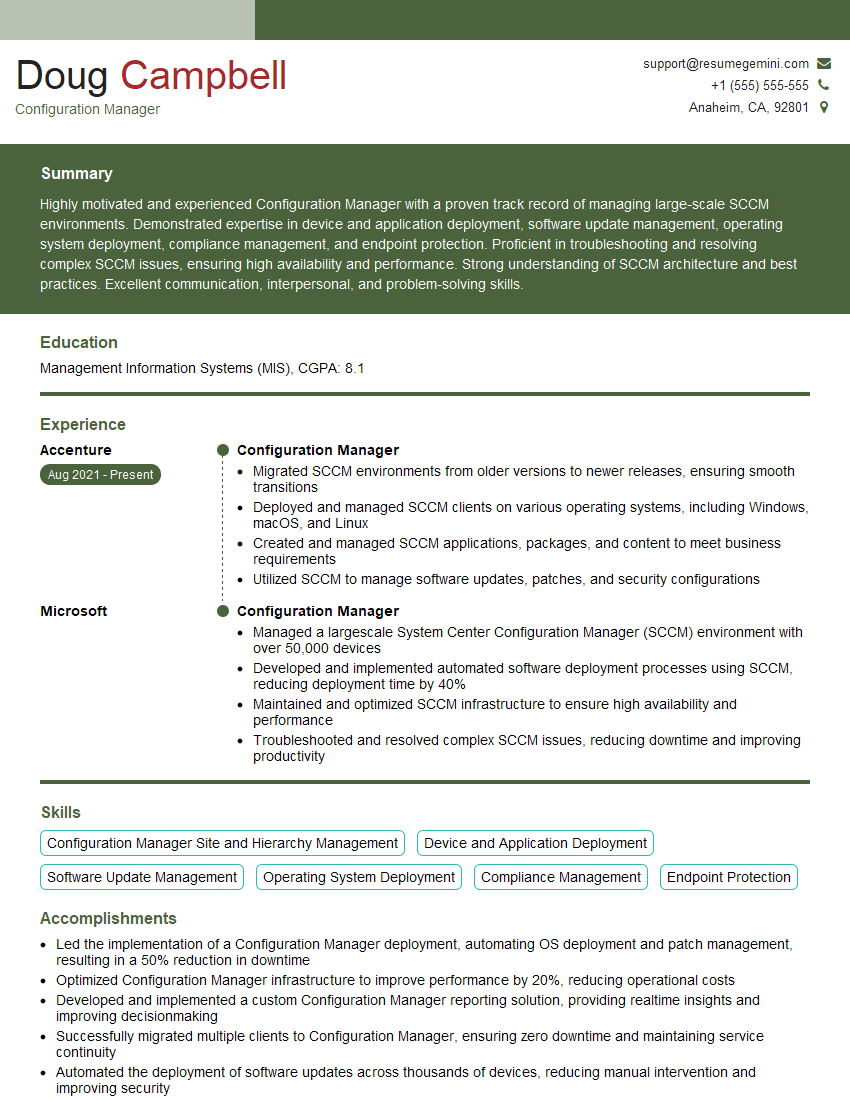
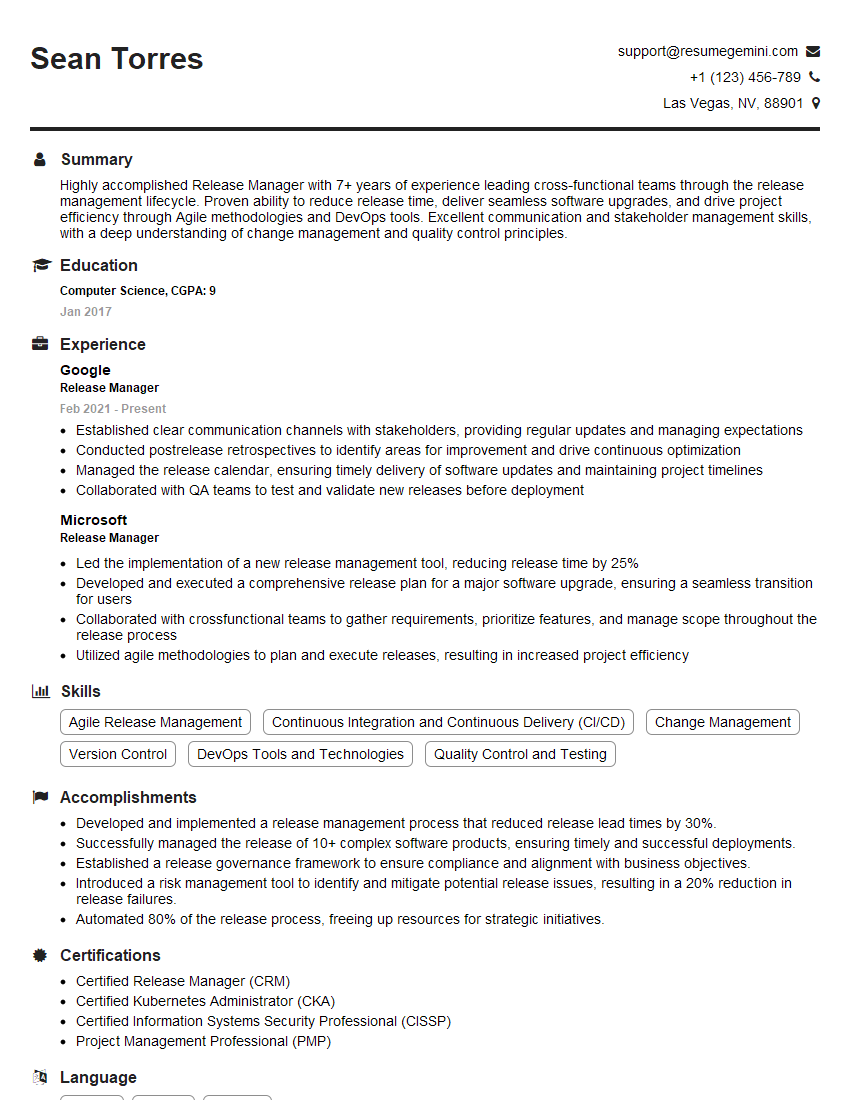
Mastering ITIL Service Transition (ST) is crucial for advancing your career in IT. Demonstrating a strong understanding of these concepts will significantly enhance your interview performance and open doors to exciting new opportunities. To maximize your job prospects, it’s essential to have an ATS-friendly resume that showcases your skills and experience effectively. ResumeGemini is a trusted resource to help you build a professional and impactful resume. They provide examples of resumes tailored to ITIL Service Transition (ST) to guide you in crafting your perfect application. Take the next step toward your dream IT career – build a winning resume with ResumeGemini today!

Explore more articles
Users Rating of Our Blogs
Share Your Experience
We value your feedback! Please rate our content and share your thoughts (optional).
What Readers Say About Our Blog
Really detailed insights and content, thank you for writing this detailed article.
IT gave me an insight and words to use and be able to think of examples