Are you ready to stand out in your next interview? Understanding and preparing for Maintaining a Clean and Orderly Truck interview questions is a game-changer. In this blog, we’ve compiled key questions and expert advice to help you showcase your skills with confidence and precision. Let’s get started on your journey to acing the interview.
Questions Asked in Maintaining a Clean and Orderly Truck Interview
Q 1. Describe your process for cleaning the interior of a truck cab.
Cleaning a truck cab is more than just tidying; it’s about creating a safe and efficient workspace. My process starts with a thorough sweep or vacuuming to remove loose debris. Think of this as the foundation – you can’t build a clean cab on top of a layer of dust and crumbs. Next, I use appropriate cleaning solutions to tackle specific areas. For example, I use glass cleaner for the windows and dashboard, a multi-purpose cleaner for the upholstery, and specialized disinfectant wipes for high-touch surfaces like the steering wheel and door handles. I always pay attention to detail, cleaning crevices and hard-to-reach areas. Finally, I finish by using a damp cloth to wipe down all surfaces, ensuring everything is spotless and ready for the next journey. I find that taking my time and working methodically, section by section, makes the process much more efficient and satisfying.
- Step 1: Sweep/Vacuum
- Step 2: Targeted Cleaning (Glass, Upholstery, etc.)
- Step 3: Final Wipe Down
Q 2. How do you organize your cargo to maximize space and prevent shifting?
Cargo organization is crucial for safety and efficiency. Imagine trying to find a specific item in a jumbled mess – it’s a nightmare! My strategy is based on the principles of weight distribution, securement, and accessibility. Heavier items go at the bottom and towards the center of gravity, while lighter items are placed on top. Securing the cargo is paramount; I use straps, nets, or other appropriate restraints to prevent shifting during transit. This prevents potential damage to the goods and keeps the driver safe. I also group similar items together for easy access. For instance, all the smaller packages might be in one area, while larger, bulkier items are in another. Visualizing the space like a well-organized storage facility helps me make the best use of the available area.
- Principle 1: Weight Distribution
- Principle 2: Securement
- Principle 3: Accessibility
Q 3. What methods do you use to prevent spills and leaks in your truck?
Preventing spills and leaks is all about proactive measures and careful handling of materials. Before loading, I inspect all containers to ensure they’re properly sealed and free from damage. If I’m carrying liquids, I use absorbent pads or trays underneath to catch any potential leaks. For example, when transporting sensitive chemicals, I use secondary containment to add an extra layer of protection. Regular maintenance checks also play a vital role; I’ll inspect the truck’s fluid levels and look for any signs of leakage. This preventative maintenance helps to avoid major problems down the road. Lastly, following proper loading procedures also contributes greatly; ensuring items are packed securely will minimize the chance of spills and breakage.
Q 4. Explain your routine for maintaining the cleanliness of your truck’s exterior.
Maintaining a clean exterior isn’t just about aesthetics; it’s about protecting the truck’s paint and preventing rust. I start with regular washing, using appropriate cleaning products and avoiding abrasive materials that could scratch the paint. Once a week, I usually give the truck a thorough wash, paying extra attention to areas prone to dirt buildup, like the wheels and undercarriage. I then use a quality wax or sealant to protect the paint from the elements. This helps keep the truck looking new for longer, preventing early deterioration due to UV exposure. Regularly checking for any signs of damage, like dents or scratches, is also vital. Identifying these issues early helps in prevention of further damage. I also make sure to regularly clean the lights and mirrors to maintain good visibility.
Q 5. How do you handle trash and waste disposal while on the road?
Trash disposal on the road requires discipline and responsibility. I always carry appropriate trash bags inside the cab and try to dispose of waste responsibly at designated rest stops or truck stops. I never litter; it’s damaging to the environment and against the law. If I’m carrying hazardous waste, I adhere strictly to regulations for safe disposal and documentation. For instance, I’ll look for specific disposal sites for chemical waste and follow all the label instructions carefully. Maintaining a clean and organized truck means staying responsible on the road too.
Q 6. What are the safety implications of an unorganized or unclean truck?
The safety implications of an unorganized or unclean truck are significant. An unclean cab can create distractions for the driver, leading to accidents. Spilled materials or loose objects can cause tripping hazards. Poorly organized cargo can shift during transit, causing instability and potentially leading to a rollover. Moreover, an unclean environment can increase the risk of fire hazards, especially if flammable materials are present. For example, fuel or oil spills combined with an accumulation of debris increases the risk of combustion. Regular maintenance and cleanliness are essential for accident prevention.
Q 7. How do you prevent damage to your cargo during transport?
Preventing cargo damage is a top priority. My approach focuses on proper loading techniques, securement, and environmental protection. I always ensure that fragile items are properly cushioned and protected from impacts. Heavy items are loaded at the bottom to distribute weight evenly. I use appropriate load-securing equipment like straps, blocks, and dunnage to keep the cargo from shifting during transport. Furthermore, I always check weather conditions and adjust my driving accordingly to minimize risk to the cargo. This might include taking slower routes or avoiding difficult terrain to better protect sensitive goods. This approach ensures deliveries arrive safe and sound.
Q 8. Describe a time you had to deal with a significant spill in your truck.
One time, I was transporting a load of bottled beverages when a pallet shifted unexpectedly, causing several cases to break and resulting in a significant liquid spill. It was a sticky, sugary mess that threatened to attract insects and potentially damage the remaining cargo. My immediate priority was safety – ensuring the area was secure to prevent further accidents. Then, I systematically addressed the spill. First, I donned appropriate safety gear including gloves and eye protection. I used absorbent pads to soak up the majority of the spill. Then, I carefully swept up the broken glass, placing it in a sealed container for proper disposal. Finally, I thoroughly disinfected the area with an industrial-strength cleaner to remove any lingering residue and prevent contamination. This whole process emphasized the importance of secure load placement and the immediate response necessary when dealing with a large-scale spill.
Q 9. How frequently do you inspect your truck for cleanliness and maintenance issues?
I perform a quick inspection of my truck’s cleanliness and condition at the start and end of every workday. This includes a visual check of the cargo area for spills, debris, or damage, as well as checking for any mechanical issues. A more thorough inspection, including checking under the truck and more detailed cleaning, occurs at least once a week or more frequently depending on the nature of my cargo and the demands of the route. For example, if I’m transporting perishable goods, more frequent and more rigorous cleaning is mandatory. Regular maintenance checks, such as checking tire pressure and fluid levels, are also part of this routine. Preventing issues is far more efficient than reacting to them.
Q 10. What are your strategies for dealing with unexpected messes or spills?
My strategies for unexpected messes or spills are based on speed, safety, and thoroughness. I always start by assessing the situation – what spilled, how much, and are there any safety concerns (e.g., broken glass, hazardous materials)? I then immediately take steps to contain the spill to prevent it from spreading. This might involve using absorbent materials like spill pads or kitty litter depending on the nature of the spill. Once contained, I clean it up thoroughly, using appropriate cleaning agents and disposing of waste properly. Documenting the incident, including date, time, location, and the steps taken, is crucial for record-keeping and potential insurance claims. In cases of hazardous materials spills, I immediately contact the appropriate authorities and follow their instructions.
Q 11. How do you prioritize cleaning tasks while on a tight delivery schedule?
Prioritizing cleaning tasks on a tight schedule requires efficient planning and prioritization. I employ a system where I address urgent cleaning needs immediately—anything that could impact safety or the quality of the goods I’m carrying. For example, a spill that could attract pests or damage goods needs immediate attention. Smaller cleanup tasks, like sweeping debris, are typically handled during downtime, such as during loading/unloading or brief stops. I also break down larger cleaning tasks into smaller, manageable steps. This approach ensures that the truck remains clean without significantly delaying deliveries. Utilizing time effectively during breaks is key.
Q 12. What tools and supplies do you use to maintain a clean truck?
Maintaining a clean truck requires a range of tools and supplies. Essential items include: heavy-duty cleaning agents suitable for various spills (e.g., degreaser, disinfectant), absorbent pads or spill kits, brooms, dustpans, trash bags, a vacuum cleaner (ideally a wet/dry vac), microfiber cloths, gloves, and a sturdy trash can. For more specialized cleaning, I may use pressure washers, disinfecting sprays, or specific cleaning solutions for different types of messes. Keeping my tools organized in a designated area helps with efficiency. The right tools make all the difference in speed and effectiveness.
Q 13. How do you ensure your truck remains compliant with sanitation regulations?
Maintaining sanitation compliance requires adherence to both company and regulatory standards. This involves regular cleaning, disinfecting, and proper waste disposal. I meticulously follow all prescribed procedures for handling food or other sensitive goods, using appropriate cleaning agents and ensuring proper temperature control. I maintain detailed records of all cleaning activities, including dates, times, and cleaning agents used. This documentation is crucial for audits and demonstrates commitment to maintaining a sanitary work environment. Staying informed on the latest regulations is also critical. Knowledge is the first step toward compliance.
Q 14. Describe your system for managing paperwork and documents within your truck.
My system for managing paperwork and documents in my truck is based on organization and easy accessibility. I use a designated binder or filing system for important documents like delivery receipts, bills of lading, maintenance records, and regulatory permits. These documents are kept in a secure, easily accessible location that prevents them from being damaged or lost. I utilize digital tools such as a tablet or smartphone for accessing electronic documentation and updating delivery information. Regularly reviewing and organizing documents minimizes clutter and ensures that the crucial information is readily available when needed. An organized truck reflects an organized mind.
Q 15. How do you prevent pests from infesting your truck?
Preventing pests in a truck requires a multi-pronged approach focusing on prevention and elimination. Think of it like securing your home – you wouldn’t leave food out, right? The same applies to your truck.
- Regular Cleaning: Thorough and frequent cleaning is paramount. Crumbs, spilled liquids, and organic matter attract pests. I always vacuum and sweep thoroughly, paying close attention to crevices and hidden areas.
- Sealed Storage: All food and drinks should be stored in airtight containers. This prevents attracting pests with scent and makes cleanup easier. I use heavy-duty, resealable containers.
- Pest Control Products: Strategic placement of traps and repellents is crucial. I prefer non-toxic options, especially if I transport food products. However, sometimes professional pest control is necessary.
- Inspection: Before each trip, I conduct a thorough inspection for any signs of pests. This proactive approach helps prevent infestations before they start. Early detection saves a lot of time and effort.
For instance, once I found a small rodent infestation in a delivery truck. The issue was traced to a small hole in the floorboard where the rodent gained access to spilled grain. After sealing this hole and thoroughly cleaning the entire truck, the problem was eradicated.
Career Expert Tips:
- Ace those interviews! Prepare effectively by reviewing the Top 50 Most Common Interview Questions on ResumeGemini.
- Navigate your job search with confidence! Explore a wide range of Career Tips on ResumeGemini. Learn about common challenges and recommendations to overcome them.
- Craft the perfect resume! Master the Art of Resume Writing with ResumeGemini’s guide. Showcase your unique qualifications and achievements effectively.
- Don’t miss out on holiday savings! Build your dream resume with ResumeGemini’s ATS optimized templates.
Q 16. How do you address weather-related challenges to maintaining a clean truck (e.g., snow, rain)?
Weather presents significant challenges to truck cleanliness. Rain can lead to mud and grime, while snow brings ice and slush. My approach involves proactive measures and efficient cleanup.
- Protective Measures: Using tarps or covers to protect the truck’s exterior during inclement weather is a crucial first step. This minimizes the amount of cleaning required after the storm.
- Quick Cleanup: As soon as weather permits, I clean away any accumulated snow, ice, or mud. This prevents it from hardening and becoming harder to remove. I use a combination of brushes, scrapers, and high-pressure washers, always being careful not to damage the truck’s paint.
- De-icing Solutions: For ice, I use appropriate de-icing solutions to safely melt the ice without damaging the vehicle’s surface. I make sure to thoroughly rinse these solutions off to prevent corrosion.
- Drying: Thorough drying is critical after cleaning in wet conditions. This prevents rust and mold from forming. I use absorbent towels and allow the truck to air dry completely whenever possible.
For example, after a heavy snowfall, I once spent extra time clearing the snow from the truck’s undercarriage and wheel wells. This prevented the buildup of ice that could have compromised my braking system later.
Q 17. How do you maintain the cleanliness of your truck’s storage compartments?
Maintaining clean storage compartments is crucial for organization and preventing damage to cargo. It’s all about establishing a system and sticking to it.
- Regular Emptying and Cleaning: After each delivery or trip, I completely empty and clean the storage compartments. This involves sweeping, vacuuming, and wiping down all surfaces.
- Designated Storage: I use designated storage containers for specific items. This prevents items from getting mixed up and makes it easier to locate what I need. Labeling containers is a time-saver.
- Protective Liners: Using protective liners in the storage compartments helps to prevent spills and keeps the surfaces clean. Easily removable liners make cleaning much easier.
- Sealing and Securing: I always make sure to properly seal and secure all compartments to prevent dust and debris from entering.
I once organized my storage compartments using color-coded bins for different types of tools. This made finding the right tool quick and easy, improving efficiency and reducing the chances of something getting damaged.
Q 18. What are the benefits of maintaining a clean and organized truck?
Maintaining a clean and organized truck offers numerous benefits, impacting both efficiency and safety.
- Improved Efficiency: A clean and organized truck allows for quicker loading and unloading times. It’s easier to find items, and the entire operation flows more smoothly.
- Enhanced Safety: A clean truck reduces the risk of accidents caused by obstructions or spills. A clutter-free environment helps maintain focus and reduces distractions while driving.
- Professional Image: A clean truck projects a professional image to clients and customers, building trust and reliability.
- Reduced Maintenance Costs: Regular cleaning helps to prevent rust, corrosion, and wear and tear on the truck’s components, potentially saving on costly repairs in the long run.
- Increased Resale Value: A well-maintained truck commands a higher resale value compared to a neglected one.
In one instance, a clean and organized truck allowed me to quickly locate the necessary safety equipment during an unexpected roadside emergency, preventing a more serious situation.
Q 19. How do you handle cleaning tasks in different weather conditions?
Adapting cleaning routines to different weather conditions is essential for effective and safe cleaning.
- Hot Weather: I avoid cleaning in direct sunlight, as it can cause cleaning solutions to dry too quickly and leave streaks. I prefer to clean early in the morning or later in the evening.
- Cold Weather: I use de-icing agents carefully on icy surfaces and ensure the truck is thoroughly dried to prevent freezing.
- Rainy Weather: I minimize cleaning in heavy rain, as this can dilute cleaning solutions and make the job less effective. If necessary, I will clean small sections at a time.
- Windy Weather: Strong winds can blow dirt and debris back onto the truck, making cleaning less effective. I would postpone cleaning until the wind subsides.
Once, I had to clean my truck after a heavy rainstorm. By breaking the job down into smaller, manageable sections, I was able to effectively clean the truck while also being mindful of safety in the slippery conditions.
Q 20. How do you address cleaning challenges associated with different types of cargo?
Different cargo types present unique cleaning challenges. My approach prioritizes safety and appropriate cleaning methods.
- Food Products: Thorough cleaning with food-safe disinfectants is crucial. All spills and residue must be removed to prevent contamination and attract pests.
- Hazardous Materials: Specialized cleaning procedures and personal protective equipment (PPE) are essential. I always follow the manufacturer’s instructions for cleaning materials and equipment used to transport these goods.
- Construction Materials: I use heavy-duty cleaning tools and equipment to remove dust, debris, and concrete residue effectively. I would use a high-pressure washer where applicable, ensuring not to damage the truck.
- Bulk Materials: Special attention is given to removing any residual dust or spillage to avoid damage to the truck and to prevent future problems.
For example, after transporting a load of flour, I had to thoroughly vacuum the truck to remove any residual flour dust. This was especially important to prevent the build-up of dust which could cause fire hazards.
Q 21. Describe your experience using truck cleaning products and equipment.
My experience with truck cleaning products and equipment is extensive. I’m familiar with a range of products and equipment, each suited for different tasks.
- Cleaning Solutions: I use a variety of cleaning solutions, from basic soap and water to specialized degreasers, disinfectants, and de-icing agents. I always select the appropriate cleaning solution for the specific type of dirt or grime being removed. I follow all safety guidelines for handling and disposal.
- Cleaning Equipment: My toolkit includes brushes, brooms, mops, high-pressure washers, vacuums, scrapers, and pressure washers, all chosen for their specific function. I ensure that all equipment is well-maintained and kept in good working order.
- Safety Equipment: Safety is always paramount. When handling hazardous materials or chemicals, I always wear appropriate PPE, including gloves, eye protection, and respirators.
I’m particularly proficient with high-pressure washers, which significantly speed up the cleaning process. However, I am very aware of the risks of using high-pressure washers around delicate surfaces and always exercise caution.
Q 22. How do you ensure your truck’s cleanliness meets company standards?
Maintaining a clean truck isn’t just about aesthetics; it’s about representing the company professionally and ensuring safety. My approach to meeting company standards involves a multi-pronged strategy. First, I familiarize myself thoroughly with the company’s written cleaning policy, noting specific requirements for interior and exterior cleanliness, frequency of cleaning, and acceptable cleaning products. Then, I establish a daily and weekly cleaning schedule to ensure consistency. Daily cleaning focuses on quick tasks like sweeping the cab, wiping down surfaces, and emptying trash. Weekly cleaning involves more thorough tasks like vacuuming, washing the exterior, and detailing the interior. I also keep a supply checklist to make sure I always have the necessary cleaning supplies – from all-purpose cleaner and glass cleaner to appropriate brushes and microfiber cloths. Finally, regular vehicle inspections – both before and after each route – help to quickly identify and address minor spills or messes before they become major cleaning challenges. Think of it like maintaining a healthy diet – small, consistent efforts yield better overall results.
Q 23. What steps do you take to prevent damage to your truck during the cleaning process?
Protecting my truck during the cleaning process is paramount. I always start by parking in a safe, level area, away from potential hazards. Before using any cleaning solutions, I test them on an inconspicuous area to ensure they won’t damage the paint or interior materials. I avoid using abrasive cleaners or scouring pads, opting for softer cloths and microfiber towels instead. When washing the exterior, I use a pressure washer carefully, keeping a safe distance to avoid damaging the paint or stripping protective coatings. High-pressure areas like wheel wells are cleaned cautiously. For the interior, I protect delicate surfaces like the dashboard and electronics by covering them with towels or using specialized cleaning products designed for sensitive surfaces. Additionally, I meticulously avoid using excessive water in the interior to prevent water damage or mold growth. Essentially, I treat the cleaning process as if I’m detailing a prized possession – careful and deliberate in each step.
Q 24. What are the potential consequences of neglecting truck cleanliness?
Neglecting truck cleanliness has several serious consequences, extending beyond mere aesthetics. A dirty truck projects a unprofessional image of the company to clients and the public, potentially impacting business reputation and customer satisfaction. More critically, it can pose safety hazards. Spills and debris can create slip and fall risks for the driver and others. A poorly maintained vehicle is more susceptible to corrosion and mechanical problems, leading to breakdowns and costly repairs. Furthermore, build-up of dirt and grime can obscure visibility, impacting driving safety. Finally, some companies have strict policies regarding vehicle cleanliness, and negligence can lead to disciplinary action, even termination. It’s a domino effect; ignoring cleanliness eventually leads to larger, more costly problems.
Q 25. Have you ever received feedback on your truck’s cleanliness? If so, what was it?
Yes, I have received positive feedback on my truck’s cleanliness on multiple occasions. My supervisor once commented on how well-maintained and clean my truck always is, highlighting its positive reflection on the company. A client even mentioned how impressed they were with the cleanliness of the truck during a delivery. This positive feedback reinforces my commitment to maintaining a high standard and motivates me to continue my proactive cleaning routine. It feels good to know that attention to detail translates into tangible positive outcomes. I’ve also received constructive feedback focusing on specific aspects, like ensuring complete removal of spills or the proper usage of cleaning products, which I’ve incorporated into my cleaning process. It’s important to me to continuously improve my techniques.
Q 26. How do you adapt your cleaning routine to different types of routes or delivery locations?
My cleaning routine adapts to the nature of the route and delivery locations. For routes involving construction sites or off-road driving, I prioritize a more robust exterior cleaning to remove mud and debris. This includes more frequent pressure washing and potentially using specialized cleaning agents designed for tougher stains. For deliveries to sensitive locations like hospitals or food processing facilities, I meticulously clean the interior, paying particular attention to sanitizing frequently touched surfaces like door handles and steering wheels. I might even carry specialized disinfectants for such settings. Deliveries in areas prone to heavy rain or snow require a more frequent washing to prevent rust formation and reduce visibility issues. Adaptability is key to maintaining a clean truck regardless of the route or delivery location – it’s all about proactive planning and attention to detail.
Q 27. How do you balance the need for cleanliness with the need for efficient delivery?
Balancing cleanliness with efficient delivery requires effective time management and prioritization. I integrate cleaning tasks into my schedule, performing quick cleanups during breaks or downtime. For example, I might take a few minutes to quickly sweep the cab or wipe down surfaces after a delivery. Larger cleaning tasks are planned during off-duty hours or at the end of a route, minimizing disruption to deliveries. Utilizing quick-drying cleaning agents and products also saves time. By optimizing these aspects, I can maintain a high standard of cleanliness without significantly compromising on delivery efficiency. It’s all about finding the right balance, much like balancing a budget – carefully budgeting time in the same manner.
Q 28. Describe your experience working with a cleaning crew or maintaining a shared truck.
I’ve had extensive experience working with cleaning crews and maintaining shared trucks. In these situations, open communication and teamwork are crucial. With a cleaning crew, clear expectations are set about the scope of work, the acceptable cleaning standards, and any specific products to be used. With shared trucks, we establish a rotating cleaning schedule to ensure fair distribution of responsibilities, and we agree on common standards to keep the truck clean and maintain a shared responsibility. We also implement a system for reporting any damage or maintenance needs promptly. This ensures that everyone contributes to maintaining the vehicle’s cleanliness and that issues are addressed quickly to prevent the vehicle from falling into disrepair. Teamwork is absolutely essential in these situations – just like a well-oiled machine, every part needs to work together for maximum efficiency and optimal results.
Key Topics to Learn for Maintaining a Clean and Orderly Truck Interview
- Vehicle Sanitation and Hygiene: Understanding proper cleaning techniques for different truck areas (cab, cargo bay, etc.), safe disposal of waste, and maintaining a sanitary environment to prevent contamination and disease.
- Cargo Organization and Securement: Practical application of load planning and securing techniques to ensure safety and efficient delivery. This includes understanding weight distribution, proper use of straps and other securing devices, and preventing cargo shifting during transit.
- Preventive Maintenance and Inspection: Identifying potential issues with the truck through regular inspections (tire pressure, fluid levels, lights, etc.) and understanding basic preventative maintenance tasks to minimize breakdowns and maximize vehicle lifespan.
- Documentation and Record Keeping: Maintaining accurate logs of maintenance performed, fuel consumption, and any incidents related to the vehicle’s cleanliness or condition. Understanding the importance of accurate documentation for compliance and efficiency.
- Safety Regulations and Compliance: Familiarity with relevant safety regulations pertaining to vehicle cleanliness and maintenance, including those related to hazardous materials transportation and waste disposal. Problem-solving approaches should include identifying and reporting potential safety hazards proactively.
- Fuel Efficiency and Cost Savings: Understanding how proper vehicle maintenance and cleanliness contribute to fuel efficiency and reduced operational costs. This includes practical application of fuel-saving driving techniques.
Next Steps
Mastering the art of maintaining a clean and orderly truck demonstrates responsibility, professionalism, and a commitment to safety – all highly valued qualities in any logistics or transportation role. This skill directly translates to increased efficiency, reduced costs, and a safer working environment, leading to greater career opportunities and advancement. To showcase these skills effectively, crafting an ATS-friendly resume is crucial. ResumeGemini is a trusted resource that can help you build a professional resume that highlights your abilities and experience. We even provide examples of resumes tailored to Maintaining a Clean and Orderly Truck to give you a head start. Take the next step towards your dream job today!

Operations Manager Resume Sample
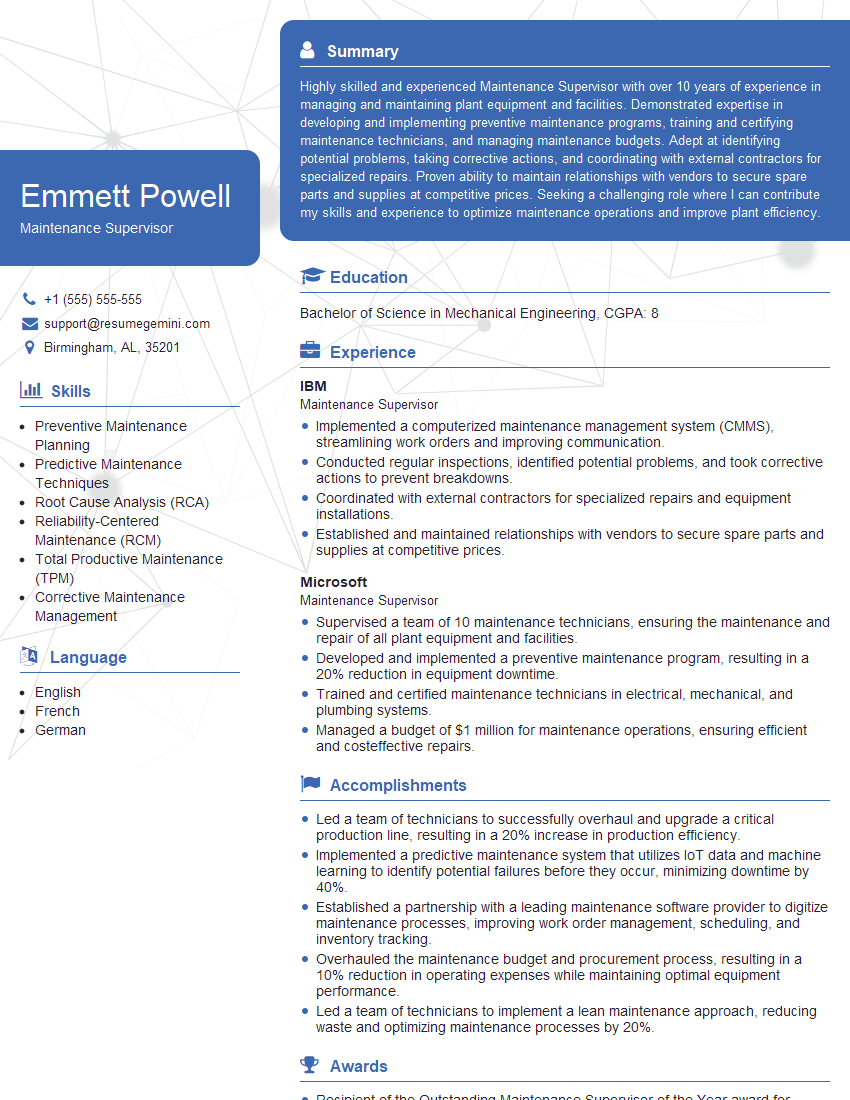
Maintenance Supervisor Resume Sample
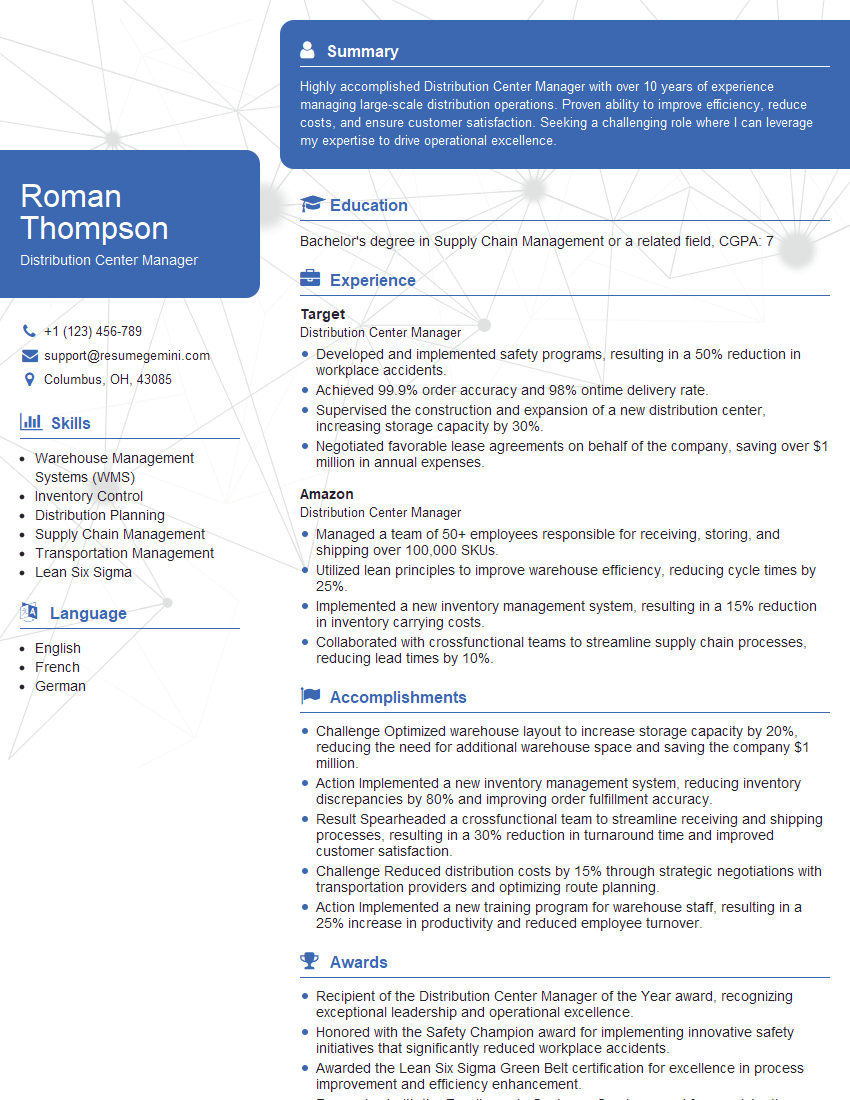
Distribution Center Manager Resume Sample

Logistics Manager Resume Sample
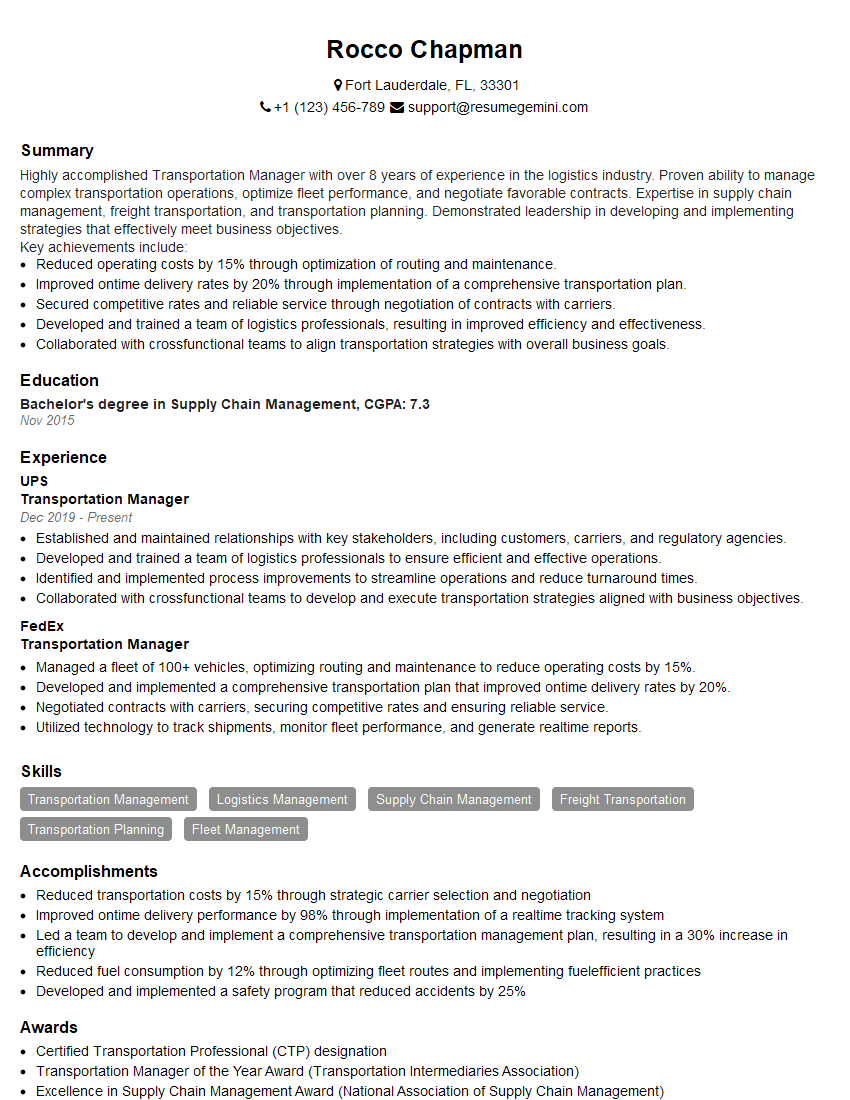
Transportation Manager Resume Sample
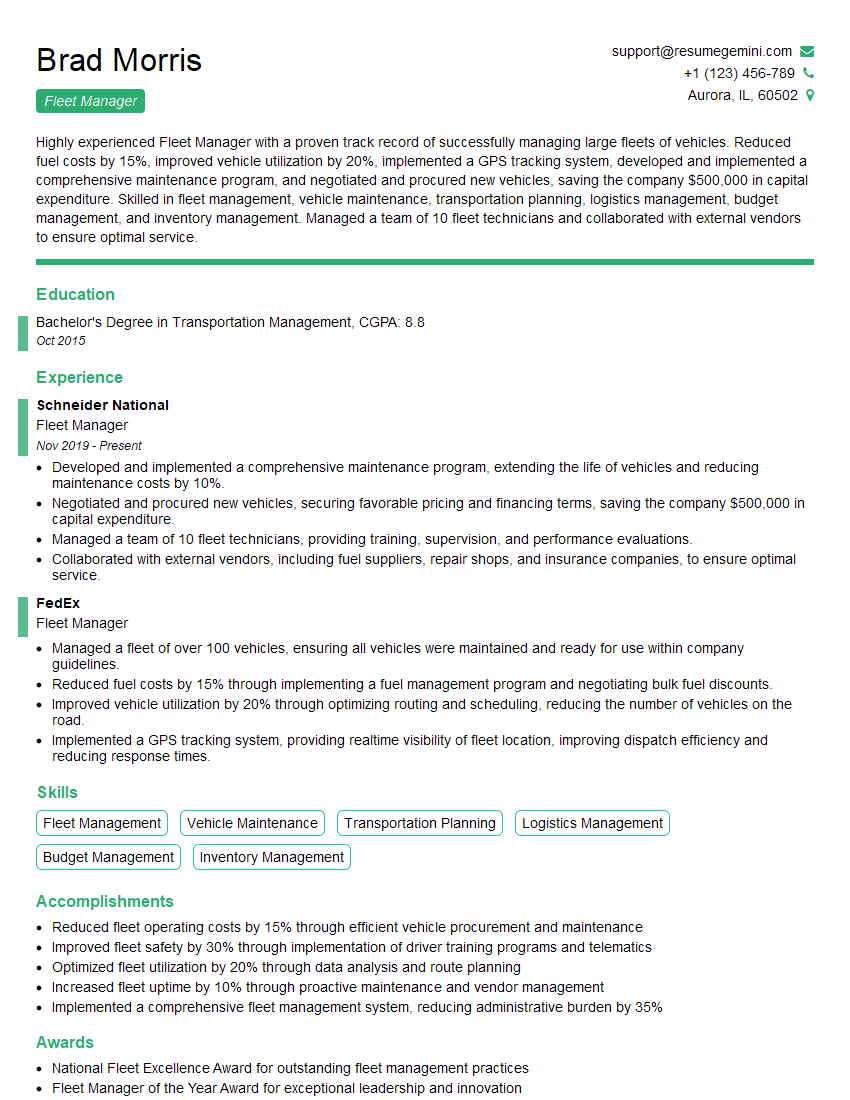
Fleet Manager Resume Sample
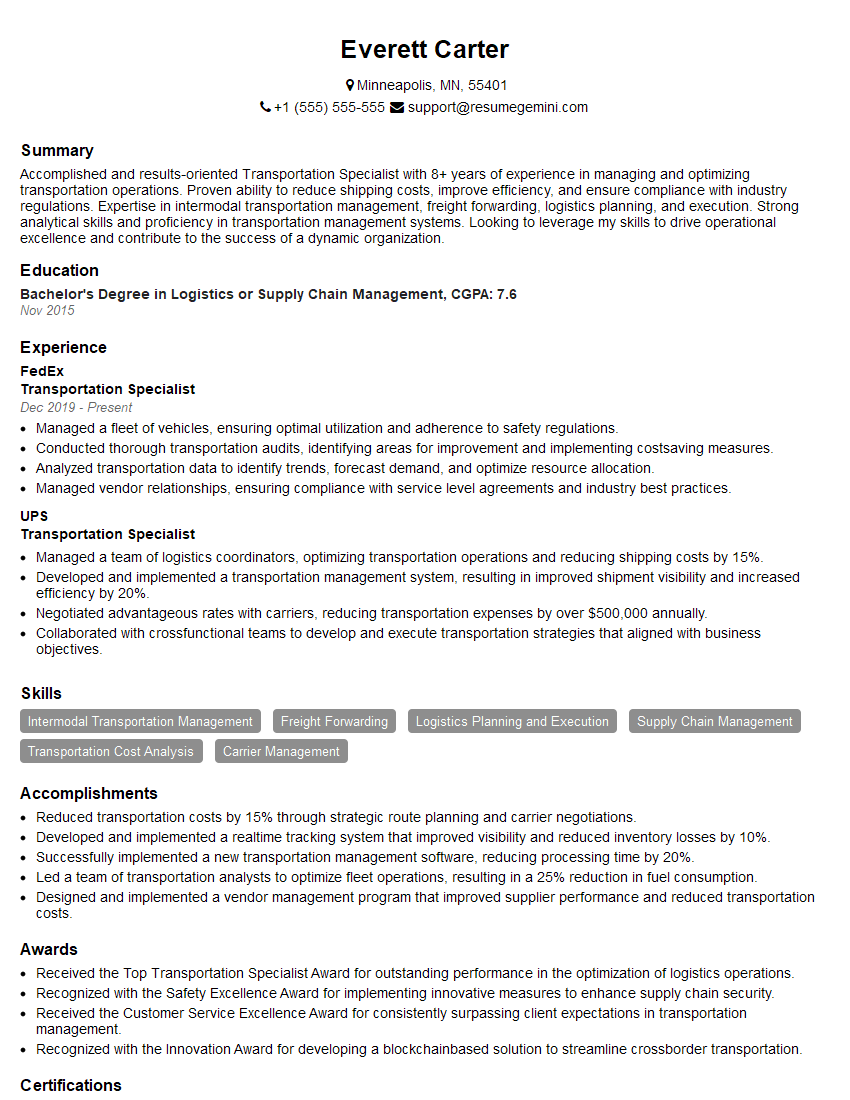
Transportation Specialist Resume Sample
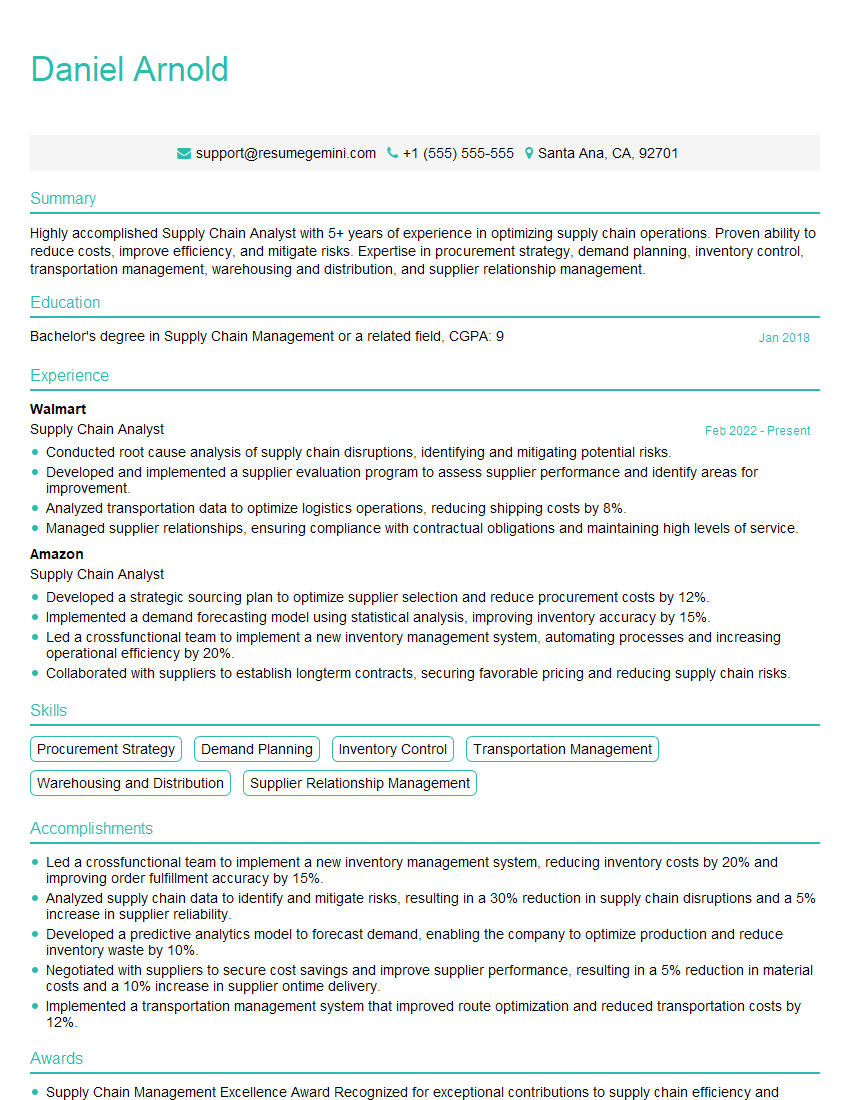
Supply Chain Analyst Resume Sample
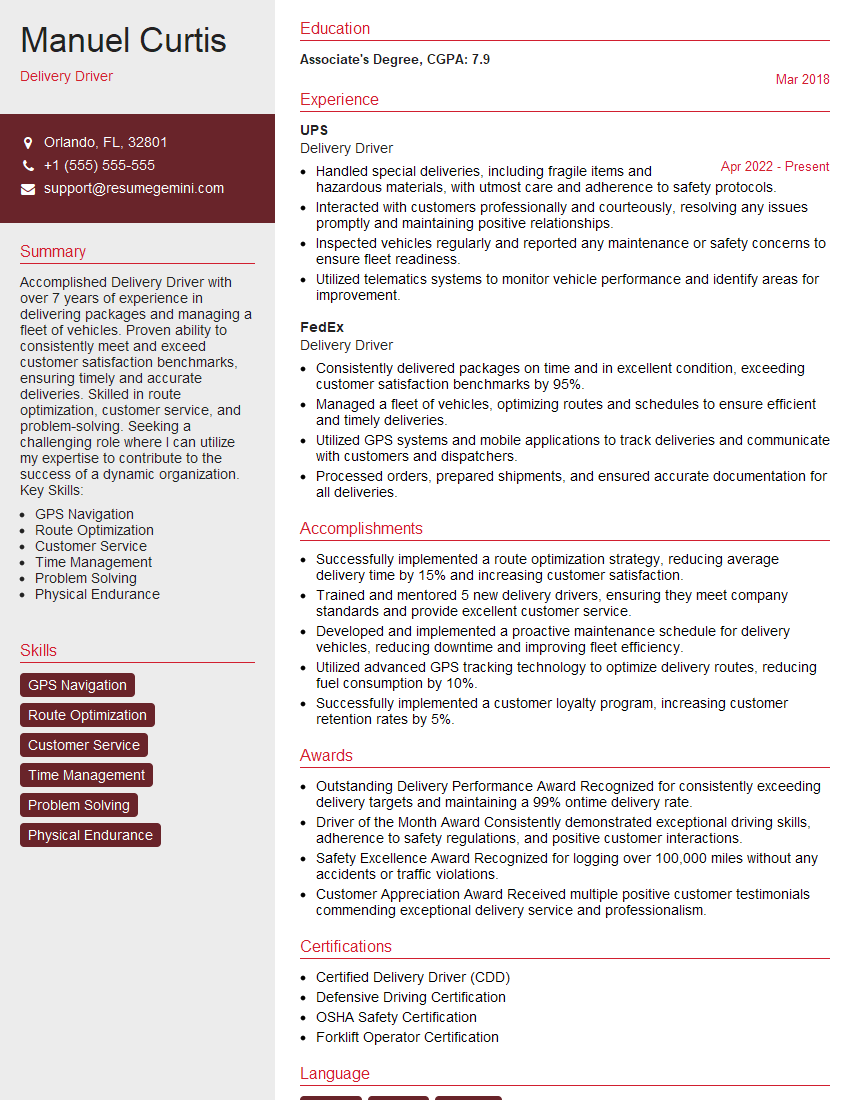
Delivery Driver Resume Sample

Inventory Control Specialist Resume Sample

Shipping and Receiving Clerk Resume Sample
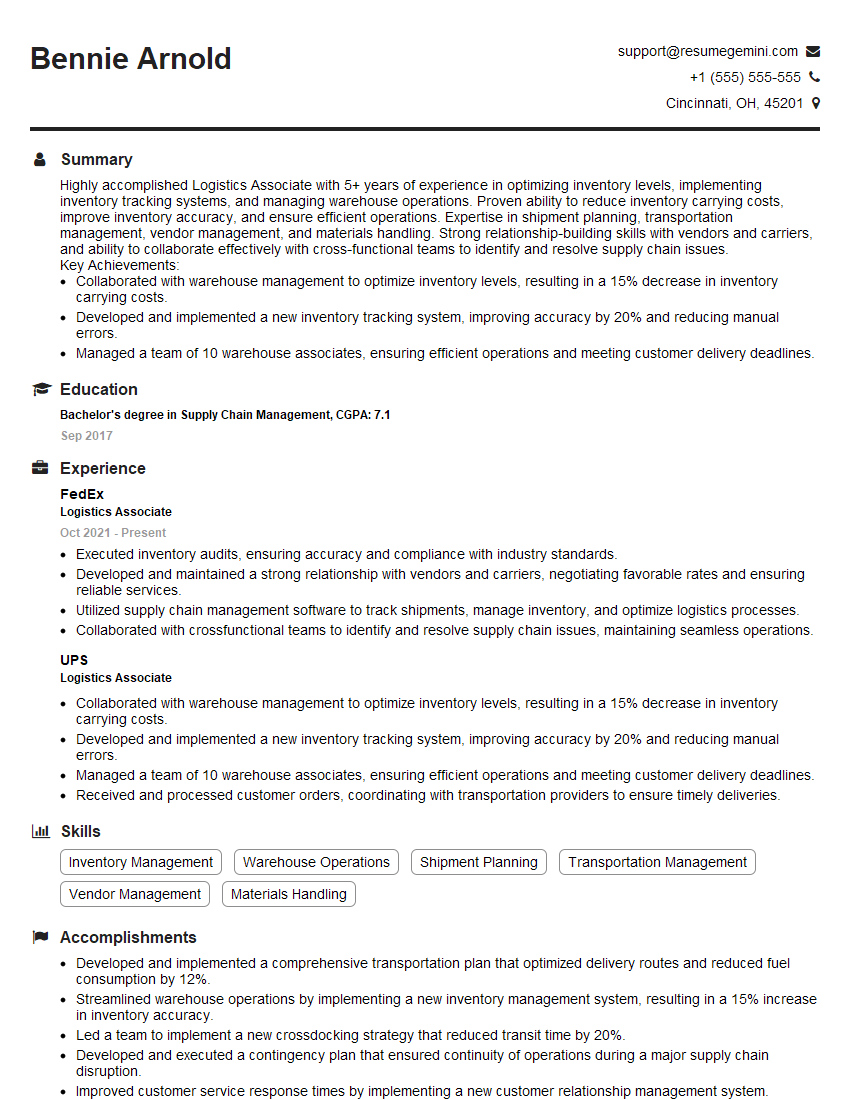
Logistics Associate Resume Sample
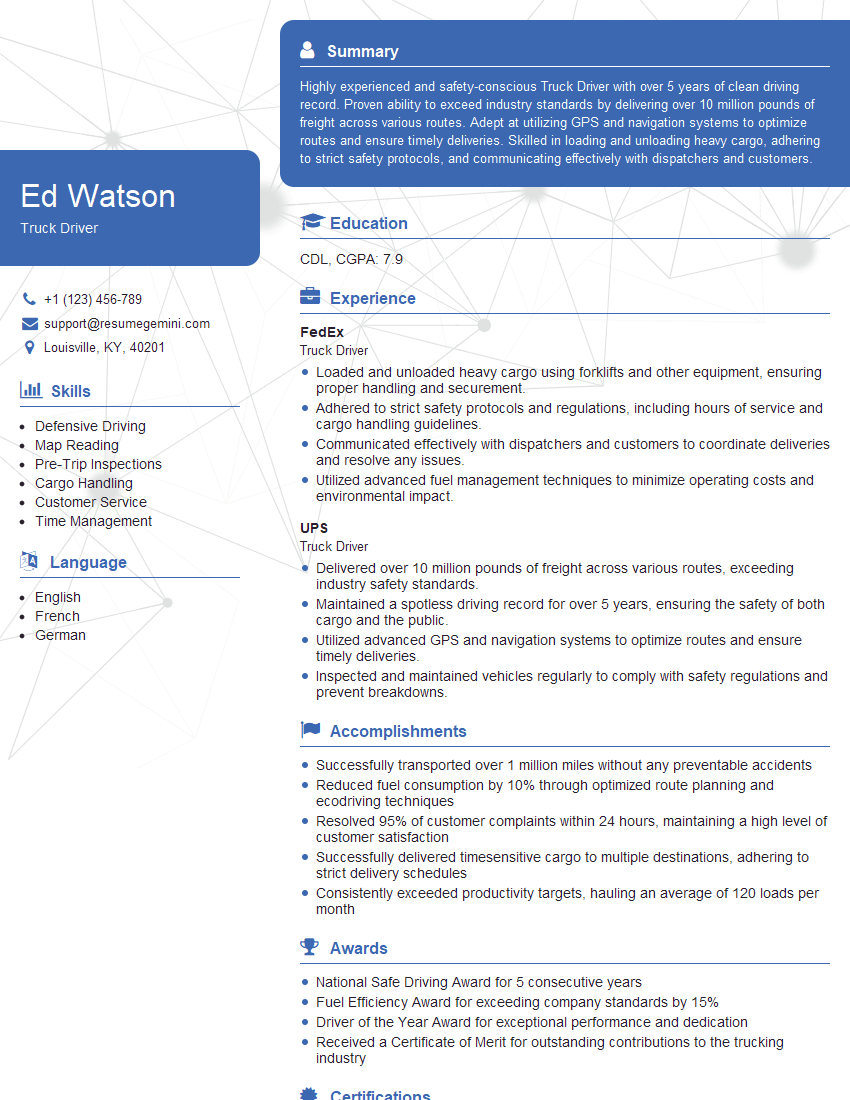
Truck Driver Resume Sample
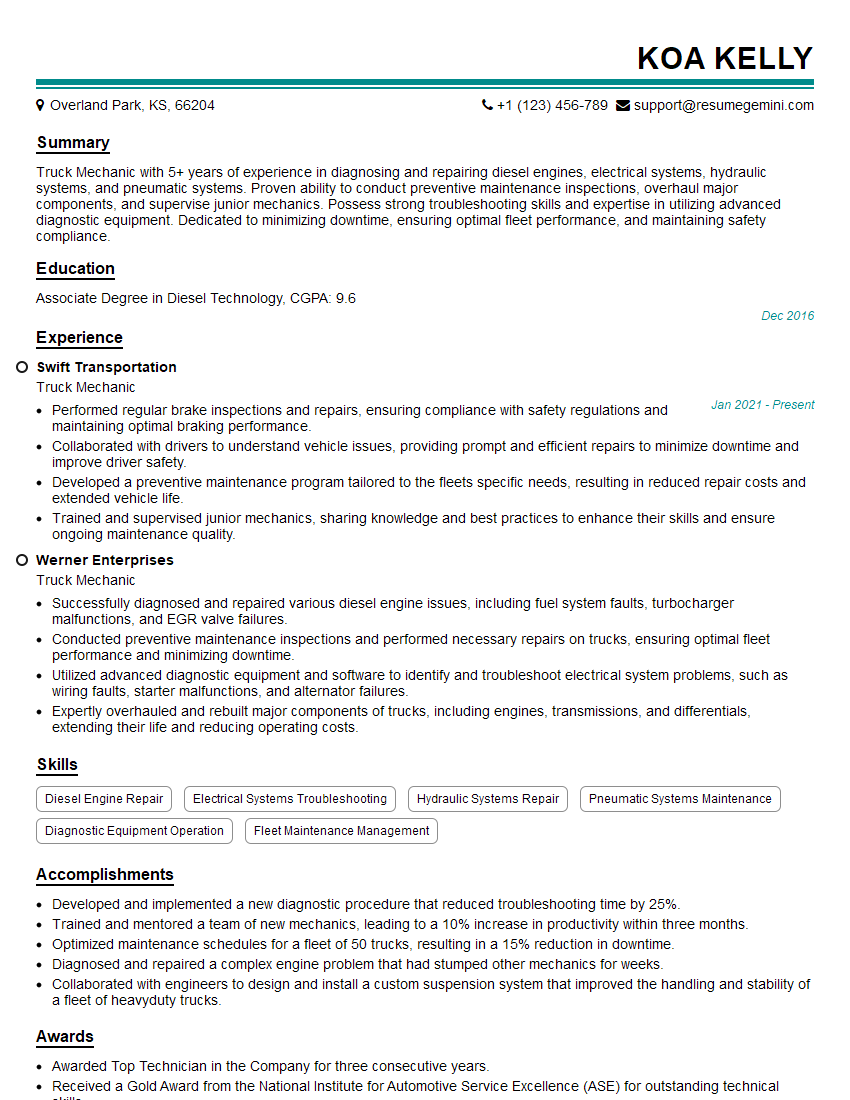
Truck Mechanic Resume Sample

Route Driver Resume Sample
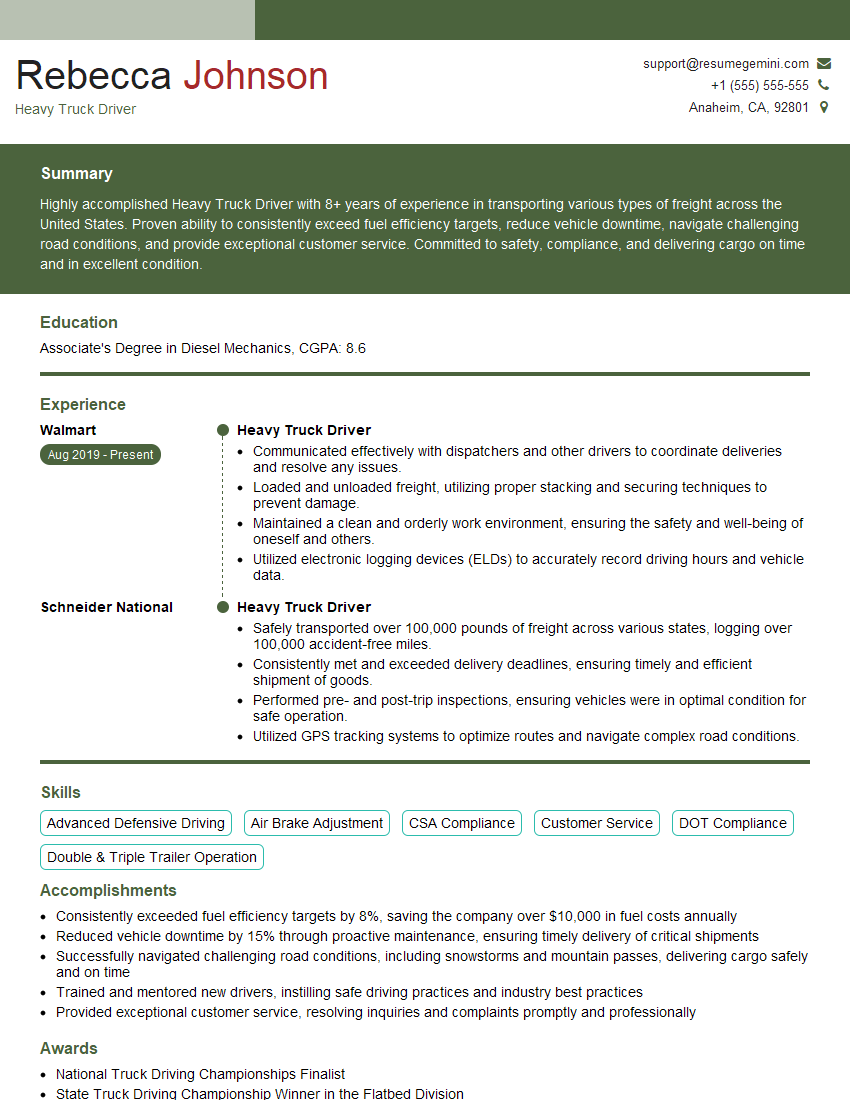
Heavy Truck Driver Resume Sample
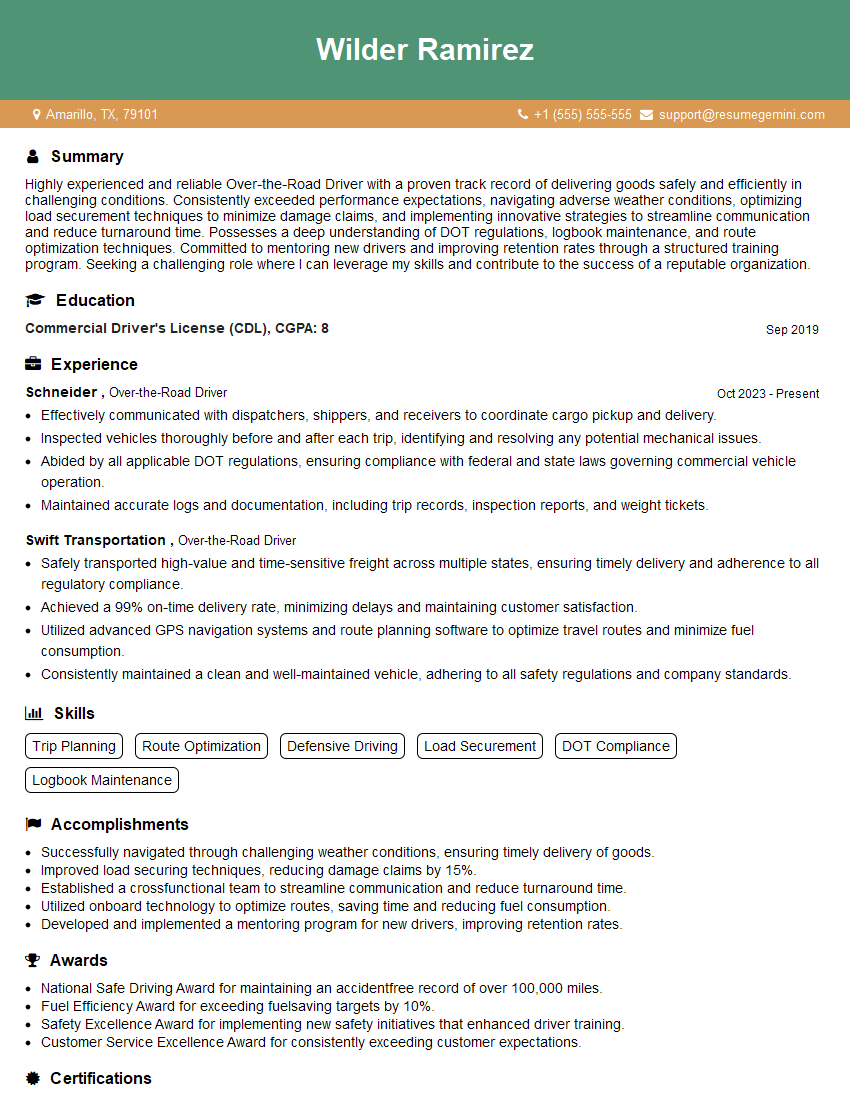
Over-the-Road Driver Resume Sample
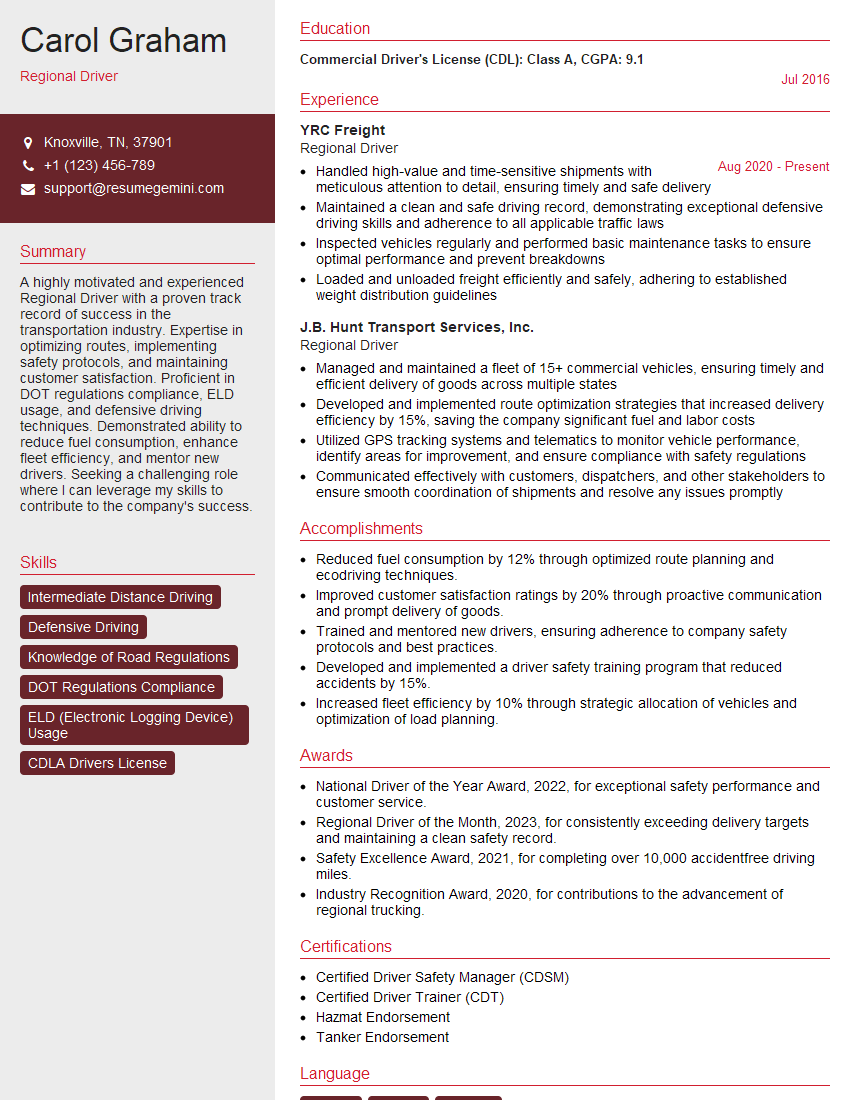
Regional Driver Resume Sample
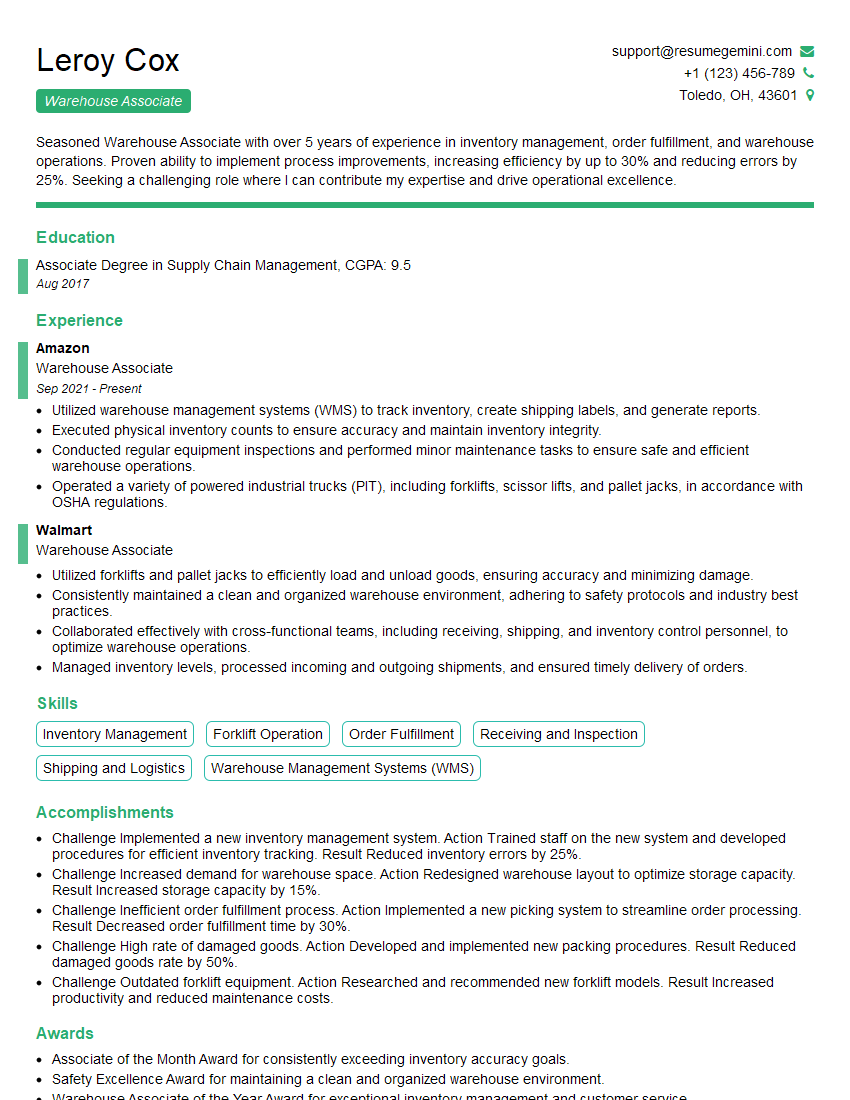
Warehouse Associate Resume Sample
- Operations Manager
- Maintenance Supervisor
- Distribution Center Manager
- Logistics Manager
- Transportation Manager
- Fleet Manager
- Transportation Specialist
- Supply Chain Analyst
- Delivery Driver
- Inventory Control Specialist
- Shipping and Receiving Clerk
- Logistics Associate
- Truck Driver
- Truck Mechanic
- Route Driver
- Heavy Truck Driver
- Over-the-Road Driver
- Regional Driver
- Warehouse Associate
Explore more articles
Users Rating of Our Blogs
Share Your Experience
We value your feedback! Please rate our content and share your thoughts (optional).
What Readers Say About Our Blog
Really detailed insights and content, thank you for writing this detailed article.
IT gave me an insight and words to use and be able to think of examples