Are you ready to stand out in your next interview? Understanding and preparing for Juice HACCP Compliance interview questions is a game-changer. In this blog, we’ve compiled key questions and expert advice to help you showcase your skills with confidence and precision. Let’s get started on your journey to acing the interview.
Questions Asked in Juice HACCP Compliance Interview
Q 1. Describe the seven principles of HACCP.
The seven principles of HACCP (Hazard Analysis and Critical Control Point) provide a systematic approach to food safety. Think of them as building blocks for a robust safety system. They are:
- Conduct a hazard analysis: Identify potential biological, chemical, and physical hazards in the juice production process that could cause illness or injury.
- Determine critical control points (CCPs): Identify steps in the process where control can prevent or eliminate a hazard or reduce it to an acceptable level.
- Establish critical limits: Set measurable limits for each CCP to ensure safety. For example, a critical limit for temperature might be maintaining a minimum of 85°C during pasteurization.
- Establish monitoring procedures: Define how you’ll monitor each CCP to ensure critical limits are met. This might involve regular temperature checks with a calibrated thermometer and recording the data.
- Establish corrective actions: Outline the steps you’ll take if a critical limit is not met. This could include discarding a batch of juice or reprocessing it.
- Establish verification procedures: Implement methods to verify that the HACCP system is working effectively. This involves regular reviews, audits, and testing.
- Establish record-keeping and documentation procedures: Maintain detailed records of all HACCP activities, including monitoring data, corrective actions, and verification results. This is crucial for traceability and demonstrating compliance.
Q 2. Explain the critical control points (CCPs) in juice production.
Critical Control Points (CCPs) in juice production are the steps where hazards can be prevented, eliminated, or reduced to safe levels. These vary depending on the type of juice and production methods, but common CCPs include:
- Good Agricultural Practices (GAPs) for raw materials: Ensuring fruit is sourced from reputable suppliers who follow safe growing and harvesting practices.
- Raw material handling and cleaning: Thoroughly cleaning and washing fruit to remove dirt, pesticides, and other contaminants.
- Pasteurization/Heat Treatment: This is a critical step for eliminating harmful microorganisms like E. coli and Salmonella. The temperature and time must be carefully controlled.
- Packaging: Ensuring the juice is packaged in a sanitary environment using clean containers to prevent recontamination after processing.
- Cooling: Rapid cooling of the juice after pasteurization is crucial to prevent microbial growth.
- Metal detection: Identifying and removing any metal fragments that may have entered the process.
- Storage and distribution: Maintaining proper temperature and storage conditions throughout the supply chain to preserve product quality and safety.
It’s important to note that not all juice production processes will have the same CCPs. A juice made using high-pressure processing (HPP) will have different CCPs than one using conventional heat treatment.
Q 3. How do you identify and validate CCPs in a juice manufacturing process?
Identifying and validating CCPs requires a systematic approach. The process involves:
- Hazard Analysis: Identify all potential hazards at each step of the juice production process. This may involve reviewing previous incidents, literature, and industry best practices.
- Decision Tree: Use a decision tree to determine if a step is a CCP. Each step is evaluated based on whether controlling it will prevent or eliminate a hazard. For example, if improper pasteurization can lead to microbial contamination, it is a CCP.
- Validation: Once CCPs are identified, they need validation. This involves demonstrating that the critical limits established for each CCP are effective in controlling the identified hazard. This might involve conducting challenge studies to show that the chosen pasteurization parameters effectively eliminate target microorganisms.
- Documentation: Thorough documentation is essential, including flowcharts, hazard analysis records, CCP determination and validation data.
For example, if we’re validating the pasteurization CCP, we’d conduct microbiological tests on samples processed at the defined temperature and time to verify that the target pathogens are eliminated.
Q 4. What are the key hazards associated with juice production?
Key hazards in juice production include:
- Biological hazards: Microorganisms such as E. coli, Salmonella, Listeria monocytogenes, and molds. These can contaminate the fruit, water, or processing equipment.
- Chemical hazards: Pesticides, herbicides, heavy metals, cleaning chemicals, and allergens (e.g., nuts, soy). These can be present in the raw materials or introduced during processing.
- Physical hazards: Foreign bodies such as glass shards, metal fragments, stones, or insect parts that may contaminate the juice during harvesting, processing, or packaging.
The likelihood and severity of each hazard vary depending on the type of juice, the source of raw materials, and the processing methods used. For example, the risk of pesticide contamination is higher for conventionally grown fruit compared to organically grown fruit.
Q 5. How do you conduct a HACCP risk assessment?
A HACCP risk assessment involves systematically evaluating the likelihood and severity of hazards. It usually follows these steps:
- Hazard Identification: Identify all potential hazards associated with the juice production process (as discussed previously).
- Hazard Characterization: Describe the nature of each hazard, its potential effects on human health, and its severity.
- Exposure Assessment: Determine the likelihood of exposure to each hazard. This considers factors like the frequency of occurrence, the amount of contamination, and the effectiveness of control measures.
- Risk Characterization: Combine the severity and likelihood of each hazard to determine the overall level of risk. This involves evaluating the potential consequences if a hazard is not controlled.
- Risk Management: Develop and implement control measures to mitigate the identified risks. This is where the CCPs are determined and critical limits established.
- Risk Communication: Clearly communicate the identified hazards, risks, and control measures to all relevant personnel.
A matrix or scoring system can be used to quantify risk, allowing for a prioritization of hazards and control measures. For instance, a high-severity, high-likelihood hazard would require immediate attention and robust controls.
Q 6. What are the legal requirements for HACCP compliance in juice production?
Legal requirements for HACCP compliance in juice production vary depending on the country and region. However, many jurisdictions mandate HACCP compliance for juice manufacturers, especially those that export their products internationally. These requirements typically include:
- Registration or licensing: Manufacturers must register with the relevant food safety authorities.
- HACCP plan development and implementation: A written HACCP plan is mandatory, outlining the procedures for identifying, assessing, and controlling hazards.
- Record-keeping: Detailed records of HACCP activities must be maintained and made available for audits.
- Regular audits and inspections: Food safety authorities conduct regular inspections to ensure compliance with HACCP regulations.
- Product recall procedures: Manufacturers must have a documented procedure for recalling products if a hazard is discovered.
Non-compliance can lead to significant penalties, including fines, product recalls, and even business closure. Staying informed about local regulations and working with a qualified food safety consultant are essential for ensuring compliance.
Q 7. Describe your experience with HACCP plan development and implementation.
Throughout my career, I’ve been extensively involved in developing and implementing HACCP plans for various juice manufacturers. My experience encompasses all aspects of the process, from conducting hazard analyses and identifying CCPs to validating control measures and conducting internal audits. I’ve worked with companies producing a variety of juices, including apple juice, orange juice, and blended fruit juices, each requiring a tailored approach due to differences in ingredients, processing methods, and potential hazards.
One notable project involved developing a HACCP plan for a small-scale juice producer who was struggling with inconsistent product quality and lacked a formal food safety system. Through a collaborative process involving workshops, on-site assessments, and training, we developed a comprehensive HACCP plan that addressed their specific challenges. This included implementing improved cleaning and sanitization procedures, establishing critical limits for pasteurization, and introducing a robust monitoring and record-keeping system. This resulted in a significant improvement in product safety and consistency, and ultimately helped the business secure new contracts and expand its market reach.
My expertise also extends to assisting companies in navigating the complexities of regulatory compliance, ensuring their HACCP plan aligns with relevant legal standards and industry best practices. I am proficient in using various HACCP software and documentation tools, and I have a strong track record of successfully leading HACCP implementation projects.
Q 8. How do you monitor CCPs during juice production?
Monitoring Critical Control Points (CCPs) in juice production is crucial for ensuring food safety. CCPs are steps in the process where control is essential to prevent or eliminate a food safety hazard. For juice, these often include pasteurization, pH control, and cleaning and sanitization. Monitoring involves regularly taking measurements and observations at these points.
- Pasteurization: We continuously monitor the temperature and time of the pasteurization process using calibrated thermometers and timers, ensuring it reaches and maintains the required lethality for E. coli and other pathogens. Records are meticulously kept and reviewed daily. For example, we might use a data logger to record temperature continuously throughout the process, providing a detailed audit trail.
- pH Control: Regular pH measurements are taken throughout the juice processing, from raw material intake to the final product, using calibrated pH meters. This ensures the juice remains outside the range where pathogens can thrive. We maintain detailed records of these measurements and investigate any deviations from the established parameters immediately.
- Cleaning and Sanitization: We monitor the effectiveness of our cleaning and sanitation procedures using ATP bioluminescence testing or other validated methods. This measures the level of organic residue left on surfaces after cleaning. A high ATP reading indicates inadequate cleaning, requiring immediate corrective action. We also visually inspect equipment for cleanliness.
The frequency of monitoring depends on the specific CCP and the inherent risks associated with it. More critical CCPs, such as pasteurization, often require continuous monitoring, while others may only need monitoring at specific intervals.
Q 9. What corrective actions would you take if a CCP is not met?
If a CCP is not met, immediate corrective actions are necessary to mitigate the risk to food safety. This follows a predefined plan documented in the HACCP plan. The first step is to immediately stop production at the affected stage.
- Identify the root cause: We conduct a thorough investigation to determine why the CCP was not met. This might involve reviewing process parameters, equipment malfunction, or operator error. We use a systematic approach like a 5-Why analysis to get to the core issue.
- Implement corrective actions: Based on the root cause, we implement corrective actions. This could involve recalibrating equipment, retraining staff, adjusting process parameters, or discarding the affected batch. A clear record of the corrective actions taken is crucial.
- Verify effectiveness: After implementing corrective actions, we verify their effectiveness through repeat monitoring of the CCP. This confirms the problem is resolved and prevents recurrence. We may also conduct a re-analysis of the affected batch if deemed necessary.
- Prevent recurrence: We implement preventive measures to avoid future occurrences. This might involve process improvements, updated Standard Operating Procedures (SOPs), or additional training for employees. The effectiveness of these preventive measures is regularly reviewed.
For instance, if the pasteurization temperature falls below the required level, we would immediately stop the line, investigate the cause (e.g., faulty heating element), replace the faulty component, re-pasteurize the affected batch to ensure the required lethality is achieved, and implement preventive maintenance to prevent future equipment failures. All deviations and corrective actions are meticulously documented and reviewed during internal audits and by regulatory authorities.
Q 10. How do you verify the effectiveness of your HACCP plan?
Verifying the effectiveness of a HACCP plan is an ongoing process that involves several key steps. It’s not a one-time event; it’s a continuous cycle of monitoring, evaluation, and improvement.
- Regular Monitoring and Record Keeping: We diligently track CCPs, documenting all measurements, observations, and deviations. This data provides the evidence for evaluating the effectiveness of our controls.
- Internal Audits: We conduct regular internal audits to assess our compliance with the HACCP plan and GMPs. These audits review documents, observe processes, and interview personnel to identify any gaps or weaknesses.
- Product Testing: We conduct regular testing of our finished products to ensure they meet our safety and quality standards. This testing includes microbiological analysis and other relevant tests specified in our plan.
- Management Review: The management team regularly reviews the HACCP plan’s effectiveness, considering audit findings, product testing results, and any incidents or complaints. This review ensures the plan remains relevant and effective.
- Calibration and Maintenance: Regular calibration of equipment like thermometers and pH meters is crucial. Scheduled maintenance prevents breakdowns and ensures processes remain under control.
Think of it like a doctor’s checkup for your food safety system. Regular checkups, including internal audits, product testing and management review, allow you to proactively identify and address any potential issues before they become major problems.
Q 11. Explain the role of sanitation in Juice HACCP.
Sanitation plays a vital role in Juice HACCP, acting as a preventative control to minimize the risk of microbial contamination. It is not a CCP in itself, but a crucial supporting element impacting several CCPs, mainly those related to microbiological safety.
- Preventing Cross-Contamination: Effective sanitation procedures prevent cross-contamination between different batches of juice or between raw materials and finished products, greatly reducing the risk of microbial growth or transfer of pathogens.
- Maintaining Equipment Cleanliness: Clean equipment reduces the likelihood of bacterial growth and biofilm formation, ensuring consistent process parameters (like heat transfer in pasteurization) and preventing spoilage.
- Reducing Spoilage Organisms: Thorough cleaning and sanitization eliminate or reduce spoilage microorganisms, extending the shelf life of the juice and preventing off-flavors or textures.
- Supporting CCP Effectiveness: Proper sanitation significantly enhances the effectiveness of CCPs. For instance, clean and sanitized equipment is crucial to achieving the desired lethality during pasteurization.
Our sanitation program includes detailed Standard Operating Procedures (SOPs) covering all aspects of cleaning and sanitizing our equipment and facilities. We use validated sanitizers and ensure appropriate contact time for effective disinfection. Regular monitoring and verification using methods like ATP bioluminescence testing ensure the effectiveness of our sanitation procedures.
Q 12. Describe your experience with GMPs (Good Manufacturing Practices) in juice production.
Good Manufacturing Practices (GMPs) are the foundation of a robust food safety system. In juice production, GMPs encompass all aspects of production, from raw material handling to finished product storage, ensuring consistency, quality, and safety. My experience with GMPs in juice production involves extensive knowledge of various aspects.
- Personnel Hygiene: Implementing strict handwashing protocols, proper protective clothing, and employee training on hygiene best practices.
- Facility Maintenance: Regular maintenance of equipment and facilities, ensuring cleanliness, pest control, and proper ventilation.
- Raw Material Handling: Proper storage, handling, and testing of raw materials to ensure quality and safety. This includes temperature control for perishable ingredients.
- Process Control: Maintaining consistent process parameters such as temperature, time, and pressure during various stages of production. This also includes regular calibration and maintenance of equipment.
- Product Storage and Distribution: Implementing appropriate storage conditions for finished products and ensuring proper transportation to maintain product integrity and quality.
- Documentation and Record Keeping: Meticulous documentation of all aspects of the manufacturing process, including production records, cleaning logs, and maintenance records. This traceability is critical for any investigation or audit.
I’ve personally been involved in implementing and maintaining GMPs in several juice production facilities, resulting in consistent high-quality products and adherence to regulatory requirements.
Q 13. How do you manage allergen control in juice production?
Allergen control is a critical aspect of juice production, particularly with increasing consumer awareness of food allergies. Our approach involves a multi-layered strategy to minimize the risk of cross-contamination and ensure accurate labeling.
- Ingredient Sourcing and Verification: We carefully select suppliers who can provide allergen-free ingredients or those who can guarantee the absence of specific allergens. We maintain complete traceability of our ingredients.
- Segregation and Processing: We employ strict segregation procedures to prevent cross-contamination between allergen-containing and allergen-free ingredients. This often involves dedicated equipment and processing lines.
- Cleaning and Sanitization: Thorough cleaning and sanitization of equipment between production runs are crucial to eliminate allergen residue and prevent cross-contamination. We use validated cleaning procedures and allergen-specific sanitizers when necessary.
- Labeling and Documentation: Accurate labeling is paramount. All products clearly indicate the presence of potential allergens, following regulatory requirements. We meticulously document all steps in the process to ensure traceability.
- Employee Training: Thorough training is provided to all employees to raise awareness of allergen risks and emphasize the importance of following protocols to avoid cross-contamination.
For example, if we process both apple juice and almond juice, we would have entirely separate production lines and cleaning procedures, ensuring that no almond residue can contaminate the apple juice production line, particularly crucial for people with nut allergies.
Q 14. How do you handle and investigate food safety incidents?
Handling and investigating food safety incidents is a critical responsibility. Our response follows a structured approach:
- Immediate Action: First, we isolate the affected product to prevent further distribution. We also notify relevant authorities (depending on the severity and jurisdiction).
- Incident Investigation: A thorough investigation is launched, tracing the product back to its origin to determine the root cause of the incident. We interview personnel, review records, and collect samples for testing.
- Corrective Actions: Based on the investigation’s findings, corrective actions are implemented to prevent recurrence. This may involve equipment repair, process improvements, employee retraining, or supplier changes.
- Communication: We communicate transparently with stakeholders, including customers and regulatory bodies, throughout the process. Open communication builds trust and helps mitigate reputational damage.
- Documentation: Every step of the process is meticulously documented, including the incident report, investigation findings, corrective actions, and verification of their effectiveness.
For example, if a customer reported illness after consuming our juice, we’d immediately initiate a recall, if necessary, launch a full-scale investigation, potentially involving microbiological testing of the implicated batch, identify the root cause (e.g., inadequate pasteurization, contamination during processing), and implement corrective actions to prevent similar incidents from happening again.
Q 15. What are the different types of juice pasteurization methods and their effectiveness?
Juice pasteurization aims to eliminate harmful microorganisms while preserving the product’s quality. Several methods achieve this, each with varying effectiveness:
- High-Temperature Short-Time (HTST) Pasteurization: This is the most common method, involving heating the juice to a high temperature (typically 72-90°C) for a short duration (15-30 seconds). It’s effective against most vegetative bacteria but may not completely eliminate heat-resistant spores.
Example: A large-scale juice producer uses an HTST system with a plate heat exchanger to rapidly heat and cool the juice. - Ultra-High Temperature (UHT) Pasteurization: This method uses even higher temperatures (135-150°C) for a shorter time (2-5 seconds). UHT pasteurization is highly effective against a wide range of microorganisms, including heat-resistant spores, resulting in a longer shelf life. However, it can slightly alter the juice’s flavor and nutritional profile.
Example: UHT is commonly used for shelf-stable juice boxes, extending their shelf life significantly. - Low-Temperature Long-Time (LTLT) Pasteurization: This method involves heating the juice to a lower temperature (around 63°C) for a longer period (30 minutes). It’s less common for juice due to the potential impact on quality and the longer processing time.
Example: While less frequent for juice, LTLT might be considered for certain specialty juices with delicate flavor profiles where HTST is deemed too harsh.
The effectiveness of each method is determined by factors like temperature, holding time, and the initial microbial load of the juice. Regular monitoring and validation are crucial to ensure consistent pasteurization effectiveness.
Career Expert Tips:
- Ace those interviews! Prepare effectively by reviewing the Top 50 Most Common Interview Questions on ResumeGemini.
- Navigate your job search with confidence! Explore a wide range of Career Tips on ResumeGemini. Learn about common challenges and recommendations to overcome them.
- Craft the perfect resume! Master the Art of Resume Writing with ResumeGemini’s guide. Showcase your unique qualifications and achievements effectively.
- Don’t miss out on holiday savings! Build your dream resume with ResumeGemini’s ATS optimized templates.
Q 16. How do you ensure traceability throughout the juice production process?
Traceability in juice production is vital for rapid identification and removal of contaminated batches. We achieve this through a robust system encompassing:
- Lot Coding: Each batch of juice receives a unique identification code, tracked from raw material delivery through every processing stage to packaging and distribution.
- Supplier Documentation: We maintain detailed records of all raw material suppliers, including certifications and testing results to ensure ingredient safety and quality.
- Process Monitoring: All critical control points (CCPs) in the HACCP plan are monitored and recorded, providing a complete history of the juice’s processing journey. This includes temperature readings, processing times, and cleaning and sanitation logs.
- Inventory Management: A detailed inventory system tracks the location and status of each juice batch throughout the entire process, allowing for precise recall if necessary.
- Digitalization: We utilize software to integrate these various data points, allowing for quick and accurate tracing from finished product back to its origin.
Imagine a scenario where a contamination is discovered. With a robust traceability system, we can quickly pinpoint the affected batches, remove them from the market, and investigate the source of the problem, preventing larger-scale issues.
Q 17. Describe your experience with internal audits and external inspections related to HACCP.
I have extensive experience conducting both internal audits and collaborating with external inspectors for HACCP compliance. Internal audits are performed regularly by a designated team to identify gaps and areas for improvement in our HACCP plan and PRPs before external audits. We use checklists and documented procedures to ensure thoroughness and consistency. These audits are documented comprehensively and any corrective actions are tracked to completion.
External inspections from regulatory bodies require meticulous preparation. We maintain all necessary documentation, including HACCP plans, records of monitoring, corrective actions, and training records. We ensure that our facilities meet all sanitation requirements and that our staff is well-trained and knowledgeable about the principles of food safety. Collaboration with inspectors is key; open communication and transparency throughout the inspection process allows for a smooth and productive outcome. Corrective actions from external audits are given the same attention and prioritization as internal audit findings.
Example: During a recent external audit, a minor deviation in temperature monitoring was identified. We promptly provided the inspector with our corrective actions, which included improved sensor calibration protocols and additional staff training. The auditor was satisfied with our response, highlighting the importance of proactive risk management and corrective action processes.
Q 18. How do you manage and document deviations from the HACCP plan?
Deviations from the HACCP plan are treated seriously. Every deviation is documented, investigated, and corrective actions are implemented to prevent recurrence. Our deviation management system includes:
- Immediate Action: When a deviation occurs (e.g., temperature exceeding the limit), immediate corrective actions are taken to control the situation. This might involve discarding the affected batch.
- Root Cause Analysis: A thorough investigation is conducted to determine the root cause of the deviation. This might involve reviewing processing parameters, equipment malfunction, or employee error.
- Corrective Actions: Based on the root cause analysis, specific corrective actions are implemented. This could include equipment repair, improved training, or process adjustments.
- Verification: The effectiveness of the corrective actions is verified to ensure the problem is resolved and recurrence is prevented.
- Documentation: All aspects of the deviation – from detection to corrective actions and verification – are meticulously documented. This documentation is reviewed during internal and external audits.
Using a standardized deviation report form helps ensure consistency and completeness of information. This documentation provides valuable data for continuous improvement, enabling better process control and enhanced food safety.
Q 19. Explain your understanding of prerequisite programs (PRPs) in food safety.
Prerequisite Programs (PRPs) are fundamental to a robust food safety management system. They are the basic operational and sanitation procedures that must be in place *before* a HACCP plan can be effectively implemented. Think of them as the foundation upon which the HACCP plan is built.
Examples of key PRPs in a juice production facility include:
- Good Manufacturing Practices (GMPs): This encompasses all aspects of facility hygiene, including proper sanitation, pest control, employee hygiene, and waste management.
- Supplier Approval Program: Ensuring that all suppliers meet our food safety standards through audits and documentation review.
- Cleaning and Sanitization Procedures: Documented and verified procedures for cleaning and sanitizing all equipment and surfaces that come into contact with juice.
- Personnel Hygiene Program: Training and enforcement of proper handwashing, clothing, and other hygiene practices by employees.
- Allergen Control Program: Procedures for preventing cross-contamination of allergens within the facility.
Without effective PRPs, even the best HACCP plan will struggle to succeed. Think of it like trying to build a house on a shaky foundation; PRPs are the solid base ensuring the success of the HACCP program.
Q 20. What are the key aspects of a successful Juice HACCP validation?
Juice HACCP validation is a critical process demonstrating that the HACCP plan is effective in preventing food safety hazards. A successful validation involves:
- Scientific Validation of CCPs: This confirms that the identified CCPs are indeed capable of controlling identified hazards. This often involves scientific studies or data analysis showing the effect of CCP parameters (e.g., pasteurization temperature and time) on pathogen reduction.
- Monitoring Data Analysis: Reviewing historical monitoring data to demonstrate that CCPs are consistently maintained within established limits, confirming the plan’s effectiveness in real-world operation. Trends and outliers in the data must be analyzed and addressed.
- Verification of Sanitation Procedures: Confirming the effectiveness of sanitation protocols through microbiological testing, ATP testing (adenosine triphosphate) to detect residual organic matter, and visual inspections.
- Record Keeping: Maintaining comprehensive records of all validation activities, including testing results, data analysis, and corrective actions.
- Regular Review and Update: The HACCP plan and validation process must be regularly reviewed and updated to reflect any changes in the production process, equipment, or food safety regulations.
A successful validation builds confidence that the juice production process consistently meets food safety requirements, minimizing risks and protecting consumers.
Q 21. How do you maintain accurate records and documentation for HACCP compliance?
Accurate record-keeping is paramount for HACCP compliance. We utilize a combination of paper-based and electronic systems to ensure data integrity and accessibility.
- Standardized Forms: We use pre-designed forms for recording crucial data such as temperature logs, cleaning and sanitation logs, deviation reports, and personnel training records.
- Electronic Data Logging: For continuous monitoring of critical parameters, we employ electronic data loggers which automatically record data and provide alerts if limits are exceeded. This reduces manual errors and improves data reliability.
- Secure Data Storage: All HACCP documentation is securely stored in a designated location, both physically and electronically, with access controlled to authorized personnel. Digital records are backed up regularly to prevent data loss.
- Data Management System: We utilize a software system to integrate and analyze data from various sources, facilitating trend analysis, reporting, and identification of potential problems.
- Regular Review and Archiving: Records are reviewed regularly to ensure accuracy and completeness. They are also archived according to regulatory requirements.
Maintaining meticulous records not only ensures compliance but also allows for proactive risk management and continuous improvement of our food safety system. This ensures that our juice products meet the highest quality and safety standards.
Q 22. Describe your experience with different types of microbial testing in juice production.
Microbial testing in juice production is crucial for ensuring product safety and meeting regulatory requirements. My experience encompasses a wide range of tests, focusing on identifying and quantifying potential pathogens and spoilage organisms. This includes:
Total Plate Count (TPC): This determines the total number of viable aerobic bacteria present. A high TPC indicates potential spoilage and might signal inadequate sanitation practices.
Yeast and Mold Count: This test identifies the levels of yeast and mold, which can cause spoilage and off-flavors. It’s particularly important for juices with lower acidity.
Coliform Count: Detects the presence of coliform bacteria, which are indicators of fecal contamination. Finding coliforms in juice is a serious issue, suggesting potential contamination sources.
E. coli and Salmonella testing: These tests specifically target these pathogenic bacteria, which can cause severe illness. Their presence indicates a major failure in food safety protocols.
Pathogen detection using molecular techniques (PCR): More advanced techniques like PCR allow for faster and more sensitive detection of specific pathogens, even at low concentrations, enhancing early detection capabilities.
In my experience, I’ve worked with various accredited laboratories and utilized both traditional culture methods and rapid detection technologies to ensure accurate and timely results. For example, in one instance, a sudden increase in yeast and mold counts prompted an investigation that ultimately uncovered a leaky roof in the processing facility, the source of contamination.
Q 23. How do you prevent cross-contamination in juice production?
Preventing cross-contamination is paramount in juice production. It requires a multi-pronged approach, focusing on good manufacturing practices (GMPs) and effective sanitation protocols. Here are some key strategies:
Dedicated Equipment: Using separate equipment (e.g., conveyors, processing lines) for different juice types minimizes the risk of mixing. Imagine using one line for apple juice and another for orange juice, completely preventing mixing.
Sanitation Procedures: Rigorous cleaning and sanitation between batches are crucial. This includes using appropriate detergents and sanitizers, and carefully following standardized operating procedures (SOPs) to ensure all surfaces are thoroughly cleaned.
Personnel Hygiene: Employees must adhere to strict hygiene practices, including handwashing, wearing protective clothing, and preventing hair from coming into contact with the product.
Air Quality Control: Controlling air quality within the processing area helps to minimize airborne contamination. Proper ventilation and air filtration systems are essential.
Raw Material Handling: Careful selection, storage, and handling of raw materials is vital. Proper storage to prevent insect infestations, mold growth, and physical contamination is necessary.
Allergen Control: Strict protocols are needed to prevent cross-contamination when handling products containing allergens (e.g., nuts, soy). Dedicated equipment and cleaning procedures are essential in these instances.
Think of it like a layered defense system. Each measure strengthens the overall protection against cross-contamination. Regular audits and training sessions to reinforce these practices are essential for maintaining consistent food safety.
Q 24. How familiar are you with ISO 22000 standards?
I am very familiar with ISO 22000, the international standard for food safety management systems. It’s a comprehensive standard that provides a framework for managing all aspects of food safety, including hazard analysis and critical control points (HACCP), prerequisite programs (PRPs), and management responsibility.
My experience includes working with companies implementing and maintaining ISO 22000 certification, assisting with internal audits, and providing guidance on meeting the requirements of the standard. I understand the principles of food safety management, hazard identification, risk assessment, and the importance of documented procedures and continual improvement. Understanding ISO 22000 complements HACCP by providing a more holistic food safety management approach within the organization.
Q 25. What are the challenges you foresee in implementing HACCP in a juice manufacturing facility?
Implementing HACCP in a juice manufacturing facility presents several challenges:
Hazard Identification: Accurately identifying all potential hazards (biological, chemical, physical) throughout the production process is crucial and requires extensive knowledge of the process and potential contaminants.
Maintaining Critical Control Points (CCPs): Consistent monitoring and control of CCPs (e.g., temperature, pH, sanitation) are essential and require highly trained personnel and reliable monitoring equipment. Even slight deviations can impact product safety.
Record Keeping and Documentation: Meticulous record-keeping is a significant task. HACCP requires detailed documentation of hazard analyses, CCP monitoring, corrective actions, and verification activities.
Staff Training: All personnel involved in the production process must be adequately trained on HACCP principles and procedures. Continuous training and reinforcement are essential to ensure effective implementation.
Cost and Resources: Implementing and maintaining a HACCP system requires investment in equipment, training, and ongoing monitoring. Small businesses might find this challenging.
Keeping Up with Regulations: Food safety regulations constantly evolve. Staying current and adapting the HACCP plan to meet these changes is crucial.
Successful implementation requires a committed management team, dedicated resources, and a culture of food safety throughout the organization. A phased approach, focusing on critical areas first, can often ease the process.
Q 26. Describe your experience using HACCP software or other food safety management systems.
I have extensive experience using HACCP software and food safety management systems. These systems streamline the process of developing, implementing, and maintaining HACCP plans. The software typically allows for:
Hazard analysis and risk assessment: tools to aid in identifying potential hazards and assessing the risks associated with them.
CCP identification and monitoring: tools for defining CCPs and tracking key parameters (e.g., temperature, pH).
Documentation management: centralized systems for storing and managing HACCP-related documents, ensuring easy access and version control.
Data analysis and reporting: tools for analyzing monitoring data, identifying trends, and generating reports for internal and external audits.
I’ve worked with several different software solutions, both cloud-based and on-premise systems, and can adapt to various platforms. My experience ensures efficient data management and minimizes the risk of human error. The software enhances traceability and assists in identifying and responding to potential safety issues promptly.
Q 27. Explain how you would communicate HACCP principles and procedures to production staff.
Communicating HACCP principles to production staff requires a multi-faceted approach combining different training methods. I would use a combination of techniques:
Interactive Training Sessions: Hands-on training sessions using visual aids, case studies, and practical demonstrations make the concepts more relatable and easier to understand.
Simplified Materials: Using simple language and visual aids (flowcharts, diagrams) helps ensure everyone understands the key concepts. Avoid technical jargon unless absolutely necessary.
On-the-Job Training: Supervisors can provide on-the-job coaching and guidance, ensuring staff understand how to apply HACCP principles in their daily tasks. This is a practical approach to consolidating theoretical knowledge.
Regular Refreshers: Regular refresher training sessions are crucial to reinforce learning and to address any changes in regulations or procedures.
Feedback Mechanisms: Establishing open communication channels allows for feedback and addresses any concerns or questions from staff. A culture of open communication fosters adherence to procedures.
The goal is to create a workplace where everyone understands the importance of food safety and feels empowered to contribute to a safe food product.
Q 28. What are some common mistakes you’ve seen in HACCP implementation in the juice industry?
In my experience, some common mistakes in HACCP implementation in the juice industry include:
Inadequate Hazard Analysis: Failing to thoroughly identify all potential hazards, leading to gaps in the HACCP plan.
Insufficient CCP Monitoring: Inconsistent or incomplete monitoring of CCPs, making it difficult to identify deviations and take corrective actions.
Poor Record Keeping: Incomplete, inaccurate, or disorganized records, hindering traceability and hindering effective management review.
Lack of Staff Training: Inadequate training leading to a lack of understanding and compliance with HACCP procedures.
Failure to Verify the Effectiveness of the HACCP Plan: Not regularly reviewing and verifying the effectiveness of the plan, which makes it difficult to identify areas for improvement.
Treating HACCP as a ‘box-ticking’ exercise: Focusing solely on documentation rather than implementing a culture of food safety.
These issues can lead to increased risks of contamination, product recalls, and regulatory non-compliance. Successful implementation needs a proactive, holistic, and culture-based approach to food safety.
Key Topics to Learn for Juice HACCP Compliance Interview
- HACCP Principles: Understanding the seven principles of HACCP and their application within a juice production environment. This includes hazard identification, critical control points (CCPs) determination, critical limits establishment, monitoring procedures, corrective actions, verification, and record-keeping.
- Juice-Specific Hazards: Identifying potential biological, chemical, and physical hazards unique to juice processing, such as microbial contamination (e.g., *E. coli*, *Salmonella*, *Listeria*), pesticide residues, and foreign objects.
- Good Manufacturing Practices (GMPs): Knowledge of GMPs in juice production, including sanitation procedures, employee hygiene, facility maintenance, and allergen control. Be prepared to discuss practical applications and how GMPs support HACCP.
- Critical Control Points (CCPs) in Juice Production: Understanding how to identify and control CCPs throughout the juice production process, from raw material receiving to packaging and distribution. Be ready to explain your decision-making process.
- Monitoring and Verification: Describing different monitoring techniques (e.g., temperature monitoring, pH measurement, microbial testing) and how to verify the effectiveness of the HACCP plan through regular audits and record review.
- Documentation and Record Keeping: Understanding the importance of comprehensive and accurate HACCP documentation, including hazard analysis, CCP plans, monitoring data, and corrective actions. Discuss the legal implications of proper record-keeping.
- Allergen Control in Juice Production: Detailing strategies for managing allergens throughout the production process, including ingredient sourcing, segregation, cleaning, and labeling. This includes understanding cross-contamination risks.
- Traceability and Recall Procedures: Explaining how traceability systems are implemented to facilitate product recall in case of contamination or other issues. Understand the importance of efficient tracking systems.
Next Steps
Mastering Juice HACCP Compliance demonstrates a commitment to food safety and quality, significantly enhancing your career prospects in the food and beverage industry. It opens doors to roles with increased responsibility and higher earning potential. To maximize your job search success, it’s crucial to have a professional and ATS-friendly resume. ResumeGemini is a trusted resource that can help you build a compelling resume that highlights your skills and experience. Examples of resumes tailored to Juice HACCP Compliance are available to help you get started.

Operations Manager Resume Sample
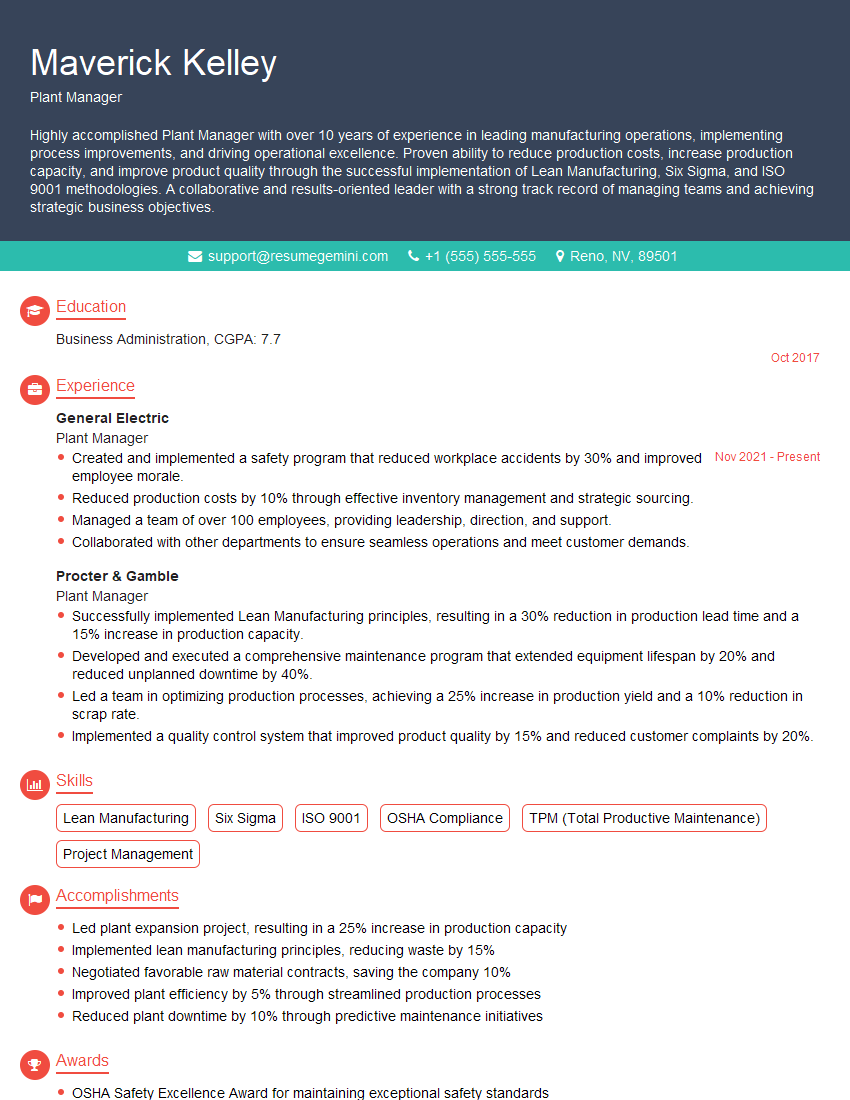
Plant Manager Resume Sample

Quality Assurance Manager Resume Sample

Quality Control Manager Resume Sample
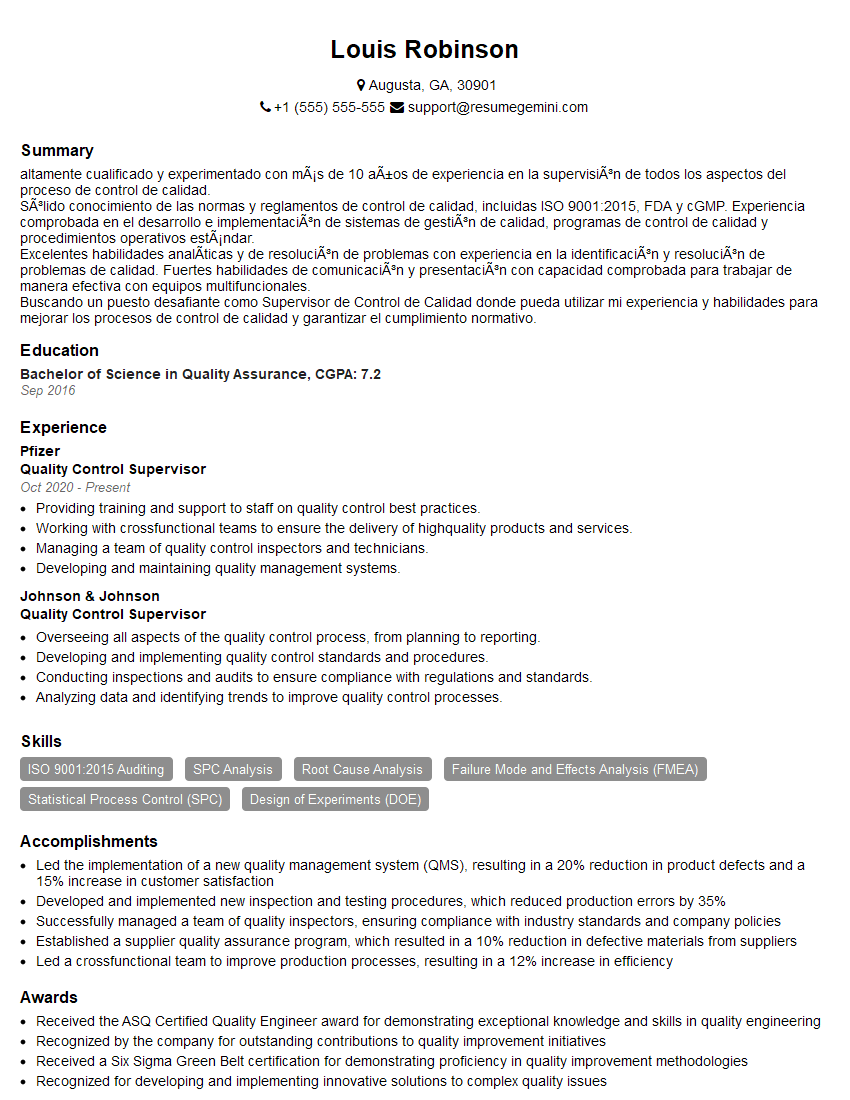
Quality Control Supervisor Resume Sample
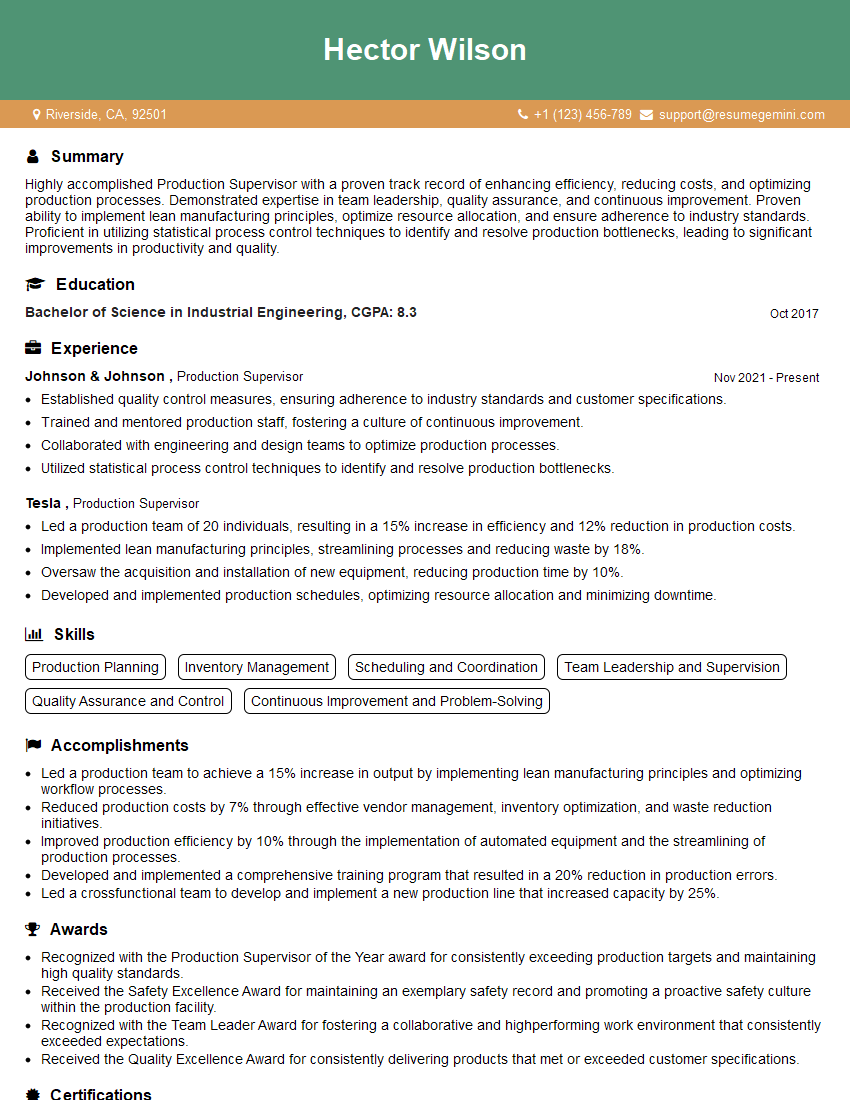
Production Supervisor Resume Sample

Supply Chain Manager Resume Sample
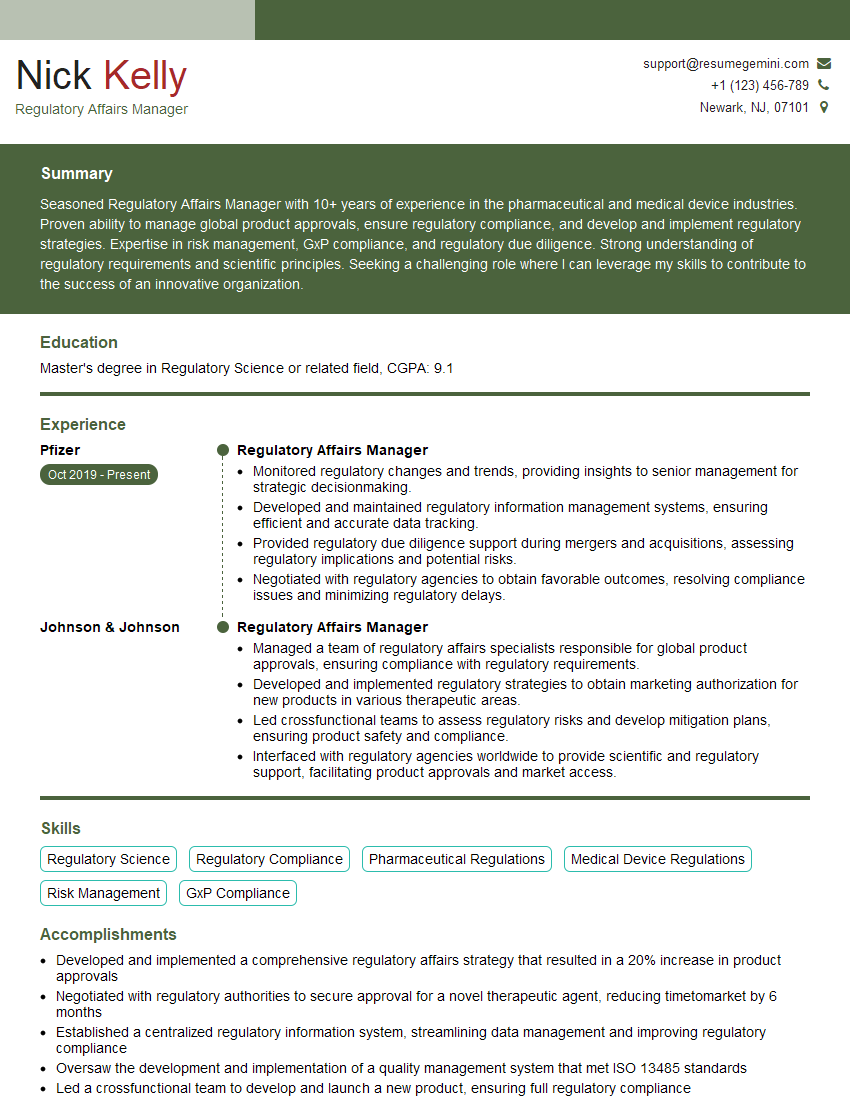
Regulatory Affairs Manager Resume Sample
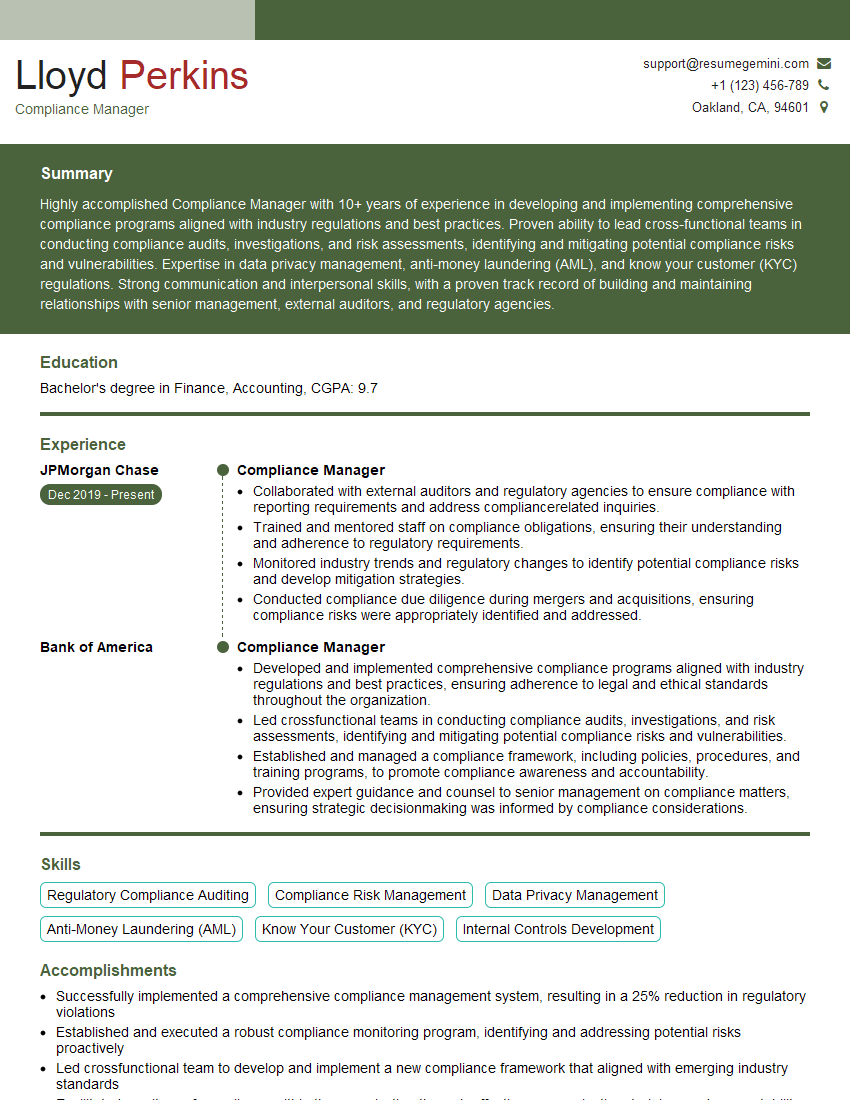
Compliance Manager Resume Sample
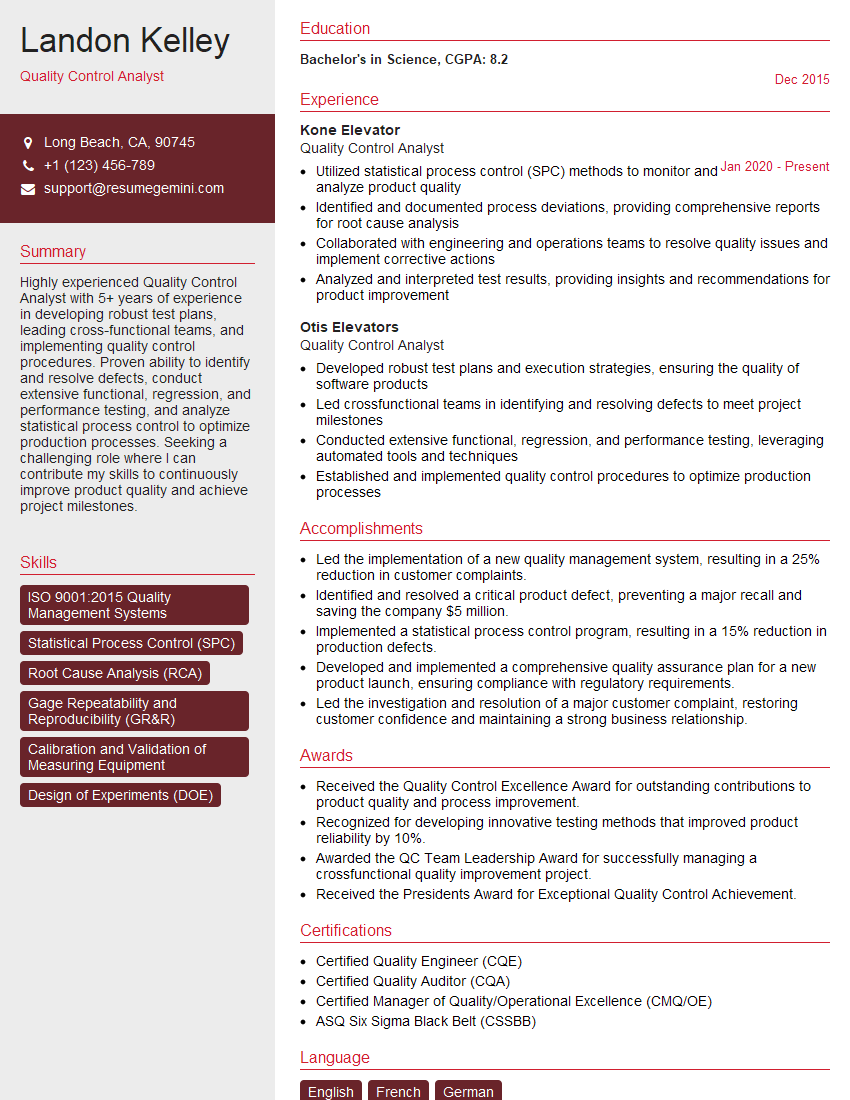
Quality Control Analyst Resume Sample
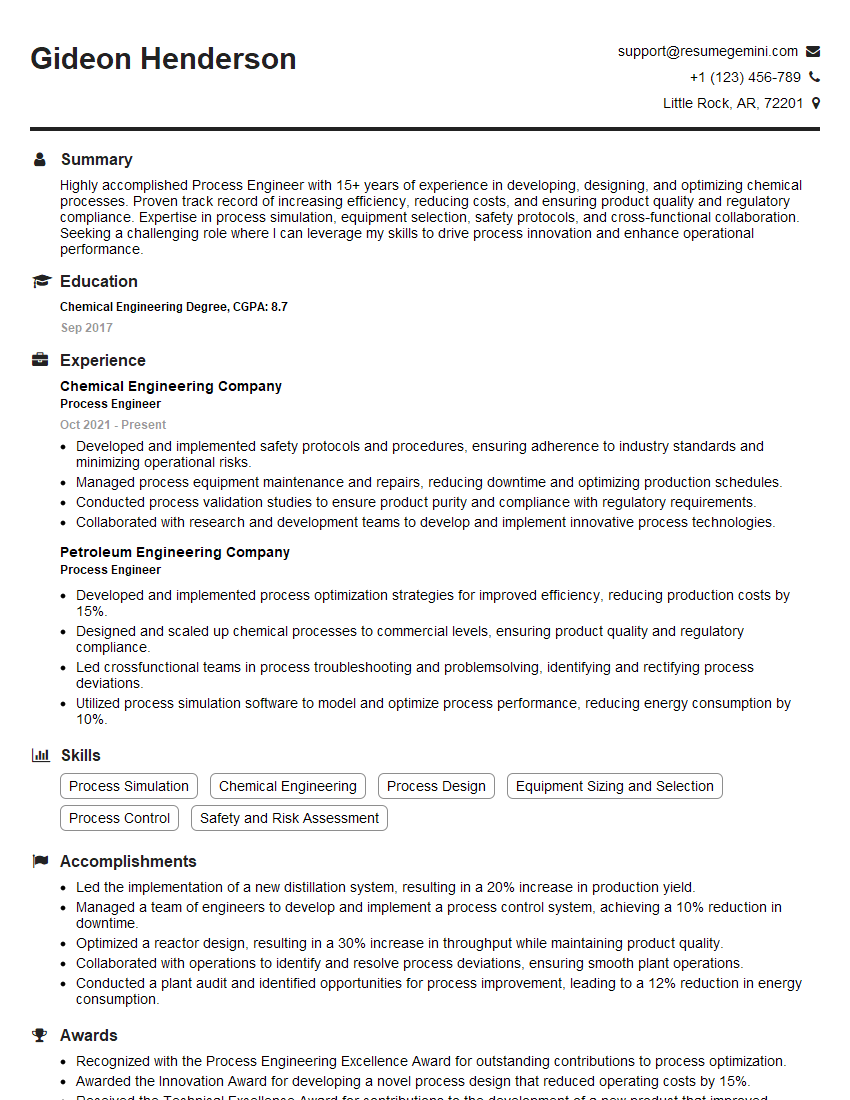
Process Engineer Resume Sample

Packaging Engineer Resume Sample

Food Technologist Resume Sample

Microbiologist Resume Sample
Explore more articles
Users Rating of Our Blogs
Share Your Experience
We value your feedback! Please rate our content and share your thoughts (optional).
What Readers Say About Our Blog
Really detailed insights and content, thank you for writing this detailed article.
IT gave me an insight and words to use and be able to think of examples